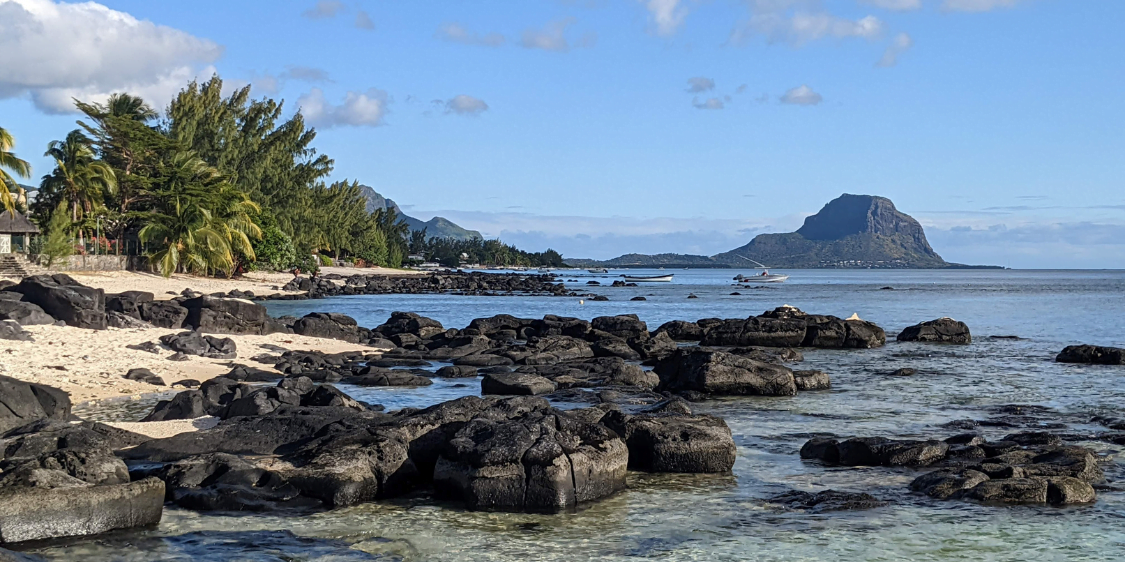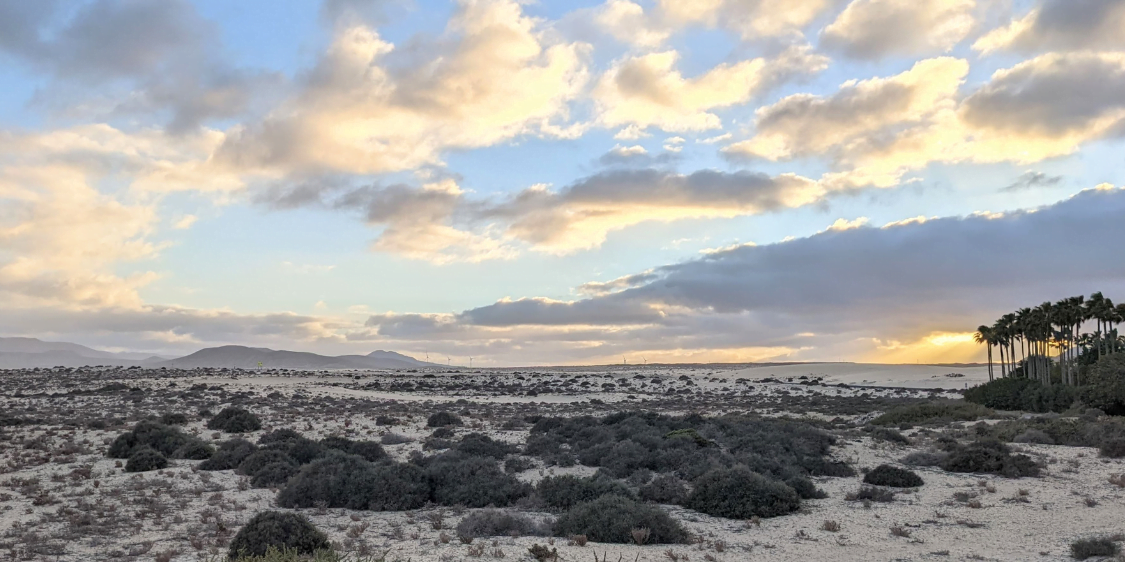
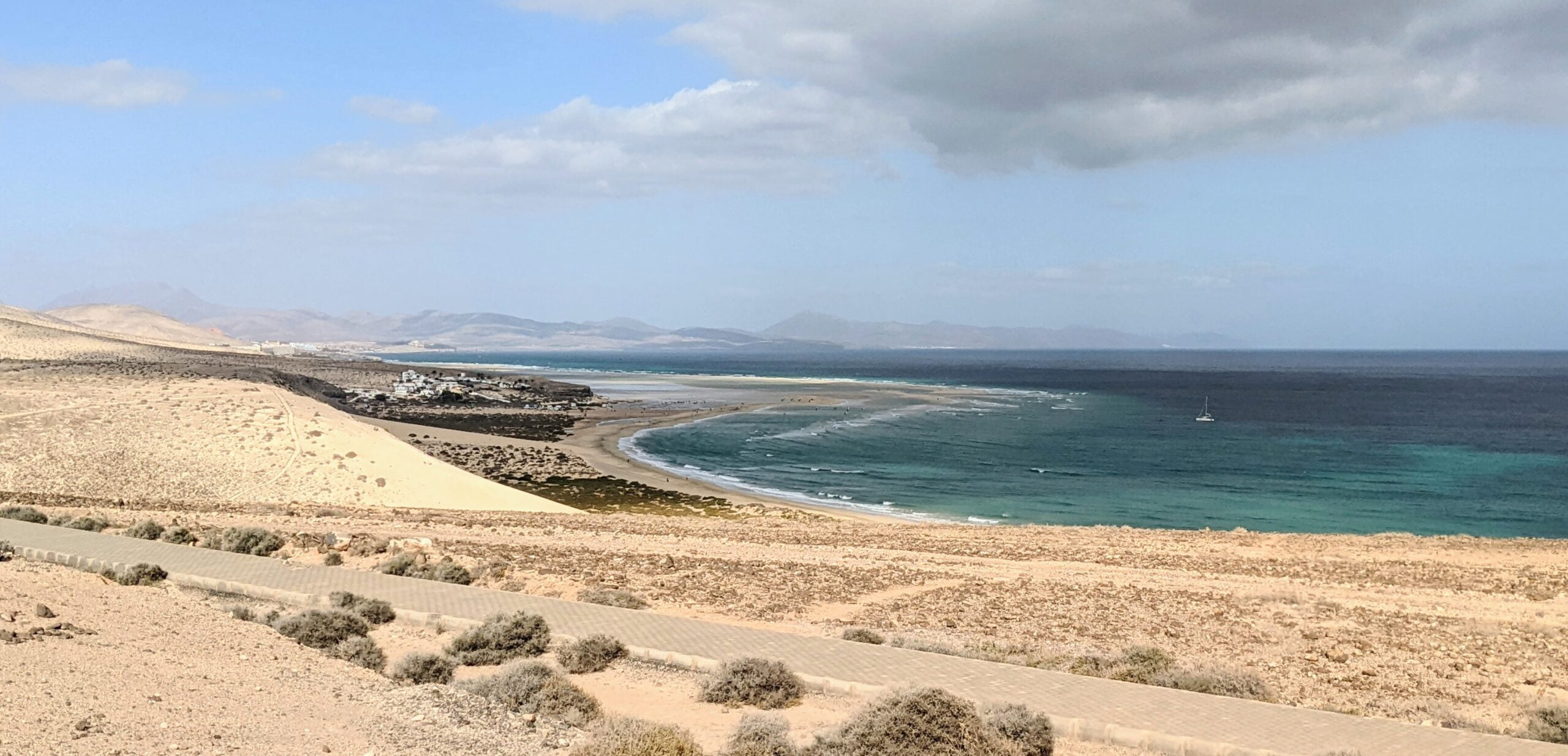
While Fuerteventura is renowned for its magnificent golden sandy beaches and crystal-clear waters, the island also abounds in natural wonders to discover, including the sand dunes of Corralejo Natural Park and the extinct volcanoes of Jandia Natural Park. With warm temperatures in summer and mild ones in winter, it’s an ideal destination for a relaxed sun break at any time of year.
Let us create your customized trip for an unforgettable experience, perfectly tailored to your expectations and budget.
Contact us today at hello@nanoo.travel for your personalized quote.
Fuerteventura in a nutshell
Formerly known as Fortaventure, Fuerteventura is the second-largest island in Spain’s Canary archipelago. The island is located in theAtlantic Ocean, around 100 kilometers off the coast of southern Morocco. It is characterized by arid landscapes of dunes and volcanoes.
Formed by volcanic eruptions over twenty million years ago, Fuerteventura is the oldest of the Canary Islands. Its first inhabitants, the Guanches or Majoreros, probably arrived from North Africa around the 1st millennium BC. Other peoples followed, including the Phoenicians (11th century BC), Greeks, Romans, Arabs (999 AD) and Moors, but none established permanent settlements.
In 1408, Jean de Béthencourt, a Frenchman in the service of Castile, subdued the Guanches during an expedition to the Canary Islands. In 1424, Fuerteventura became Spanish and, in 1456, feudalism was established.
In 1740, the English attempted to retake the island from the Spanish, but their two attempts to invade failed. In 1836, feudal law was abolished. Fuerteventura became an autonomous region in 1912. By the 1960s, tourism had become the island’s main economic activity.
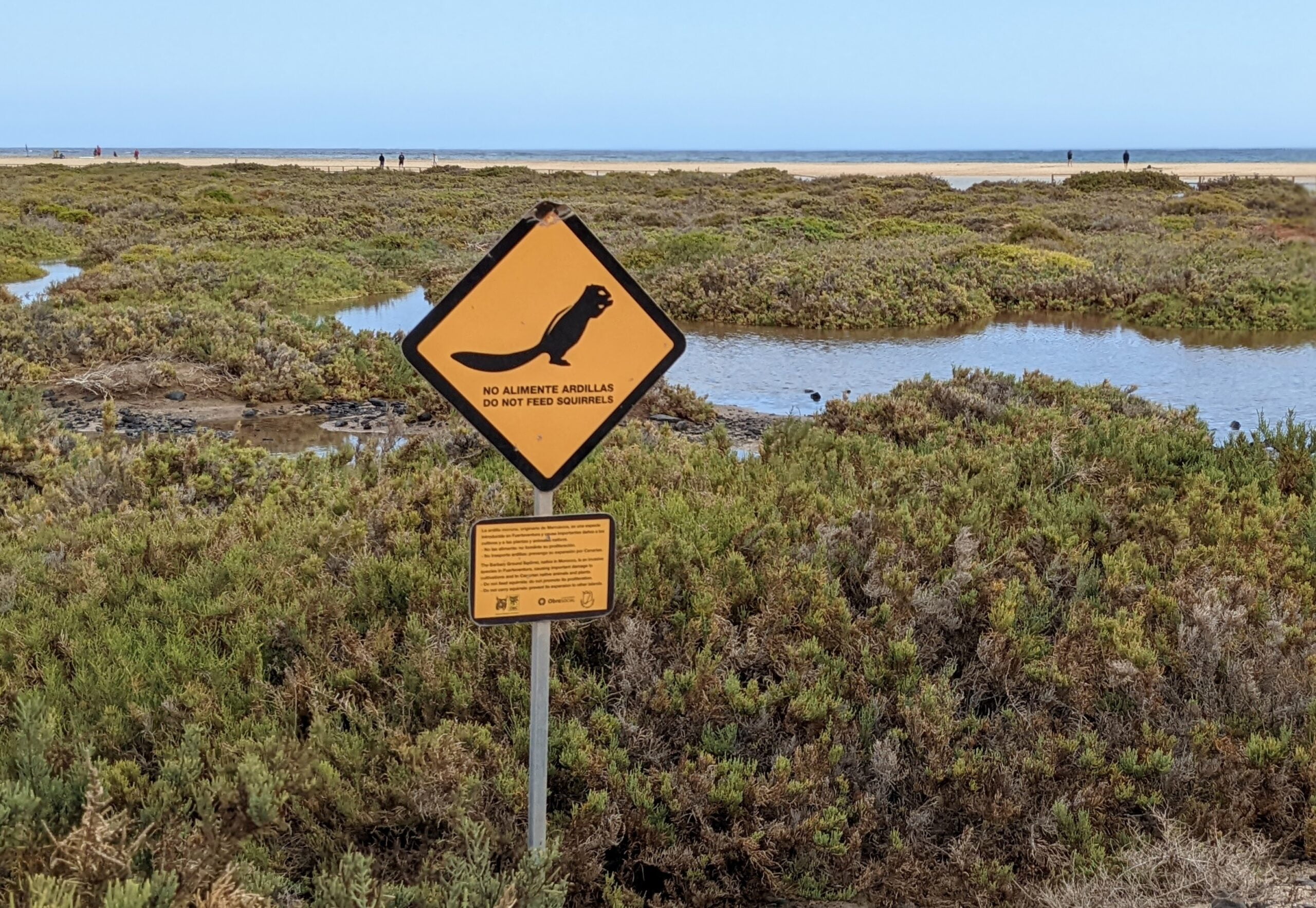
➜ In 1965, a pair ofBarbary squirrels was introduced to the island of Fuerteventura. In the absence of predators, the species quickly becomes invasive, much to the annoyance of local residents. So it’s not unusual to see signs warning you not to feed them!
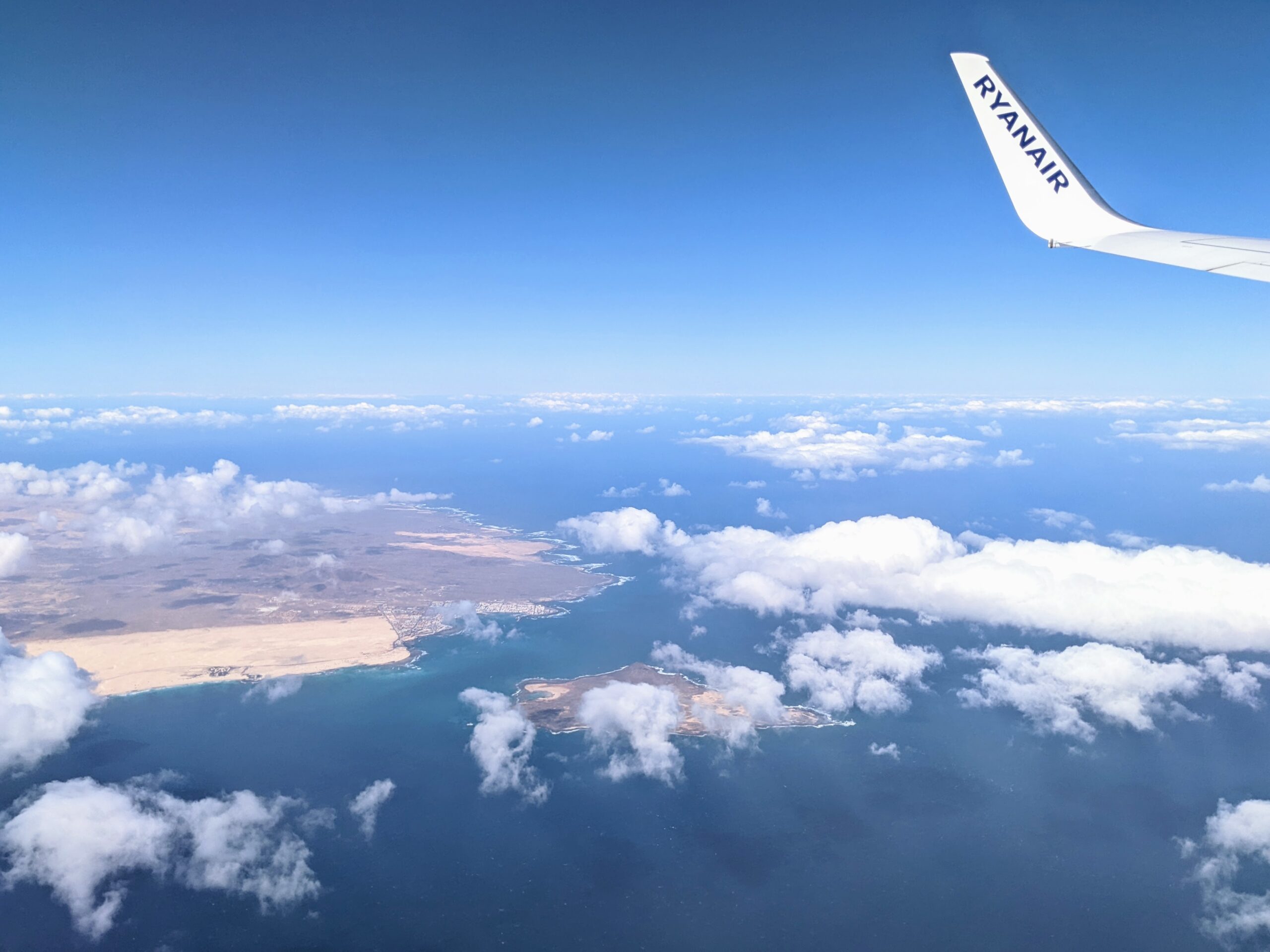
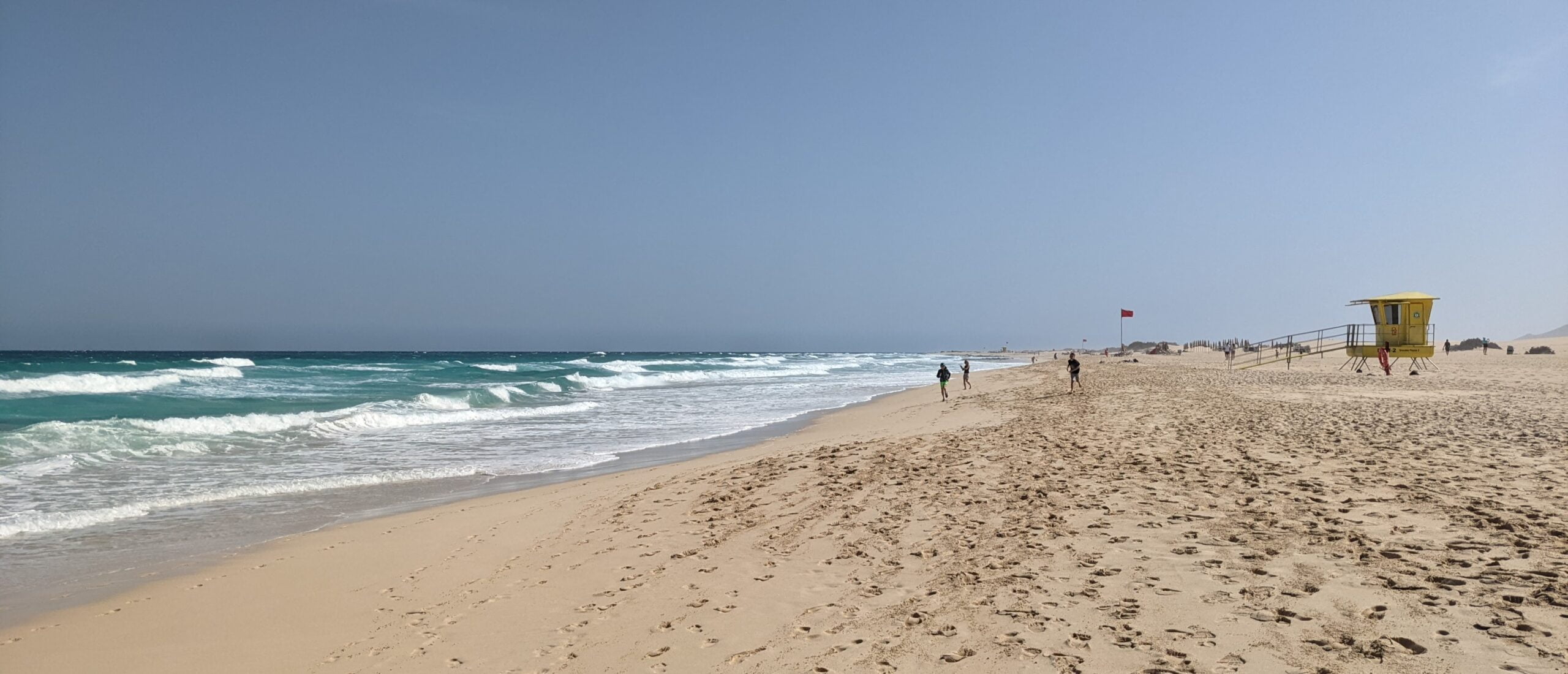
Where to stay in Fuerteventura?
Fuerteventura offers a wide variety of accommodation, from luxury hotels to rental apartments and all-inclusive resorts.
- In the north of the island, the seaside resort of Corralejo is one of the most popular destinations for tourists. There are numerous hotels, bars, boutiques and restaurants.
- Close to the airport, the Costa Caleta area is home to luxury hotels, all-in resorts and golf courses.
- In the south of the island, Morro Jable offers numerous hotels and restaurants along the beach.
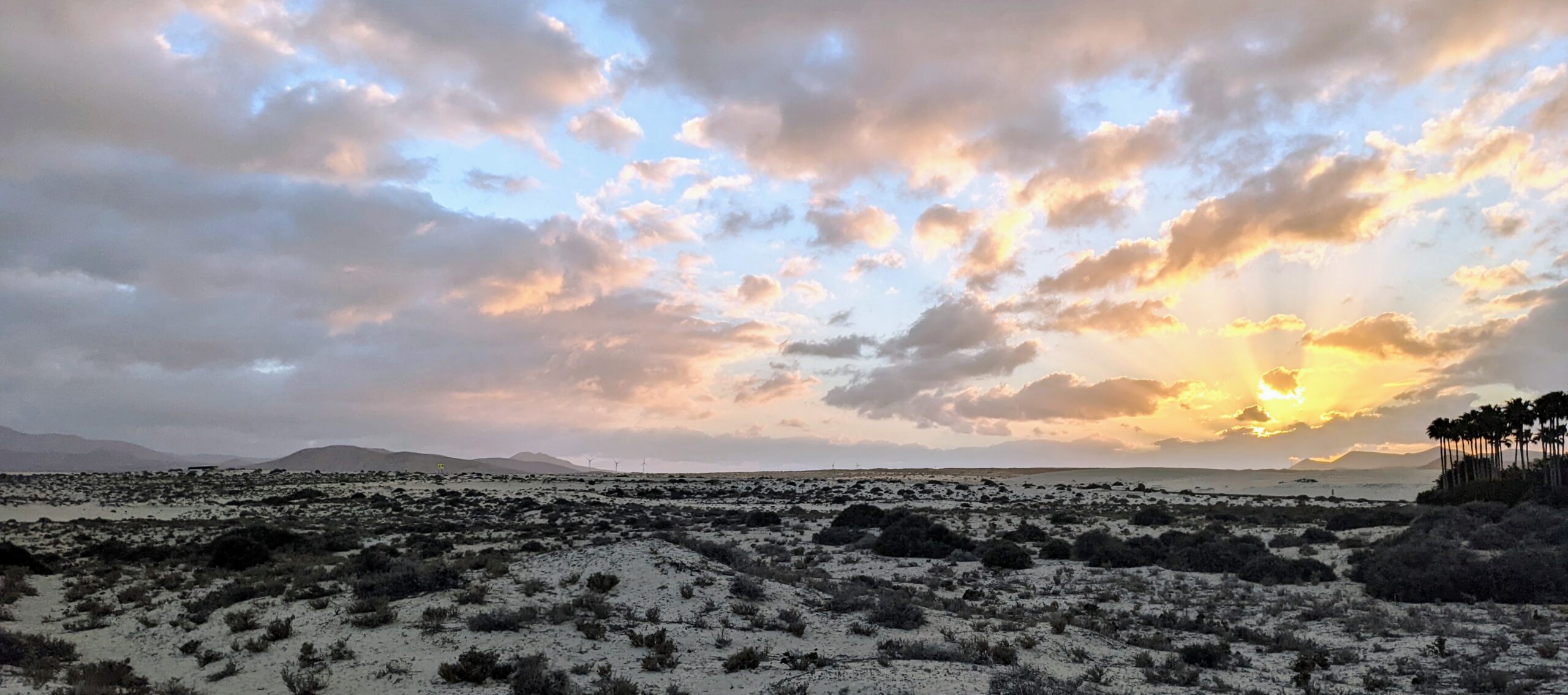
➜ Our choice fell on theHotel Riu Oliva Beach Resort, a hotel complex located on the north coast of Fuerteventura, with direct access to Grandes Playas beach and an exceptional location in the Corralejo dunes.
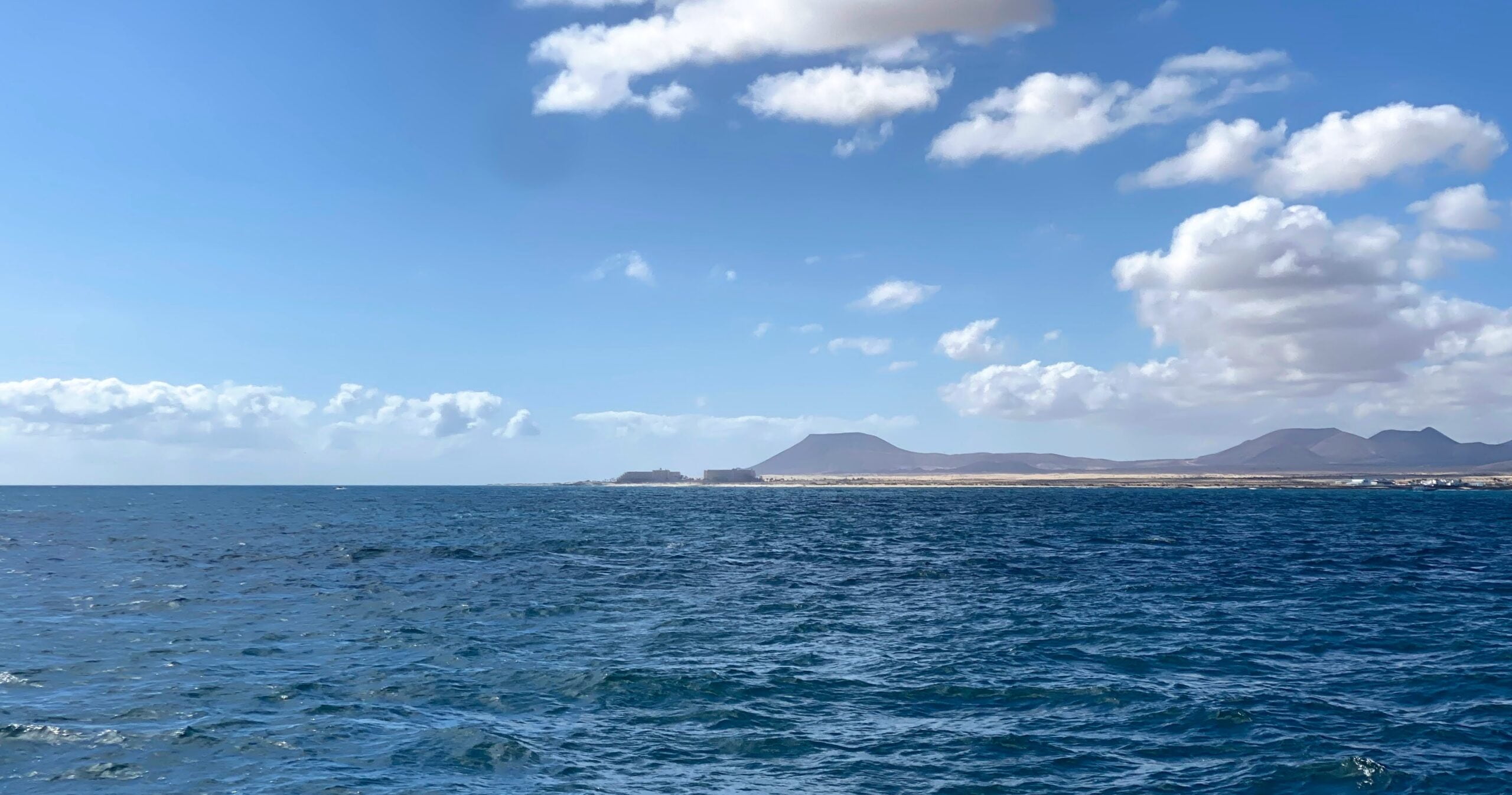
Although a little outdated, the hotel has spacious family rooms and a range offacilities that are comfortable when traveling with children (swimming pools, sports fields, buffet restaurants, kids’ club, etc.), all at a very reasonable all-inclusive price.
The Hotel Riu Palace Tres Islas, just opposite, offers much more recent facilities, albeit at a higher price. These are the only two hotels located in the dunes of Corralejo.
Some ❤️ addresses close to the hotel
What to see and do in Fuerteventura?
Fuerteventura offers a wide range of activities for a great family vacation. Relaxing on the beach, swimming, snorkeling, golfing, paddling, surfing or hiking are just some of the things you can do from several of the island’s resorts. In excursion mode, we explored the north of the island, then the south, before taking a day cruise.
Stroll to El Cotillo and Faro de Tostón
El Cotillo is a peaceful coastal village in the north-west of Fuerteventura. Known for its magnificent beaches, white houses with blue doors and authentic character, El Cotillo lives to the rhythm of local fishermen and tourists who come to sample traditional Canarian cuisine in one of the many restaurants scattered around the village’s charming alleyways.
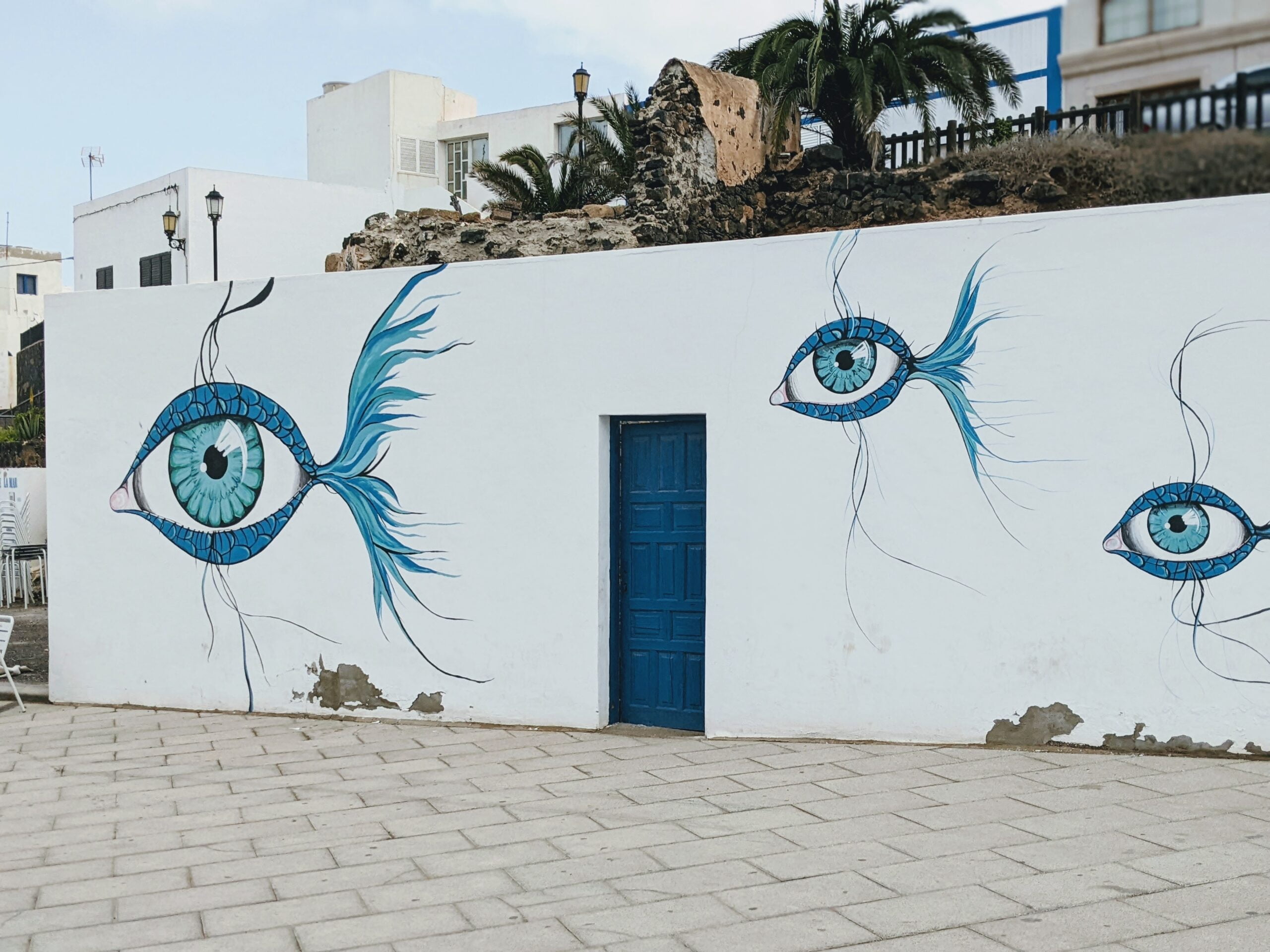
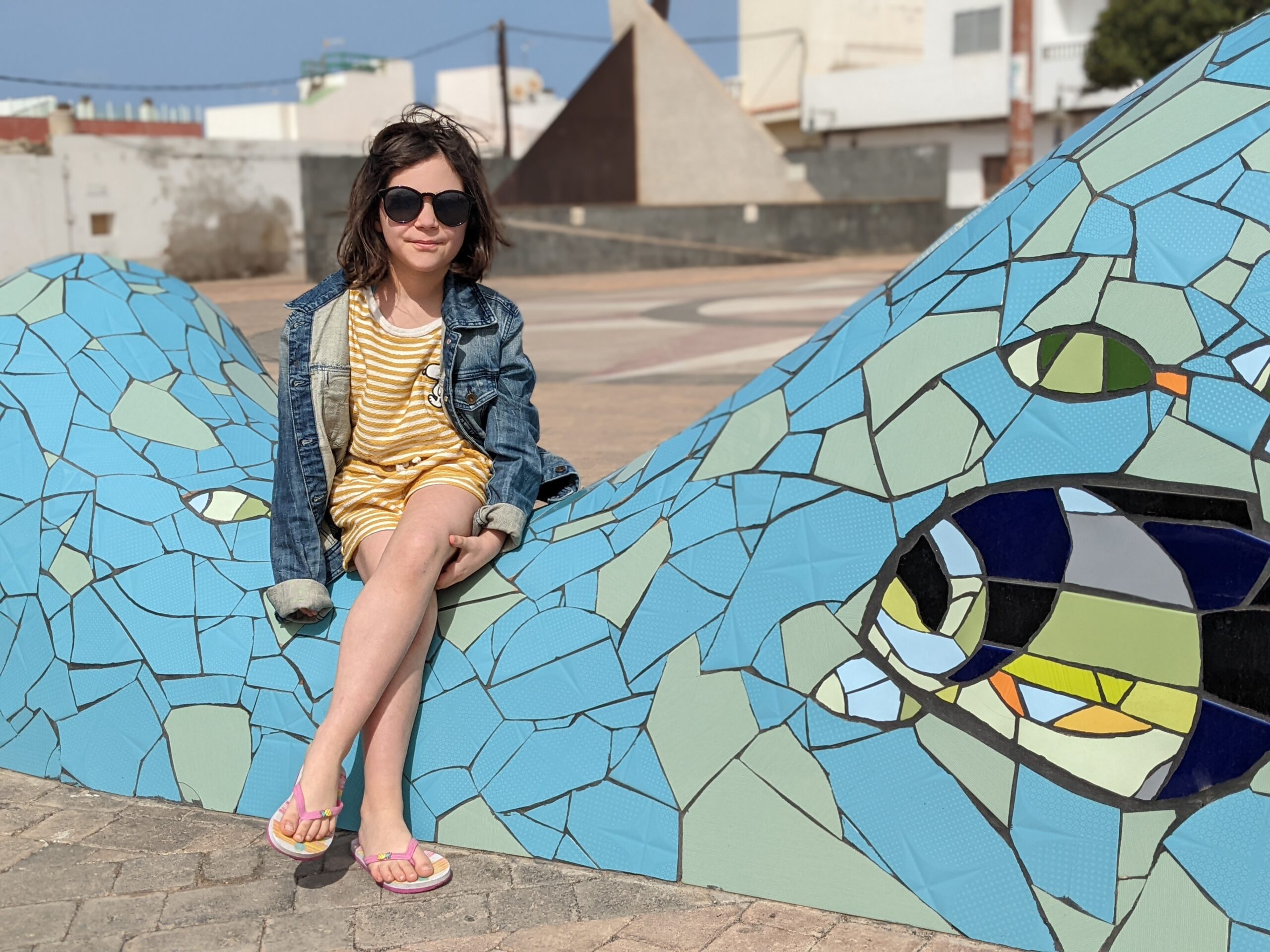
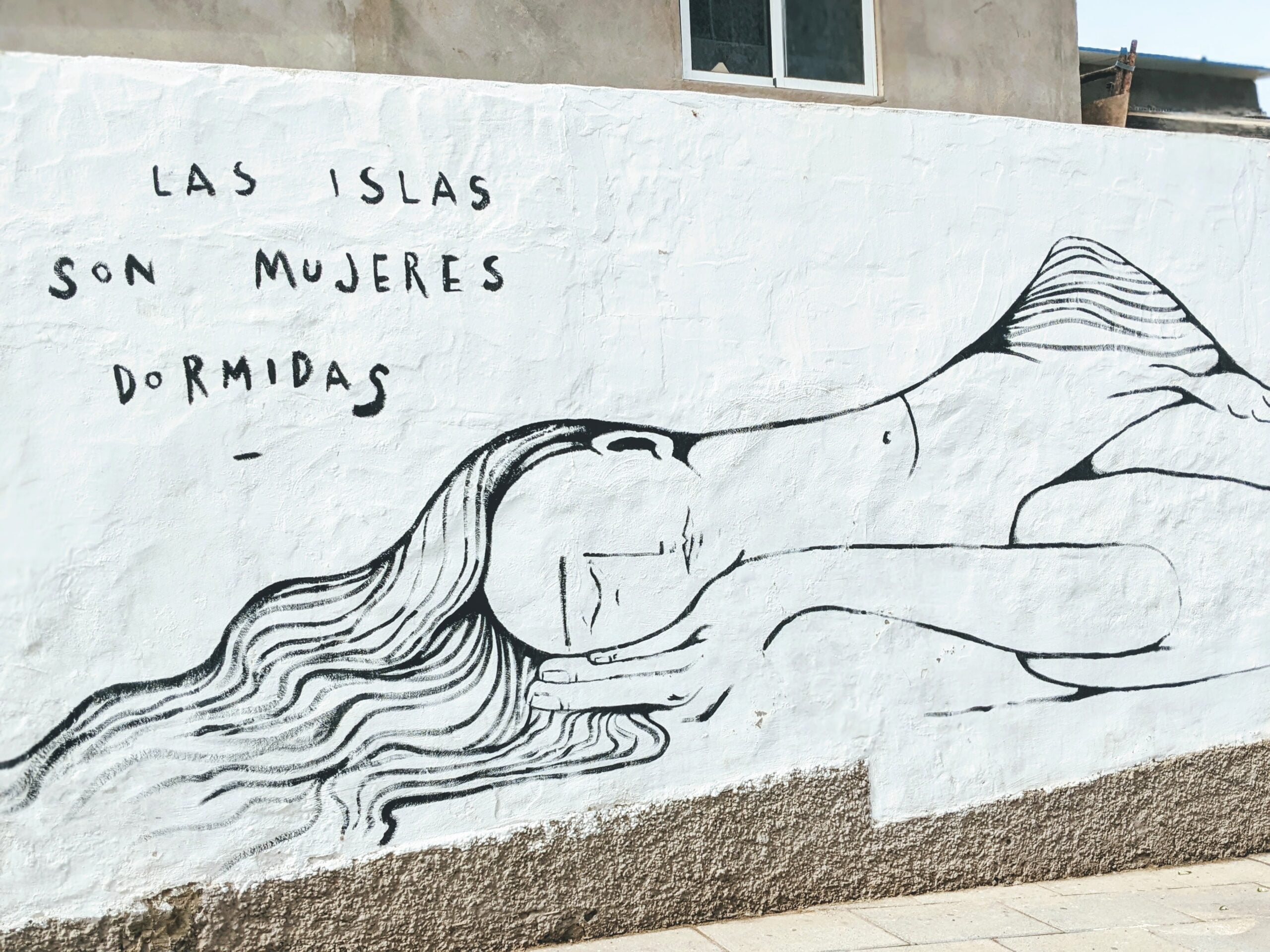
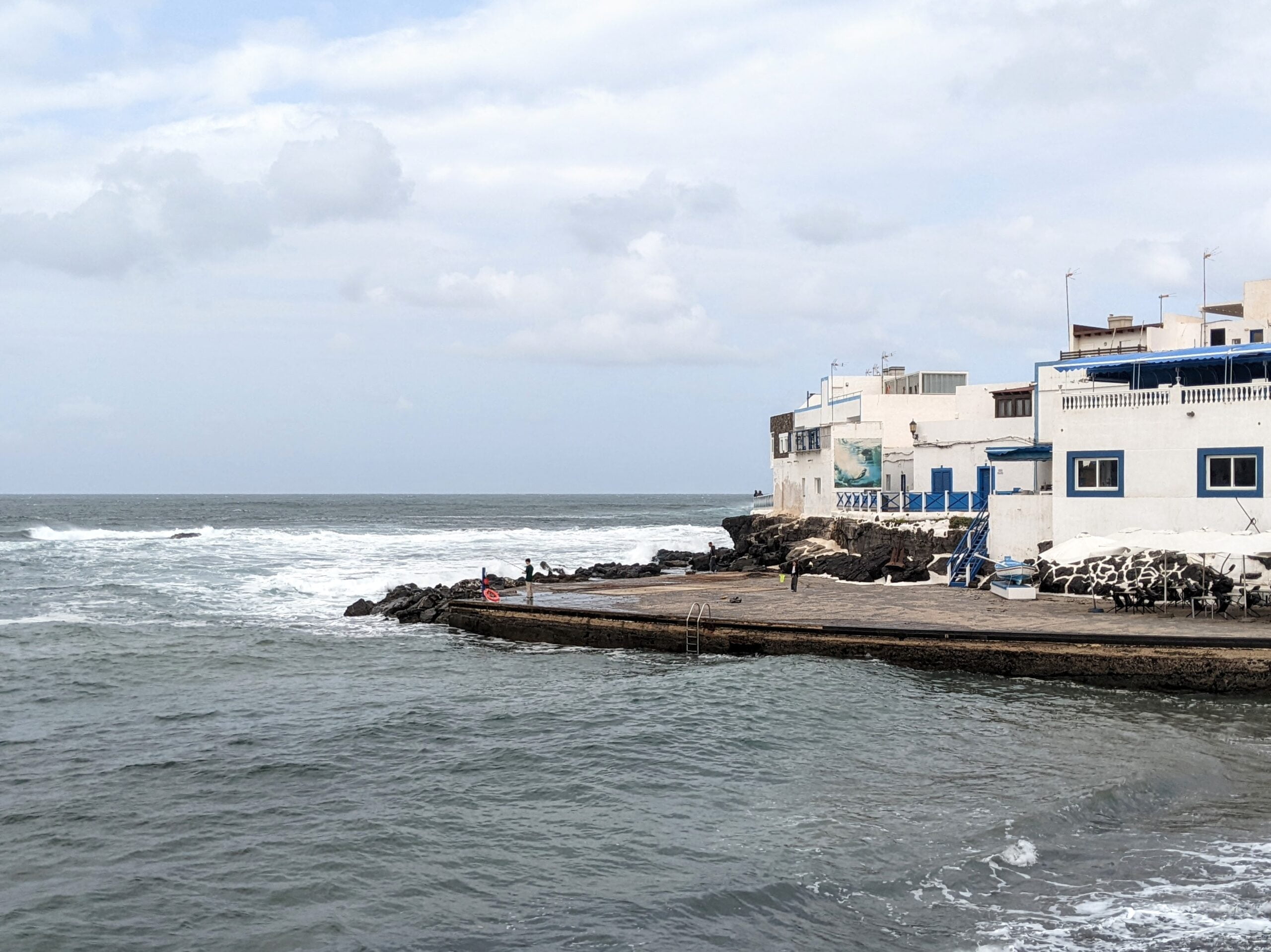
With very favorable wind and wave conditions, El Cotillo is also a popular destination for surfers. Piedra Playa and Playa de Esquizo are among the most popular beaches for surfing and kitesurfing.
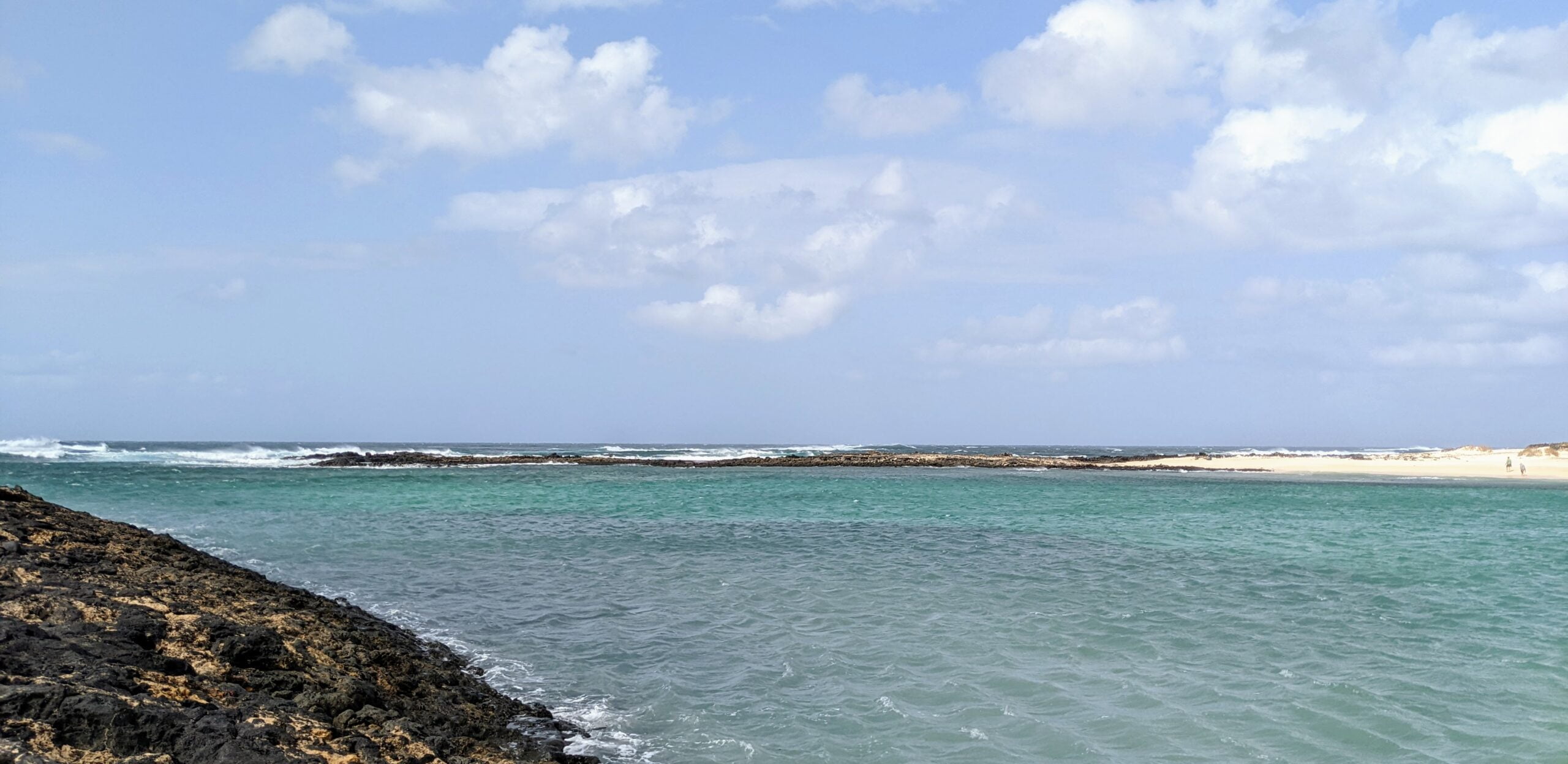
North of El Cotillo, pristine beaches invite you to relax in a much less touristy atmosphere than other Fuerteventura resorts. Among them, Playa de la Concha offers a bathing area protected from the waves by an imposing barrier of rocks at the head of the bay. Crystal-clear water, fine sand contrasting with black lava rocks and a few small beachside restaurants make this an ideal destination for family relaxation.
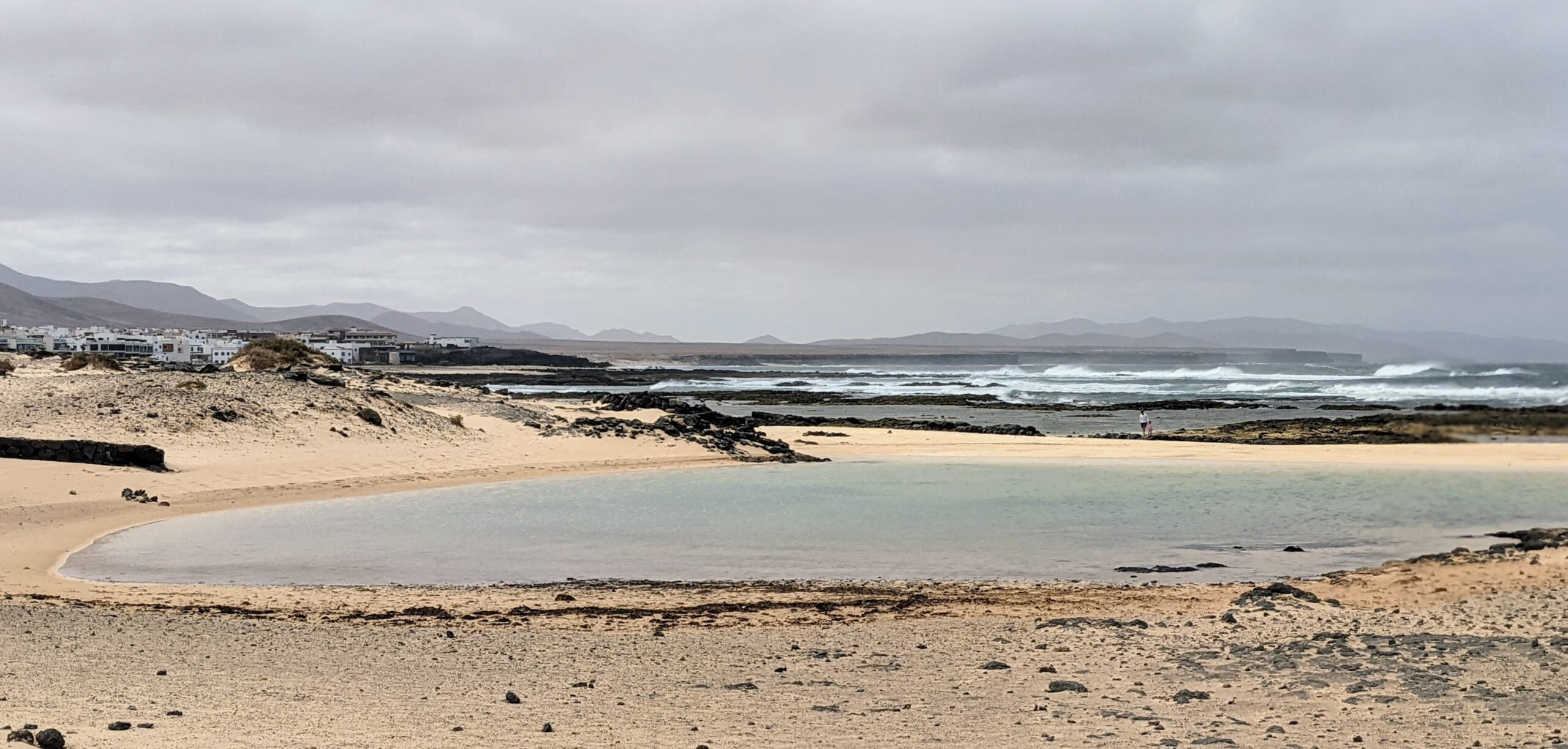
Not far from here, the Los Charcos coves combine white sand, black basalt flows and transparent water to form a series of natural swimming pools.
4 kilometers north of El Cotillo, the Toston lighthouse (Faro del Tostón), built in the 19th century, together with the Punta Pechiguera lighthouse in Playa Blanca, marks the Bocayna strait between the islands of Fuerteventura and Lanzarote.
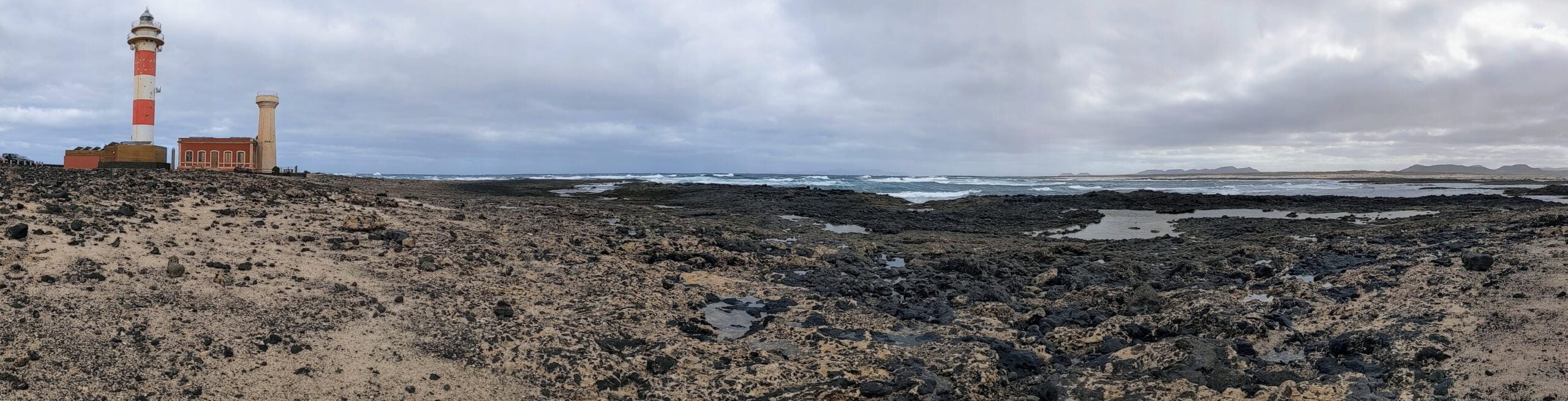
Faro del Tostón is actually a complex of three lighthouses from three different generations, of which only the last is still in operation.
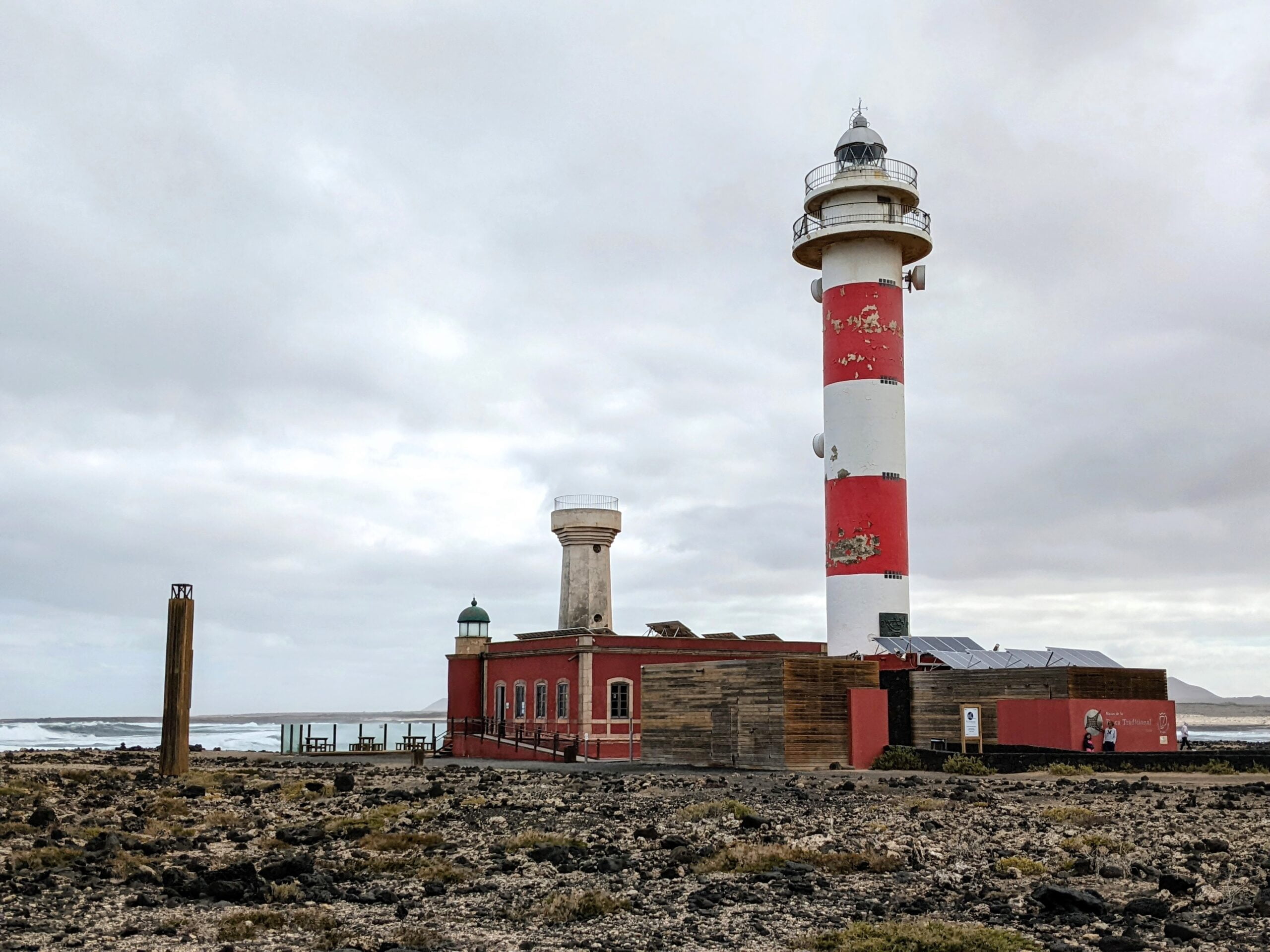
Built in 1897, the first lighthouse is a 7-metre-high masonry tower, built around the corner from the lighthouse keeper’s house. Due to its low height, a new 15-meter-high concrete tower was built in 1960, before being replaced by a third lighthouse in 1986. Painted with red and white stripes, the last tower reaches a height of 30 metres.
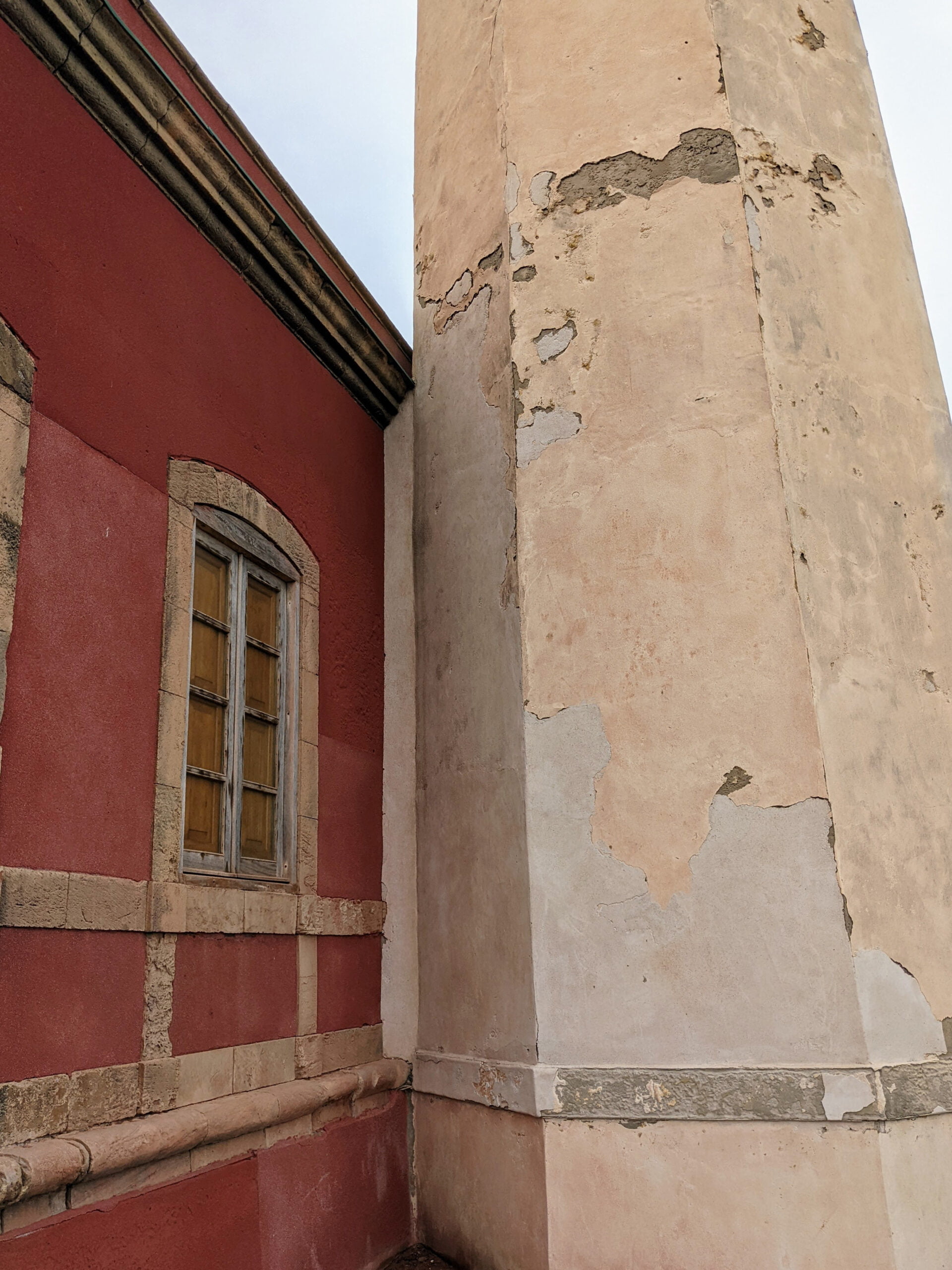
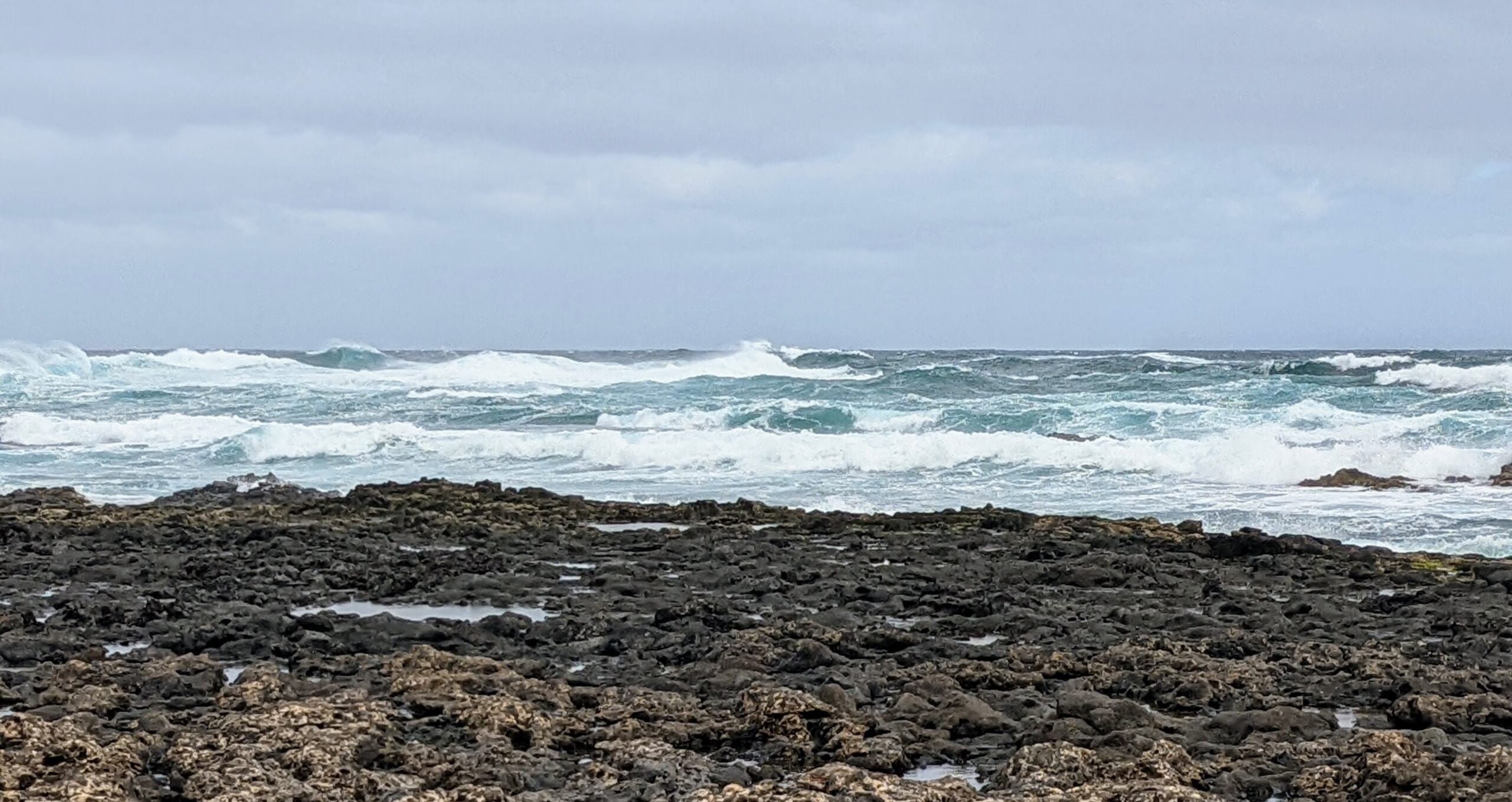
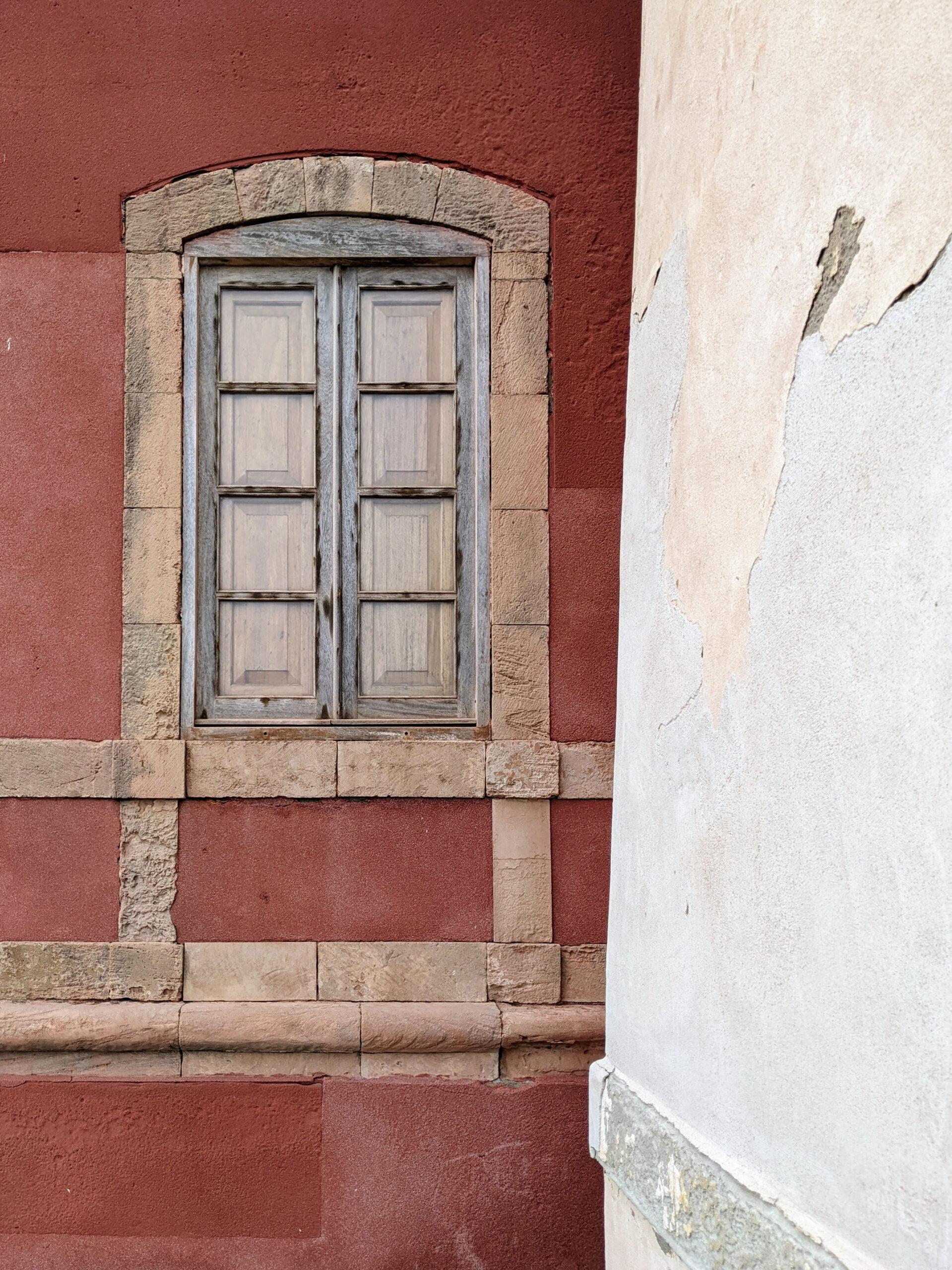
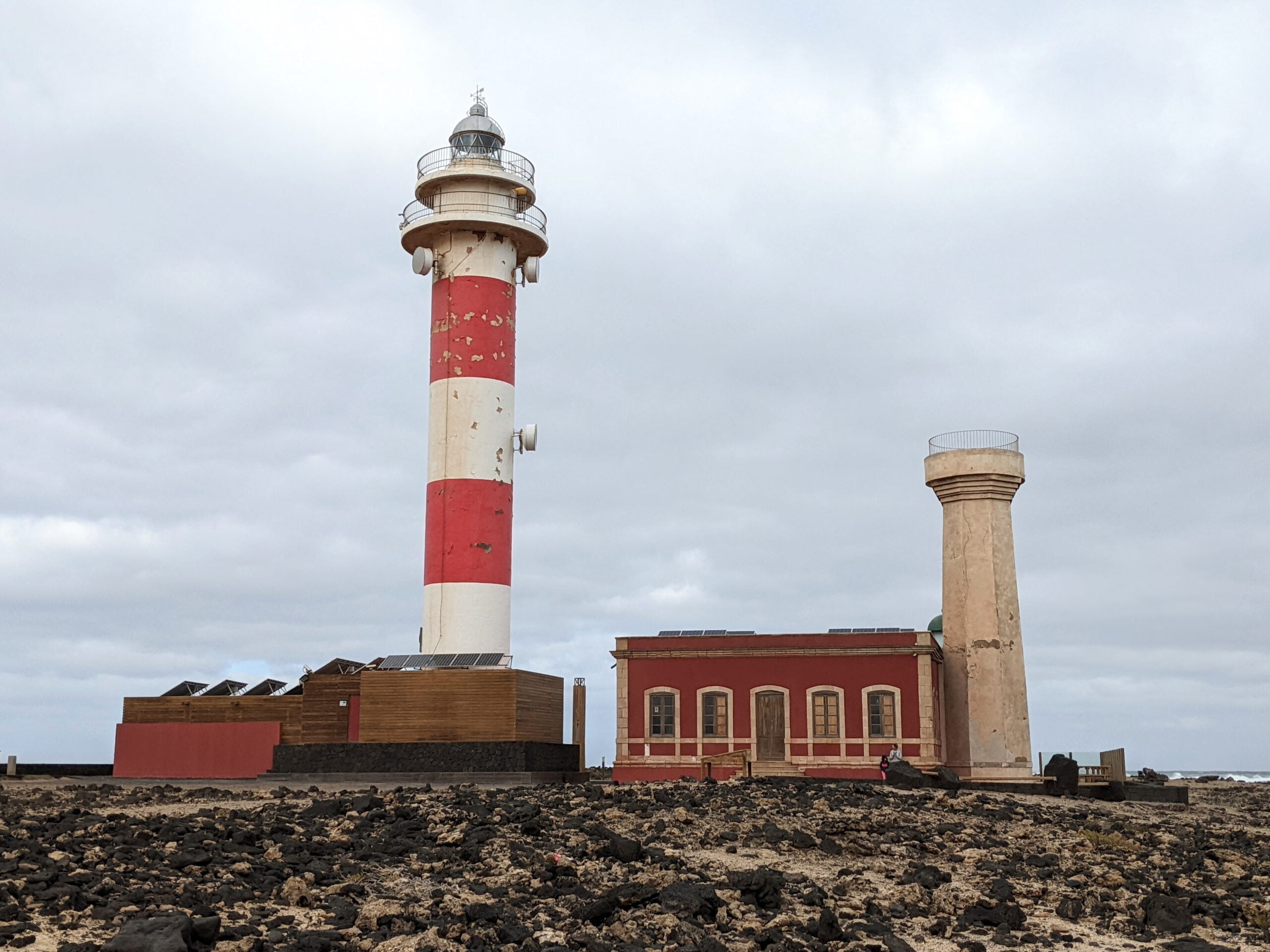
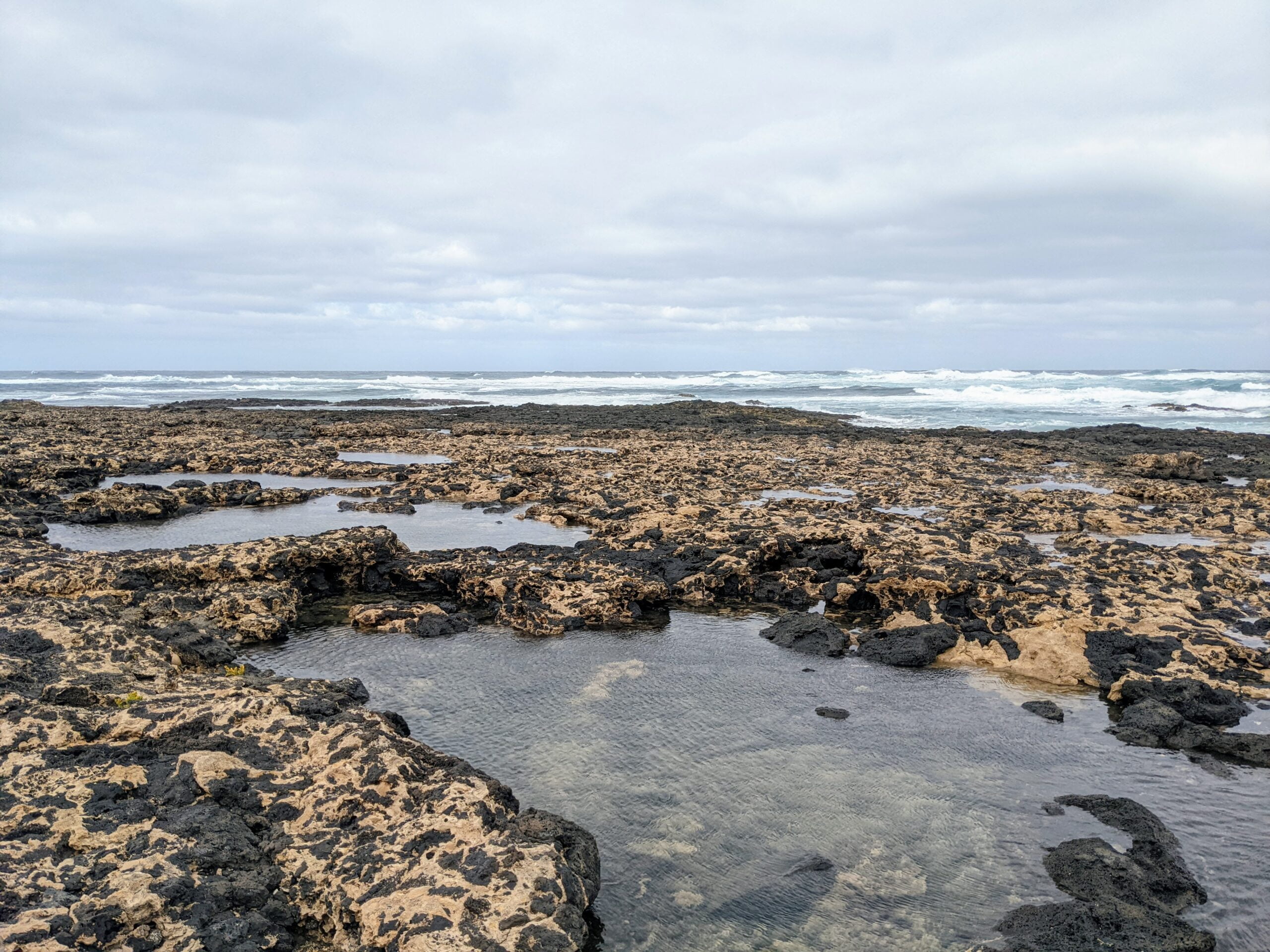
You can’t climb inside the lighthouse, but the former keeper’s house has been converted into a museum open to the public, complete with café and picnic tables. At sunset, the panoramic view of the sea and the northwest coast of Fuerteventura is absolutely magnificent.
Getaway to Punta de Jandía
From Corralejo, it’s a 2h30 drive (140km) to Punta de Jandía. So we set off for the day, planning several stops along the way…
First stop: La Lajita, a small village on the island’s east coast, best known for its proximity to theOasis Park Fuerteventuraan animal and botanical park featuring a wide variety of exotic animals, birds, reptiles and plants. Every year, La Lajita also hosts the Feria de la Lajita, an agricultural and craft fair showcasing the region’s local produce, crafts and culture.
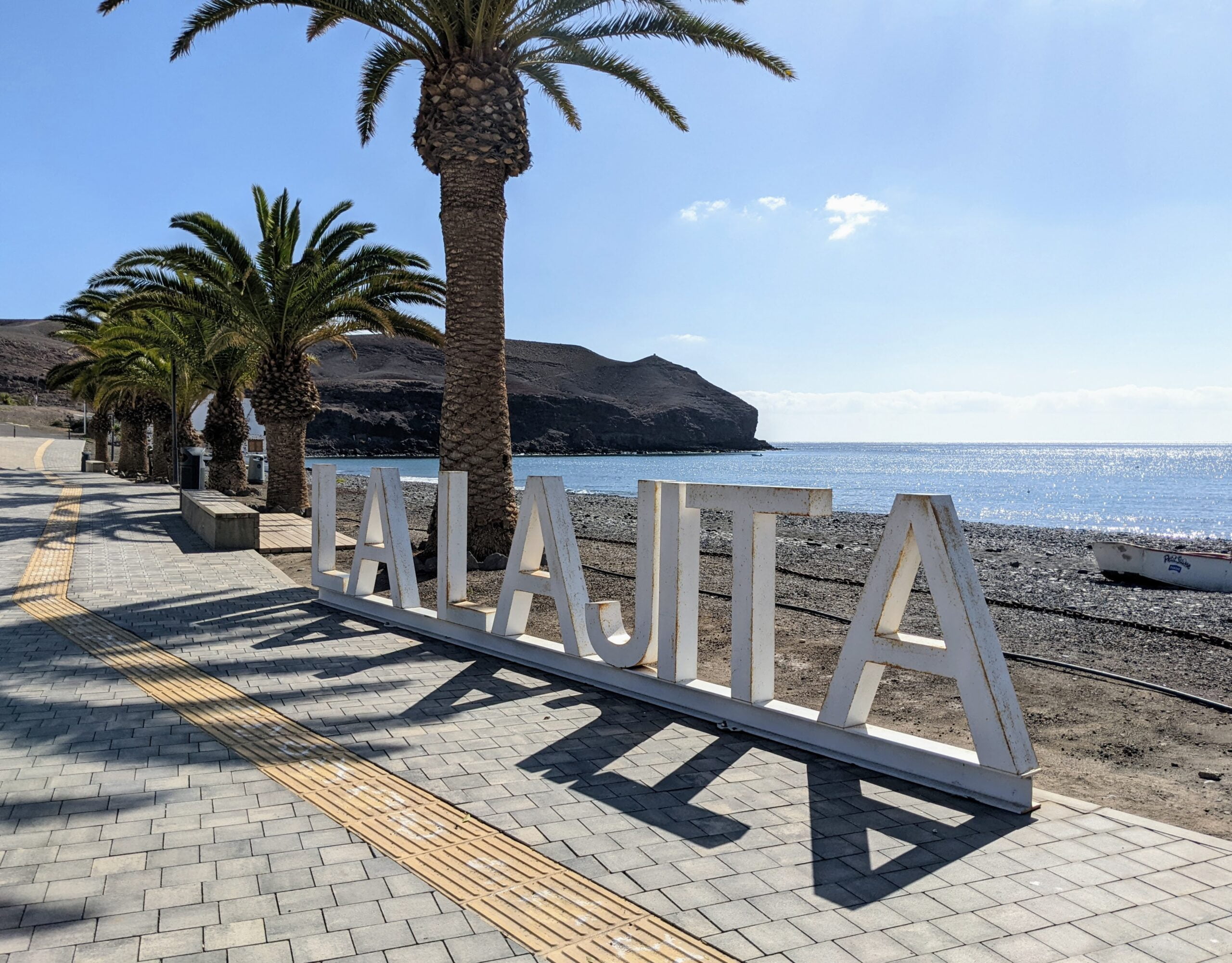
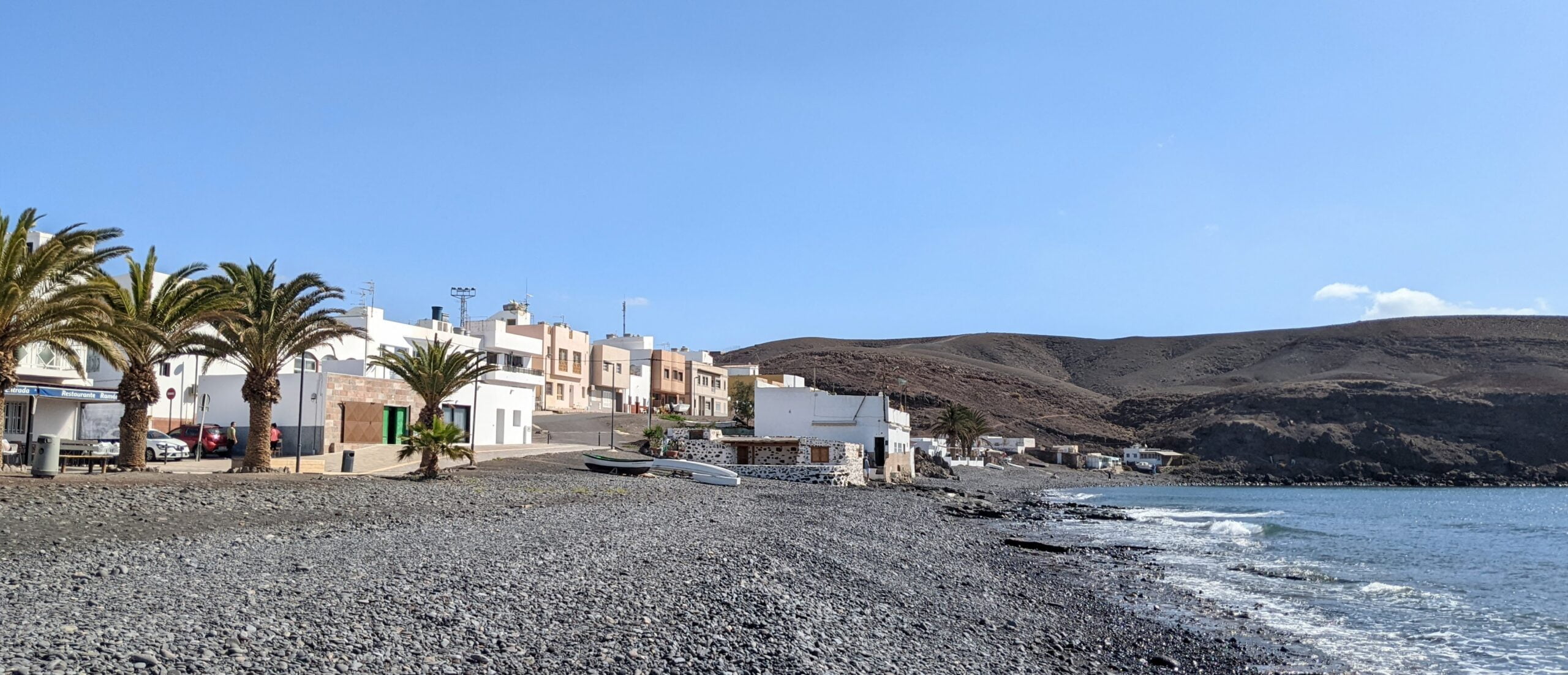
We continue southwards. Past Morro Jable, we enter one of the island’s most isolated regions, the Jandía Natural Park. Here, the tarmac road gives way to a winding, very uneven track. Better to tread carefully 😅
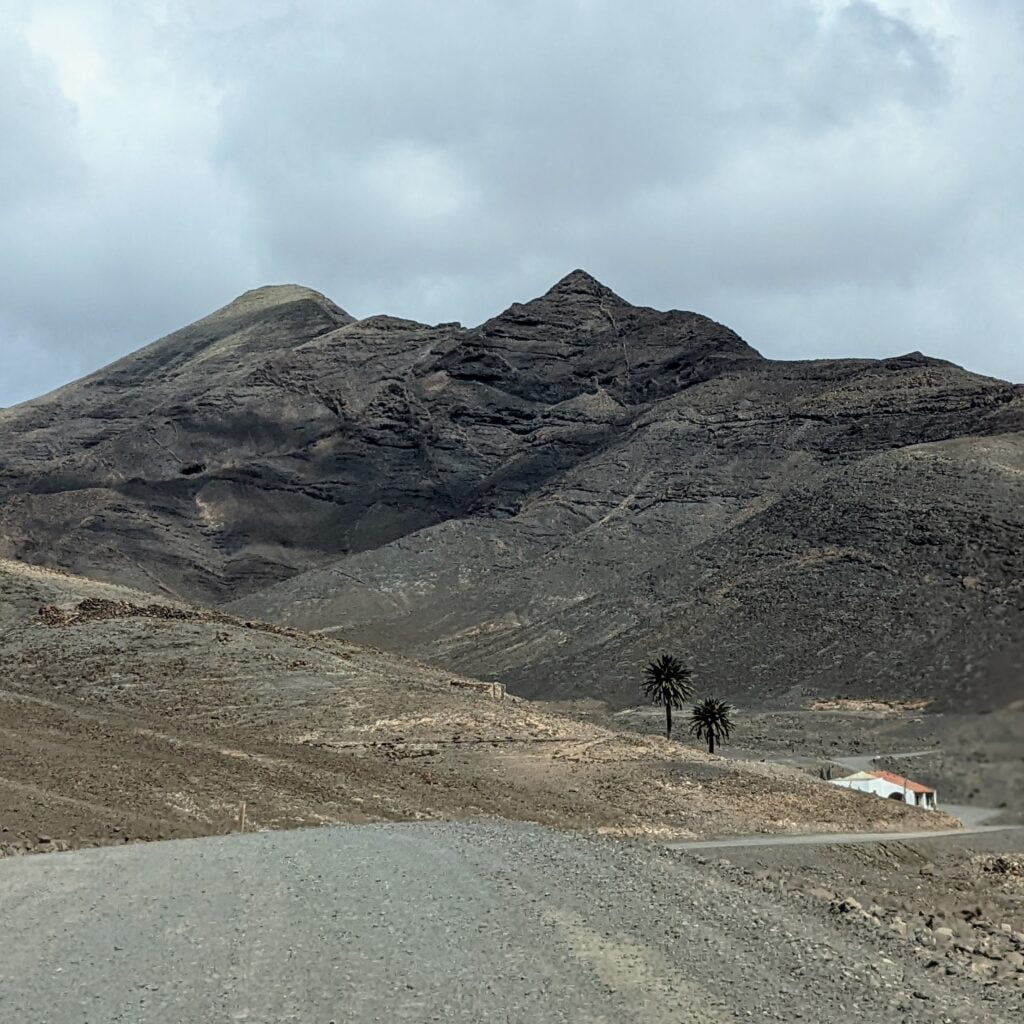
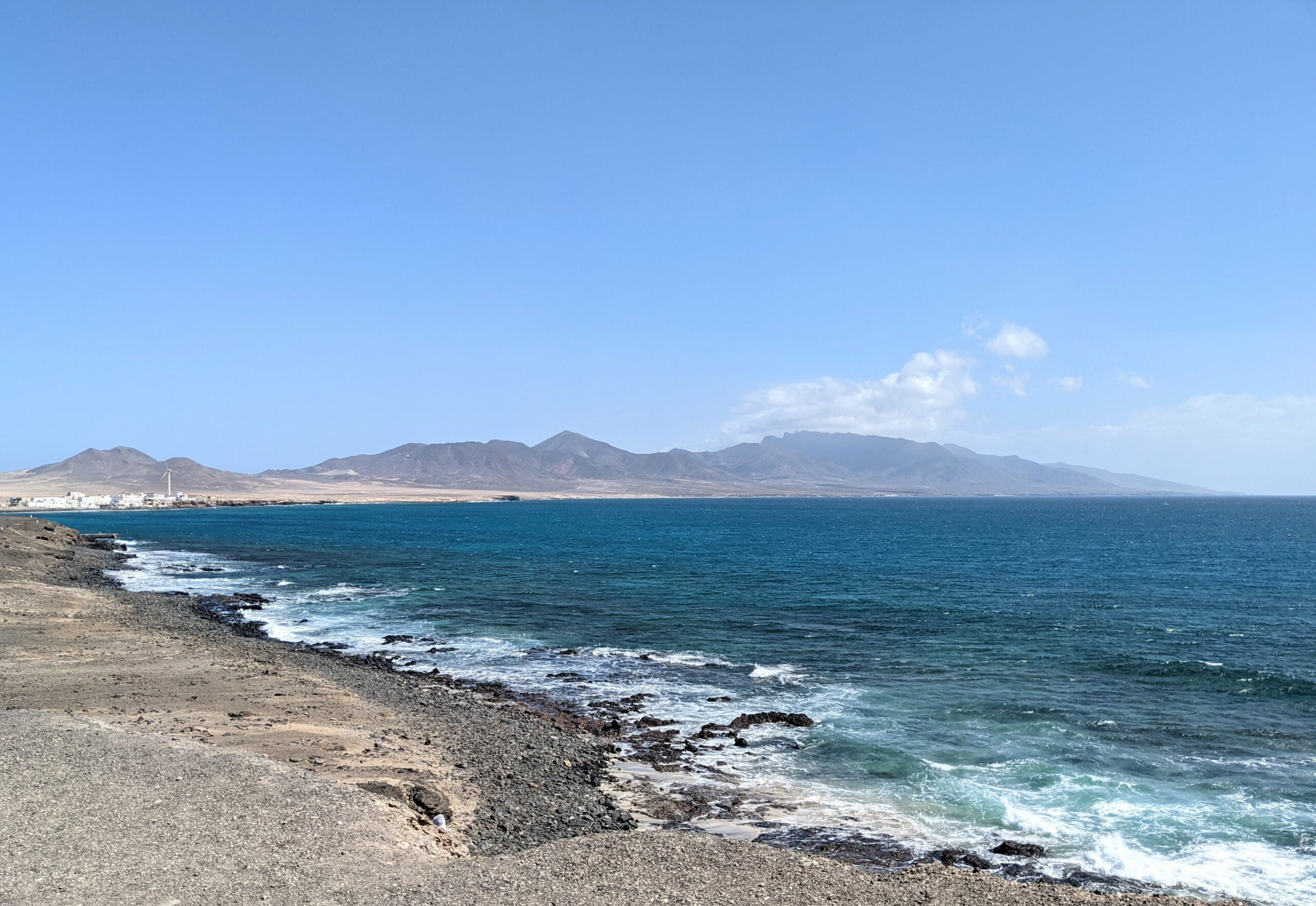
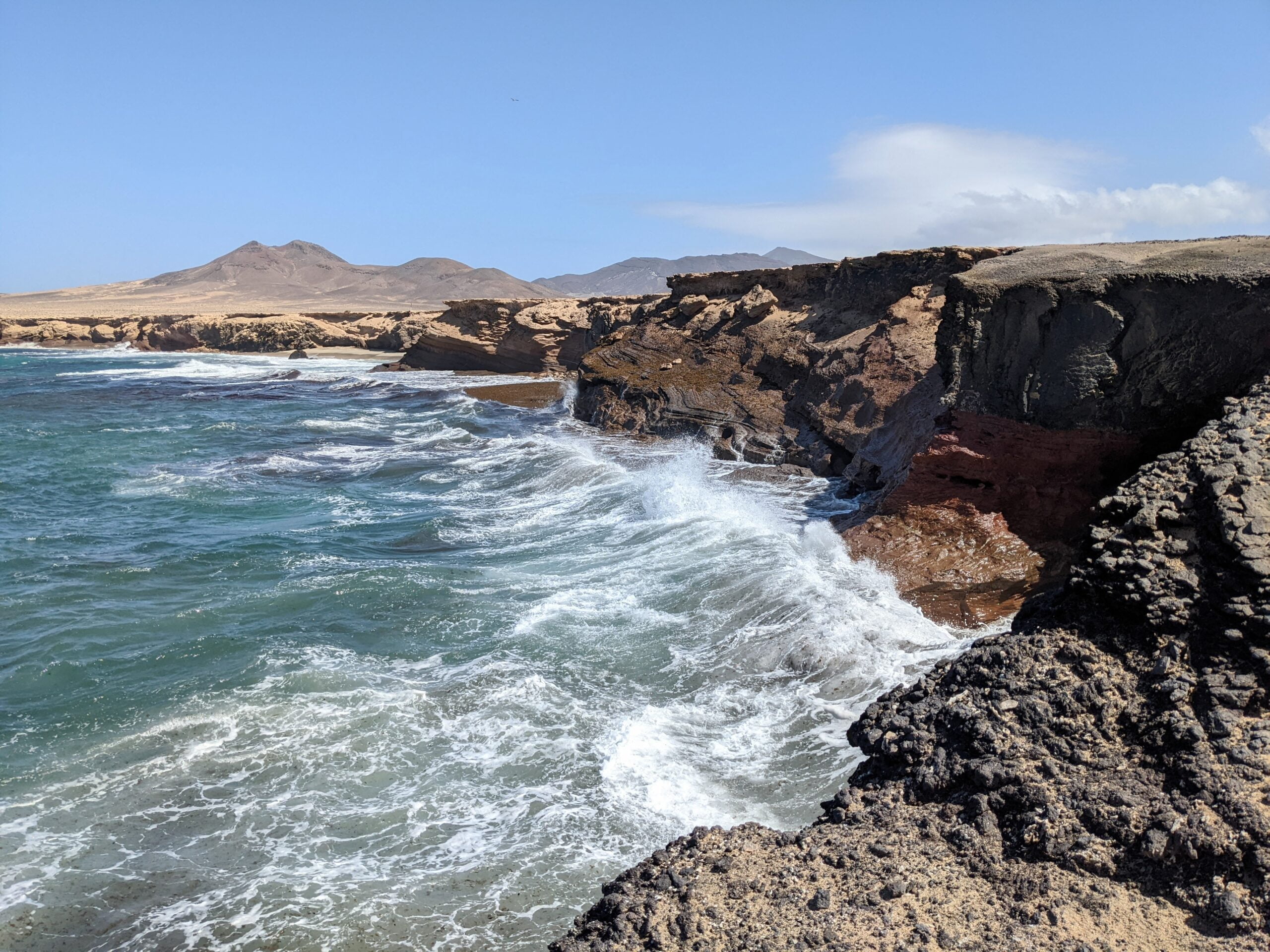
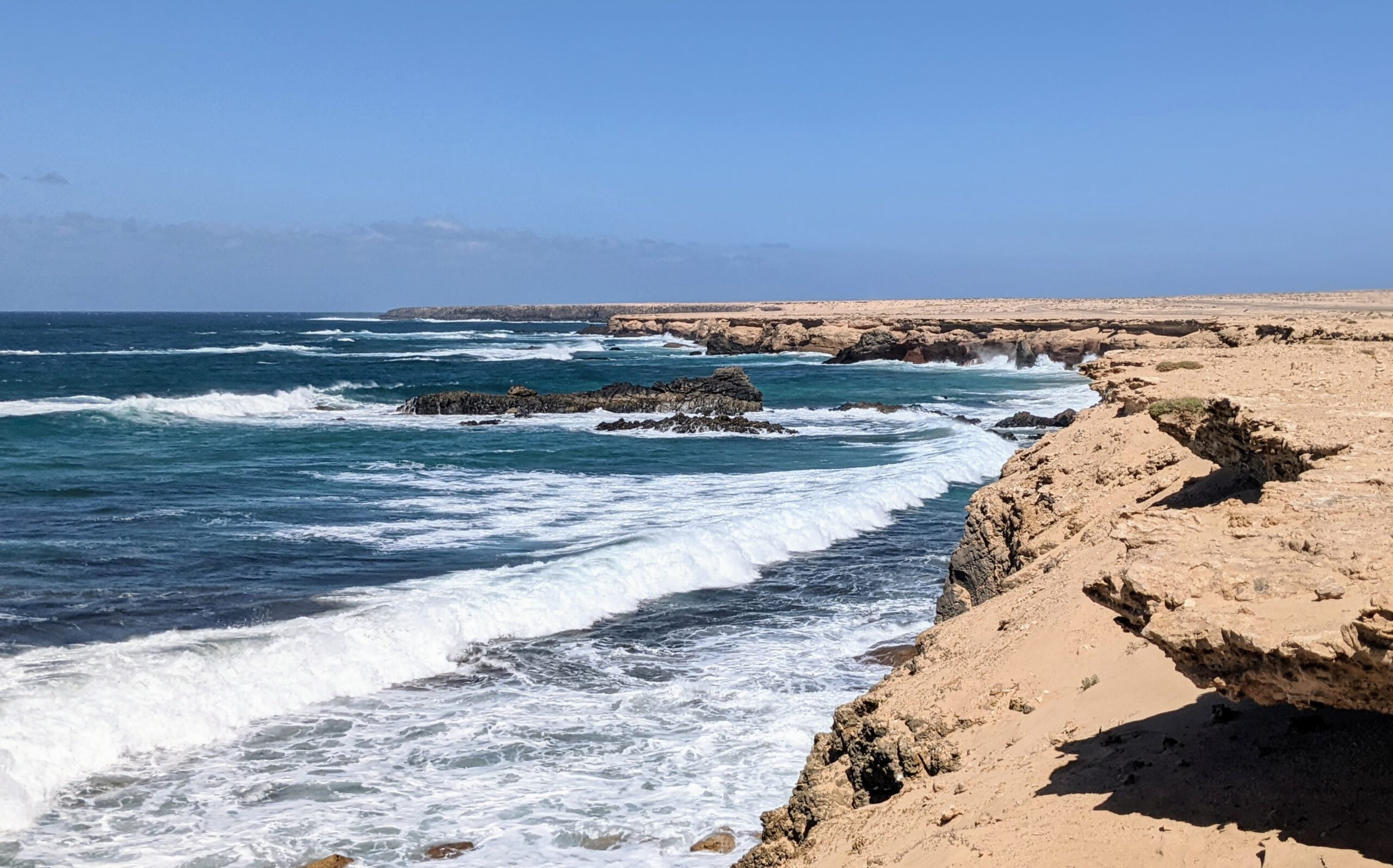
The desert landscape alternates between isolated beaches and volcanic formations. The views of the blue ocean are all the more impressive.
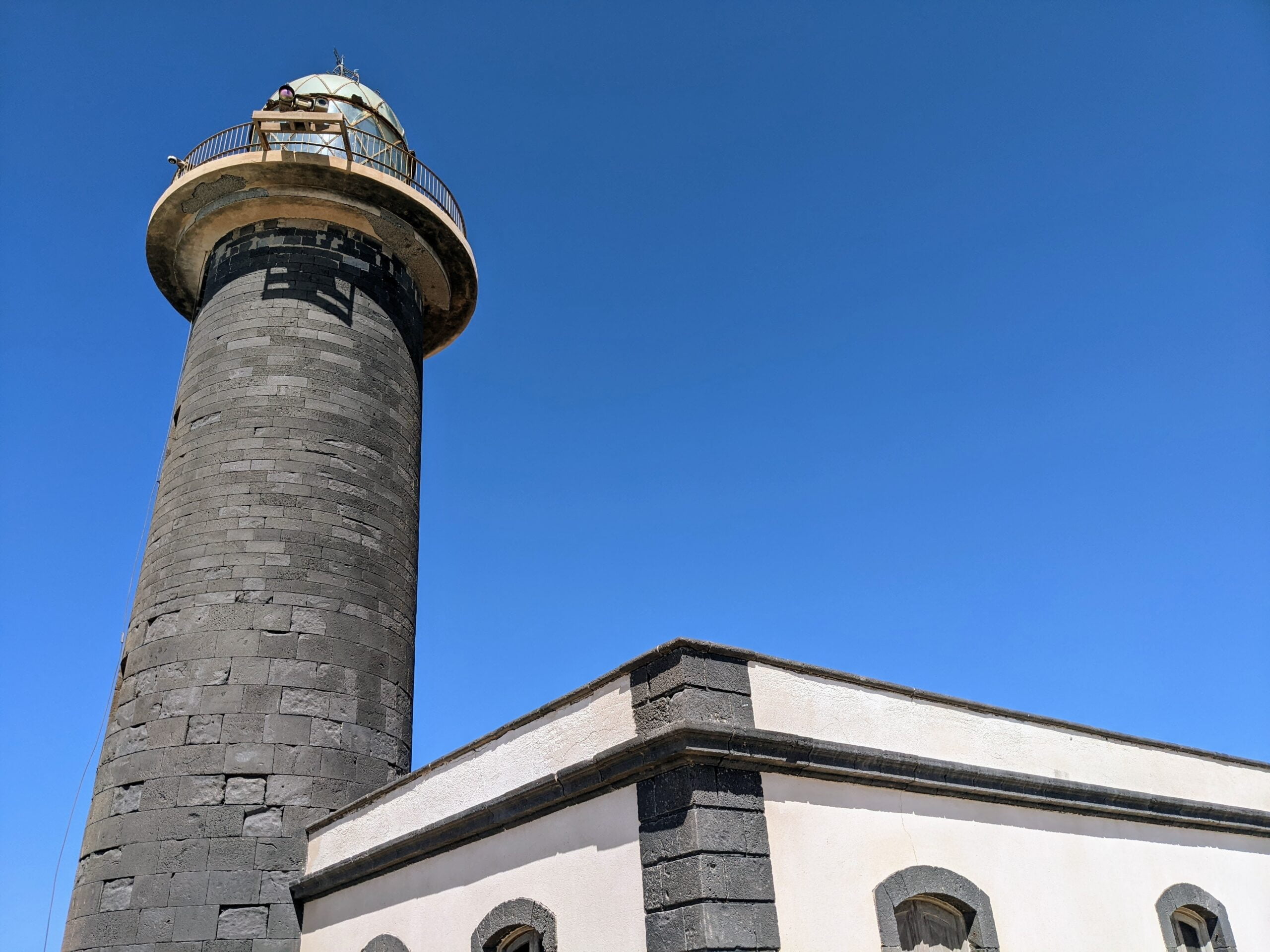
The Punta Jandía lighthouse (Faro de Punta Jandía) marks the southern tip of Fuerteventura. Commissioned in 1864, it isone of the oldest lighthouses in the Canary Islands.
Built in the style typical of 19th-century Canary Islands lighthouses, Punta Jandía lighthouse consists of a single-storey, whitewashed house topped by a dark volcanic rock tower 19 meters high.
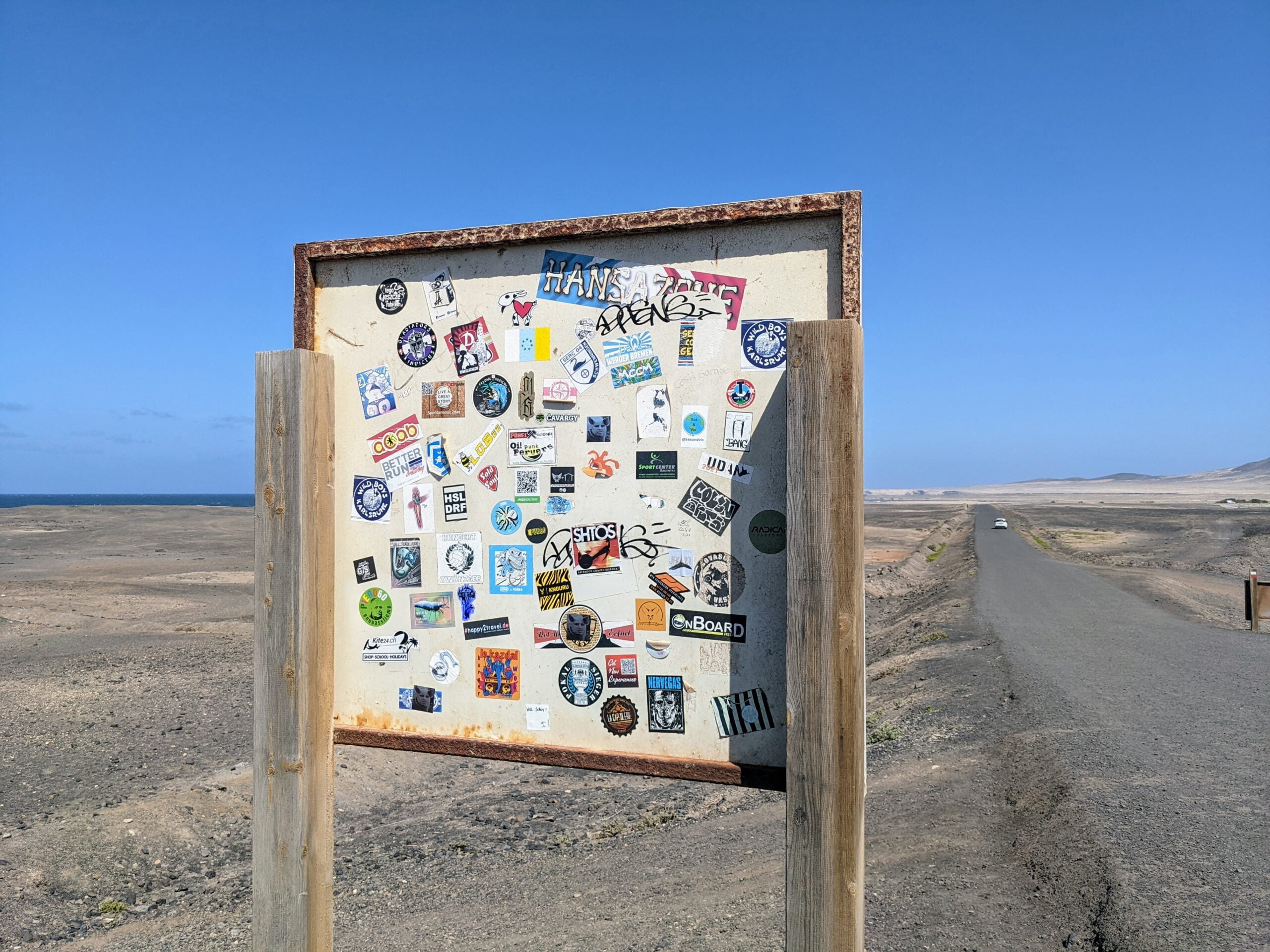
The interior of the janitor’s house has been converted into an interpretation center for Jandía Nature Park. The center’s five rooms each present information on a particular aspect of the reserve, such as its volcanic origins, marine life and flora and fauna.
Just 5 minutes from the lighthouse, Playa de los Ojos is a beach famous for its unique rock formations that have created caves and natural pools in which seawater flows in and out with the rhythm of the tides. These pools are called Ojos de Mar (“Eyes of the Sea”), hence the name of the beach.
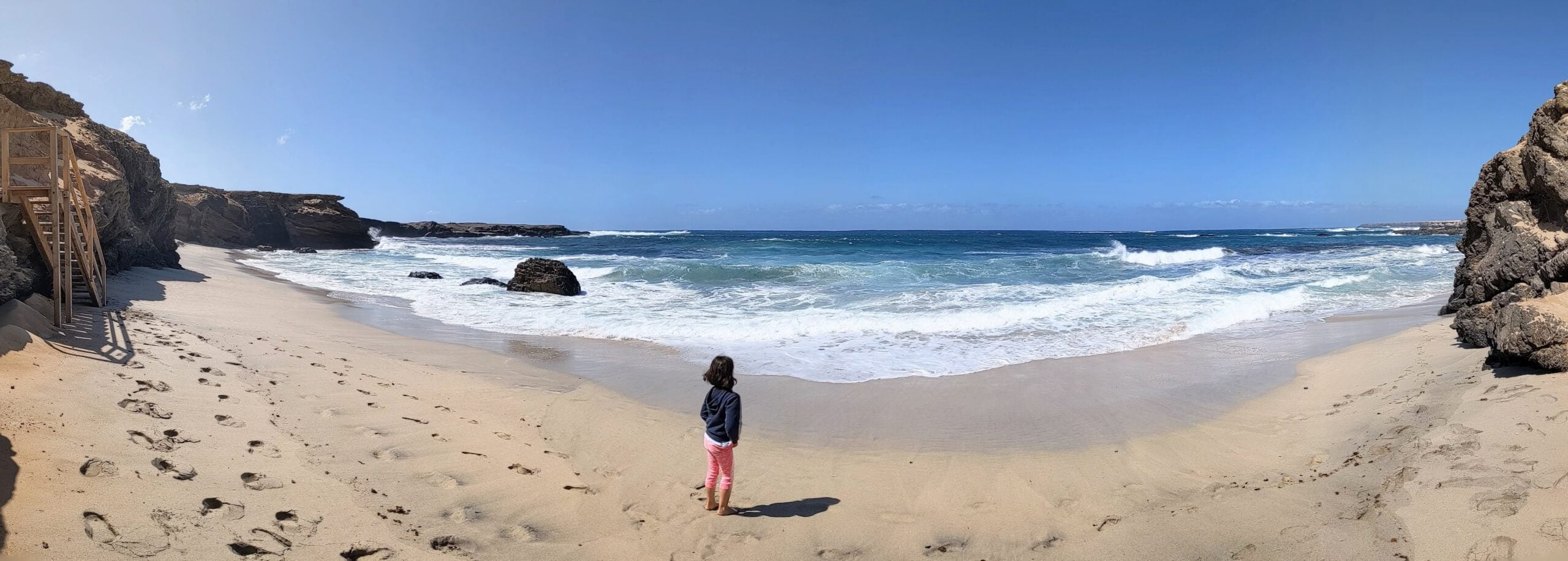
Access to Playa de los Ojos is via a path that starts from the parking lot and ends at the end of the cliff with a staircase down to the beach. From here, the largest cave is just a few metres to the left. However, the cave is only accessible at low tide!
Lunch is scheduled in the popular Morro Jable seaside resort. After a few steps along the seafront promenade, lined with stores and restaurants, head for Playa del Matorral and the Morro Jable lighthouse.
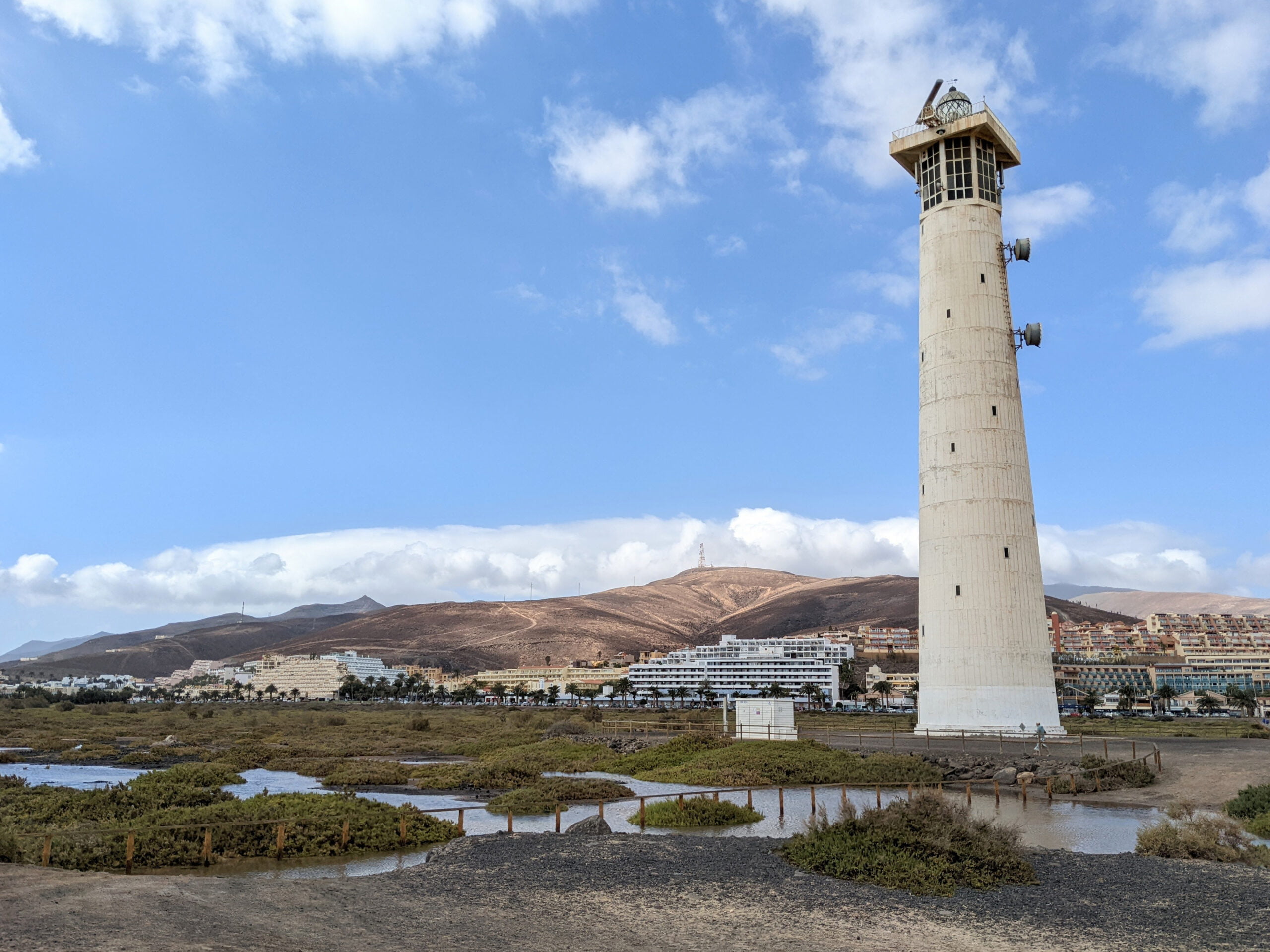
Also known as La Entallada lighthouse, Morro Jable is the largest lighthouse on the Canary Islands. Completed in 1991, its conical reinforced-concrete tower supports a square terrace and a lantern rising to a height of 59 metres.
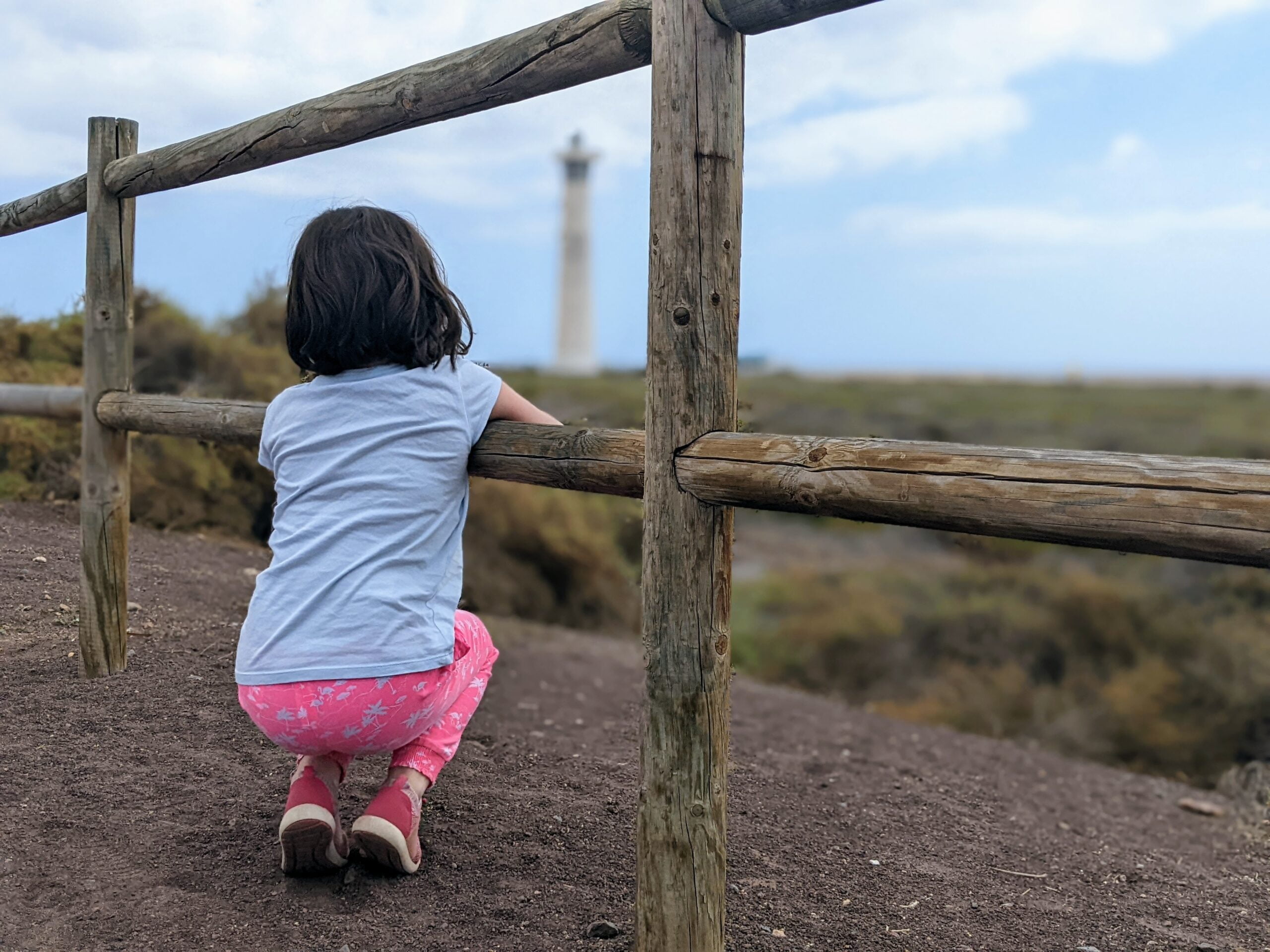
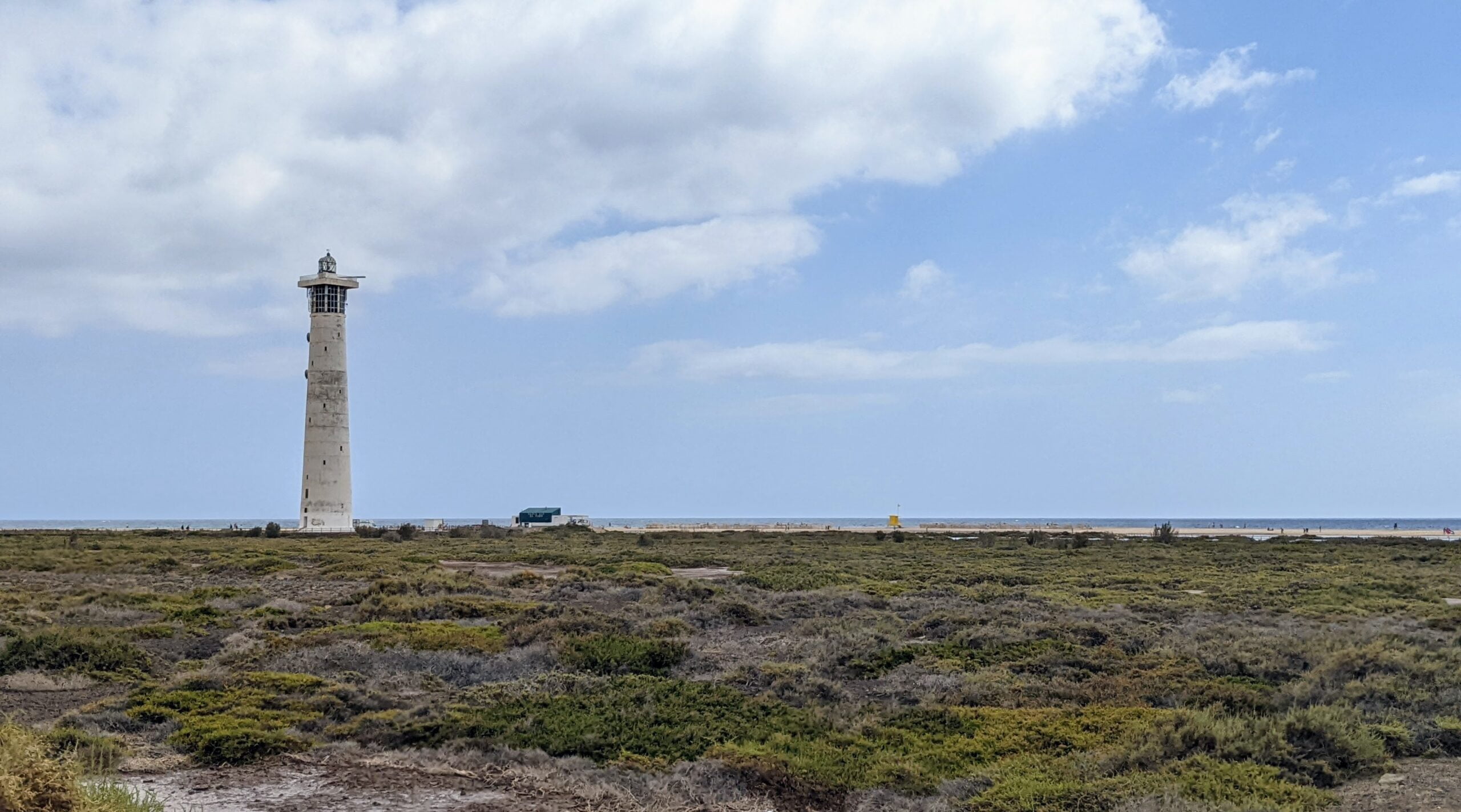
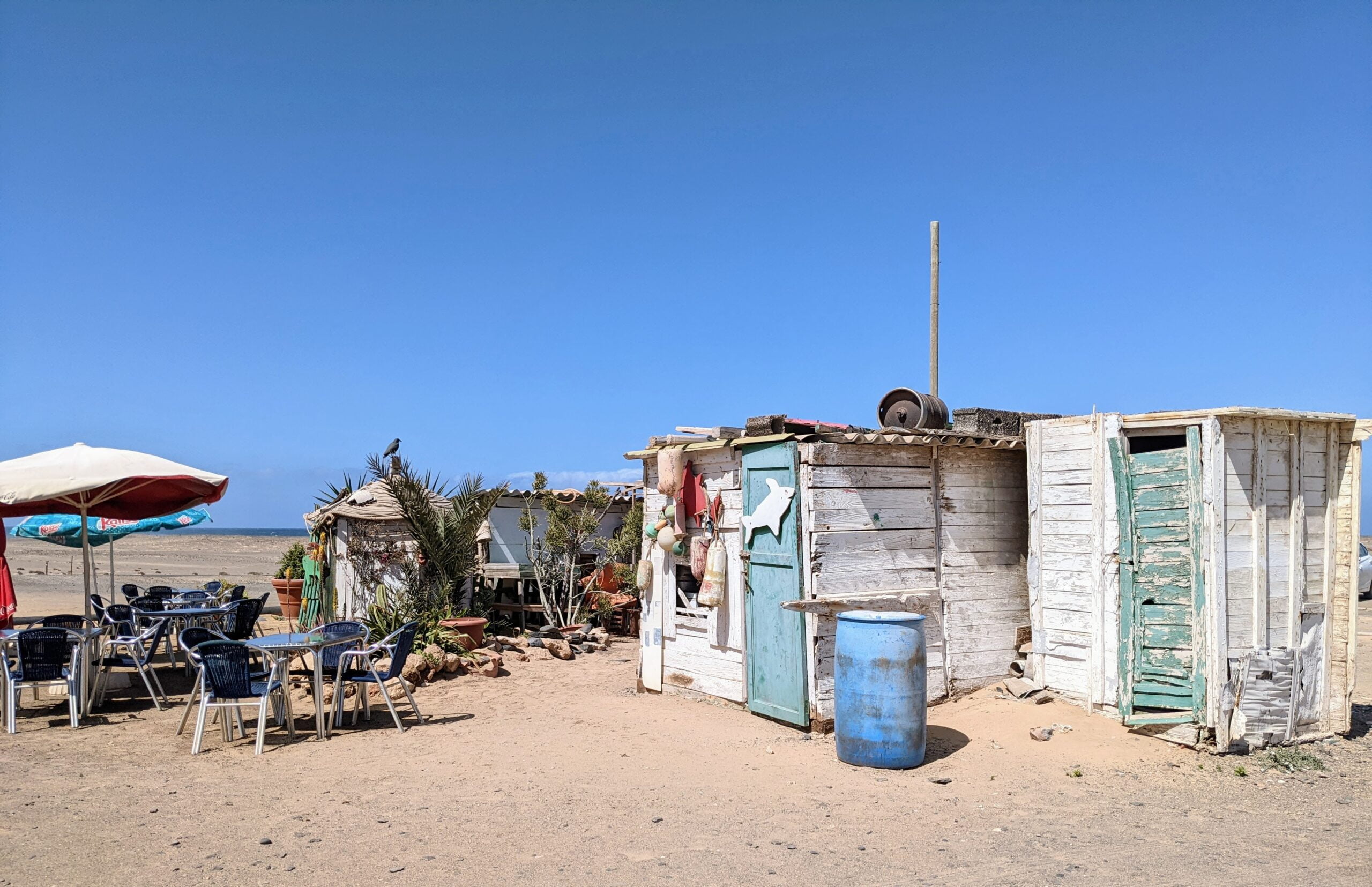
At the foot of the lighthouse, the Beach Bar El Faro boasts a beautiful terrace overlooking the immense beach opposite. On the menu, fresh fish, gambas and paella, and a very good sangria 🍹
On the way back, a final stop to admire the view of Playa de Sotavento, one of Fuerteventura’s best-known beaches.
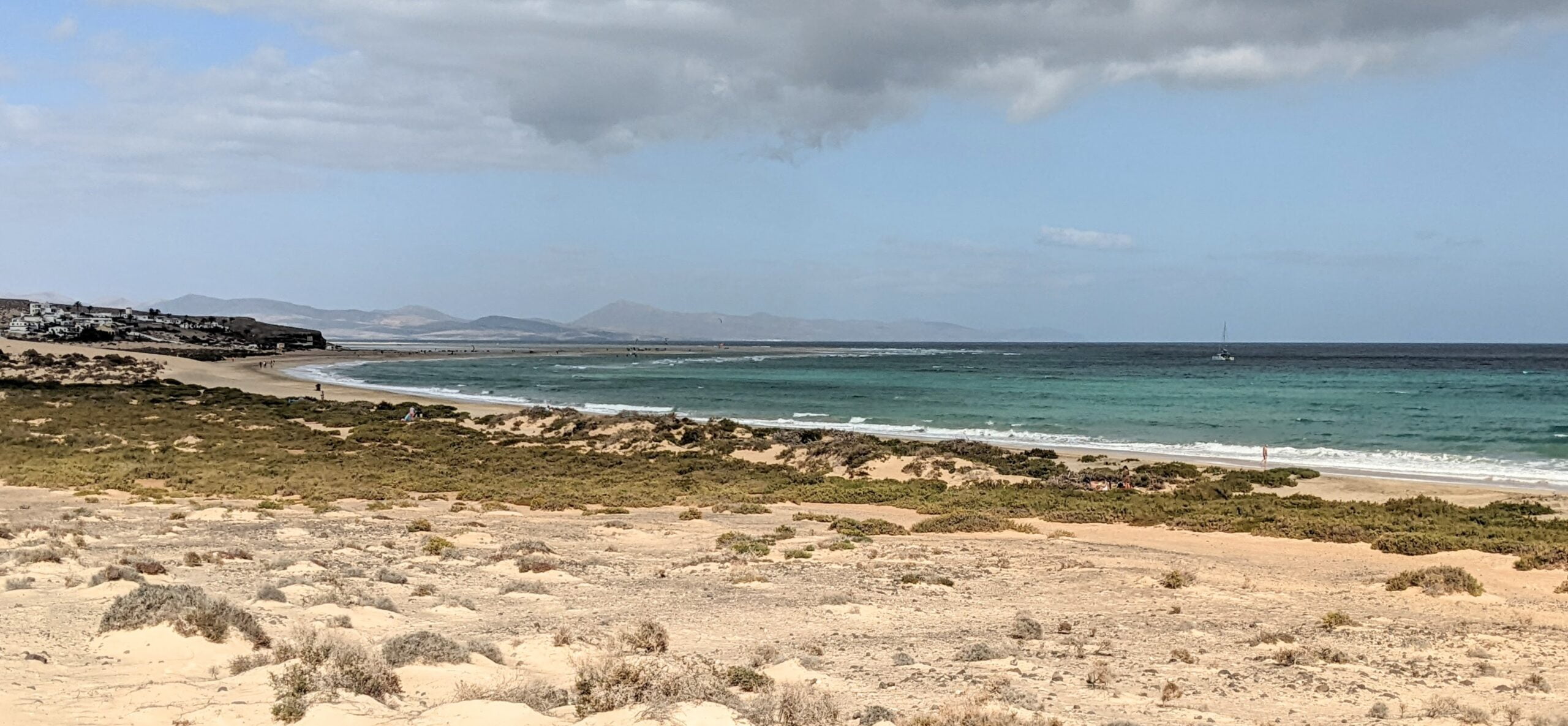
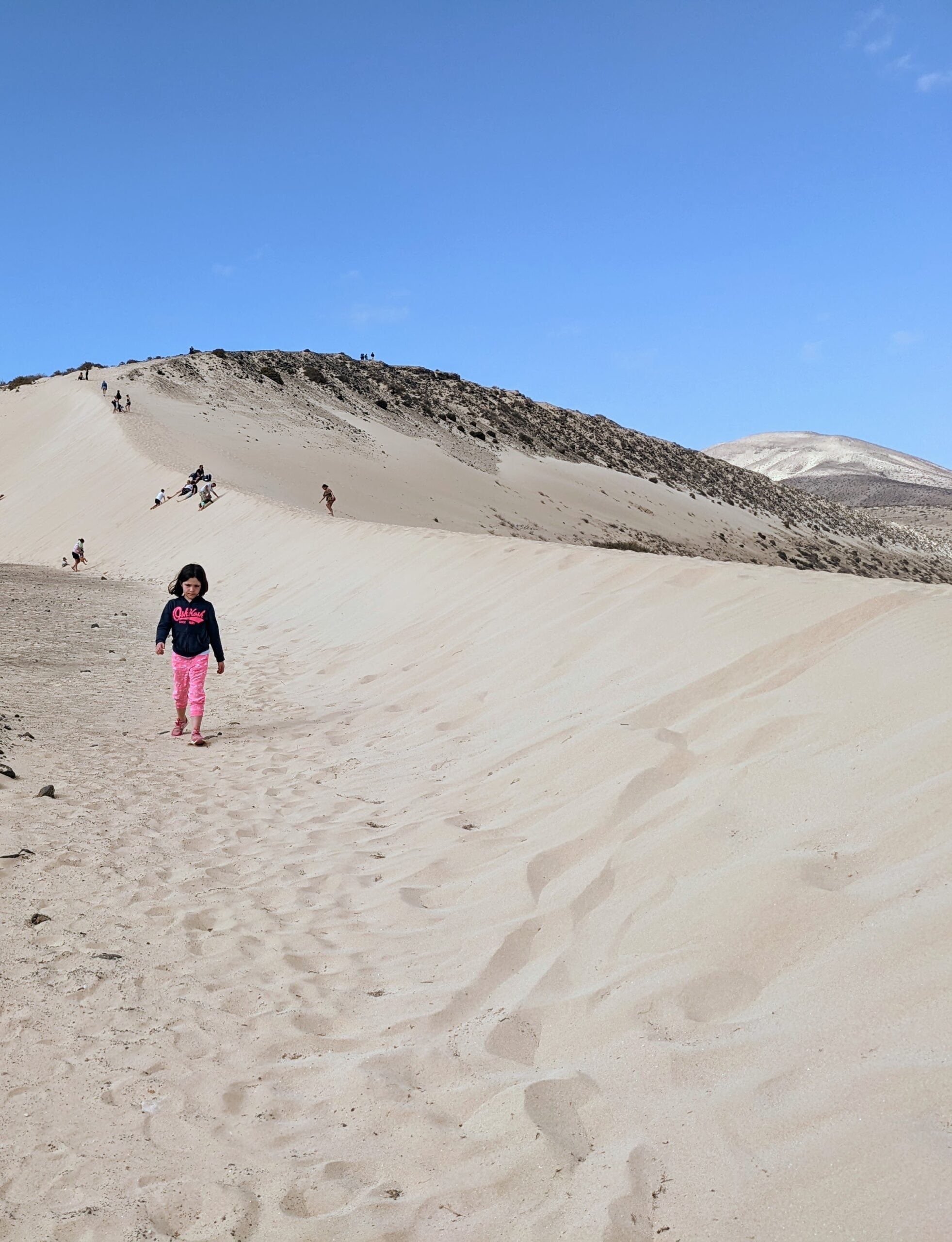
Playa de Sotavento stretches for several kilometers along the island’s east coast. Famous for its favorable wind conditions, Playa de Sotavento is an ideal spot for kitesurfing and windsurfing. The beach regularly hosts international competitions.
Near the beach,imposing sand dunes add to the beauty of the landscape and provide a great playground for young and old alike…
Catamaran excursion
Our cruise departs from the port of Corralejo, where the crew and the catamaran on which we’ll be spending the day are waiting for us.
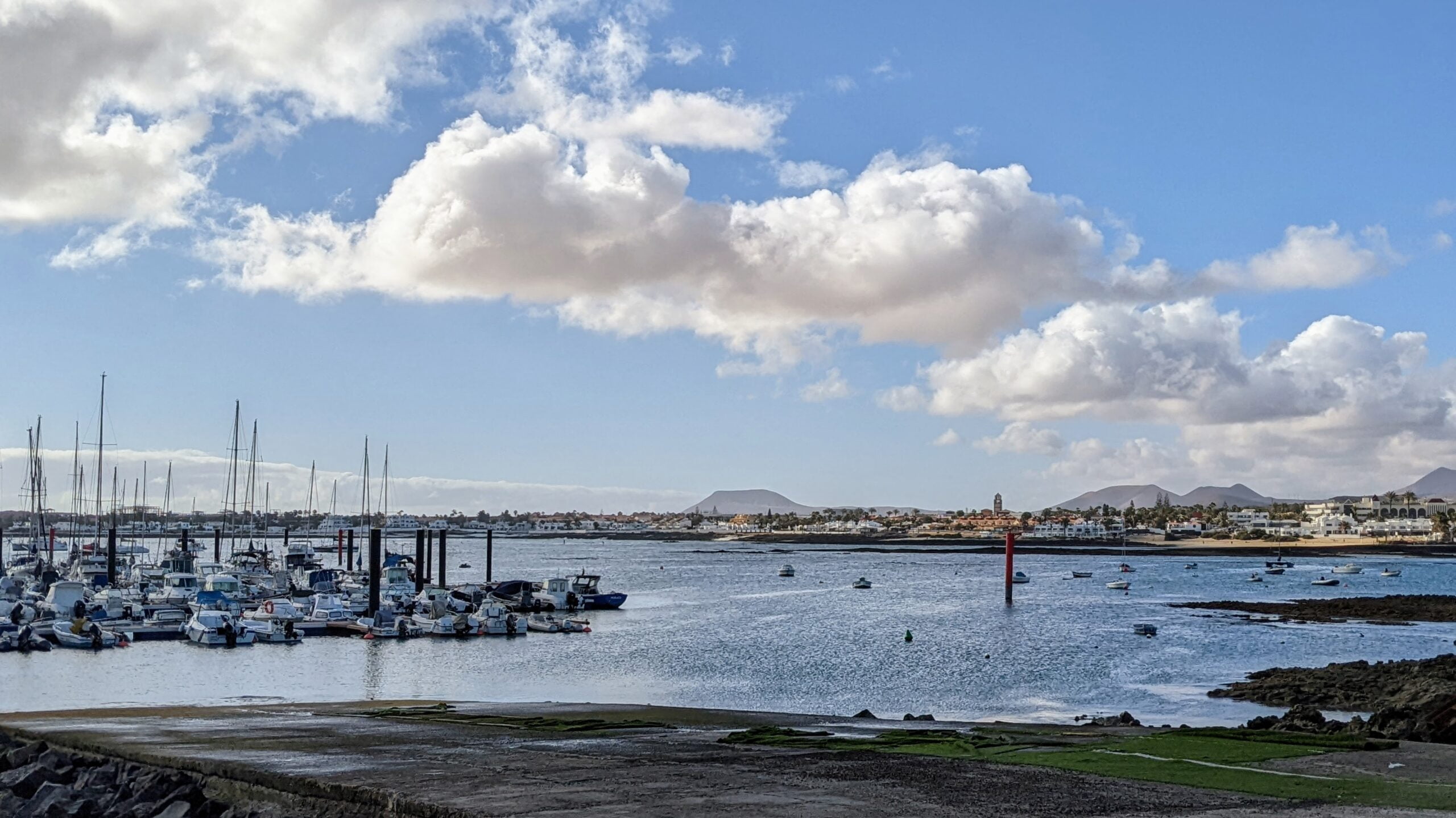
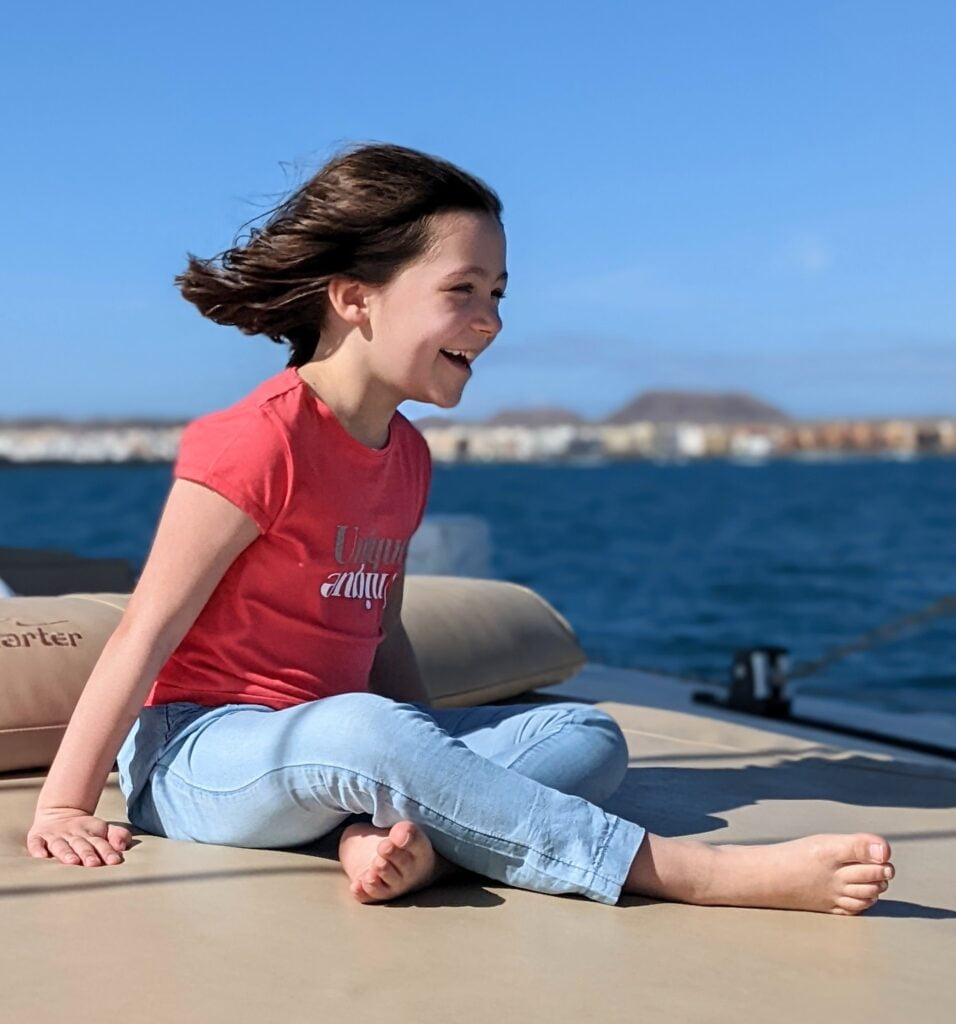
After a few safety instructions, we leave the port for Isla de los Lobos. Everyone finds their place… The kids are having a great time on the nets.
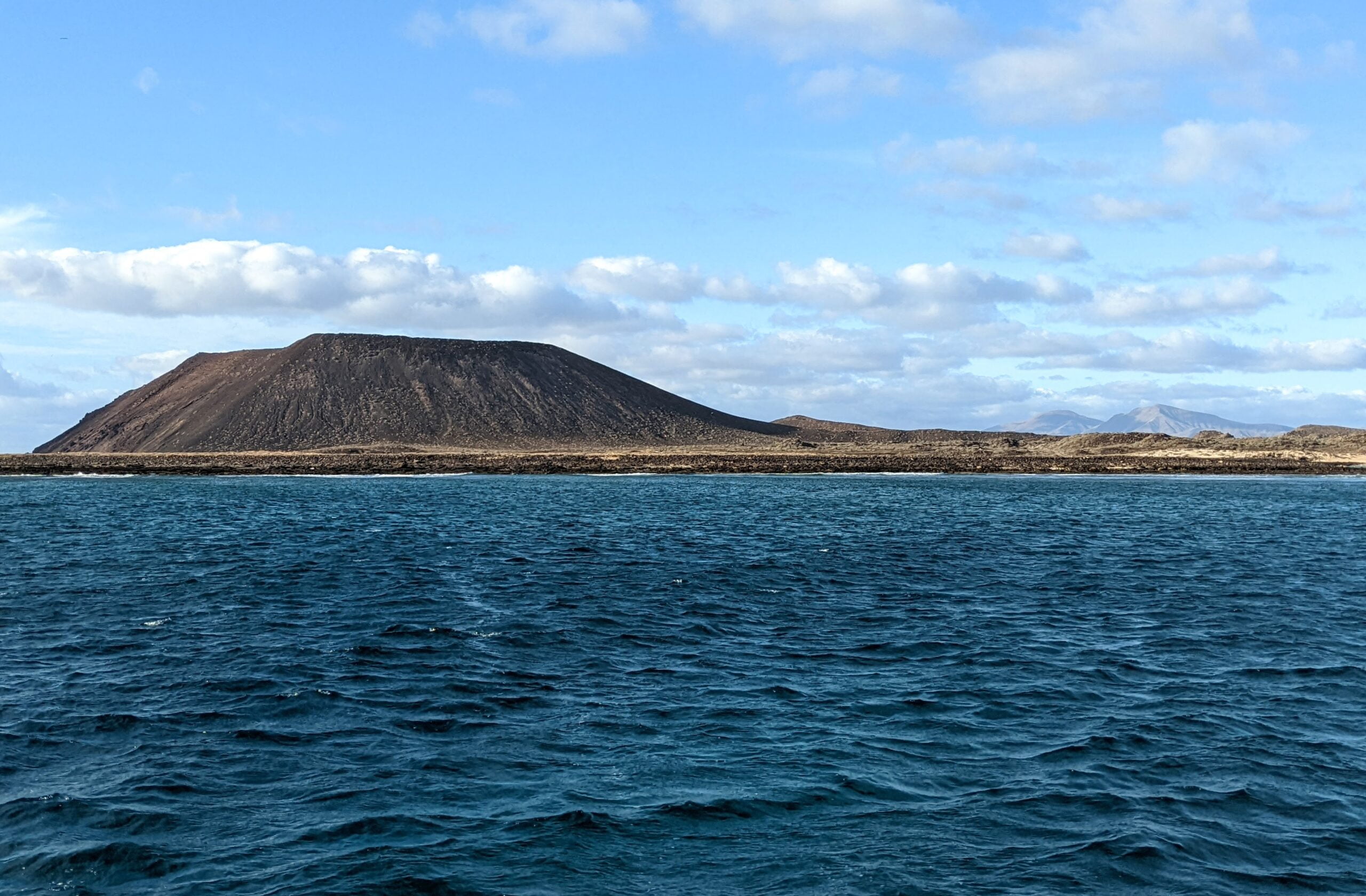
Isla de los Lobos (Island of the Wolves) is a small island in the Bocayna Strait, between Fuerteventura and Lanzarote. It takes its name from the monk seals, also known as “sea wolves”, which once lived in the area.
Known for its pristine beaches and crystal-clear waters, the island has been declared a Biosphere Reserve by UNESCO. Because of this status, access to the island is limited to a certain number of daily visitors, and authorization is required for entry.
We chose not to disembark on the island and to spend more time on our boat. The captain continues sailing towards Lanzarote and Playa Mujeres.
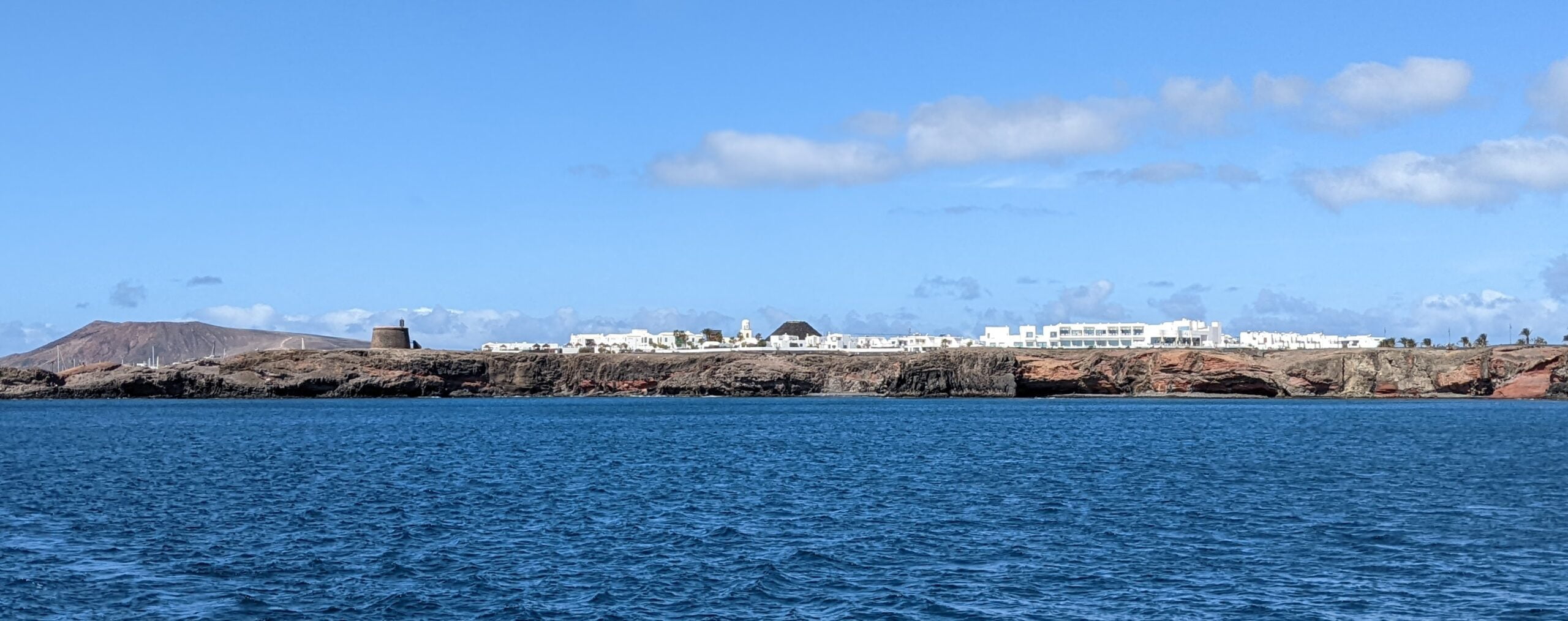
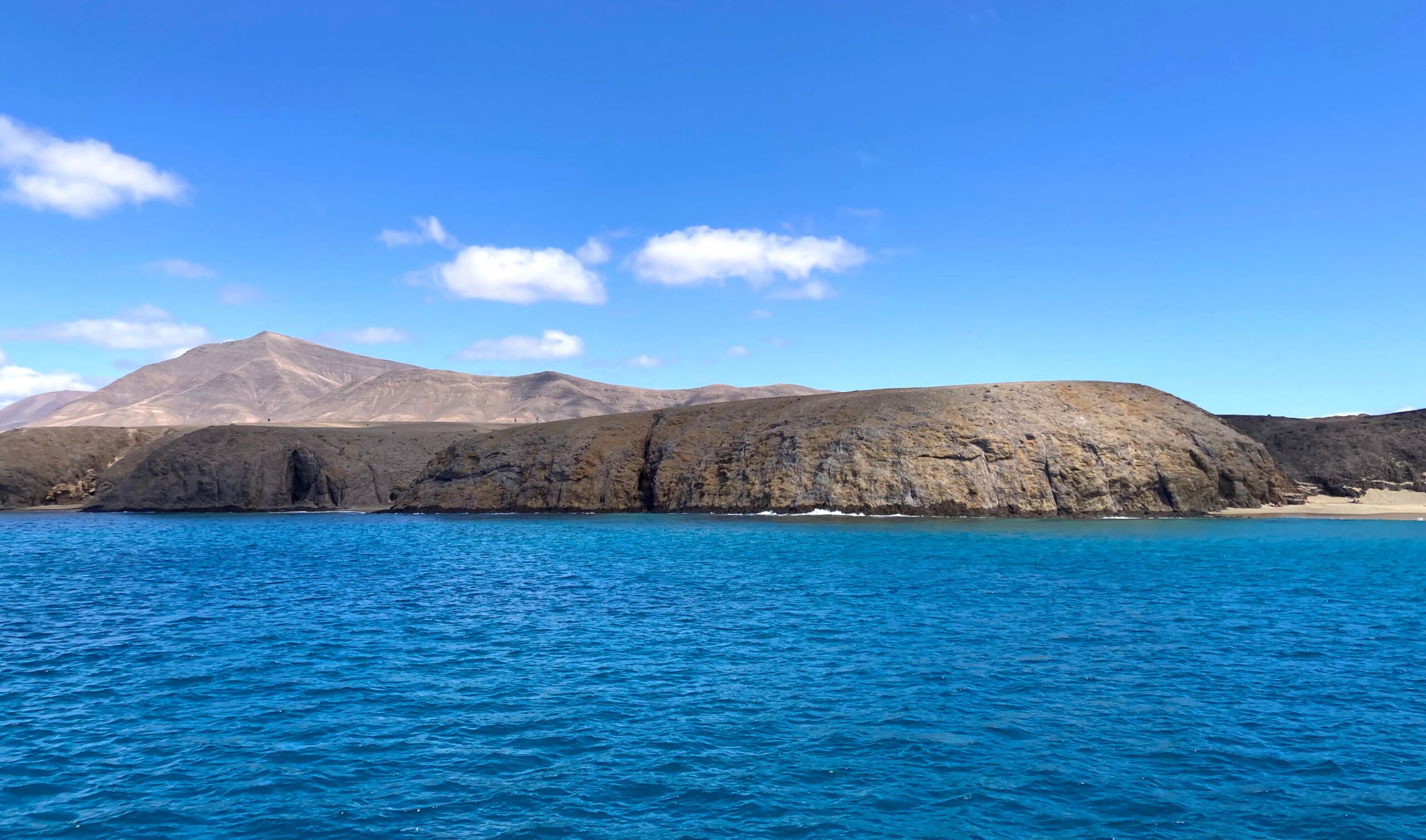
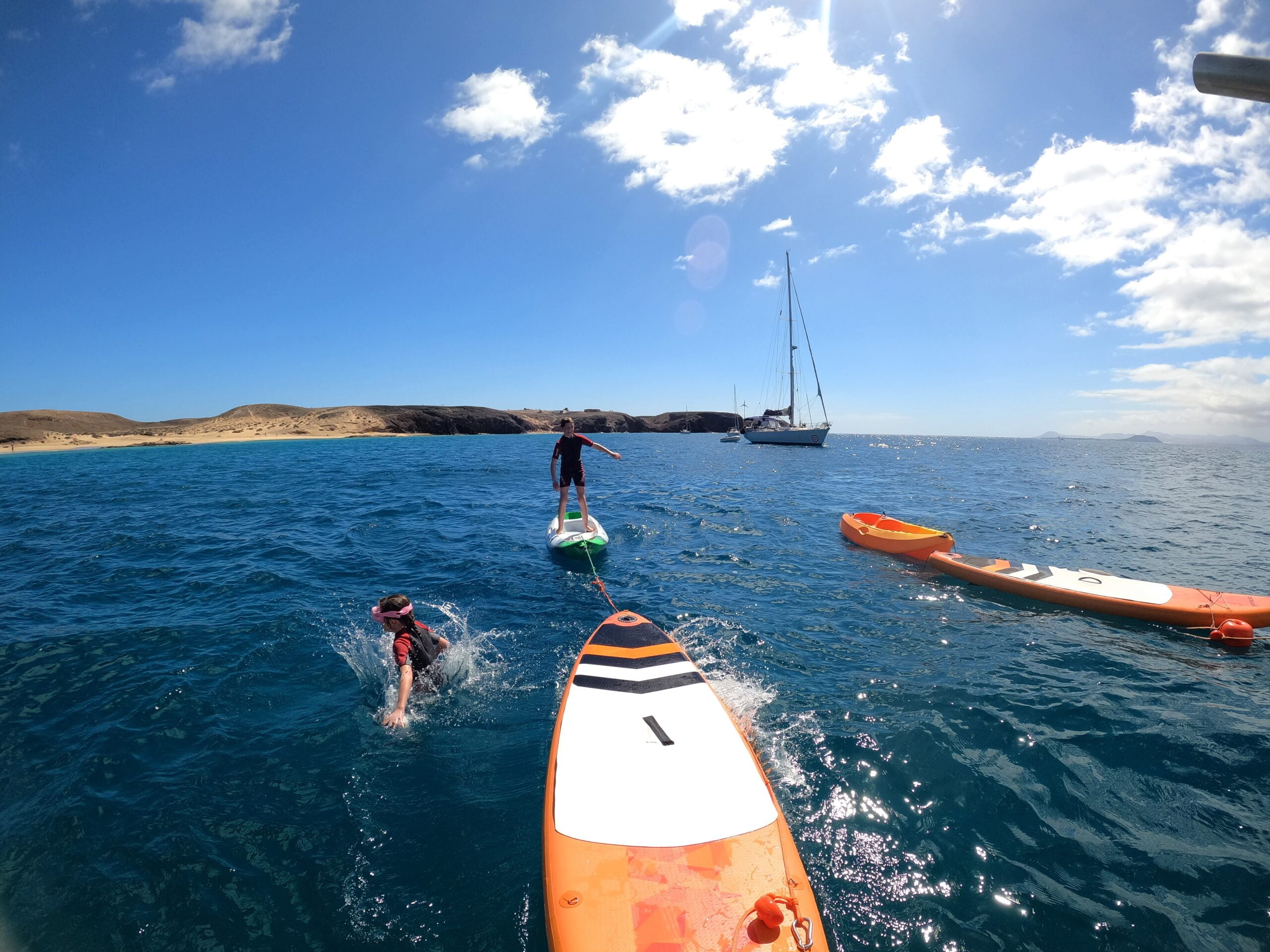
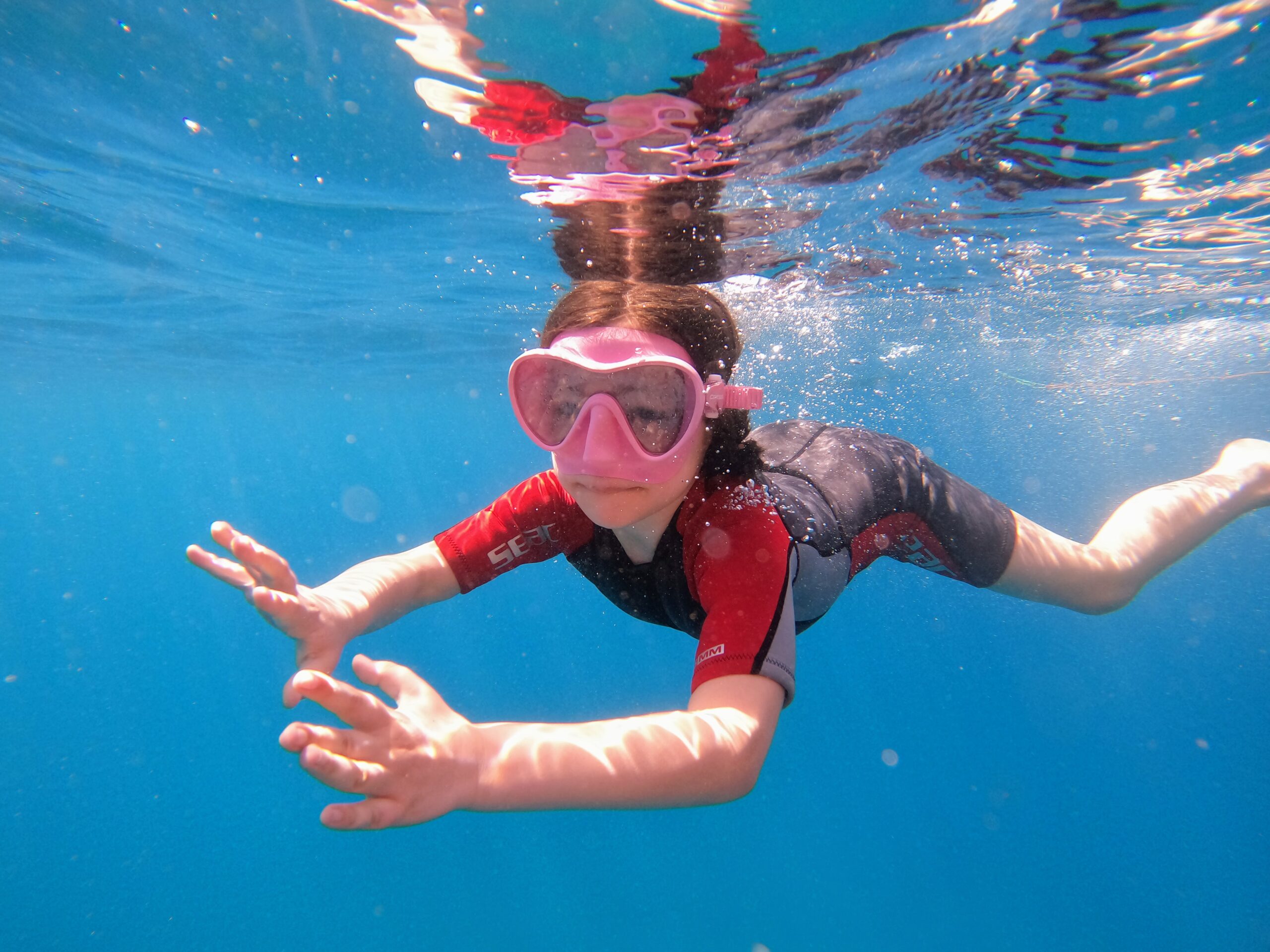
Once the anchor is dropped, everyone jumps into the water for a stand-up paddle and snorkeling session, while waiting for the paella at lunchtime.
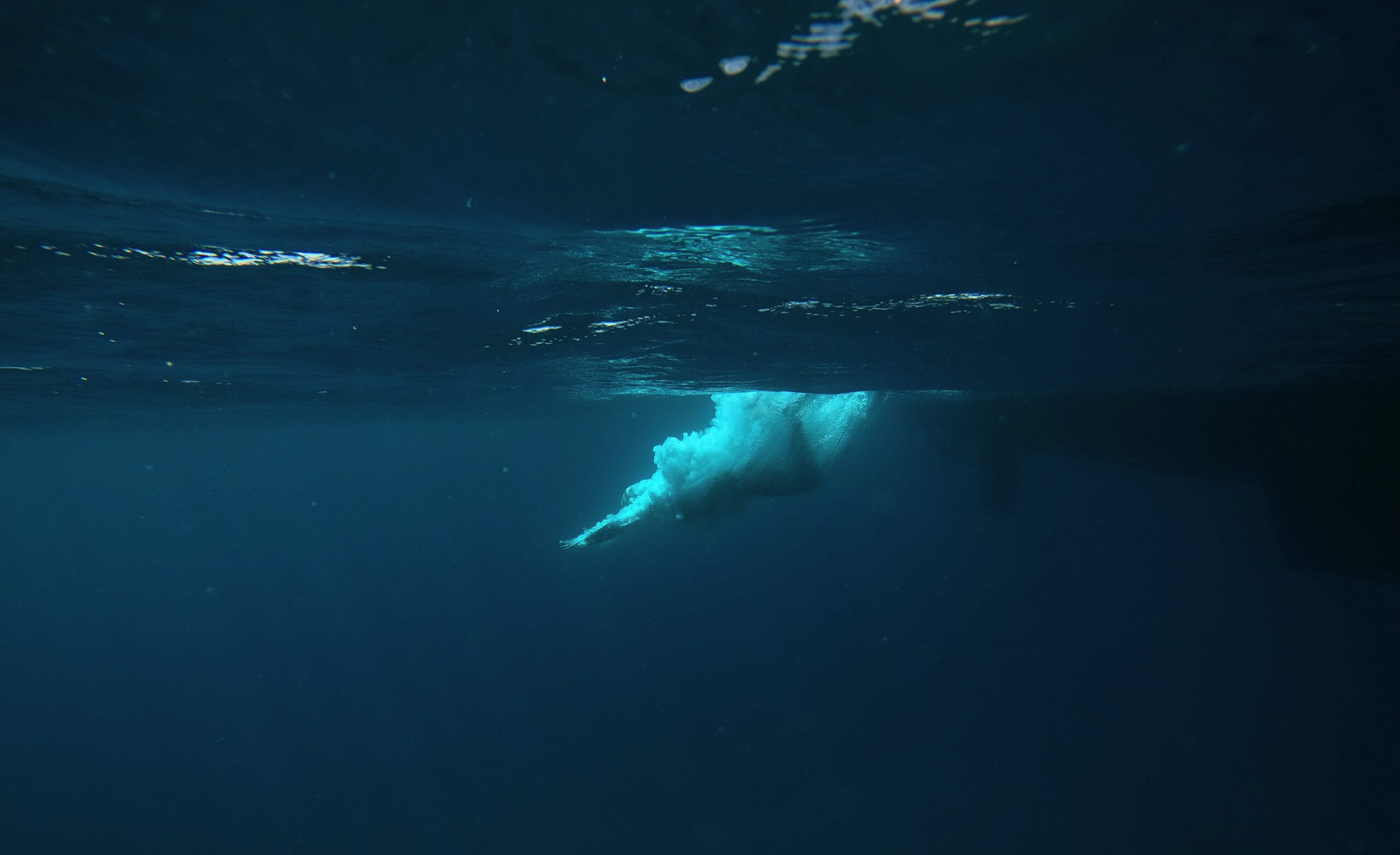
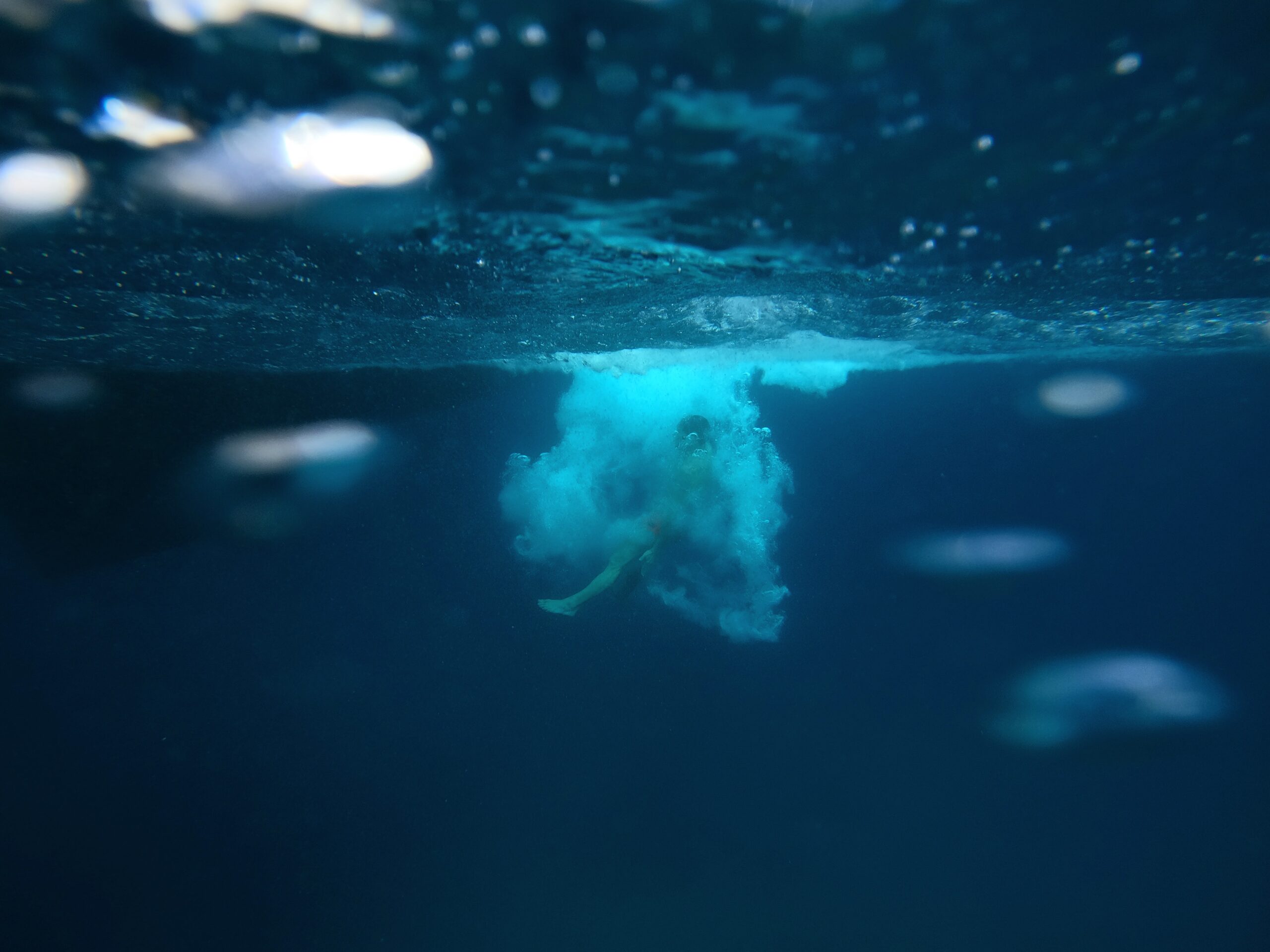
Plates of paella are gobbled up in no time. Time for a little nap on the pontoon before setting sail again…
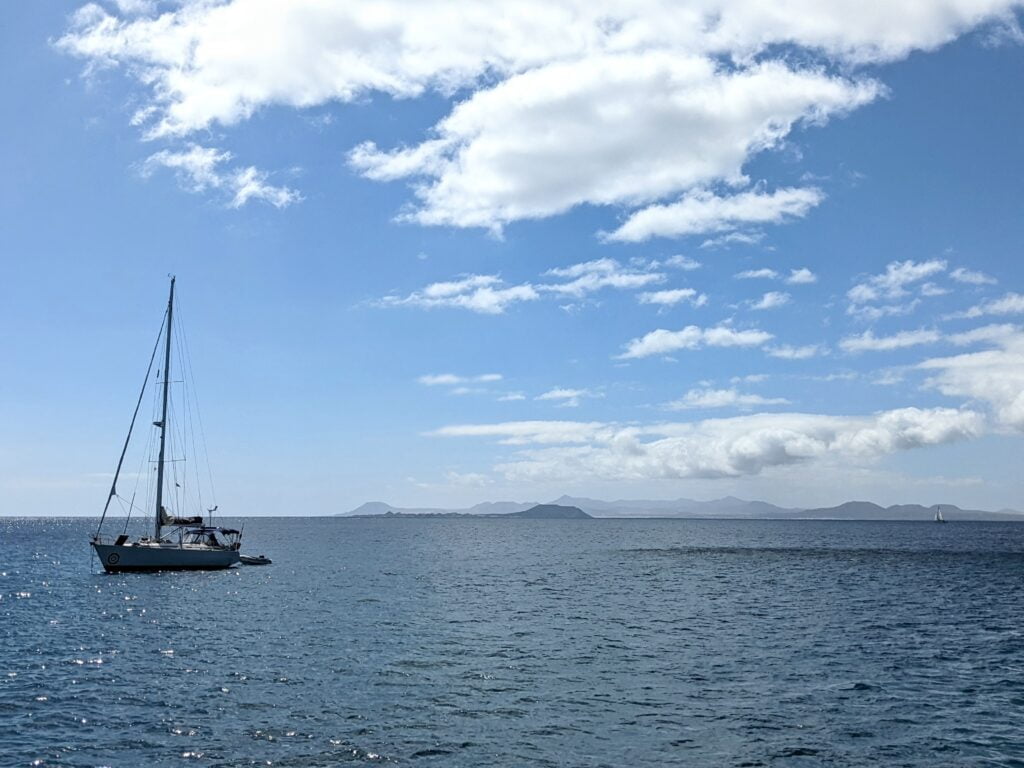
We set off again in the direction of Isla de los Lobos, which we skirt on the other side this time.
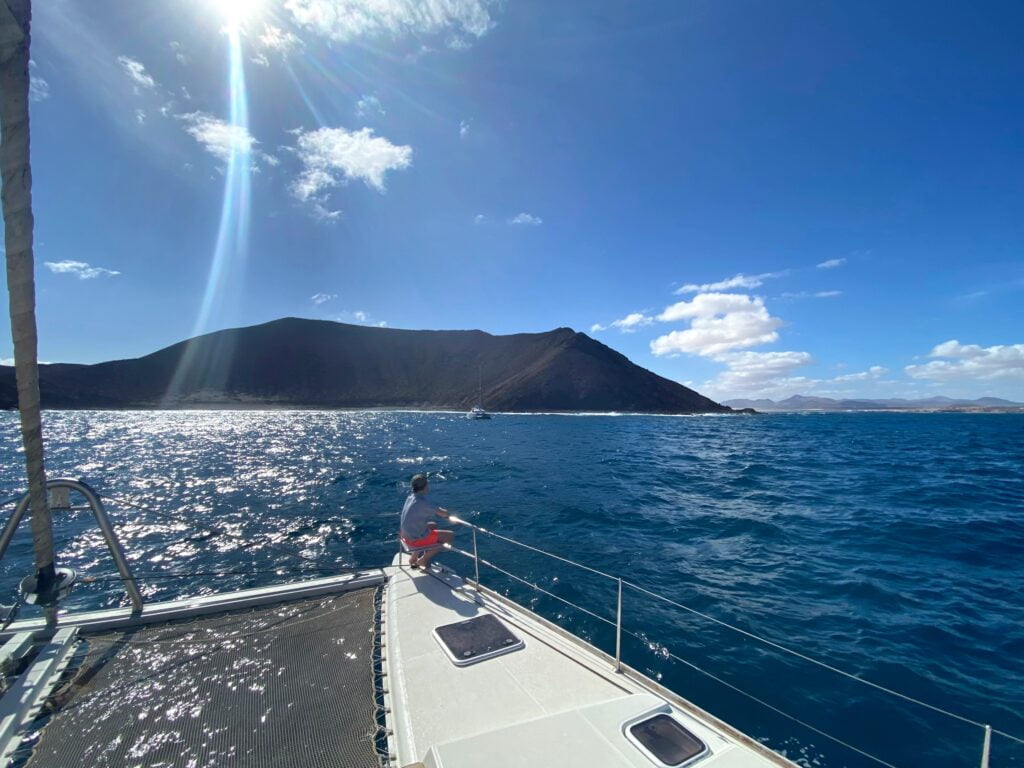
We spot a few dolphins in the distance, but despite several attempts to get closer, we don’t manage to see any more. We continue on to Playa de la Concha de Lobos for the last stop of the day. While the kids are back in the water, we enjoy a nice aperitif with the captain.
Last leg of the crossing. In the distance, our hotel awaits us in the middle of the dunes.
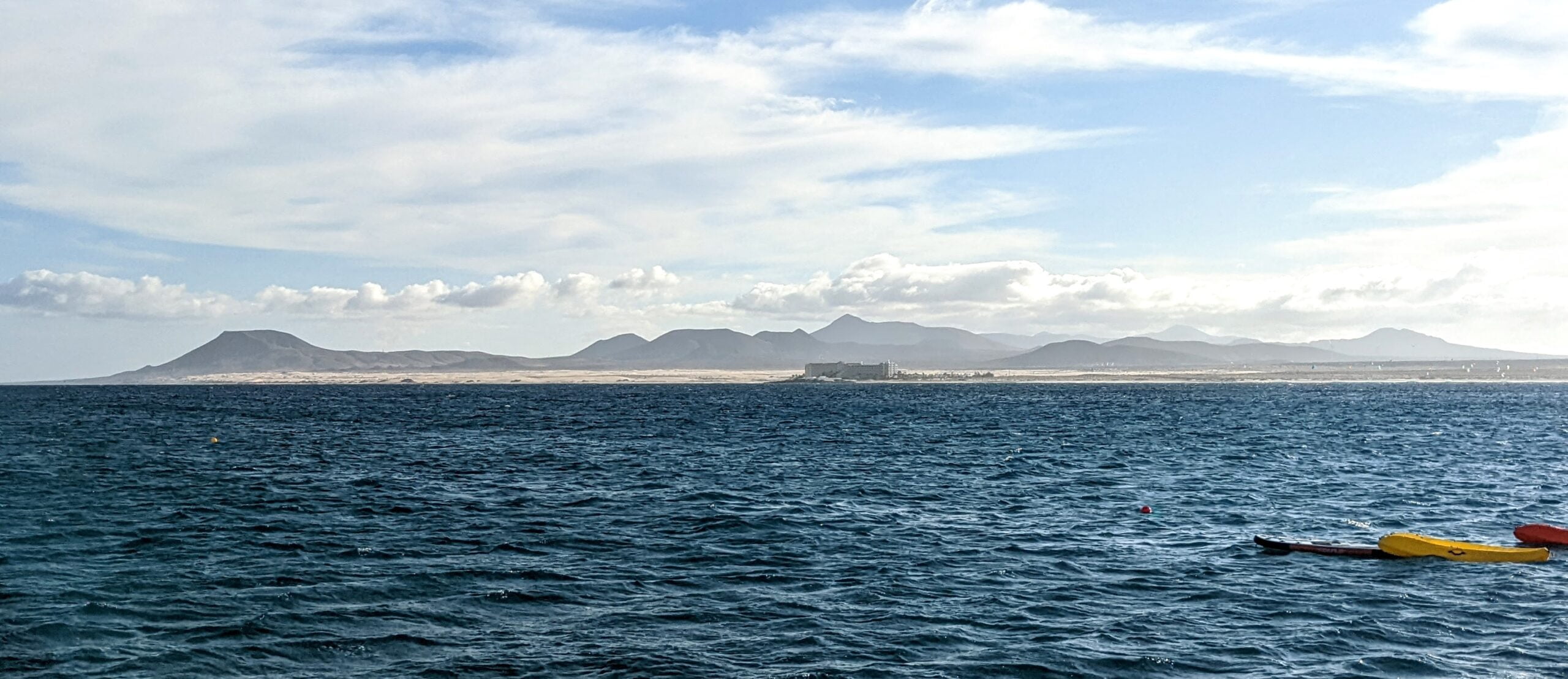
It’s a pity that the cruise has come to an end, we had a great time on the boat…
Let us create your customized trip for an unforgettable experience, perfectly tailored to your expectations and budget.
Contact us today at hello@nanoo.travel for your personalized quote.