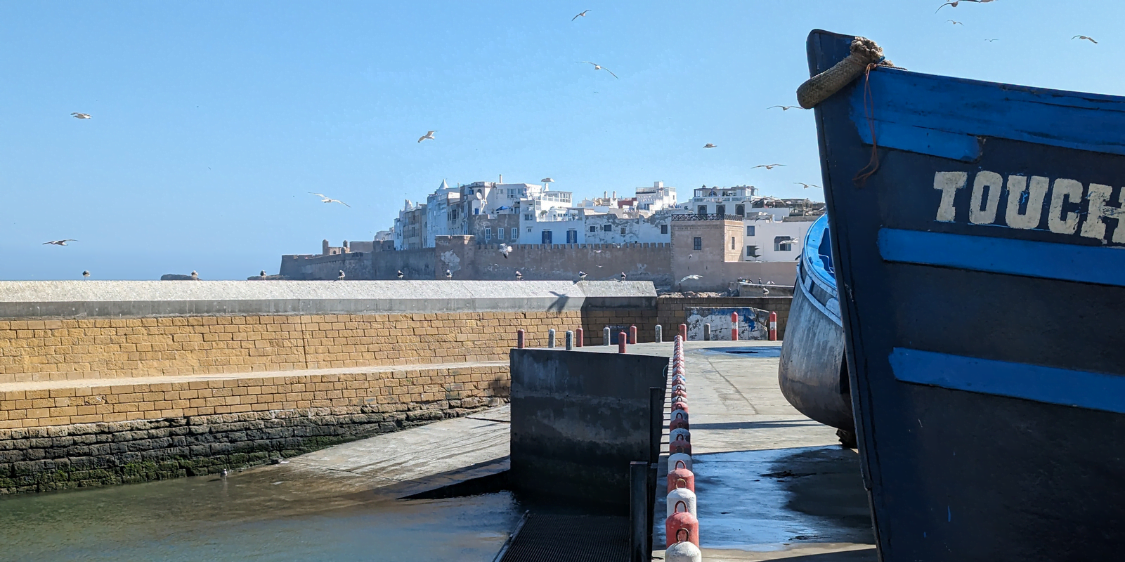
With several iconic historical sites, Essaouira has no shortage of things to see! But the best part is getting lost in the maze of narrow streets, discovering the colorful souks and charming, welcoming artisans.
Visit Essaouira
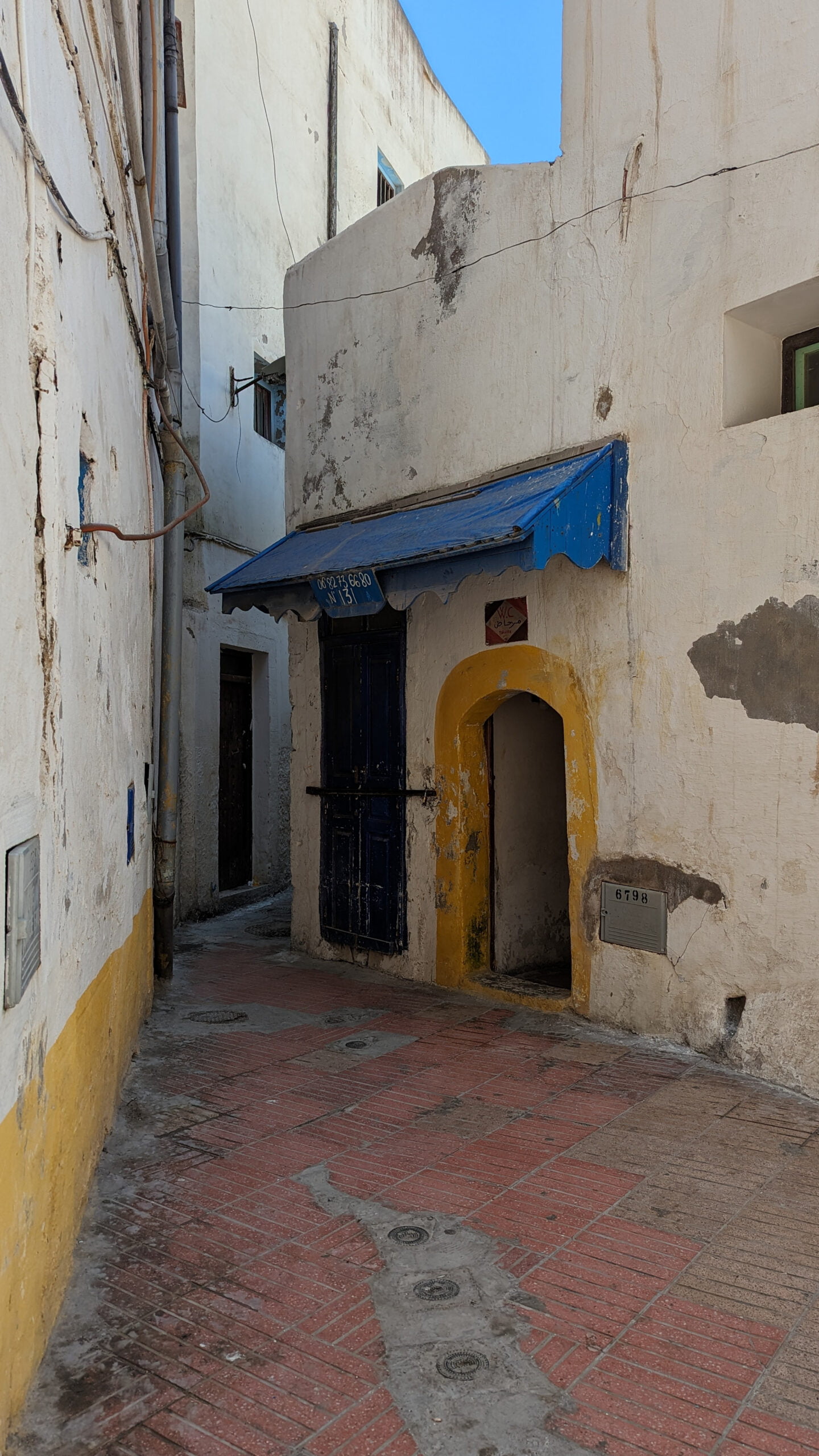
The medina
A UNESCO World Heritage Site, Essaouira’s medina, also known as the “old town” or “old city”, features distinctive Portuguese-Moorish architecture, with white stone ramparts and monumental gates, including the famous “Bab Marrakech” and “Bab Doukkala”. The medina is made up of several districts, all founded between the 18th and 19th centuries. The oldest of these, the kasbah, is a fortified quarter where dignitaries were housed before the mellah was built in 1807.
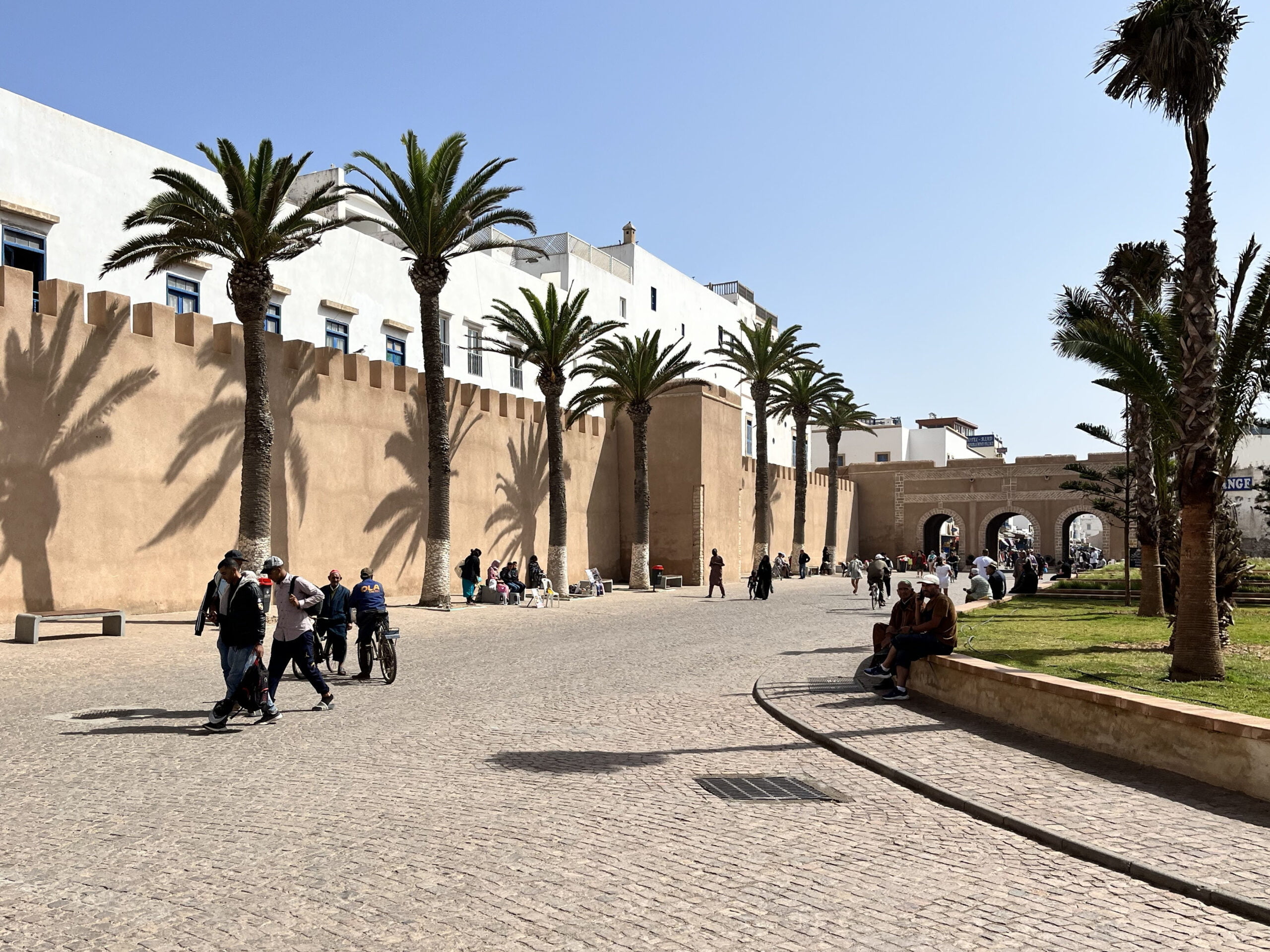
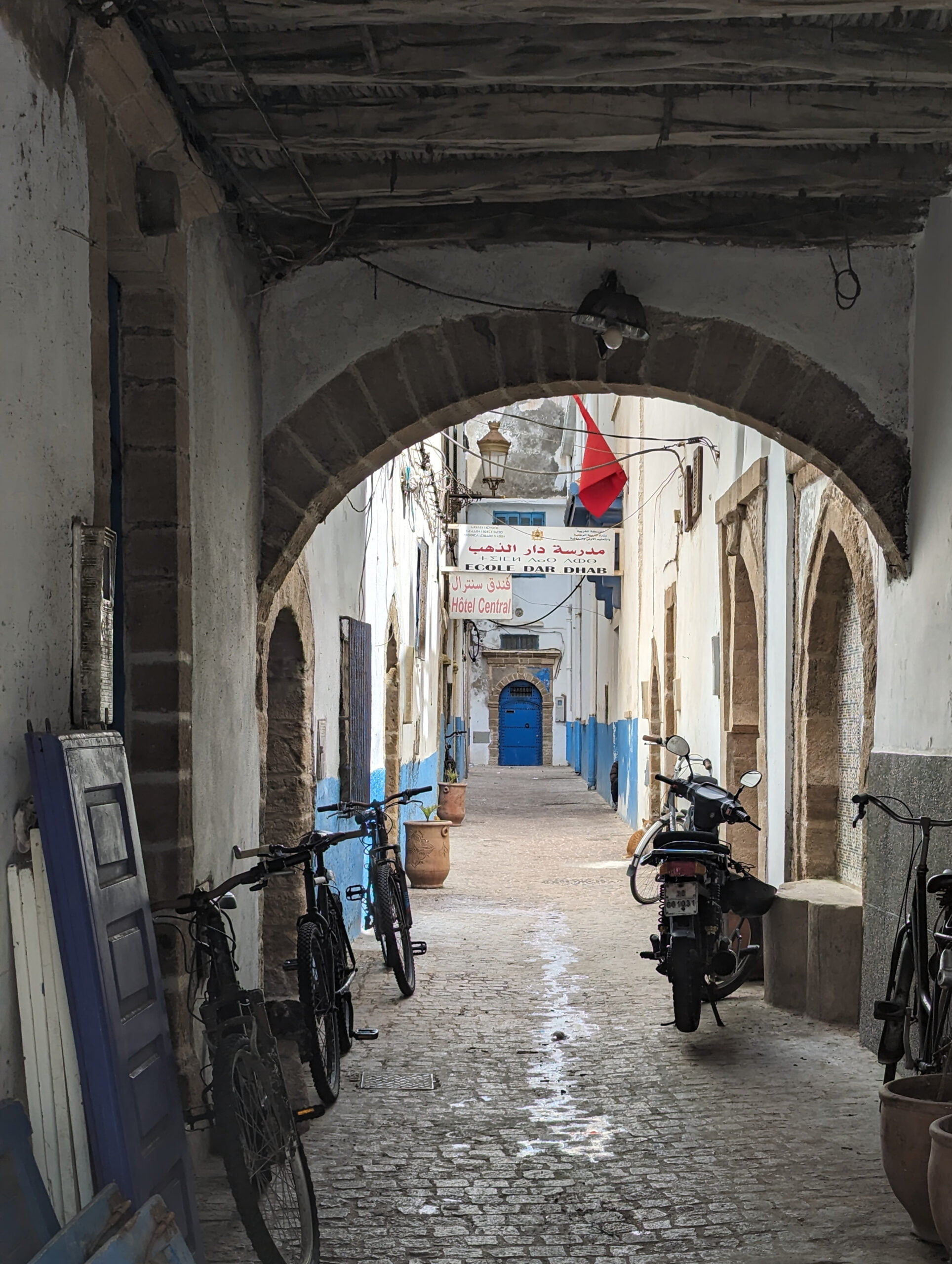
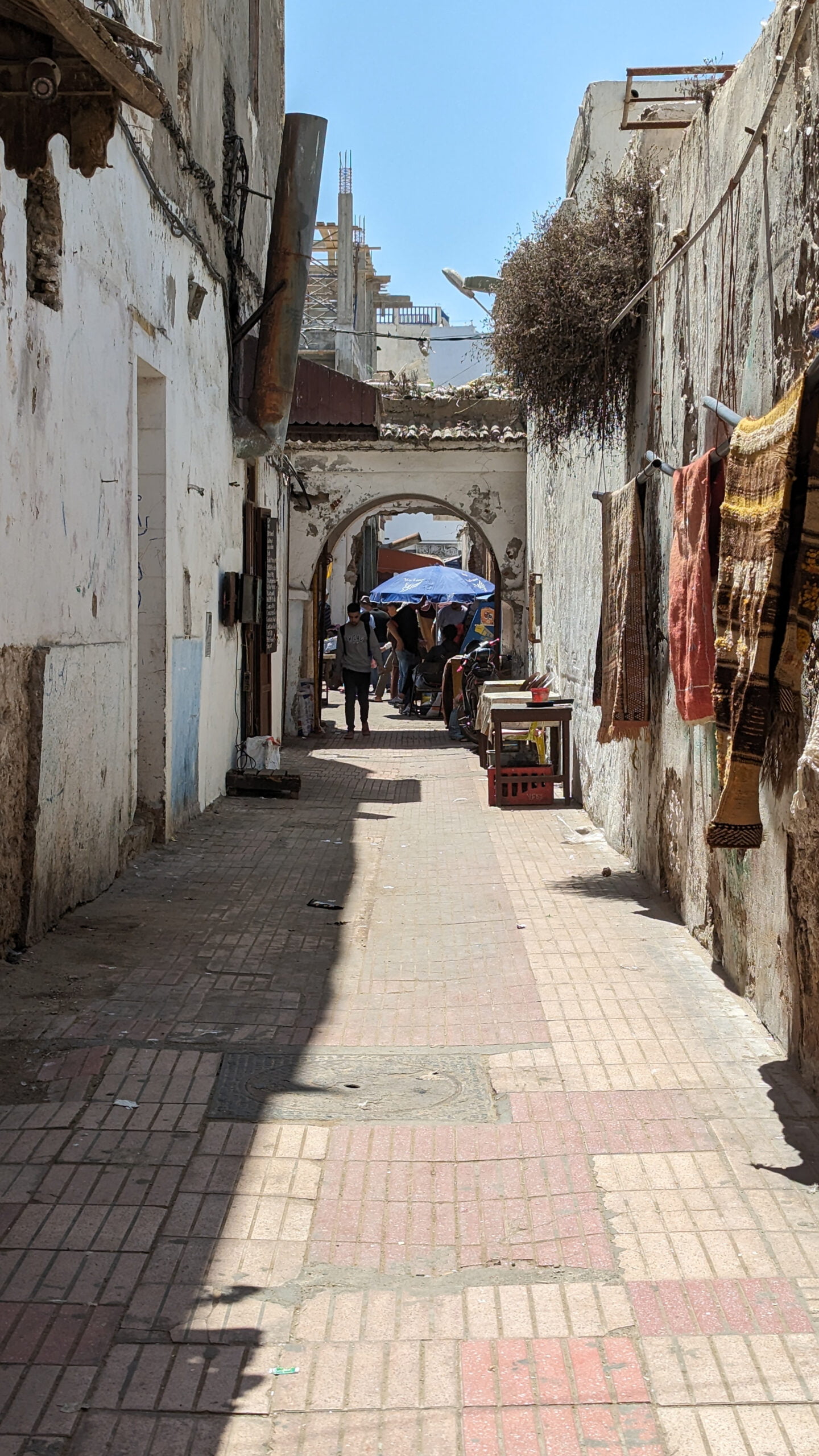
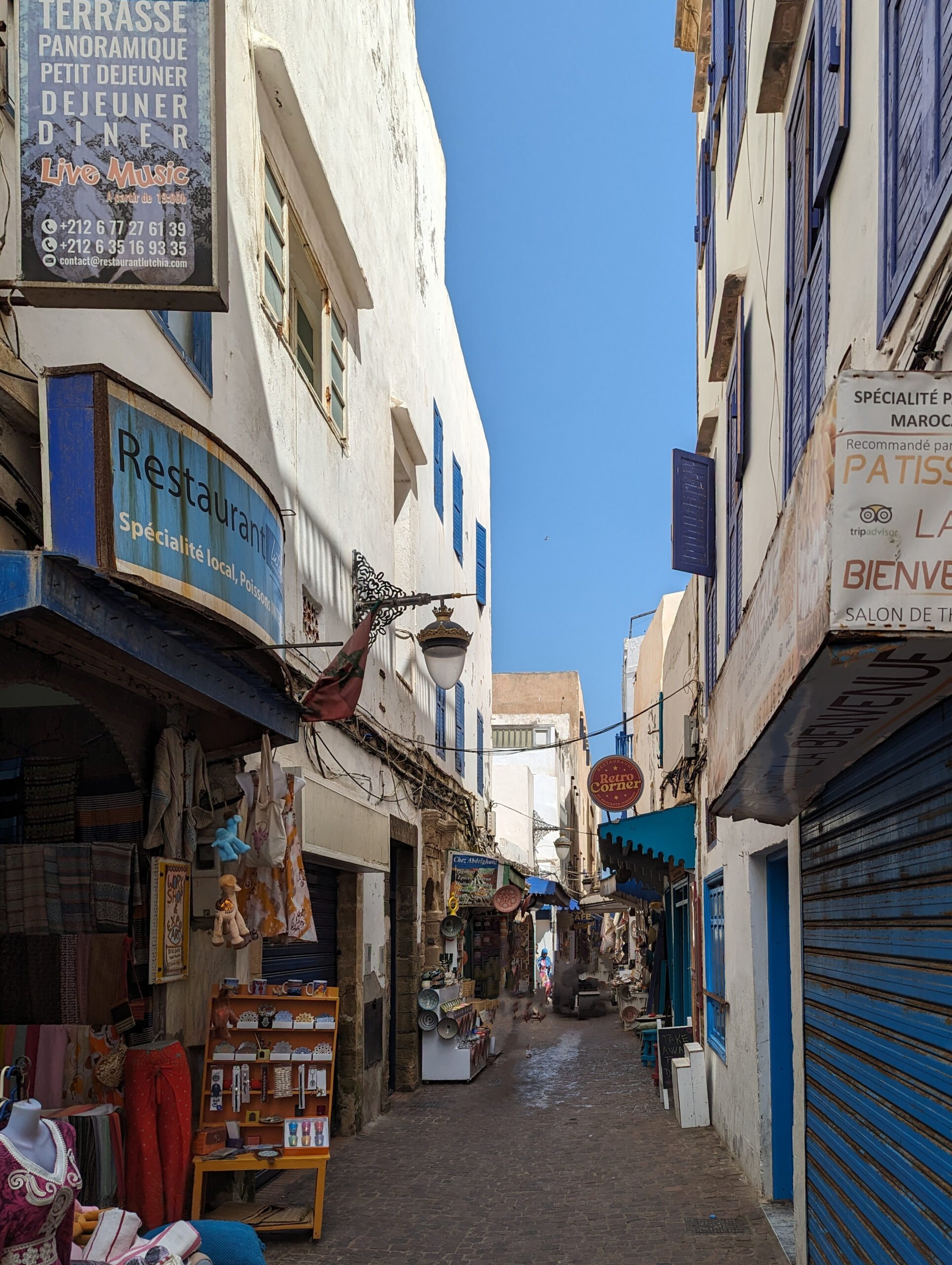
A veritable labyrinth of narrow, winding streets, the medina is home to several souks, craft stores, art galleries and numerous traditional restaurants and cafés where you can sample local specialties.
The souks
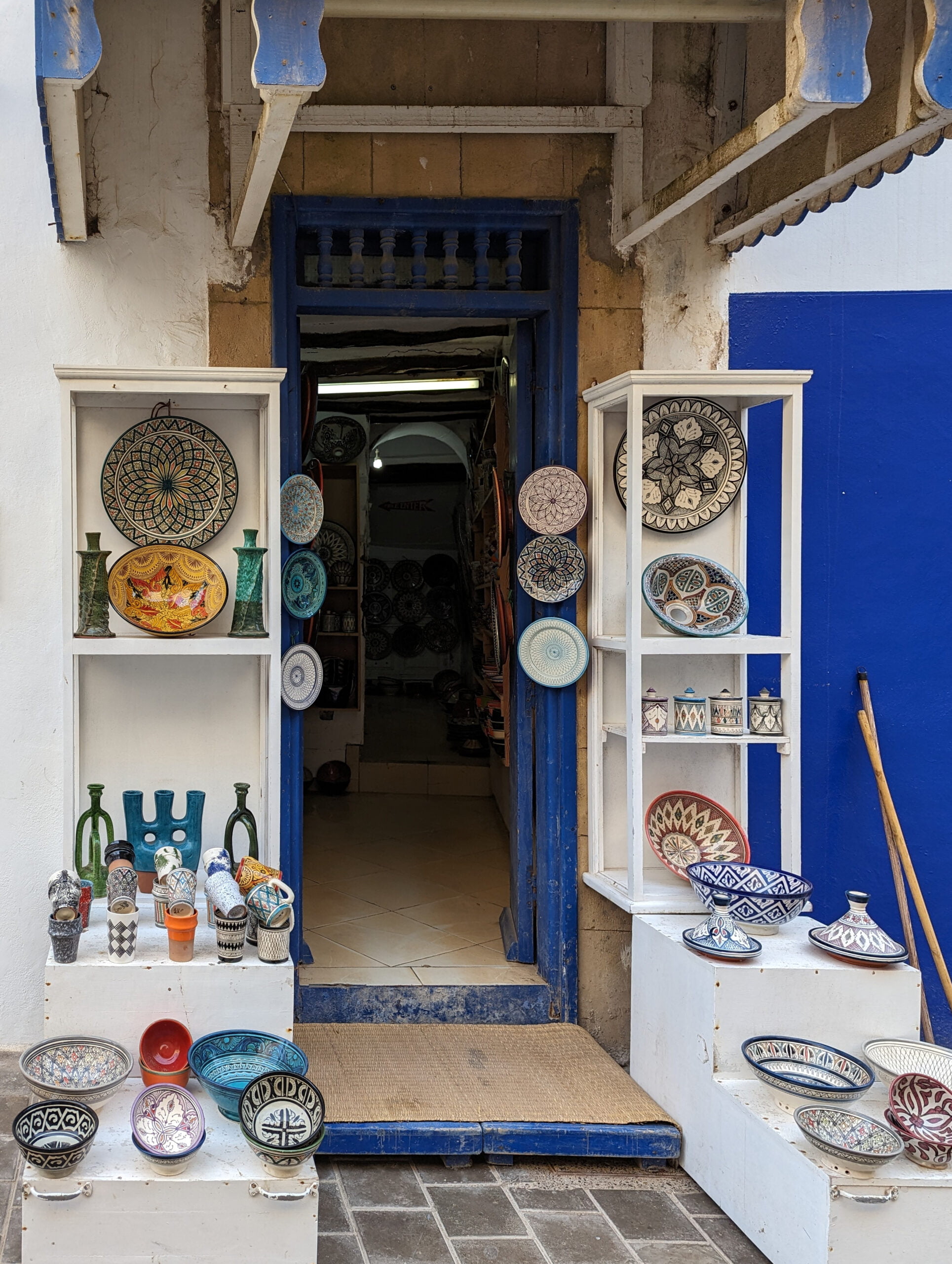
Strolling through the narrow streets of the medina is like immersing yourself in thehustle and bustle of local life, and taking the time to discover Moroccan handicrafts. Rugs, jewelry, pottery, lanterns, fabrics and other decorative objects… Everything can be bought and sold, after negotiation 😅, in the souks of Essaouira!
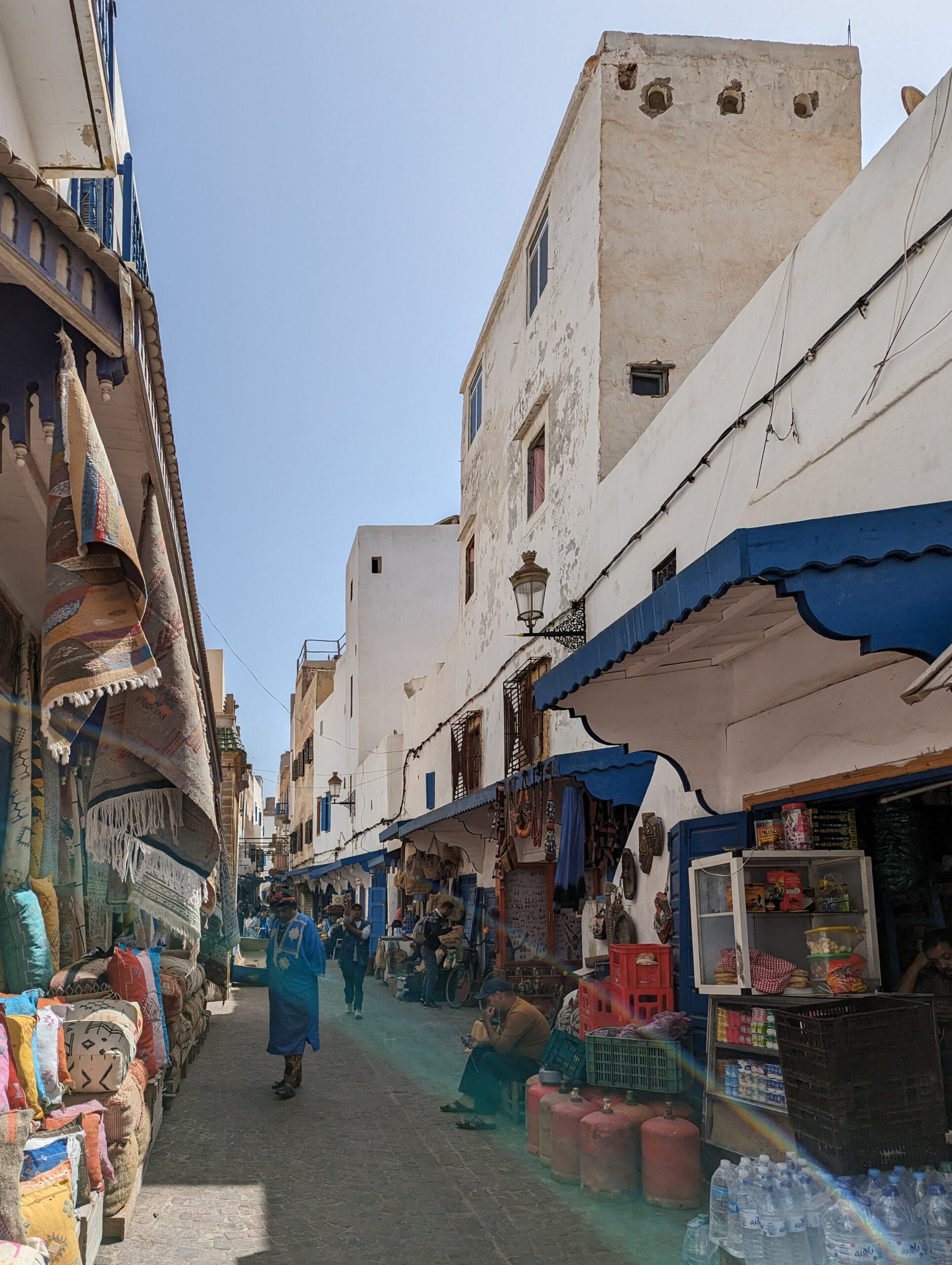
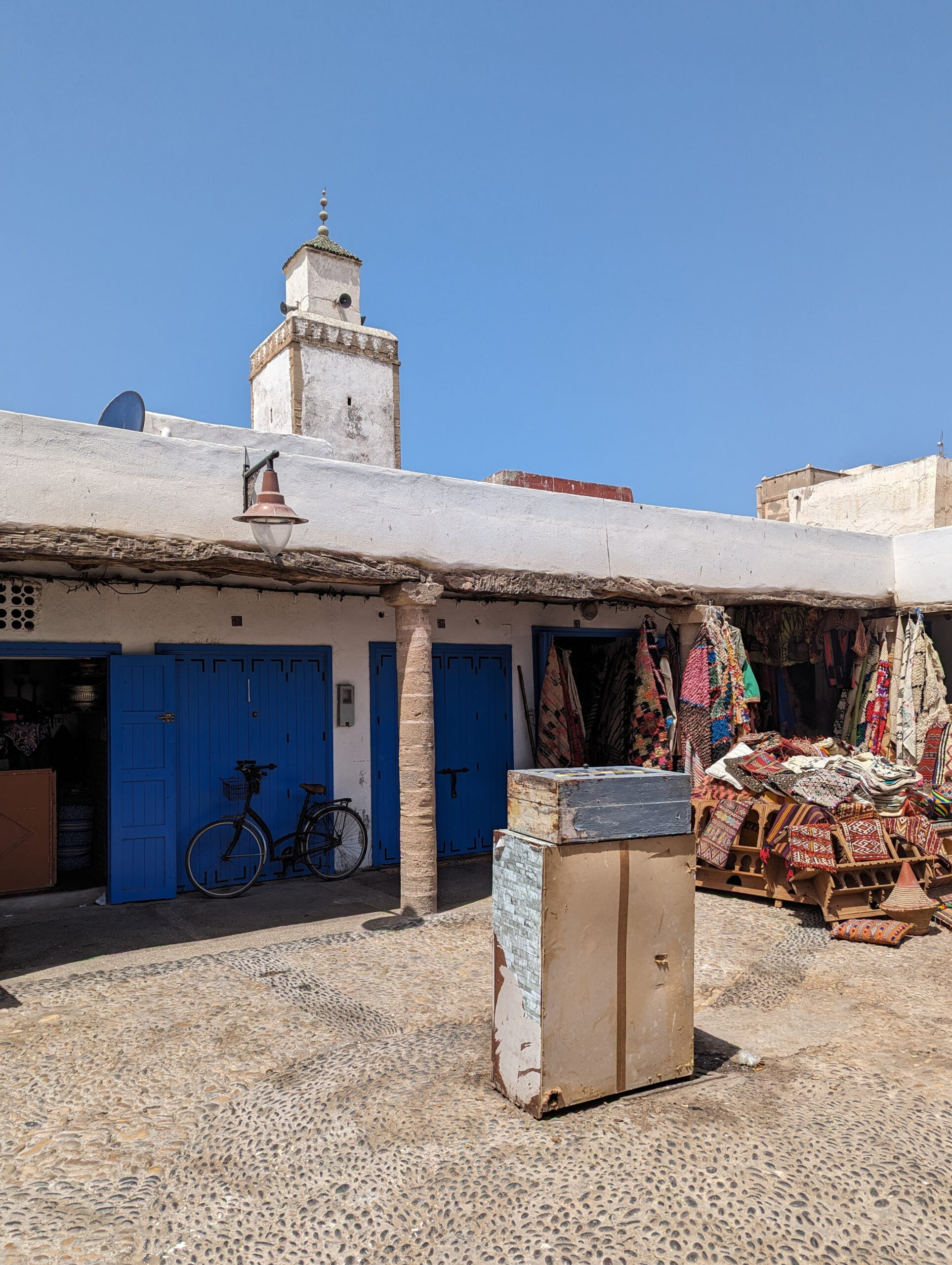
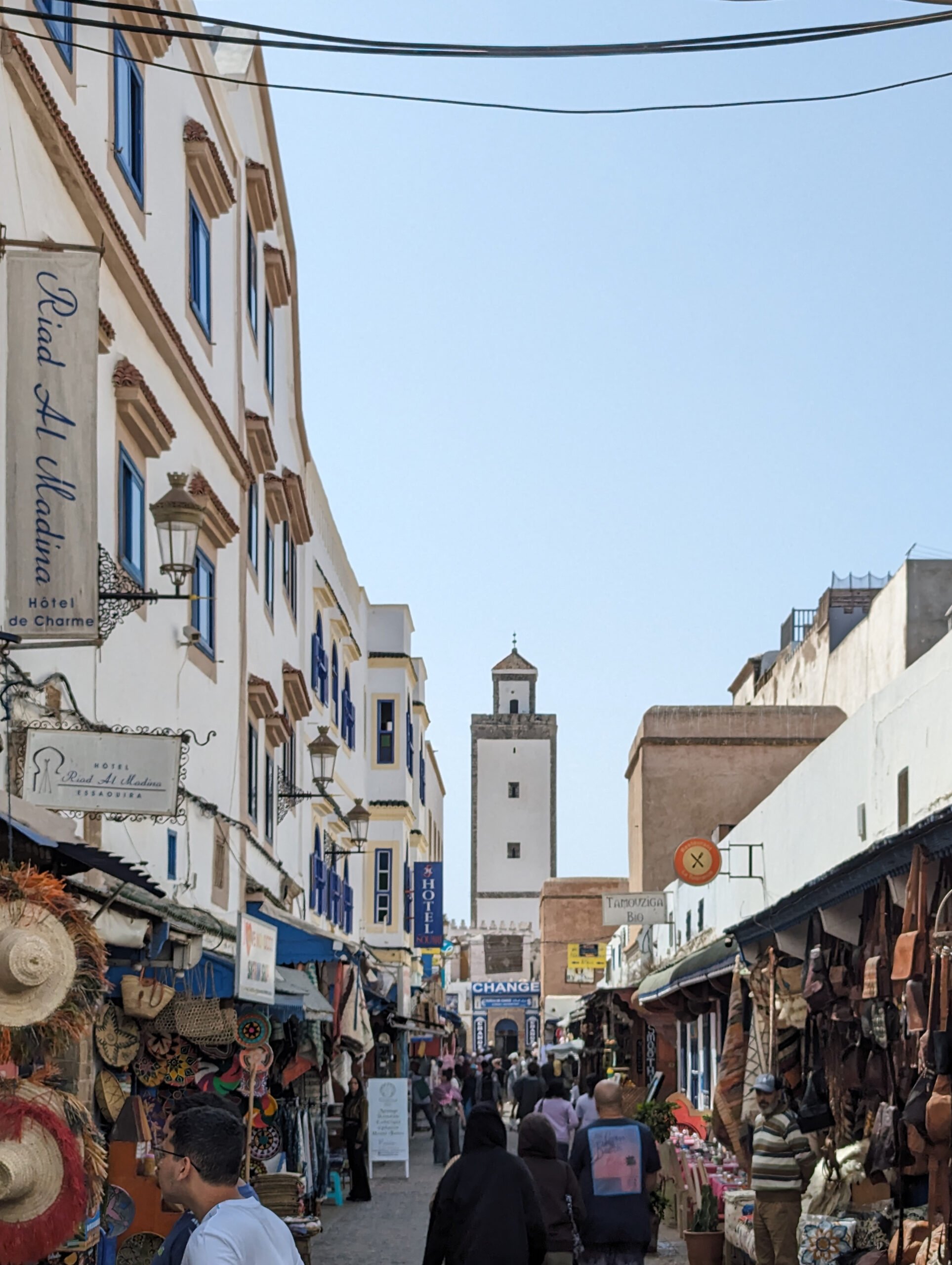
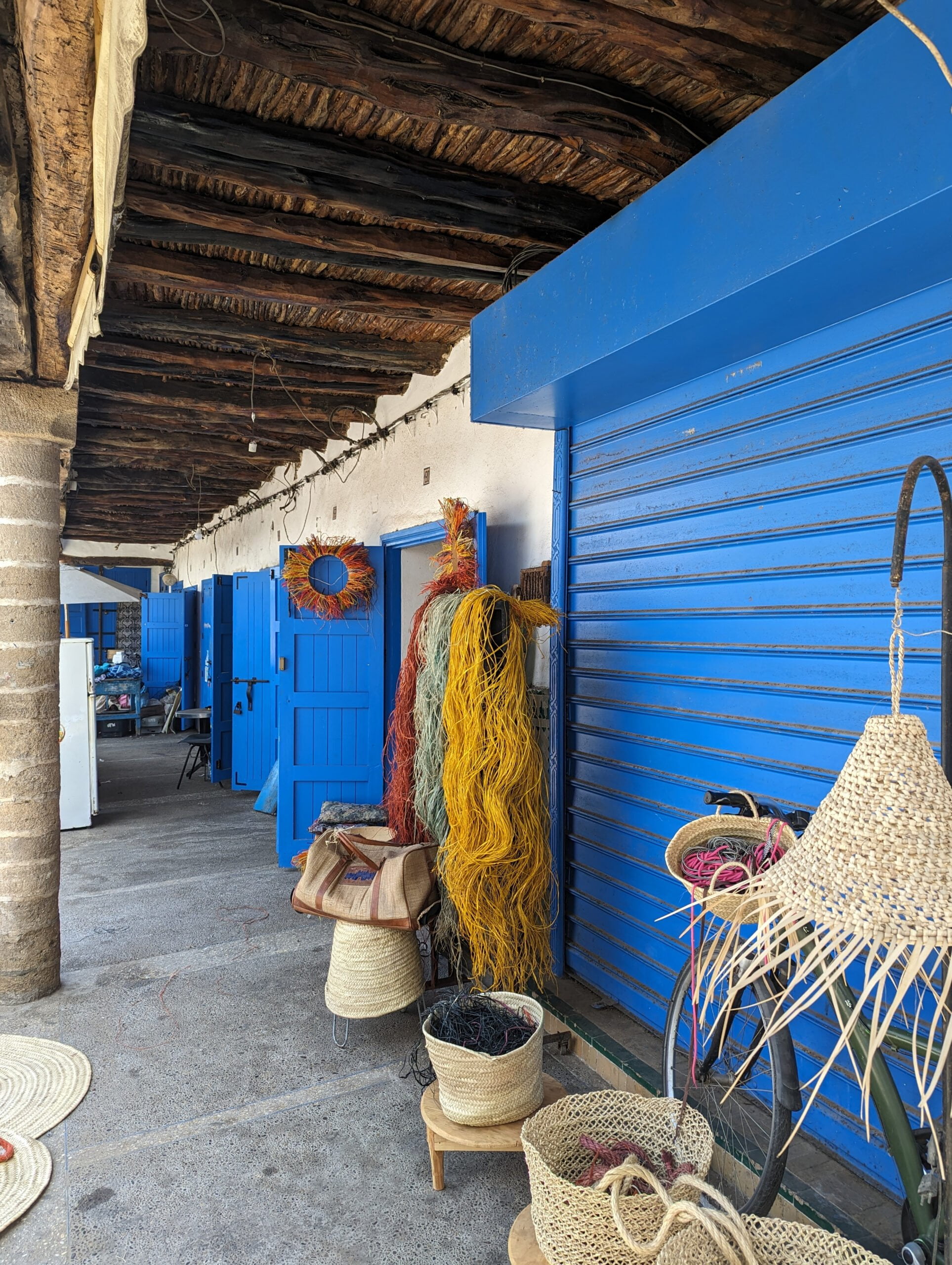
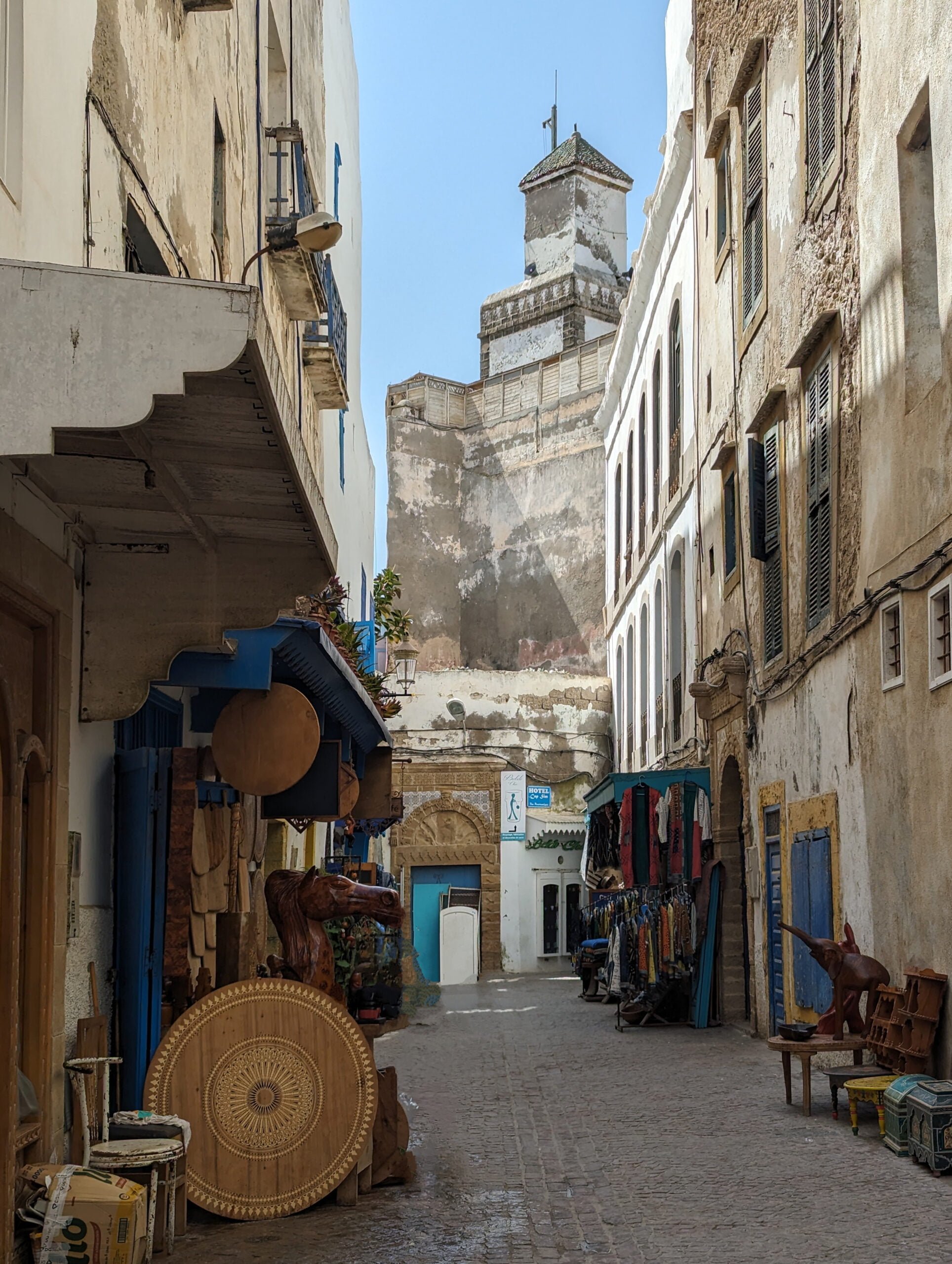
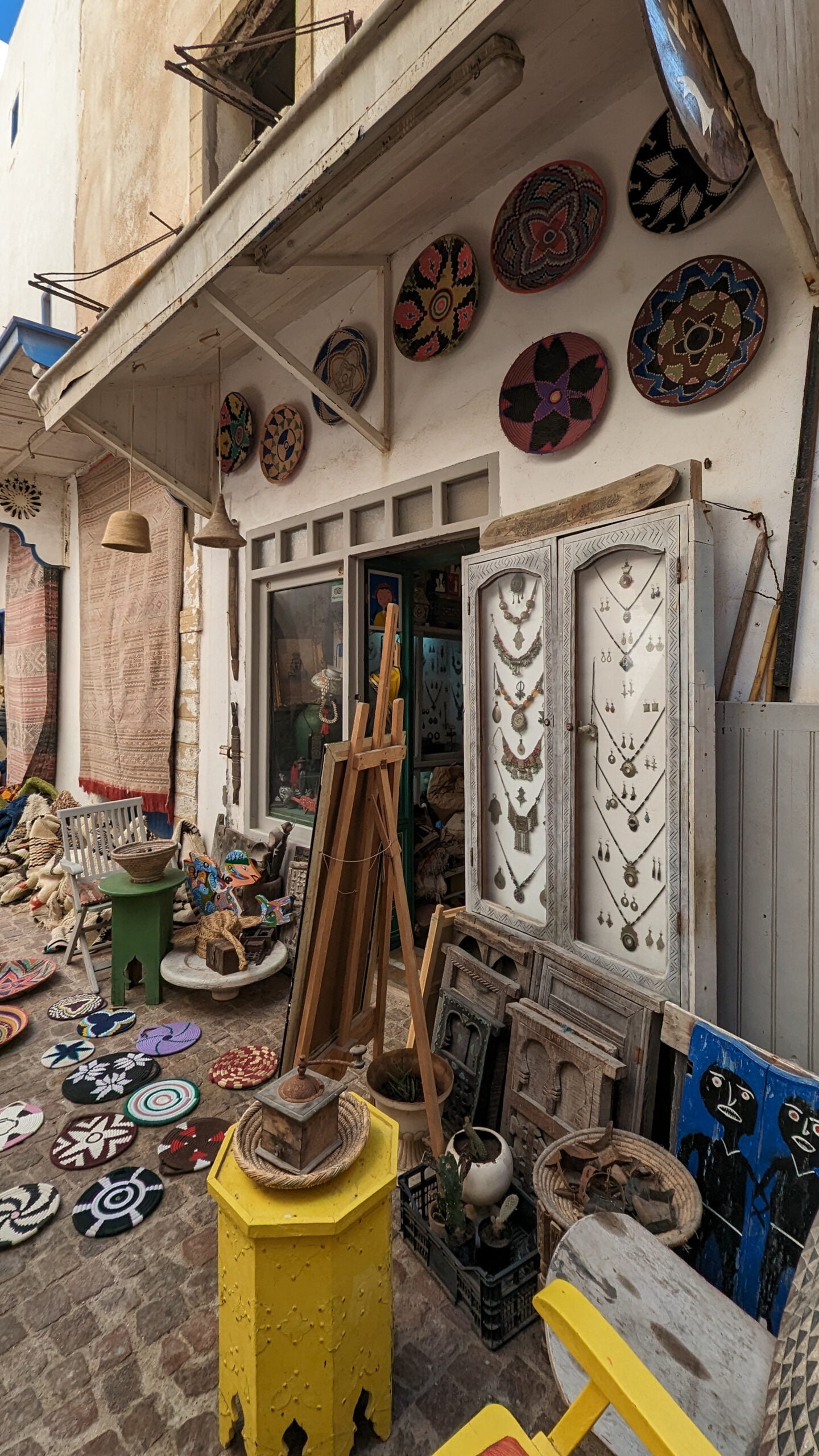
While the souk experience in big cities like Marrakech can sometimes be stifling, it’s great fun to lose yourself in the souks of Essaouira. Smaller in size, the souks are easily explored on foot. Here, you can take a leisurely stroll through the more airy streets, without being approached by pushy salespeople. The atmosphere is relaxed and convivial, sometimes even festive when the souks are animated by street musicians.
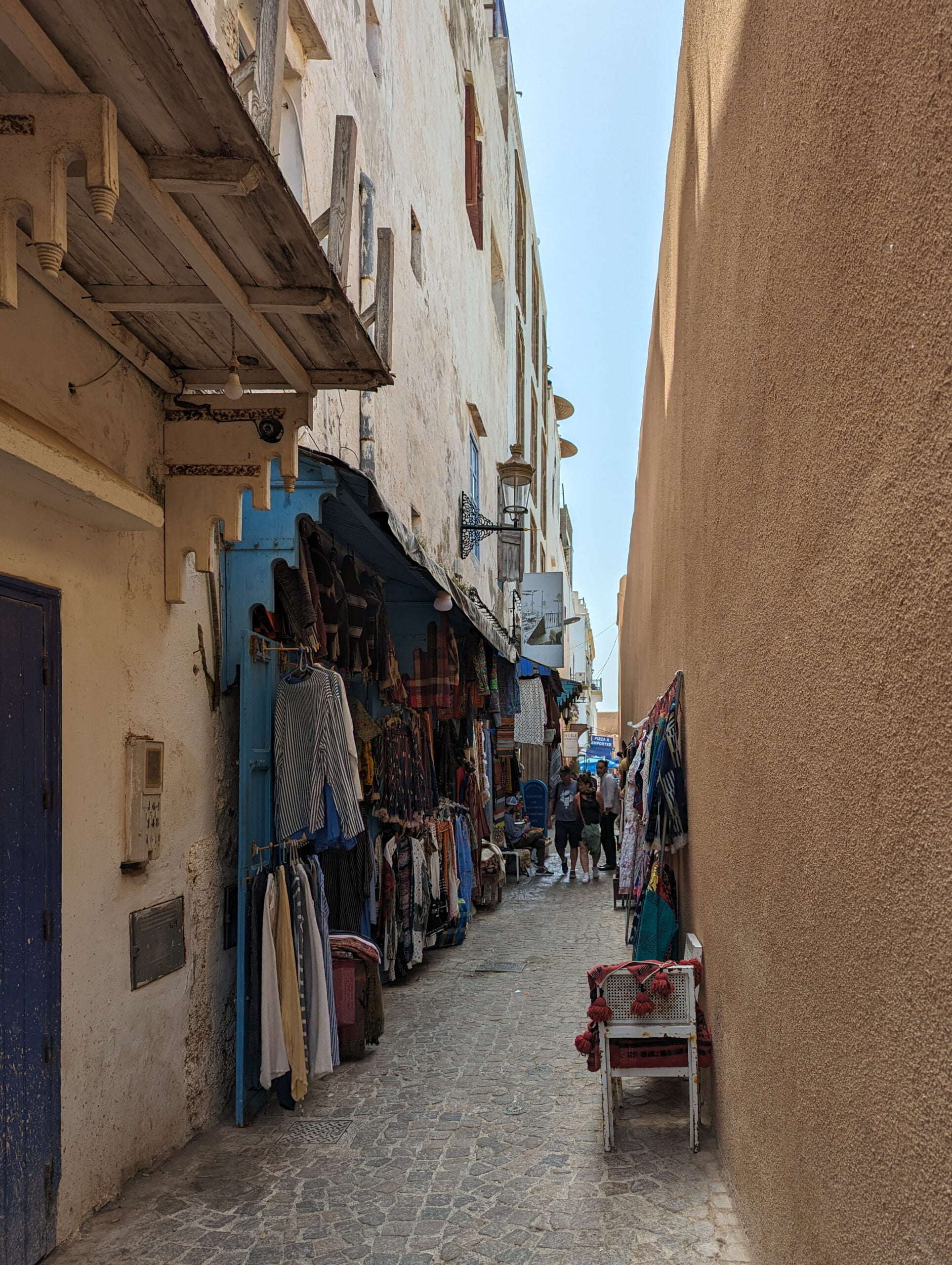
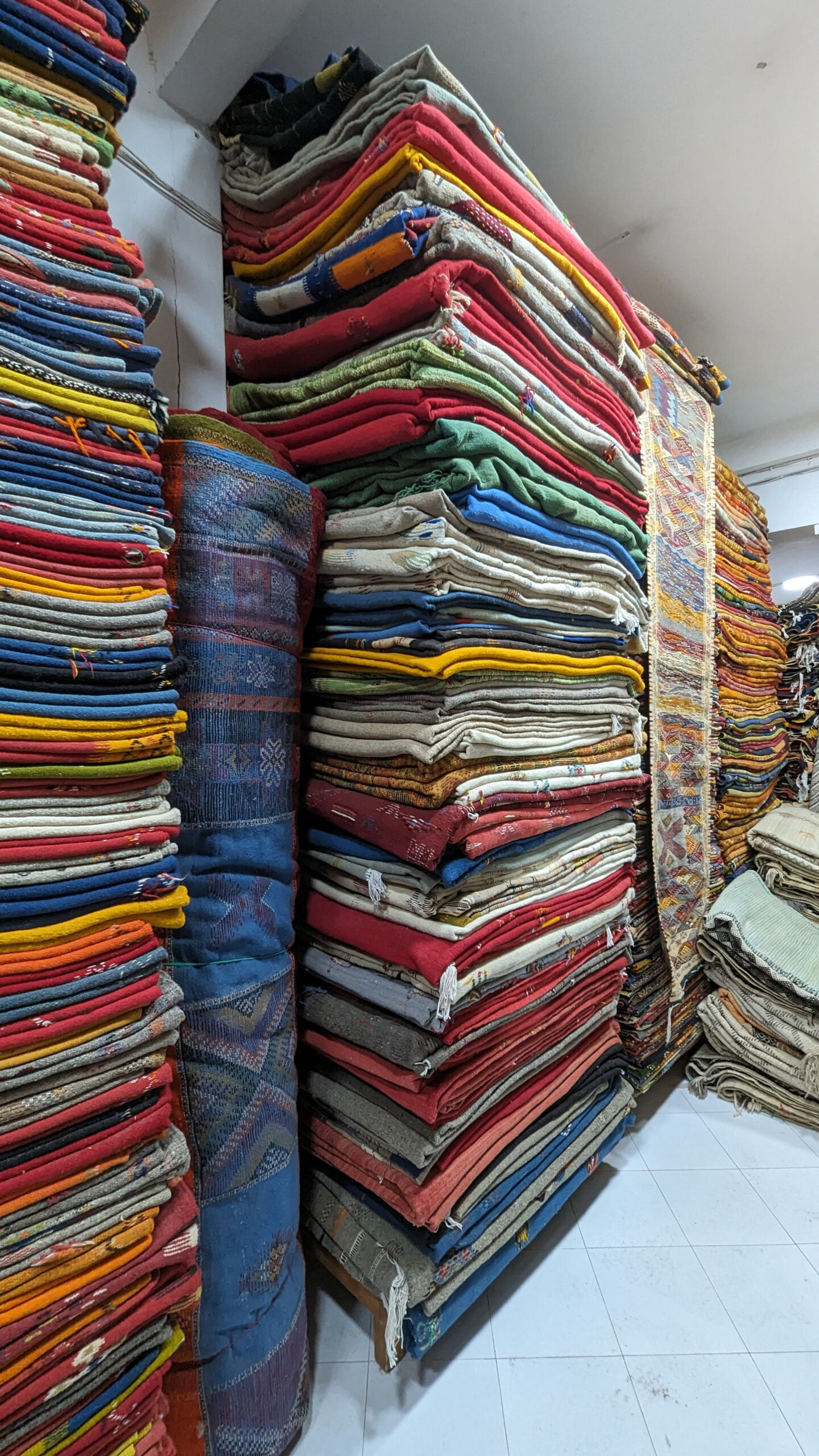
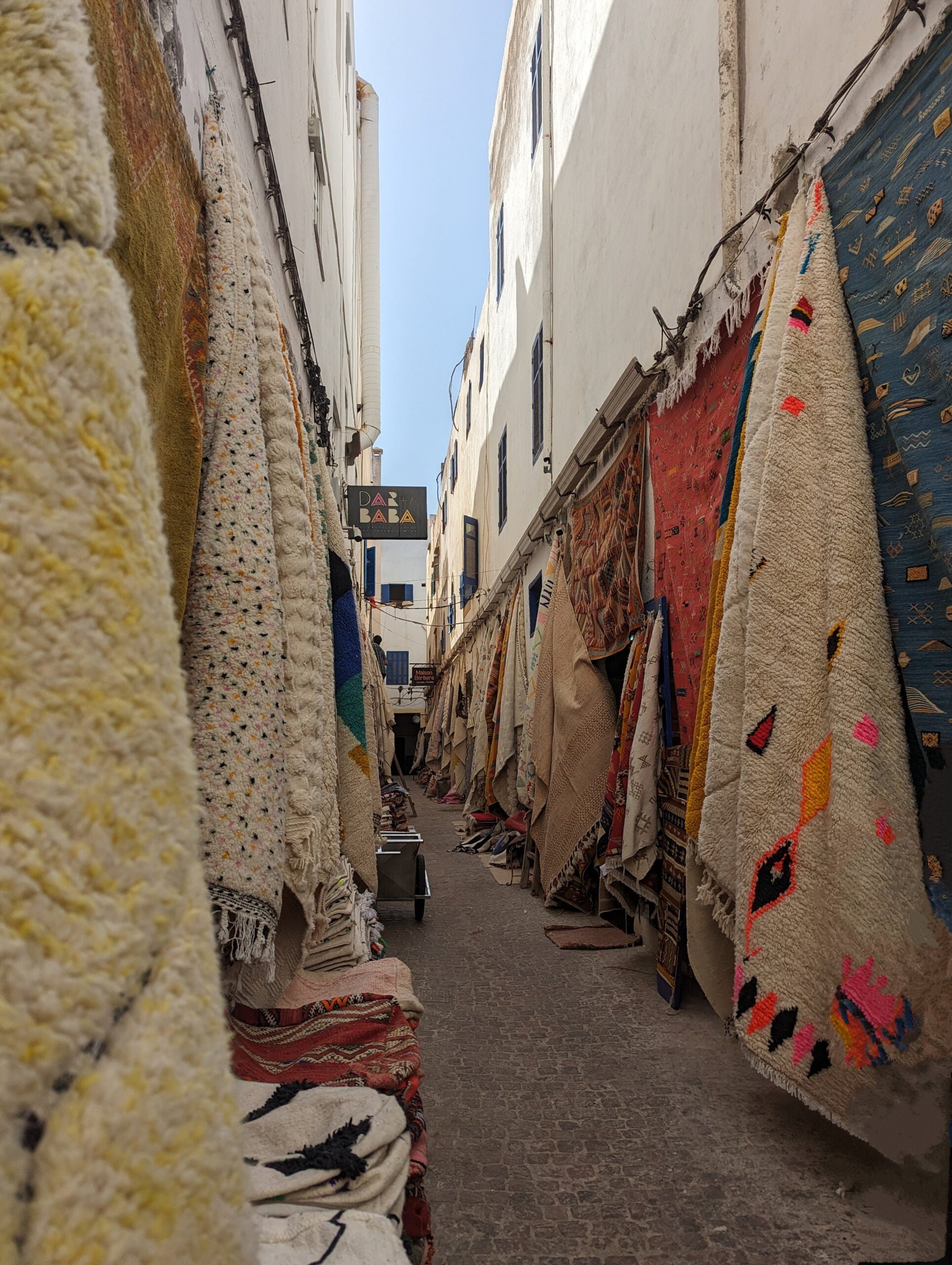
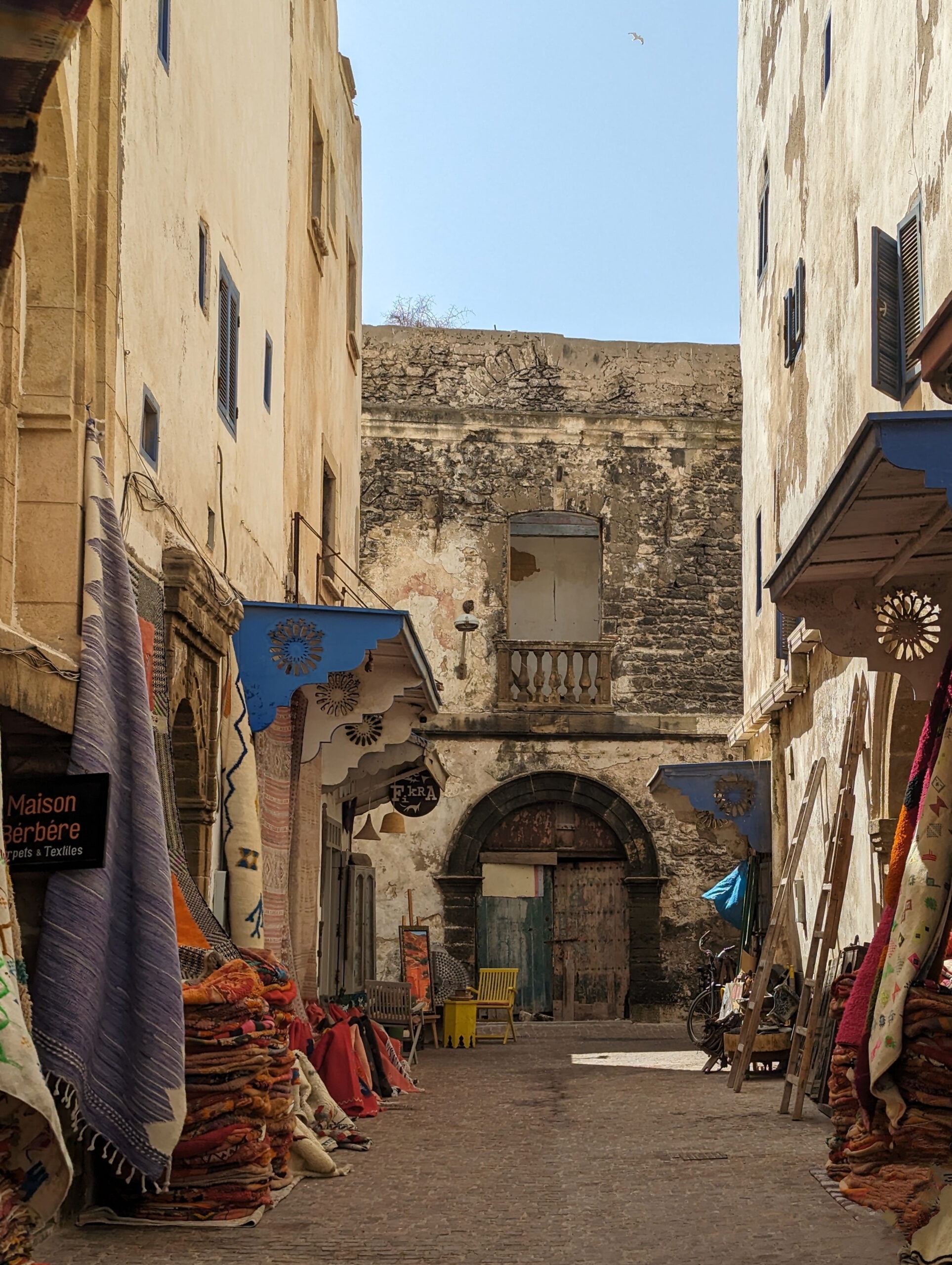
➜ In the words of one local, any negotiation must start at half price, otherwise the final purchase price will be too expensive. In our experience, this advice works well in most cases. We found identical carpets at prices that doubled before negotiation, which leaves plenty of room for improvement when you start at full price… Sometimes, however, the advertised price is not (or only slightly) debatable, as is the case with certain pottery retailers. In any case, it’s best to tour the souks several times before deciding to buy 🙈
The medina skala
The medina skala, also known as the Kasbah skala, is a fortified platform built in the 18th century as part of the city’s ramparts, which were designed by French architect Théodore Cornut during the reign of Sultan Mohammed III to protect the city from outside attack.
Built exclusively of cut stone in the Vauban style, the skala stretches for several hundred meters and features several Spanish cannons that still bear witness to the town’s military past. It is dominated by the borj norththe city’s most important bastion.
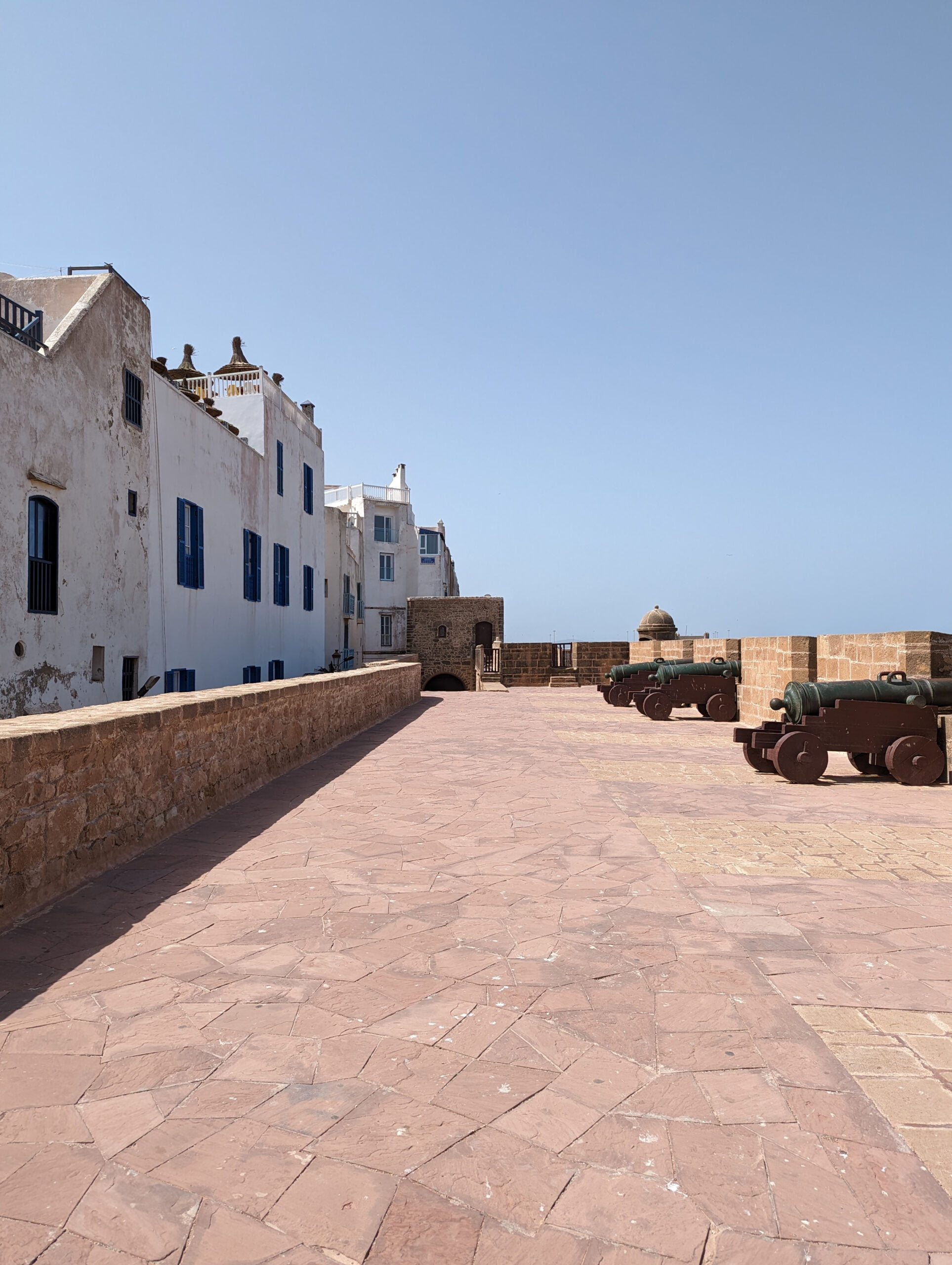
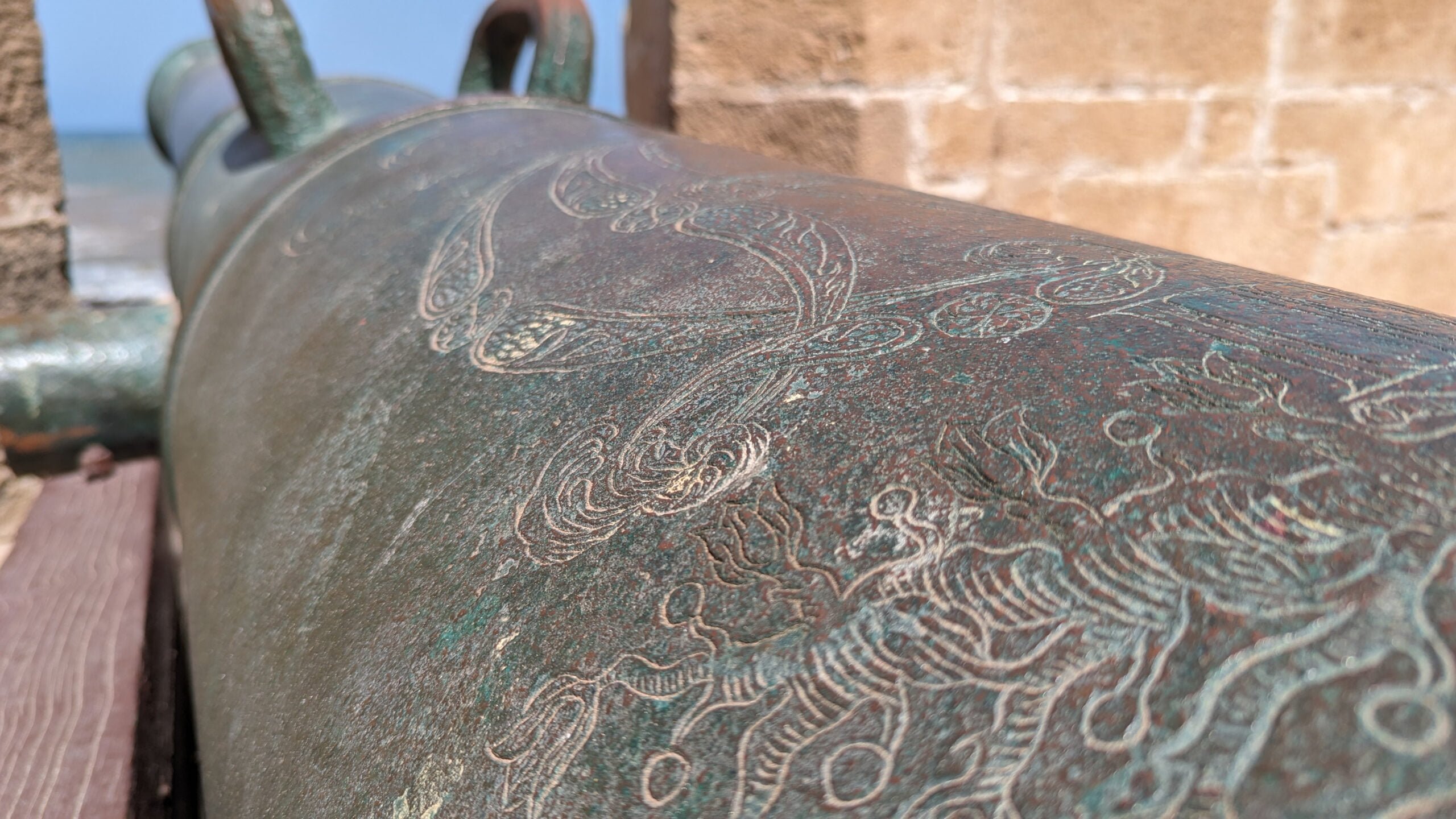
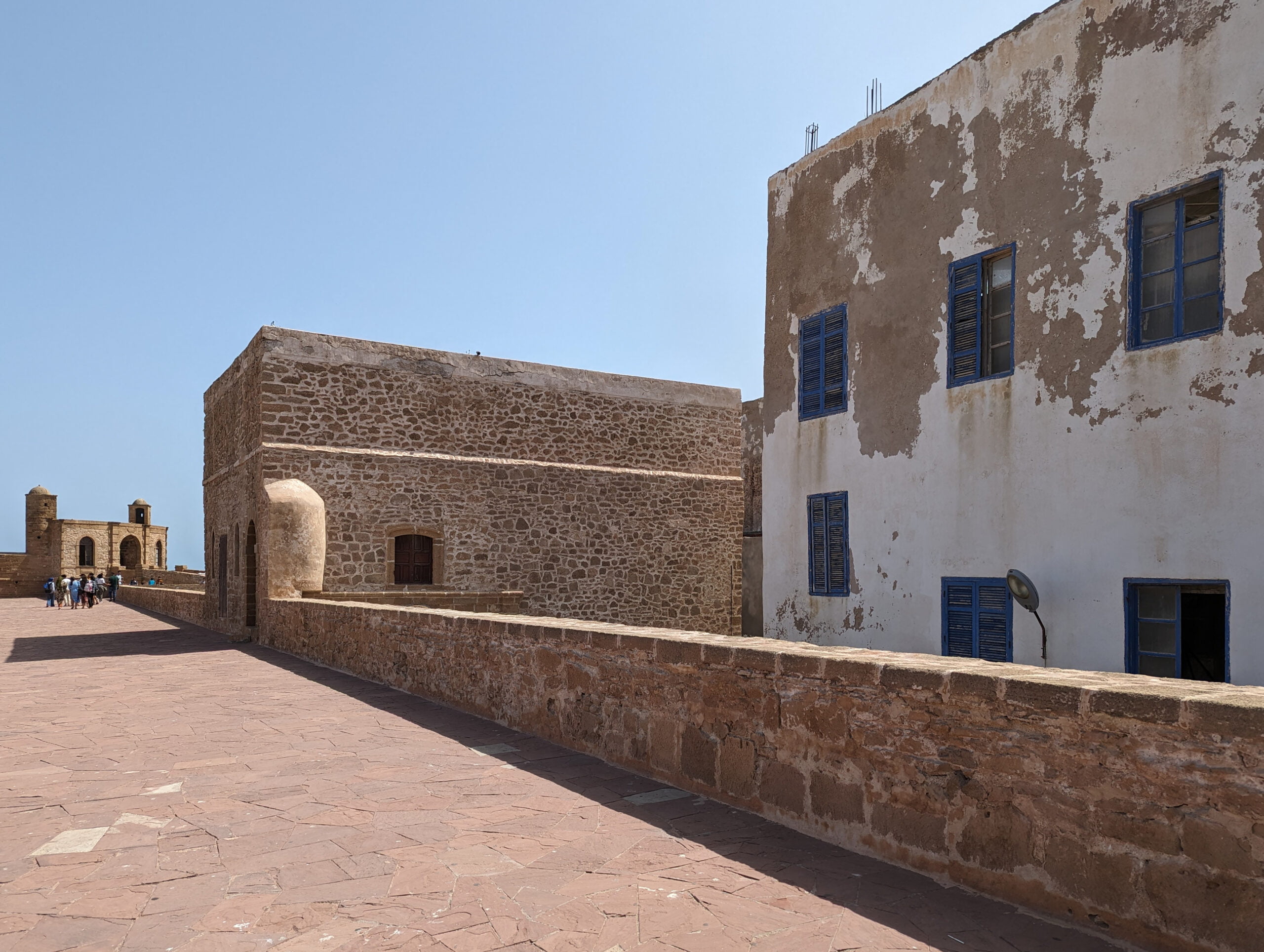
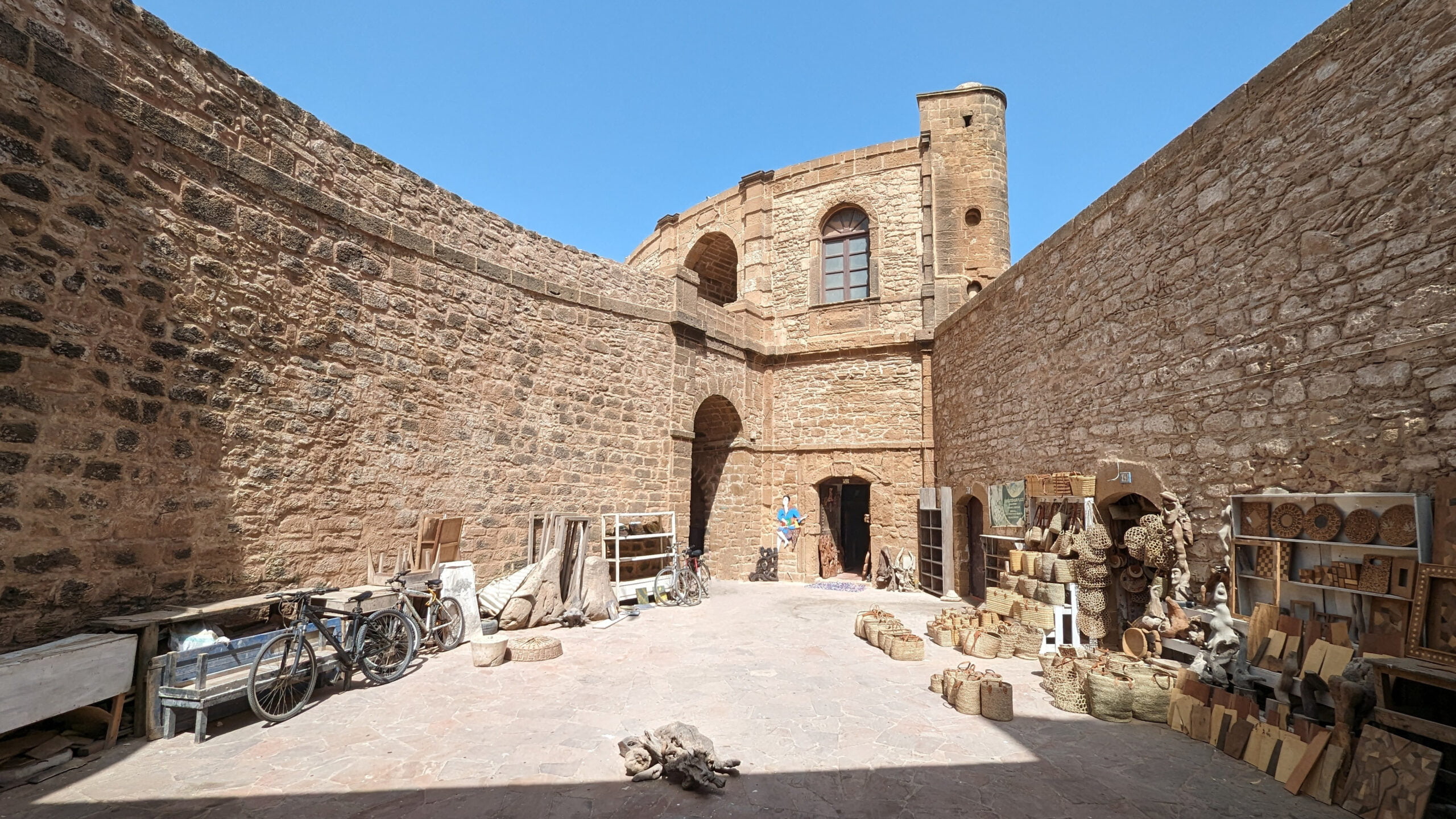
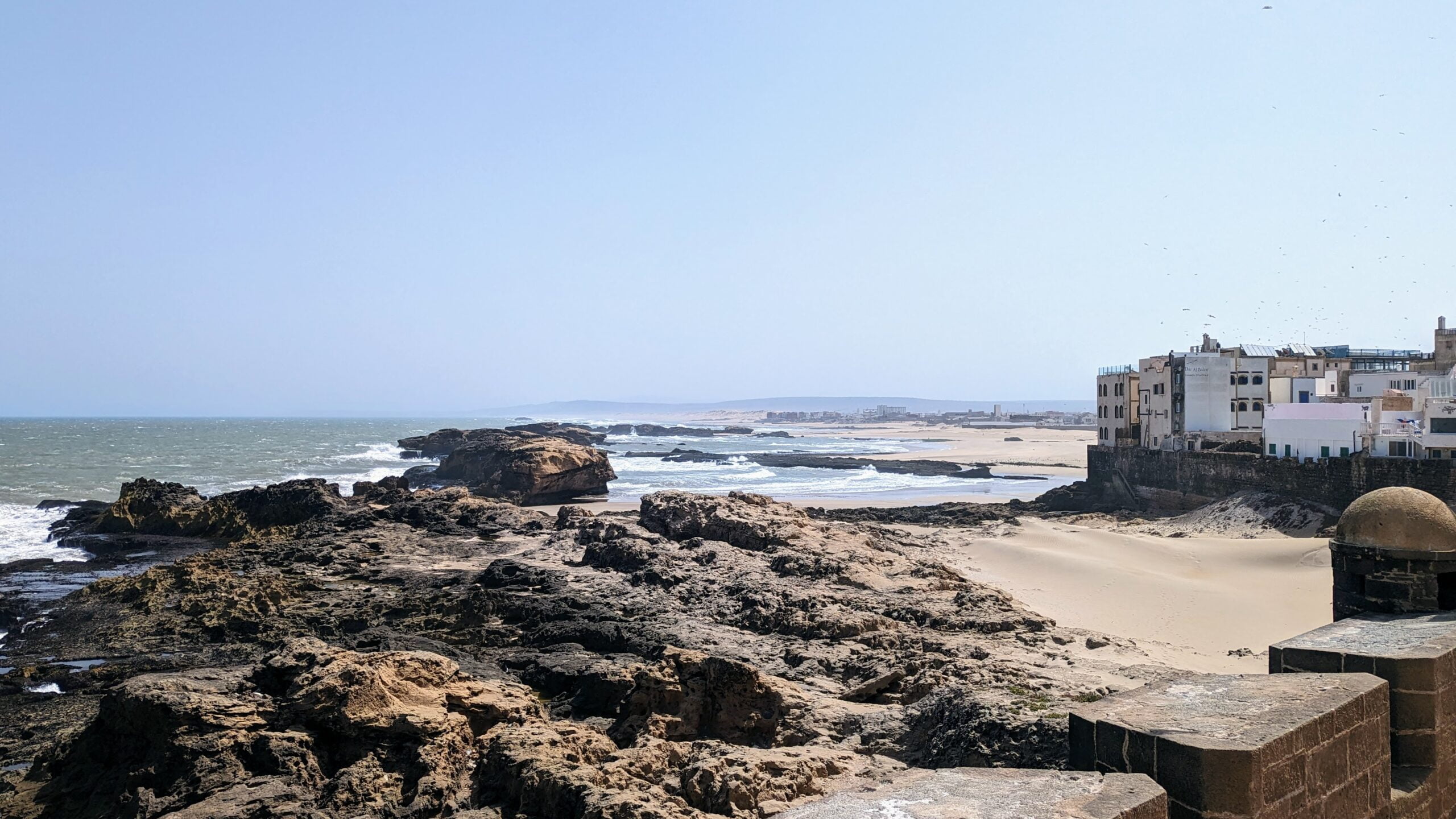
A must-see historic site, located just a few minutes’ walk from Place Moulay Hassan, the skala offers a magnificent panoramic view of the Atlantic Ocean and the medina’s ramparts, making it a very popular place to watch the sun set.
The fishing port
Built in 1770, under the reign of Sultan Mohammed ben Abdallah, Essaouira’s port is protected by the port skala. In Manueline style, the skala of the port is made up of two 200-metre-long fortified wings, connected to the Bab el-Marsa (Marine Gate) and dominated by the borj el-barmil.
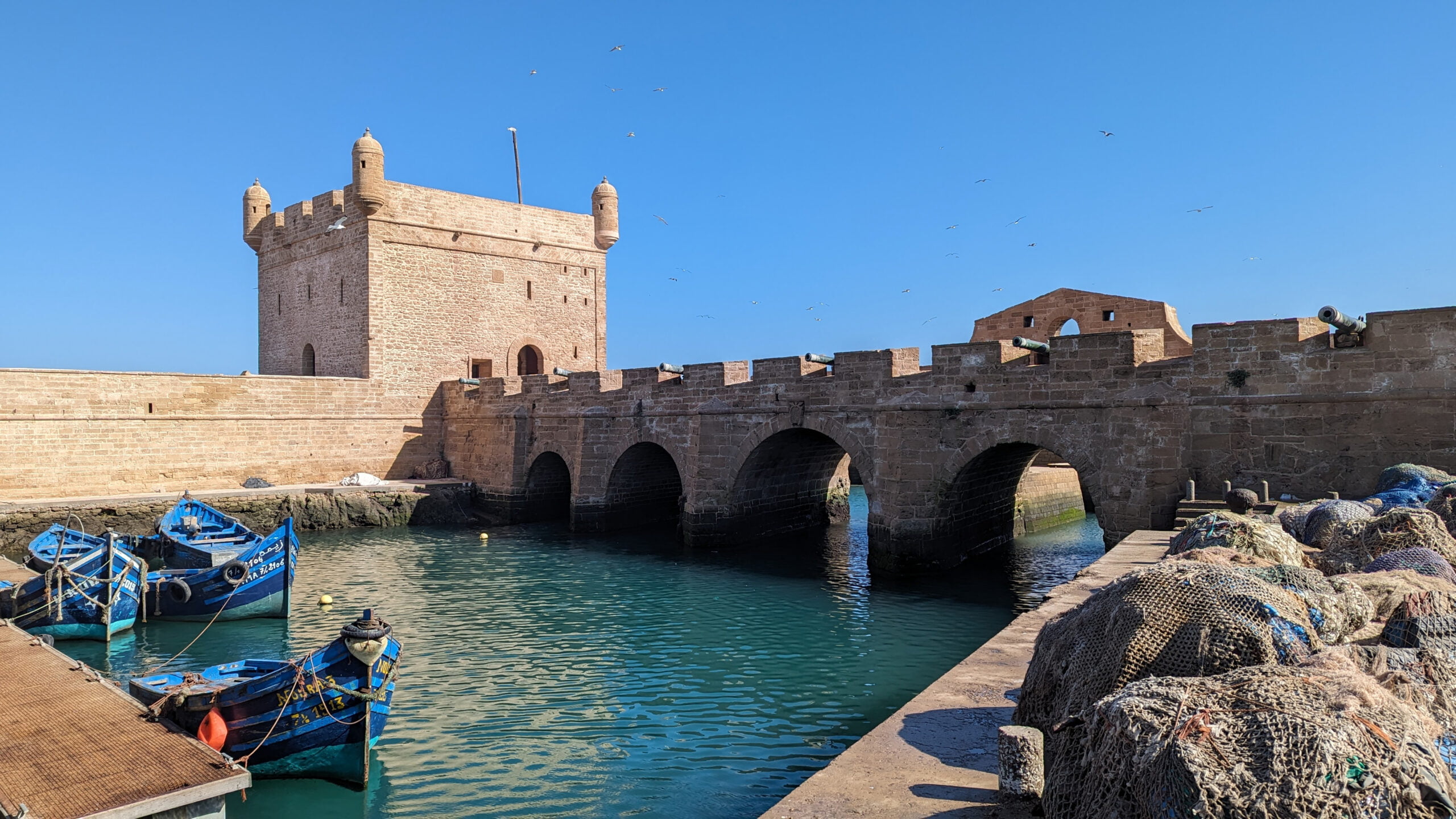
Also known as the port bastion, the borj el-barmil is a circular Vauban-style bastion built to defend the northern access to the bay with the borj Moulay Ben Nasser on the other side, on the island of Mogador. Built entirely of ashlar in the Vauban style, Bab el-Marsa is a pedimented gateway with fluted columns. Giving access to the port of Essaouira, it is the city’s most monumental gateway.
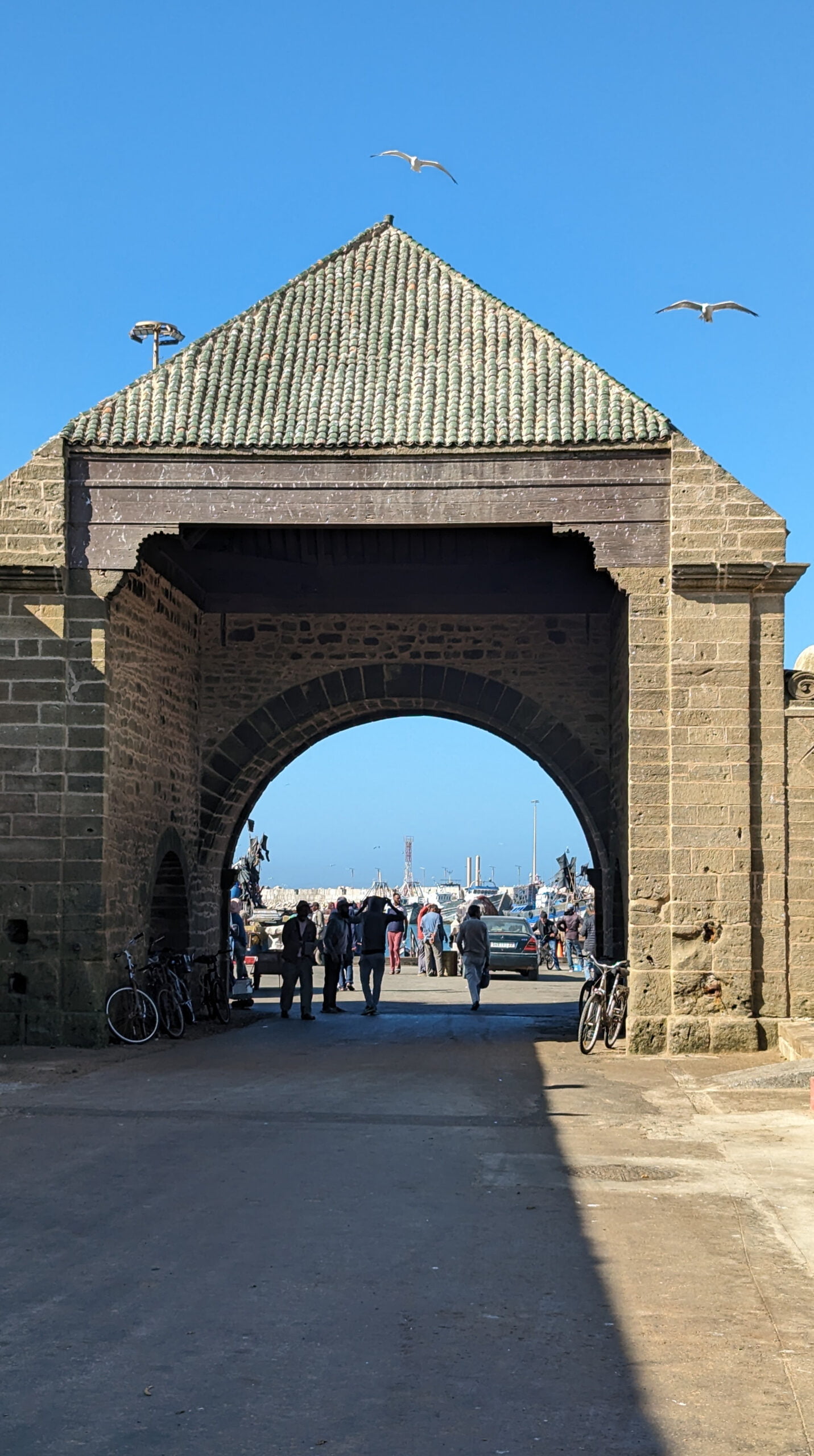
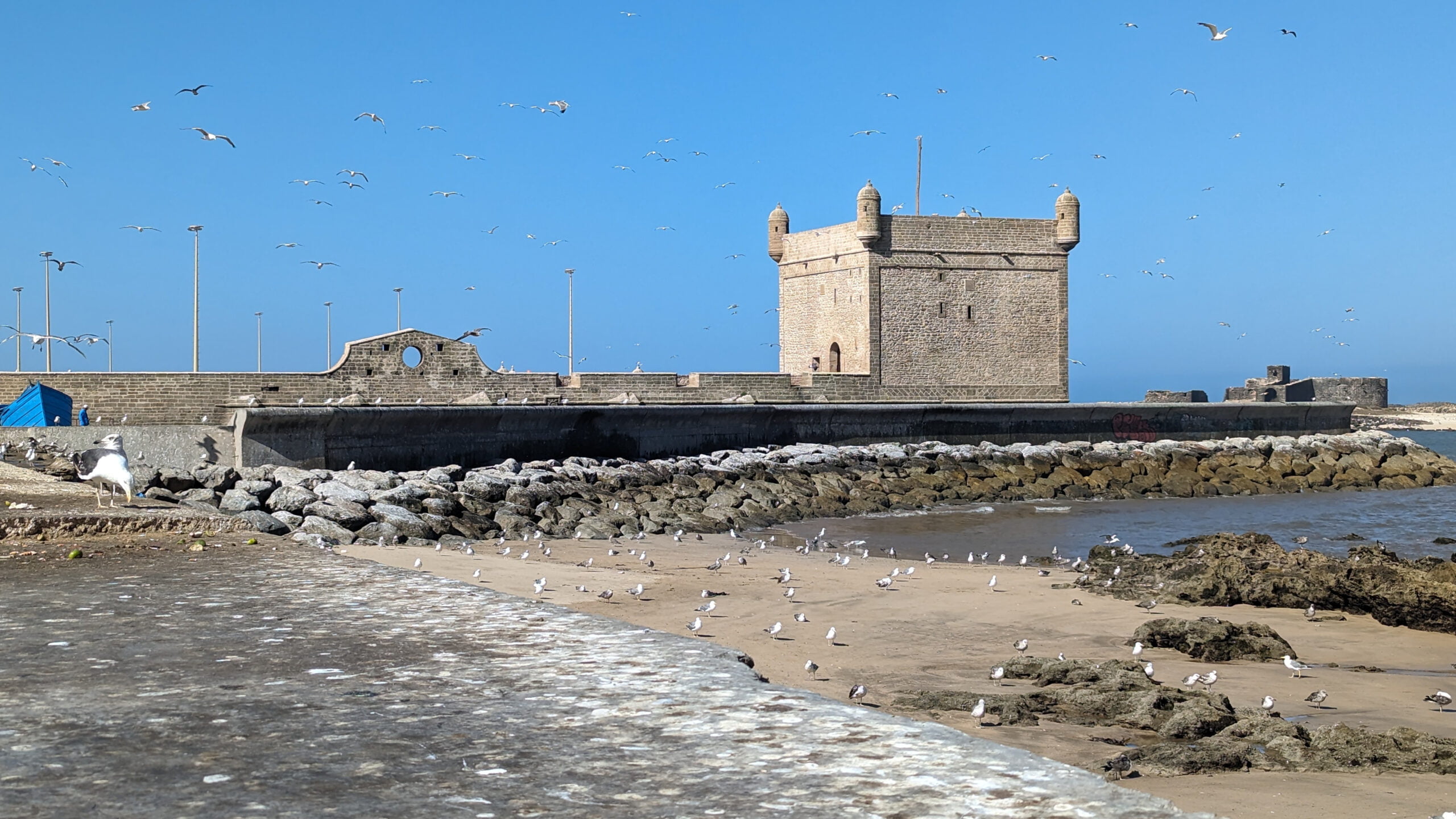
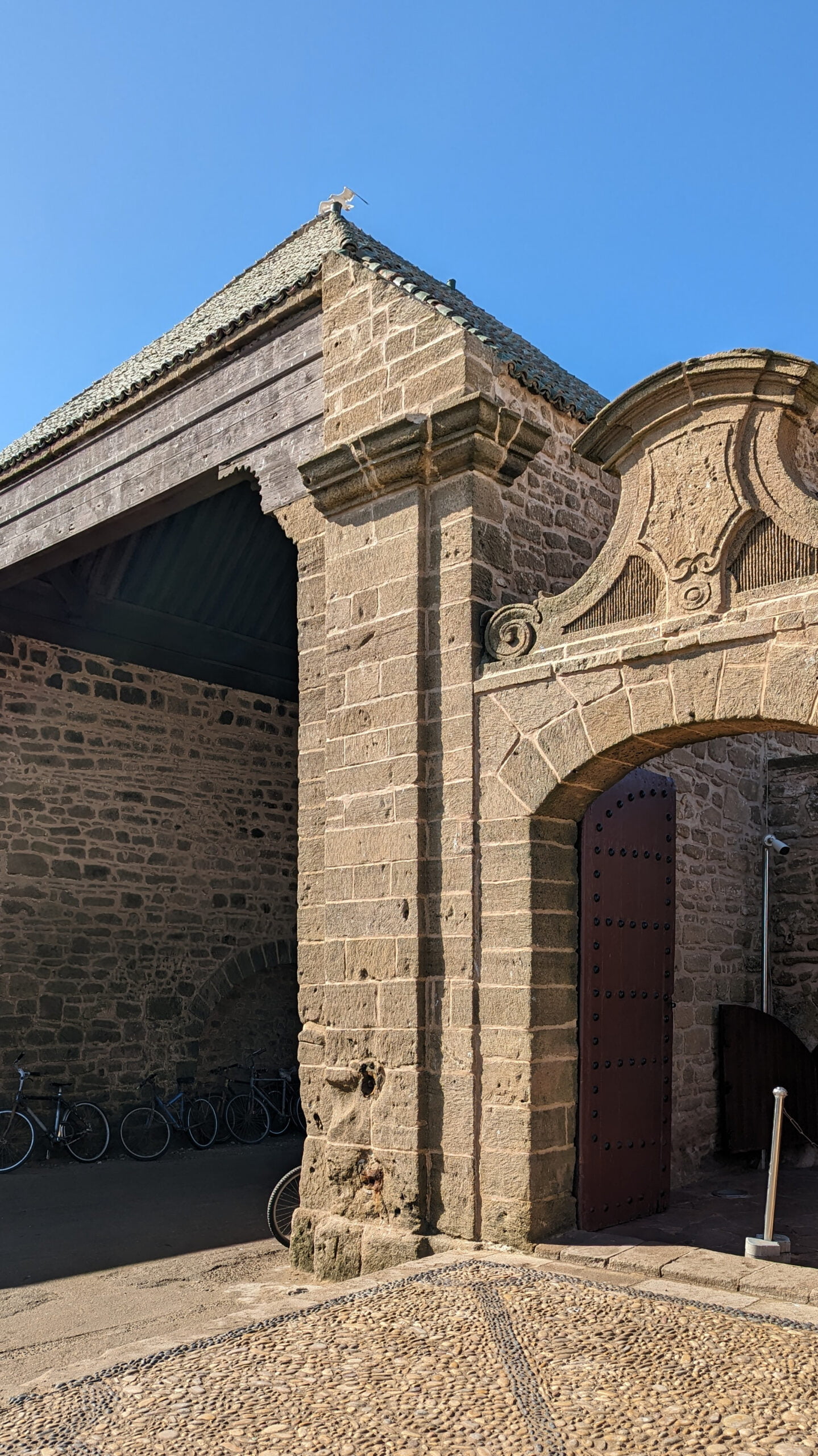
Long dubbed the “port of Timbuktu”, Essaouira was the main international trading port in Morocco between the end of the 18th century and the end of the 19th century. It was the point of exchange between the trans-Saharan trade routes and the major sea routes to Europe and the Americas.
With no deep-water facilities, however, the port is unable to accommodate large modern deep-draught vessels, which have abandoned it in favor of newly-built ports in Casablanca, Tangiers and Agadir. A former naval shipyard, Essaouira is now the kingdom’s third-largest sardine fishing port and a major shipyard for building and repairing traditional boats.
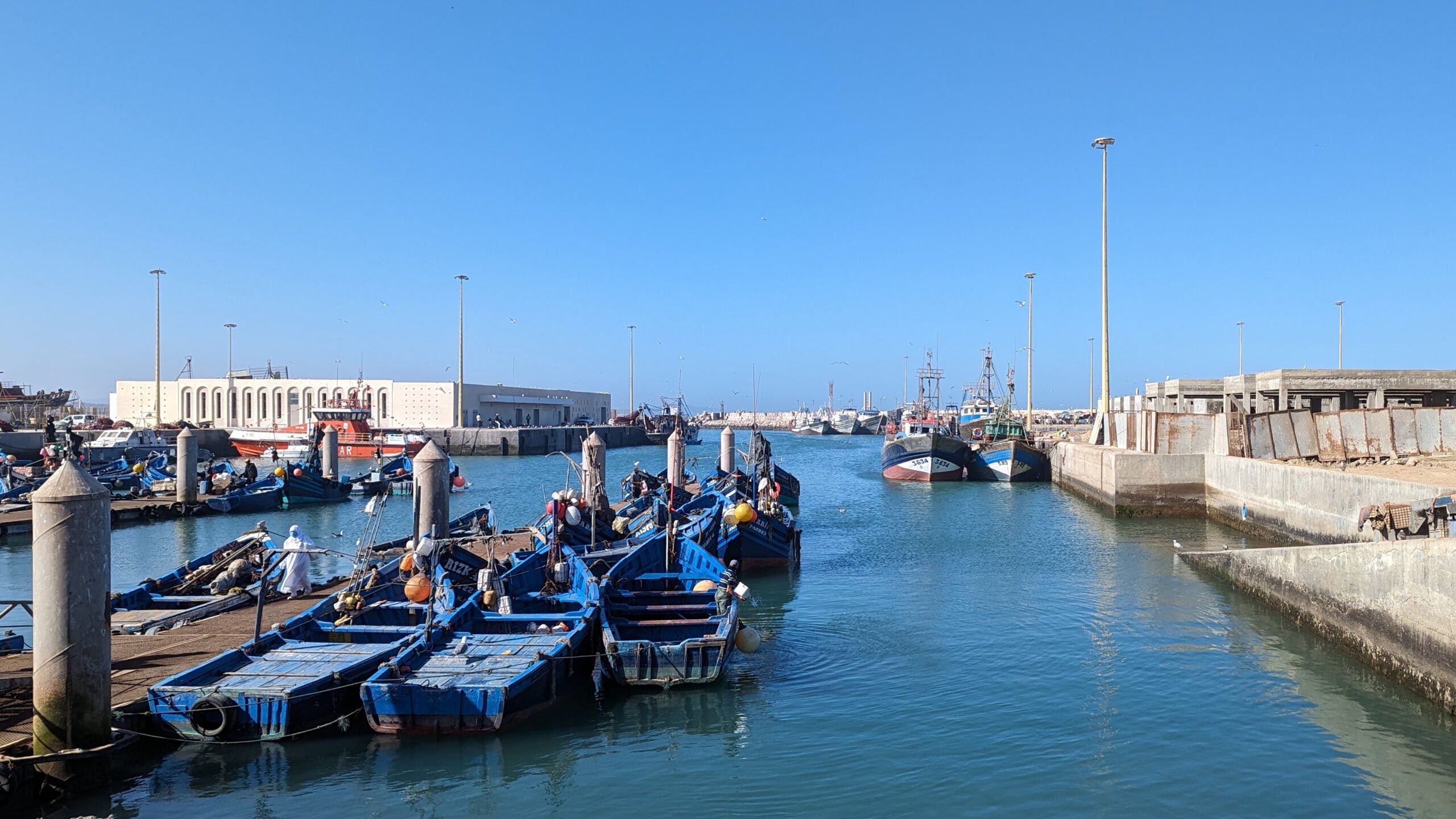
The port of Essaouira is at the heart of maritime activity and the lives of local fishermen: you can watch them in action, unloading the day’s catch, repairing nets and preparing boats for the next trip out to sea. At the fish auction, the fishermen sell their catch to local merchants and restaurateurs.
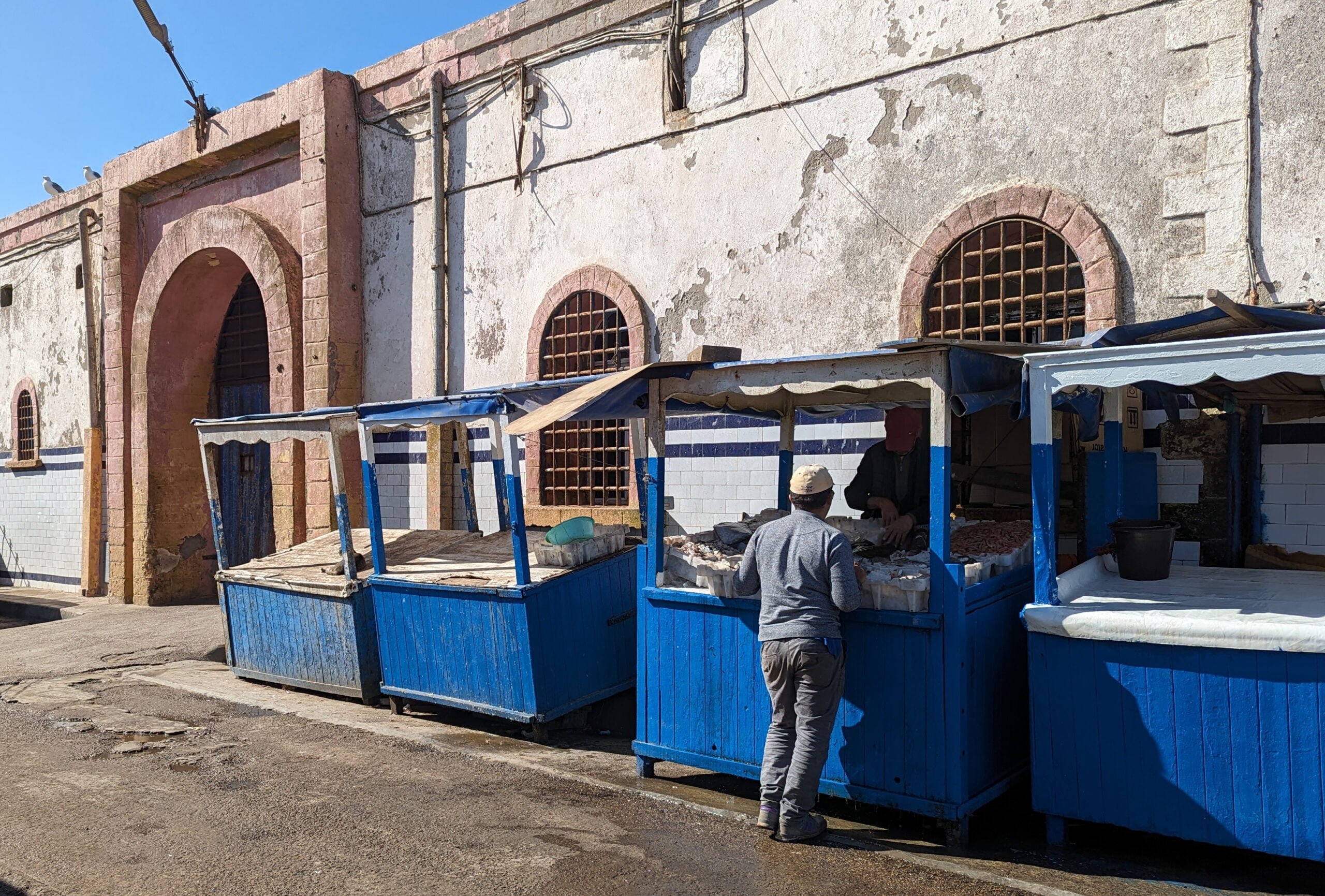
➜ Along the harbor, several stands allow visitors to choose their morsels and taste them on the spot. As long as you negotiate the price of the fish and the cooking before ordering, eating near the port is generally less expensive than in restaurants.
Activities near Essaouira
A walk on Diabat beach
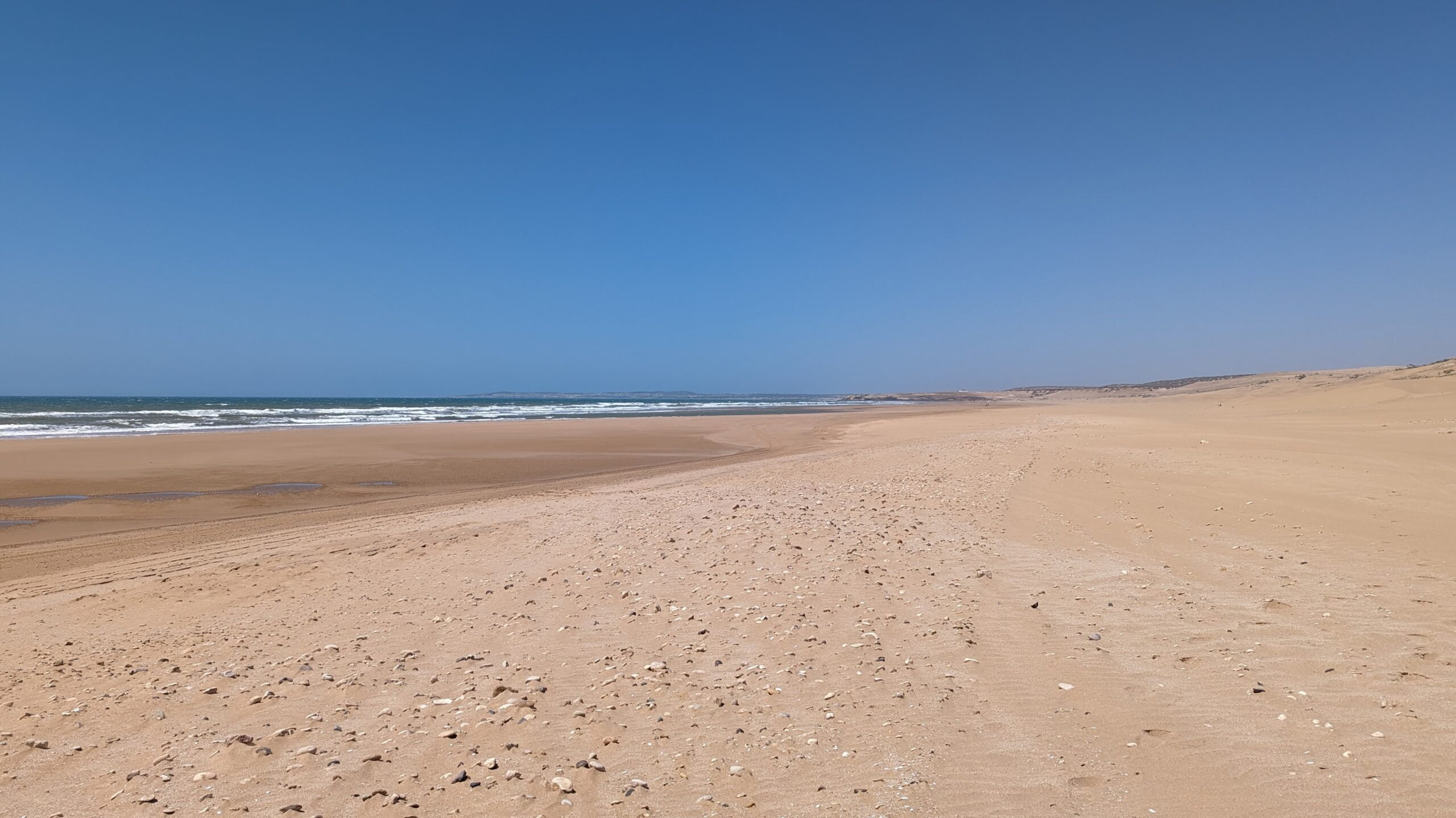
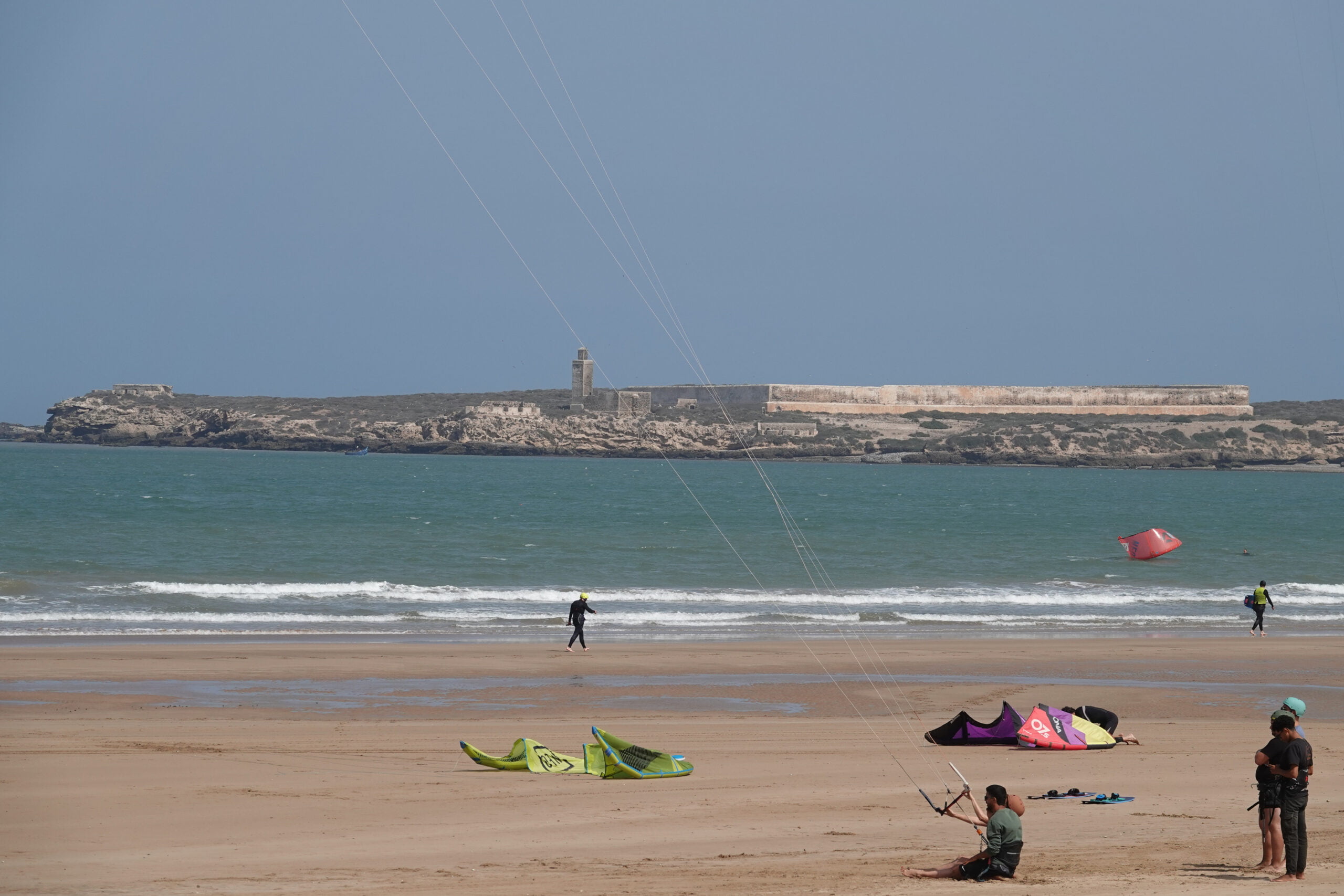
Located around 4 kilometers south of Essaouira, Diabat beach is a magnificent stretch of golden sand, appreciated by visitors for its unspoilt natural beauty, tranquil atmosphere and beautiful view of the island of Mogador opposite.
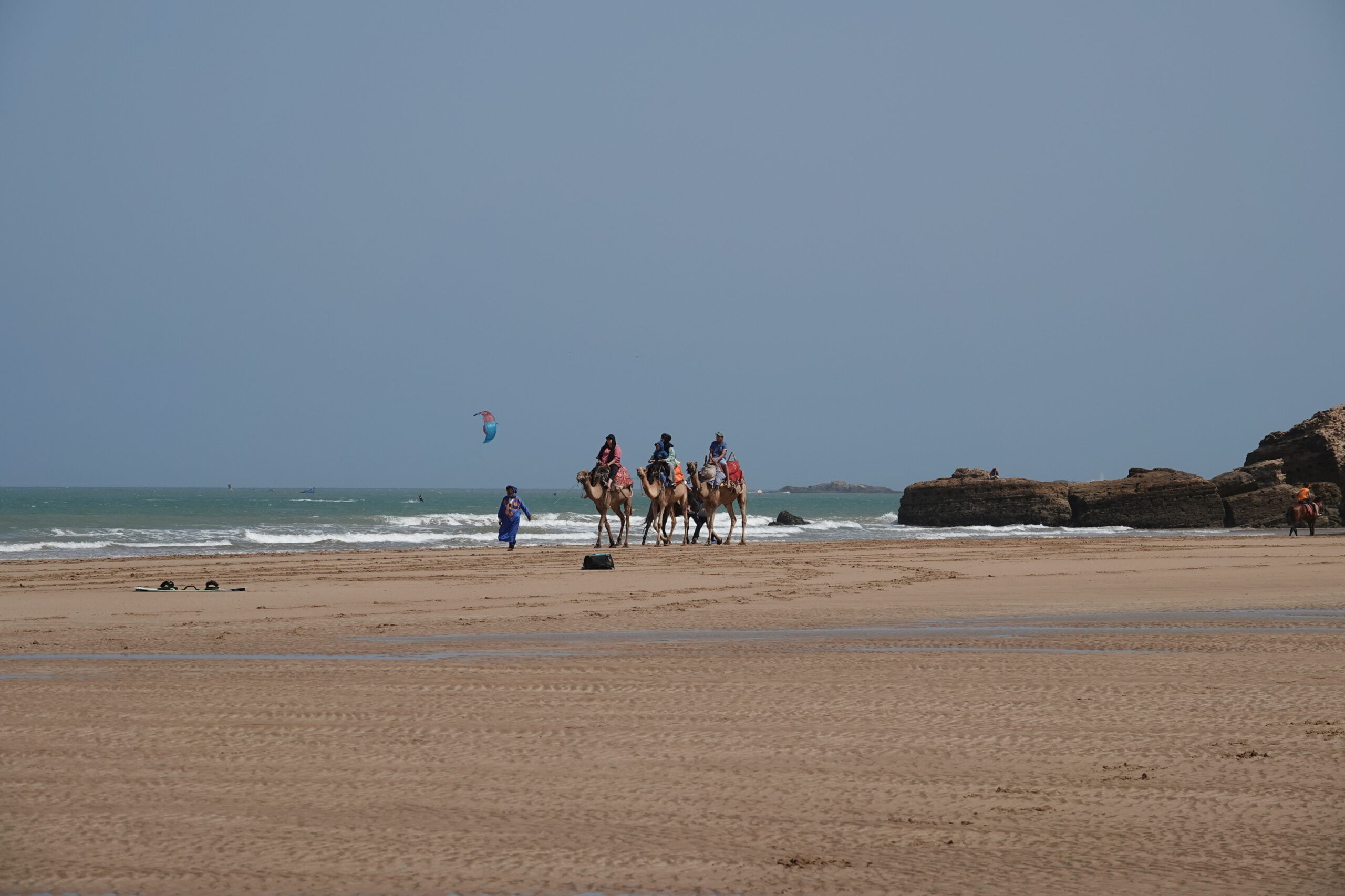
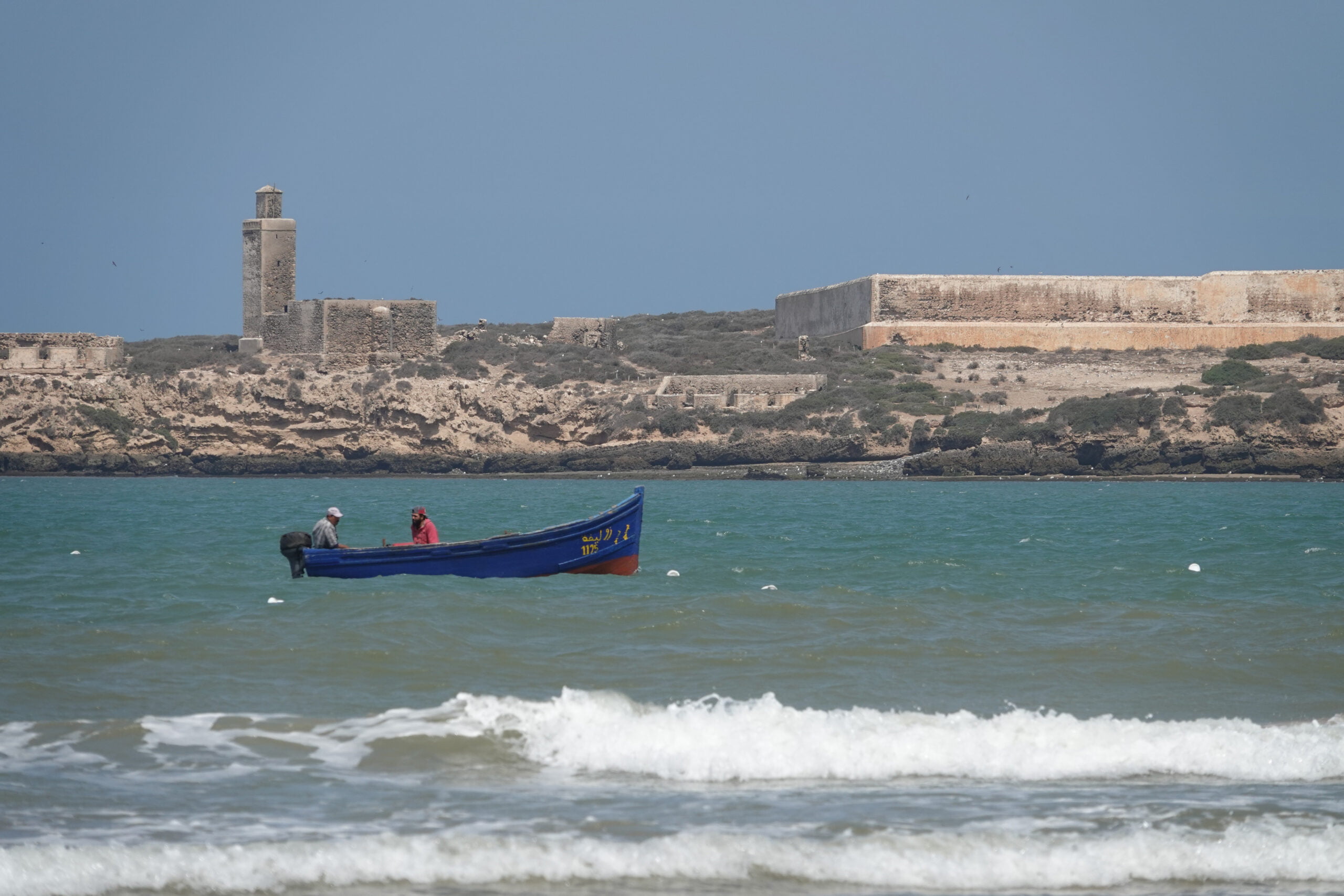
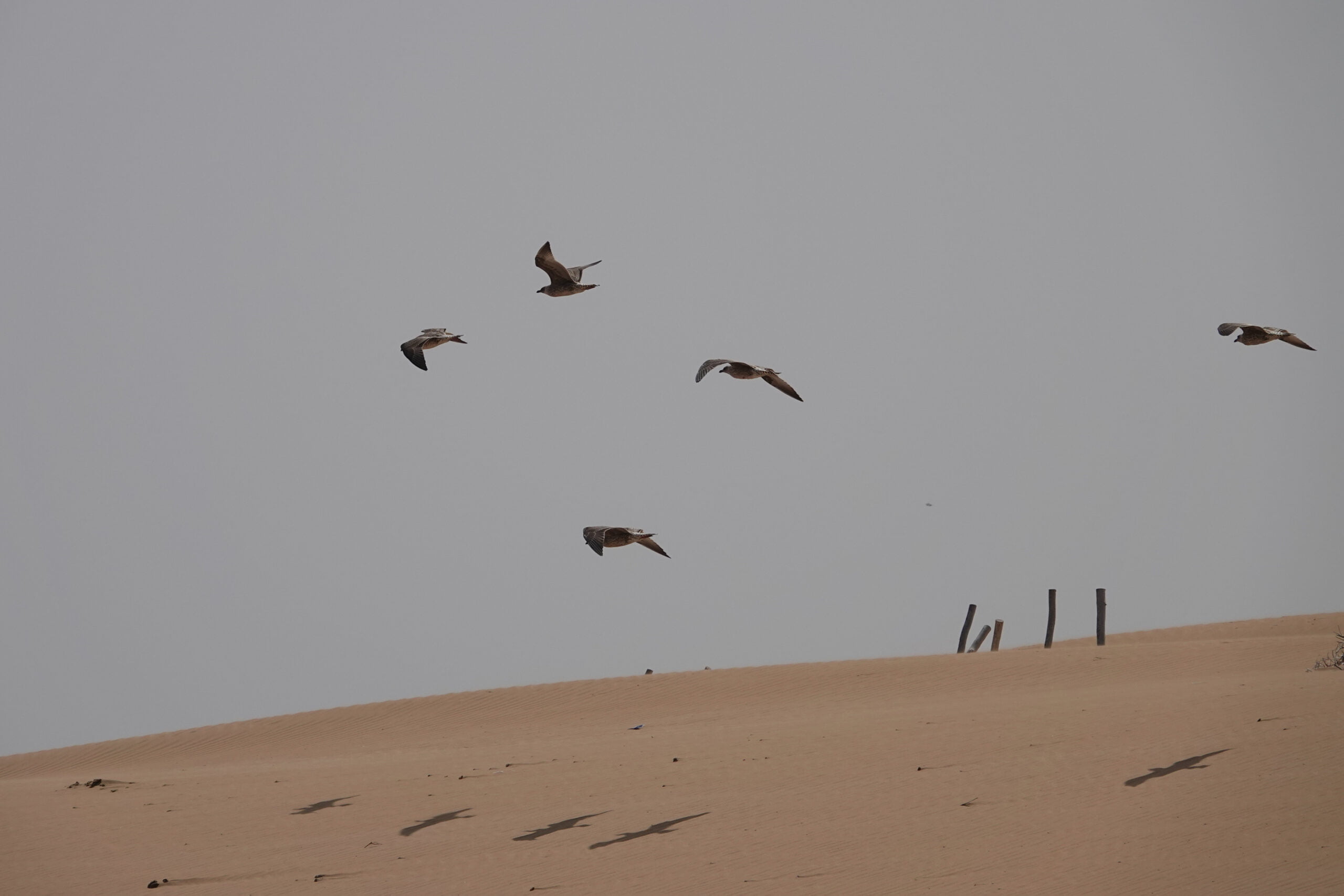
Compared with Tagharte, Essaouira’s main beach, Diabat beach is generally less crowded, making it a peaceful, less touristy place to stroll.
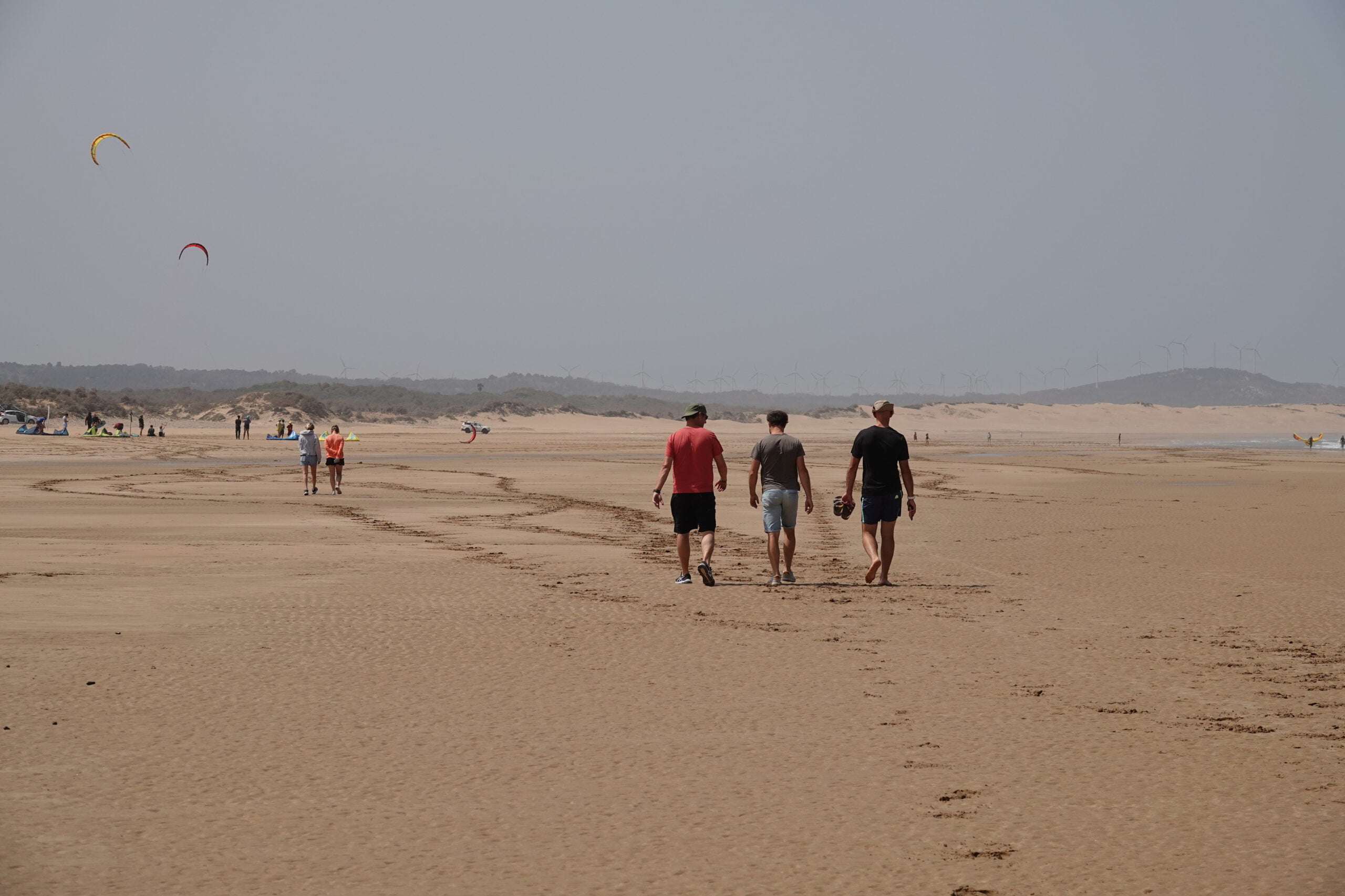
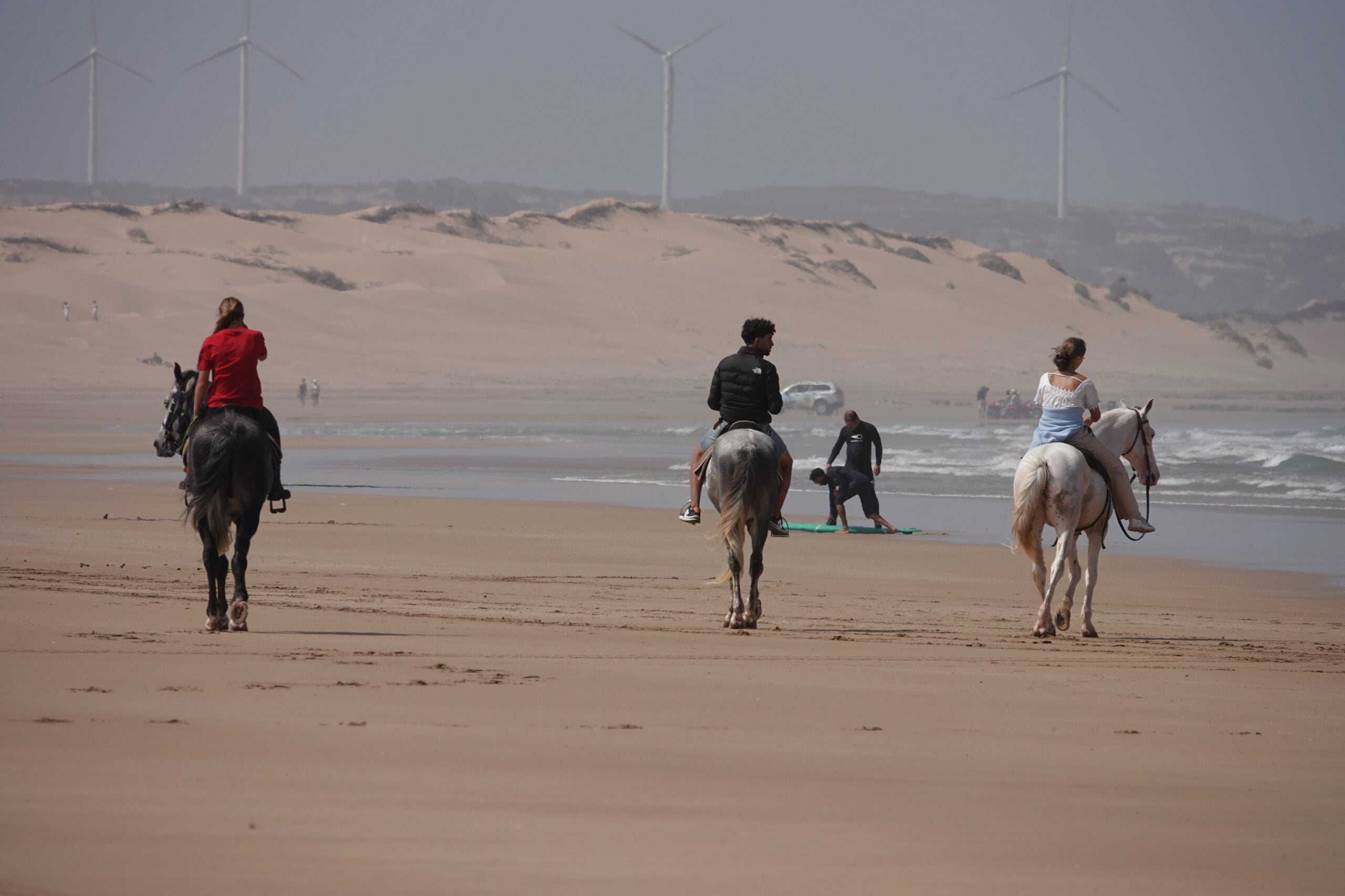
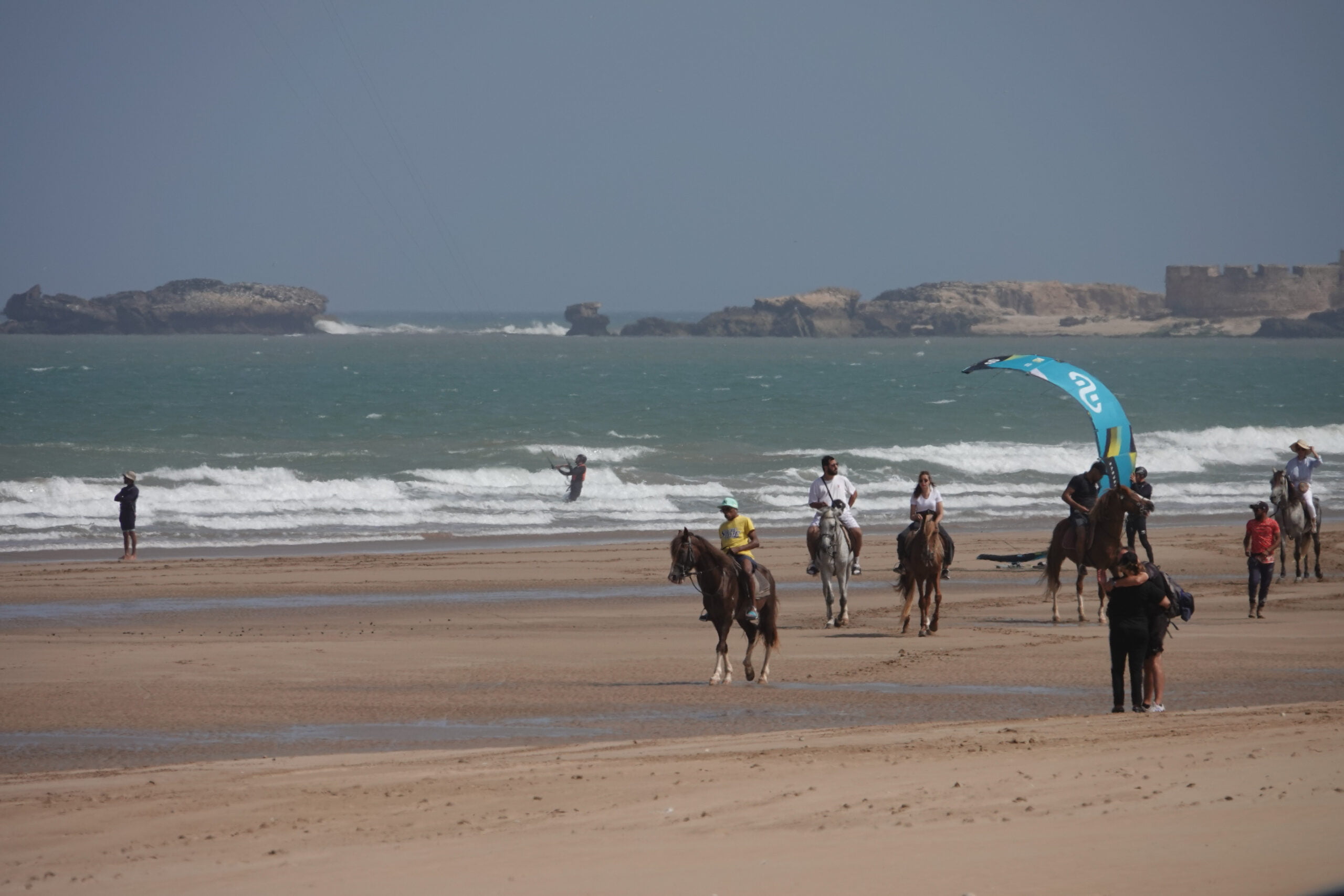
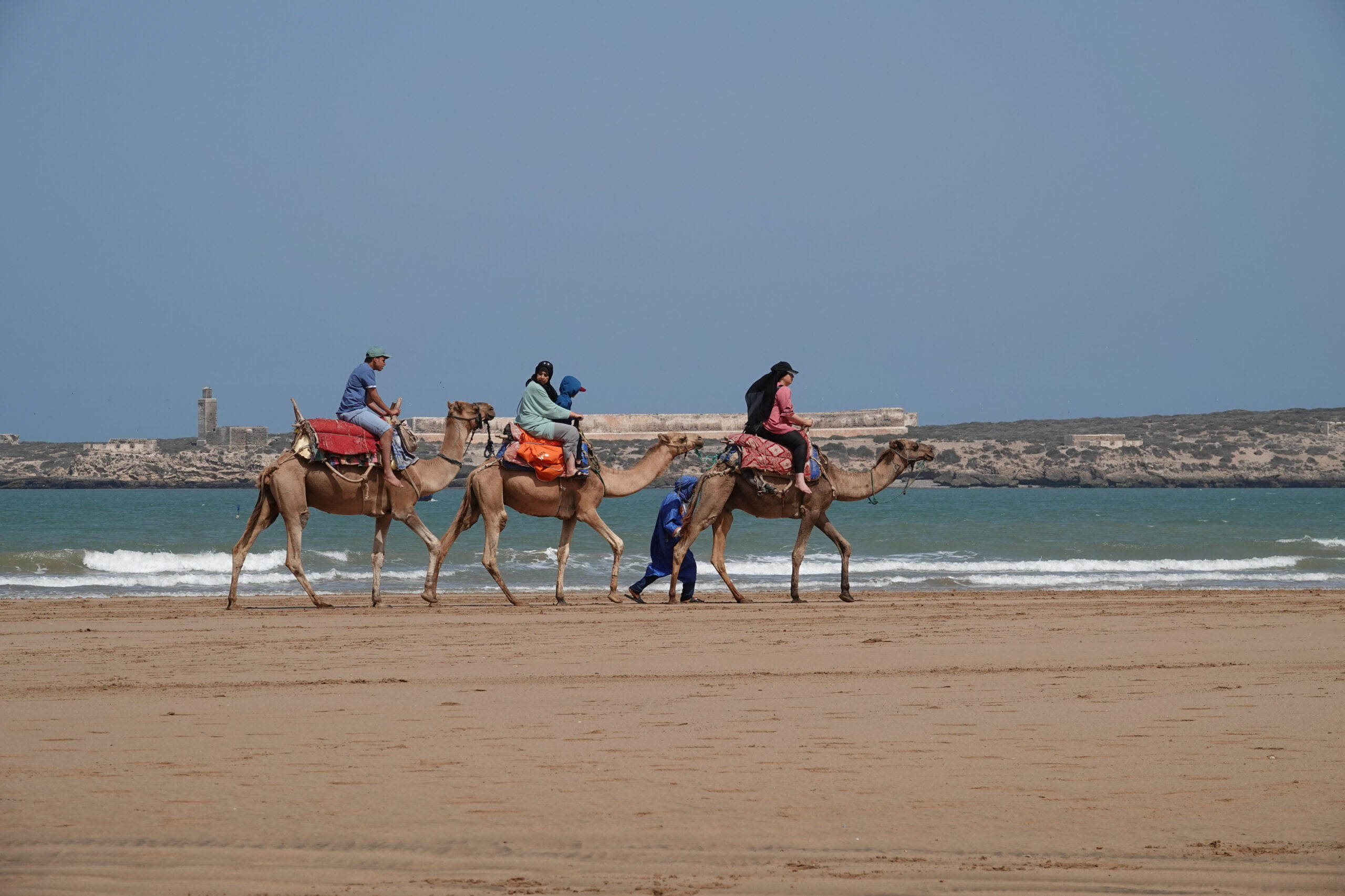
Ideal for board sports, Diabat beach is also renowned for its horse and camel rides.
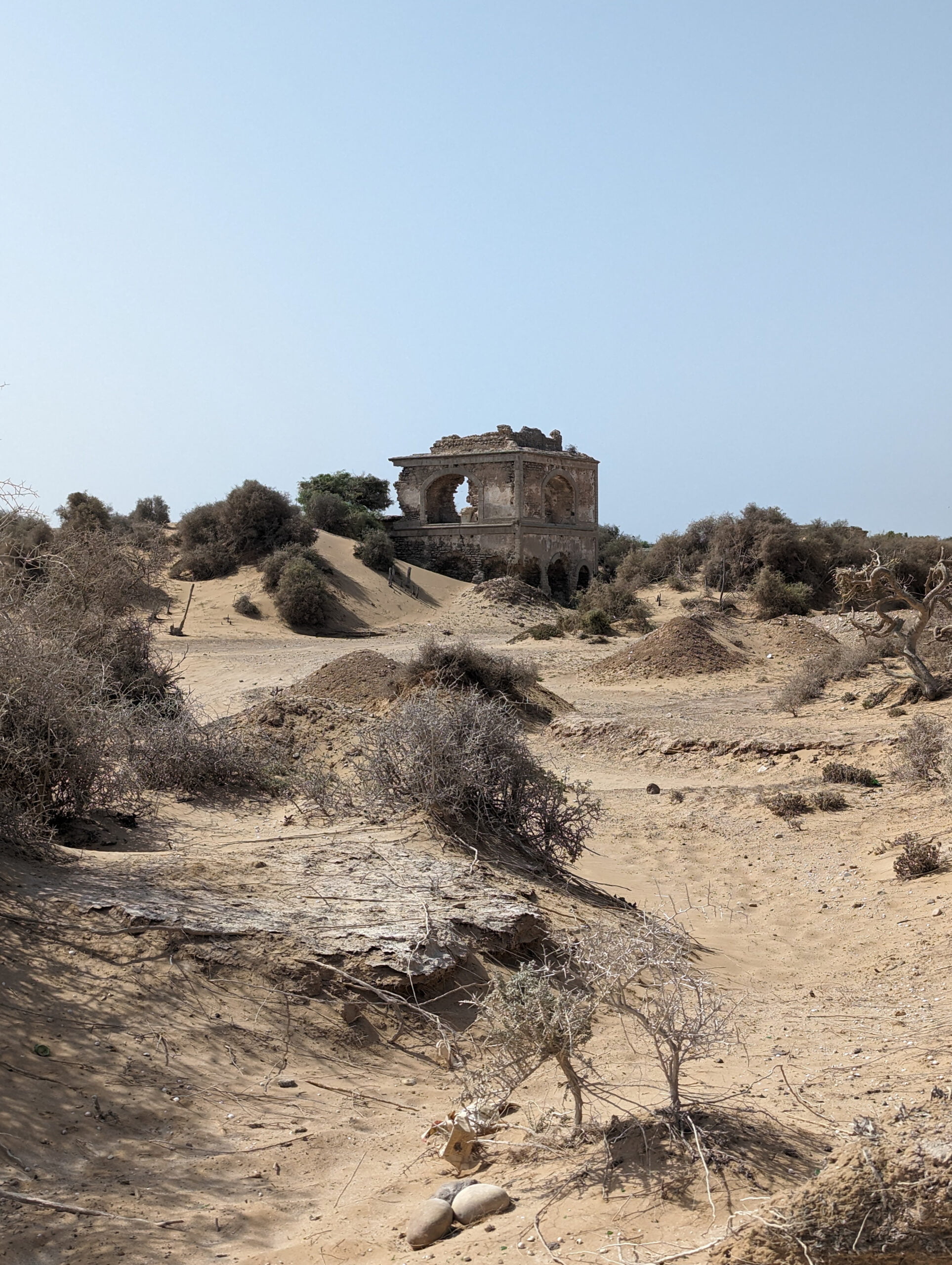
Nestled in the dunes, on the left before reaching Diabat beach, are the ruins of Dar Es-Sultan, a palace once built by a wealthy negotiator for Sultan Sidi Mohammed Ben Abdallah, before becoming the residence of Moulay Abderrahmane, the King’s Khalifa in Mogador.
Golf de Mogador
Located just a few minutes from Essaouira, next to the Sofitel, Golf de Mogador is renowned for its two world-class golf courses designed by the famous golf architect Gary Player.
The resort covers 580 hectares and offers a unique experience in the heart of dunes and argan forests, facing the Atlantic Ocean. With its 18-turn north course and 13-turn south course, Golf World Magazine ranked Golf de Mogador among the 20 most exciting new courses in the world in 2010.
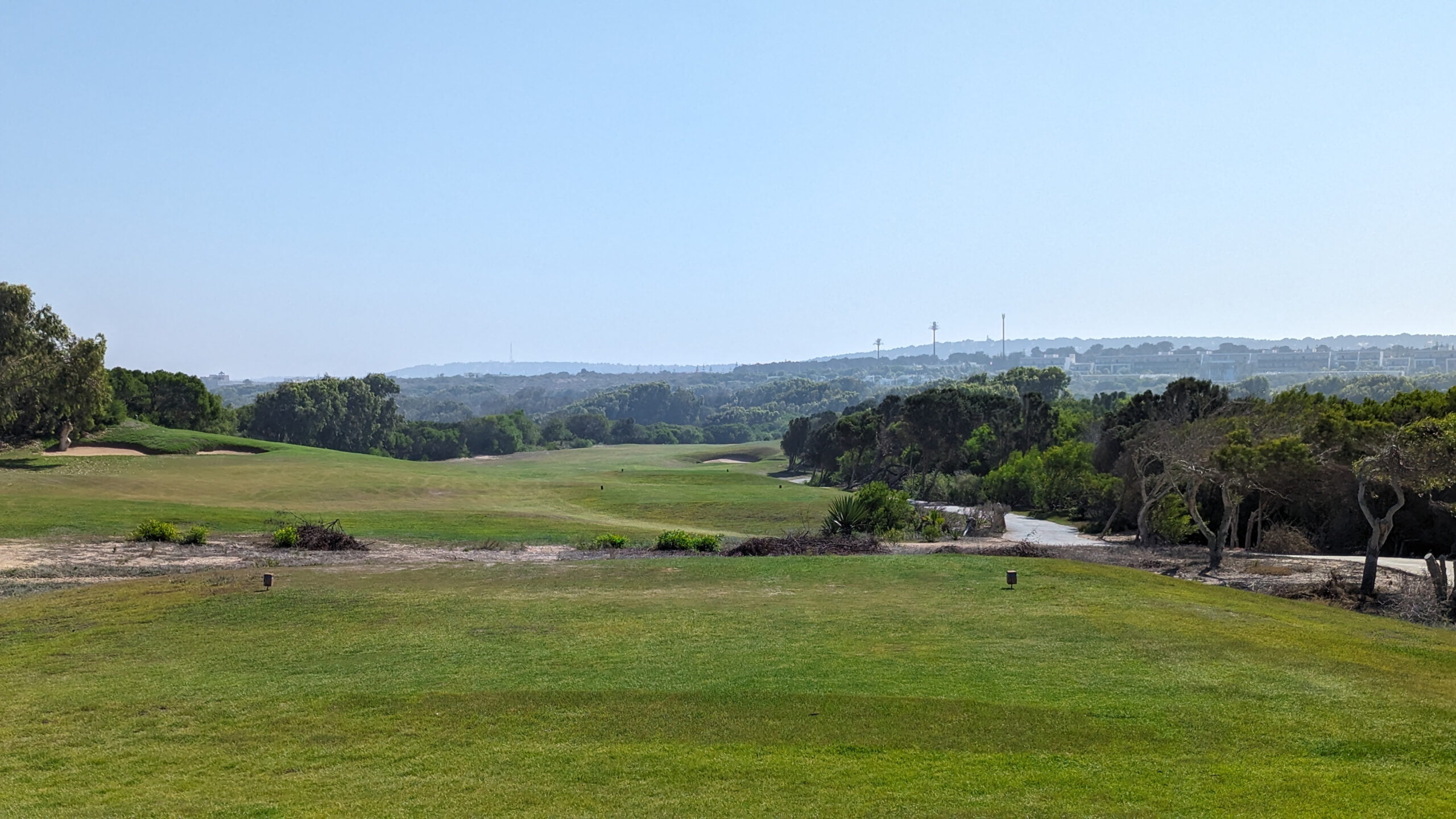
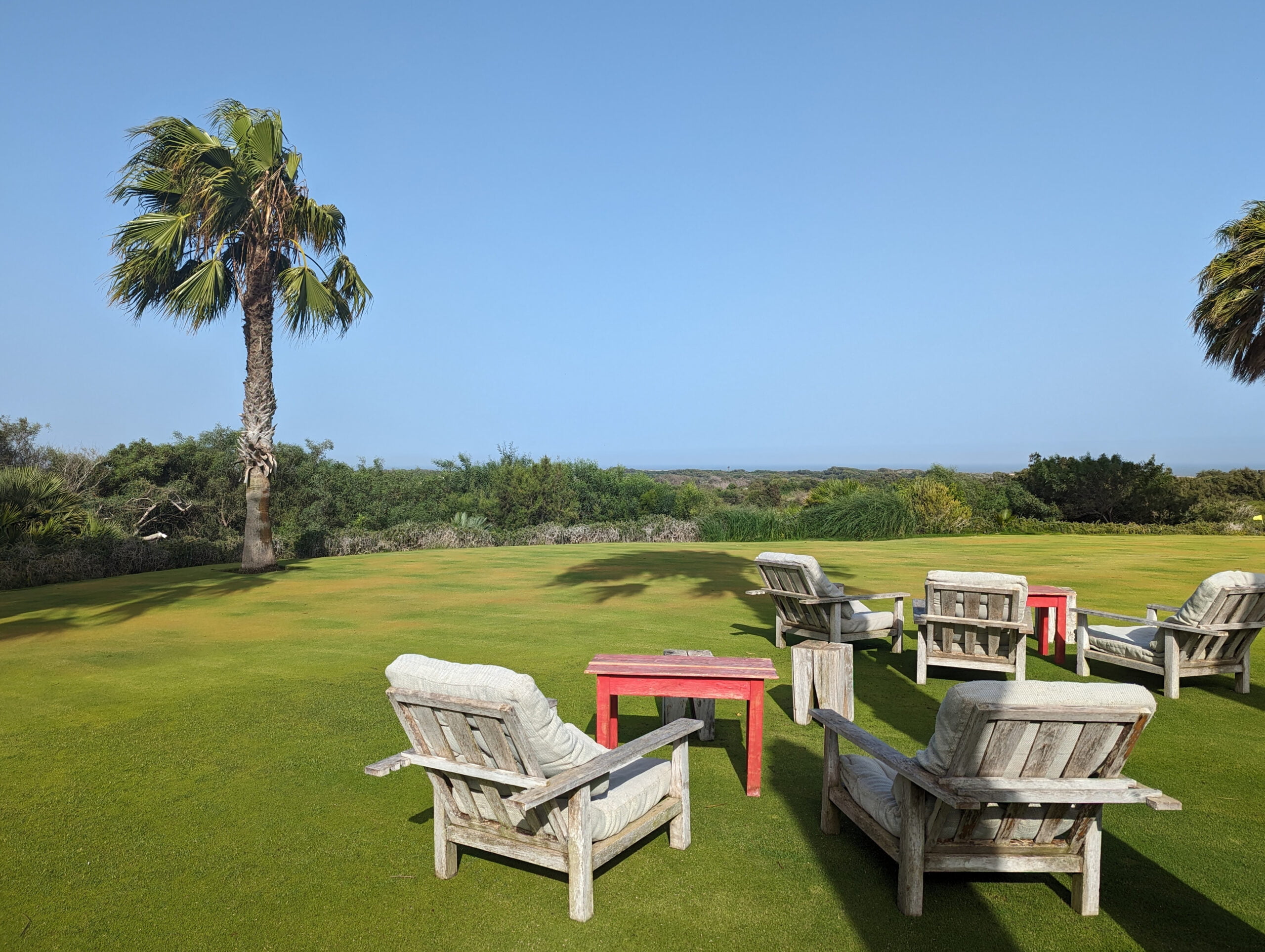
➜ The complex features a modern, elegant clubhouse and a restaurant with terrace offering panoramic views of the course and ocean. The cuisine is varied and reasonably priced. A daily 2-course menu is available at 240 Dhs.
Surfing in Sidi Kaouki
Around 25 kilometers south of Essaouira, Sidi Kaouki is a charming coastal village on the Atlantic coast. Nestled among unspoilt natural surroundings of dunes, rocky hills and wild vegetation, it’s theideal place for travelers in search of tranquillity. Several kilometers long, its beautiful golden sand beach invites you to stroll and relax.
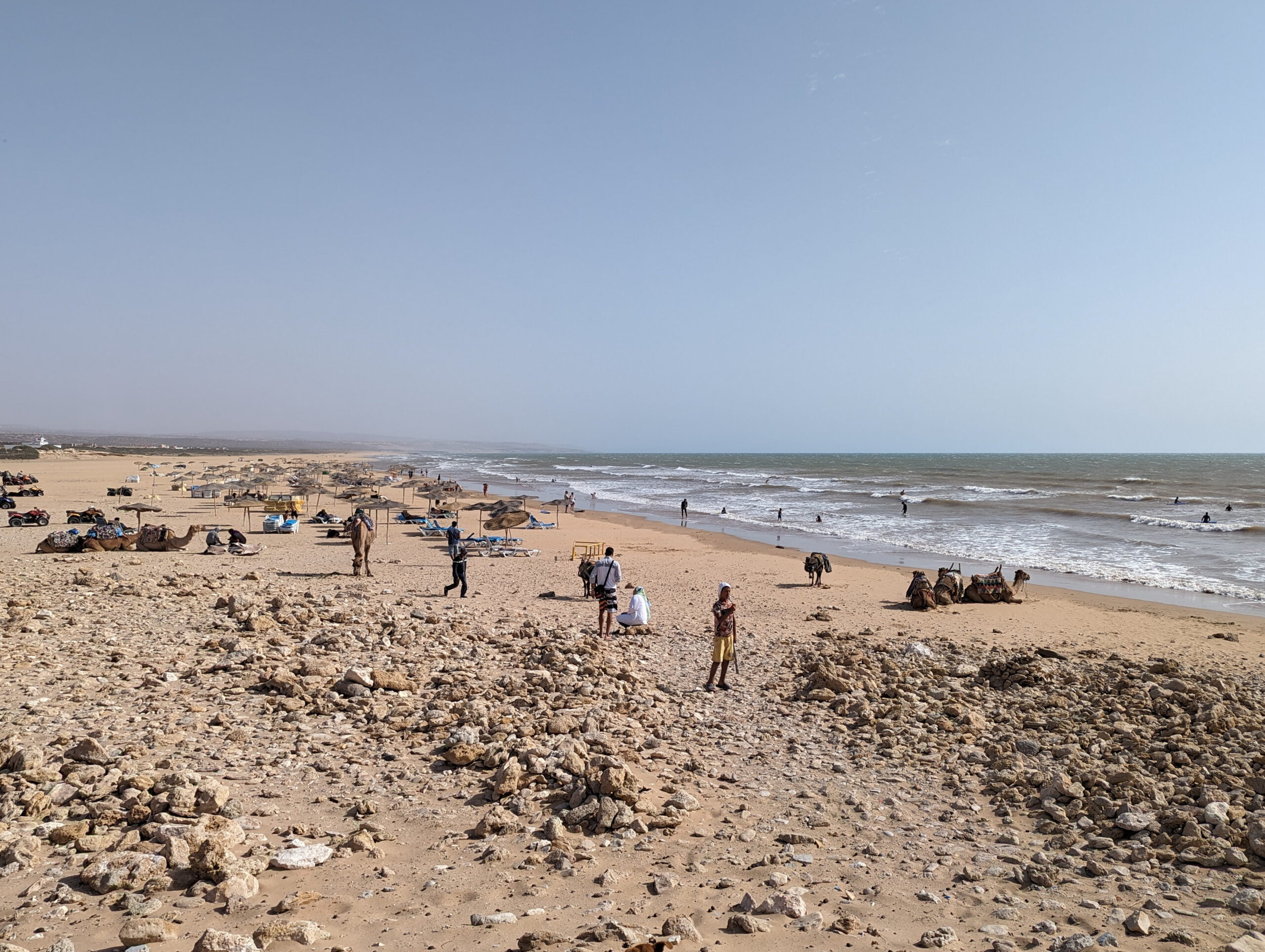
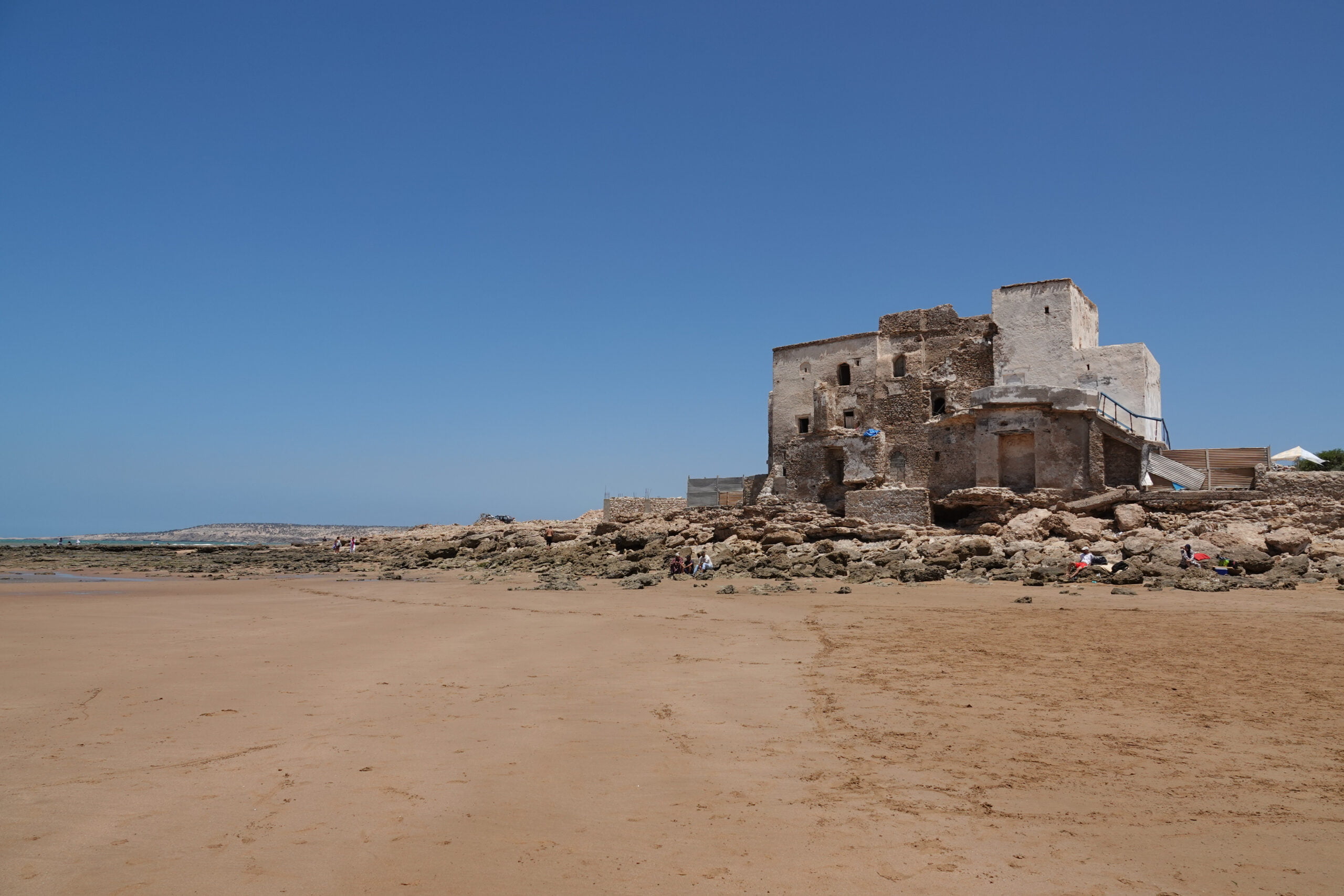
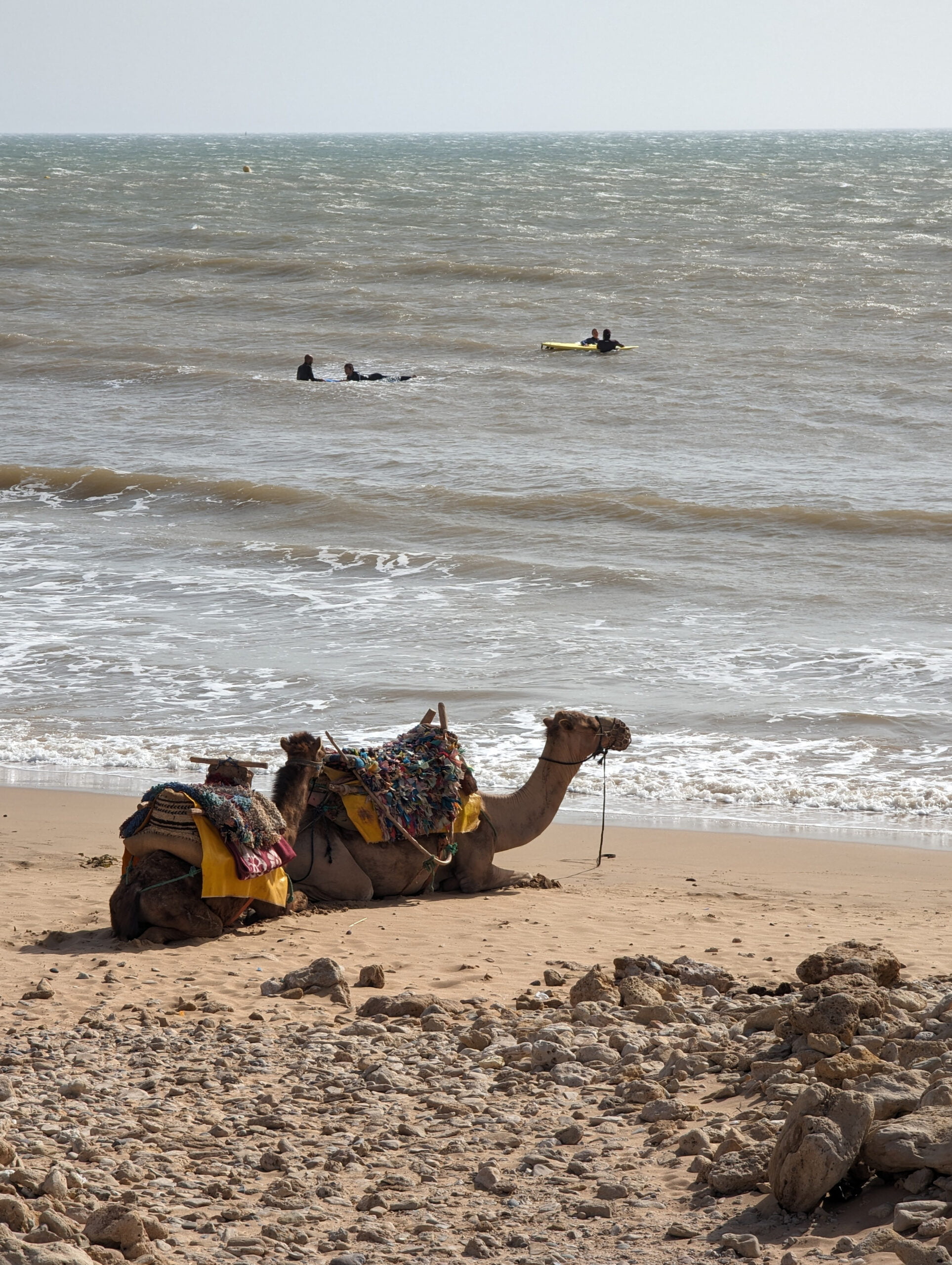

Known for its gentle, steady waves, Sidi Kaouki beach is a popular destination for surfers of all levels, as well as kitesurfers and windsurfers. Several surf schools offer lessons and rentals of boards and wetsuits. Group lessons cost Dhs 250 per person for 2 hours, including equipment hire.
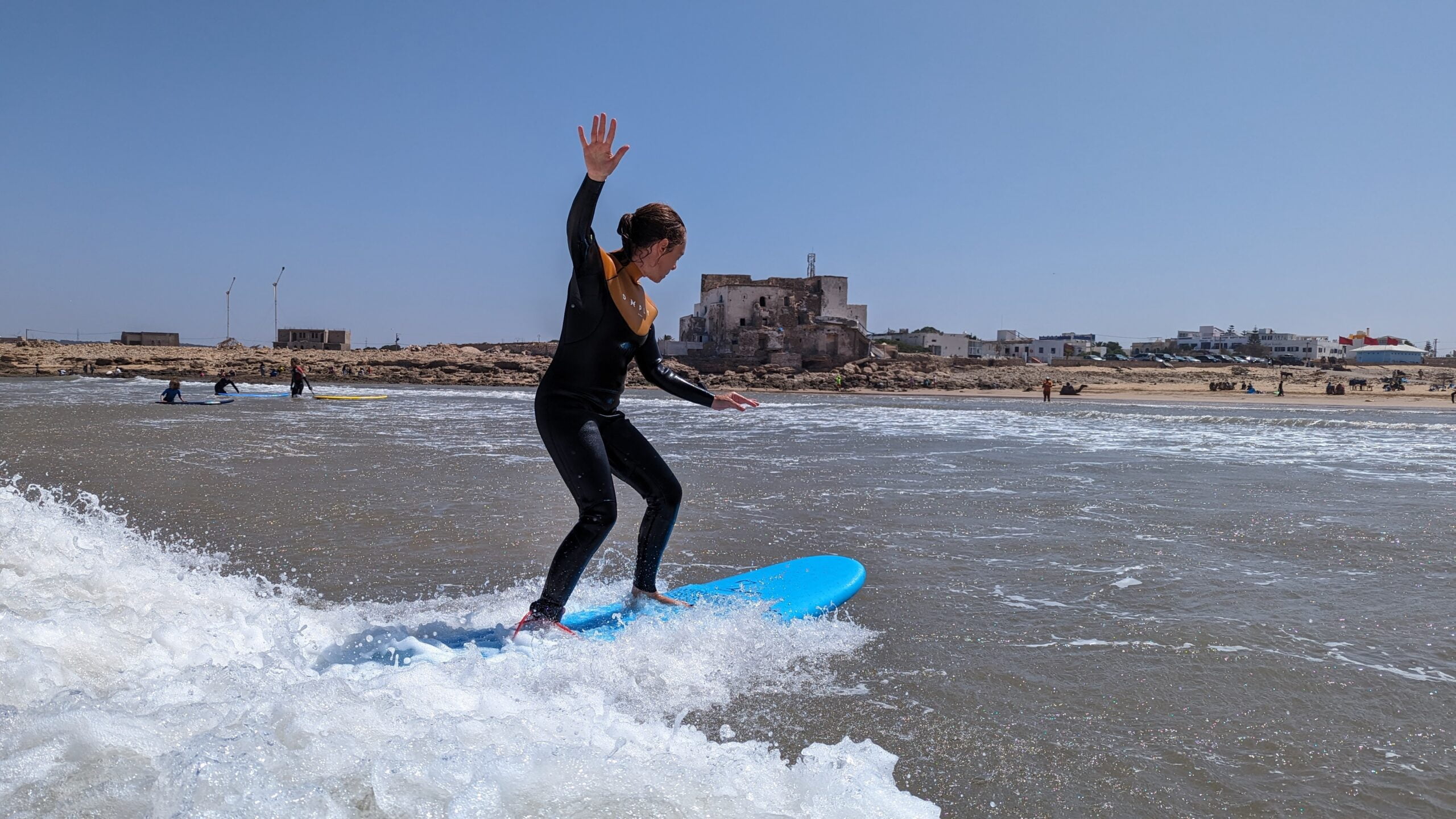
➜ We chose Surf Twins for their professionalism and infectious good humor 🥳 In just one session, all the beginners managed to get out of the water. A great experience!
Sidi M’barek waterfalls
12 kilometers south of Sidi Kaouki, on the coastal road leading to Agadir, the Sidi M’barek waterfalls offer a wonderful opportunity for a stroll. Thanks to its natural wealth, the site has long been a stopping-off point for camel caravans on their way to the port of Essaouira, loaded with products bound for Europe, who would stop here to quarantine themselves around the waterfalls.
The Sidi M’barek waterfalls were created as a result of major water erosion in the Oued Aghbalou, and are a little-known secret address for tourists. Access is via a stony path marked out with white stones, discreetly indicated by a signpost along the road.
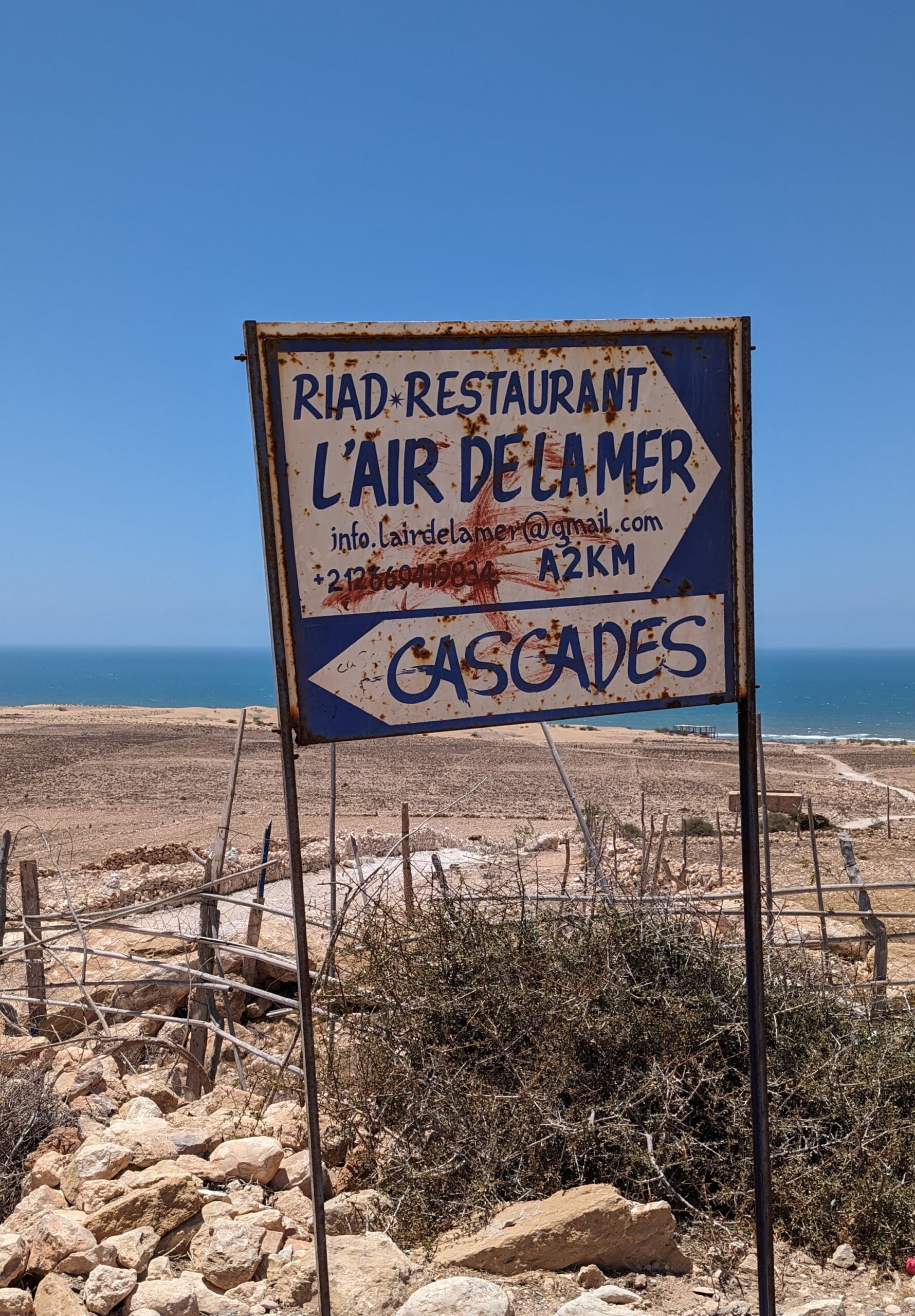
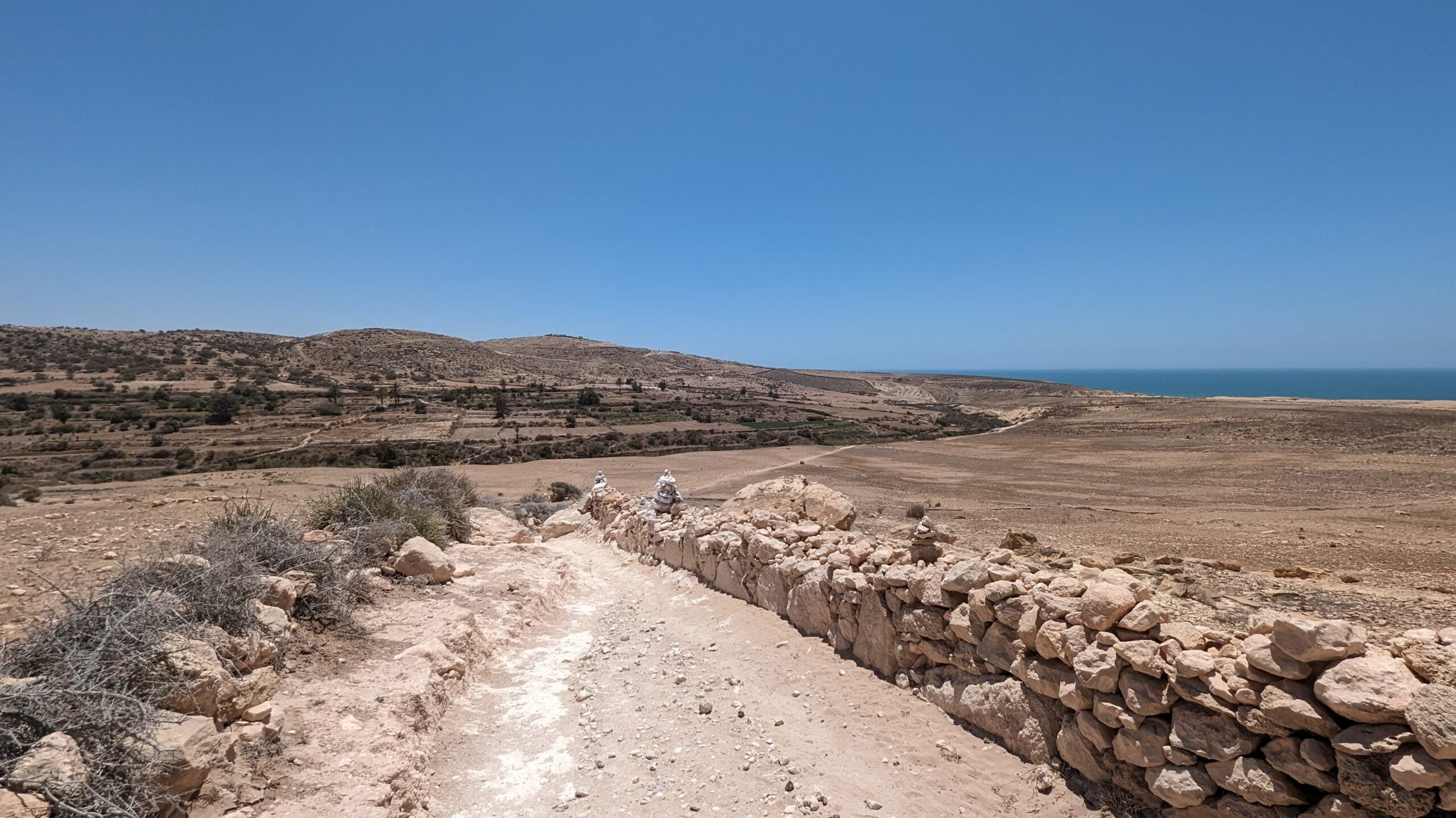
The descent to the waterfalls takes place in the middle of the Oued Aghbalou, between mountains of dunes and superimposed layers of geological rock.
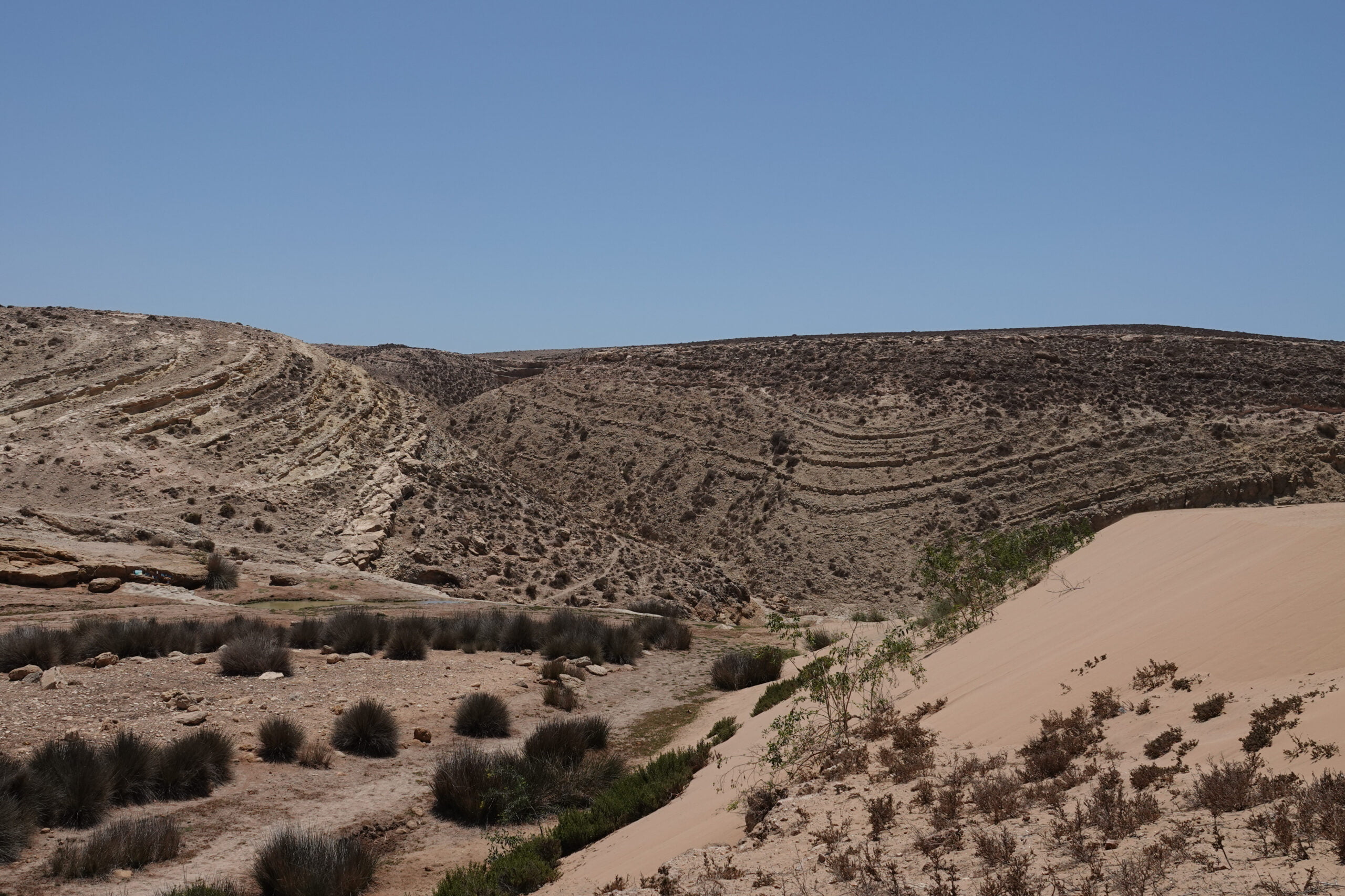
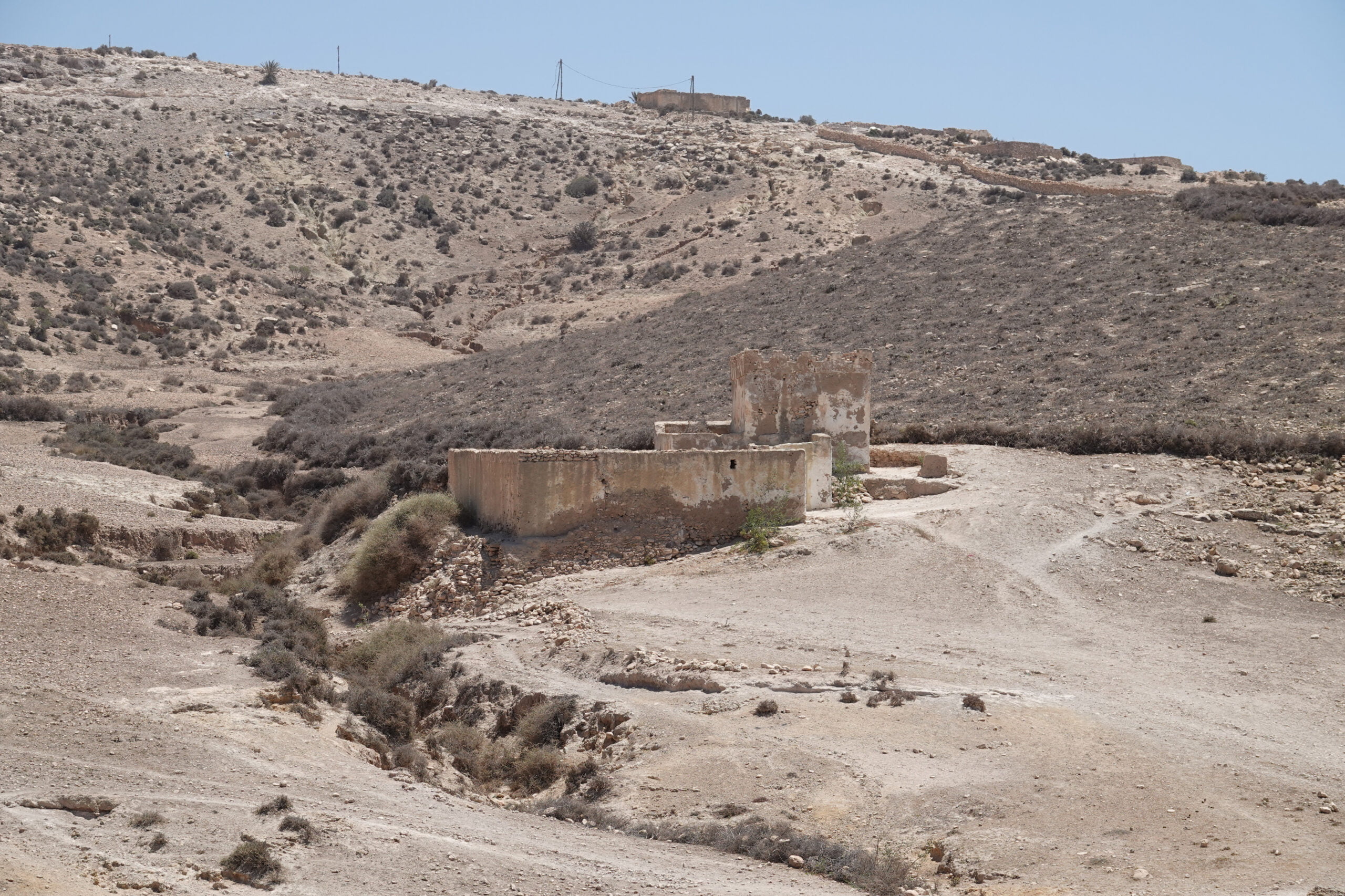
The cascades are fed year-round by a gentle flow of water from an upstream spring, but in summer there is virtually no water at all. The scenery and ocean views are breathtaking…
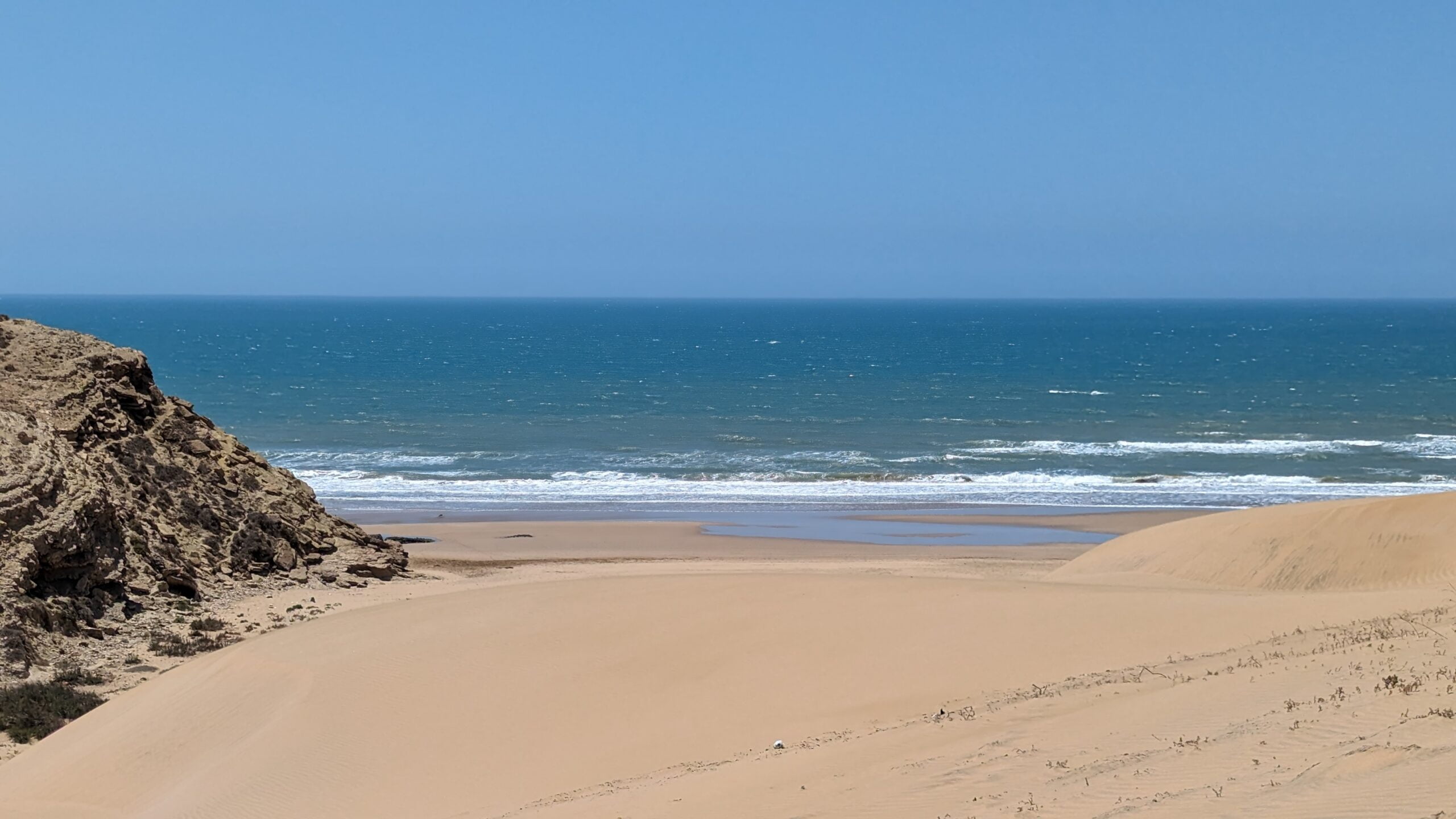
The walk along the deserted beach is also very pleasant.