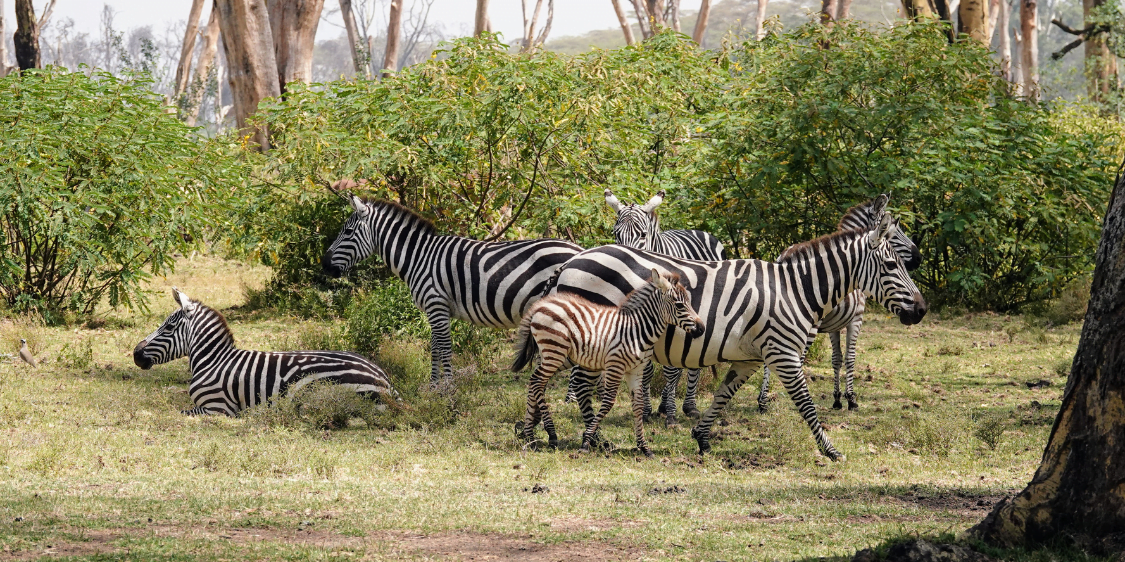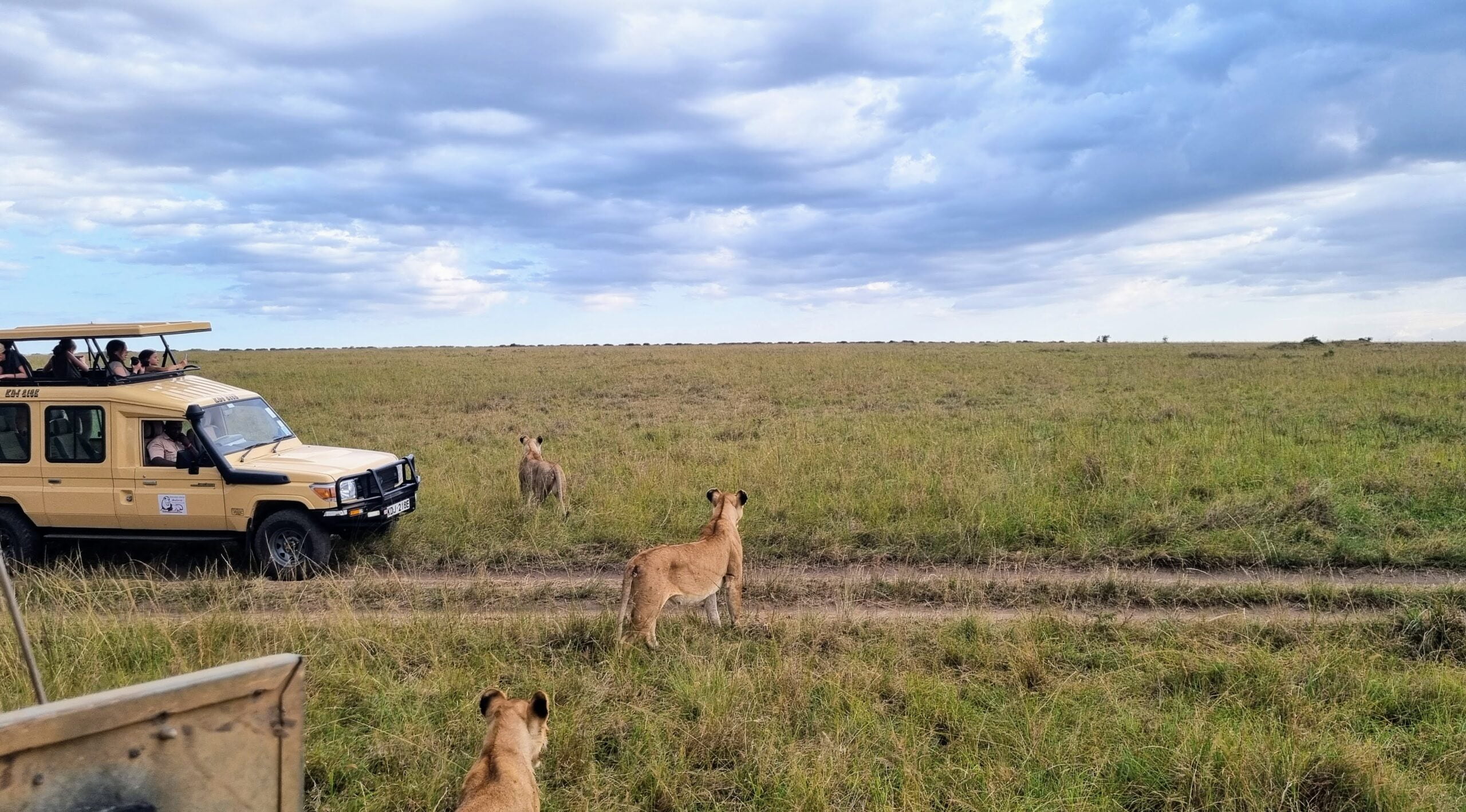
After a week’s intensive safari between the plains of the Masai Mara, the shores of LakeNaivasha andAmboseli National Park, a little rest couldn’t hurt… And there’s nothing better than a week in Watamu, a little corner of paradise on the edge of the Indian Ocean.
Sommaire de l'article
Watamu in a few words
Located 105 kilometers north of Mombasa and 15 kilometers south of Malindi, Watamu is a small Swahili fishing village with fewer than 2,000 inhabitants.
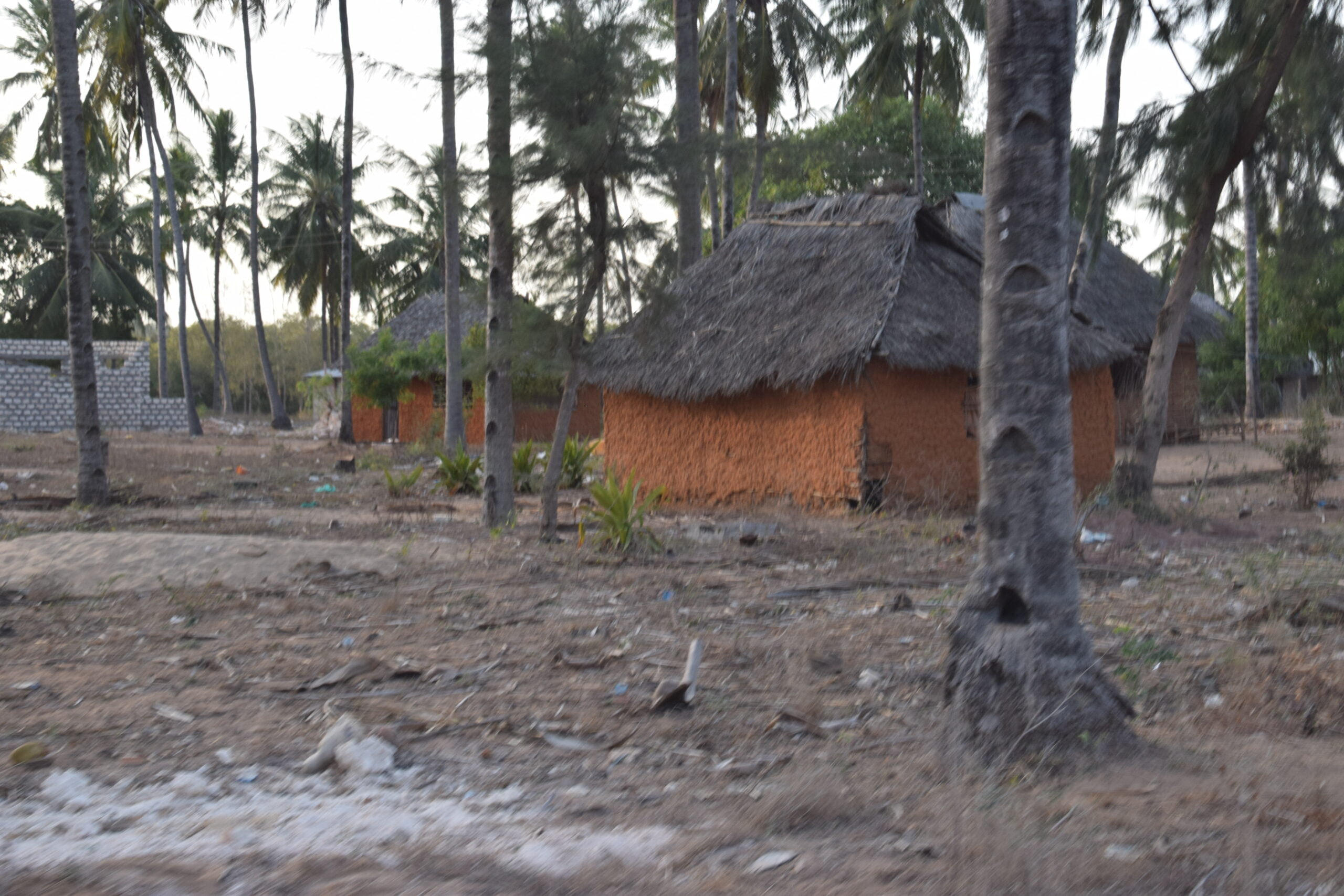
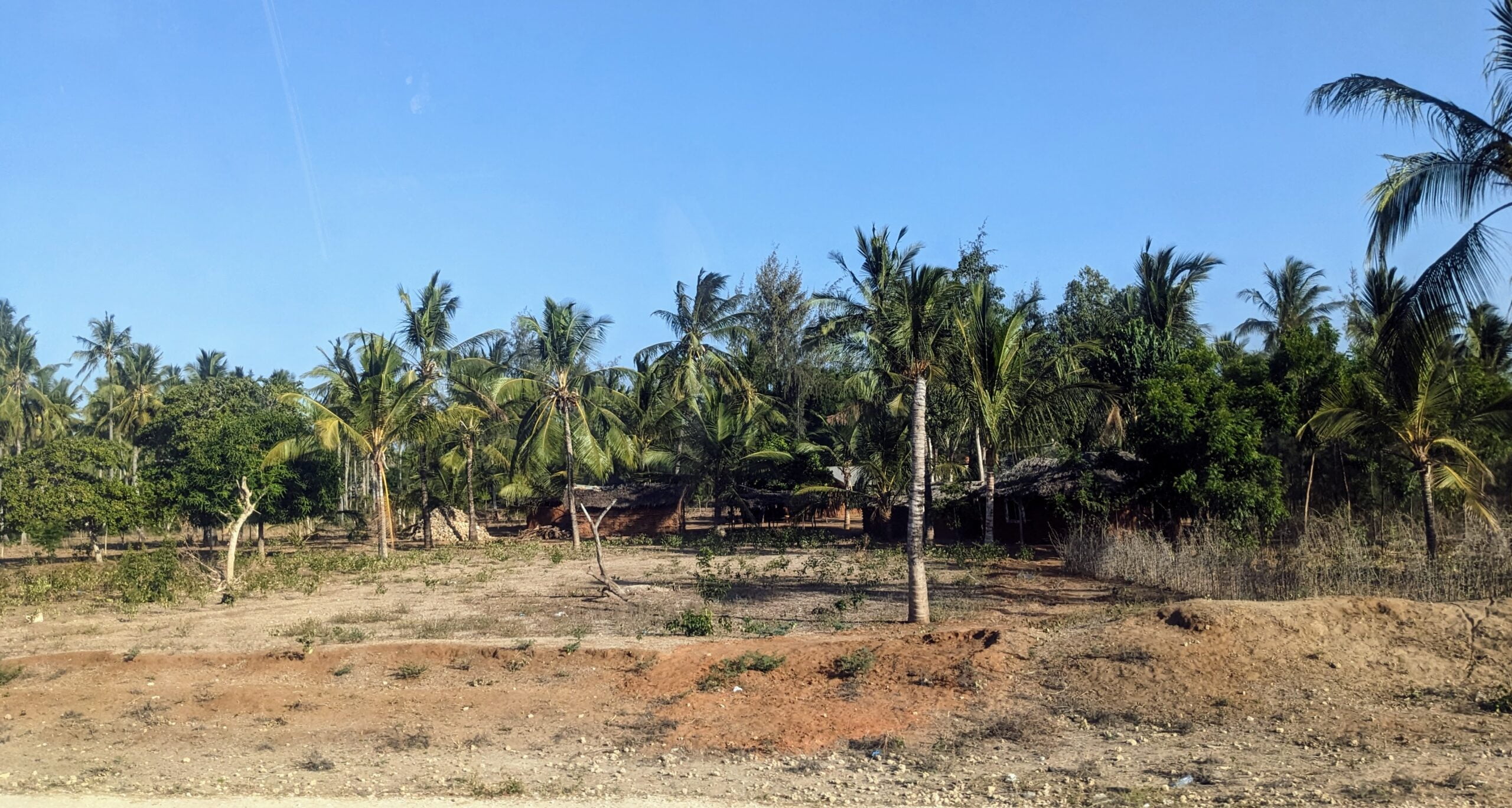
A seaside resort that has become very popular with tourists in recent years, Watamu has nonetheless retained its calm and peaceful character, with traditional houses nestling in the palm grove and a wild coastline that is still little visited. A far cry from the resorts of Mombasa or Diani Beach…
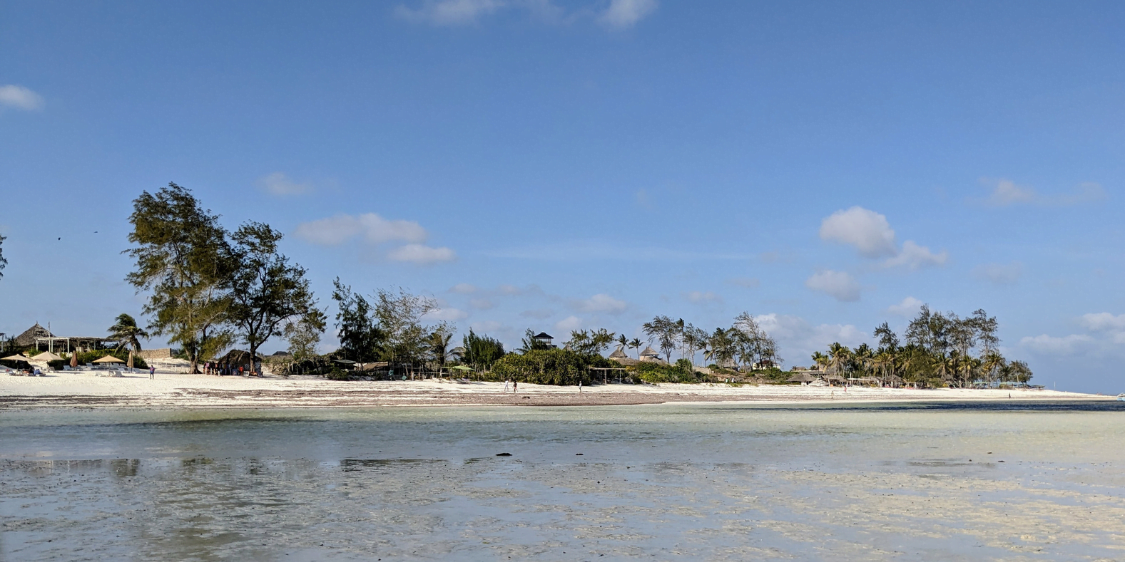
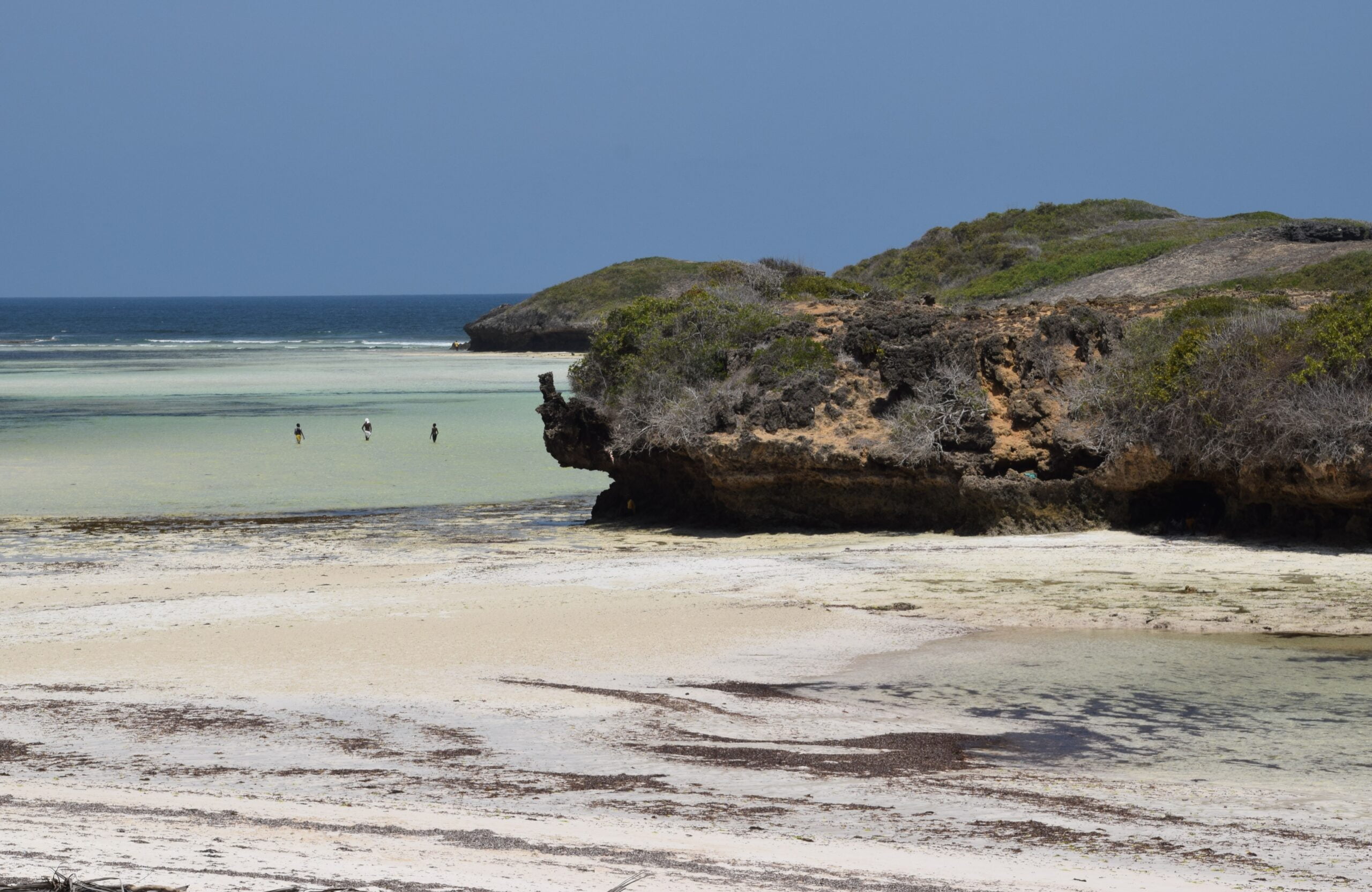
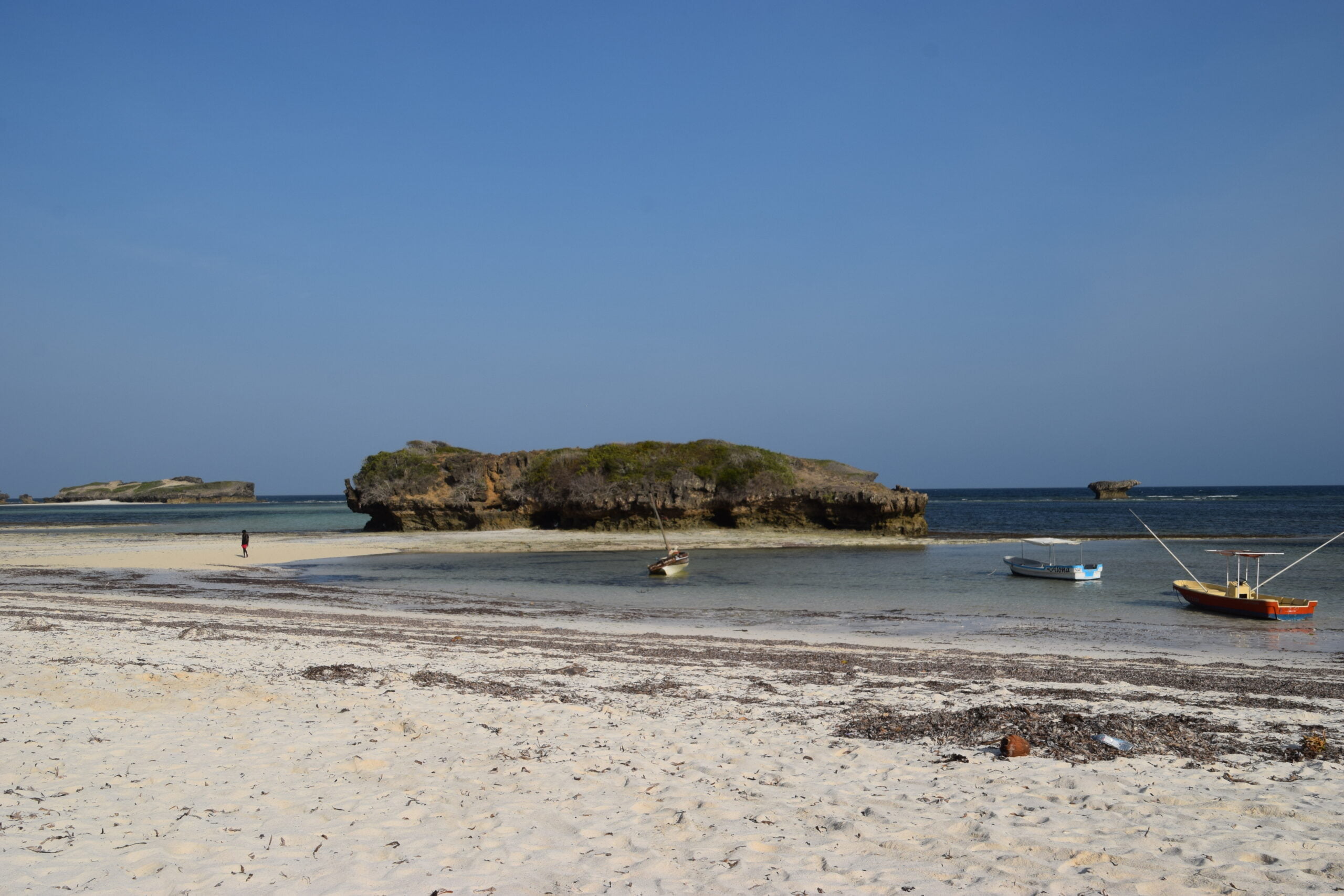
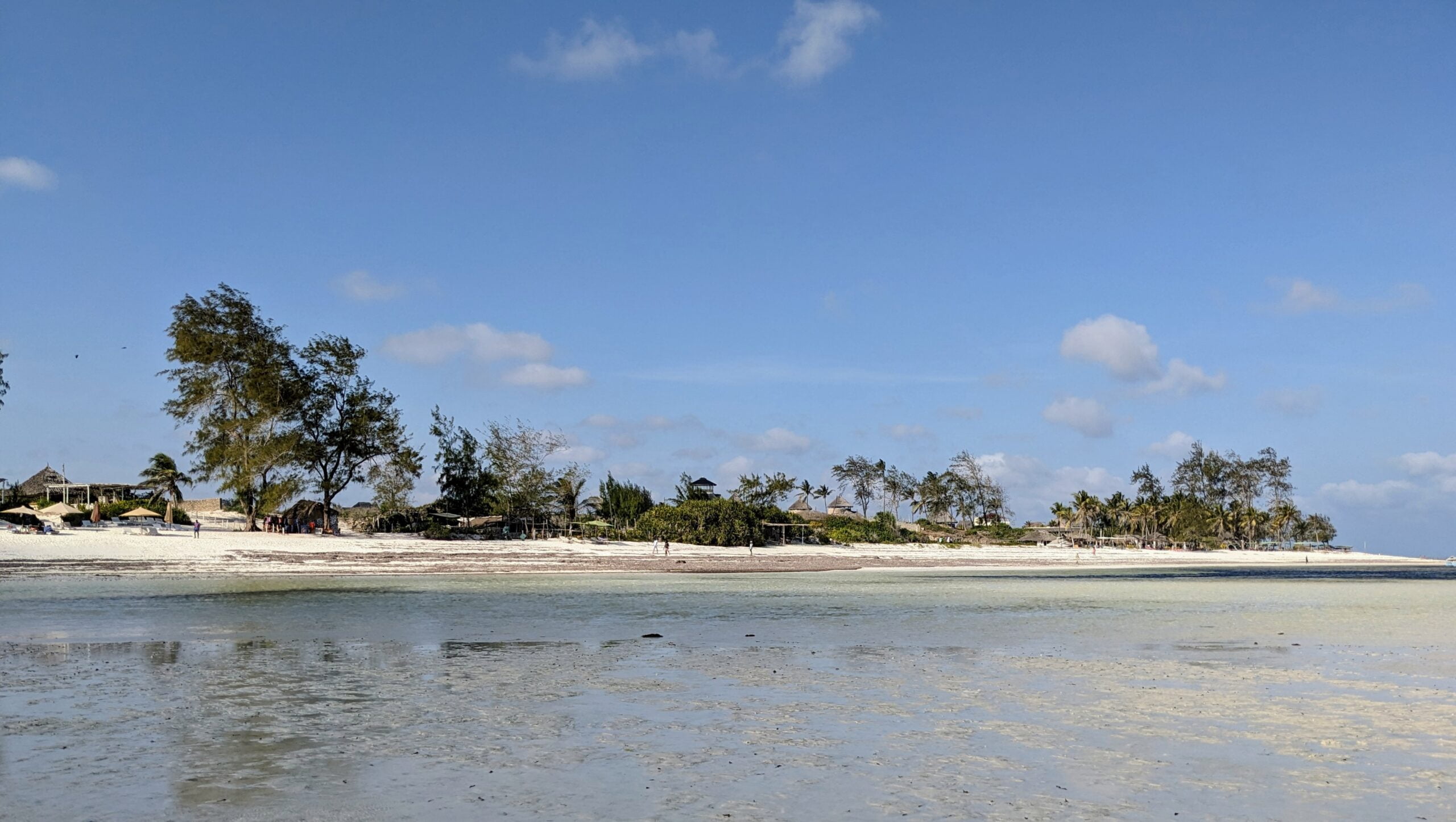
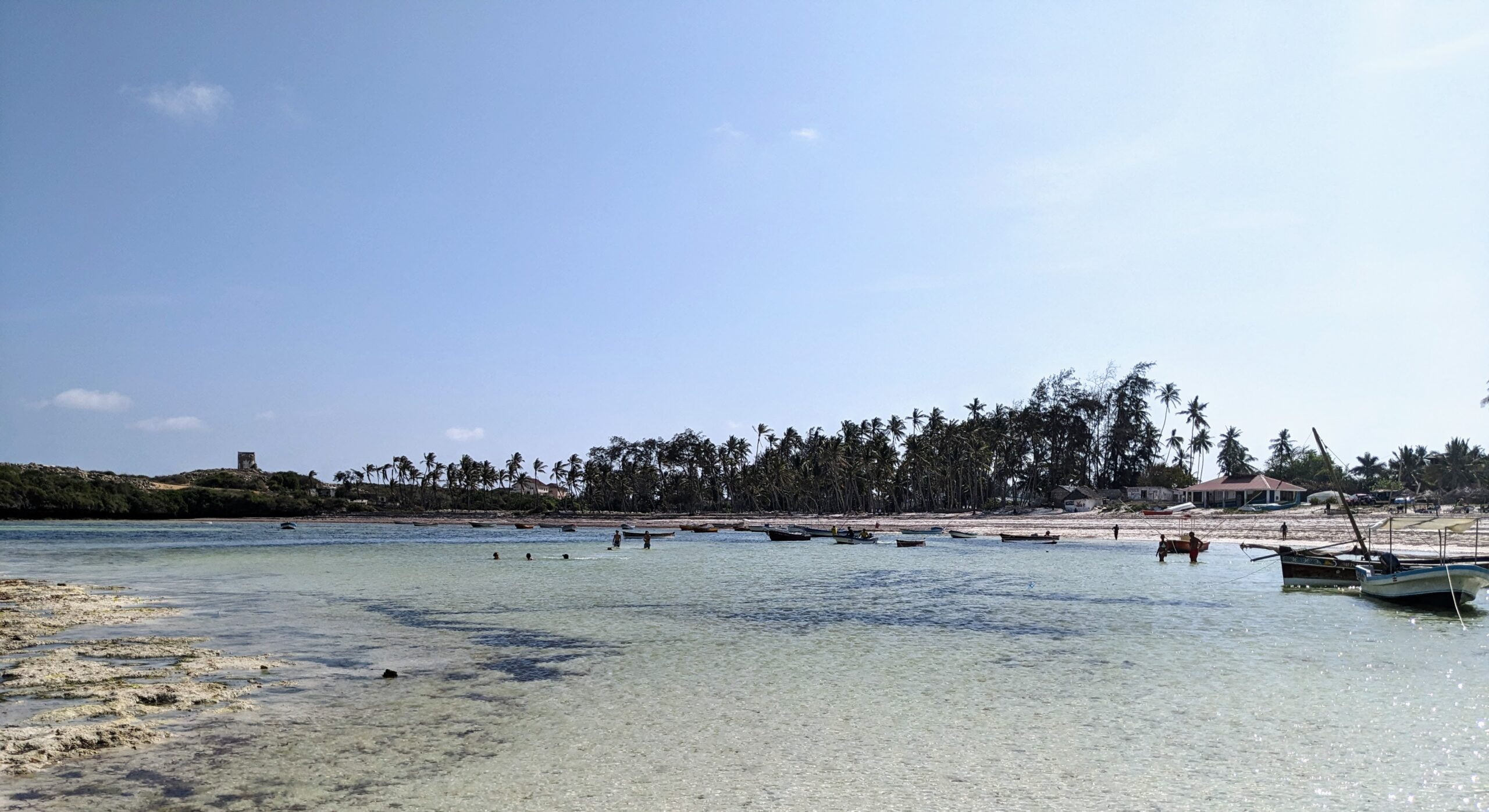
At low tide, the ocean retreats more than a kilometer from the coast, revealing the numerous rock and coral formations that divide the Watamu coastline into three idyllic bays: Watamu Bay, Turtle Bay and Blue Lagoon Bay. All are an integral part of Watamu Marine Park, renowned for its diversity of marine species and its commitment to environmental preservation. Watamu is also known asone of Kenya’s three main turtle nesting grounds.
How to get to Watamu
When arriving from abroad, Moi International Airport in Mombasa is the nearest gateway. From here, overland transfers to Watamu are possible by bus (+/- 3h drive via Malindi) or cab (approx. 2h drive).
From Nairobi, you can reach Mombasa by plane, train or car.
- By plane, the flight takes 1h08 and costs between €40 and over €200 per person. Kenya Airways, Jambojet and KLM offer over 400 direct flights a week.
- By car, it takes 8 hours to cover the 500 kilometers between Nairobi and Mombasa. Unless you include this drive in an itinerary through Amboseli or Tsavo parks, it’s a long drive that’s best avoided.
- The new rail link between Nairobi and Mombasa(Madaraka Express) offers two interesting possibilities:
- The express train takes 5.5 hours to reach Mombasa, with departures from Nairobi SGR at 3 pm and 10 pm. A journey costs €6 per adult, €19 in 1st class.
- The Inter-County leaves the Nairobi SGR terminal at 8 a.m., arriving in Mombasa at 2 p.m. Ticket prices are identical to those of the express train.
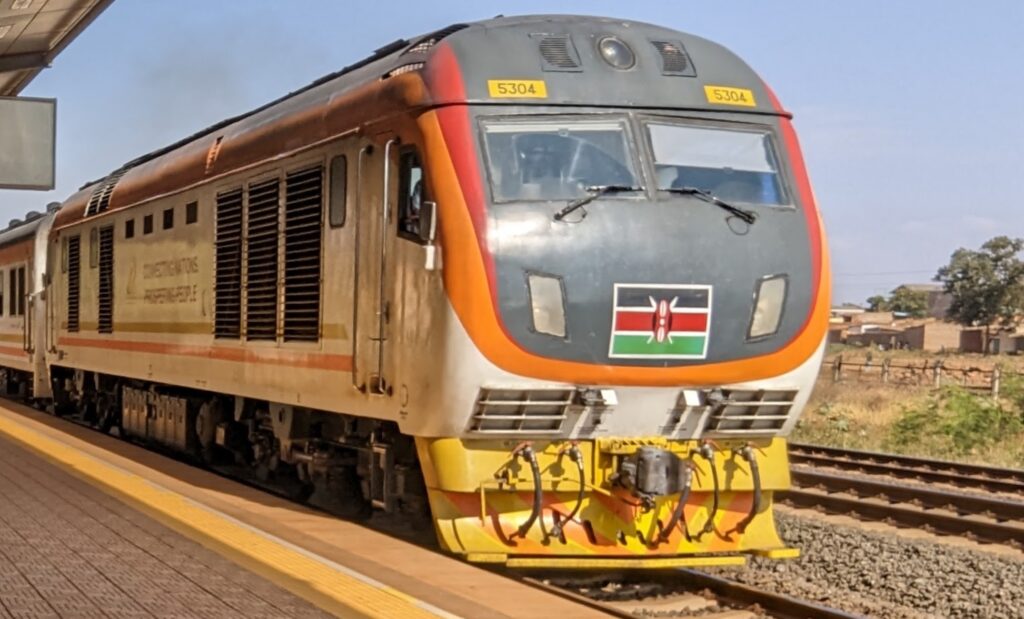
➜ After our last safari in Amboseli National Park, we asked our drivers to drop us off at Emali station, where we boarded the train from Nairobi at 9:31 am. We got off at Mariakani at 1:27 pm. The fare was €4.30 per adult and €2.20 for children under 11. An unbeatable price for a more than reasonable level of comfort.
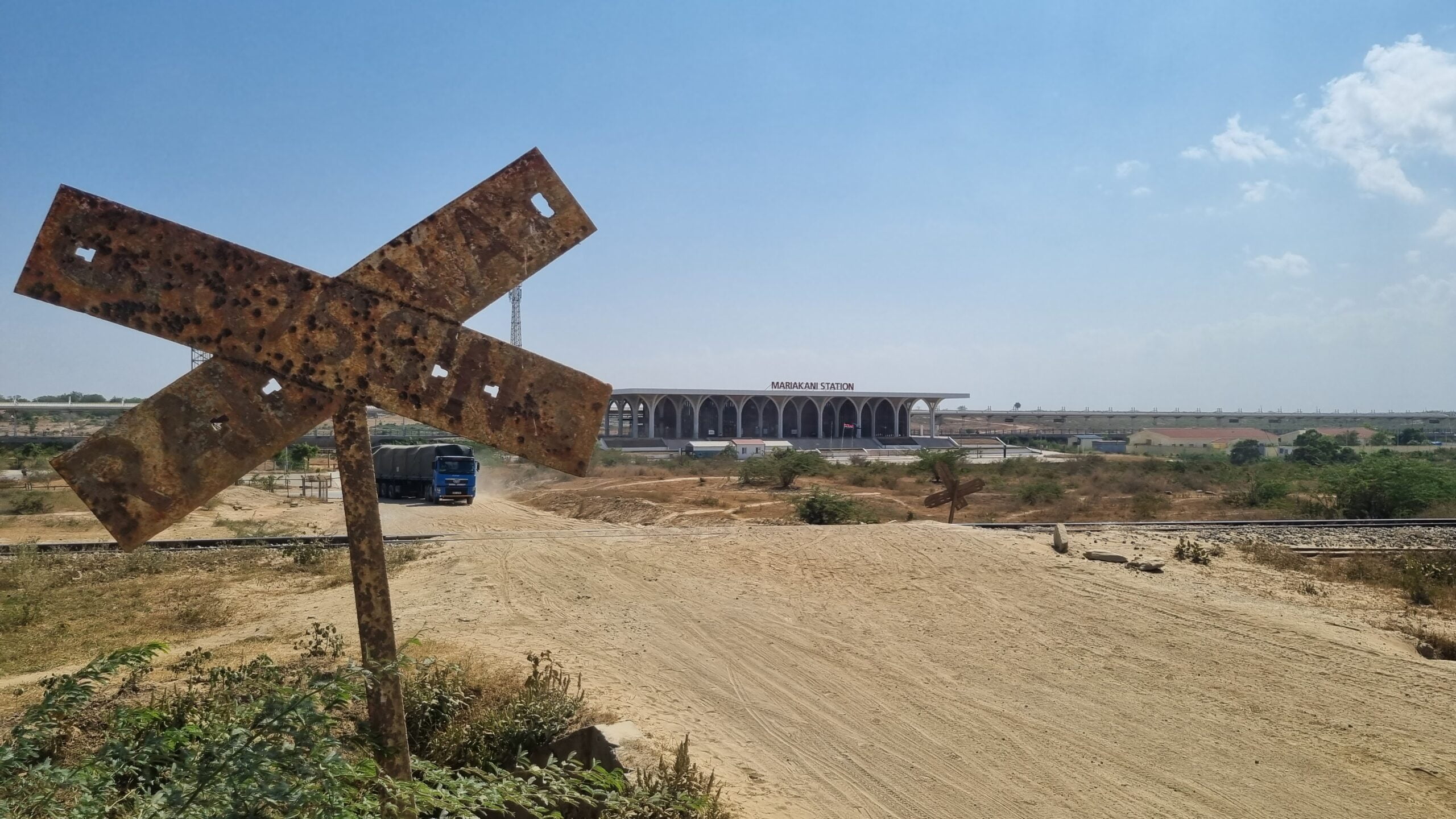
Having read that the traffic in Mombasa can be hellish, we got off at the stop just before, not knowing that the Mariakani SGR station is really lost in the middle of nowhere! No buses or cabs waiting at the exit. So when you find that the mini bus you’ve booked has obviously forgotten you, you just have to be patient 😓
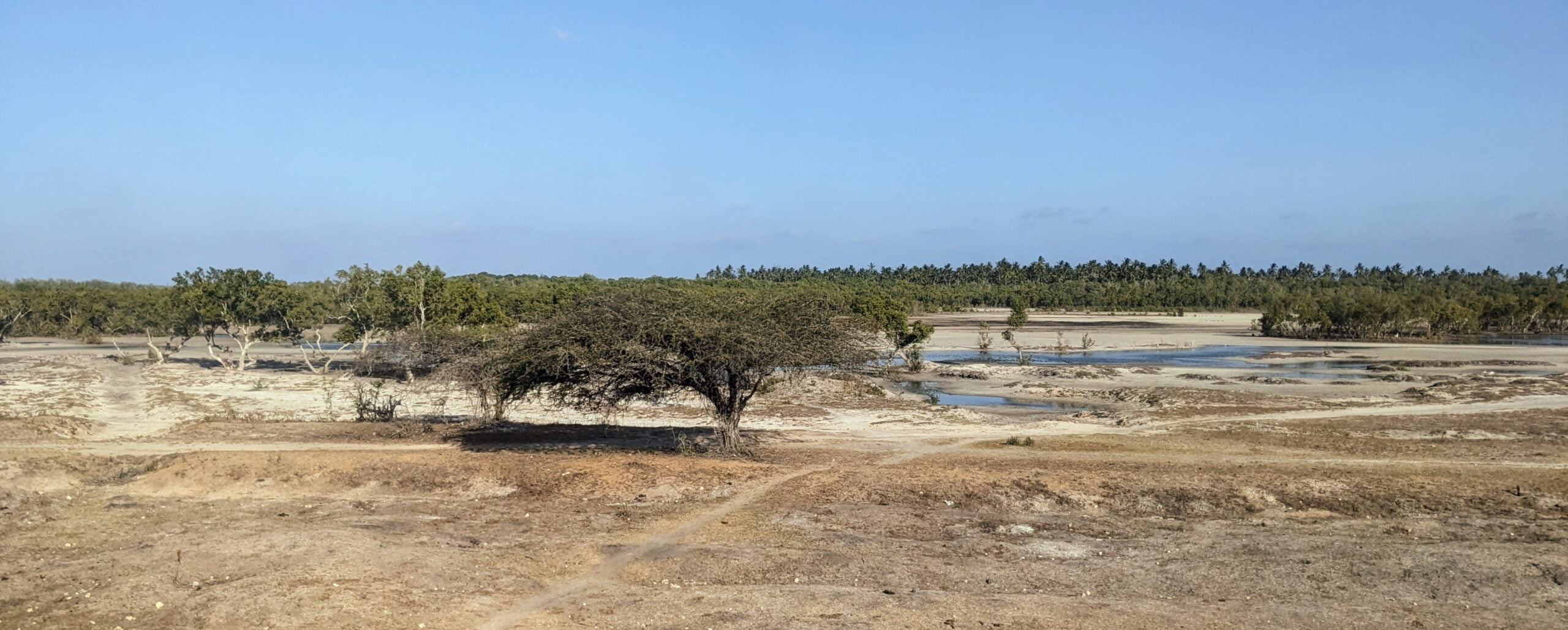
Watamu can also be reached from Malindi. Kenya Airways, Jambojet and Skyward Express offer nearly 60 direct flights between Nairobi and Malindi, costing from €50 to over €200. Once in Malindi, the drive takes just 30 minutes.
When to go to Watamu
With an average of 12 hours of sunshine a day and temperatures ranging from 27° in August – at the height of the austral winter – to 31° in March, Kenya’s east coast is a pleasant place to be all year round. It is not uncommon, however, to experience heavy downpours, especially during the rainy season – from March to April and from October to November.
For scuba divers and water sports enthusiasts, water temperatures are also very comfortable all year round, ranging from 26° in August to 30° in February.
Getting around Watamu
For those who do not have their own car on site, there are several means of transport to get around Watamu :
- Cabs are generally used for specific routes or organized sightseeing tours.
- Motorcycle cabs – also known as boda-bodas – are often used for fast, inexpensive journeys.
- Small three-wheeled cabs, tuk-tuks are very popular for local trips and short journeys. It can accommodate 2 or 3 people, with space in the back for a few bags. Most trips in Watamu cost between €1 and €3 per trip per tuk-tuk.

➜ If you’re satisfied with your first trip, take your driver’s number and go through him to arrange your future journeys: the prices will be cheaper and the service better. But be sure to agree on the price before boarding a tuk-tuk, to avoid any misunderstandings later on.
Where to stay in Watamu?
Watamu offers a variety of accommodation options to suit your budget and preferences.
- For modest budgets and outdoor enthusiasts, it’s possible to reserve a campsite or rent a rather basic cottage, notably at the eco-resort Mida Creek Eco Camp.
- Watamu also offers a number of fully-equipped vacation rentals, as well as small guesthouses and lodges, often run by locals(Simba House, Mvuvi Lodge).
- You can also stay in one of the many hotels or eco-lodges offering beachside leisure facilities and breathtaking views of the Indian Ocean. These include Ocean Sports Resort, Turtle Bay, Kobe Suite Resort, Garoda Resort, Mida Creek Hotel, Rock and Sea, Medina Palms and the famous Hemingways Watamu.
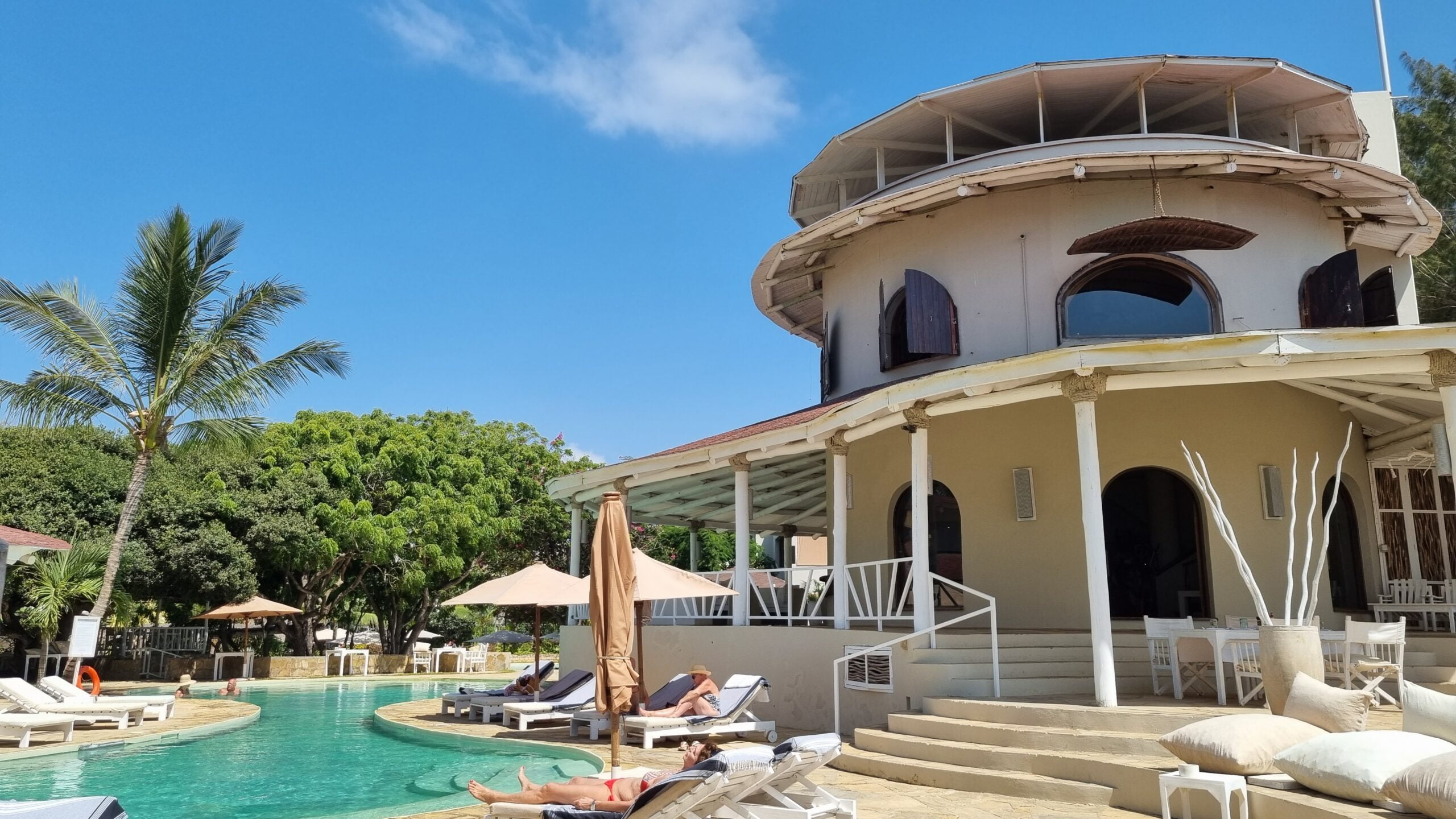
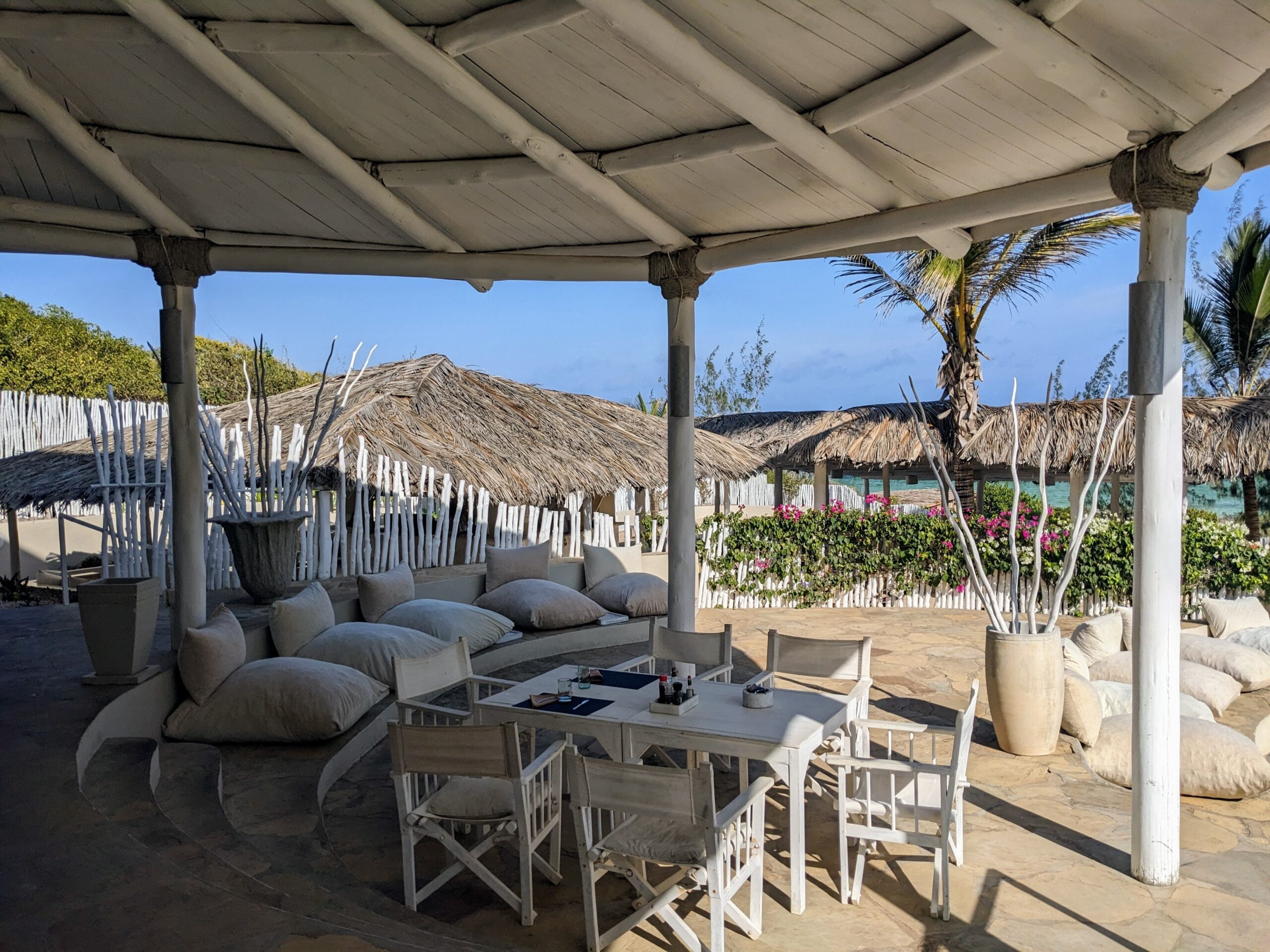
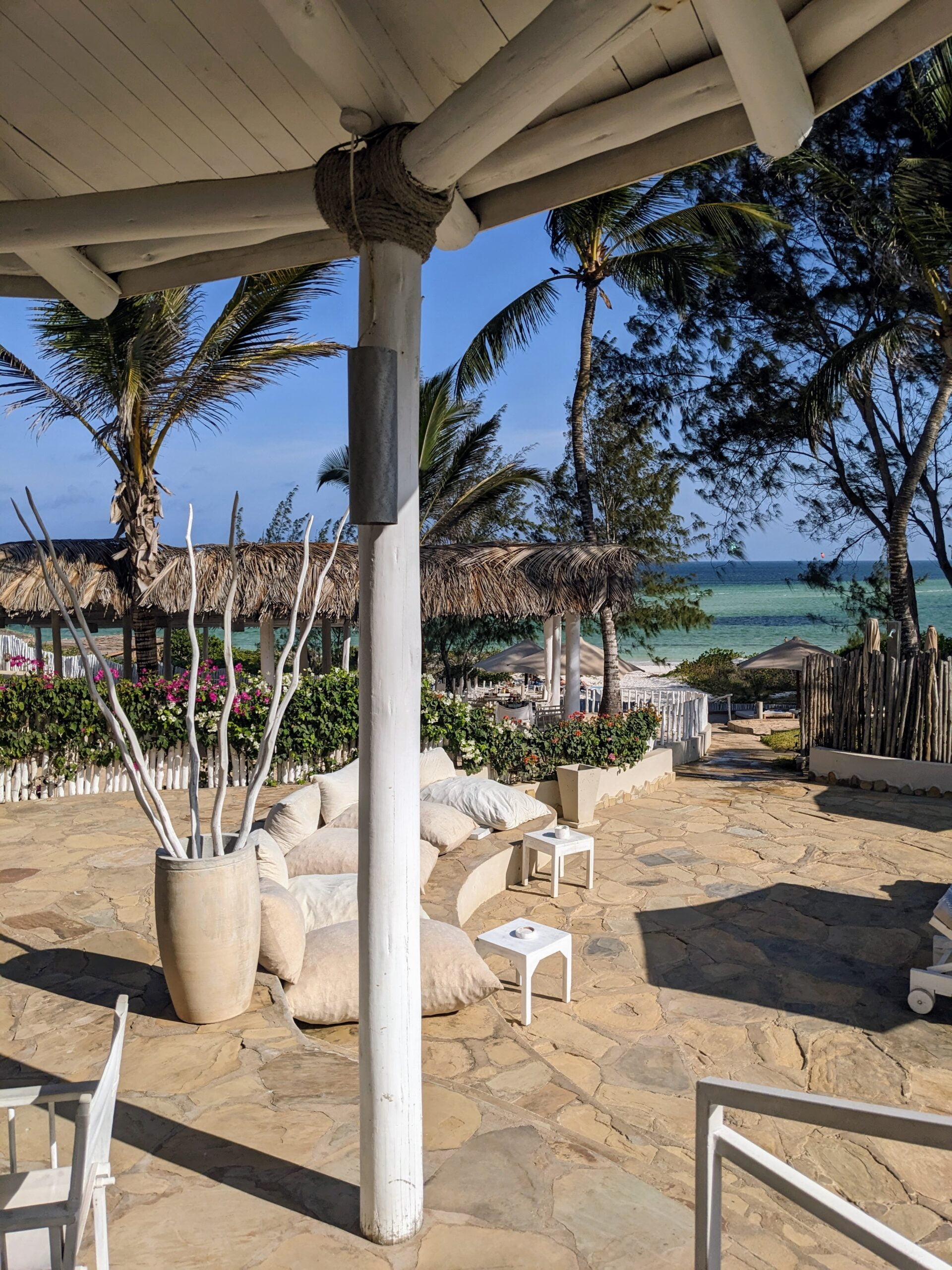
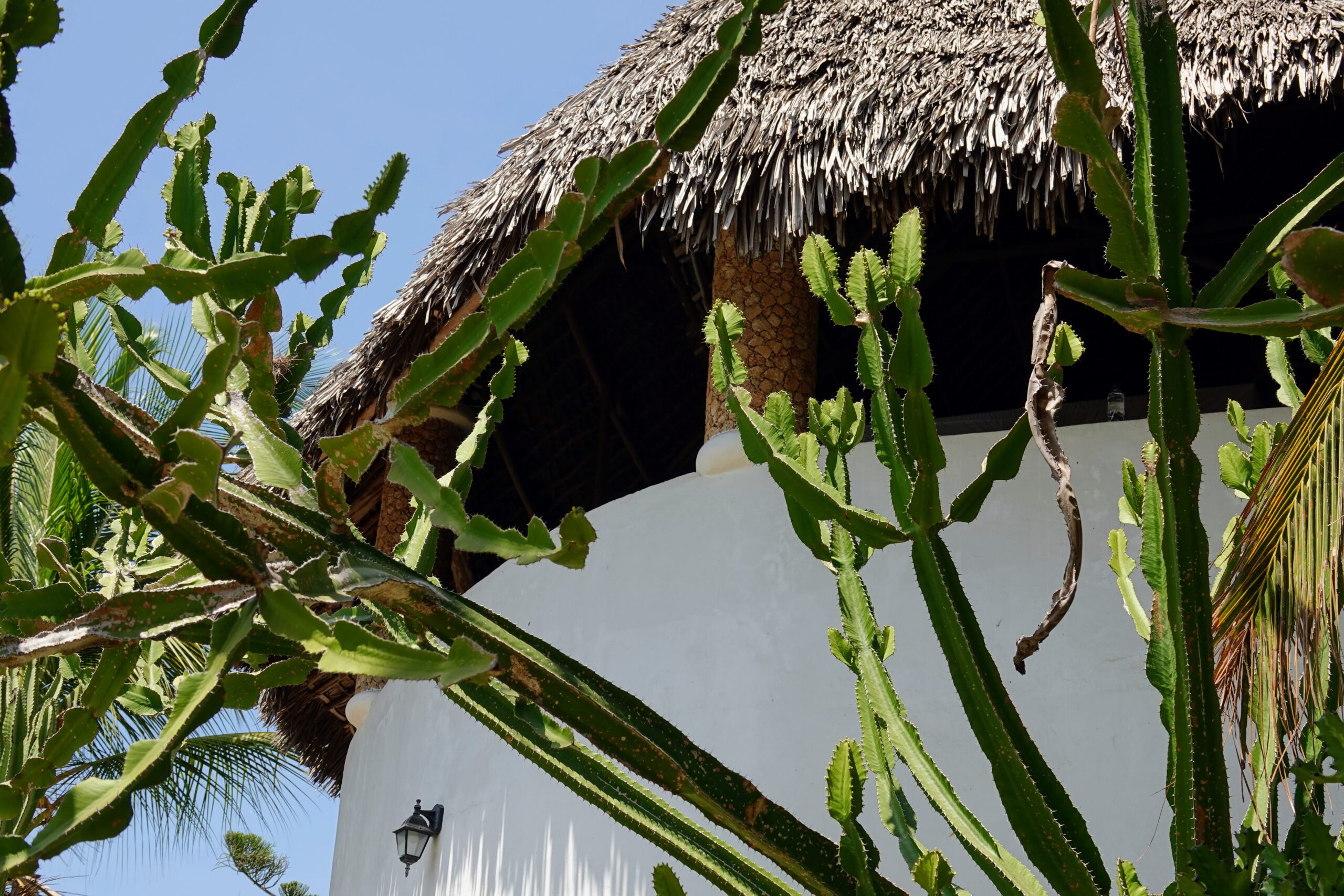
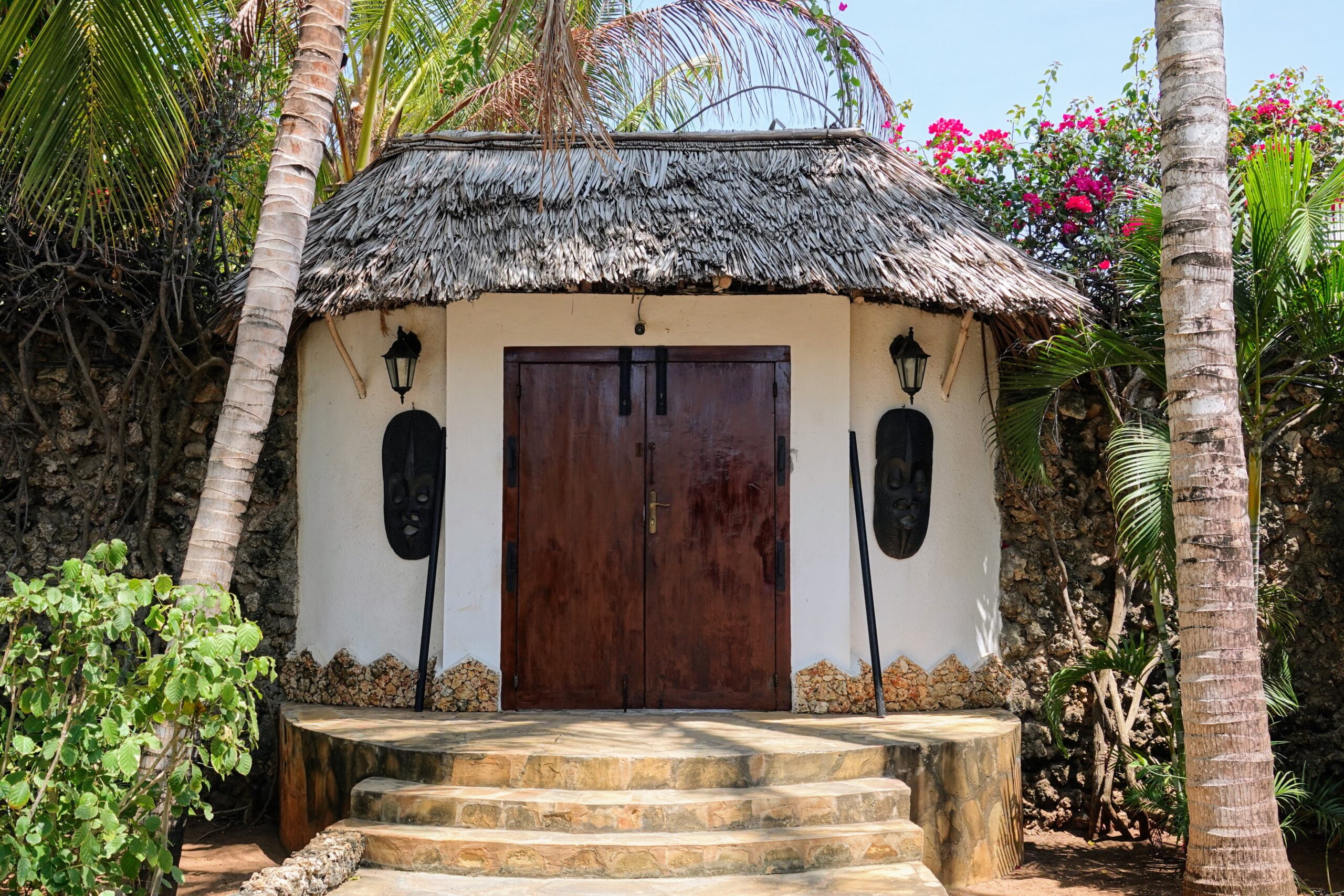
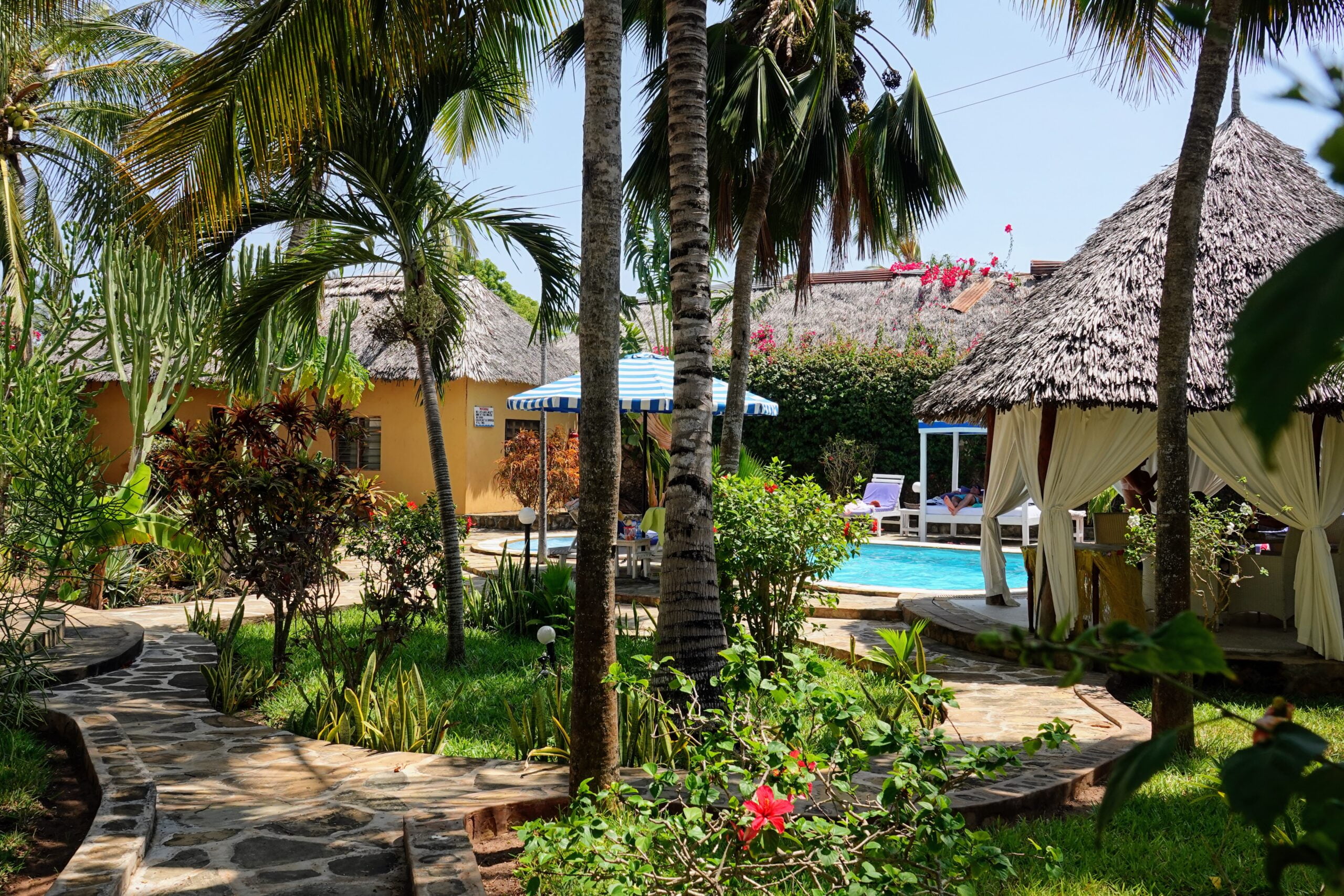
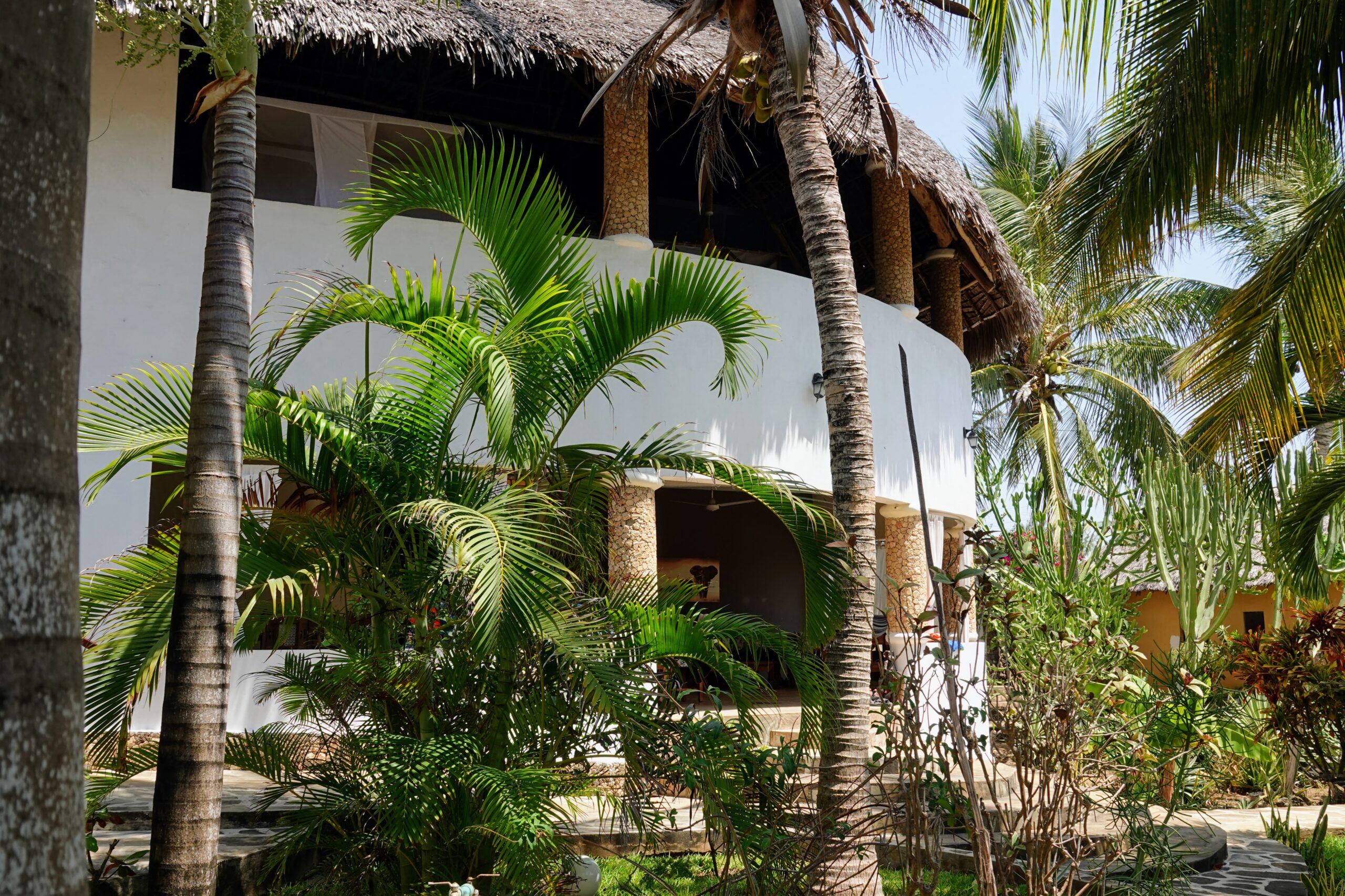
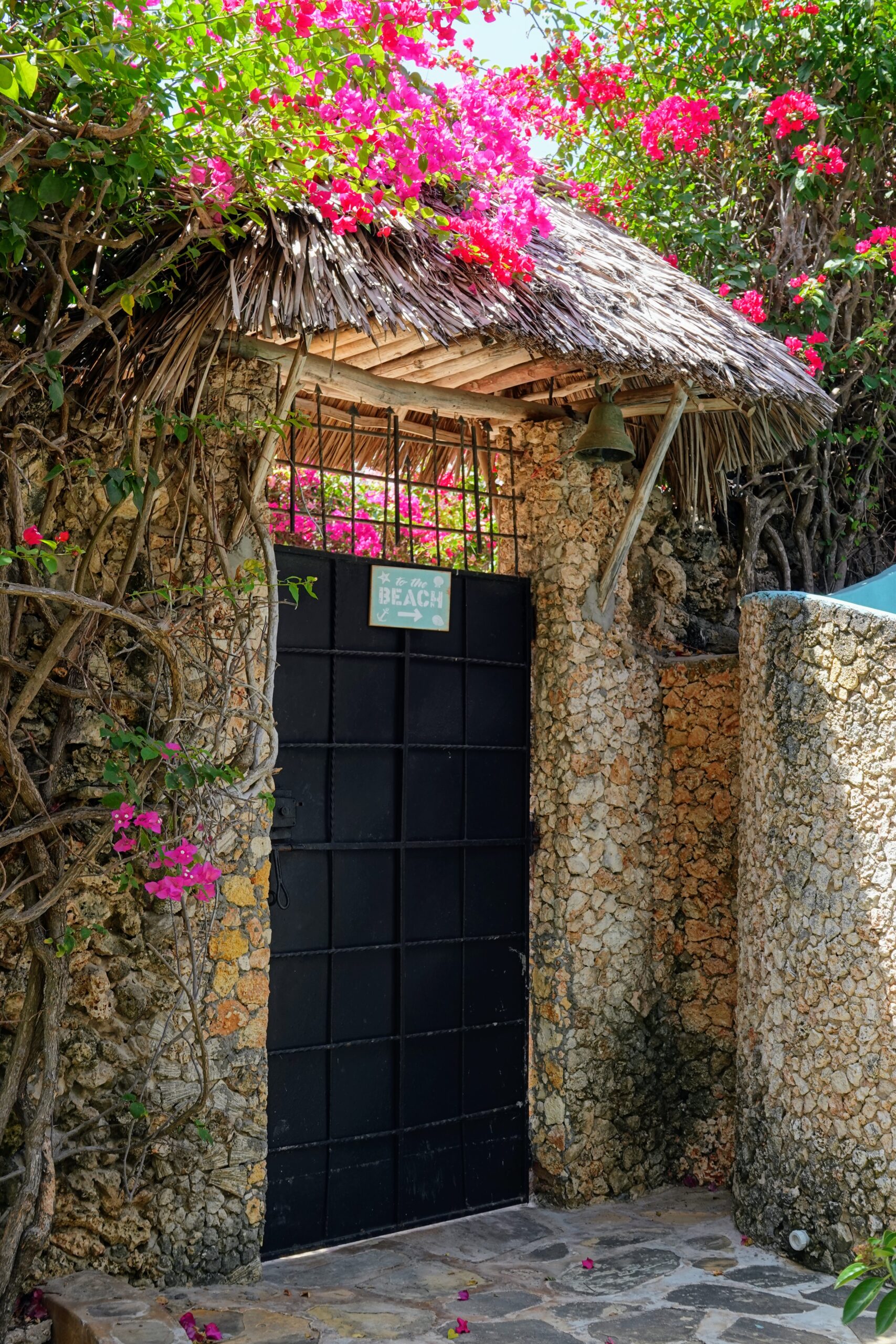
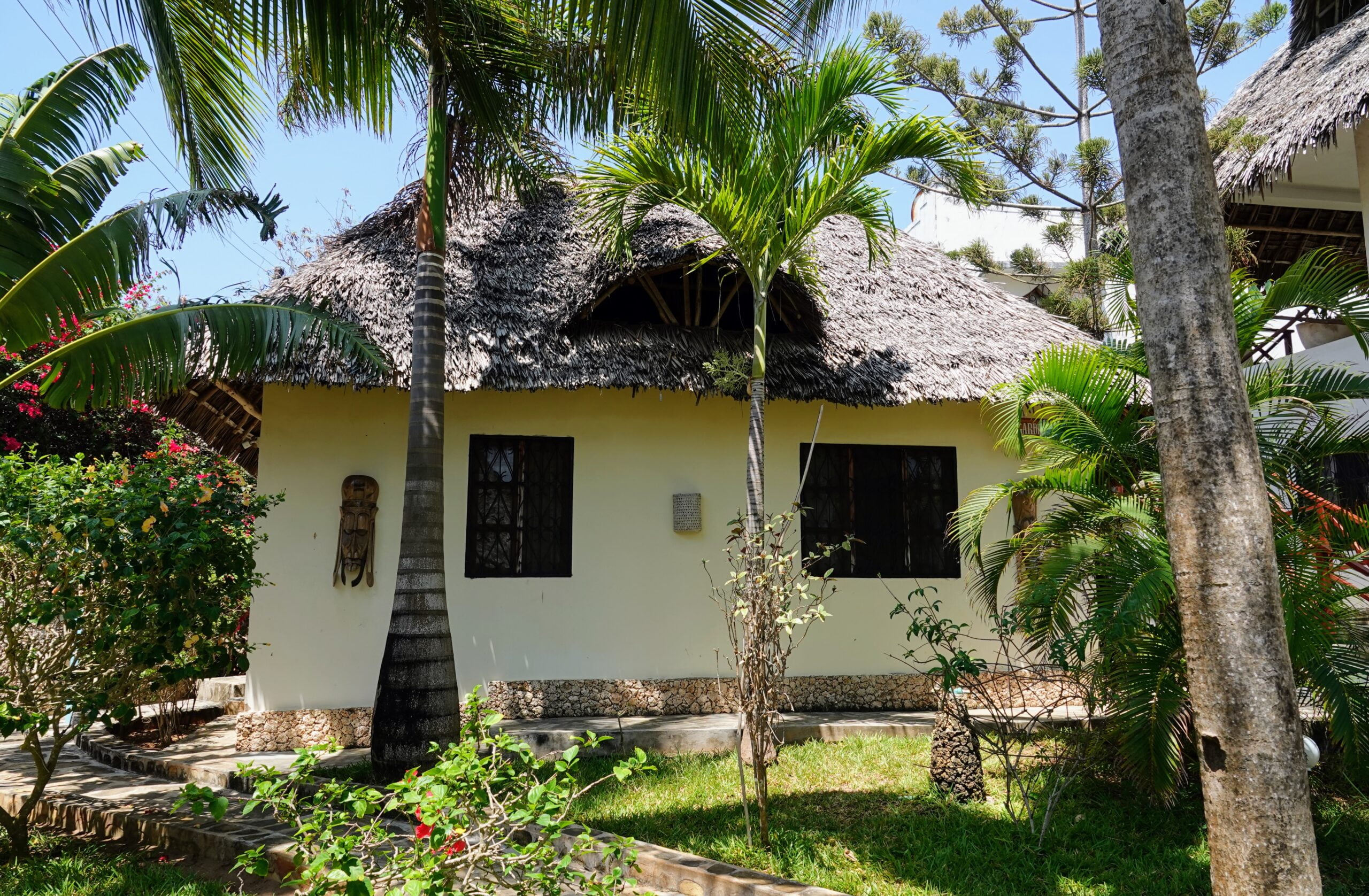
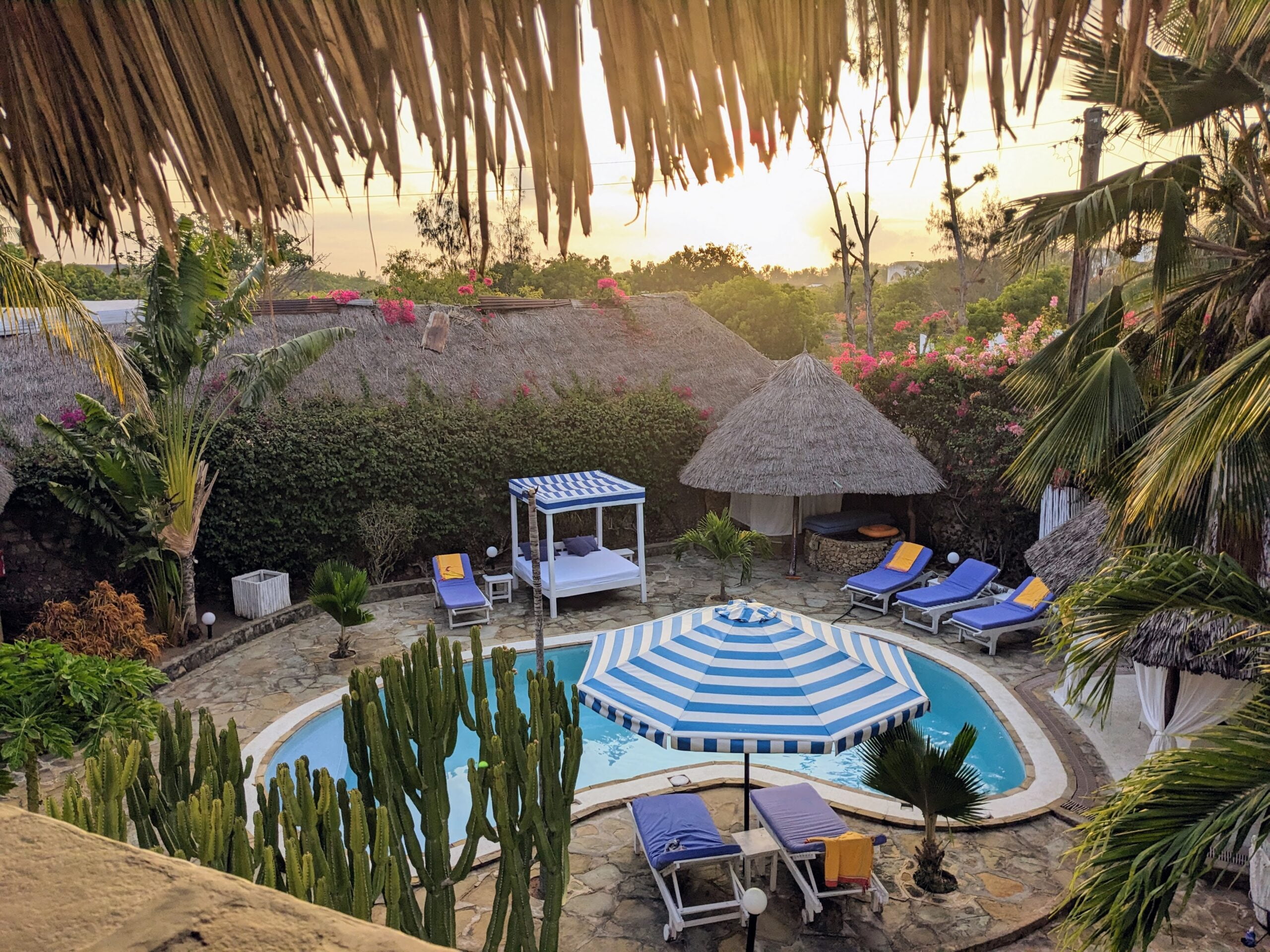
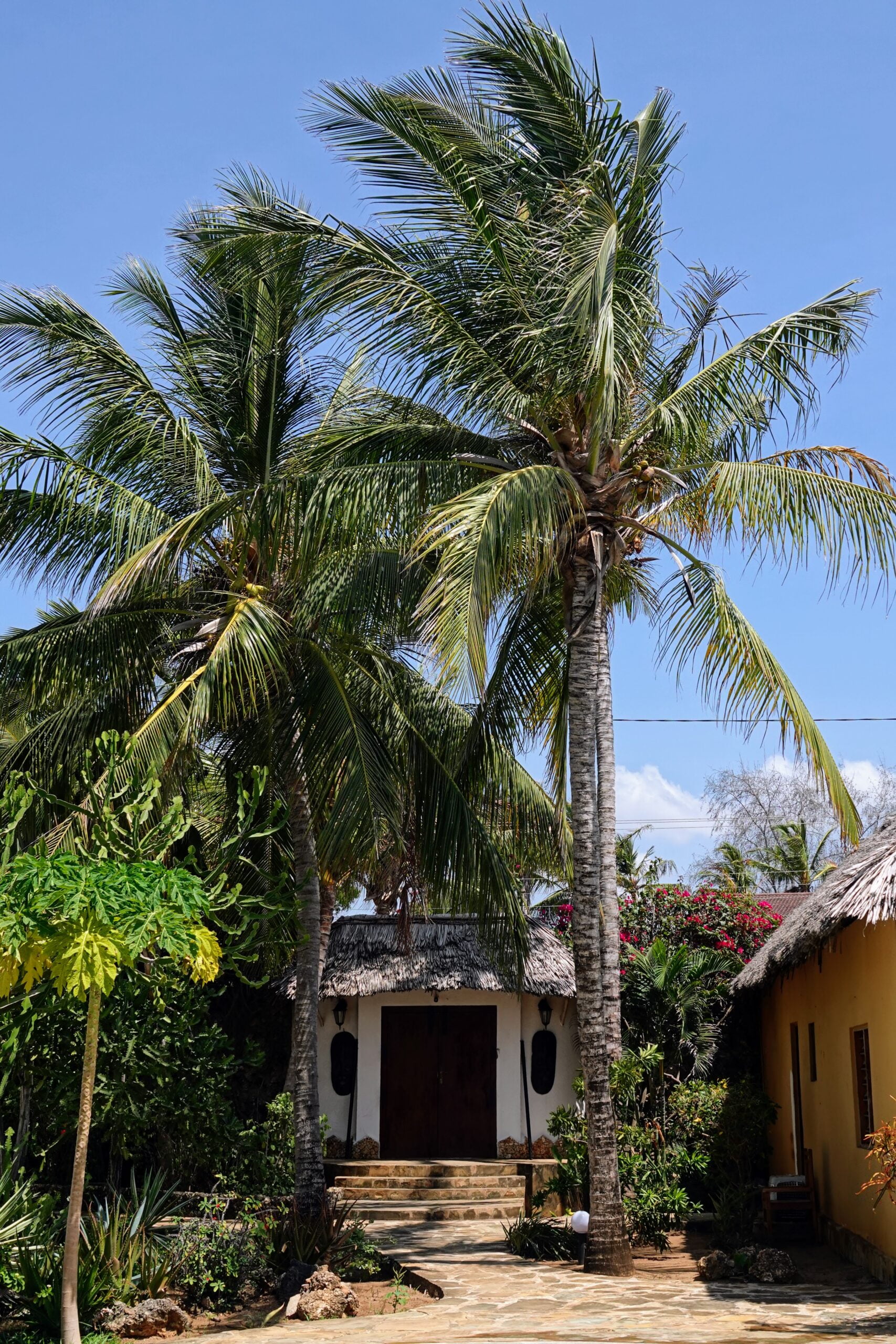
➜ With 3 families, it was simpler and friendlier to all stay together in a house, especially since most vacation rentals offer staff for cooking and cleaning. So we opted for a 6-bedroom house with swimming pool, located just a hundred meters from the beach and close to a few restaurants and a supermarket. An excellent choice for easy access to services and activities…
Where to eat in Watamu
Watamu has no shortage of cafés and restaurants offering local and international cuisine.
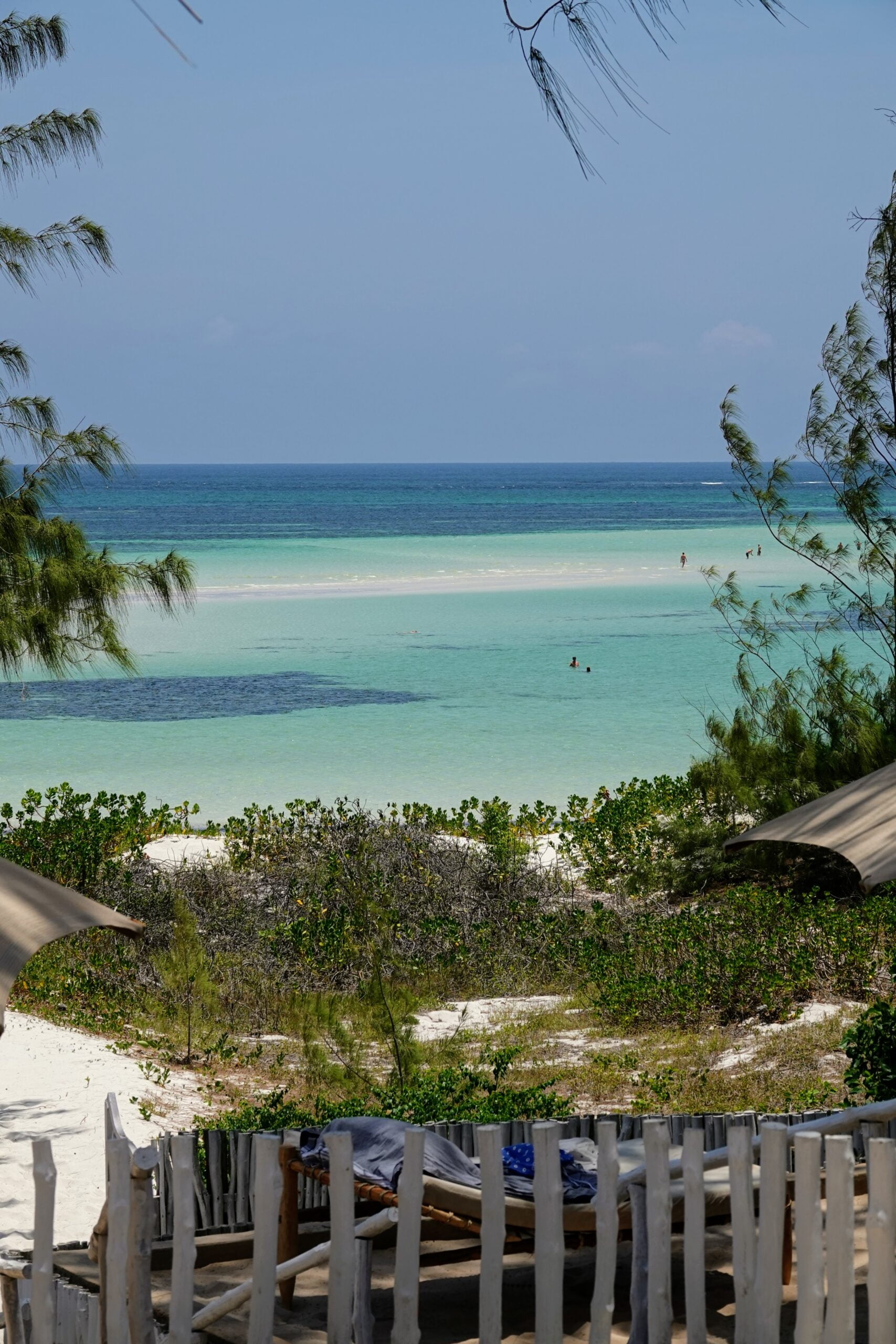
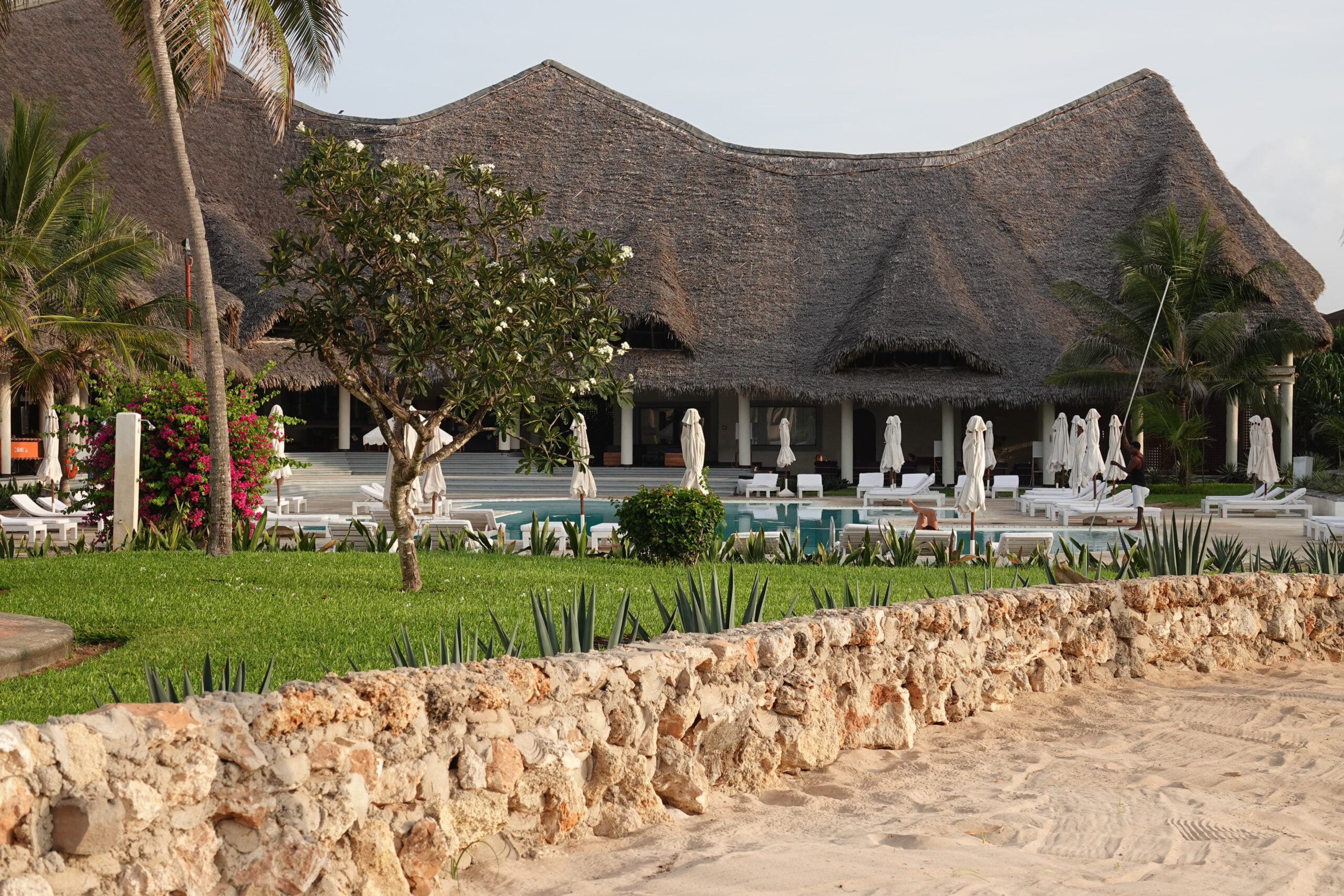
For lunch with a view, Kobe Beach Restaurant is the place to be! Pretty white tables are set under huge shade cloths, with the superb beach and translucent waters of Garoda Beach in the background. The menu features homemade pastas, risottos, burgers and meats, as well as shellfish and fresh fish. There’s something for everyone… And at €12 for the day’s grilled fish, we’re in a pretty reasonable price range. Reservations essential!
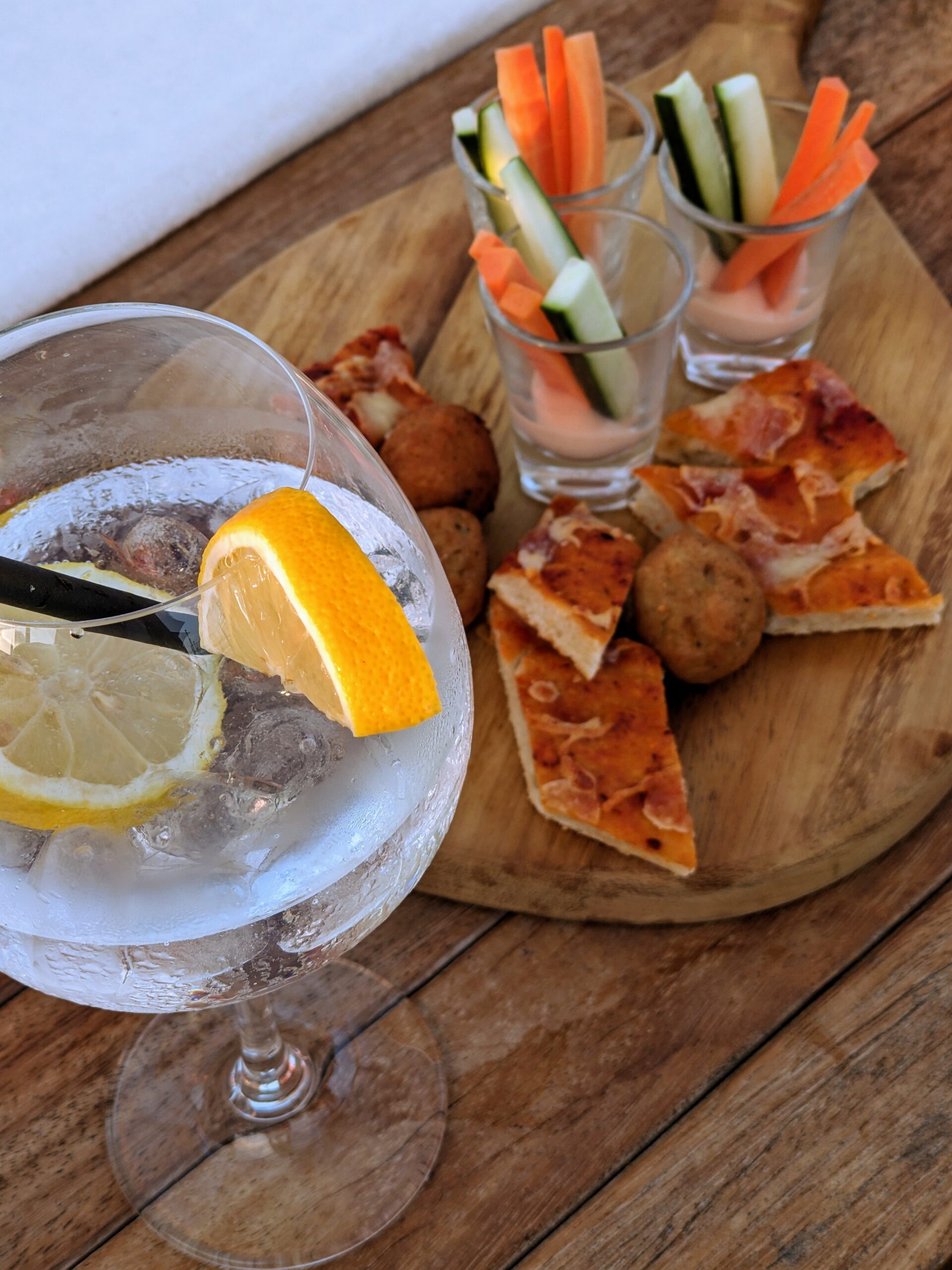
At the Padel House, you can play paddle – preferably at the end of the day – or enjoy an aperitif on the deckchairs in front of the courts. You can also book a table at the clubhouse restaurant, which serves excellent Italian cuisine. Pasta or pizza, you’re in for a treat!
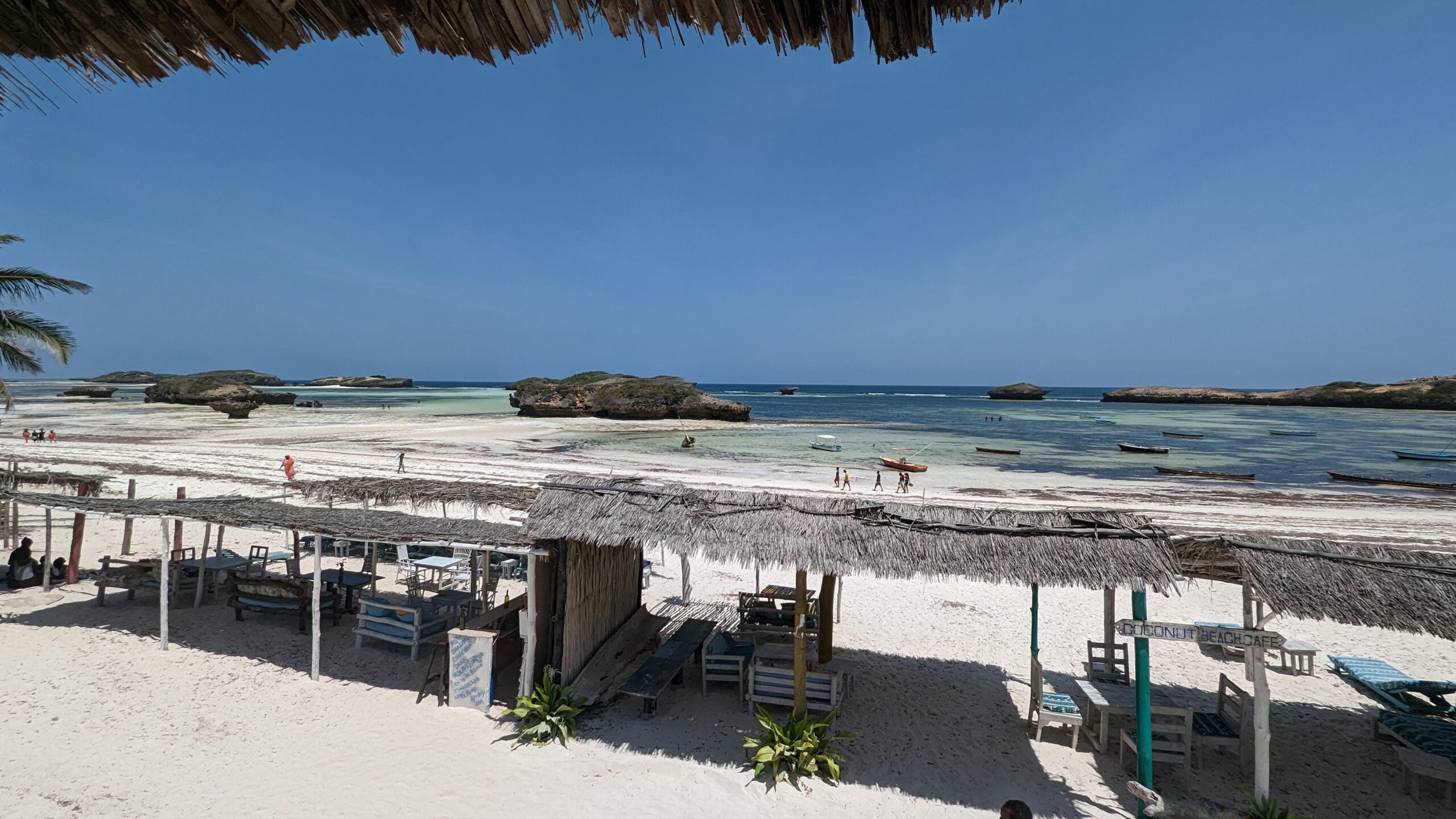
The Coconut Beach Cafe is a typical beach eatery: an unassuming setting, a magnificent ocean view and a varied menu at reasonable prices.
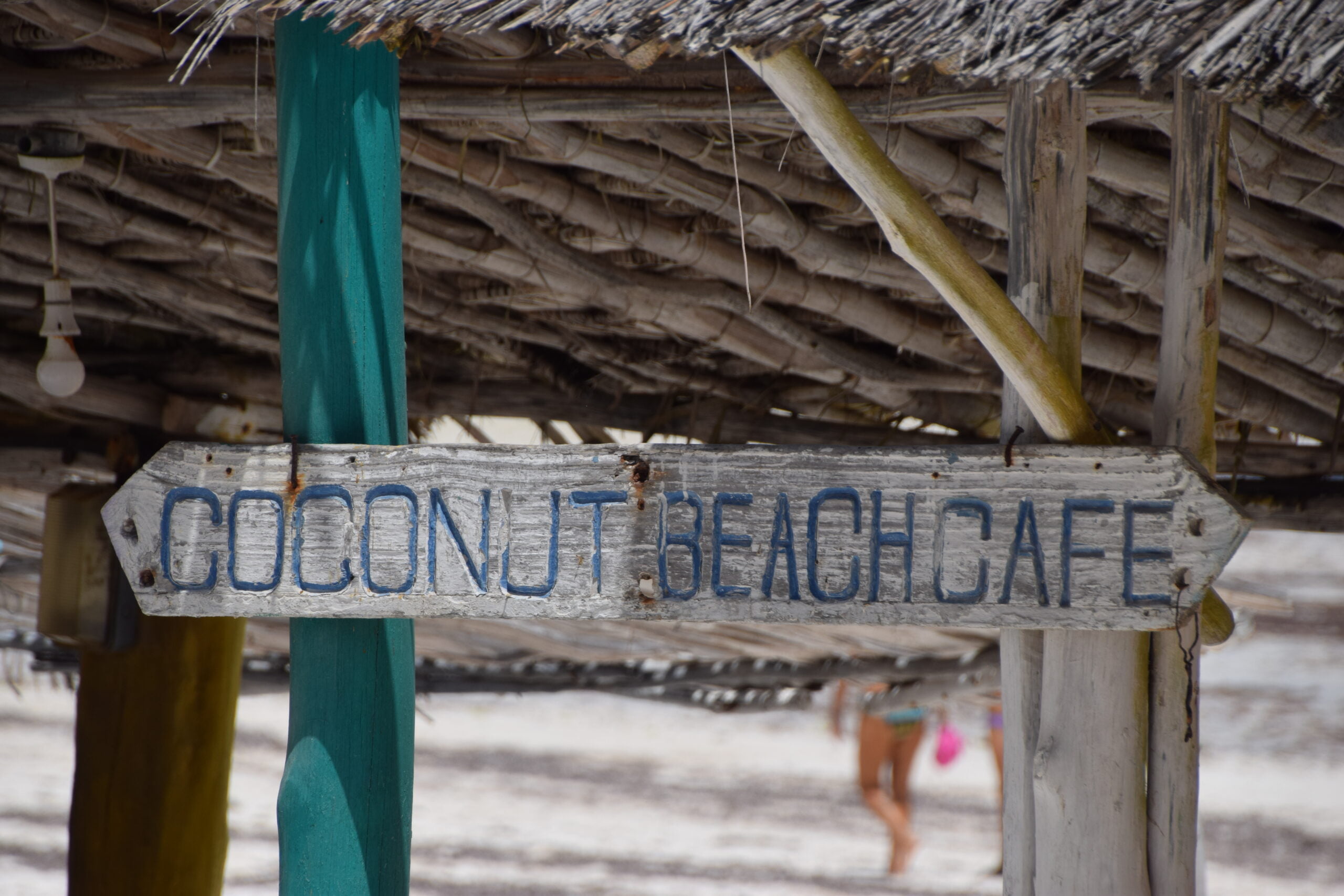
We went at lunchtime, without a reservation, and it’s a good thing we had the afternoon off, because the service turned out to be really slow 😅 But when you’re on vacation and enjoy a view like this…
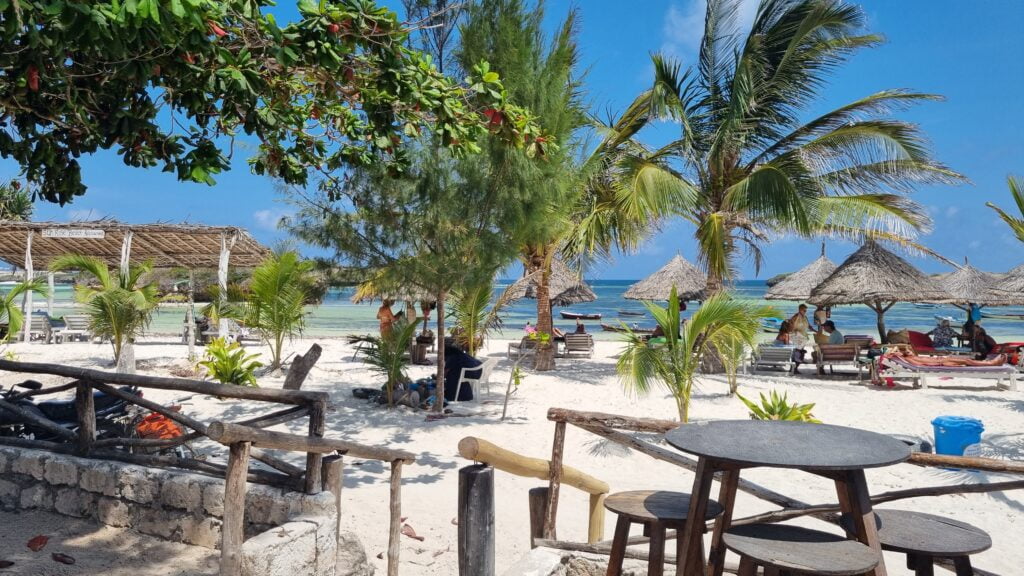
Also located on Watamu Beach, Willy Beach Restaurant offers a variety of dishes in a beautifully decorated setting at very reasonable prices. The service is friendly and efficient – highly recommended!
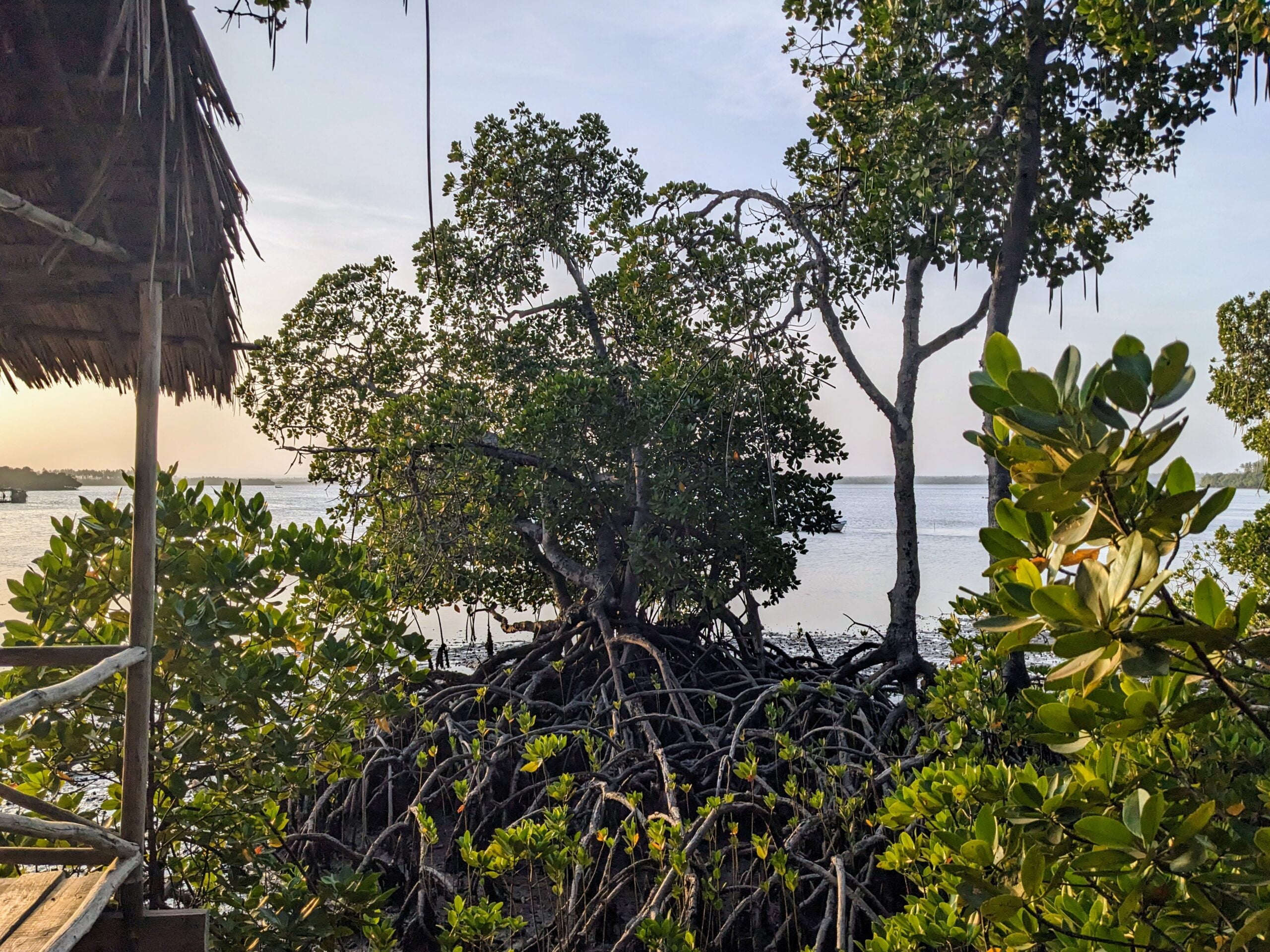
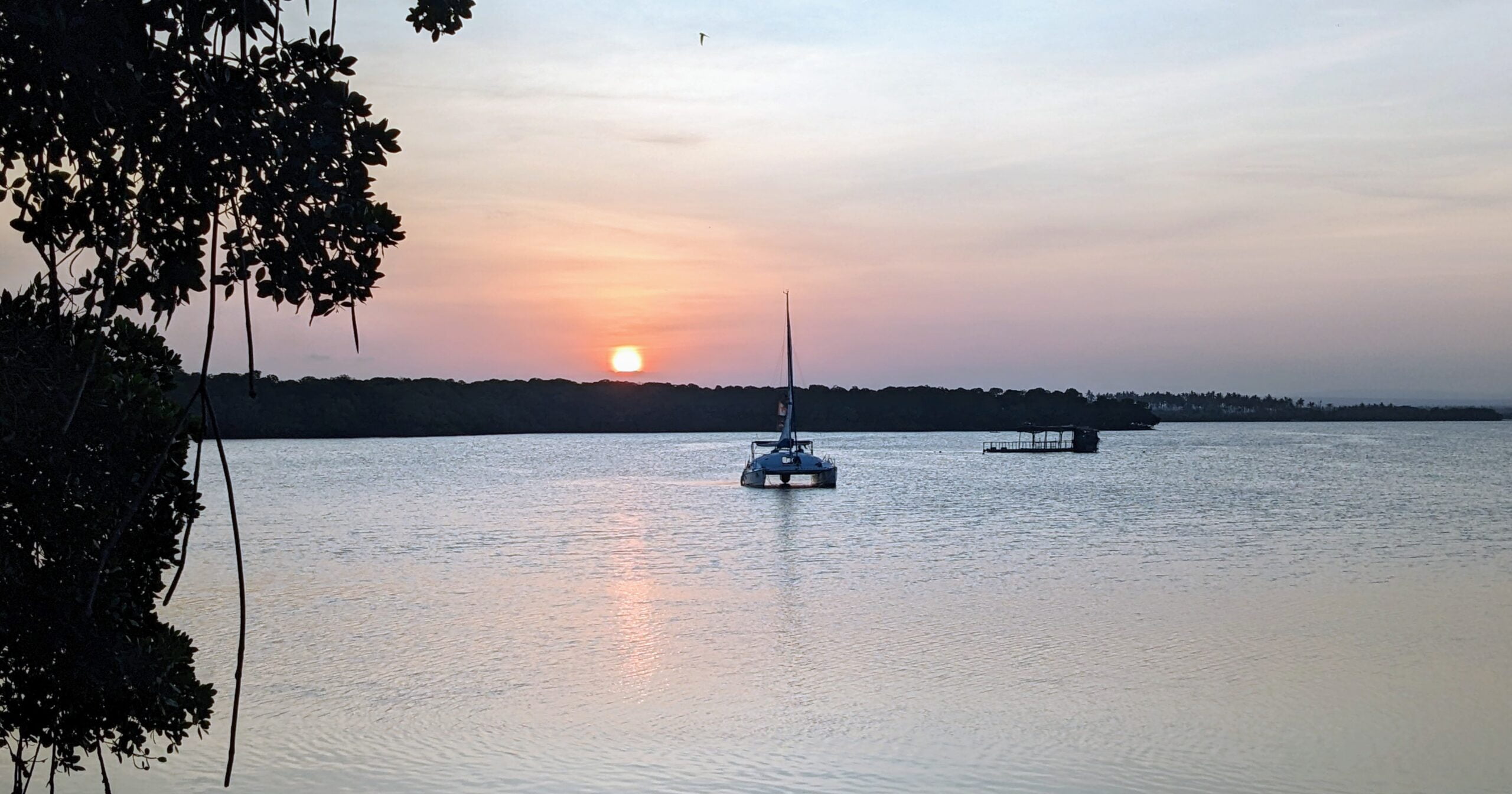
Located in Mida Creek, The Crab Shack is literally nestled in the heart of the mangroves. Invisible from the parking lot, it can be reached via a succession of paths built on stilts. And at the end, a privileged view of Mida Creek and the sunset.
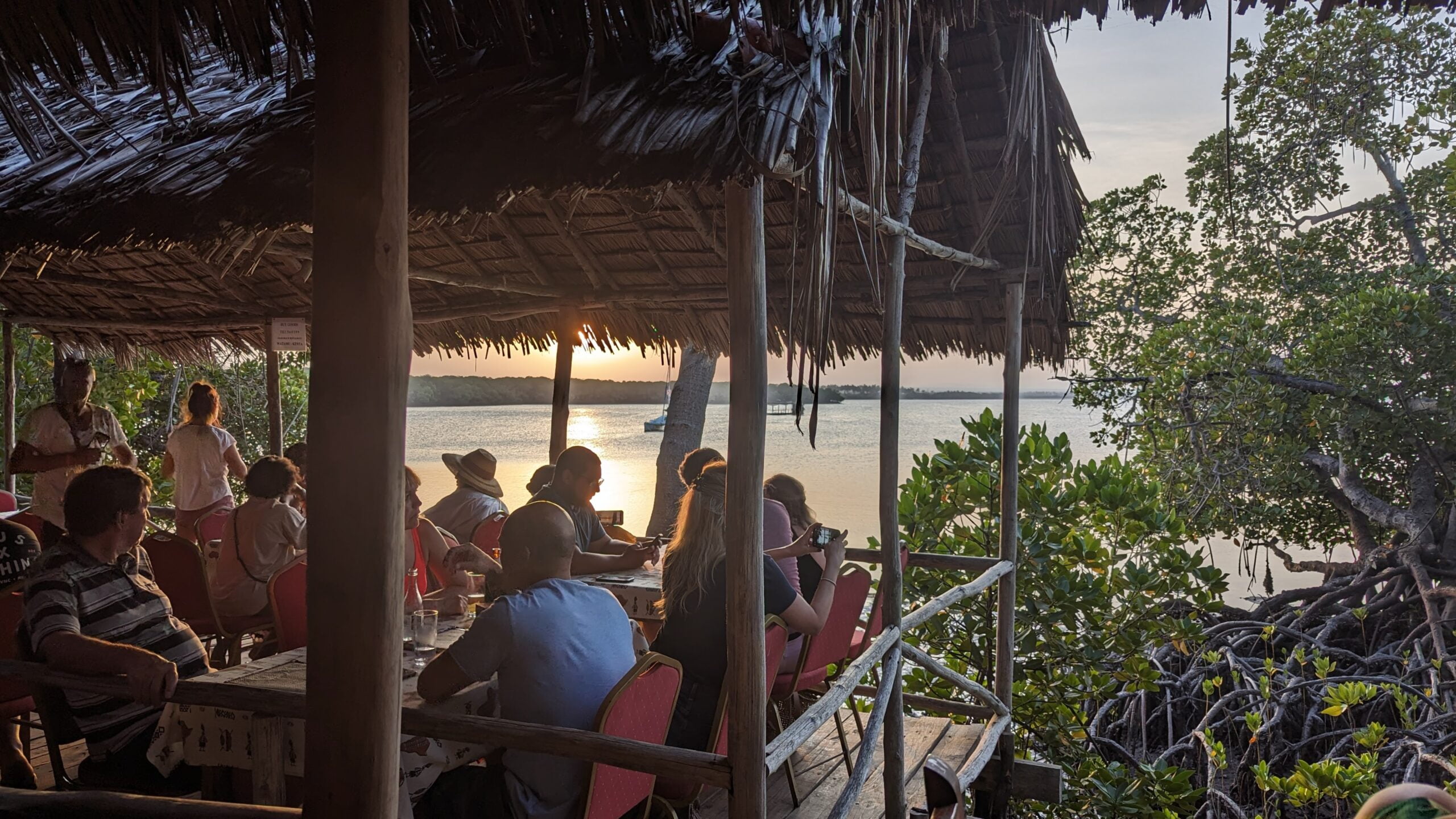
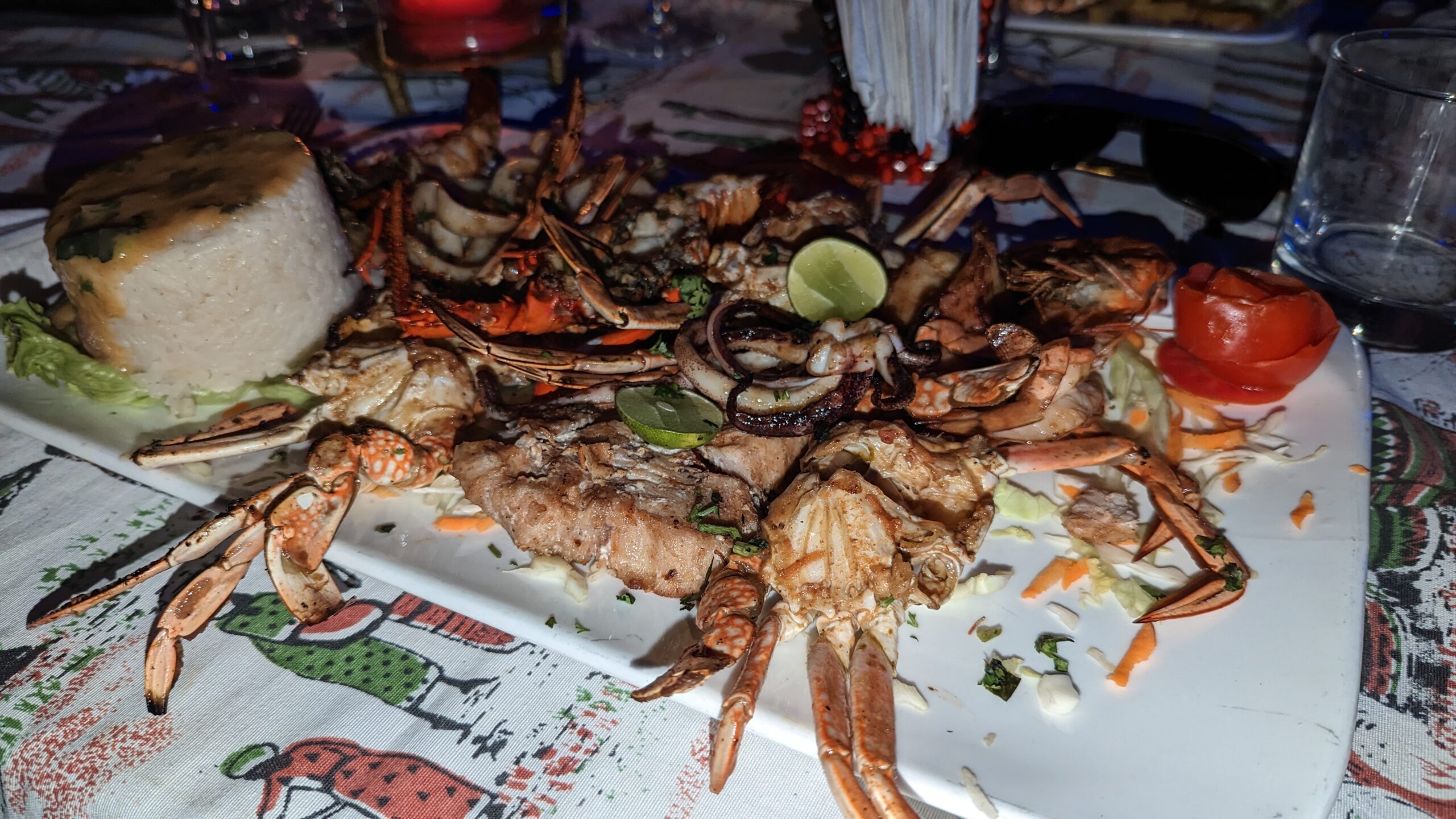
As its name suggests, the place is known for serving mangrove crab, seafood and fresh fish. For the undecided, the €30 “mixed seafood grill” is an excellent choice, hearty and delicious.
A few addresses we spotted but couldn’t try out due to lack of time…
- The Rock and Sea panoramic restaurant (please note that you need a boat to get there!)
- Lichthaus is Watamu’s Instagram spot 🤩 We go there for the food and cocktails, but above all for a sunset selfie in one of the nets overlooking Mida Creek….
- Papa Remo Beach offers quality local and international cuisine. It’s also known for its Saturday night beach parties 🪩
- Le Pilipan offers a snack bar and excellent cocktails.
What to see and do in Watamu
Enjoy magnificent beaches
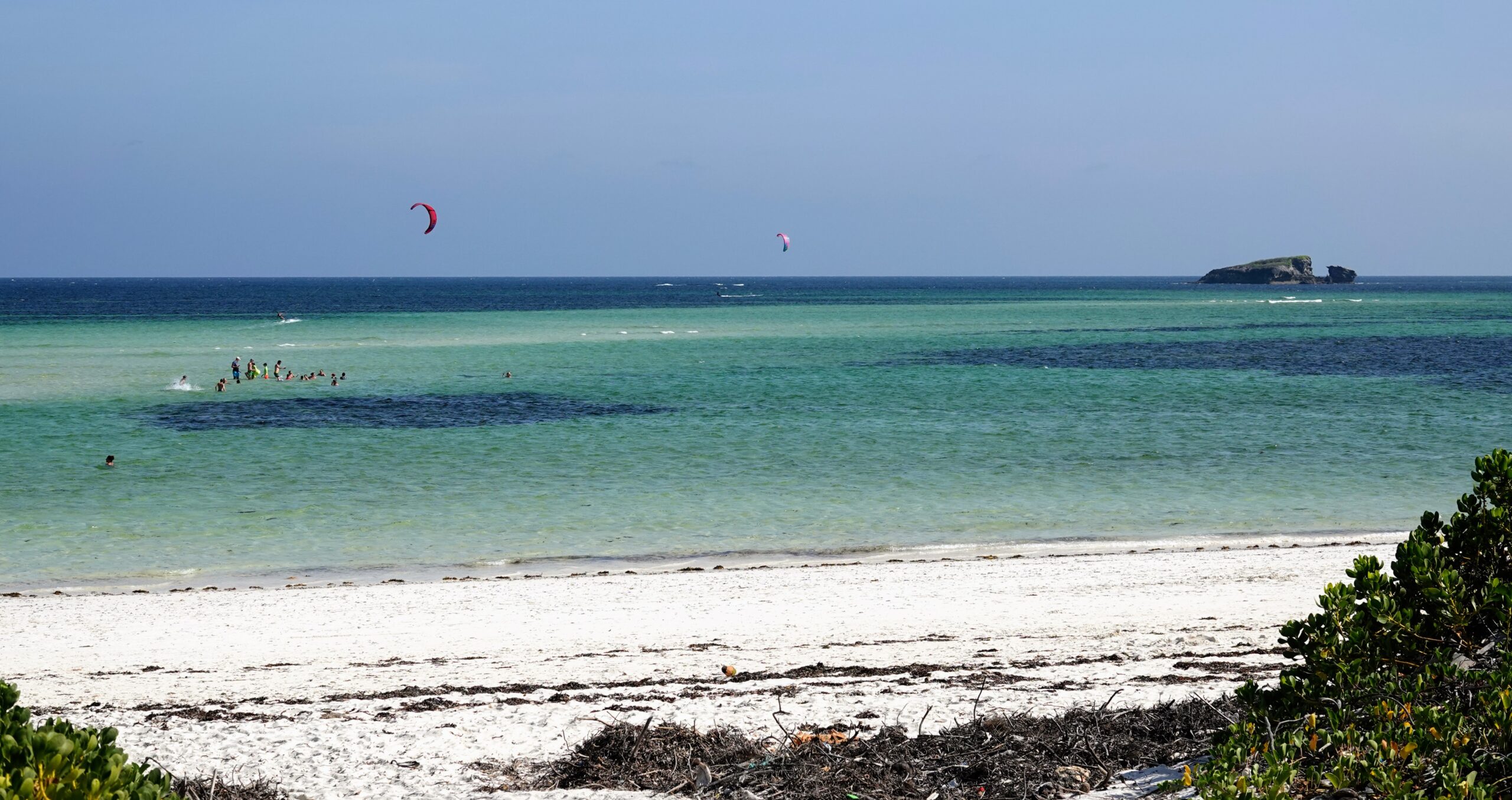
Among the most beautiful in the world, Watamu’s beaches invite you to swim and enjoy long strolls with your feet in the water.
➜ Be careful not to use a diving mask, or you’ll have to pay an entrance fee to Watamu Marine National Park 🤿
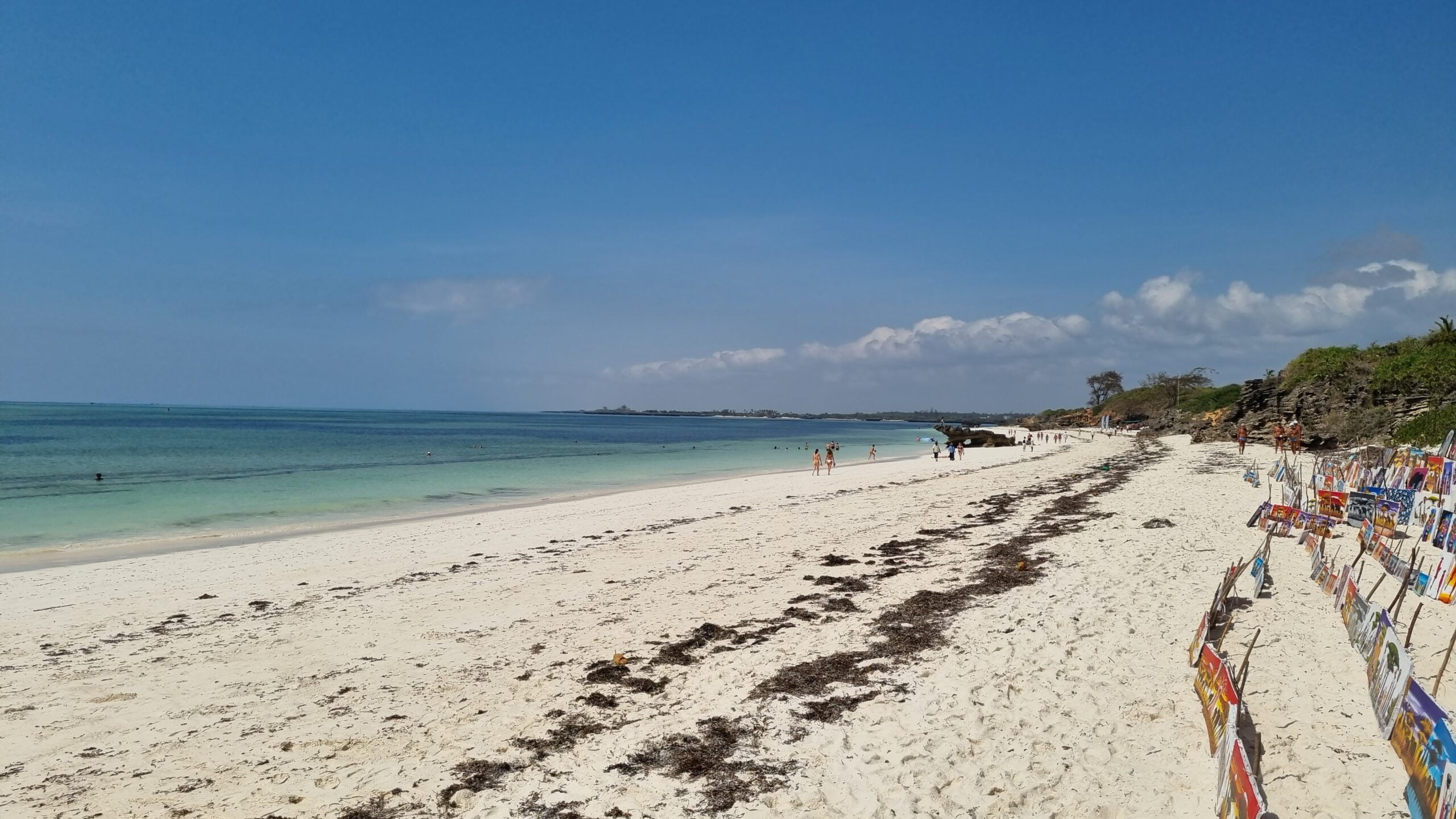
➜ At low tide, the ocean retreats for more than a kilometer. It’s the perfect time to take a walk to Love Island without getting waist-deep in water.
Watamu National Marine Park
Founded in 1968, Watamu National Marine Park is one of Kenya’s first protected marine parks. Home to over 150 species of coral, almost 500 species of fish and countless crustaceans, molluscs and invertebrates, it is ranked asone of the most beautiful dive sites on the East African coast.
For scuba diving enthusiasts, the park also offers the chance to encounter turtles, manta rays, dolphins and whale sharks.
Good to Know
- Watamu National Marine Park is accessible for an entrance fee of $17 per adult and $13 per child. The entry is valid for a 24-hour period.
- You don’t need to pay an entrance fee to swim at Watamu. However, you can’t use a diving mask without paying an access fee.
Stand up paddle with dolphins
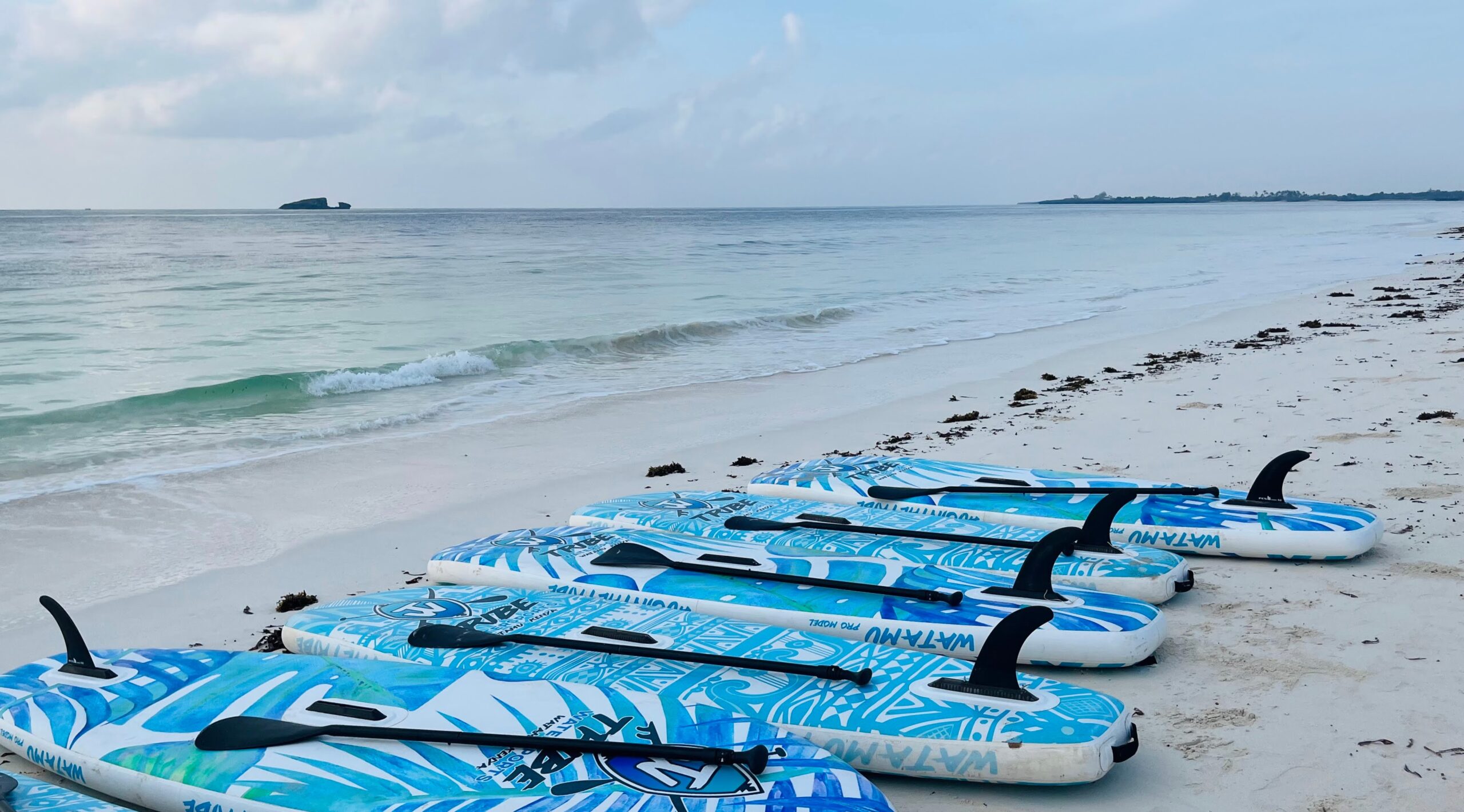
Watamu has several resident dolphin groups: Indo-Pacific spinner, Indo-Pacific humpback and spotted dolphins. On paper, an encounter with dolphins on a stand-up paddle looked like a unique and totally magical experience. This was without taking into account the fact that the captain was absent on the morning of the expedition. And no boat, no dolphins 😭
Good to Know
- Tribe Watersports offers a variety of water sports activities at Garoda Resort, including dolphin stand-up paddle expeditions. Their facilities are on the Garoda Beach Hotel site.
- The best time to go dolphin watching is early in the morning. Meet at Garoda Resort around 7am 😴
- The dolphin expedition costs $80 per adult and $50 per child, excluding entrance fees to Watamu Marine National Park.
Fishing trip to Watamu
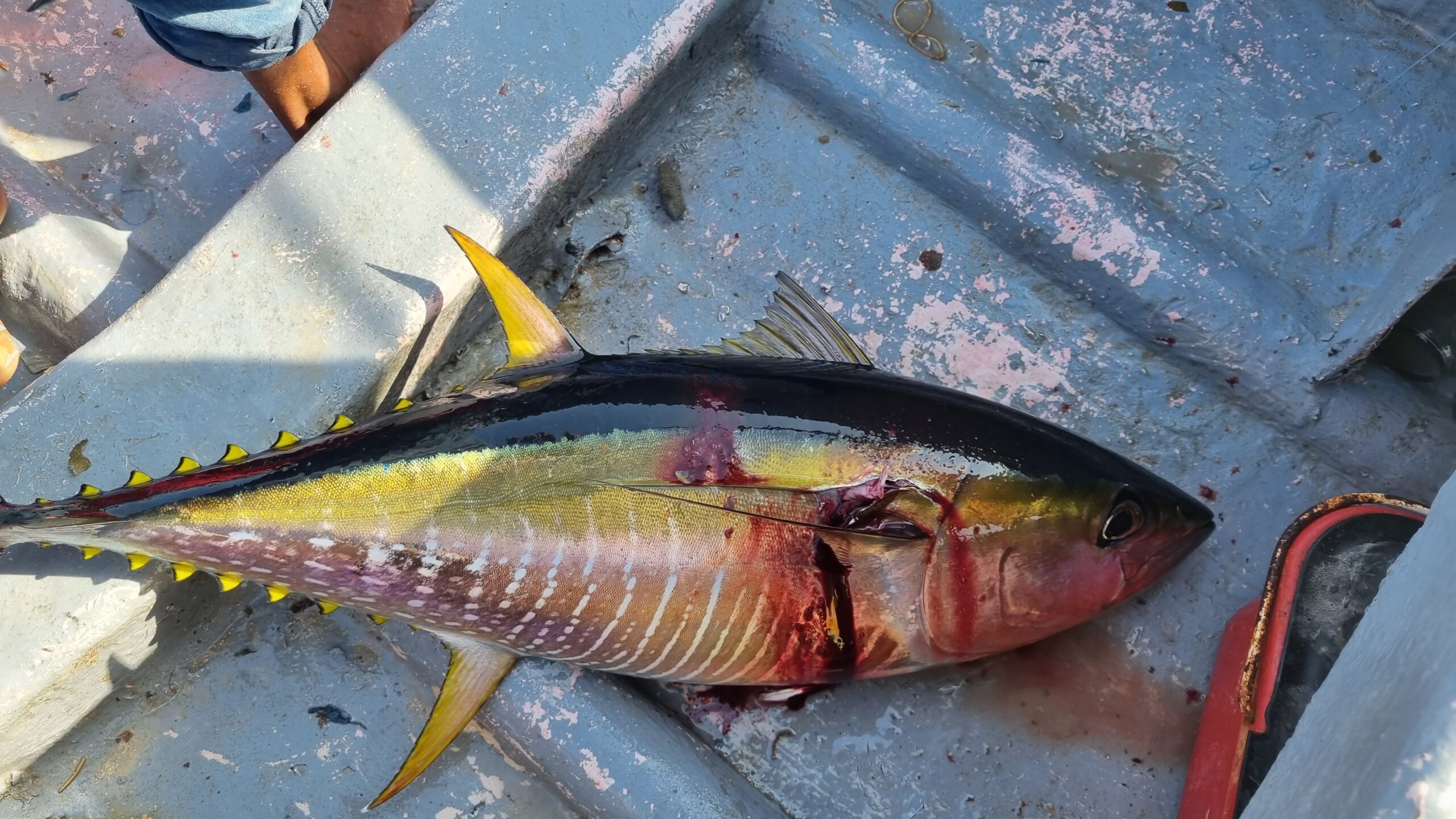
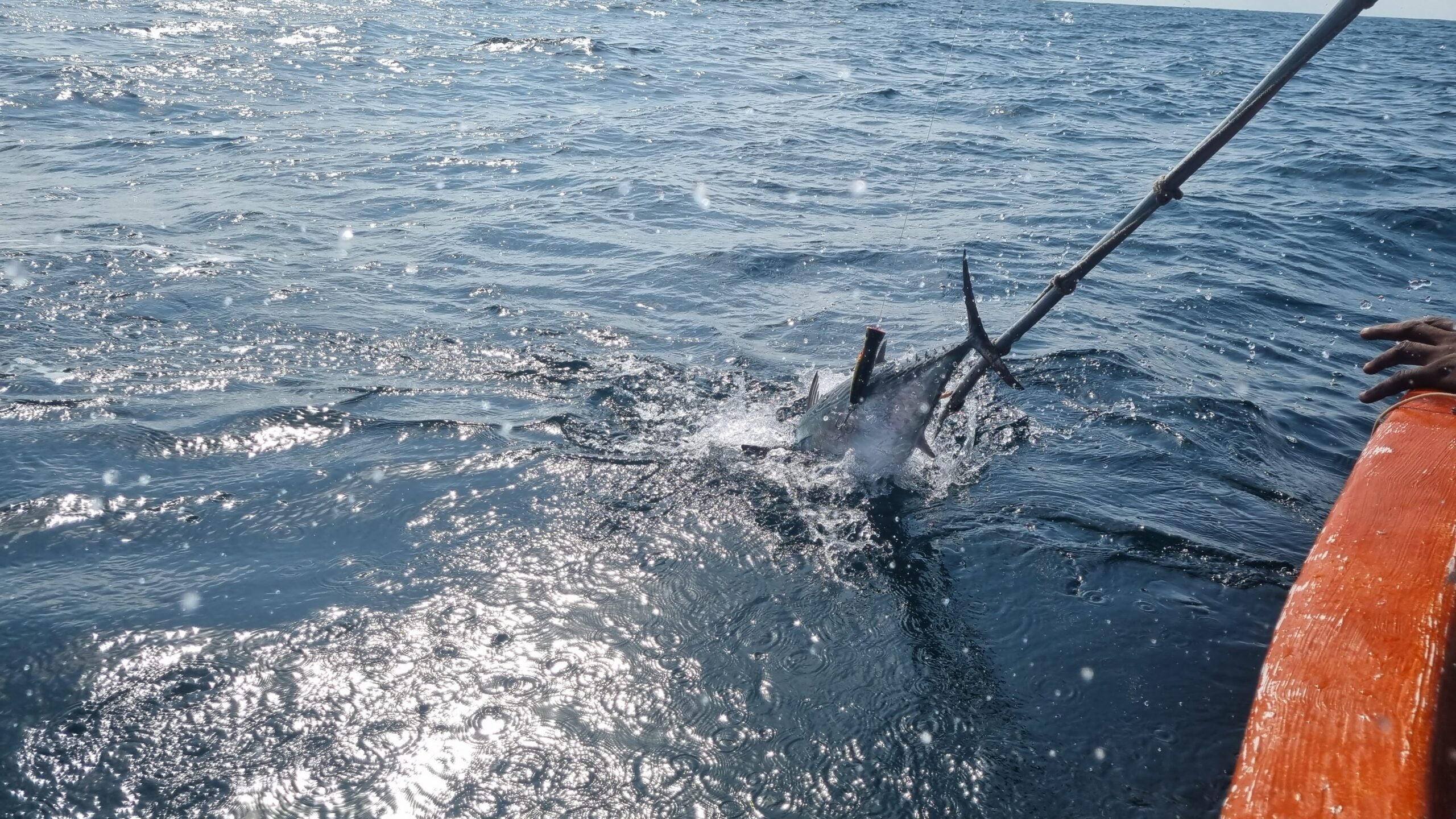
With over 500 kilometers of coastline and the warm waters of the Indian Ocean, Kenya offers perfect conditions for big-game fishing. And while several places – Malindi, Kilifi and Shimoni in particular – are known for their abundance of fish, Watamu is the only one bathed by a very strong current that attracts all varieties of Marlin. This makes it one of the few places in the world where you can set a record “slam”, i.e. catch three different species of Marlin in 24 hours.
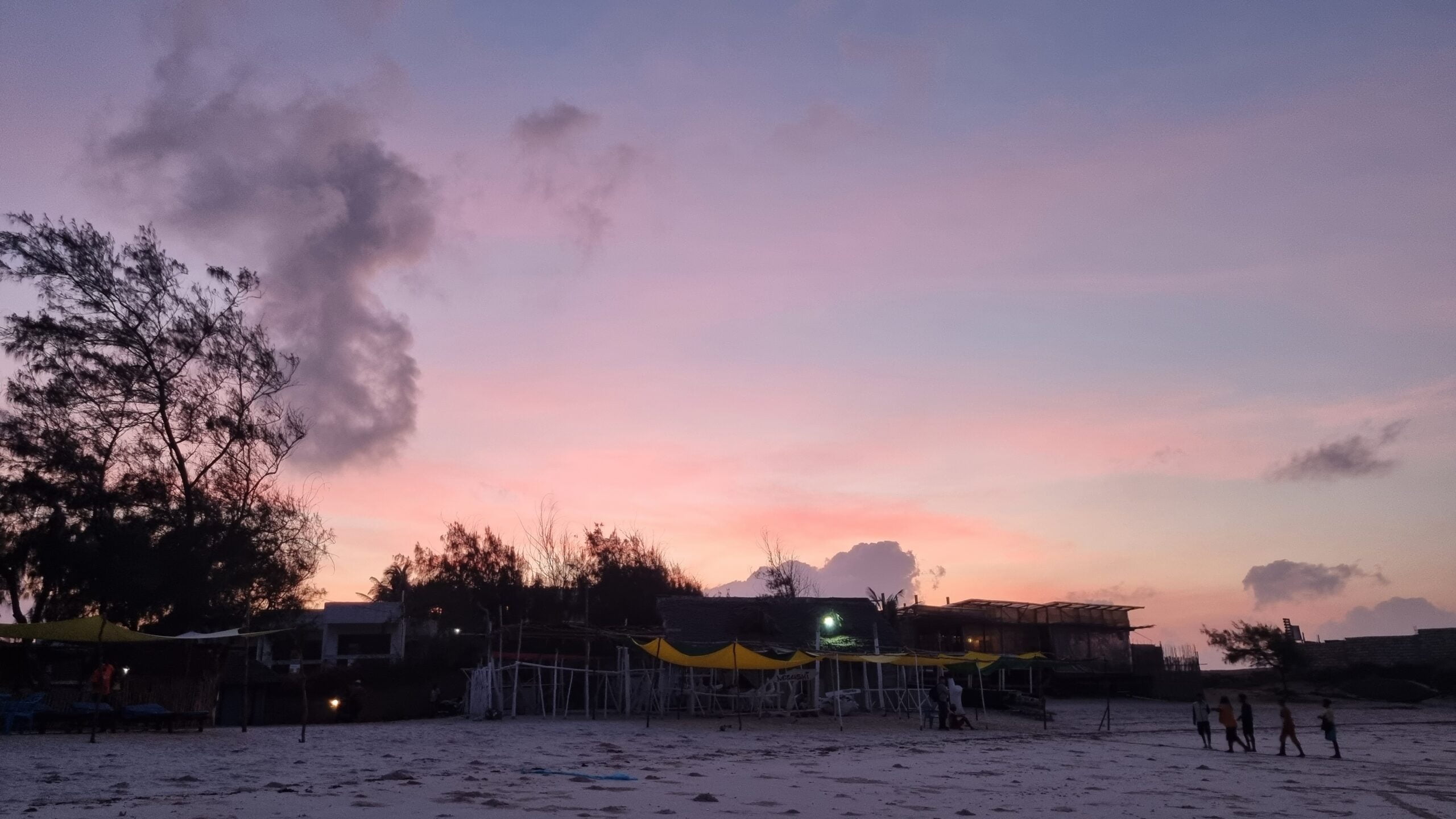
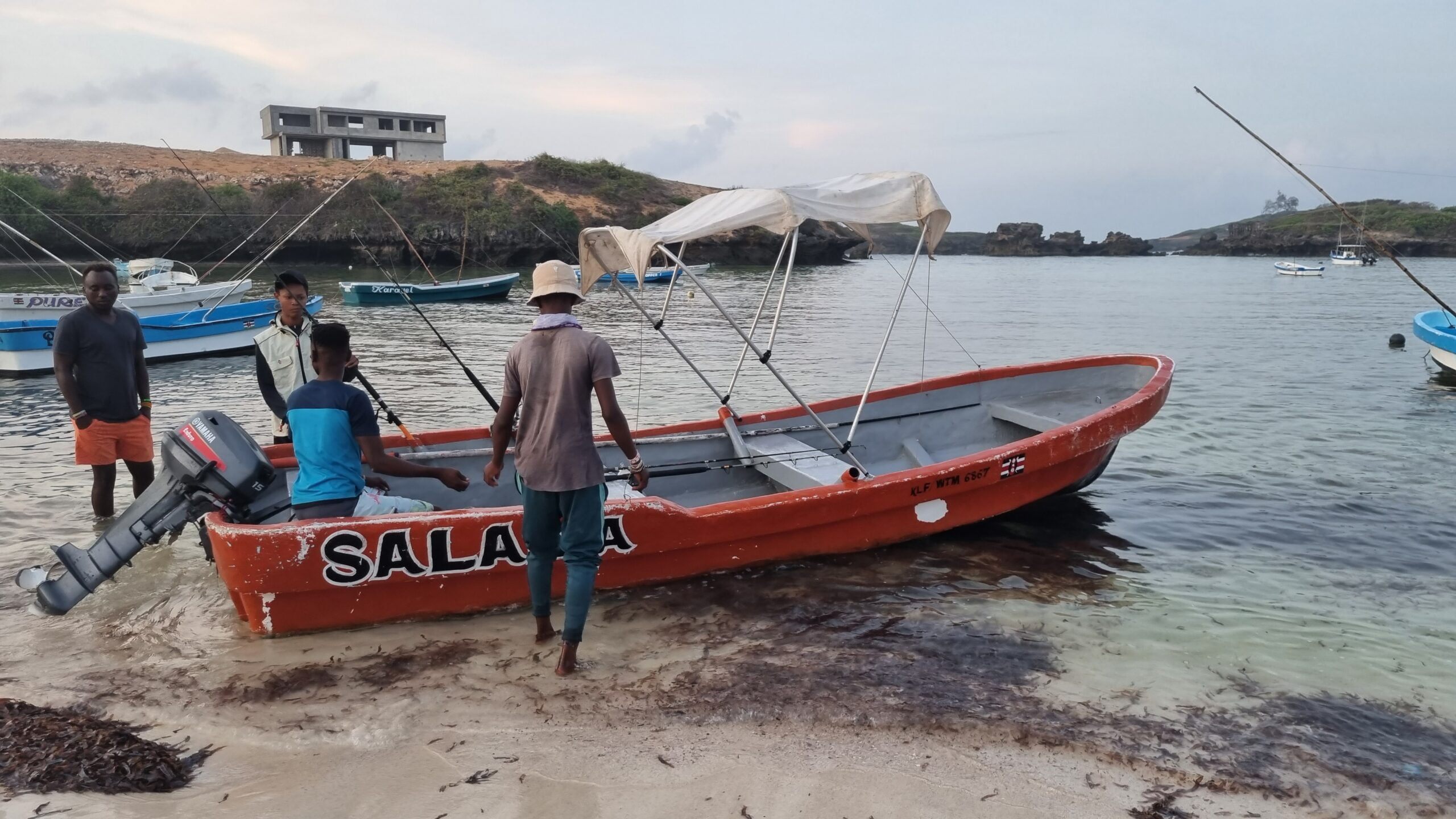
➜ The price of a fishing trip varies according to its duration – often a full or half day – and the size of the boat. We paid $300 for half a day on a 5-person boat.
Blue safari
With crystal-clear waters rich in multicolored coral, Watamu is an ideal destination for a blue safari, which involves exploring marine ecosystems by boat and/or snorkeling.
➜ The majority of blue safaris organized by hotels and local companies cost between $30 and $40 per person for a day on a glass-bottom boat with time for dolphin-watching, a snorkeling stop and lunch on a small island.
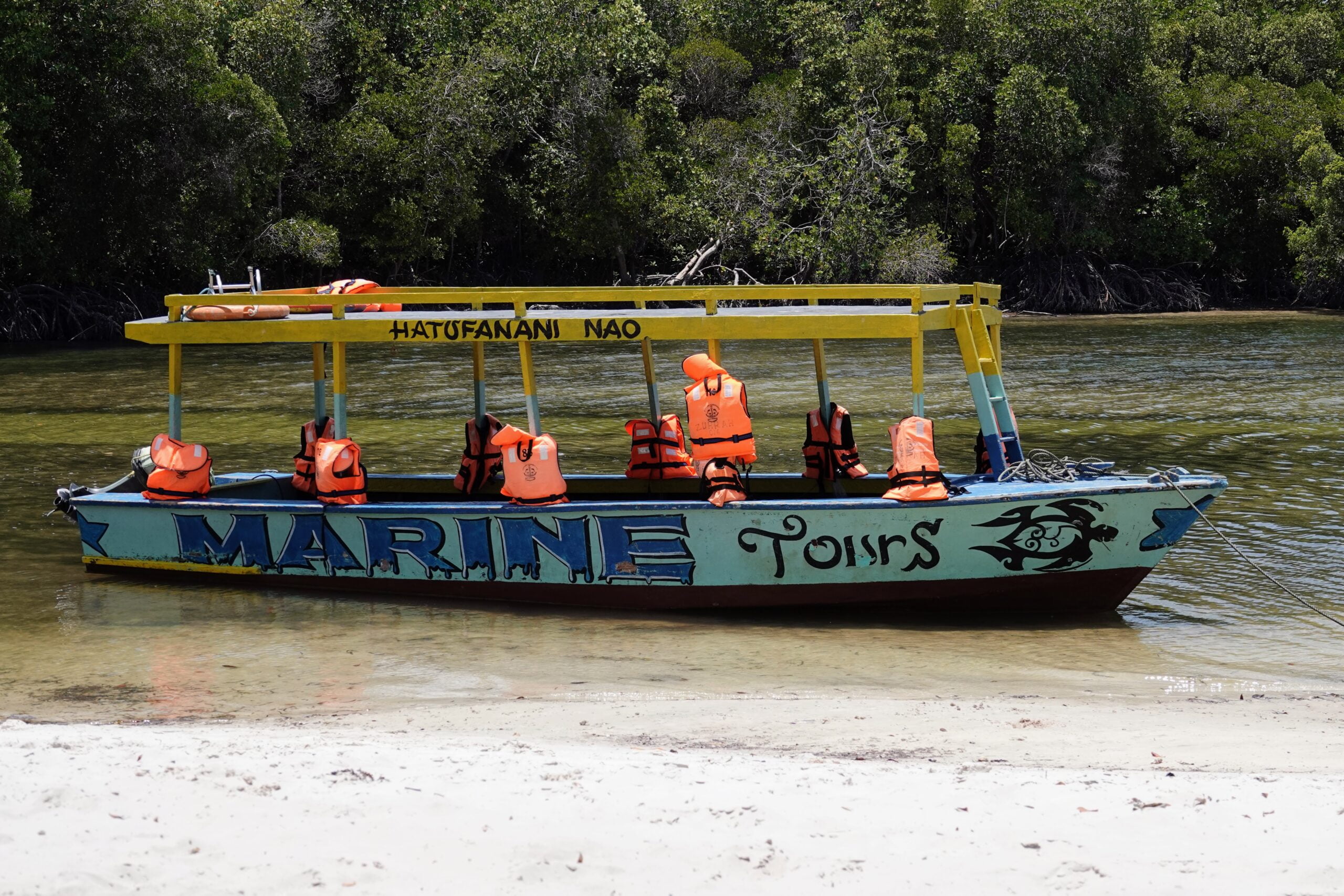
We left Garoda Beach early in the morning to meet the dolphins.
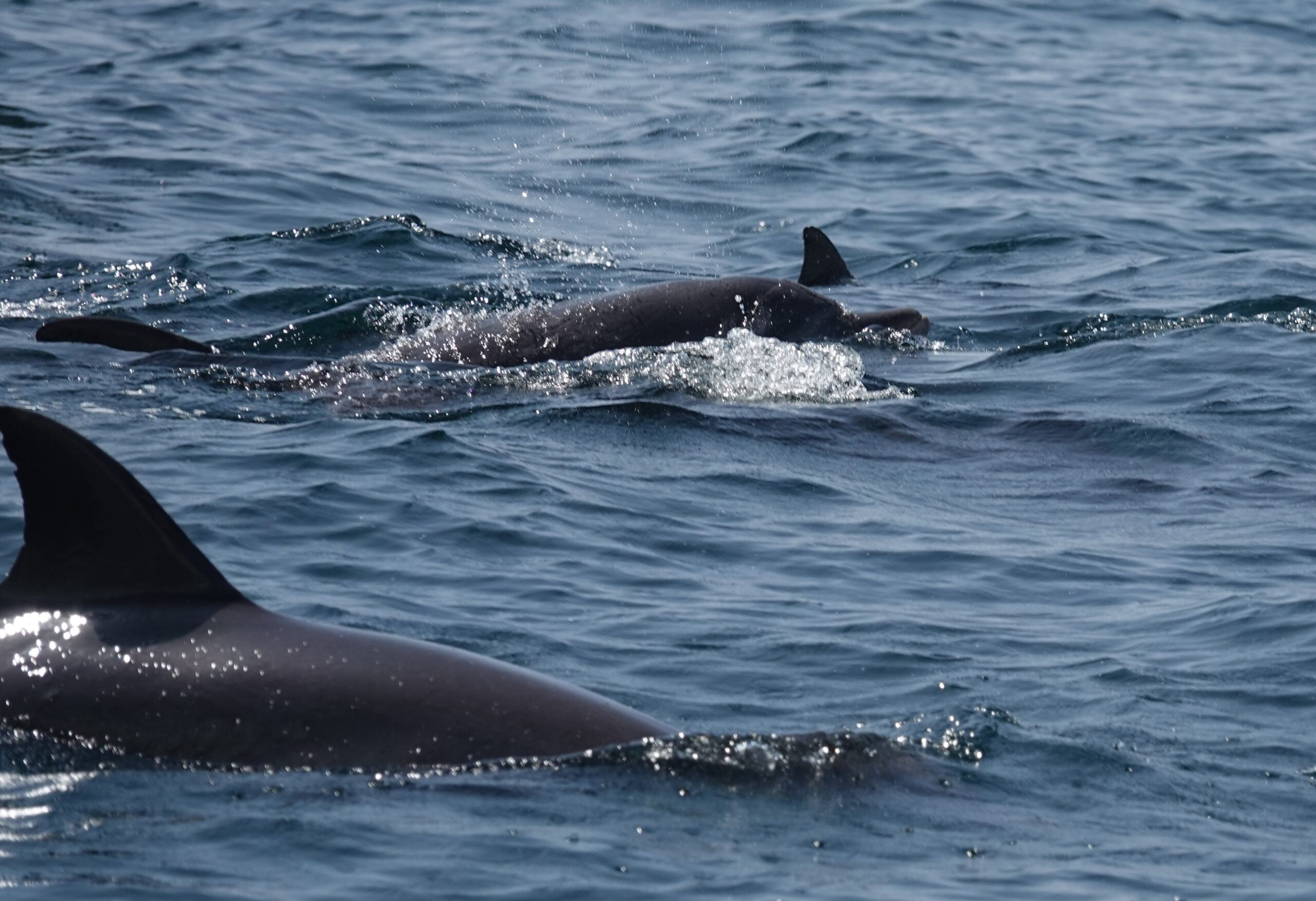
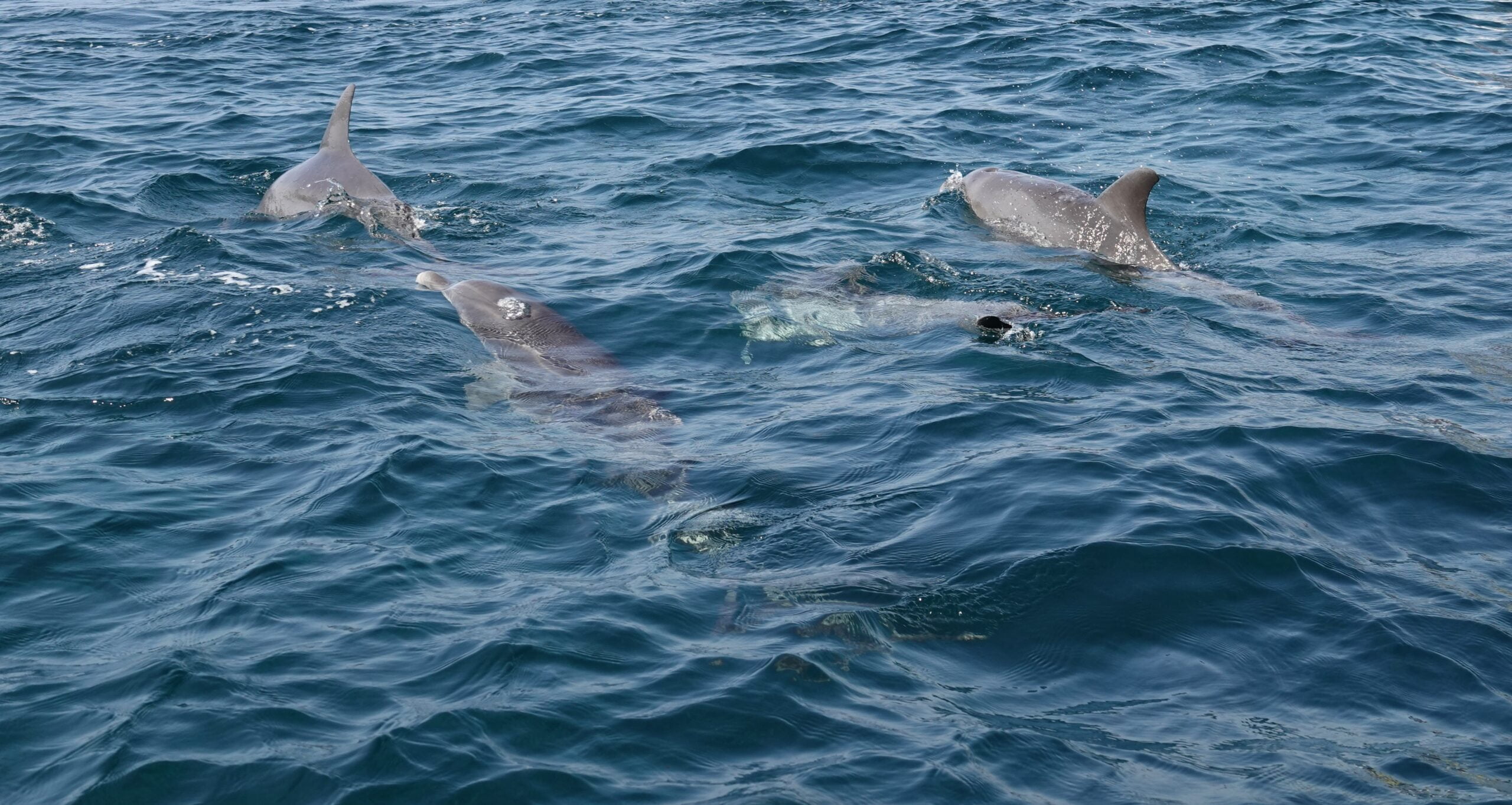
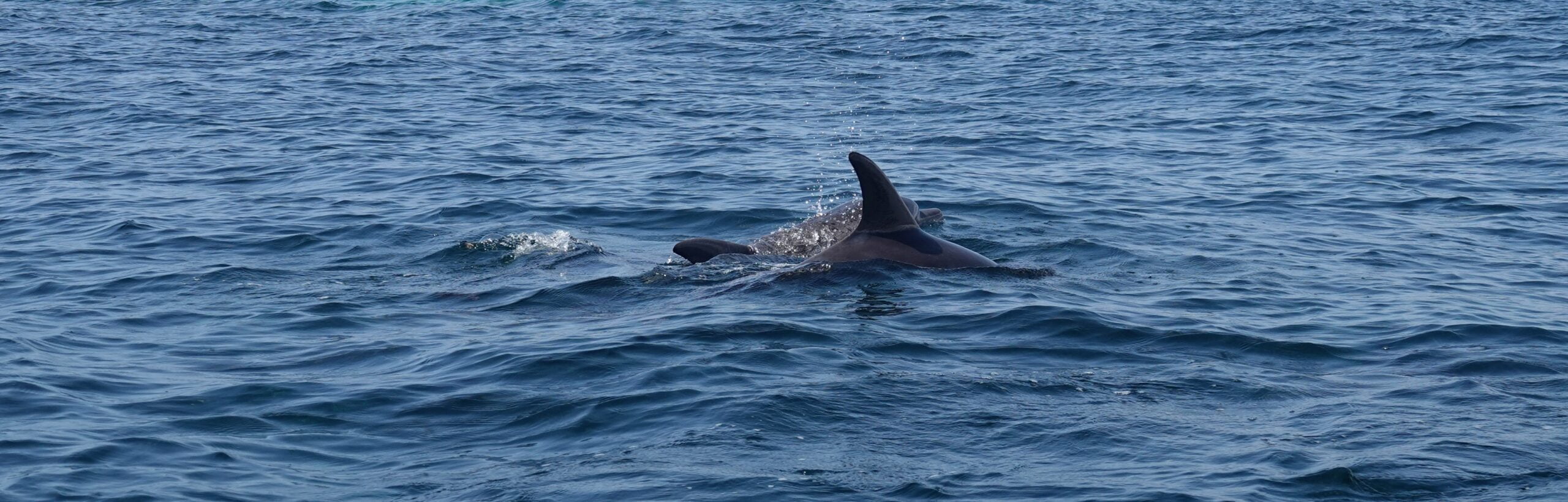
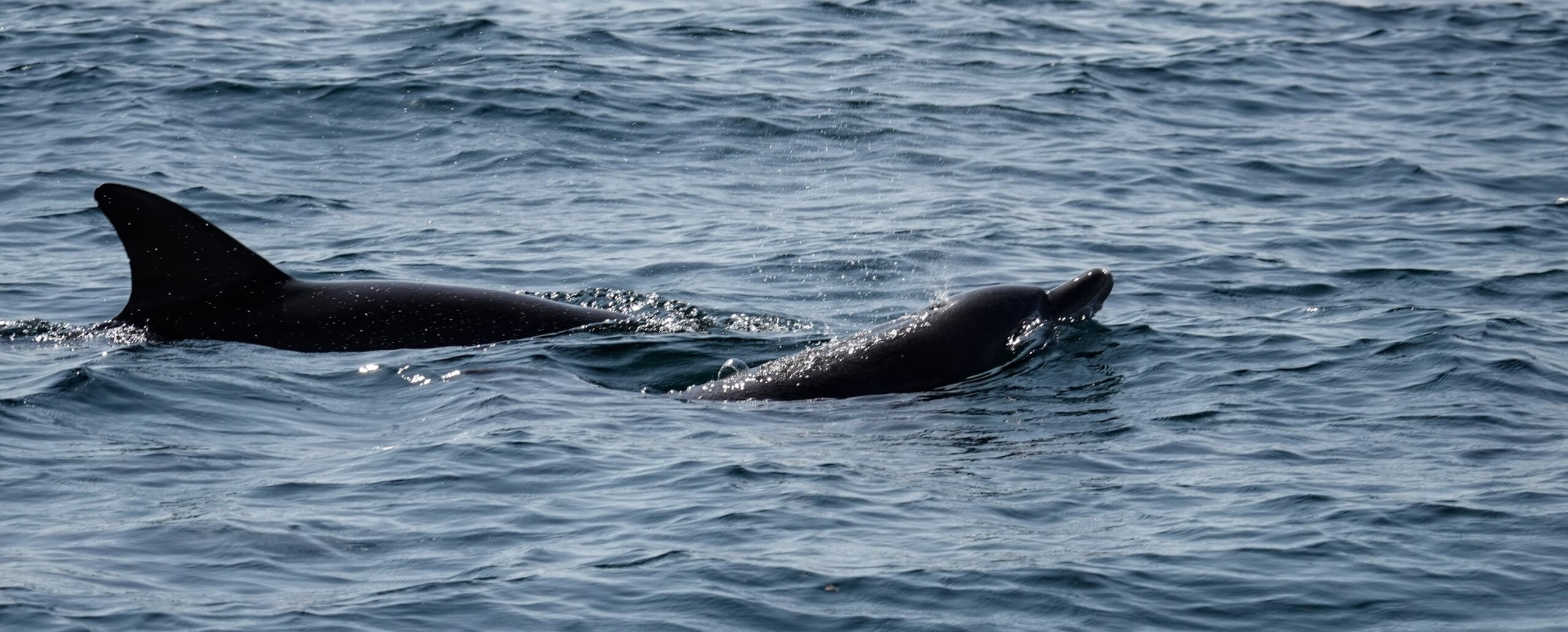
After a short snorkeling break, so dangerous was it to swim between the boats – few captains seem to mind the presence of swimmers nearby when maneuvering – we headed for Sudi Island, a small uninhabited island surrounded by mangroves.
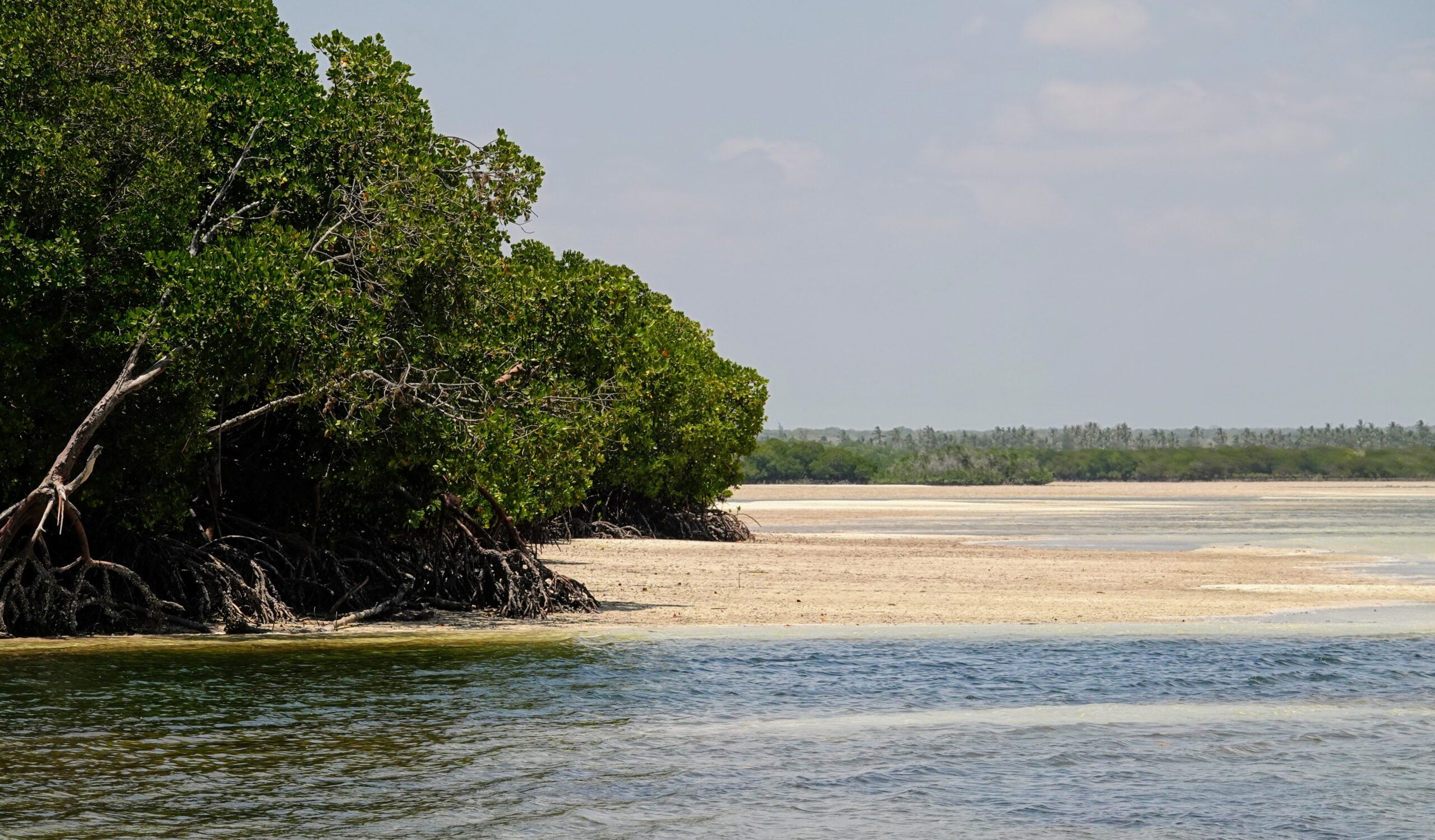
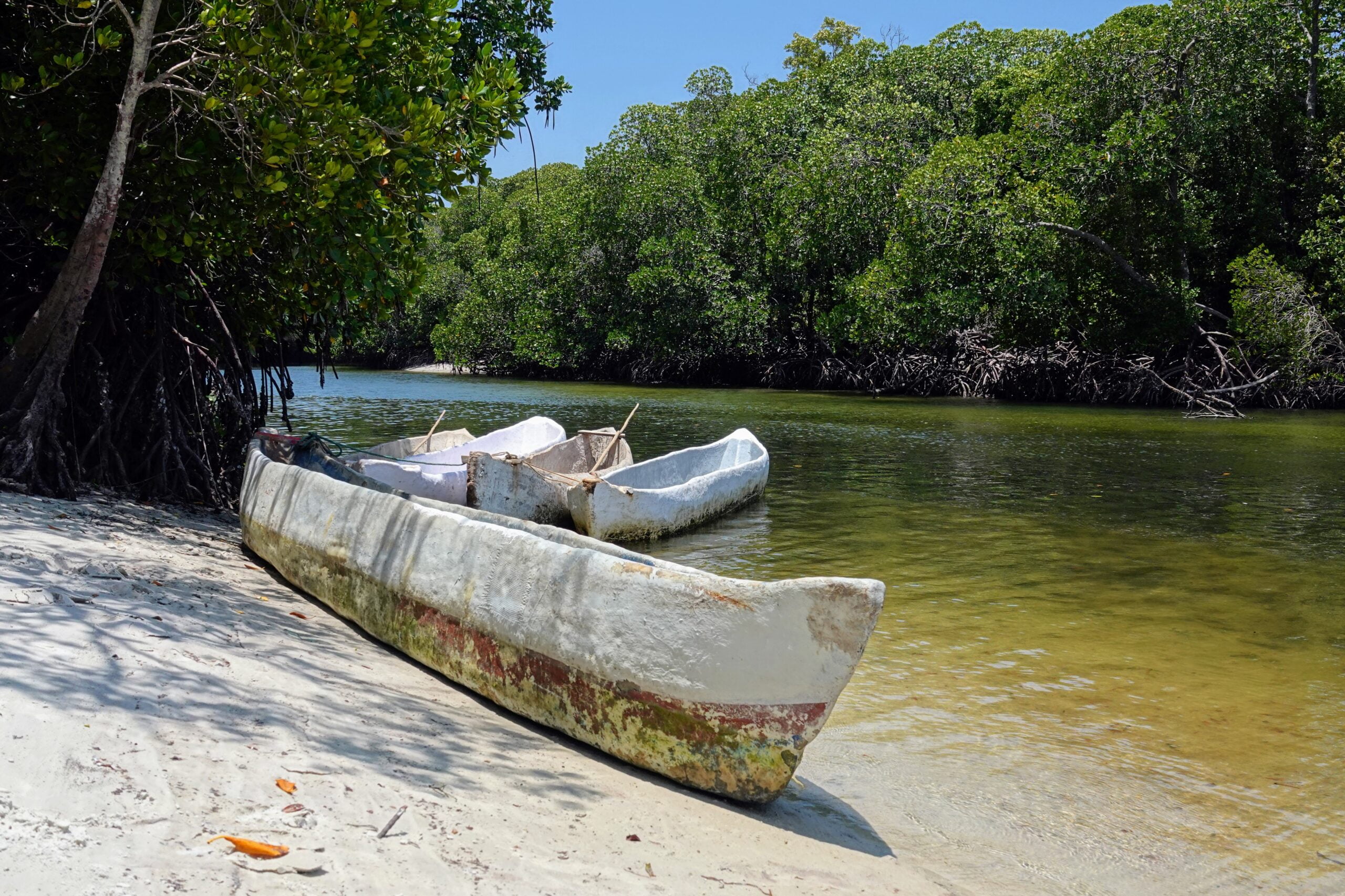
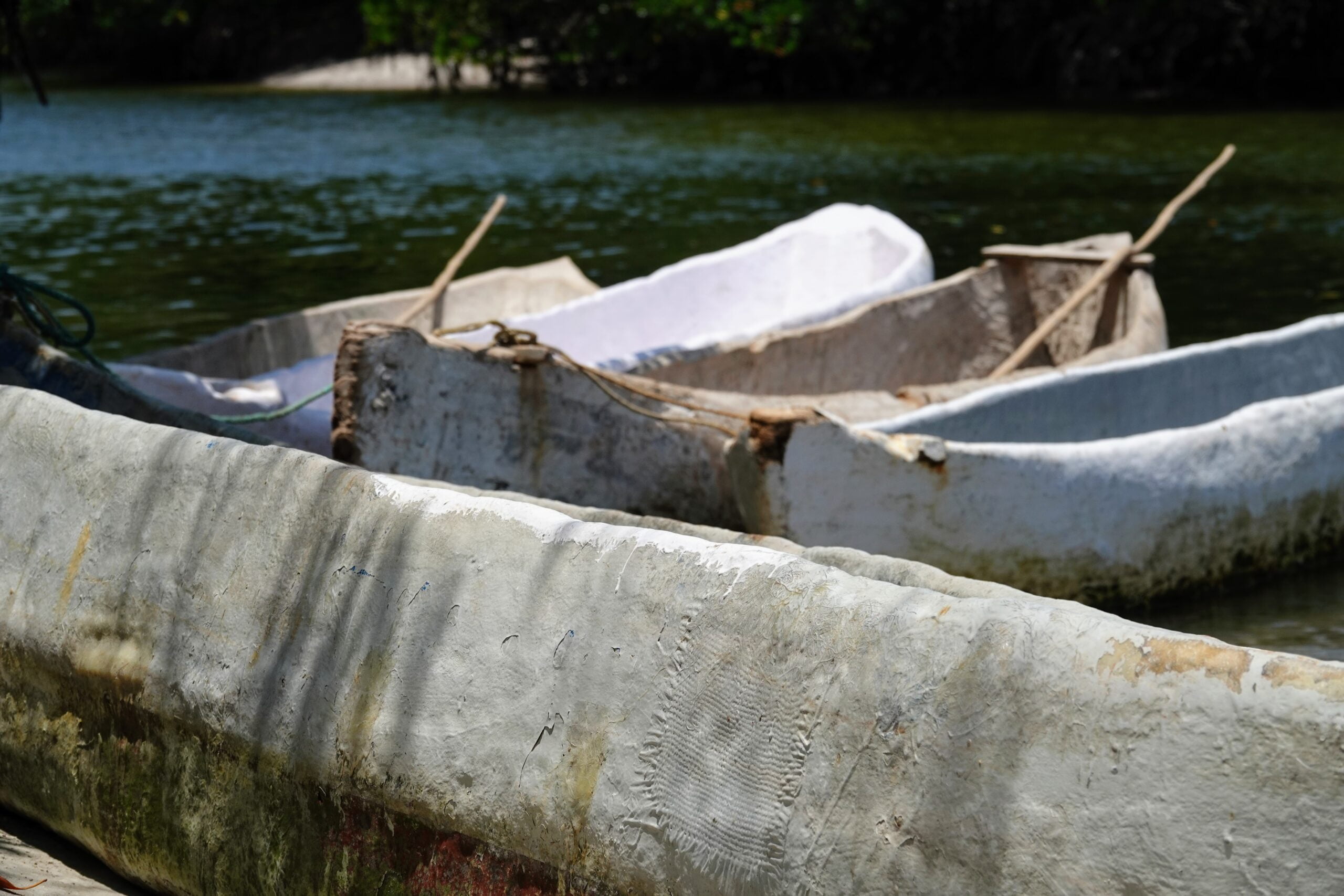
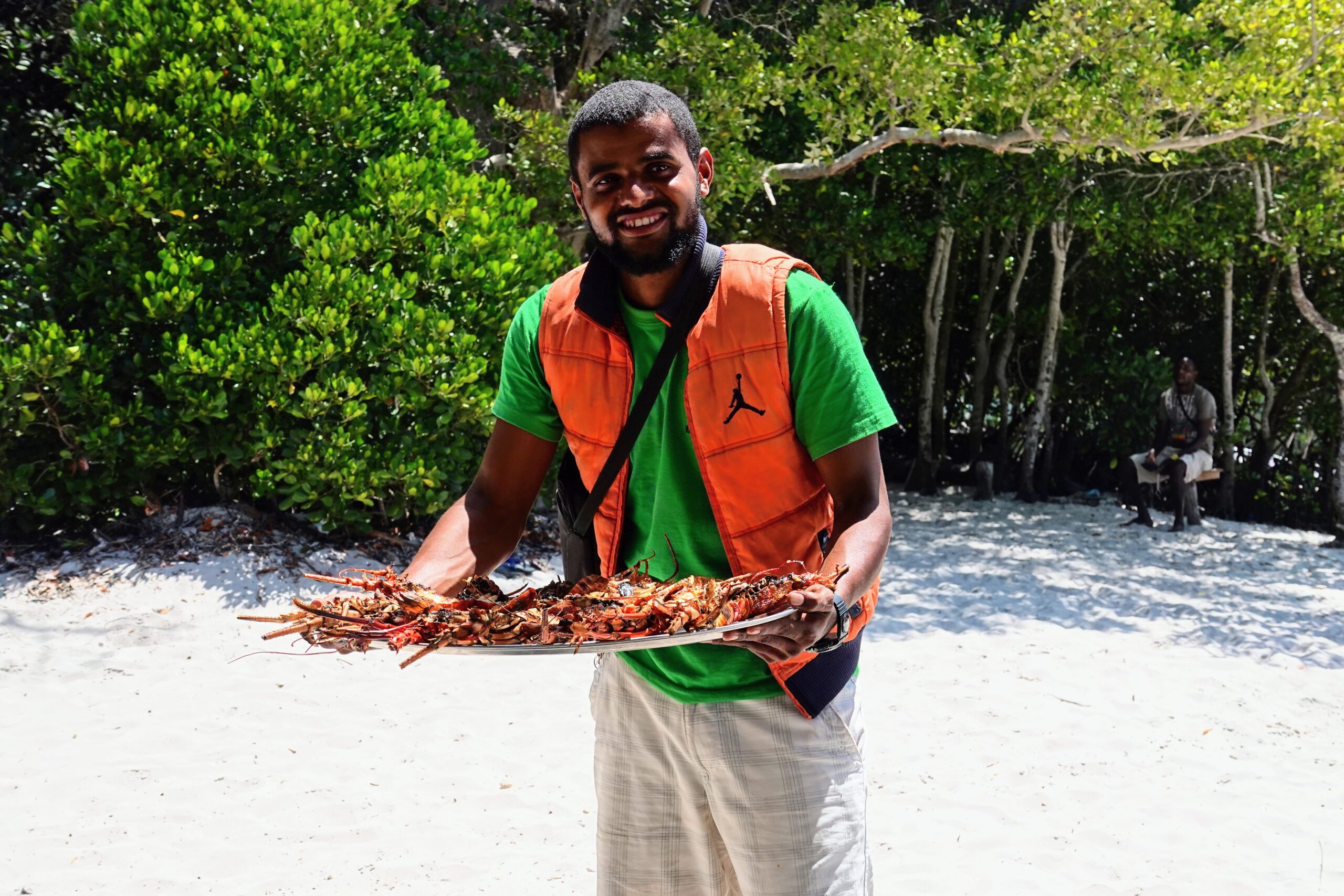
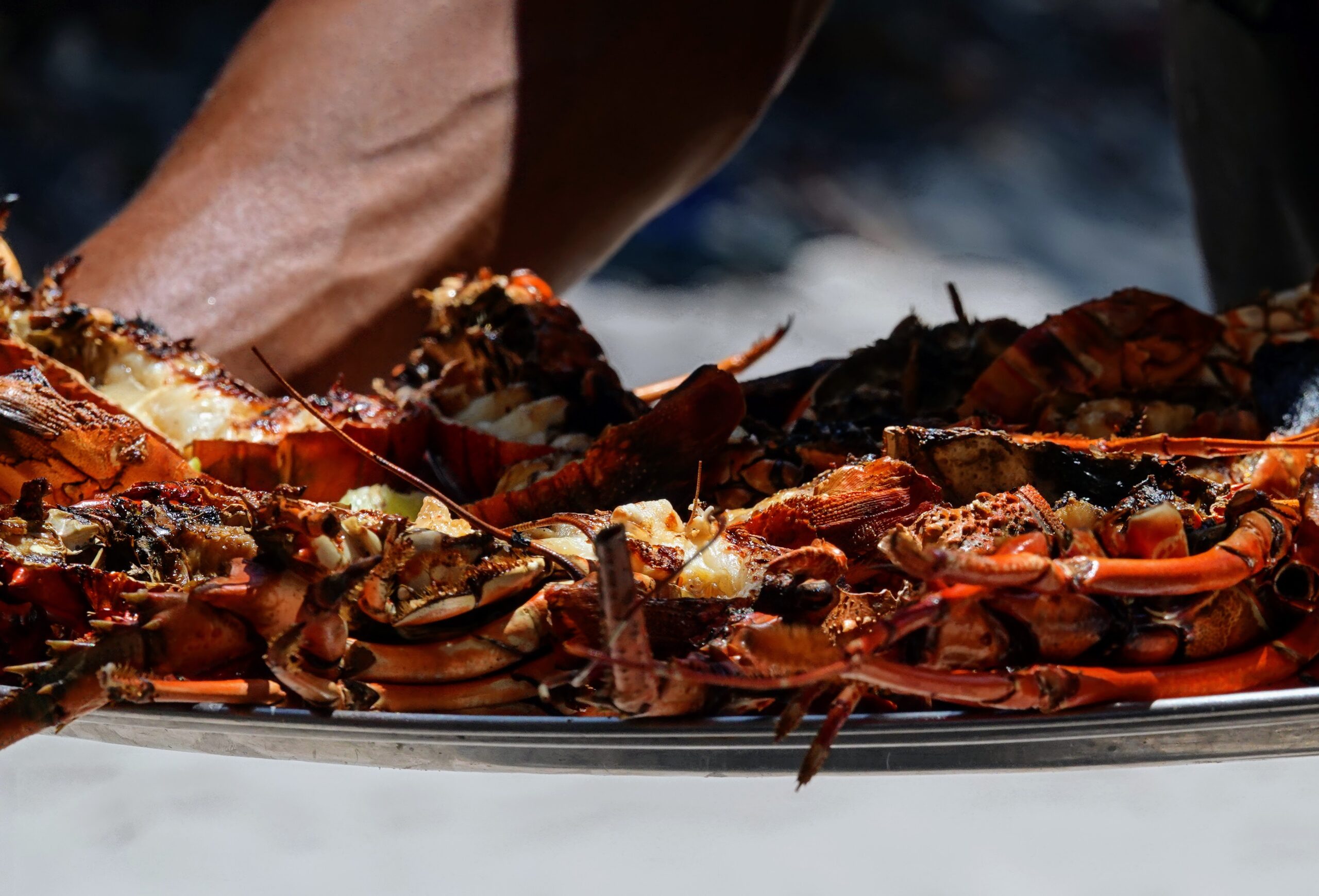
Once ashore, we enjoyed a delicious lunch of fresh fish and barbecued lobster.
Dhow Cruise
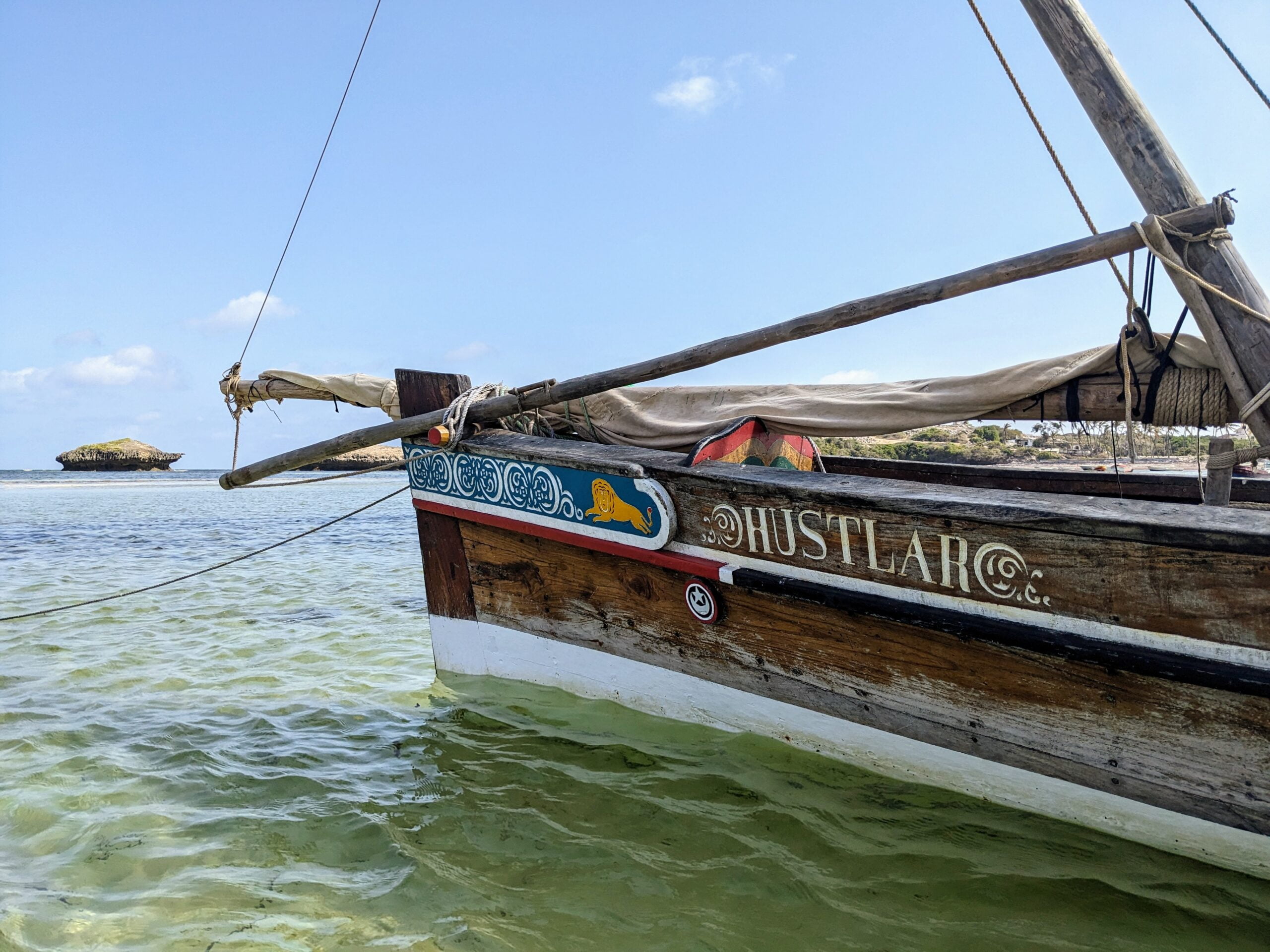
A dhow is a traditional type of sailing boat used for fishing and trading in many parts of the Indian Ocean, particularly along the East African coast. Their design varies from region to region, but most are characterized by triangular sails and wooden construction.
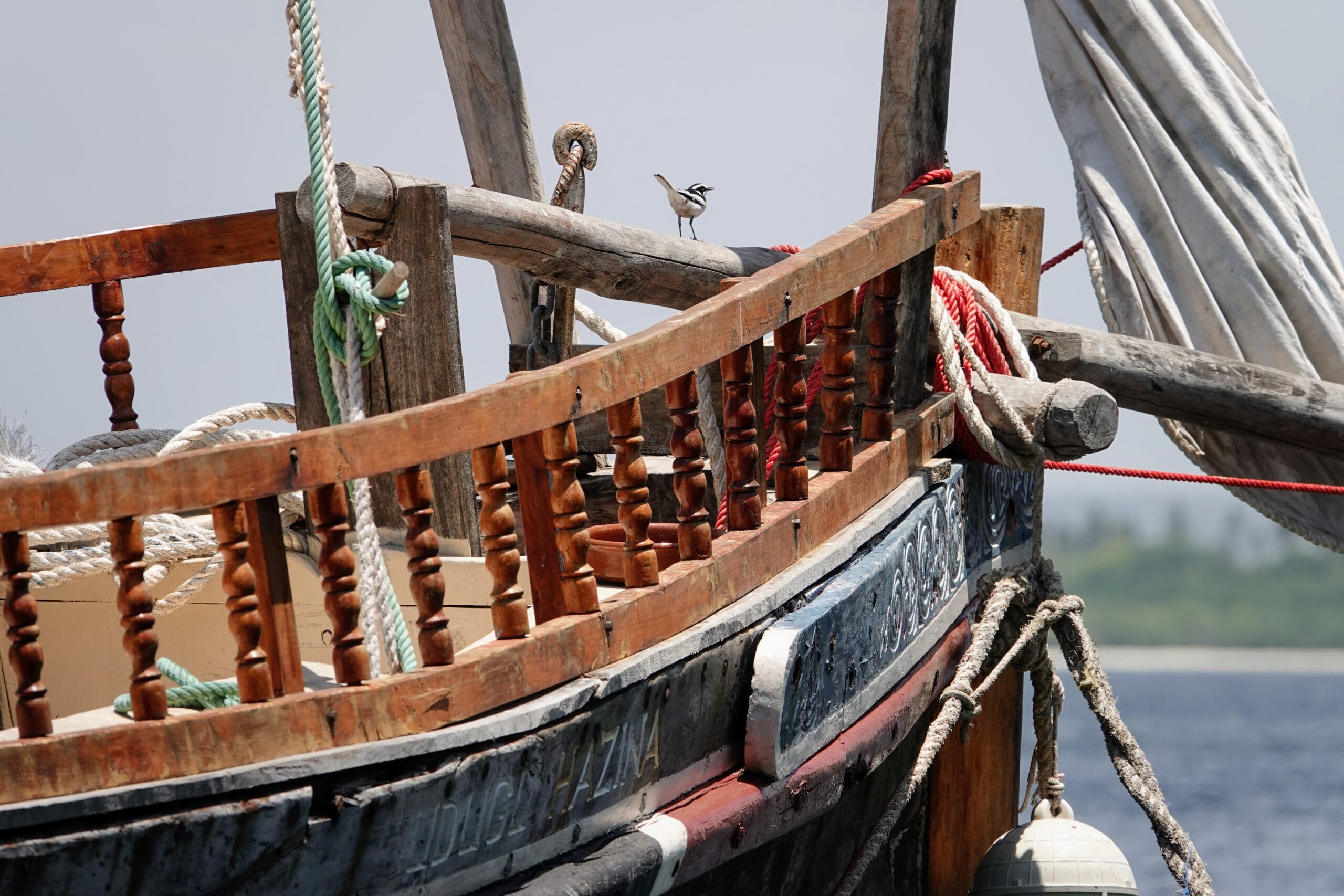
A dhow cruise is one of Watamu’s must-do activities. It usually takes place in Mida Creek Bay, at the end of the day.
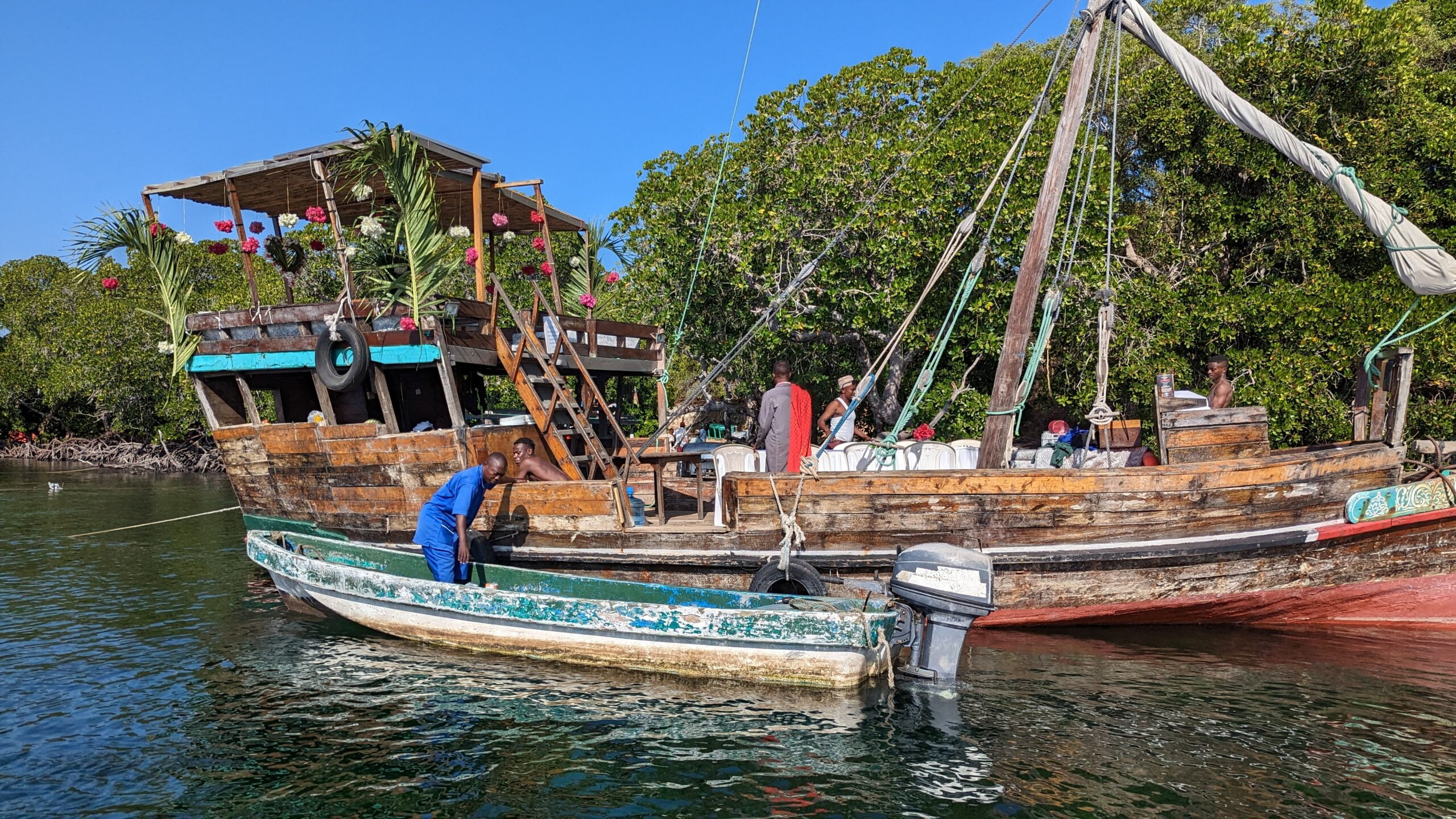
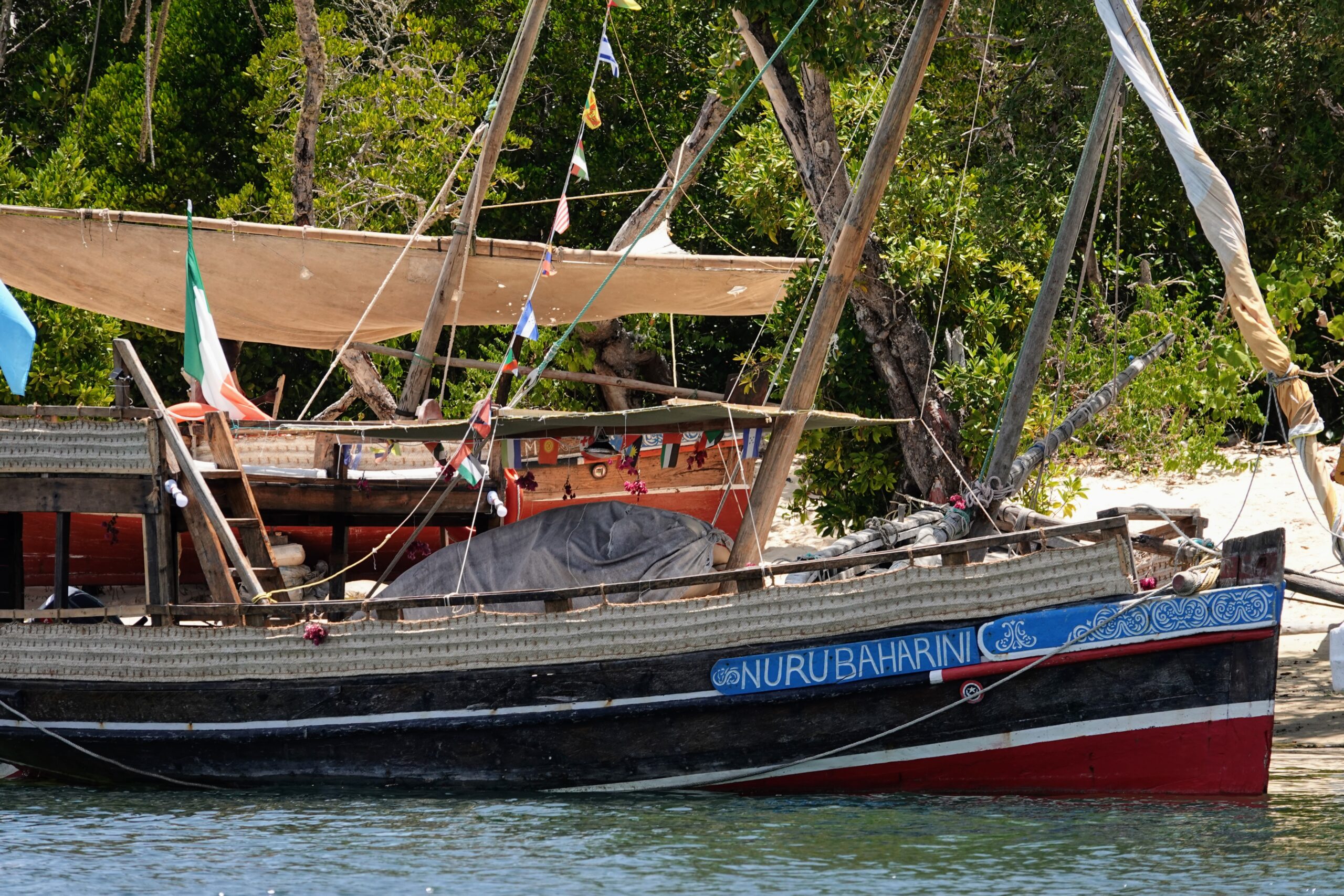
Covering more than 30 km², the Mida Creek reserve is made up of vast mangrove forests, shallow waters and large expanses of mudflats at low tide. It is home to many birds and is also used by locals for subsistence fishing.
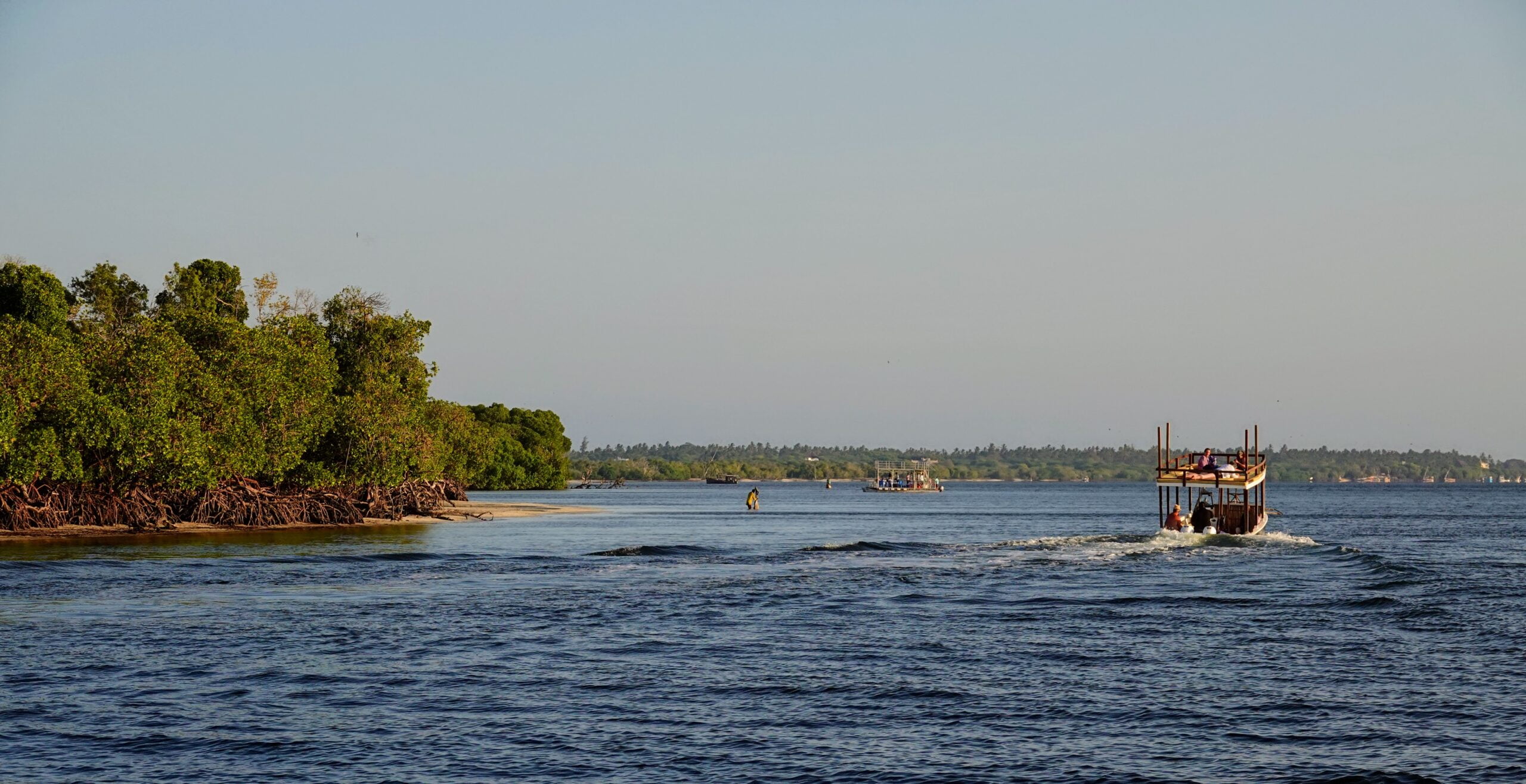
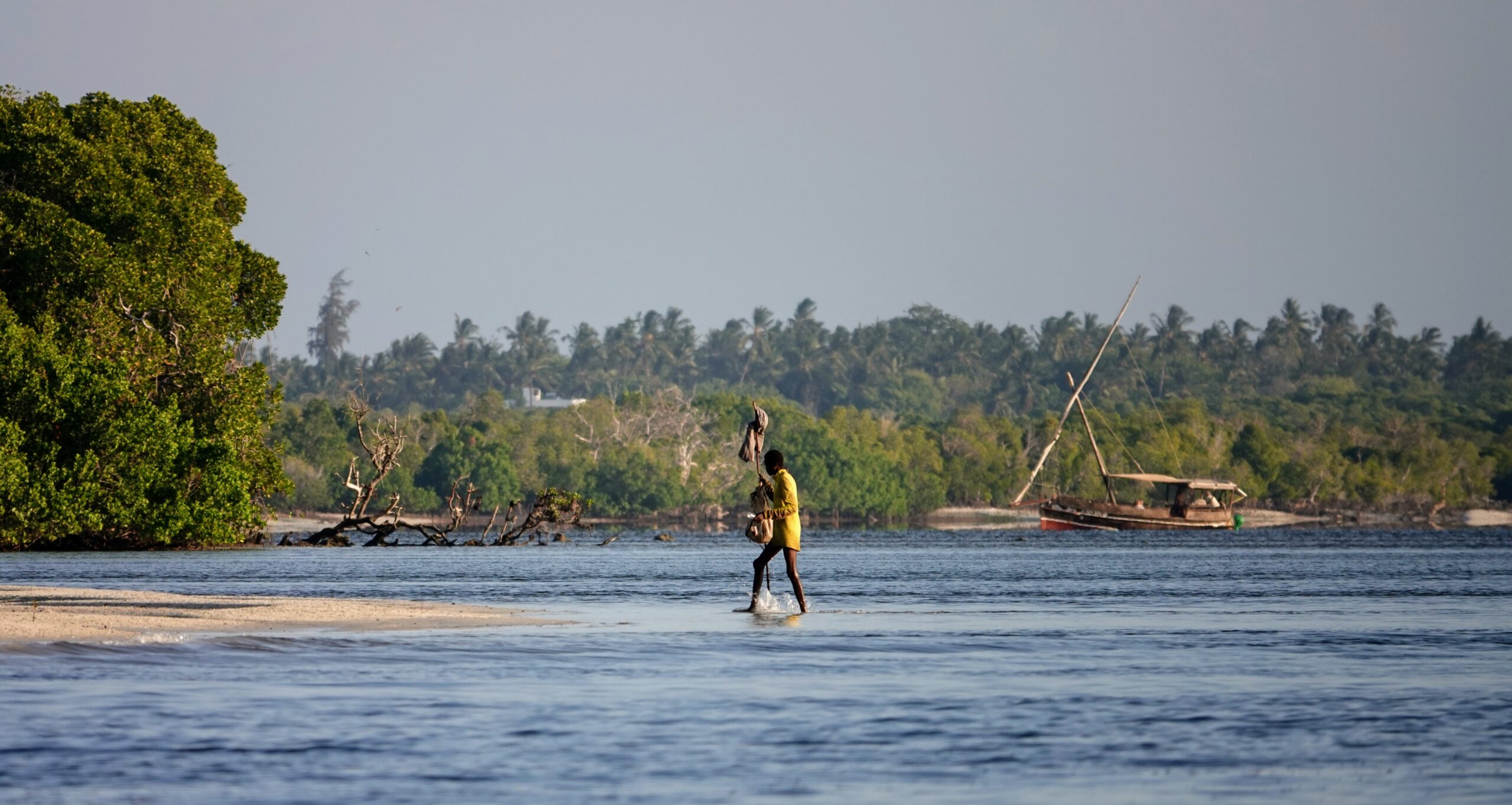
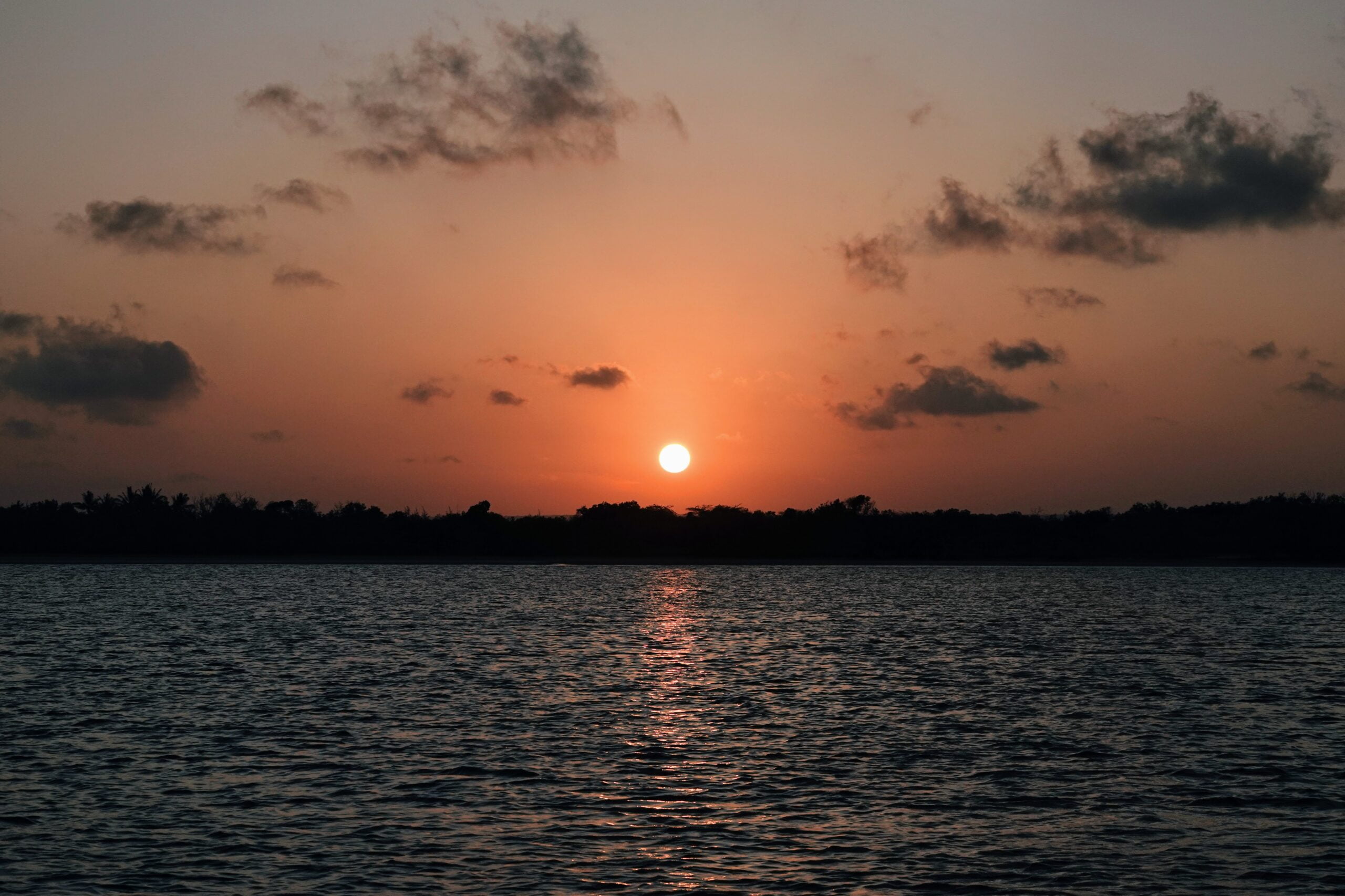
➜ Depending on the package chosen, an aperitif or meal is served on board during the cruise. A 3-hour cruise with unlimited food and drink costs $50 per person.
Among the activities we didn’t get to do :
- The Watamu Turtle Watch is an important turtle protection center. It includes a refuge to care for injured and sick turtles before releasing them, as well as a center for education and the fight against poaching and turtle trafficking.
- At the Bio-Ken snake farm, you can not only observe numerous African reptiles and amphibians, but also learn more about the usefulness of these animals, the creation of anti-venoms and the preservation of endangered species.
- A few dozen kilometers from Watamu, the ruins of Gede are the remains of a Swahili town dating back to the 12th century. Here you can discover the remains of palaces and mosques, as well as tombs and artefacts from the area’s heyday as an international trading center: Ming-era vases, Indian metal lamps and Venetian glass beads.