World-renowned for its abundant wildlife and distinctive landscapes, the Masai Mara reserve is one of the most beautiful in Africa. A must-see destination for a safari, we chose to experience our first family safari here…
What’s a day’s safari like in the Masaï Mara? Have we met the Big Five? I’ll tell you all about it below in the article 🦁
The Masaï Mara in a nutshell
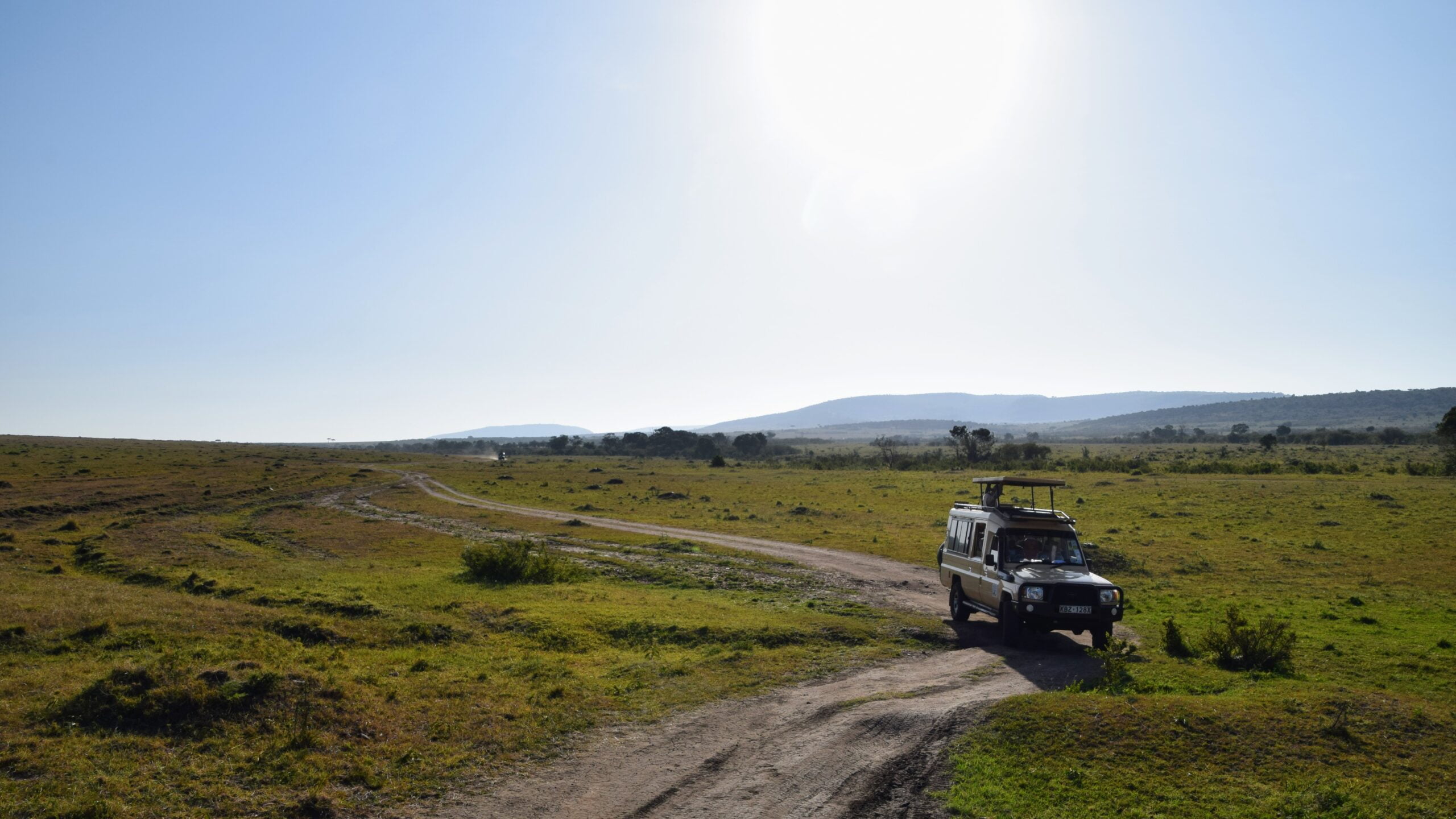
The Masaï Mara is a high, undulating plateau that ranges in altitude from 1,500 to 2,180 meters. It takes its name from the tribe that lives on its lands, the Masai, and from the river that runs through it, the Mara.
In the Masai language, “mara” means “spotted” or “scattered”. The name “Masai Mara” can therefore be interpreted as“the lands of the Masai in a dotted landscape“, referring to the scattered patches formed by acacias and thorny thickets that give the plains a mottled appearance.
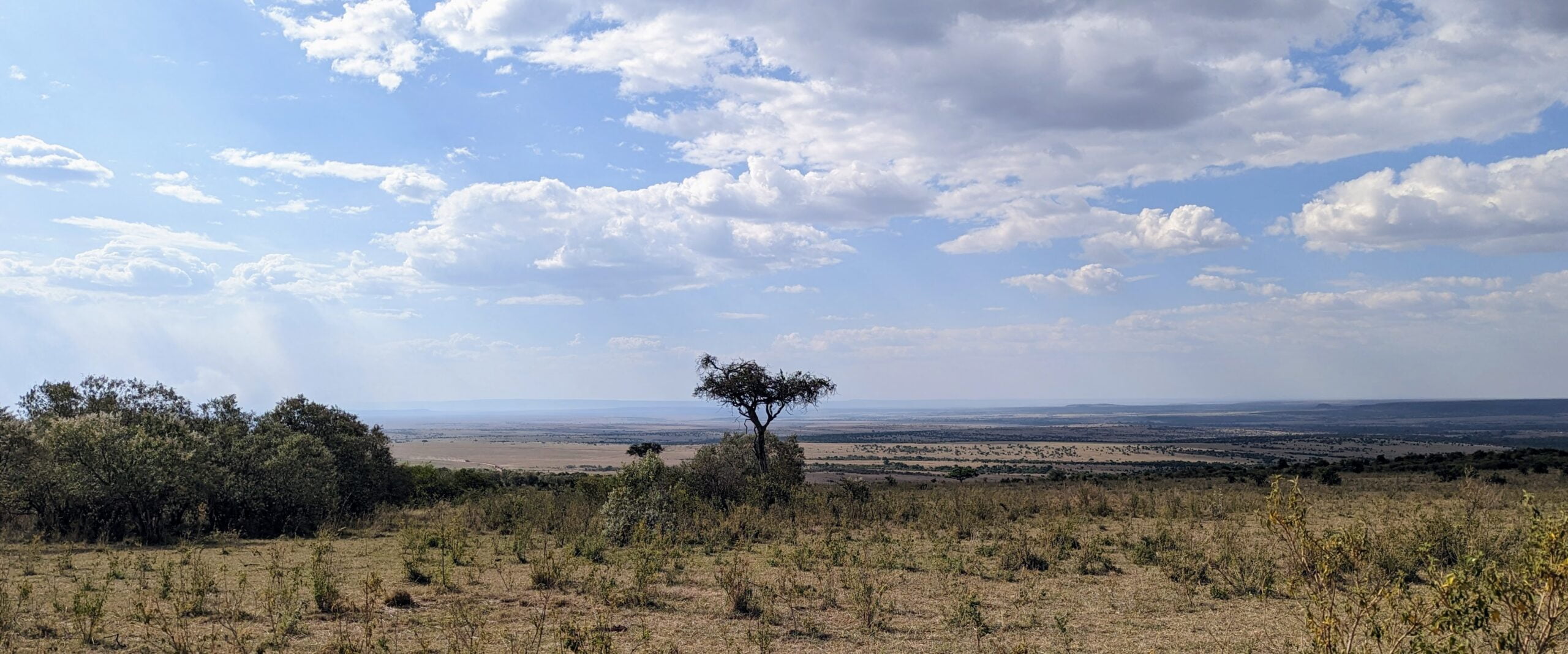
Located in south-western Kenya, as a natural extension of Tanzania’s Serengeti National Park, the Masai Mara National Reserve is part of the Serengeti-Mara ecosystem. Less frequented than the Serengeti, the Masai Mara reserve extends over 1,500 km² of grassy savannah hills and shallow marshland.
One of the Masaï Mara’s most spectacular attractions is the great wildebeest migration. Twice a year, millions of wildebeest, accompanied by zebra and Thomson’s gazelle, move through the reserve in search of fresh pasture. As they cross the Mara River, these herbivores, stopped by the presence of water and the predators that await them, gather in herds that can exceed 10,000 head.
What animals can you see in the Masaï Mara?
With nearly 95 species of mammal recorded in the reserve, the Masai Mara is home to a wide variety of Africa’s iconic wildlife:
- the“Big Five” (elephants, lions, leopards, rhinoceroses and buffalo), so named by trophy hunters because of the difficulty of hunting them on foot. However, leopards and black rhinoceroses are harder to spot…
- wildebeest and zebra, which cross the reserve in search of fresh pastures during the great annual migration
- giraffes, which can be seen feeding on acacia trees
- cheetahs, rarer to observe, with only around 30 left in the Masaï Mara
- hippos and crocodiles
- gazelles, antelopes and other herbivores (impalas, topis, kudus, etc.)
- over 500bird species
Safari day in the Masaï Mara
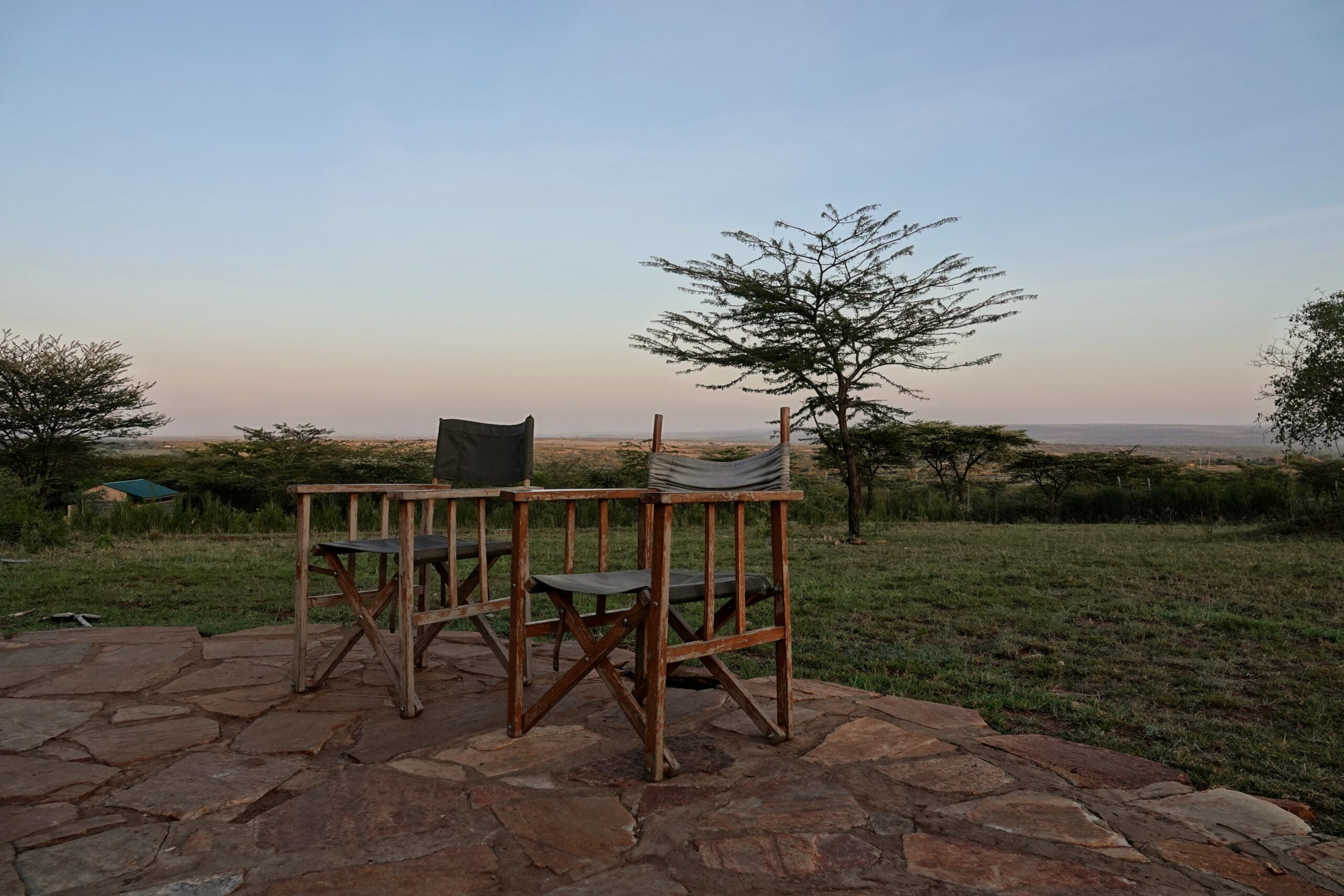
To give yourself the best chance of seeing active wildlife, it’s best to start your safari early in the morning. The alarm sounds shortly before sunrise 😴 At first light, the camp resounds with birdsong and animal calls. You can’t see anything yet, but it sets the mood! After a quick breakfast, we make sure we haven’t forgotten anything (binoculars, cameras, water bottles) and we’re off on our first family safari!
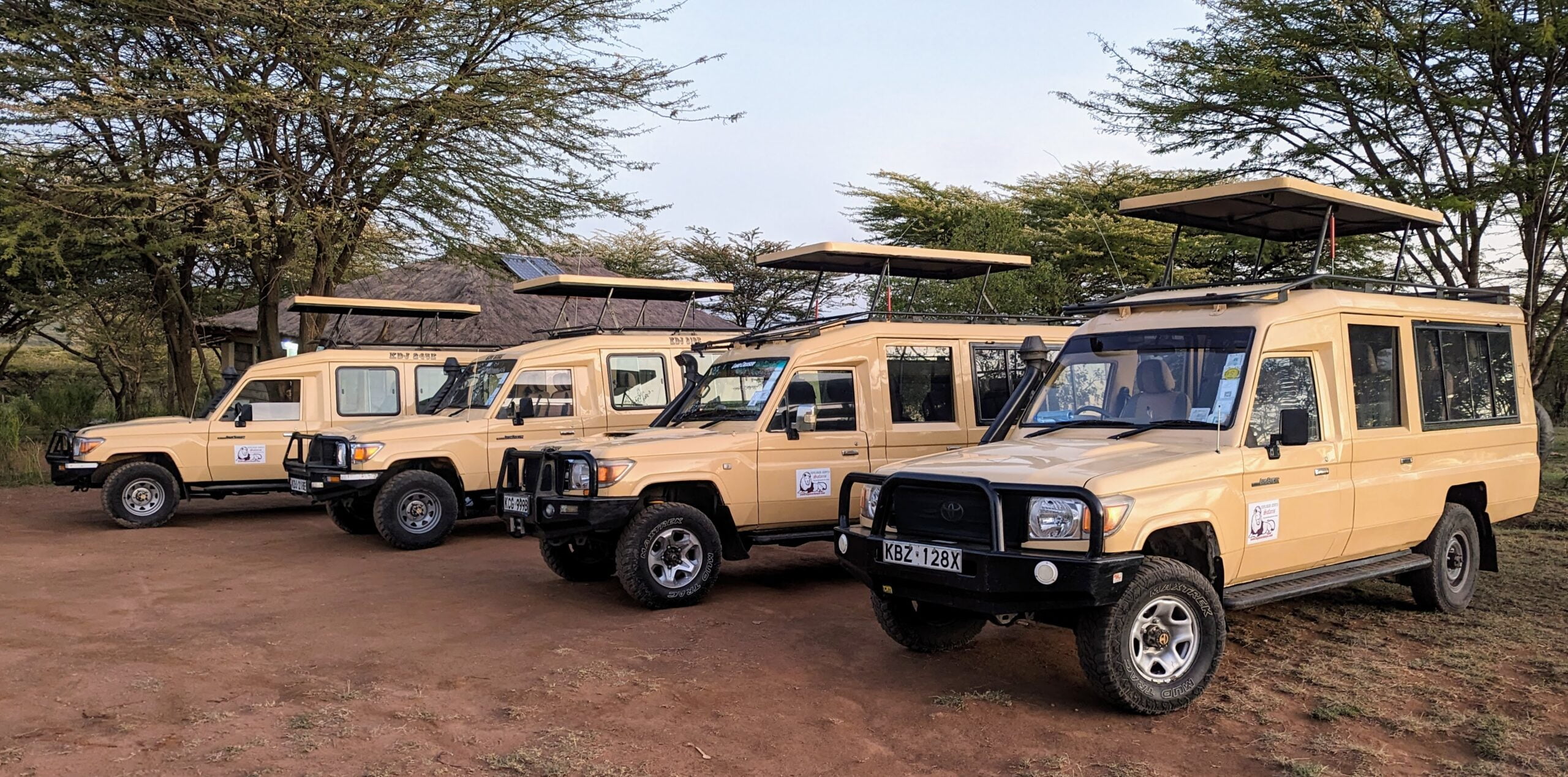
The camp is just a few kilometers from Sekenani Gate. While our drivers pay the entrance fees, several Masai women hover around the cars, hoping to sell necklaces, bracelets and other souvenirs.
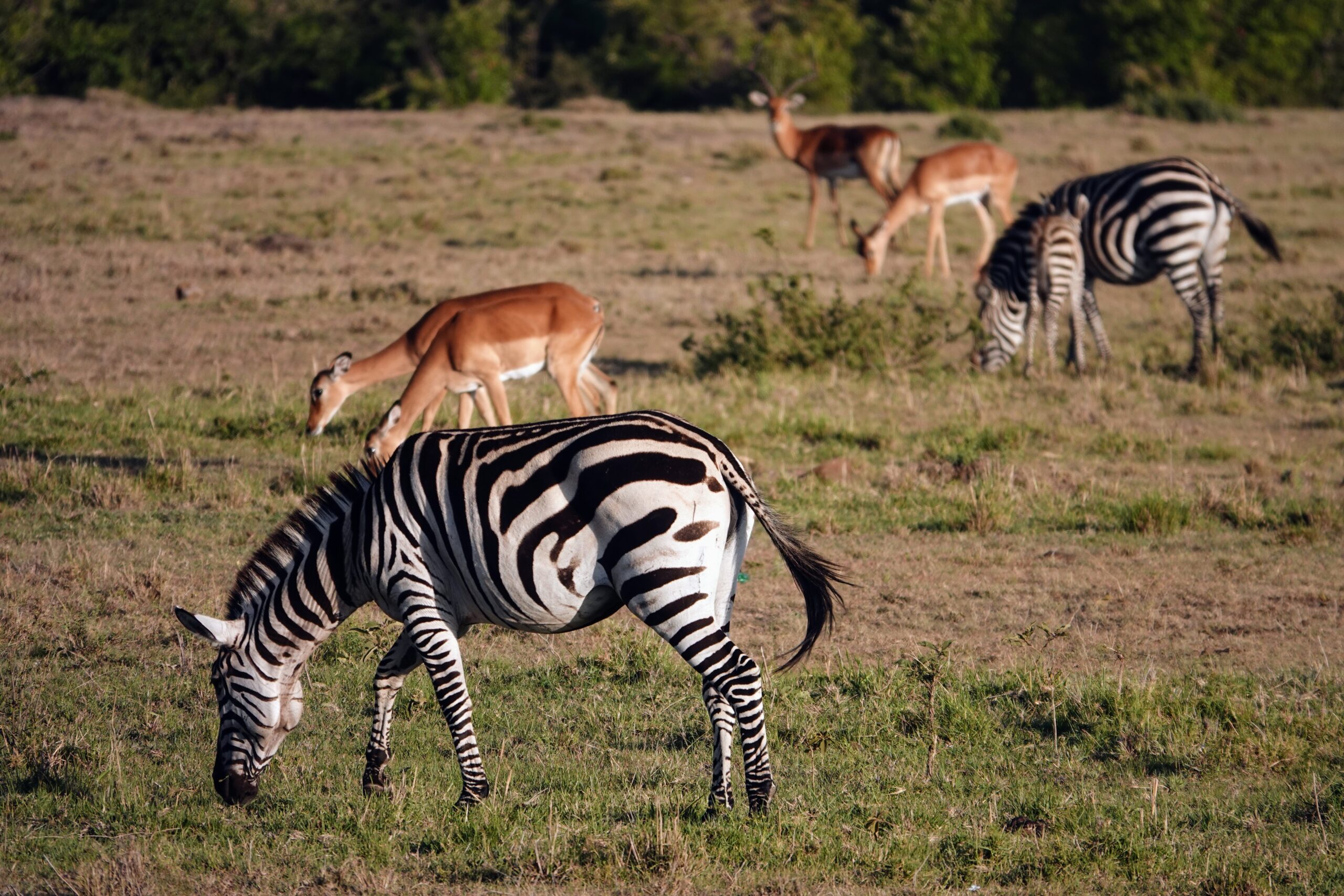
The reserve doors open. The first few minutes on the track, and we’re already seeing animals by the dozen… Just a few yards away, zebras, wildebeests and impalas are having lunch. Camouflaged in the trees, the giraffes don’t spoil their feast…
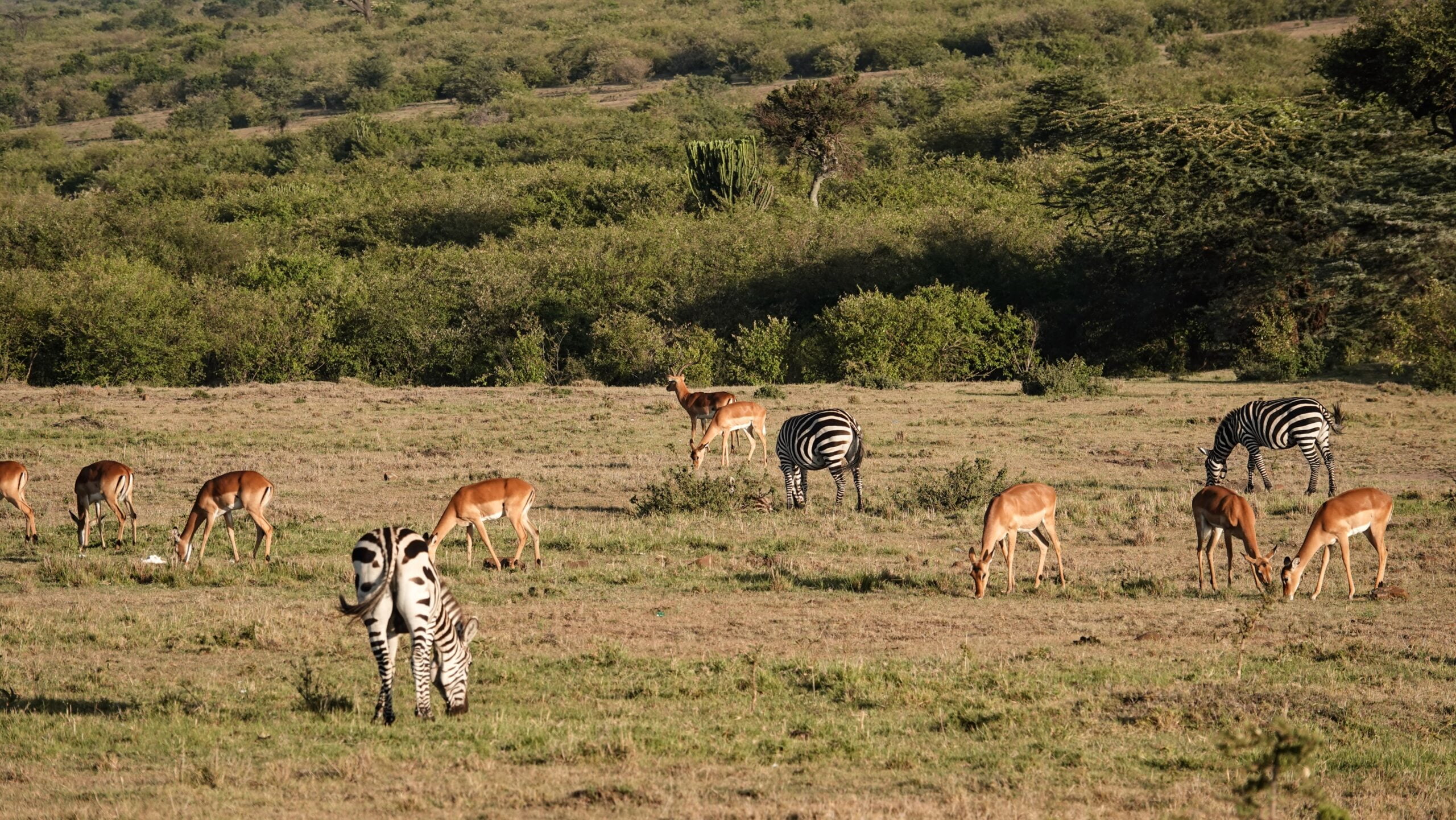
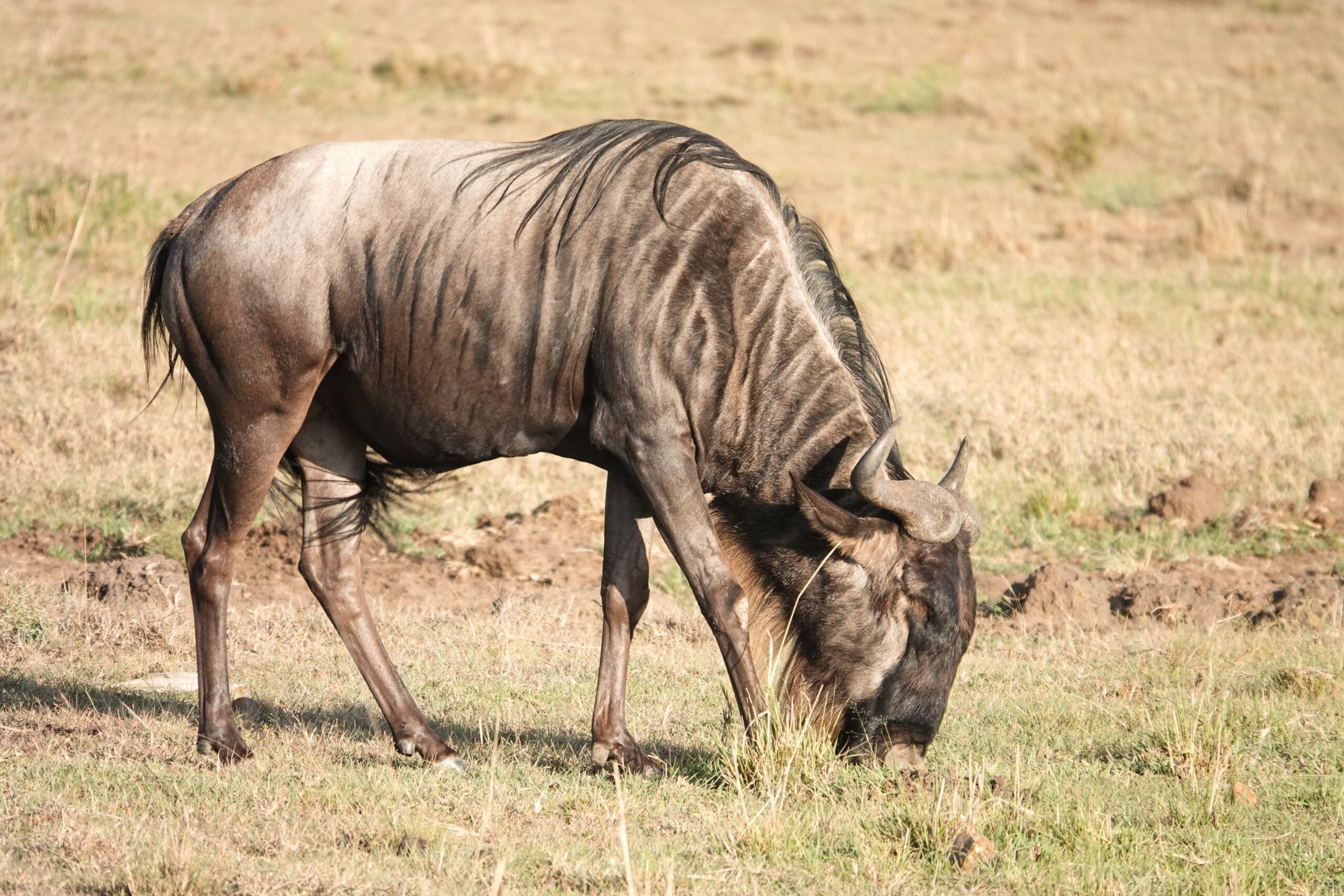
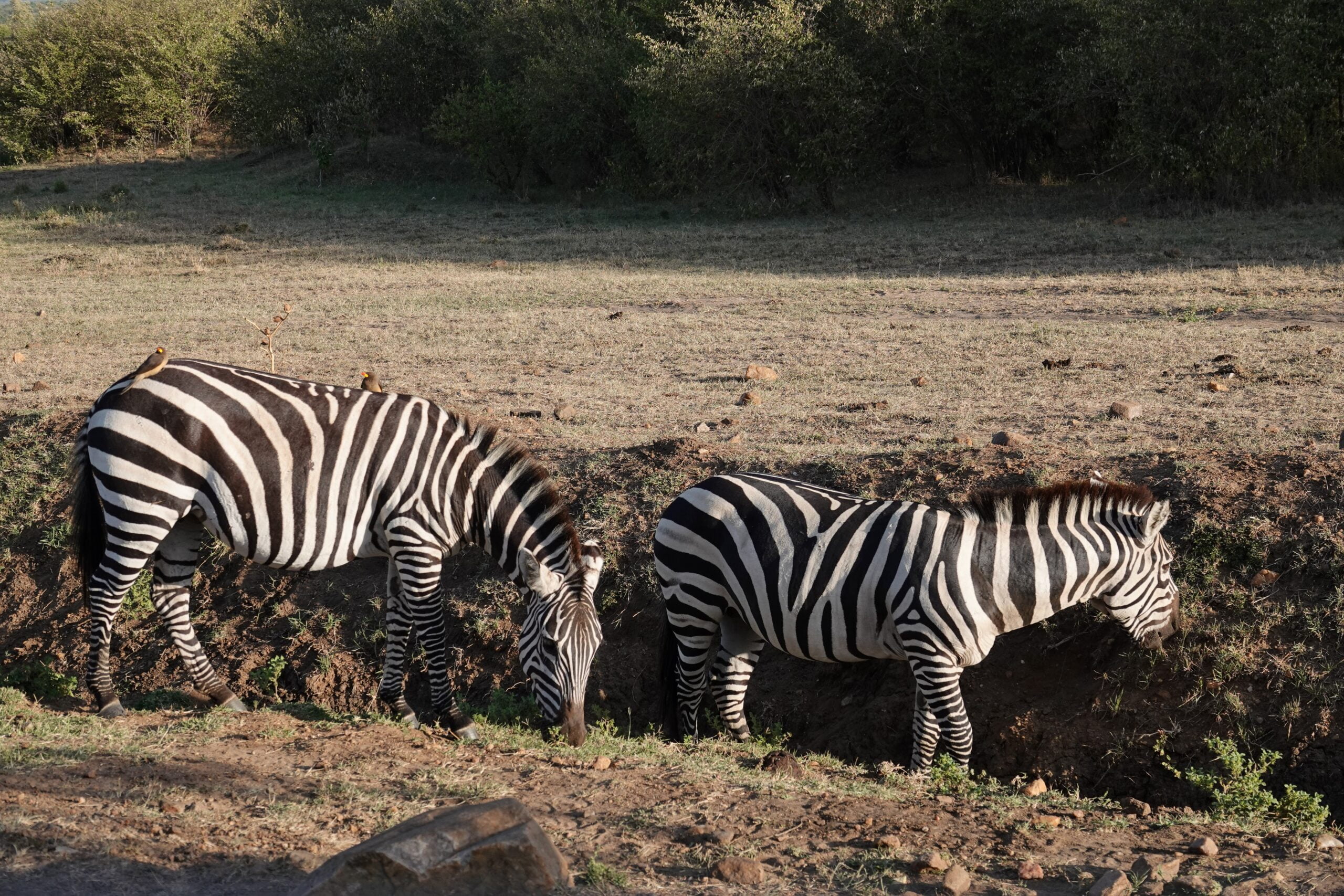
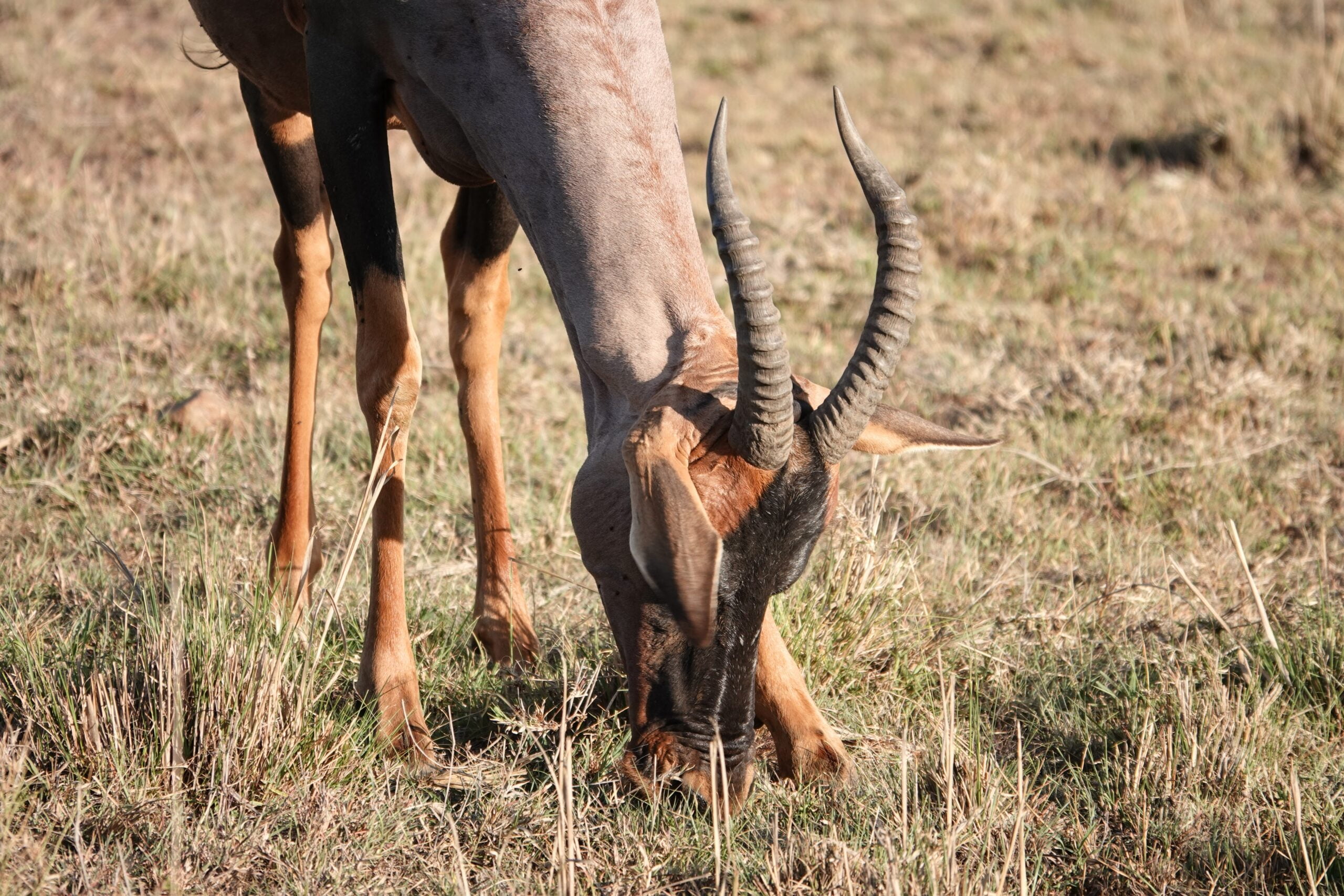
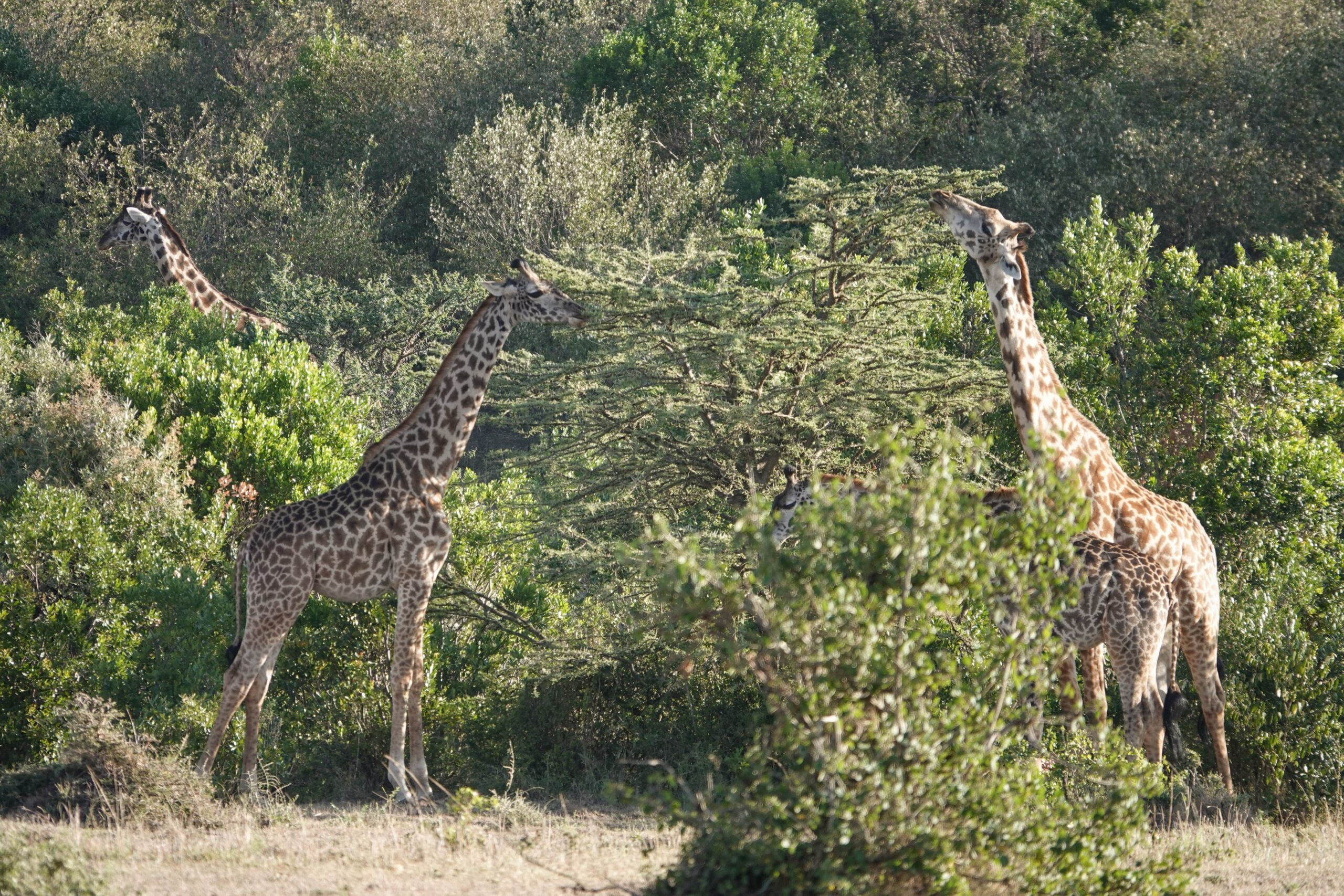
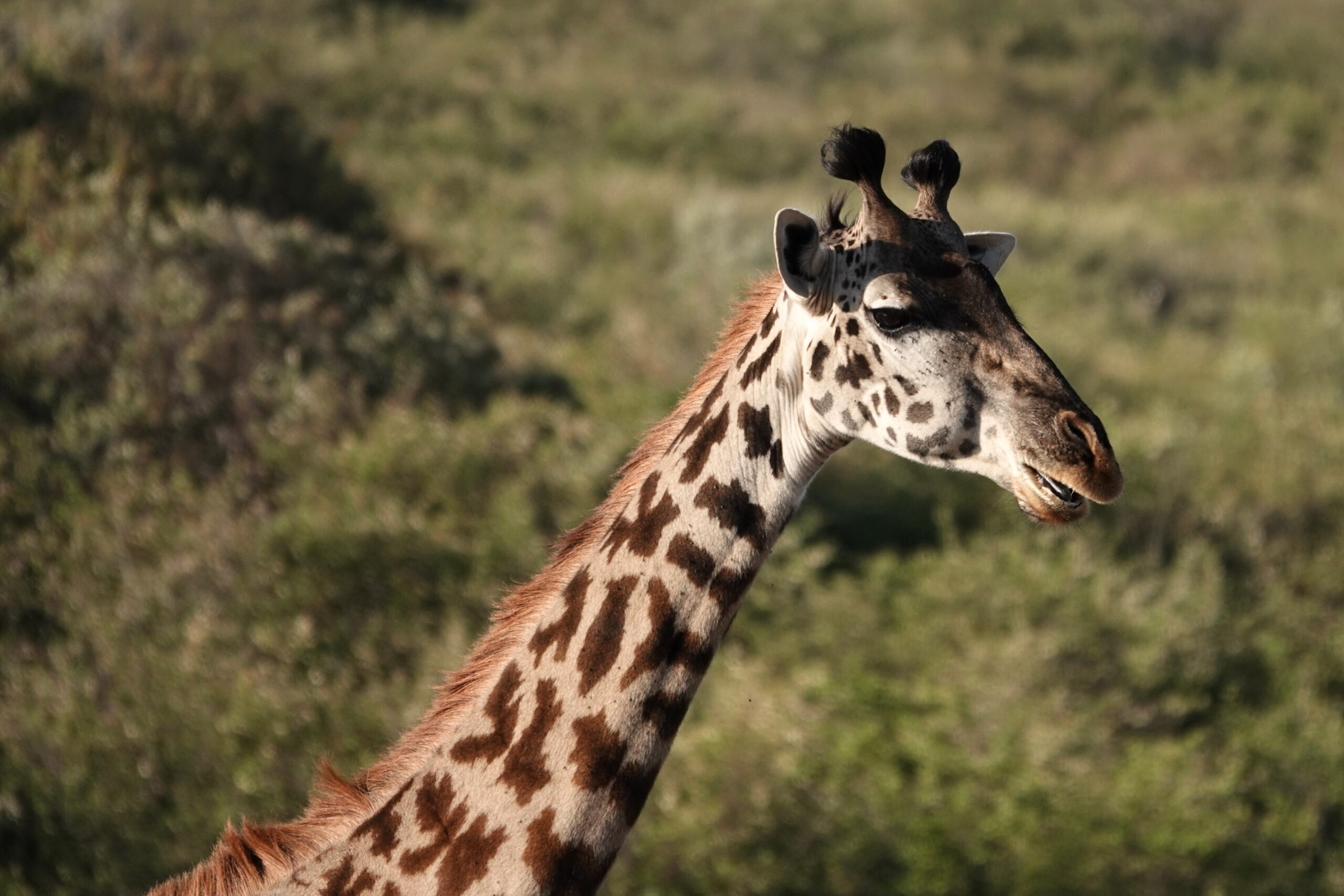
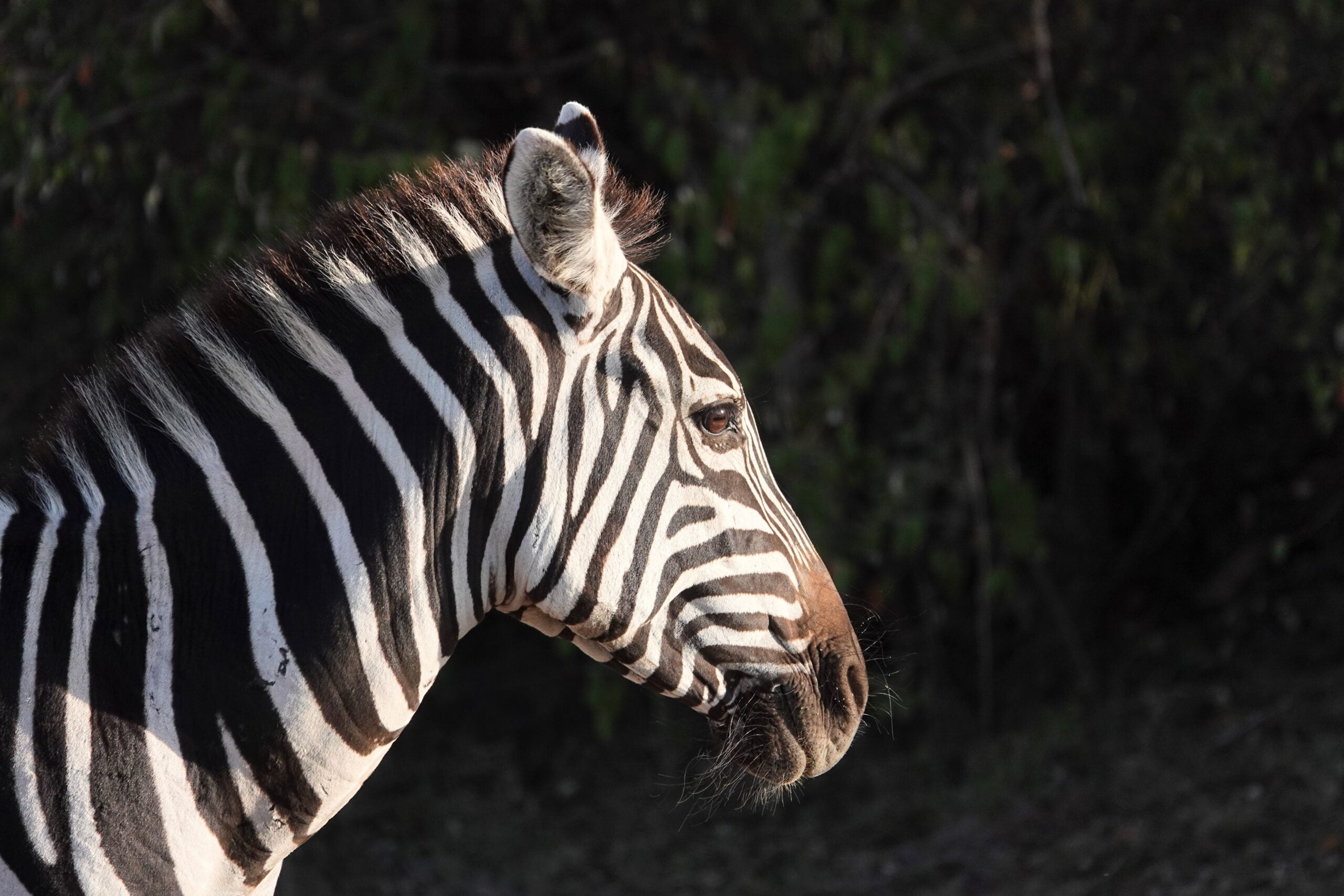
Our guide provides us with information about the wildlife in front of us. Attentive to signs of animal presence and fresh tracks, he also communicates with the other guides to find out where to take us next. The plains go by. You’ll soak up the beauty and grandeur of landscapes that stretch as far as the eye can see.
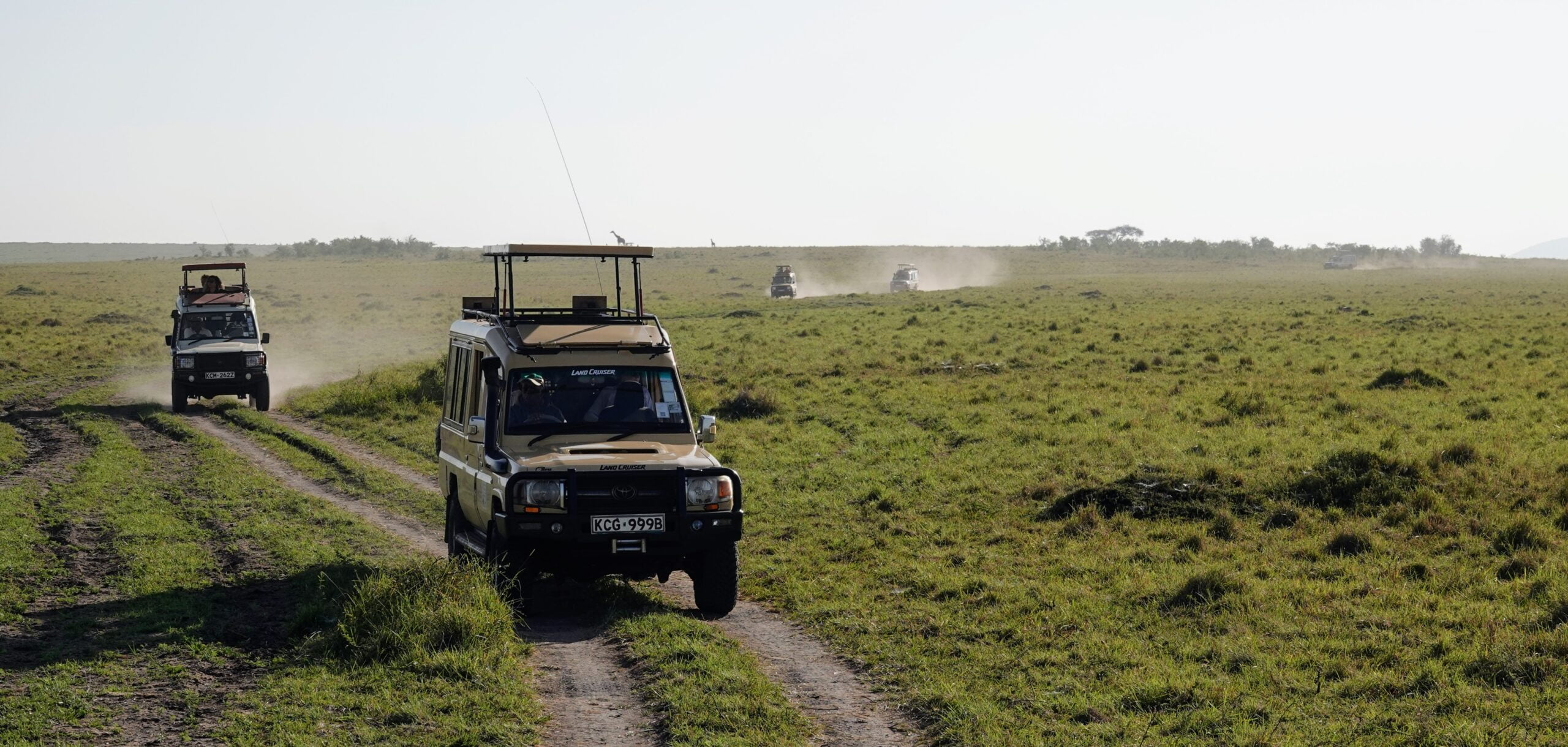
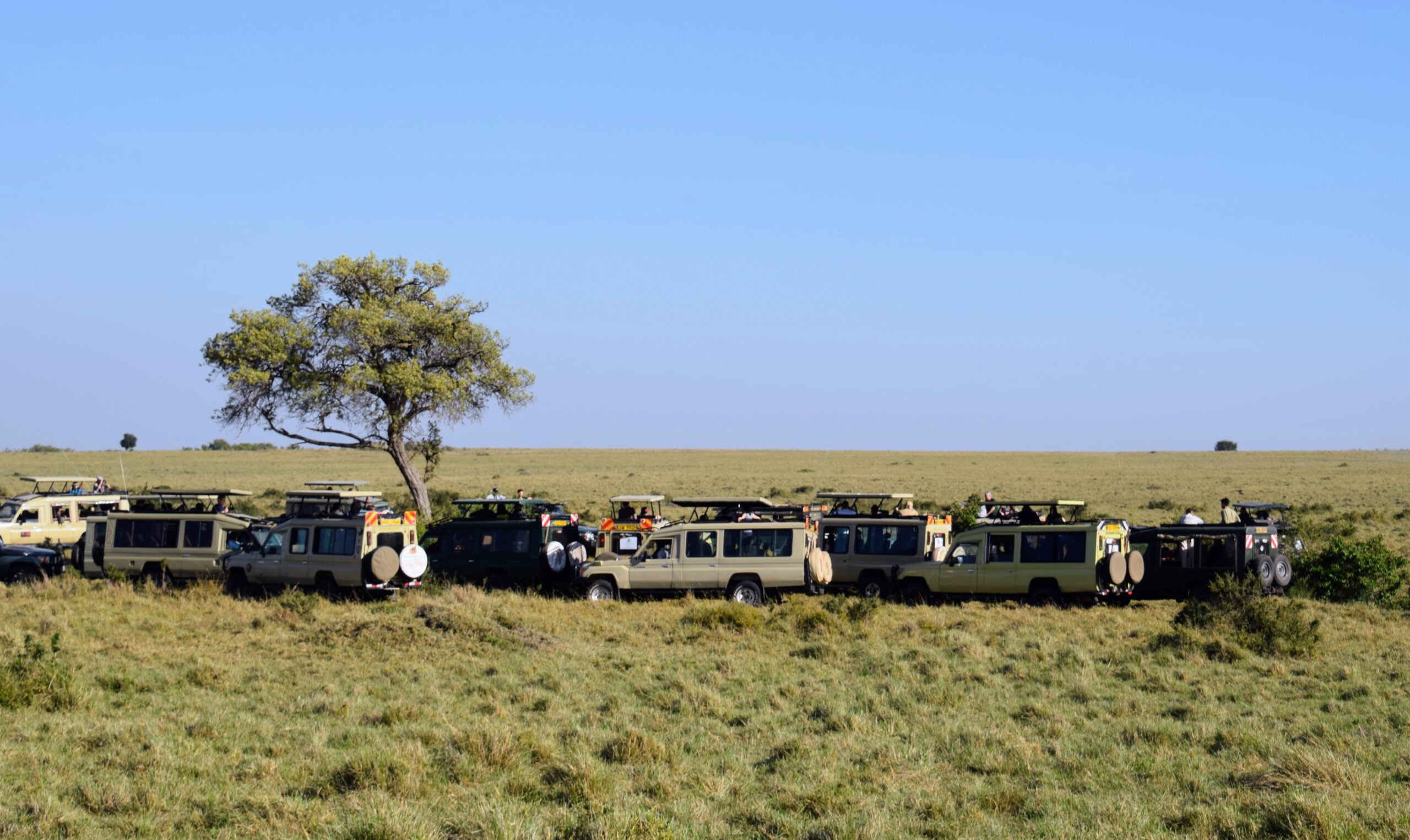
When several voices are heard on the radio, the excitement in the car goes up a notch. The crowd of vehicles leaves no doubt: there’s something to watch! Information: a leopard hides with its prey at the foot of a tree, at the bottom of a small gully.
Several drivers were overzealous and tried to approach, ignoring the usual instructions (no more than 5 cars in the presence of an animal, minimum distance 25 meters). Result: no one sees anything and the animal burrows even deeper 😒
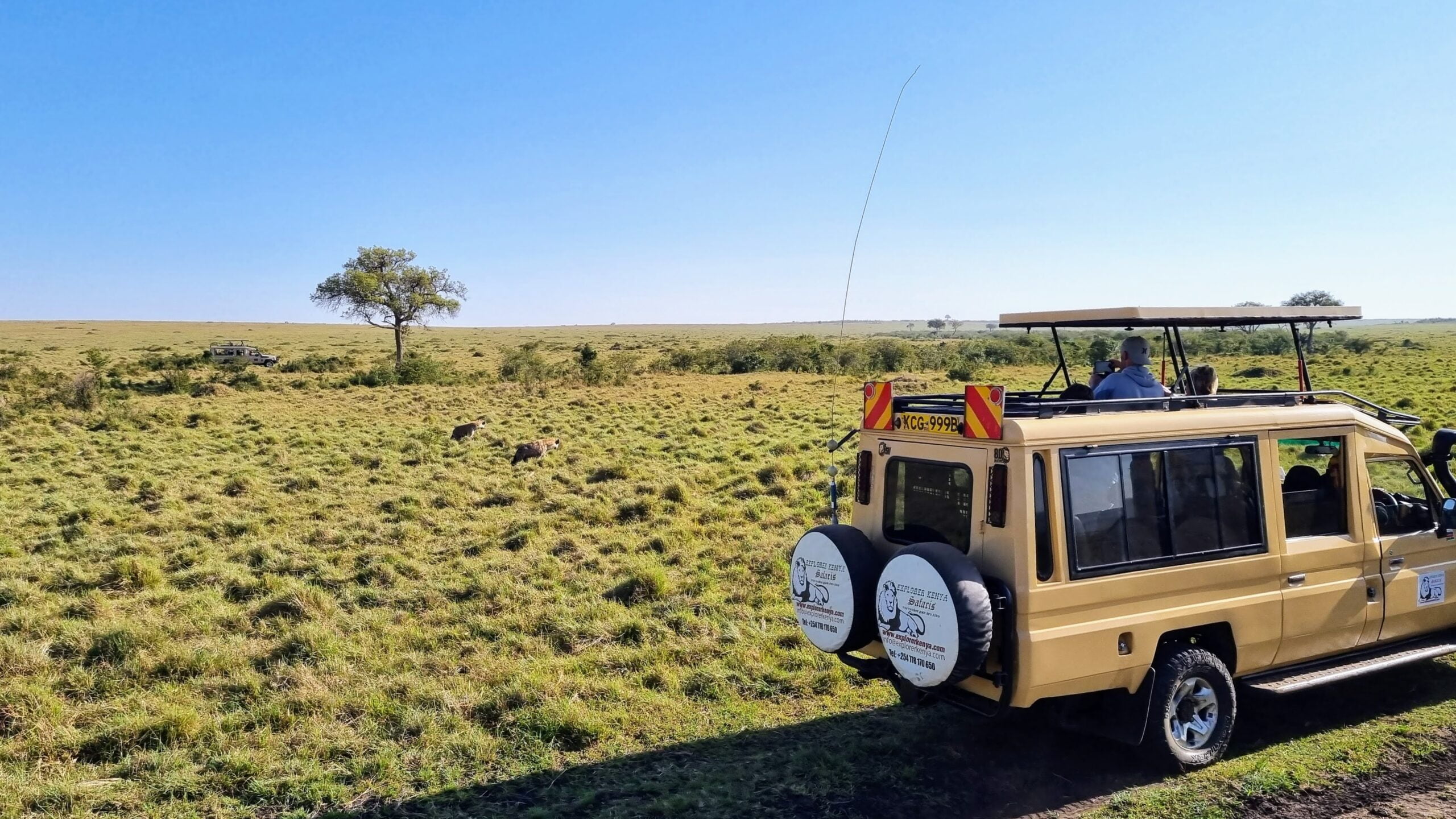
The vehicles start to disperse when two hyenas appear behind us…
Clearly very interested in the leopard’s prey, the hyenas leave him no choice but to flee, abandoning his meal to them. A spotted silhouette emerges stealthily from a bush. The photo will be blurred, but the memory is real 🐆
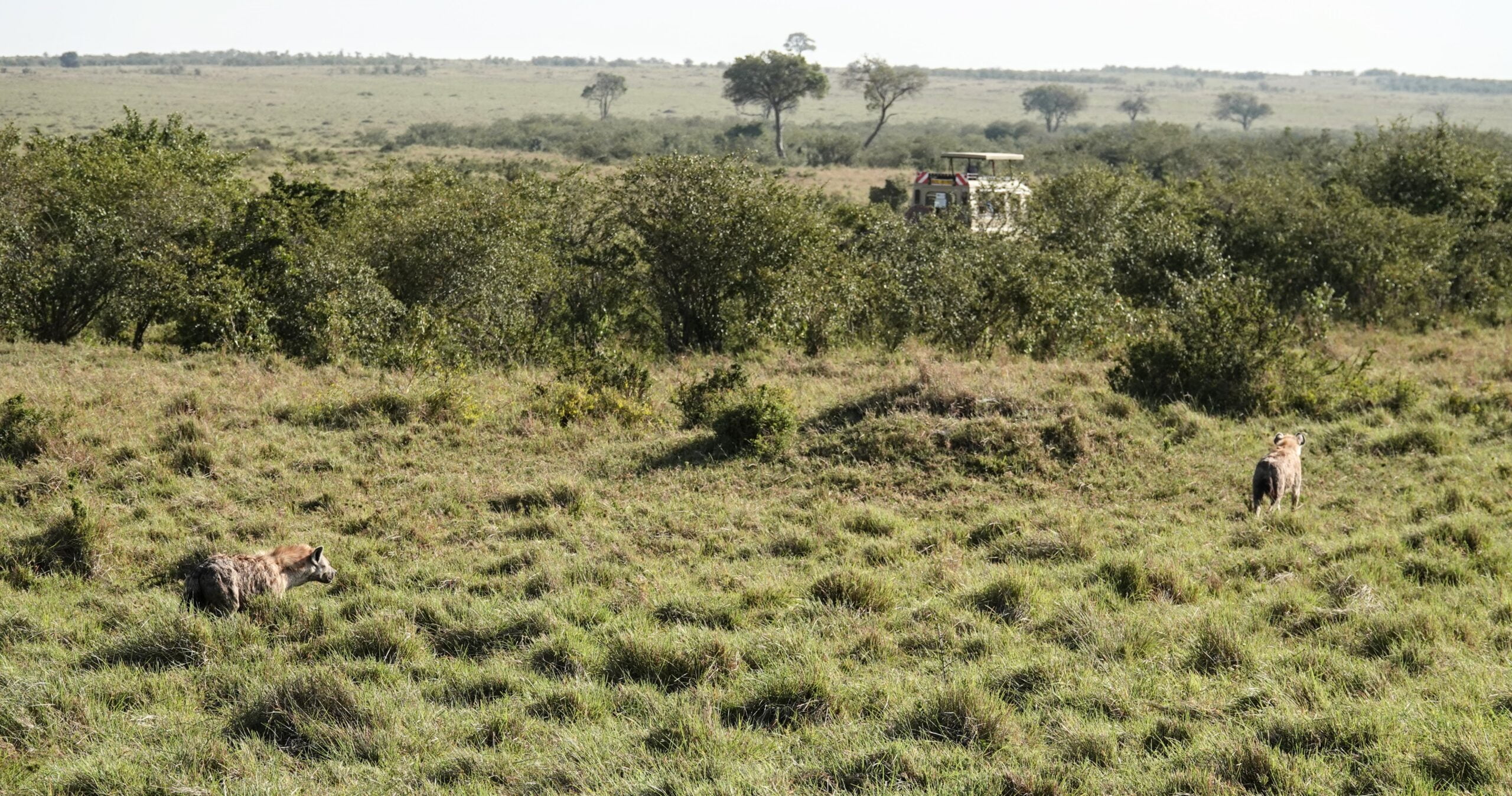
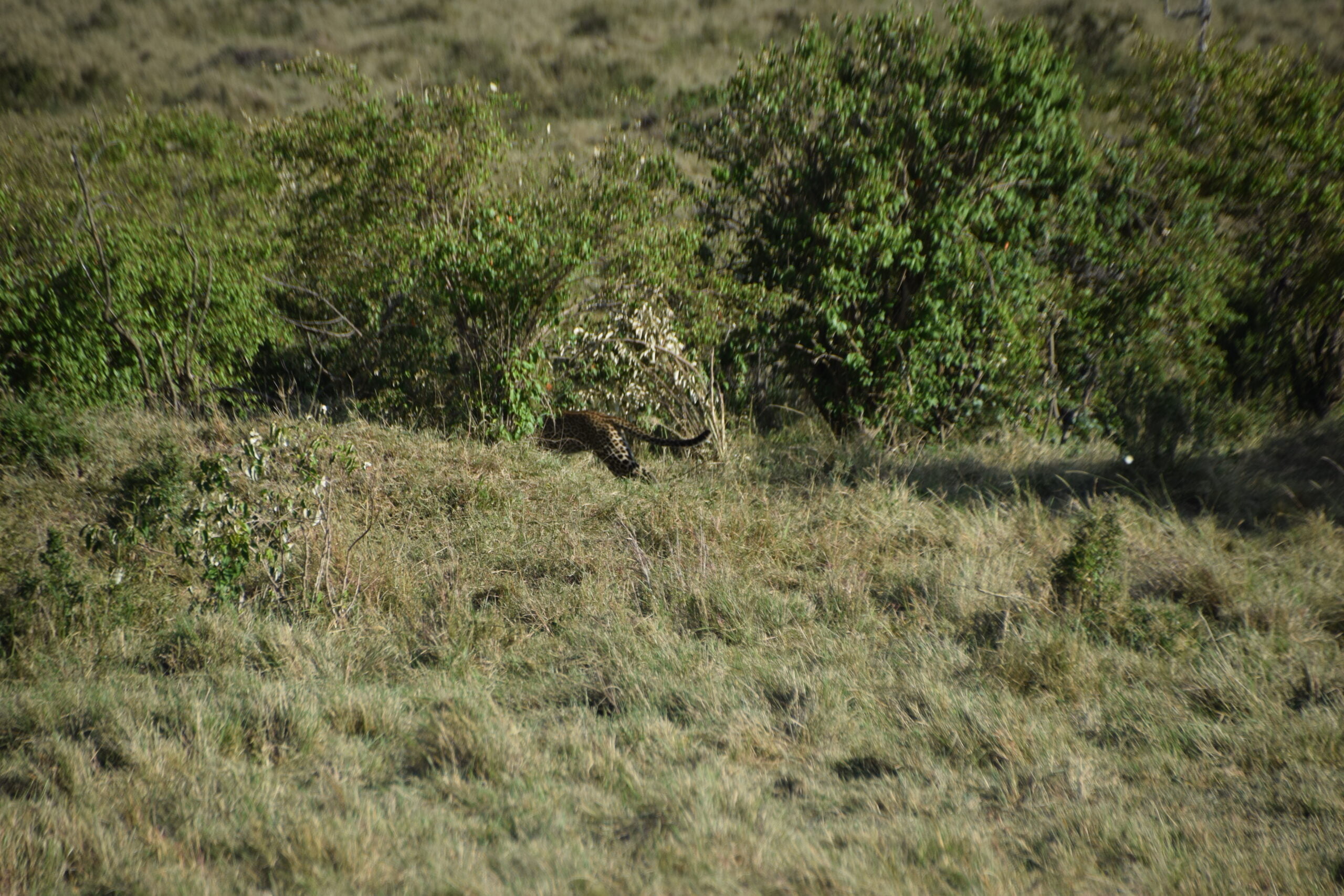
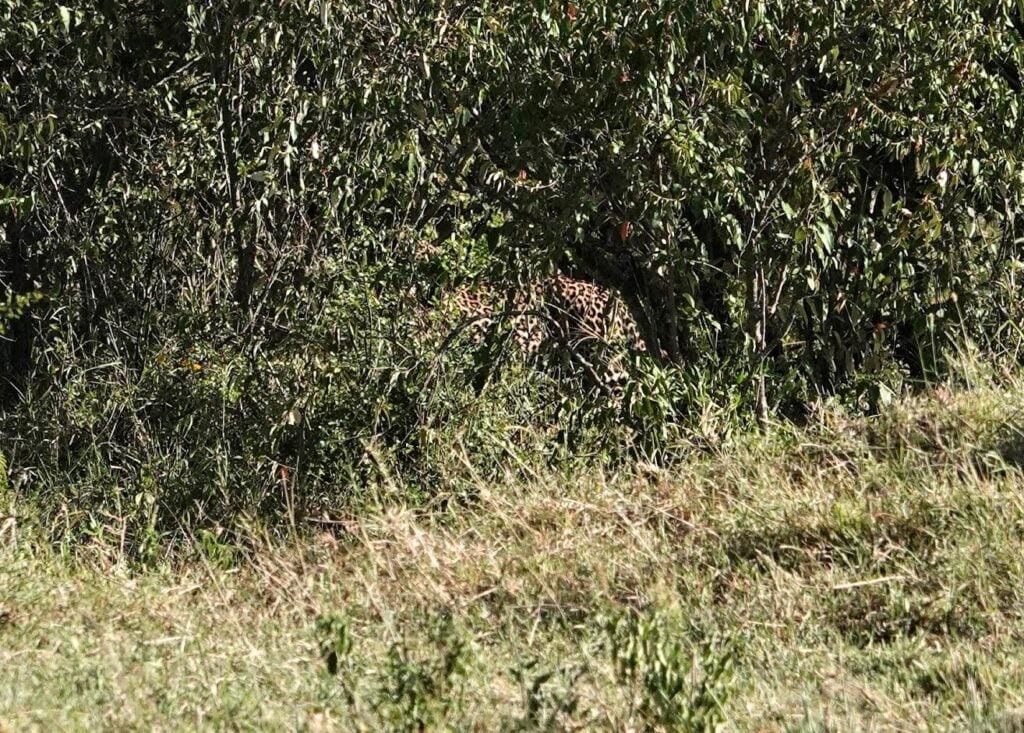
This time, for sure, we won’t see him again. We leave the hyenas to their feast and continue exploring.
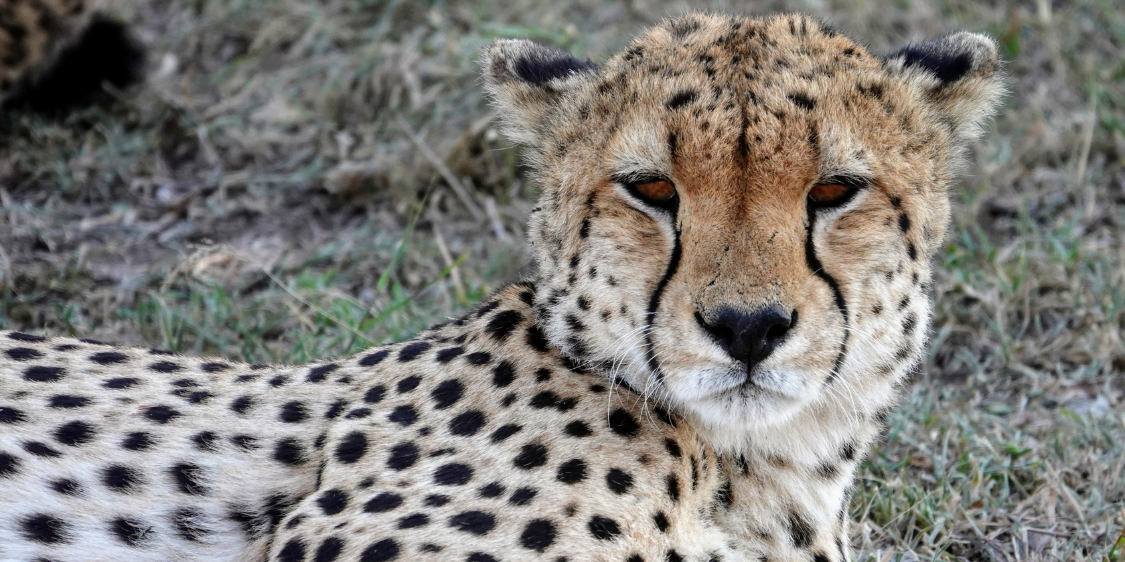
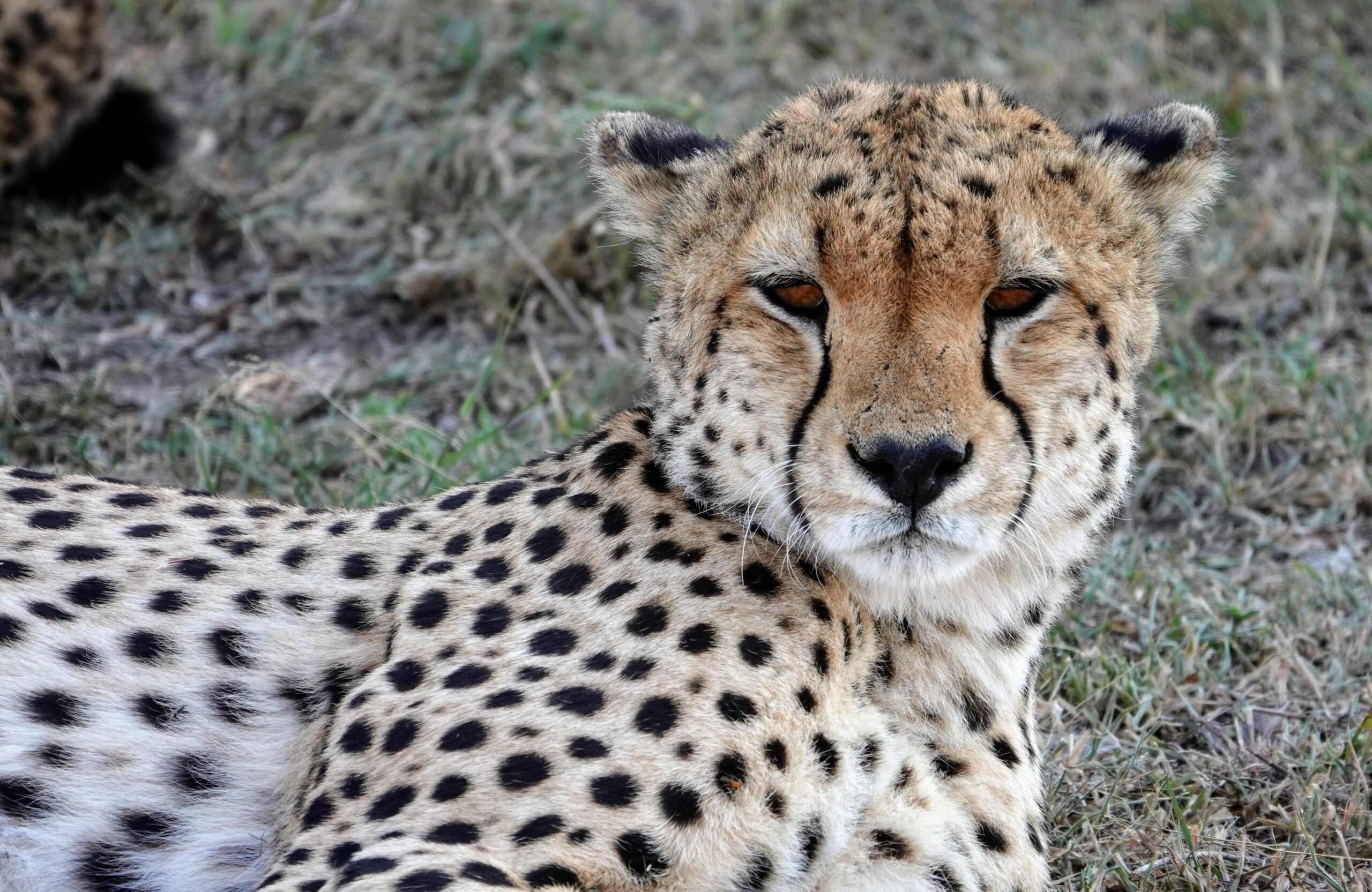
Not far away, two other felines are waiting for us, lying idly in the shade of a tree. Several cars are present again, but given the inactivity of the cheetahs, they keep well away. And while we would have loved to see the fastest animal on the planet chase a gazelle instead of taking a nap, the moment remains magical 🤩
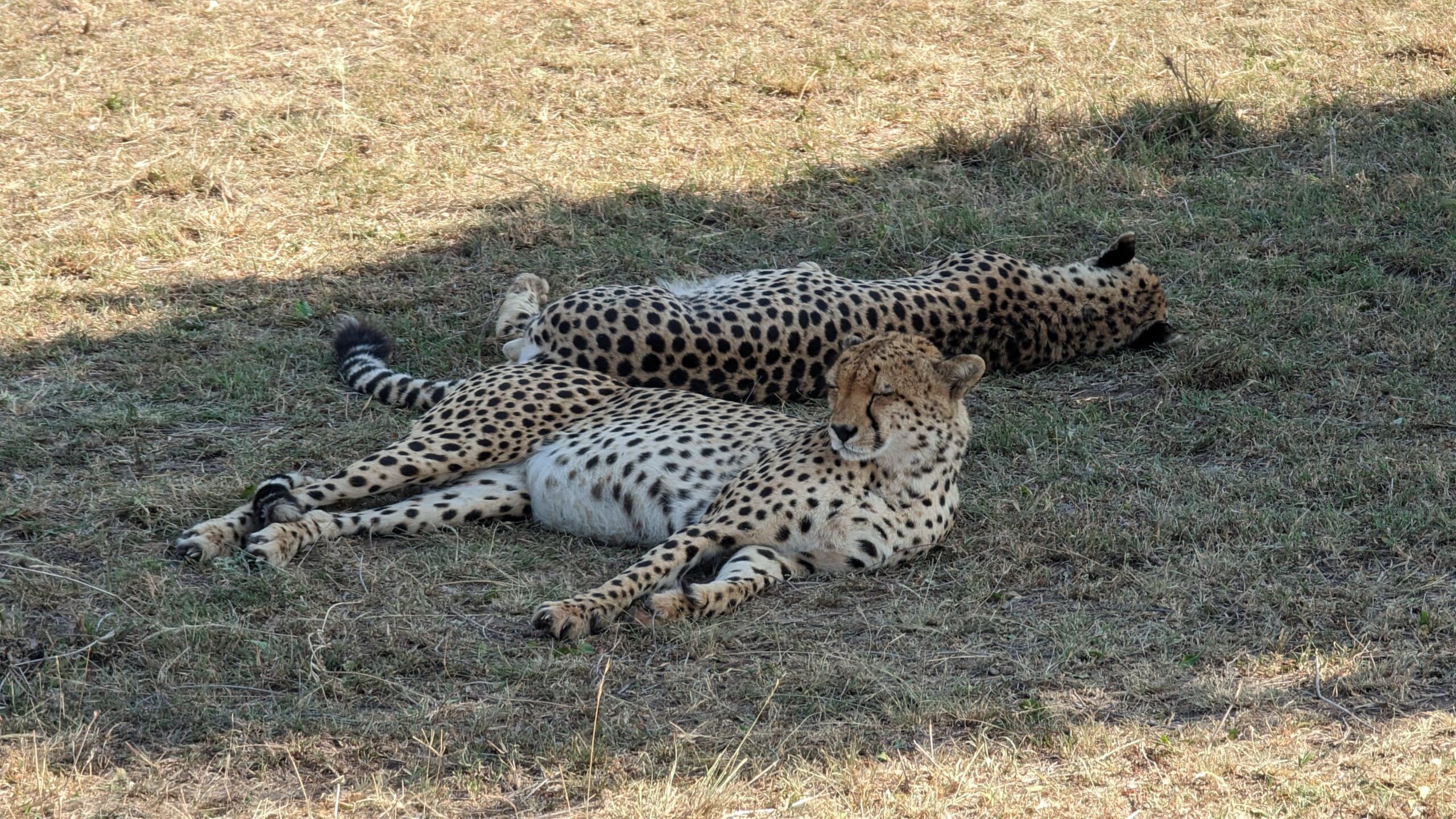
All the more magical given that we’re looking at the last 2 survivors of the famous Tano Bora. Meaning “five magnificent ones” in Swahili, the term refers to the Masaï Mara’s best-known coalition of five male cheetahs.
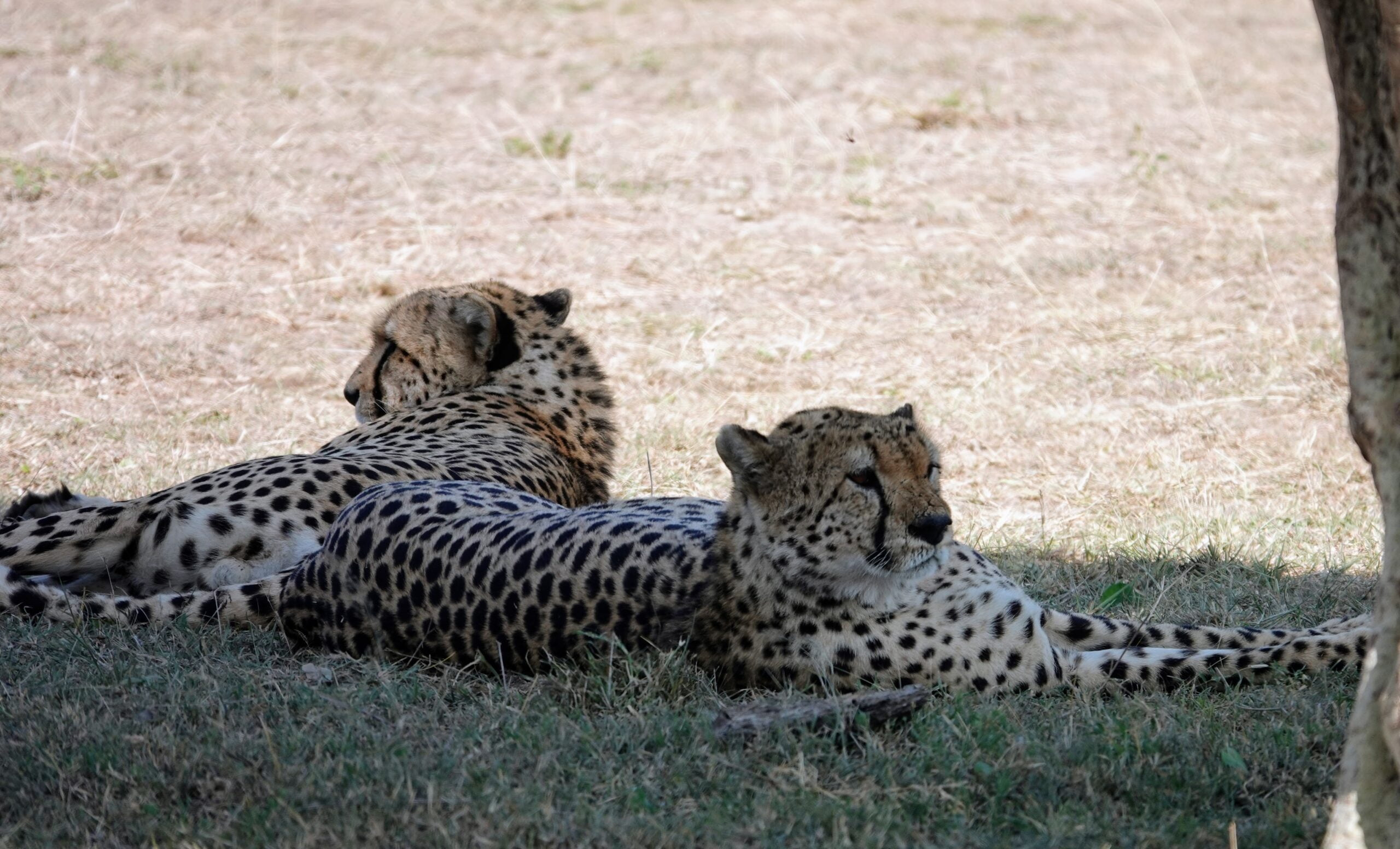
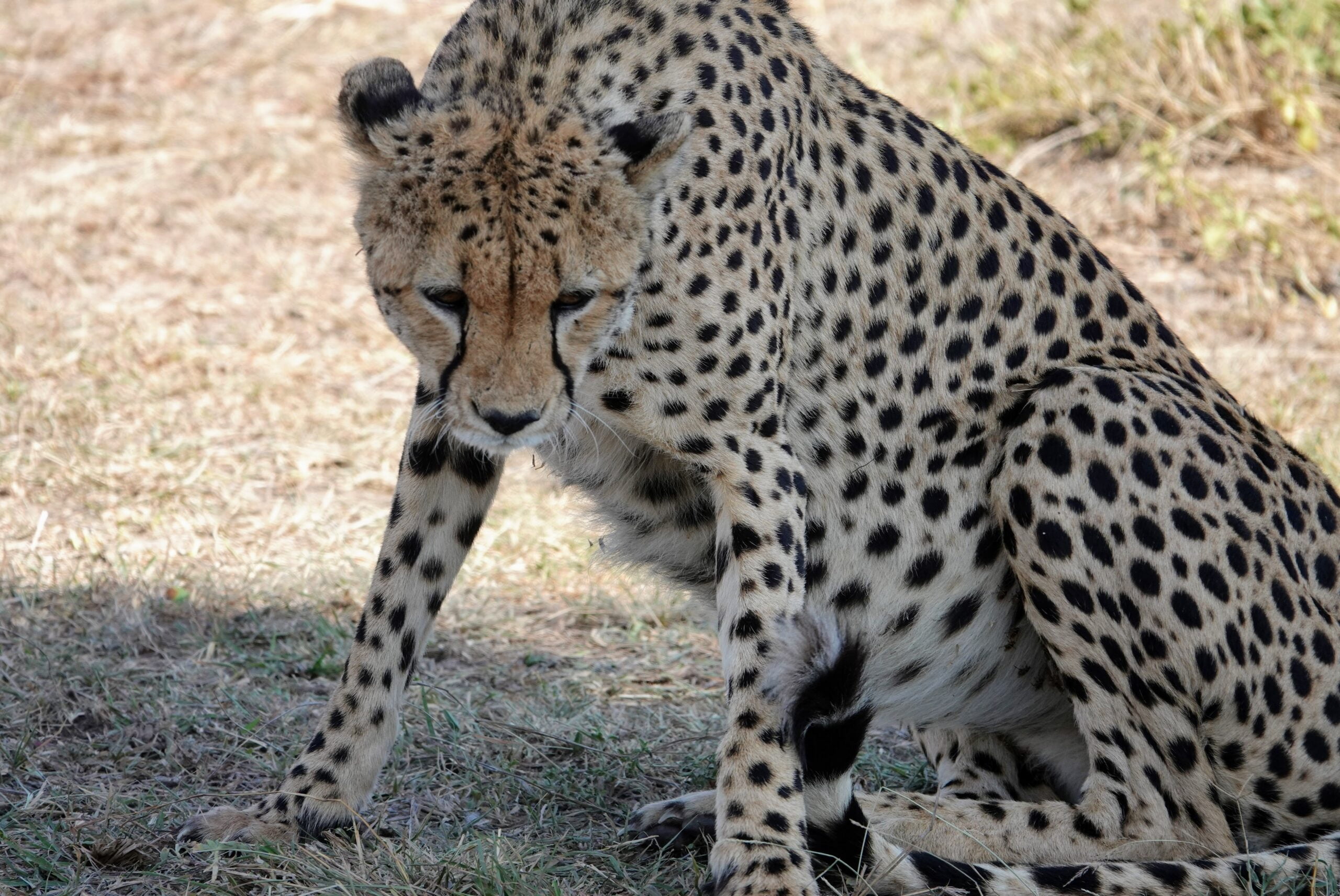
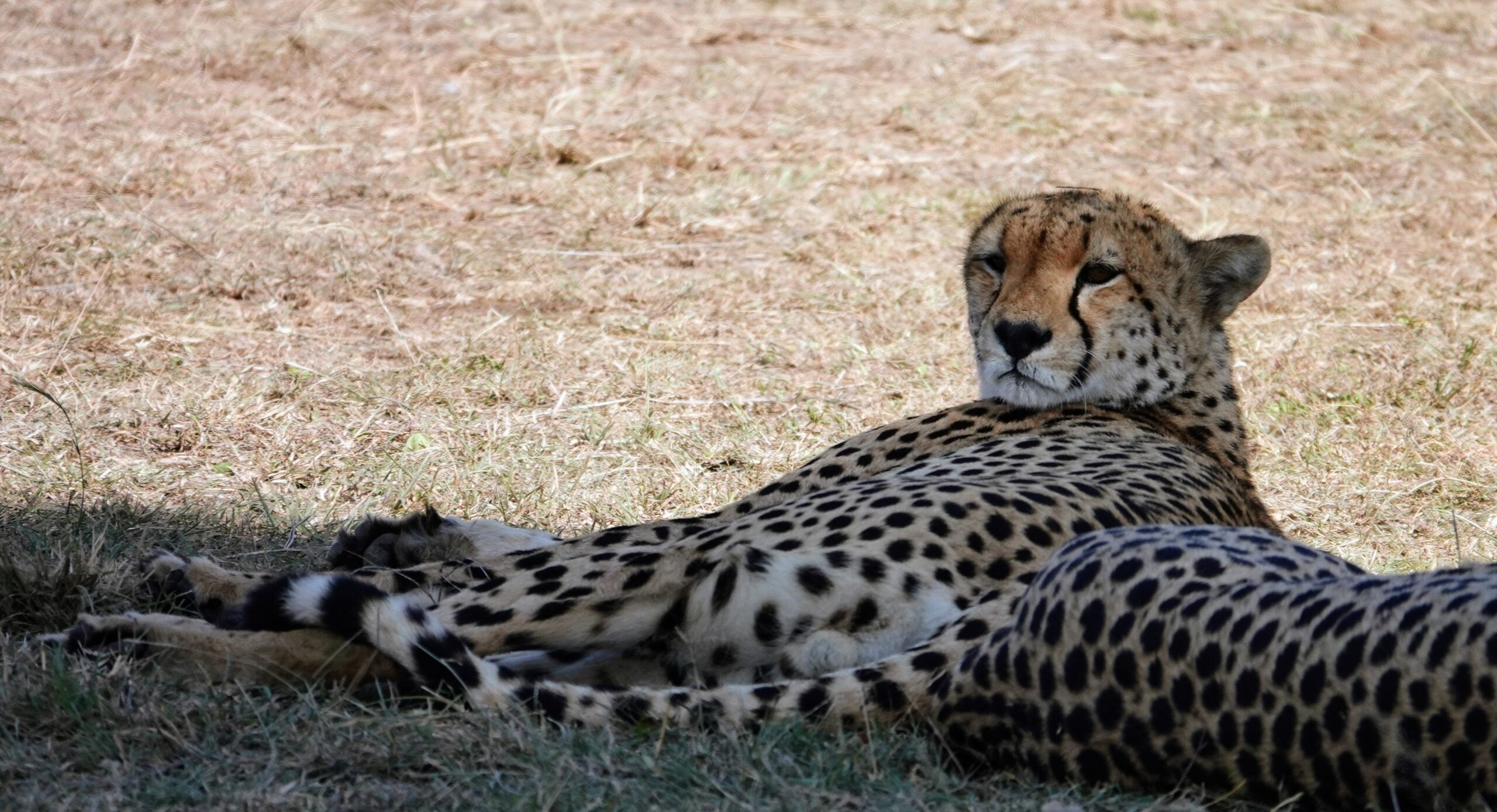
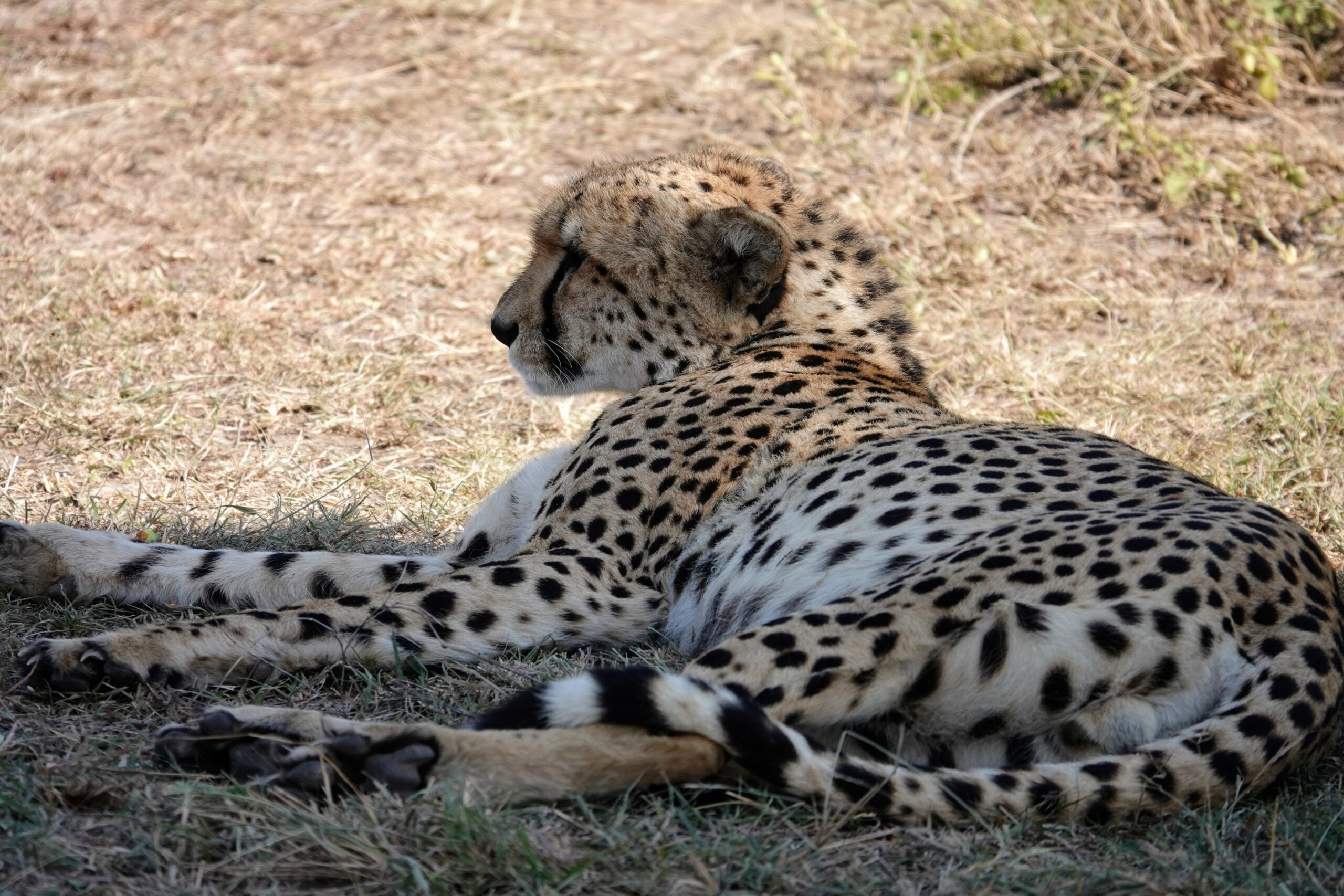
In fact, male cheetahs are solitary animals. And while they sometimes live in coalition to better defend a territorial zone, the size of these social groups rarely exceeds two or three individuals from the same sibling. Made up of two pairs of brothers from different families and a lone cheetah, the Tano Bora coalition is truly exceptional.
For 3 years, Olpadan, the loner, led the coalition and organized hunts that enabled them to attack prey up to ten times their size. Attacked by his peers in 2019, cared for by vets, Olpadan joins the coalition at the bottom of the hierarchy. He left several times, only to return again… until he was definitively excluded in 2021. In early 2022, he was found dead of several bites, no doubt inflicted by his former allies. A month later, a second coalition member, Olarishani, disappeared. Then a third. The two survivors look so calm in front of us, and yet…
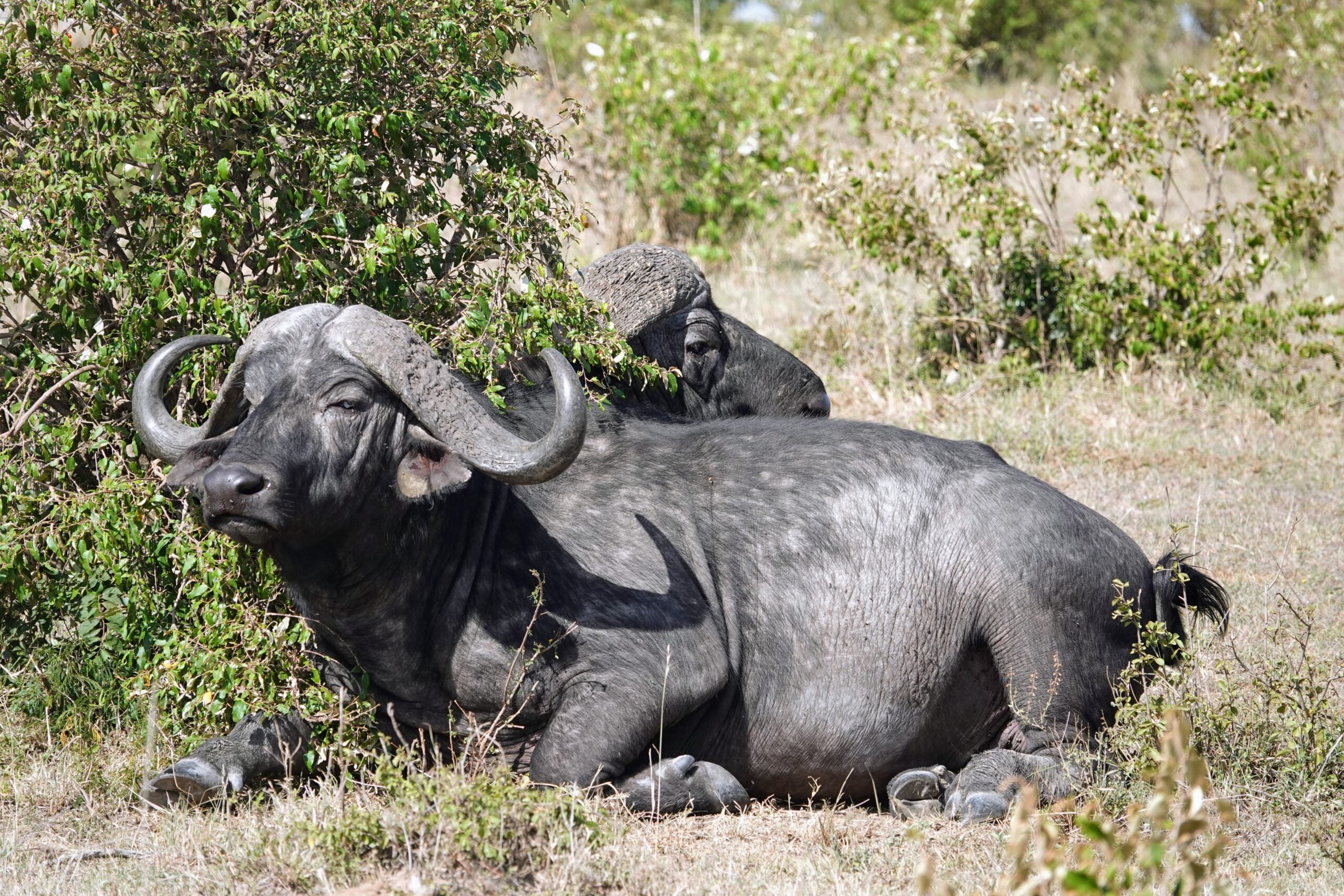
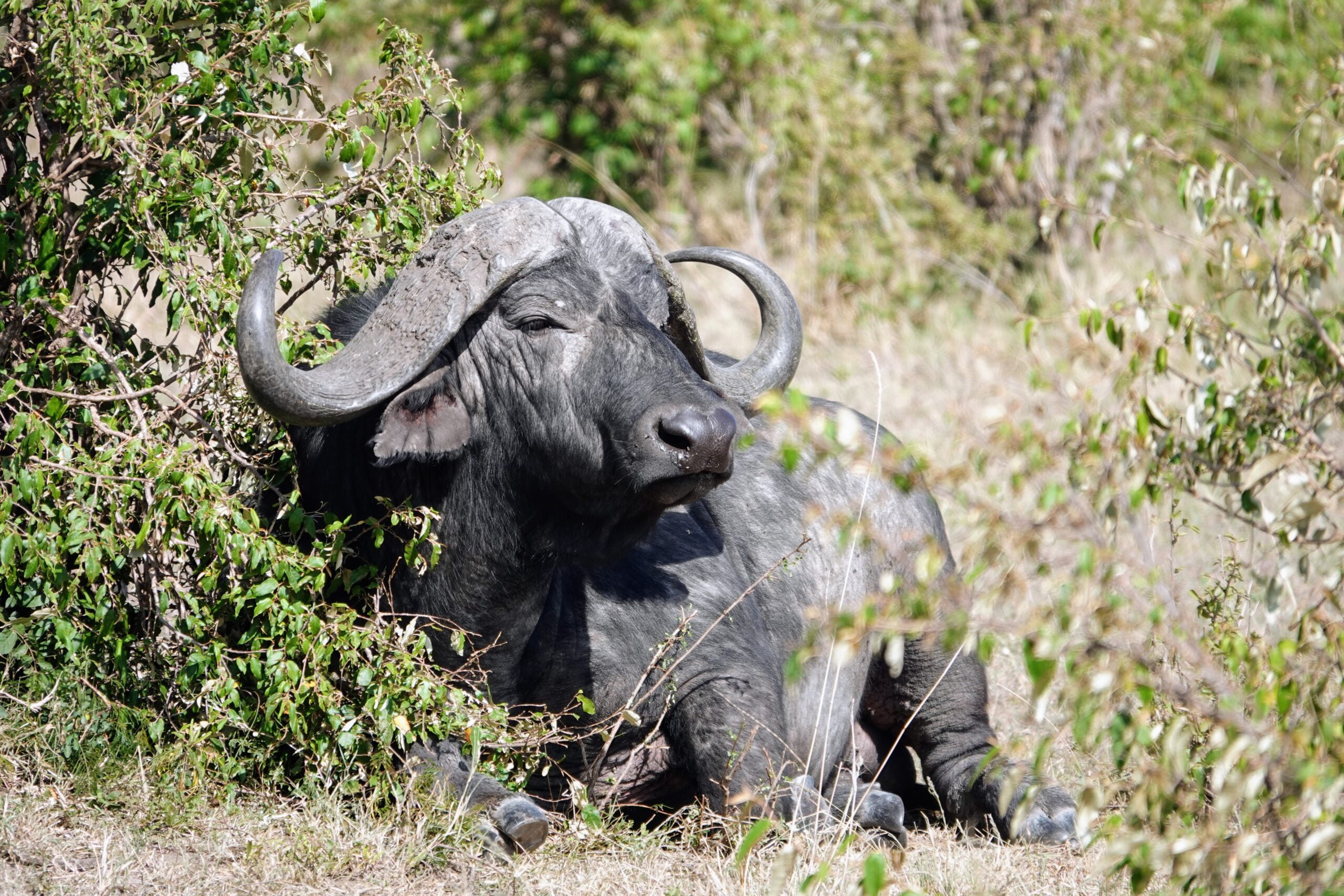
At the bend in a hill, we meet two imposing buffalo.
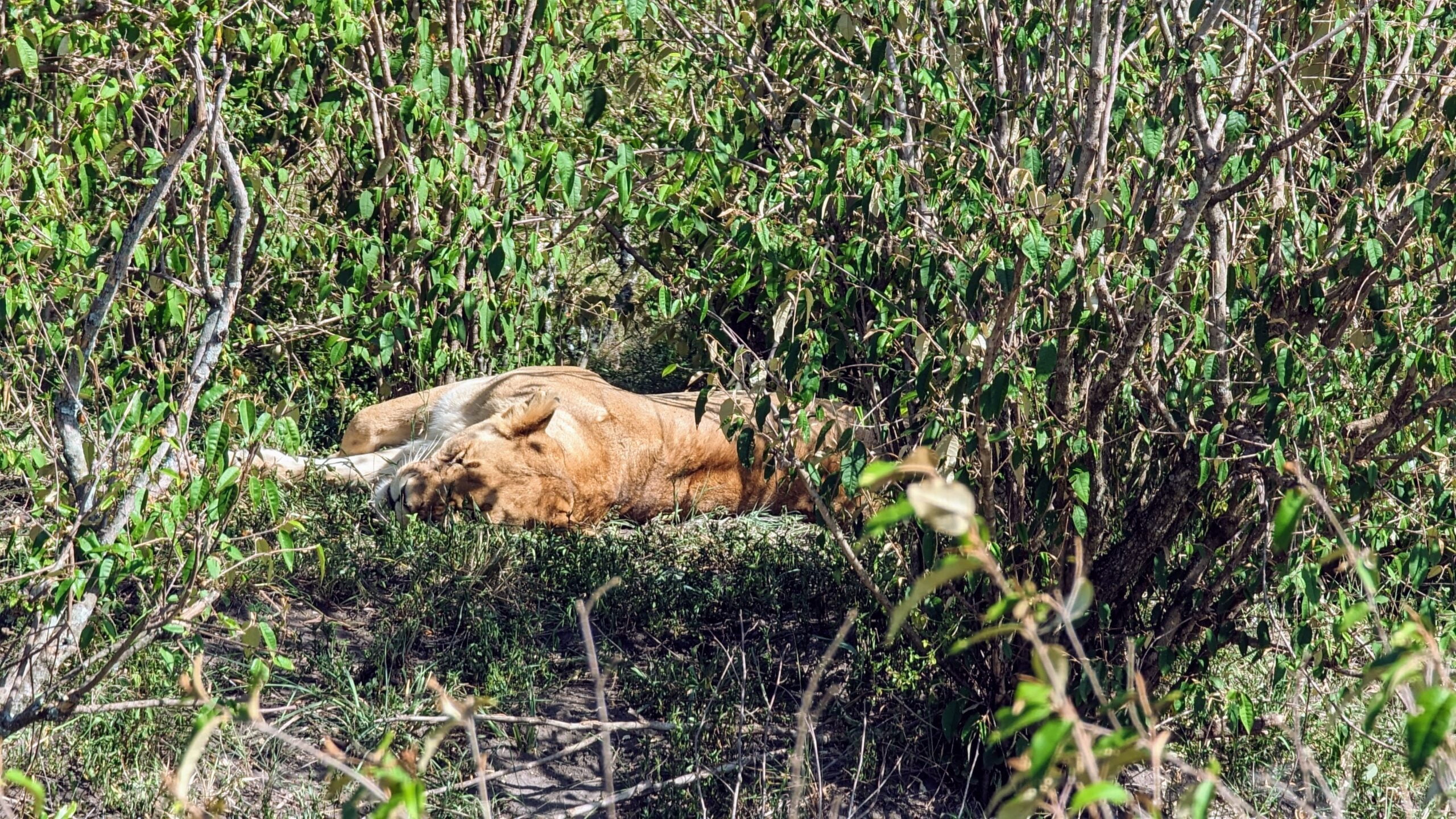
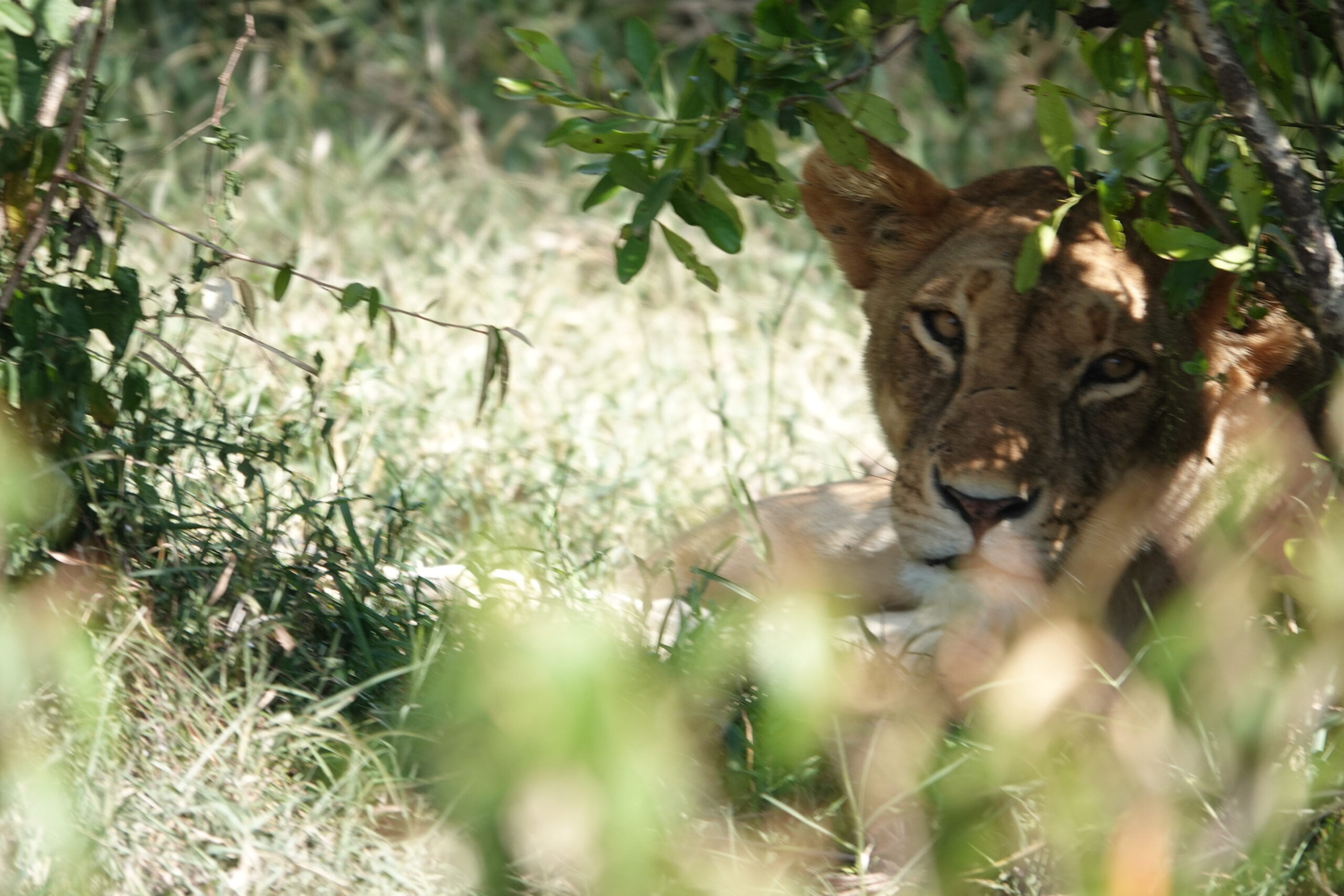
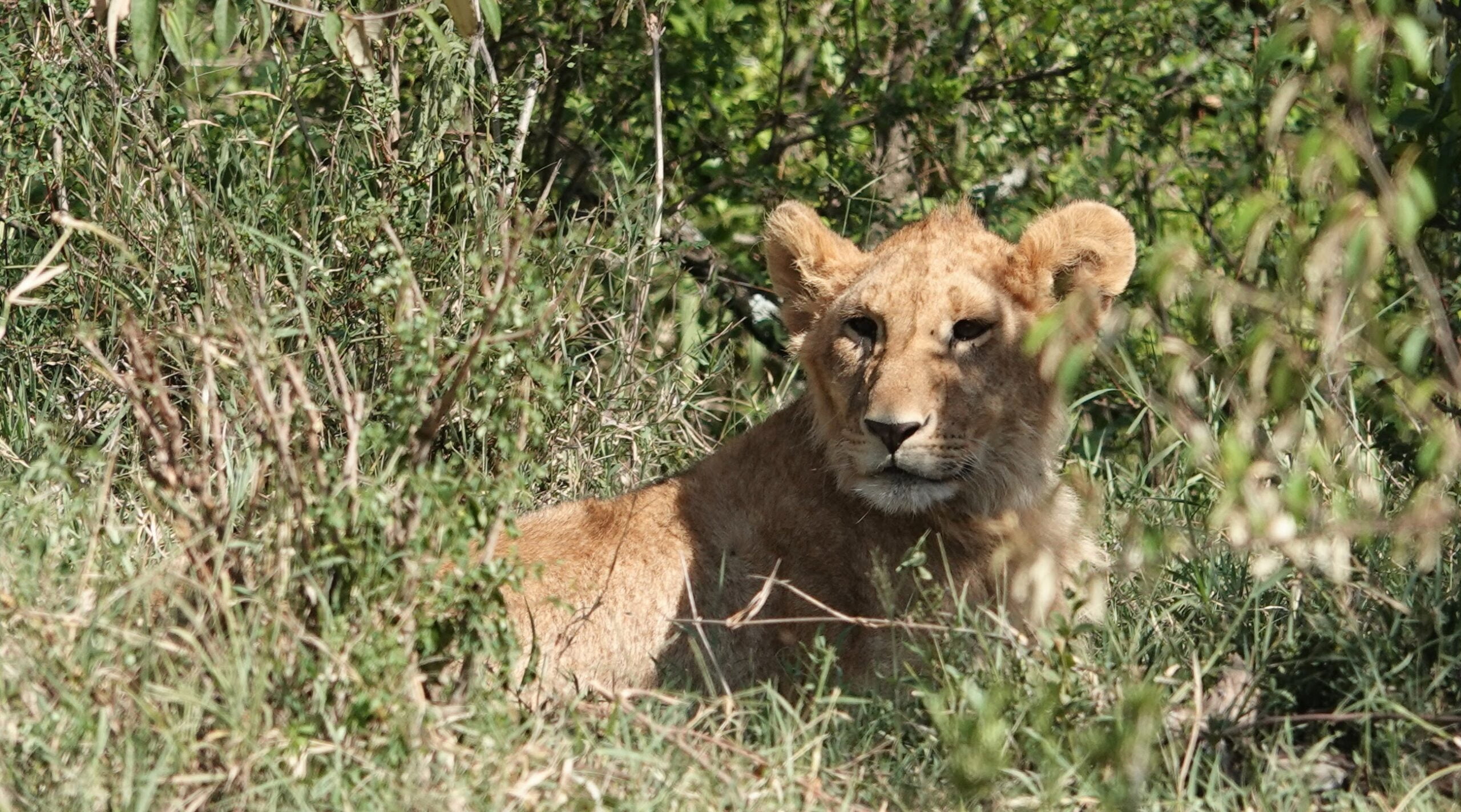
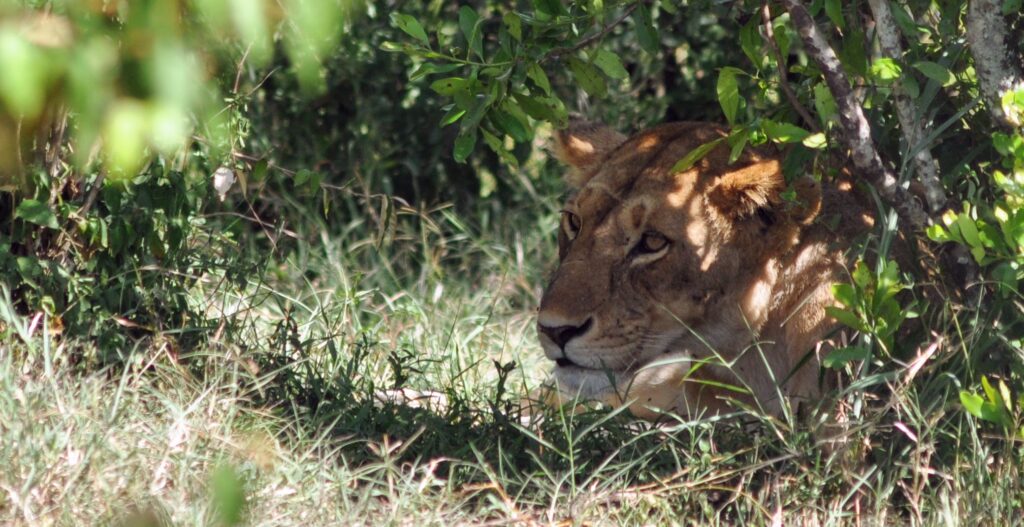
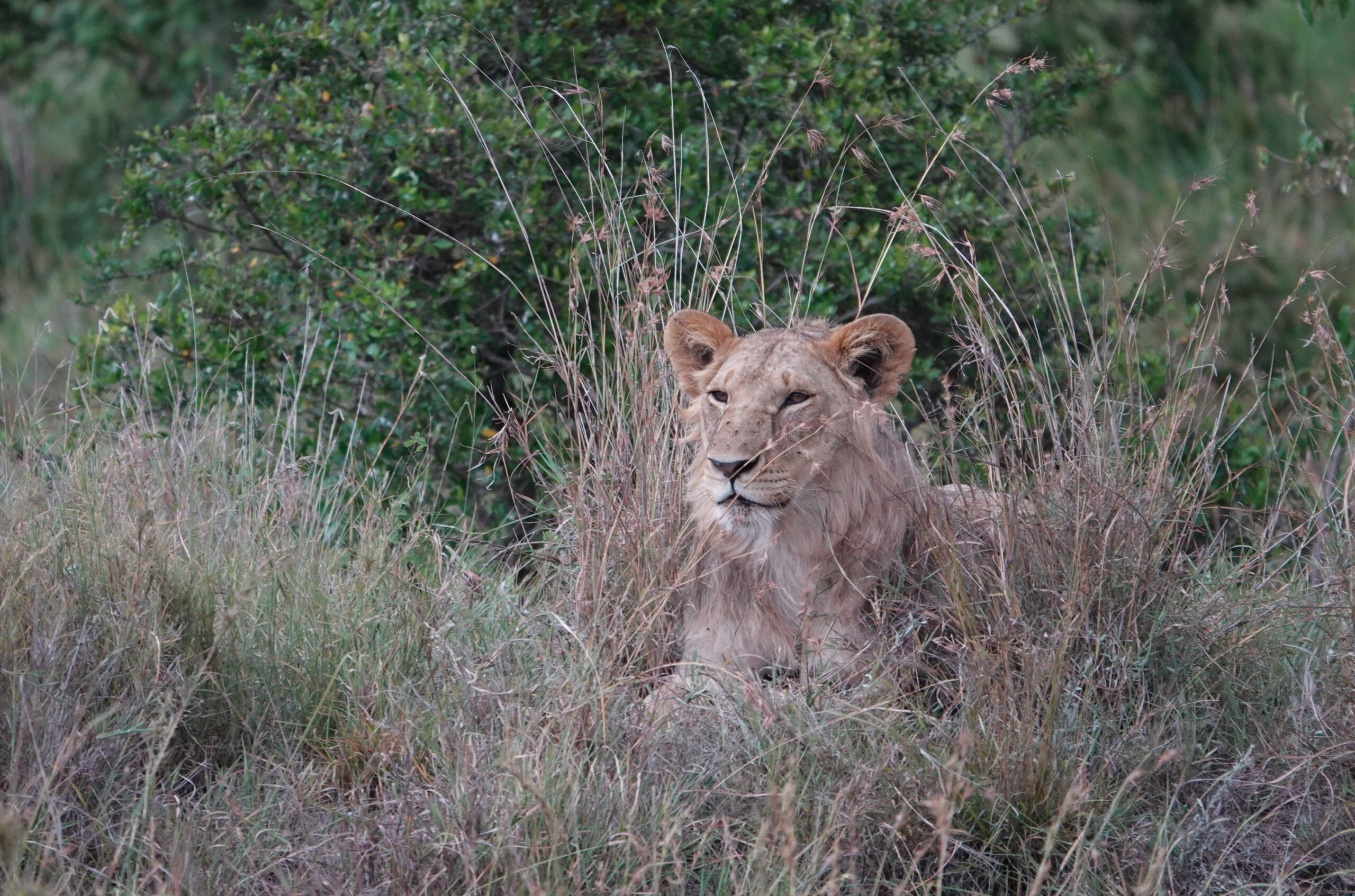
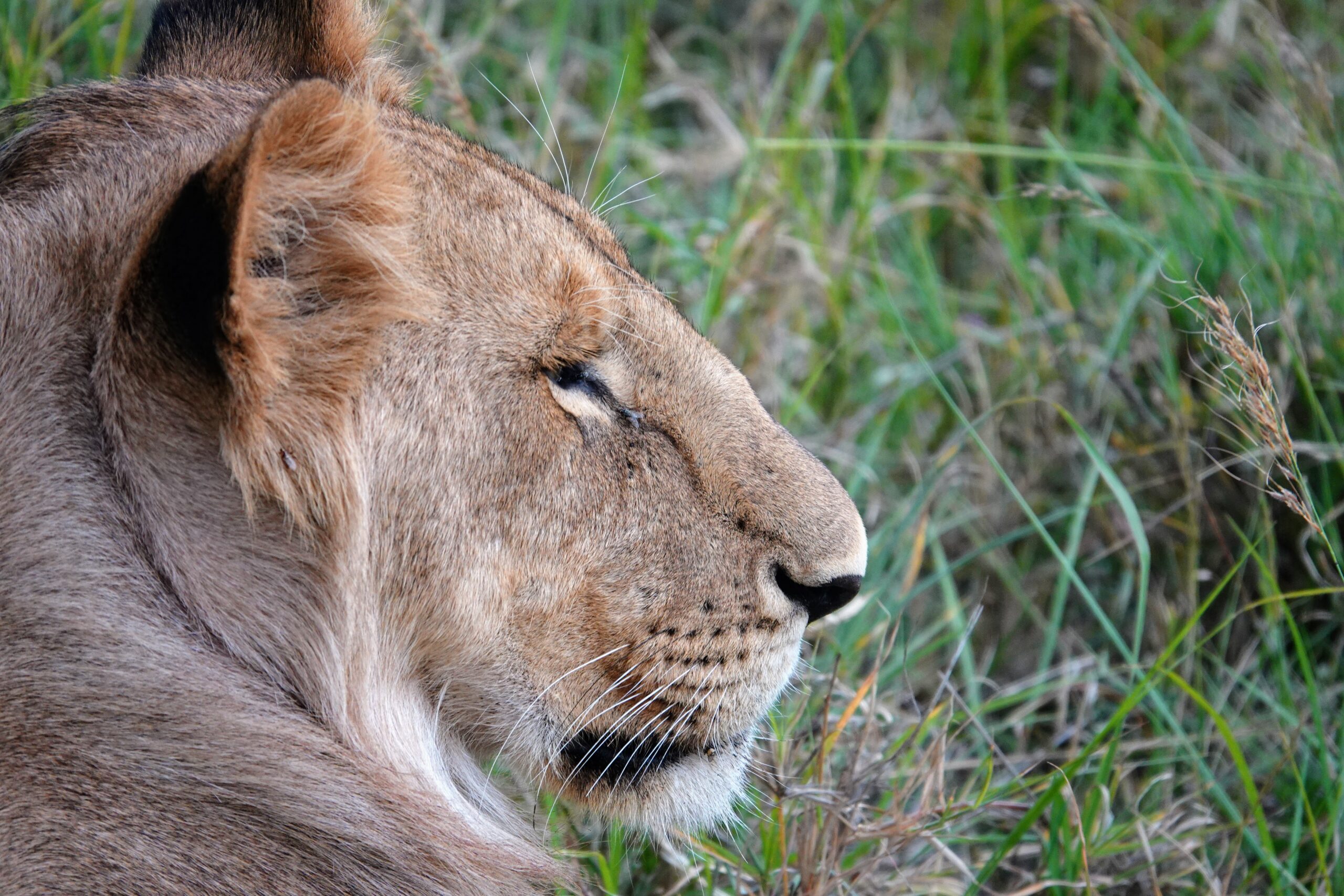
And then, at last, our first lions! Lurking in the thick undergrowth, we can barely make them out… We’re looking for a beautiful Simba mane, but they all still look very young. We have a taste of too little, we admit, but their view is so impressive 🦁
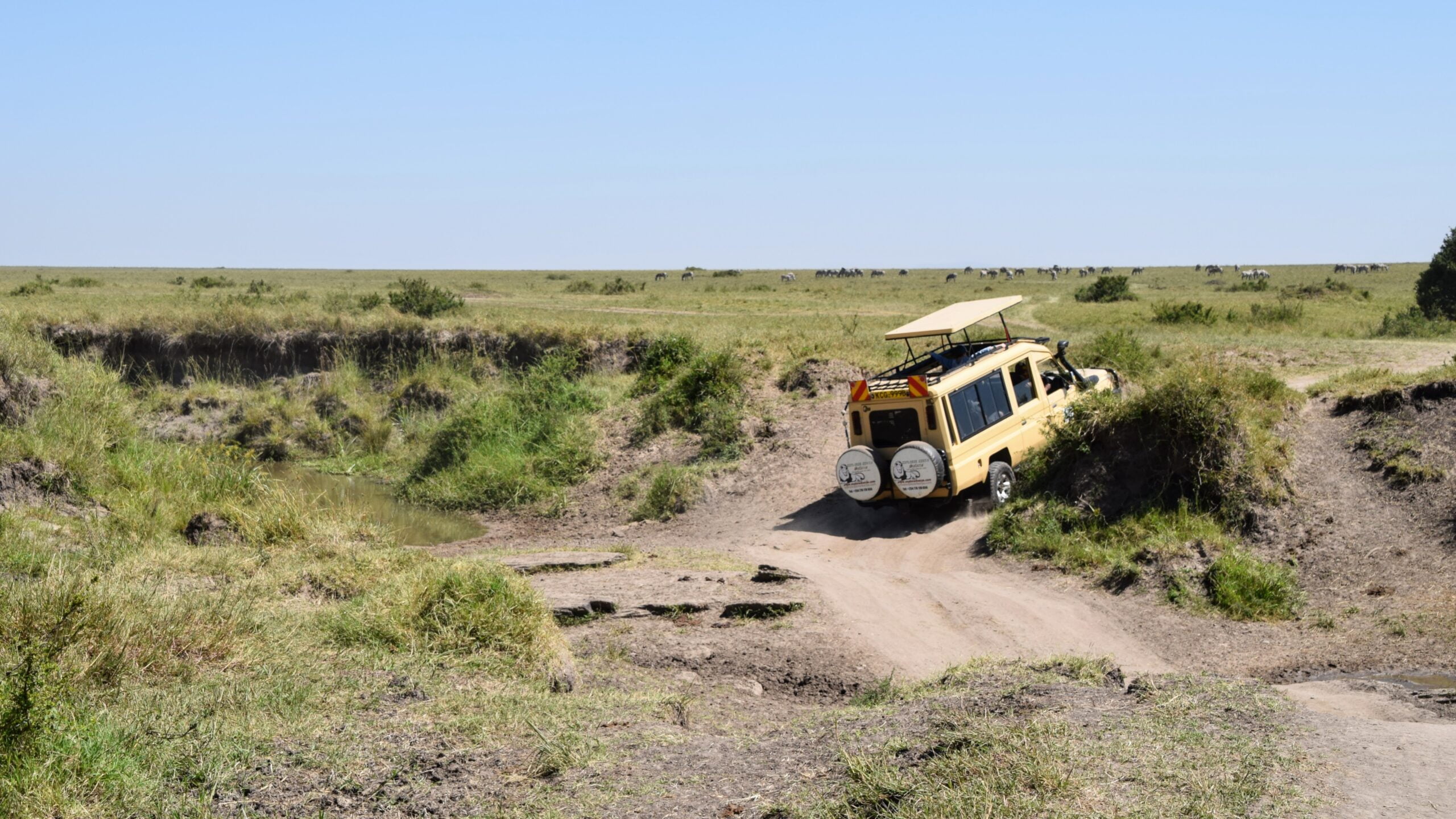
Crossing a dry river gives us a few cold sweats… A few bruises on the arms too 😅
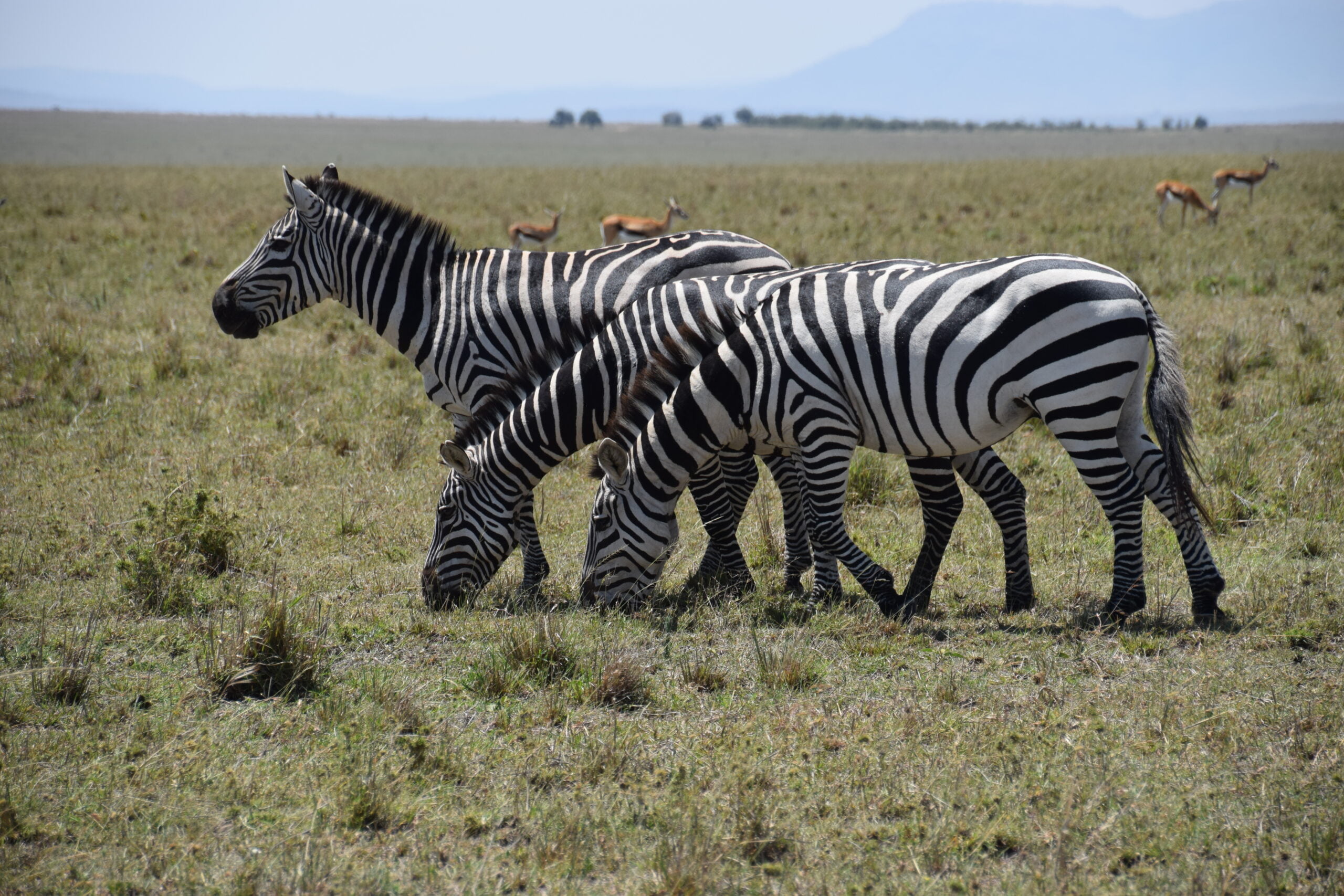
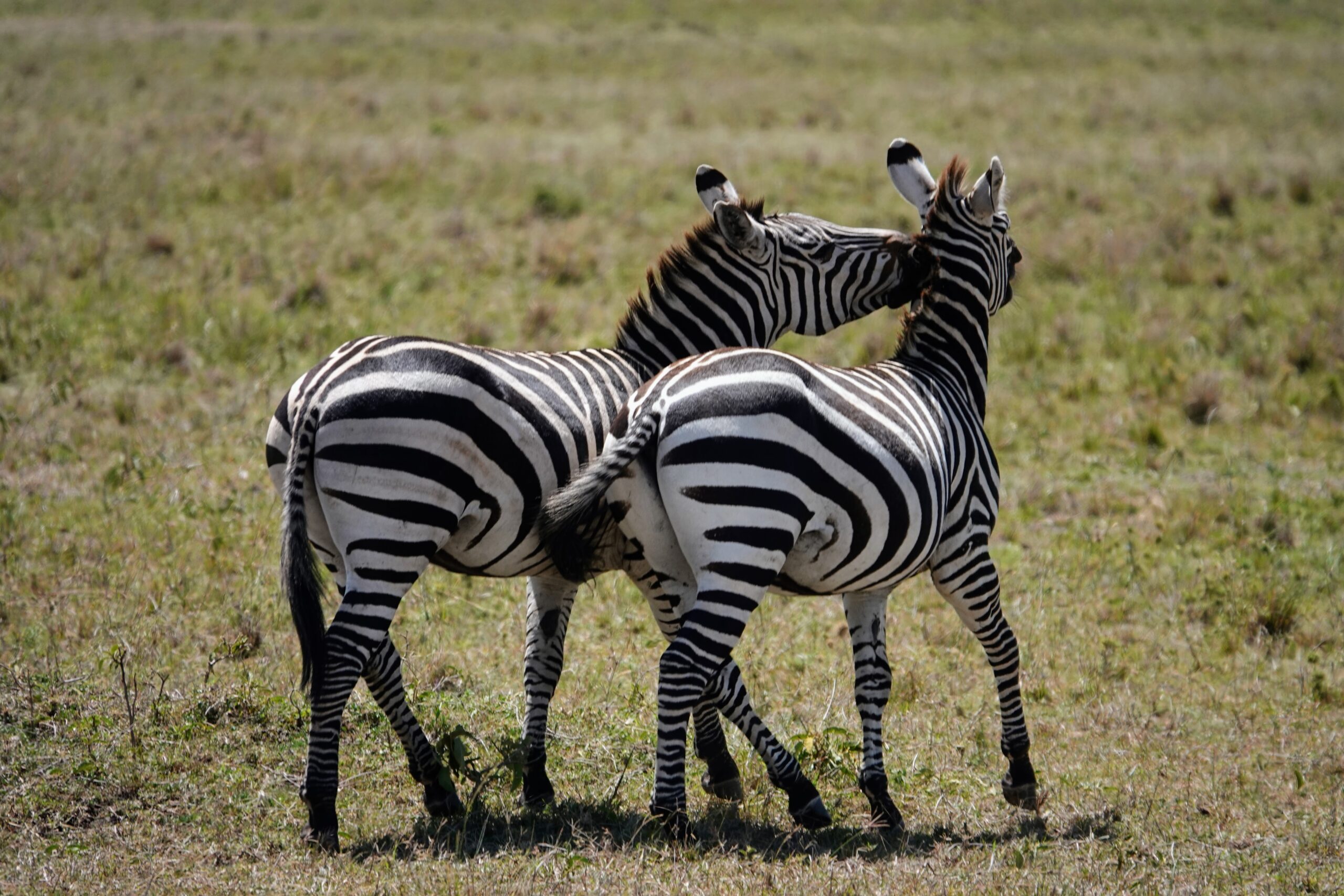
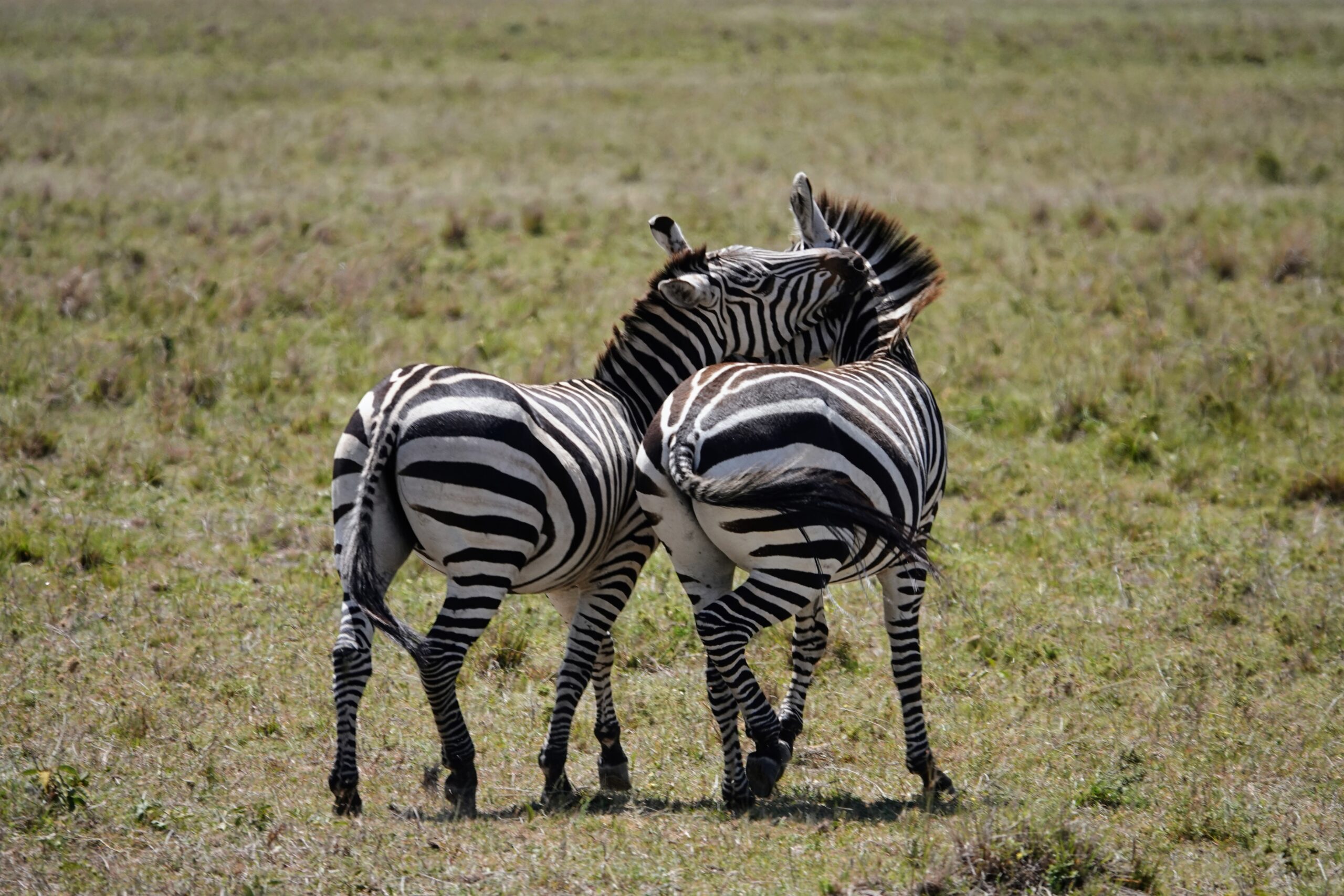
As we approach a herd of zebras, we see two of them getting very agitated. The kids think it’s a game, but it’s actually an argument! Hierarchical or territorial, it’s hard to say… But there’s nothing nice about confrontation and intimidation. Between rushing, jostling and neck biting, they don’t give up 😅
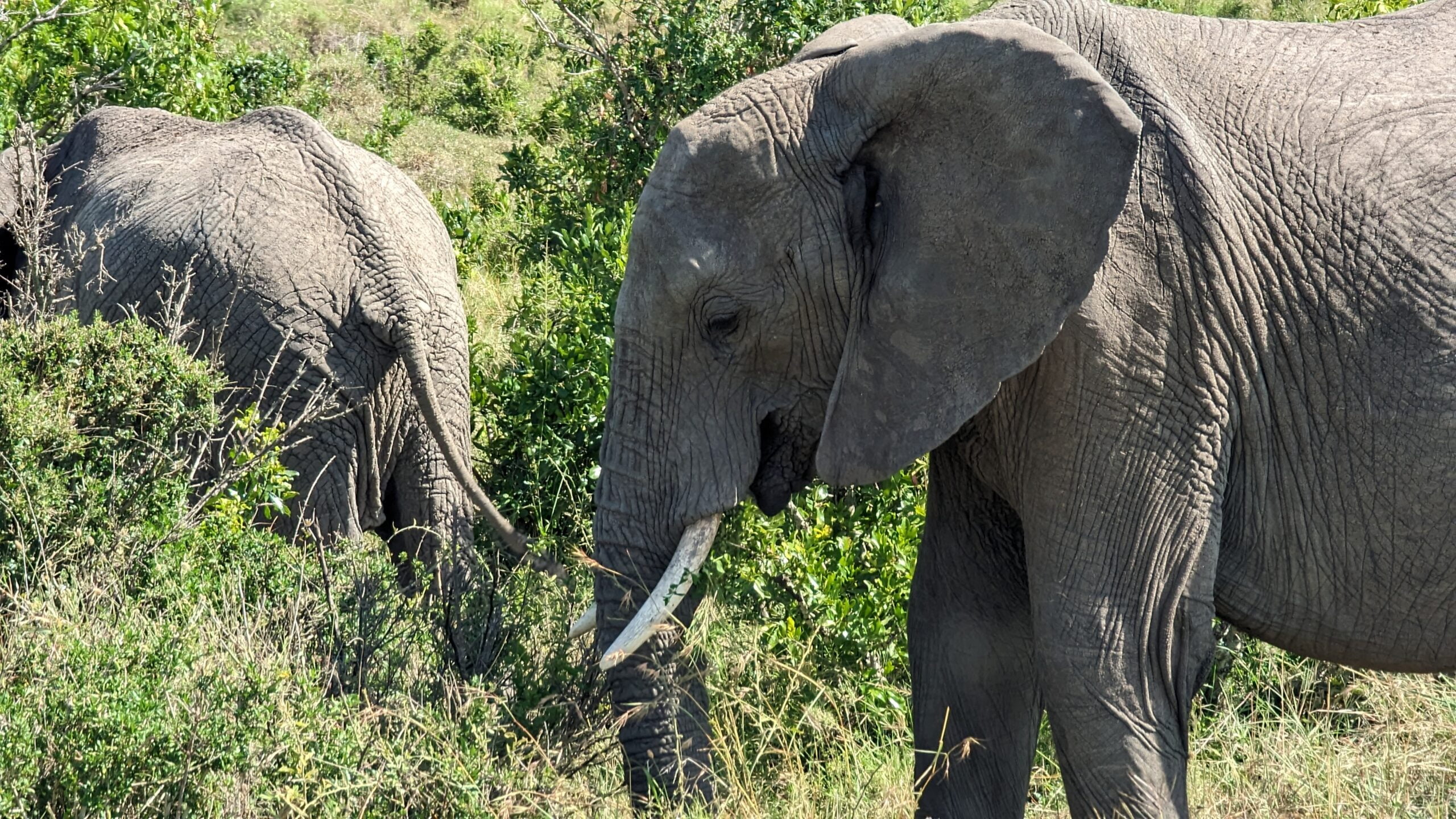
Not far from the two rivals, a family of elephants enjoys a good meal.
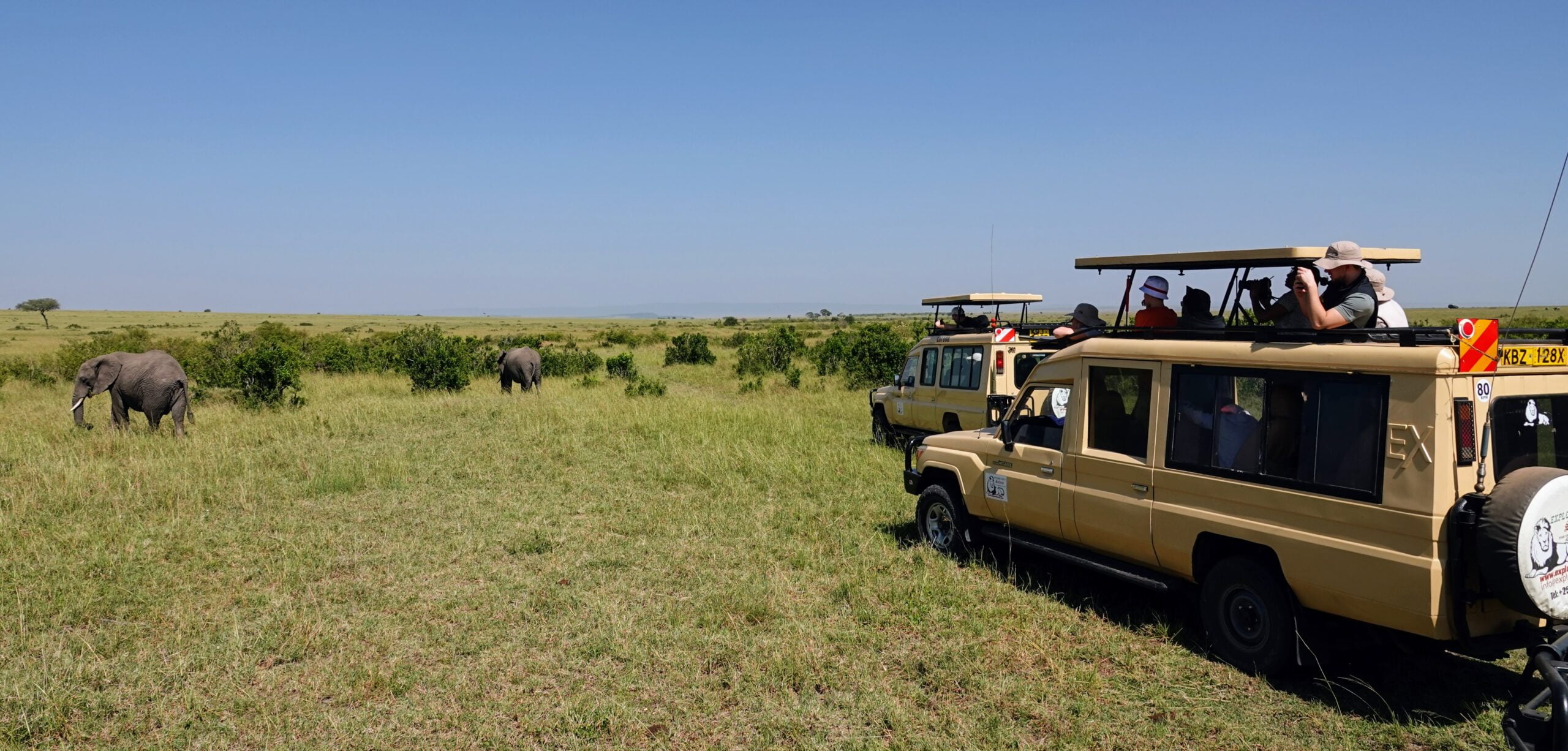
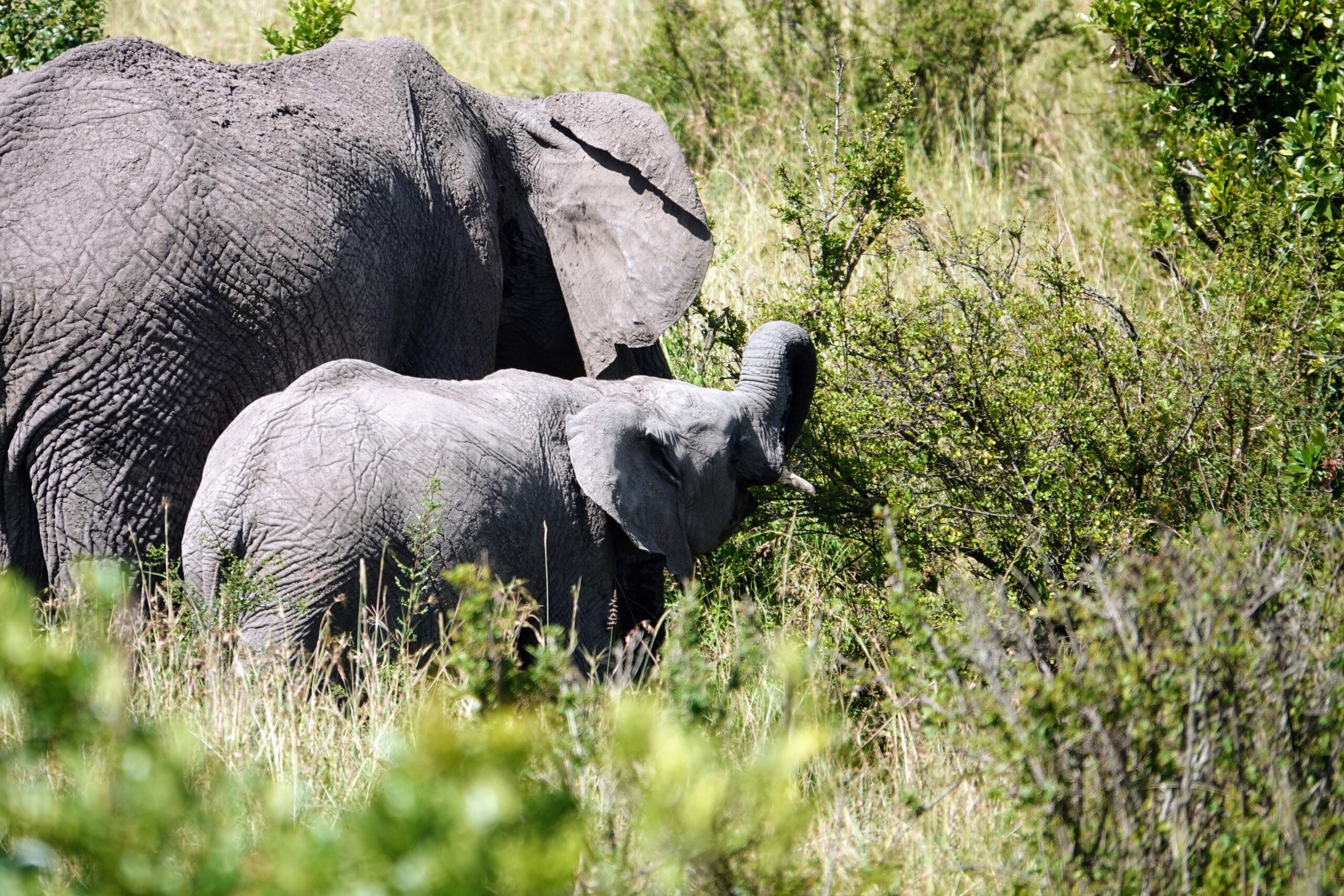
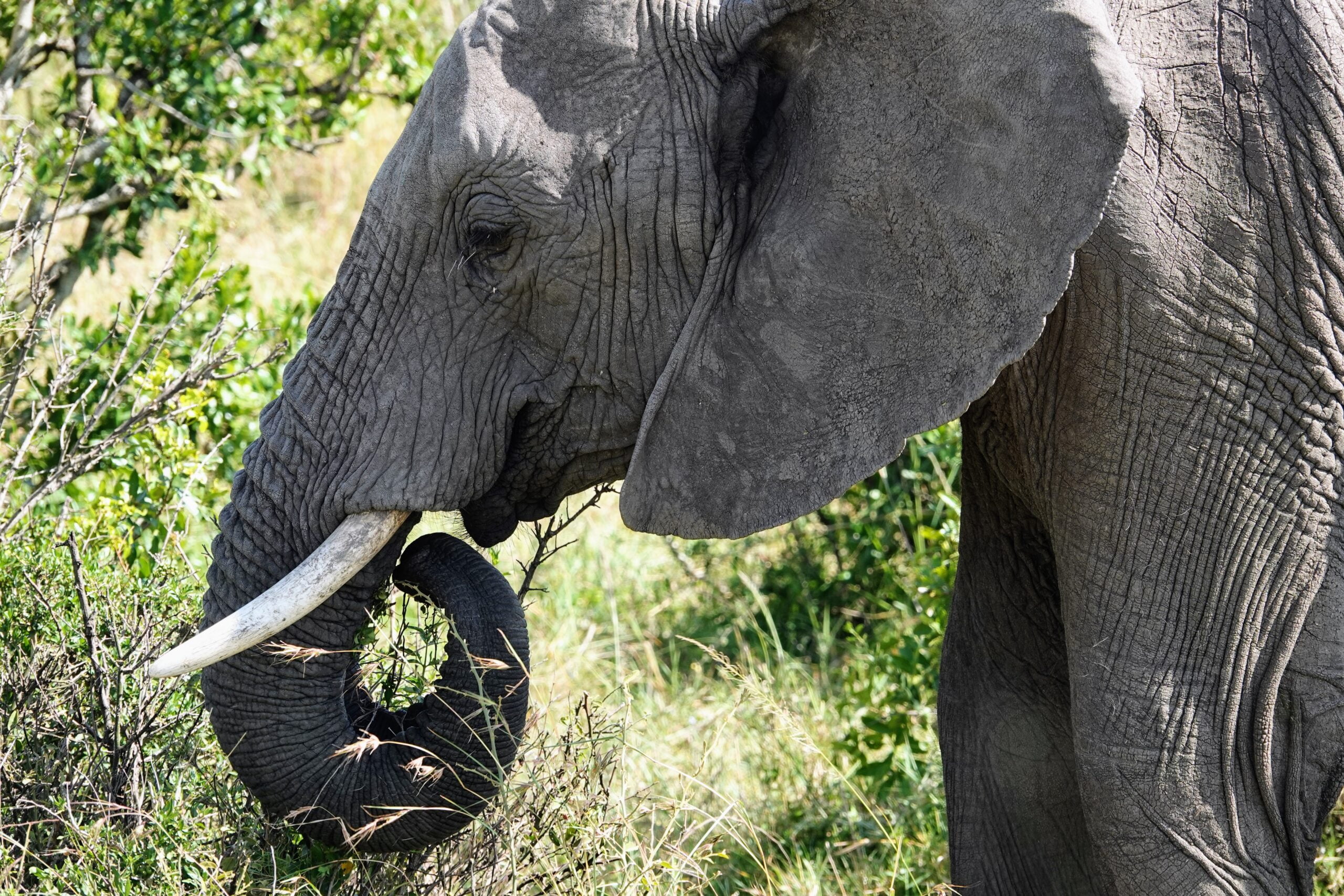
In the car, too, many stomachs begin to clamor. Nevertheless, our guide suggests one last stop before returning to camp for lunch…
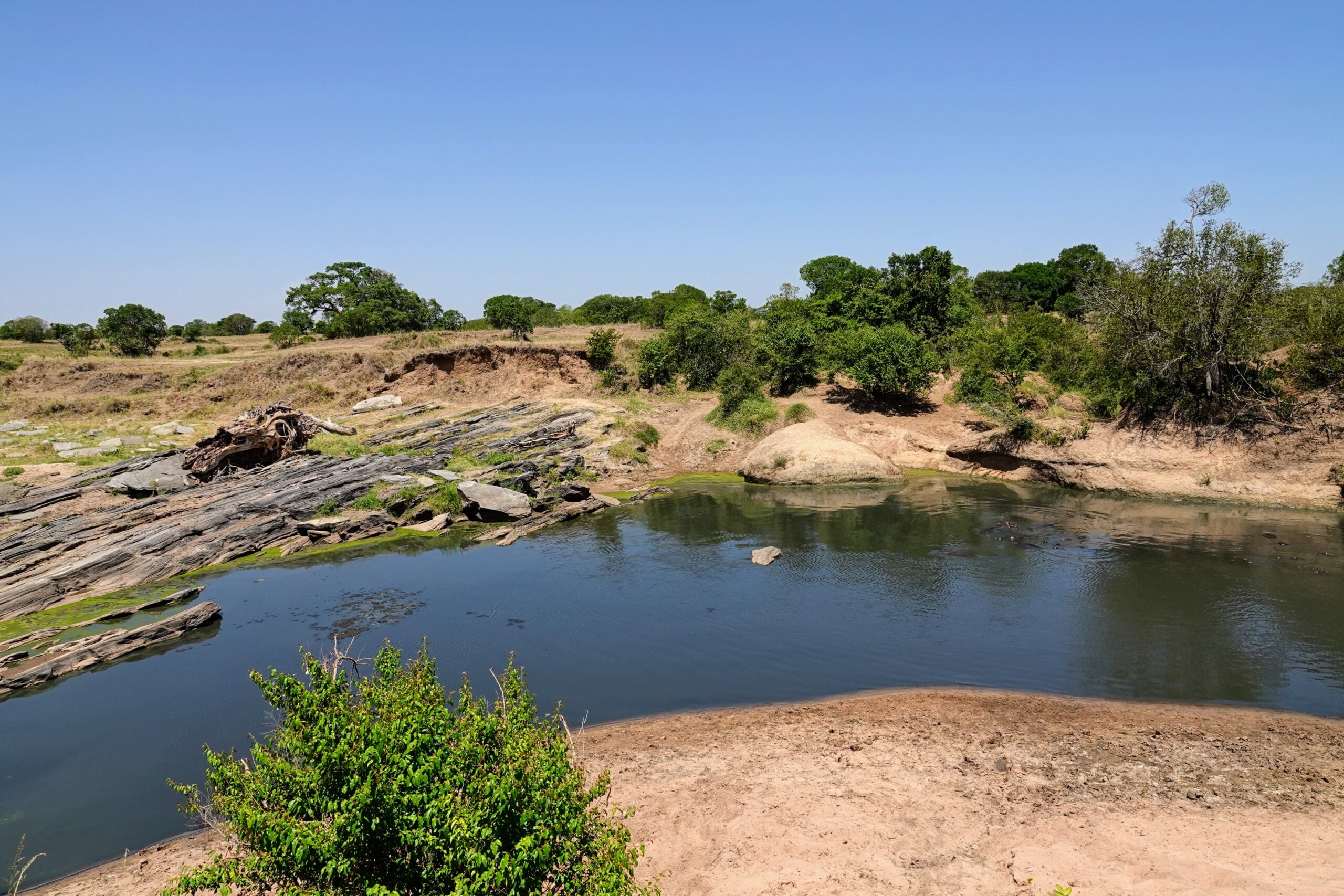
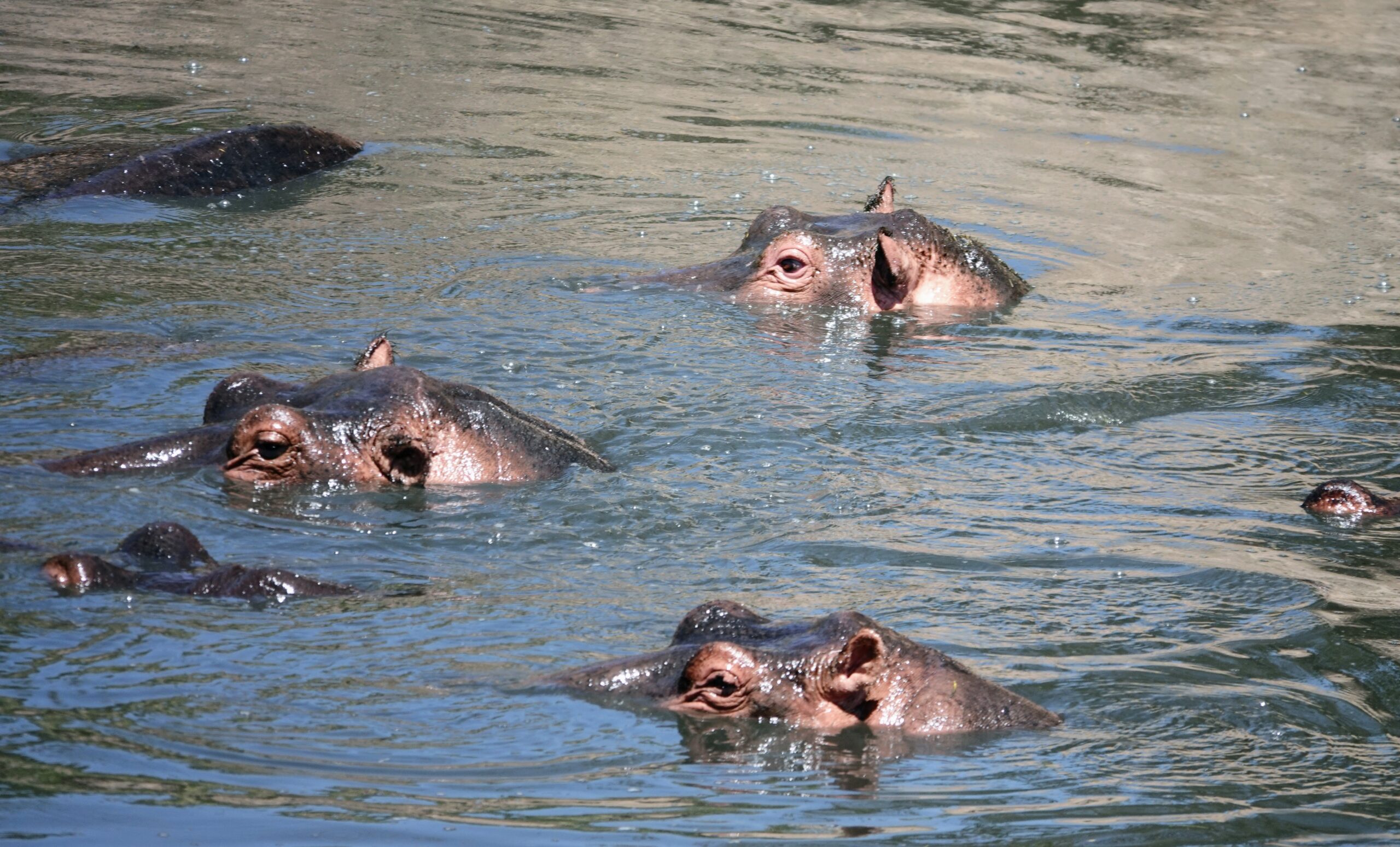
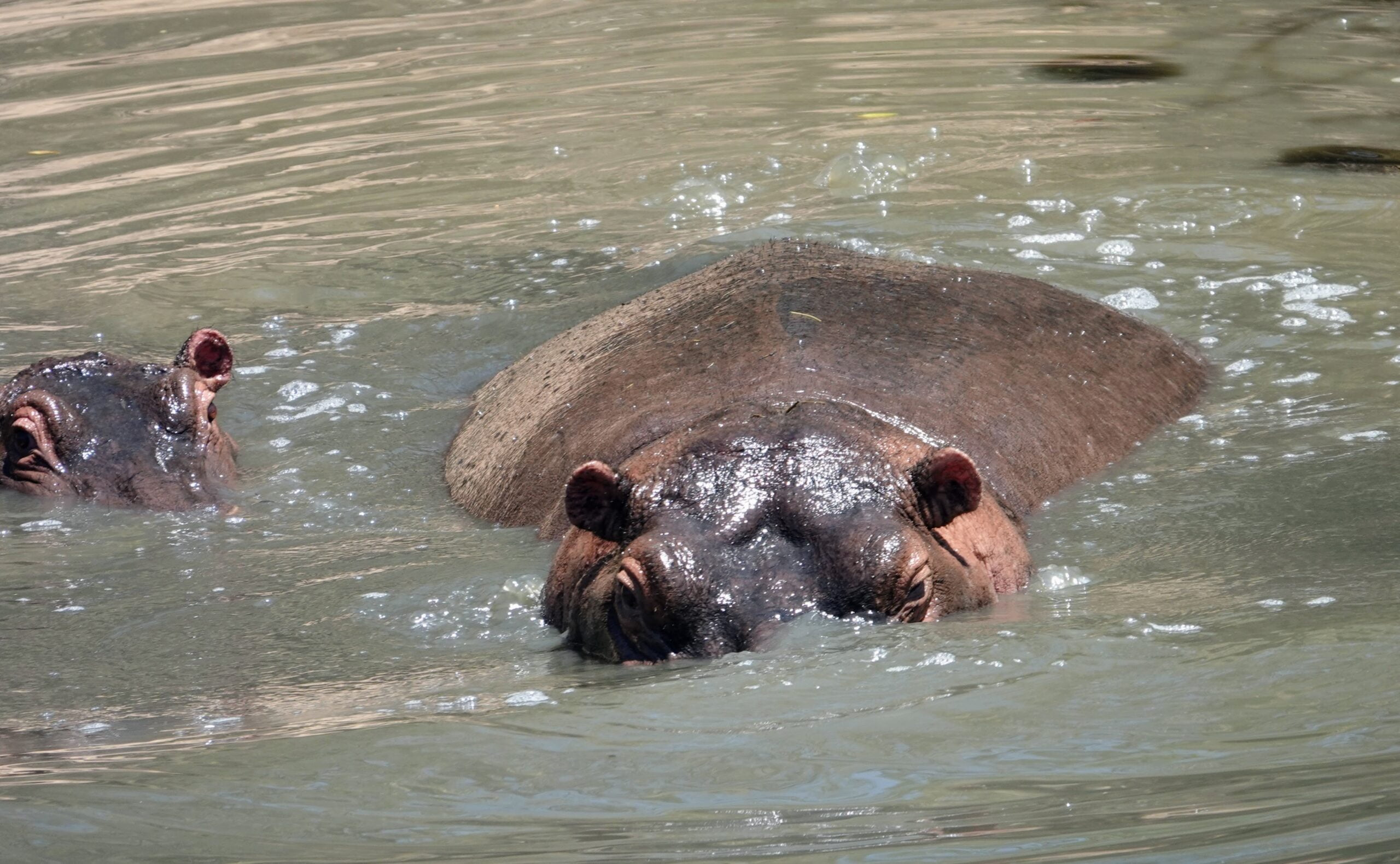
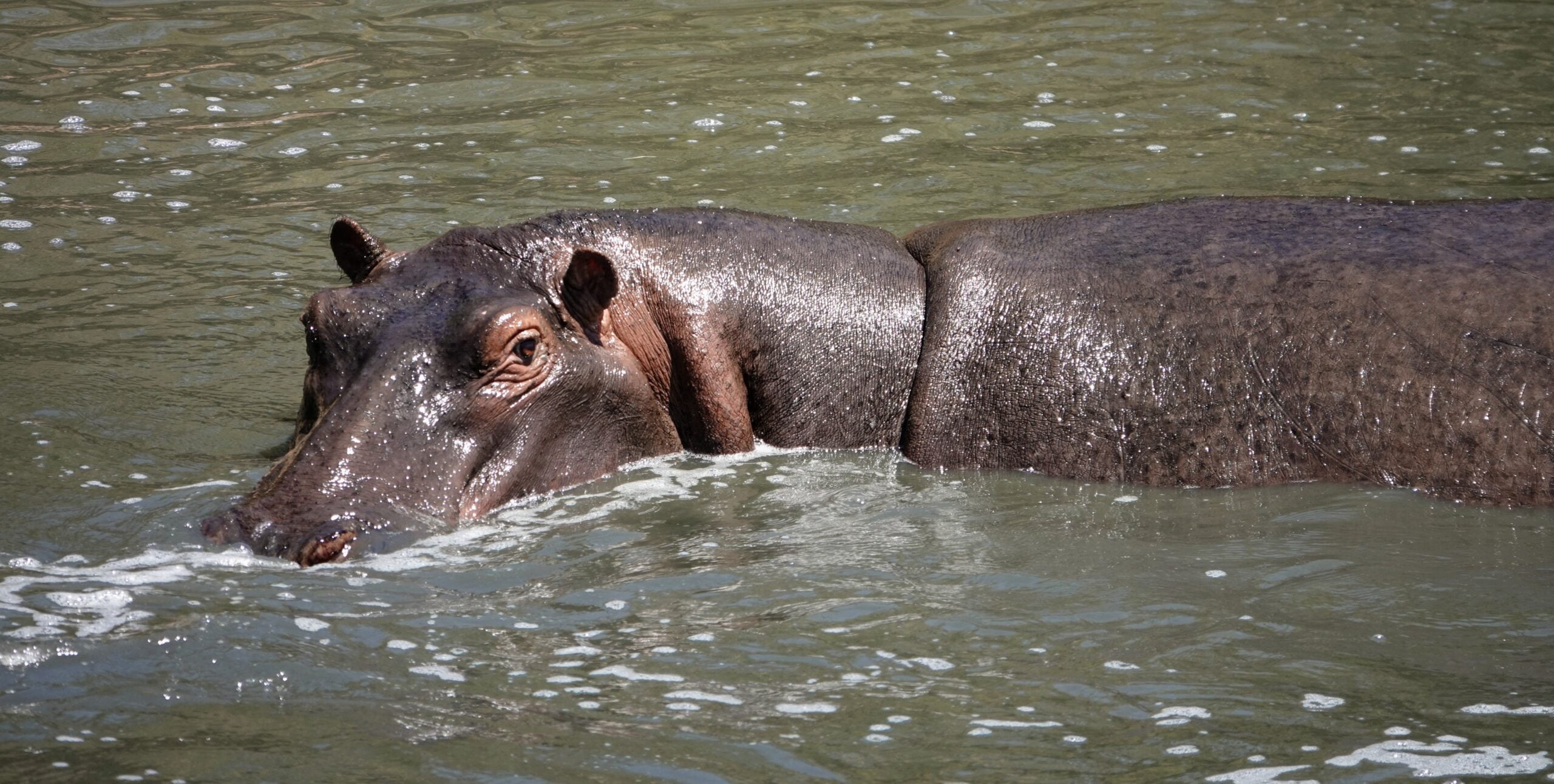
Here we are on the banks of the Talek River, with a bird’s-eye view of a school of hippos. In the heat of the day, these semi-aquatic animals are unlikely to emerge from the water. This means we can observe them at rest, with their eyes, ears and nostrilss exposed. A few barks can be heard, but there’s no sign of an imminent fight. False alarm…
After lunch and a little nap enjoyed by young and old alike, we hop back in the car for another game drive in the Masai Mara reserve. This afternoon’s program included a trip to the higher ground to flush out a few lions. At least that’s what we hope 😅
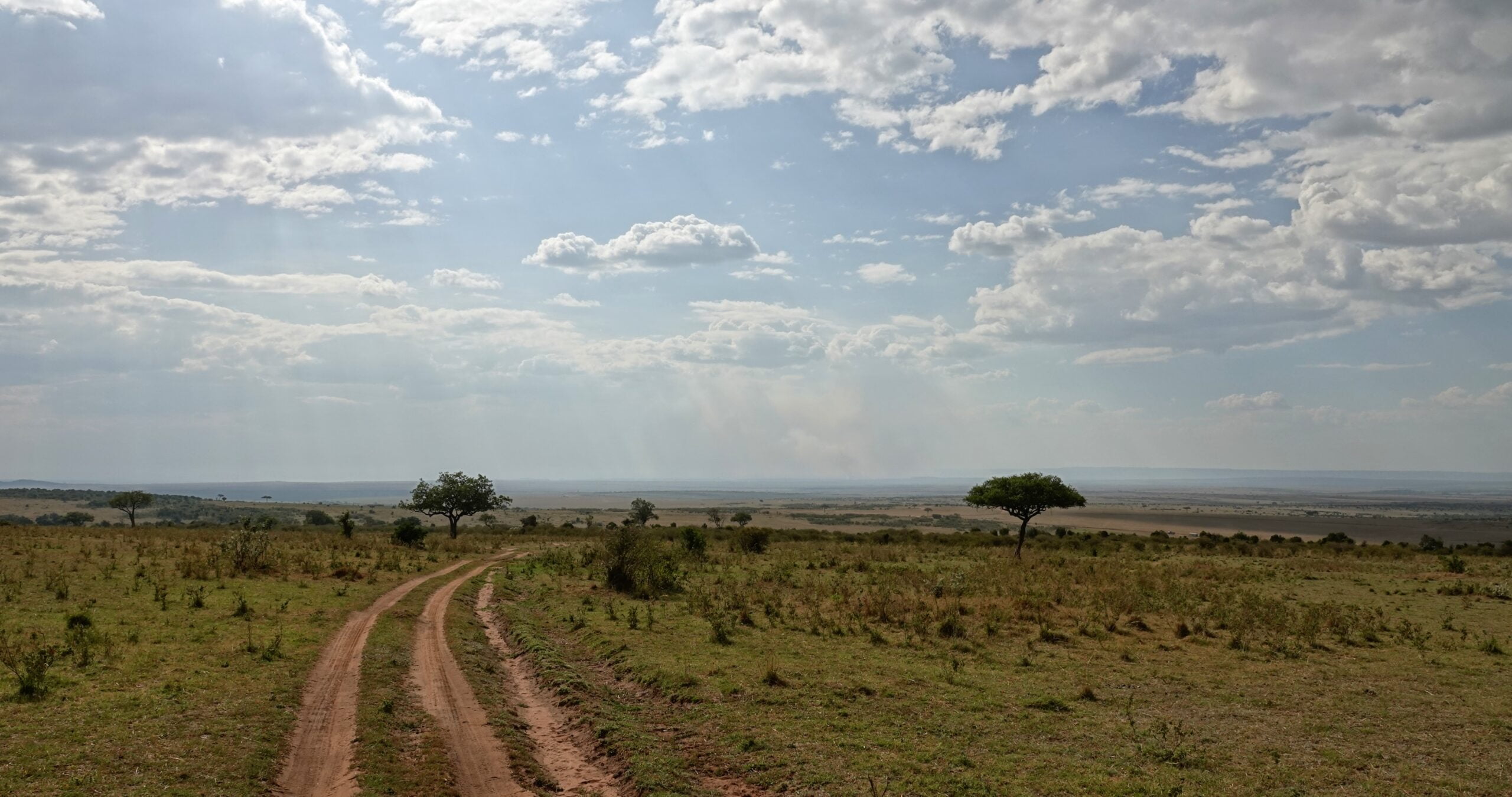
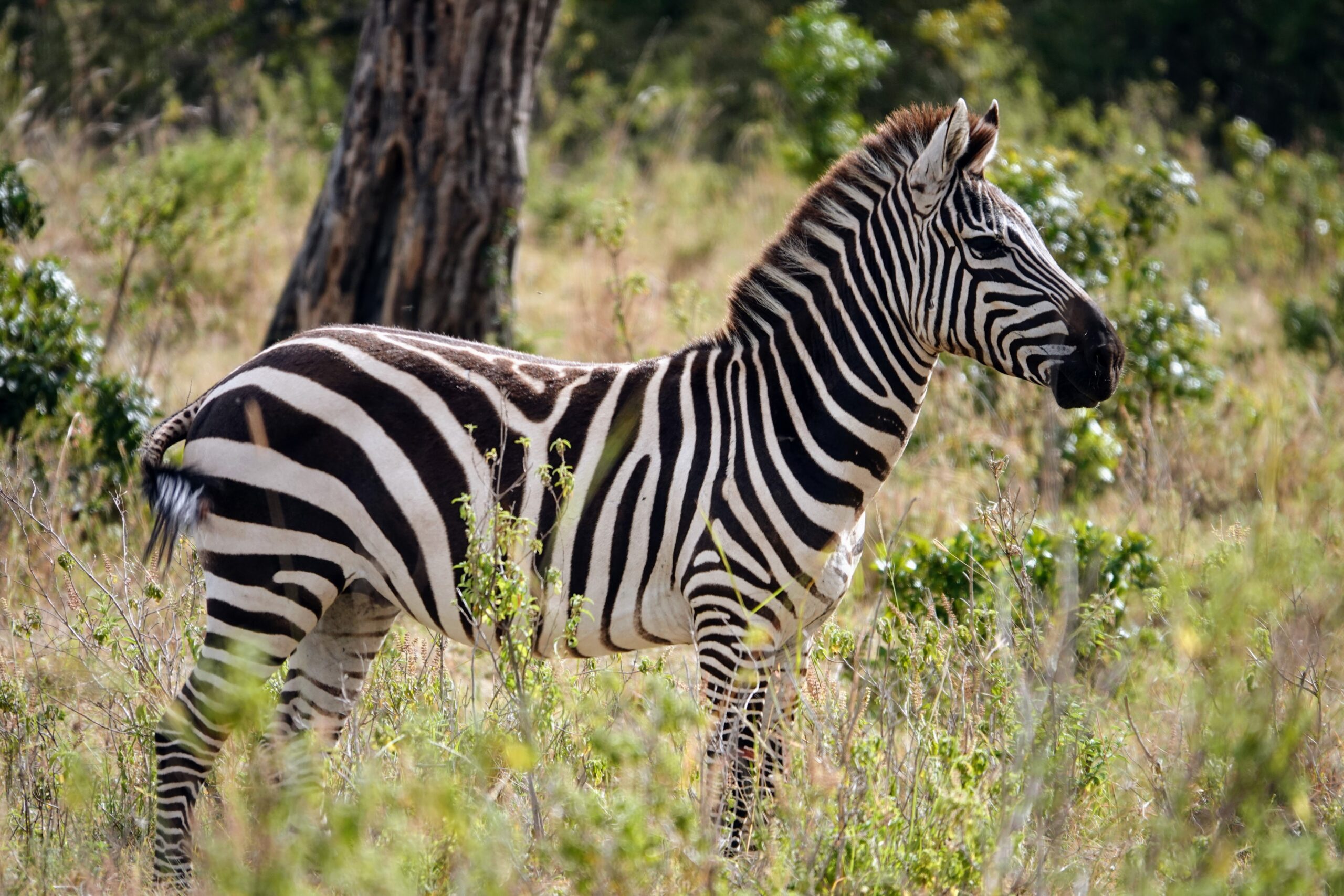
In the hills, herbivores are less present or more difficult to observe. We come across a giraffe or two, a few old buffaloes, a beautiful zebra…
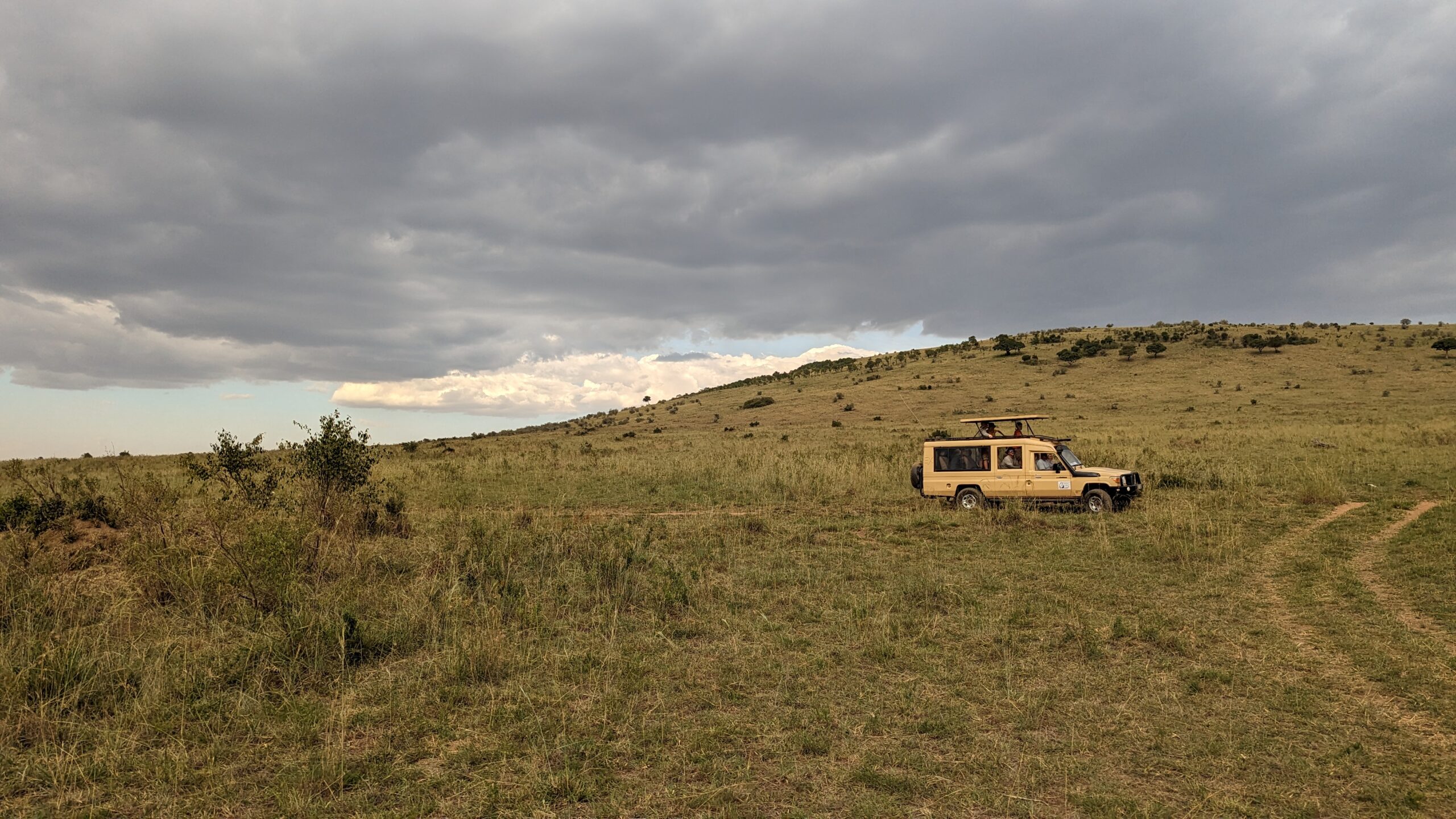
The weather turns stormy. With far fewer animals to observe, it seems like a long time, especially for children…
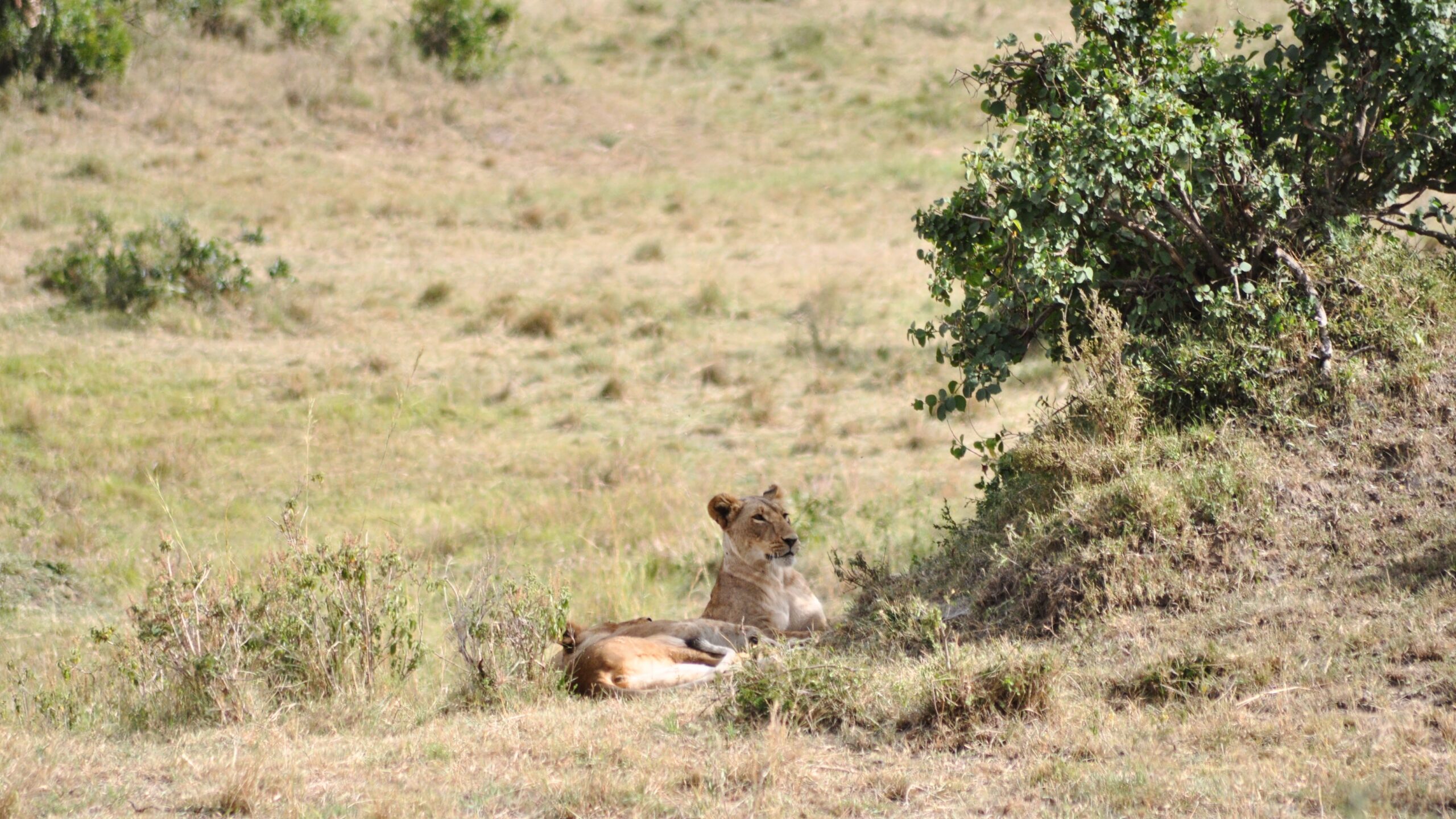
Until we spotted two lionesses lying behind an embankment.
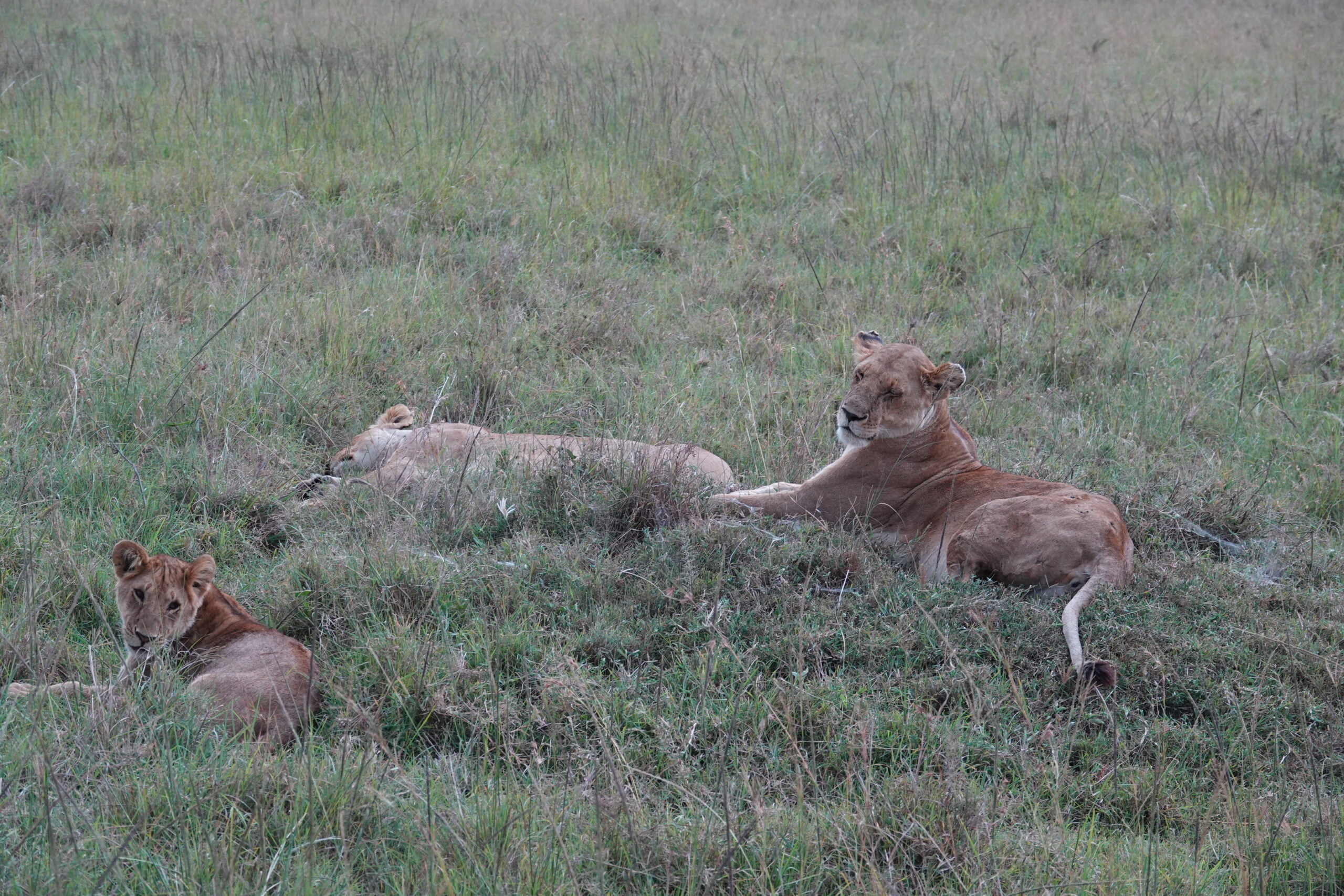
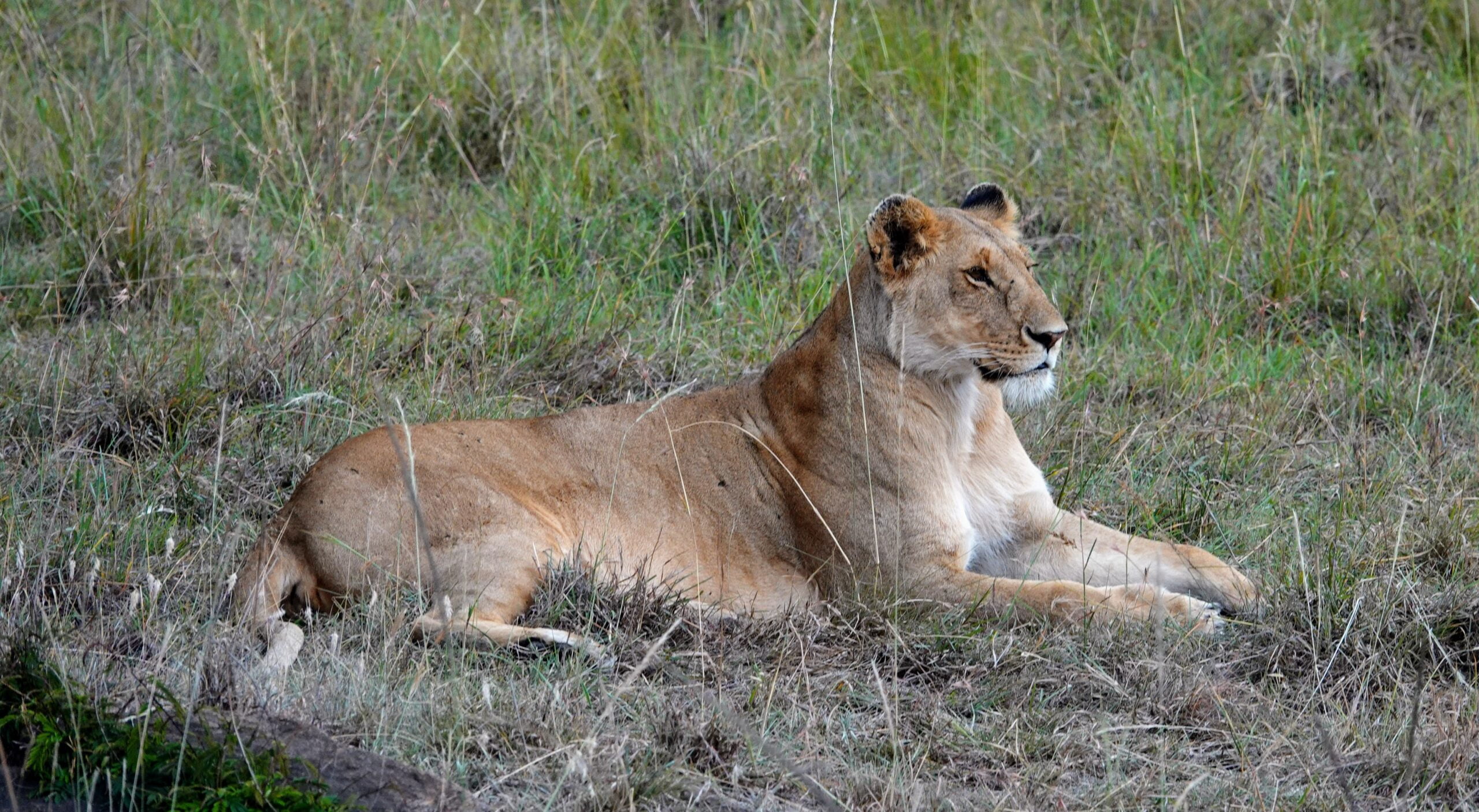
While one continues her nap, unperturbed, the other moves to a promontory to start washing up. With all the time in the world to observe it, we’re thrilled 😍
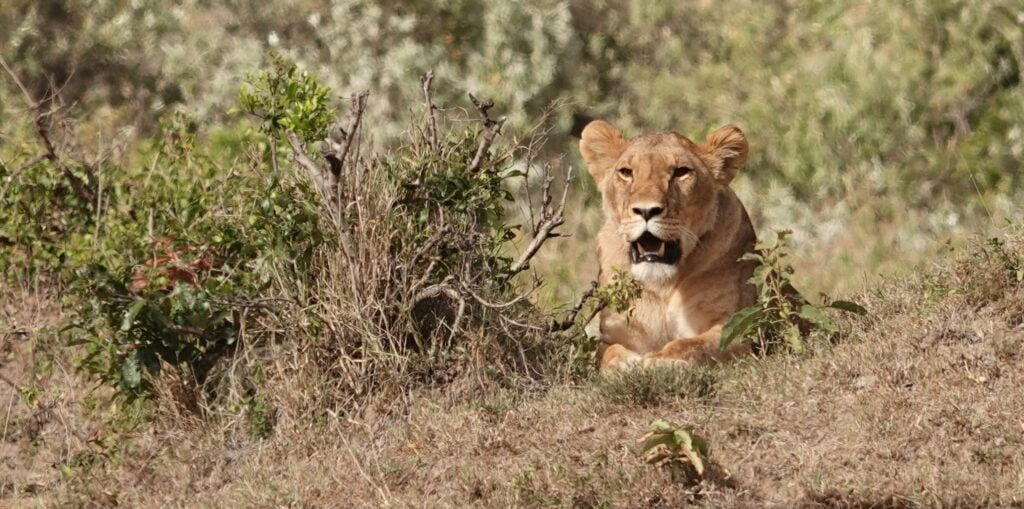
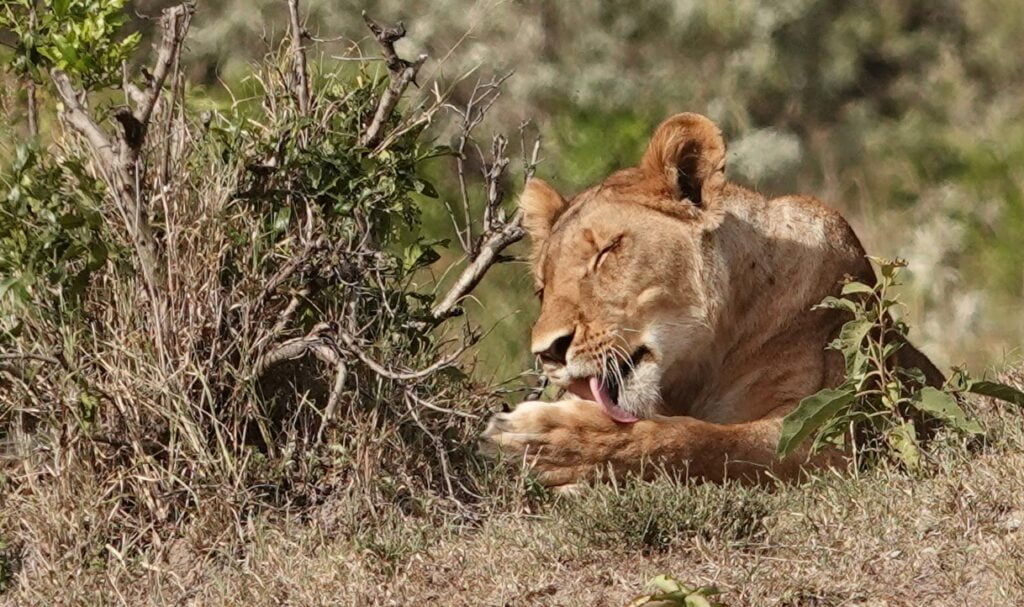
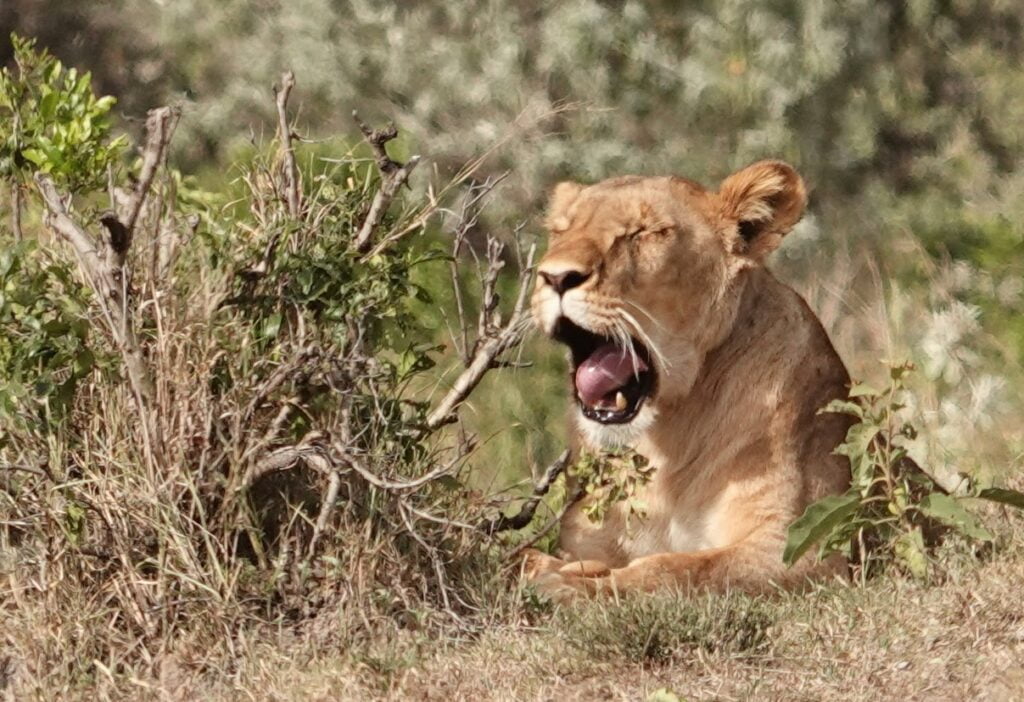
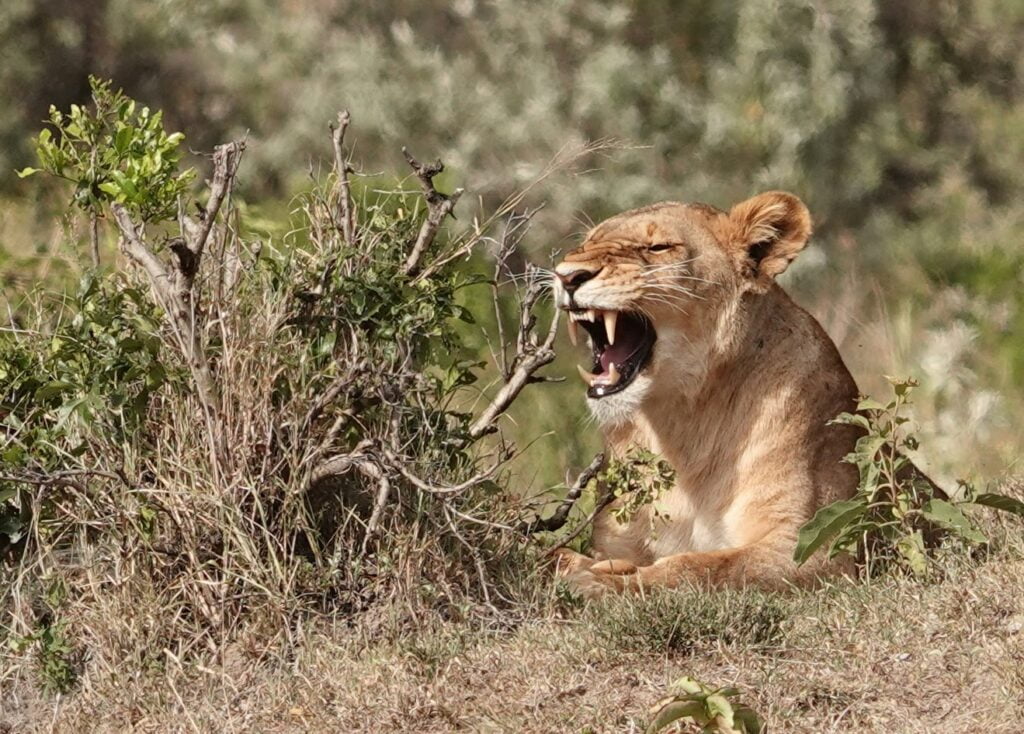
It’s hard not to spend the afternoon watching such a spectacle, but we head a little further into the hills in search of Simba. Last river crossing before having to turn back…
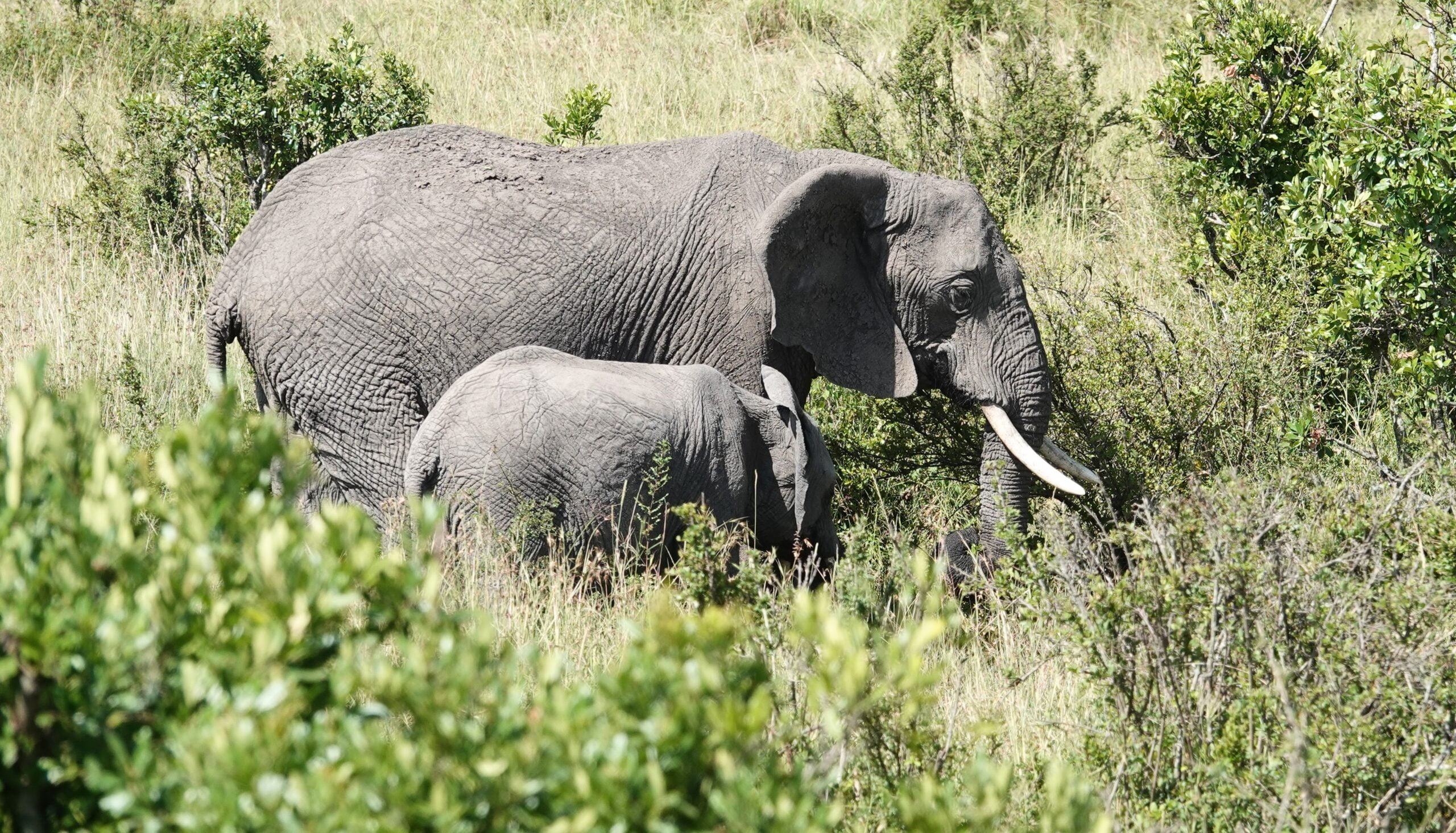
The first thing we see is the silhouette of a large bull elephant silhouetted against the horizon on the hilltop. Then, down below, right in front of us, a mother elephant appears with her three children.
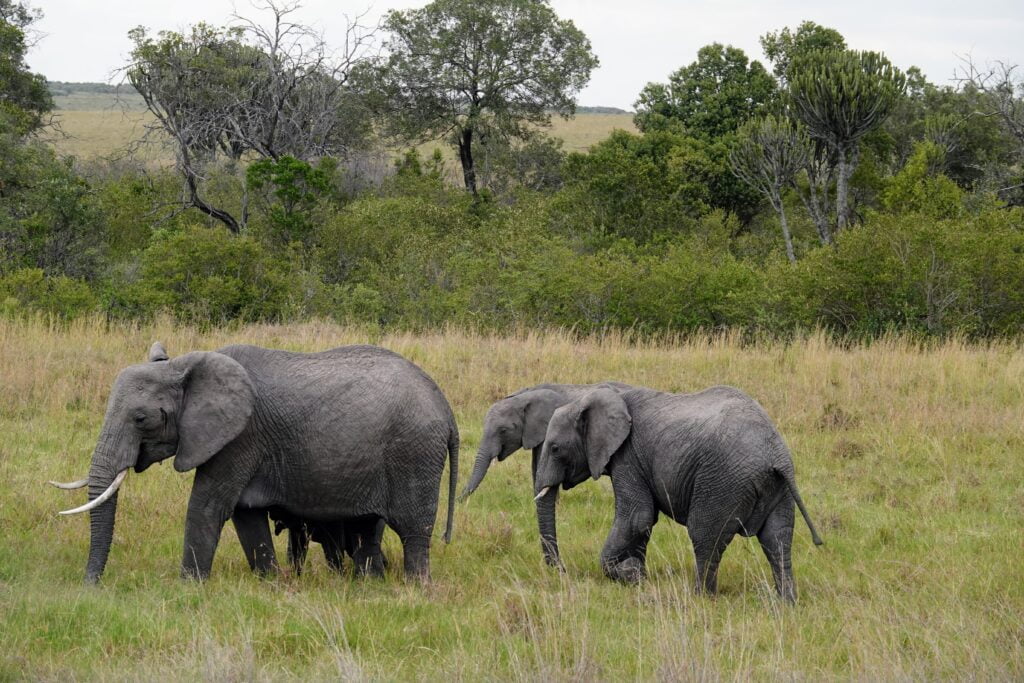
The youngest never leaves his mother’s paws, who is still nursing him. The two older ones make slow progress, without straying too far.
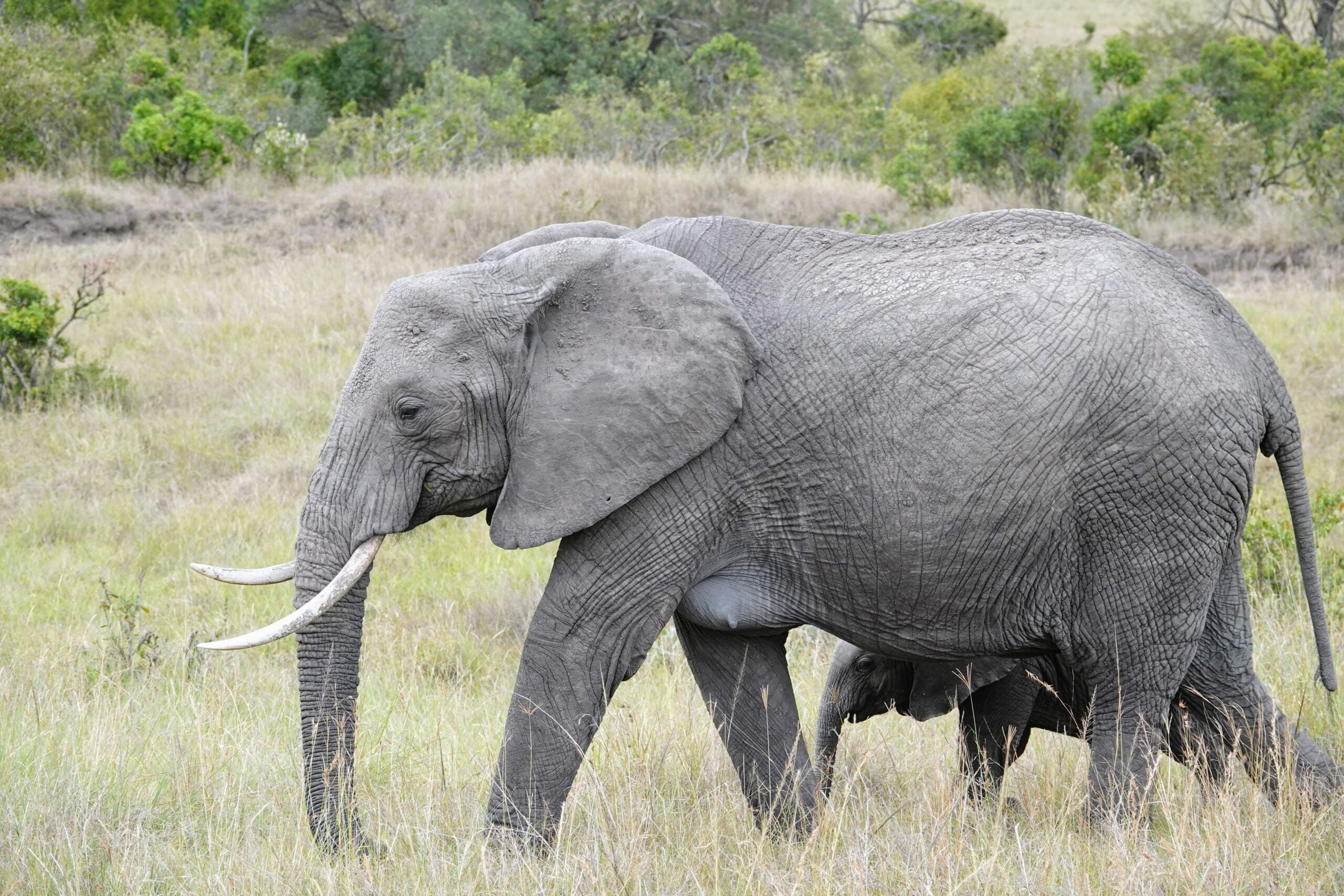
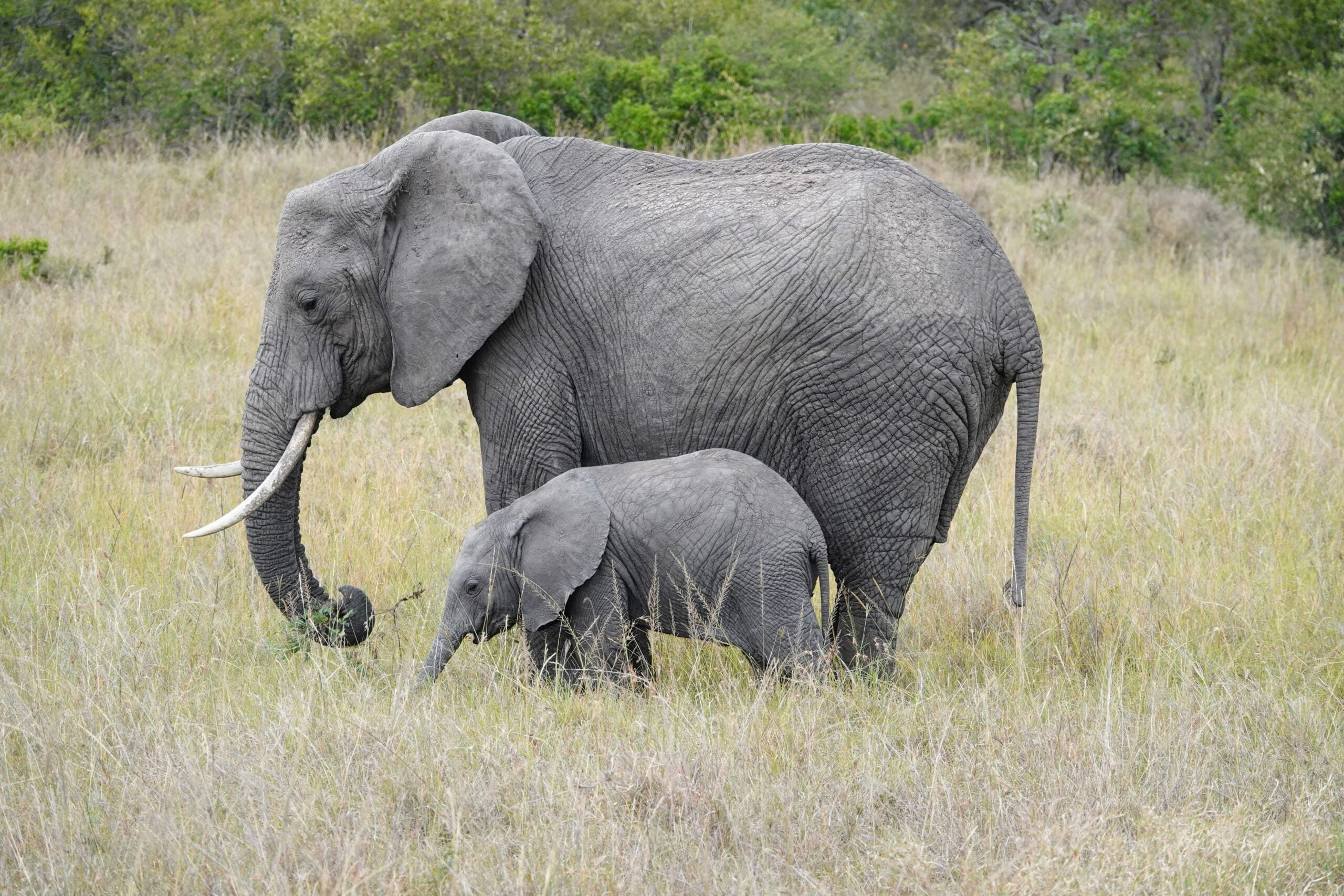
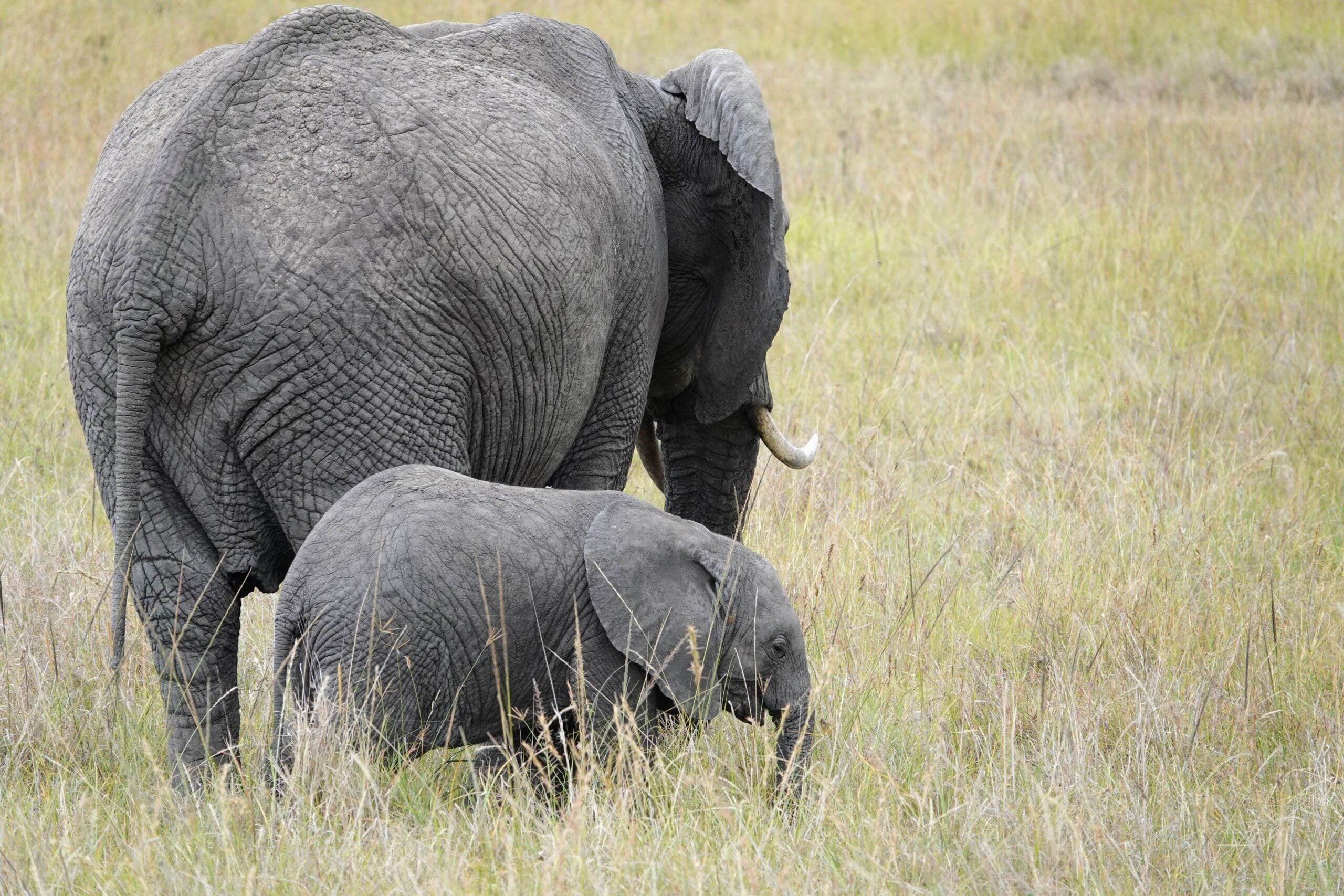
After a gestation period of 22 months, one of the longest among land mammals, a mother elephant establishes a very strong bond with her baby, who will remain under her protection for several years. Breast-fed for around two years, the baby elephant stays close to its mother to learn and develop, until it is sufficiently independent to fend for itself.
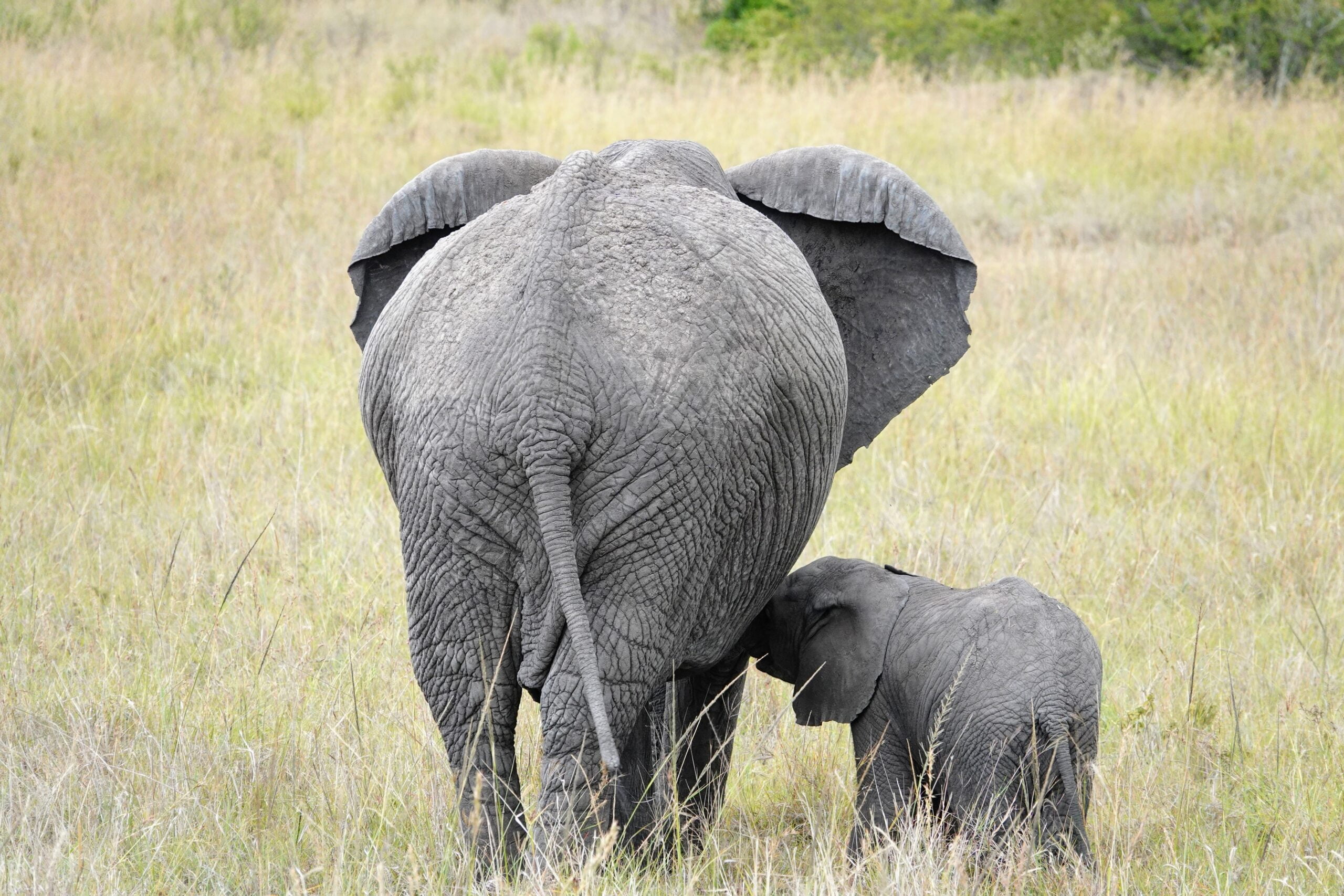
Watching this mother and her baby elephant, you can feel the deep bond between them. The vision of this Big Mama transports and moves us 😍
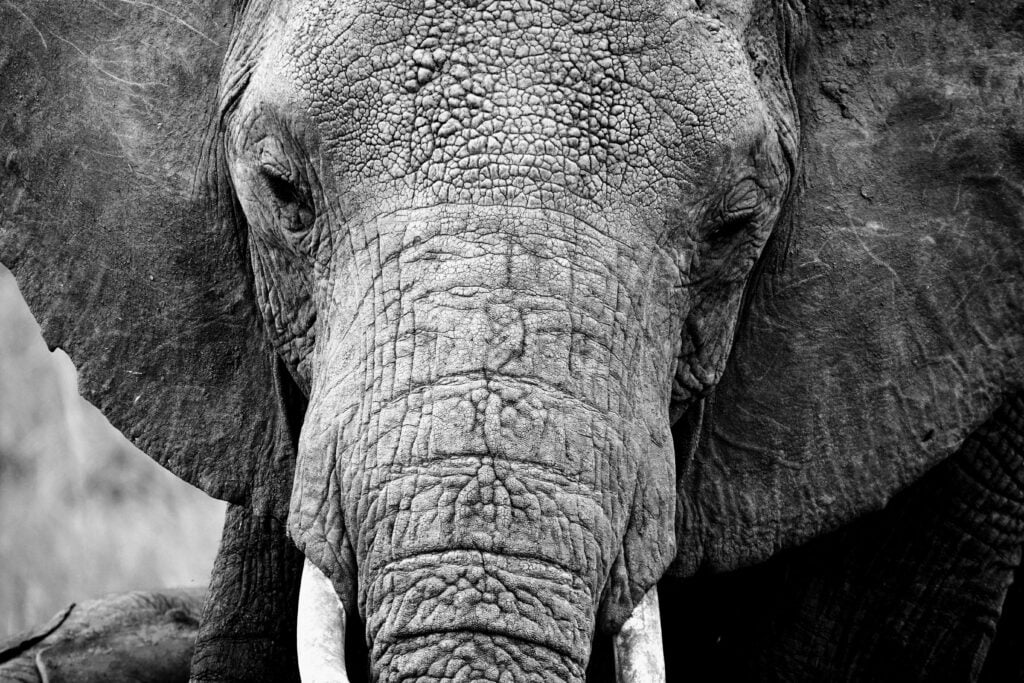
We barely notice the male wandering off, nonchalantly passing by a giraffe busy feeding in the acacia trees.
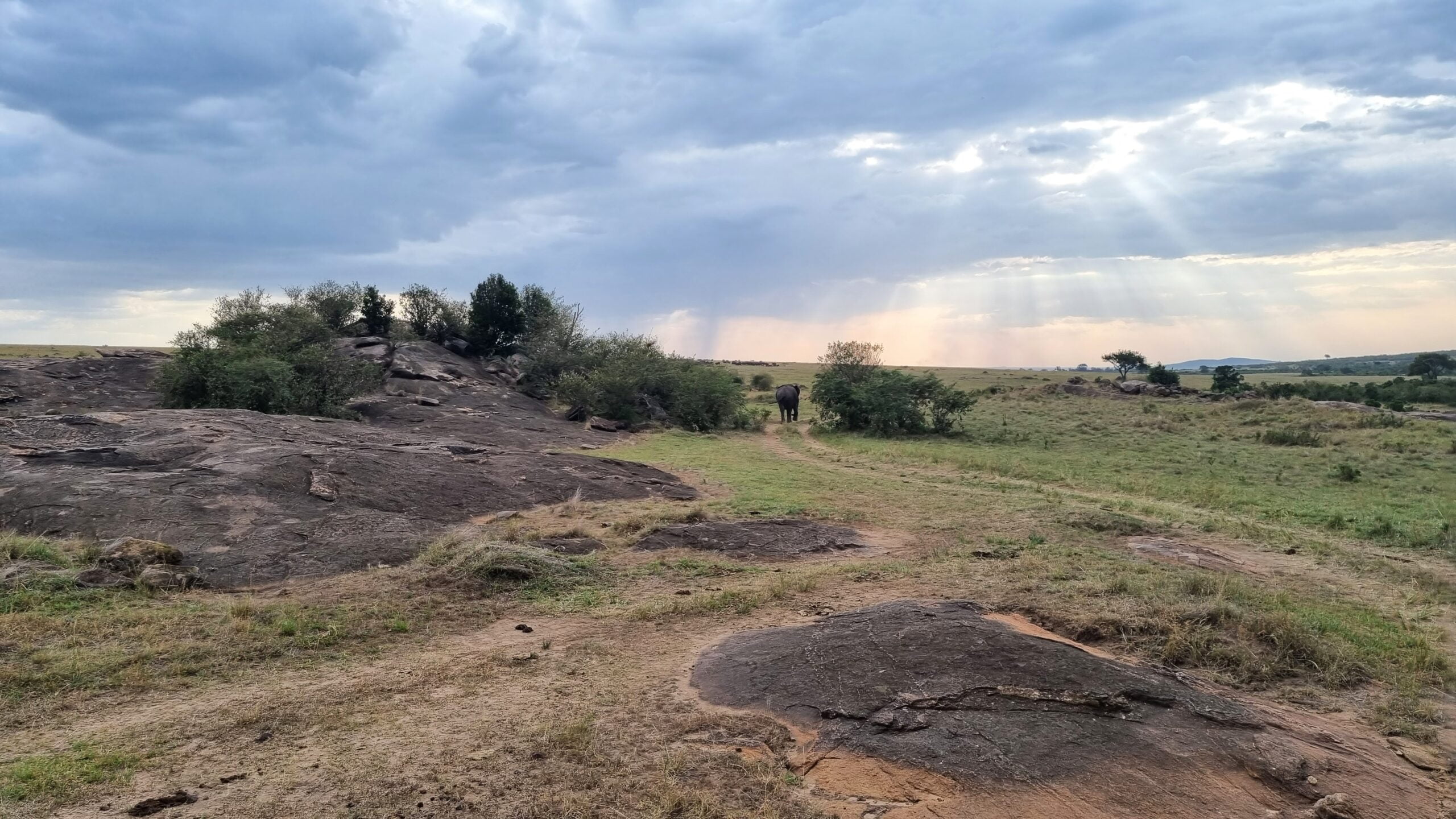
The light fades slowly. We’d love to stay with Big Maman and her young elephants. But the reserve doors are about to close, so it’s time to turn back.
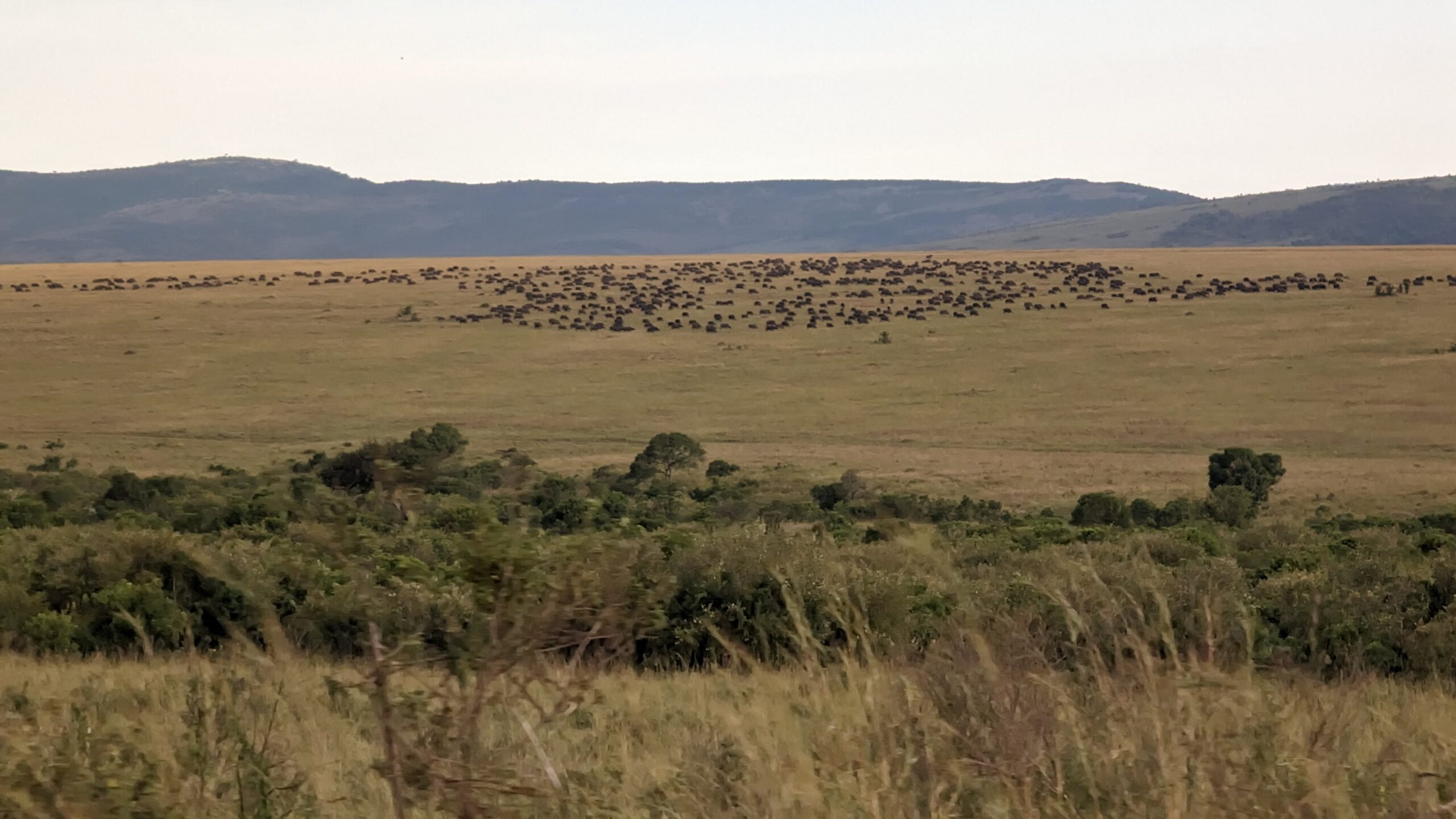
To our right, a hyena stealthily emerges from the bushes. She crosses in front of us, heading for the hill. Heading for a huge herd of buffalo!
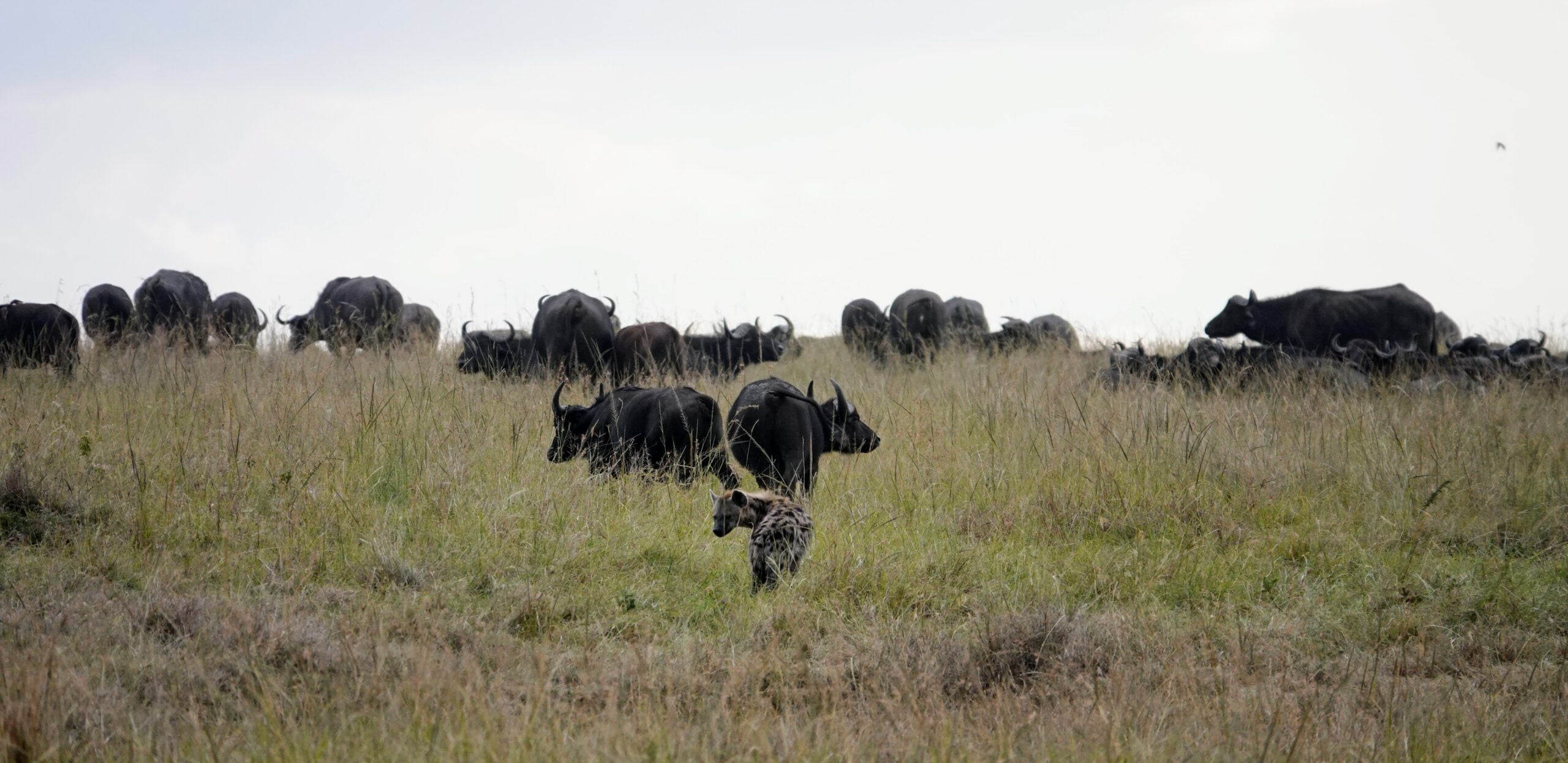
Watching her progress alone, we wonder about her intentions. She clearly doesn’t have what it takes to take on a buffalo. Was she scouting for other hyenas hiding nearby? Could she have smelled a wounded animal?
Lost in our assumptions, our eyes riveted on the hill, we barely notice what’s going on behind us… Emerging silently from the gully, a pride of lions is approaching!
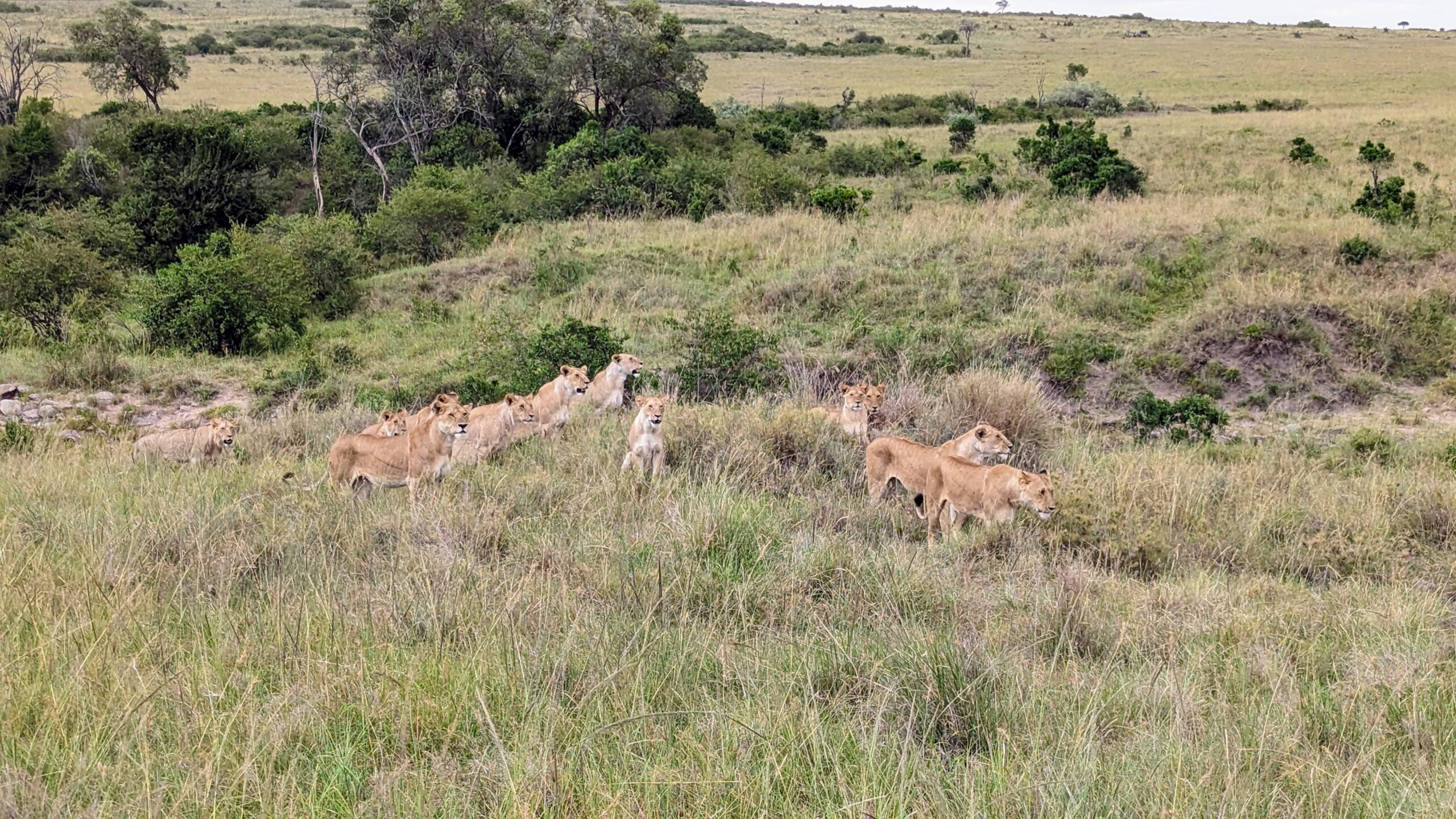
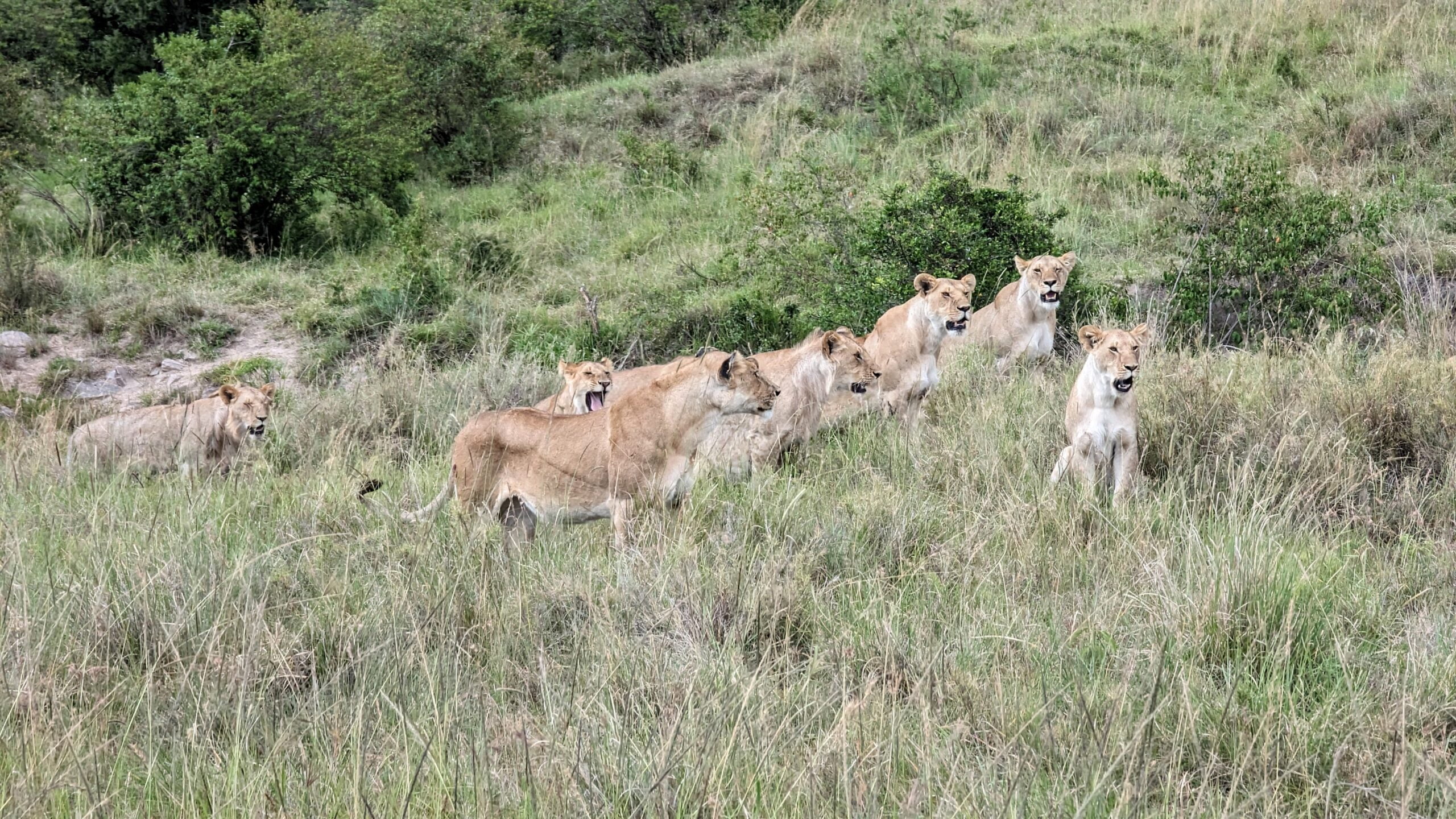
The troop impresses with its numbers – at least 13 lions – and the presence of its individuals. Lionesses are powerfully muscular. Many young males have fine manes. One of them even has spots on its coat.

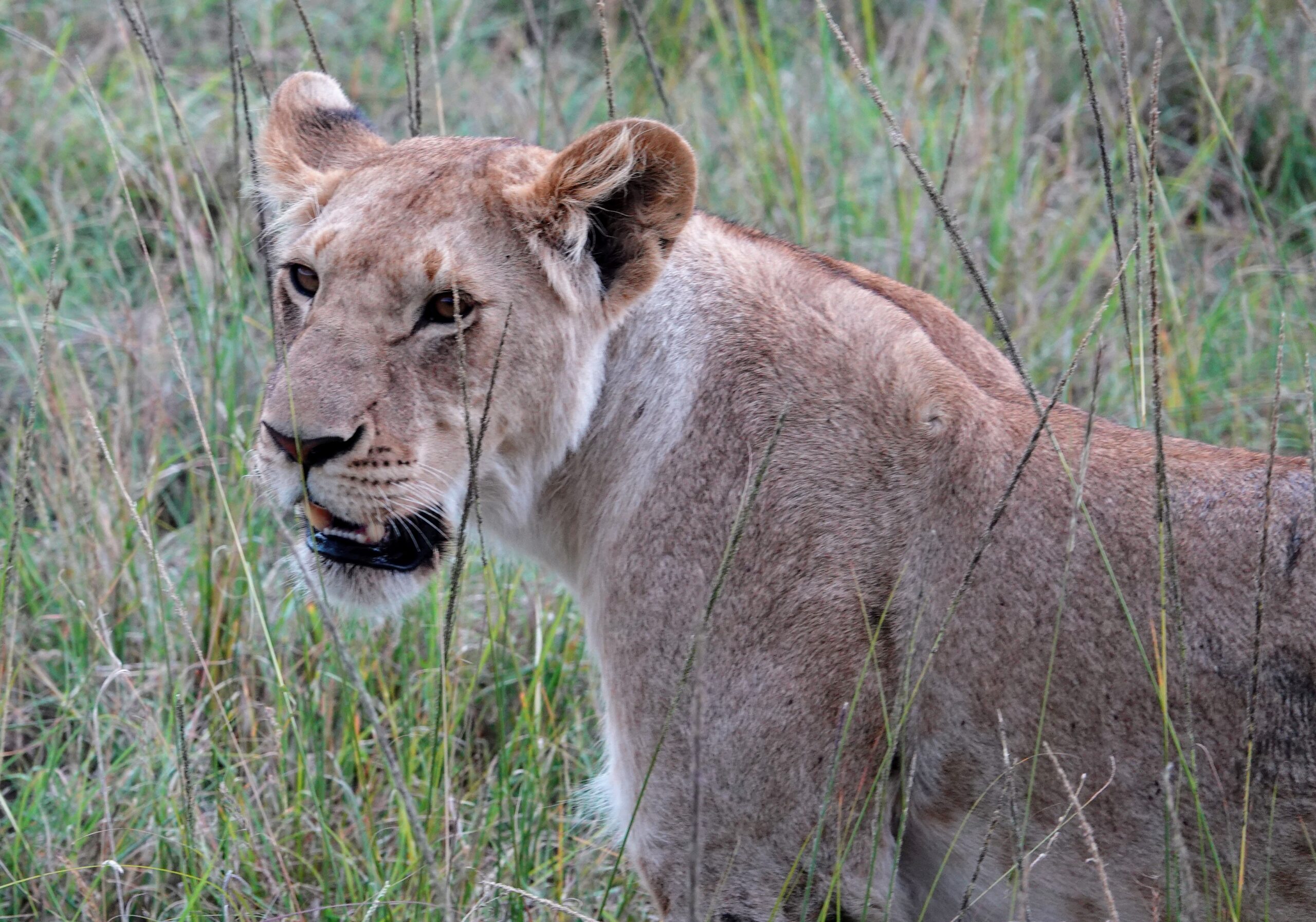
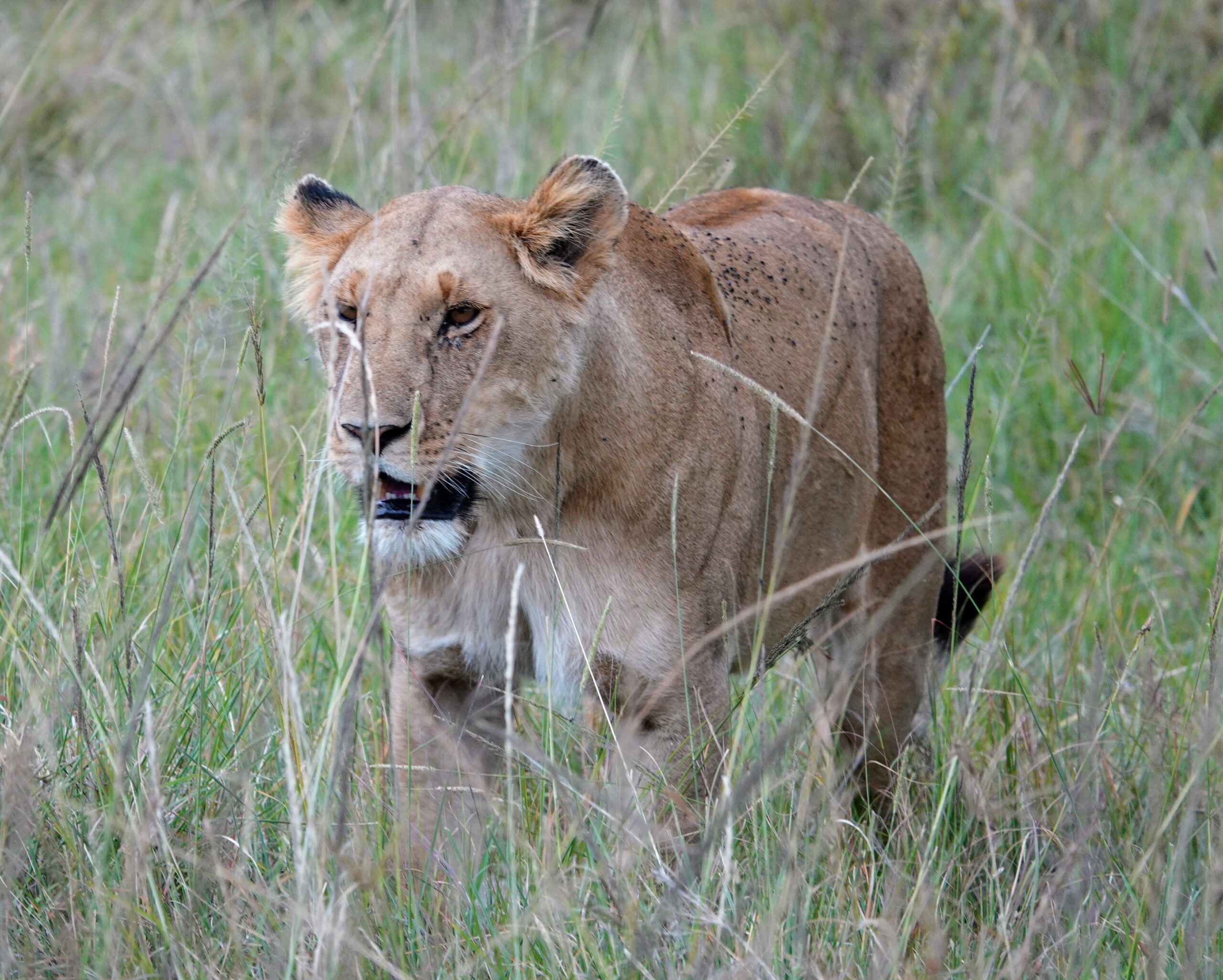
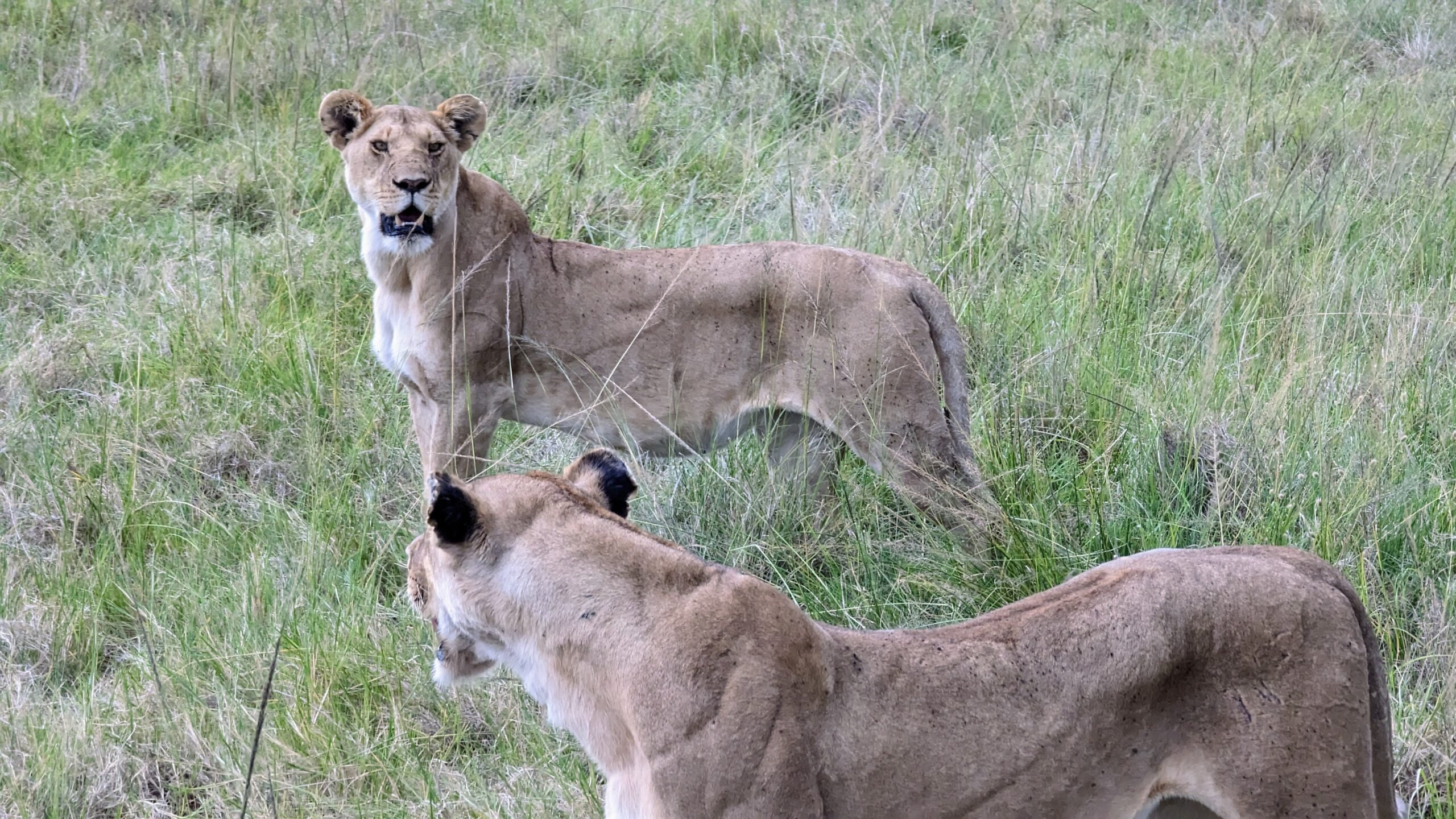
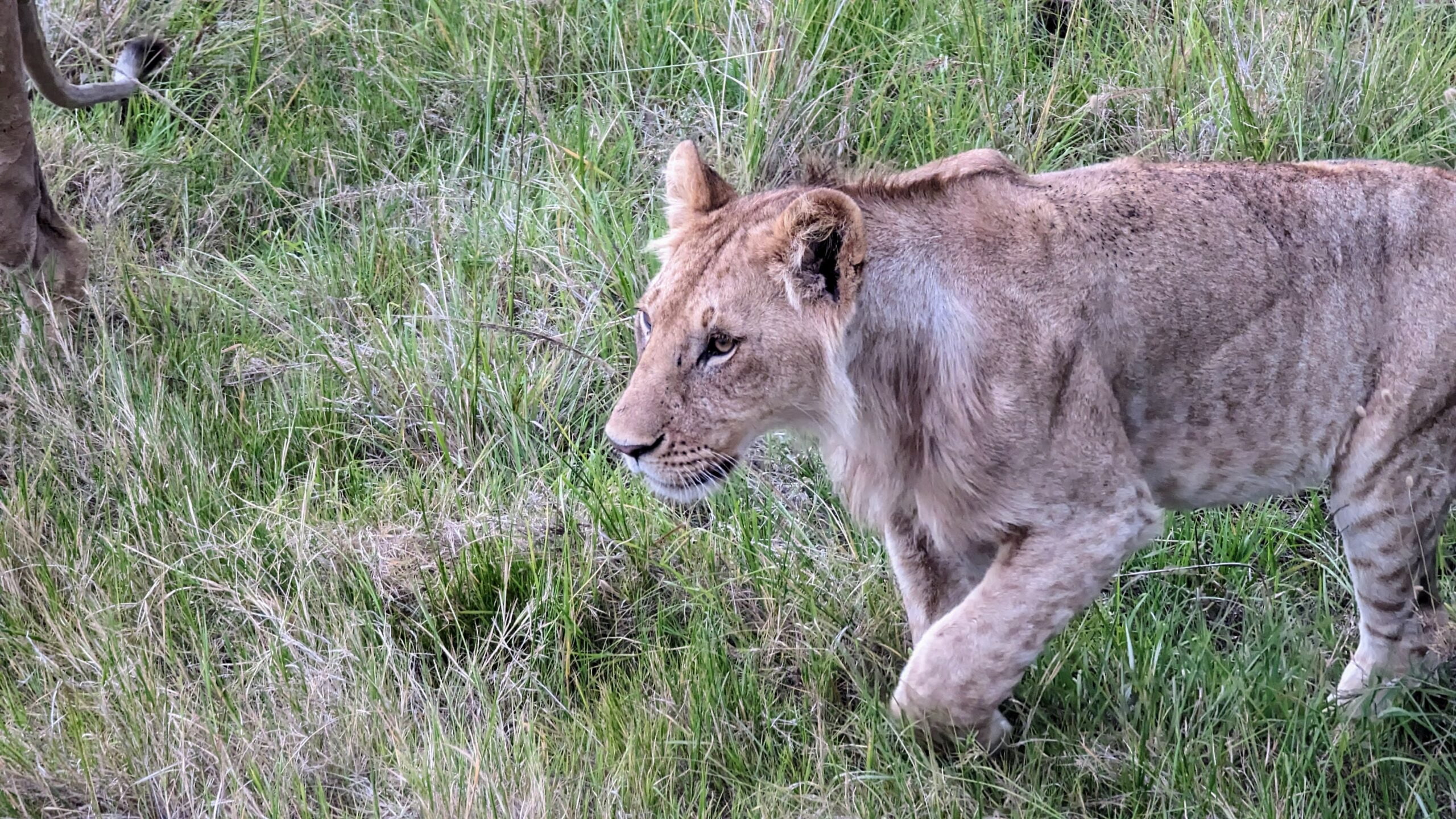
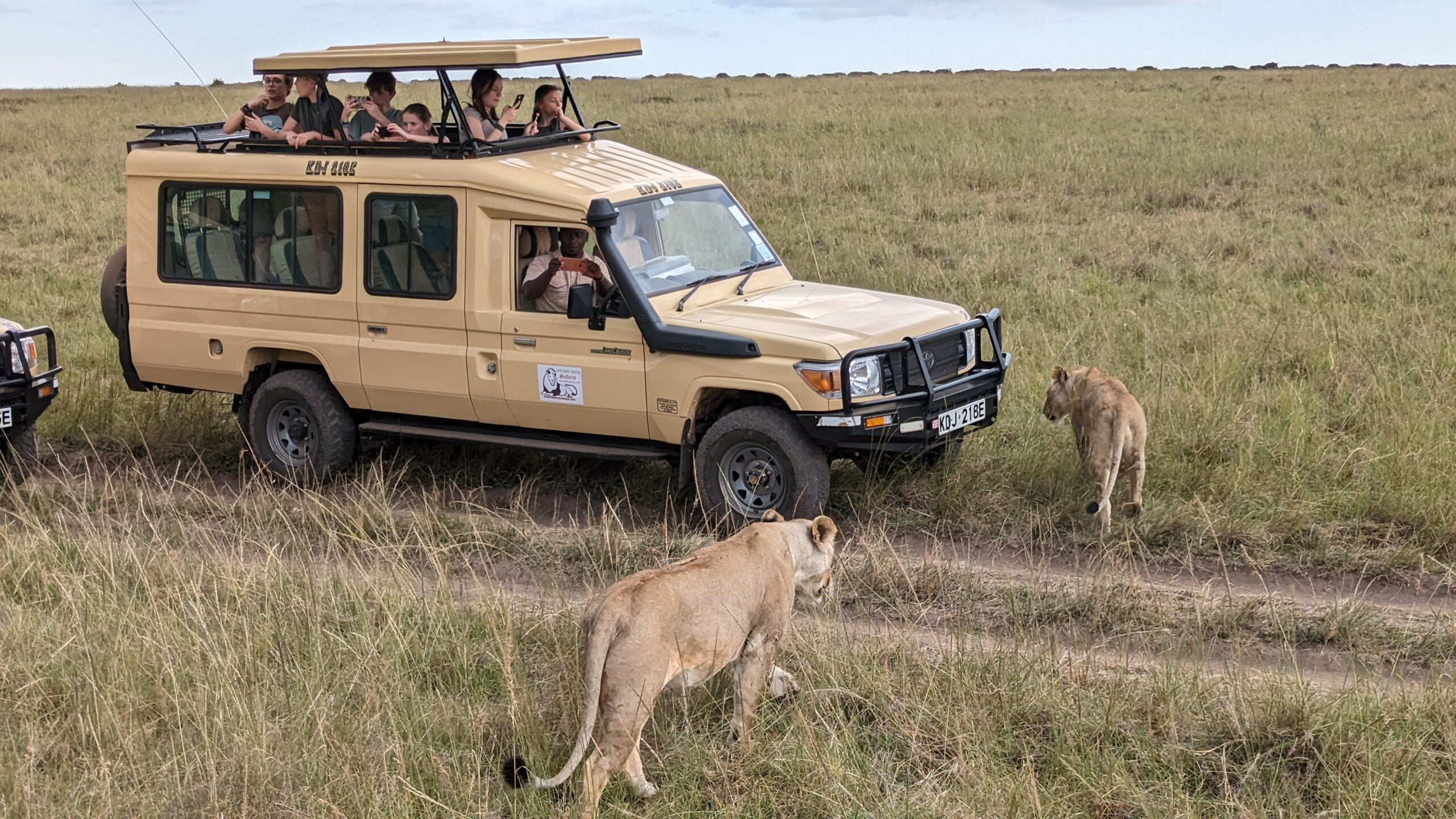
The scene is unreal. Especially as we’re alone at the moment and no car will be able to reach us so close to the reserve’s closure. We’re alone, in the middle of a pride of lions. Even our guides get out their phones to immortalize this unexpected encounter…
The tension is palpable, a hunt is afoot. Staring at the herd of buffalo, the lions pass between the cars as if we weren’t there. With all the windows open, it’s hard to stand still when you’re so close. You never know they’ll change their minds 😂
Minutes go by, and we hope for some action… But the troop keeps its distance, making itself at home in the tall grass. Unfortunately, the hunt won’t begin just yet.
The guides leave us no choice. Given the distance to the reserve gates, it’s time to get moving. One last look to soak up the memory of this magnificent encounter, and off we go…
As we leave the valley, one last look back. The herd of buffalo still seems very quiet on the hill. For the moment…
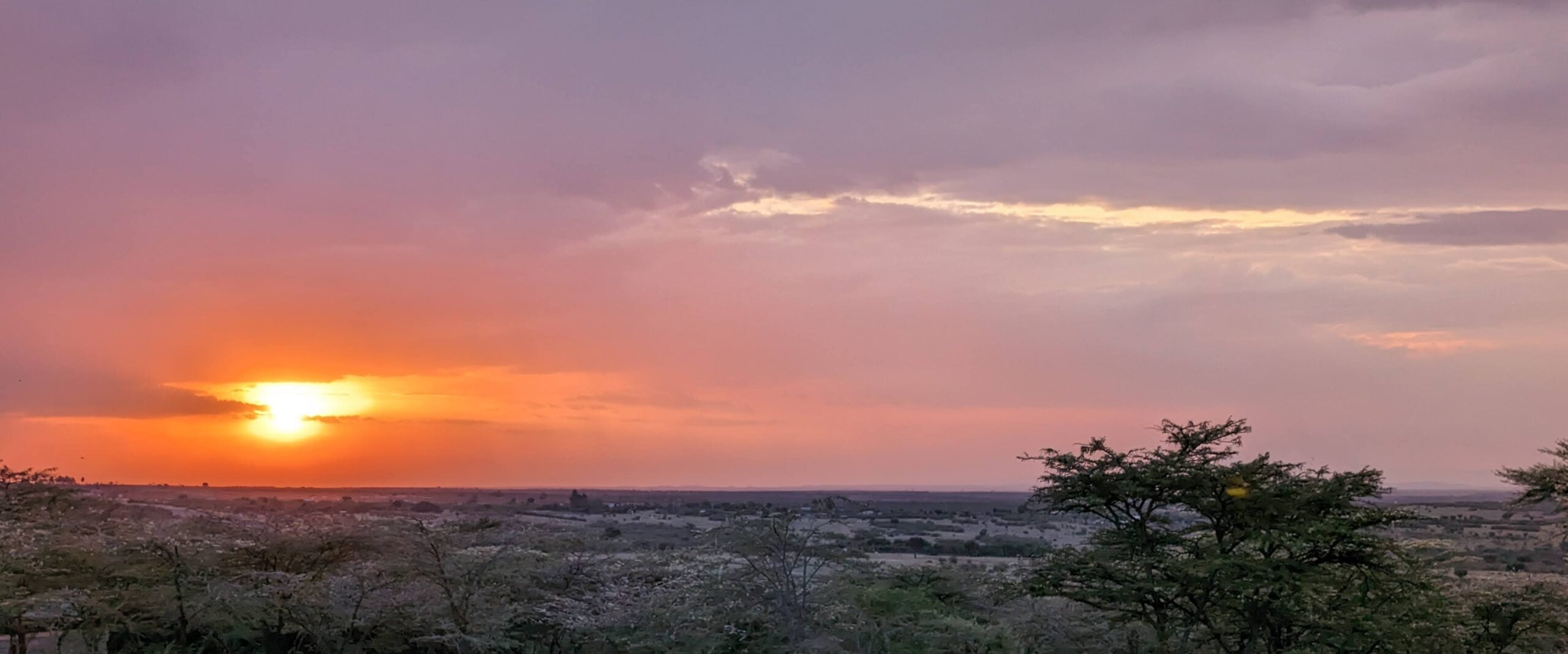
We return to camp on a high. The few raindrops brought by the storm are barely noticeable… We pass through the reserve gates a few minutes late, after a much less comfortable ride than in the morning 😅 But nothing could take away the stars in our eyes.
Tonight’s aperitif will be all about lions and buffalo hunting. At dinner too, certainly. And no doubt around the fire, with our guides and the Masai guarding the camp. It’s not every night you fall asleep after seeing 13 lions 😍
Practical computing
- The entrance fee to the Maasai Mara reserve is $100 per day for non-resident adults ($50 for children aged 9 to 17), rising to $200 per day from July 1, 2024. Only credit card payments are accepted.
- Entrance tickets can be purchased via the reserve’s website. Remember to print proof of your transaction!
- Regulations in force on the reserve :
- It is forbidden to travel on foot in the Masaï Mara reserve.
- Vehicles are allowed to travel at reduced speeds (50km/h maximum) from 6am to 7pm.
- It is forbidden to get out of a vehicle except at dedicated observation points.
- Noise must be kept to a minimum when approaching animals.
- No more than five vehicles are allowed near the animals.
- It is forbidden to feed the animals.