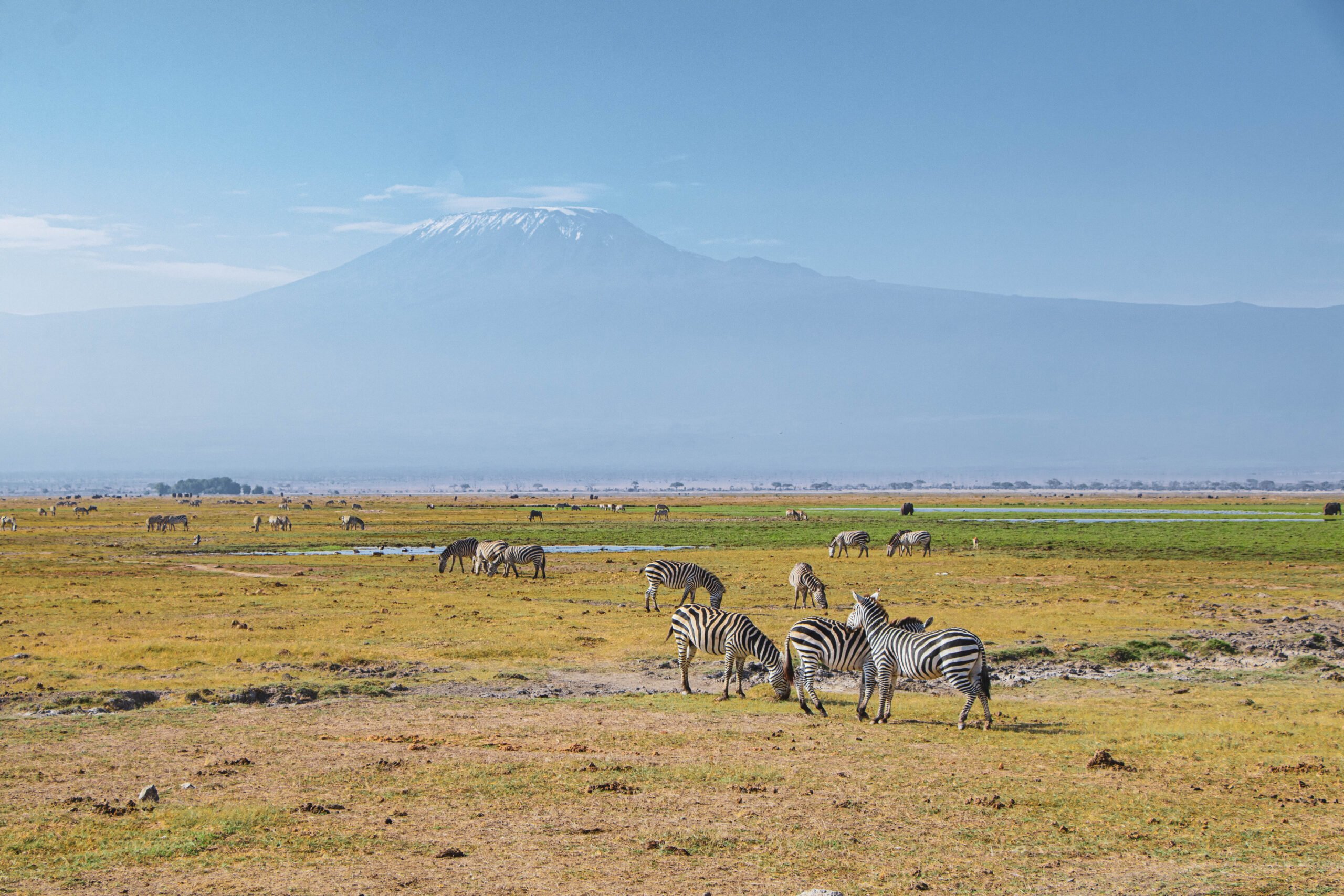
For many, Kenya is safari country. Lions, rhinos, elephants, wildebeests and zebras can be counted by the hundreds, if not thousands, in the country’s numerous nature reserves. Sometimes, they can even be seen on the outskirts of the capital, in Nairobi National Park. But beyond safaris, the diversity of landscapes, the openness to the Indian Ocean and the cultural attractions of the different regions are just some of the facets to be discovered on Kenyan soil. Here you’ll find all the practical information you need to plan your next trip to Kenya.
Sommaire de l'article
- Kenya at a glance
- When to go on safari in Kenya?
- Getting around Kenya
- Which park to choose for a safari in Kenya?
- How long does a safari in Kenya last?
- Where to stay in Kenya?
- What budget for a safari in Kenya?
- Safari in Kenya or Tanzania: which destination to choose?
- Combine safari and beach: what are Kenya’s most beautiful beaches?
Kenya at a glance
- Location: Located in East Africa, bordered by the Indian Ocean to the east, Kenya shares borders with Somalia to the northeast, Ethiopia to the north, South Sudan to the northwest, Uganda to the west and Tanzania to the south.
- Capital: Nairobi
- Population: approx. 54 million
- Official languages: Swahili and English
- Economy: Kenya’s economy is largely based on agriculture, tourism and manufacturing. Safaris are a major source of revenue for the country.
- Currency: Kenyan Schilling – 1€ is worth about 143 KES – recent US dollars are normally accepted everywhere
- Tips: USD 5 for a table at the restaurant – USD 5 per day per person for lodge staff – USD 10 per day per person for rangers and trackers – USD 20 to 30 per day per couple/family for the driver-guide
- Communication: Airtel and Safaricom are 2 local cell phone companies
- Time difference: +2h in winter and +1h in summer compared with Belgium and France
- Flight time: 8 hours on average – Brussels Airlines now offers direct flights from Brussels to Nairobi from €479 return.
- Entry formalities: passport (with at least two blank pages in it) valid for 6 months from date of arrival and electronic travel authorization to be requested within 90 days of departure ($32.50/traveller)
- Health: no vaccinations are required directly from Europe, but travelers who have transited through sub-Saharan Africa or South America for more than 12 hours must present a yellow fever vaccination certificate. Universal vaccines such as DT-Polio, hepatitis A and hepatitis B are strongly recommended, as is anti-malarial treatment.
- In your suitcase: an adapter for G-type sockets, a headlamp, binoculars, tropical mosquito repellent, sun cream and warm clothing for early starts and cool evenings.
When to go on safari in Kenya?
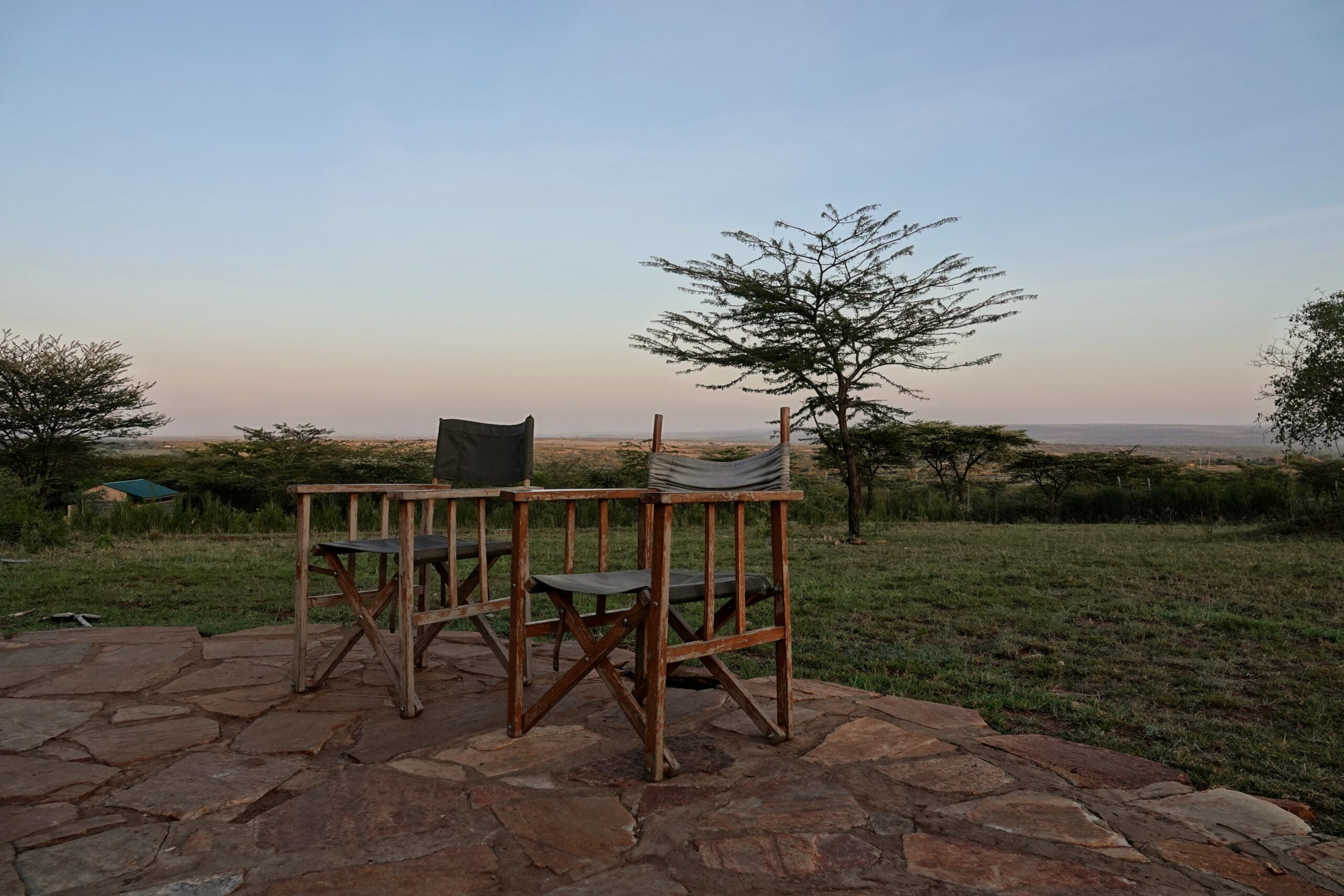
Crossed by the equator and bordered by the Indian Ocean, Kenya enjoys constant sunshine (the sun rises around 6-6:30 am and sets around 6:30-7 pm all year round) and temperatures that can reach 40°C in summer.
Kenya has 4 distinct seasons:
- Two main dry seasons, from December to March (summer season) and from July to October (winter season)
- Two rainy seasons, April to June and November to mid-December
While Kenya offers safari opportunities all year round, the best times to go on safari are during the dry seasons. The trails are easy to negotiate, the vegetation is less tall and less dense, and the drought forces the animals to gather around waterholes, making it much easier to observe them.
During the rainy season, the landscape is greener and accommodation rates are generally lower, but heavy downpours can make many roads impassable.
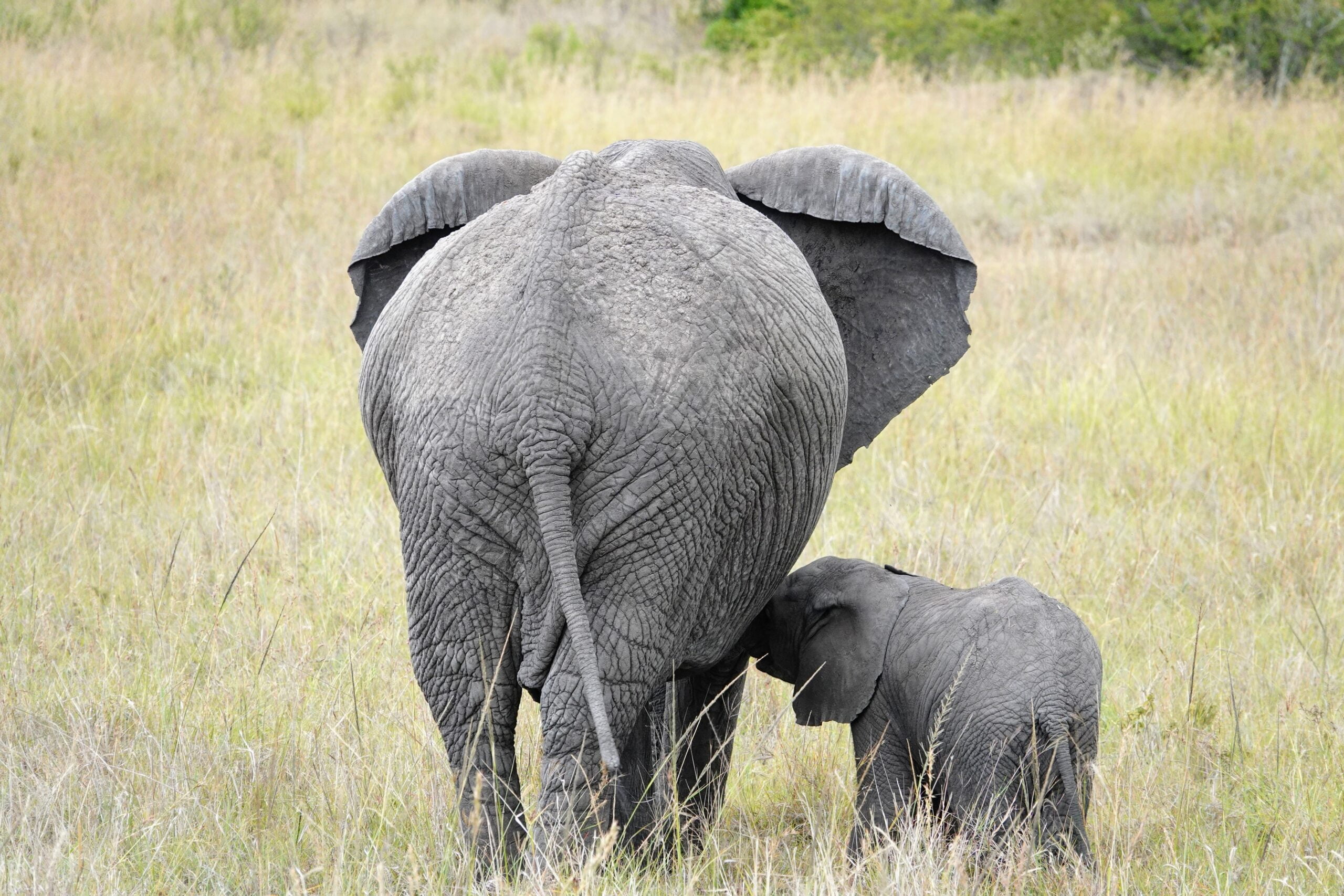
The green season, from November to June, is an important breeding period for many animals, and baby animals are more likely to be seen at this time.
Finally, if you want to witness the great wildebeest and zebra migration in the Masai Mara, it’s best to go in August or September.
Getting around Kenya
Depending on your personal preferences, your itinerary and your budget, there are several possible means of transport:
- Plane: For travel between major cities and more distant destinations, the plane is a practical, if rather expensive, option.
- Train: The new rail link between Nairobi and Mombasa(Madaraka Express) takes 5.5 hours and costs €6 per adult.
- Public transport: Buses are often used for long journeys between towns, while minibuses (matatus) are ideal for local travel.
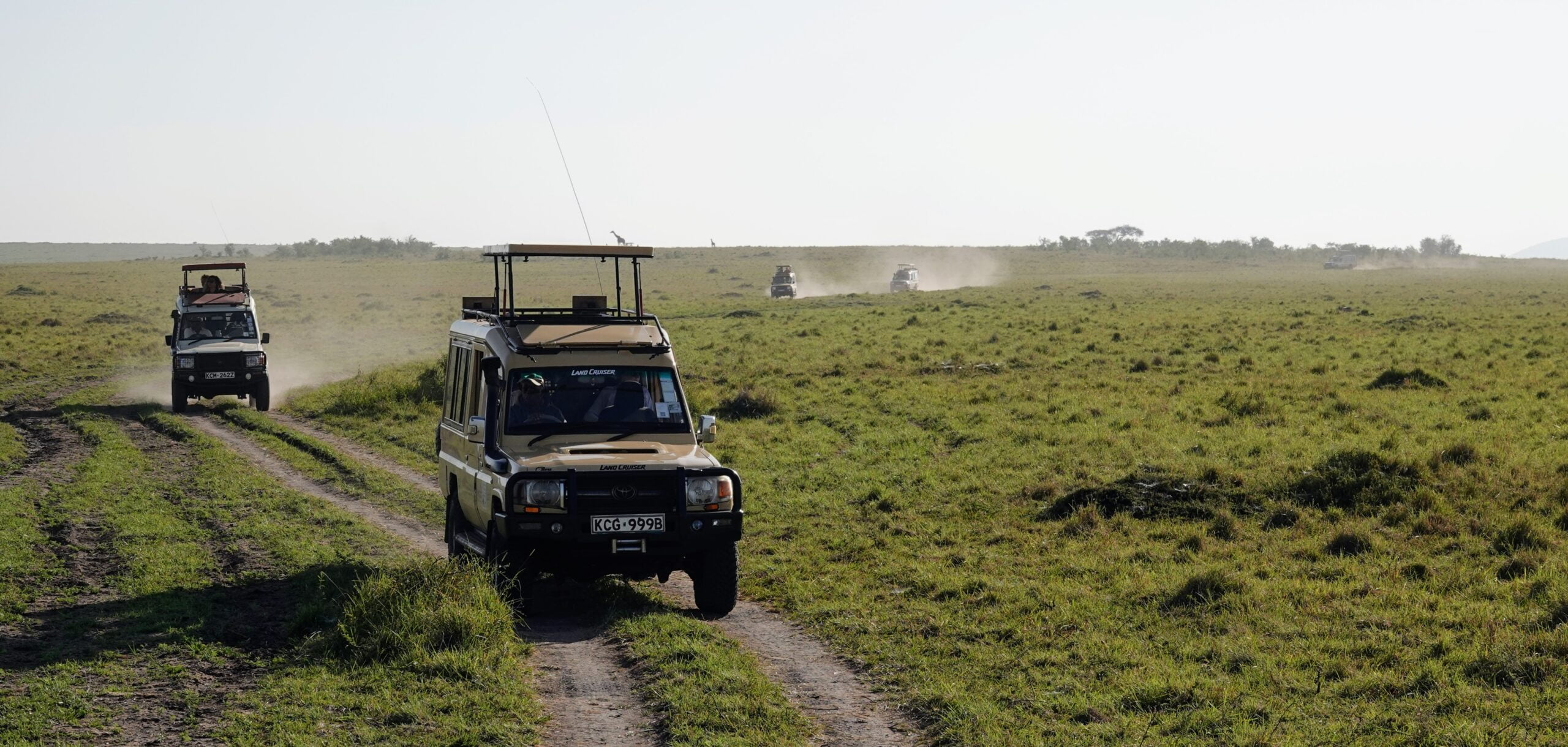
- Car rental: Renting a car is probably the most popular option for exploring Kenya. For safaris, we strongly recommend renting a 4×4 vehicle, preferably with a professional guide who will drive the vehicle and provide invaluable information on the flora and fauna.
Which park to choose for a safari in Kenya?
Kenya is home to over fifty national parks and reserves, each offering unique landscapes and wildlife. Choosing a park for your Kenya safari will therefore depend on your landscape preferences, the wildlife you want to see and the experience you’re looking for.
An overview of Kenya’s most emblematic parks…
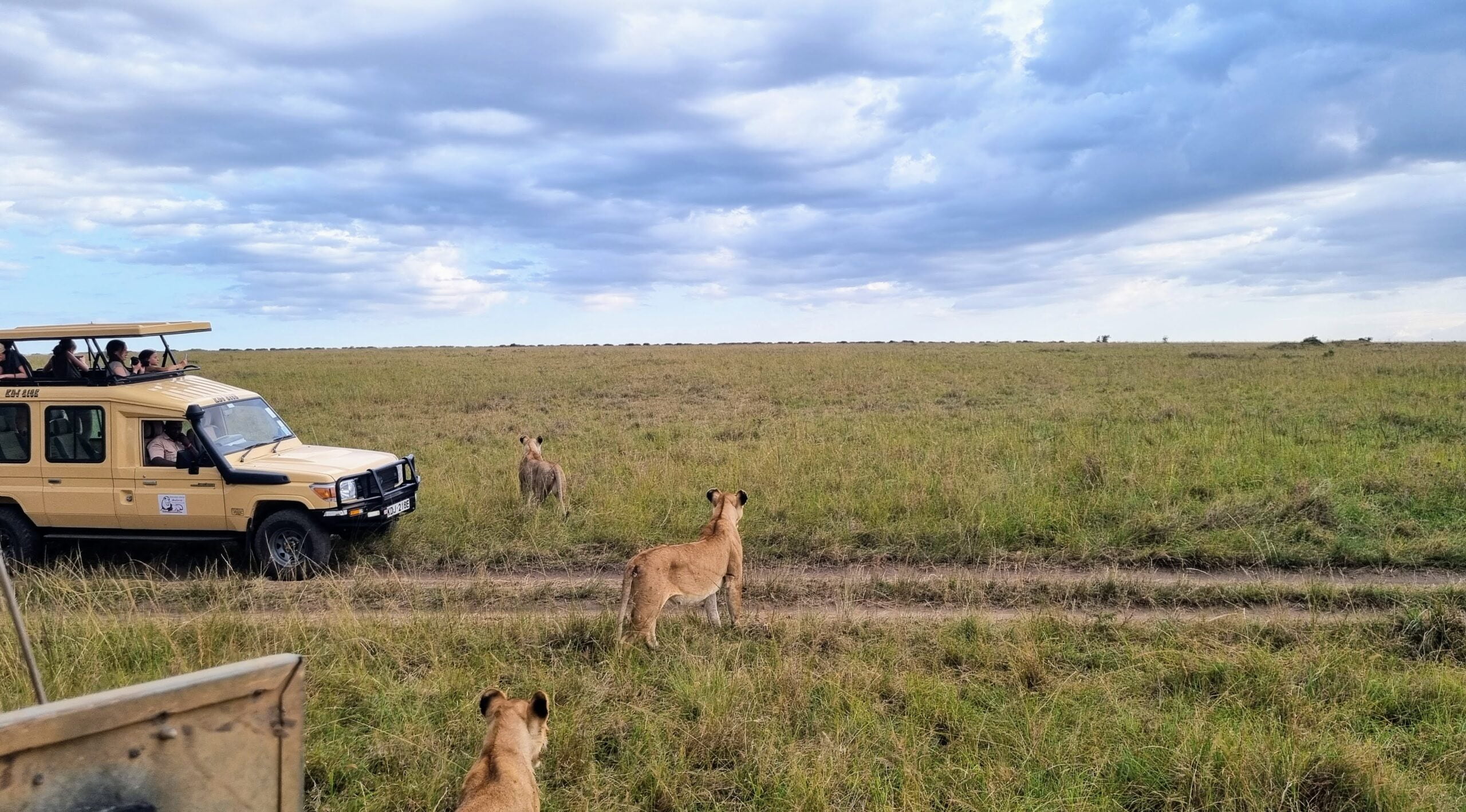
Although the Masai Mara reserve is less popular than the Serengeti, it is still the most popular safari reserve in Kenya. It’s also one of the most expensive, with an entrance fee of $100 per day for non-resident adults ($50 for children aged 9 to 17), rising to $200 per day from July 1, 2024.
Curious about a day on safari in the Masaï Mara? Find out more here.
Amboseli National Park is famous for its vast open spaces with superb views of snow-capped Mount Kilimanjaro, and for its large elephant population.
To read about our day’s safari in Amboseli National Park, click here.
Compared to other Kenyan parks, Tsavo National Park is less crowded, offering visitors a more exclusive experience and a wilder atmosphere.
Located close to Nairobi, the park is easily accessible, making it a popular destination for day safaris or short breaks.
Due to its remote location and low tourist numbers compared to other national parks, Samburu National Reserve offers a more exclusive and authentic experience.
For more information, see our article on Kenya’s parks.
How long does a safari in Kenya last?
The ideal length of your Kenya safari holiday will vary according to your schedule, budget and the parks you wish to visit. For example, it’s advisable to stay at least 3 days and 2 nights for a safari in the Masai Mara Reserve, compared with 2 days and 1 night for a safari in Amboseli National Park. On average, travelers spend 7 to 10 days on safari, and 10 to 15 days combining beach and safari.
Here are a few itinerary ideas:
- For a short stay of 2 to 4 days, opt for national parks or reserves close to major cities, such as Nairobi National Park, Lake Nakuru National Park or Amboseli National Park.
- A 5- to 7-day stay will enable you to vary your safari experience by combining several parks or reserves, such as the Masai Mara Reserve, Lake Nakuru National Park (or Lake Naivasha) and Amboseli National Park.
- For a longer stay of 10 days or more, you can explore several regions of the country and venture into less-visited parks, such as Tsavo National Park and Samburu National Reserve.
Where to stay in Kenya?
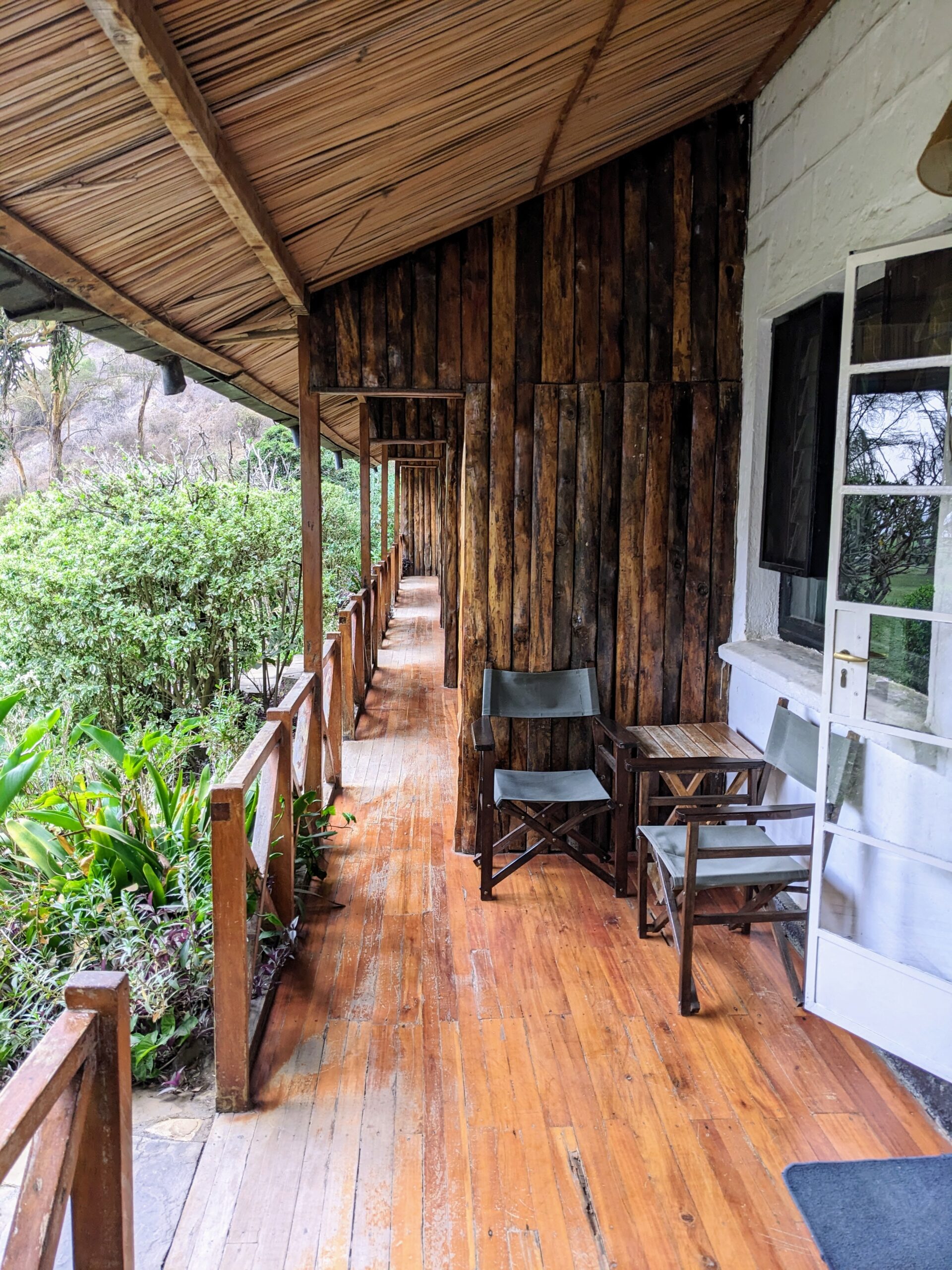
The accommodation on offer in Kenya is as vast as it is diverse, ranging from rustic tented camps to luxury lodges offering privacy and comfort, far removed from mass tourism. Among the most popular options:
- Luxury lodges Often located inside national parks or private reserves, with spectacular views of the surrounding flora and fauna, these establishments offer top-of-the-range accommodation and services (swimming pool, spa, gourmet restaurant, guided activities, etc.).
- Luxury safari tents: usually offering panoramic views of the surrounding nature, these tents are equipped with comfortable beds and private bathrooms with running water and electricity. A number of high-end services are also offered.
- Bush camps: Located in more remote areas of parks or reserves, bush camps offer a more rustic, yet comfortable experience (spacious tents, prepared meals and guided activities).
- Budget accommodations: For those on a tighter budget, there are more economical accommodations, such as guesthouses, hostels or base camps, located at varying distances from the national parks.
What budget for a safari in Kenya?
The budget for a safari in Kenya can vary according to several factors, including the duration of the safari, the travel season, the number of parks visited and the type of accommodation chosen.
Here is an estimate of the main costs to be taken into account:
- Plane: The cost of international flights will depend on your place of departure and the booking period. You should generally expect to pay between €500 and €800 for a return flight from Brussels or Paris.
- Getting around: Depending on the type of car and the services chosen (with or without driver-guide), you should expect to pay between €60 and €150 per day for a rental car. A domestic flight between Nairobi and the Masai Mara will cost between €150 and €300.
- Park entrance fees : Entrance and conservation fees vary according to the park and duration of the safari. On average, you should expect to pay between €50 and €75 per person per day. For more details, click here.
- Accommodation: Kenya offers a variety of accommodation options, from base camps to luxury lodges. Prices will vary accordingly: from €65 per night in a 3-star hotel to €150 per night in a 4-star lodge. In most cases, the price will include full board.
- Tips Tipping: It’s customary to tip guides, drivers and lodge staff. Allow a budget of around 5-10% of the total cost of your safari.
Depending on the level of luxury and exclusivity required, the price of a safari can vary from €200 to €600 per person per day for a tailor-made luxury safari, excluding airfare.
Safari in Kenya or Tanzania: which destination to choose?
Do you dream of going on safari in East Africa’s most beautiful wildlife parks, but can’t decide between a Kenya safari and a Tanzania safari? Review of the different criteria to consider when making your choice: budget, time of year, type of accommodation, etc.
- Most-visited countries and parks: Historically, Kenya opened its doors to tourism much earlier than Tanzania. Generally speaking, you’ll come across more people on safari in Kenya.
- Travel time: Kenya’s parks and reserves are far apart. This means we spend a lot of time on the road, which can be a disadvantage for some time-poor travellers… In Tanzania, the northern parks are close to each other and easily accessible from Arusha, maximizing the time spent observing the flora and fauna.
- Climate: As the climate in Tanzania and Kenya is quite similar, the dry season between June and October is ideal for organizing a safari.
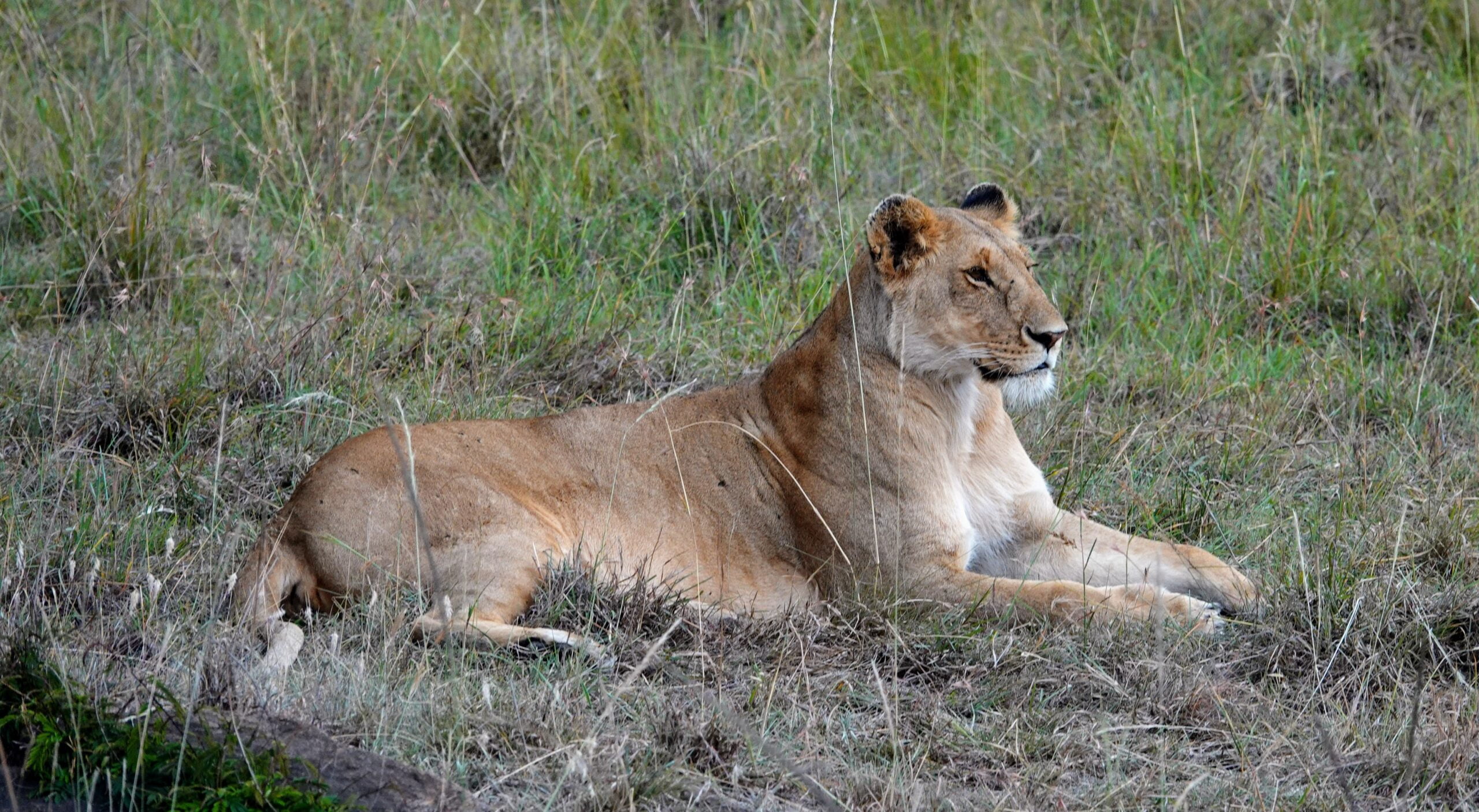
- Animals: The density of wildlife is equivalent in Tanzania and Kenya. Leopards are present in many parks and reserves in both countries, but they are discreet and difficult to see. Lions are king in the Serengeti and Masai Mara, while Kenya’s Amboseli and Tanzania’s Tarangire parks are known as elephant kingdoms.
- Budget: Generally speaking, a safari in Kenya will offer better value for money, as airfares are often cheaper to Kenya than Tanzania, accommodation options are more varied in Kenya (but of a higher standard in Tanzania) and the cost of living is higher in Tanzania.
Combine safari and beach: what are Kenya’s most beautiful beaches?
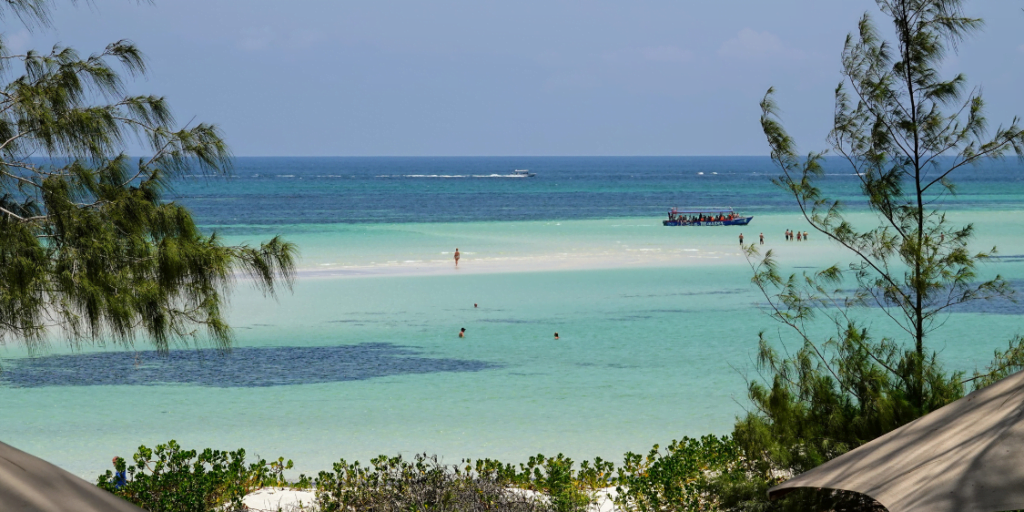
If you’d like to round off your safari with a relaxing moment on the beach, the Kenyan coast is full of magnificent beaches offering stretches of white sand, turquoise waters and spectacular marine life.
Most often accessible by plane from Nairobi or Mombasa, here are some of Kenya’s most beautiful beaches:
- Diani Beach: Located south of Mombasa, Diani Beach is famous for its miles of palm-fringed white sand. It’s one of the most beautiful beaches in the Indian Ocean, and one of the most popular in Kenya.
- Tiwi Beach: Just north of Diani Beach, Tiwi is a quiet beach off the beaten tourist track. At high tide, its turquoise lagoon offers one of the most pleasant swimming areas on the entire coast.
- Malindi Beach: Nestling on the north coast of Mombasa, Malindi Beach is Kenya’s second-busiest and liveliest seaside resort. A popular destination for beach lovers, Malindi is also renowned as one of Kenya’s best surfing spots.
- Watamu Beach: Not far from Malindi, Watamu Beach is renowned for its preserved coral reefs and exceptional marine biodiversity. This idyllic beach borders a charming fishing village and stands out as one of Kenya’s three main sea turtle nesting areas.
- Lamu Island: Off the north coast, the Lamu archipelago, nicknamed “Little Zanzibar”, offers a unique blend of unspoilt beaches, traditional Swahili villages and a timeless atmosphere. Away from mass tourism, Lamu’s old town bears witness, through its organization and architecture, to the influence of the Arab, Indian and European civilizations that have intermingled here for over 700 years.