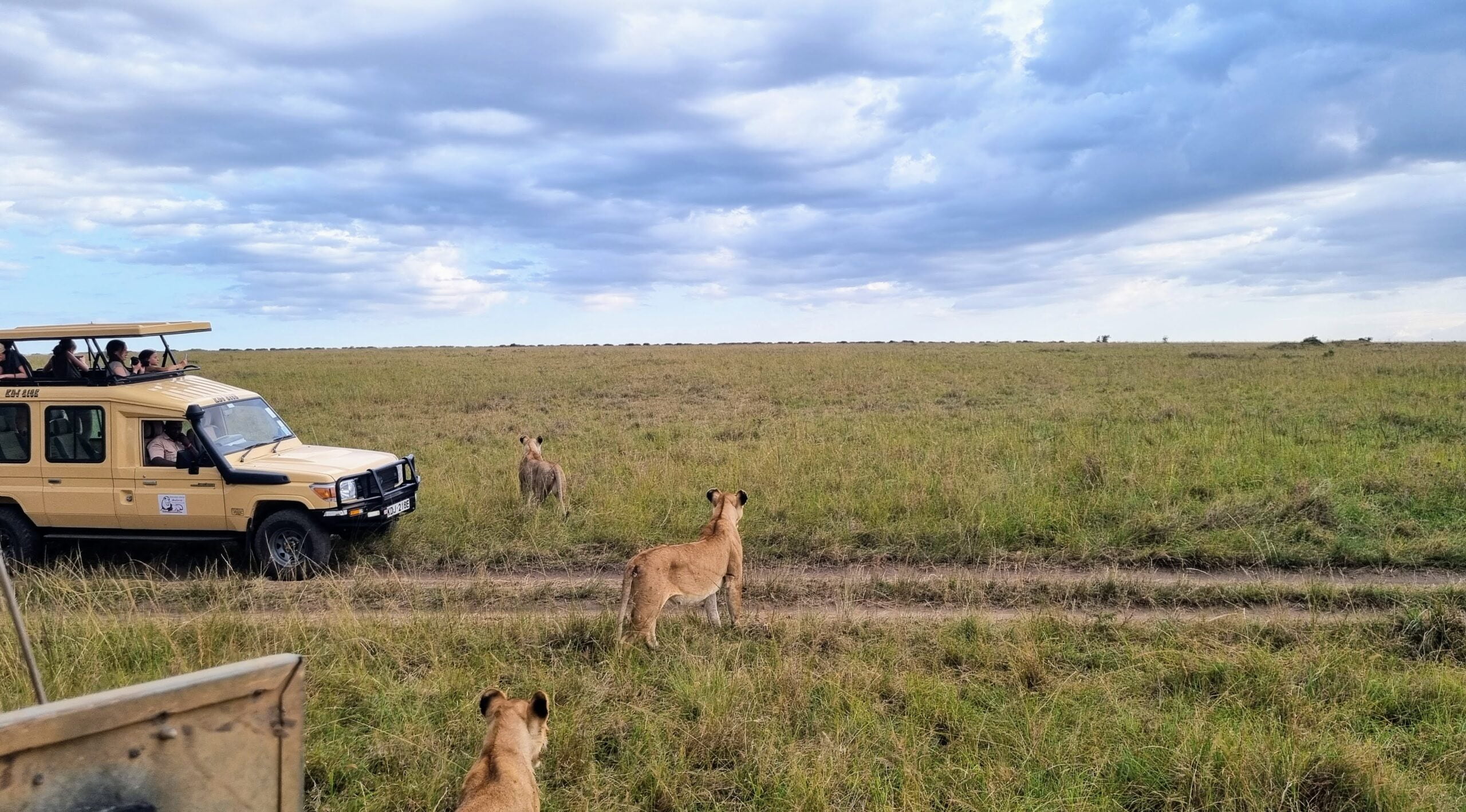
With over fifty national parks and game reserves, Kenya offers a multitude of options for safari enthusiasts. Whether by 4×4, on foot, on horseback or by bike, there are many ways to discover the splendid wildlife that inhabits Kenya’s savannahs and plains.
Which of these 10 must-see parks will you choose?
Nairobi National Park
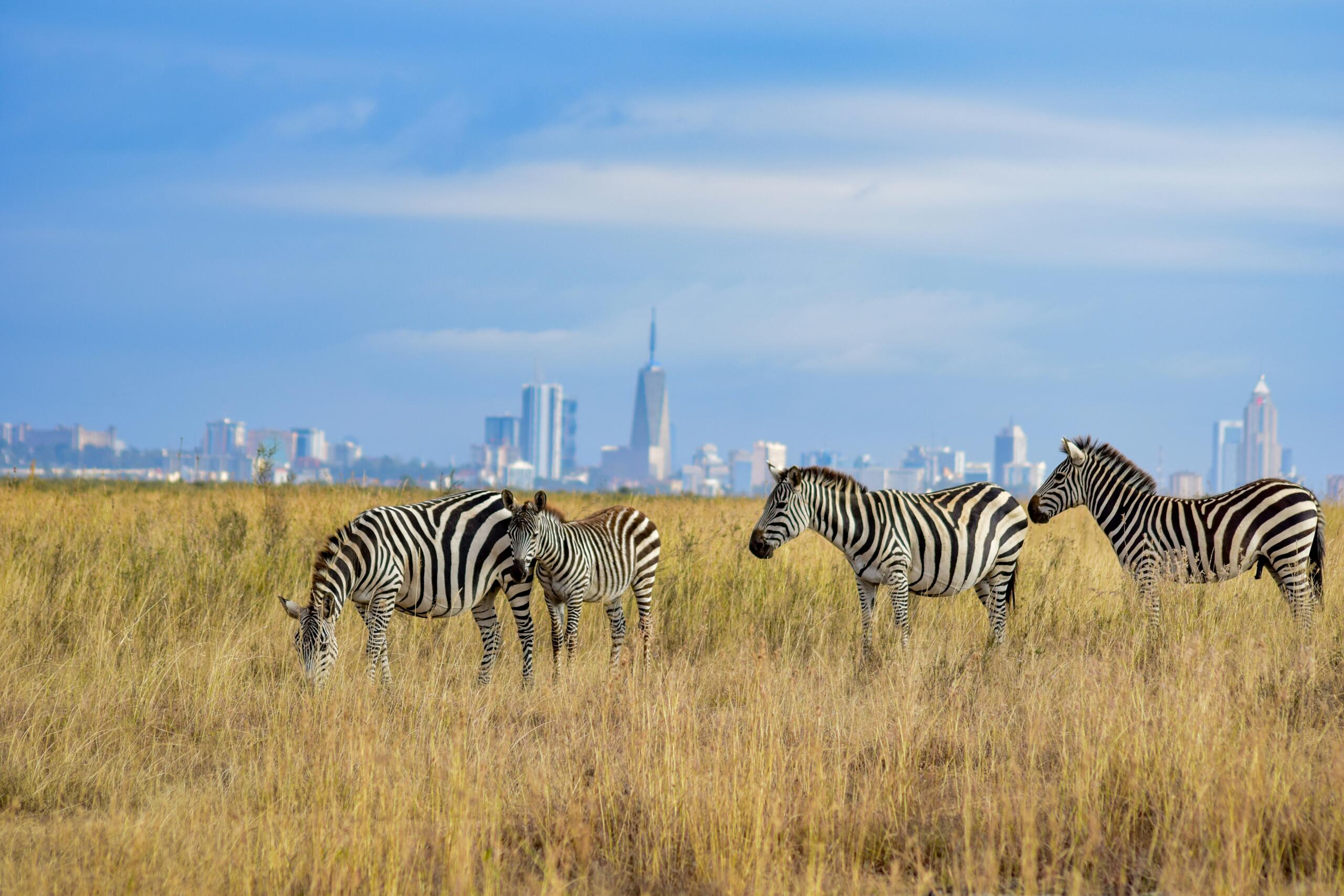
Nairobi National Park is by no means Kenya’s best-known or largest park. But its location on the outskirts of the city center gives it a special status: it’s home to a wide variety of wild animals (lions, giraffes, zebras, leopards, rhinoceroses, etc.), while being surrounded by urban developments that create astonishing panoramas…
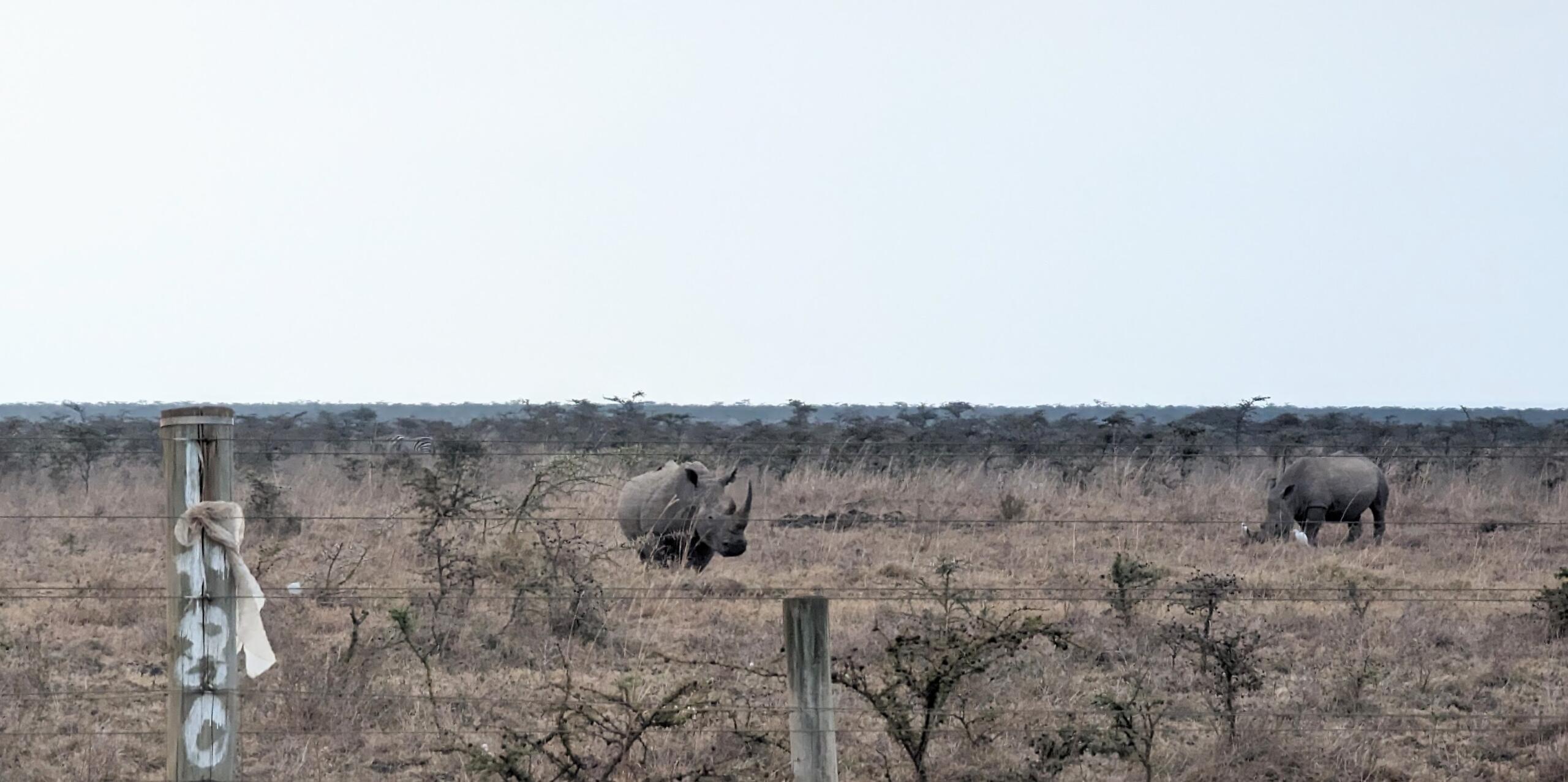
Often shunned by foreign travellers who prefer more famous parks, Nairobi National Park is nevertheless renowned for its rhino spotting. Whether by chance or not, the rhinoceroses we saw just off the plane were the only ones we saw during our stay…
Lake Naivasha & Crescent Island Game Sanctuary
Located around 90 kilometers northwest of Nairobi, Lake Naivasha is one of the only freshwater basins in the Great Rift Valley. Situated at an altitude of 1884 metres and covering an area of 139 km2, the lake has been recognized as a Ramsar site since 1995, making it an aquatic ecosystem of worldwide importance.
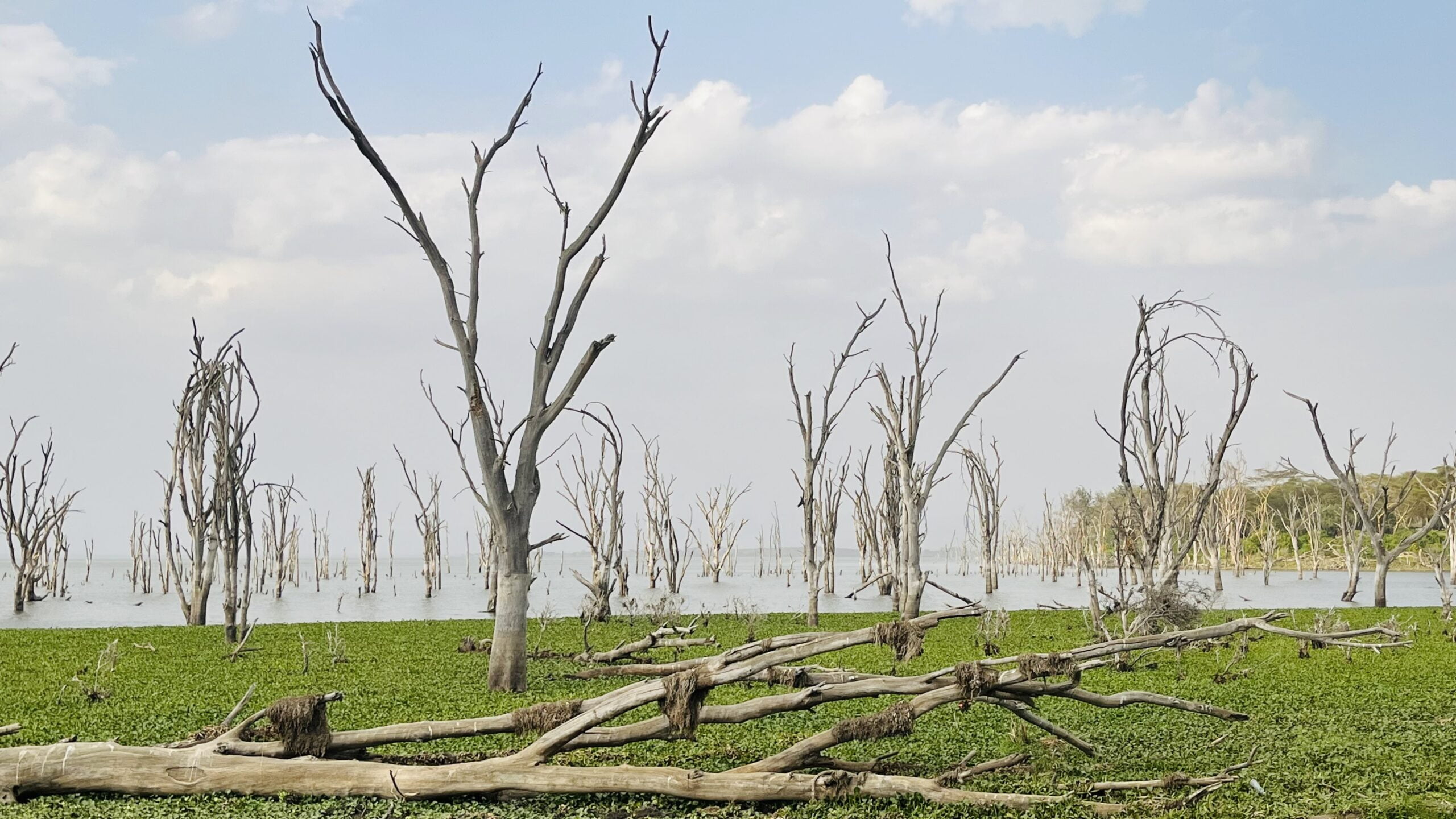
Famous for its large hippo populations and the wide variety of birds that can be seen here, including sea eagles, Goliath herons, kingfishers, jackdaws, pelicans and flamingos, Lake Naivasha is also famous for the walking safaris that can be enjoyed on the shores of Crescent Island!
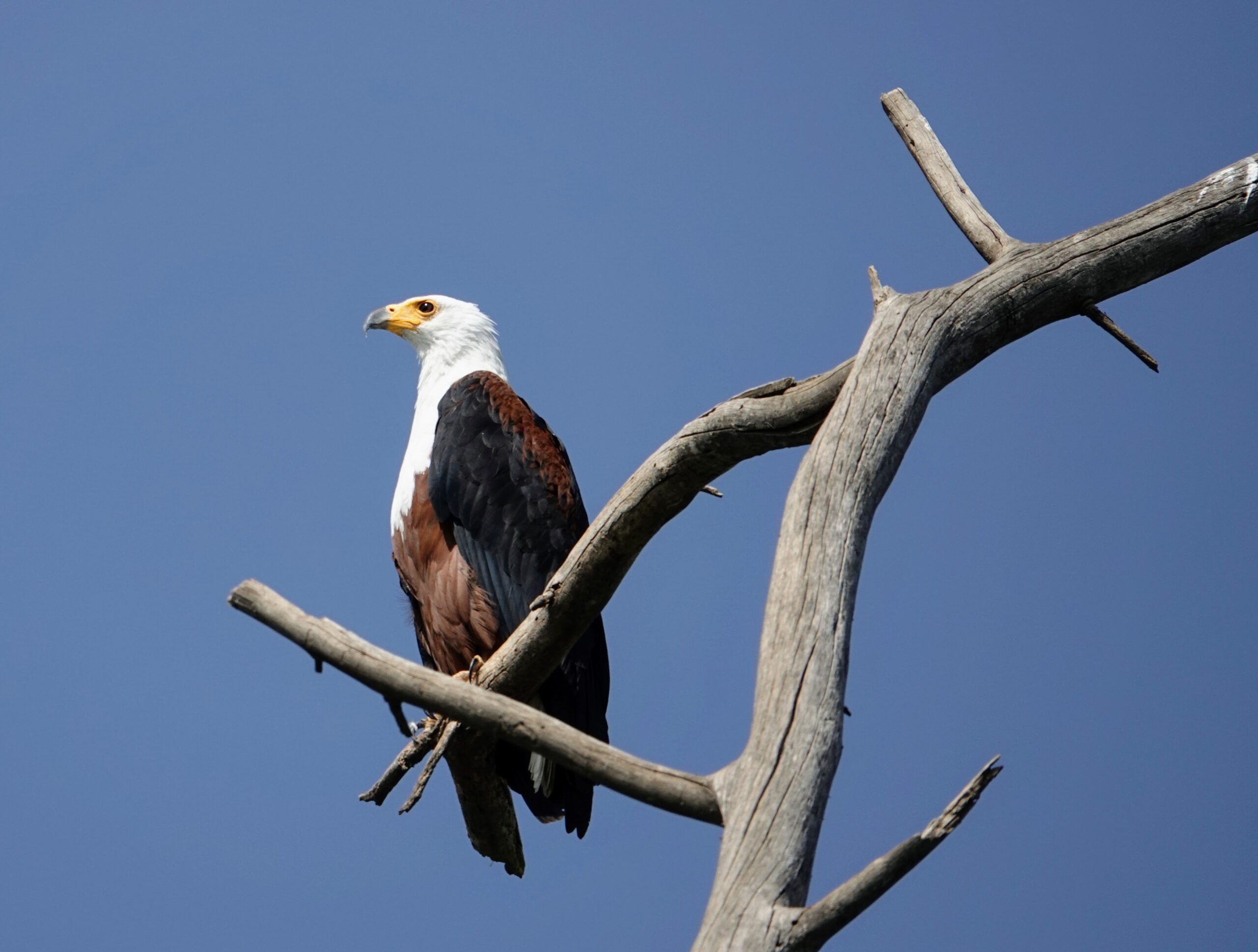
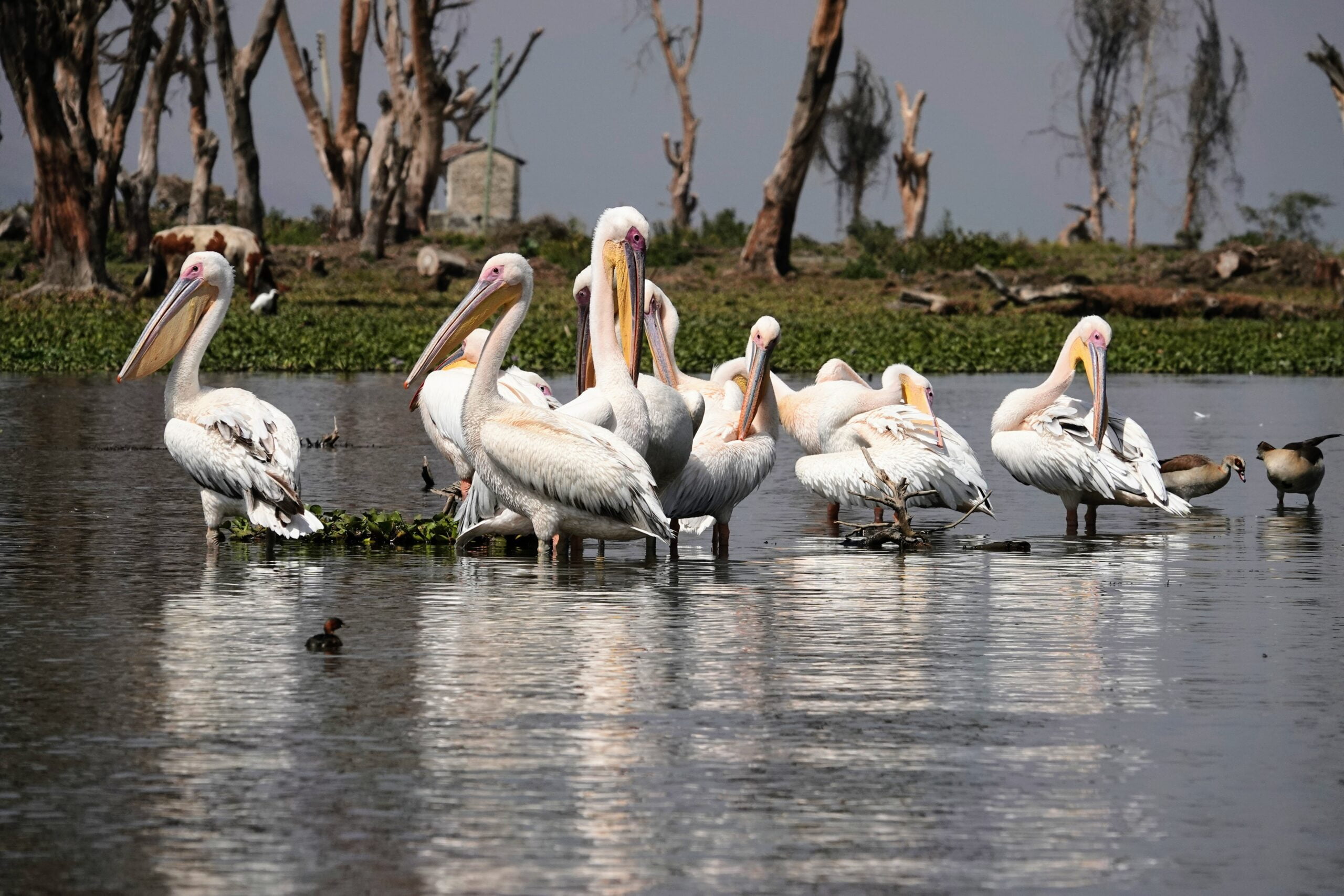
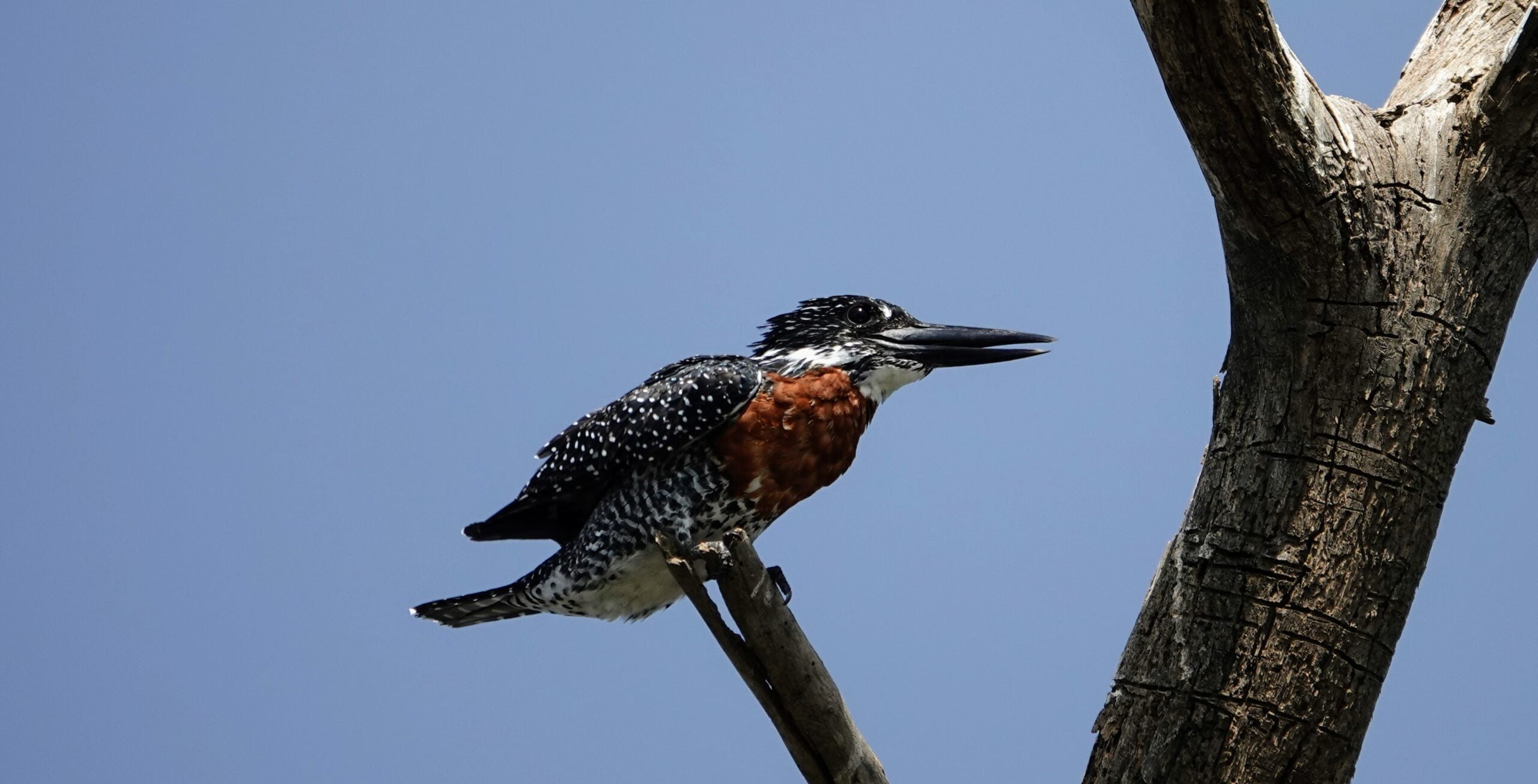
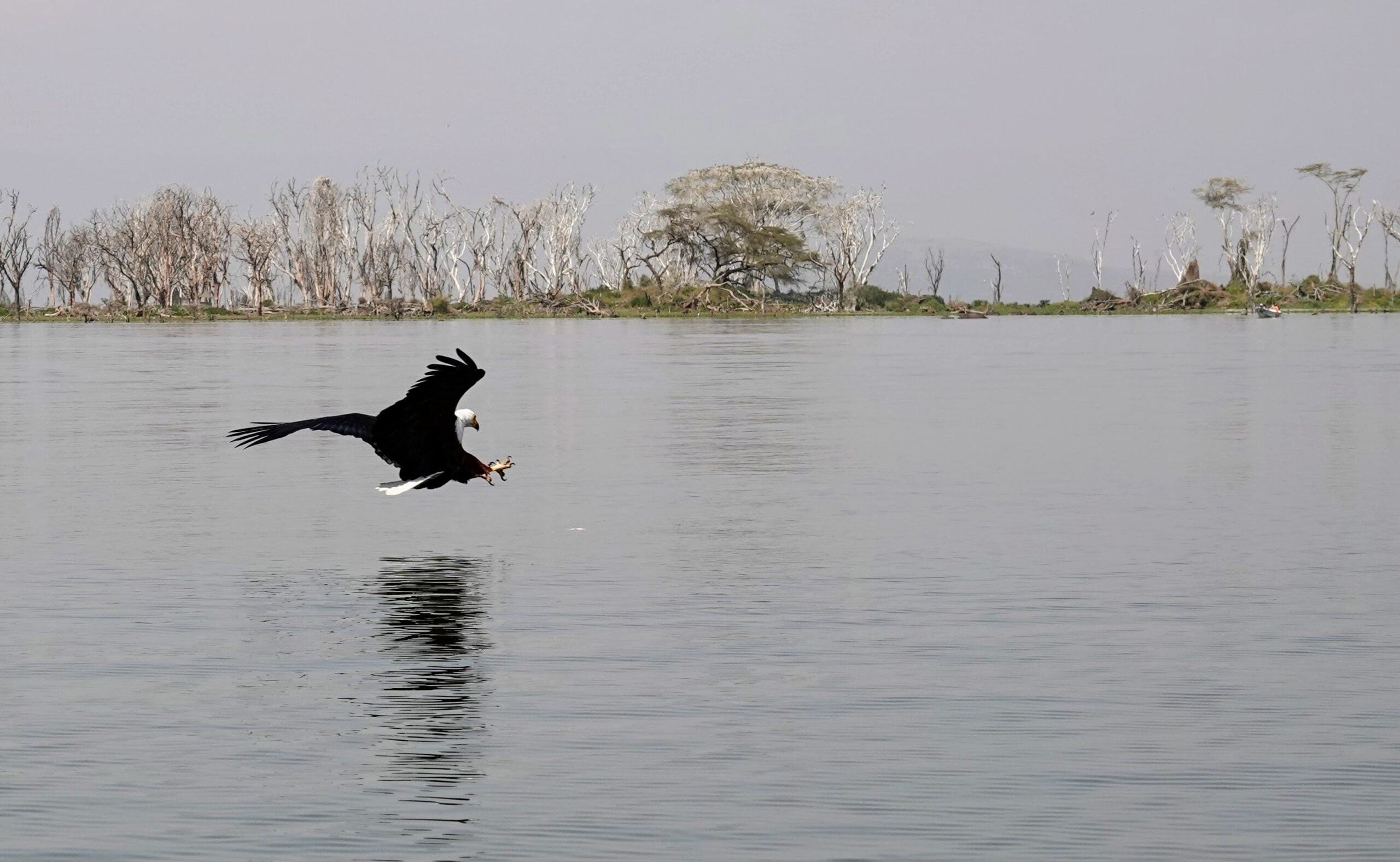
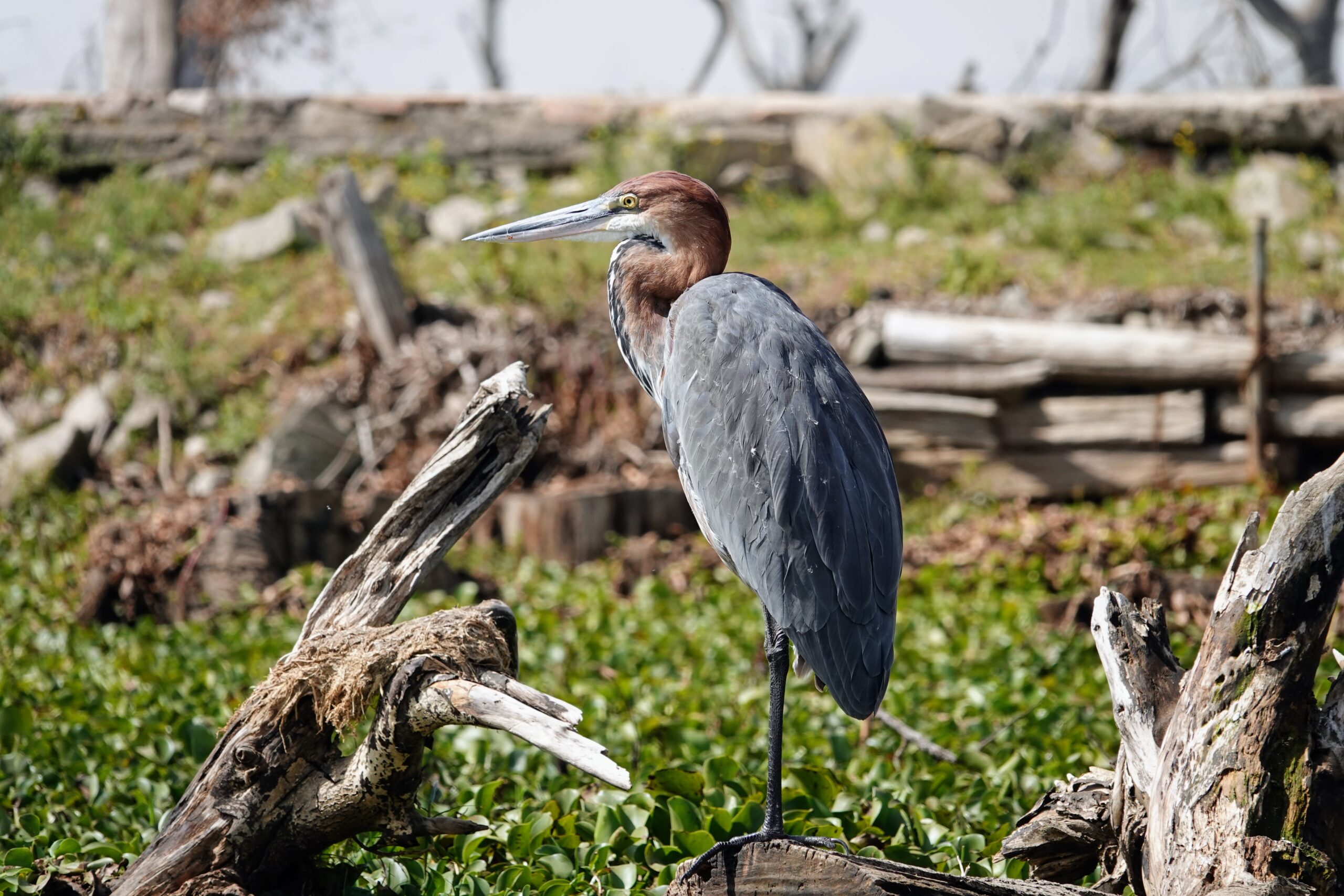
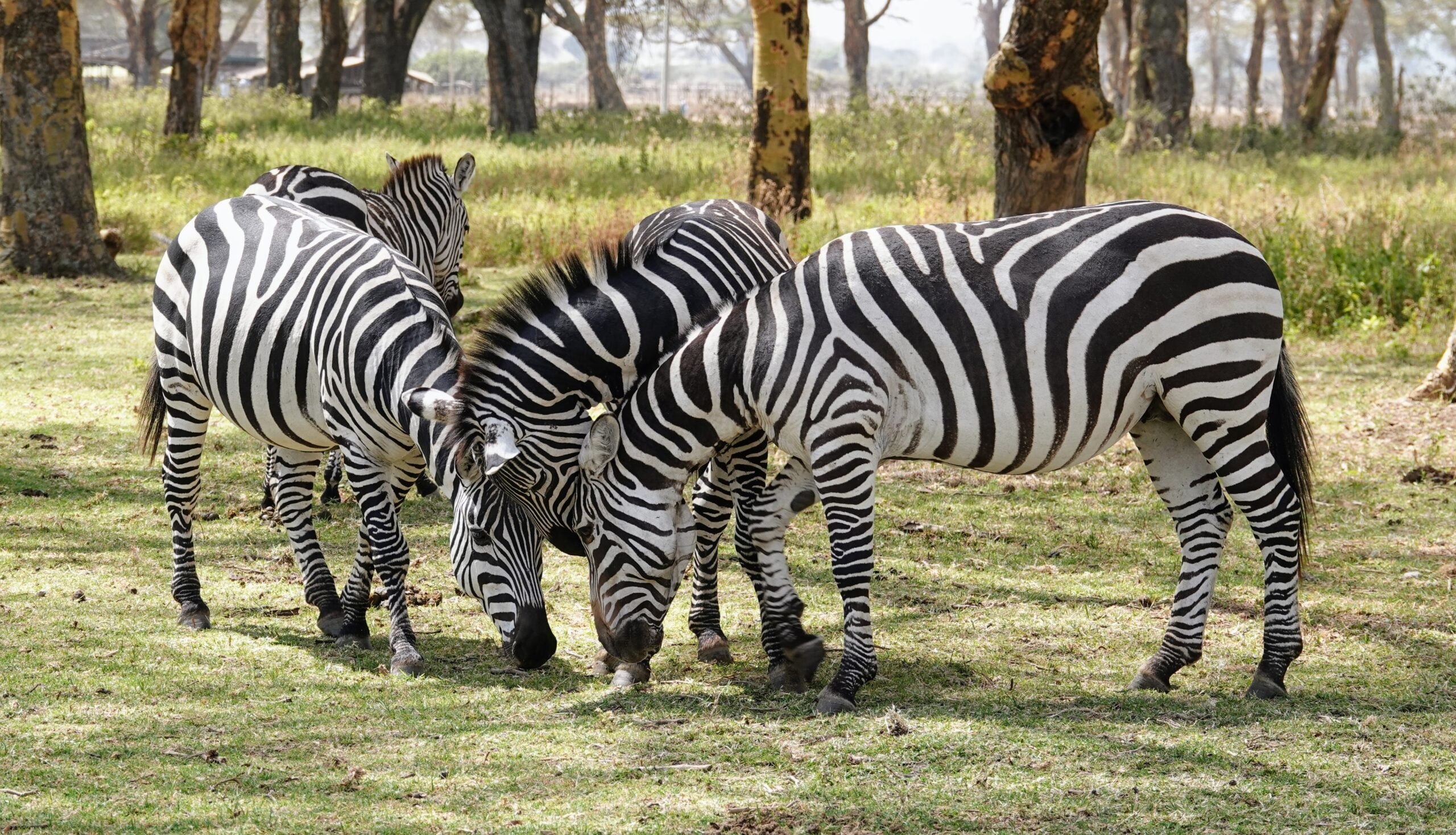
In 1988, the waters of Lake Naivasha dropped so low as to reveal Crescent Island. This crescent-shaped peninsula is home to an incredible diversity of ecosystems where giraffe, wildebeest, Fassa cob, zebra, buffalo, gazelle and antelope roam freely, with no predators to threaten them. There are more animals per hectare on Crescent Island than in any other park in Kenya!
Just across the road, Sanctuary Farm is another important conservation area where you can also meet wild animals on foot, bike or horseback!
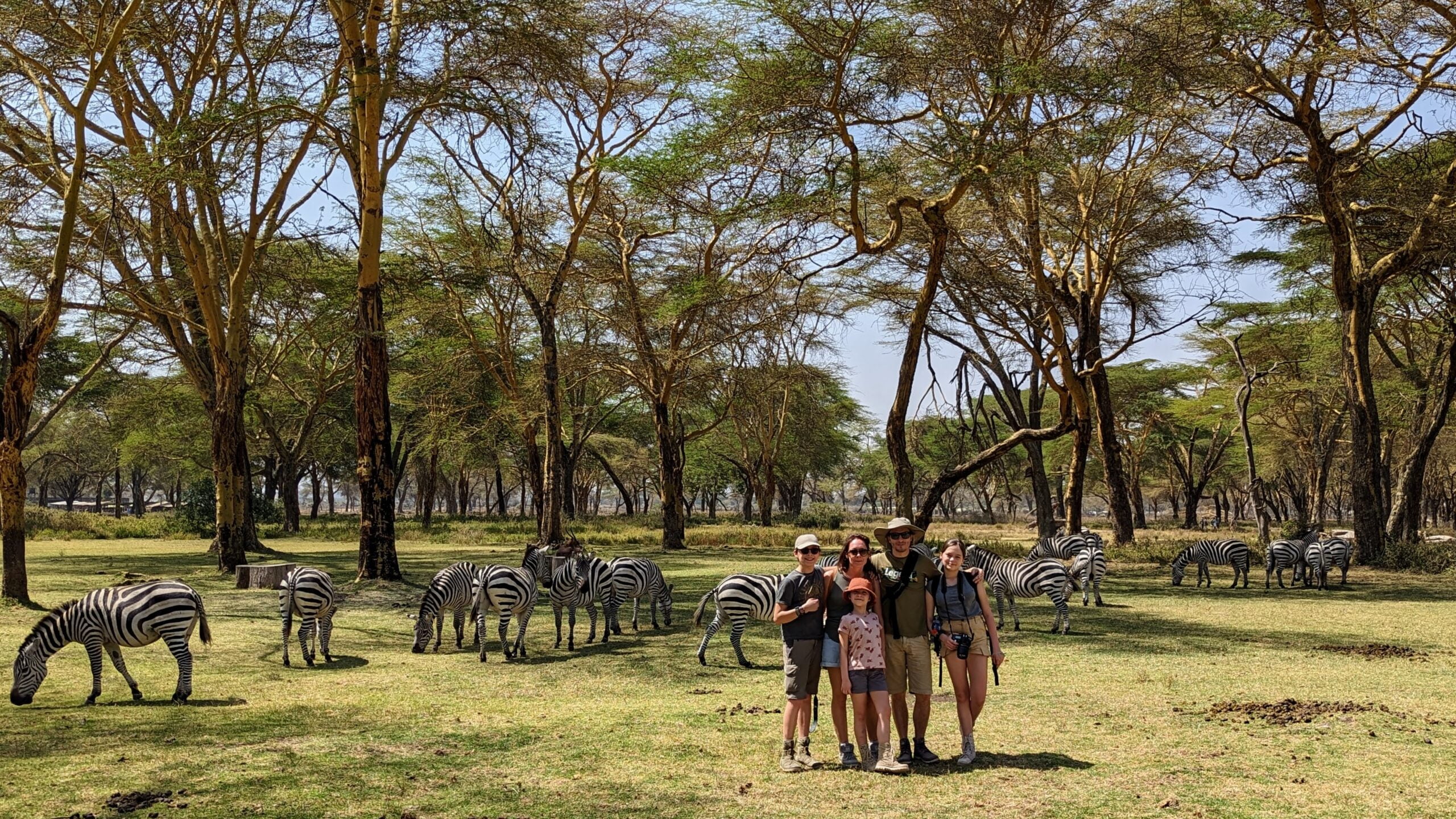
Read about our walking safari to Lake Naivasha here.
Nakuru National Park
Located a little further north than Lake Naivasha, Nakuru National Park is a 188 km² reserve surrounding the lake of the same name. Renowned for its large concentration of rhinoceroses, it’s also one of the best places in the country to observe one of the 400 species of birds found around Lake Nakuru: pelicans, kingfishers, storks, herons, ostriches… and, of course, pink flamingos.
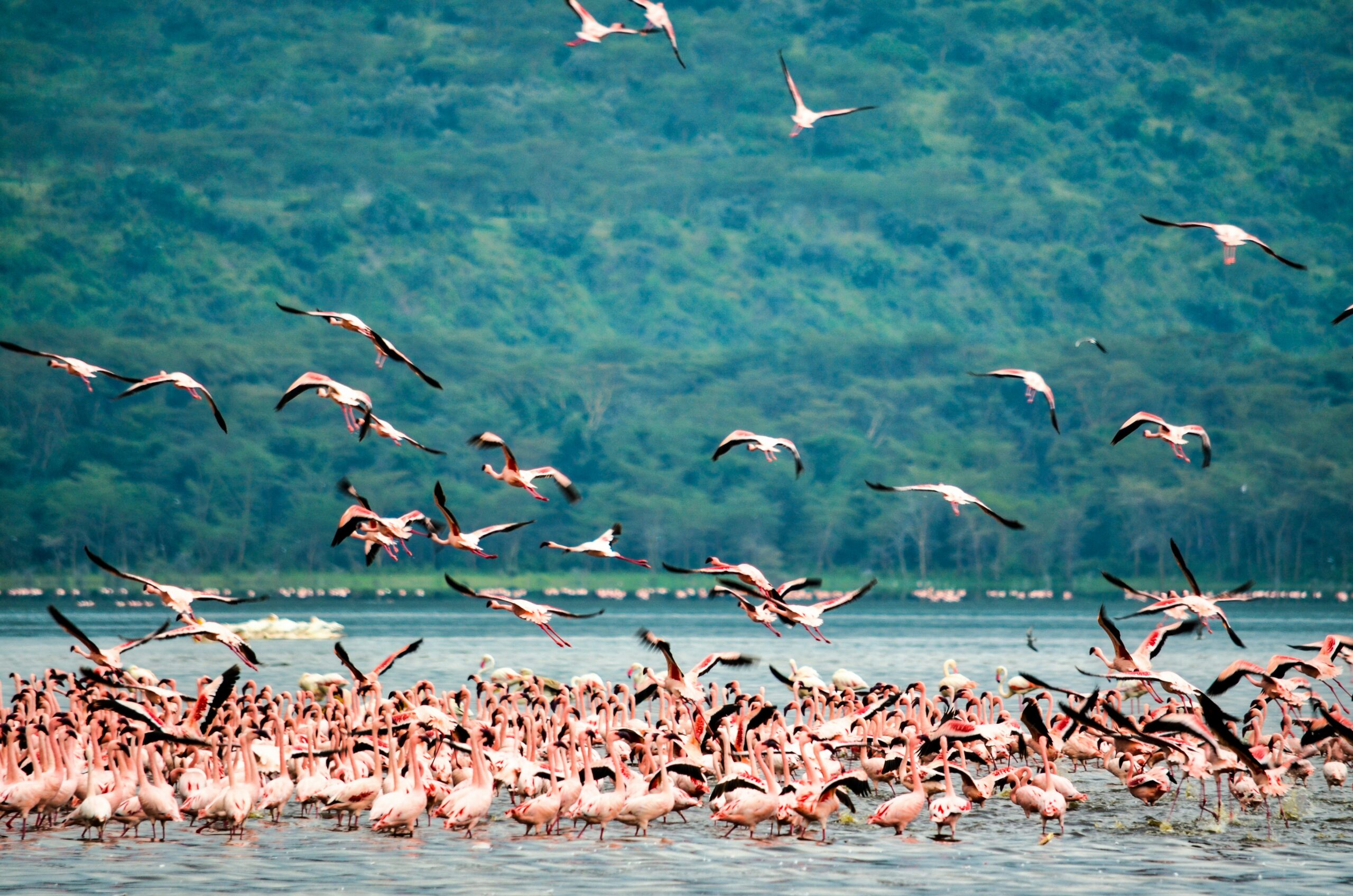
Until a few years ago, Lake Nakuru was home to over a million flamingos, but environmental changes and the desalination of the lake’s water have prompted these birds to move to other regions instead. Depending on the time of year, however, several thousand flamingos still congregate here.
Hell’s Gate National Park
Just a few kilometers from Lake Naivasha, Hell’s Gate National Park is one of Kenya’s most unique parks.
Small in size, just 70 km², the park is renowned, not for its game drives like most other parks, but rather for the beauty of its volcanic landscapes and the many outdoor activities on offer: hiking and mountain biking – no felines here, even though these gorges inspired Walt Disney to set The Lion King – as well as rock climbing and hot springs.
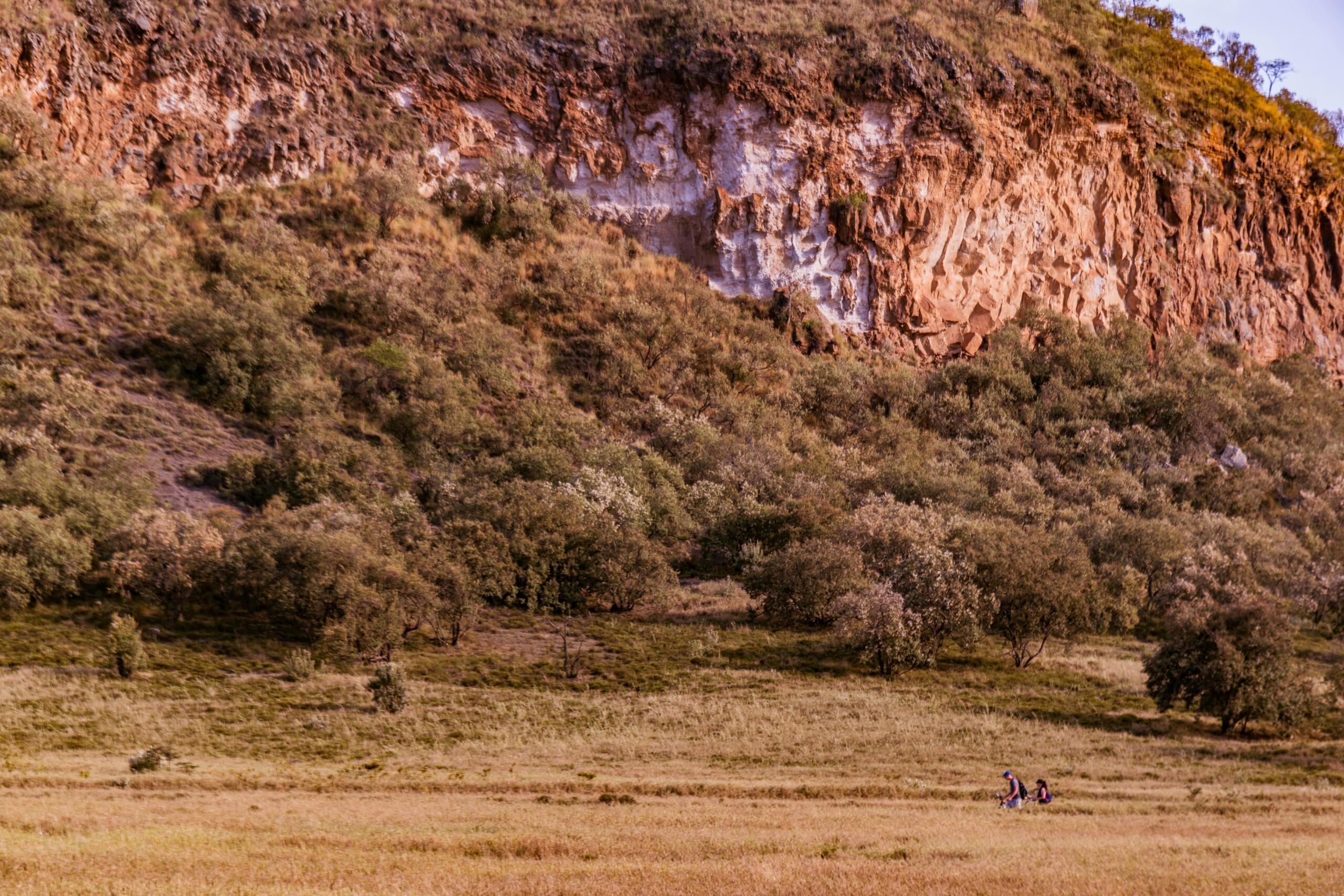
Hell’s Gate National Park is also home to a wide variety of wildlife, including giraffe, buffalo, zebra, baboon and antelope.
Not to be missed in Hell’s Gate National Park:
> the Fisher Tower, an impressive 25-metre volcanic tower that has been used as the backdrop for numerous films
> the Buffalo circuit, a superb 15-kilometre loop that offers magnificent scenery, including views of Mount Longonot
> the Njorowa Gorge, much appreciated for its 10-metre basalt cliffs
Masaï Mara Reserve
World-renowned for its abundant wildlife and distinctive landscapes, the Masai Mara reserve is one of the most beautiful in Africa.
Located in south-west Kenya, as a natural extension of Tanzania’s Serengeti National Park, the Masai Mara National Reserve is part of the Serengeti-Mara ecosystem, characterized by vast grassy plains, shallow marshlands and scrub-covered hills.
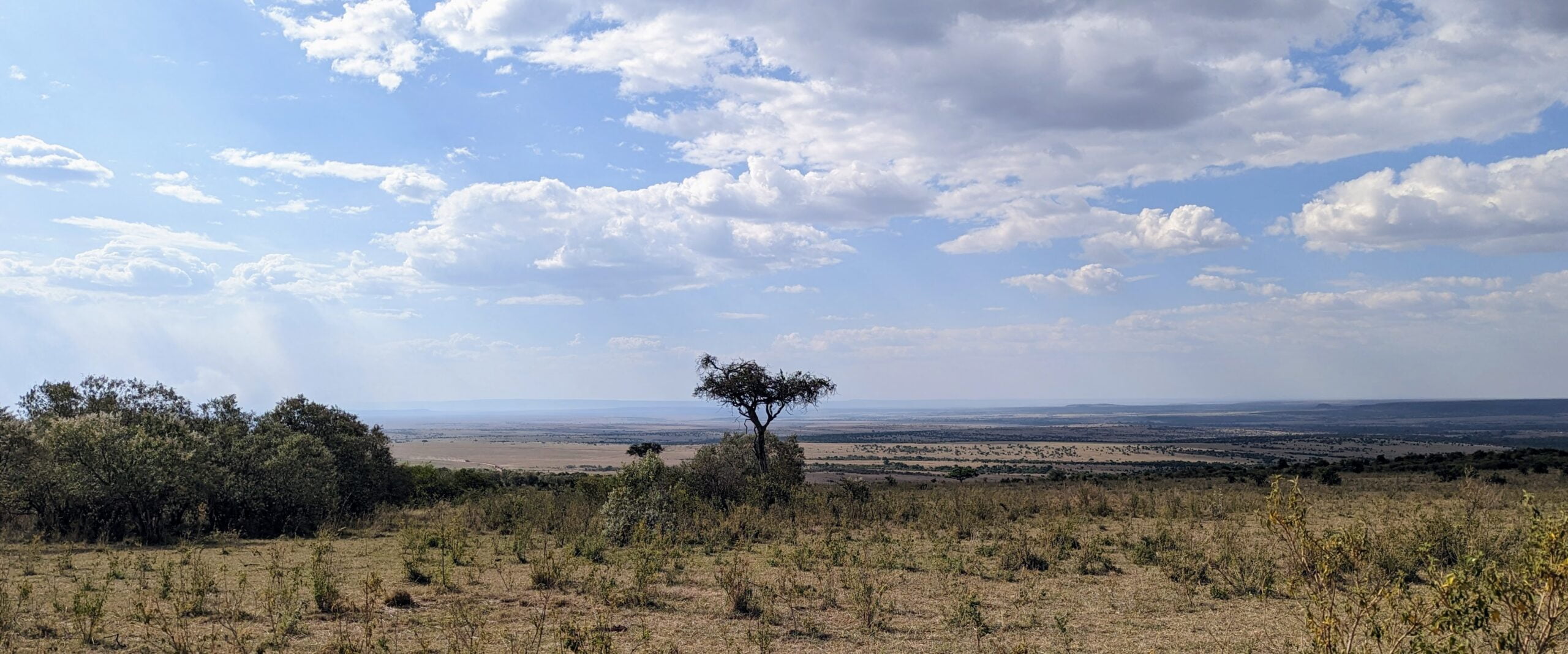
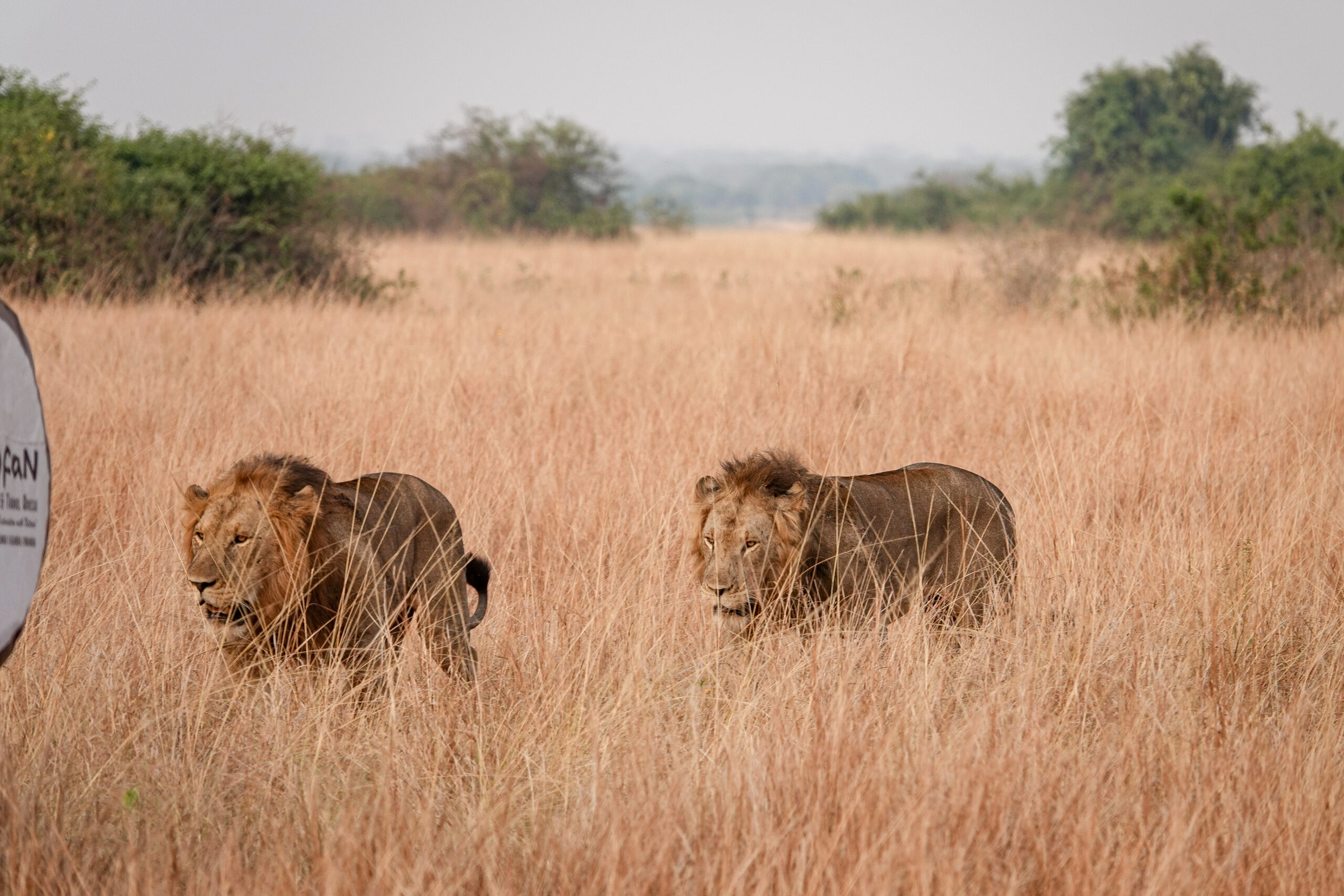
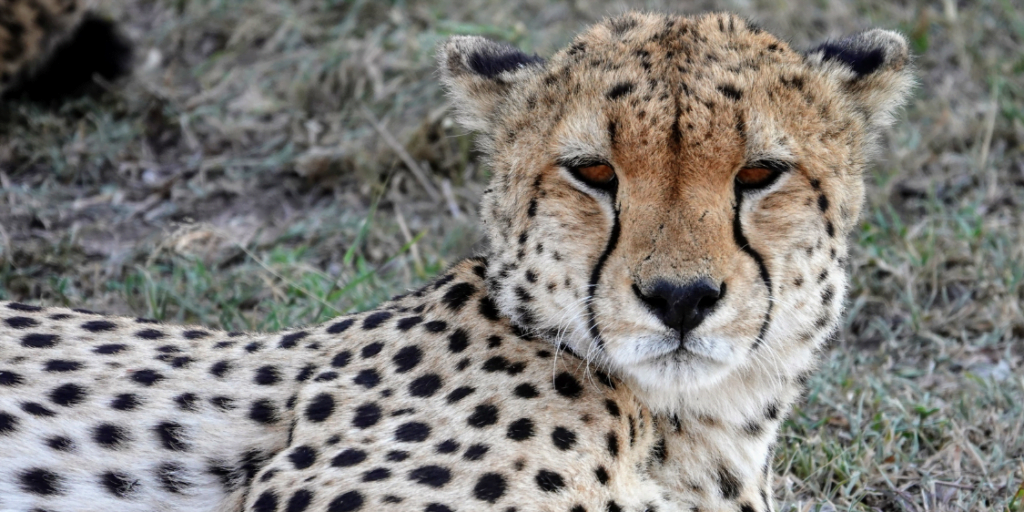
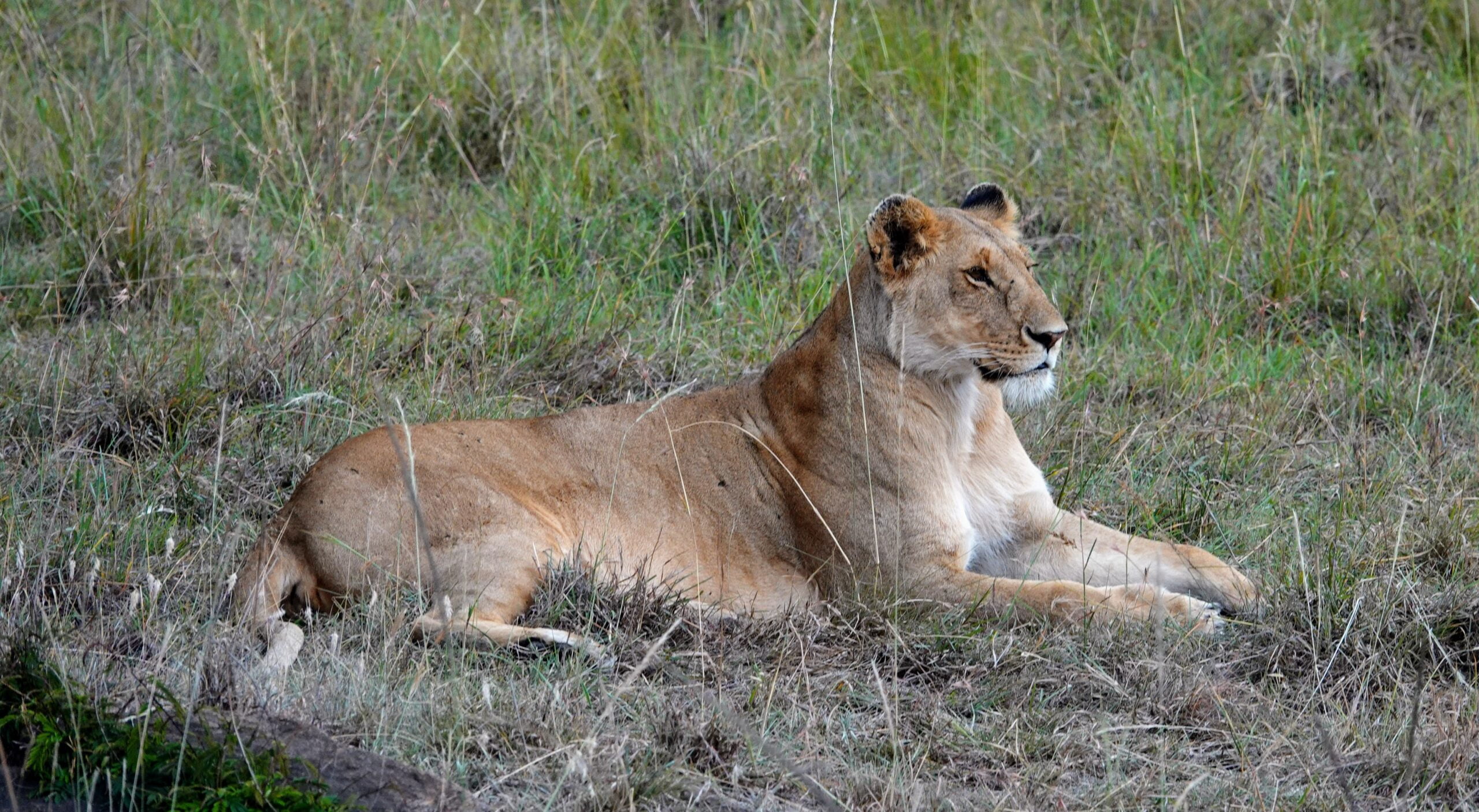
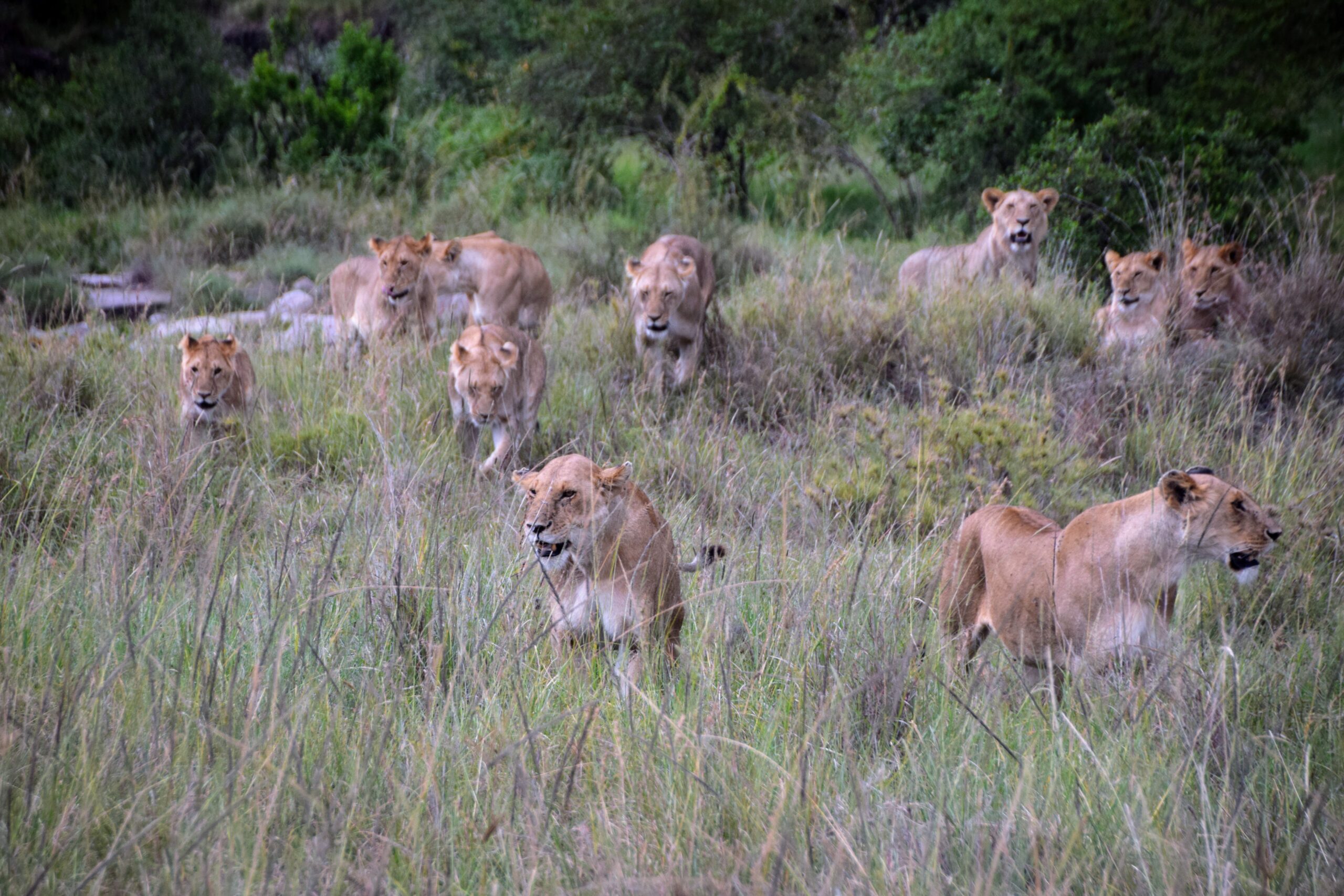
The Masaï Mara reserve is renowned for the diversity and density of its wildlife. The Big Five (lion, leopard, elephant, buffalo and rhinoceros) and a host of other animal species can be seen here.
One of the Masaï Mara’s most spectacular attractions is the great wildebeest migration from July to September.
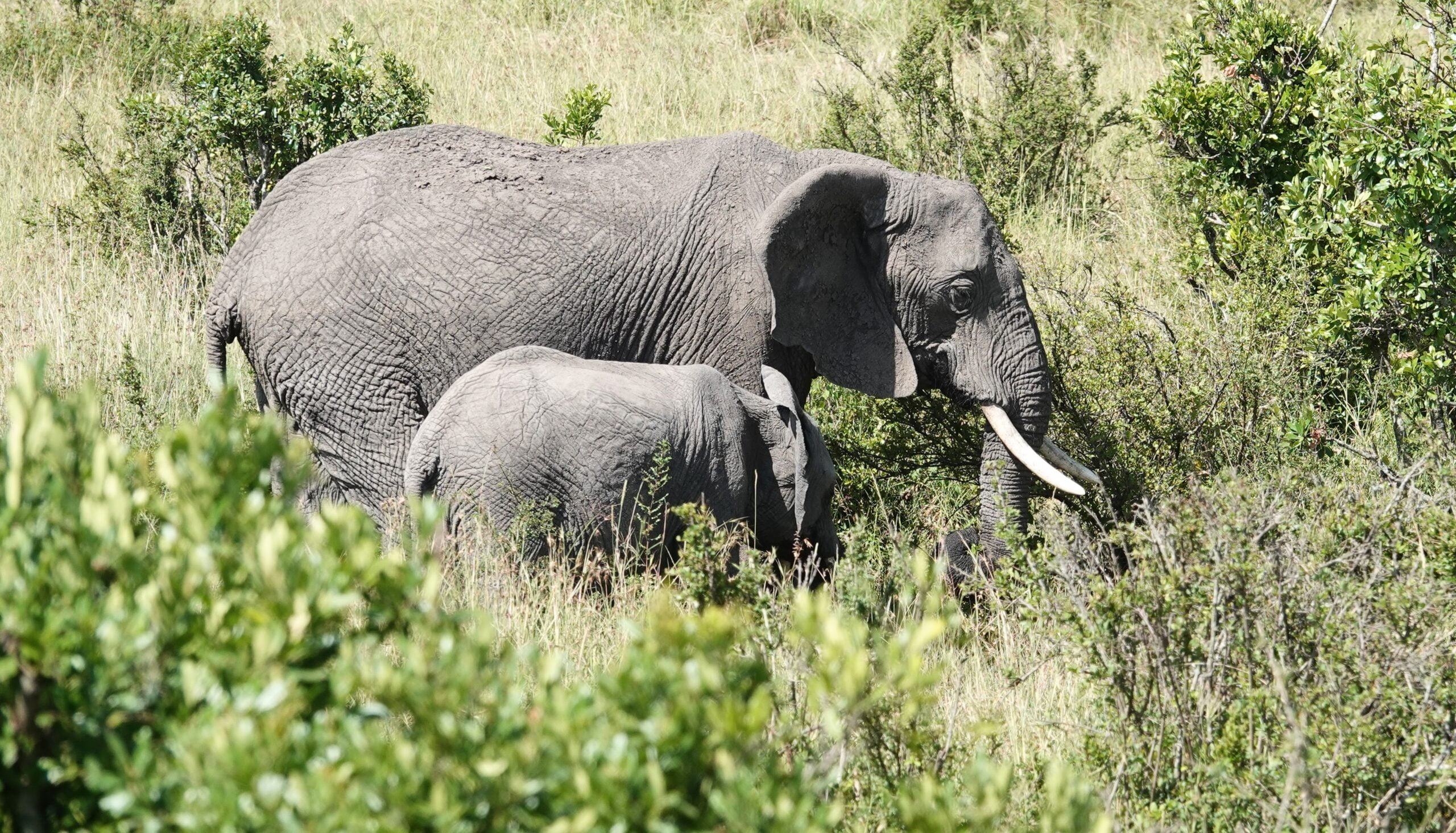
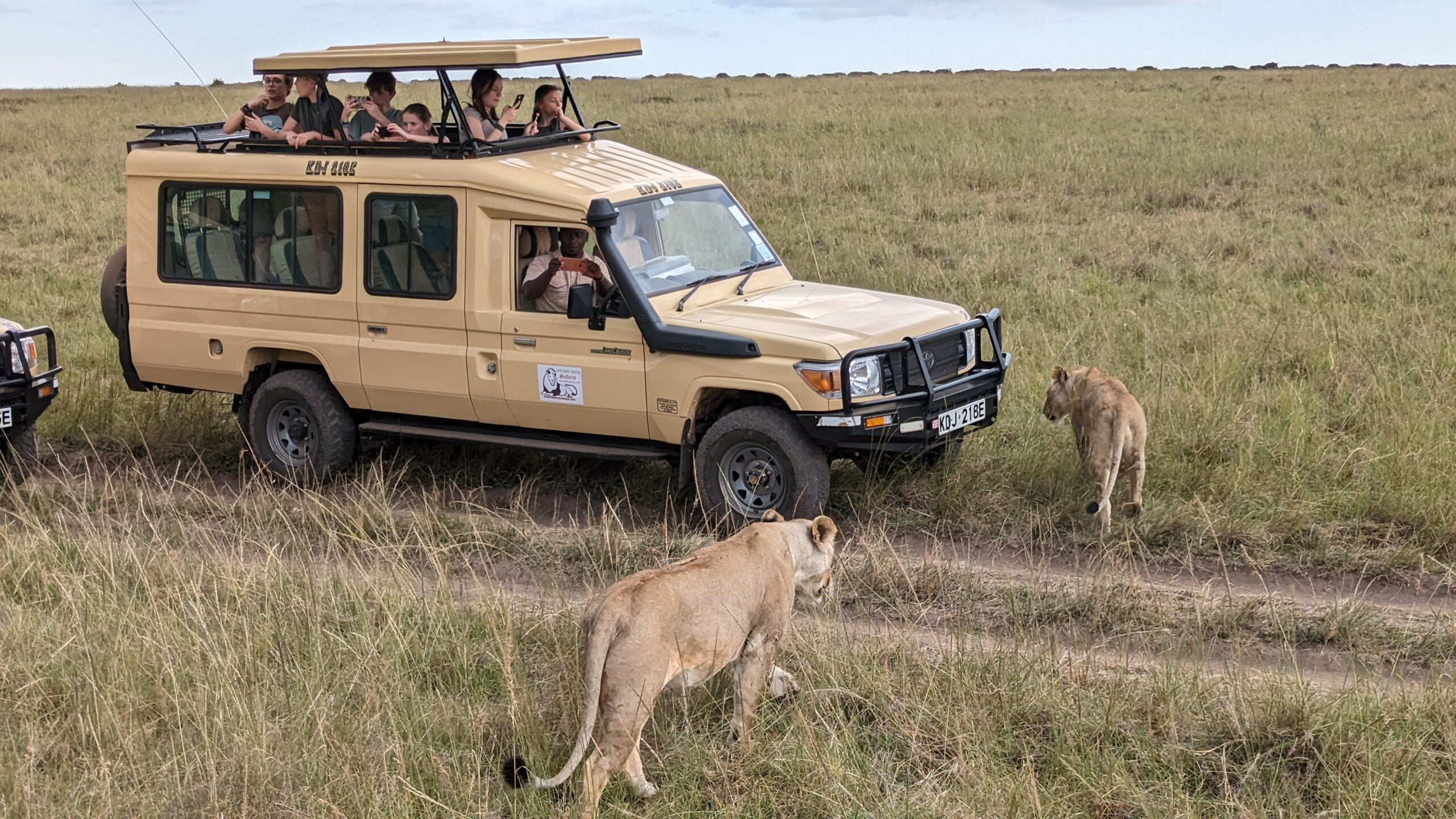
➜ While the Masai Mara reserve is the most popular for a safari in Kenya, it remains less visited than Tanzania’s Serengeti. The Masai Mara also offers a wider range of accommodation options, providing greater scope for budgeting.
Read about our safari in the Masaï Mara reserve.
Amboseli National Park
Located in the Great Rift Valley, some 250 km southeast of Nairobi, Amboseli National Park is Kenya’s oldest park and, after the Masai Mara, the country’s second most visited.
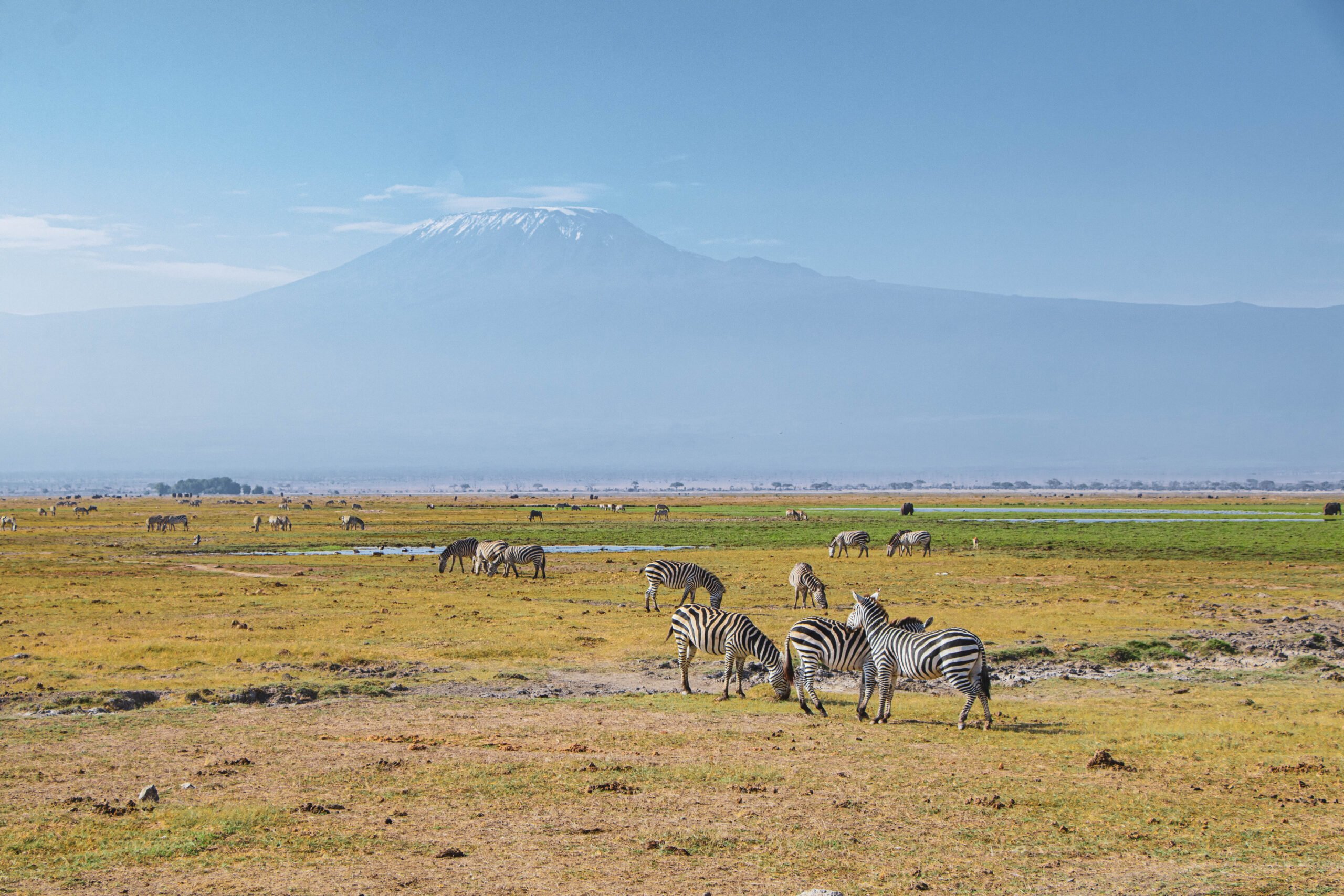
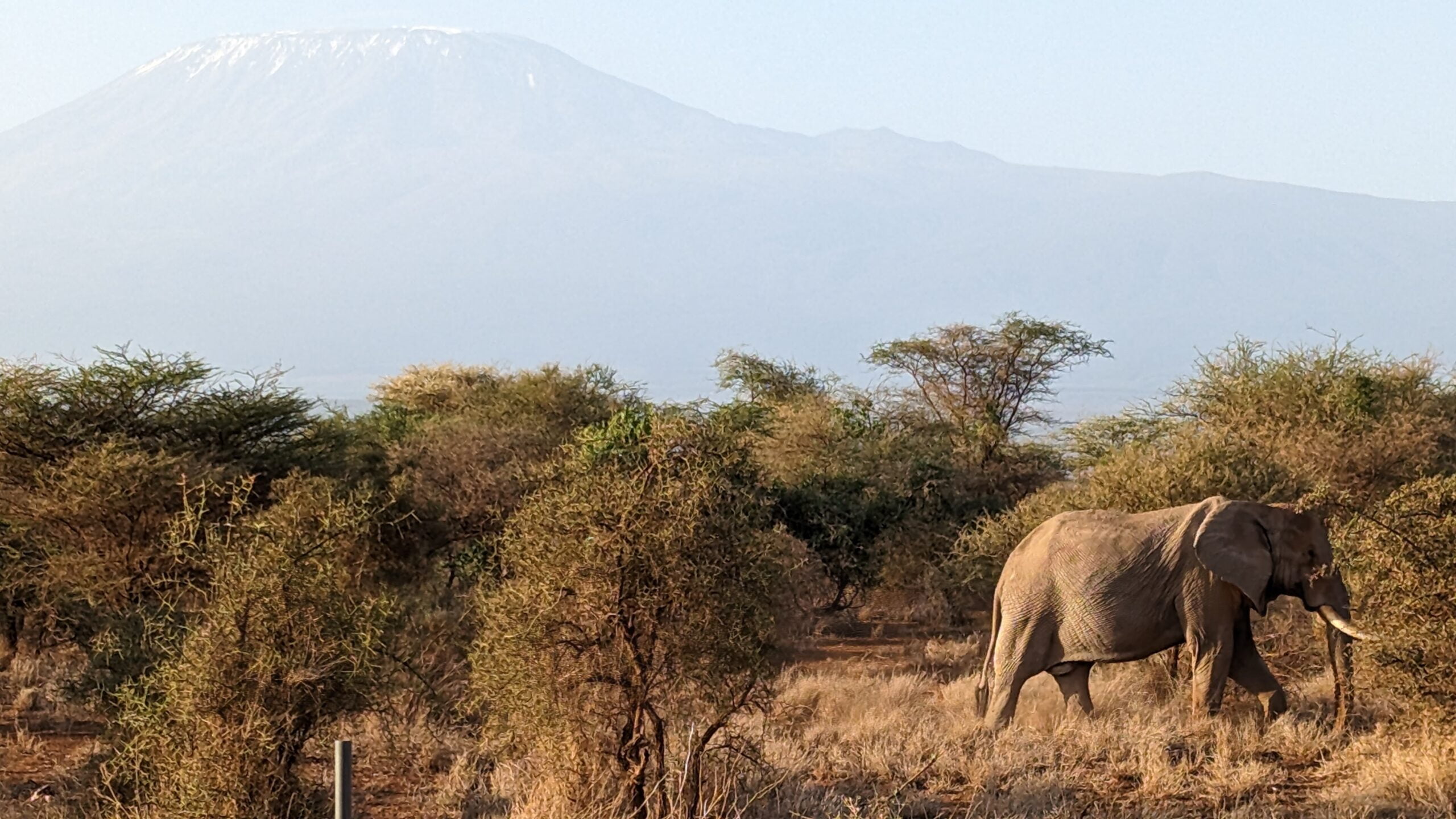
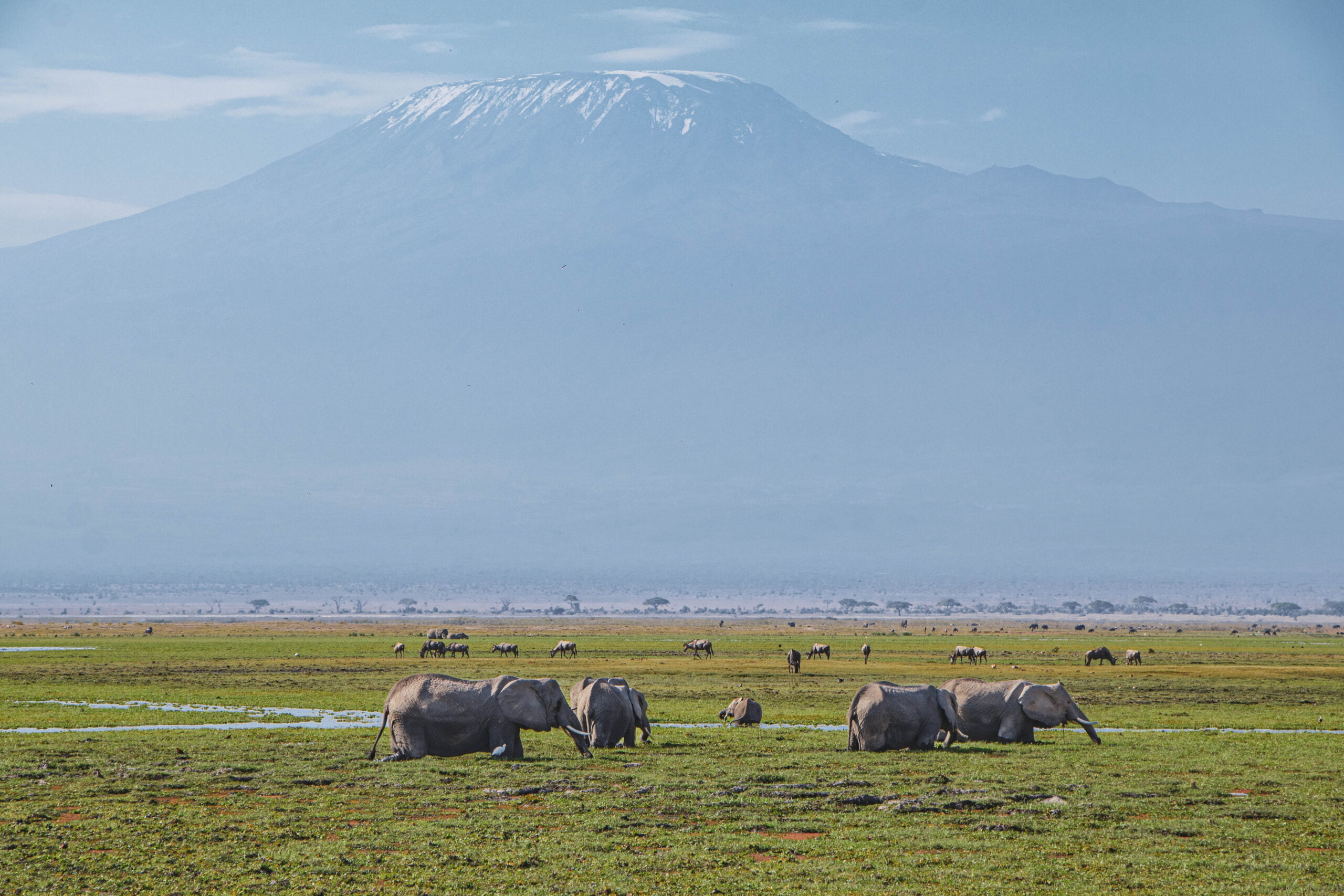
Bordering Tanzania, the park covers an area of 392 km², making it one of Kenya’s smallest parks. Mainly made up of fairly sparsely vegetated plains, the park offers exceptional views of Africa’s highest peak, Kilimanjaro (5895 m).
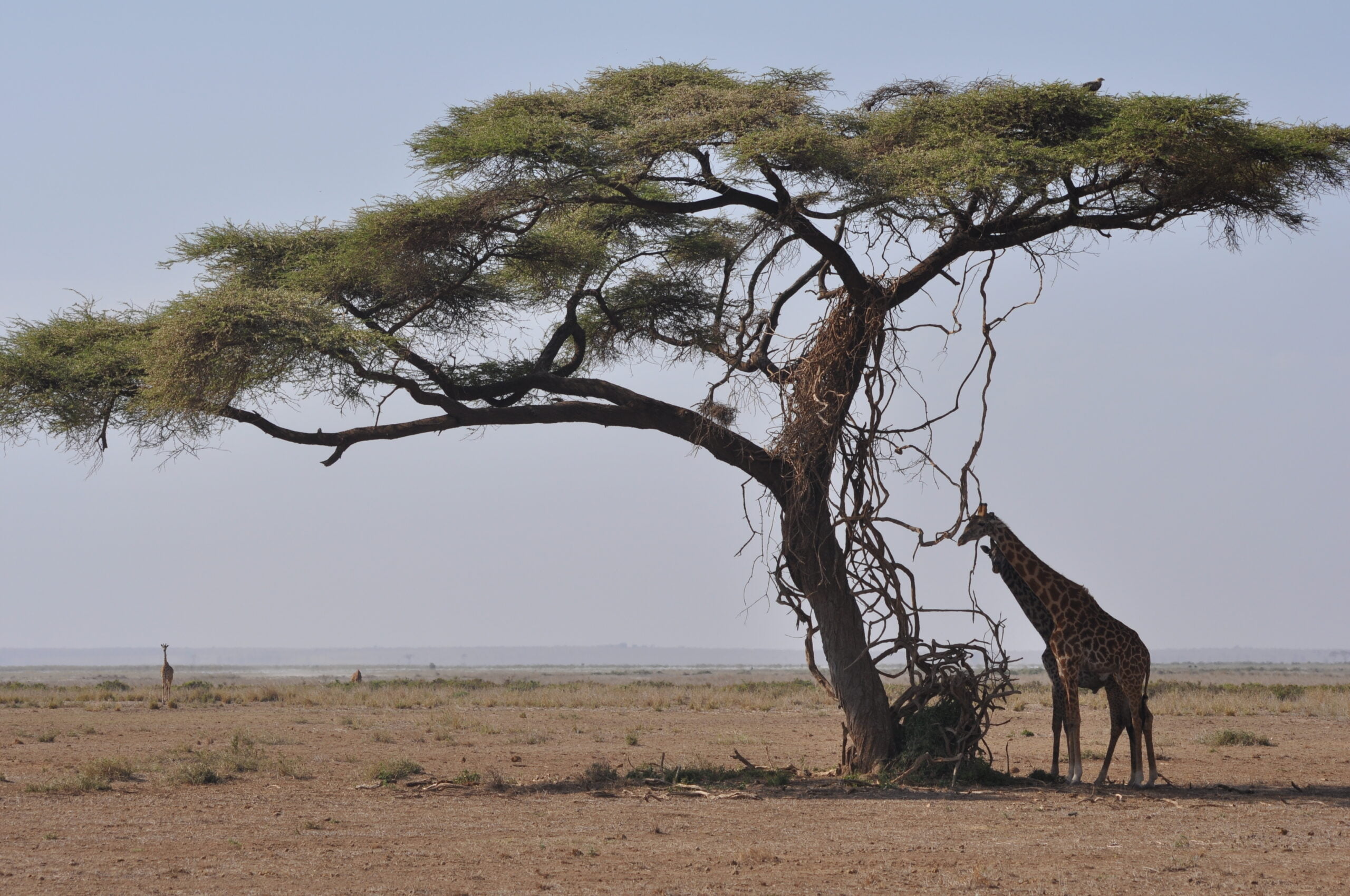
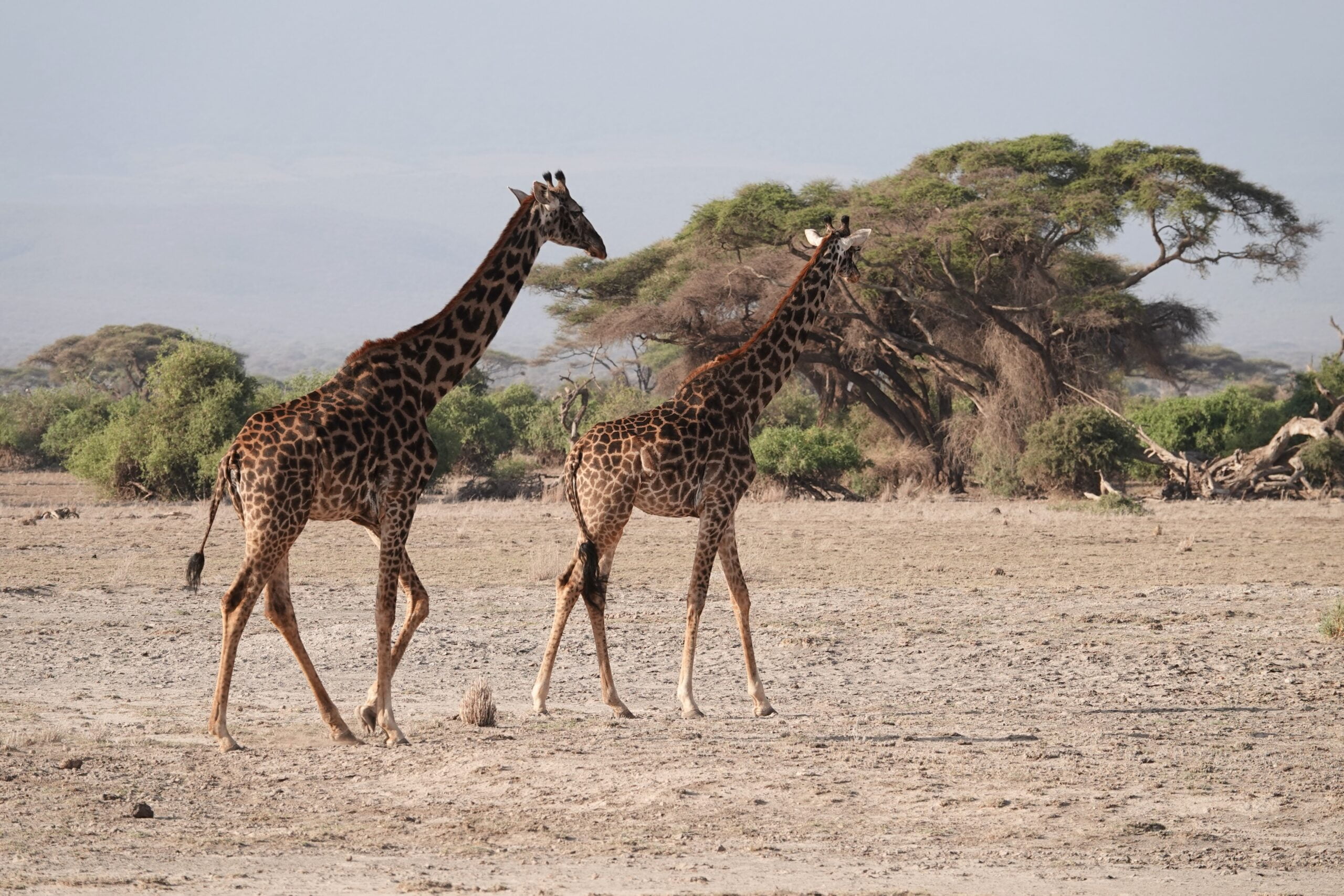
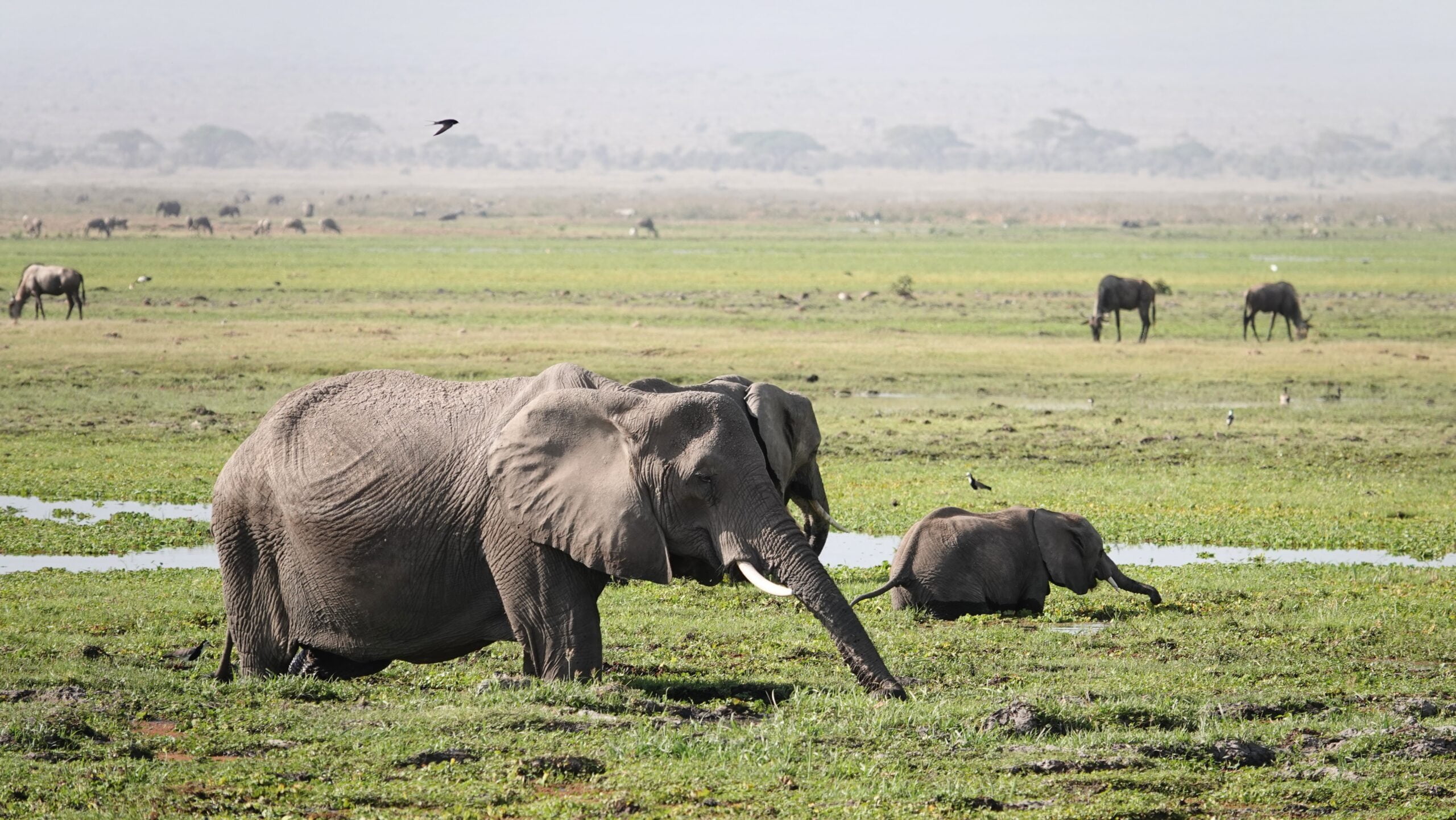
The wealth of wildlife is impressive for the park’s small size: zebras, wildebeest, antelopes, warthogs, hippos and birds by the hundreds often congregate near swamps. Giraffes move from acacia to acacia to feed and protect themselves from the sun.
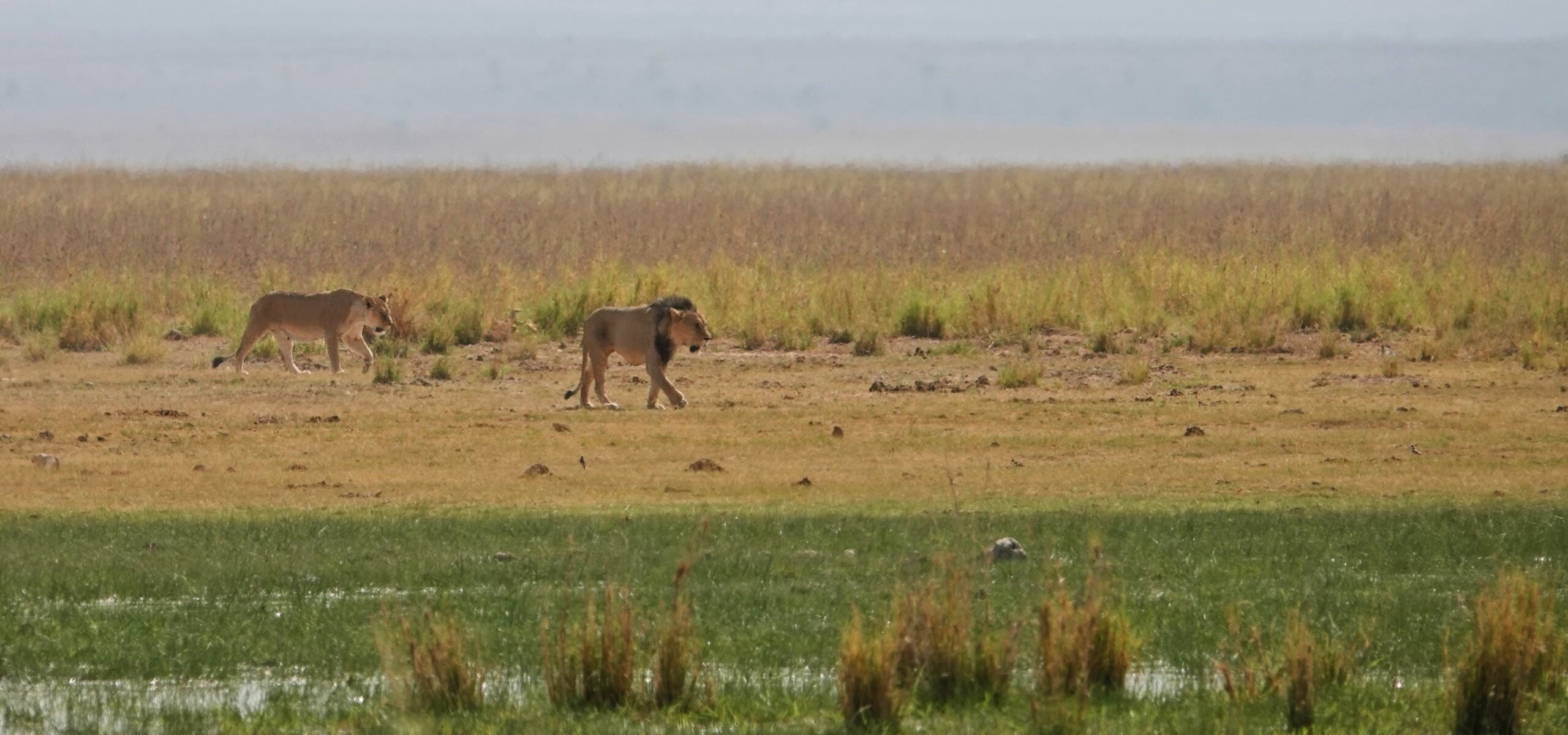
Felines and carnivores are rarer in Amboseli, but with a bit of luck you can still spot the Big Five!
But Amboseli National Park is above all the kingdom of elephants, which we never tire of observing with Kilimanjaro in the background! Thanks to researchers and the support of local communities, there are now over 1,800 elephants in Amboseli National Park, up from 600 in 1972.
➜ The small size of Amboseli National Park is actually an advantage for safari, with the experience ultimately proving less strenuous than at the Masai Mara, for example. Shorter journey times mean more time for animal watching. It’s also one of the few national parks that can be visited freely (by self-drive) during the dry season, provided you have a suitable vehicle and comply with the regulations in force.

Read about our safari in Amboseli National Park here.
Tsavo National Park
Tsavo National Park, Africa’s largest, is a volcanic region of red earth, renowned for its iconic landscapes (Mudanda lookout rock, Mzima springs, Shetani Lava rock formations) and the incredible variety of its wildlife, including the Big Five and endemic animals such as the Somali ostrich, Beisa oryx and Waller’s gazelle (also known as giraffe antelope).
The park is divided into two distinct sections, Tsavo East and Tsavo West, each offering varied ecosystems and wildlife.
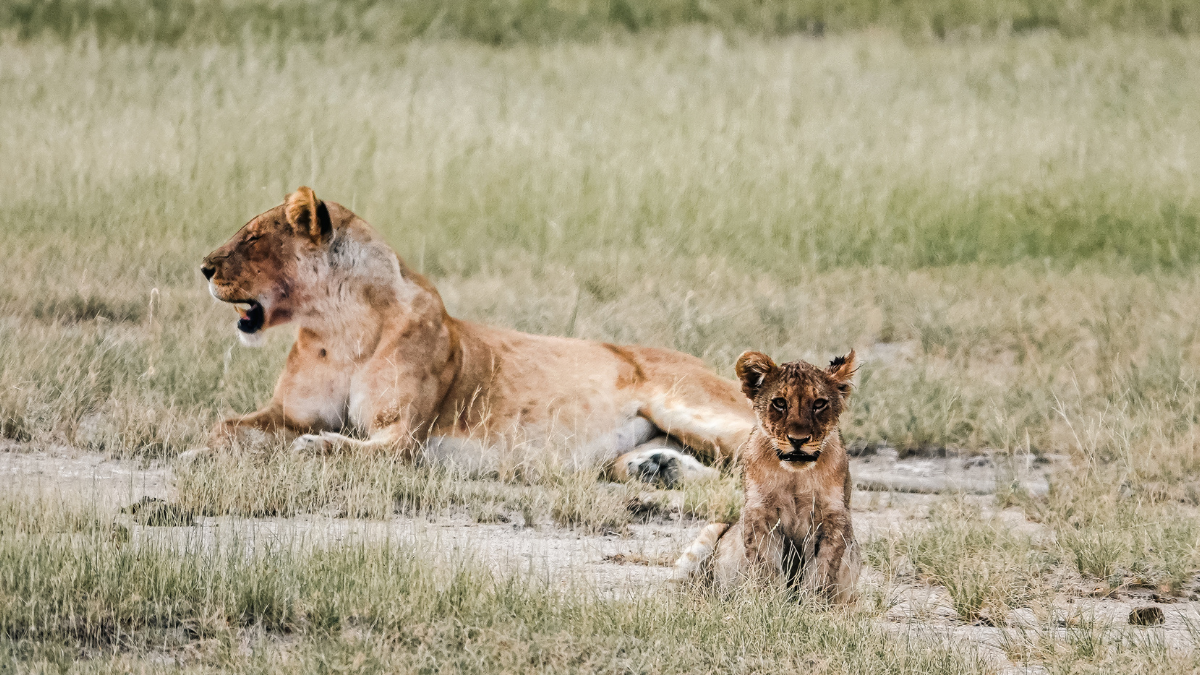
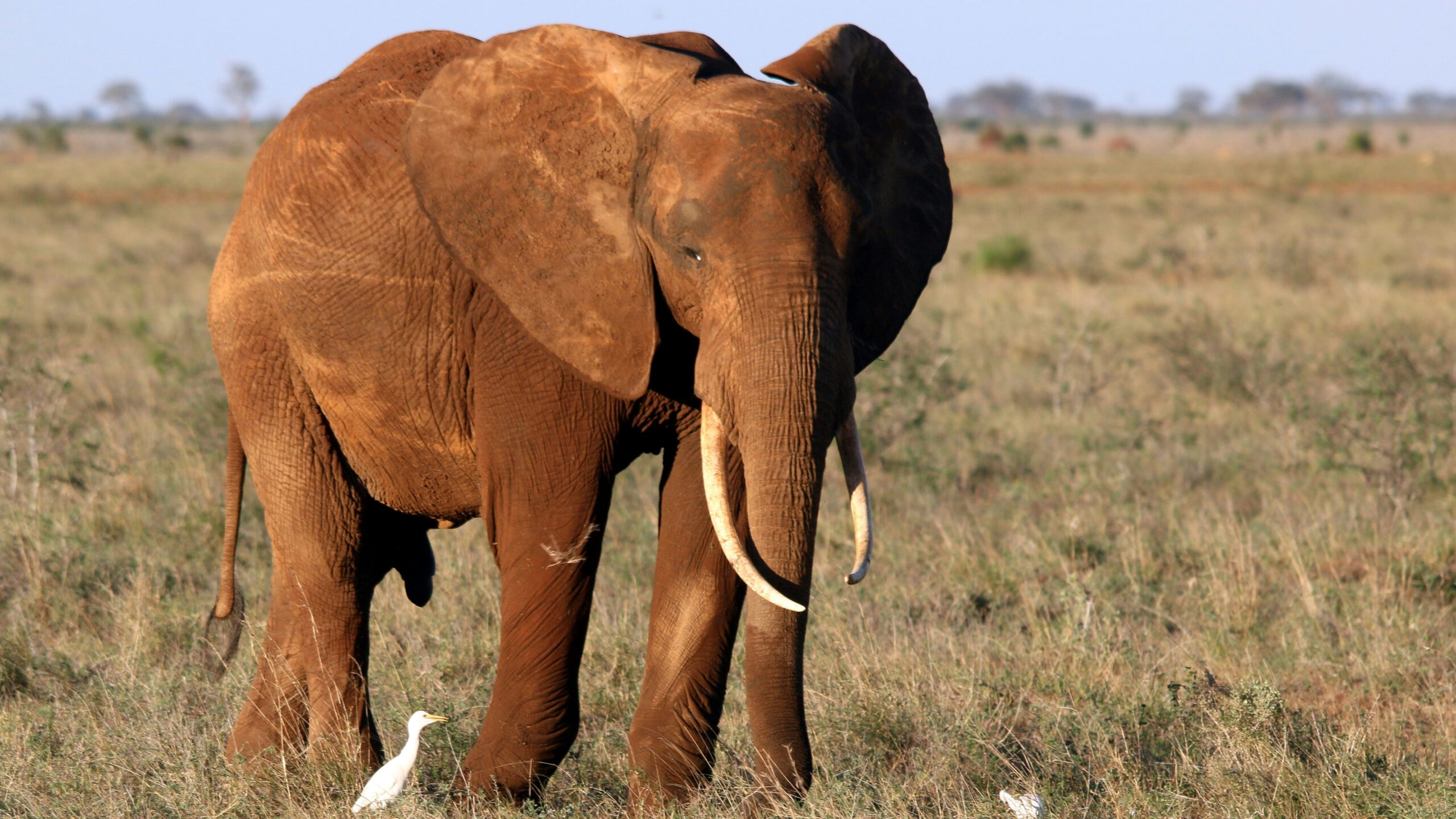
Crossed by the Yatta Plateau, one of the world’s largest lava flows (290 km), Tsavo East is home to over a thousandred-skinned elephants and numerous lionesses with their cubs. The lions of Tsavo are famous for having devoured over a hundred railway workers during the construction of the railroad between Kenya and Uganda in 1898.
On the Tsavo West side, various waterholes fed by the glaciers of Kilimanjaro allow you to observe numerous crocodiles and hippos. The Ngulia Rhino Sanctuary, meanwhile, plays a crucial role in the conservation of black rhinos, and is now home to some 80 specimens.
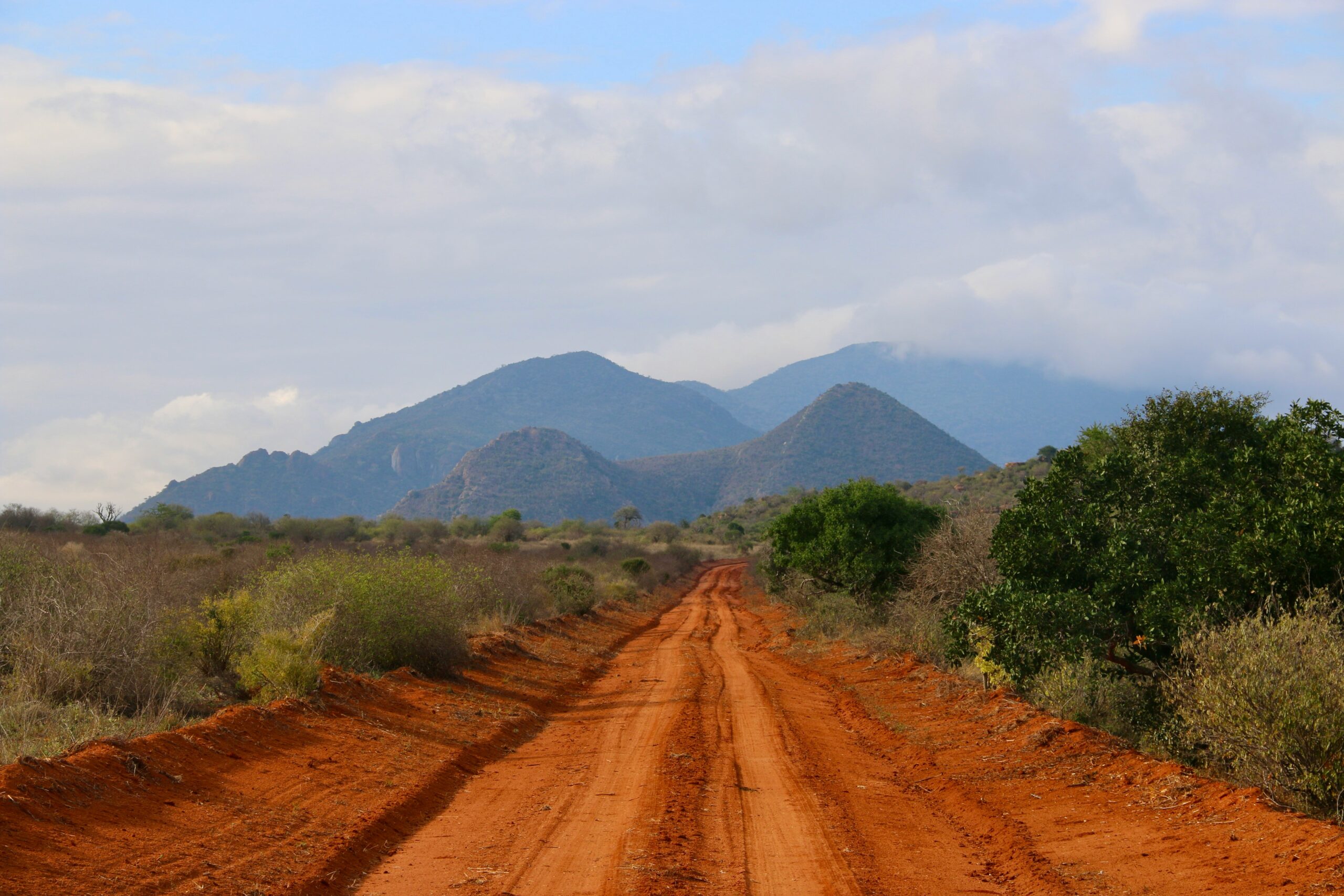
➜ Less crowded than Amboseli Park or the Masai Mara Reserve, Tsavo National Park offers a more exclusive and intimate safari experience, with opportunities for peaceful, less disruptive game viewing.
Samburu National Reserve
Located in northern Kenya, Samburu National Reserve is a 165 km² game reserve that lies to the west of Shaba Reserve and to the north of Buffalo Springs, from which it is separated by the Ewaso Ng’iro River. It is one of Kenya’s least-known reserves, and consequently one of the least-visited.
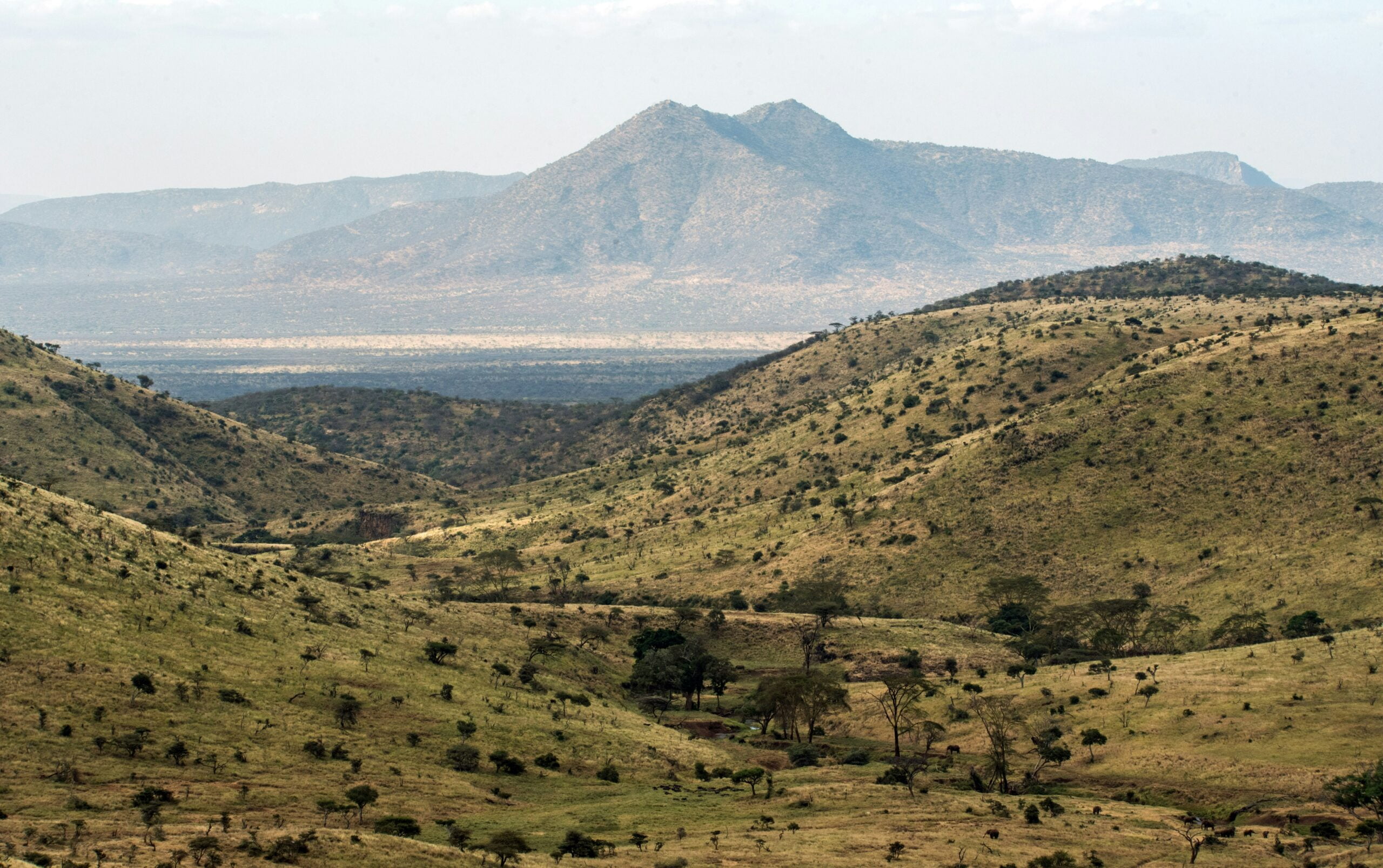
Composed of semi-arid savannah dotted with shrubs and small acacia trees, the Samburu, Shaba and Buffalo Springs reserves feature the same fauna, though with greater density in Samburu.
Here you can see 4 of the Big Five (lion, leopard, elephant and buffalo), as well as species that are harder to find in Kenya’s other parks and reserves, including reticulated giraffe, Grevy’s zebra, Beisa oryx and Waller’s gazelle (giraffe antelope). The Samburu National Reserve is also home to the highest concentration of leopards.
Ol Pejeta Conservancy
Located in the heart of Kenya, on the Laikipia plateau, Ol Pejeta Conservancy is a 360 km² private reserve. Its vast savannah plains are not unlike those of the Masai Mara, and the fauna is in fact quite similar: many herbivores (plains zebra, impala, African buffalo, Thomson’s gazelle, warthog and reedbuck), but also all the Big Five and the reticulated giraffe, as in Samburu.
Often cited as an example of wildlife conservation management and policy, Ol Pejeta isone of Kenya’s leading conservation sanctuaries, particularly for endangered species such as black and white rhino, leopard, cheetah and chimpanzee.
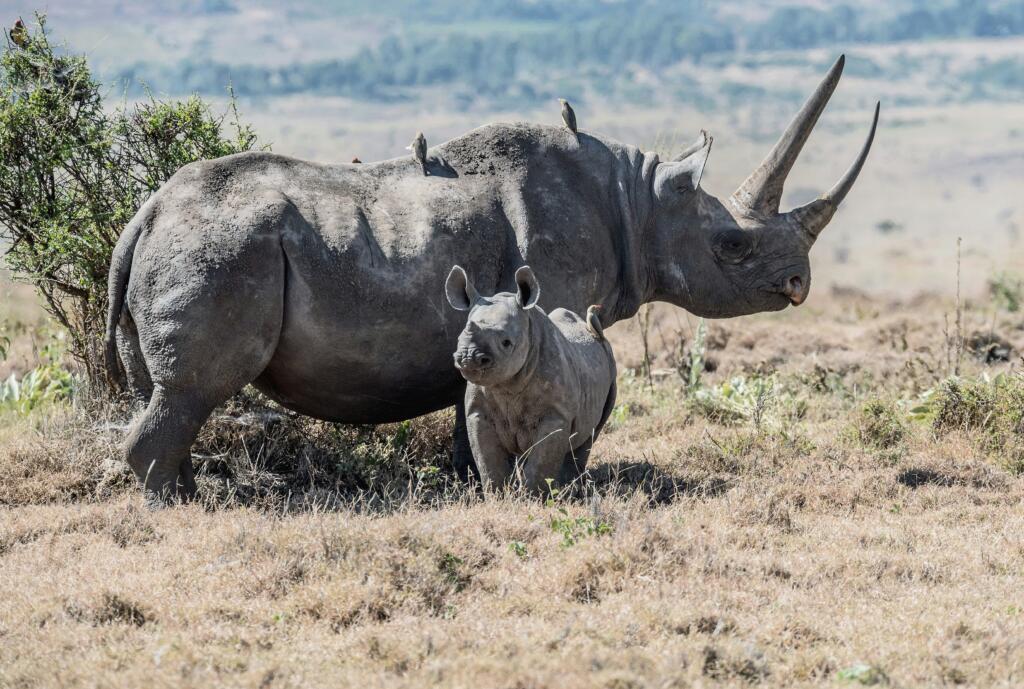
In addition to traditional safaris, Ol Pejeta offers a range of unique activities, including walking safaris, encounters with rhino keepers, visits to the chimpanzee sanctuary and night excursions into the reserve.
Parc National de Méru
Located 350 km east of Nairobi, Meru National Park is one of Kenya’s least-visited parks. Decimated by intensive poaching in the 1990s, the park’s 870 km² of wetlands have since been well repopulated, making Meru one of the most diverse parks in Africa.