ireland
THE EMERALD ISLAND
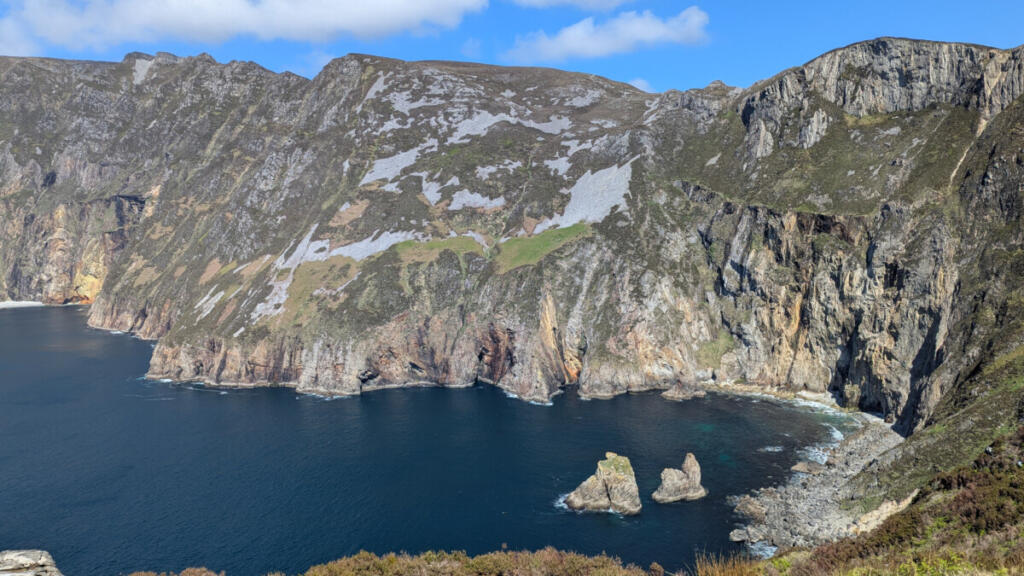
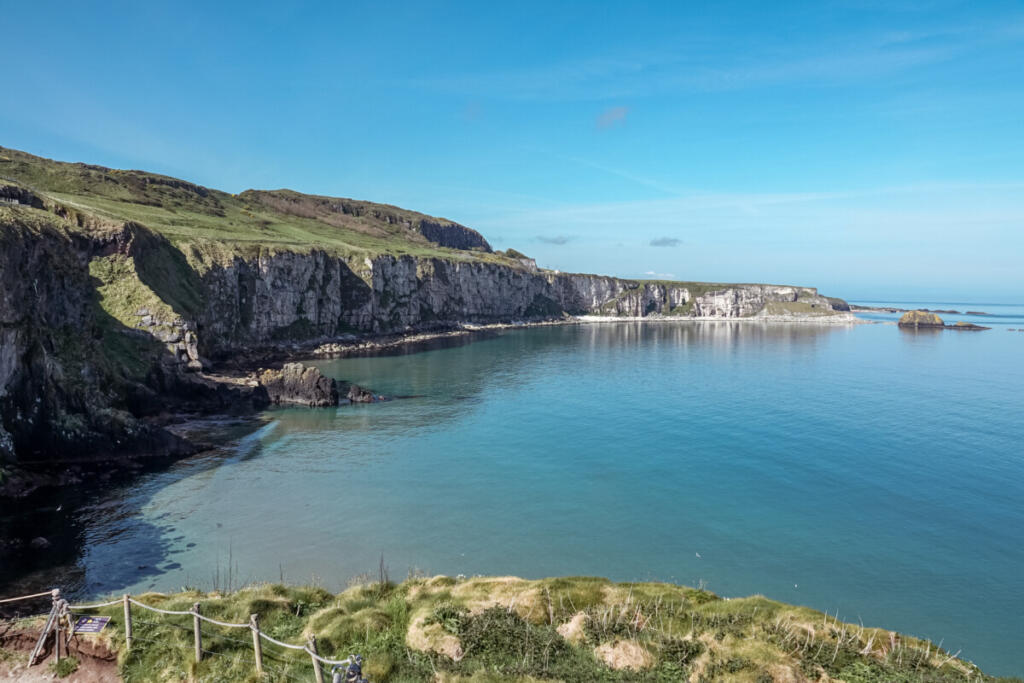
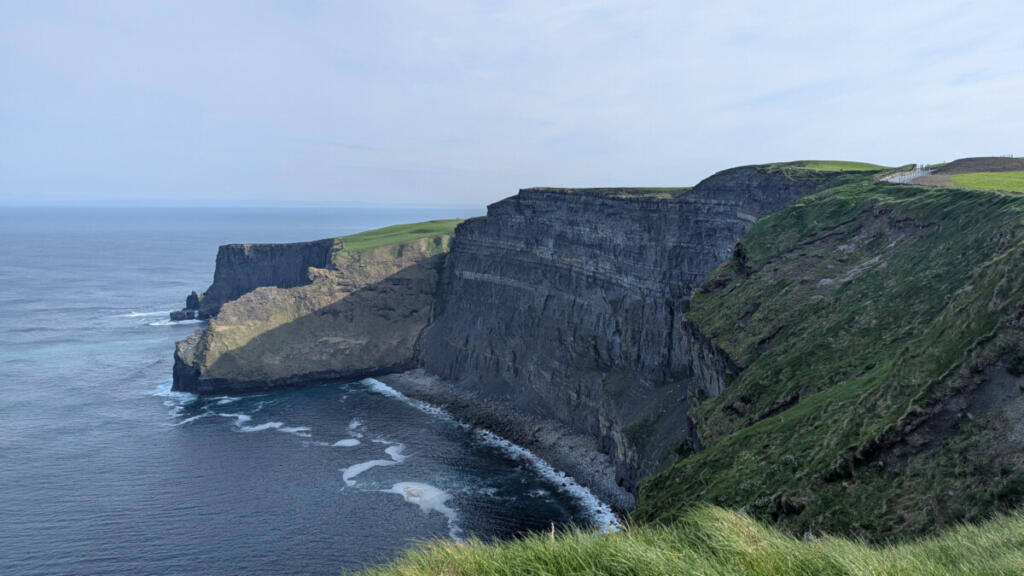
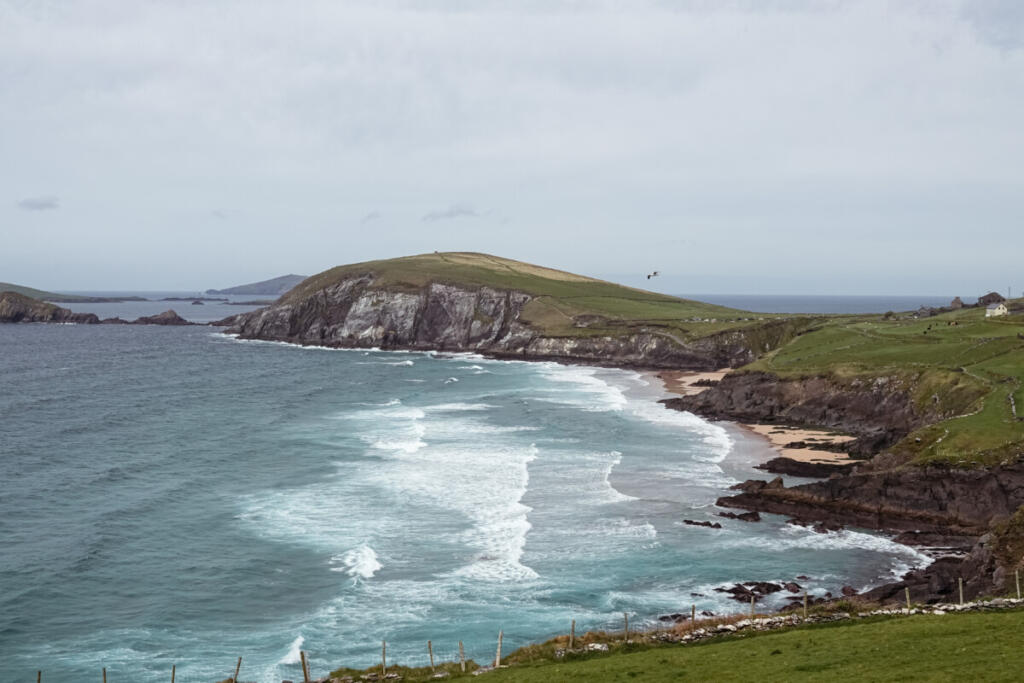
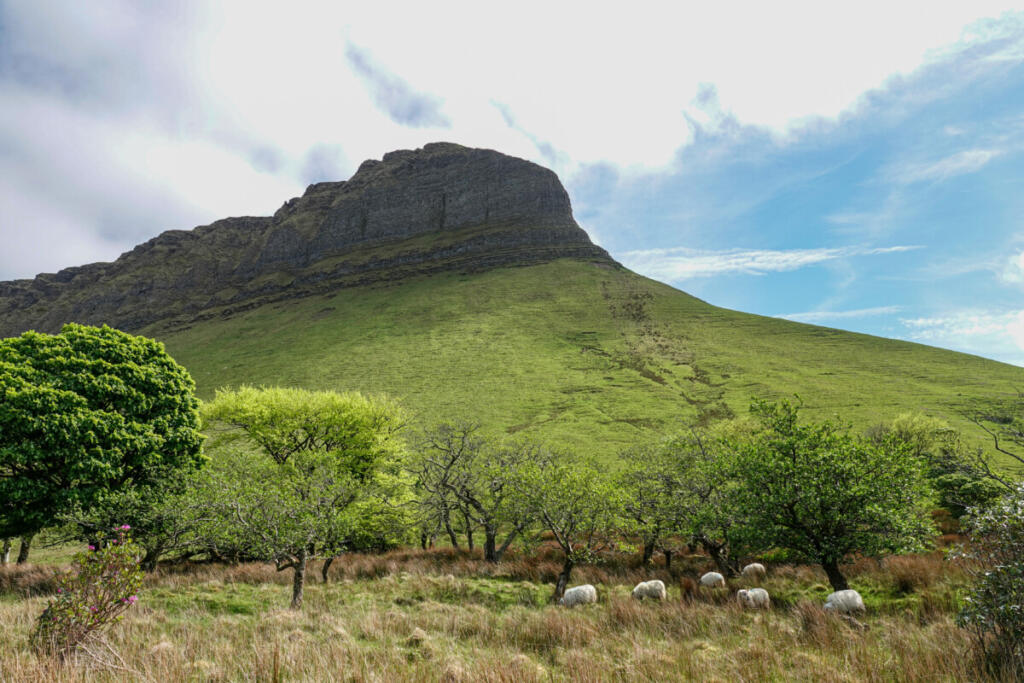
From the rugged cliffs of the Wild Atlantic Way to the lush green valleys of Connemara, Ireland is a land of contrasts, where wilderness and Celtic legends intertwine. Whether you’re a history buff exploring medieval castles, a lover of hiking through mystical landscapes, or in search of authenticity in the warm atmosphere of pubs, the Emerald Isle promises an unforgettable adventure.
Ireland at a glance
Location: Located in north-western Europe, Ireland is an island bordered by the Atlantic Ocean to the west and the Irish Sea to the east, separated from the United Kingdom by the North Sea and the St. George’s Channel. It covers some 70,000 km² and boasts lush green landscapes, spectacular cliffs and peaceful lakes.
Capital: Dublin
Population: approx. 5 million
Official languages: English and Irish (Gaelic)
Currency: Euro
Time difference: -1h to France and Belgium
Flight time: Approximately 1h30 to 2h from France and Belgium
Entry formalities: For EU nationals, a valid identity card or passport is sufficient. No visa is required for tourist visits.
Health: No specific vaccinations are required to enter Ireland.
In your suitcase: warm, waterproof clothing, a good windbreaker, hiking boots for exploring coastal paths and an electrical adapter (G-type plugs, as in the UK).
Good to know: Ireland is a country where traditions are deeply rooted. Pubs are at the heart of social life, and traditional music plays an important role. Driving is on the left, and the climate is very changeable – it’s not unusual to experience all four seasons in one day!
5 good reasons to visit Ireland

Preparing your trip to Ireland
How to get to Ireland
Ireland is easily accessible by air from Europe. The main international airports are Dublin (DUB), Cork (ORK) and Shannon (SNN). Many airlines, such as Aer Lingus, Ryanair, Air France and British Airways, offer direct or stopover flights. For travelers from the UK or France, the ferry is a pleasant alternative, with regular services from Cherbourg or Roscoff to Dublin and Cork.
When to go to Ireland?
Ireland can be visited all year round, but the choice of season depends on the experience you’re looking for.
From May to September, the summer season offers mild temperatures (between 15°C and 20°C), long days and an ideal climate for hiking in Connemara, walking the Giant’s Causeway or exploring the Cliffs of Moher. It’s also the most popular tourist season, with lively festivals such as the Galway International Arts Festival in July.
From March to April and October to November, Ireland reveals a quieter face, with fewer visitors and magnificent autumn colors. March is particularly lively, thanks to the St. Patrick’s Day festivities.
From December to February, winter brings a hushed atmosphere, ideal for enjoying Dublin’s cosy pubs or the snow-covered landscapes of Wicklow National Park. Temperatures remain mild (5°C to 10°C), but days are shorter and rain frequent.
Getting around Ireland
Ireland has a well-developed transport network, making it easy to get around the country.
The car is the ideal way to explore the wilds of Connemara, the Dingle Peninsula or the Wild Atlantic Way. Driving is on the left and some country roads are narrow, but the freedom offered is well worth it.
The train is a comfortable option for reaching major cities like Dublin, Cork, Galway or Belfast. However, it does not serve some of the more isolated regions.
Buses are an affordable and well-developed alternative, with frequent connections between major cities and picturesque villages. Bus Éireann and Citylink provide most routes.
Finally, ferries provide access to the Aran Islands and Northern Ireland from Scotland.
Where to stay in Ireland?
Ireland offers a wide range of accommodation to suit all budgets and tastes.
Charming hotels and castles: For an authentic experience, staying in a castle-hotel like Ashford Castle or Dromoland Castle is a unique option, combining history and luxury.
B&Bs and guest houses: Very popular in Ireland, these accommodations offer a warm welcome and a hearty breakfast based on local produce. Ideal for immersion in Irish culture.
Youth hostels: Found in major cities and on tourist circuits, these are a cost-effective solution for solo travelers and groups.
Cottages and rentals : For a completely independent stay, rent a cottage in the heart of the Burren or a house by the sea to take full advantage of the Irish countryside.
What budget for a trip to Ireland?
The cost of a trip to Ireland varies according to the level of comfort and activities chosen.
Accommodation: A night in a youth hostel costs around €20 to €40, while B&Bs and mid-range hotels range from €70 to €150. For a stay in a château or top-of-the-range hotel, expect to pay between €200 and €400 per night.
Meals: A meal in a traditional pub costs between €10 and €20, while dinner in a more refined restaurant can run from €30 to €60 per person. Trying an Irish breakfast or fish and chips is a must.
Transport: Renting a car costs around €30 to €70 a day, while train and bus journeys cost between €10 and €50, depending on distance.
Activities: Admission to iconic sites such as Guinness Storehouse, the Giant’s Causeway and Blarney Castle ranges from €10 to €30. Some natural attractions, such as the Cliffs of Moher, are accessible for a moderate fee (around €8).
The average daily budget for a traveler varies between €50 and €150 per day, depending on the level of comfort required.