Lapland
The magic of the far north
Endless expanses of snow, silent forests and light that transforms every moment: Lapland is a land of raw emotions, at the gateway to the Arctic. Here, the cold reveals the beauty of the landscape, winter becomes an adventure playground and nights are sometimes illuminated by the Northern Lights. Between Nordic experiences, Sámi traditions and suspended moments in the heart of nature, Lapland offers a journey away from the landmarks, a real break to reconnect with what’s essential.
Lapland in brief
Location:
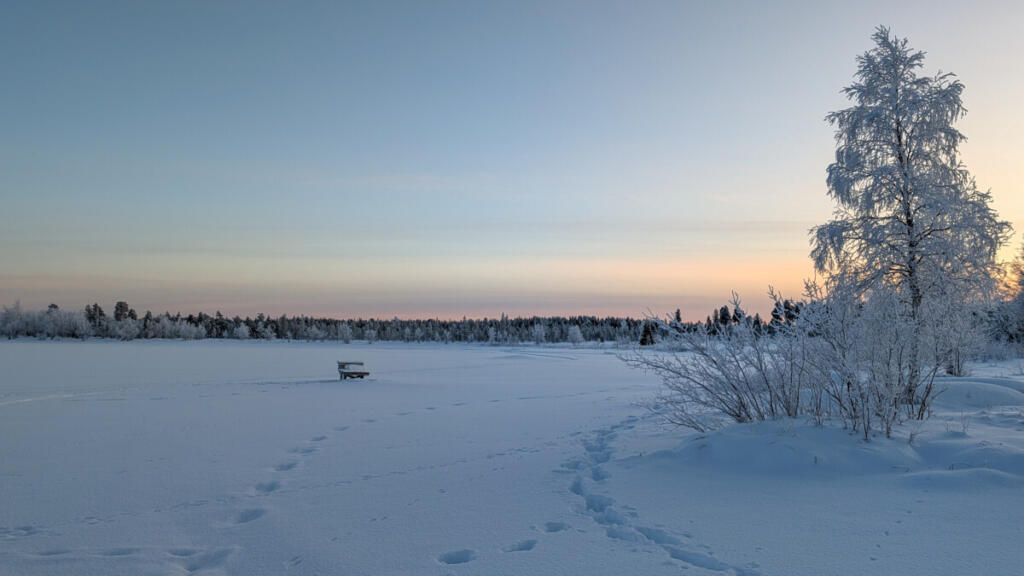
Located in the far north of Europe, Lapland is a vast transnational region stretching across northern Finland, Sweden, Norway and Russia. Covering some 380,000 km², it is characterized by vast wilderness, with boreal forests, countless lakes and vast expanses of tundra. Marked by an arctic climate and unique light, Lapland stands out for its snow-covered winter landscapes, pastel-colored skies and deeply silent, unspoiled atmosphere.
Capital:
Lapland is not a country and therefore has no capital. Depending on the area visited, the main towns are Rovaniemi, Ivalo or Inari in Finnish Lapland.
Population:
Approximately 300,000 people live in Lapland.
Official languages:
The main languages are Finnish, Swedish and, depending on the region, Sámi.
English is widely spoken, particularly in the tourism sector.
Currency:
The currency in Finnish Lapland is the euro (€).
Time difference:
Finnish Lapland is +1 hour ahead of Belgium in winter.
Flying time:
Flights to Lapland are generally made via Helsinki, with a total duration of around 5 to 6 hours depending on connections and arrival city (Ivalo, Rovaniemi…).
Entry formalities: For EU nationals, a valid identity card or passport is sufficient. No visa is required for tourist visits.
Health: No specific vaccinations are required.
As the cold can be intense in winter, good protection against the cold is essential – appropriate equipment is generally included with activities.
In your suitcase:
For a stay in Lapland, it’s essential to pack cold-weather clothing, preferably with layers. Cold-weather equipment for activities is usually provided on site.
Good to know:
The cold in Lapland is dry and often easier to bear than you might think. Credit cards are accepted everywhere, even for small amounts. As the aurora borealis is a natural phenomenon, its appearance can never be guaranteed, even if viewing conditions in winter are ideal.
5 good reasons to visit Lapland
Preparing your trip to Lapland
How to get to Lapland
Lapland is mainly accessible by air from Europe. The main airports serving the region are Rovaniemi (RVN) and Ivalo (IVL) in Finland. Flights generally include a stopover in Helsinki, from where there are regular connections to the Far North. Several airlines, including Finnair, Lufthansa, Air France and Brussels Airlines, offer connecting flights. Once on site, organized transfers provide easy access to accommodation and activity areas.
When to go to Lapland?
Lapland can be visited all year round, but each season offers a very different experience, closely linked to the light and weather conditions.
From December to March, the Arctic winter reveals all the magic of Lapland. Landscapes are covered in snow, temperatures can drop well below zero, and the long nights offer the best conditions for observing the Northern Lights. This is the ideal time to enjoy great Nordic experiences such as dog-sledding, snowmobiling or snowshoe trekking. February and March offer a good balance of light, snow and activities.
From April to May and September to October, the transitional seasons offer a quieter Lapland. Spring sees the snow gradually melt, while autumn is decked out in flamboyant colors during ruska, the short but spectacular foliage season. In September, the nights gradually return, allowing us once again to observe the northern lights.
From June to August, the Arctic summer completely transforms the region. Under the midnight sun, the days seem endless and temperatures can be surprisingly mild. It’s the ideal season for hiking, canoeing, fishing and exploring the Lapland landscapes under permanent sunlight, in a peaceful, luminous atmosphere.
Getting around Lapland
Distances in Lapland are long, and public transport is limited outside the main towns. The car is therefore the most practical means of getting around freely, especially for exploring the countryside, nature parks and more isolated areas. In winter, roads are well-maintained and adapted to weather conditions, but driving on snow requires a certain amount of caution.
In the case of organized tours, most travel is by private or group transfer, and shuttles are included in the package. Activities are generally accessible directly from the accommodation or via supervised transfers, so you can travel without worrying about logistics.
Where to stay in Lapland?
Lapland offers a wide range of accommodation designed to give you the full Far North experience, combining immersion in nature with comfort.
Lodges and hotels in the heart of nature: Very widespread in Lapland, these establishments are often located in the heart of forests or on the shores of lakes. They offer a calm, unspoilt setting, ideal for enjoying the Arctic landscape and Nordic activities, while benefiting from a high level of comfort.
Nordic cabins and chalets: Wooden chalets, sometimes with glass roofs to watch the sky and the northern lights, offer total immersion in the Lappish environment. They’re perfect for an intimate stay close to nature.
Hotels and village accommodation: In towns like Rovaniemi, Ivalo or Inari, you’ll find hotels and guesthouses that offer easy access to services, restaurants and cultural centers, while remaining close to the great outdoors.
Self-catering accommodation: For greater independence, you can also rent a chalet or apartment. This option is particularly suited to travelers wishing to explore the region at their own pace, especially in summer.
What budget for a trip to Lapland?
Accommodation: Accommodation in Lapland is generally more expensive than in other parts of Europe, due to its location and the services offered. A night’s accommodation in a single room or in a guesthouse costs between €80 and €150. Mid-range lodges and hotels range from €150 to €300 per night. For top-of-the-range accommodations, such as glass-roofed chalets or premium lodges in the heart of nature, rates can reach 350€ to 600€ per night.
Meals: A simple meal in a local restaurant costs on average between €15 and €25, while dinner in a more elegant establishment is usually between €30 and €60 per person. Most stays, however, include some or all meals, especially in lodges.
Transport: Flights are a major part of the budget, with prices varying according to the season and how early you book. Local car rental costs around €60 to €100 per day in winter. Transfers are often included in package tours.
Activities: Nordic experiences are a major expense. An activity such as dog sledding, snowmobiling or a trip dedicated to the Northern Lights generally costs between €120 and €250 per person, depending on the duration and level of service.
Overall, Lapland is a destination with a higher budget, but one that often includes comprehensive services. A stay is more of an immersive experience than a simple trip, with an excellent level of supervision and services.
Get inspired
Travel Journals
Discover our travel stories and sample itineraries to inspire you in the creation of your own 100% personalized trip.
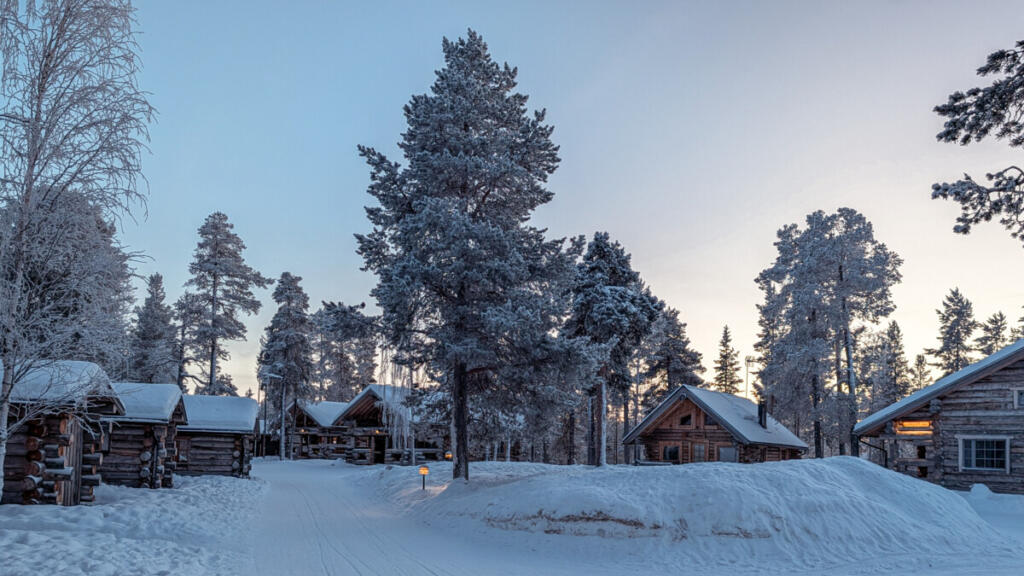
Wilderness Hotel Nellim | Arctic immersion on Lake Inari
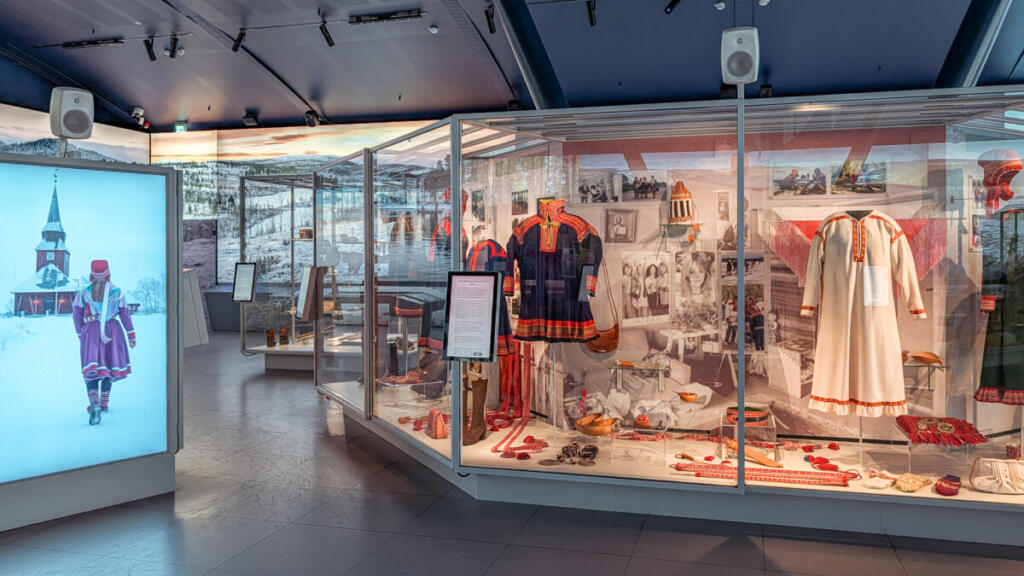
Meet the Sámi culture: visit the Siida Museum in Inari