london
Tea Time & Iconic Monuments
London, a cultural and historical capital, combines modernity and tradition. From its famous monuments to its verdant parks, the city is full of experiences to discover. Whether savoring a classic tea time or exploring its lively neighborhoods, London immerses you in a unique atmosphere, where every street corner tells a story.
London at a glance
Location: London is located in south-east England, on the banks of the River Thames. It is the capital of the United Kingdom and one of Europe’s largest cities.
Main districts: Westminster, Camden, Shoreditch, Notting Hill, Soho
Population: approx. 9 million (urban area)
Official language: English
Currency: Pound Sterling (GBP) – €1 is worth approximately 0.85 GBP
Time difference: -1h to France in winter, no time difference in summer (British summer time).
Flight time: Approx. 1.5 hours from Paris or Brussels
Entry formalities: Valid identity card or passport for EU citizens. From April 2, 2025, an ETA (Electronic Travel Authorisation) will be compulsory for European travellers (the first applications can be made as early as March 5).
Health: No vaccinations required
In your suitcase: clothing suitable for variable weather conditions (frequent rain), comfortable shoes for exploring the city, and a G-type electrical adapter (British plug).
Good to know: Tipping is usually included in the bill in restaurants, but if not, a 10-15% tip is appreciated. Cabs often use meters, and use of the Uber app is also common.
5 good reasons to go to London

Preparing your trip to London
How to get to London?
There are several options for getting to London: plane, train, car, bus or ferry.
By plane, the flight takes around 1h15 from Paris or Brussels, with prices ranging from €50 to €200 depending on the departure city. London is well served by several airports, such as Heathrow, Gatwick and Stansted, all easily accessible by express train.
The train, via Eurostar, links Paris and Brussels to London in 2h to 2h30. Tickets range from €50 to €300, depending on class and season.
For a car journey, the Channel Tunnel takes around 35 minutes and the total journey from Paris takes around 6 hours. Eurotunnel tickets start at €60, but driving in London can be tricky due to heavy traffic and left-hand drive.
Buses such as FlixBus and National Express offer cheaper but longer journeys. Ferries are also an option, though less common.
When to go to London?
London is a pleasant destination all year round, with each season offering its own special atmosphere.
Spring (March-May): Spring in London is mild, ideal for strolling through parks like Hyde Park or Kew Gardens, which are magnificent during the flowering season. It’s also a great time to enjoy pub terraces and events like the London Marathon.
Summer (June-August): Summer in London can be hot, but temperatures generally stay around 20-25°C. This is the season for music festivals, outdoor events and sunny days. However, expect crowds, especially during school vacations.
Autumn (September-November): Autumn is one of the best times to visit London. Temperatures are pleasant, and the parks are decked out in magnificent autumn colors. It’s also the season for exhibitions and cultural events, such as the London Design Festival.
Winter (December-February): Winter in London can be cold, with temperatures close to 0°C, but the atmosphere at Christmas is magical. Christmas markets, city decorations and the ice rink in Hyde Park create a magical atmosphere. It’s also time for winter sales in department stores like Harrods and Oxford Street.
How long does a trip to London last?
The ideal duration for a trip to London depends on your interests and the time you wish to devote to the city.
3 to 4 days: This format is perfect for a quick city trip, allowing you to discover the main sites such as the Tower of London, Buckingham Palace, Big Ben, the Tate Modern and a stroll along the Thames.
5 to 7 days: A more complete stay to explore famous museums such as the British Museum, the National Gallery and the Tate Britain art gallery, stroll through Soho and Covent Garden, and enjoy a show in the West End. You can even take a trip to Greenwich, Windsor or Oxford for a more complete experience of London and its surroundings.
Getting around London
Getting around London is easy, thanks to an efficient public transport network and a variety of transport options.
London has a vast network managed by Transport for London (TfL), including subway, buses, streetcars and the London Overground. It’s advisable to use an Oyster card or contactless bank card for reduced-fare journeys.
Tube: The fastest way to get around London, with standard tickets starting at £2.50 for a journey in zone 1.
Buses: A good complement to the metro network, they can be used to reach uncovered areas. Although slower, they offer a practical alternative.
Cabs: The famous black cabs are a comfortable but more expensive way to get around.
Boats on the Thames: The Thames Clippers service offers pleasant trips on the river, providing a different way of getting around.
Depending on your schedule, a combination of these options is ideal for exploring London in a convenient and enjoyable way.
Where to stay in London?
London offers a wide variety of accommodation to suit all types of traveler, whatever their budget.
Luxury hotels: Prestigious establishments such as The Ritz or Claridge’s offer high-end services, elegant rooms and a central location ideal for exploring the city.
Mid-range hotels: Chains like Hilton, Marriott or boutique hotels in Soho or Covent Garden offer good value for money, with comfortable rooms conveniently located for exploring the city’s main attractions.
Hostels and budget hotels: For travelers on a tighter budget, there are many modern hostels and affordable hotels in areas such as Shoreditch, Paddington and Camden. These are convenient options for discovering London without breaking the bank.
Airbnb and apartments: For more privacy and comfort, renting an apartment or room on Airbnb is a great option, especially if you’re planning a longer stay. Neighborhoods such as Notting Hill, East End or Clapham offer many possibilities. It is advisable, however, to check local regulations on short-term rentals, although London is quite flexible on this point.
What budget for a trip to London?
The budget for a stay in London varies according to the length of your stay, the type of accommodation, the activities you choose and your mode of transport. London can be an expensive destination, but there are also more affordable options for travelers.
Accommodation:
Hotel prices in London can vary considerably according to season and location. For a 3-star hotel, expect to pay between £100 and £150 per night. Luxury hotels in areas such as Mayfair or Covent Garden can exceed £300 per night. Alternatives such as Airbnbs or youth hostels can offer more affordable rates, but this also varies according to location.
Transport:
The London Underground (Tube) is one of the most convenient and economical ways to get around. The standard fare is around £2.40 per journey with an Oyster or contactless bank card. Cabs and VTCs like Uber are more expensive, with short trips costing around £10 to £15. If you prefer a more touristy experience, double-decker buses or Thames ferries are also good options.
Meals:
Meal prices in London vary according to your preferences. A quick meal or snack in a market or a chain like Pret-à-Manger can cost between £5 and £10. In more upscale restaurants, expect to pay between £20 and £50 per person. For a more affordable experience, pubs and food markets offer tasty meals at reasonable prices.
Activities:
Prices for tourist attractions in London vary. For example, entry to the British Museum or the National Gallery is free, but other sites such as the Tower of London or the London Eye can cost between £20 and £30 per person. Tickets for shows in the West End start from £20, but can quickly exceed £70 for the best seats. A cruise on the Thames or a guided bus tour can also be interesting activities to add to your program.
In summary, a trip to London for a week can cost between £800 and £2500, depending on your travel style, accommodation choices and activities selected.
Get inspired
Travel Journals
Discover our travel stories and sample itineraries to inspire you in the creation of your own 100% personalized trip.
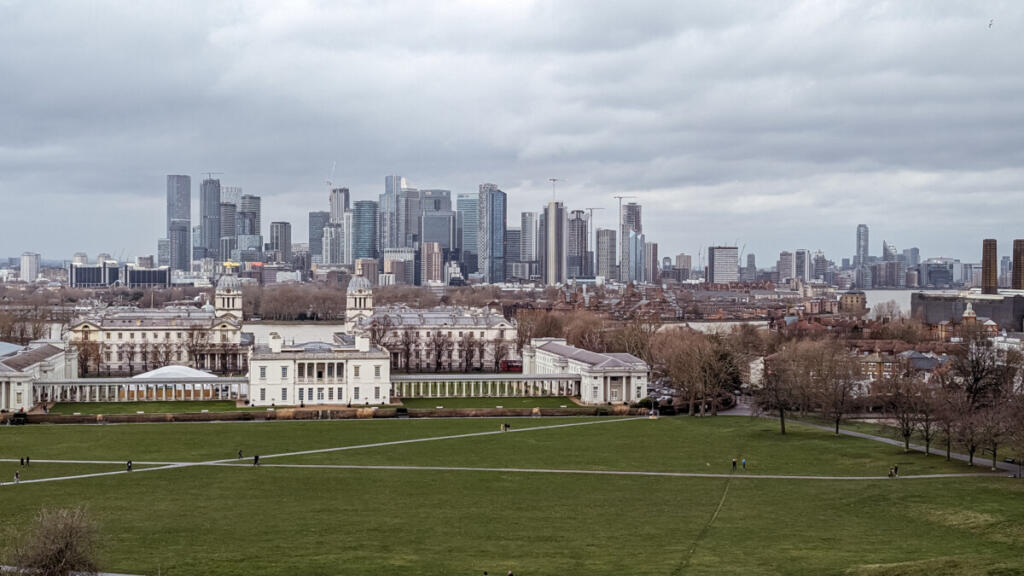
Visiting London | A day in Greenwich with the kids

London | 5 free viewpoints to admire the skyline

Family London | Visit Harry Potter Studios
