japan
land of the rising sun
From cherry blossom trees in springtime to thousand-year-old temples imbued with serenity, immerse yourself in a world where ancestral traditions and futuristic modernity coexist in perfect harmony. Whether you’re fascinated by the luminous skyscrapers of Tokyo, a fan of spectacular landscapes such as Mount Fuji, or in search of spirituality in the peaceful sanctuaries of Kyoto, Japan promises an unforgettable journey. Let yourself be seduced by this enchanting land, where refined lifestyle and natural beauty combine to offer a unique and memorable experience.
Japan at a glance
Location: Located in East Asia, Japan is an archipelago made up of four main islands (Honshû, Hokkaidô, Kyûshû and Shikoku) and numerous smaller islands. It is bordered by the Pacific Ocean to the east and the Sea of Japan to the west. With a surface area of some 377,975 km², the country offers a diversity of landscapes ranging from ultra-modern metropolises to snow-capped mountains and idyllic beaches.
Capital: Tokyo
Population: approx. 125 million
Official language: Japanese
Currency: Japanese yen (JPY), with an exchange rate of around 1 euro for 160 JPY. ATMs are common, but not all bank cards are accepted. It is advisable to carry cash, especially in small towns and traditional restaurants.
Time difference: +8h in winter and +7h in summer compared with France and Belgium
Flight time: Approx. 12 to 14 hours from Europe, usually with stopover
Entry formalities: Passport valid for duration of stay. For a tourist stay of less than 90 days, no visa is required for European Union nationals.
Health: No vaccinations are required to enter Japan. The country has an excellent healthcare system, but treatment can be costly.
In your suitcase: Clothing adapted to Japan’s distinct seasons: light and breathable for the hot, humid summer, warmer for the harsh winter, especially if you’re visiting the north of the country. Comfortable shoes are essential for exploring cities and temples. An umbrella or raincoat may be useful for frequent downpours, as well as a type A/B electrical adapter.
Good to know: It’s advisable to remove your shoes when entering a house or certain temples, and to use the appropriate forms of politeness. Public transport is extremely efficient, but it’s frowned upon to speak loudly or use the telephone on the train. Tipping is not part of Japanese culture.
5 good reasons to go to Japan

Get inspired
Travel Journals
Discover our travel stories and sample itineraries to inspire you in the creation of your own 100% personalized trip.
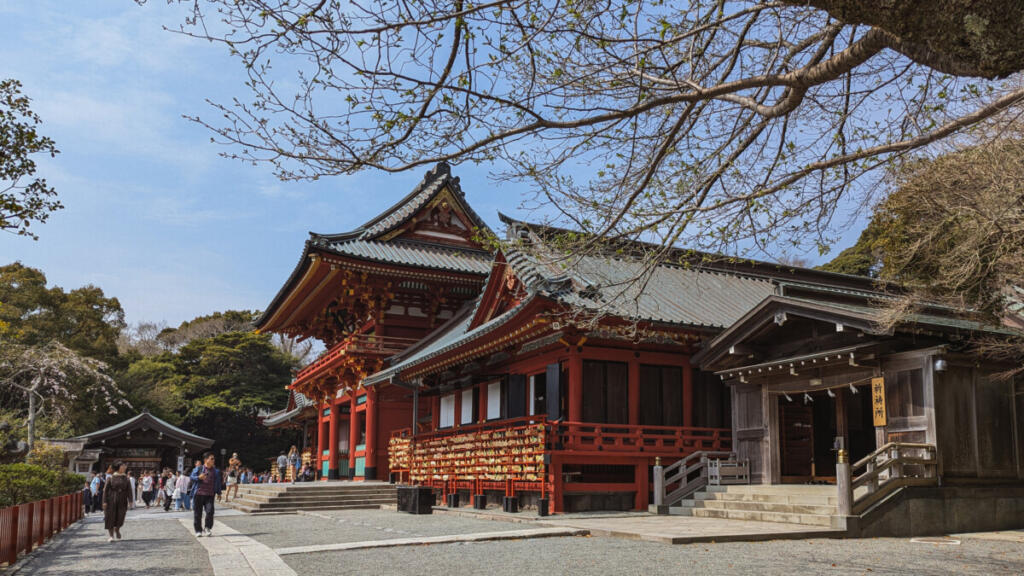
Kamakura | Japan’s Zen soul, an hour from Tokyo
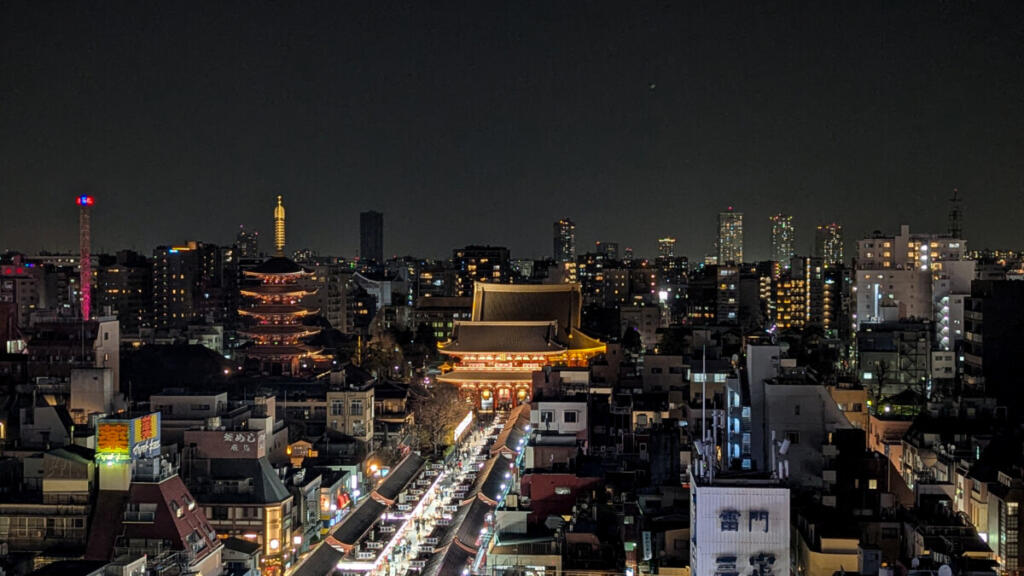
Discover Tokyo | Between futuristic skyscrapers and Japanese traditions
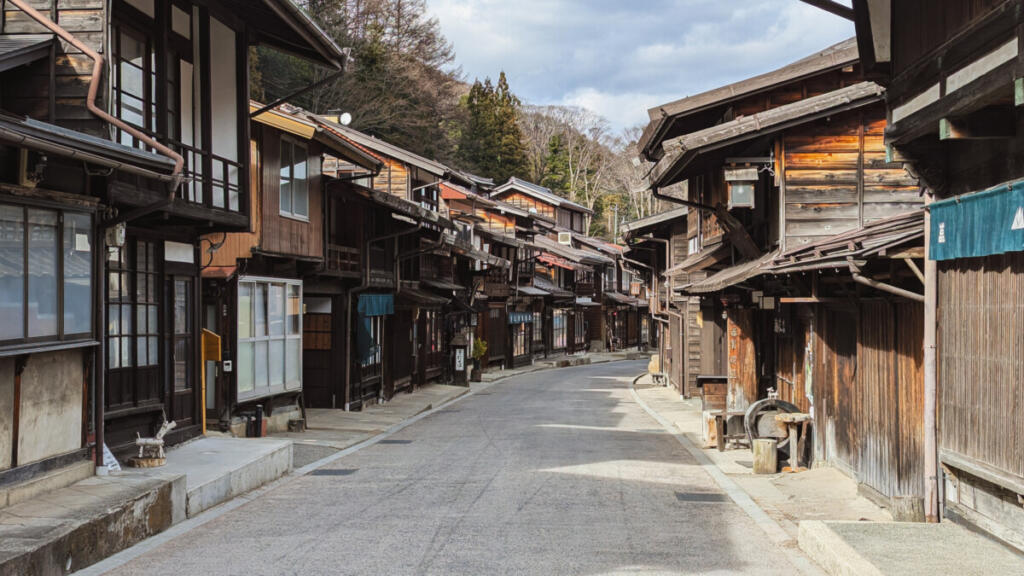
Byaku Narai | Exceptional stay in the heart of Narai-juku
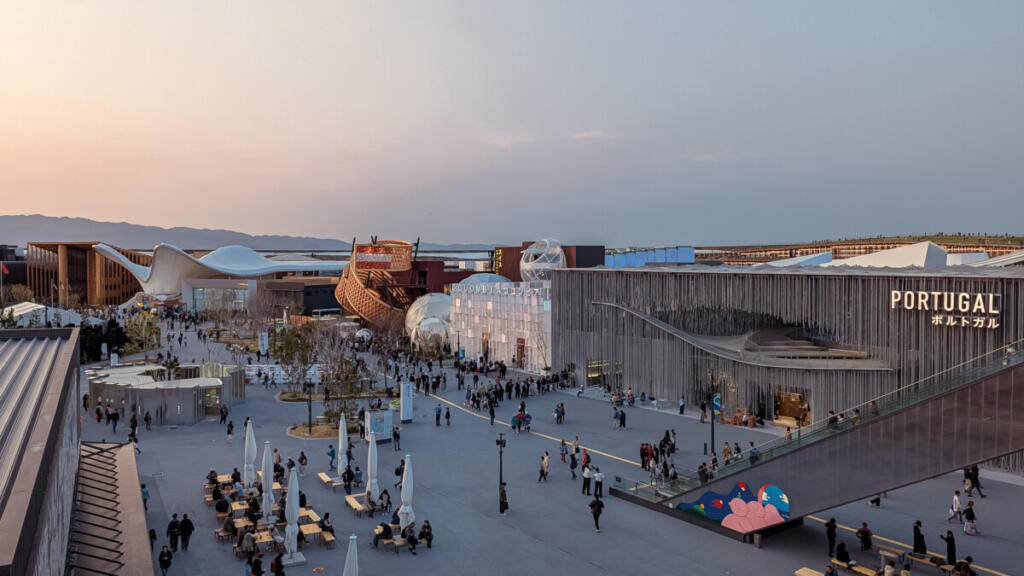
Expo 2025 Osaka | Dive into the world’s fair of the future
Preparing your trip to Japan
How to get to Japan
The easiest way to get to Japan is by air. The main international airports are Narita (NRT) and Haneda (HND) in Tokyo, and Kansai (KIX) in Osaka. Several airlines, including Japan Airlines, ANA, Air France, Lufthansa and Qatar Airways, offer direct or stopover flights from Europe. The price of a return ticket generally varies between €700 and €1,500, depending on the season and the airline chosen.
When to visit Japan?
Japan can be visited all year round, with each season offering its own unique atmosphere and varied experiences.
Spring (March-May): It’s cherry blossom season (sakura), a magical time when parks and temples are decked out in pink. Temperatures are mild, perfect for exploring the cities and countryside. But beware: this is also a very touristy period, especially in April.
Summer (June-August): Hot and humid, summer in Japan is marked by the rainy season in June, followed by high temperatures in July and August. This is the time for festivals (matsuri), fireworks and hikes to Mount Fuji, accessible only in summer.
Autumn (September-November): One of the best times to visit Japan. Temperatures are pleasant and the maple trees turn red, offering magnificent scenery all over the country, especially in Kyoto and the Japanese Alps.
Winter (December-February): Temperatures can be cold, especially in the north, but this is the ideal season to enjoy the hot springs (onsen) and ski resorts of Hokkaido or Nagano. Tokyo and Kyoto remain pleasant places to visit, and the festive season adds a touch of enchantment.
How long does a trip to Japan last?
The ideal duration for a trip to Japan depends on your desires and the pace at which you wish to explore the country.
7 to 10 days: Ideal for combining Tokyo and Kyoto, with an excursion to Nara or Hakone to see Mount Fuji. This format also allows you to discover Osaka, known for its lively atmosphere and street food.
2 weeks or more: A total immersion that allows you to visit several regions, such as the Japanese Alps (Takayama, Kanazawa), Hiroshima, the island of Miyajima or even Hokkaido if you travel in winter. With more time on your hands, you can also explore Kyushu, renowned for its volcanoes and hot springs.
Getting around Japan
Getting around Japan is easy, thanks to an efficient public transport network and a variety of means of transport suited to travelers.
Trains: The fastest and most convenient way to travel between major cities. The Shinkansen high-speed train connects Tokyo and Kyoto in around 2.5 hours. To save on long-distance travel, we recommend you buy a Japan Rail Pass, valid on JR lines.
Subways and urban trains: Tokyo, Osaka and other major cities have extensive subway and urban train networks, making it easy to get around quickly. Each city has its own system of transport cards, such as the Suica or Pasmo, rechargeable and valid in several regions.
Buses: mainly used for regional journeys or in rural areas less served by rail, long-distance buses are an economical option for travel between cities. Within cities, they complement the rail network, especially in Kyoto, where they are essential for reaching certain temples.
Cabs and VTC: Taxis are plentiful in Japan, although more expensive than public transport. They are convenient late at night or in areas less accessible by train. Uber is available in some cities, but is less widespread than in the West.
Bicycles: In some cities, such as Kyoto or Takayama, bicycles are an excellent option for exploring at your own pace. Many hotels and train stations offer rental services.
On foot: Historic districts and some city centers are ideal for exploring on foot, especially in Kyoto, where many temples and shrines are in close proximity to one another.
Depending on your itinerary and preferences, a combination of these means of transport will be ideal for discovering Japan in a smooth and pleasant way.
Where to stay in Japan?
Japan offers a wide range of accommodation to suit all budgets and types of traveler.
Luxury hotels: prestigious establishments such as the Aman Tokyo, the Ritz-Carlton Kyoto and the Park Hyatt Tokyo offer top-class service, spectacular views and exceptional comfort.
Ryokan: For a traditional experience, staying in a ryokan is an excellent option. These Japanese inns, often located in historic sites or near hot springs (onsen), offer rooms with tatami mats, futons and refined kaiseki meals.
Mid-range hotels: Chains such as Dormy Inn, Mitsui Garden Hotel or Tokyu Stay offer good value for money, with modern, well-equipped rooms in strategic locations.
Capsule hotels: For an original and economical experience, capsule hotels are an interesting option, especially in Tokyo or Osaka. These compact accommodations are designed for one or two nights, perfect for solo travelers.
Youth hostels and budget hotels: Ideal for those on a tight budget, hostels and business hotels like Toyoko Inn or APA Hotel offer simple but functional rooms at affordable prices.
Airbnb and rentals: Renting an apartment can be a practical solution for an extended or family stay, especially in neighborhoods like Shinjuku, Shibuya or Kyoto. However, local regulations strictly regulate short-term rentals, and it’s important to check the legality of the accommodation before booking.
Depending on your budget and the experience you’re looking for, Japan offers a variety of accommodation options for a comfortable and memorable stay.
What budget for a trip to Japan?
The budget for a stay in Japan varies according to the length of your visit, the type of accommodation, the activities you choose and your mode of transport. Although Japan offers a wide range of options, some popular destinations, such as Tokyo or Kyoto, can be quite expensive, especially during tourist periods.
Accommodation: Hotel prices vary according to season and location. You can find 3-star hotels from ¥7,000 per night (around €50), but those located in more touristy areas or offering luxury services can exceed ¥20,000 (€140) per night. Ryokan (traditional Japanese inns) can offer a unique experience, but are often more expensive. Apartments or Airbnbs are also an option, but beware of price variations.
Transport: Train travel is a practical and economical option for getting around Japan, with starting fares of around ¥200 (€1.50) for a local subway journey. The JR Pass, which allows you to travel by high-speed train (Shinkansen) at a flat rate, is an interesting option for travelers wishing to visit several cities.
Meals: Japan offers a wide range of prices for meals. A meal in a ramen or sushi restaurant can cost between ¥500 and ¥1,500 (€4-12), while more refined restaurants can easily exceed ¥3,000 (€20) per person. Konbini (convenience stores) also offer fast, economical meals, from ¥300 (€2.50).
Activities: Tourist attractions such as temples, gardens or museums often cost between ¥500 and ¥1,500 (€4-12). Some experiences, such as a ticket for the Tokyo Skytree or a guided tour, can cost from ¥2,000 to ¥3,000 (€15-25). More exclusive tours, such as dinner at a Michelin-starred restaurant or a trip on the Shinkansen train, can add considerably to your budget.
To sum up, a trip to Japan can cost between ¥80,000 and ¥250,000 (€600 to €2,000) for a week, depending on your travel style and the activities you choose.