SRI LANKA
THE SHINING ISLAND
From the lush green hills of the tea plantations to the golden beaches bordered by the Indian Ocean, immerse yourself in a world where lush nature and cultural heritage meet. Whether you’re fascinated by ancient royal cities, a fan of elephant safaris or in search of serenity on the shores of tranquil lagoons, Sri Lanka promises an unforgettable adventure. Let yourself be seduced by this enchanting island, where traditions and grandiose landscapes combine to offer an authentic and unforgettable experience.
Sri Lanka at a glance
Location: Located south of India, Sri Lanka is an island bathed by the Indian Ocean. It shares maritime borders with India to the northwest and the Maldives to the southwest. With a surface area of some 65,610 km², the country offers a diversity of landscapes, from heavenly beaches to tea-tree-covered mountains.
Capital: Sri Jayawardenapura Kotte (administrative capital) – Colombo (economic capital)
Population: approx. 22 million
Official languages: Sinhalese and Tamil (English is used in tourist areas)
Currency: Sri Lankan rupee (LKR), with an exchange rate of around 1 euro for 350 LKR. ATMs are widely available in major cities, and credit cards are accepted in most hotels and restaurants.
Time difference: +4:30 in winter and +3:30 in summer compared with France and Belgium
Flight time: Approximately 10 to 12 hours from Europe with stopover
Entry formalities: Passport valid at least 6 months after date of return. Mandatory electronic visa (ETA) to be obtained online before departure (approx. $50 for a 30-day tourist visa).
Health: There are no compulsory vaccinations for entering Sri Lanka, but it is advisable to make sure your basic vaccinations are up to date. As dengue fever is present, the use of mosquito repellent is strongly recommended. To avoid digestive problems, opt for bottled water, well-cooked food and fruit peeled or washed in drinking water.
In your suitcase: Light, breathable clothing to withstand the heat, as well as covering clothing for temple visits. A hat, sunglasses and a pair of sandals or hiking boots are essential, especially if you’re planning excursions to tea plantations or national parks.
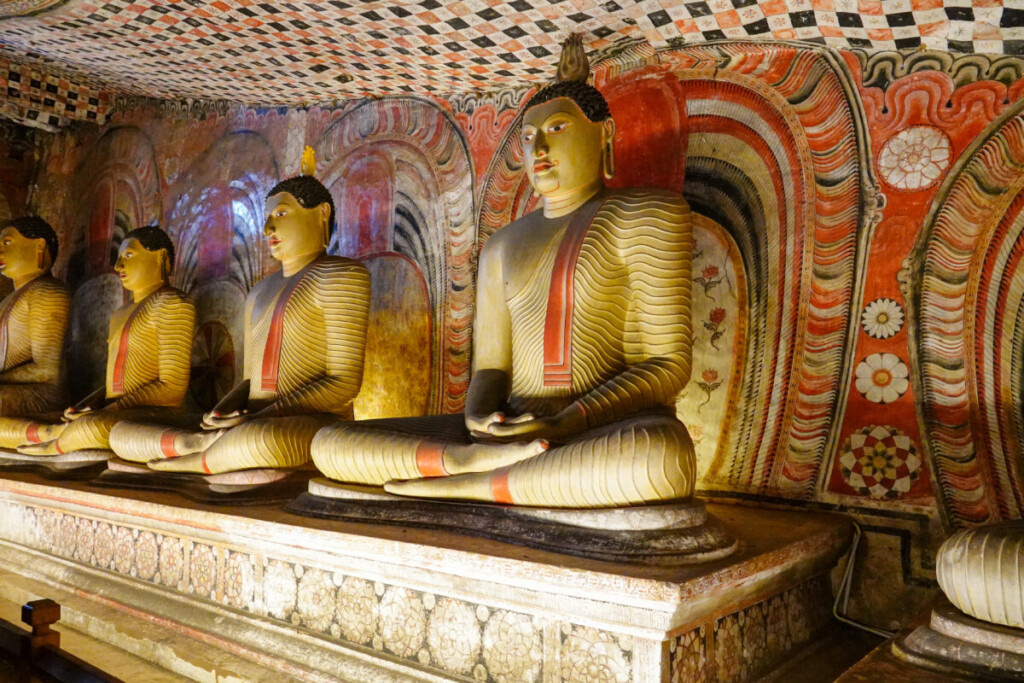
Good to know: Respect for Buddhist traditions is paramount in Sri Lanka. It is forbidden to pose for a photo with your back to a Buddha statue. In temples, you must take off your shoes and cover your shoulders and legs. Gestures of affection in public are uncommon and can be badly perceived.
5 good reasons to visit Sri Lanka

Preparing your trip to Sri Lanka
How to get to Sri Lanka
The easiest way to get to Sri Lanka is by air. Bandaranaike International Airport (CMB), near Colombo, is the country’s main gateway. Several airlines, including SriLankan Airlines, Qatar Airways, Emirates and Turkish Airlines, offer flights with stopovers from Europe. The price of a return ticket generally varies between €600 and €1,200, depending on the season and the airline chosen.
When to go to Sri Lanka
Sri Lanka can be visited all year round, but the ideal time depends on the regions to be explored and the activities planned.
From December to April, the dry season covers the west, south and central mountains. Temperatures range from 25°C to 32°C, providing an ideal climate for enjoying the beaches of the south, trekking through the tea plantations and visiting cultural sites such as Sigiriya and Kandy. It’s also the peak tourist season, with more visitors than ever, especially in January and February.
From May to September, the southwest monsoon drenches Colombo, Galle and the mountains, while the east coast and north enjoy drier weather. This is the best time to explore the beaches of Trincomalee and Arugam Bay, ideal for diving and surfing.
From October to November, the intermonsoon brings more unpredictable rains across the country. The showers are generally short-lived, and nature is particularly lush. This period attracts fewer visitors, allowing you to discover Sri Lanka in a more peaceful atmosphere.
In summary, December to April is ideal for the west, south and highlands, while May to September is best for the east coast and north.
How long does a trip to Sri Lanka last?
The ideal duration for a trip to Sri Lanka depends on the places you want to explore and the experience you’re looking for.
7 days: This format is ideal for a quick trip to essential sites such as Colombo, Kandy, the Temple of the Tooth, Mirissa beach and a safari in Yala National Park.
10 days: A 10-day stay allows you to visit more varied regions, including the culture of the Kandy mountain region, the beaches of the south, the temples of Anuradhapura and Polonnaruwa, and other national parks such as Horton Plains.
14 days and more: For complete immersion, opt for a longer stay that includes detailed visits to the coast, the tea plantation region of Nuwara Eliya, and in-depth exploration of natural landscapes such as Sigiriya’s Lion’s Rock and Wilpattu National Park.
Getting around in Sri Lanka
Getting around Sri Lanka is relatively straightforward, thanks to a variety of means of transport to suit all budgets and destinations. However, it’s important to note that driving can be chaotic, especially in big cities like Colombo. Roads can be narrow, and signage is not always clear, so self-driving is not recommended unless you are experienced.
Air travel is the fastest way to get between Sri Lanka’s major cities and regions. SriLankan Airlines offers domestic flights to destinations such as Jaffna, Kandy and Batticaloa, although most travelers prefer overland transport to explore the country at their own pace.
The Sri Lankan rail network is well-developed, with picturesque routes, notably between Colombo and Kandy, or to the mountains of Nuwara Eliya. Trains are often crowded, but offer a unique experience, especially if you travel in the higher classes.
Buses are a common way to travel between towns and villages. Public buses are affordable, although they can be very busy. Private buses also offer greater comfort. What’s more, the bus system is well-developed, linking the main towns and tourist attractions.
In major cities and tourist areas, tuk-tuks are a popular and convenient option for short journeys. It’s advisable to agree the fare before you get in, or to use local apps like PickMe, which offer more transparent prices.
Where to stay in Sri Lanka?
Sri Lanka offers a variety of accommodation options to suit all types of traveler, whether you’re looking for a luxury stay, an authentic local experience or more economical accommodation.
In major cities like Colombo and Kandy, you’ll find luxury hotels offering impeccable service, spas and refined restaurants. International chains such as Shangri-La, Hilton and Taj are present, guaranteeing optimum comfort and spectacular views. If you’re looking for more traditional accommodation, local boutique hotels and guesthouses offer a warm, intimate atmosphere, often decorated to reflect Sri Lankan art and culture.
If you’re traveling to the southern beaches, resorts such as Mirissa, Unawatuna and Bentota have numerous beachfront resorts, offering luxury villas with stunning views, perfect for sun worshippers and water sports enthusiasts. Accommodation varies from all-inclusive resorts to charming beach bungalows, ideal for a seaside retreat.
In the mountains of Nuwara Eliya and Ella, picturesque hotels, guesthouses and mountain resorts offer a tranquil stay in the heart of tea plantations. These places often offer a warm atmosphere and spectacular natural surroundings.
For travelers on a more modest budget, inns, guesthouses and simple hotels are common in tourist areas. These establishments offer affordable rates while being well located for exploring the main attractions, such as ancient temples, beaches and mountainous landscapes.
What budget for a trip to Sri Lanka?
The budget for a trip to Sri Lanka can vary depending on the type of experience you’re looking for, the activities and the level of comfort you choose. Here are some estimated expenses to help you plan your trip.
Accommodation: Prices vary depending on the type of accommodation you choose. Luxury hotels can cost between €100 and €250 per night, while boutique hotels and guesthouses offer more affordable options, with prices ranging from €30 to €60 per night for a double room. Budget hostels and guesthouses can be found for around €10 to €20 per night.
Meals: Food in Sri Lanka is relatively affordable. In local restaurants, you can expect to pay around €3 to €7 for a meal, while in more upscale restaurants or luxury hotels, prices can range from €15 to €30 per person for a full dinner. Street food is also very popular, with prices ranging from €1 to €3 for snacks or quick meals.
Transport: Travel by public transport, such as buses and trains, is very economical. A trip by train or local bus costs around €1 to €3. For longer journeys, such as from Colombo to Kandy, train fares can range from €2 to €10. If you prefer greater comfort and flexibility, you can hire a driver with a car for around €40 to €60 a day.
Activities and visits: Entrance fees to tourist sites vary. For sites like Kandy’s Temple of the Tooth or Peradeniya’s Botanical Gardens, expect to pay between €5 and €15. Some activities, such as climbing Sigiriya’s Lion’s Rock, can cost up to €30. Day trips, such as a safari in Yala National Park, can cost between €50 and €100, depending on the type of experience chosen.
Tips and extras: Gratuities are not compulsory, but they are much appreciated. Allow around €1 to €2 per day for porters and housekeepers in hotels. For tour guides, allow between €10 and €20 per person per day.
In summary, a daily budget for a trip to Sri Lanka can vary between €40 and €100 per person, depending on the level of comfort and activities chosen. For a more economical stay, it is quite possible to reduce costs to around €25 to €40 per day.
Get inspired
Travel Journals
Discover our travel stories and sample itineraries to inspire you in the creation of your own 100% personalized trip.
Sri Lanka’s Cultural Triangle | At the Heart of Sinhalese History
