Tanzania
Africa in all its splendor
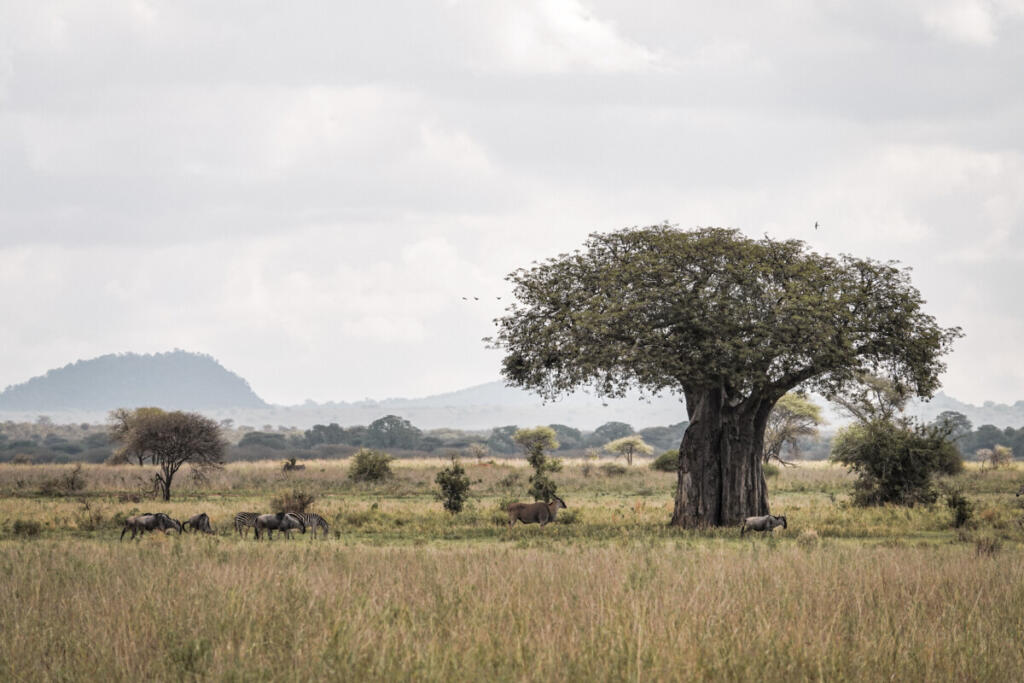
A land of wide open spaces and wildlife, Tanzania is one of those destinations that leave a lasting impression on travellers. Here, the plains of the Serengeti seem to stretch on forever, herds cross the horizon to the rhythm of the seasons and elephants roam freely beneath the acacias. But there’s more to Tanzania than safaris. Behind the iconic images lie landscapes of astonishing diversity: the Ngorongoro crater, the baobabs of Tarangire, the shores of Lake Manyara and the slopes of Kilimanjaro. Between spectacular nature, authentic encounters and lodges set in the heart of the savannah, each day offers its share of emotions and wonder.
Tanzania at a glance
Location:
Located in East Africa, Tanzania is bordered by the Indian Ocean to the east and shares borders with Kenya, Uganda, Rwanda, Burundi, the Democratic Republic of Congo, Zambia, Malawi and Mozambique. With an area of almost 950,000 km², it is one of the largest countries on the African continent and home to some of the world’s most famous national parks.
Capital:
Dodoma is the country’s administrative capital. Dar es Salaam, however, remains the country’s main economic centre and international gateway.
Population:
Approximately 72.5 million inhabitants
Official languages:
Swahili and English are the official languages. Swahili is used daily throughout the country.
Currency:
The currency is the Tanzanian shilling (TZS).
Time zone difference:
Tanzania is +2 hours from Belgium in winter and +1 hour in summer.
Flight time:
From Belgium, the journey generally takes between 11 and 15 hours, depending on the airline and the length of the stopover.
Entry formalities: European Union nationals must hold a passport valid for at least six months after the date of return. A tourist visa is required.
Health: No vaccinations are required for travelers arriving directly from Europe. It is advisable to be up to date with the usual vaccinations. Depending on the region visited and the time of year, preventive treatment against malaria may be advisable.
In your suitcase:
Choose light, comfortable clothing in neutral tones for safaris. A light jacket will be appreciated for early morning departures. Don’t forget sunglasses, hat, sunscreen and binoculars.
Good to know:
Safaris generally take place in the early morning and late afternoon, when the animals are most active. Patience is part of the trip, but it is amply rewarded by the wealth of observations.
5 good reasons to visit Tanzania
Preparing your trip to Tanzania
How to get to Tanzania
Tanzania is served by several international airports, including Kilimanjaro, Dar es Salaam and Zanzibar. From Belgium, flights usually include a stopover via Addis Ababa, Nairobi, Doha, Istanbul or Amsterdam.
For travellers wishing to discover the great parks of the north, Kilimanjaro International Airport is often the most convenient point of arrival. Many itineraries allow you to continue to Zanzibar or other parts of the country on domestic flights.
When should you travel to Tanzania?
Tanzania can be visited all year round, but certain periods are particularly favorable.
From June to October, the dry season offers excellent conditions for safaris. The vegetation is less dense and animals gather more around waterholes.
From January to March, the landscape is lush and green, and wildlife is abundant. This is also the birthing season and the start of the great migration in certain regions of the Serengeti.
April and May are the main rainy season. Travelers are less numerous, and some trails can become difficult to access.
The ideal period depends above all on the regions visited and the experiences sought.
Getting around Tanzania
A safari in a 4×4 vehicle with driver-guide is the most common way to discover the major national parks. It allows you to explore the reserves in the best conditions while benefiting from the knowledge of an experienced guide.
For longer distances, especially between different regions of the country, domestic flights are often a comfortable and efficient solution.
Main roads are generally in good condition, but journeys can take longer than in Europe due to the distances involved and the tracks used in some reserves.
Where to stay in Tanzania?
Tanzania offers a wide range of accommodation to suit all travel styles.
Safari lodges: set in or near national parks, they offer an excellent level of comfort and immersion in the African landscape.
Canvas camps: Inspired by the spirit of the safaris of yesteryear, these camps offer a closer-to-nature experience without sacrificing comfort.
Luxury camps: Located in prime locations, they combine top-notch service, gastronomy and wildlife observation in exceptional conditions.
Charming hotels and guesthouses: In Arusha or in some of the stopover towns, a number of establishments offer a pleasant atmosphere before or after a safari.
What budget for a trip to Tanzania?
Accommodation: Rates vary widely according to comfort level and location. Generally speaking, expect to pay between €150 and €350 per night for a quality lodge. The most exclusive establishments can exceed €800 to €1,000 per night.
Meals: Meals are often included in safari packages. When they are not, a meal in a local restaurant costs between €10 and €20, while dinner in a more upmarket establishment is usually between €25 and €60.
Transport: Safaris represent a significant proportion of the budget, due to the cost of private vehicles, guides, fuel and national park entrance fees. Domestic flights can also influence the overall cost of the trip.
Activities: Game drives, walking safaris, hot-air ballooning over the Serengeti or cultural encounters complete the experience. Prices vary according to the services chosen.
Tanzania is one of Africa’s most prestigious safari destinations. While the budget can be substantial, the quality of the observations, the diversity of the landscapes and the overall experience more than justify the investment.