madagascar
The island of a thousand worlds
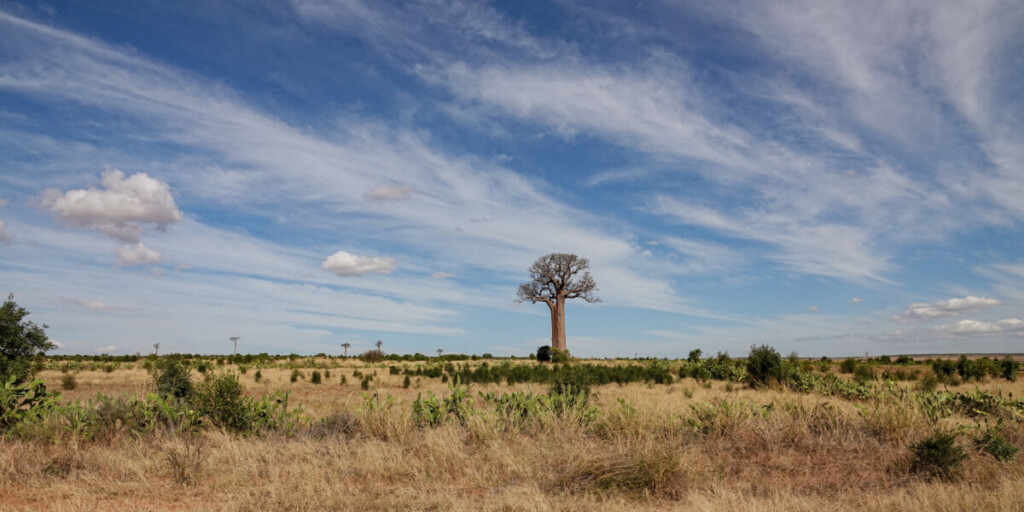
Madagascar is a destination that bewilders as much as it fascinates. An immense island where the landscape seems to change at every turn: rice paddies sculpting the hills of the Highlands, tropical forests populated by lemurs, giant baobabs reaching for the sky, wild beaches bordered by turquoise waters and rocky massifs resembling prehistoric scenery. More than a journey, Madagascar is a succession of discoveries. You’ll travel slowly, as you meet people, visit colorful markets and follow roads that cross one of the planet’s most extraordinary biodiversities.
Madagascar at a glance
Location:
Located off the southeast coast of Africa, in the Indian Ocean, Madagascar is the fourth largest island in the world. Almost 1,600 kilometers long from north to south, it boasts an exceptional diversity of landscapes. Its geographical isolation has allowed the development of a unique flora and fauna.
Capital:
Antananarivo
Population:
Around 33.5 million inhabitants
Official languages:
Malagasy and French are the country’s official languages. English is sometimes used in certain tourist establishments, but is not widely spoken outside the main tourist areas.
Currency:
The currency is the Malagasy ariary (MGA).
Time difference:
Madagascar is +2 hours ahead of Belgium in winter and +1 hour in summer.
Flight time:
There are no direct flights from Belgium, but it is possible to fly direct from Paris. Depending on the option chosen, total travel time varies between 11 and 16 hours.
Entry formalities: European Union nationals must be in possession of a passport valid for at least six months after the date of return. A tourist visa is required and can be obtained on arrival or before departure, depending on the conditions in force at the time of travel.
Health: No vaccinations are required for travelers from Europe. It is advisable to be up to date with your usual vaccinations. Depending on the region you are visiting and the length of your stay, medical advice on malaria prevention may be useful.
In your suitcase:
Bring light, breathable clothing for the coastal regions and a little wool for the Highlands, where evenings can be cool. Good walking shoes are recommended for hikes and visits to national parks. Mosquito repellent is essential.
Good to know:
Travel times are often long due to road conditions. Madagascar can be discovered at a slower pace, which is also part of its charm. Biodiversity is so rich that over 80% of the island’s animal and plant species are endemic.
5 good reasons to travel to Madagascar
Get inspired
Travel Journals
Discover our travel stories and sample itineraries to inspire you in the creation of your own 100% personalized trip.
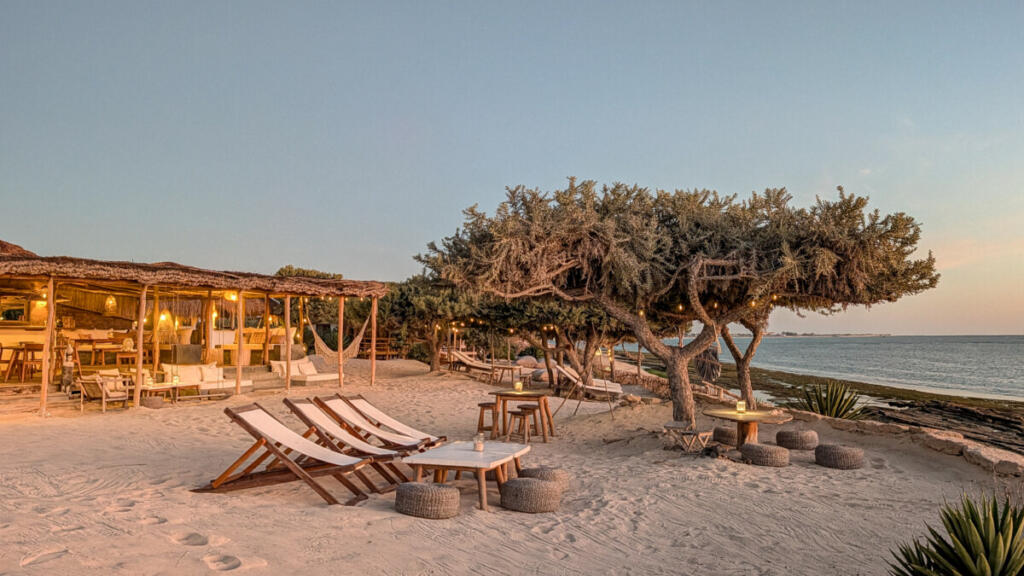
La Dune des Songes | The luxury of slowing down in Anakao
Preparing your trip to Madagascar
How to get to Madagascar
Madagascar is accessible mainly by air. The main international airport is at Antananarivo, but several other cities, such as Nosy Be, also welcome international flights, depending on the season.
From Belgium, flights generally involve a stopover, notably via Addis Ababa, Istanbul, Nairobi, La Réunion or Paris (direct flight with Air France). Depending on the airline and connections, total travel time generally varies between 11 and 16 hours.
When should you travel to Madagascar?
Madagascar can be visited all year round, but conditions vary greatly according to region and season.
From April to November, the dry season generally offers the best travel conditions. Temperatures are pleasant, roads more passable and landscapes particularly verdant after the rainy season. This period is ideal for tours along National Route 7, exploring national parks and seaside resorts.
From July to October, humpback whale watching is possible on certain coasts, notably around Sainte-Marie Island and Nosy Be.
From December to March, the rainy season brings higher temperatures and sometimes heavy rainfall, particularly on the east coast. Some roads may become more difficult to access, and cyclone-related disturbances are possible in some areas.
For a first trip, the months of May to October are generally the most favorable.
Getting around Madagascar
Travelling is an integral part of the Madagascar experience. The scenery is constantly changing, and each stage of the journey offers its own new discoveries.
A chauffeur-driven car is by far the most comfortable and popular way to explore the island. Distances are long, and road conditions can considerably lengthen journey times. A journey of a few hundred kilometers often requires a full day’s driving.
To link more remote regions or optimize an itinerary, domestic flights can be envisaged, notably to Nosy Be, Diego Suarez, Tuléar or Fort-Dauphin.
Public transport does exist, but is generally unsuitable for tourist travel due to its limited comfort and often very long journey times.
Where to stay in Madagascar?
Madagascar offers a wide variety of accommodations, from charming little addresses to more exclusive lodges, often set in exceptional natural settings.
Charming hotels and guesthouses: Very common throughout the country, they offer an authentic immersion experience and often provide the opportunity to meet their owners. They are an excellent option for discovering the Malagasy art of living.
Lodges in the heart of nature: Located close to the main national parks, these establishments allow you to take full advantage of the island’s exceptional landscapes and biodiversity. Some offer spectacular views of rocky massifs, tropical forests or baobab trees.
Ecolodges and responsible accommodation: Madagascar is home to many initiatives focused on environmental preservation and local development. These accommodations are often harmoniously integrated into their natural surroundings.
Seaside hotels: On the coasts and islands, particularly Nosy Be, Sainte-Marie and the Ifaty region, travelers will find establishments ranging from small, charming hotels to more comfortable resorts, perfect for ending a tour with a few days of relaxation.
What budget for a trip to Madagascar?
Accommodation: Madagascar offers excellent value for money. A comfortable room in a mid-range hotel generally costs between €50 and €120 per night. Top-of-the-range establishments and premium lodges cost between €150 and €350 per night, or even more for some exclusive addresses.
Meals: Meals are still very affordable. In a local restaurant, expect to pay between €5 and €15 per person. In touristy or more refined establishments, a meal generally costs between €15 and €35.
Transport: Renting a chauffeur-driven vehicle is often one of the biggest expenses, but it’s also the most comfortable solution, and the one best suited to the realities of the country. Domestic flights can also have a significant impact on the budget, depending on the itinerary chosen.
Activities: Entrance fees to national parks are generally reasonable. Guided excursions, sea outings, diving and wildlife watching vary according to the region and services chosen.
Overall, Madagascar offers a rich travel experience for a budget that is often lower than that of many other long-haul destinations. The diversity of accommodations, activities and regions visited makes it easy to adapt the trip to your desires and desired level of comfort.