zanzibar
spices & turquoise lagoons
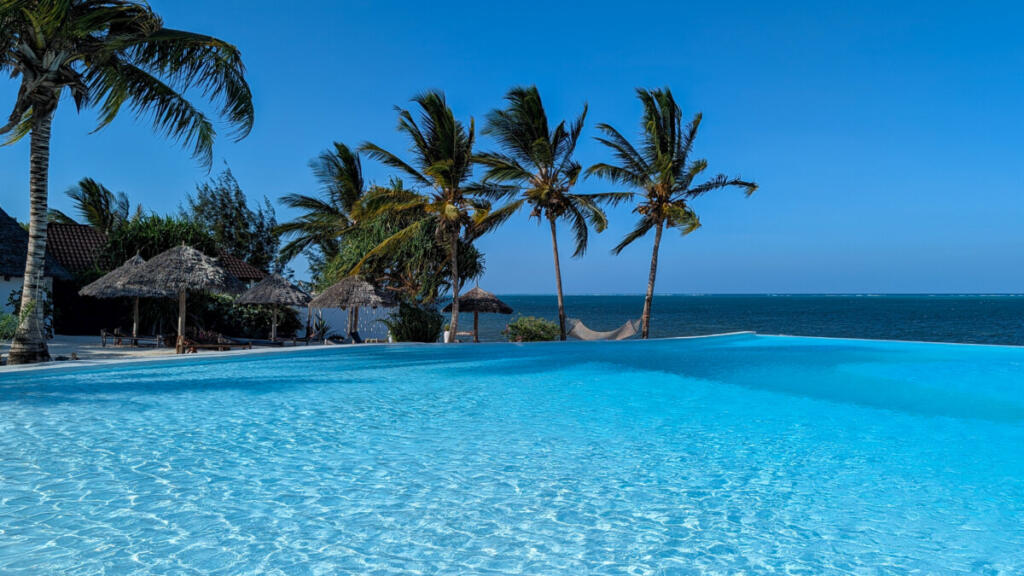
Off the coast of Tanzania, Zanzibar immediately conjures up images of white sandy beaches, coconut palms leaning over the ocean and the translucent waters of the Indian Ocean. Yet the archipelago is much more than just a seaside destination. For centuries, Arab traders, Indian navigators, European explorers and African populations have shaped its unique identity. This history can still be seen today in the narrow streets of Stone Town, the spice-scented markets and the fishing villages that give rhythm to life on the island. Between relaxation, cultural discoveries and water sports activities, Zanzibar offers the perfect balance for extending a safari in Tanzania or simply taking a break in the tropics.
Zanzibar in brief
Location:
Zanzibar is an archipelago in the Indian Ocean, some forty kilometers off the coast of Tanzania. It consists mainly of the islands of Unguja (commonly known as Zanzibar) and Pemba, as well as several smaller islands and coral islets.
Capital:
Stone Town, the historic center of Zanzibar City, is the cultural and administrative heart of the archipelago.
Population:
Approx. 1.9 million inhabitants
Official languages:
Swahili is the main language. English is widely used in hotels, restaurants and tourist activities.
Currency:
The official currency is the Tanzanian shilling (TZS).
Time difference:
Zanzibar is +2 hours ahead of Belgium in winter and +1 hour in summer.
Flying time:
From Europe, it generally takes between 11 and 15 hours with one stopover. From mainland Tanzania, several daily flights connect Zanzibar in less than an hour.
Entry formalities: Formalities are identical to those for Tanzania. A passport valid for at least six months after the date of return is required, as well as a tourist visa.
Health: No vaccinations are required for travelers arriving directly from Europe. It is recommended to be up to date with your usual vaccinations.
In your suitcase:
Bring light, breathable clothing, a hat, sunglasses and plenty of sun protection. Cover-up clothing is also advisable for cultural visits and trips to villages, as Zanzibar is predominantly Muslim.
Good to know:
The tides play an important role in the island’s daily life, changing the appearance of the beaches according to the time of day. Some coasts are particularly influenced by this phenomenon, which also contributes to Zanzibar’s charm and authenticity.
5 good reasons to visit Zanzibar
Preparing your trip to Zanzibar
How to get to Zanzibar
Zanzibar has its own international airport, served by several airlines with connections from Europe.
The island is also easily accessible from mainland Tanzania thanks to numerous daily flights to Arusha, Kilimanjaro or Dar es Salaam. This proximity makes it the ideal seaside extension after a safari in Tanzania’s great parks.
When should you travel to Zanzibar?
Zanzibar enjoys a pleasant tropical climate all year round.
From June to October, the dry season offers pleasant temperatures, low humidity and excellent conditions for enjoying beaches and water sports.
From December to March, the climate is warmer but generally sunny. This period is particularly popular for seaside holidays.
April and May are the main rainy season. Showers can be heavy, but are often concentrated in certain parts of the day.
Zanzibar enjoys a pleasant tropical climate all year round.
Getting around Zanzibar
Distances on the island remain relatively short, making it easy to get around.
Private transfers are the most comfortable way to reach your hotel or discover different regions of the island. Cabs are also available in the main tourist areas.
For travellers wishing more autonomy, car rental is available, although local driving habits can sometimes be surprising. Numerous excursions also allow you to discover the island without having to worry about logistics.
Where to stay in Zanzibar?
The choice of accommodation depends above all on the ambience you’re looking for and the region of the island you wish to discover.
The east coast is often considered the most spectacular. Lined with long white sandy beaches and turquoise lagoons, it attracts travelers in search of calm, nature and picture-postcard scenery. The tides are particularly strong here, offering ever-changing panoramas. Villages such as Paje, Jambiani and Matemwe are just as popular with idlers as they are with kitesurfing and snorkeling enthusiasts.
The north coast, around Nungwi and Kendwa, boasts beaches that are swimmable at any time of day, thanks to less pronounced tides. The atmosphere here is livelier, with more restaurants, bars and water sports. It’s an excellent choice for those wishing to alternate relaxation with local life.
The southeast coast offers a more unspoilt, authentic atmosphere. Establishments here are often more intimate, nestled in tropical gardens or right on the beach. This region is particularly suited to travelers seeking tranquility.
In the west of the island, Stone Town is an essential stop-off point for discovering Zanzibar’s history and cultural heritage. One or two nights in this ancient Swahili city allows you to stroll through its narrow streets, visit its markets and soak up its unique atmosphere before heading back to the beaches.
Zanzibar offers a wide range of accommodations: charming guesthouses, confidential boutique hotels, elegant lodges or seaside resorts offering a high level of comfort. Each region has its own personality, allowing you to choose a stay perfectly suited to your desires.
What budget for a trip to Zanzibar?
Accommodation: Small hotels and guesthouses offer rooms from €50 to €100 per night. Charming hotels and superior establishments generally range from €150 to €350 per night. Top-of-the-range resorts can exceed €500 per night, depending on the season.
Meals: A meal in a local restaurant generally costs between €5 and €15. In tourist establishments or hotels, it’s more likely to cost between €20 and €50 per person, depending on the level of service.
Transportation: Private transfers are relatively affordable. Excursions and boat trips are often an important part of the local budget.
Activities: diving, snorkeling, traditional dhow trips, cultural visits or excursions to neighboring islands offer a wide variety of pleasures. Prices depend on duration and whether the activity is private or group.
Overall, Zanzibar offers an excellent balance between a change of scenery, comfort and accessibility. Whether it’s for a few days after a safari or for an entirely seaside holiday, the island lends itself equally well to couples and family trips.