Chile
From the Atacama desert to the edge of Patagonia
A long ribbon of land wedged between the Andes and the Pacific Ocean, Chile is a land of spectacular contrasts. For more than 4,000 kilometers, the landscapes follow one another without ever resembling one another: deserts among the most arid in the world, sun-drenched vineyards, lakes surrounded by volcanoes, fjords, glaciers and mountains sculpted by the winds of Patagonia. Chile is a destination to be experienced as much as contemplated. From wine tasting in a fertile valley, to the mineral immensity of the Atacama, to the wide open spaces of the south. Between nature, culture, gastronomy and outdoor adventures, the country offers an incredible diversity of experiences.
Chile at a glance
Location:
Located on the west coast of South America, Chile stretches over 4,300 kilometers between Peru to the north, Patagonia to the south, the Andes to the east and the Pacific Ocean to the west. This unique geography explains the remarkable diversity of its landscapes and climates.
Capital:
Santiago.
Population:
Around 20 million.
Official languages:
Spanish is the country’s official language. English is spoken in some tourist establishments, but remains relatively uncommon outside major cities and tourist areas.
Currency:
The currency is the Chilean peso (CLP).
Time difference:
The time difference varies according to the time of year, but is generally between -4 and -6 hours in relation to Belgium.
Flying time:
From Europe, it takes around 15 to 20 hours with a stopover, depending on the airline and final destination.
Entry formalities: European Union nationals require a passport valid for the duration of their stay. No visa is required for short-term tourist trips.
Health: There are no compulsory vaccinations for travelers arriving from Europe. Chile has a good medical infrastructure in the main cities.
In your suitcase:
The contents of your suitcase depend very much on the regions you visit. Between the Atacama desert, the wine valleys, the southern lakes and Patagonia, it’s not uncommon to encounter several climates on the same trip. The layered system is particularly recommended.
Good to know:
Chile is one of the safest and easiest countries in South America to travel through. Distances are long, however, and domestic flights are often the best way to optimize your itinerary.
5 good reasons to visit Chile
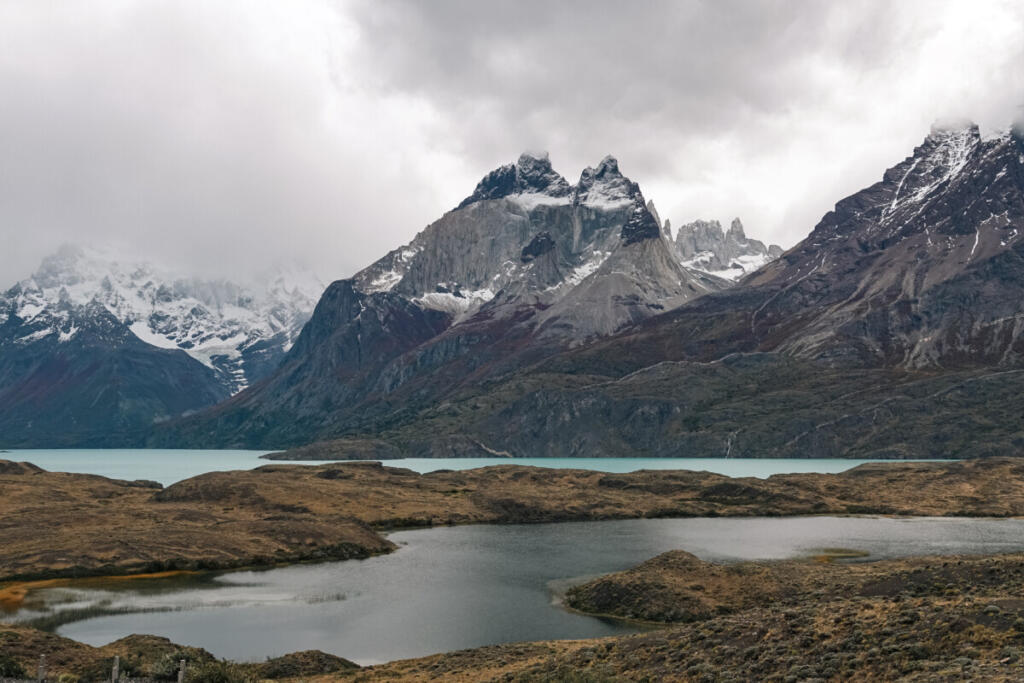
Get inspired
Travel Journals
Discover our travel stories and sample itineraries to inspire you in the creation of your own 100% personalized trip.
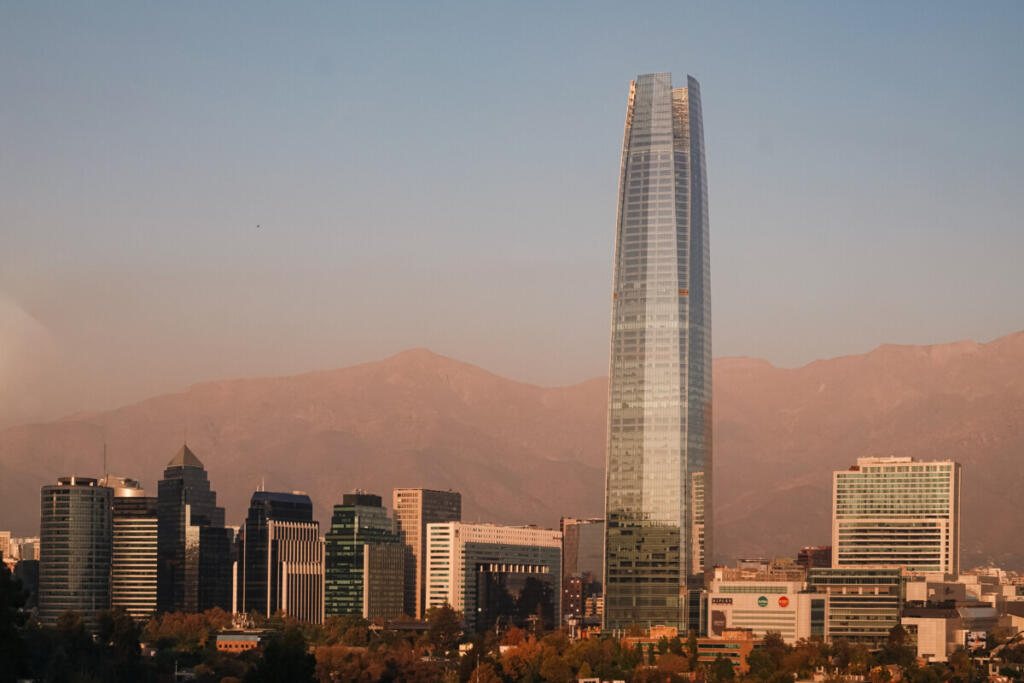
24 Hours in Santiago | The City We Thought We’d Just Pass Through
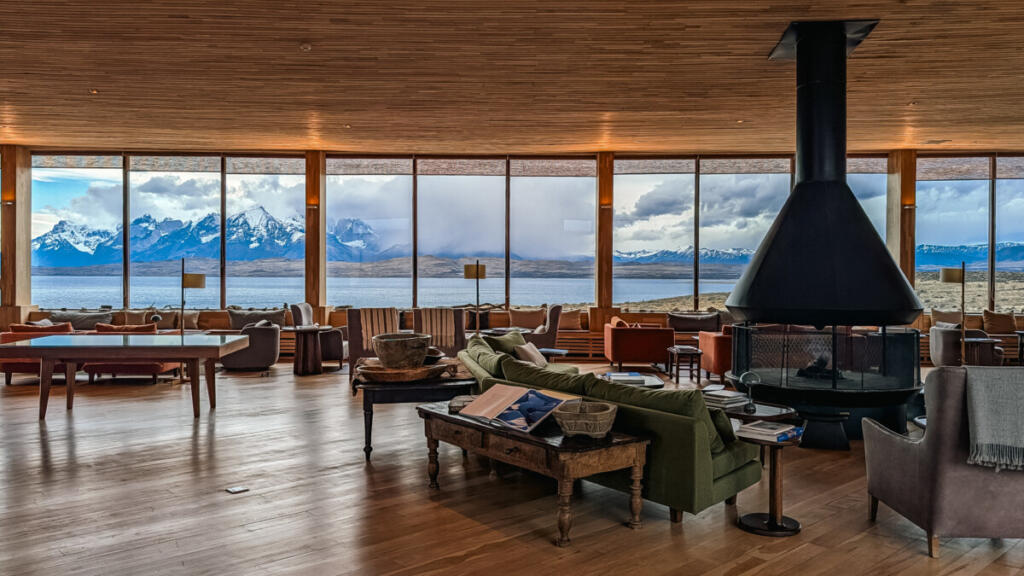
Tierra Patagonia | A spectacular retreat in the heart of Torres del Paine Park
Preparing your trip to Chile
How to get to Chile
The main international gateway is Santiago. From Europe, flights generally include a stopover, notably via Madrid, Paris, Amsterdam or certain major South American cities.
Given the size of the country, domestic flights often play an important role in itineraries. They provide an easy link between Santiago and various tourist regions such as the Atacama, the southern lakes, Patagonia and Easter Island.
When to go to Chile
Chile can be visited all year round, but the ideal time depends on the region.
The Atacama Desert is pleasant in all seasons, thanks to its extremely dry climate. Days are generally sunny, while nights can be cool, even cold at higher altitudes.
The Santiago region and the wine valleys are at their best in spring and autumn, when temperatures are mild and the scenery particularly pleasant.
Patagonia is best explored between October and April. During the austral summer, from December to March, the days are longer and conditions more favorable for hiking and excursions to the national parks.
The Lake District is particularly pleasant from November to March.
Getting around Chile
Long distances are an integral part of travel in Chile. Planes are often the preferred means of connecting the different regions of the country and keeping journey times to a minimum.
To explore certain regions, such as the wine valleys, the lake district or the Atacama, a rental car is an excellent option offering greater freedom.
The bus network is also highly developed and comfortable, especially between the main cities. As part of an organized tour, private transfers and excursions allow you to discover the different regions without worrying about logistics.
Where to stay in Chile
Chile offers a wide variety of accommodation, from charming little addresses to the most exclusive lodges.
In Santiago and the larger cities, there are numerous contemporary hotels, boutique hotels and establishments housed in historic buildings.
In the wine-growing valleys, several estates welcome travelers to the heart of the vineyards, offering an experience combining gastronomy, oenology and scenery.
In the Atacama Desert, lodges are often designed to blend harmoniously with their mineral surroundings, with particular attention paid to observing the landscape and the starry sky.
In Patagonia, some hotels and lodges boast exceptional locations facing mountains, glaciers or lakes, allowing you to fully experience the vastness of southern Chile’s wide-open spaces.
What budget for a trip to Chile?
Accommodation : Chile is one of the most developed destinations in South America. A night in a comfortable hotel generally costs between €100 and €200. Charming establishments and top-of-the-range lodges are more likely to cost between €250 and €600 per night, or even more for certain emblematic addresses.
Meals: A meal in a local restaurant generally costs between €10 and €20. In more refined or gourmet establishments, you should expect to pay between €30 and €70 per person.
Transport: Because of the distances involved, domestic flights often represent a significant proportion of the budget. Booked in advance, they remain relatively affordable.
Activities: Excursions to the Atacama, hiking in Patagonia, wine-tasting in vineyards, cruises in fjords or wildlife-watching outings are among the must-do experiences. Prices vary widely according to region and level of service.
Chile is a destination that requires a higher budget than many of its South American neighbors, but in return offers excellent infrastructure, safety and an exceptional diversity of landscapes.