One often arrives in Santiago with the idea of leaving quickly. The Atacama Desert beckons to the north, Patagonia to the south, vineyards and the Andes already dominate conversations. Santiago is then just a stopover, an entry point on a map. And yet…
Surrounded by Andean peaks, traversed by neighborhoods with distinct personalities, the Chilean capital gradually reveals another facet of the country. A city that does not seek to impress immediately but allows itself to be discovered at its own pace. A city to which one sometimes need only grant twenty-four hours.
9:00 AM — Gaining Perspective
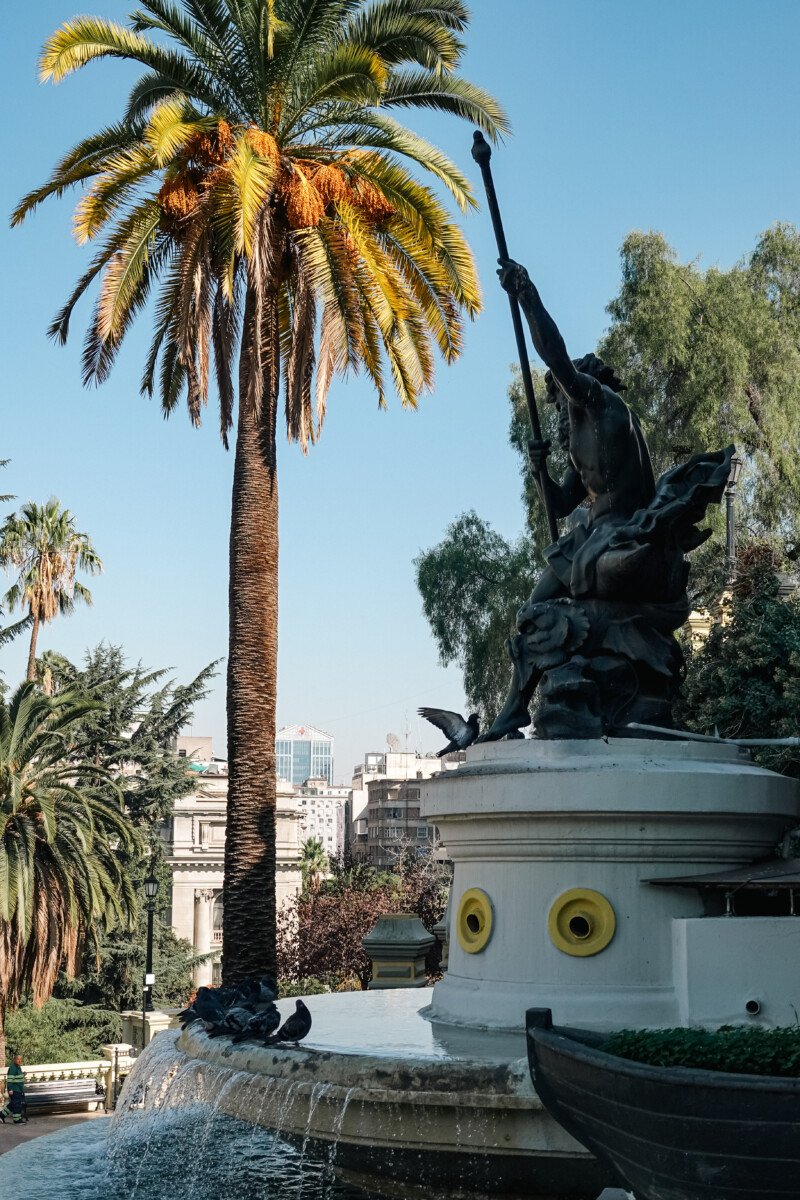
The day begins at Cerro Santa Lucía. Amid the morning traffic and downtown buildings, this hill emerges almost by surprise. A few steps, tree-lined paths, antique fountains, and already the city recedes.
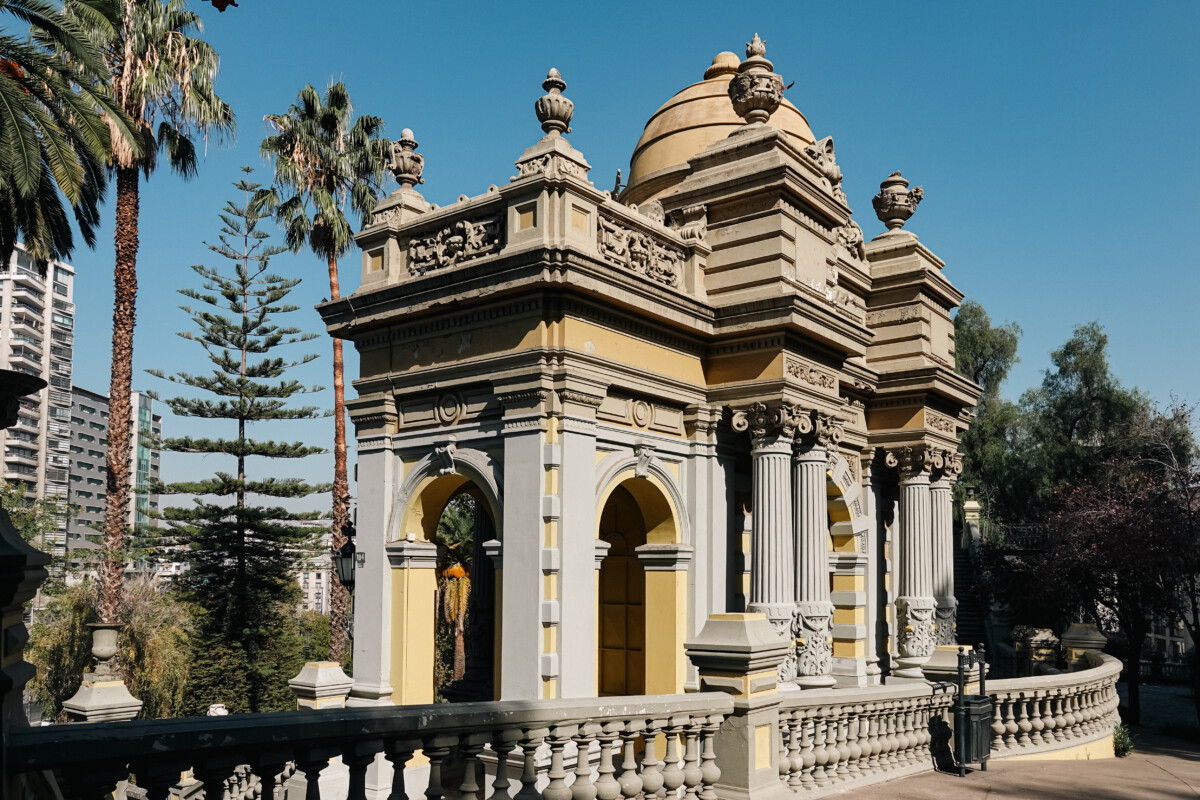
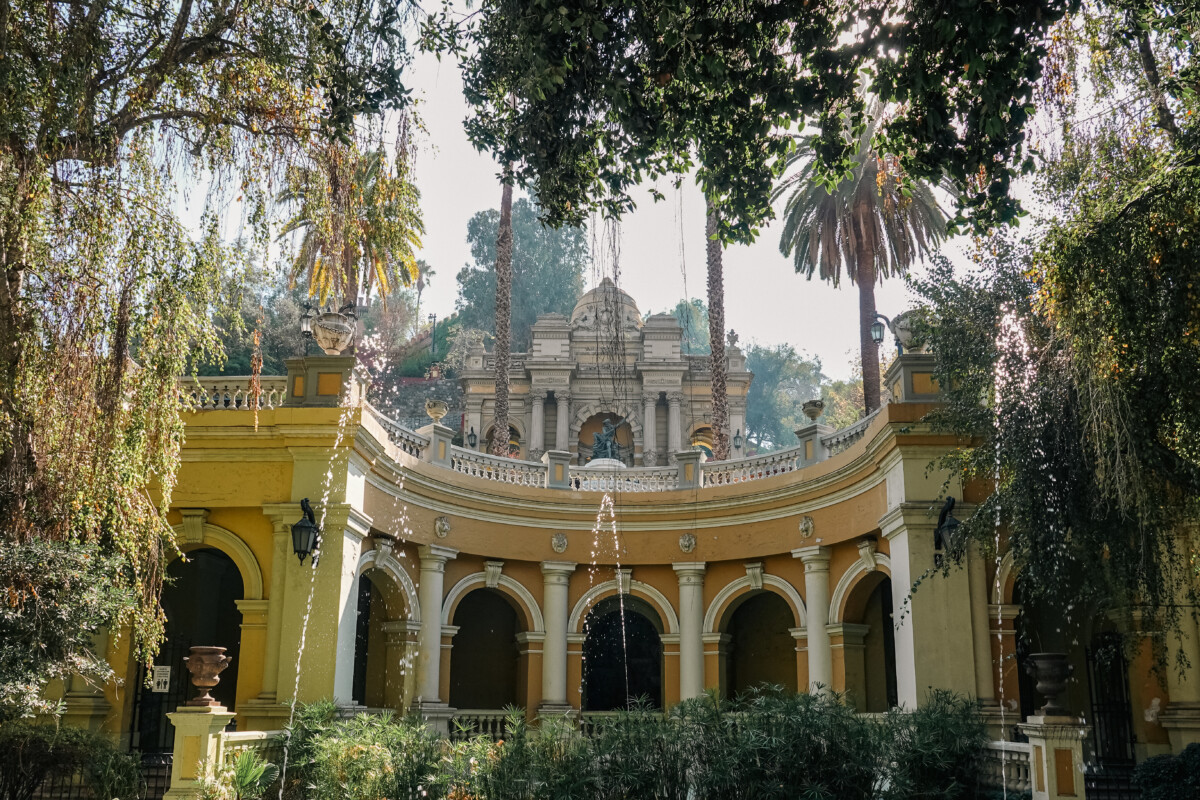
As one climbs, the first panoramas appear.
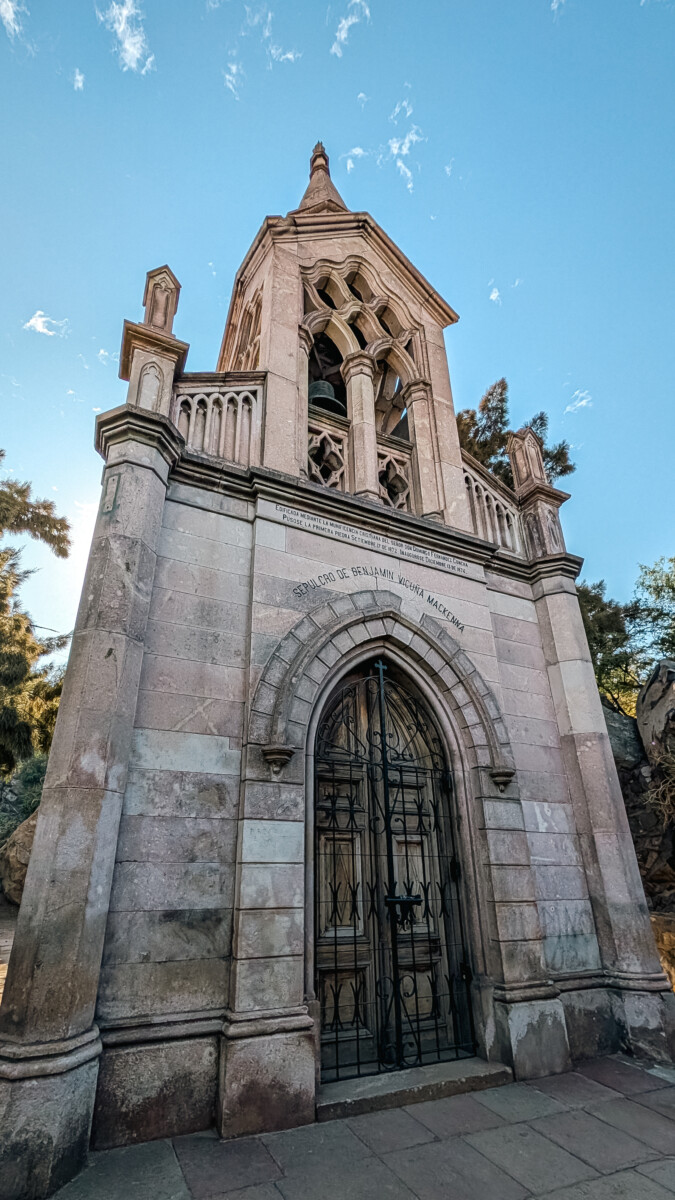
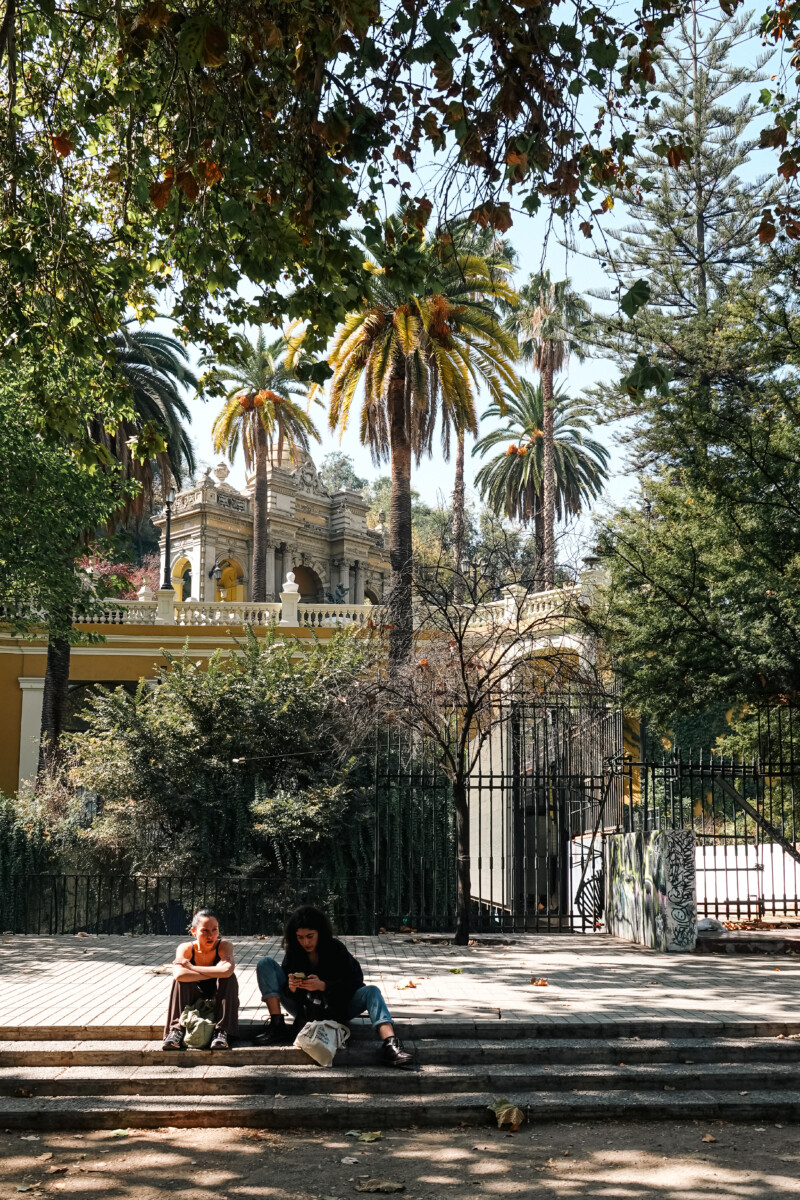
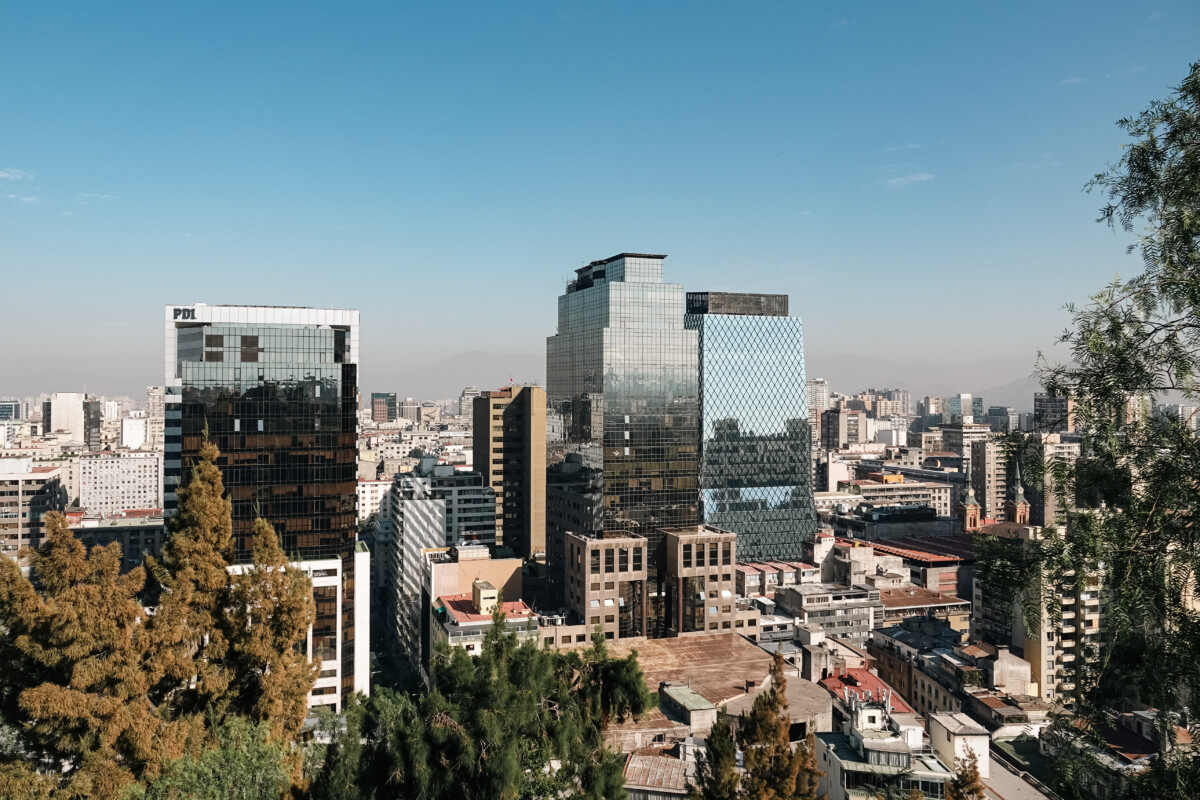
Santiago’s rooftops stretch to the horizon while the Andes form an immense bluish wall around the city.
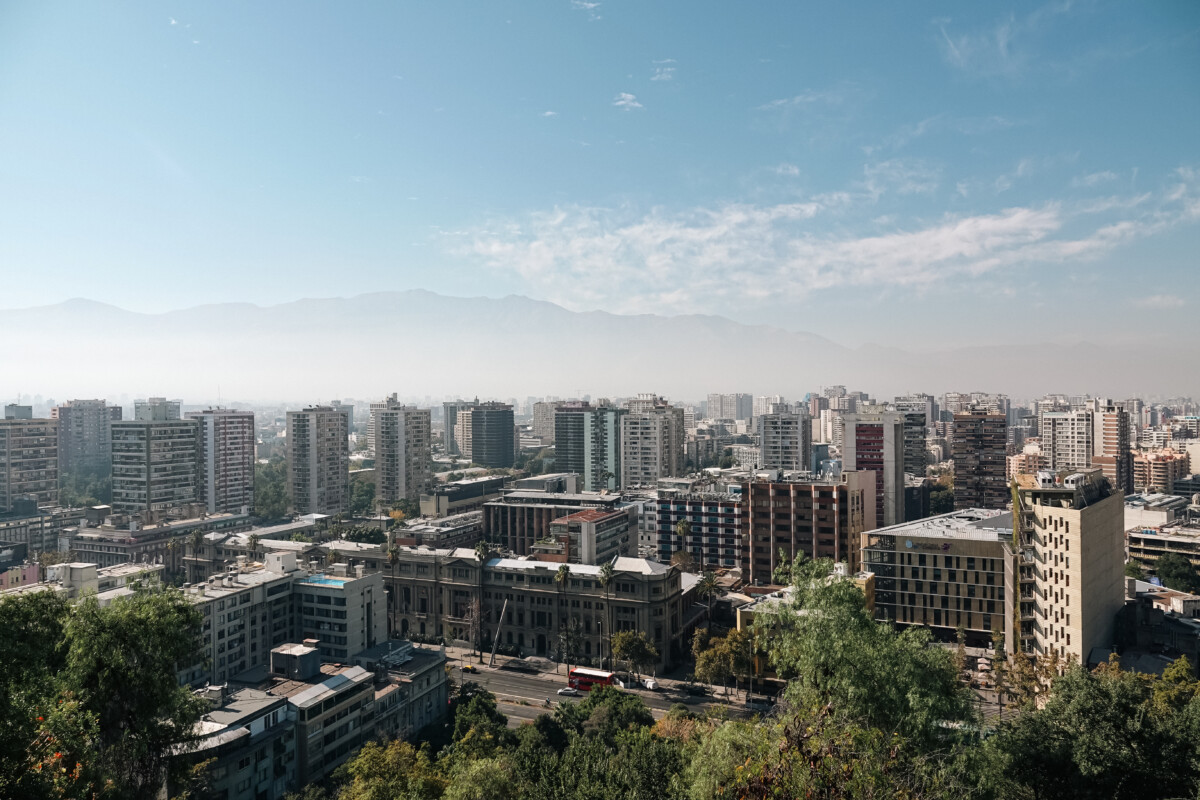
The contrast is striking: a metropolis of several million inhabitants surrounded by one of the world’s greatest mountain ranges.
Here, Santiago suddenly appears far gentler than one imagined.
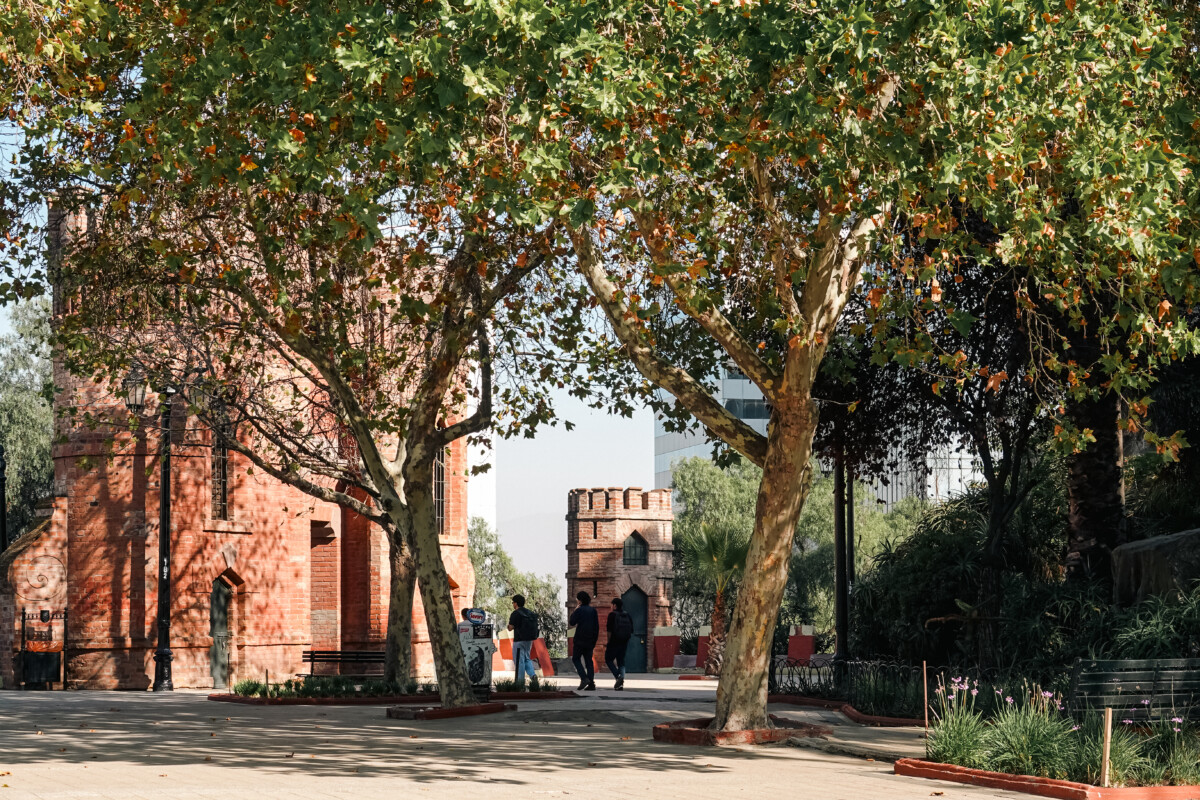
11:00 AM — The Discreet Charm of Lastarria
A few streets away, the atmosphere changes completely.
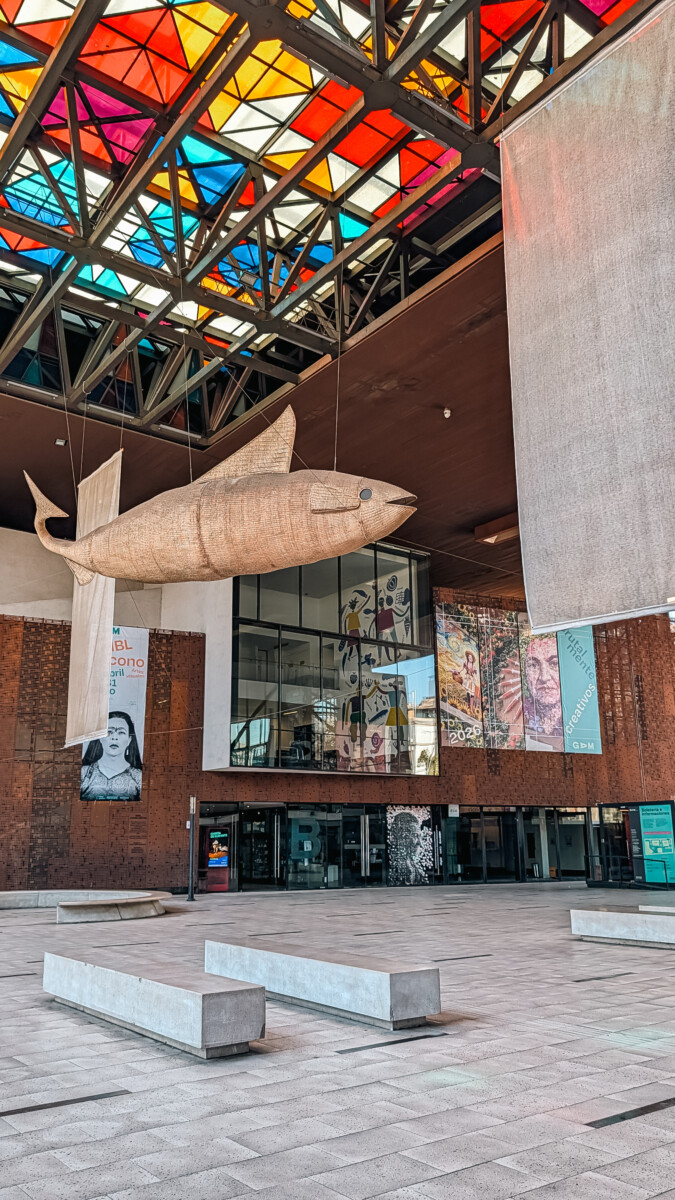
The Lastarria neighborhood seems to exist in another temporality. Independent bookstores sit alongside small cafés, terraces fill slowly, and conversations stretch out in the sun.
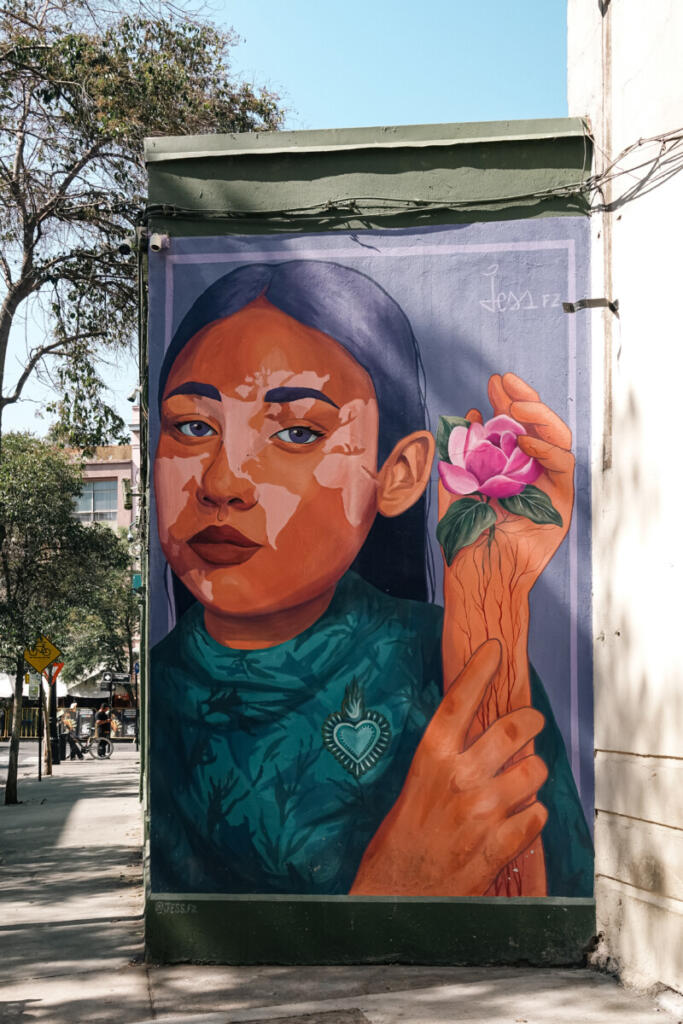
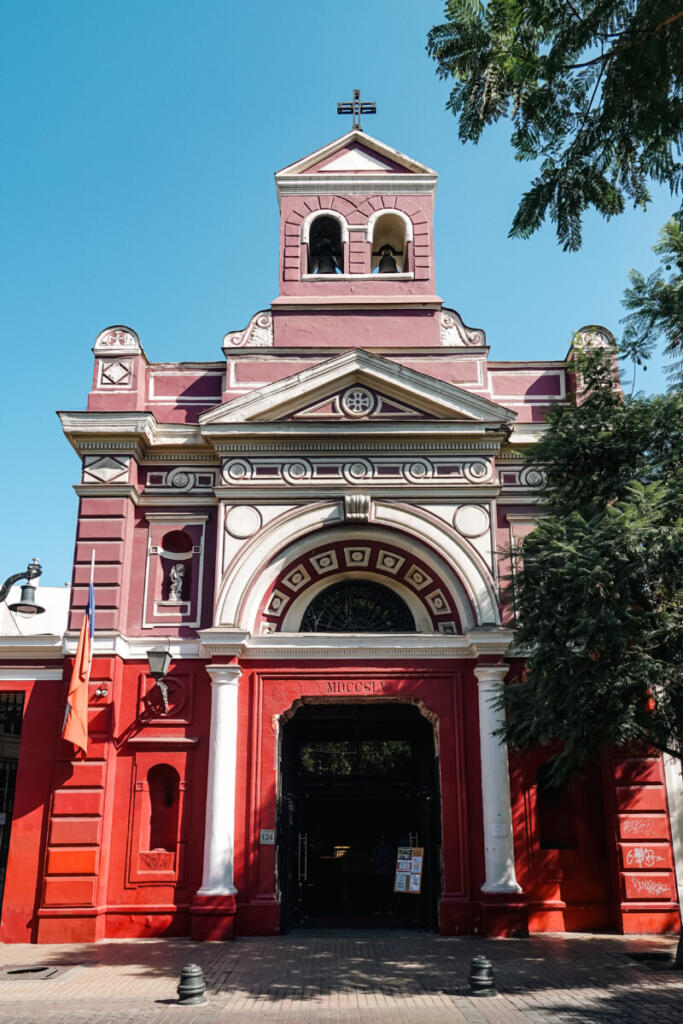
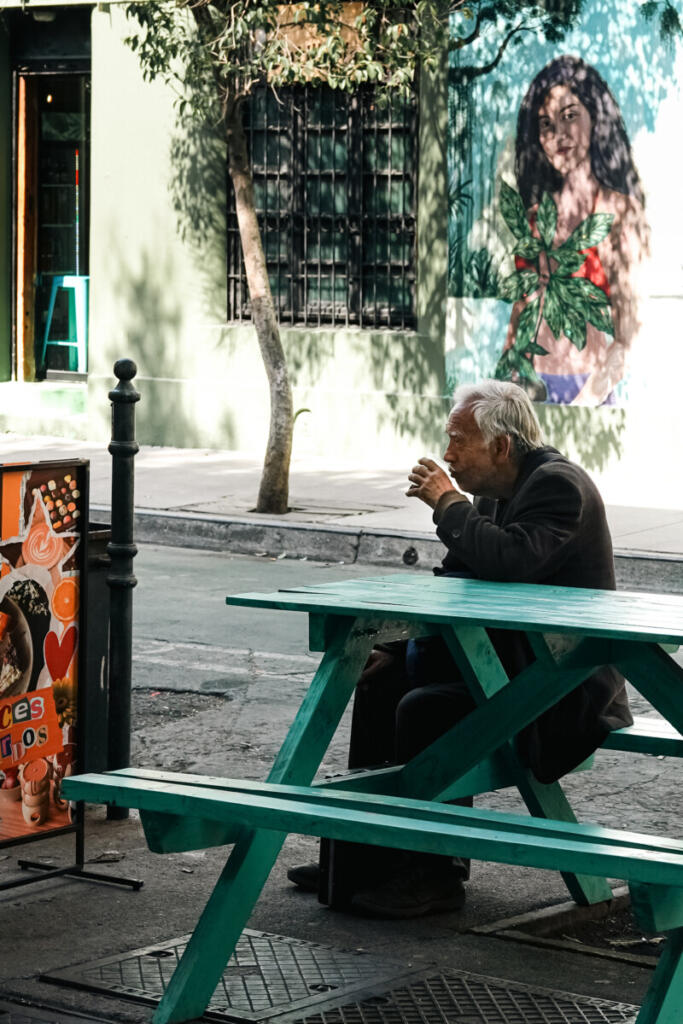
One strolls without any particular objective.
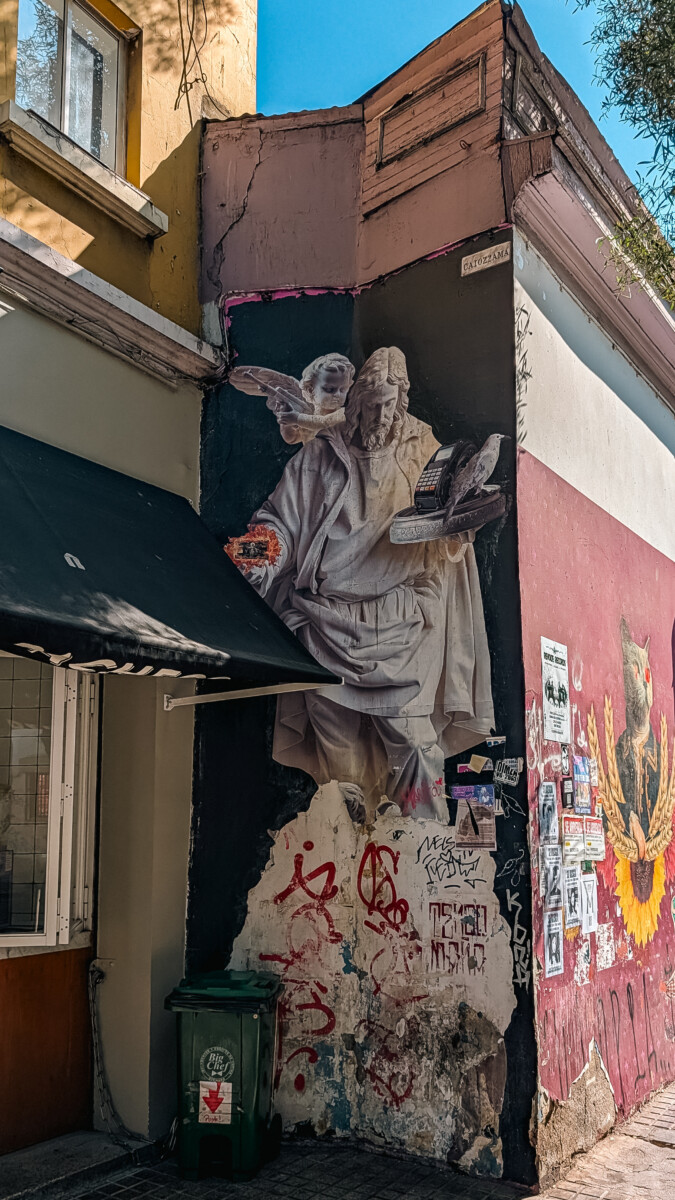
An old façade catches the eye. An art gallery invites entry. A pastry shop diffuses the aroma of freshly ground coffee.
In a city often associated with its role as an economic capital, Lastarria recalls that there also exists a creative, cultural Santiago deeply attached to its art of living.
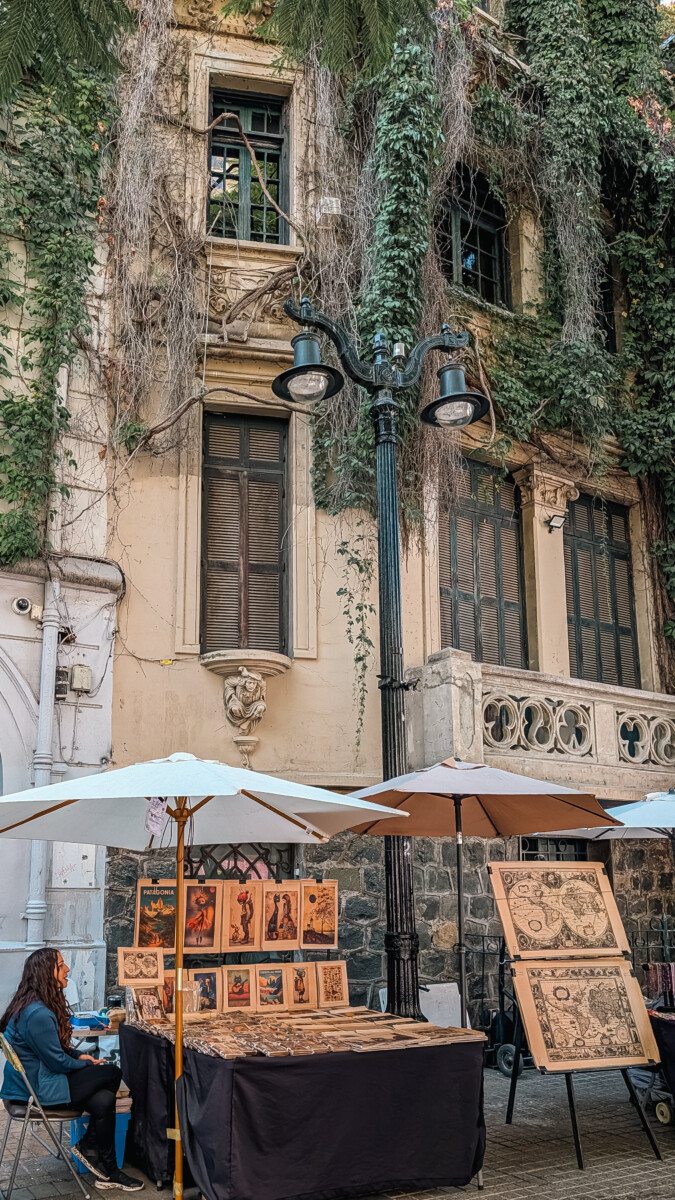
1:00 PM — The Historic Heart of Santiago
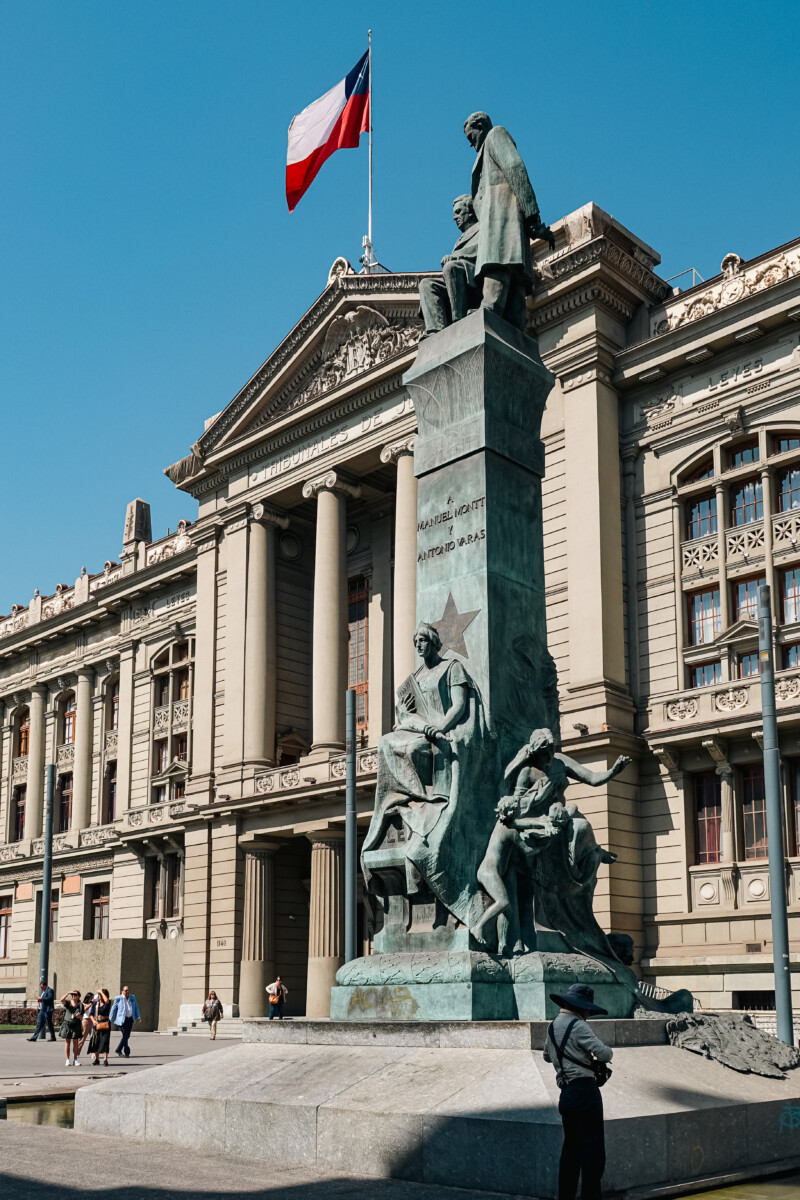
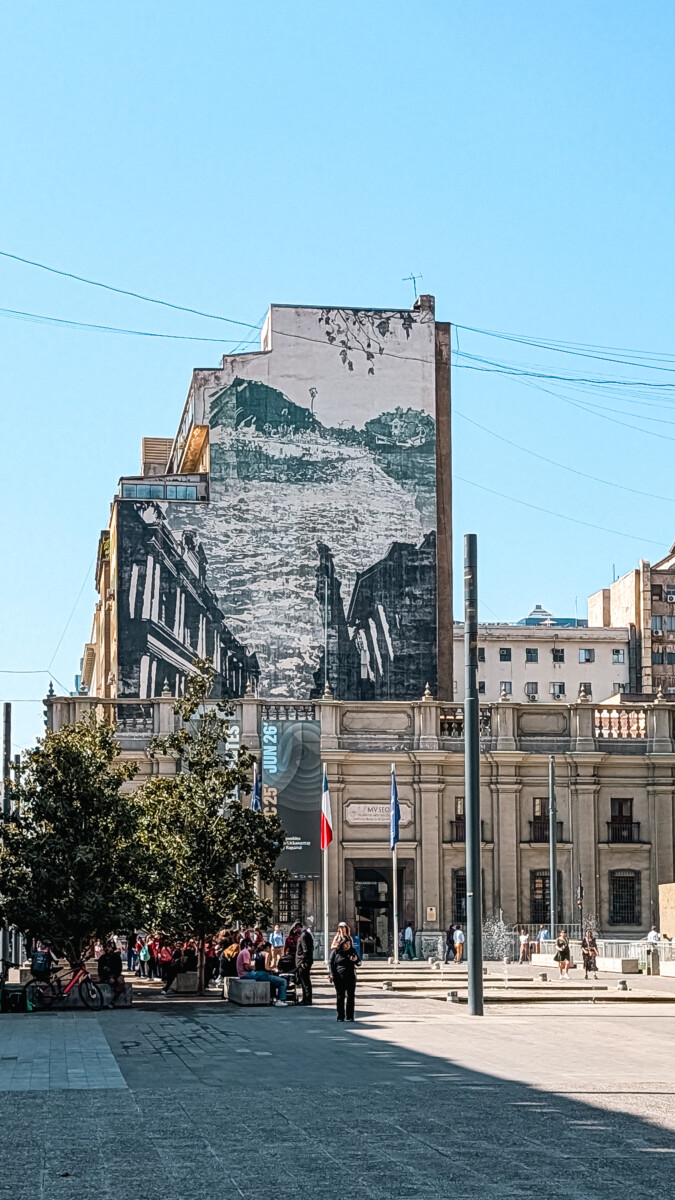
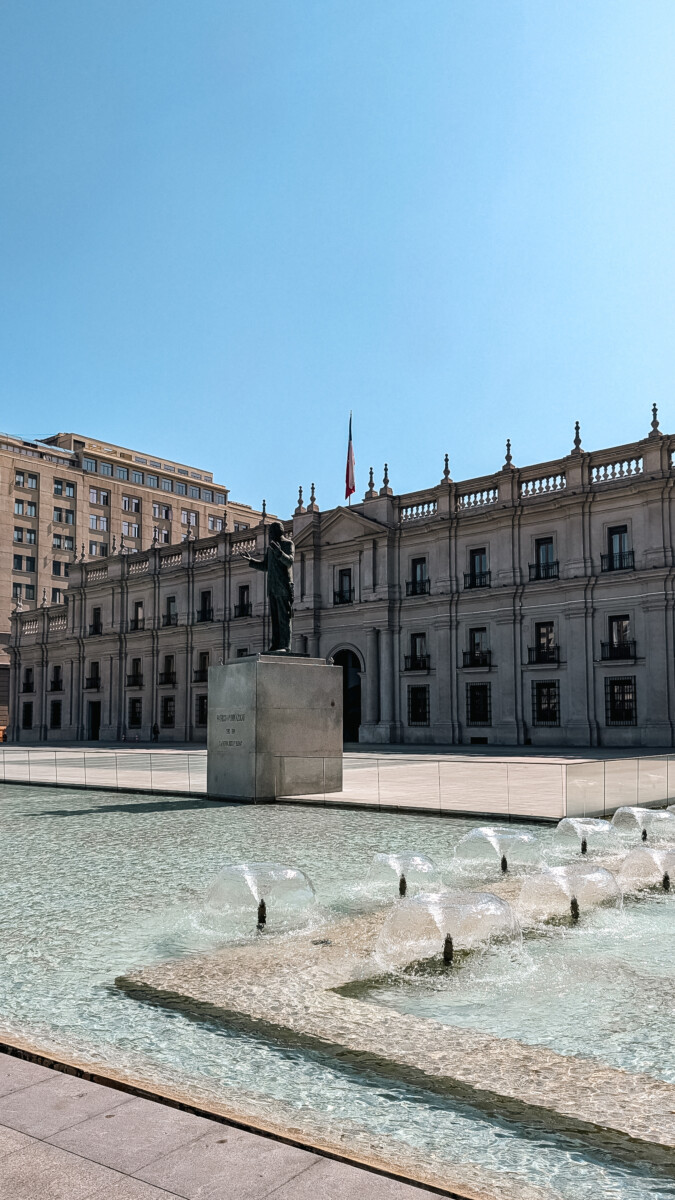
Descending from Cerro Santa Lucía, the city gradually reveals its different facets. Along the broad avenues appear elegant façades inherited from the prosperity of the 19th century. The Museum of Fine Arts, with its imposing architecture inspired by grand European palaces, recalls the cultural ambition that once animated the Chilean capital. Beneath the trees of the neighboring park, students, artists, and office workers share the same benches at lunchtime.
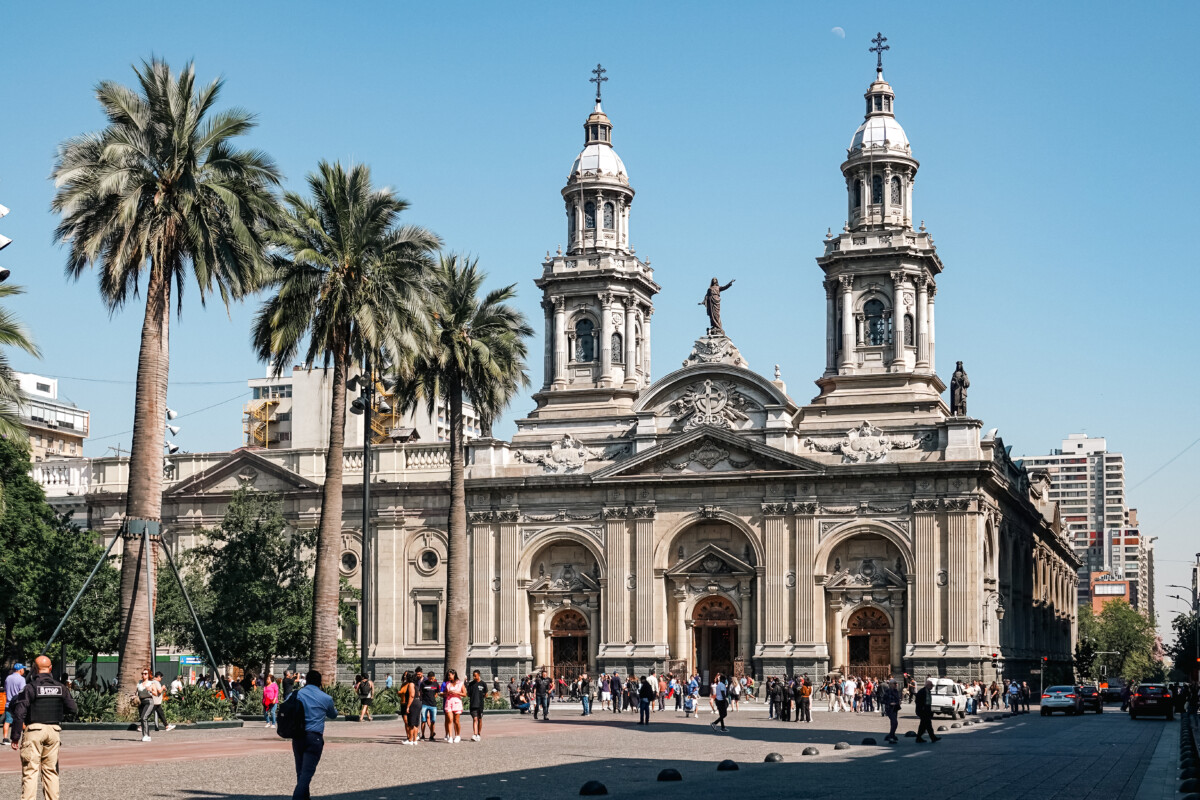
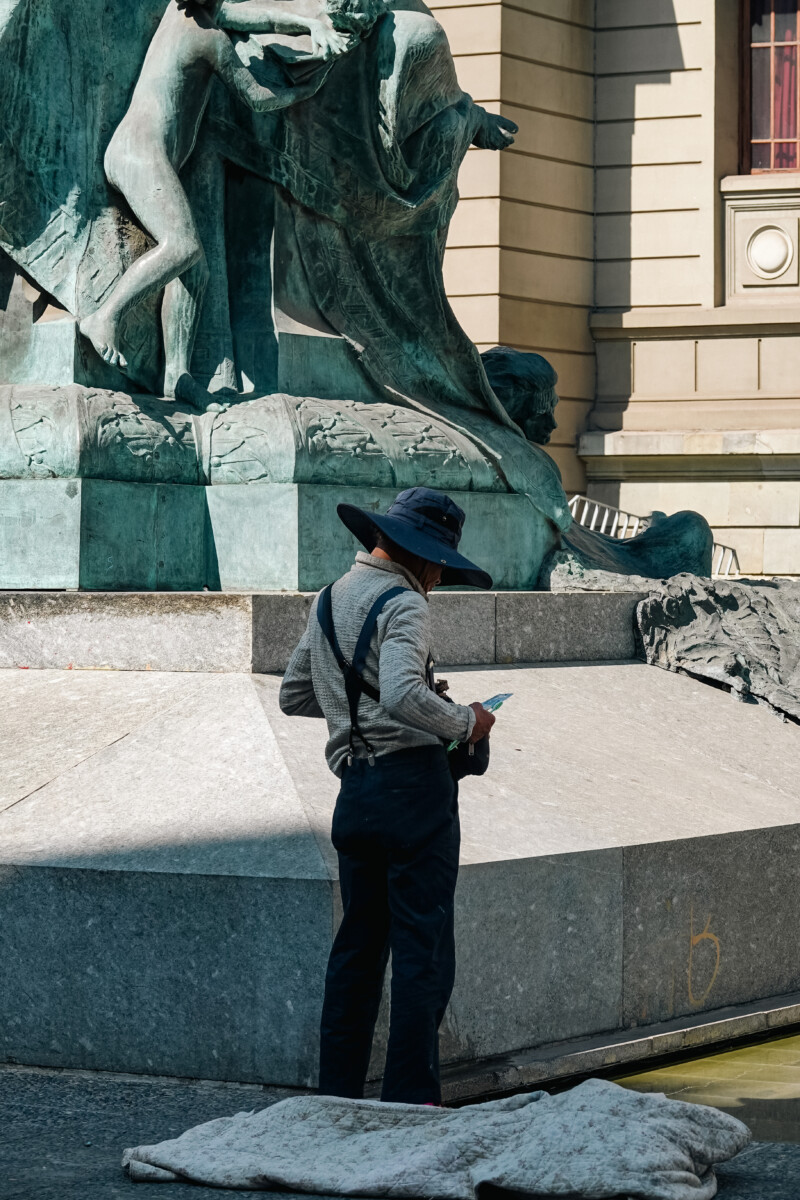
A few streets further, the Plaza de Armas marks the true center of Santiago. For nearly five centuries, the city has organized itself around this lively square where residents, street vendors, retirees playing chess, and passing travelers cross paths. The atmosphere is decidedly Latin American: vibrant, sometimes chaotic, always warm.
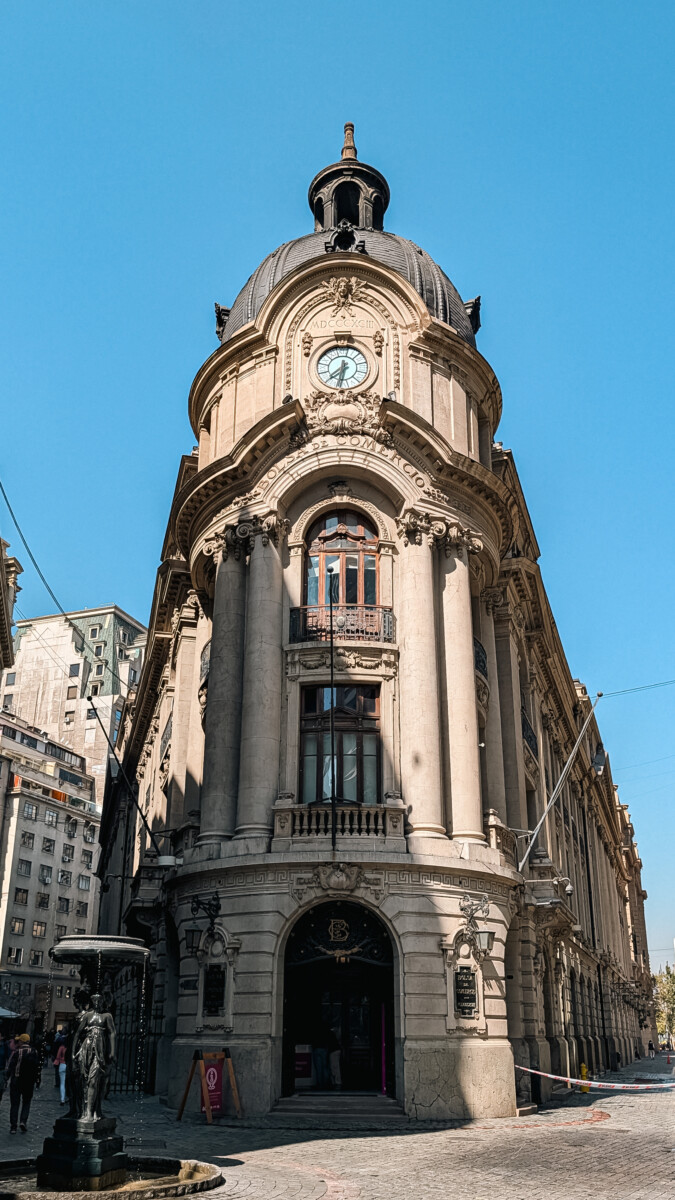
Continuing the walk, the elegant façades of the Bolsa de Comercio bear witness to another face of Santiago. Behind the columns, pediments, and Art Nouveau details emerges a modern capital built between colonial heritage and contemporary ambitions.
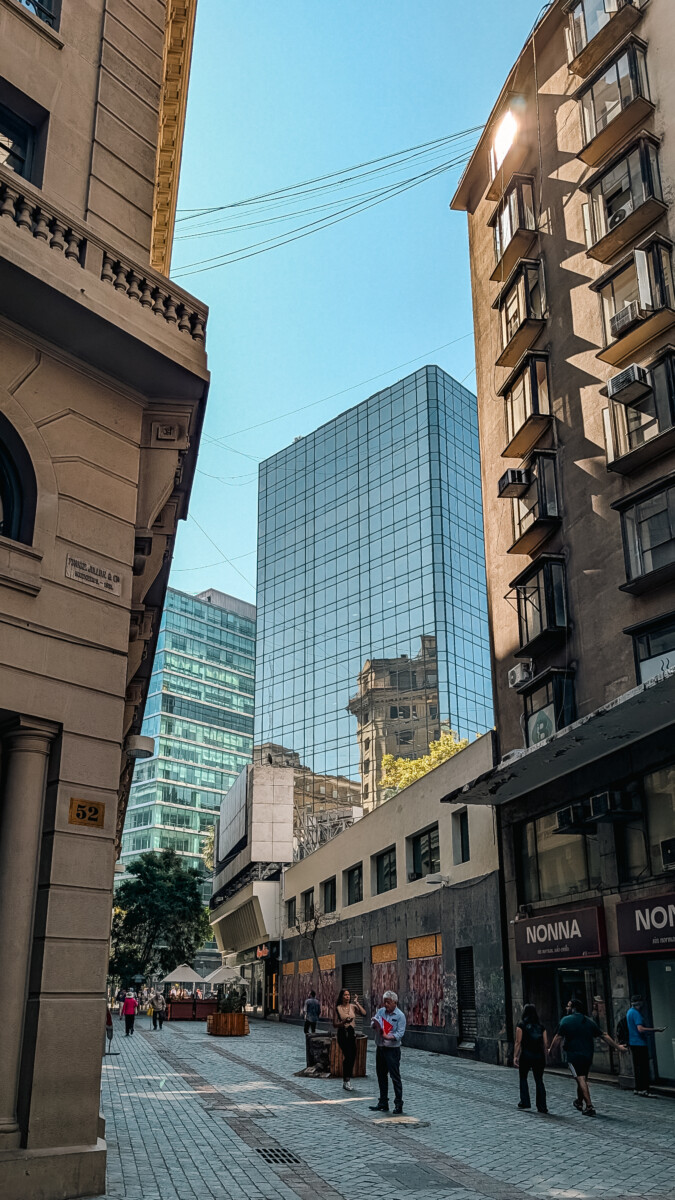
At every street corner, eras seem to dialogue. Perhaps this is where Santiago best reveals its personality: a city that never denies its history while constantly looking toward the future.
4:00 PM — Colors and Contrasts in Bellavista
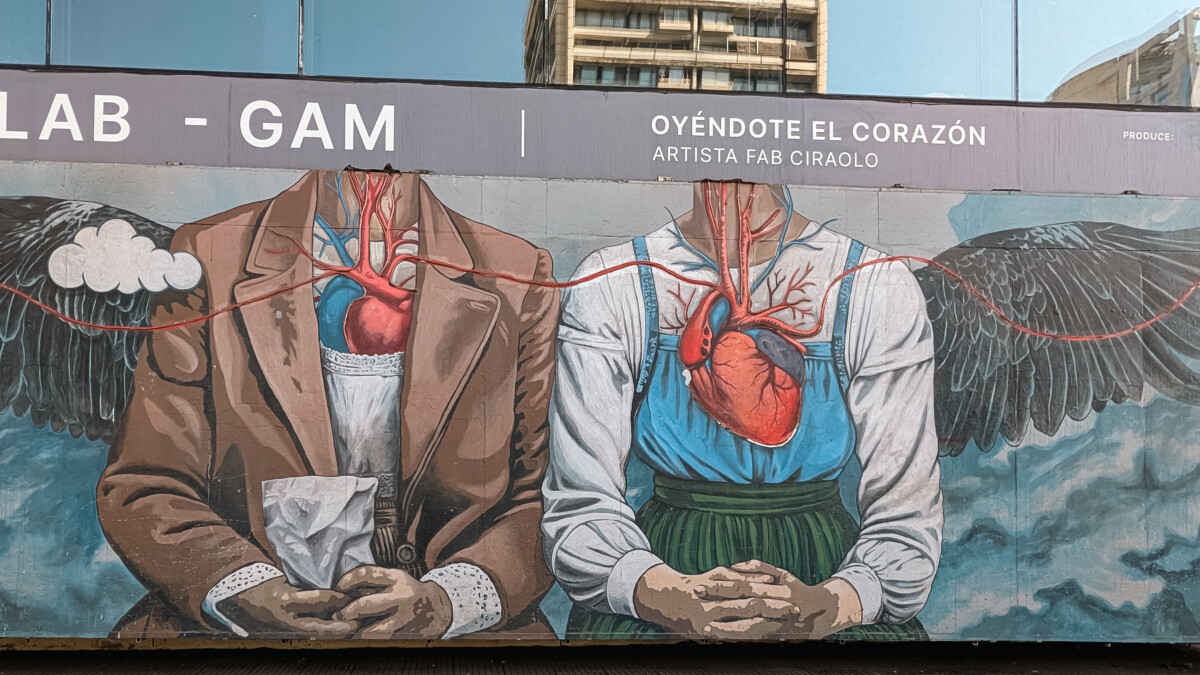
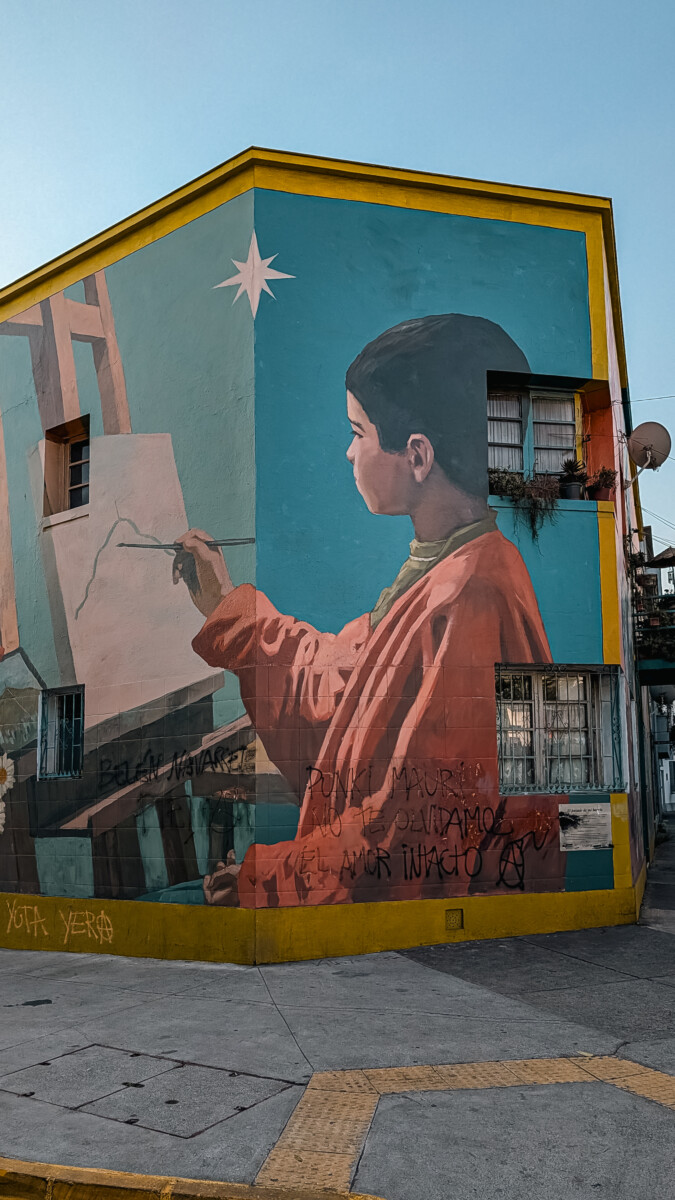
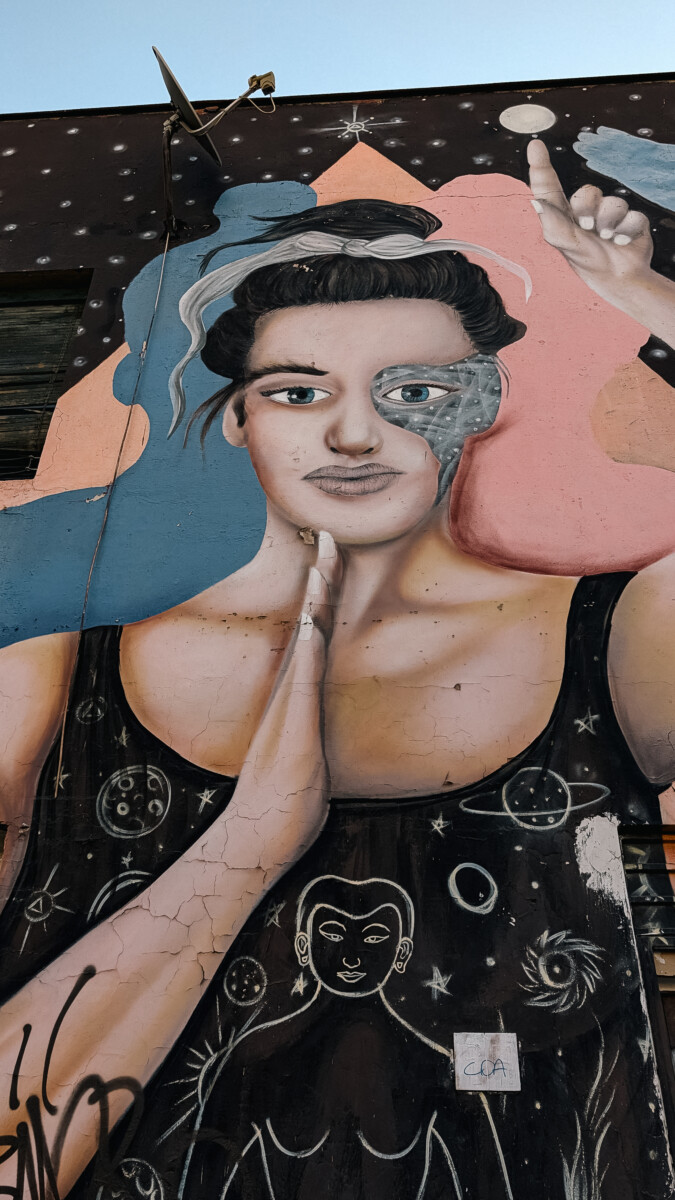
The afternoon leads to Bellavista, undoubtedly Santiago’s most vibrant neighborhood. Walls become giant canvases. Façades are covered with colorful murals. Each street seems to tell a different story. The neighborhood still carries the bohemian heritage that built its reputation. Between galleries, bars, workshops, and cafés, energy is everywhere.
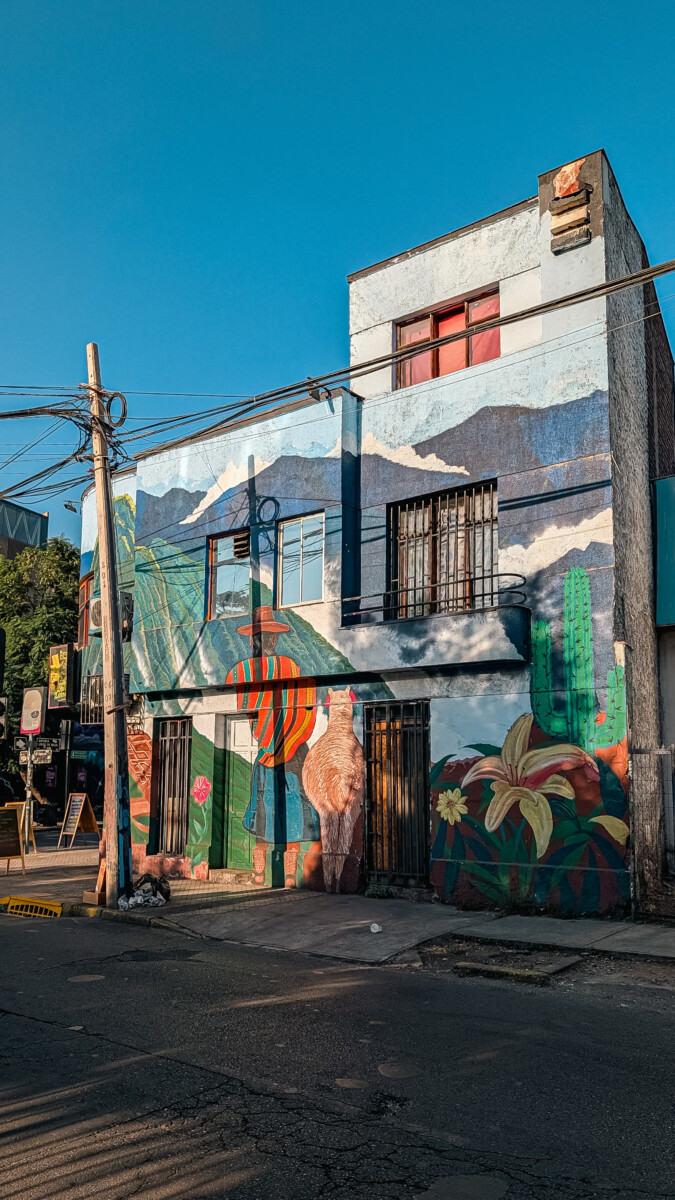
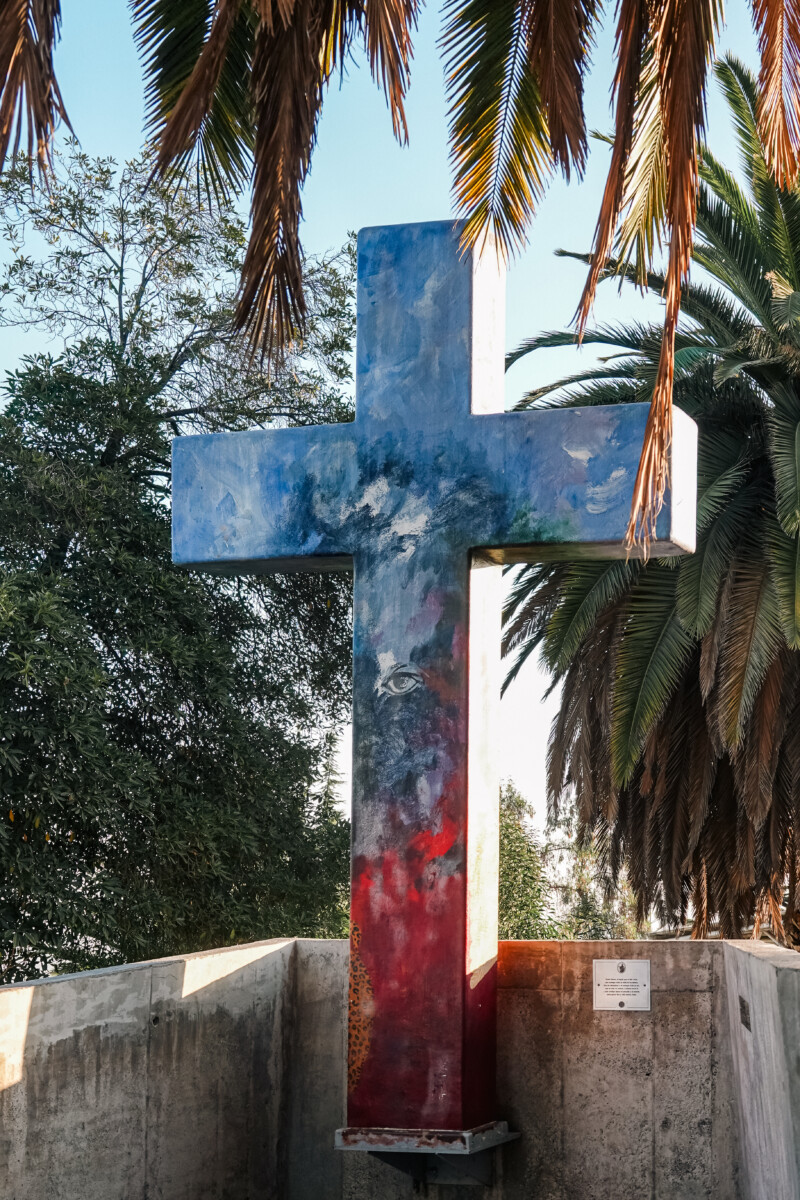
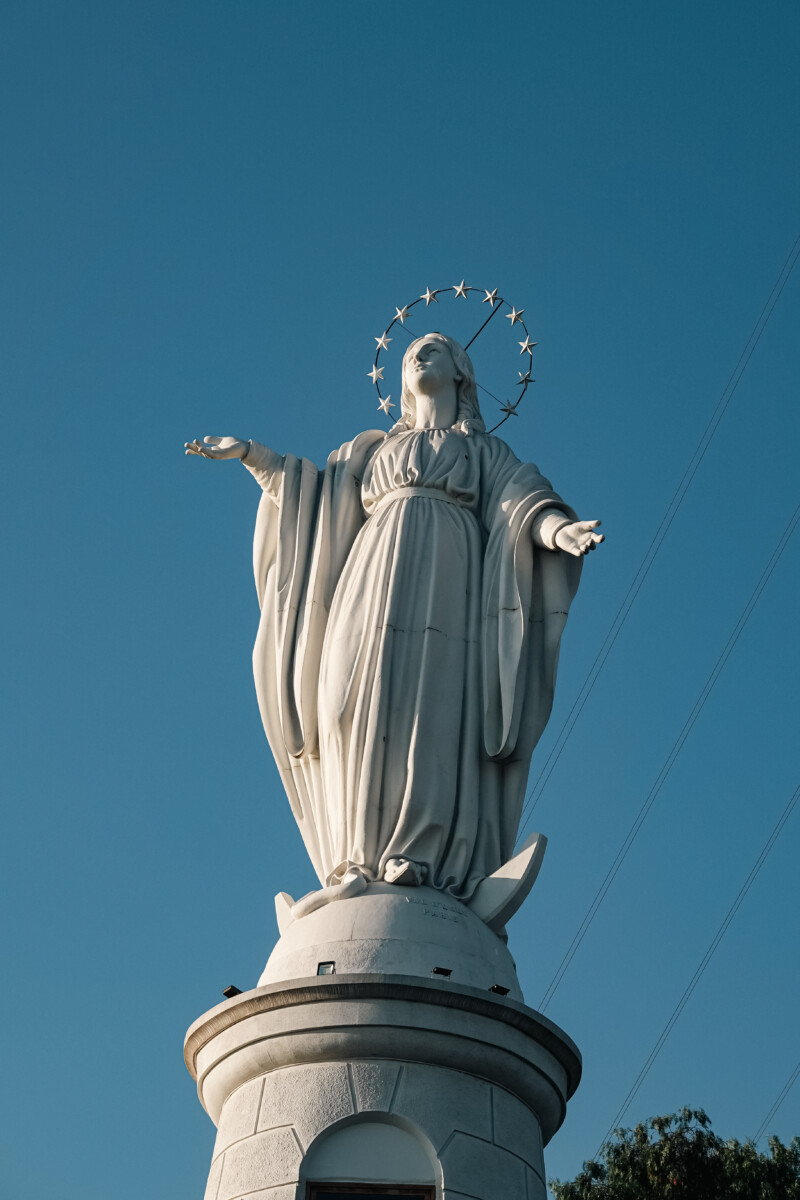
This is also where the ascent to Cerro San Cristóbal begins. Gradually, the noise fades. The city remains below. The sky becomes more vast.
6:00 PM — Santiago Facing the Andes
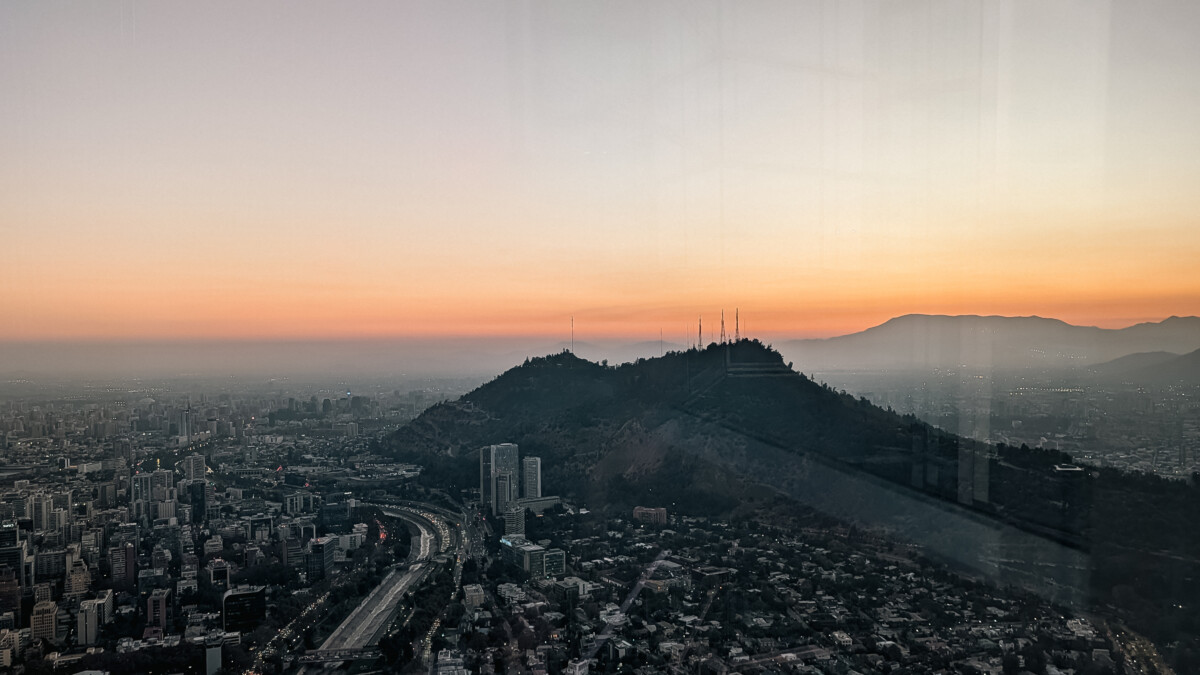
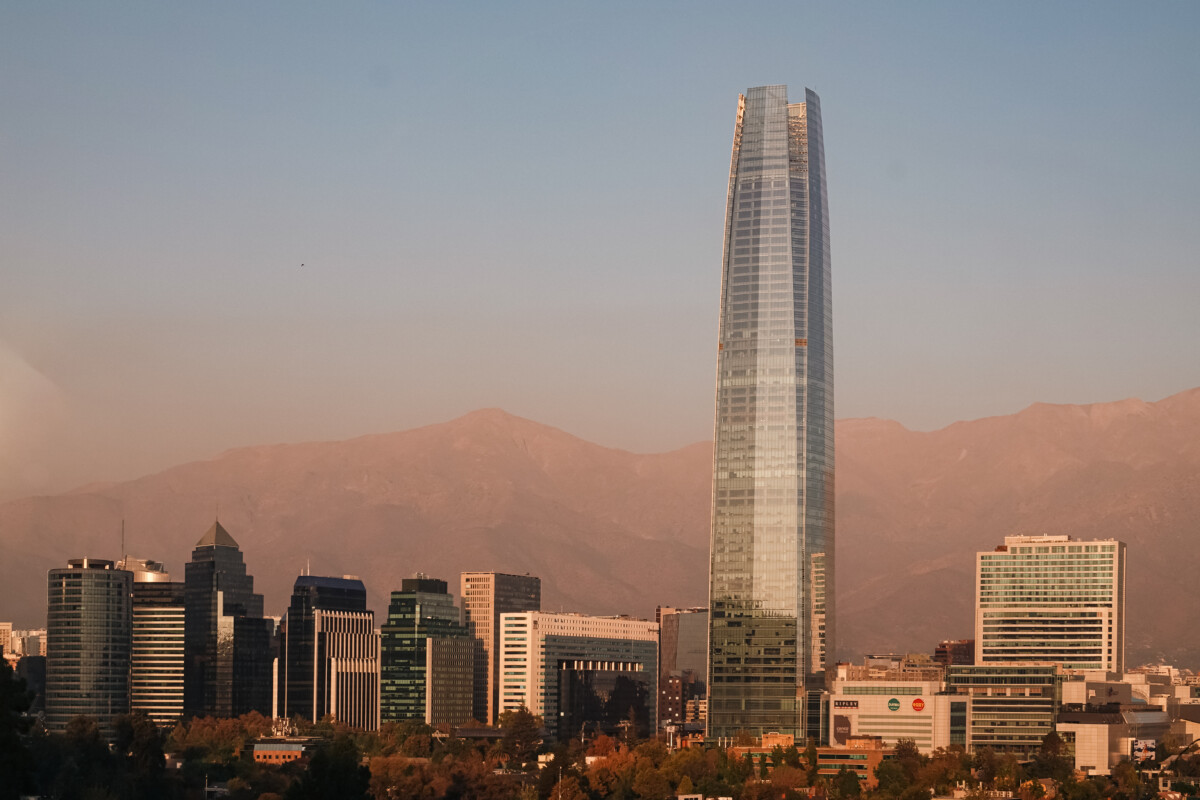
At the summit, Santiago reveals itself in all its breadth. Neighborhoods extend as far as the eye can see. The towers of the financial district gleam under the last rays of sun while the Andes dominate the horizon.
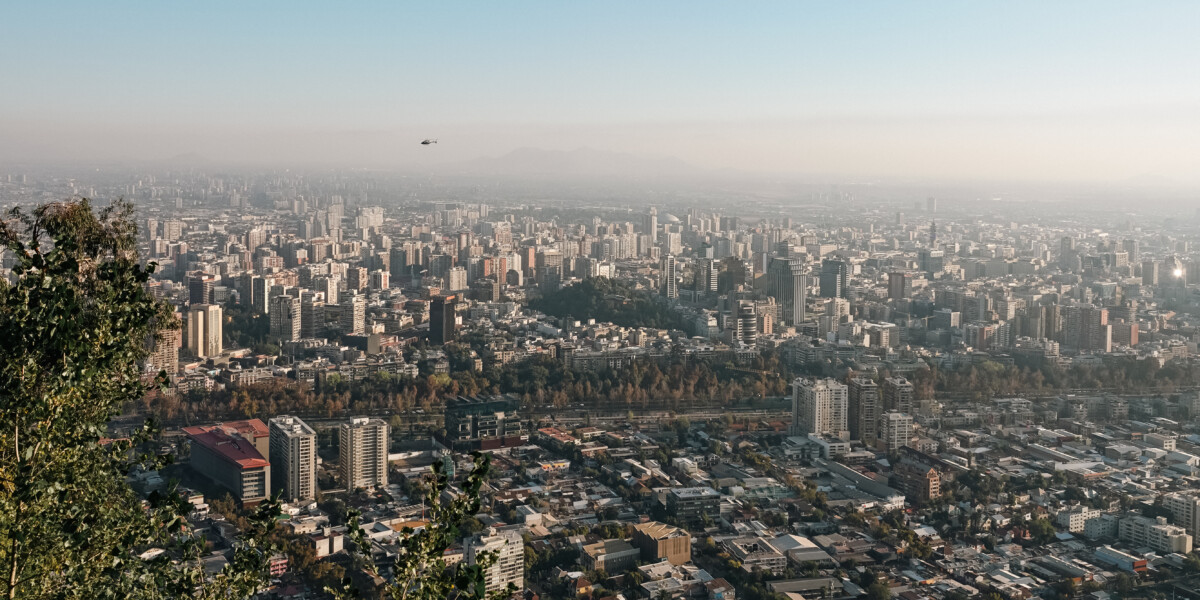
When the air is clear, the scene appears almost unreal. On one side, a modern capital of glass and steel. On the other, snow-capped peaks that constantly recall the power of nature.
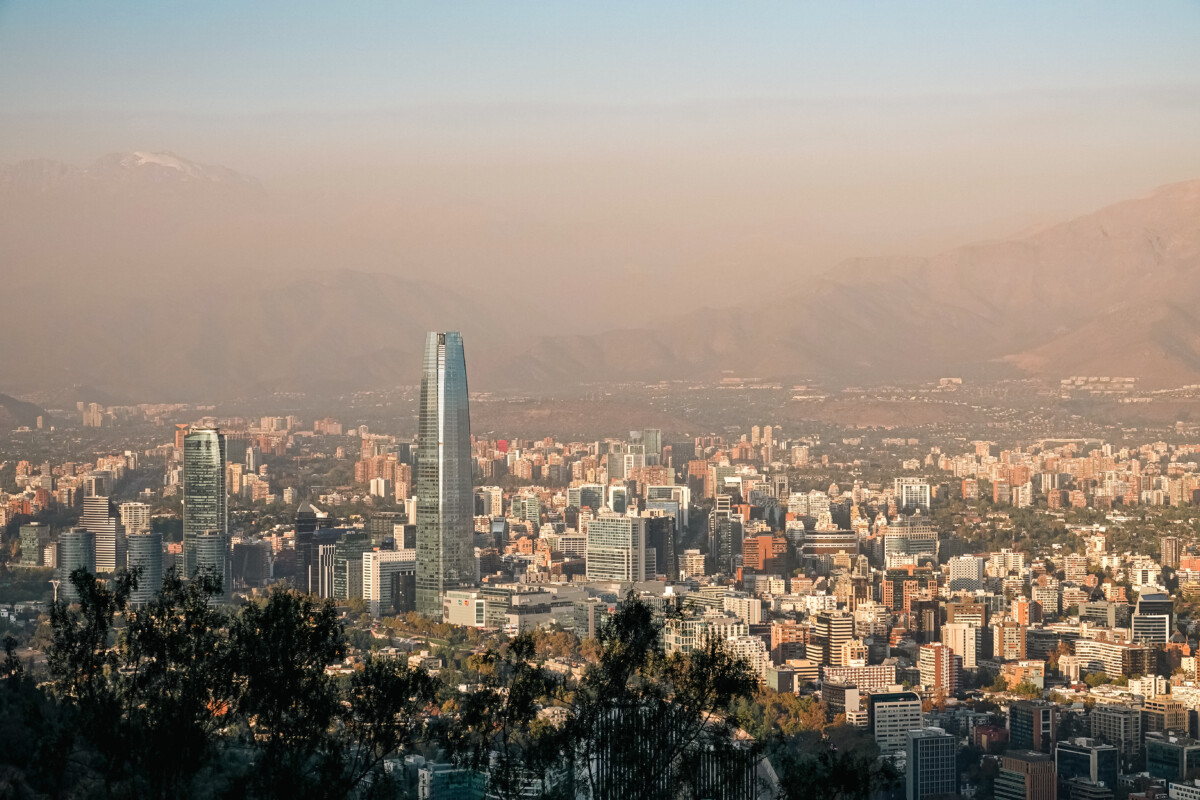
The late-day light envelops everything in unexpected softness. For a few moments, the city appears suspended.
7:00 PM — Above the Rooftops
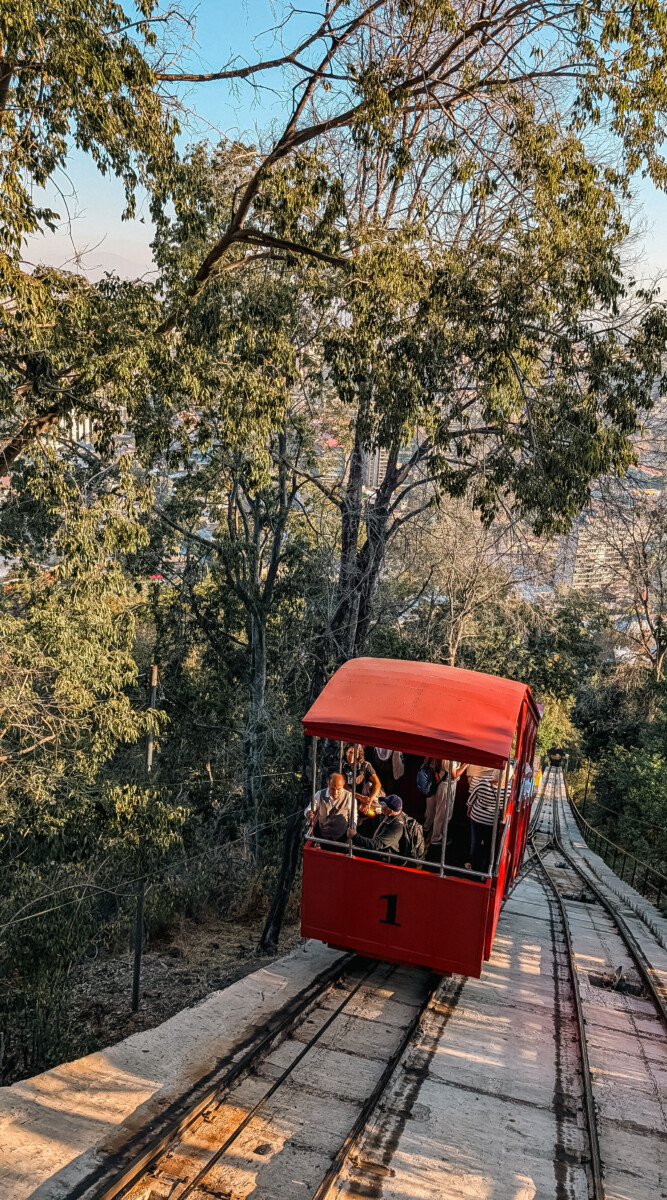
The descent is made by cable car. The cabins glide silently above the trees while Santiago transforms before one’s eyes. Neighborhoods pass by. Providencia appears more orderly, more elegant, more vertical as well.
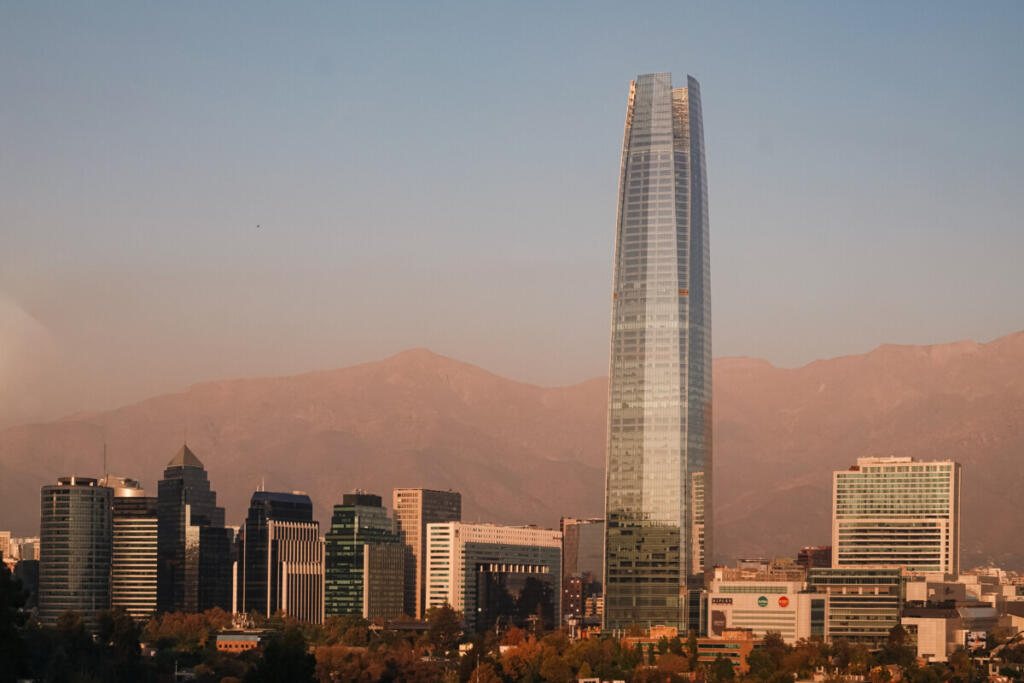
The avenues gradually light up. Offices empty. The city changes rhythm. Another evening begins.
8:00 PM — Santiago at Our Feet
When the sun disappears behind the Andes, head to Sky Costanera.
En quelques secondes d’ascenseur, Santiago se déploie sous vos yeux depuis le sommet de la plus haute tour d’Amérique du Sud. À près de 300 mètres au-dessus de la ville, le regard porte jusqu’aux montagnes qui encerclent la capitale chilienne.
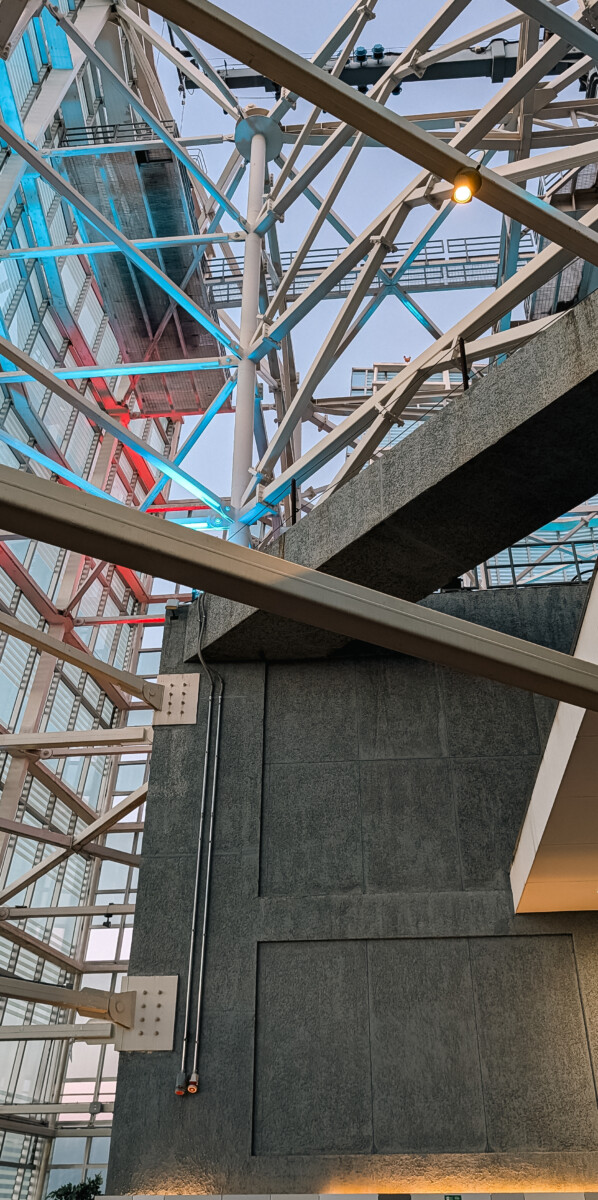
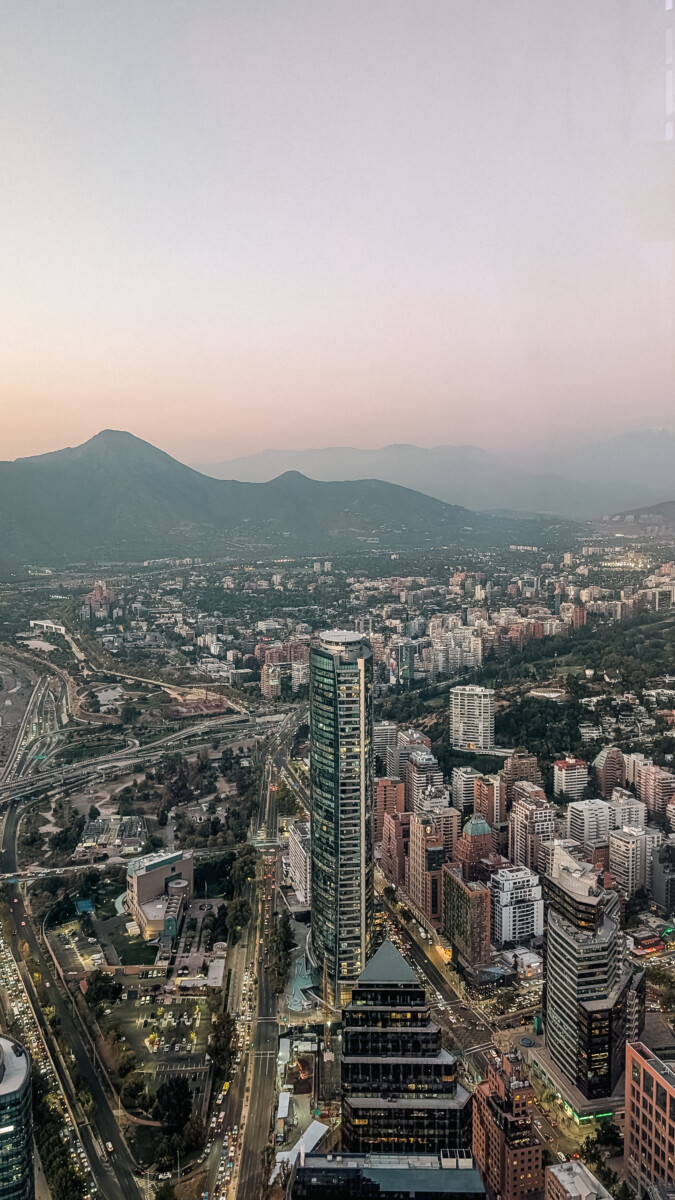
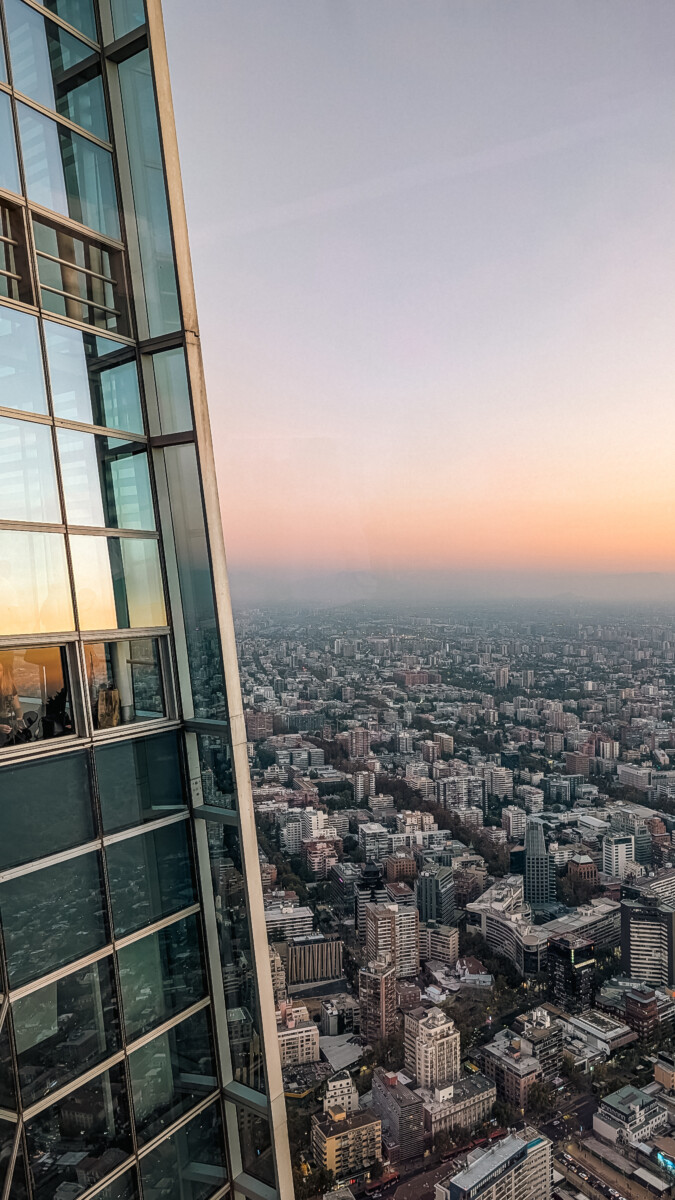
At this hour, the spectacle changes from minute to minute. The last reflections of daylight cling to the Andean peaks while the first lights illuminate the neighborhoods of Providencia, Las Condes, and the historic center. Gradually, an immense luminous carpet covers the valley.
Far below, traffic continues its incessant ballet. Here, at the summit, time seems to slow. A glass of Chilean wine in hand, one observes the city gently passing from day to night, between urban modernity and the immensity of the mountains.
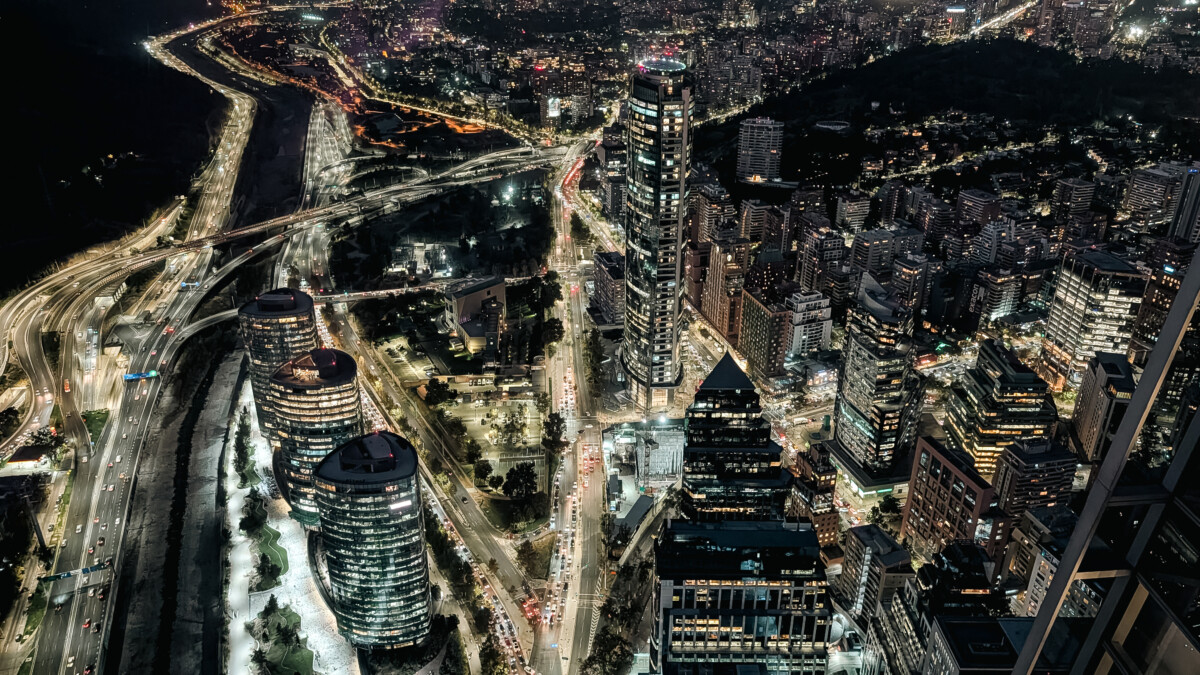
It is undoubtedly at this moment that Santiago reveals itself best: an elegant and discreet capital, long overshadowed by Chile’s natural wonders, yet capable of offering one of the continent’s most beautiful panoramas to those who take the time to linger.