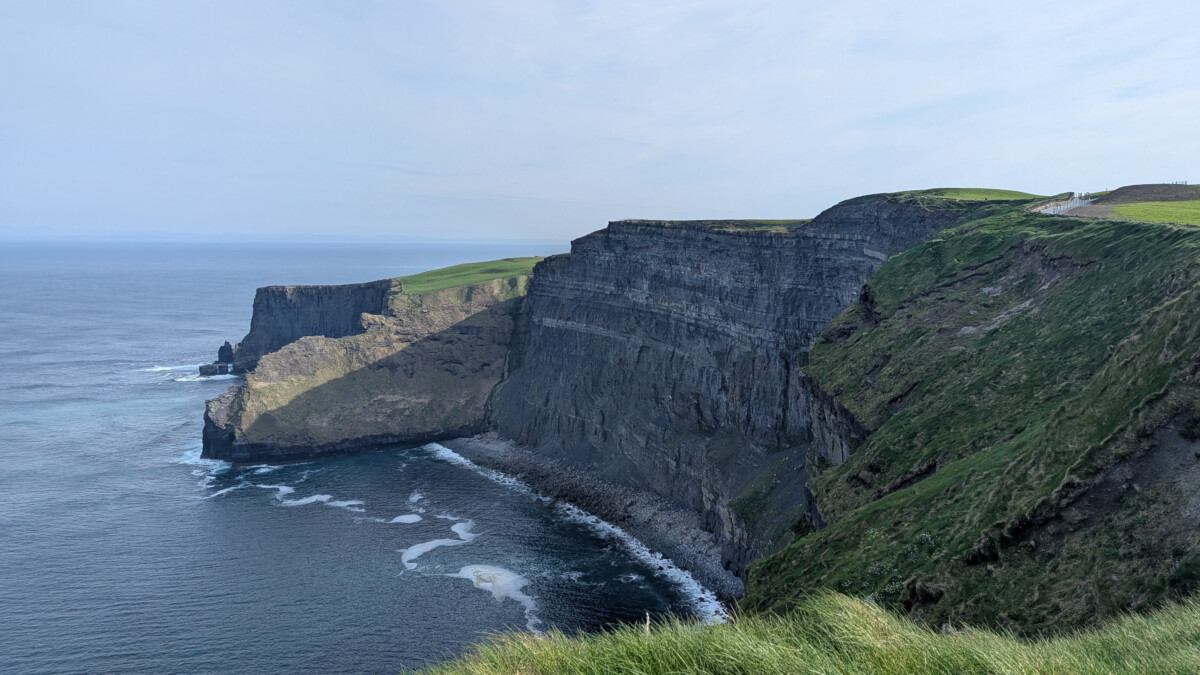
Between cliffs battered by the Atlantic, panoramic roads, fishing villages, medieval castles and vast wilderness, the west of Ireland concentrates much of what makes the charm of the Emerald Isle.
Following the Wild Atlantic Way, one of the longest signposted coastal roads in the world, allows you to discover an Ireland that is both spectacular and profoundly authentic. From the landscapes of Kerry to the mountains of Connemara, from the Cliffs of Moher to the wild Mayo coastline, each stage reveals a different facet of the country.
Here, the miles count for less than the detours. A road winding between two mountains, an isolated pub on the water’s edge, an abbey emerging at the bend of a lake or a ray of sunlight suddenly transforming a landscape of peat bogs. The West of Ireland is a land to be discovered slowly, to the rhythm of the landscapes and changing light for which it is famous.
Ireland in a nutshell
“Céad míle fáilte” or “a hundred thousand welcomes”. Few greetings sum up the spirit of a country so well.
Located at the north-western tip of Europe, Ireland is an island shaped by the ocean, wide open spaces and a particularly rich history. Behind the verdant landscapes that have earned it the nickname of the Emerald Isle lies a strong identity, built up over the centuries between Celtic heritage, Christianization, Viking invasions, British domination and the gradual conquest of independence.
Even today, this history remains visible everywhere. In the medieval ruins that dot the countryside, in the castles that dominate the valleys, in the villages where traditional music still resonates in the pubs, but also in the special place occupied by the Gaelic language in certain regions of the west of the country.
With just over five million inhabitants spread over an area comparable to that of Belgium and the Netherlands combined, Ireland remains one of the least densely populated countries in Western Europe. Outside Dublin, the landscape quickly takes over: mountains, peat bogs, lakes, pastures and wild coastlines make up a backdrop that sometimes seems unchanging.
This is particularly true of the Atlantic coast. Battered by winds and sea spray, it’s home to some of the country’s most spectacular scenery. It’s here that you’ll find the Wild Atlantic Way, an itinerary that allows you to discover an Ireland that’s wild, authentic and deeply endearing.
Western Ireland in practice
How do I get to the West of Ireland?
Dublin airport is generally the most convenient gateway to the West of Ireland. Numerous direct flights connect the Irish capital to Belgium and France every week, with relatively short flight times.
From Dublin, it’s just a few hours’ drive to the first stages of an itinerary on the Wild Atlantic Way. This solution also makes it easy to combine the discovery of the capital with the wide-open spaces of the Atlantic coast.
For travellers wishing to focus exclusively on the west of the country, Shannon or Knock airports are also excellent alternatives. Less busy than Dublin, they offer quick access to some of the Wild Atlantic Way’s most emblematic regions, such as Connemara, County Clare and Mayo.
When to go to the West of Ireland?
The west of Ireland can be visited all year round, but the period between April and October generally offers the most pleasant conditions for enjoying the countryside and outdoor activities.
Spring is particularly enticing. The days lengthen rapidly, the roads remain relatively quiet and the countryside regains its vitality after the winter. May and June are often among the most pleasant months in which to discover the region, with their beautiful light and moderate numbers of visitors.
Summer brings the longest days of the year. In June, the light lasts well into the evening, providing ideal conditions for hiking, scenic drives and long evenings in coastal villages.
September and October are also excellent times to visit. There are fewer visitors, accommodation is more affordable and the landscape gradually takes on autumnal hues, further enhancing the wild character of the Atlantic coast.
Whatever the season, it’s best to bear in mind that the weather is an integral part of the Irish experience. Showers alternate regularly with sunny spells, creating moods and lights that contribute greatly to the beauty of the landscape.
Getting around on the Wild Atlantic Way
The car remains by far the best way to discover the West of Ireland.
While the Wild Atlantic Way is perfectly signposted along its entire length, a large part of its appeal lies in the detours it allows. Numerous side roads lead to isolated beaches, little-frequented cliffs or villages that don’t always feature in the more classic guidebooks.
Distances may look relatively short on a map, but travel times are often longer than they appear. Roads frequently pass through rural areas, wind between mountains or skirt the coast. So it’s not uncommon to spend more time admiring the scenery than actually progressing to the next stage.
That’s why it’s best to plan reasonable stopovers and keep your schedule flexible, so you can take full advantage of the discoveries along the way.
Where to stay in the West of Ireland?
The West of Ireland offers a wide variety of accommodation, from charming family-run guesthouses to elegant country houses and boutique hotels set in historic old mansions.
To get the most out of the Wild Atlantic Way, it’s generally advisable to choose several stages rather than a single destination. This approach reduces travel times and allows you to explore each region at a more leisurely pace.
The south-west of the country is an excellent first stop, particularly around Cork, Kerry and the Dingle Peninsula. The Cliffs of Moher region then offers an ideal starting point for exploring County Clare, before continuing on to Connemara and the wild landscapes of County Mayo.
Ireland also has a long tradition of hospitality. Small, family-run guesthouses are often one of the best ways to discover the country, thanks to the warm welcome of their owners and their perfect knowledge of the region.
What to see on the Wild Atlantic Way
It would be an illusion to sum up the Wild Atlantic Way in just a few stages. This mythical route passes through some of Ireland’s most spectacular regions, and each trip could follow a totally different itinerary.
Of course, there are a few places that have become unmissable. The Cliffs of Moher, Connemara and Kylemore Abbey are among the country’s most famous images. But a large part of the charm of Ireland’s west coast also lies in all those detours that you don’t always find in the guidebooks: a forgotten valley, a windswept beach, a lake lost in the mountains or a scenic road taken almost by chance.
Rather than a complete inventory, here are some of the great classics, as well as a number of favorites discovered along the way. All very different from one another, but all perfectly illustrating the diversity of the landscape and the very special atmosphere of the West of Ireland.
Rock of Cashel, Blarney Castle & Lough Muskry
The first few miles west already give you a glimpse of the diversity of the Irish landscape.
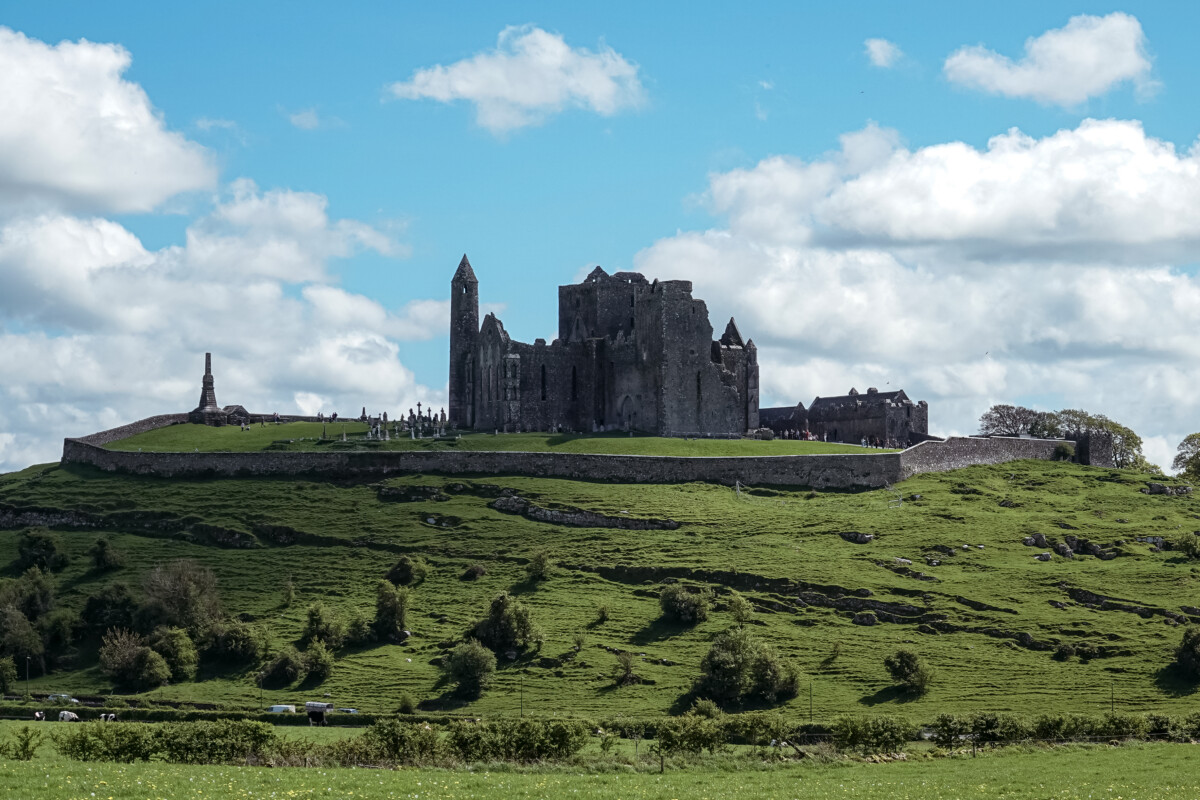
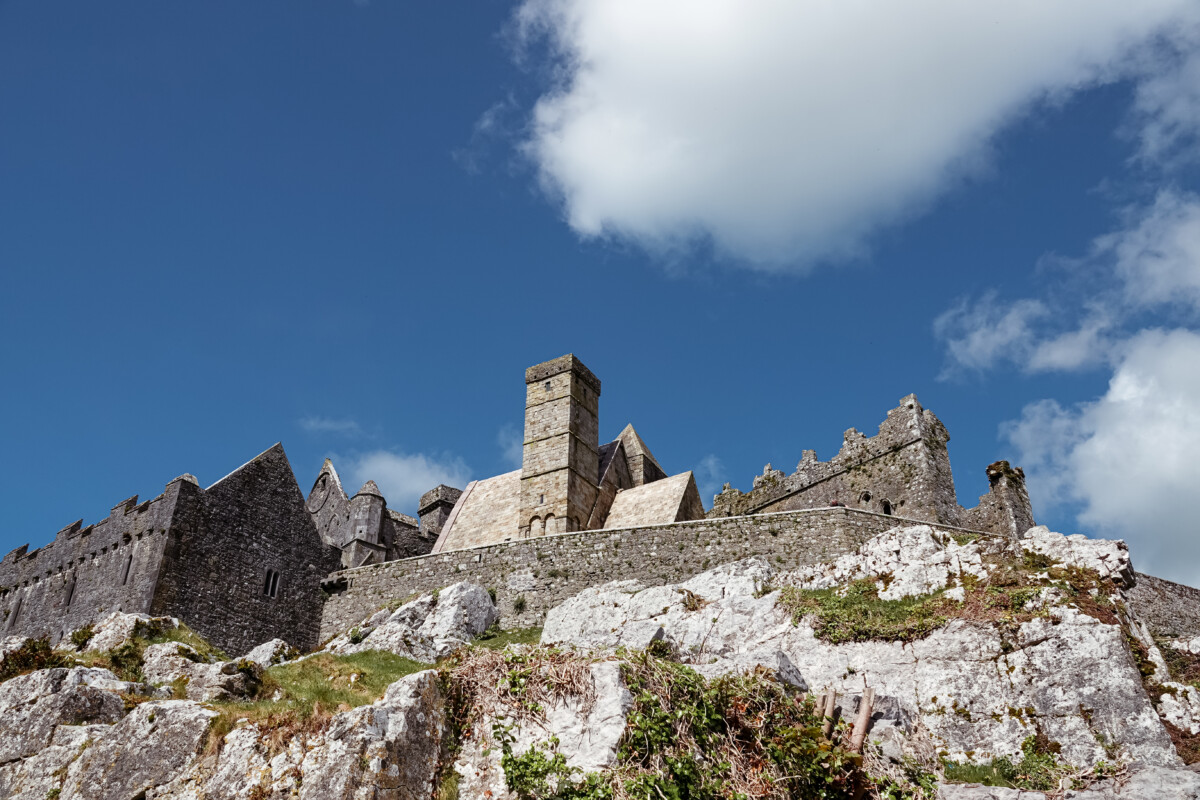
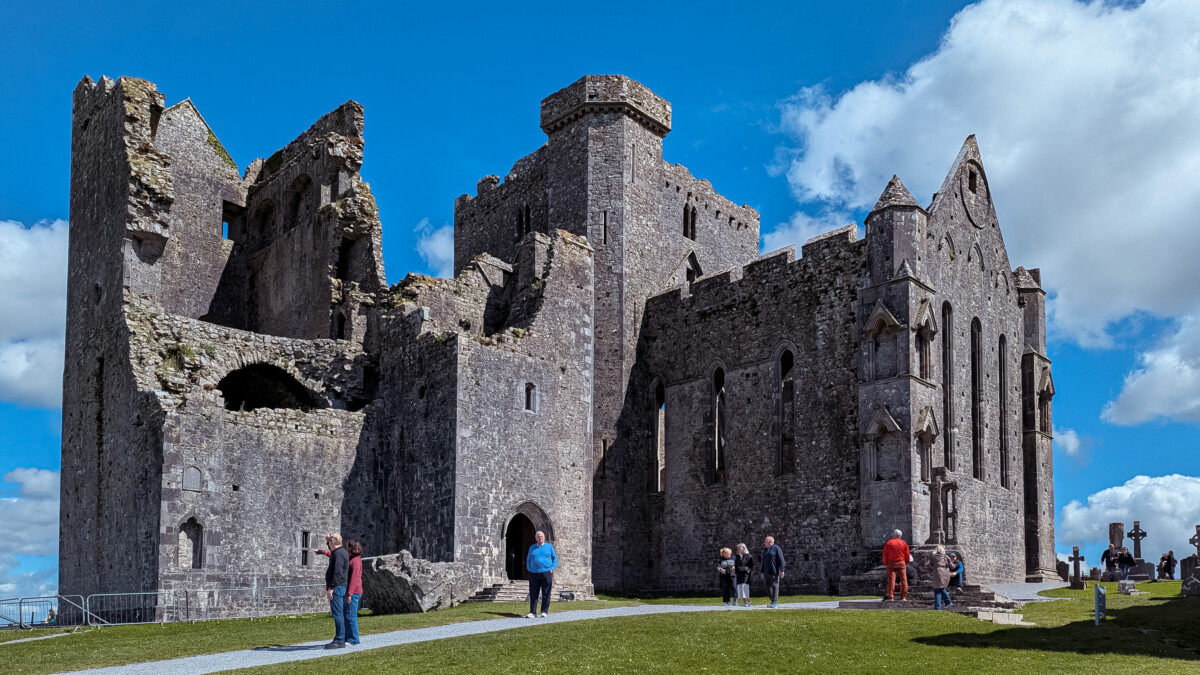
Dominating the plains of County Tipperary, the Rock of Cashel is one of the country’s most impressive medieval ensembles.
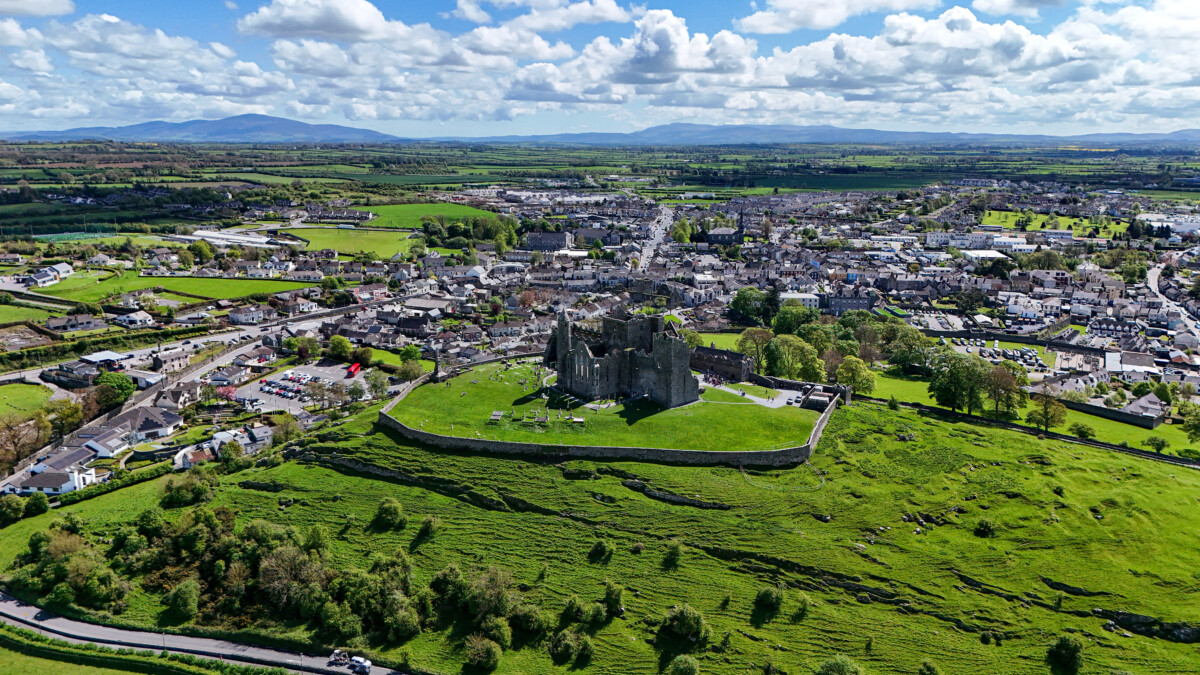
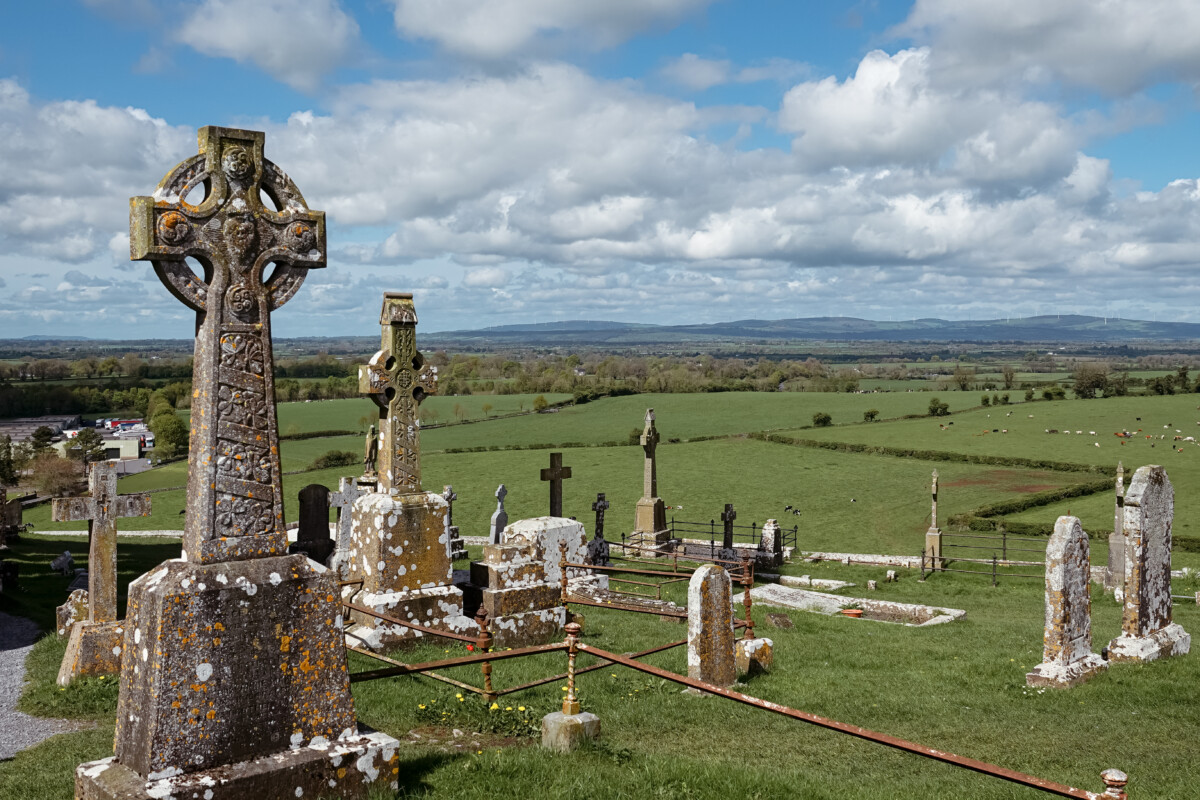
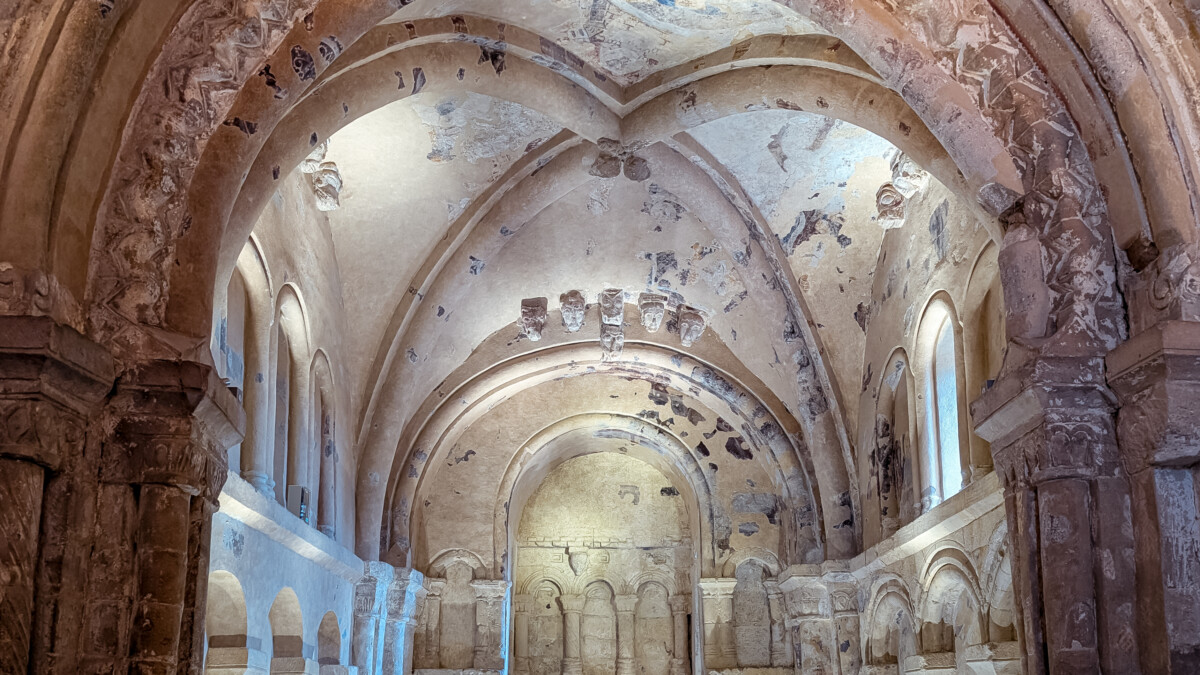
Former residence of the kings of Munster before becoming an important religious center, it combines a cathedral, round tower, Romanesque chapel and fortifications on a spectacular rocky promontory. Visible from afar, it is often one of the first major stops on an itinerary through Ireland.
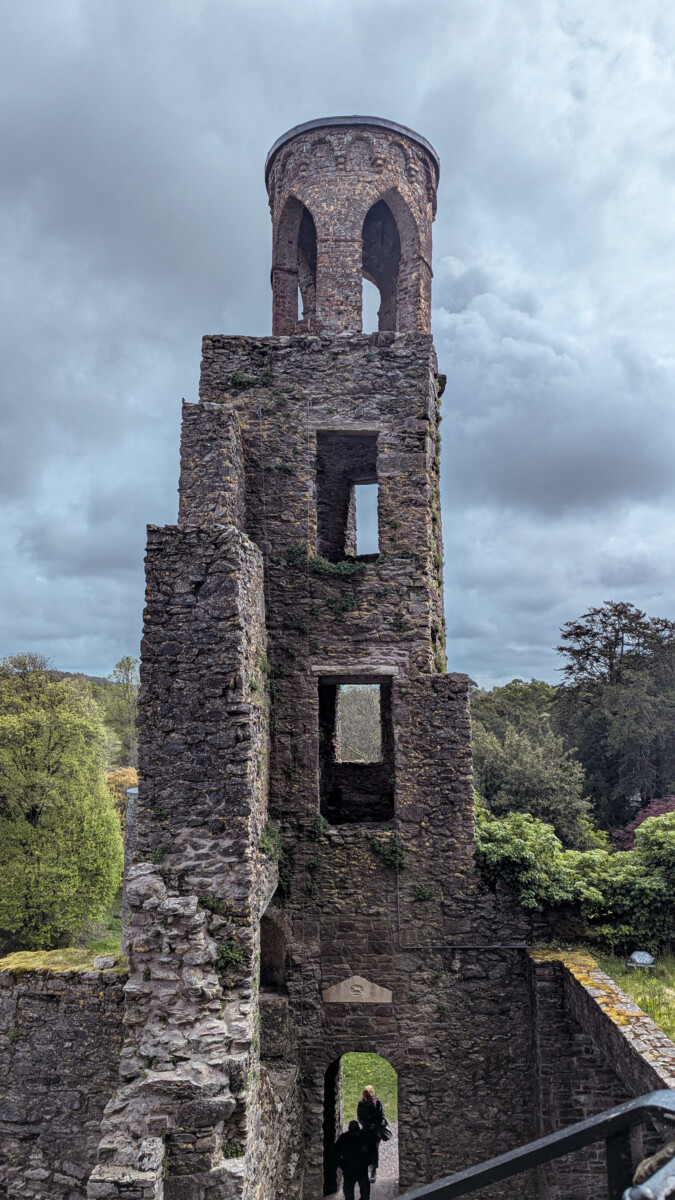
A few miles further south, Blarney Castle offers a totally different atmosphere. Surrounded by centuries-old gardens, forest paths and rock formations steeped in legend, it is best known for its famous Stone of Eloquence. But beyond the tradition that attracts visitors from all over the world, the estate seduces above all by the beauty of its grounds and the peaceful atmosphere that reigns around the castle.
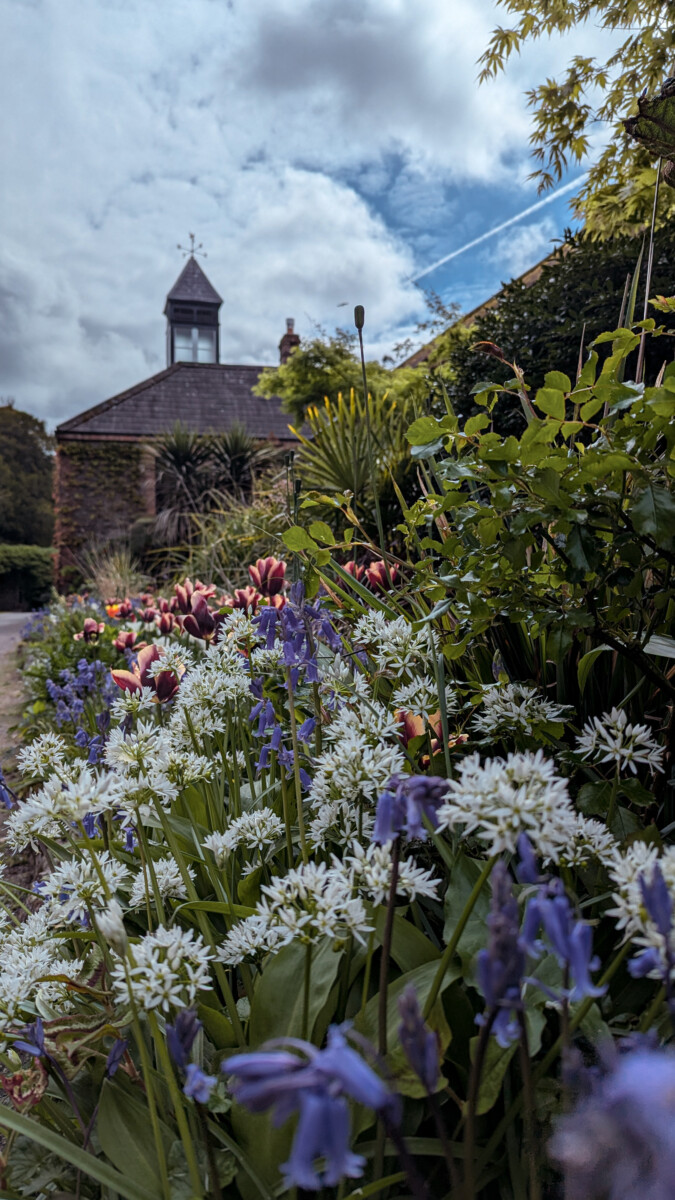
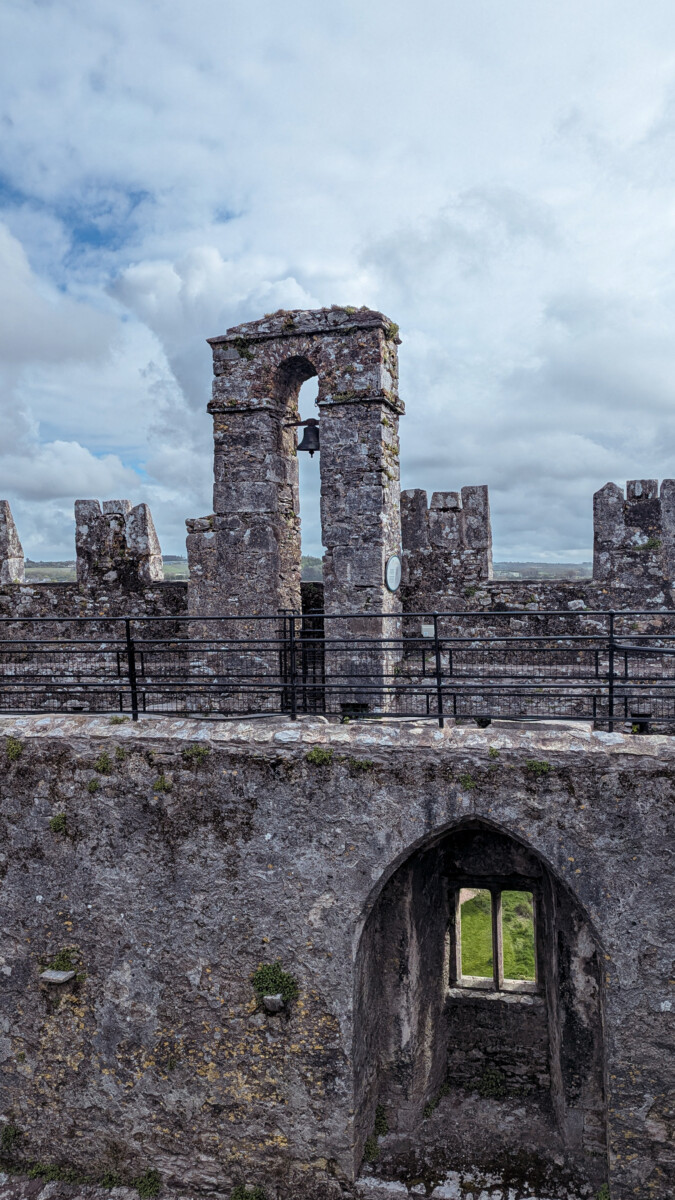
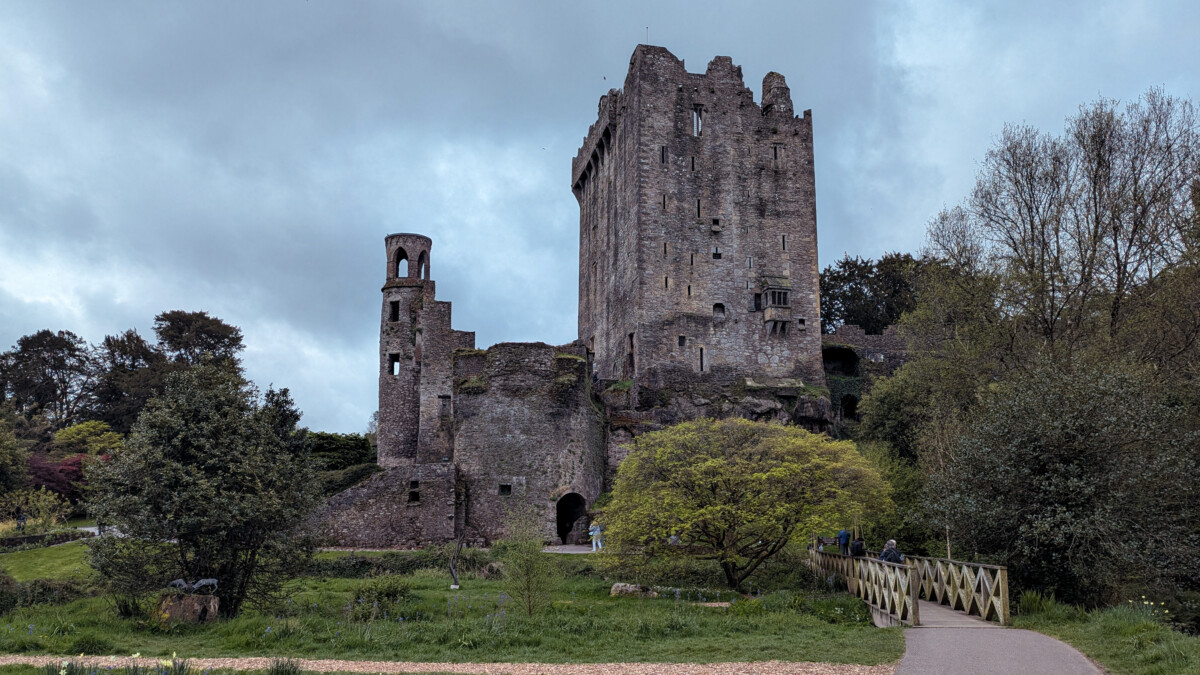
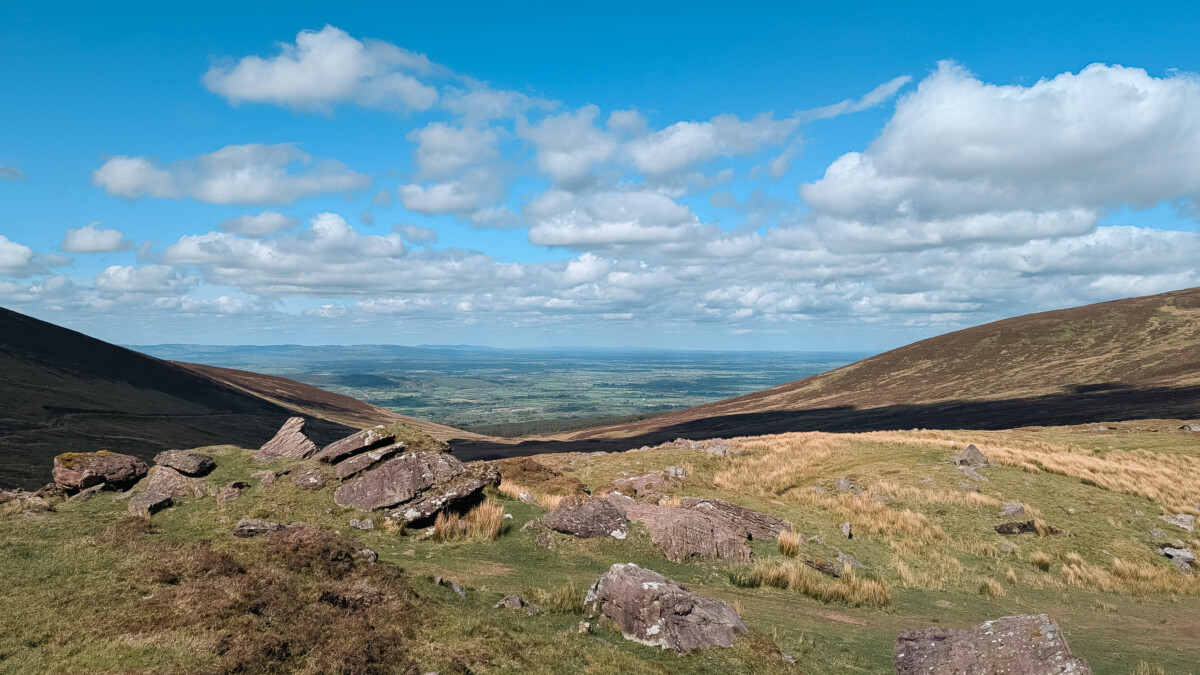
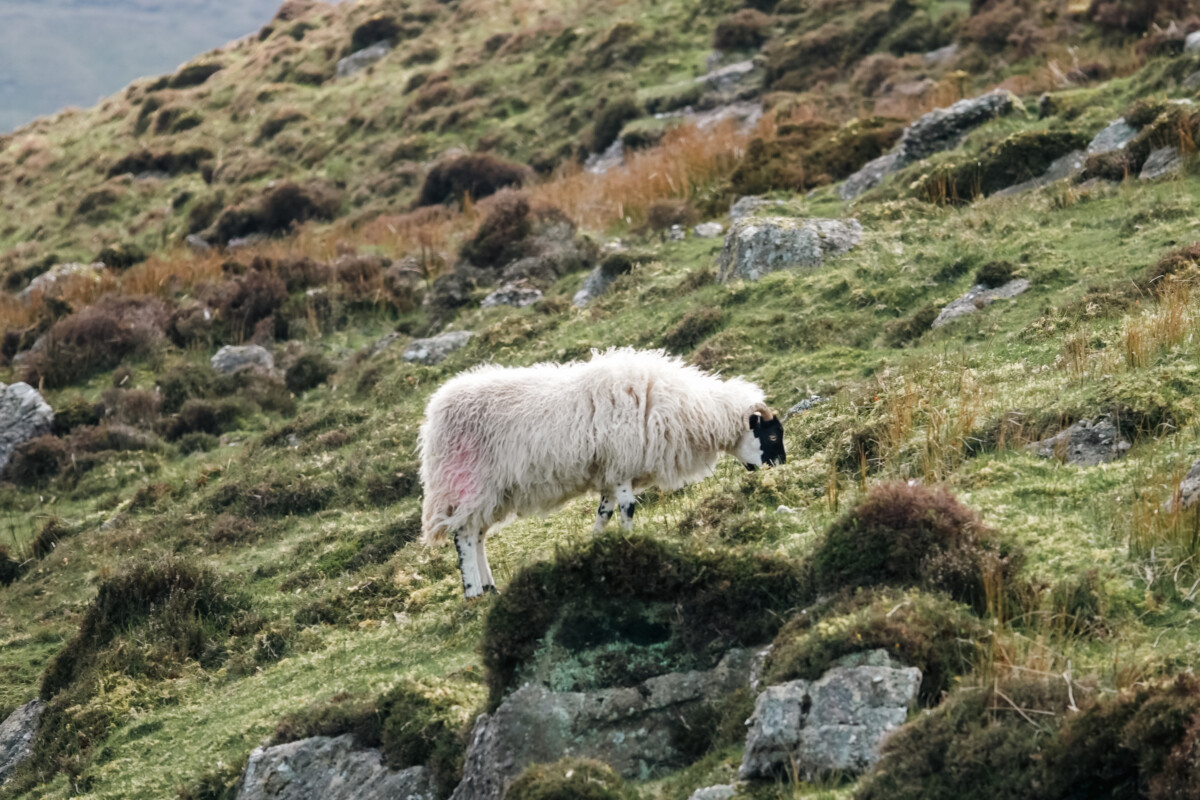
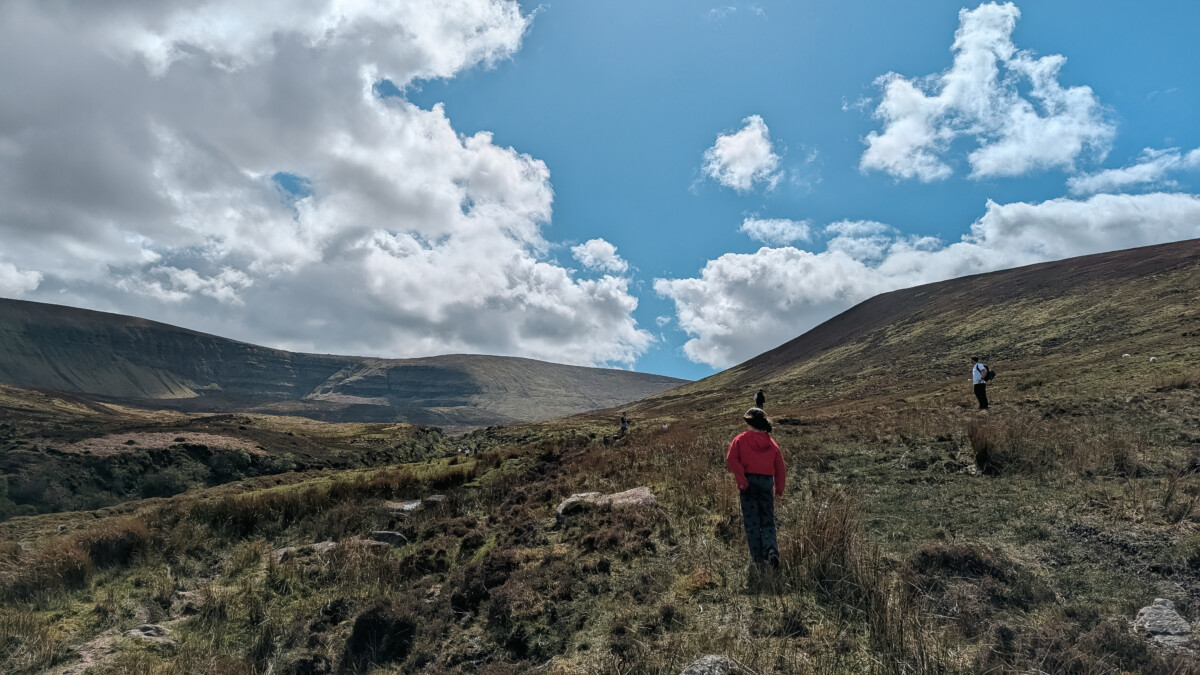
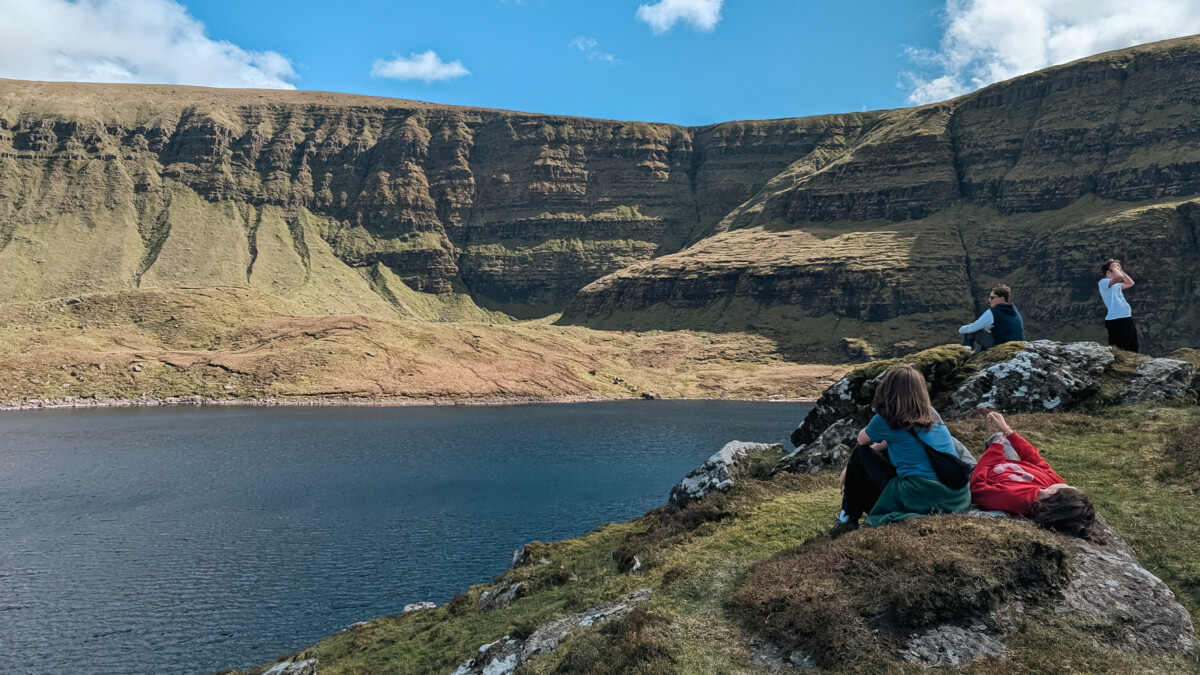
In between these two emblematic sites, a number of detours offer a different facet of Ireland. Nestling in the heart of the Galtee Mountains, Lough Muskry offers a much wilder landscape. Surrounded by heather-covered hills and peat bogs, this glacial lake sometimes seems forgotten by time. A hike around the lake takes you away from the most popular routes and reveals a rural Ireland where wide-open spaces still take center stage.
The Dingle Peninsula & Slea Head Drive
If you had to choose just one scenic route in south-west Ireland, Slea Head Drive would undoubtedly be one of your favorites.
The Dingle Peninsula boasts a remarkable diversity of landscapes in a relatively small area. Mountains, beaches, cliffs, fishing villages and maritime panoramas follow one another in an atmosphere that sometimes seems to belong to another era.
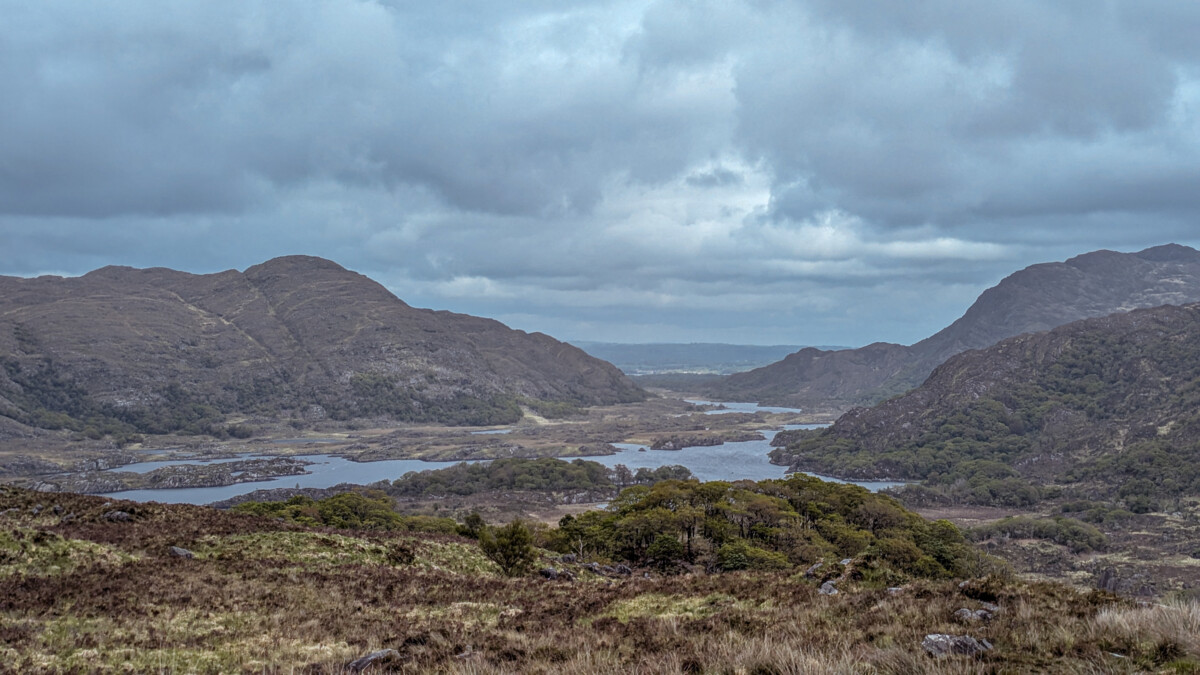
The approach via the Gap of Dunloe already sets the tone. This narrow glacial valley winds its way between the Kerry mountains through a landscape of lakes, moors and pastures where the human presence seems almost secondary. The landscape is raw, shaped by the elements and the centuries.
A few kilometers further on, Inch Beach offers a completely different face of Ireland. This immense sandy beach stretches out into the Atlantic for several kilometers, bordered on one side by the ocean and on the other by mountains. Wind-beaten and popular with surfers, it’s one of those places where you often stop longer than you intended.
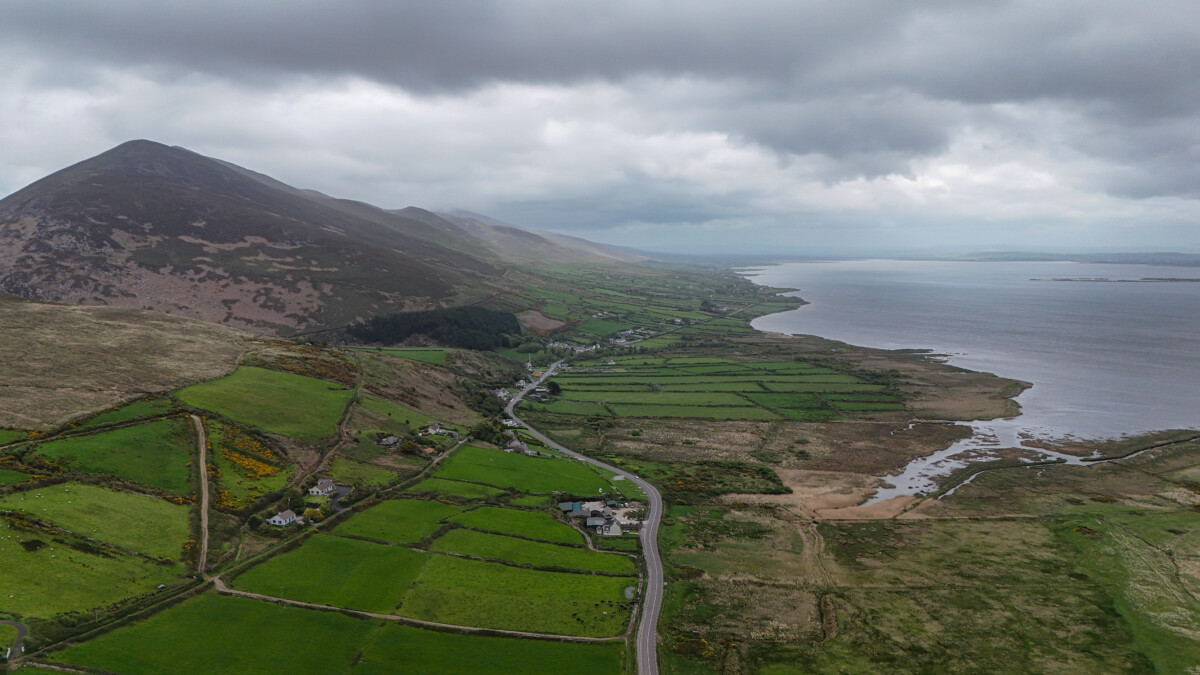
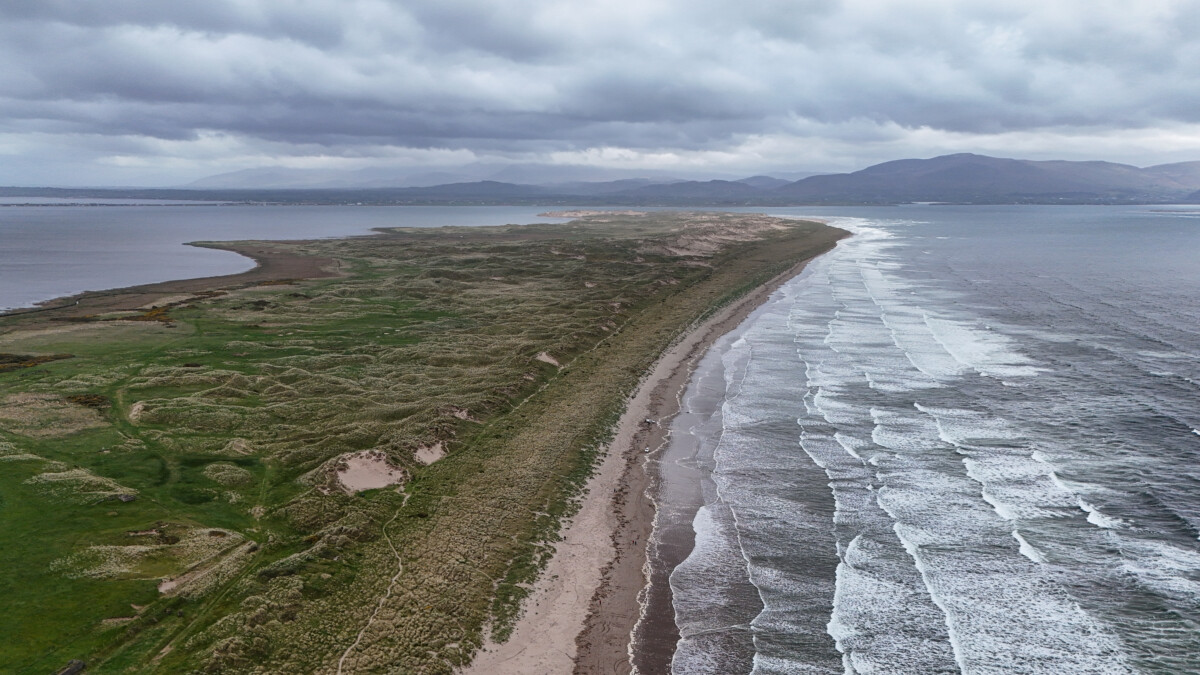
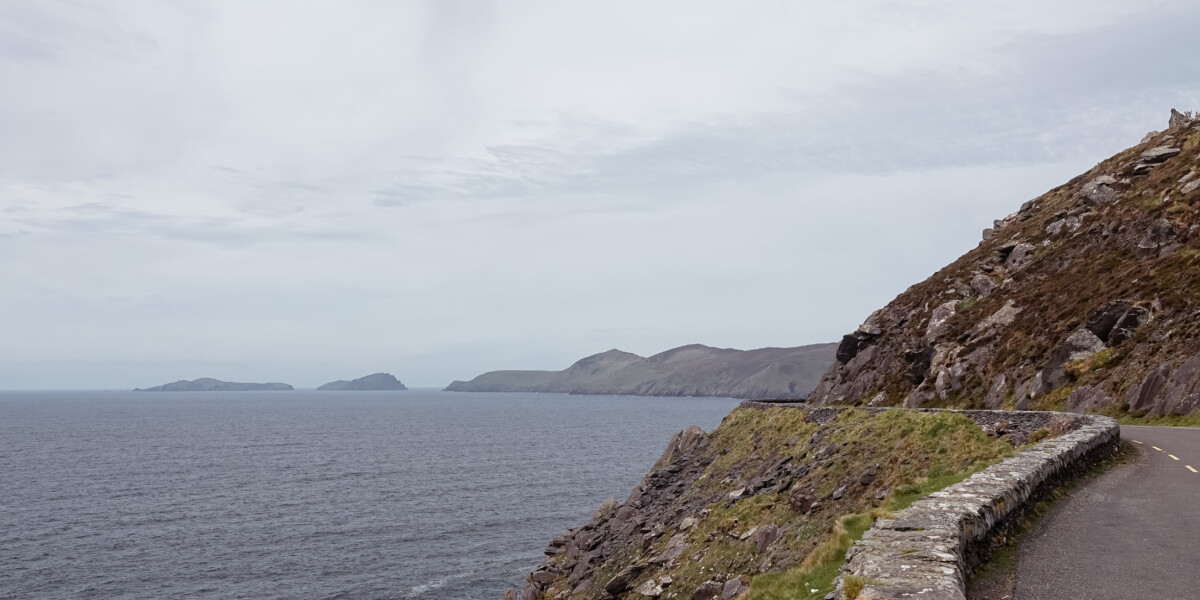
The road then joins the Dingle Peninsula proper before following the famous Slea Head Drive. Considered one of the most beautiful coastal roads in Europe, it winds around the western end of the peninsula in an almost uninterrupted succession of panoramic views.
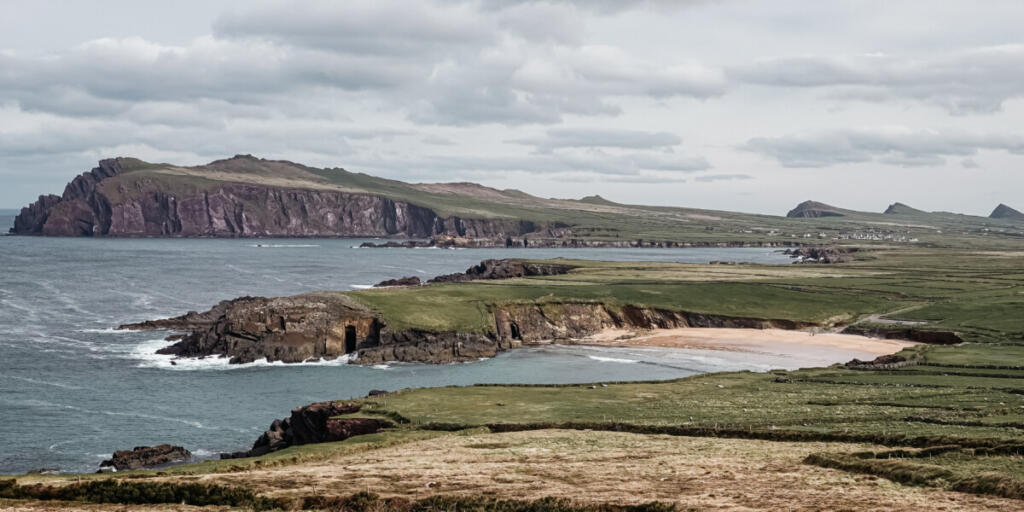
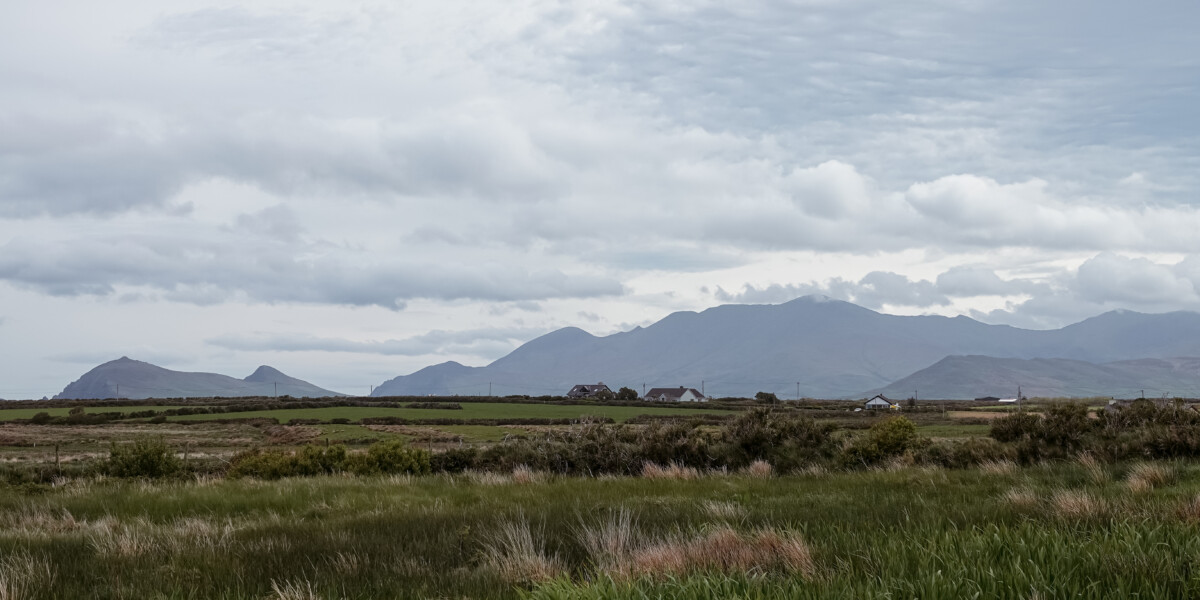
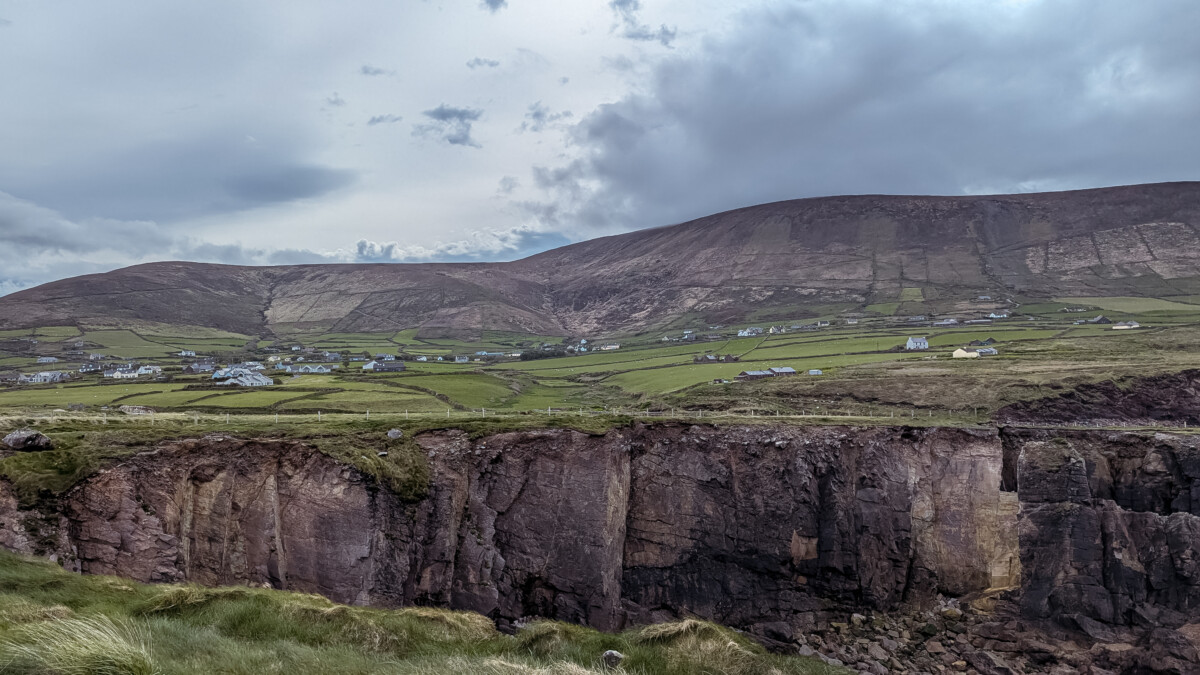
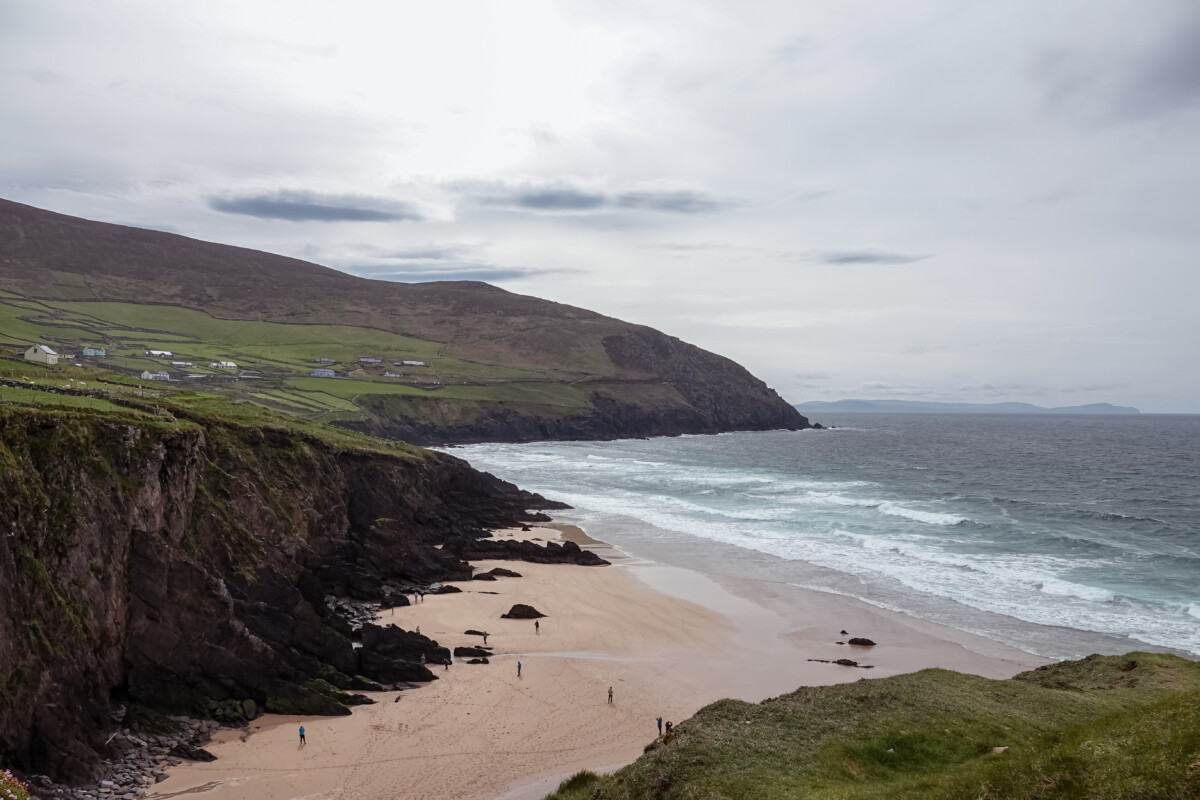
Cliffs plunge into the Atlantic, the Blasket Islands appear offshore, while small villages seem to cling to the green hills. Here, every turn reveals a new vantage point, reminding us that we’re at one of the most westerly extremities of the European continent.
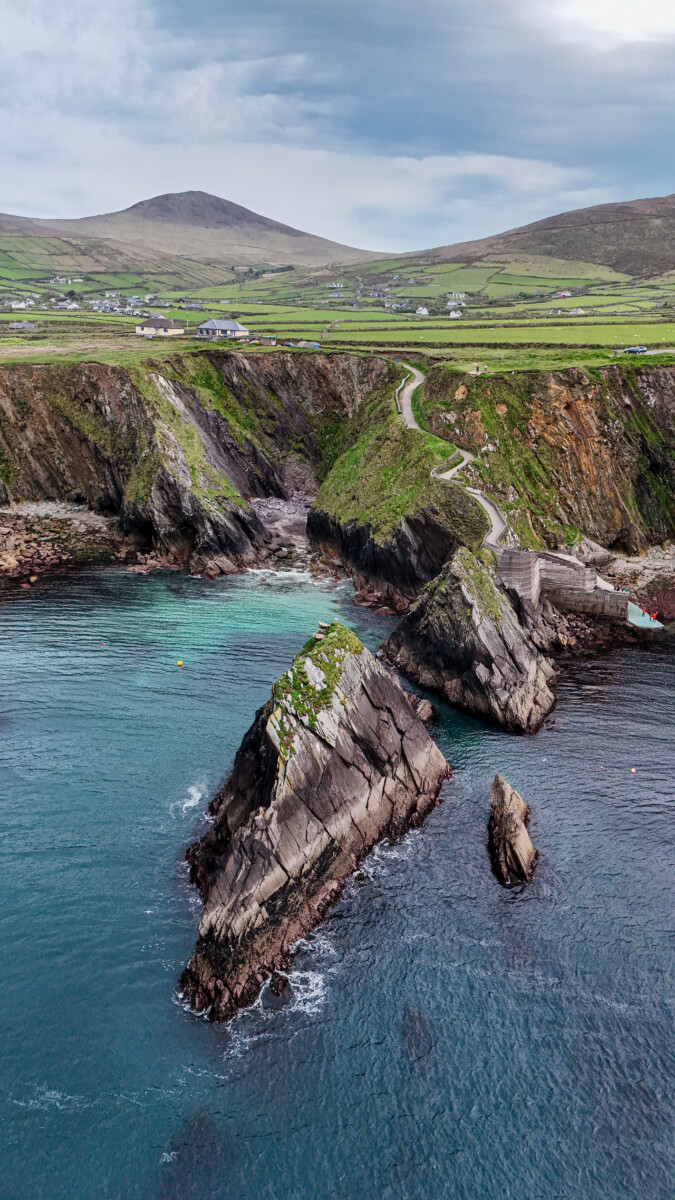
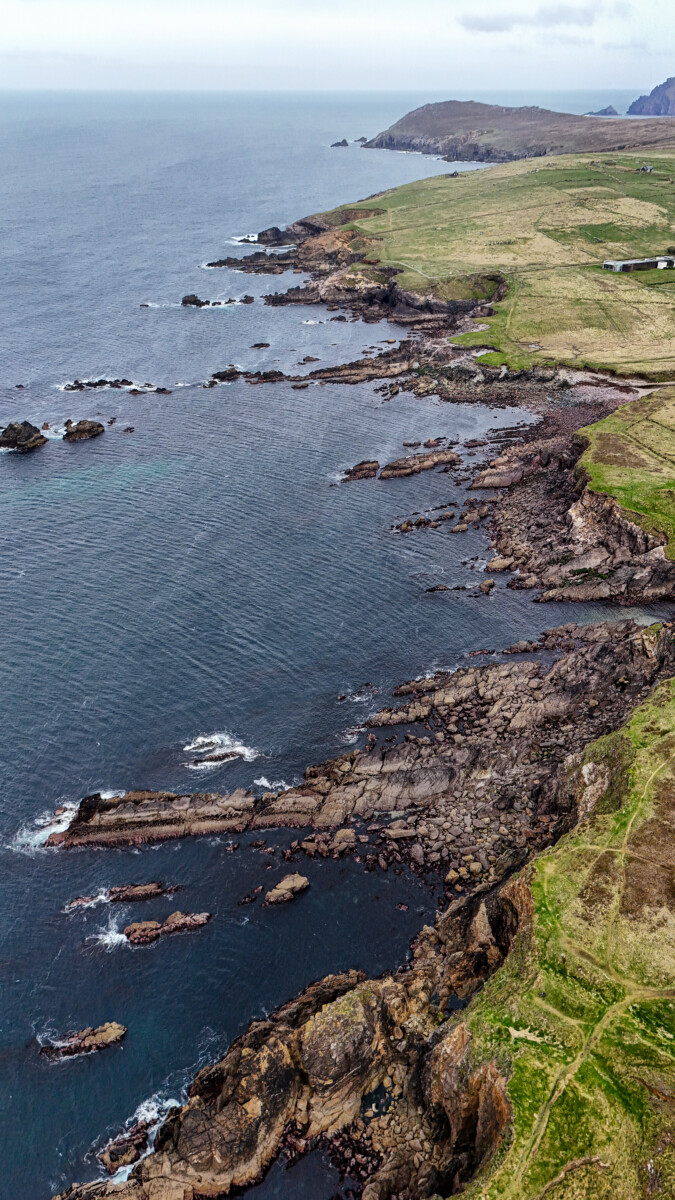
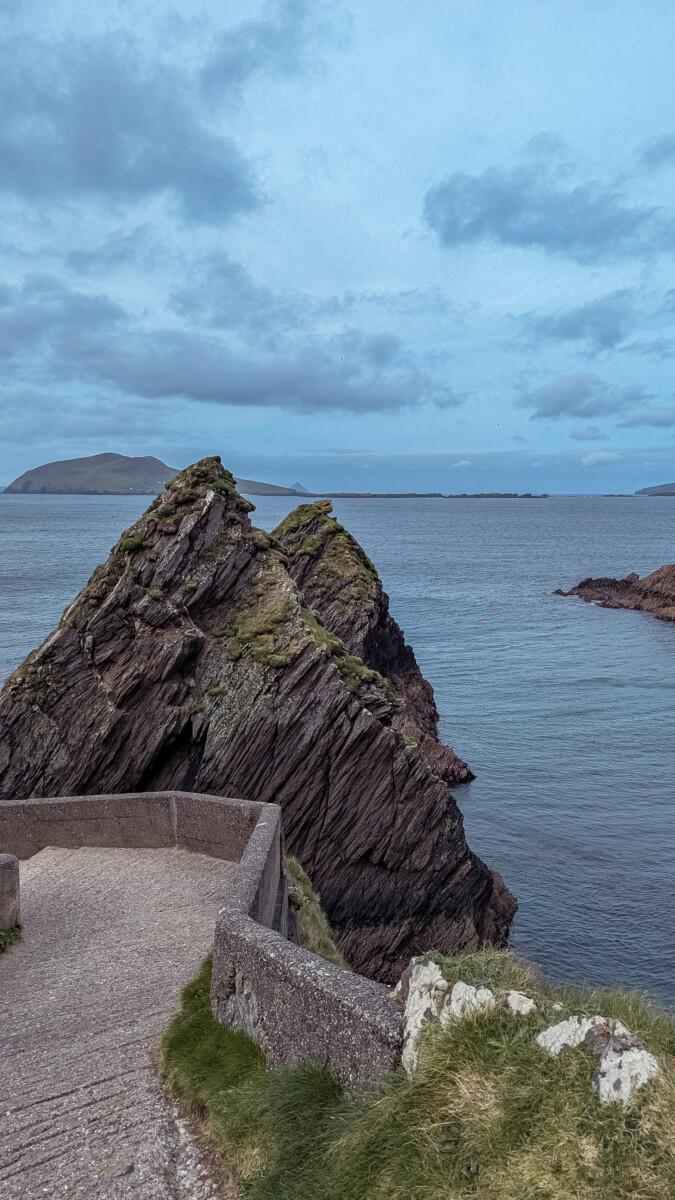
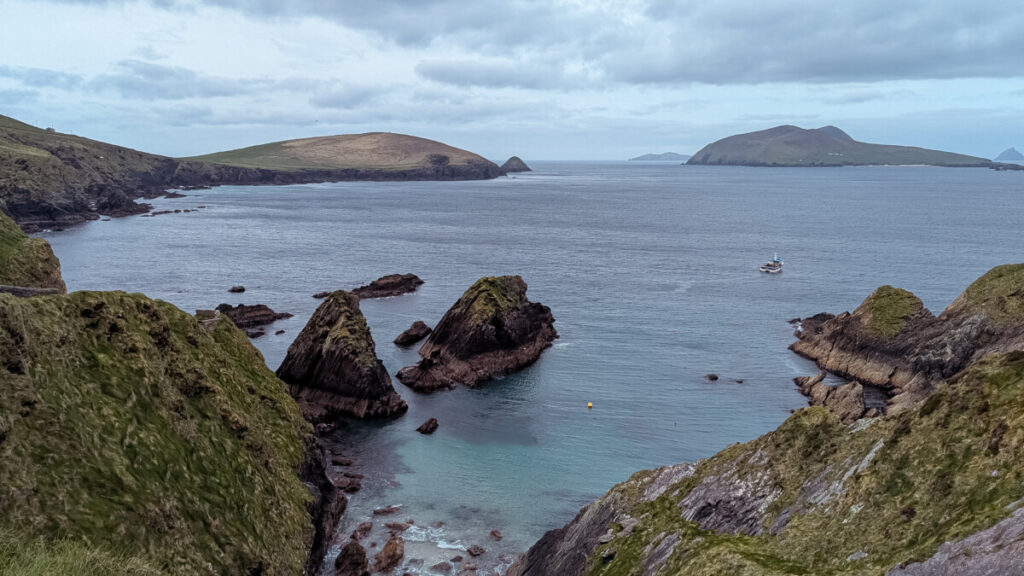
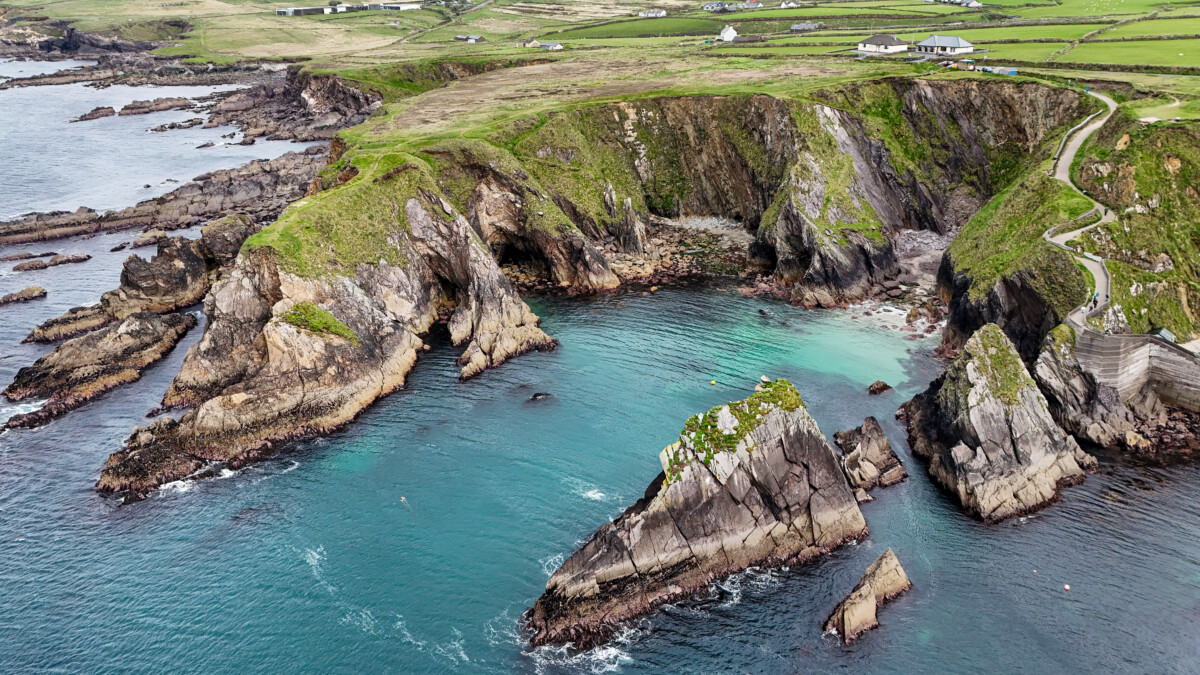
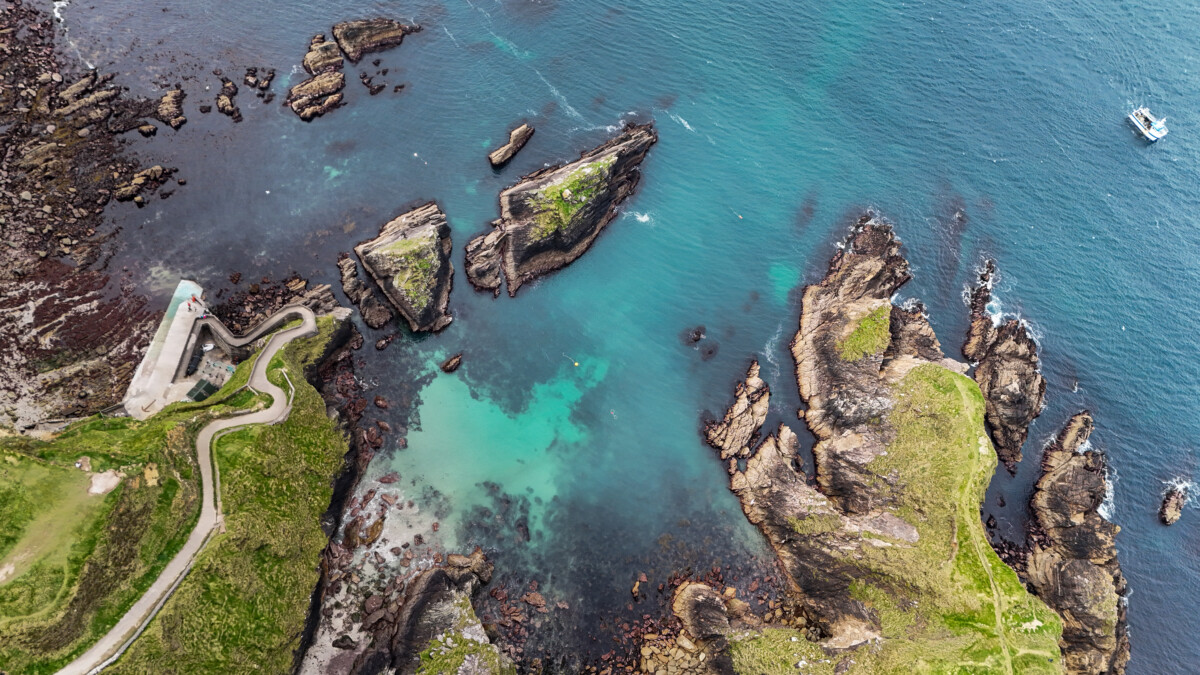
Perhaps the most striking thing about the Dingle Peninsula is the permanent impression of space and freedom. Even at the busiest times of the year, it’s often enough to stray a few kilometers to find an almost deserted landscape where only the wind, the ocean and the sheep seem to occupy the land.
The Cliffs of Moher & the Clare Coast
After the Kerry countryside, crossing the Shannon estuary on the Tarbert ferry marks a natural transition to County Clare. The relief gradually changes, the roads get closer to the ocean and the cliffs become the real stars of the landscape.
Even before reaching the famous Cliffs of Moher, a detour to the Kilkee Cliffs deserves its place on the itinerary. Less well known and much less frequented than their prestigious neighbor, they nevertheless offer a remarkable spectacle. The coastal path winds along the top of the cliffs, overlooking an often turbulent Atlantic whose waves crash against the rocks dozens of metres below.
The atmosphere is different. Wilder, quieter too. There are more hikers here than organized groups, so you can take full advantage of the landscape and the power of the elements.
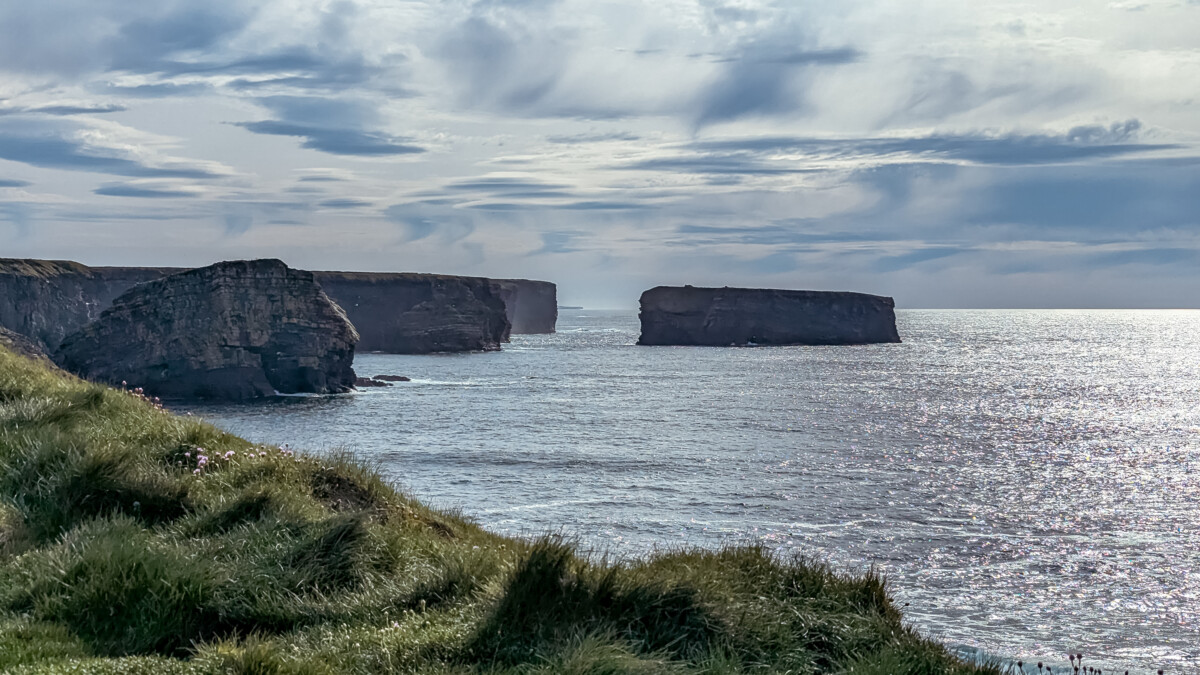
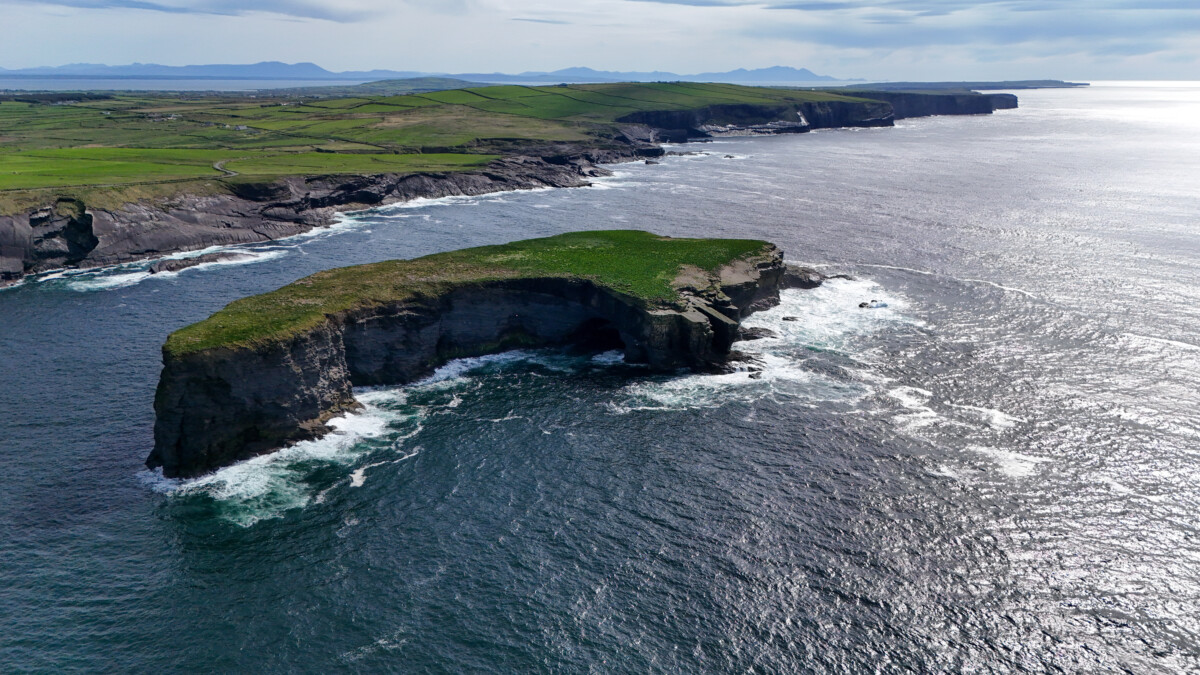
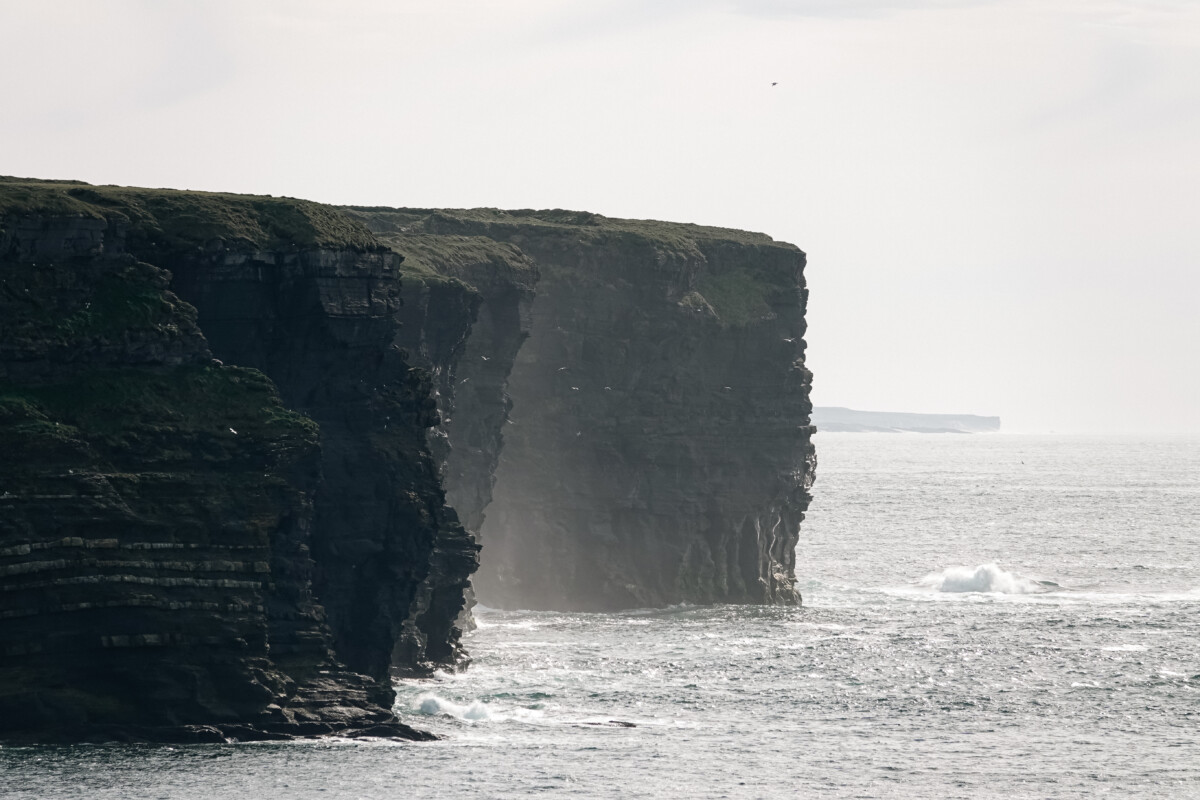
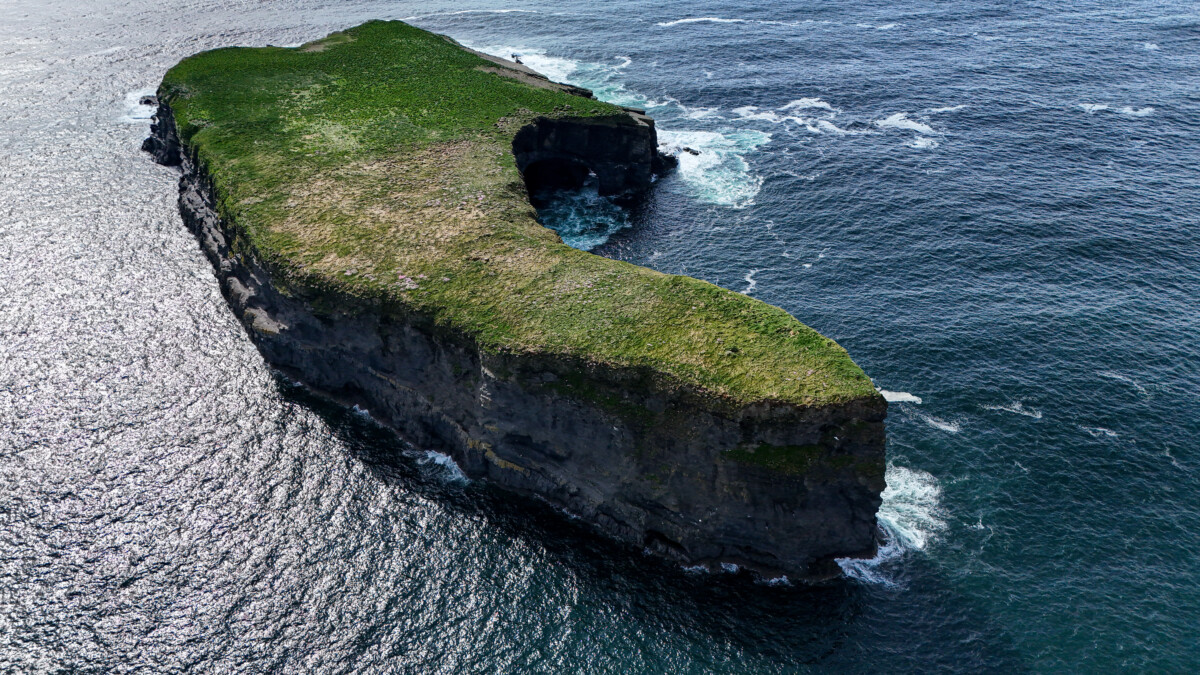
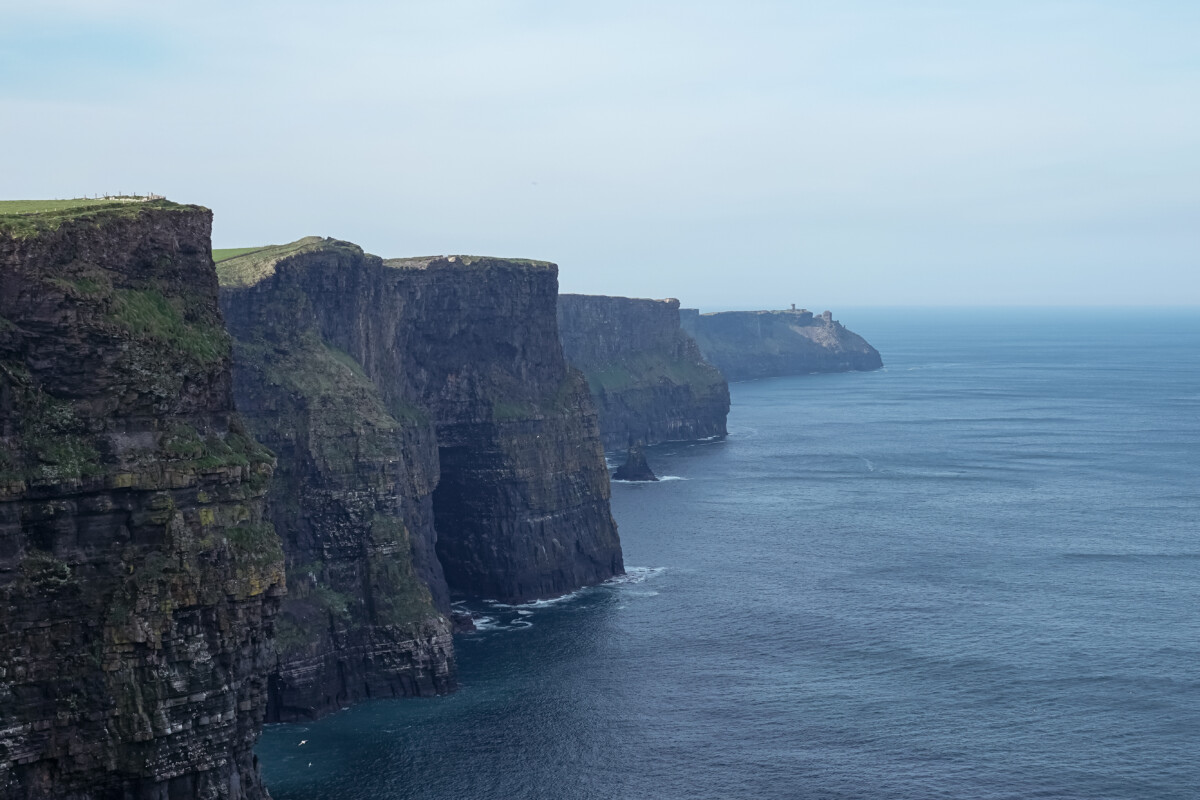
A few kilometers further north, the Cliffs of Moher finally appear. Over 200 meters high in places, they stretch for almost eight kilometers along the Atlantic and are among Ireland’s most iconic landscapes.
The site’s reputation is well-deserved. Even when crowds are high, the scale of the landscape remains impressive. The eye follows the line of the cliffs as they gradually disappear over the horizon, while the seabirds take advantage of the updrafts to soar above the waves.
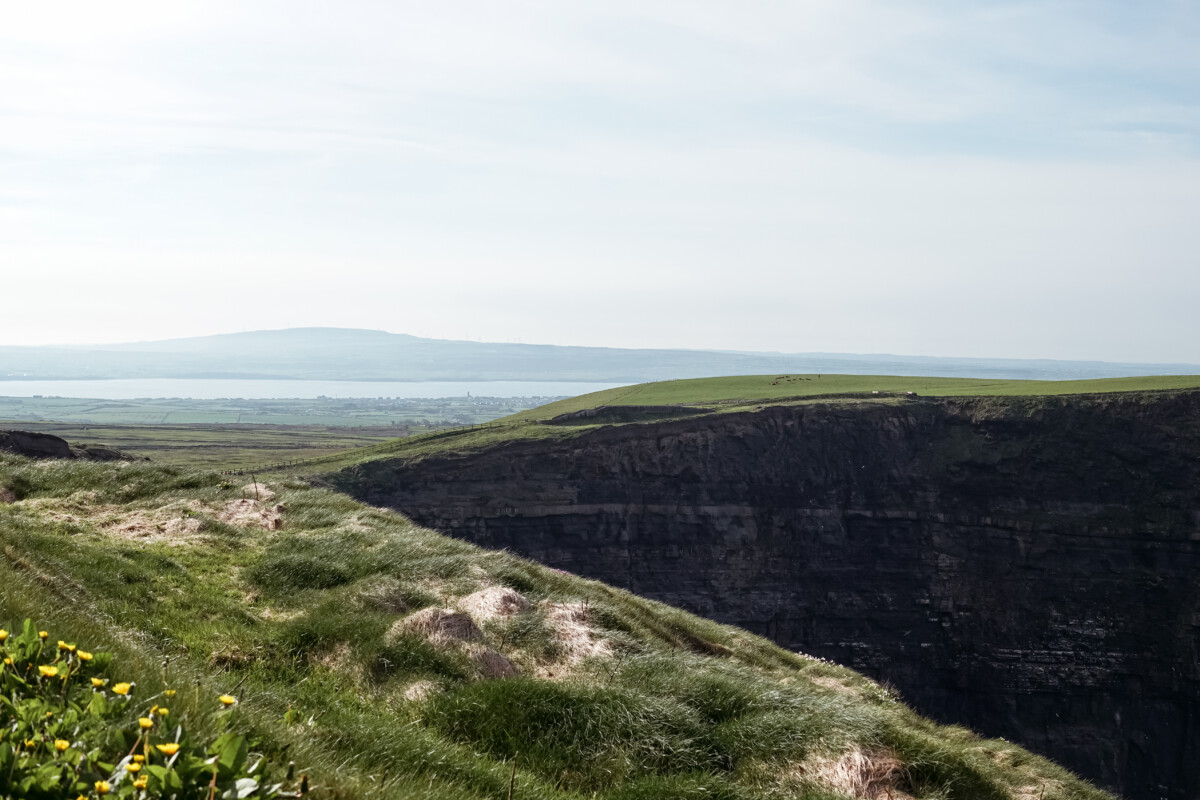
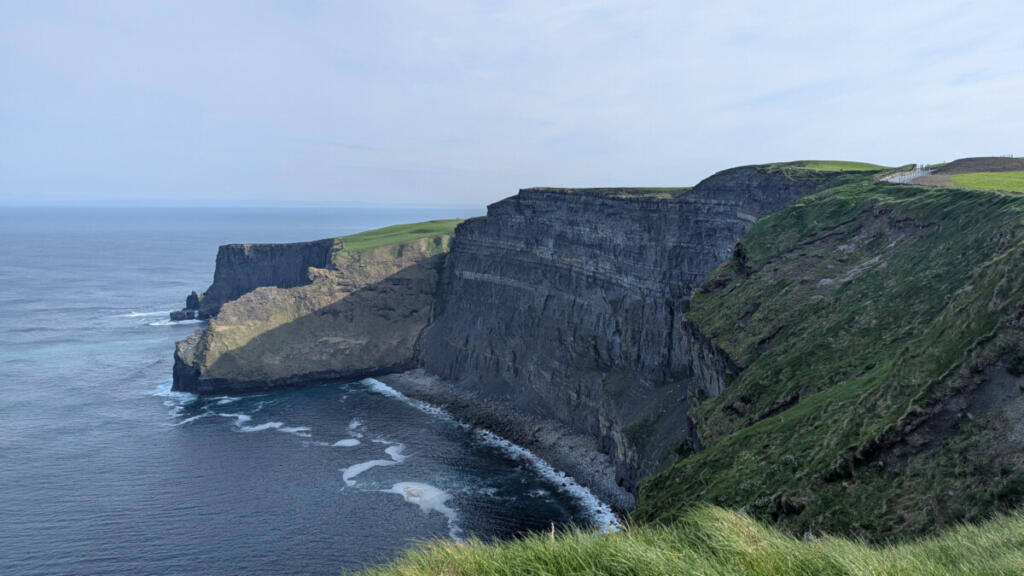
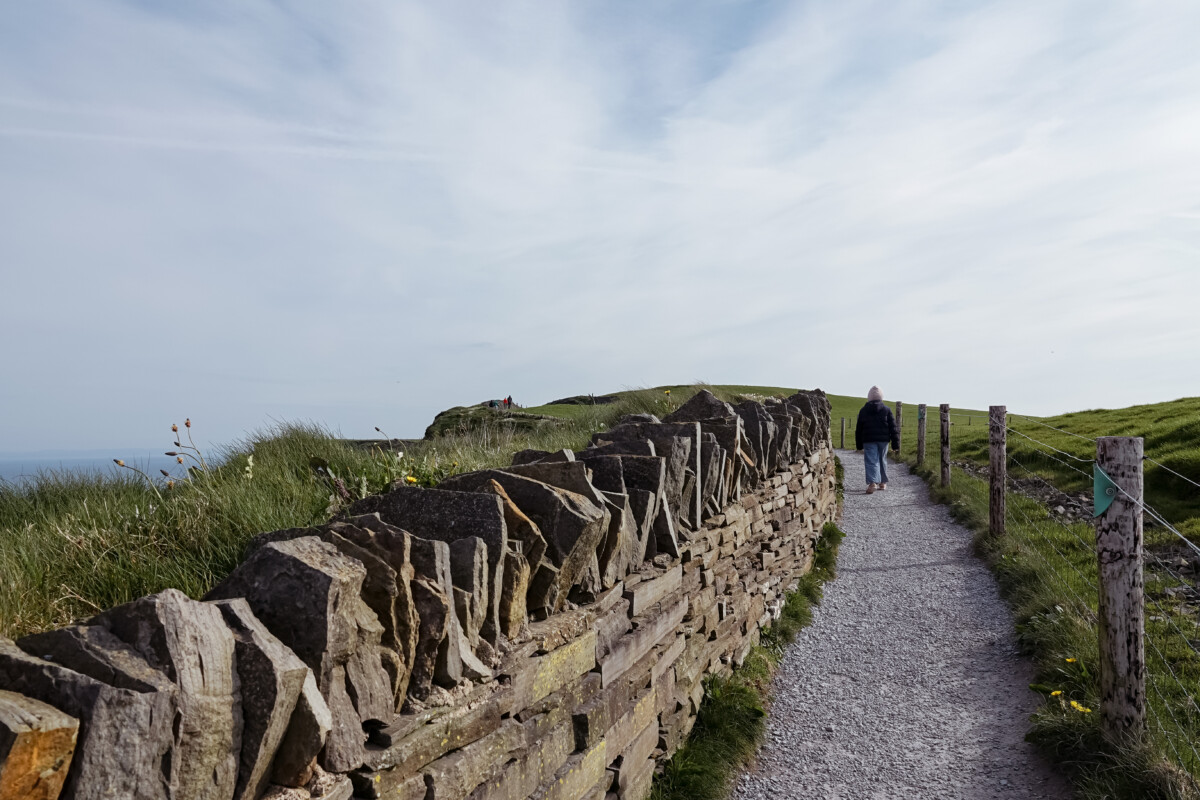
On a clear day, the Aran Islands emerge to the west, while the mountains of Connemara can be seen in the distance. But as is often the case in Ireland, the weather plays a key role in the show. A ray of sunshine breaking through the clouds or a mist from the ocean are enough to completely transform the atmosphere.
Spending the night in the area allows you to discover the cliffs in a different light, far from the hustle and bustle of the busiest hours. In the early hours of the morning or at the end of the day, the site takes on a more peaceful atmosphere, further enhancing the beauty of the Clare coastline.
Connemara
If there’s one region that epitomizes the image many people have of Ireland, it’s Connemara.
As you leave County Clare and head north, the landscape gradually changes. The cliffs give way to vast expanses punctuated by lakes, peat bogs and hills where shades of green seem to go on forever. Here, nature sets the pace, giving the region the unique atmosphere that has inspired so many writers, musicians and travellers.
One of the most beautiful ways to approach Connemara is to take the coastal road from Galway to Clifden. After a stop in front of Dunguaire Castle, whose silhouette is reflected in the waters of Galway Bay, the road gradually descends into increasingly wild landscapes.
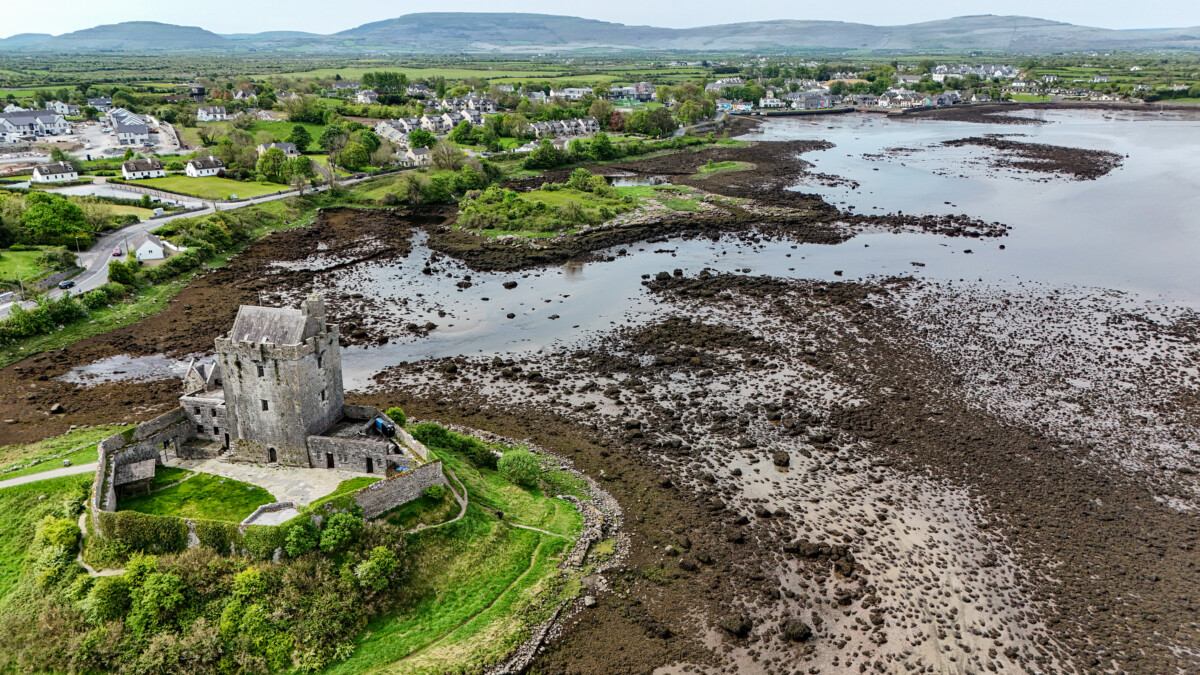
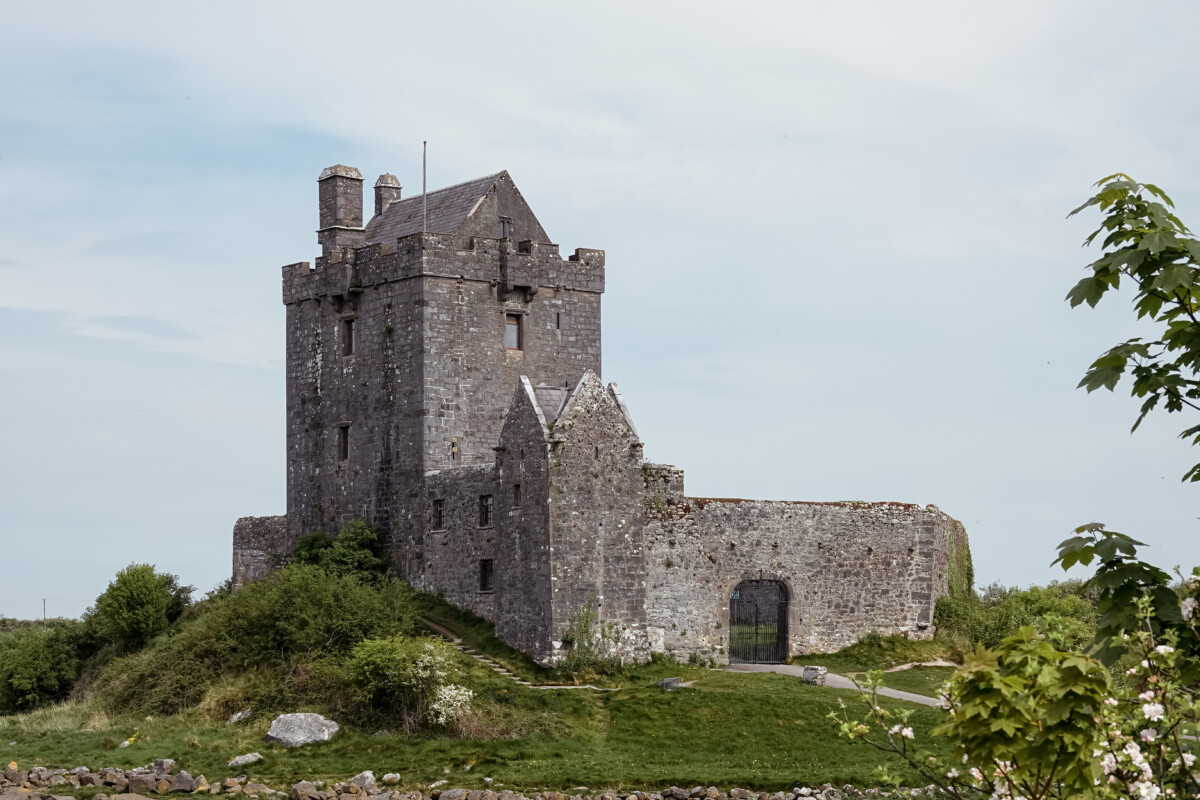
Along the way, you’ll come across some of the region’s finest panoramas. The Pine Island Viewpoint offers a first glimpse of this jagged coastline, where the ocean is everywhere in between.
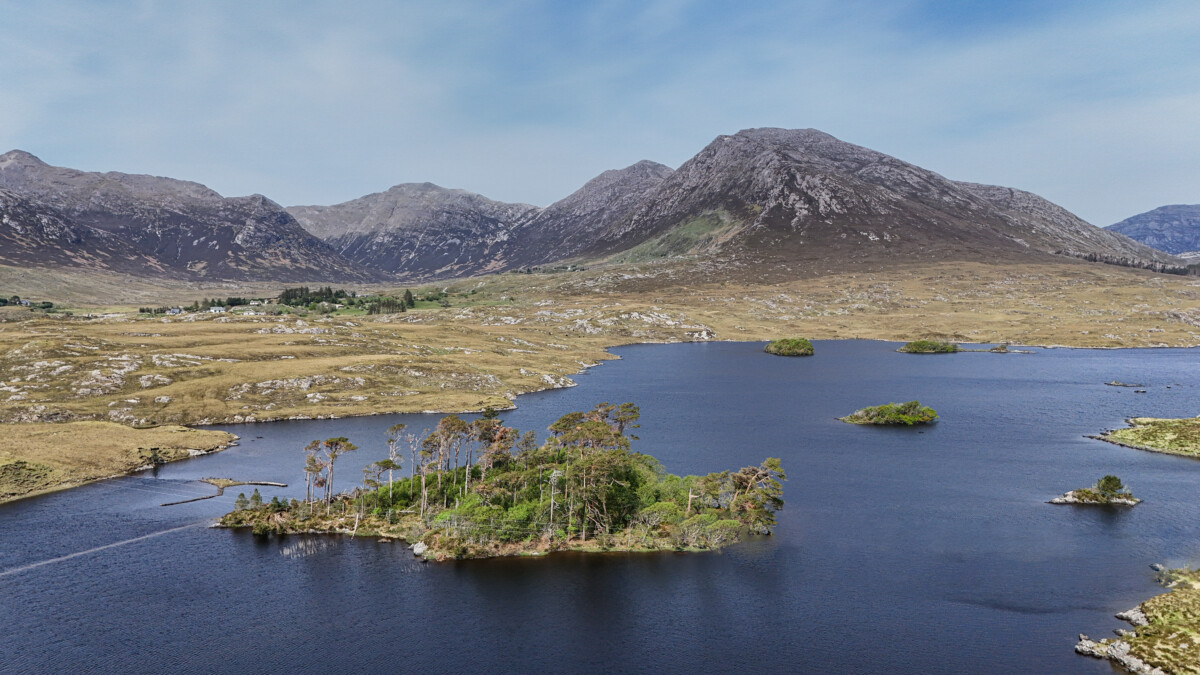
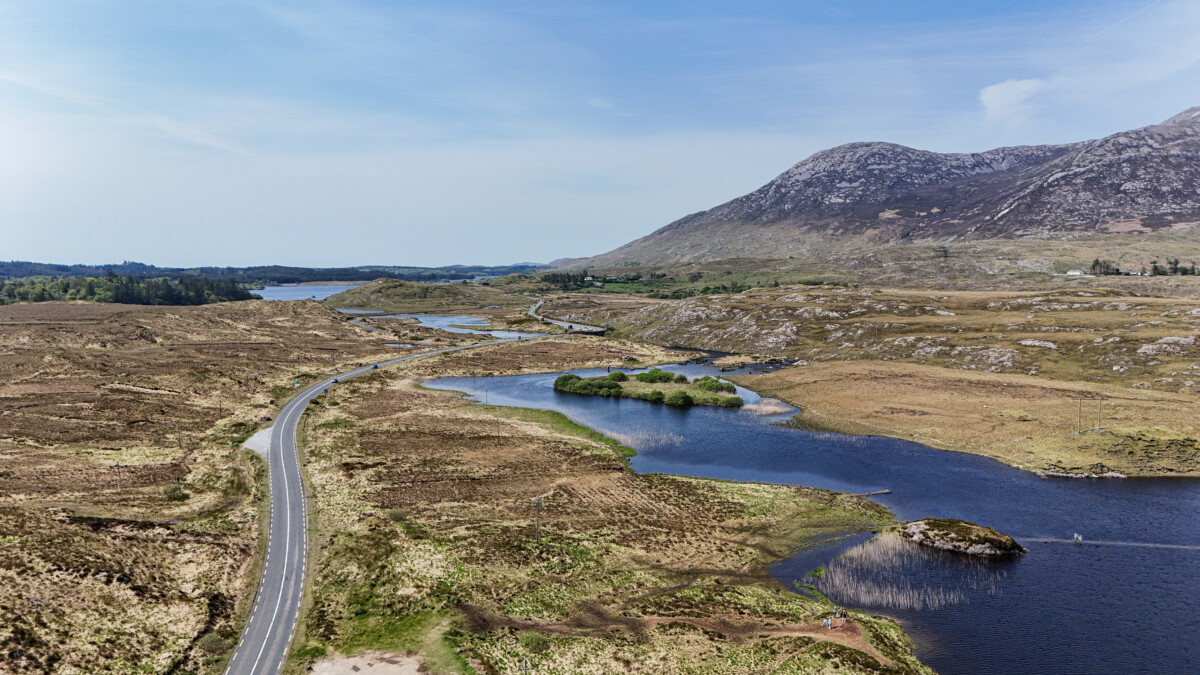
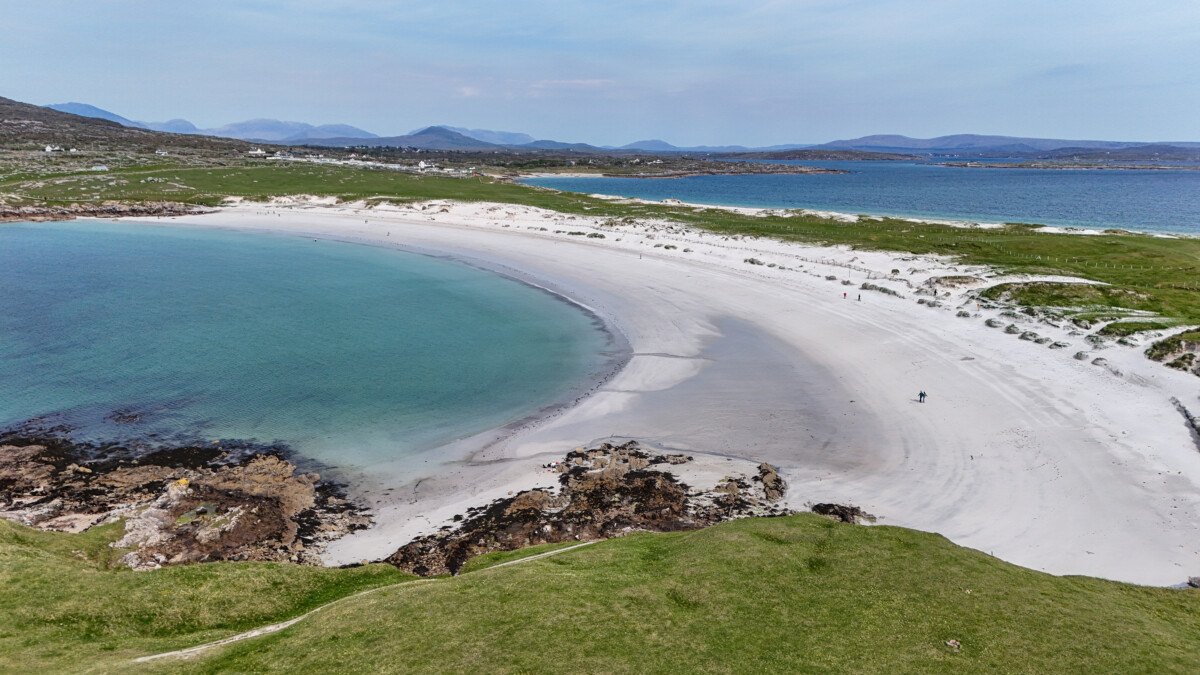
Further afield, the beaches of Dog’s Bay and Gurteen Beach surprise with their turquoise waters and almost unreal white sand. It’s hard to imagine that you’re on Ireland’s Atlantic coast.
The route then continues to Clifden, often referred to as the capital of Connemara. This lively little town is an excellent base from which to explore the region and enjoy its typically Irish atmosphere.
Just a few kilometers away, the famous Sky Road offers one of the finest panoramas in the west of the country. This panoramic loop overlooks the ocean, the offshore islands and the surrounding hills, in a setting that constantly changes with cloud and light. As is often the case in Ireland, light plays an essential role here. A single ray of sunshine is enough to completely transform the landscape and reveal the full richness of Connemara’s colors.
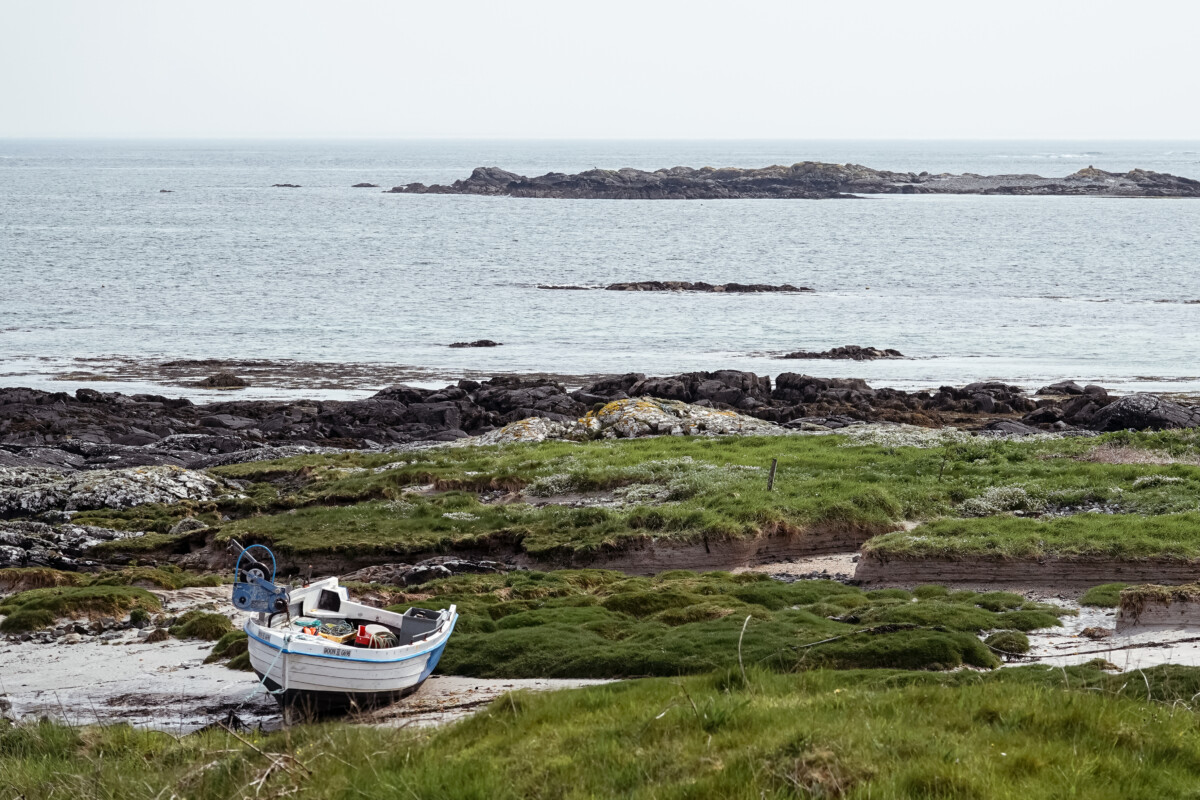
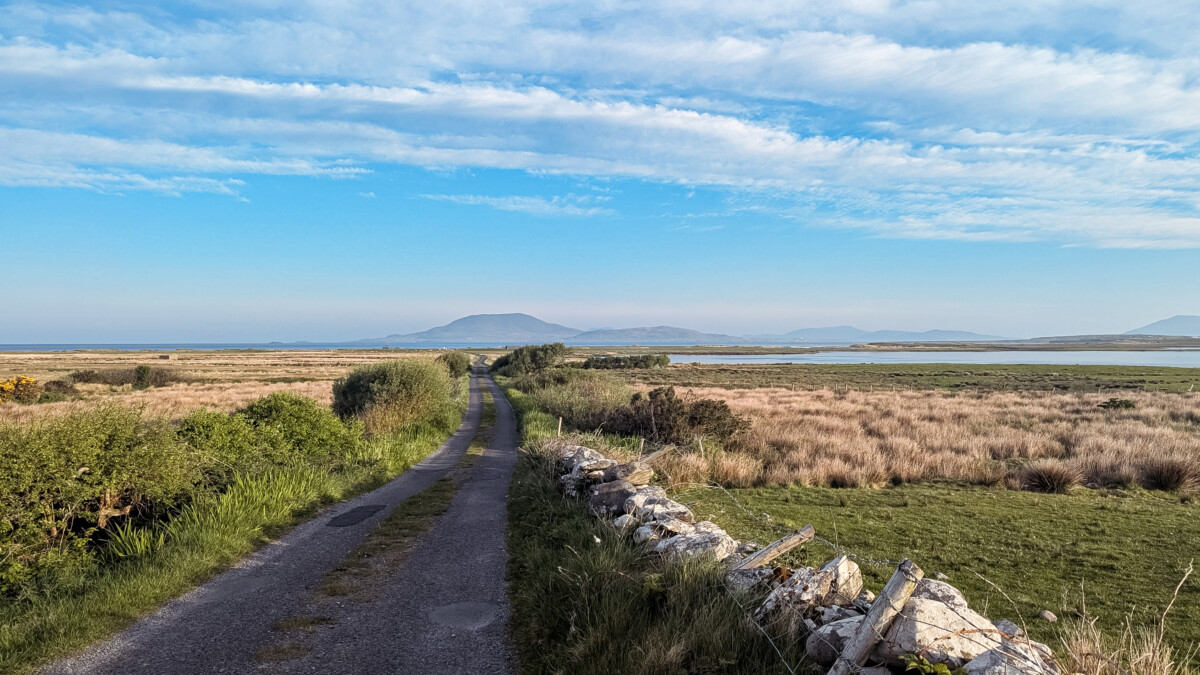
Perhaps the most striking thing about this region is its sense of space. Despite its reputation, Connemara retains a profoundly wild dimension. The roads cross sparsely populated territories where mountains, lakes and peat bogs sometimes seem to stretch as far as the eye can see.
It’s this unique combination of stunning scenery, changing light and authenticity that makes Connemara one of Ireland’s most endearing regions.
Kylemore Abbey
In the heart of Connemara’s wild landscapes, there are places that seem straight out of a novel. Kylemore Abbey is undoubtedly one of them.
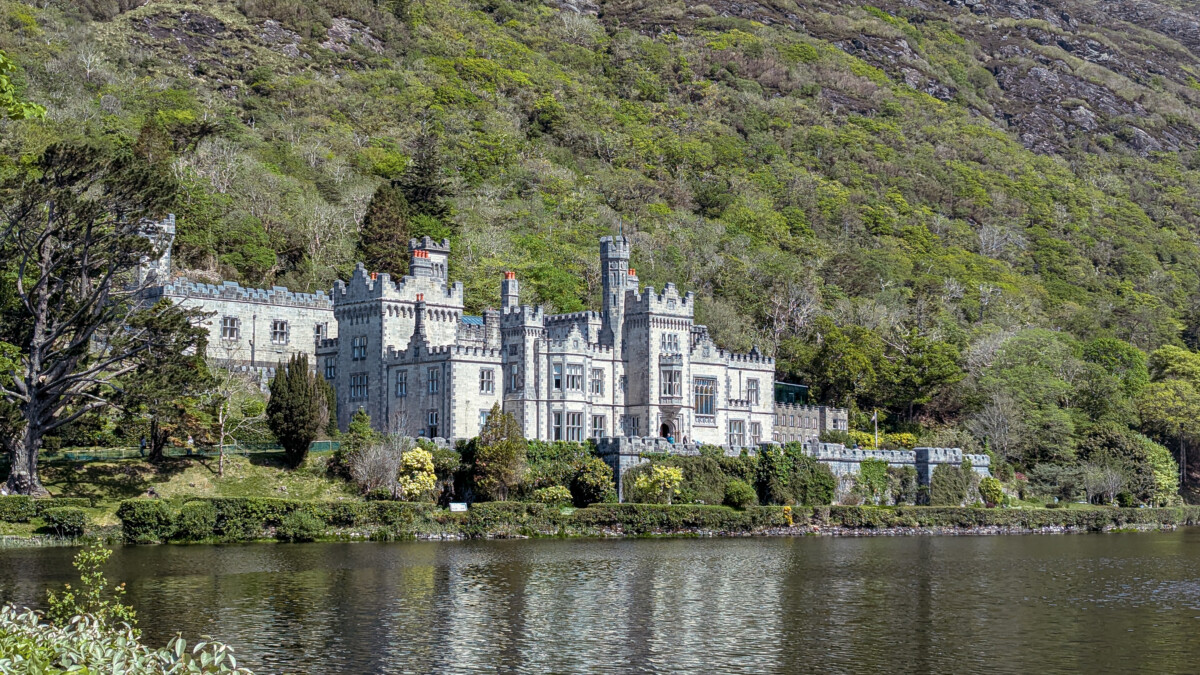
Nestled on the shores of Lake Pollacappul and surrounded by the mountains of Connemara, this elegant neo-Gothic residence appears almost suddenly at the bend in the road. Its reflection in the waters of the lake and the natural setting that surrounds it make it one of Ireland’s most photographed sites.
Over time, the château became a Benedictine abbey, then a school, before gradually opening its doors to the public. Today, visitors can explore some of the historic buildings, the neo-Gothic chapel and the carefully restored Victorian gardens.
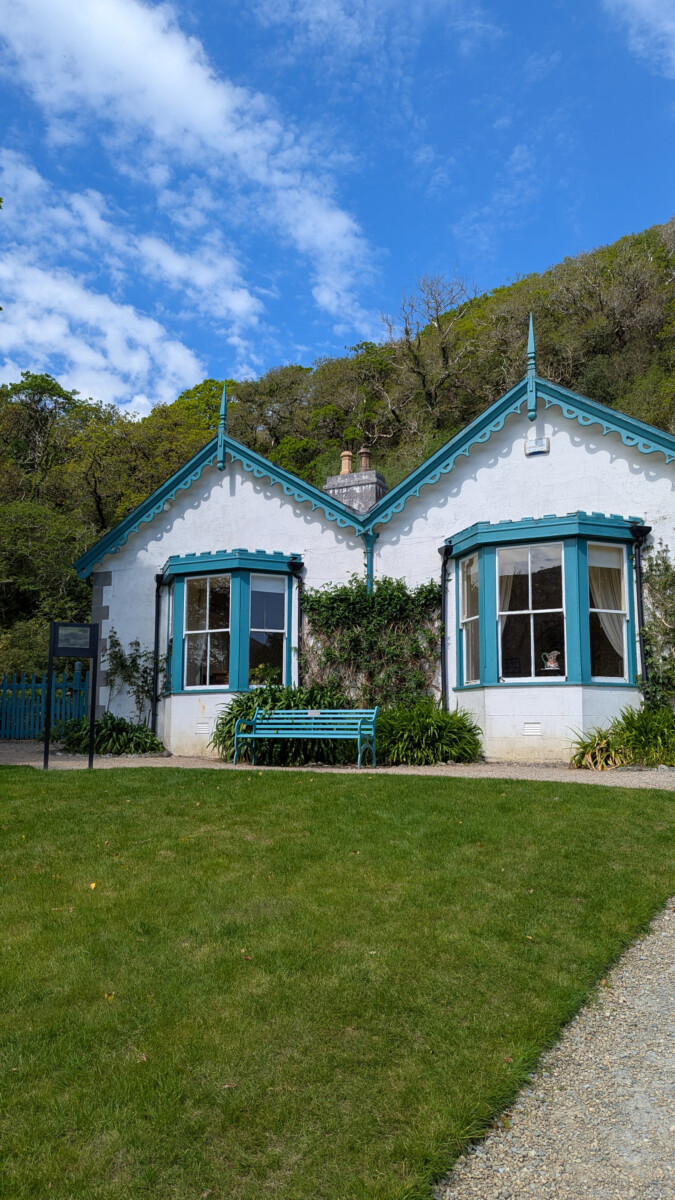
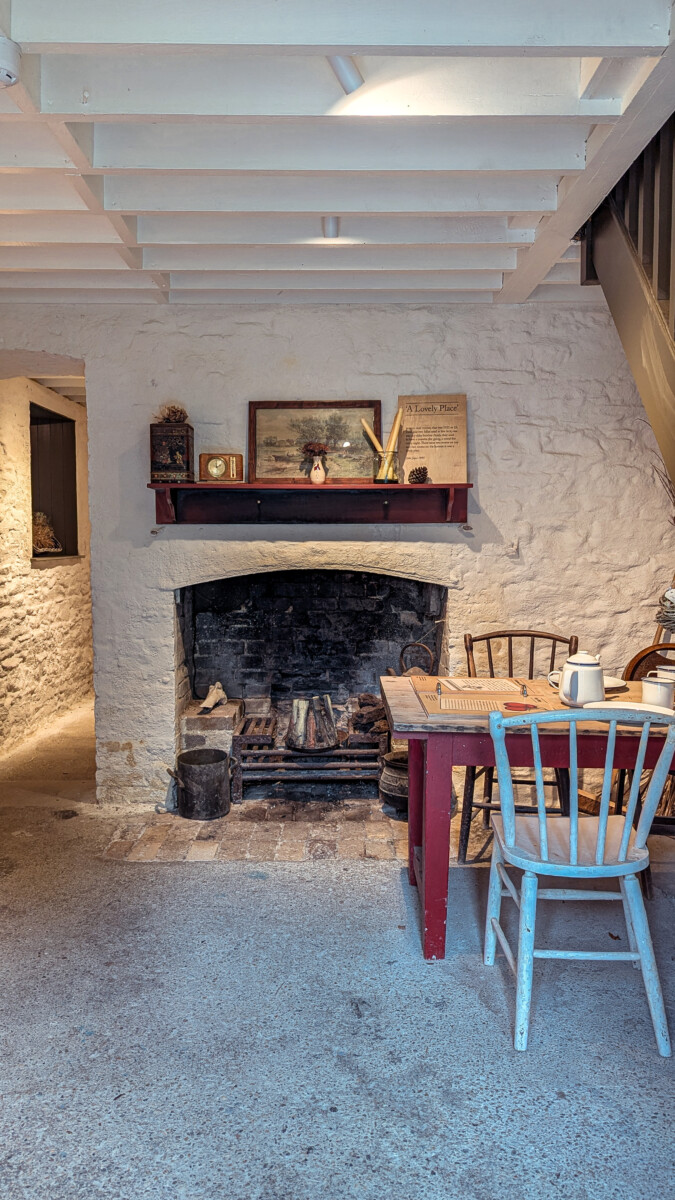
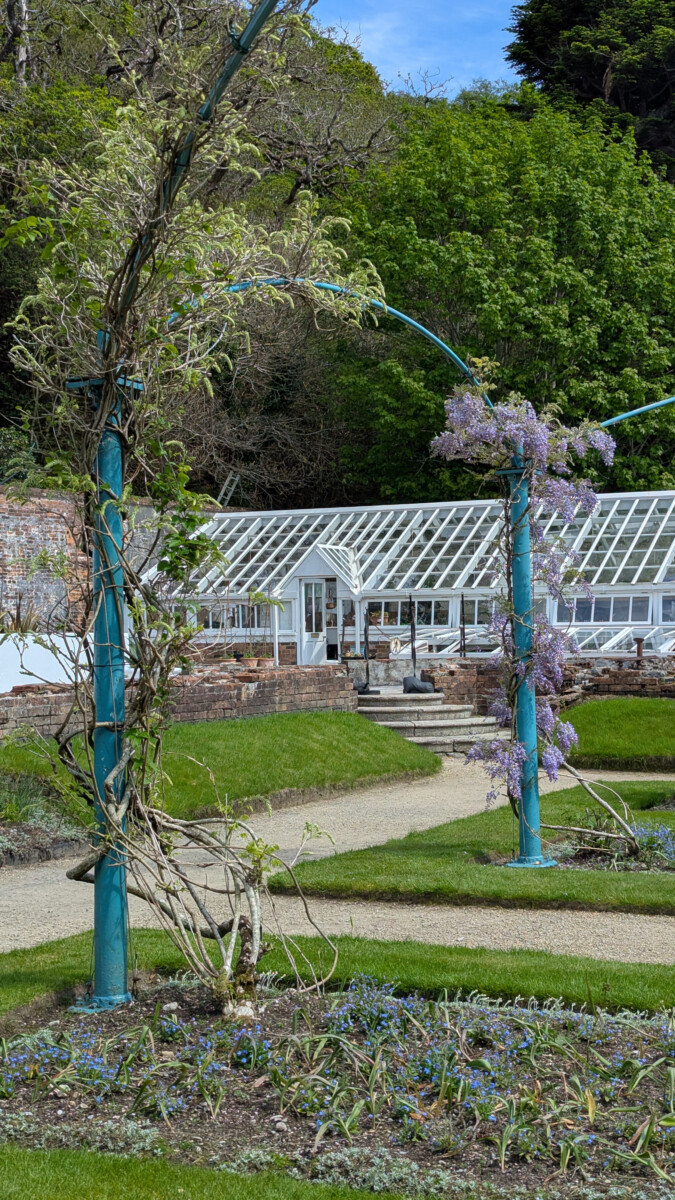
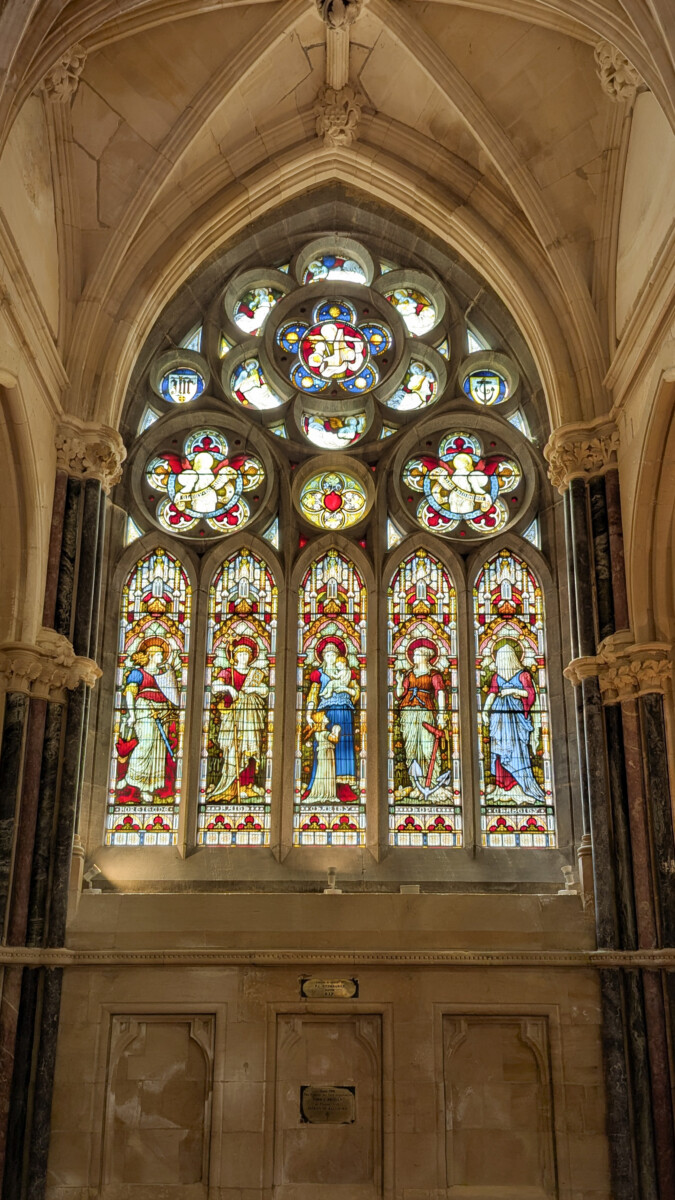
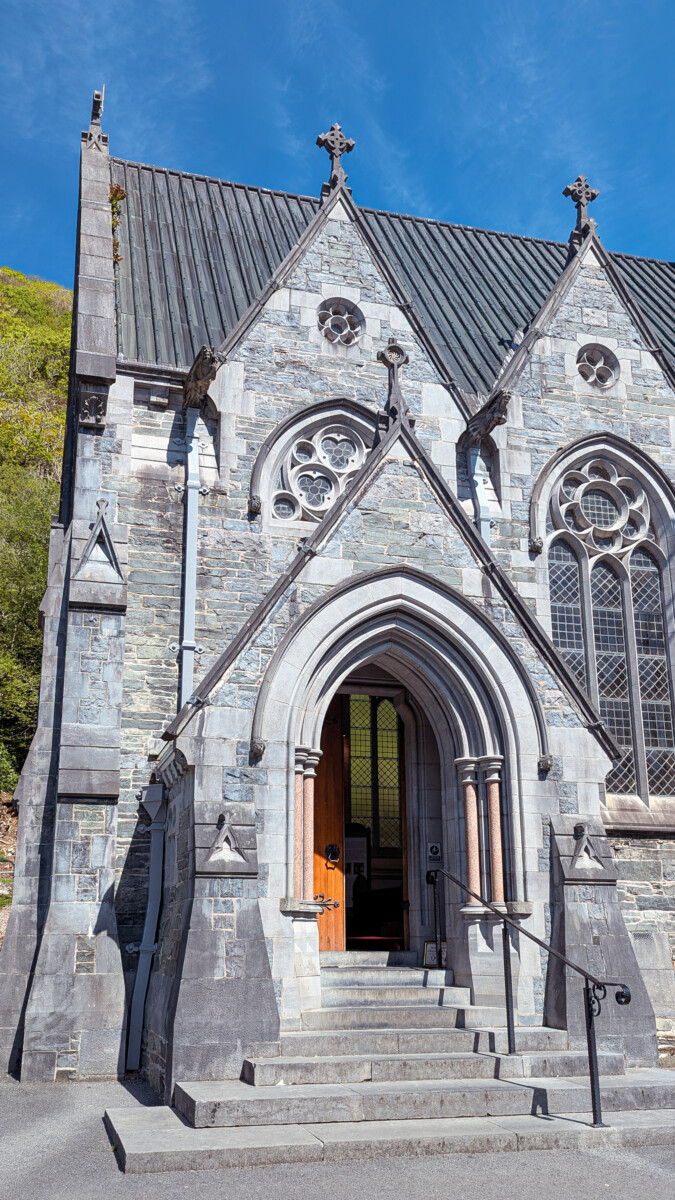
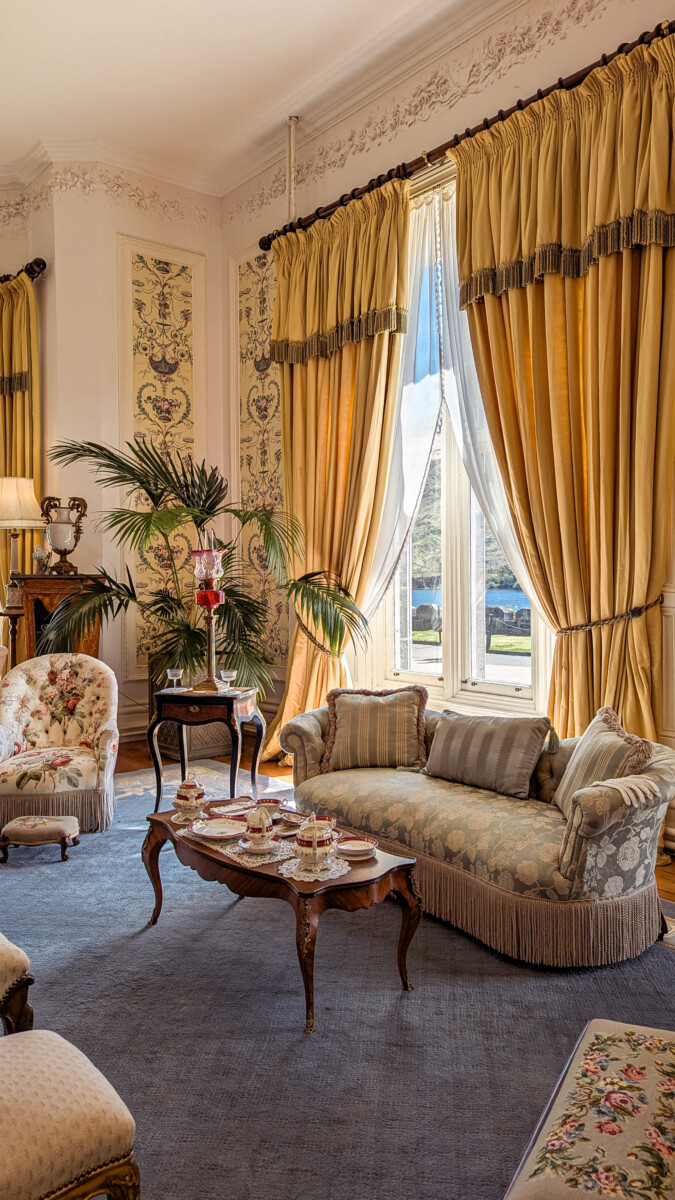
But over and above its history and architecture, it’s undoubtedly its surroundings that make the biggest impression. Few sites in Ireland have such a spectacular setting. The mountains are reflected in the lake, the forests reach down to the water and the changing light gives the landscape an almost unreal atmosphere.
Kylemore Abbey is a perfect example of the harmony between heritage and nature so often found in Ireland. A place well worth taking your time to visit, and one of the highlights of any trip to Connemara.
A few ideas to extend your trip
Even if you devote a week or more to the Wild Atlantic Way, it’s impossible to discover all its facets. And that’s part of its appeal: each trip opens the door to new explorations.
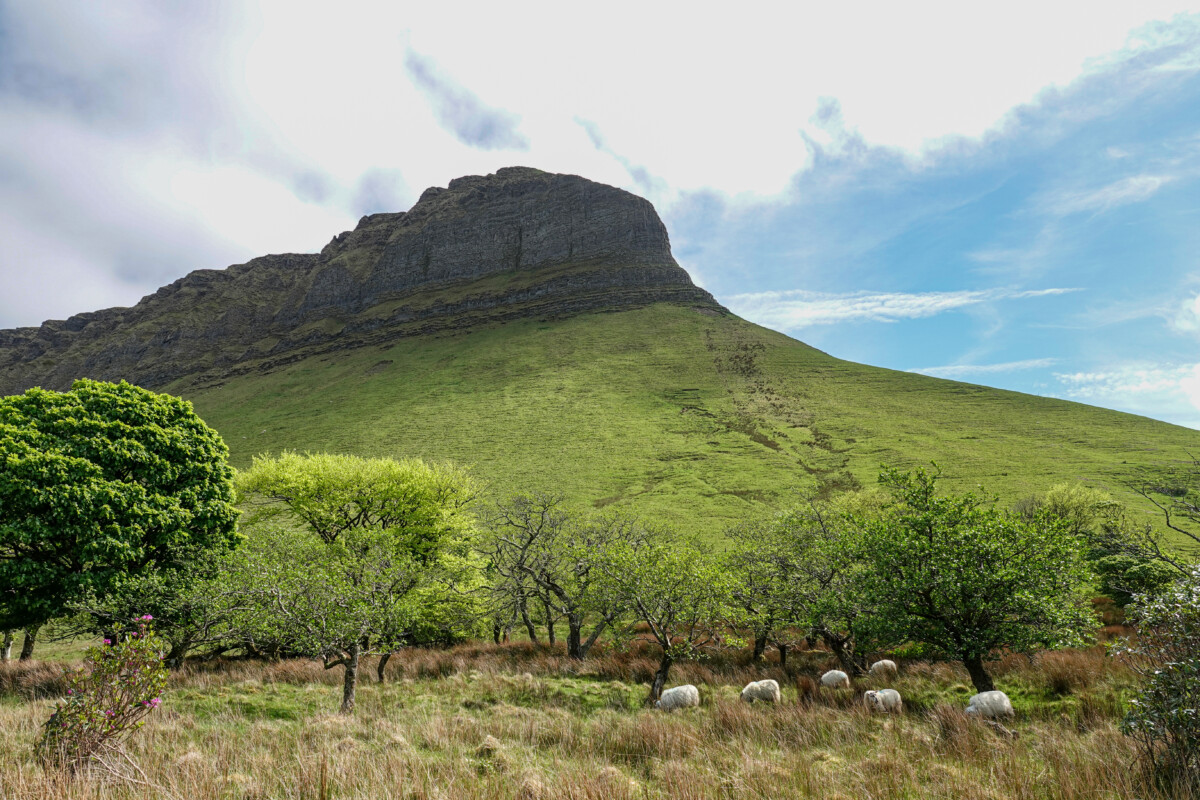
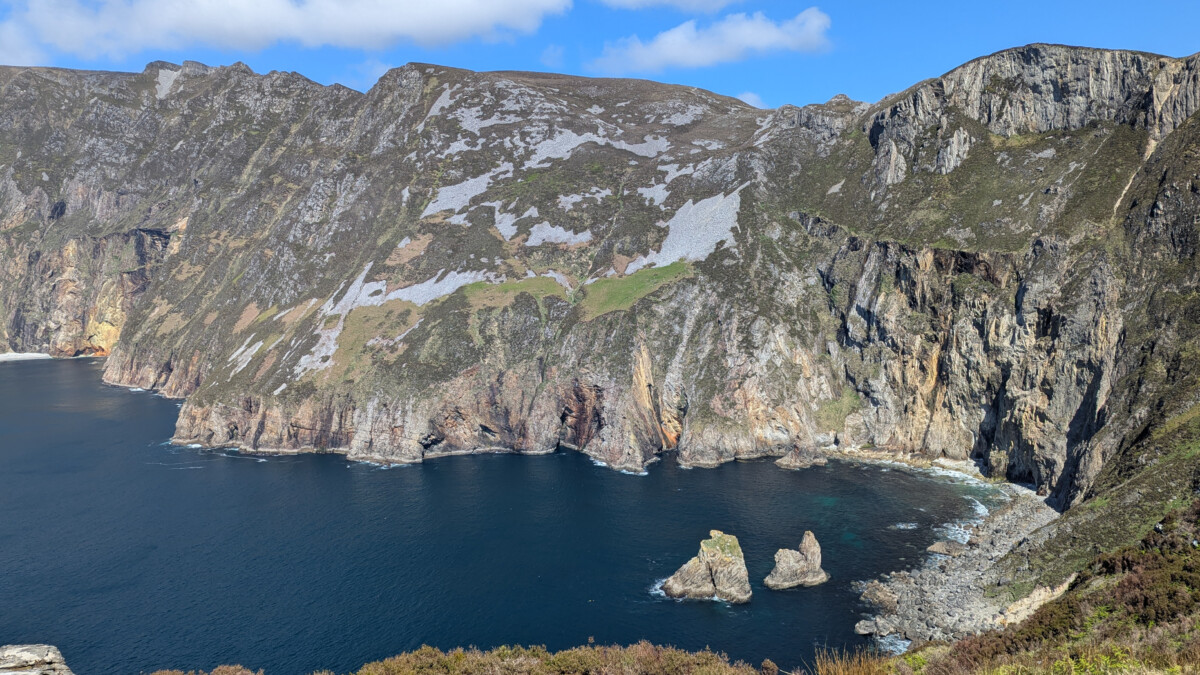
To the north, County Mayo reveals an even wilder Ireland, with spectacular cliffs, long windswept beaches and unspoilt peninsulas facing the Atlantic. Further afield, Donegal offers some of the country’s most impressive scenery, from the cliffs of Slieve League to the mountains that dominate the far north-west of the island.
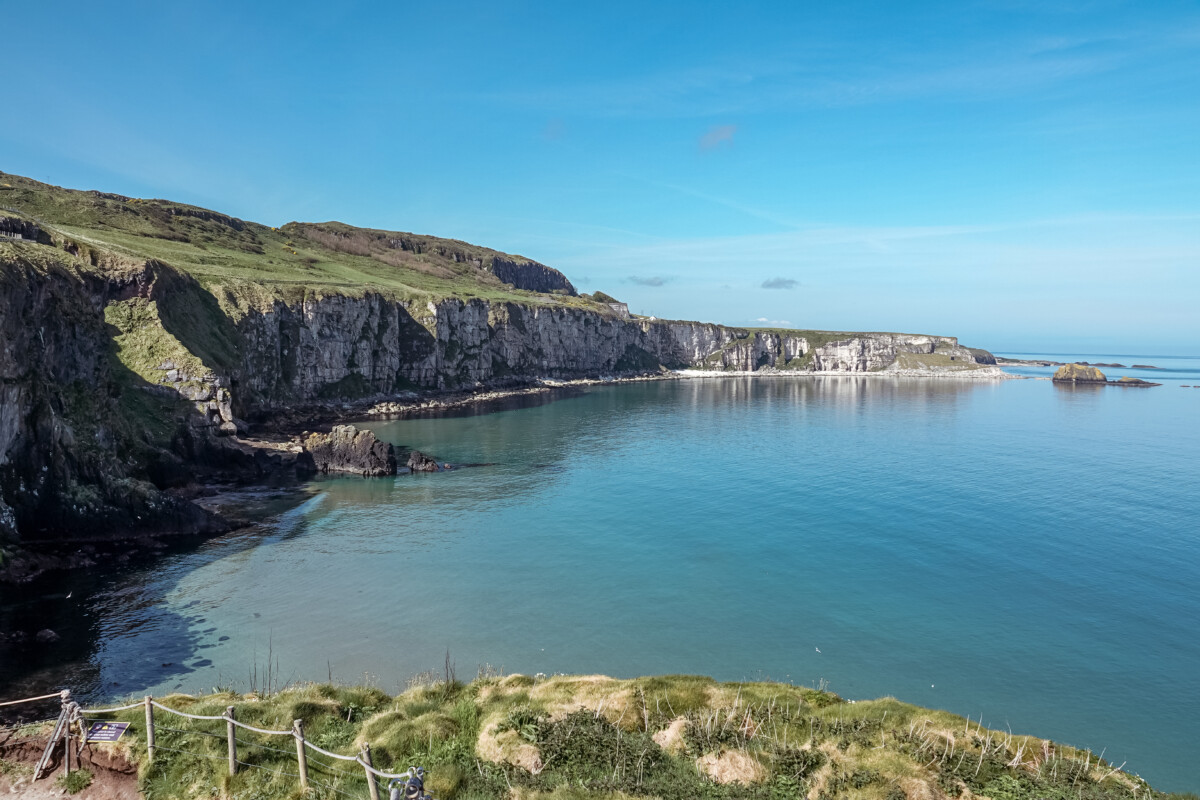
Travelers with more time on their hands can also reach the Aran Islands, where Gaelic culture is still particularly strong, or continue on toNorthern Ireland and the iconic landscapes of the Causeway Coastal Route.
Read also
- Sligo: between ocean, mountains and Celtic legends
- Donegal: the wildest Ireland
- Discover Northern Ireland on the Causeway Coastal Route
The Wild Atlantic Way is more than just a succession of must-see sites. Its real charm lies in the freedom to take a side road, to stop off at a village just around the bend, or to extend a walk facing the ocean simply because the light is particularly beautiful.
From the cliffs of Moher to the landscapes of Connemara, from the beaches of the Dingle Peninsula to the small roads winding between lakes and mountains, every trip to Ireland can follow a different rhythm. If you’re inspired by this destination, we’d be delighted to work with you to design a tailor-made itinerary to suit your desires for discovery.