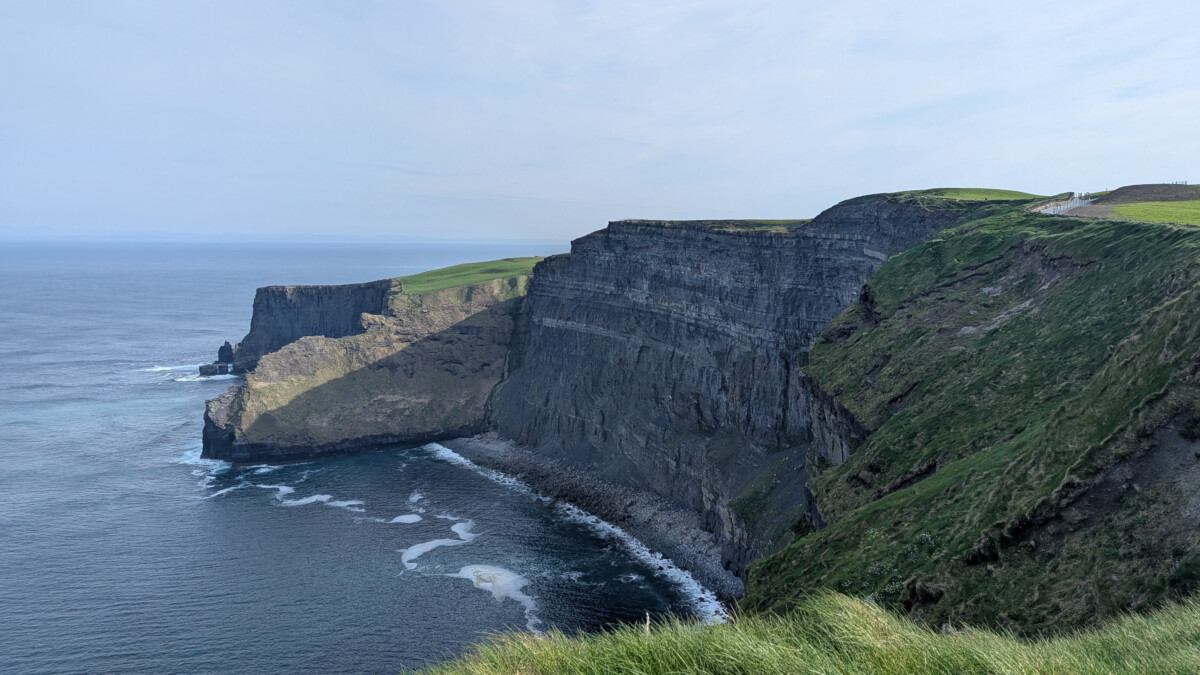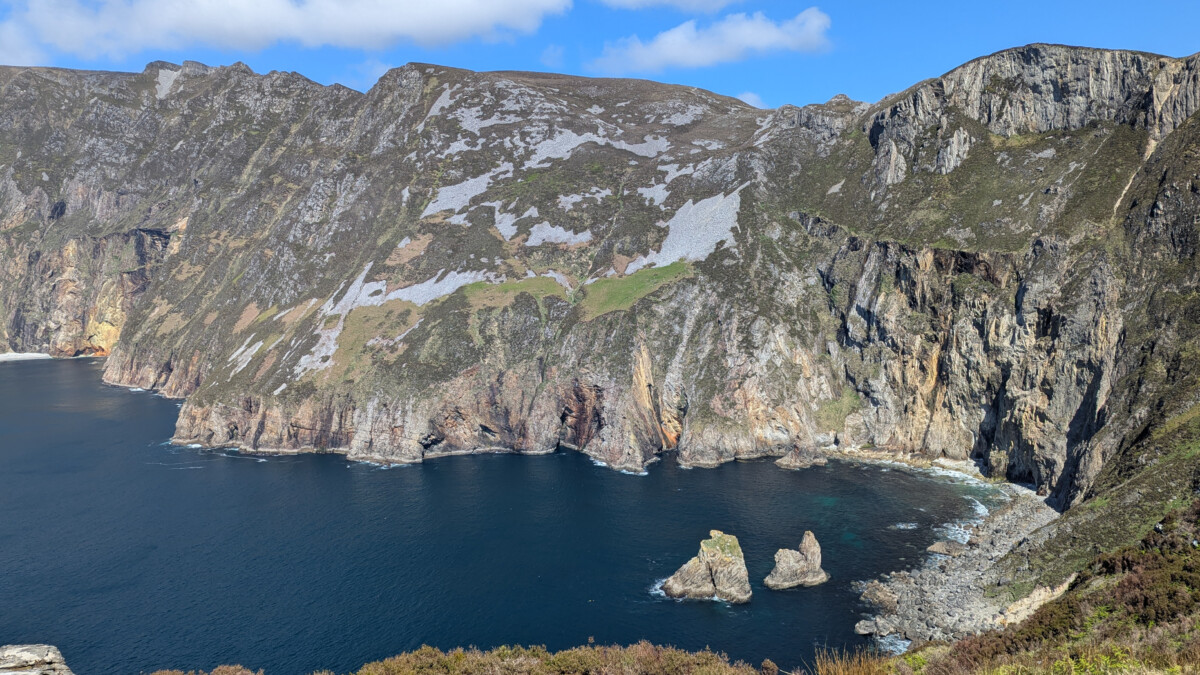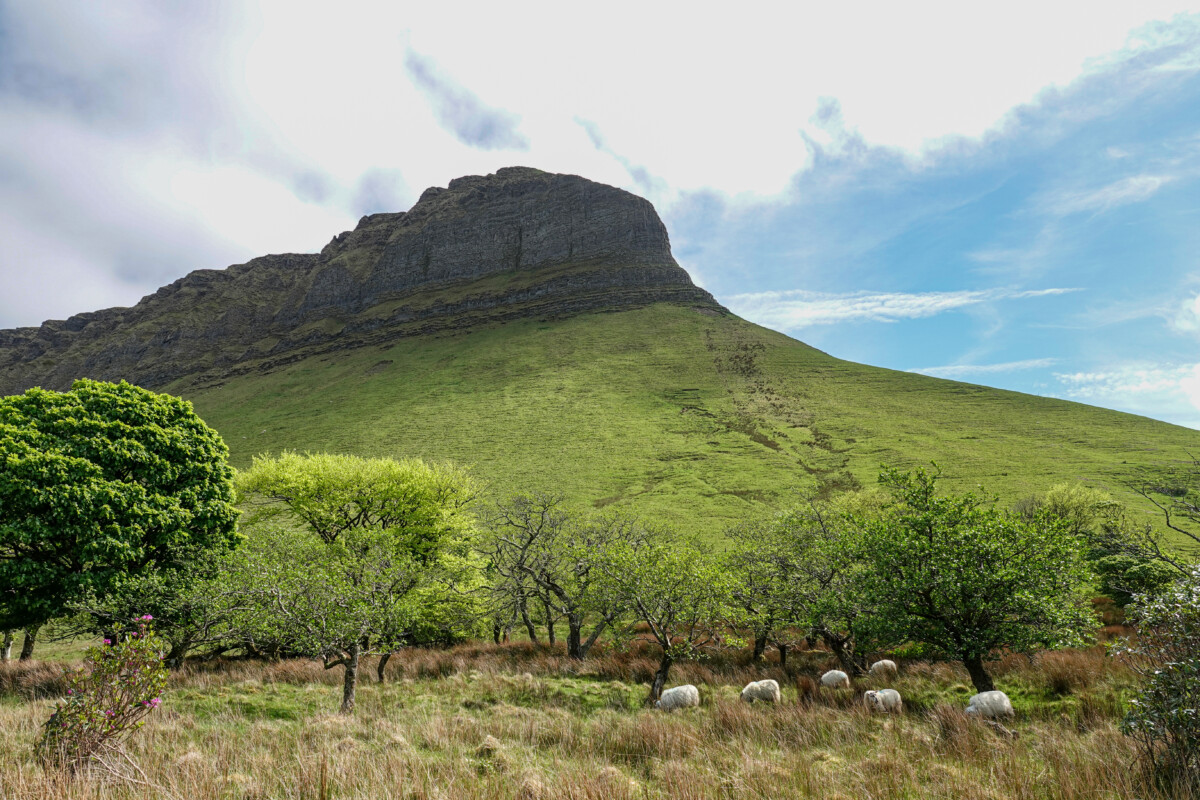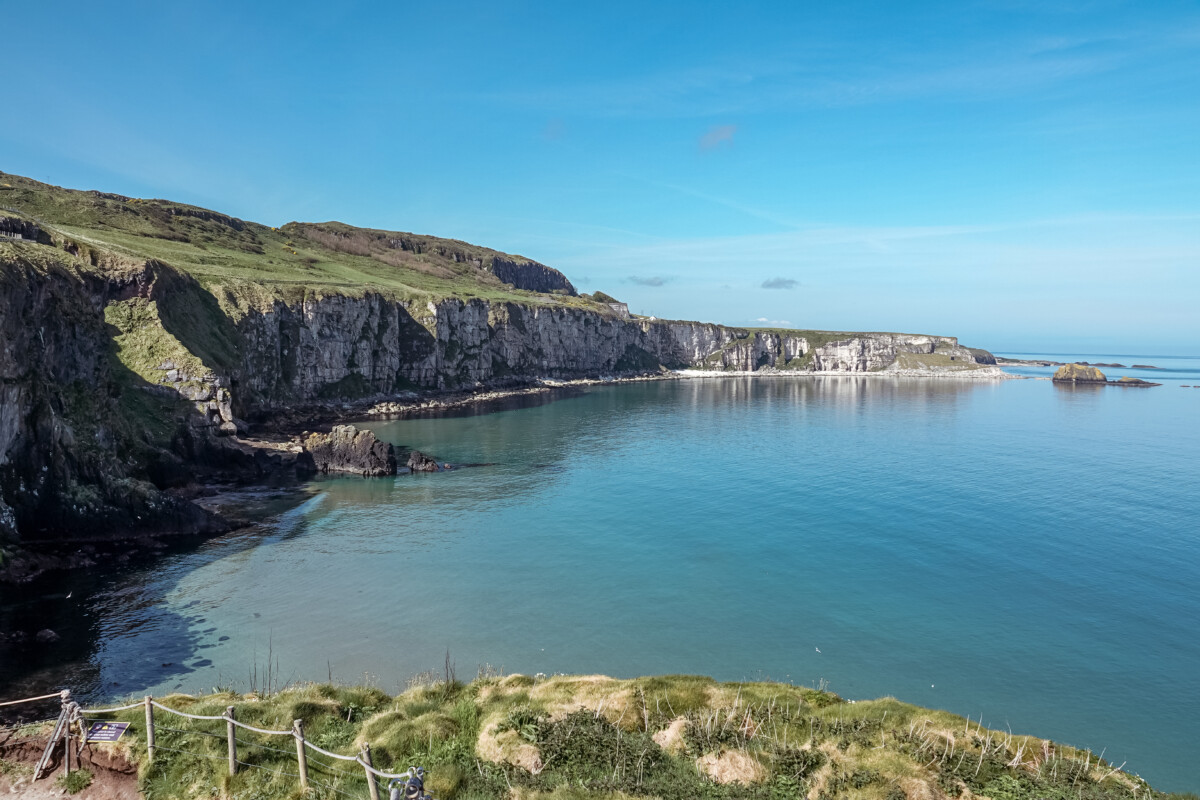
At the northeastern tip of the island of Ireland, a road runs along the ocean between sheer cliffs, wild beaches, small fishing ports and castles clinging to the cliffs. Less well known than the Wild Atlantic Way, the Causeway Coastal Route is nevertheless one of Europe’s most beautiful itineraries.
For almost 200 kilometers, it links Belfast to Derry, passing through some of the island’s most spectacular scenery. Each detour seems to tell a new story: of the salmon fishermen who once used the Carrick-a-Rede suspension bridge, of the giants who are said to have shaped the Giant’s Causeway, or of the clans who occupied the fortresses overlooking the cliffs.
With its mix of Irish and British influences, historic heritage and wilderness, Northern Ireland has a very distinct personality. A region still relatively untouched by mass tourism, it often reserves some of the finest surprises of a trip to the island.
Northern Ireland in a nutshell
Located in the north-east of the island of Ireland, Northern Ireland covers an area of around 14,000 km² and is home to almost two million people. Unlike the Republic of Ireland, it is part of the United Kingdom and comprises six counties: Antrim, Armagh, Down, Fermanagh, Londonderry and Tyrone.
Today, its capital, Belfast, is a dynamic city that has undergone profound changes in recent decades. However, its history remains intimately linked to the political and religious tensions that marked the region for much of the 20th century.
Since the Good Friday Agreement signed in 1998, Northern Ireland has enjoyed a period of peace which has enabled the development of tourism and the enhancement of its exceptional natural heritage.
This particular history has shaped a unique identity where Irish and British influences coexist on a daily basis. You’ll find it in the culture, architecture and local traditions, but also in the landscapes, where castles, manor houses, coastal villages and wide open spaces follow one another along the way.
Northern Ireland in practice
How to get to Northern Ireland
Northern Ireland is easily accessible from Belgium and France, thanks to air links to Belfast. Northern Ireland’s capital is an excellent starting point for exploring the Causeway Coastal Route, just a few kilometers north of the city.
It is also possible to land in Dublin and then drive to Northern Ireland. This option makes it easy to combine the discovery of several regions of the island on the same trip, including the Irish west coast, Donegal and the Antrim coast.
Distances are relatively modest. Allow around two hours’ drive from Dublin to Belfast, while the famous Giant’s Causeway can be reached in just over an hour from Belfast.
When to visit Northern Ireland
Like the rest of the island, Northern Ireland enjoys a temperate oceanic climate with relatively mild temperatures throughout the year. Weather variations are an integral part of the journey, and it’s not uncommon to experience several seasons in the course of a single day.
The period between April and October is generally the best time to discover the Causeway Coastal Route.
Spring offers particularly verdant landscapes and a still moderate number of visitors. The days lengthen rapidly, while the cliffs and coasts regain their beauty after winter.
Summer offers the longest days of the year. Temperatures generally remain between 15 and 22°C, ideal for coastal walks and boat trips to the surrounding islands.
The months of September and October are particularly attractive, with their often spectacular light and lower visitor numbers. The landscapes retain all their charm, while the roads take on a more peaceful atmosphere.
How do I get around on the Causeway Coastal Route?
A car is undoubtedly the best way to discover the Northern Irish coast.
While some sites are accessible by public transport from Belfast, having your own vehicle means you can take full advantage of the many viewpoints, coastal villages and back roads along the route.
The Causeway Coastal Route is perfectly signposted and easy to cover. Distances are relatively short, but the scenery is so inviting that there are plenty of stops to slow the pace. Between two emblematic sites, it’s not uncommon to discover a secluded beach, a castle perched on a cliff or a simple panorama that deserves a few minutes’ stop.
As in the rest of Ireland and the UK, driving is on the left.
Where to stay on the Causeway Coastal Route?
There are several options for discovering the region in comfort.
For a short break, Belfast is an excellent gateway. The city combines urban discovery with excursions to the coast.
To explore the Causeway Coastal Route in greater depth, it’s usually best to stay directly on the north coast. The area around Ballycastle, Bushmills or Portrush is ideal for exploring Rathlin Island, Carrick-a-Rede, the Giant’s Causeway and the many viewpoints along the Antrim coast.
As elsewhere in Ireland, family-run guesthouses and small, charming hotels are often an integral part of the travel experience. The warm welcome of the locals is an integral part of the region’s charm, and often leads to the discovery of a few good addresses or places less well known to visitors.
What to see on the Causeway Coastal Route?
It’s impossible to sum up the Causeway Coastal Route in just a few stages, such is the sheer number of landscapes and points of interest. Cliffs, wild beaches, small fishing ports, medieval castles and coastal villages follow one another along less than 200 kilometers of road.
Some sites, such as the Giant’s Causeway or the Carrick-a-Rede suspension bridge, have become true icons of Northern Ireland. Others, more discreet, offer a wilder, more confidential vision of the region.
This selection includes a few classics as well as a number of favorites that perfectly illustrate the diversity of Antrim’s landscapes.
Rathlin Island
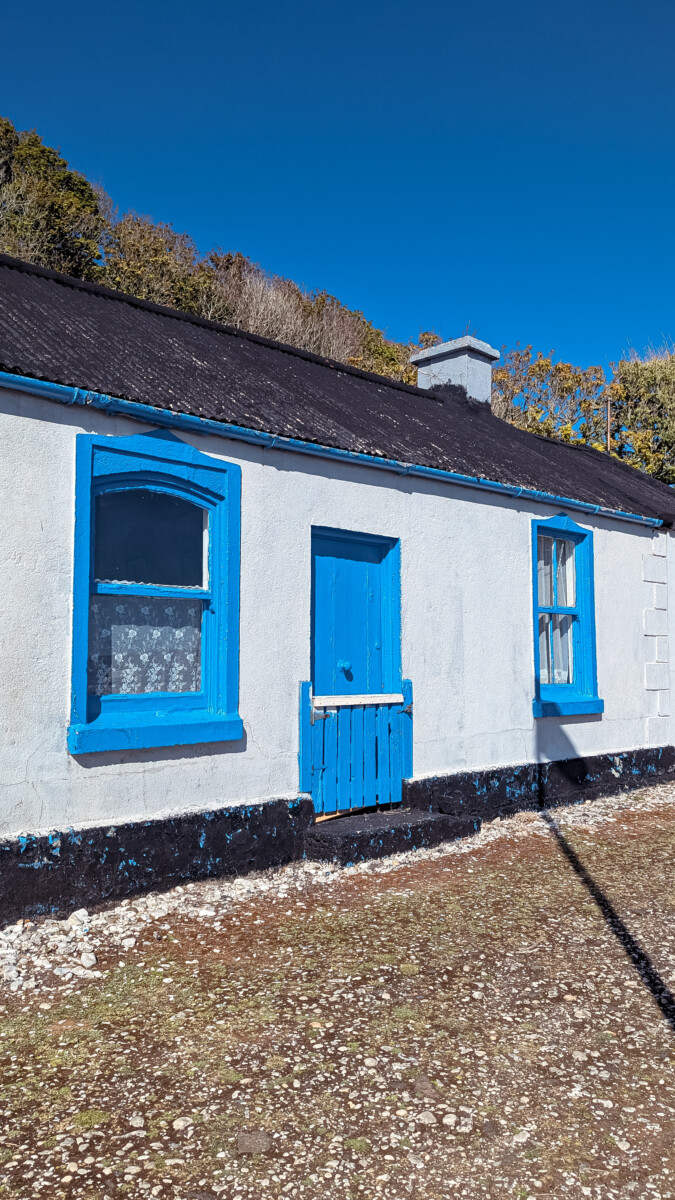
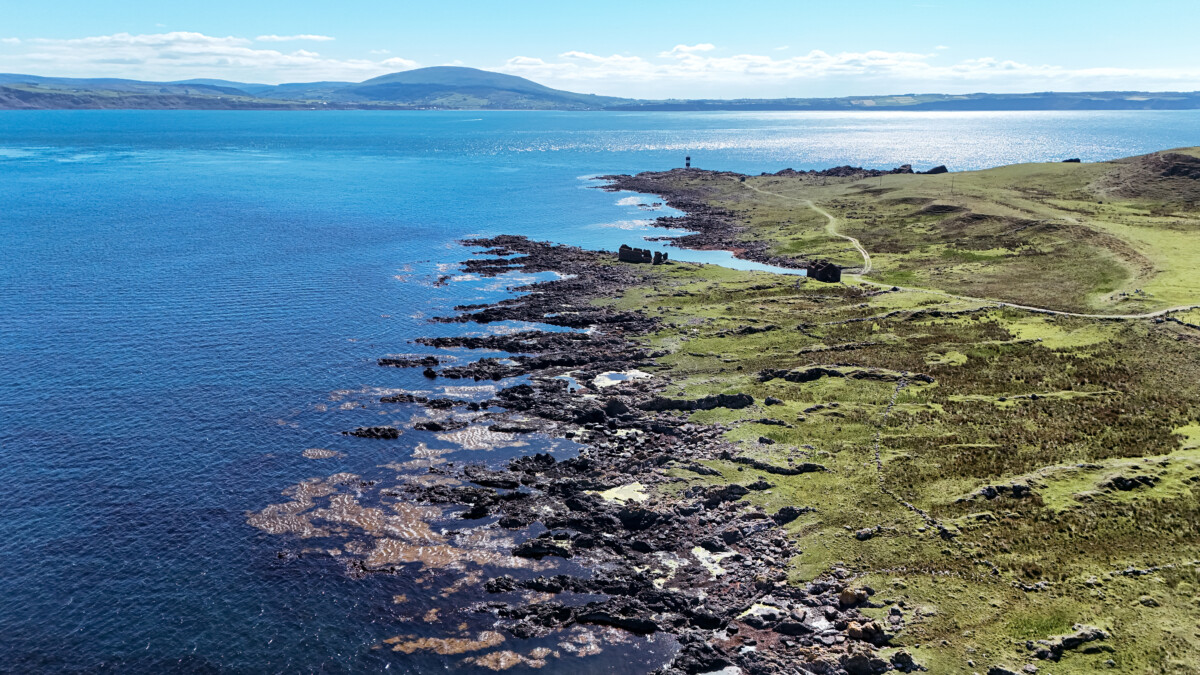
Just a few kilometers off the coast of Northern Ireland, Rathlin Island seems to belong to another world.
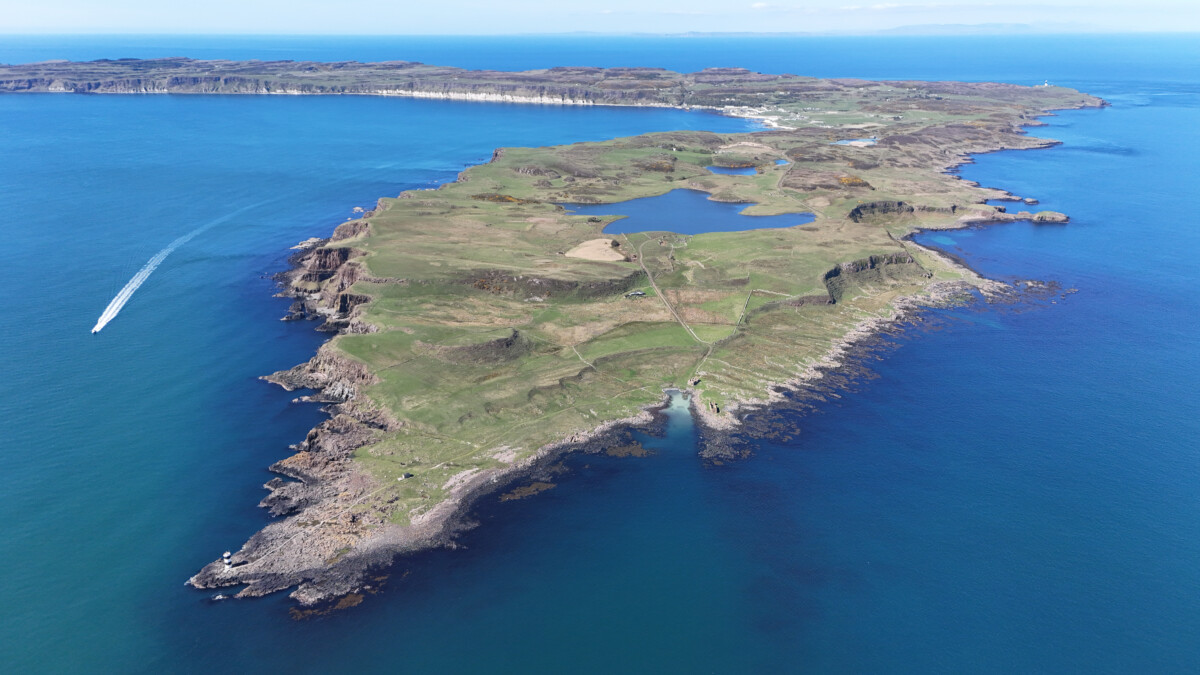
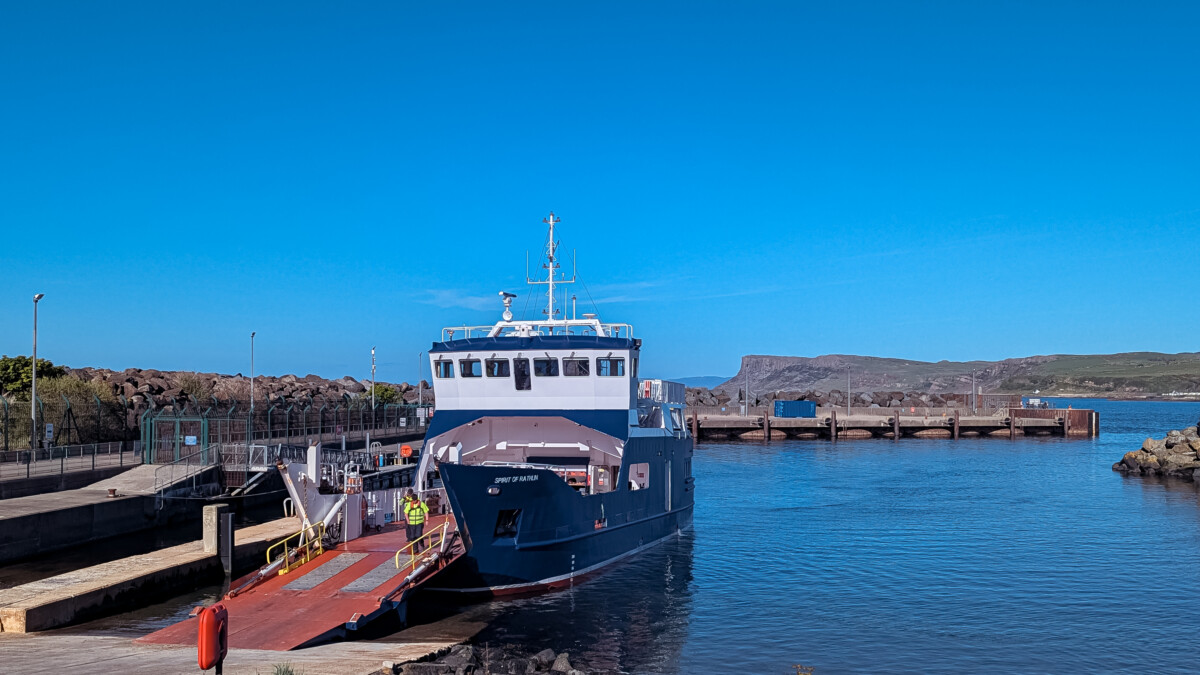
Just a 30-minute ferry ride from Ballycastle, this small island is Northern Ireland’s only inhabited island. With its windswept cliffs, narrow roads and vast open spaces, it offers a very different atmosphere from that of the mainland.
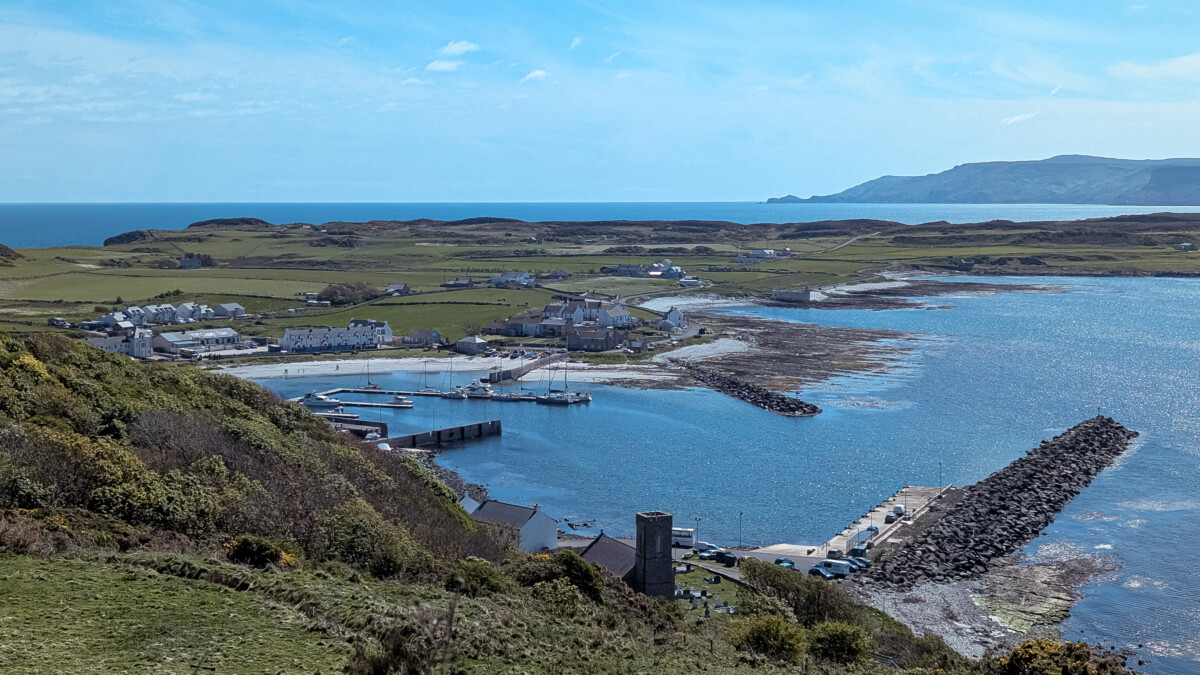
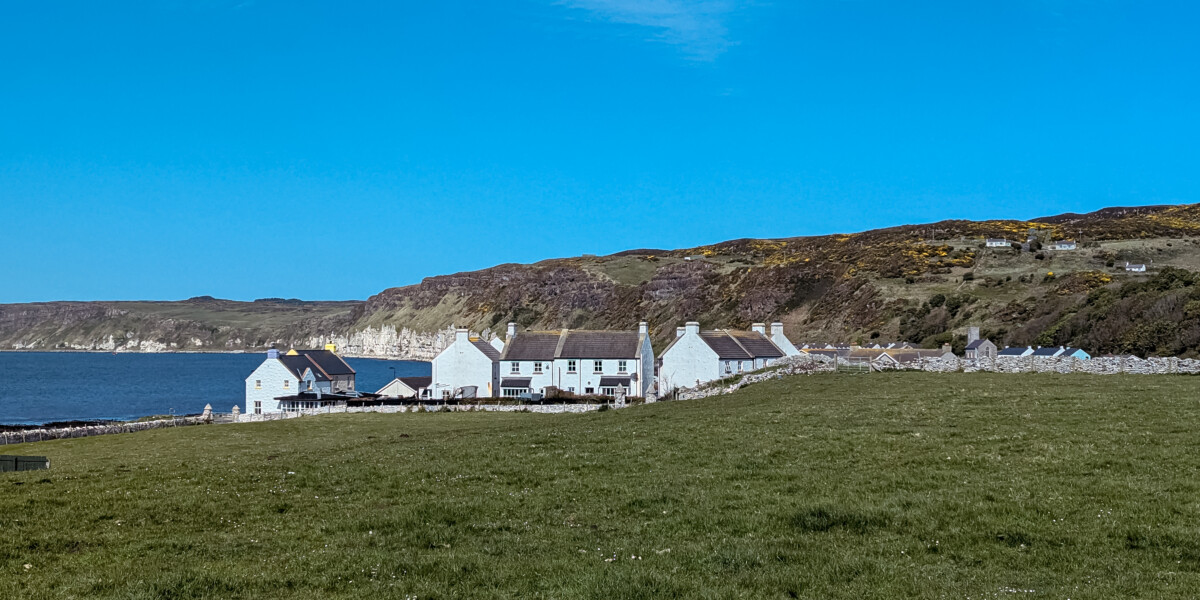
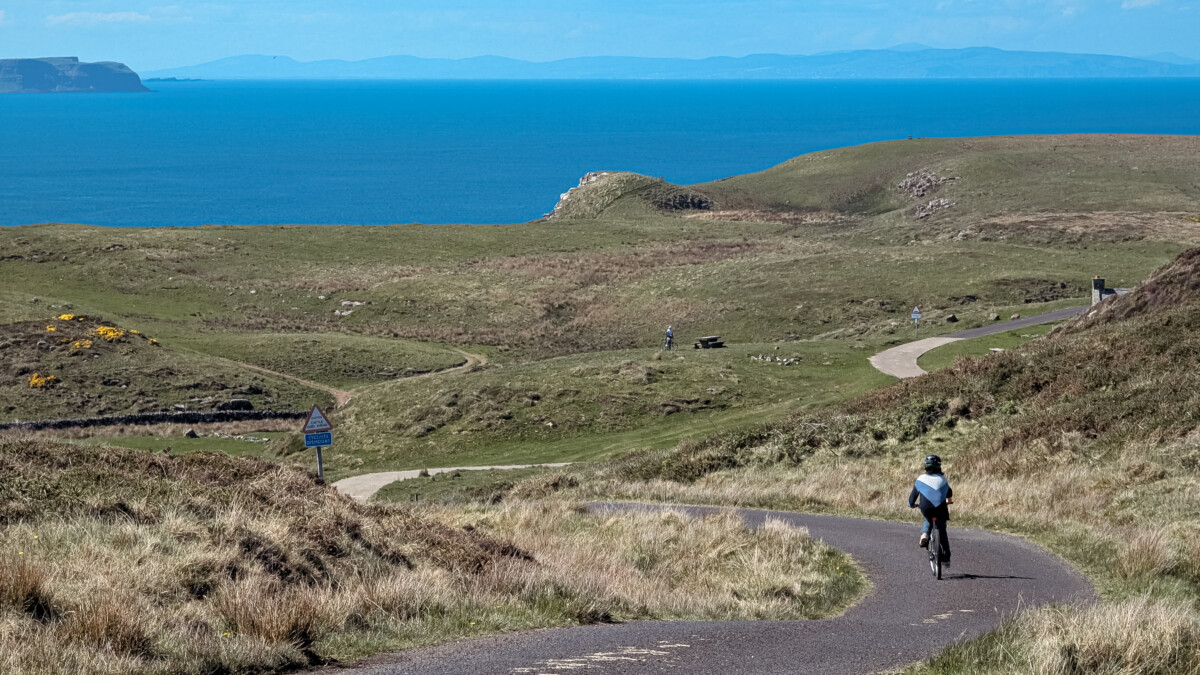
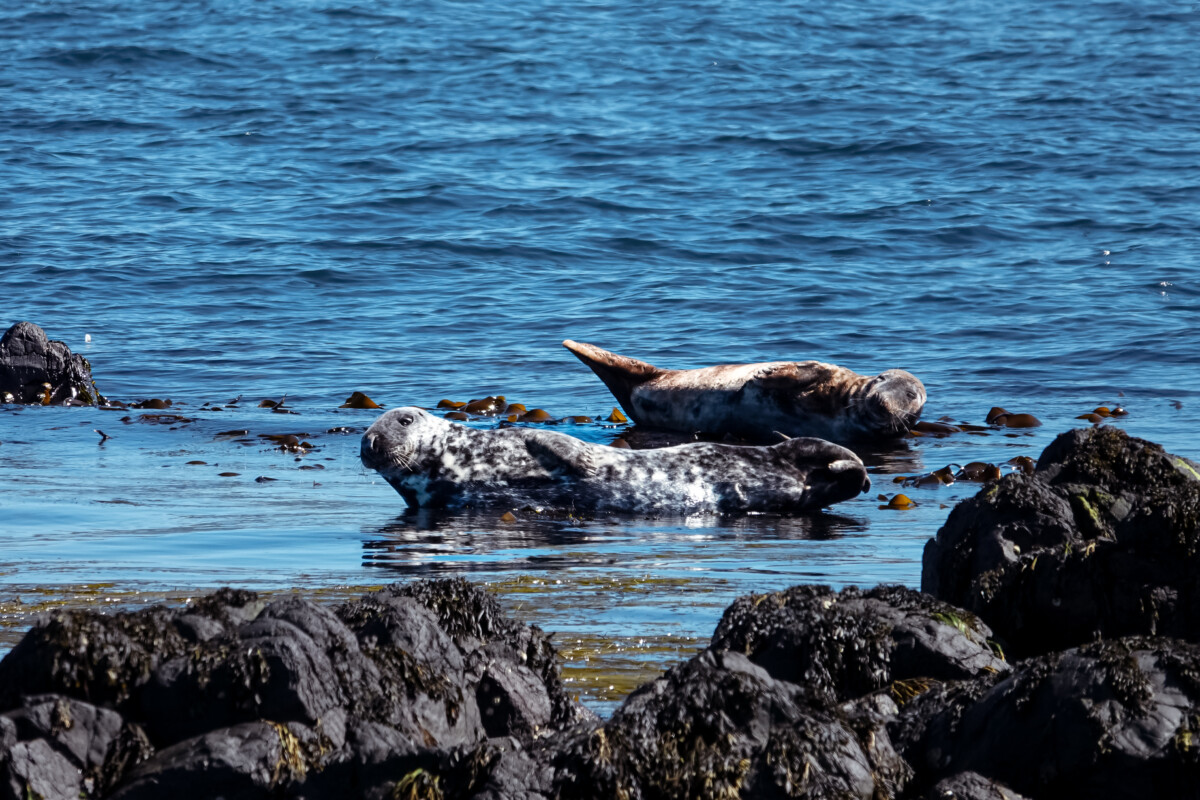
The island is particularly renowned for its wildlife. In spring and summer, thousands of seabirds nest on the cliffs, including the famous puffins that attract many photographers. Rathlin West Light, perched on the cliffside, is one of the island’s most spectacular vantage points.
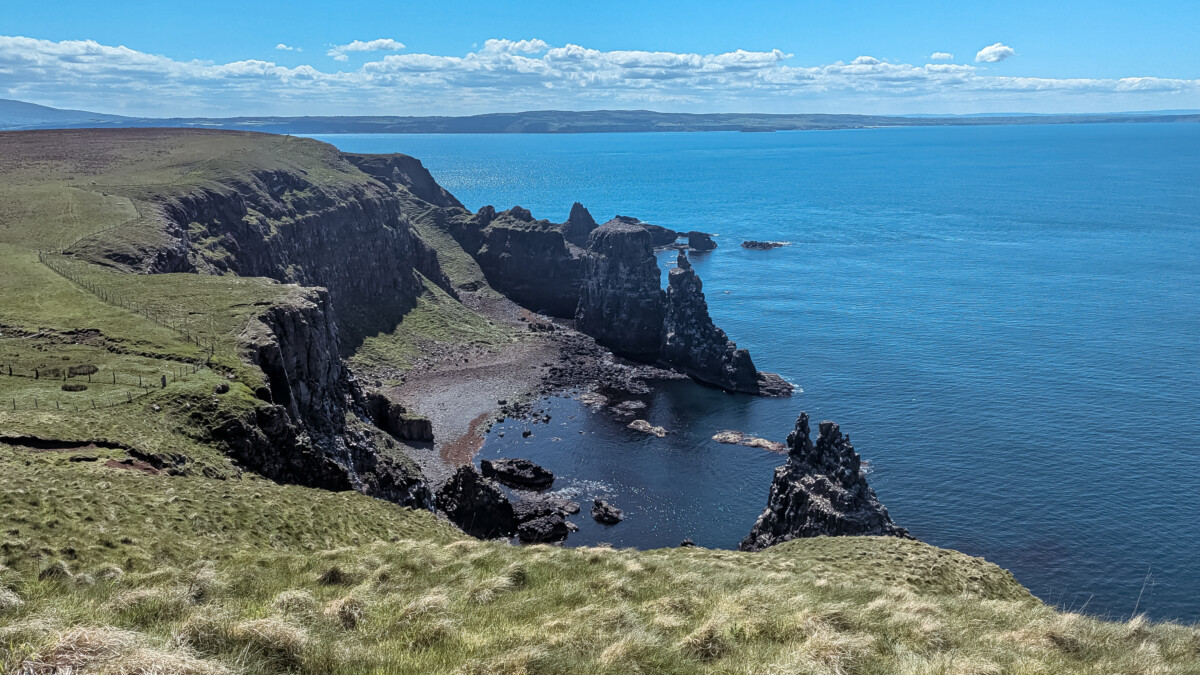
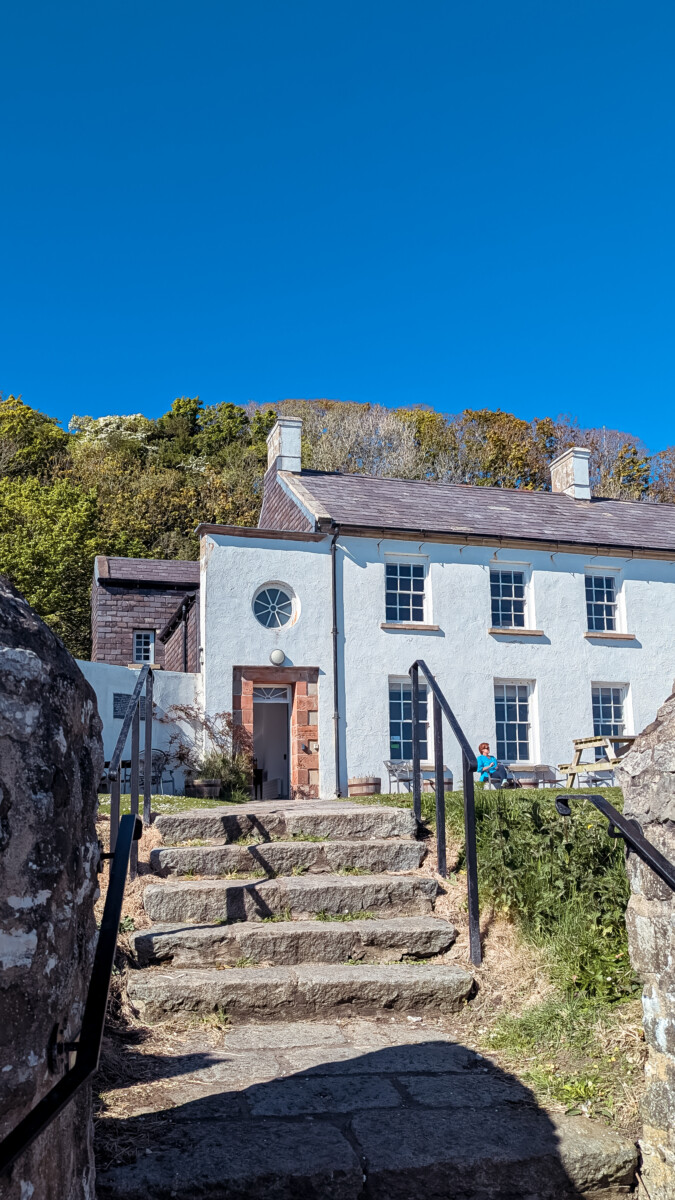
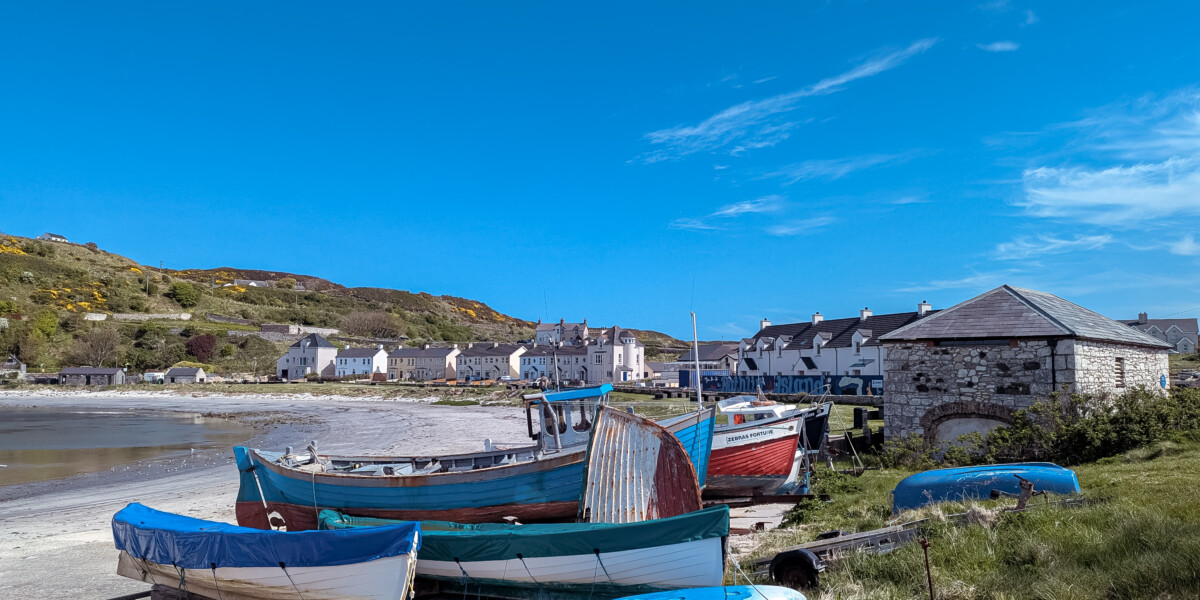
But beyond its landscapes, Rathlin’s main attraction is its pace. Here, everything seems to slow down. Cars are rare, distances modest and the ocean omnipresent. A day on the island allows you to discover a more confidential side of Northern Ireland, far from the most frequented sites.
Carrick-a-Rede
Just a few miles from Ballycastle lies one of the most iconic sites on the North Irish coast.
Suspended almost thirty meters above the waves, the Carrick-a-Rede rope bridge links the mainland to a small rocky islet once used by salmon fishermen.
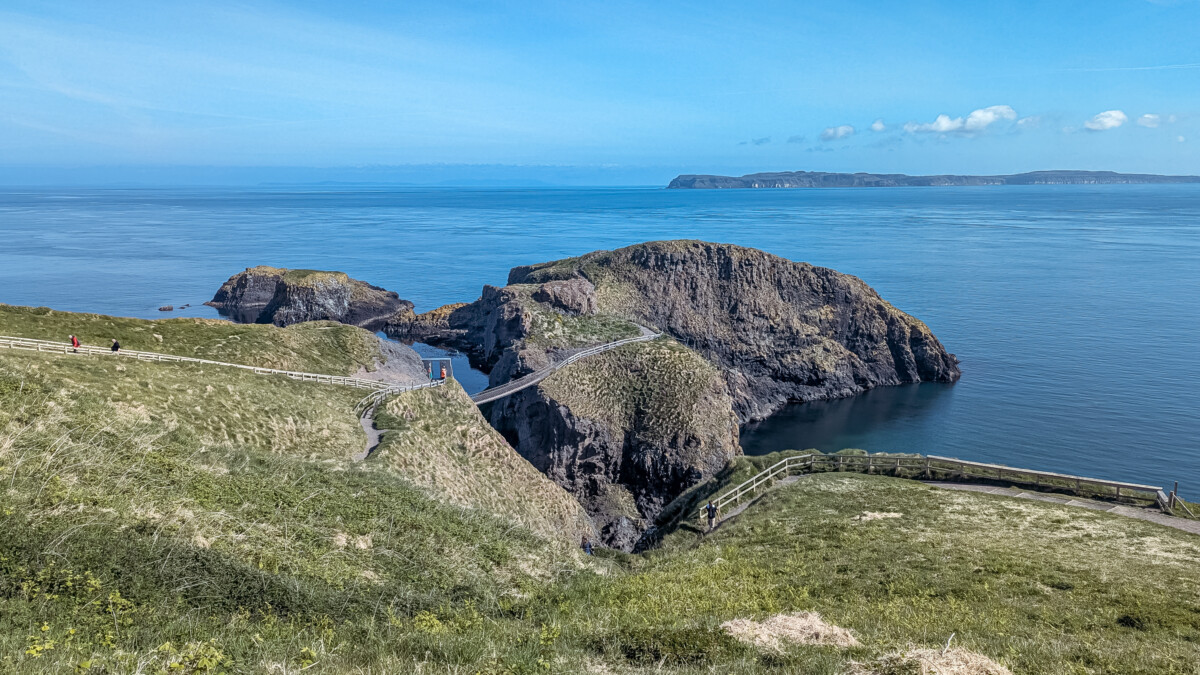
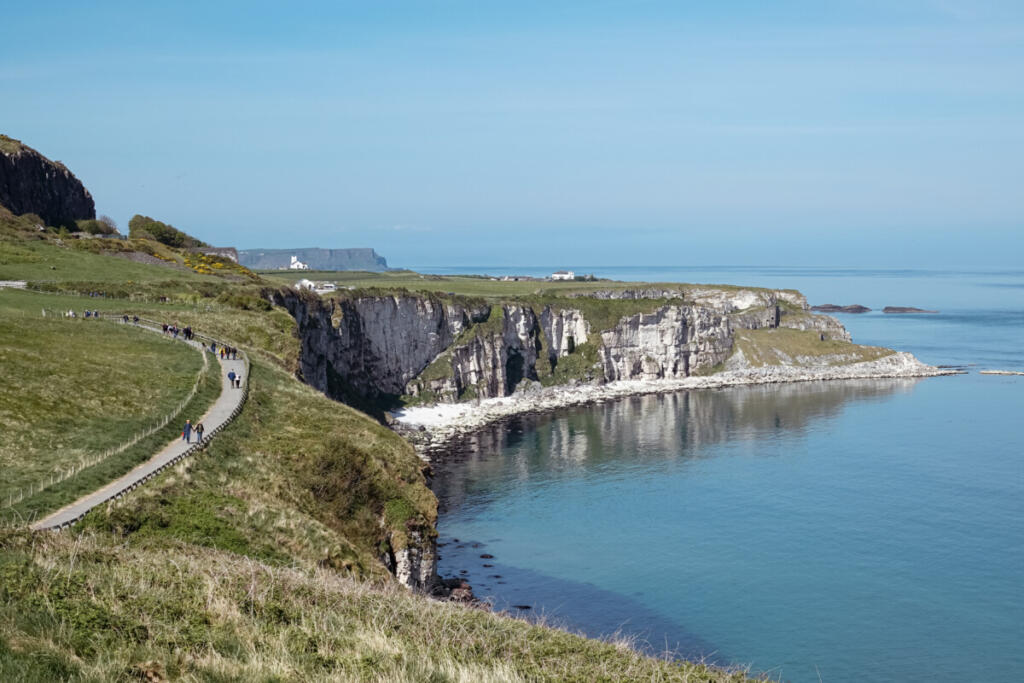
While the bridge now attracts the majority of visitors, the real attraction of the site lies in its exceptional natural surroundings. The paths along the cliffs offer remarkable panoramic views of the ocean, Rathlin Island and, on a clear day, the Scottish coastline visible on the horizon.
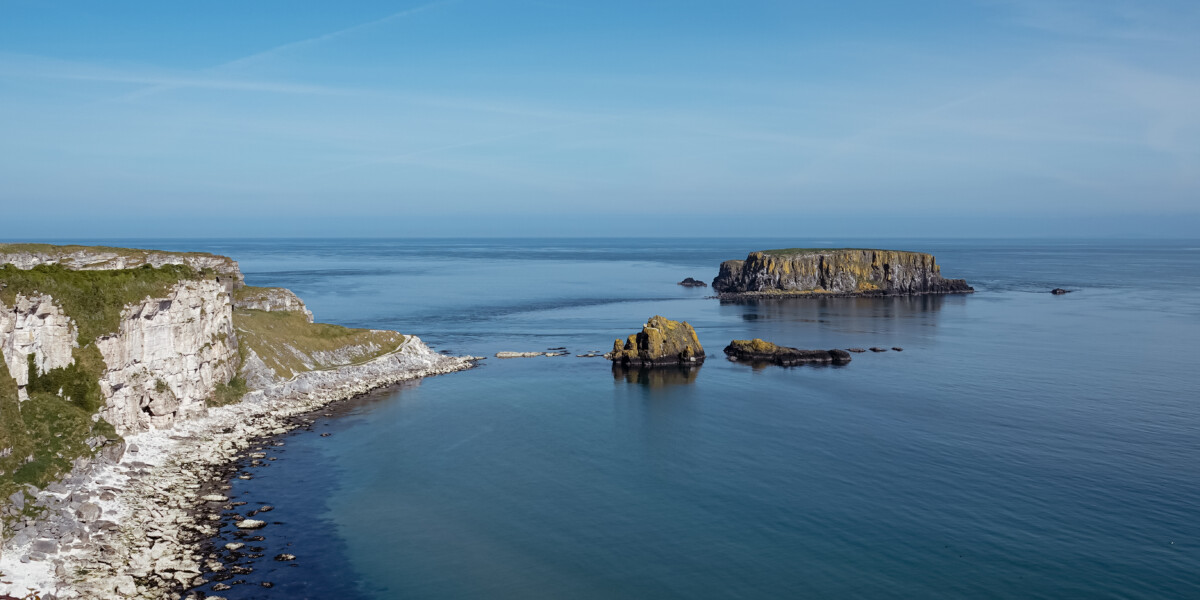
The walk to the bridge alone is a particularly enjoyable experience, with coastal moorland, sheer cliffs and spectacular views of the Antrim coastline.
Ballintoy Harbour
Nestling at the foot of lush green cliffs, Ballintoy Harbour is often considered one of Northern Ireland’s most beautiful little ports.
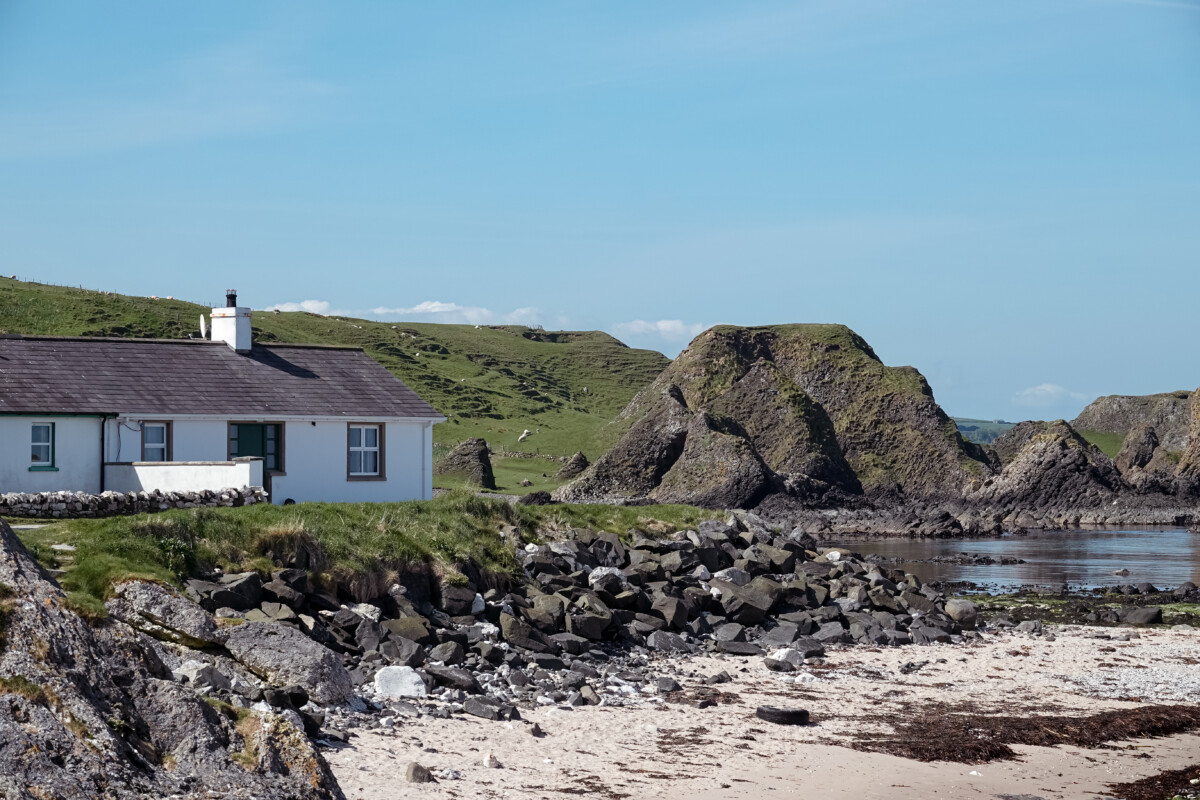
The place exudes an authentic atmosphere that contrasts with some of the region’s more popular sites. Fishing boats rub shoulders with rock formations sculpted by the ocean, while the cliffs naturally frame the small bay.
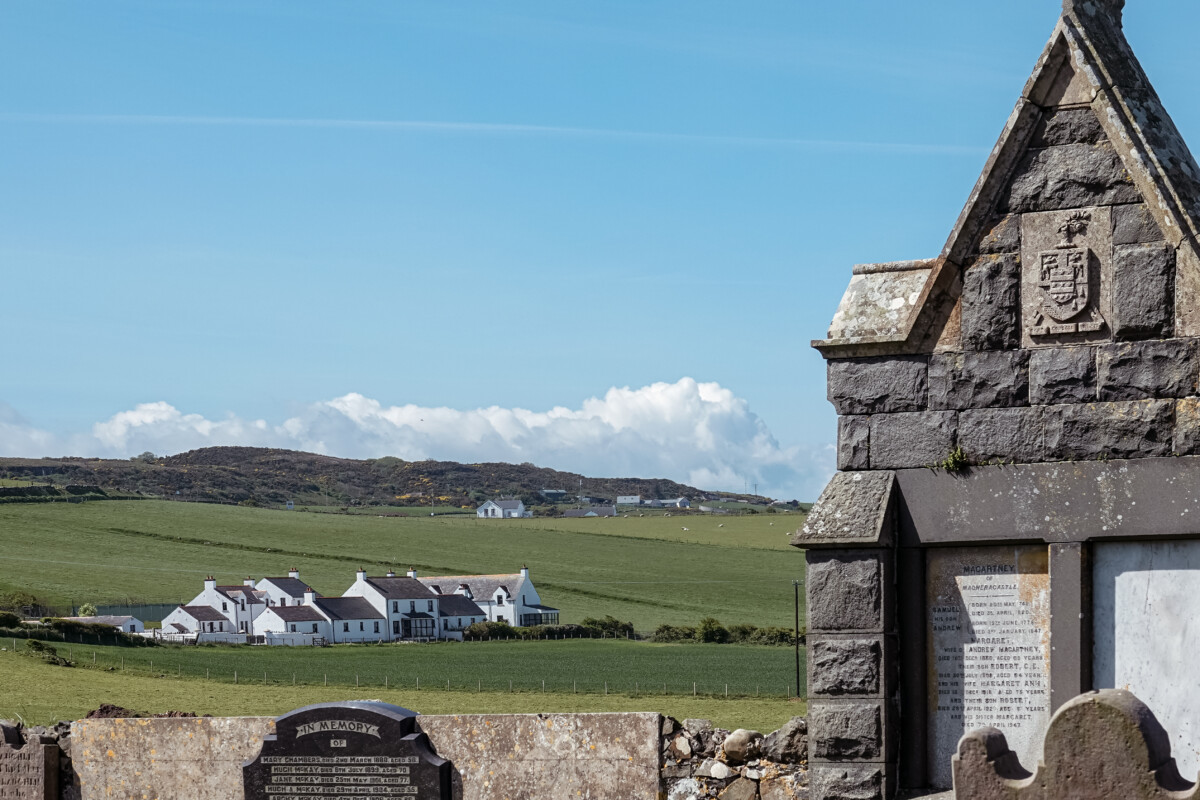
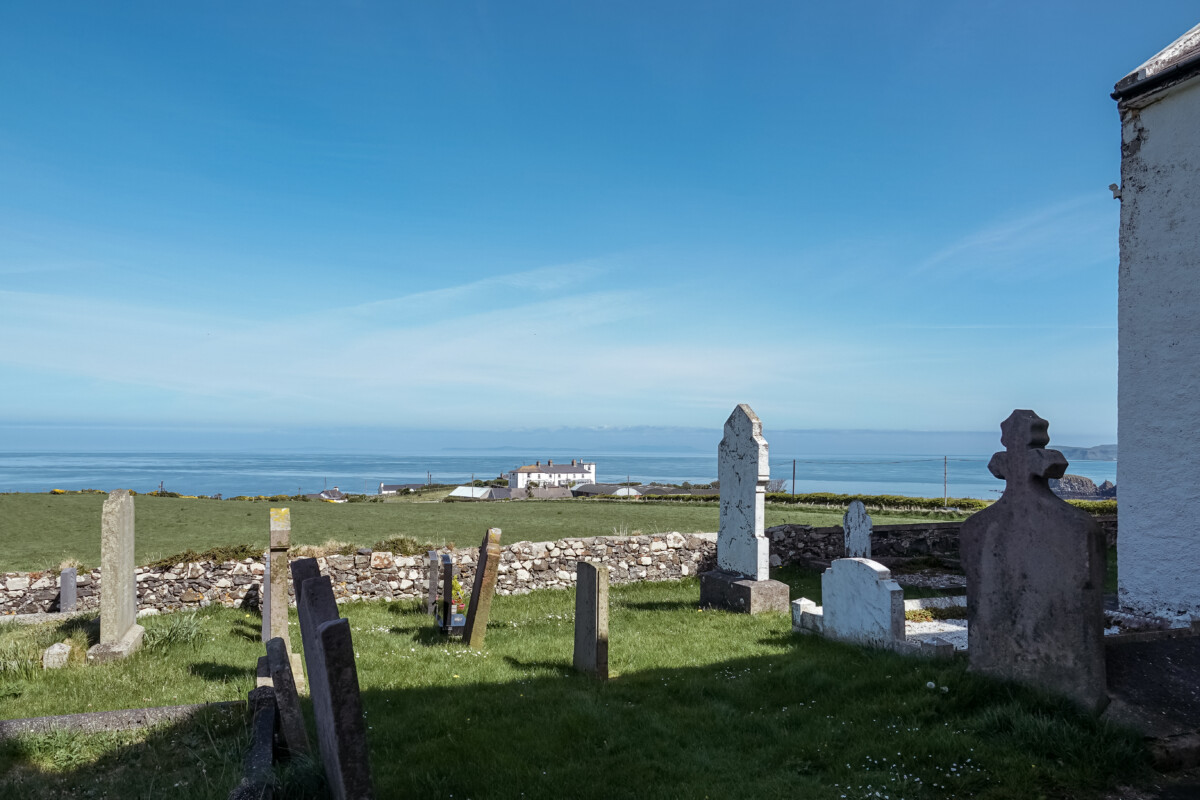
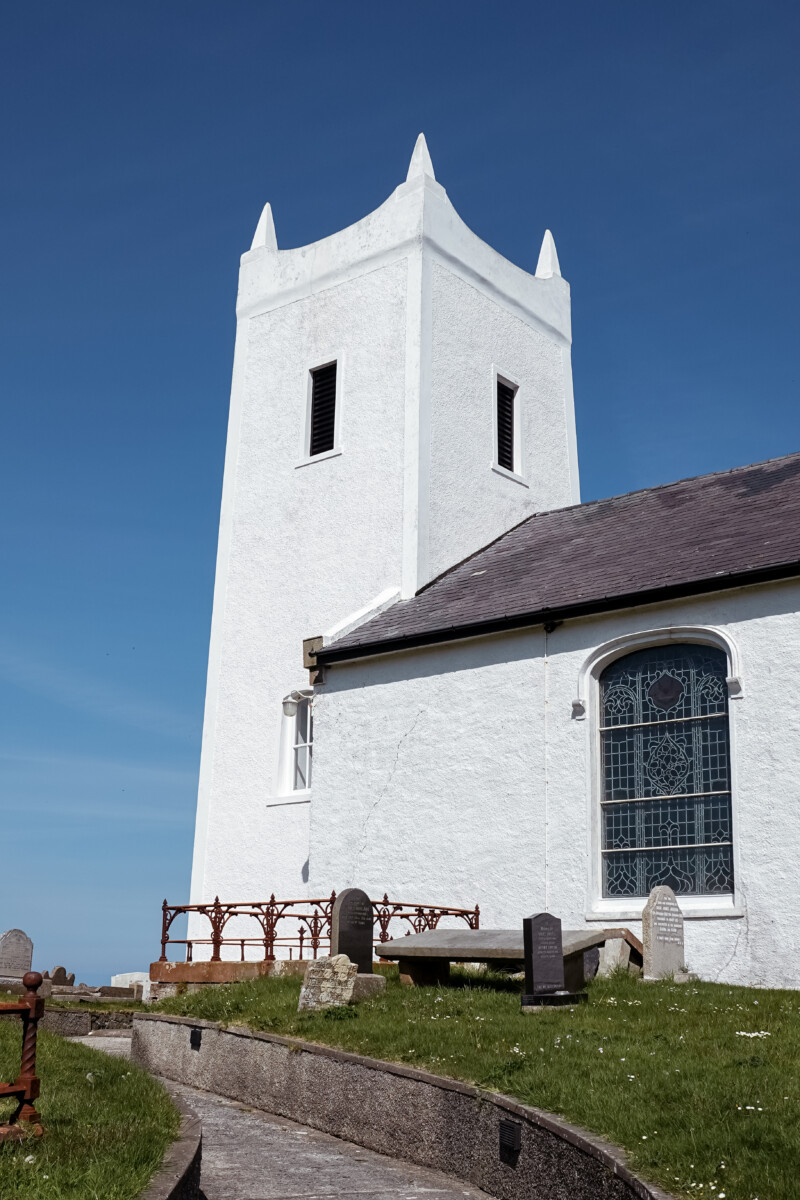
The port has also become famous among Game of Thrones fans, with several scenes from the series having been filmed in the area. Even if you’re not familiar with the series, the setting is well worth a visit.
The roads leading to Ballintoy are some of the most beautiful on the Antrim coast, with magnificent ocean views.
Giant’s Causeway
If there’s one place that epitomizes Northern Ireland, it’s the Giant’s Causeway.
Listed as a UNESCO World Heritage Site since 1986, this unique natural site attracts visitors from all over the world every year to discover its famous basalt columns, which seem to rise out of the ocean.
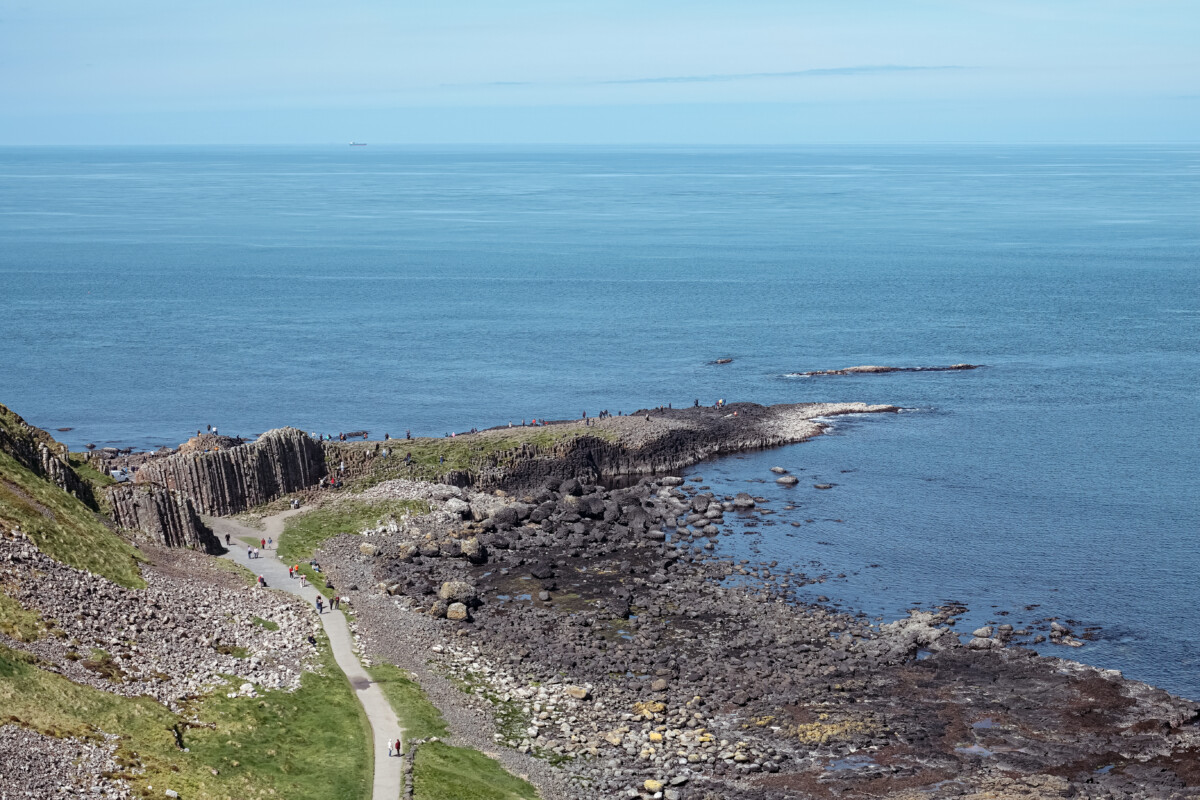
According to scientists, these 40,000 stone columns were formed almost 60 million years ago as a result of intense volcanic activity. As the lava gradually cooled, it fractured into blocks of astonishingly regular geometric shapes, creating this now iconic landscape.
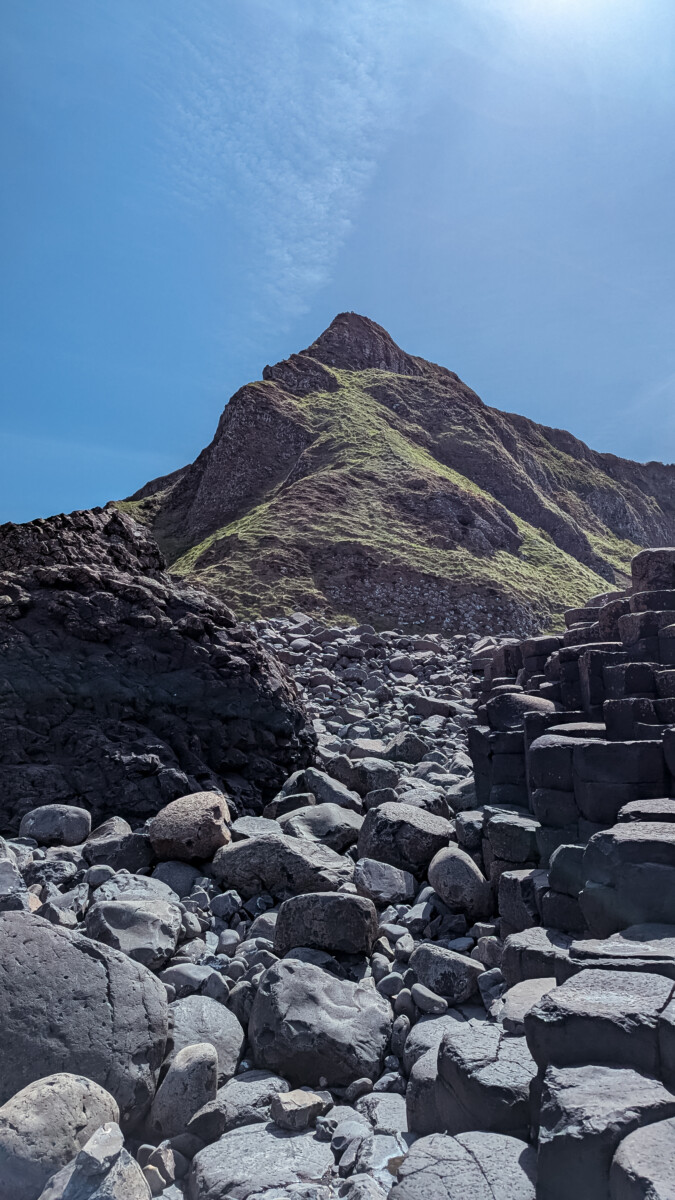
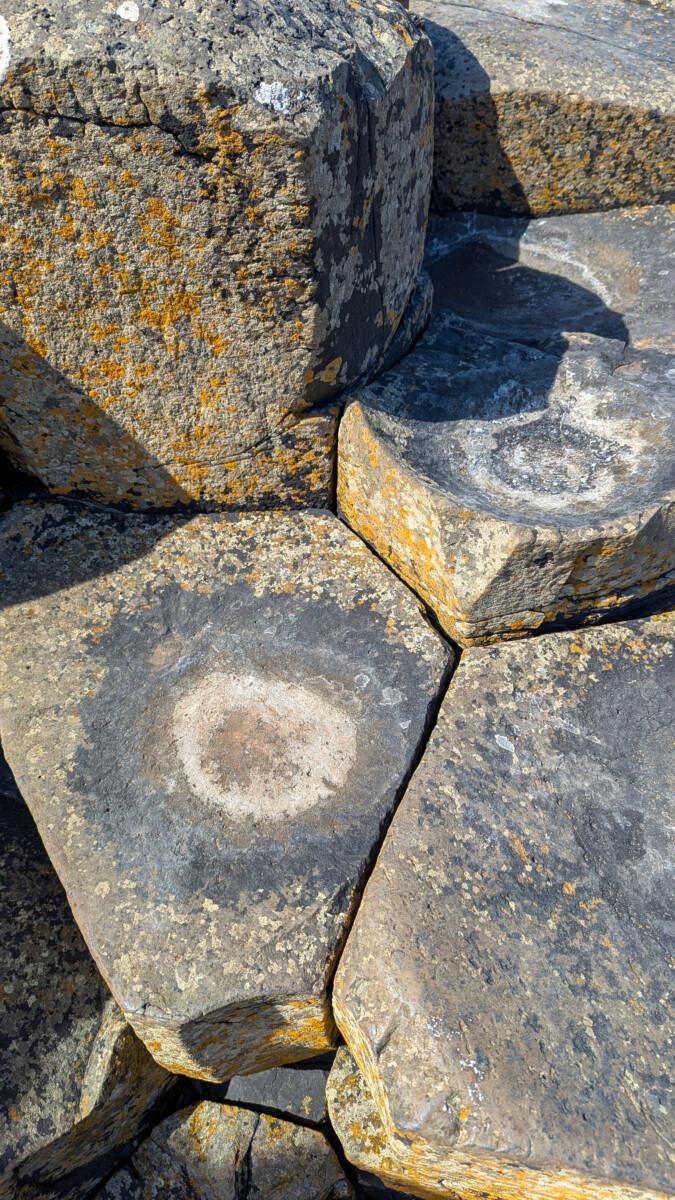
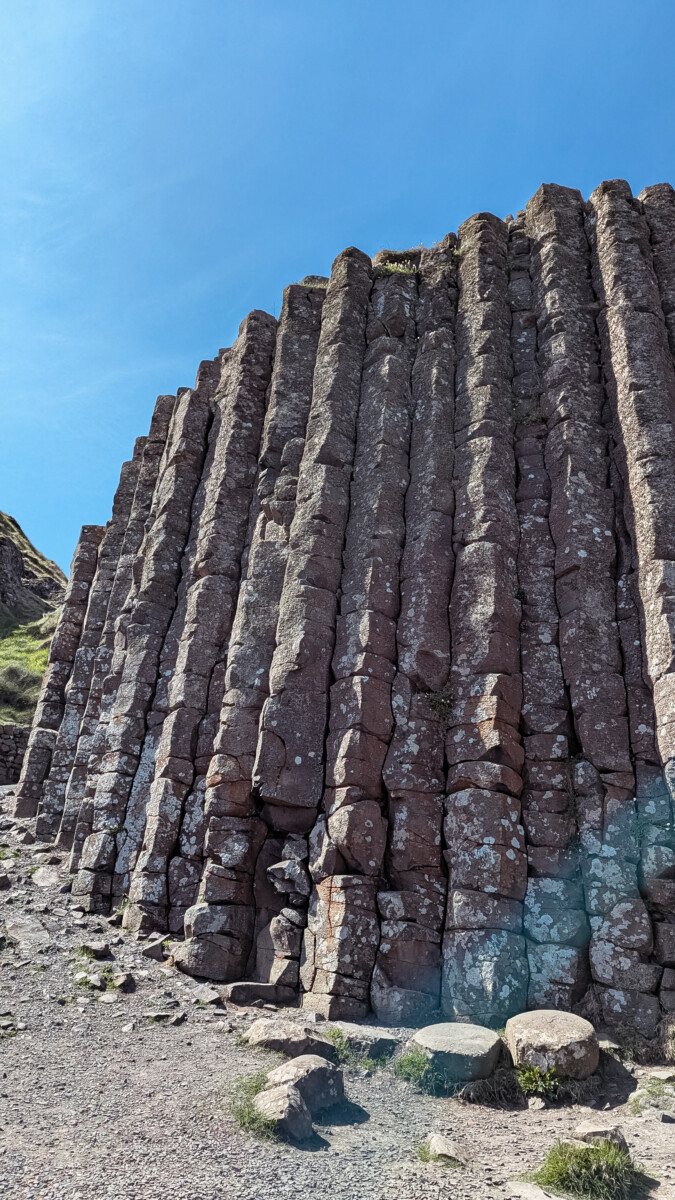
But in Ireland, science often shares space with legend. According to popular tradition, the Giant’s Causeway was built by the giant Finn McCool to reach Scotland and confront his rival Benandonner. Today, this story continues to accompany the discovery of the site, and plays a large part in its fascinating character.
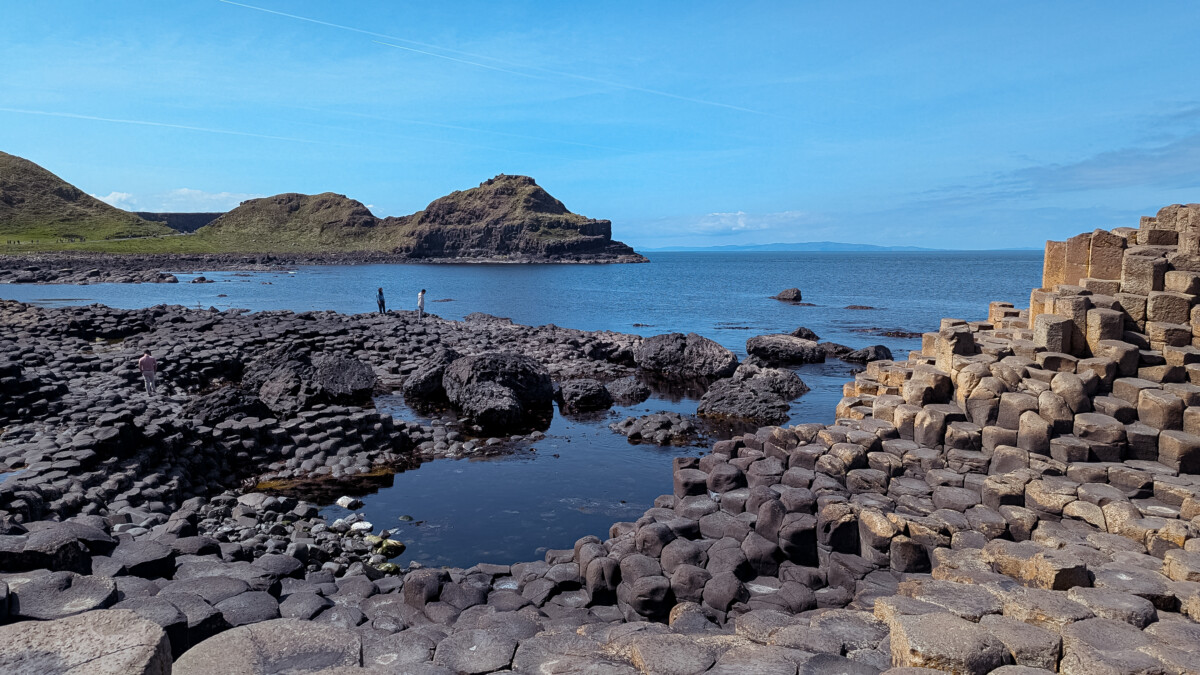
Beyond the geological curiosity, the beauty of the site also lies in its surroundings. The columns extend right down to the ocean, while the surrounding cliffs dominate the whole site. The changing light, wind-driven clouds and waves hitting the rock constantly transform the landscape.
Many visitors concentrate around the most famous formations, such as Giant’s Boot or Wishing Chair. Yet it’s often enough to continue along the coastal paths to fully appreciate the scale of the site. The high vantage points offer spectacular views of the Causeway and the whole Antrim coastline.
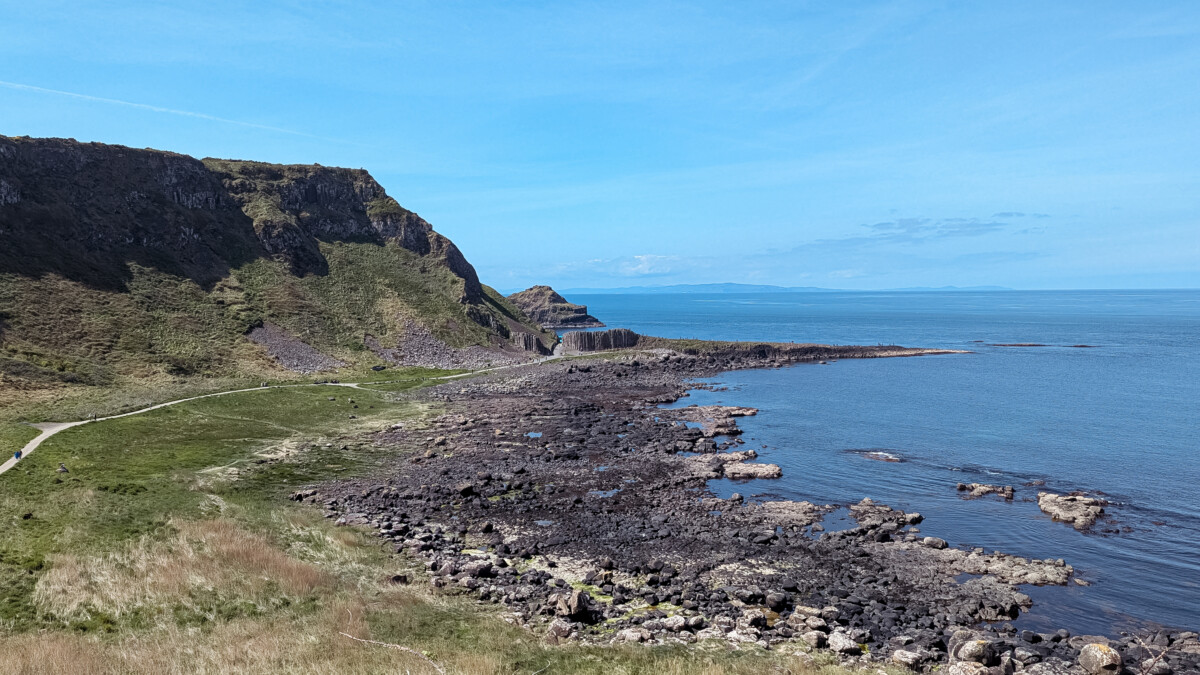
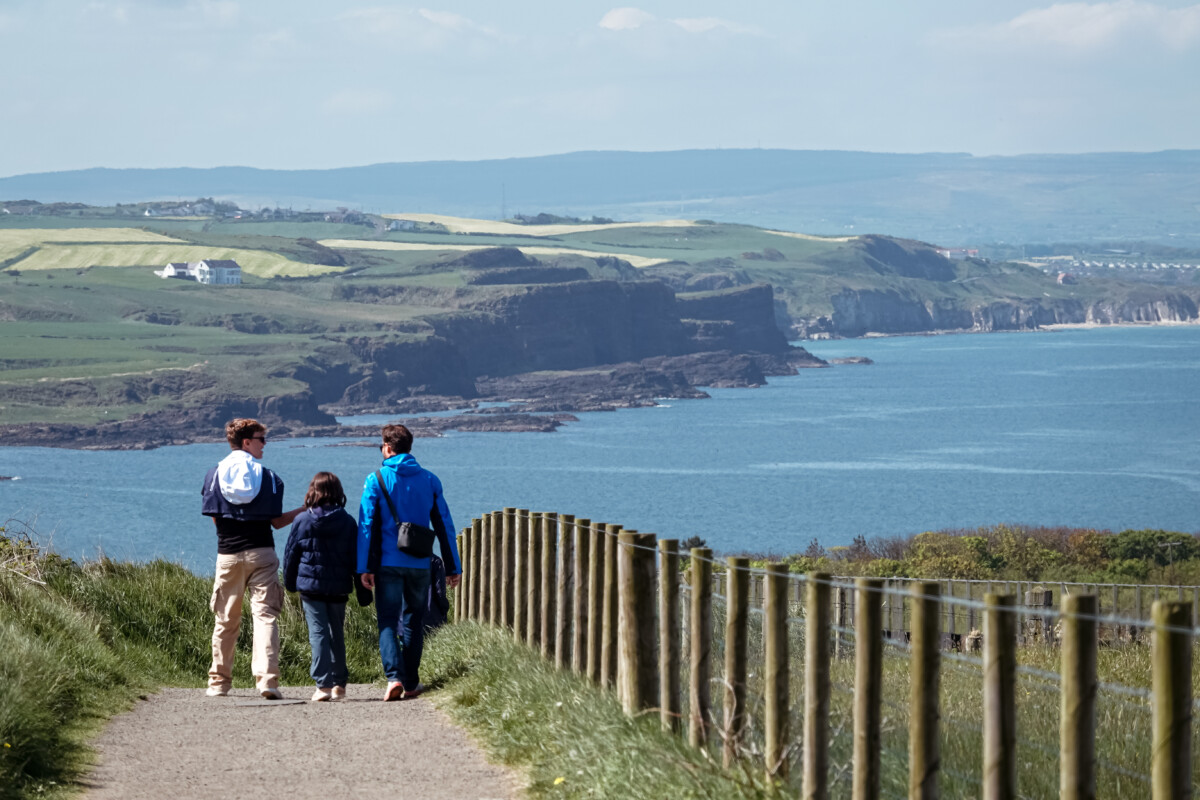
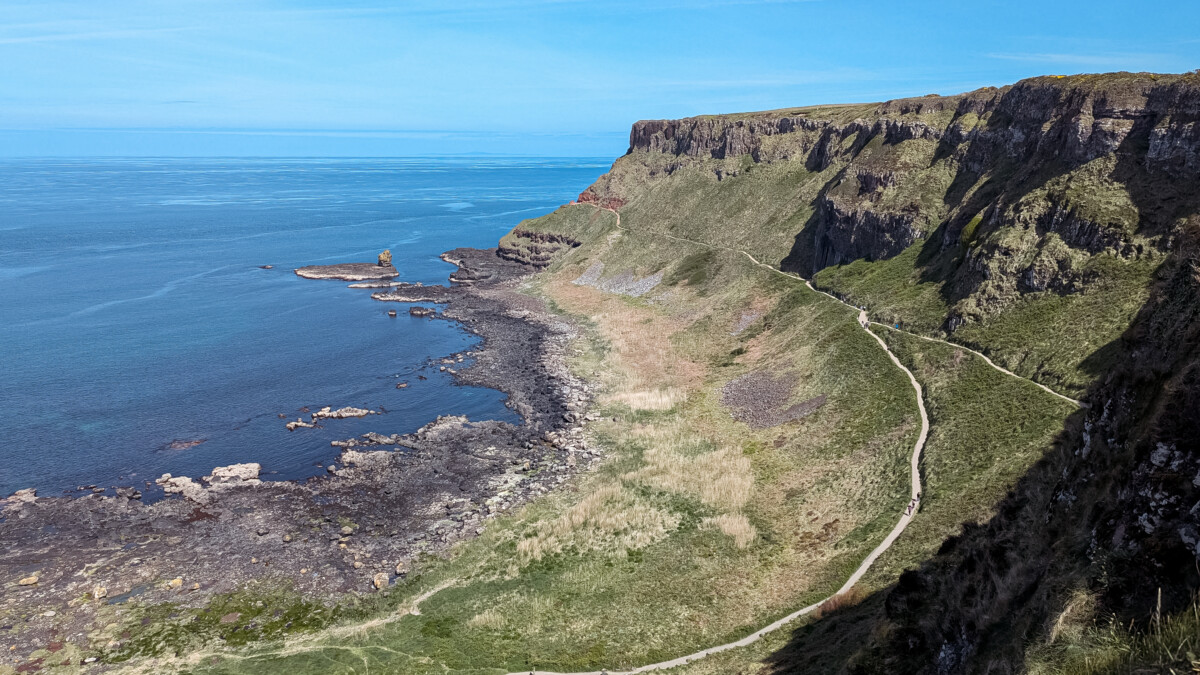
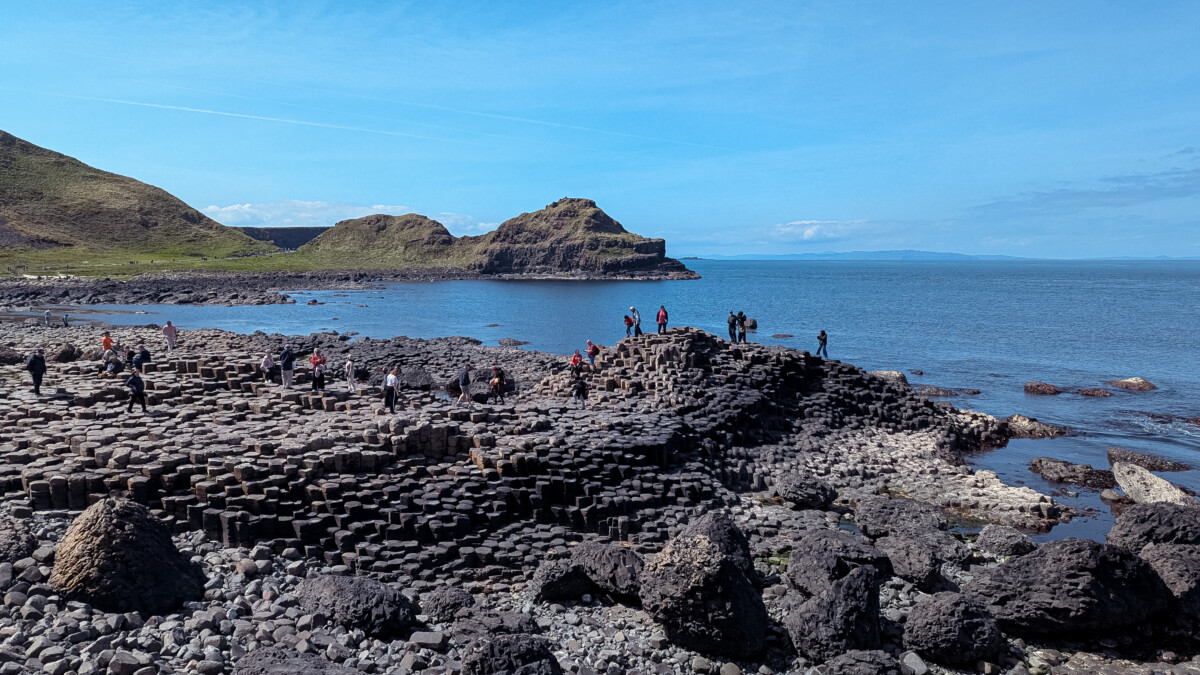
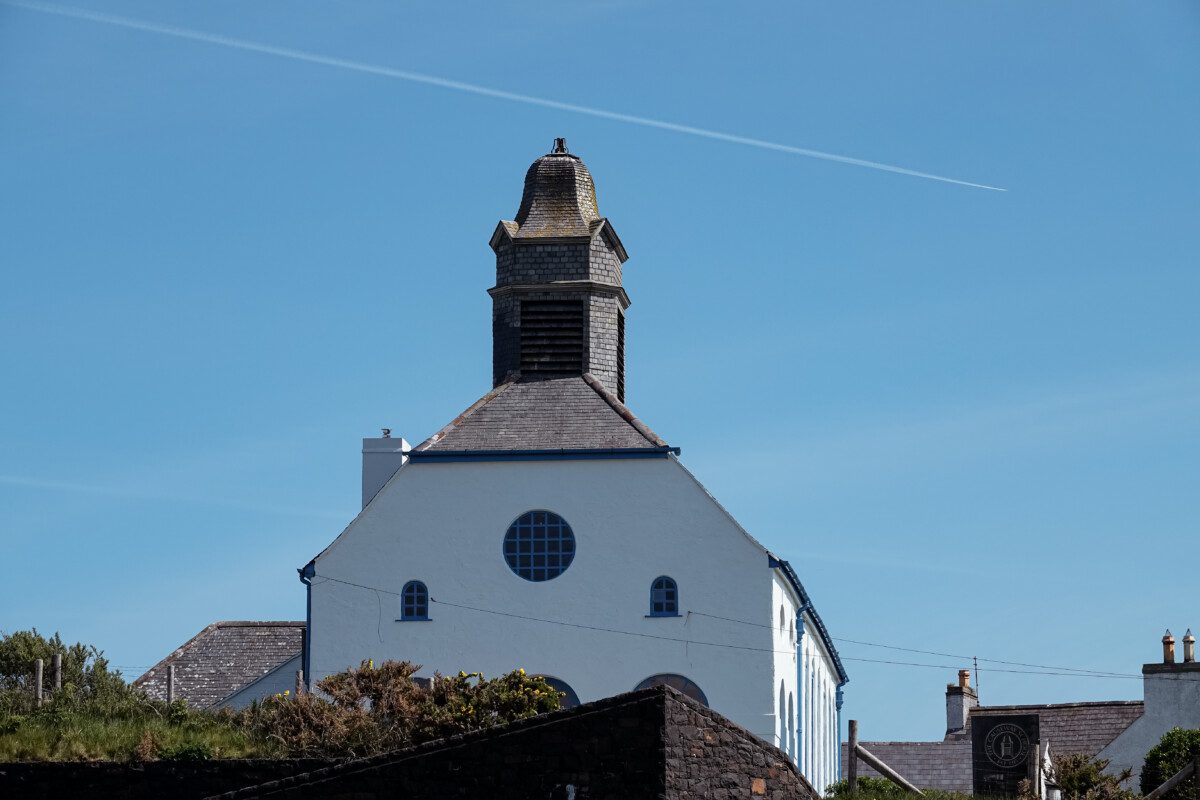
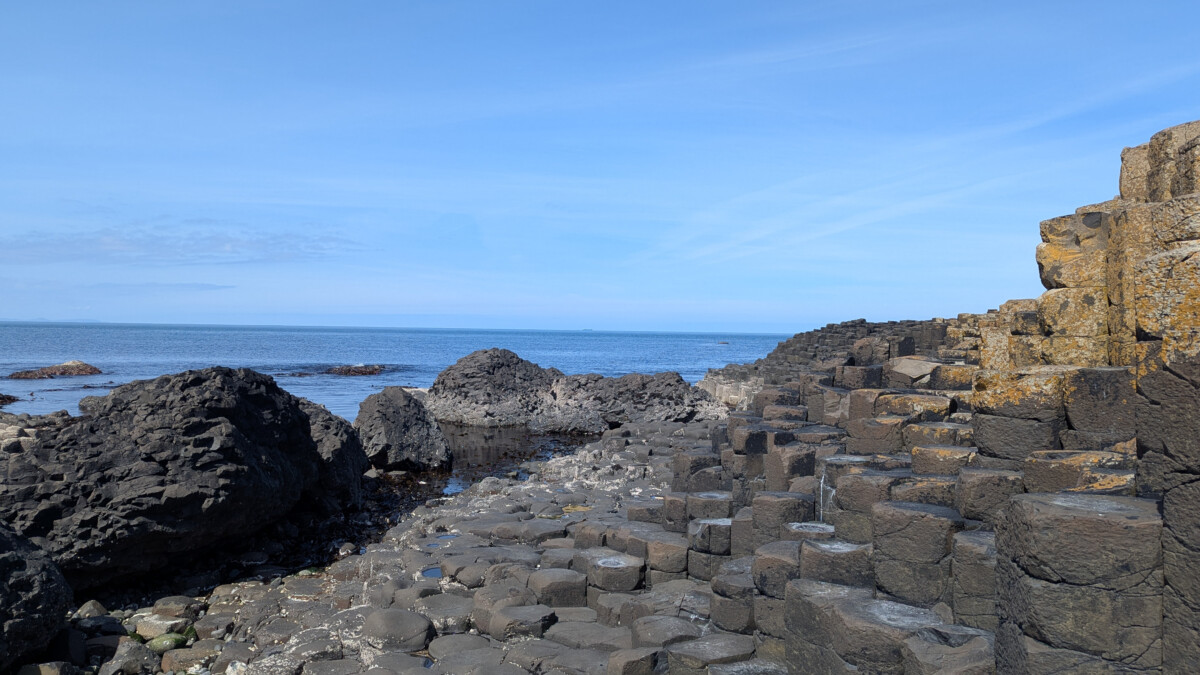
Much more than just a geological curiosity, the Giant’s Causeway is above all a landscape. One of those places where you immediately understand why certain regions of Ireland hold such a special place in the collective imagination.
A few ideas to extend your trip
The Causeway Coastal Route represents only a small part of Northern Ireland’s riches.
Just a few kilometers from the coast, Belfast is well worth a day or two to discover its recent history, industrial heritage and changing neighborhoods. Further west, the walled city of Derry offers another glimpse into the region’s complex history.
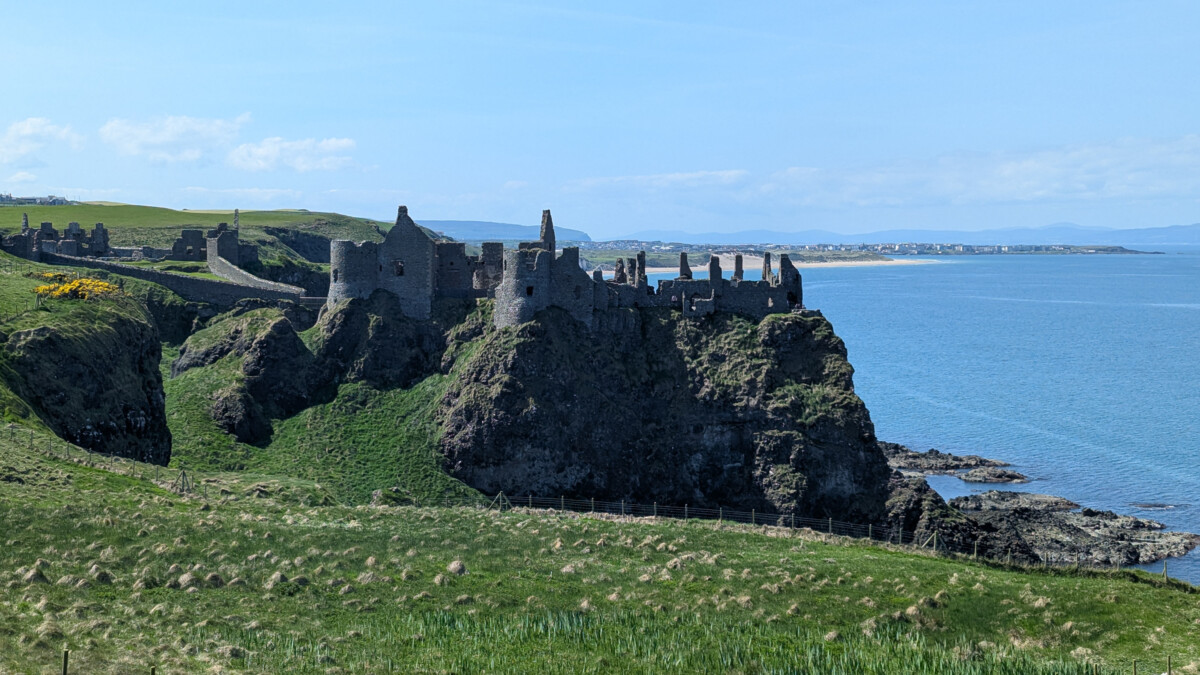
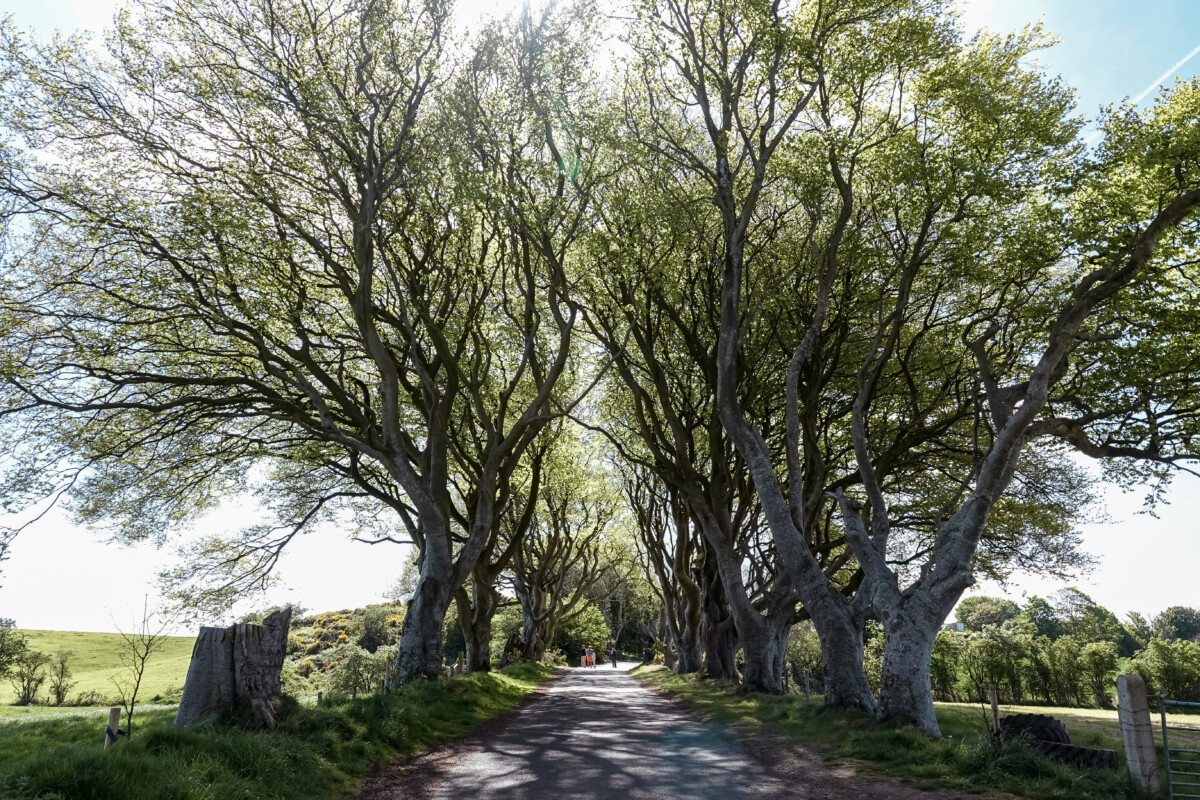
Fans of spectacular scenery can also stop off at the ruins of Dunluce Castle, perched atop the cliffs, or take the famous Dark Hedges walkway, made famous by the Game of Thrones series.
For those with more time on their hands, the route can easily be extended to neighboring Donegal. The cliffs of Slieve League, Mount Errigal, wild beaches and isolated valleys make up one of the most spectacular itineraries on the whole island.
Read also
- Sligo: between ocean, mountains and Celtic legends
- Discover the West of Ireland on the Wild Atlantic Way
- Donegal: the wildest Ireland
Between cliffs battered by the Atlantic, small fishing ports, wild islands and ancestral legends, the Causeway Coastal Route reveals a singular facet of Ireland. More compact than the Wild Atlantic Way, it nevertheless concentrates a remarkable diversity of landscapes and experiences over just a few hundred kilometers.
If this region inspires you, don’t hesitate to contact us to design a personalized itinerary through Northern Ireland’s most beautiful landscapes.