In the far north-west of Ireland, Donegal seems to live at its own pace. Wilder, more isolated and often less visited than the country’s major tourist areas, this county offers some of the island’s most spectacular scenery.
Here, roads wind through remote valleys, along almost deserted beaches and wind at the foot of mountains that dominate the horizon. The cliffs rival Ireland’s most famous landmarks, while the villages still seem deeply attached to their traditions.
Long off the beaten tourist track, Donegal now attracts travelers in search of nature, wide open spaces and a more authentic Ireland. A region where every detour offers a new panorama, and where the feeling of being at the end of the world is never far away.
Donegal in a nutshell
Located in the historic province of Ulster, Donegal is the most northerly county in the Republic of Ireland. Paradoxically, it is more closely linked to the rest of the country by Northern Ireland than by other Irish counties, which contributes to its unique and relatively unspoilt character.
The area is marked by a great diversity of landscapes: some of Europe’s highest cliffs, white sandy beaches, mountains, lakes, peat bogs and glacier-fed valleys make up a spectacular backdrop that constantly changes as you drive along.
Donegal is also one of the country’s major Gaeltacht regions, where the Irish language is still very much alive. This strong cultural identity contributes greatly to the region’s charm and authenticity.
Donegal in practice
How to get to Donegal
Situated in the far north-west of Ireland, Donegal is most often reached from Dublin, accessible thanks to numerous direct air links from Belgium and France. Depending on which part of the county you’d like to explore, it’s a three- to four-hour drive.
Donegal is also easily integrated into an itinerary that includesNorthern Ireland. From Derry, the first landscapes of the county are only a few kilometers away, providing a natural extension to a trip along the Causeway Coastal Route.
When to go to Donegal?
The period between April and October is generally the best time to discover Donegal. The days are longer, hiking conditions more favorable and the roads offer particularly spectacular panoramas.
Spring is seductive for its luminosity and moderate visitor numbers, while summer is a time to take full advantage of beaches, cliffs and wide-open spaces. The off-season is equally charming, with more contrasting light and an even wilder atmosphere.
As everywhere in Ireland, it’s best to bring a waterproof jacket: weather changes are part of the trip.
Getting around Donegal
A car is essential to fully explore the region.
The distances may seem modest on a map, but the roads cross coastal and mountainous landscapes that regularly invite you to slow down. Much of Donegal’s charm lies in these impromptu detours to a secluded beach, an unexpected viewpoint or a remote valley.
As in the rest of Ireland, driving is on the left.
Where to stay in Donegal?
Donegal lends itself particularly well to an itinerant journey punctuated by several stages.
The area around Donegal Town is an excellent base for exploring the south of the county and the Slieve League cliffs. Further north, Dunfanaghy, Gweedore and Letterkenny offer easy access to Glenveagh National Park, Mount Errigal and the magnificent beaches of the Atlantic coast.
Family-run guesthouses, charming hotels and old country homes all contribute to the experience, and often reveal some of the region’s best-kept secrets.
What to see in Donegal
Donegal is often described as one of Ireland’s wildest regions. After just a few kilometers on its winding roads, it’s easy to see why.
Vertiginous cliffs, isolated mountains, sandy beaches, glacial valleys and small villages facing the ocean make up a territory where nature still seems to dominate. Here, more than anywhere else, the journey is built as much around the great sites as the landscapes encountered along the way.
Glengesh Pass & the landscapes of south Donegal
For many travellers, discovering Donegal really begins at Glengesh Pass.
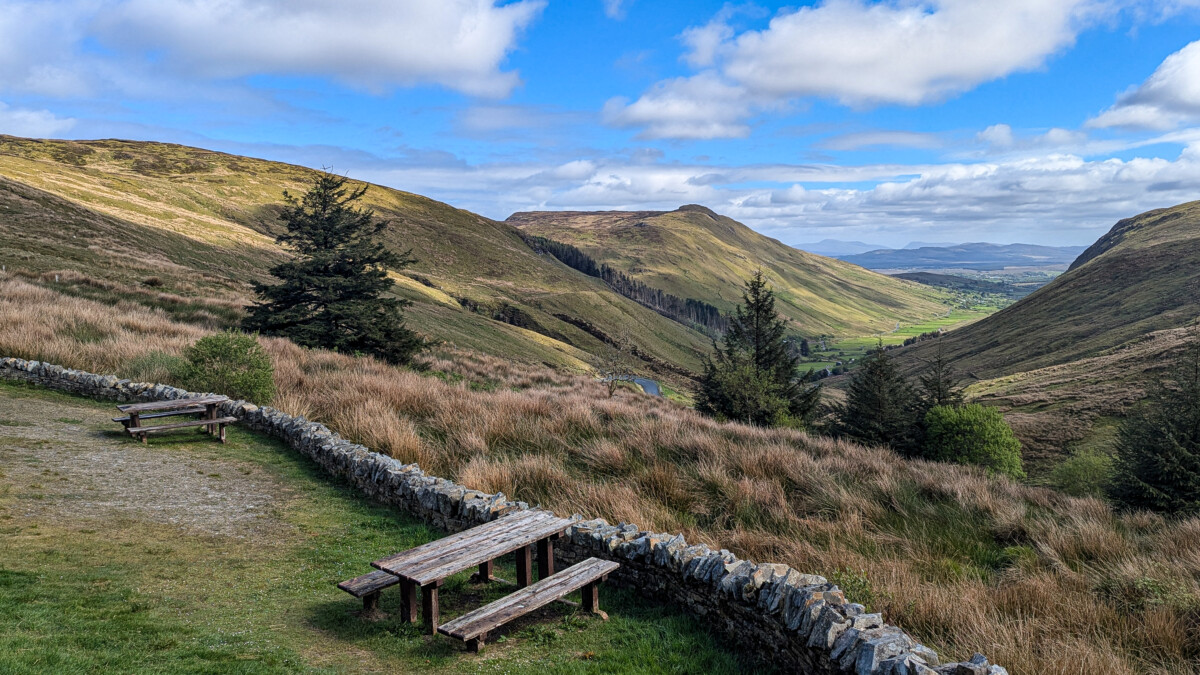
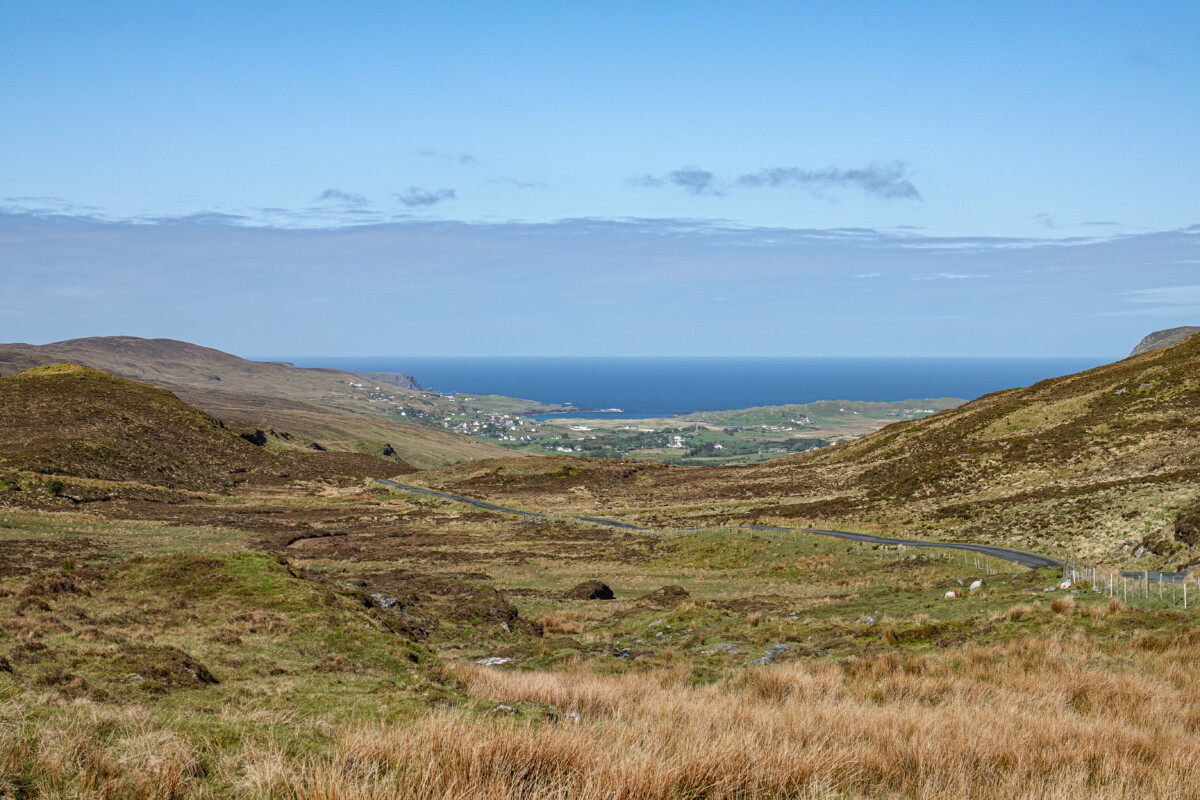
This mountain road winds through one of the county’s most spectacular valleys. From the main viewpoint, you can admire a landscape shaped by glaciers, where hills, peat bogs and green valleys follow one another as far as the eye can see.
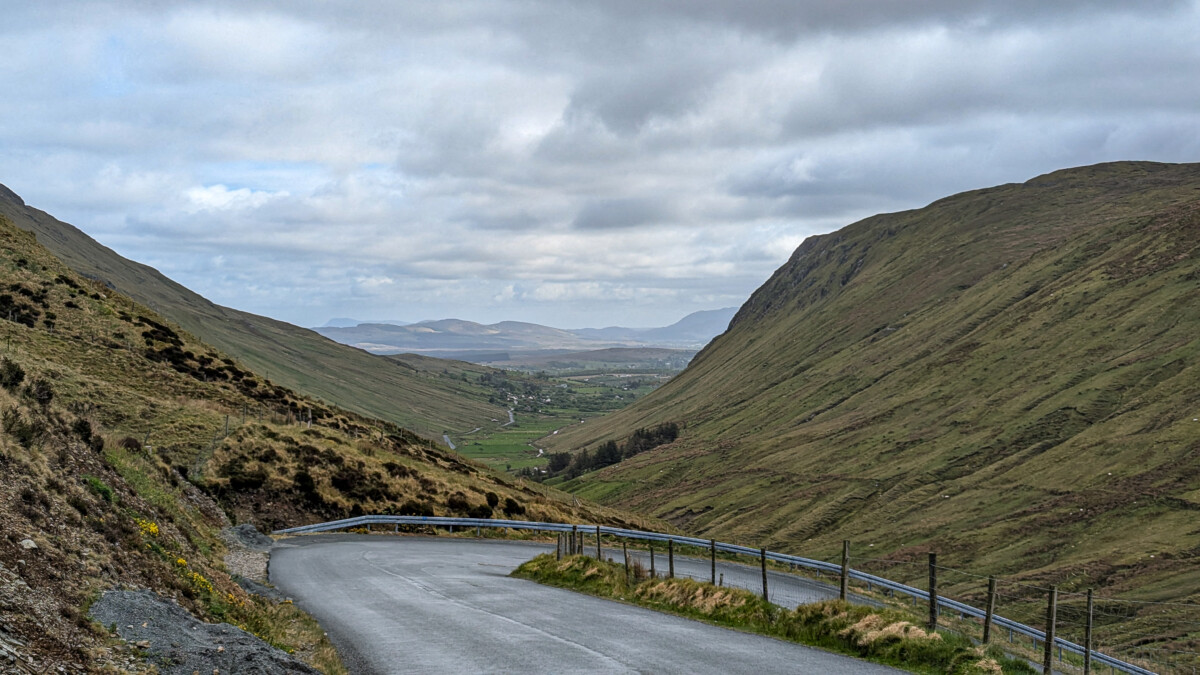
In changing weather, the clouds play with the relief and continually transform the colors of the landscape. Shades of green, brown and purple create one of those typically Irish settings that seem to have inspired so many postcards. The Glengesh Pass also offers an excellent glimpse of what makes Donegal so special: vast, sparsely inhabited spaces where nature still takes center stage.
Glencolumbkille & Silver Strand
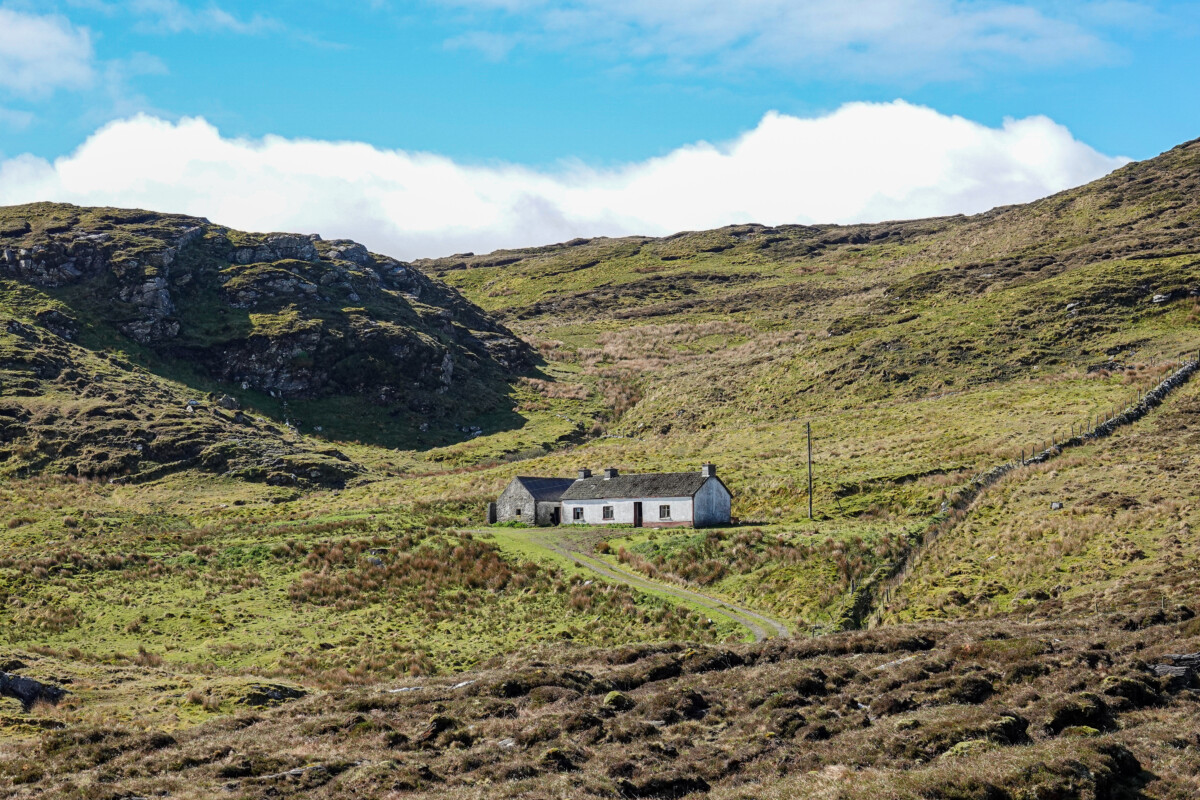
On Donegal’s south-west coast, the small village of Glencolumbkille marks the entrance to a particularly unspoilt region.
Surrounded by hills and facing the Atlantic, this Gaelic village retains an authentic atmosphere that perfectly reflects the region’s cultural identity. The Irish language is still very much alive here, and the surrounding landscapes sometimes seem timeless.
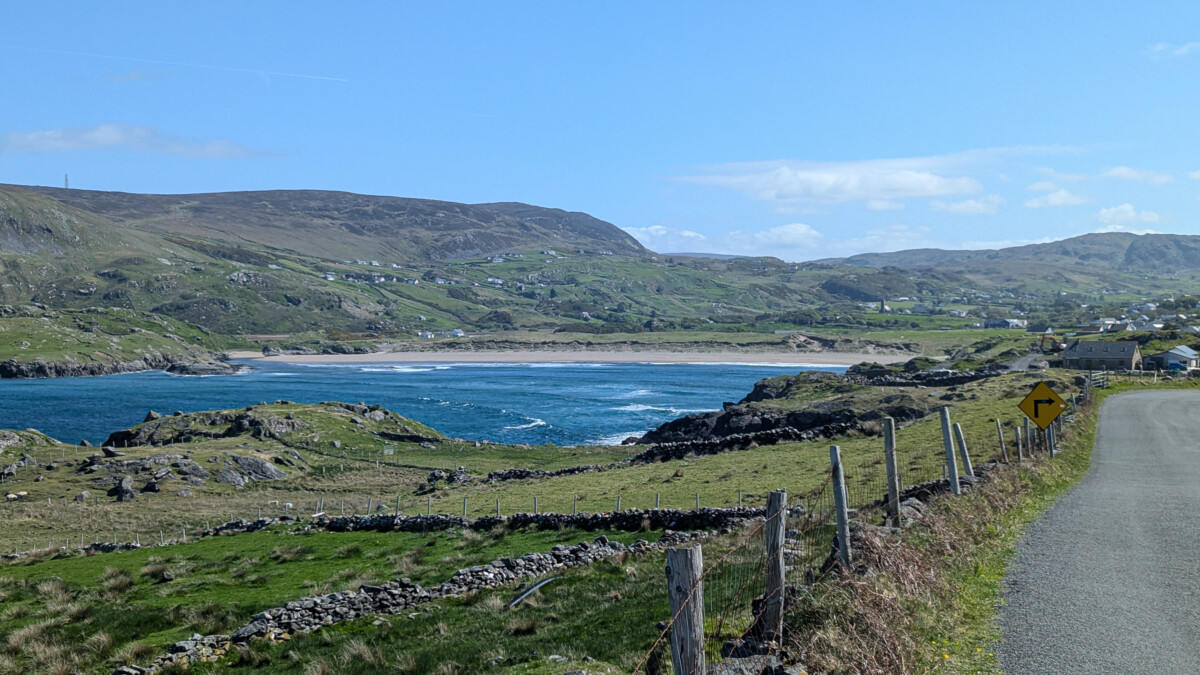
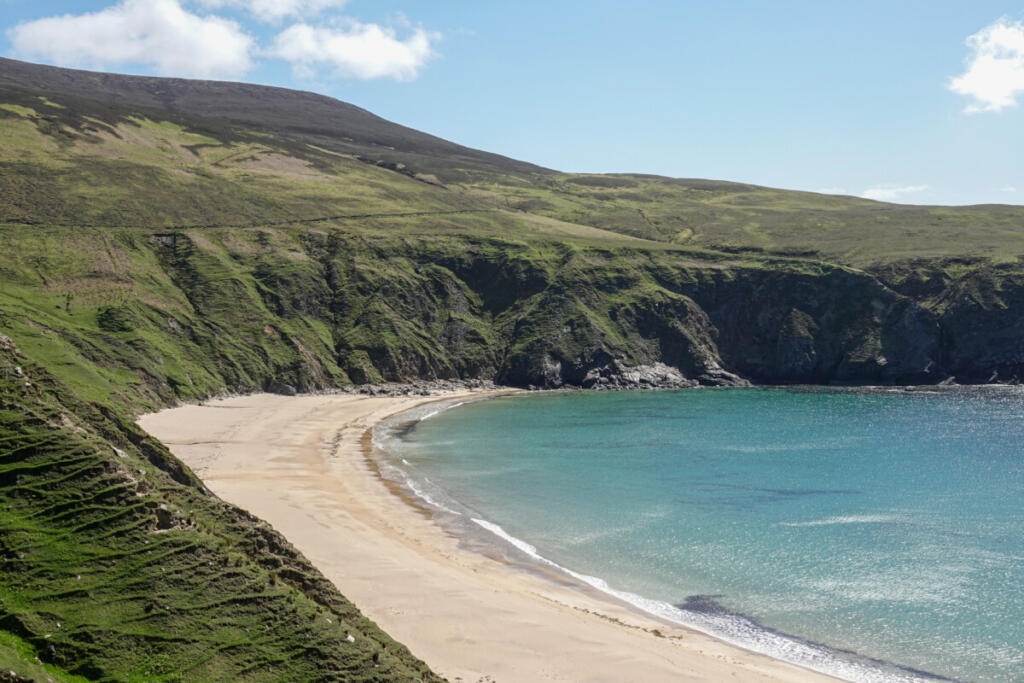
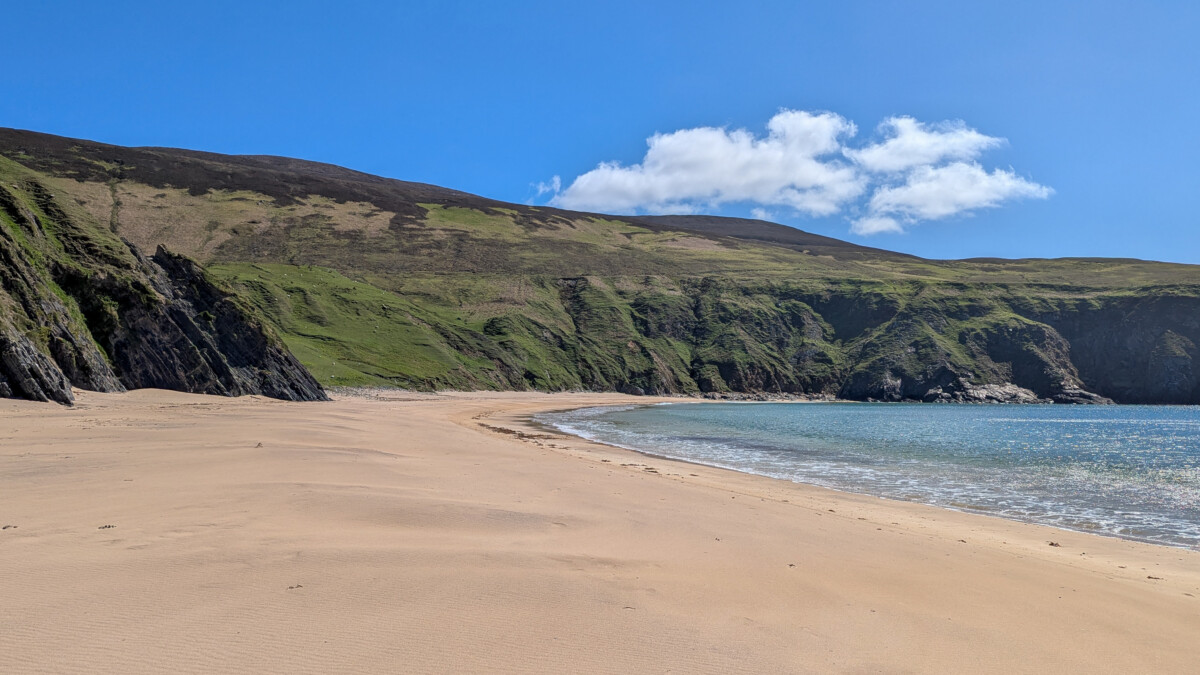
Only a few kilometers away is Silver Strand, often considered one of Ireland’s most beautiful beaches. Nestling at the foot of high cliffs, this crescent-shaped beach boasts clear sands and waters whose colors change constantly with the light.
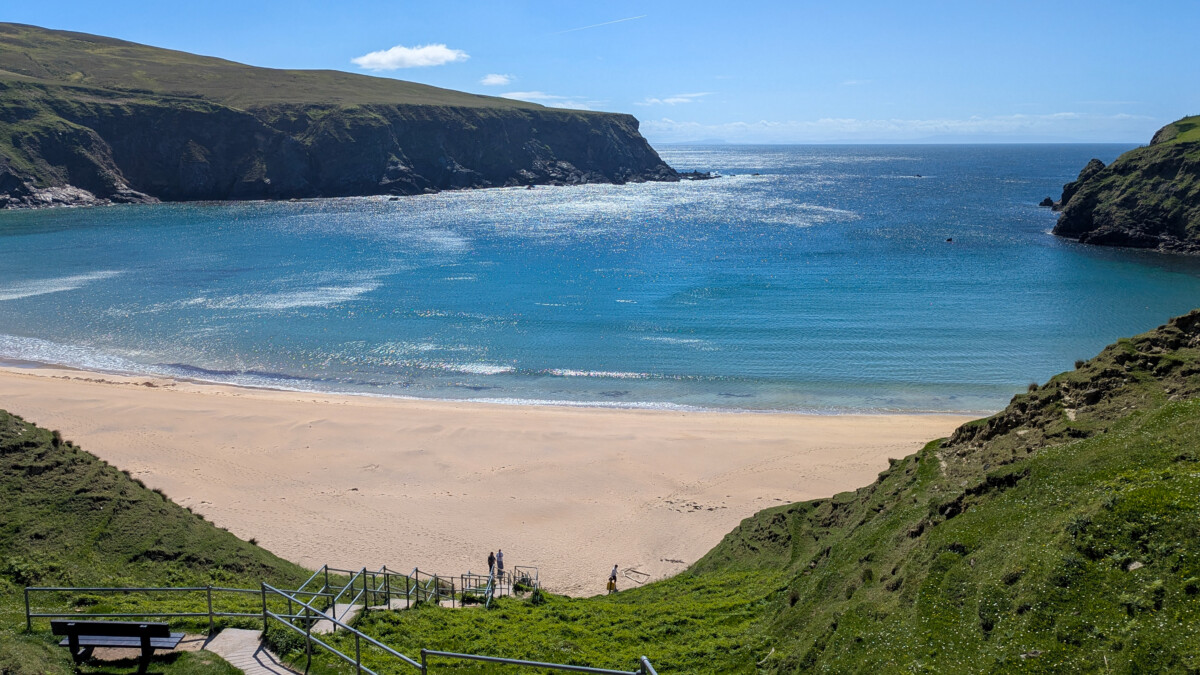
Access requires a little effort, but the reward is well worth the effort. Viewed from the cliffs above, Silver Strand offers one of Donegal’s most spectacular panoramas.
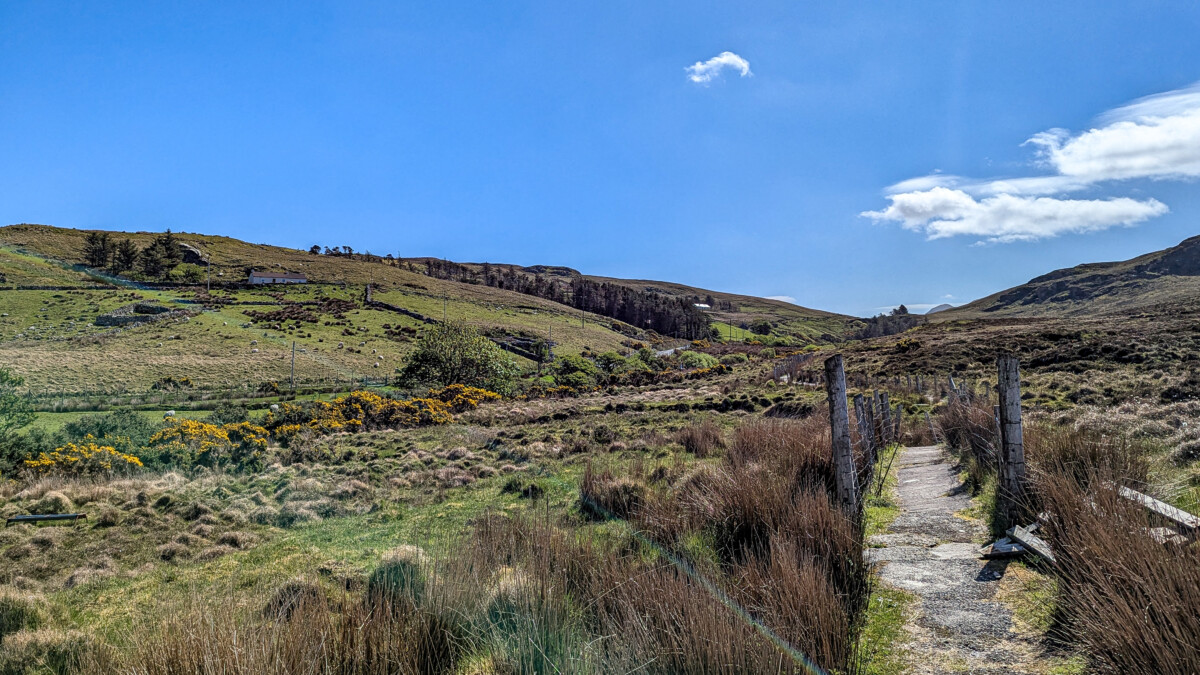
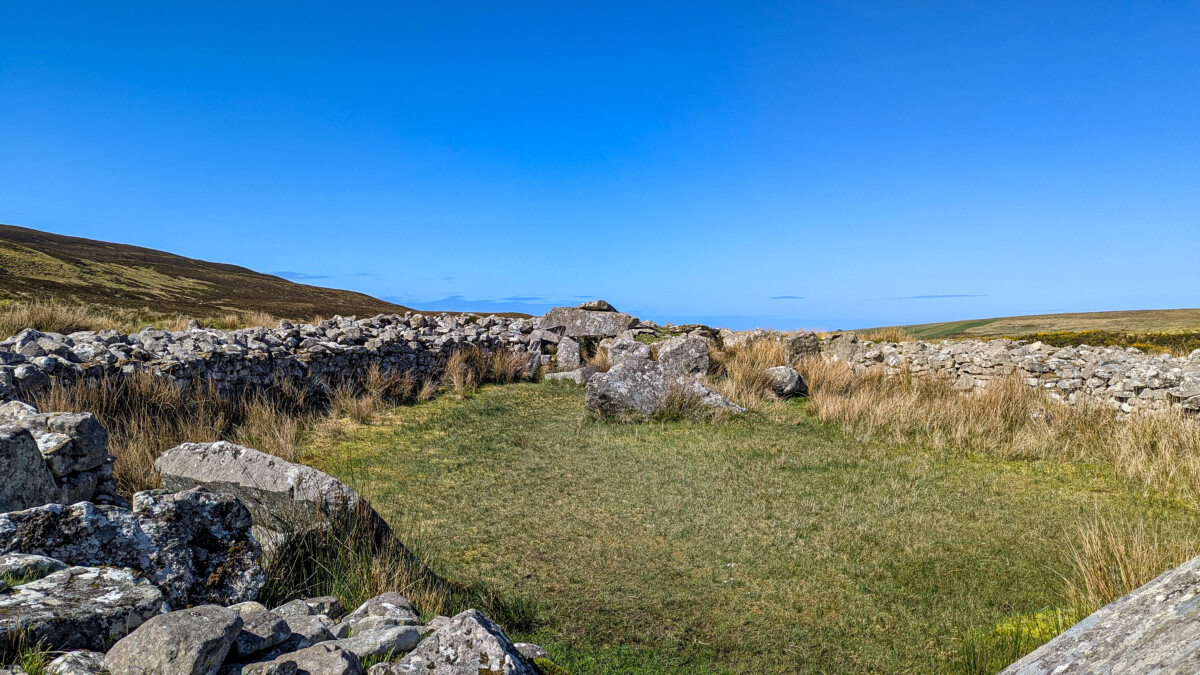
Not far away, the Cloghanmore Megalithic Tomb is another reminder that these landscapes have been inhabited for millennia. Set against the vastness of the ocean and surrounding mountains, this prehistoric remains further reinforces the sense of antiquity that characterizes the region.
The cliffs of Slieve League
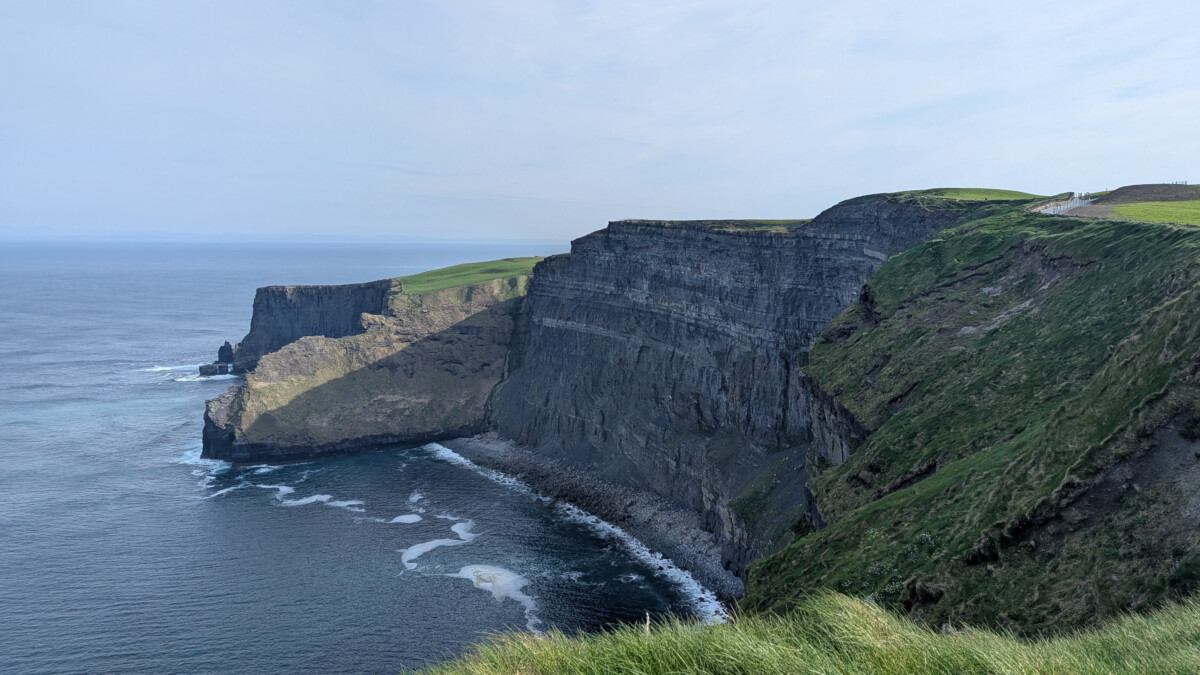
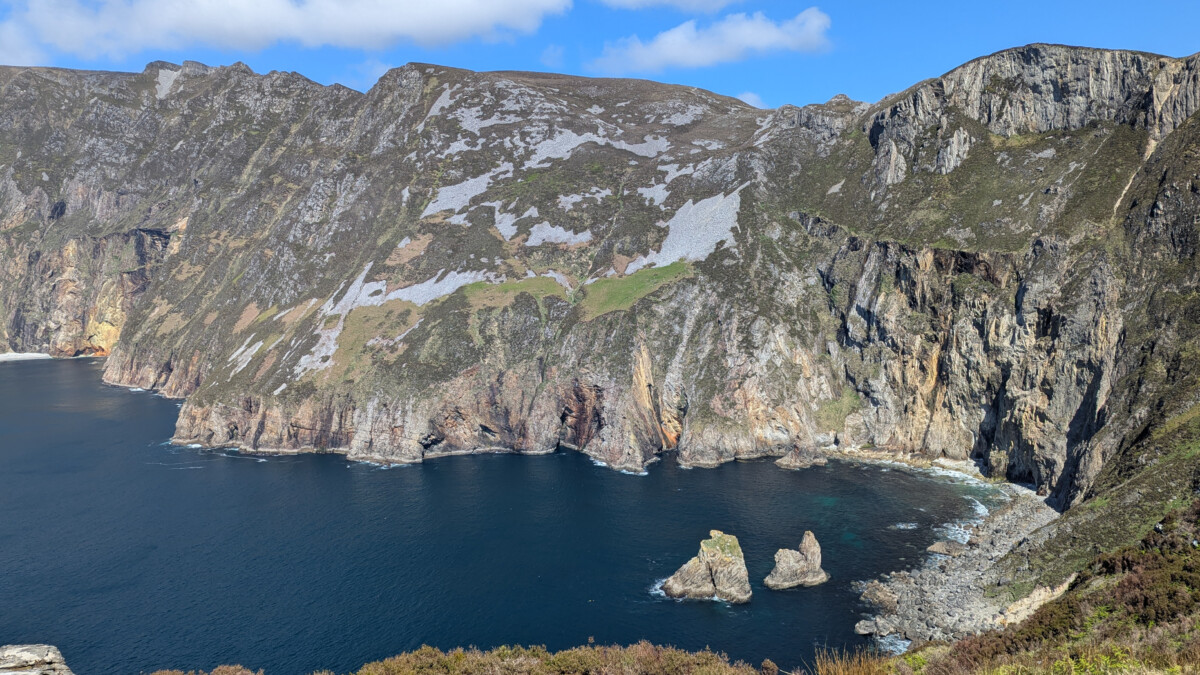
Often overshadowed by the famous Cliffs of Moher, the Slieve League cliffs are among the most impressive in Europe.
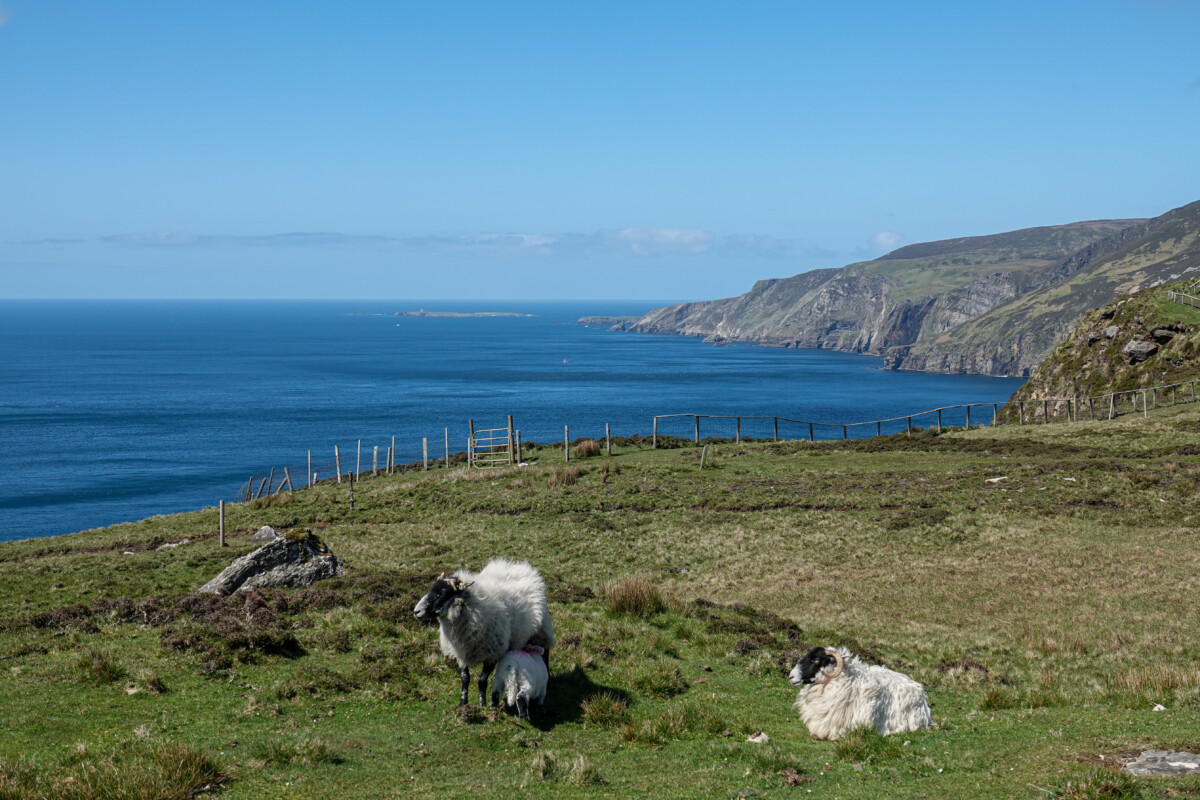
Rising more than 600 metres above the Atlantic, they are among the highest sea cliffs on the continent. Their relative discretion is one of their main assets. Here, the experience is often wilder and more intimate than elsewhere.
The road leading to the site already passes through some remarkable scenery before reaching the various viewpoints overlooking the ocean.
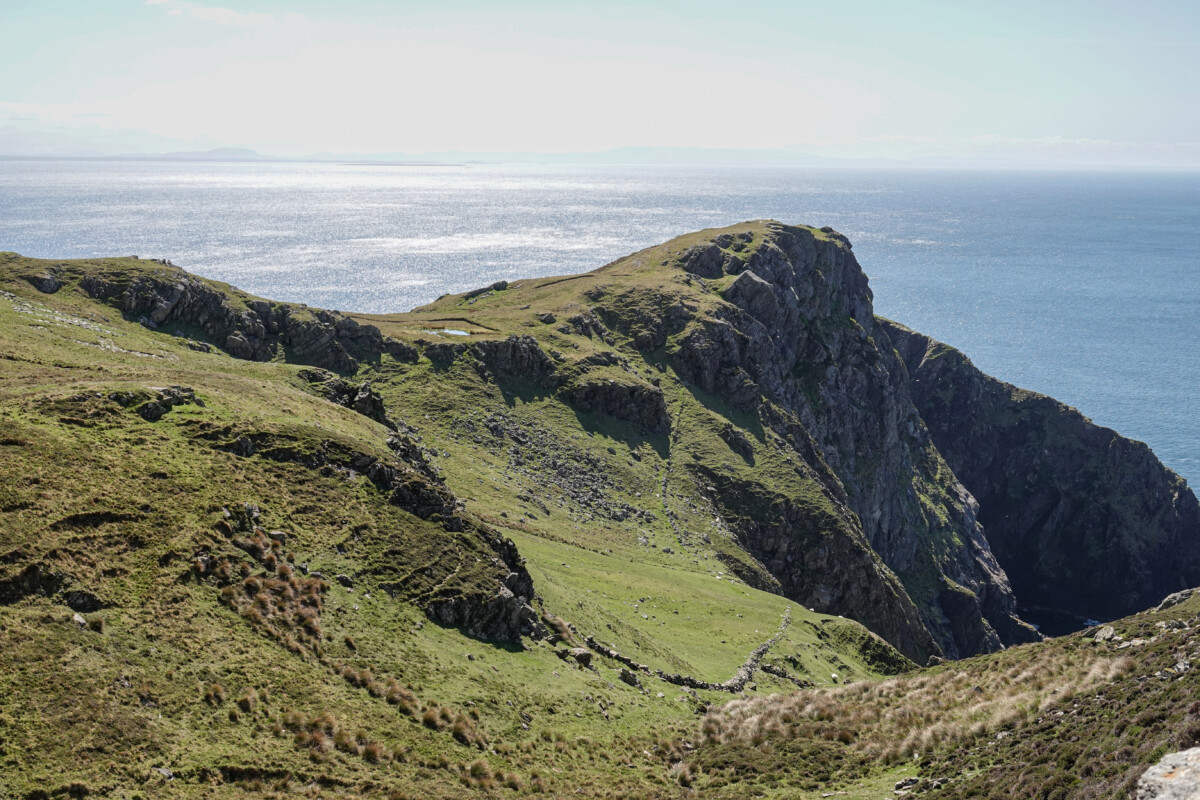
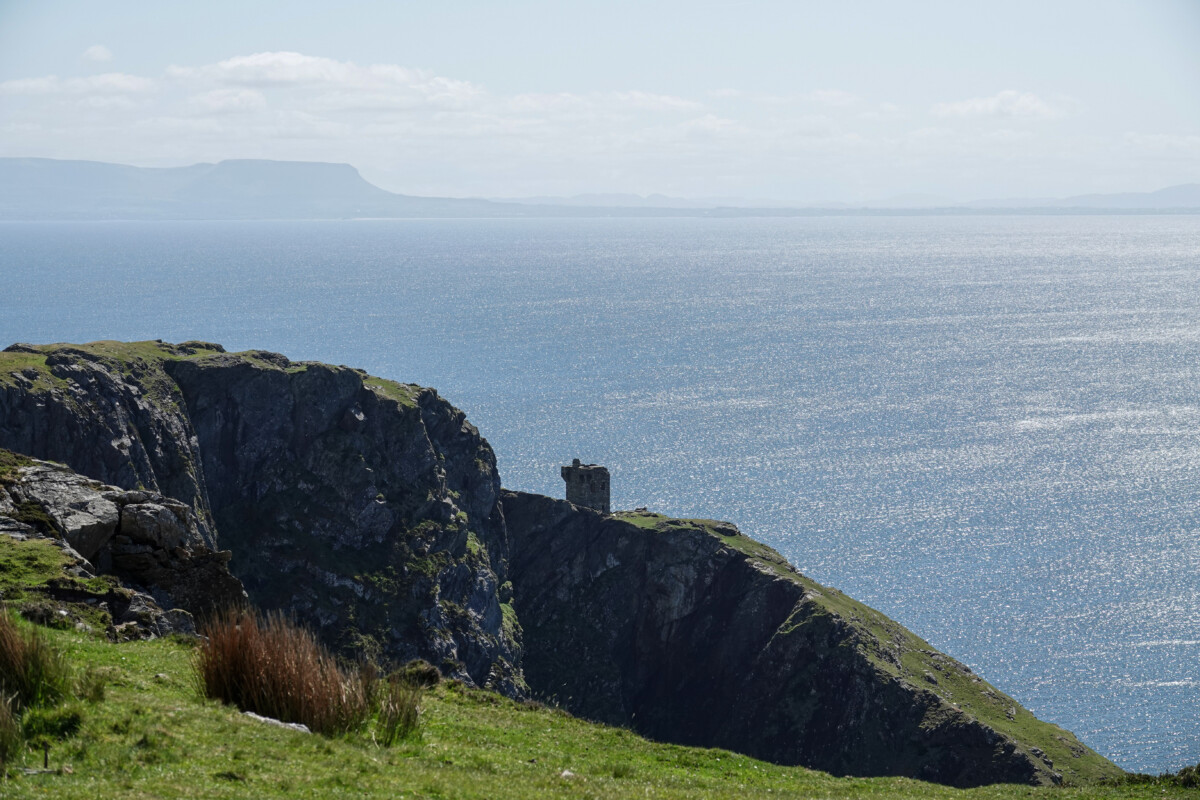
From the main platform, the immensity of the landscape is immediately apparent. The cliffs plunge steeply into the dark waters of the Atlantic, while the Donegal mountains stretch out in the background.
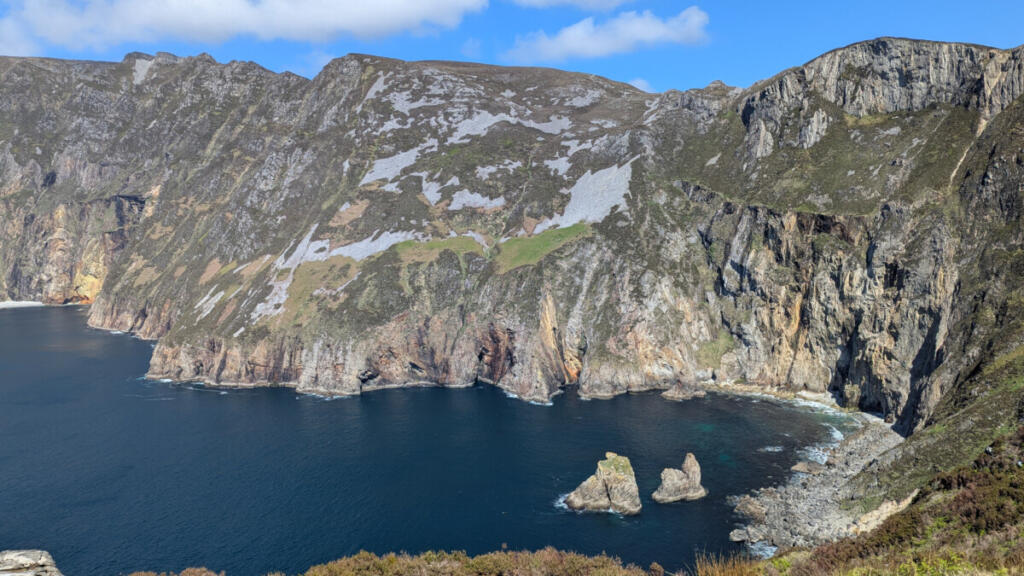
For hiking enthusiasts, there are several trails to explore the site and fully appreciate its magnitude. Changing light and weather conditions create spectacular atmospheres that make every visit a different experience.
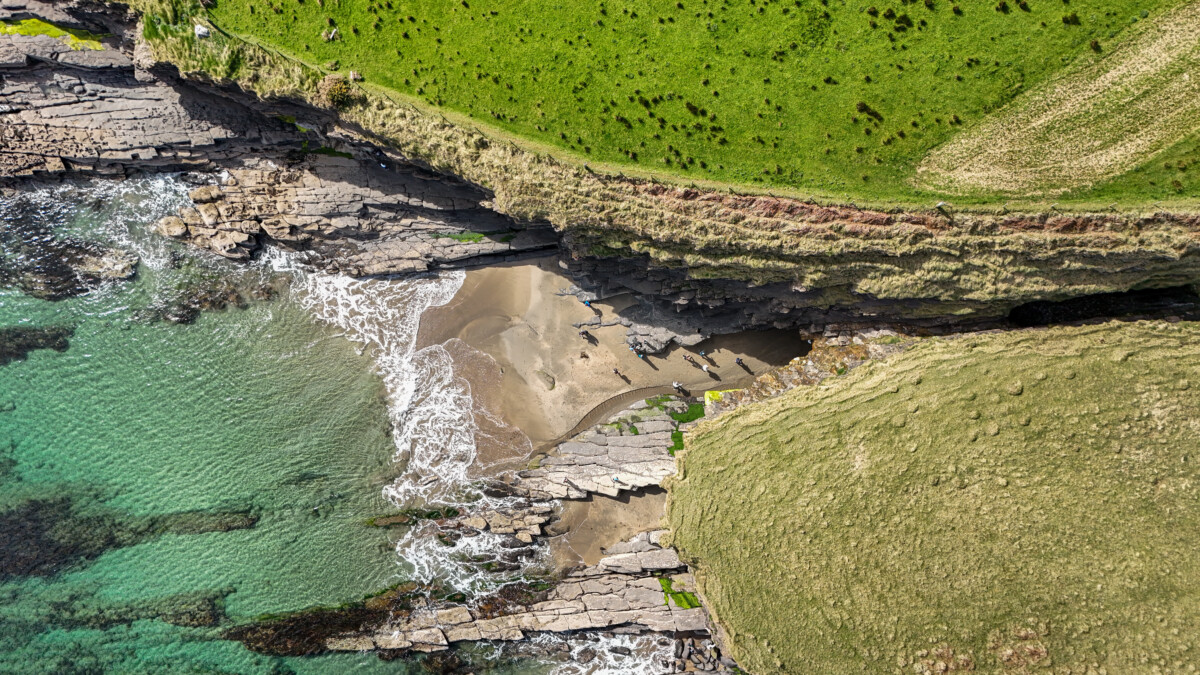
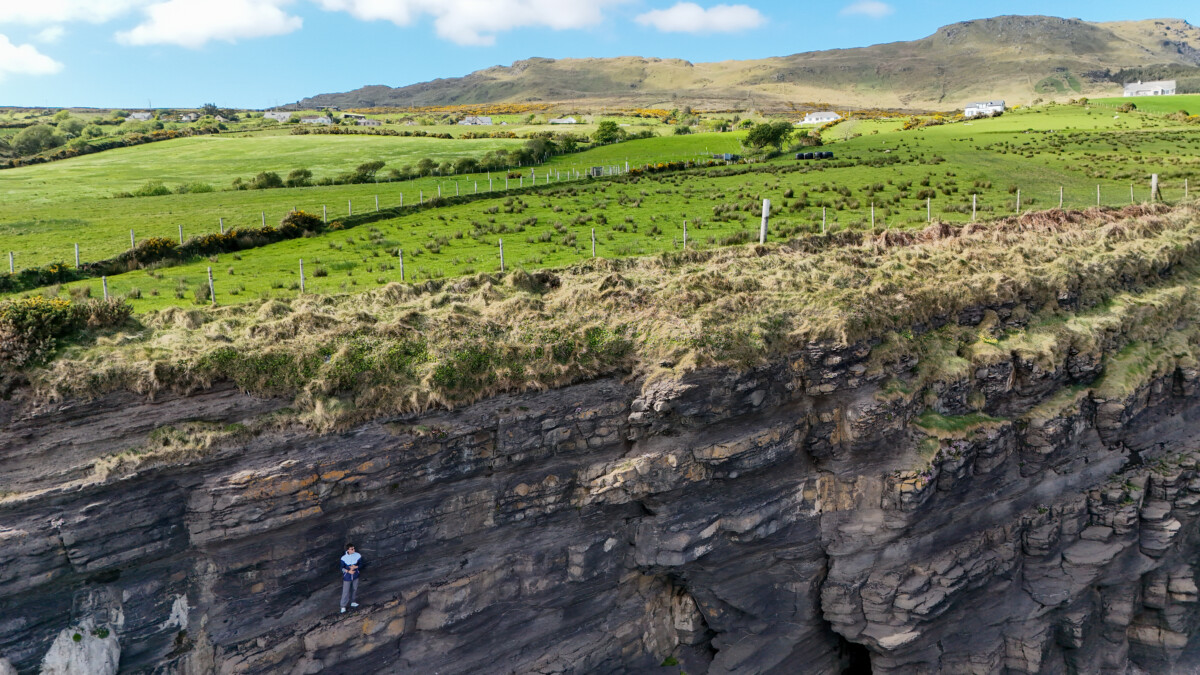
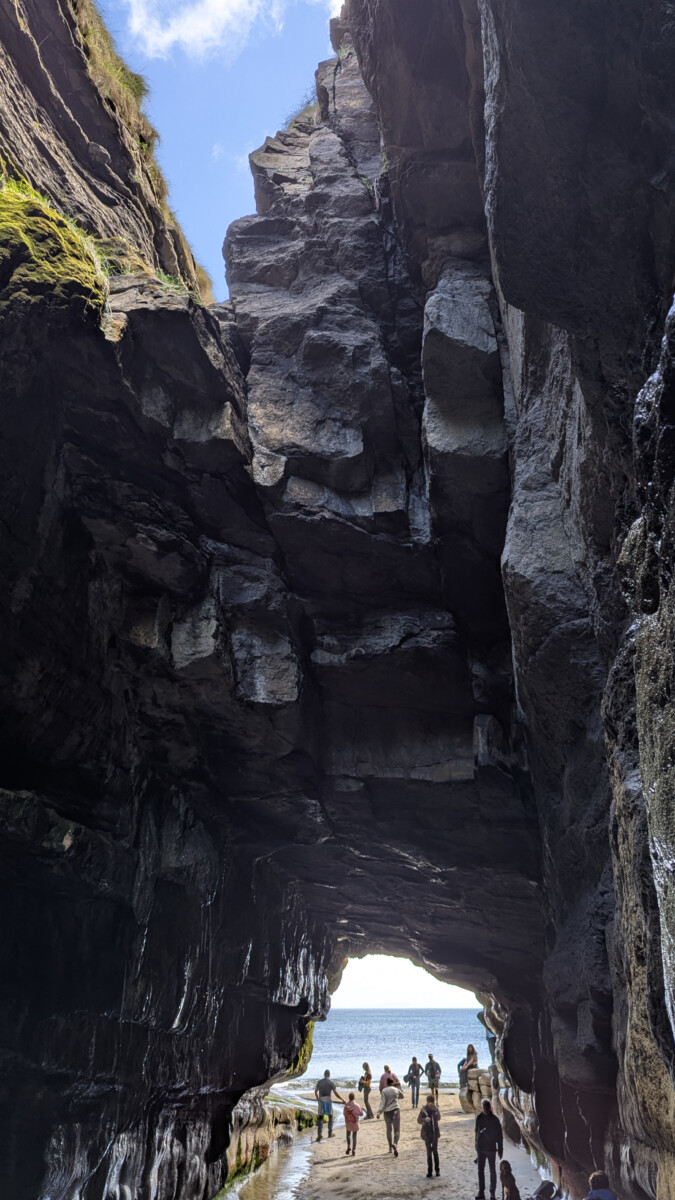
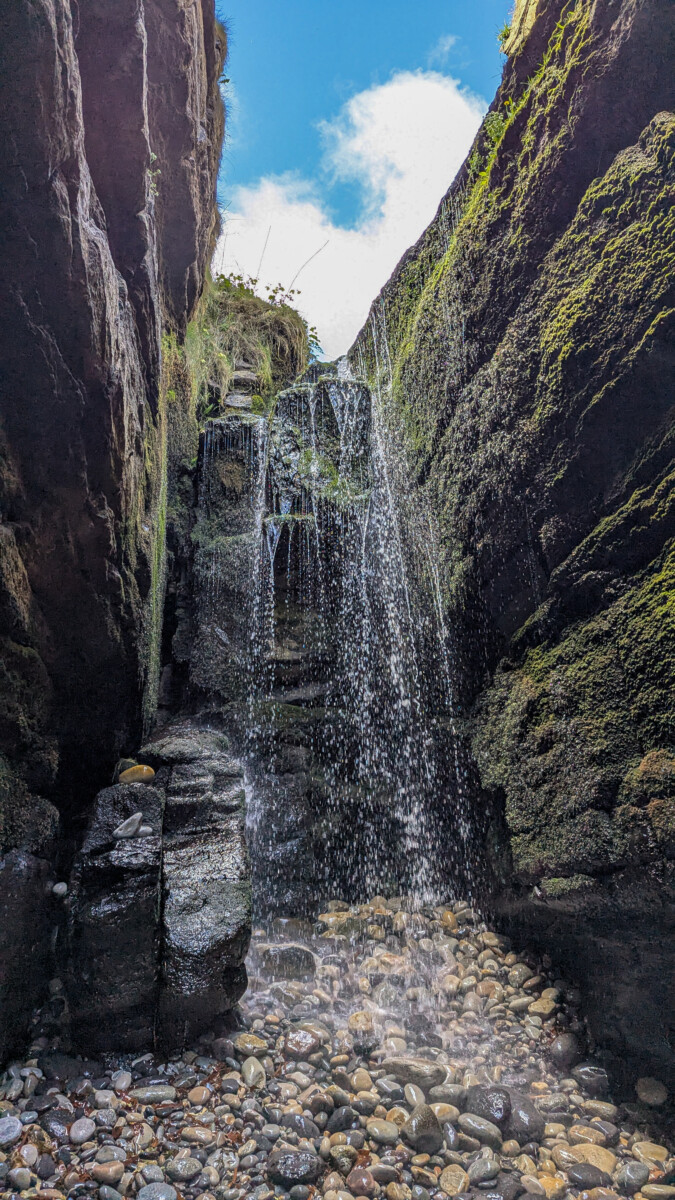
The area around Slieve League is also home to some of Donegal’s most beautiful detours. A small road leading away from the coast, an unmarked path or a waterfall emerging at the bottom of a valley are sometimes enough to create one of the most vivid memories of a trip. The Secret Waterfall is one of those discreet discoveries that perfectly illustrate the spirit of Donegal: a region where taking your time and straying from the most obvious routes is often rewarded.
Mount Errigal & the landscapes of north Donegal
At 751 meters above sea level, Mount Errigal is not the highest peak in Ireland, but it is undoubtedly one of the most recognizable.
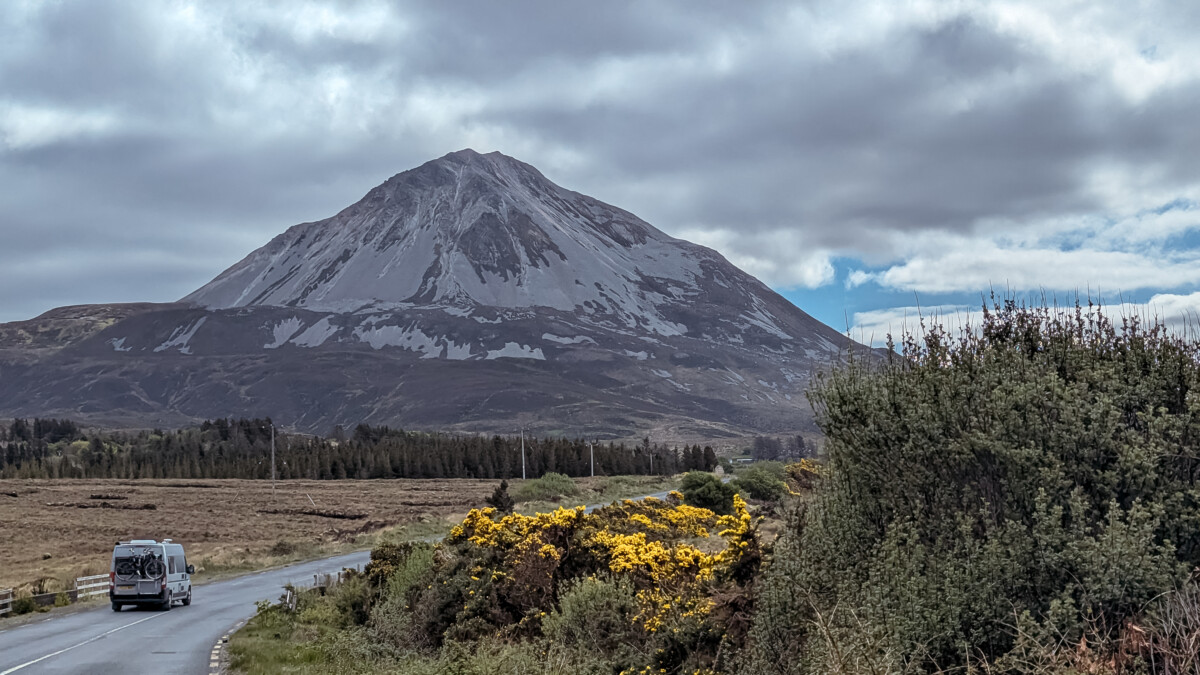
Its pyramidal silhouette dominates the landscape of northern Donegal, and is often used as a landmark by travellers exploring the region. Depending on the time of day and weather conditions, its slopes take on very different hues, ranging from silvery-grey to golden when the light hits the quartzites that make up the mountain.
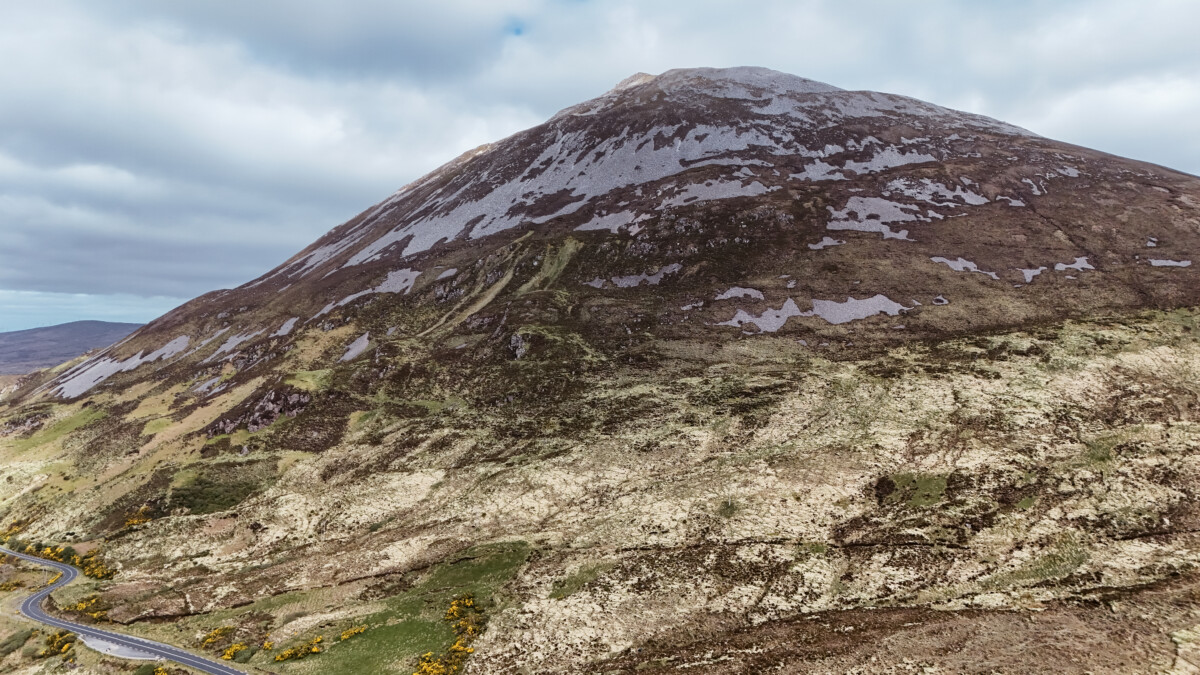
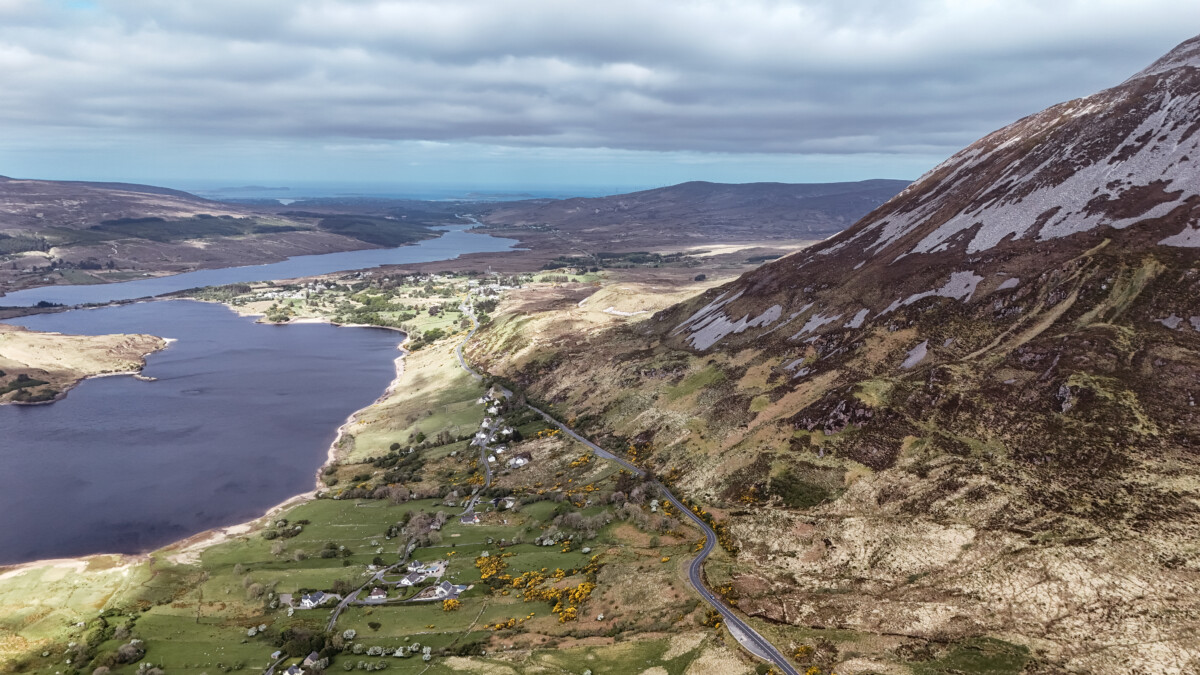
The area around Errigal is one of the county’s most beautiful landscapes. Lakes, peat bogs, glacial valleys and rugged coastlines make up a spectacular backdrop that perfectly illustrates Donegal’s raw beauty.
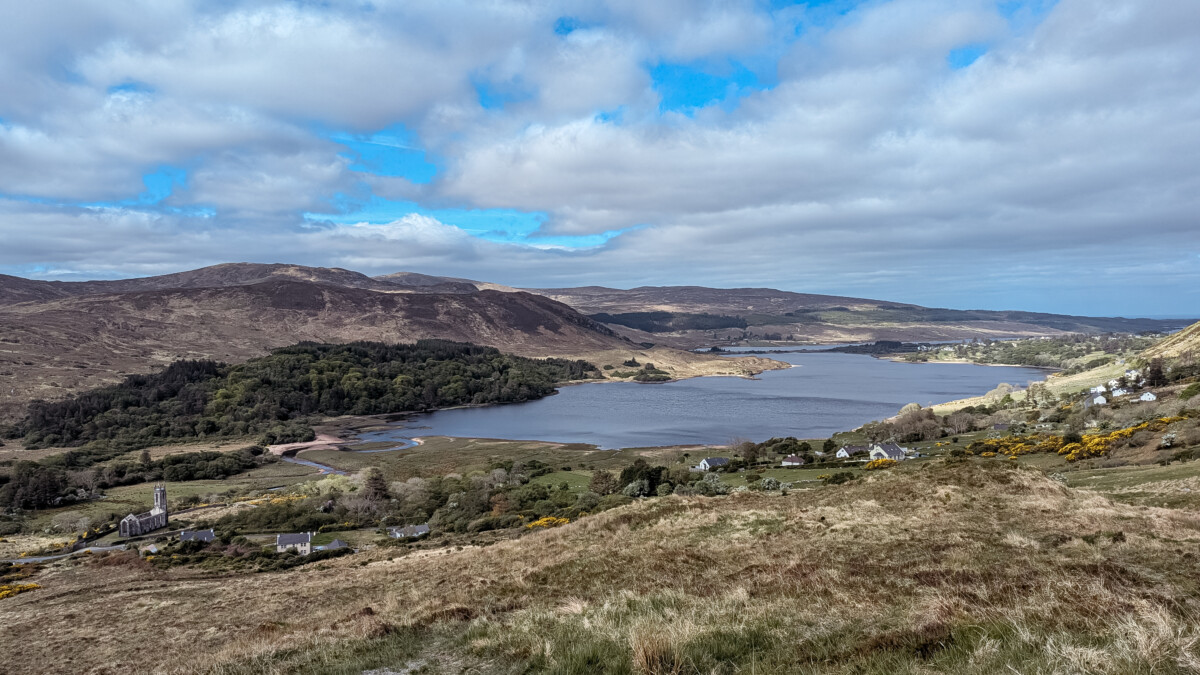
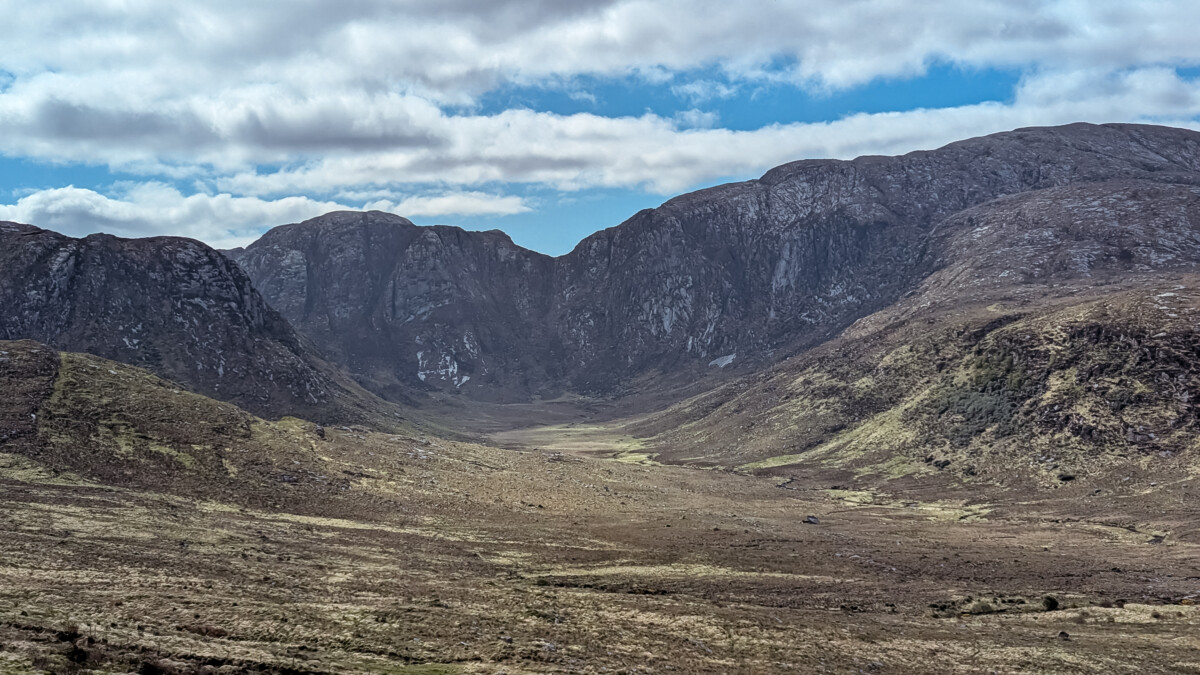
Even if you don’t climb to the summit, the many viewpoints accessible by road allow you to take full advantage of this iconic landscape.
Glenveagh Castle & National Park
In the heart of Glenveagh National Park lies one of Donegal’s most surprising places.
Surrounded by mountains, forests and lakes, Glenveagh Castle almost seems to have emerged from another time. Built in the late 19th century, this Scottish-style castle blends perfectly into its natural surroundings.
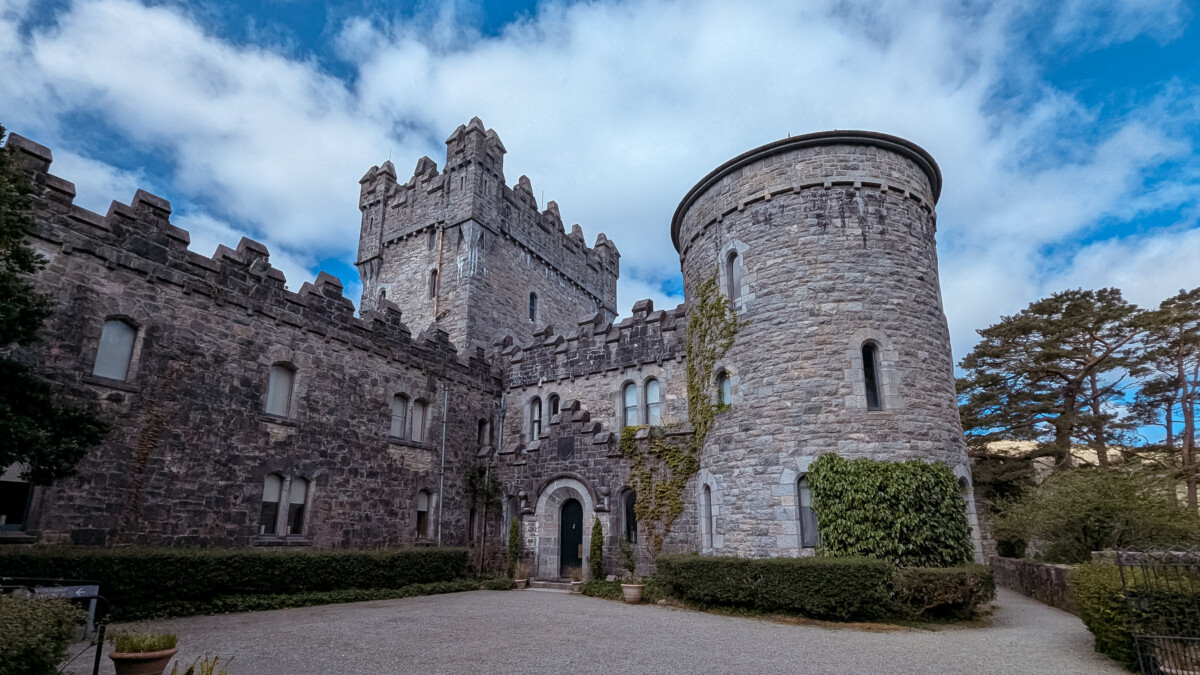
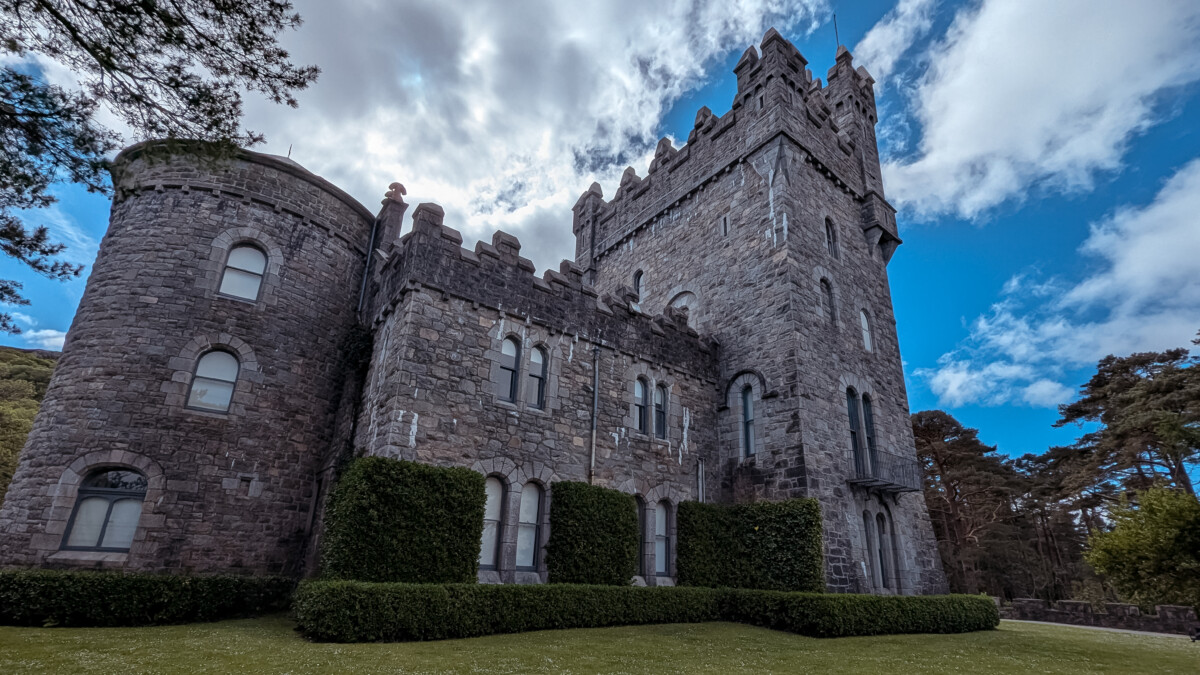
The estate covers several thousand hectares and is one of Ireland’s most beautiful protected natural areas. The gardens surrounding the castle contrast with the wild landscapes that surround it, creating a particularly pleasant atmosphere for visitors.
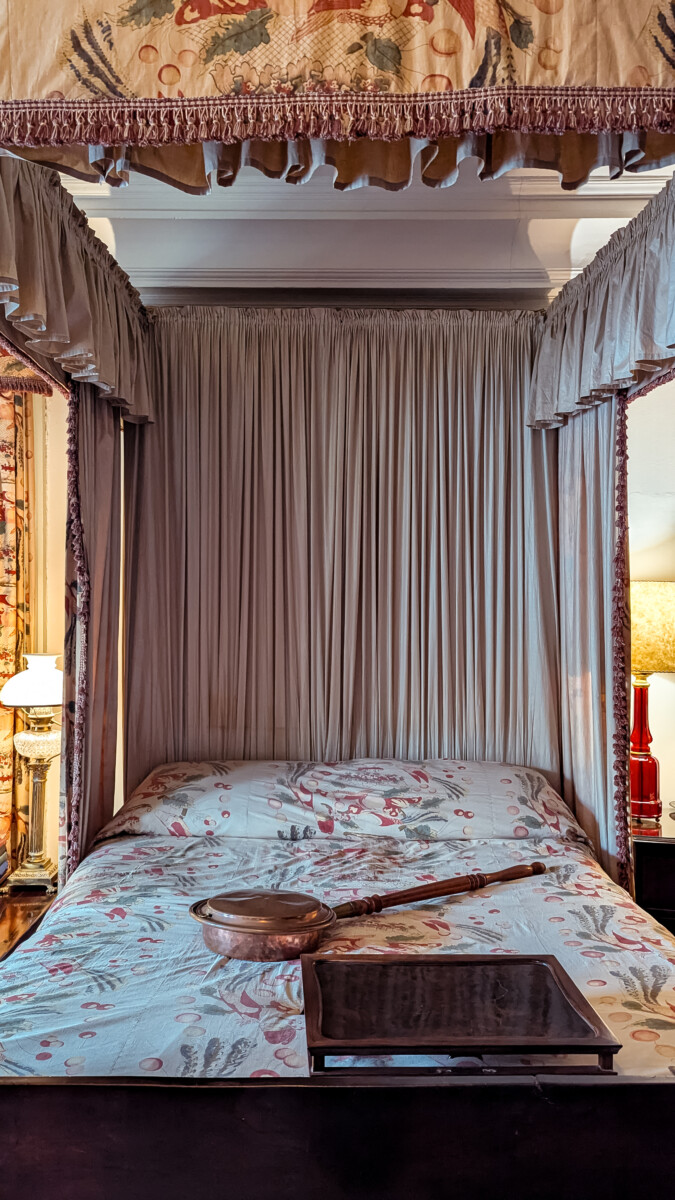
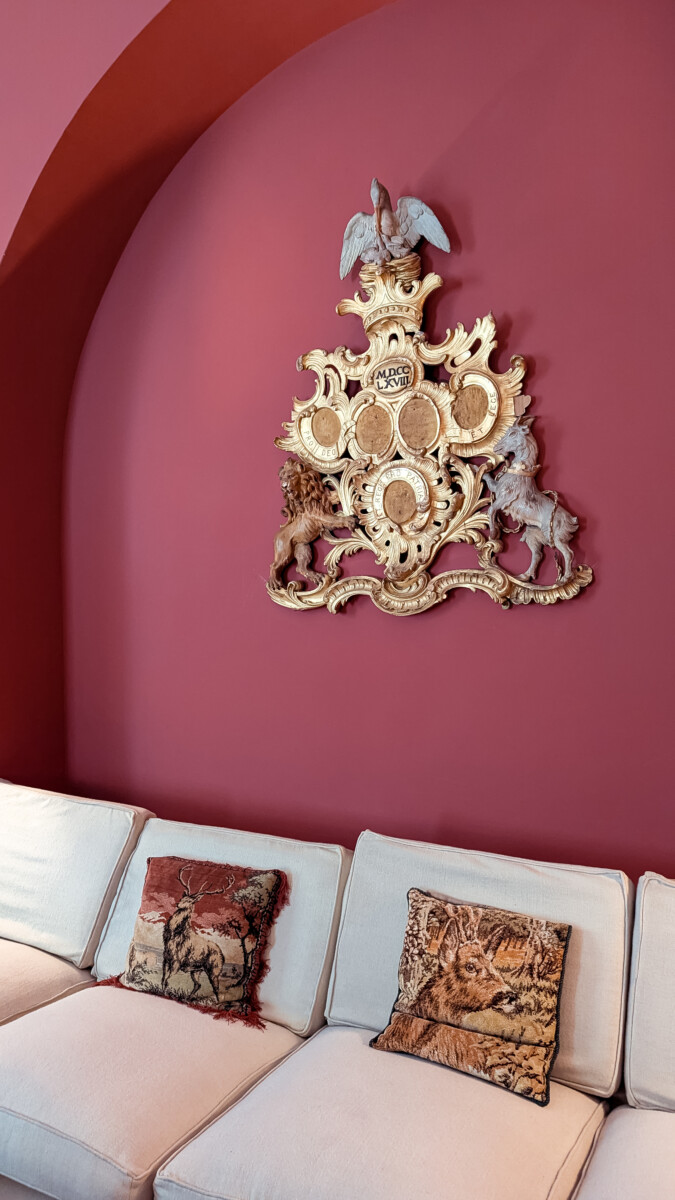
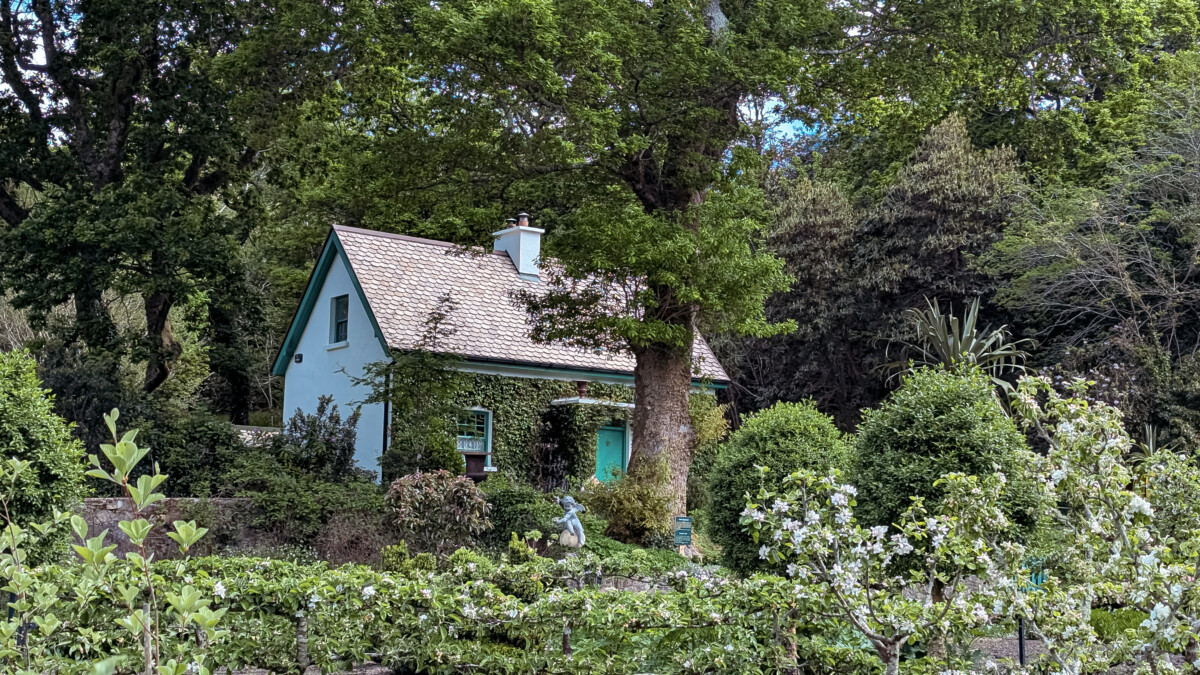
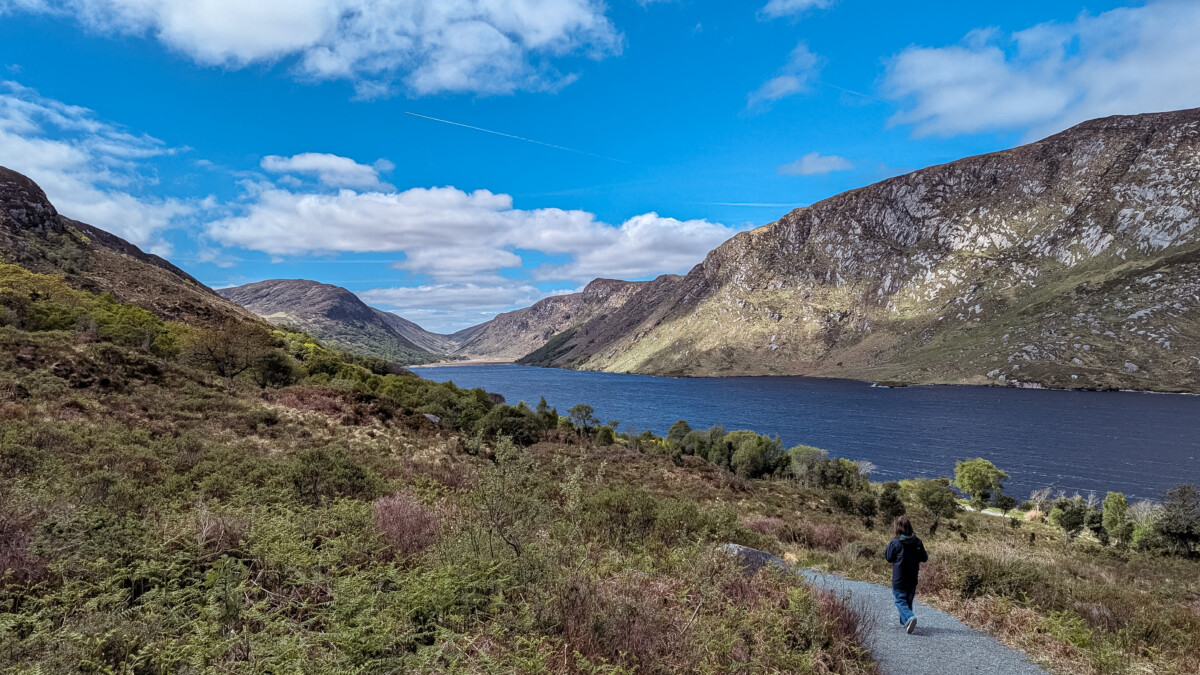
Beyond the architectural heritage, it’s above all the environment that impresses. The mountains are reflected in the lakes, while the trails allow you to discover an unspoilt natural environment where deer, birds of prey and many species of birds find refuge.
Wild Ireland
For travelers who want to better understand the wildlife that once lived on the island, Wild Ireland is a particularly interesting visit.
This conservation-minded wildlife park is home to several species that have disappeared from the wild in Ireland, including wolves, brown bears and lynxes. Far from a traditional zoo, the site focuses on raising awareness and preserving ecosystems.
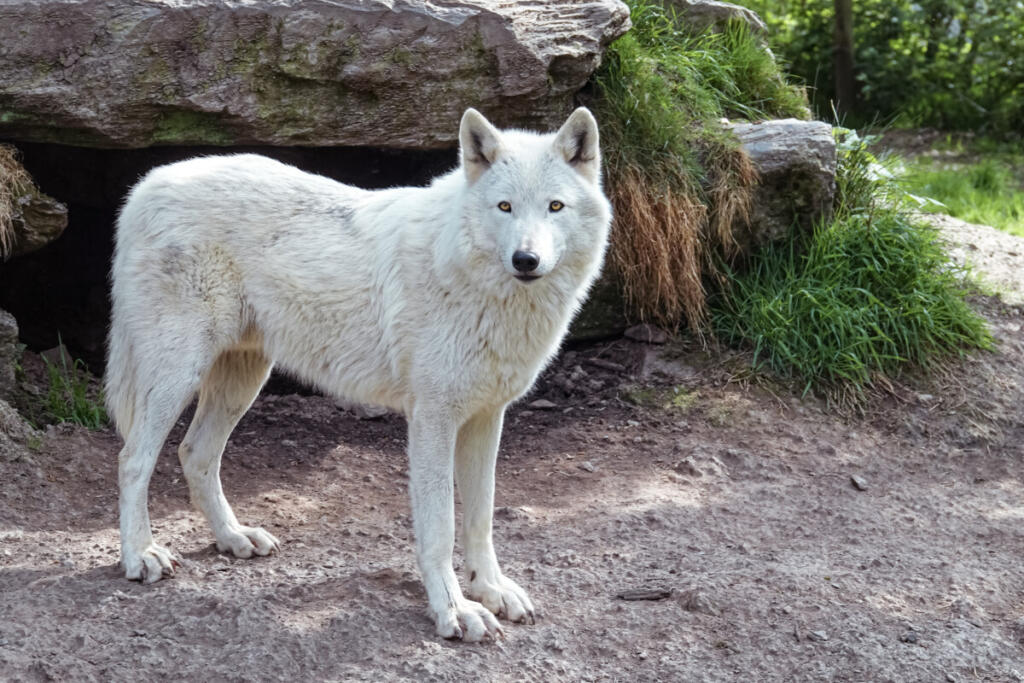
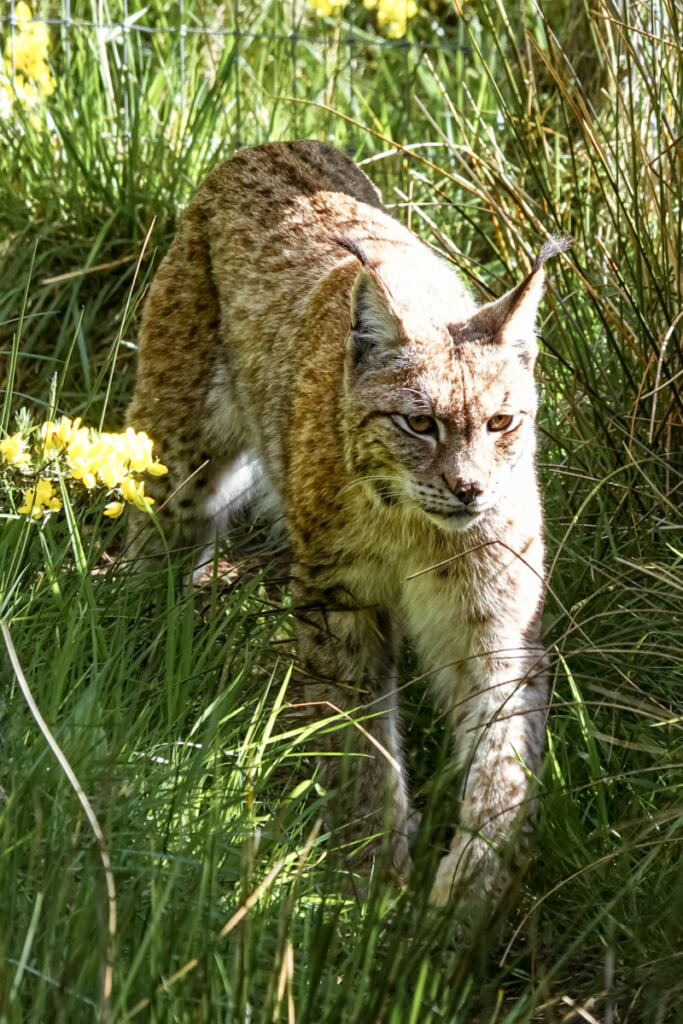
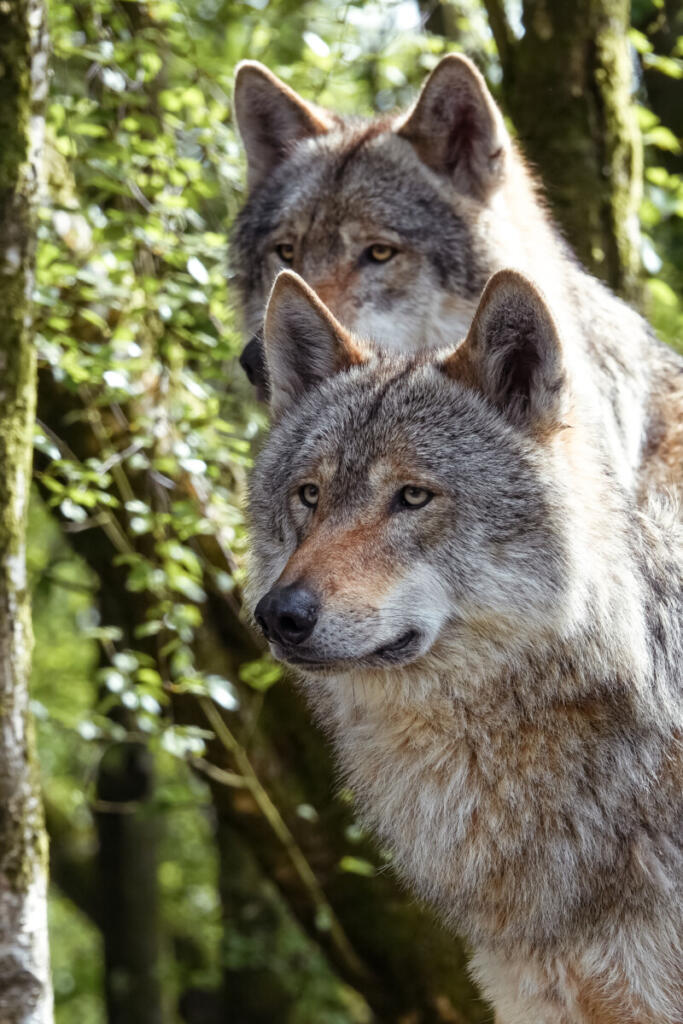
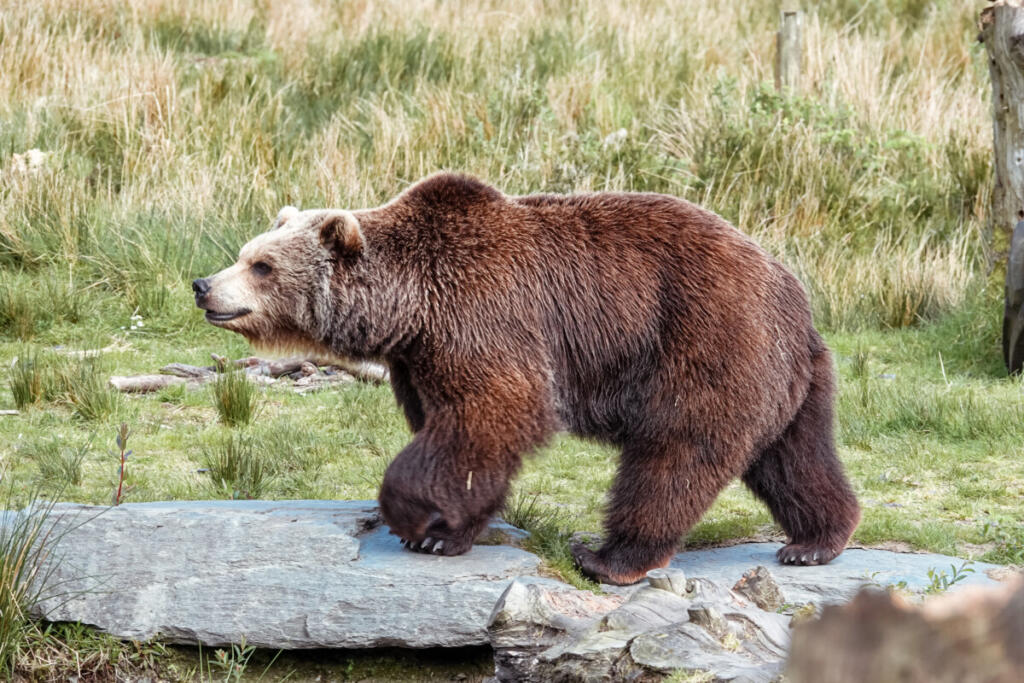
The tour offers a different perspective on Donegal’s landscapes, reminding us that these valleys, mountains and forests were once home to a far greater variety of wildlife than today.
An original stopover that completes the discovery of the region’s great natural spaces.
A few ideas to extend your trip
Even if you devote several days to Donegal, it’s difficult to explore all its facets. The landscape is constantly changing, and each peninsula seems to reveal a new version of wild Ireland.
To the north, the Inishowen peninsula is well worth a visit. Dominated by Malin Head, the island’s most northerly point, it offers a succession of cliffs, beaches and panoramic roads facing the Atlantic. Further west, Fanad Head and its famous lighthouse are among the most beautiful coastal landscapes in the country, while Tory Island offers a glimpse of an island Ireland still deeply attached to its Gaelic traditions.
Donegal also fits perfectly into a wider itinerary through north-west Ireland. To the east,Northern Ireland reveals the spectacular scenery of the Causeway Coastal Route. Continuing southwards, County Sligo and the wide expanses of Connemara offer other facets of the Wild Atlantic Way.
Read also
- Discover the West of Ireland on the Wild Atlantic Way
- Discover Northern Ireland on the Causeway Coastal Route
- Sligo: between ocean, mountains and Celtic legends
There’s something different about Donegal. More isolated, more rugged and often less visited than other parts of Ireland, it offers that rare feeling of still being able to discover unspoilt landscapes, far from the main tourist routes.
If you like the idea of exploring a wilder Ireland, far from the most popular itineraries, we’d be delighted to work with you to design a tailor-made trip through the most beautiful landscapes in the north-west of Ireland.