Ideal for getting away from the hustle and bustle of the city center while still being within easy reach of the Tube, Greenwich offers an interlude full of charm and diversity. This south-east London district boasts a peaceful atmosphere, a rich maritime heritage, accessible museums, large green spaces and a lively market.
Perfect for a day of exploration with the family, Greenwich can be explored on foot, with an unusual crossing under the Thames, captivating cultural visits and a gourmet break under the glass roofs of the market. A complete itinerary that combines discovery, fresh air and a breathtaking view of London.
Sommaire de l'article
- Practical info: how to get to Greenwich from London?
- Greenwich in a day: itinerary and must-sees
- Cross the Thames on foot: Greenwich Foot Tunnel
- The Cutty Sark, legend of the seas
- Dive into art and history at the Old Royal Naval College
- National Maritime Museum: naval history and interactive discoveries
- Queen’s House: classic elegance and architectural masterpiece
- Exceptional panorama from Greenwich Park
- Strolling and gourmet delights at Greenwich Market
Practical info: how to get to Greenwich from London?
Greenwich is located in south-east London, on the banks of the River Thames. Easily accessible by public transport or car, the area is perfect for a day out, especially with the family.
By public transport
Greenwich can be reached from central London in a number of ways:
- DLR (Docklands Light Railway): departure from Bank or Tower Gateway, Cutty Sark for Maritime Greenwich stop (ideal for getting to the heart of the district).
- Train: from London Bridge station, direction Greenwich or Maze Hill (direct journey, approx. 10 minutes).
- Boat: Thames Clippers river shuttles offer a pleasant cruise from Westminster, Embankment or Tower Pier to Greenwich Pier (30-40 minutes depending on boarding time).
By car
Reaching Greenwich by car is possible, although traffic and parking can be more restrictive at peak times. For those wishing to come by car, the Greenwich Centre / Maritime Car Park (20 Cutter Lane, SE10 0YJ) is a convenient and well-located solution, just a stone’s throw from the Cutty Sark and the pedestrian tunnel.
Greenwich in a day: itinerary and must-sees
Greenwich is best visited on foot, following a route that combines history, culture, nature and gourmet delights. Here’s the recommended itinerary to make the most of the day, at a pace suitable for the whole family.
Cross the Thames on foot: Greenwich Foot Tunnel
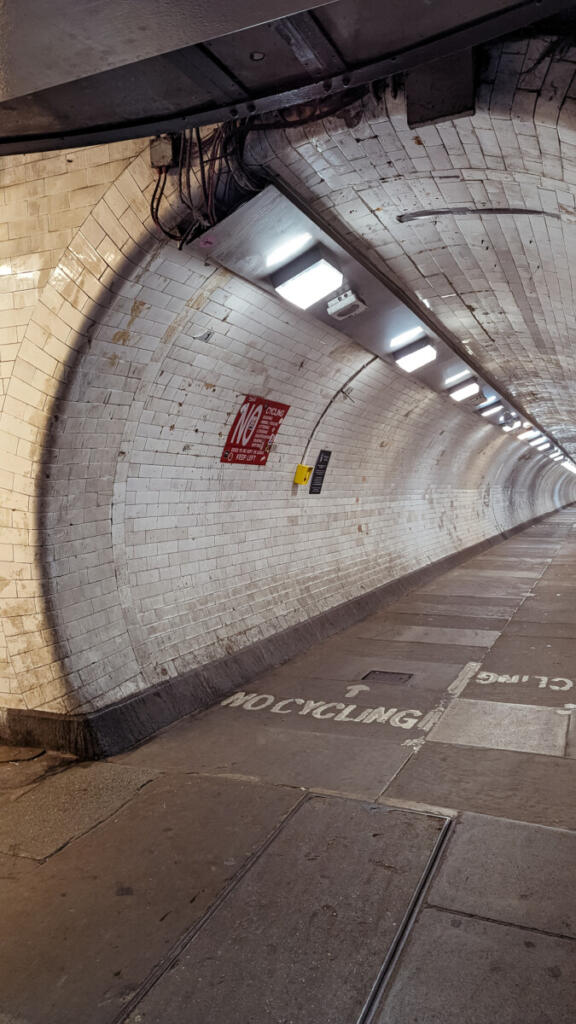
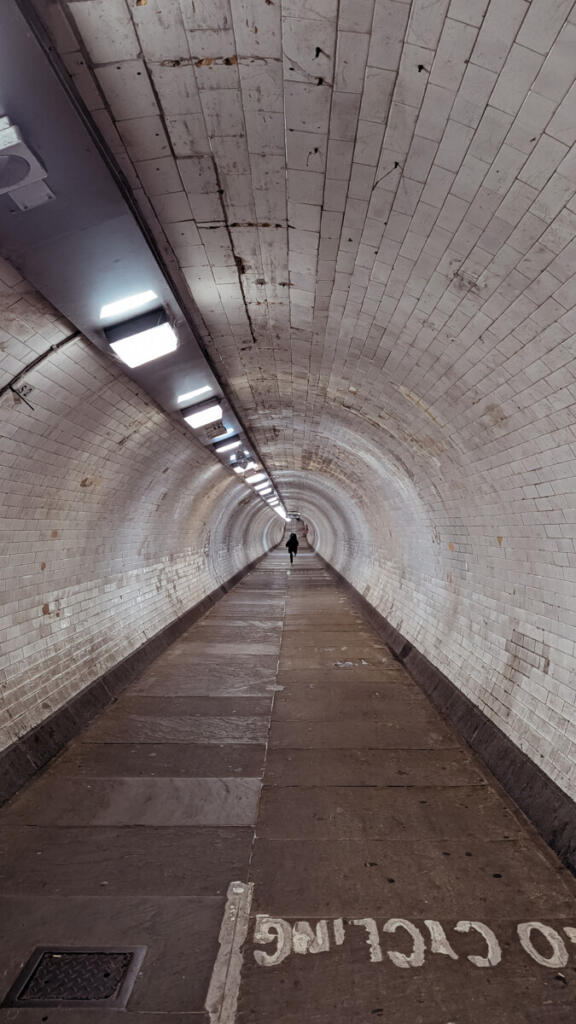
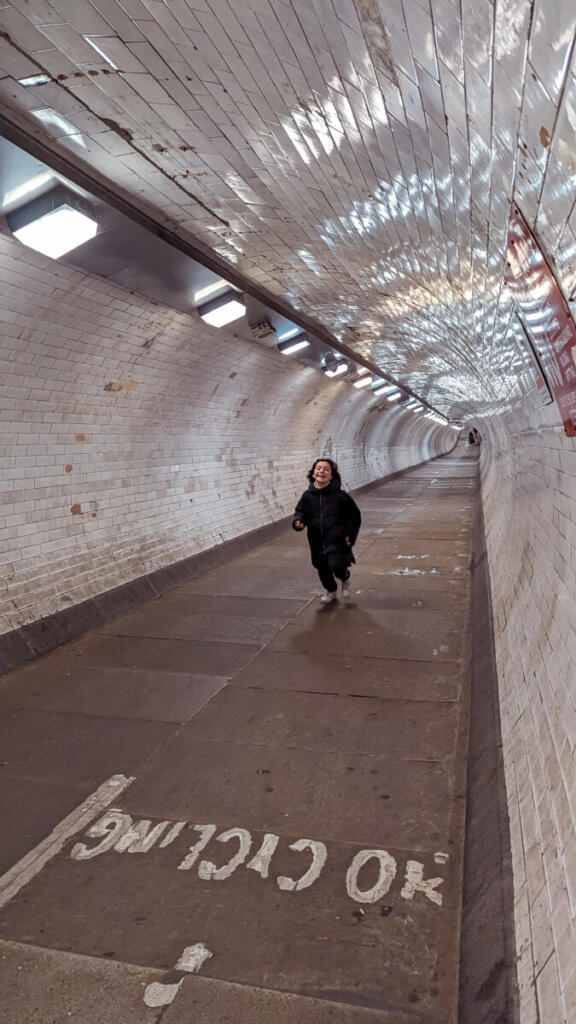
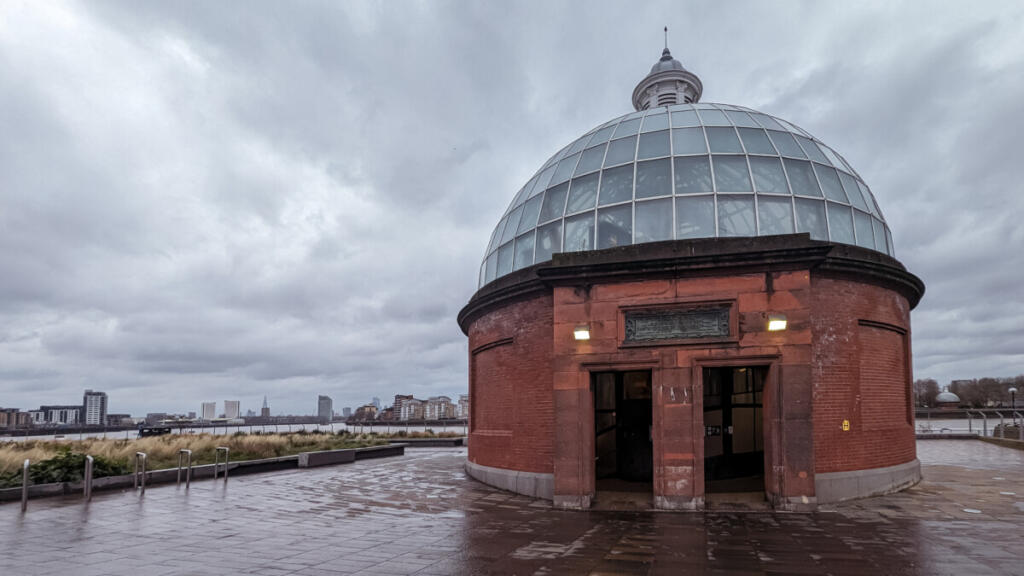
The tour gets off to an unusual start with a crossing of the Greenwich Foot Tunnel, over 370 metres long. This underground pedestrian passage links the Isle of Dogs to Greenwich, passing under the River Thames. Entirely tiled and slightly curved, it’s reminiscent of an old sci-fi film set, and is often a source of amusement for younger visitors. A great way to start your visit, away from the usual routes.
The Cutty Sark, legend of the seas
Just outside the tunnel, it’s impossible to miss the imposing silhouette of the Cutty Sark, one of the last great trading ships of the 19th century. A former tea clipper, this museum ship impresses with its lines and suspended structure. Even without going aboard, the mere sight of the ship transports you back to an era of distant exploration.

Dive into art and history at the Old Royal Naval College
A stone’s throw away, theOld Royal Naval College is one of Greenwich’s most emblematic monuments, and a major work by architect Sir Christopher Wren, also famous for rebuilding St. Paul’s Cathedral in London after the Great Fire of 1666. Construction of this vast complex began in 1696 and lasted until the early 18th century.

Originally, the site was home to theGreenwich Maritime Hospital, a facility designed to care for and house injured or retired British sailors. Later, it became the training base for Royal Navy officers, hence its current name.
The building’s Baroque architecture is characterized by symmetrical facades, blue and gold domes and carefully thought-out perspectives. The masterly composition offers a harmony that impresses from the very first glance, both with its scale and its refined details.
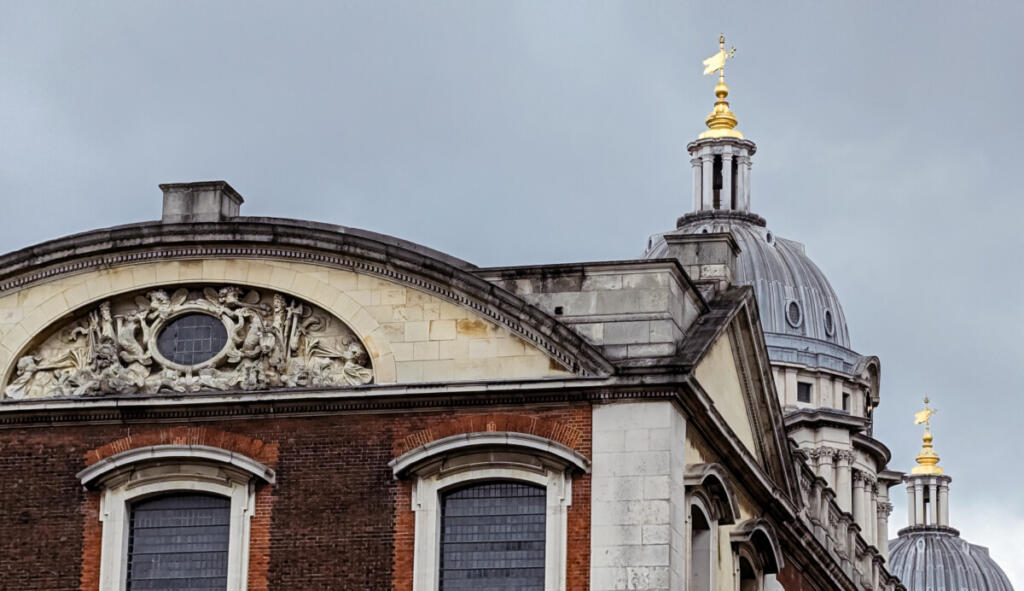

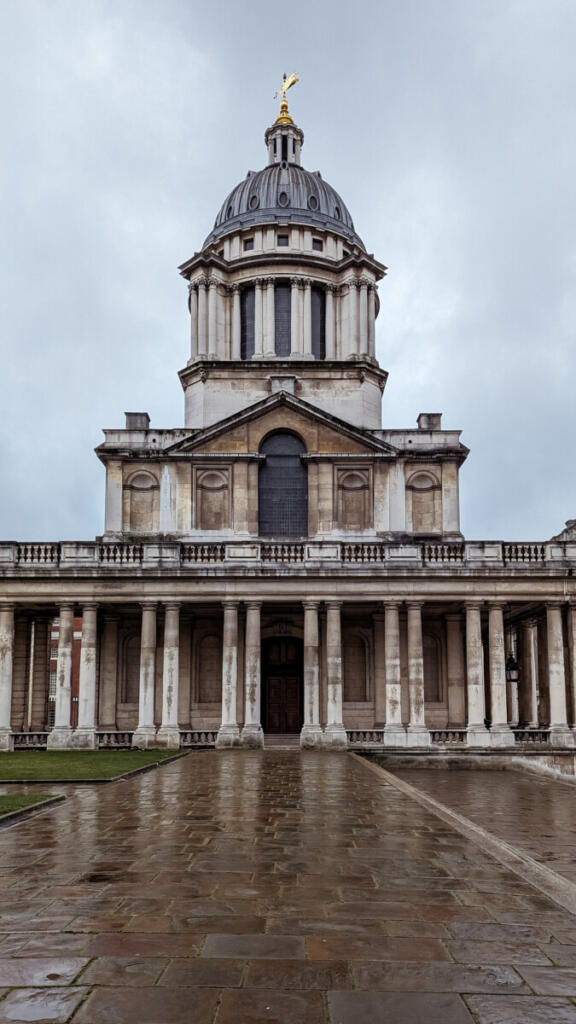
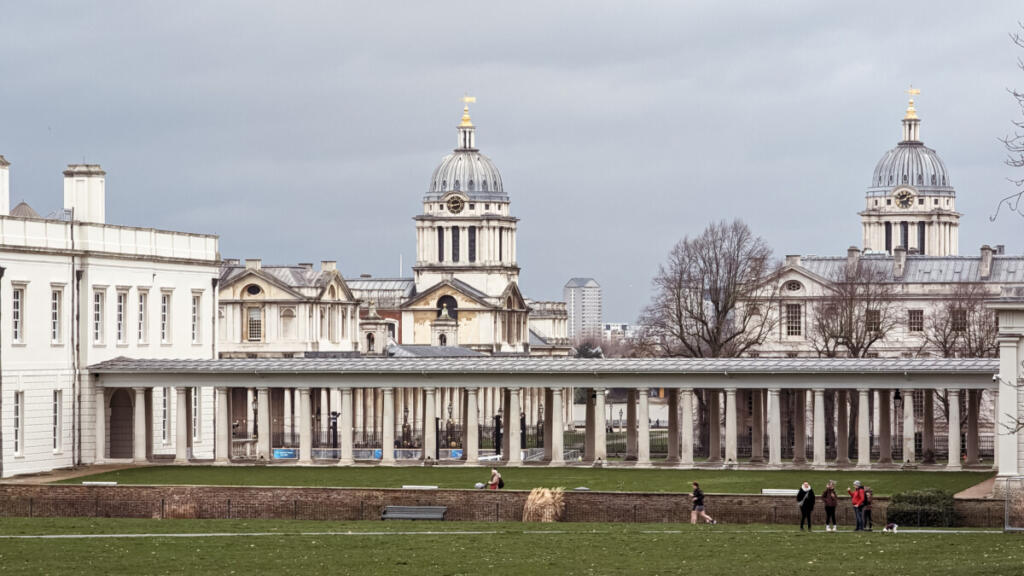
At the heart of the Old Royal Naval College lies the famous Painted Hall, a true artistic gem. Painted between 1707 and 1726 by Sir James Thornhill, this hall was not originally intended as a chapel, but rather as a large dining room for the residents of the maritime hospital.
This vast ceiling and walls are adorned with monumental frescoes celebrating maritime power and the British monarchy, with remarkable symbolic and iconographic richness. There are representations of the goddess Britannia, allegories of peace and prosperity, and scenes glorifying the Royal Navy and the reign of the Stuart and Hanover dynasties.
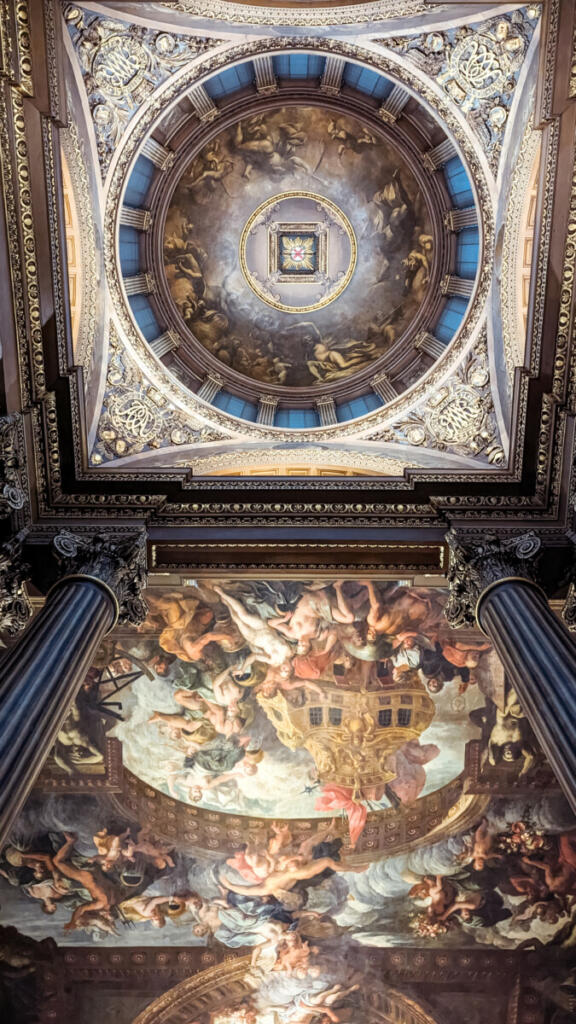
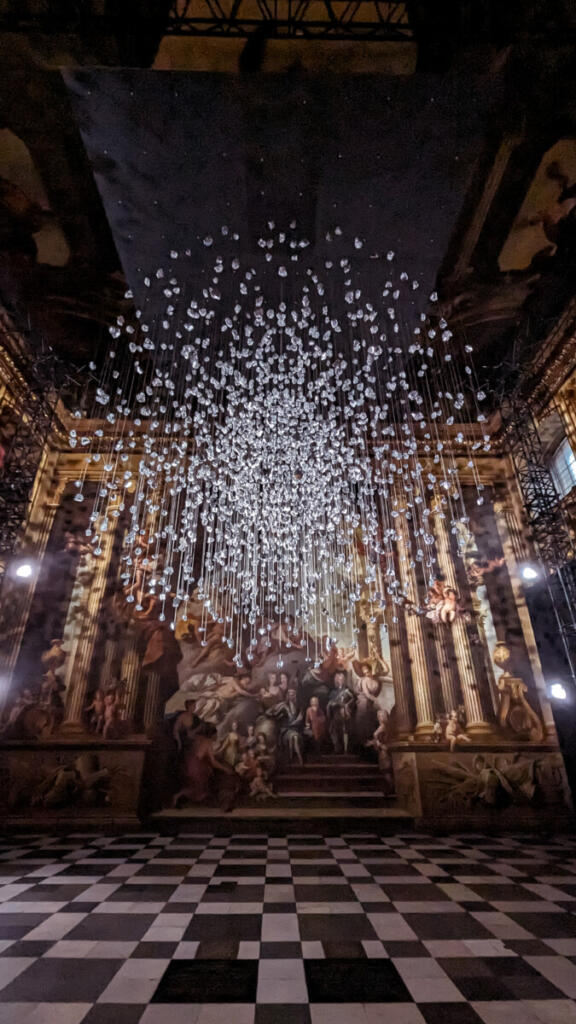
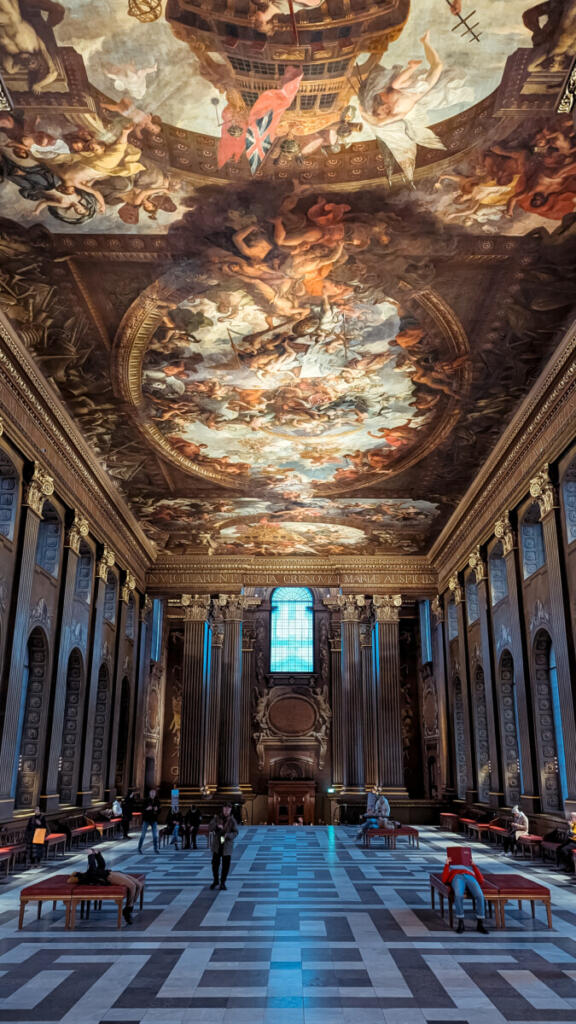
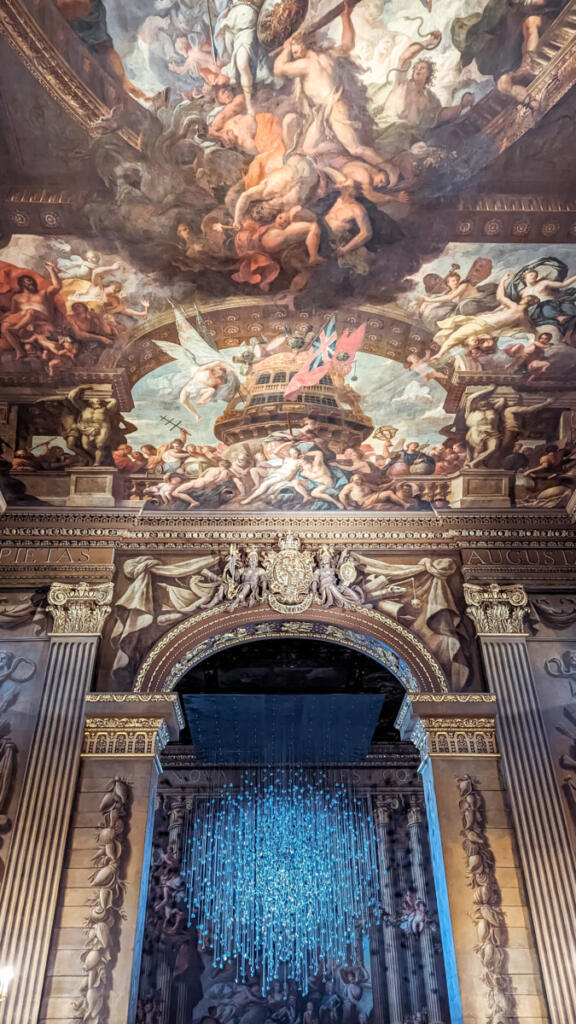
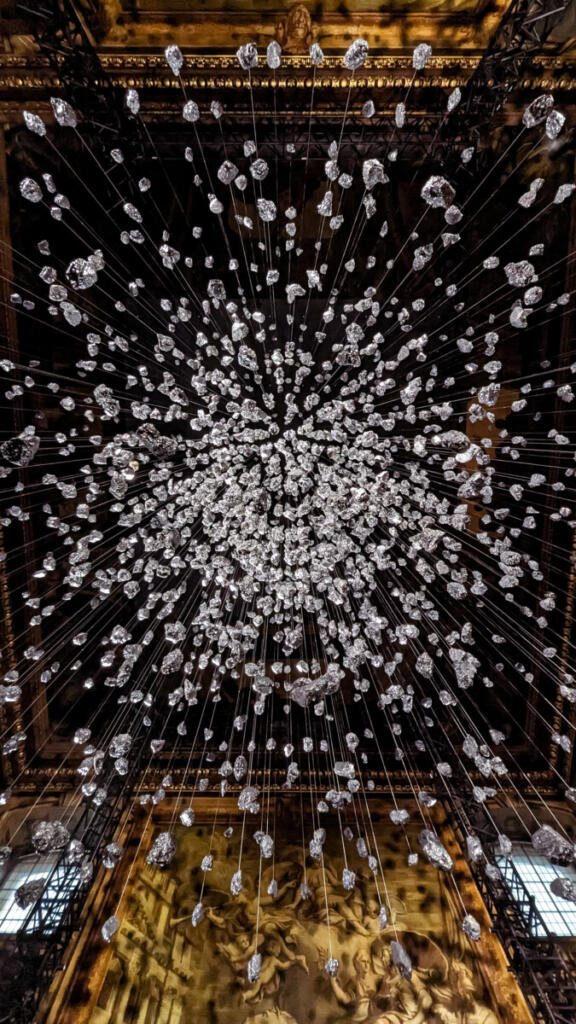

The quality of the paintings, the finesse of the details and the impressive size of the hall have earned it the nickname of the “British Sistine Chapel”. After decades of restoration effort, the Painted Hall has been restored to its former glory, revealing to visitors a Baroque masterpiece of rare intensity.
Next door, the Chapel of St. Peter and St. Paul offers a soothing contrast to the baroque grandeur of the Painted Hall. Built between 1714 and 1717, it was designed by Christopher Wren’s architect Thomas Ripley.
This sober, luminous chapel stands out for its clean lines and contemplative ambience. Natural light floods into the space through large windows, highlighting a delicate décor that invites meditation. The woodwork, stained glass and sculptures are finely crafted in a classical style that favors harmony over magnificence.
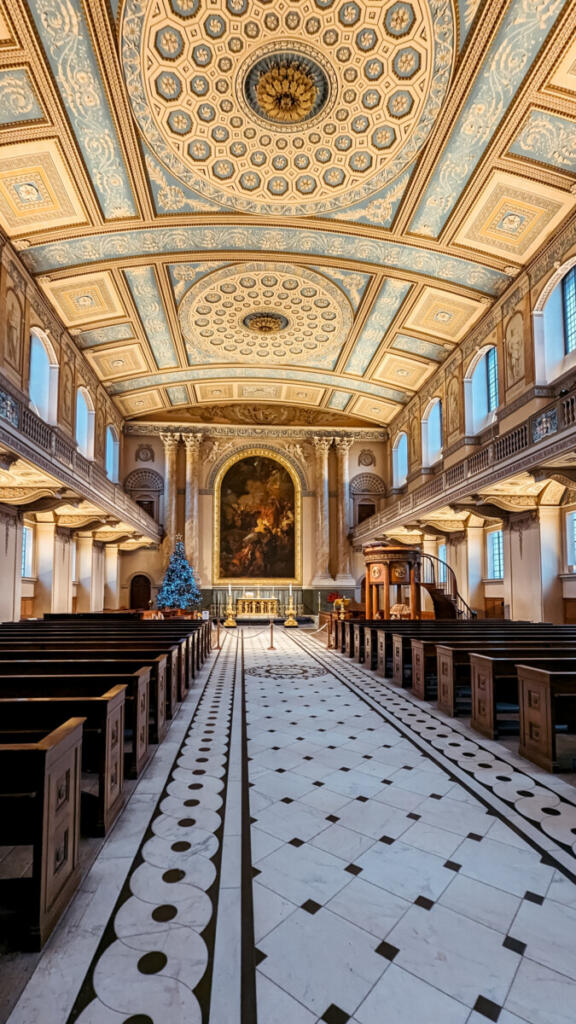

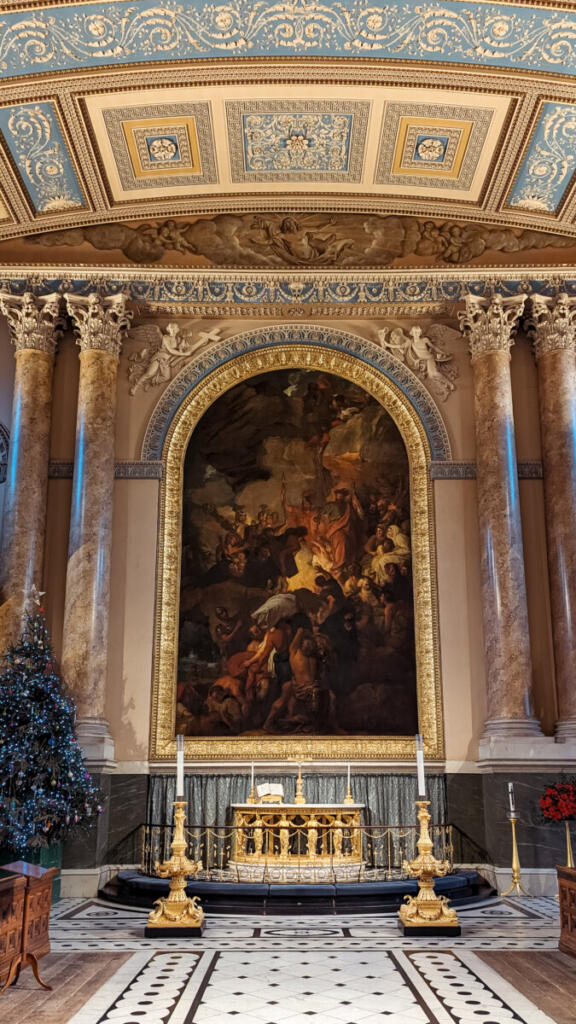

The chapel was used not only by the residents of the Naval Hospital, but also by the local community. It is still used today for religious services and concerts, thanks to its remarkable acoustics.
National Maritime Museum: naval history and interactive discoveries
The National Maritime Museum is a must for anyone wishing to understand Britain’s central role on the world’s seas. Housed in a modern building in the heart of Greenwich, the museum boasts a rich and varied collection spanning several centuries of maritime history.
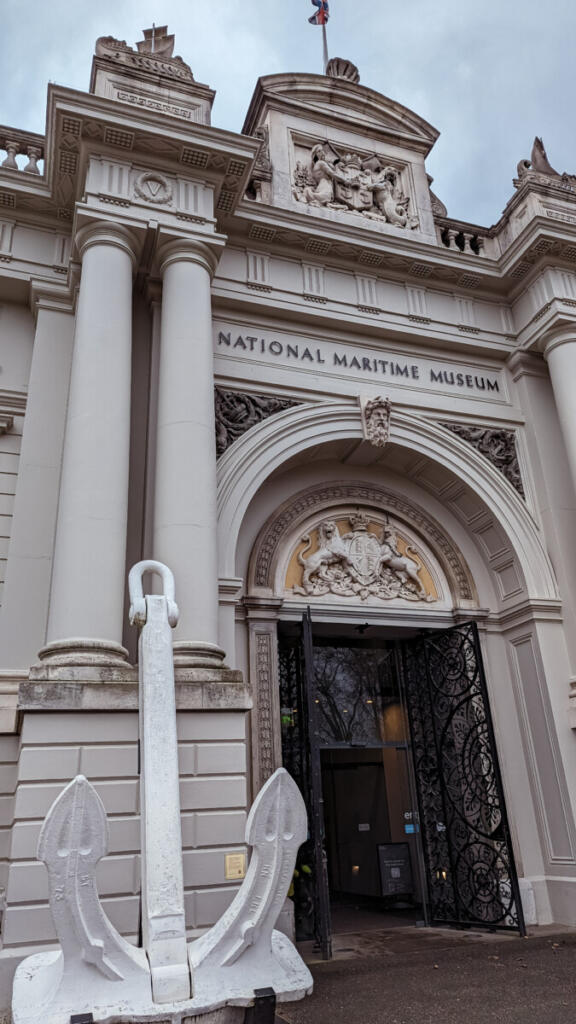
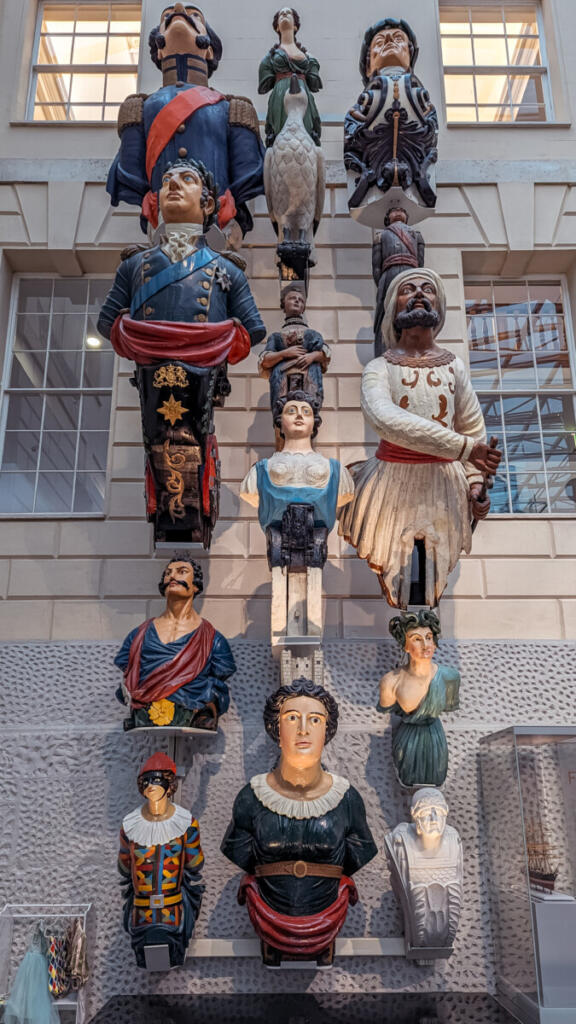
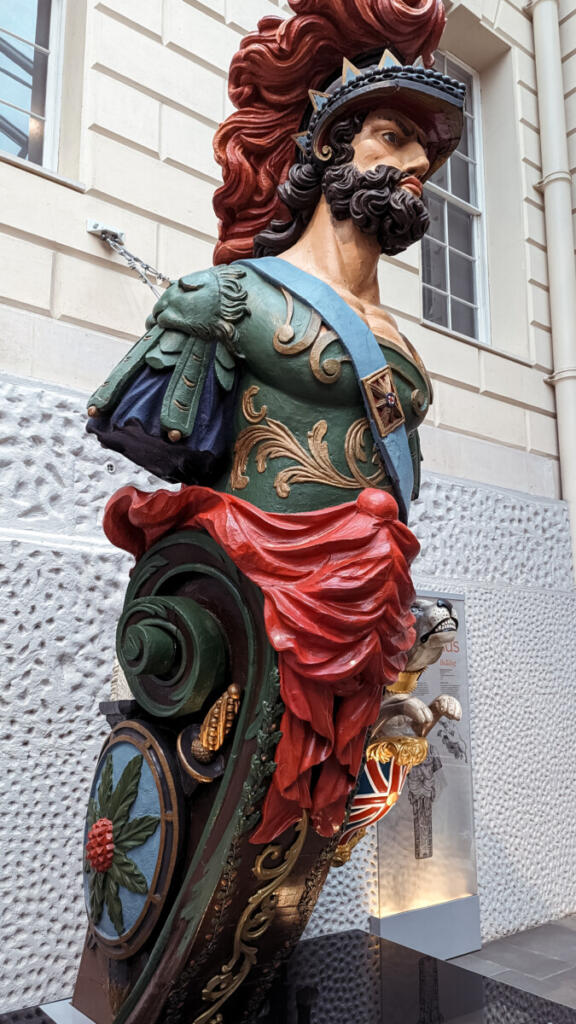
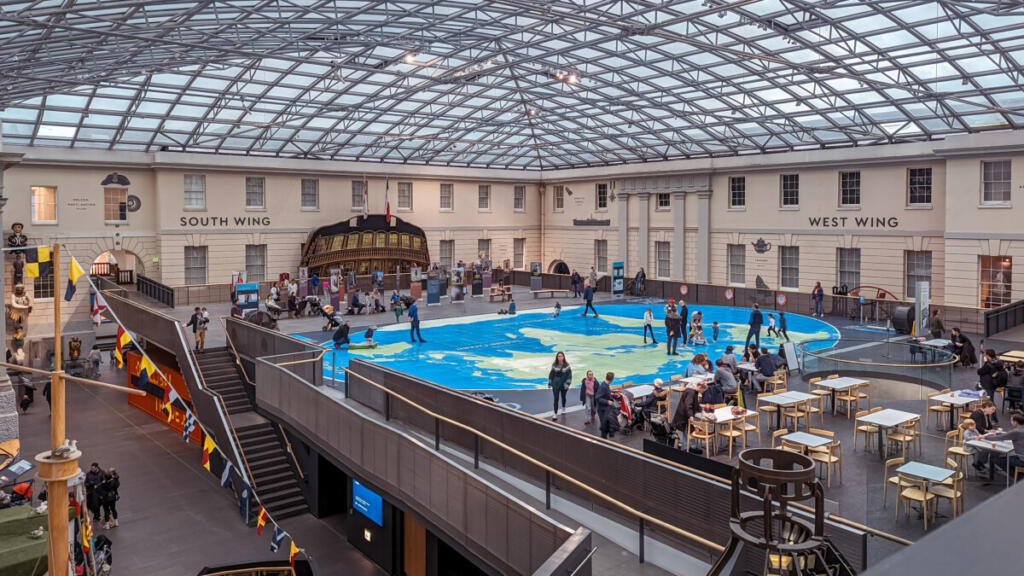
Designed to be accessible to all, the museum offers many interactive experiences, ideal for families. Navigation instruments, ship models, uniforms and exploration objects are presented in a playful way, allowing young and old alike to immerse themselves in the lives of sailors past and present. Temporary exhibitions regularly complete the offer, with fascinating themes ranging from piracy to the great explorers.
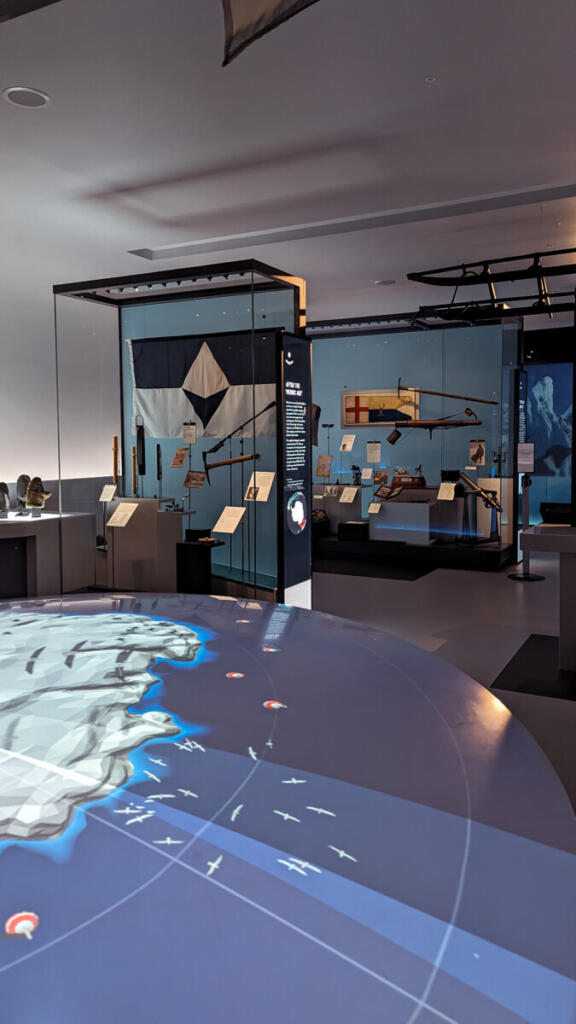

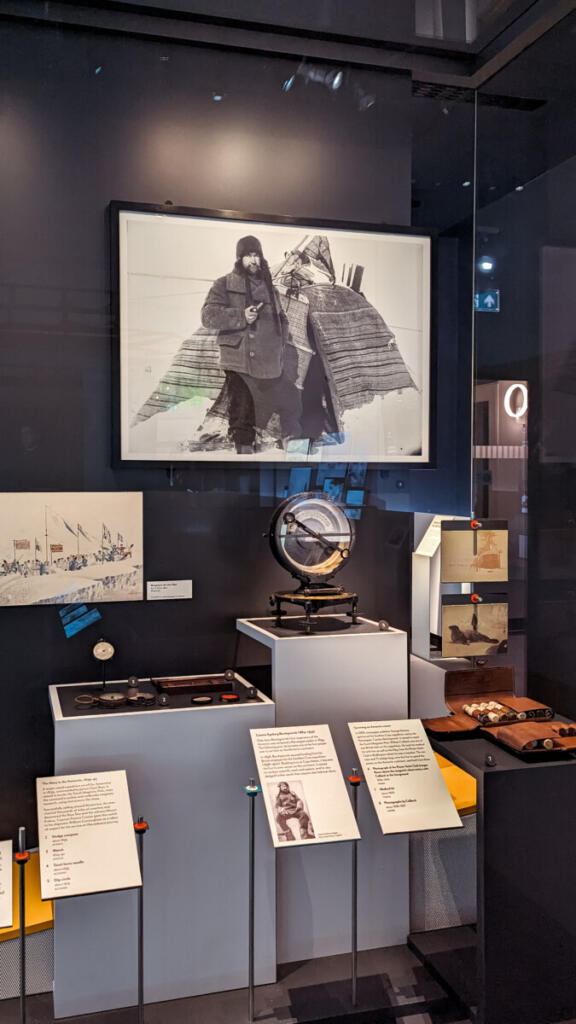
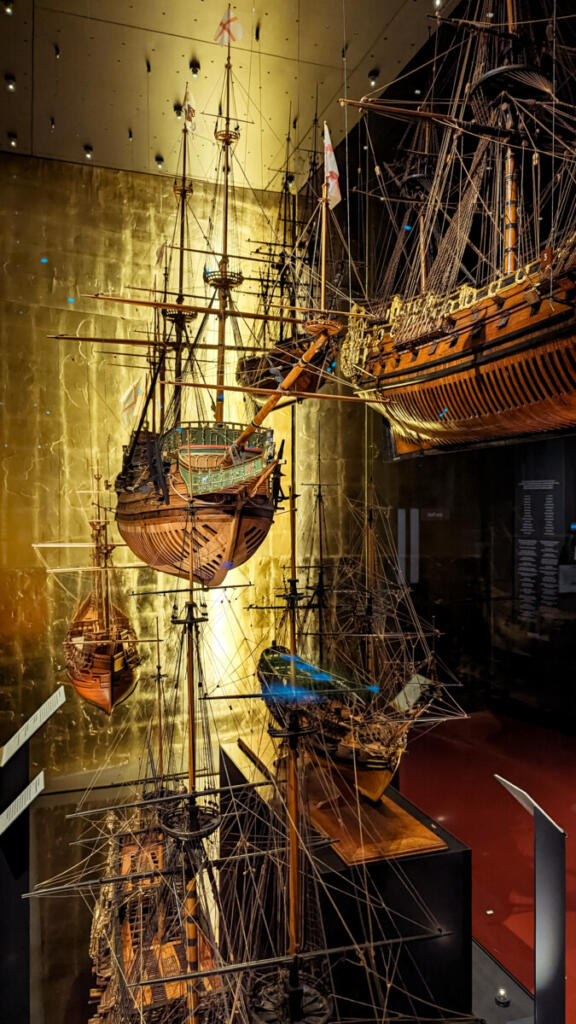
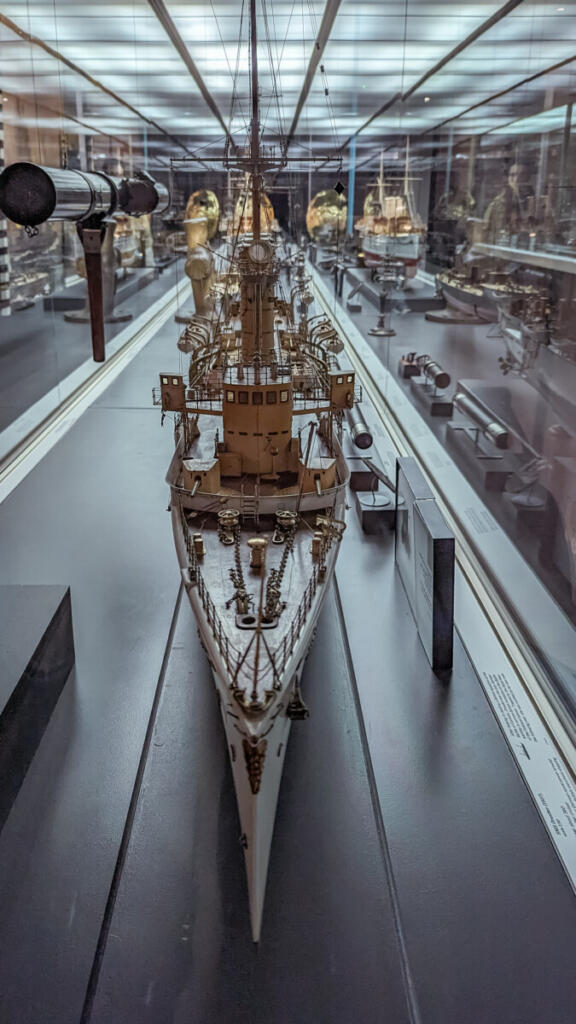

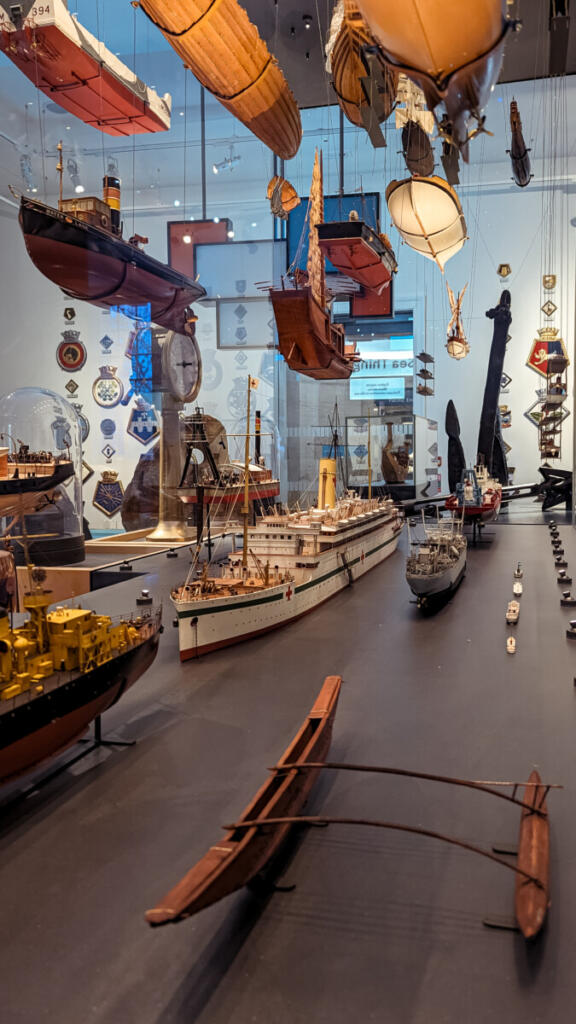
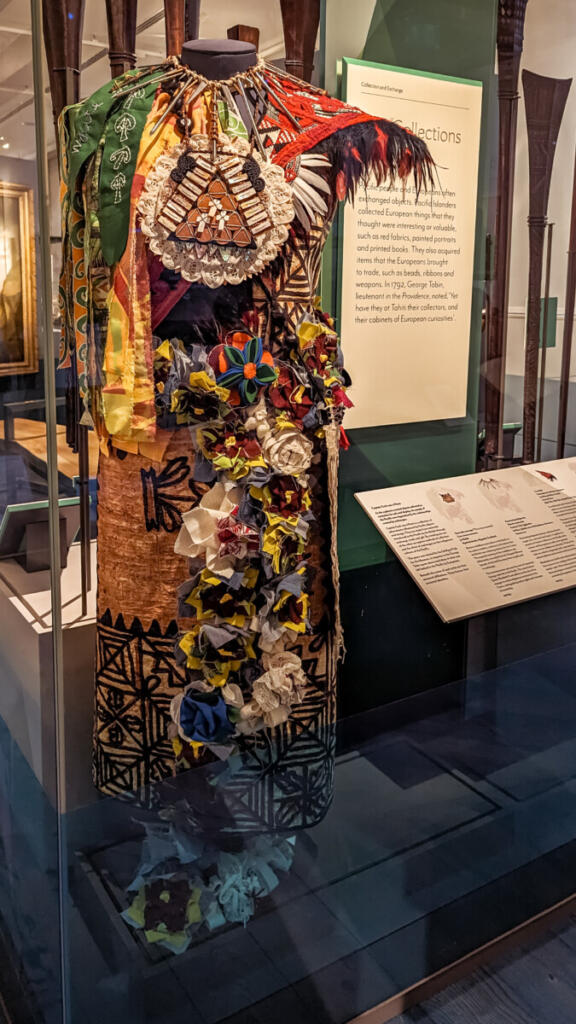
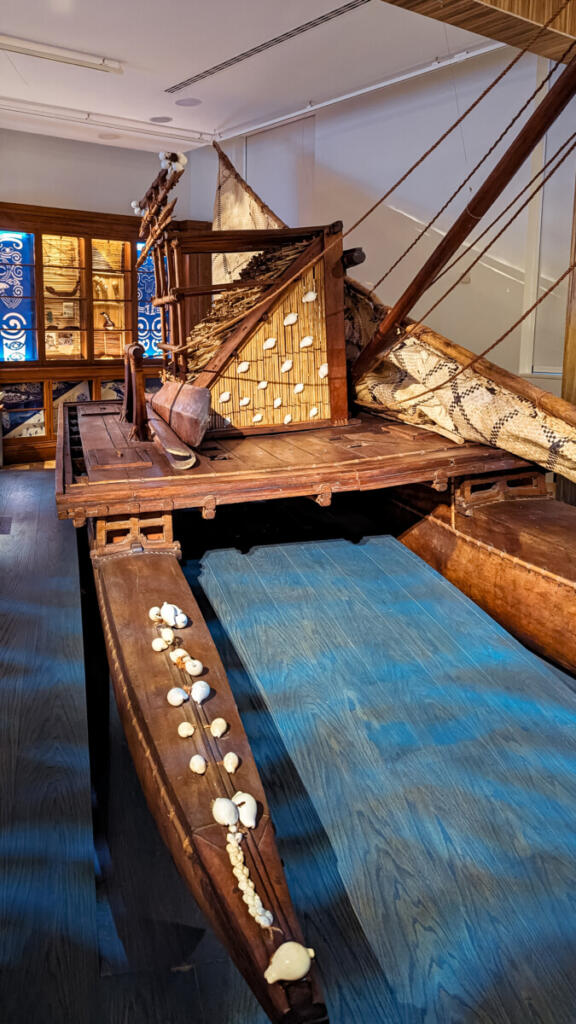
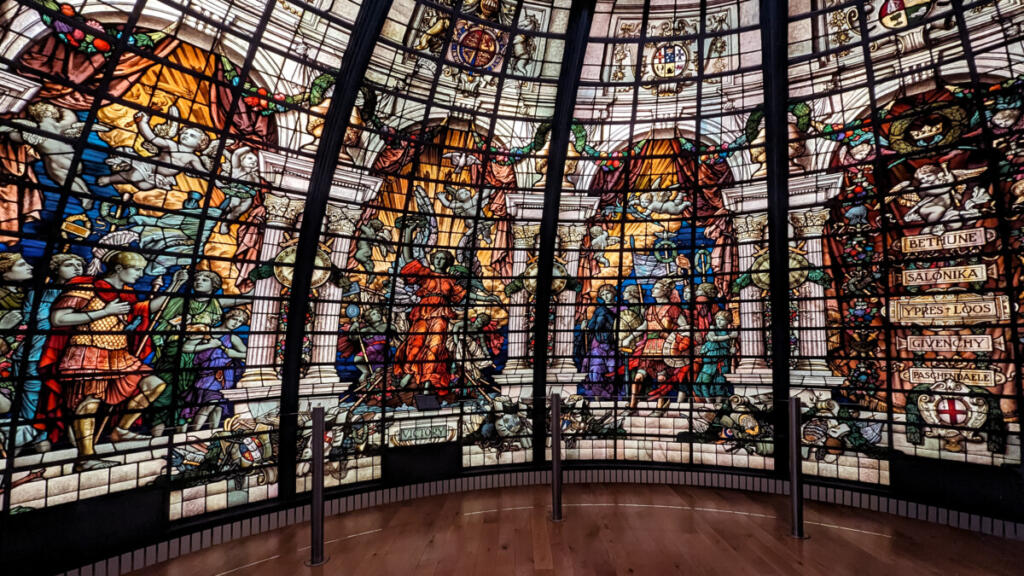
Admission is free, making it an excellent option for a no-holds-barred cultural visit that will enrich your day with a lively and educational insight into Britain’s maritime past.
Queen’s House: classic elegance and architectural masterpiece
Opposite the National Maritime Museum, Queen’s House stands out for its calm and elegance. Built in the early 17th century for Henriette-Marie, wife of King Charles I, this former royal residence marks a turning point in British architecture: it is one of the country’s first classical buildings, inspired by the Italian Renaissance.
The symmetrical architecture, harmonious proportions and refined simplicity of its volumes make it a true gem, often cited as a pioneering masterpiece. The jewel in Queen’s House’s crown is its famous spiral staircase, nicknamed the Tulip Staircase because of the floral motifs on its balusters. This double spiral staircase with no central supports intrigues and fascinates, and is one of London’s most photographed staircases.
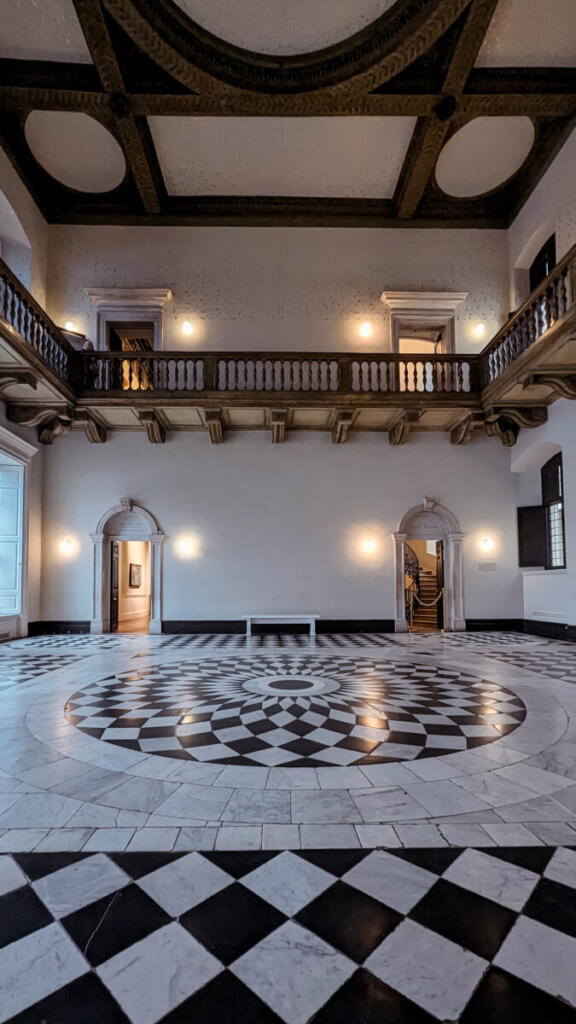

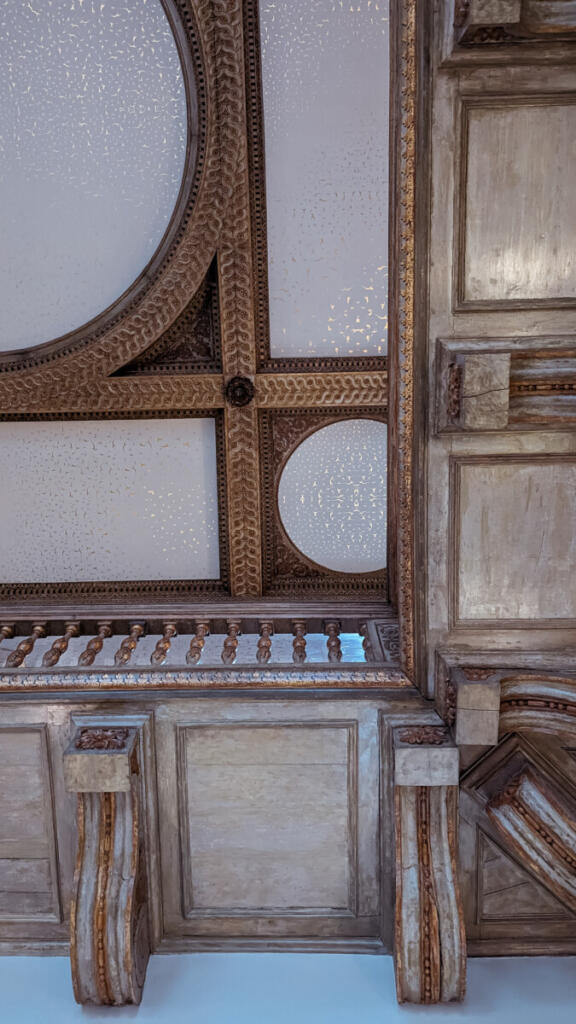
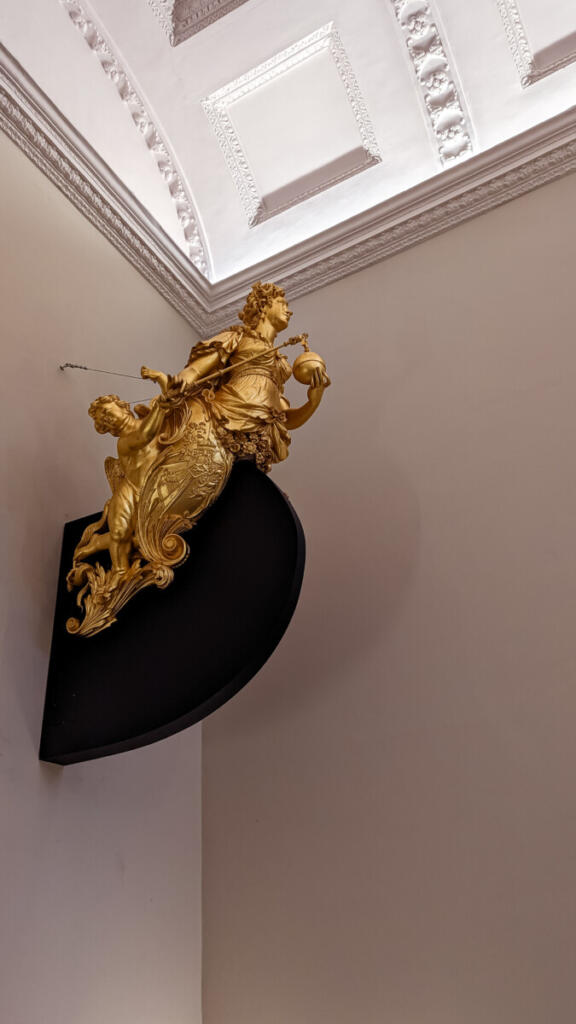
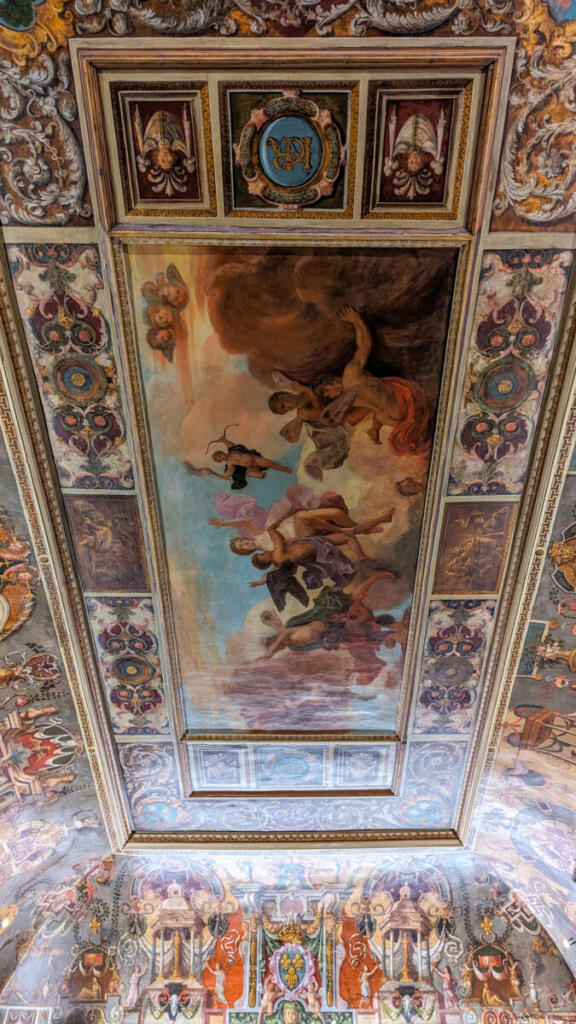
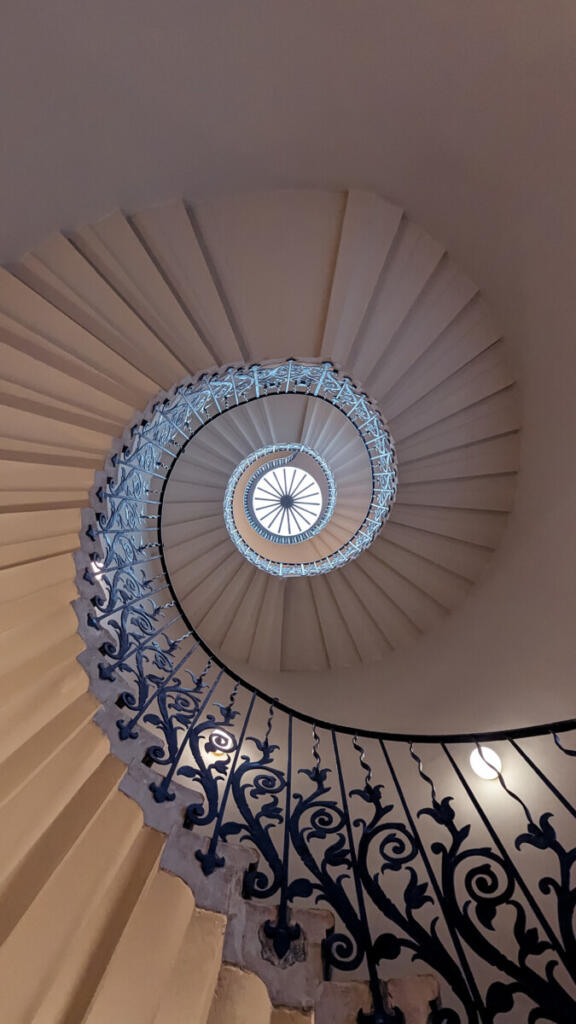
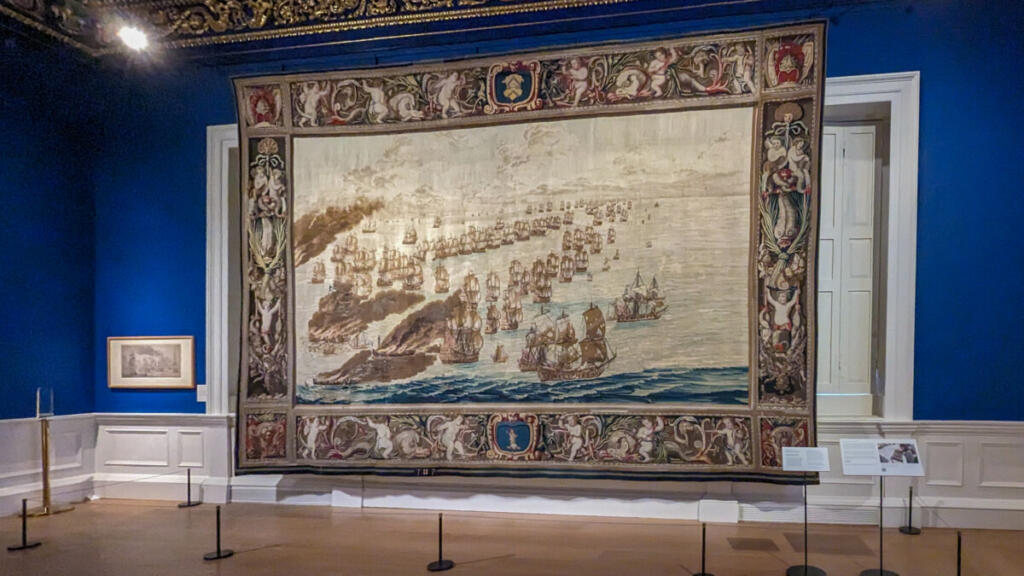
Today, Queen’s House is home to a remarkable art collection, blending classical paintings with contemporary works, offering an intimate and inspiring ambience. Access is free, allowing visitors to explore the museum at their own pace – ideal after the richness of the National Maritime Museum.
Exceptional panorama from Greenwich Park
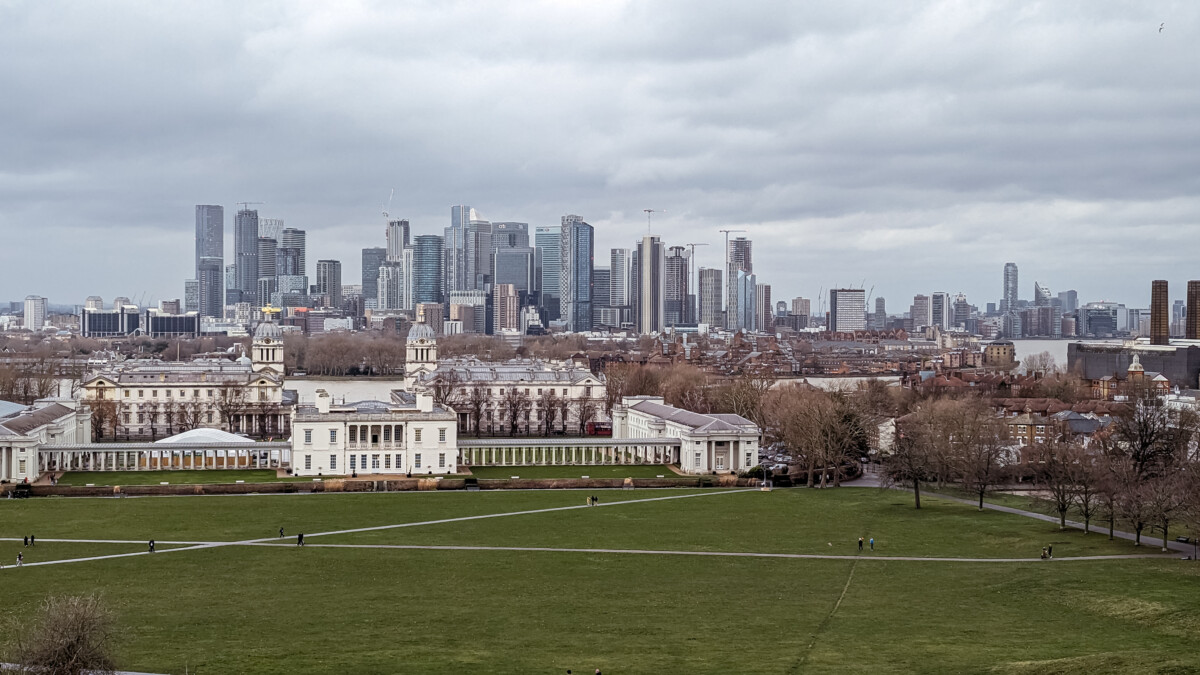
After exploring the museums, a stroll through Greenwich Park invites you to relax and contemplate. This royal park, one of London’s oldest, offers wide shady paths, lawns perfect for picnics and, above all, a high point with a breathtaking view of London and the skyscrapers of Canary Wharf.
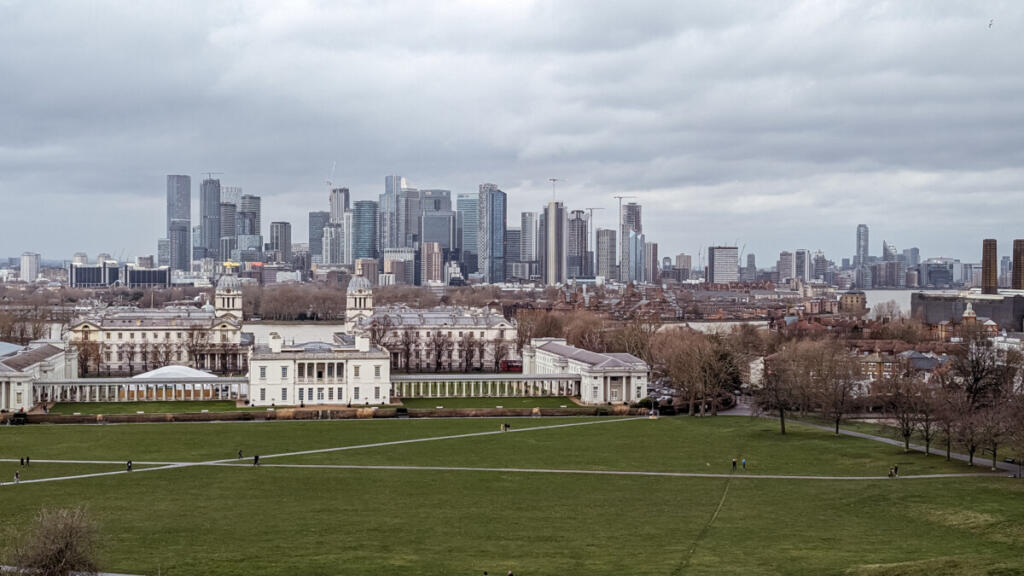
For families, it’s also an ideal playground, where young and old can breathe, run or simply enjoy a peaceful moment before continuing their visit.
Strolling and gourmet delights at Greenwich Market
To round off the day, the Greenwich Market is a convivial gourmet stopover. This covered market brings together artisans, creators and food trucks offering a variety of specialties from around the world: Argentine empanadas, spicy curries, local pastries, freshly squeezed coffees and juices.
The atmosphere is warm and relaxed, often with street musicians or occasional entertainment. The market is also a great place to pick up original souvenirs, handmade jewelry, retro posters and handicrafts.

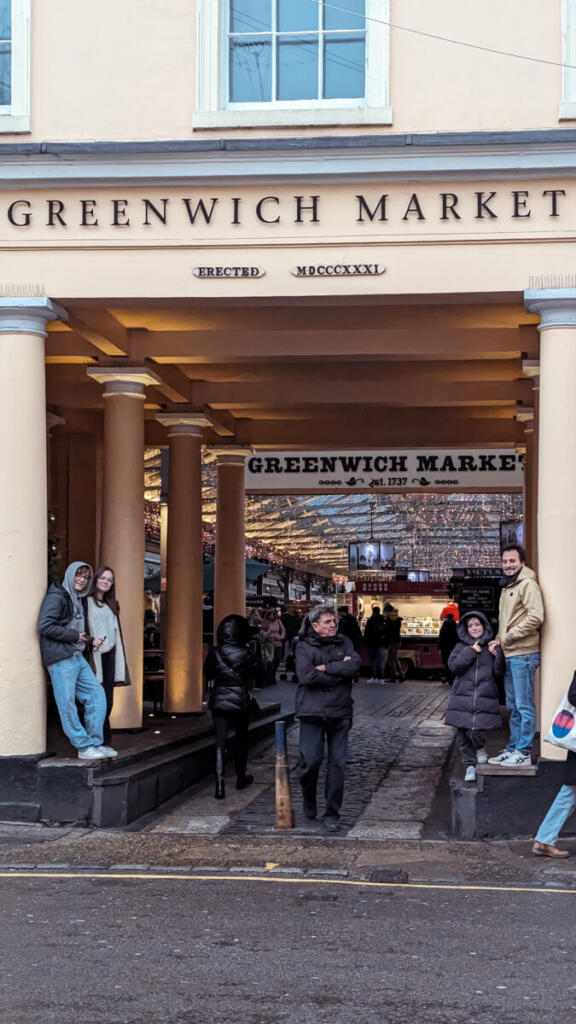
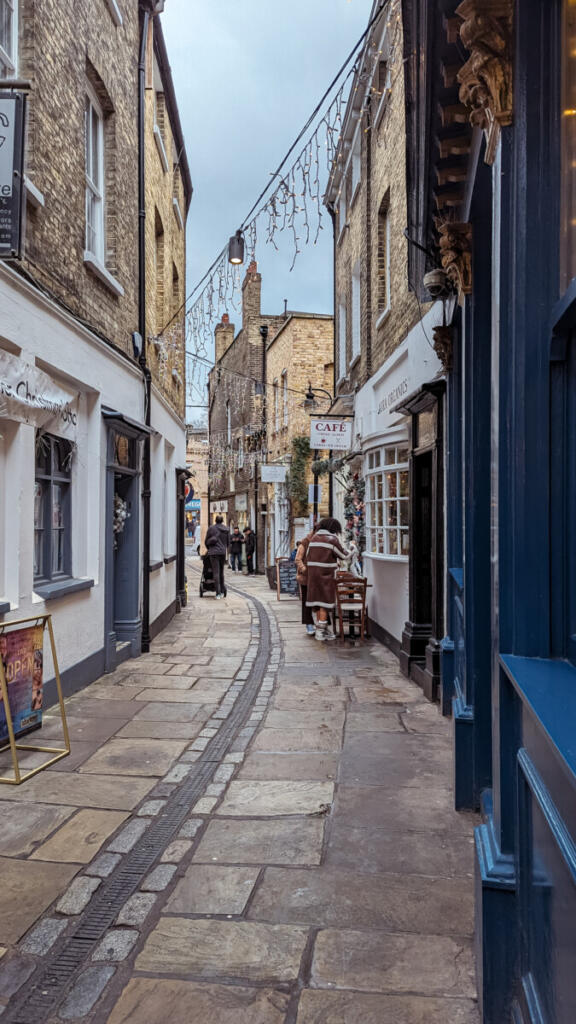
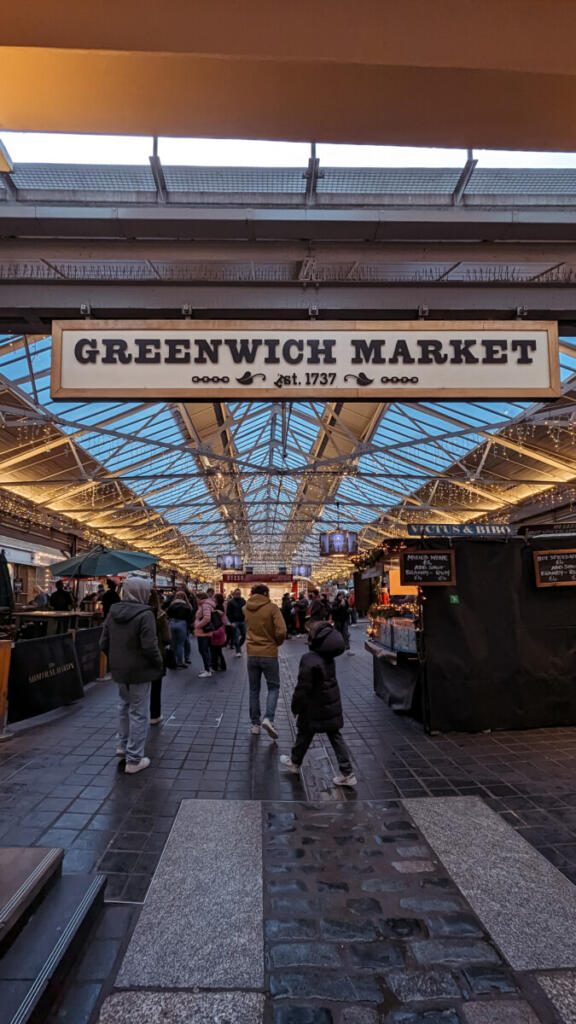

A break at Greenwich Market is the perfect way to end your visit on a light, festive note, before heading back to central London or exploring the area at your own pace.
Greenwich in a day is the promise of an escapade rich in discovery, suitable for the whole family. Between history, nature, museums and gourmet delights, this district offers the perfect balance for young and old.
To extend your London adventure, check out our other articles with ideas for family activities across the city. Urban exploration, parks, museums or unusual walks: there’s something for all tastes and ages. A great way to prepare for an unforgettable stay in London.