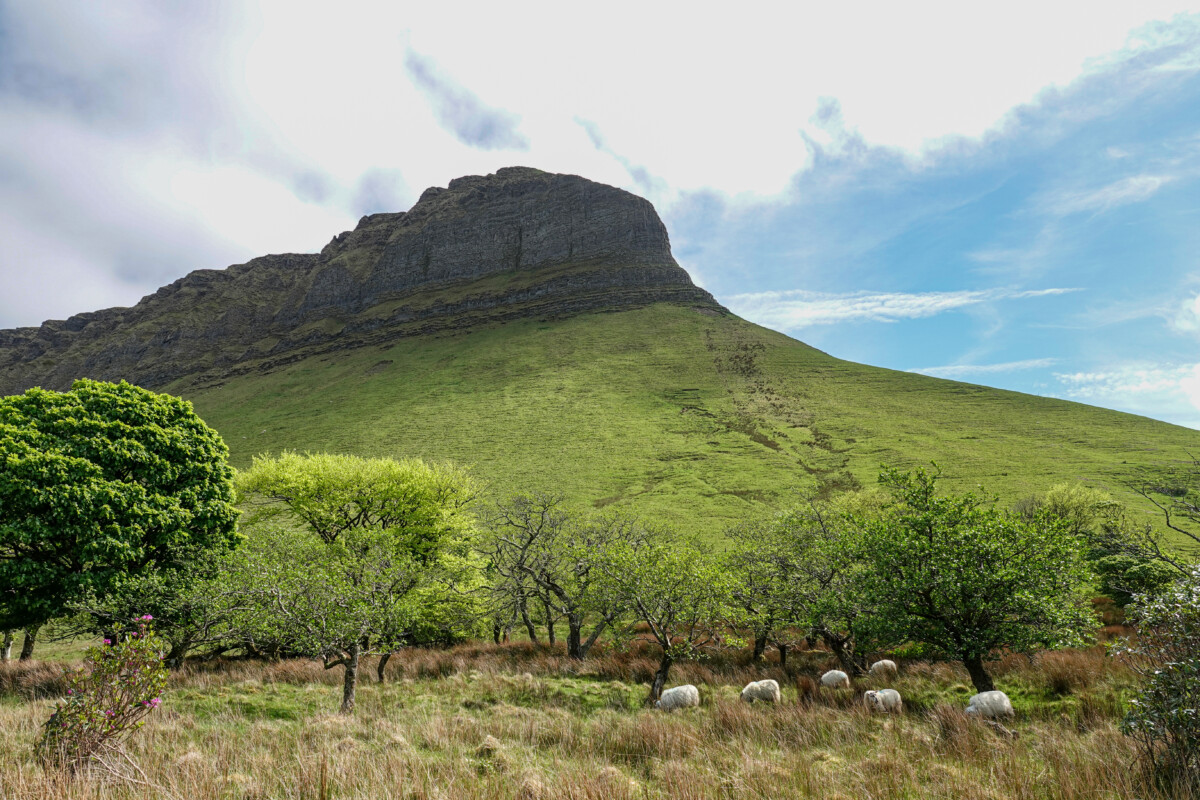
Often overshadowed by Connemara or Donegal, County Sligo is one of the most pleasant surprises on a trip to the West of Ireland.
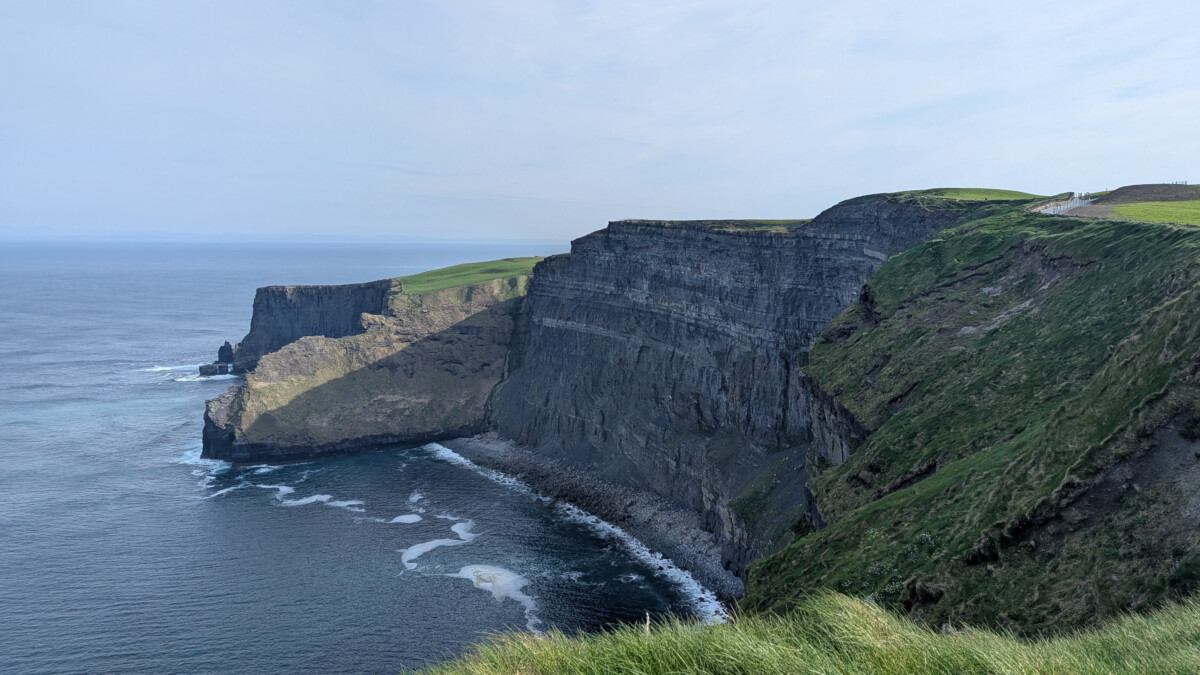
With its long, windswept beaches, cliffs plunging into the Atlantic, spectacularly shaped mountains and landscapes steeped in legend, this region has an identity all its own. Here, the ocean is omnipresent. It shapes the landscape, influences the light and has set the pace in coastal villages for generations.
Sligo is also intimately linked with Irish history and mythology. Numerous megalithic sites bear witness to human occupation dating back several millennia, while the landscape inspired the writer and poet William Butler Yeats, a major figure in Irish literature.
Less frequented than some of its neighboring regions, County Sligo today appeals to travelers in search of wide-open spaces, nature and a more authentic Ireland.
Sligo in a nutshell
Located on Ireland’s north-west coast, between Mayo and Donegal, County Sligo occupies a privileged position along the Wild Atlantic Way.
The region is characterized by a remarkable diversity of landscapes. Sandy beaches stretch out towards the ocean, while mountains dominate the horizon, starting with the famous Benbulben, whose tabular silhouette has become one of the symbols of the Irish west.
Sligo also boasts a rich cultural and archaeological heritage. Dolmens, megalithic tombs, monastic remains and sites associated with Celtic legends dot the area, reminding us of the region’s historical importance since prehistoric times.
Even today, this combination of nature, history and culture gives Sligo a special atmosphere that appeals as much to hiking enthusiasts as to photography and literature fans.
Sligo in practice
How to get to Sligo
Sligo is around three hours’ drive from Dublin and is a natural stopover on an itinerary between Connemara, Mayo, Donegal or Northern Ireland. Its location on the Wild Atlantic Way makes it an excellent base for exploring the north-west of Ireland.
When to visit Sligo
As in the rest of Western Ireland, the period between April and October generally offers the best conditions for discovering the region.
Spring is seductive for its lush green landscapes and moderate crowds, while summer is a time to enjoy beaches, hiking and long evenings on the Atlantic coast. The off-season is equally charming, with particularly photogenic light and an even wilder atmosphere.
Whatever the season, it’s best to pack a waterproof jacket: in Ireland, weather changes are part of the trip.
Getting around Sligo
The main natural sites are scattered along the coast or in the surrounding countryside, and public transport makes it difficult to take full advantage of the scenery. The best way to discover the region is by car. However, distances remain relatively short, making exploration particularly enjoyable.
As everywhere in Ireland, driving is on the left.
Where to stay in Sligo?
The town of Sligo is an excellent base for exploring the region and enjoying its restaurants, pubs and shops.
For a more ocean-facing ambience, Strandhill offers a pleasant setting facing the Atlantic, while the Mullaghmore area is attractive for its coastal scenery and more peaceful atmosphere.
As is often the case in Ireland, small guesthouses and characterful establishments allow you to take full advantage of local hospitality.
What to see in Sligo
Although it’s often less well known than Connemara or Donegal, County Sligo nonetheless boasts some of the most iconic landscapes in the west of Ireland.
Here, mountains seem to rise directly from the ocean, long sandy beaches attract surfers and walkers alike, while cliffs offer spectacular views of the Atlantic. More compact than some neighboring regions, the area makes it easy to make one discovery after another, while retaining the sense of space that characterizes the west of Ireland.
Here’s a selection of places that perfectly illustrate Sligo’s identity: a region deeply linked to the ocean, legends and great landscapes.
Strandhill Beach
Located just a few kilometers from the city, this immense Atlantic-facing beach has become one of the region’s most emblematic landmarks. Much appreciated by surfers thanks to the waves that regularly hit the shore, it also attracts walkers who come to enjoy the unique atmosphere that reigns on the coast.
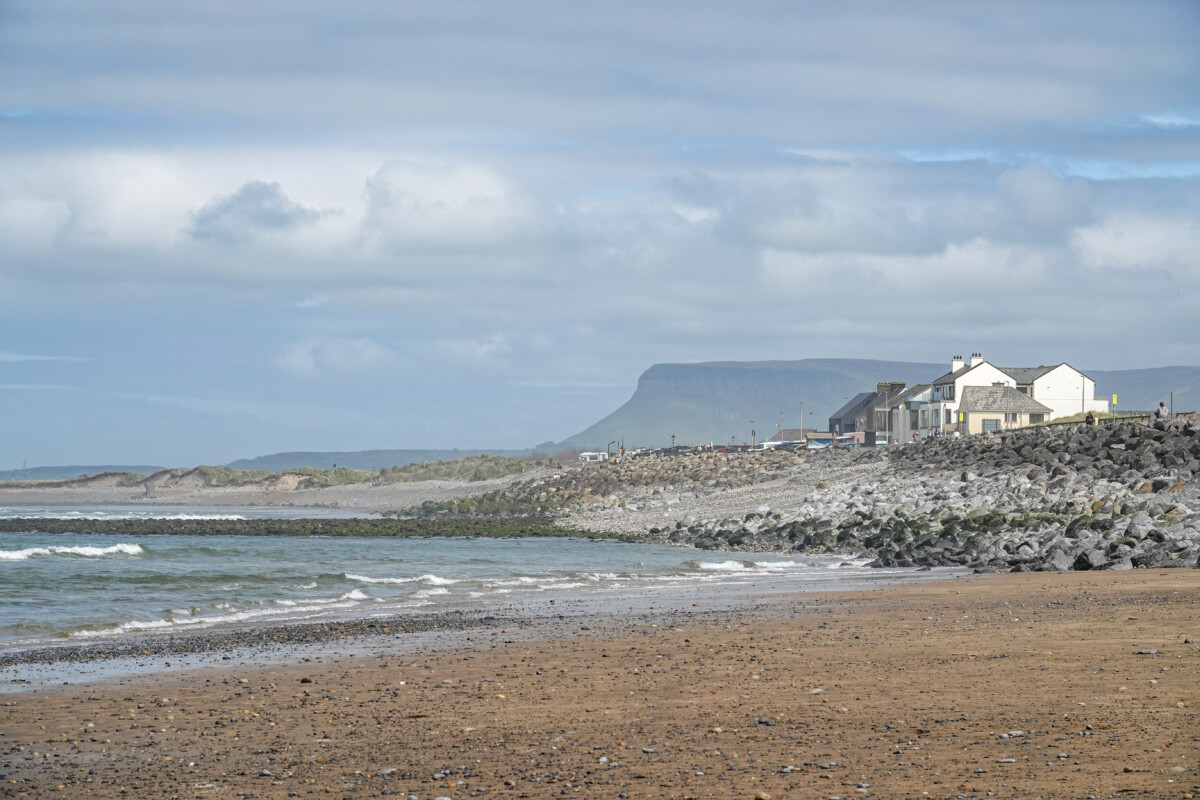
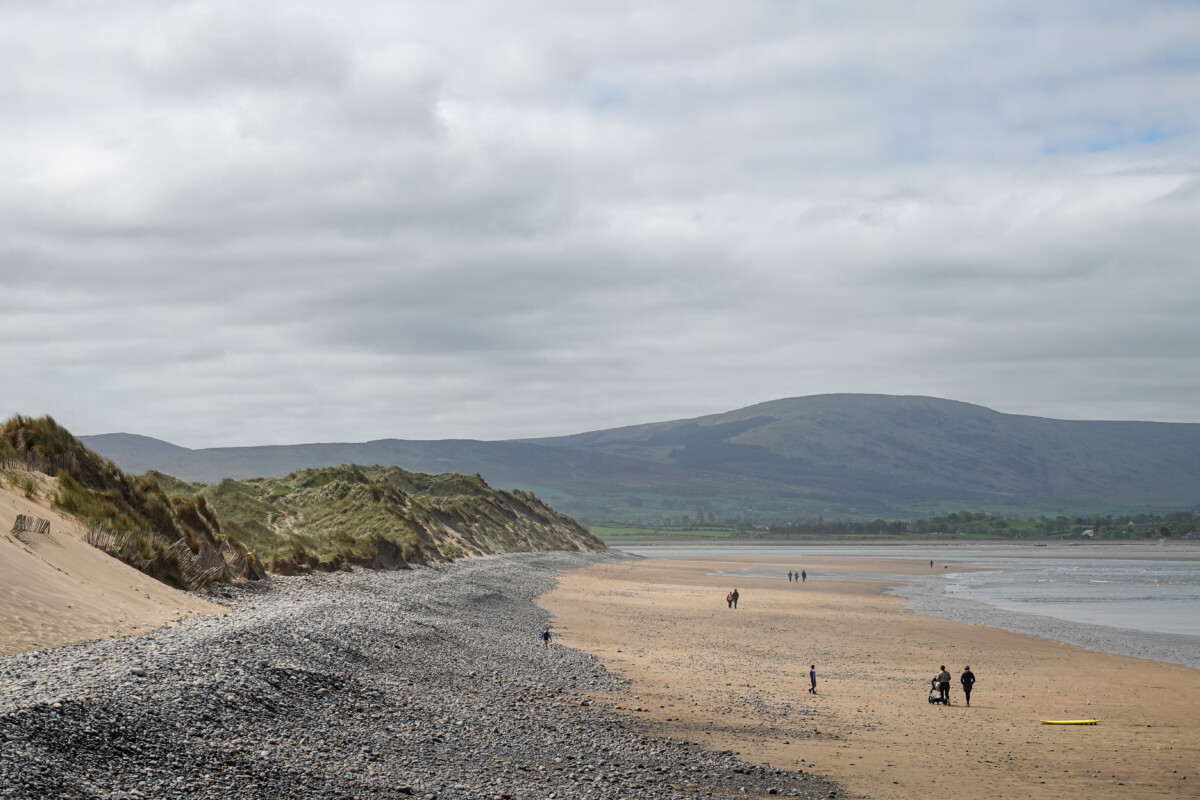
The beach stretches for several kilometers at the foot of Knocknarea, the mountain that dominates the bay. At low tide, the impression of space is striking. You can see far out over the ocean, while the surrounding dunes and hills create a typically Irish backdrop.
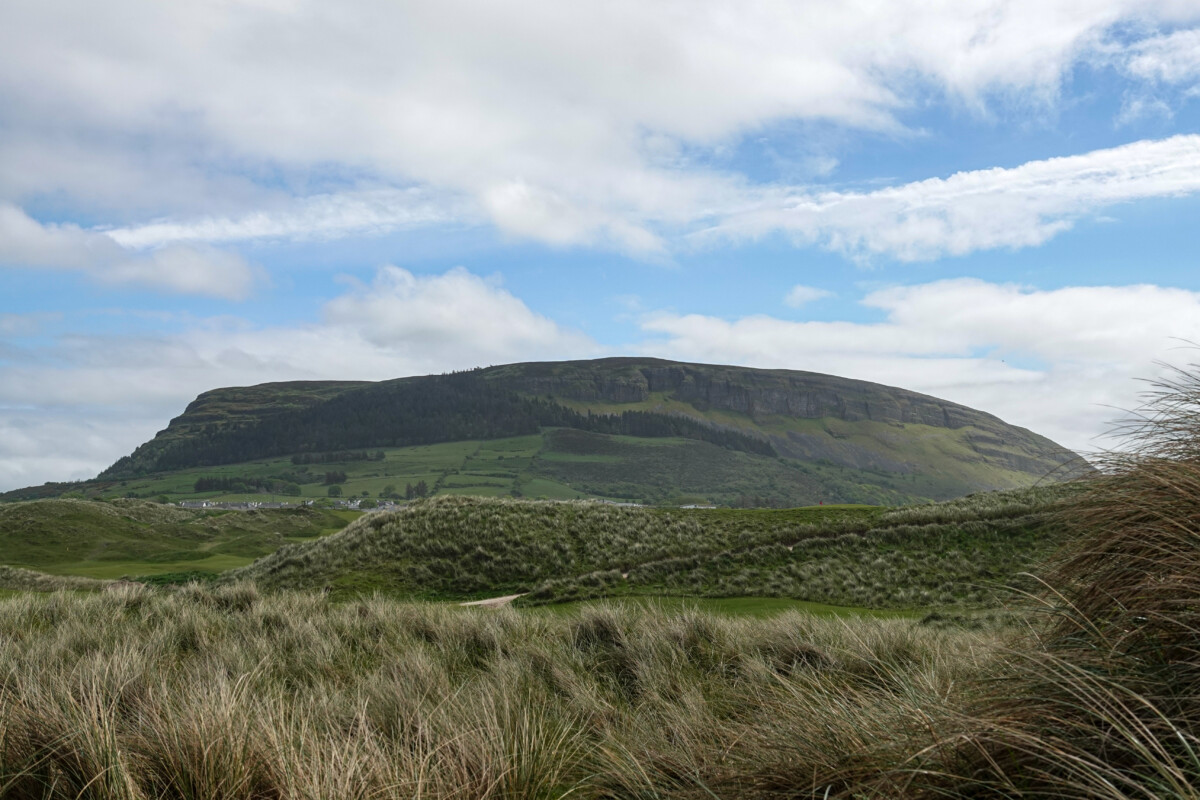
Strandhill Beach also has a particularly pleasant atmosphere. Cafés, restaurants and surf schools keep the village alive all year round, without detracting from its authenticity.
Benbulben & the Benbulben Forest Walk
If there’s one symbol of County Sligo, it’s the Benbulben.
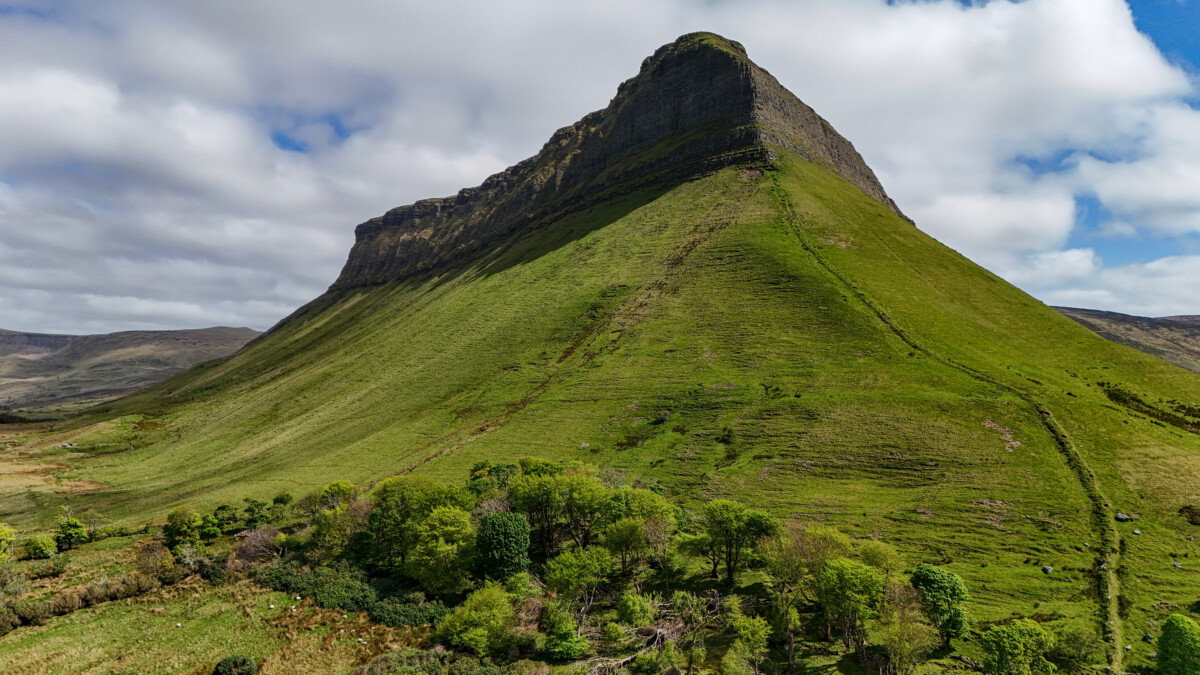
With its distinctive table-shaped silhouette, this mountain dominates the entire region and is one of Ireland’s most recognizable landscapes. Its spectacular shape is the result of millions of years of erosion that have progressively sculpted its steep cliffs and flat summit.
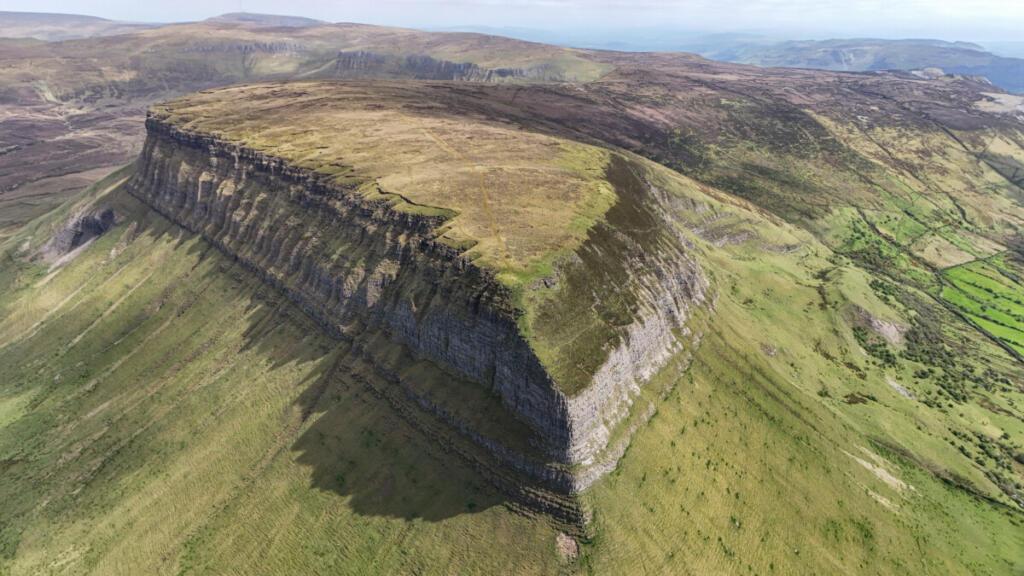
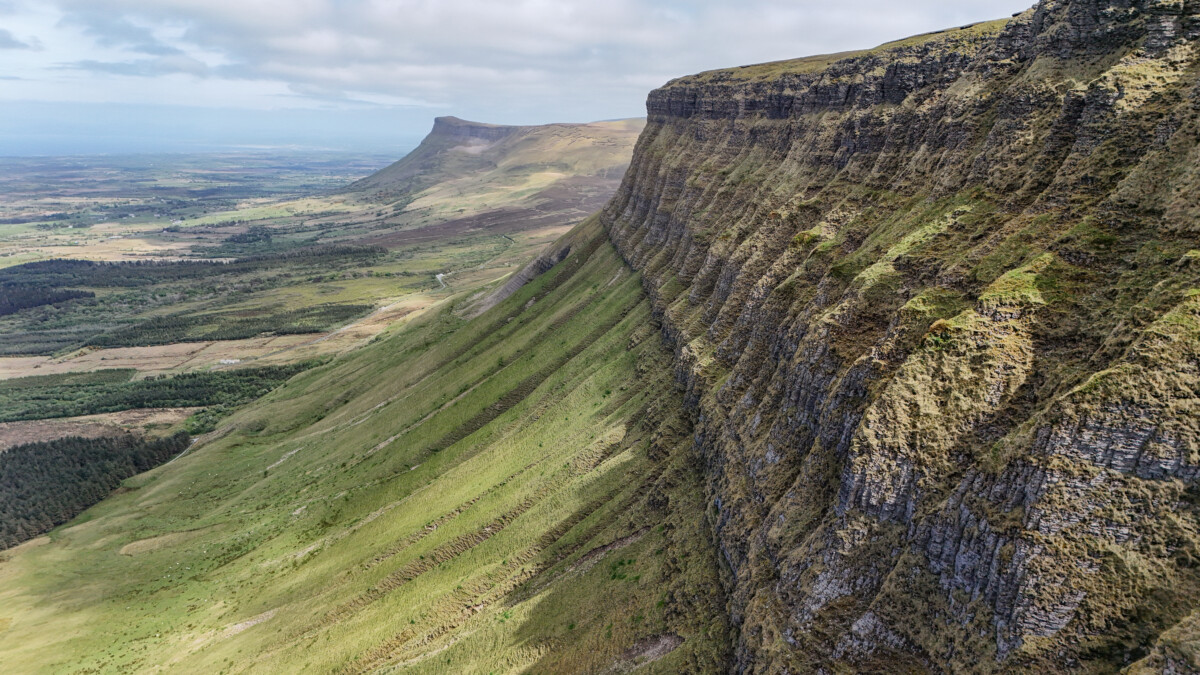
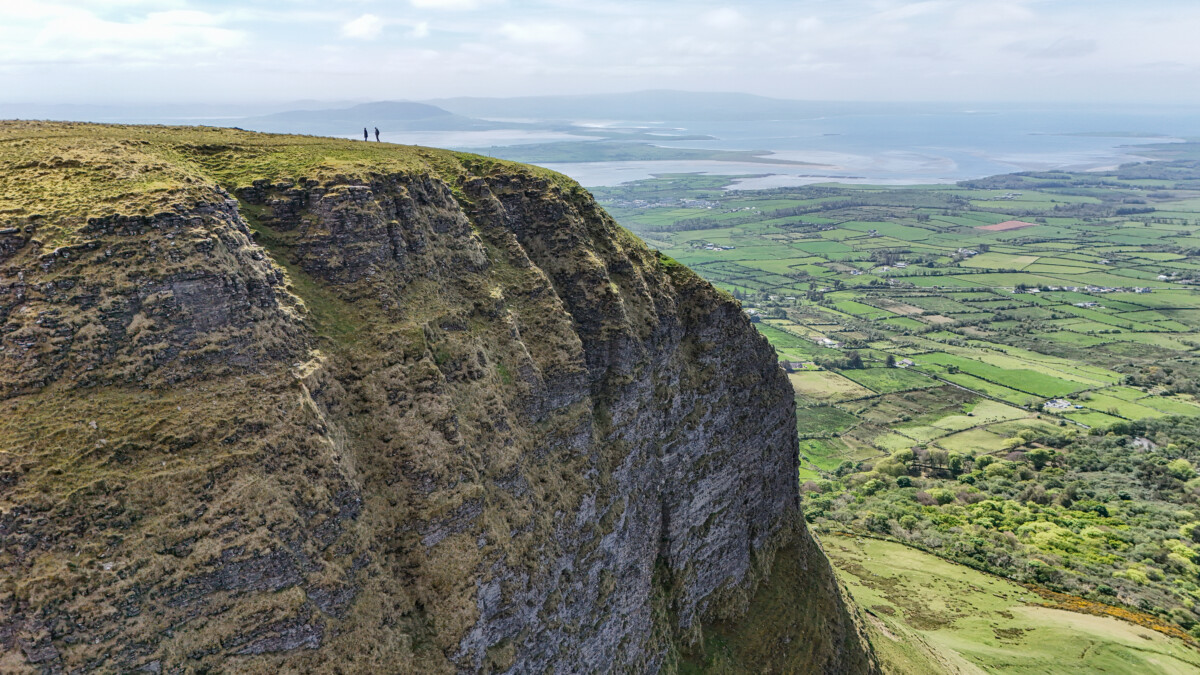
Visible for dozens of miles around, Benbulben accompanies the traveller as he explores the county. Depending on the light and weather conditions, its face seems to change constantly, from green to grey or bluish.
At the foot of the mountain, the Benbulben Forest Walk allows you to fully appreciate the dimensions of the massif. This accessible trail passes through forests and meadows, offering magnificent views of the cliffs that dominate the landscape.
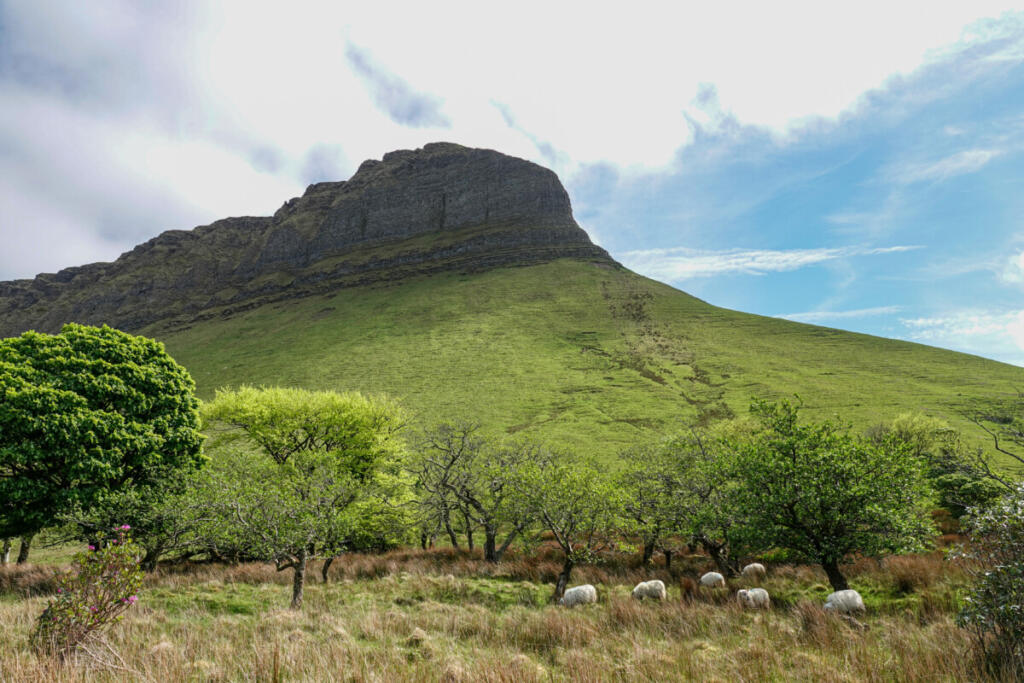
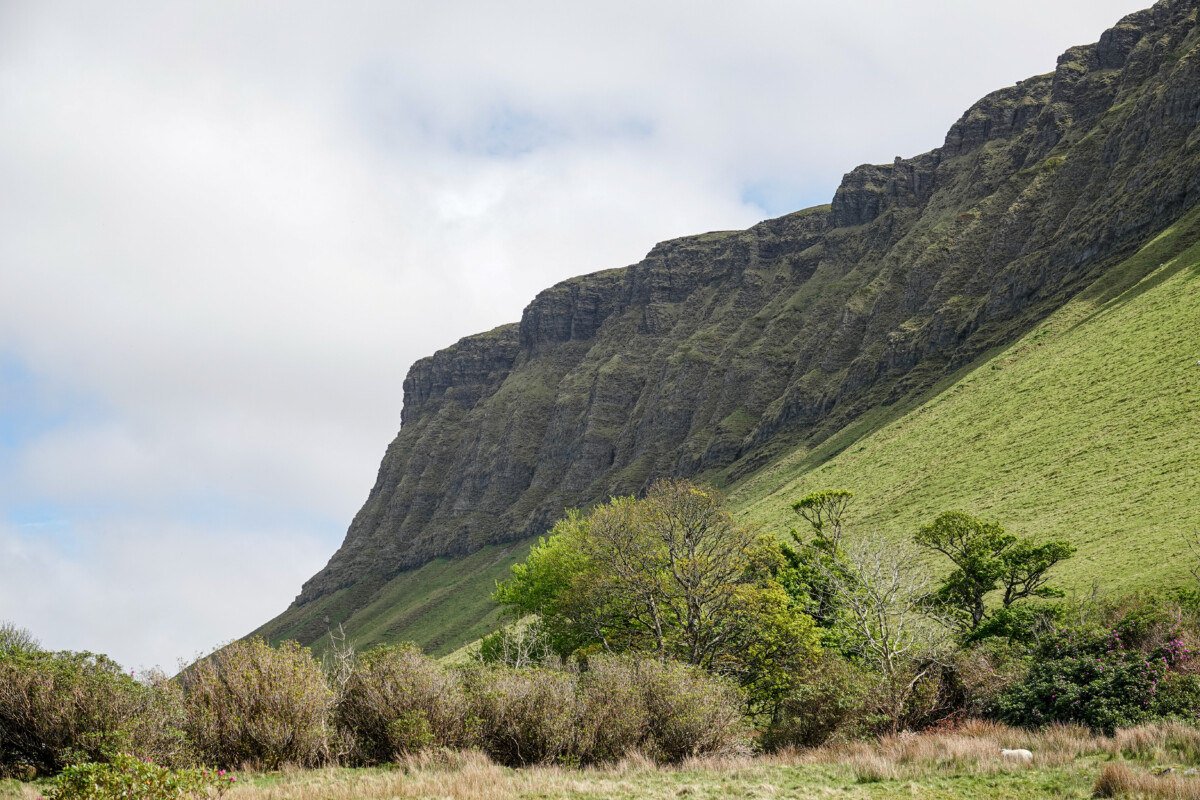
Beyond its natural beauty, the Benbulben also occupies an important place in the Irish imagination. Associated with numerous legends and immortalized by the poet William Butler Yeats, it has become one of the region’s great cultural symbols.
Mullaghmore Head & Classiebawn Castle
At the northern end of the county, the Mullaghmore peninsula offers some of the finest views of the Irish coast.
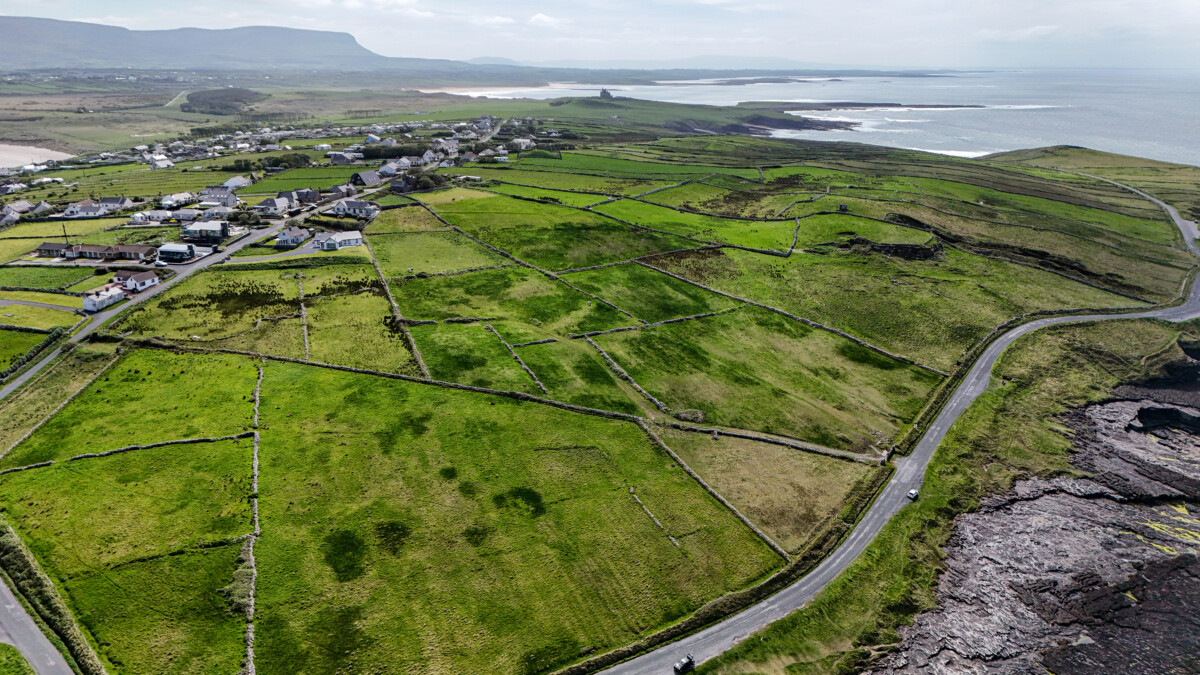
This small outcrop of land in the Atlantic is particularly renowned for its spectacular coastal scenery. The waves hit the cliffs with impressive power, making Mullaghmore one of Europe’s hotspots for big-wave surfing.
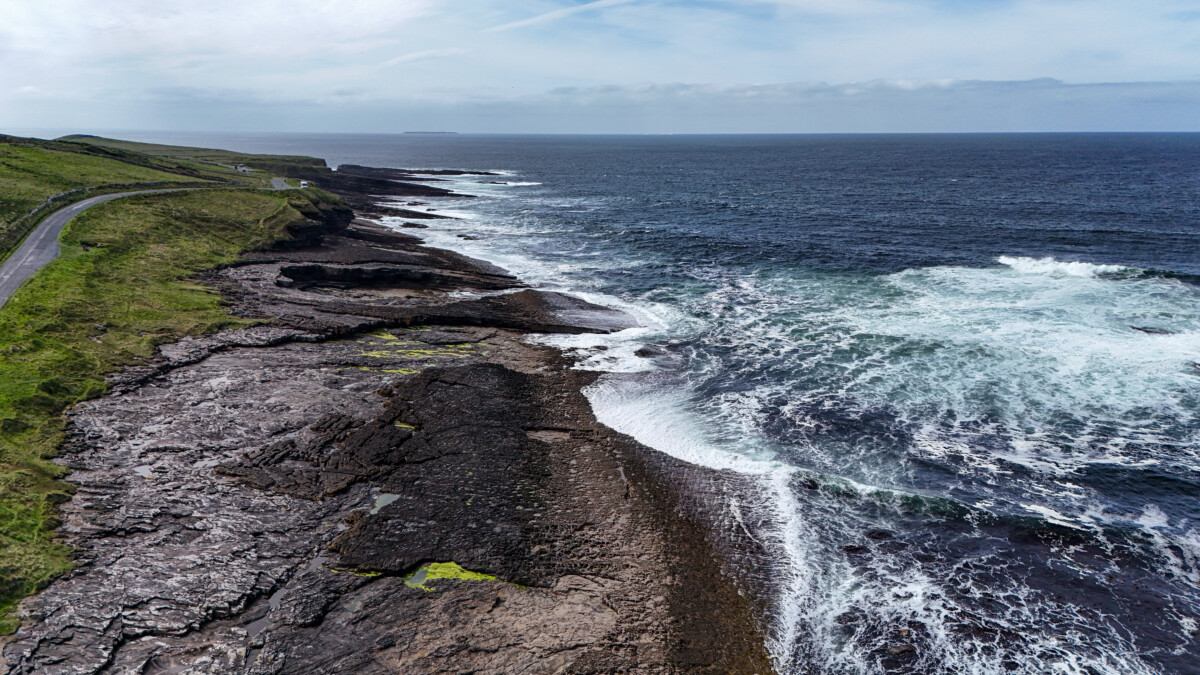
The road around the peninsula reveals a succession of remarkable views of the ocean, the Donegal mountains and the distinctive silhouette of Benbulben on the horizon.
Classiebawn Castle is also located here. Facing the Atlantic, this 19th-century castle is one of the region’s most photographed landscapes. Although the estate is private and not open to visitors, the view from the coastal road is particularly spectacular.
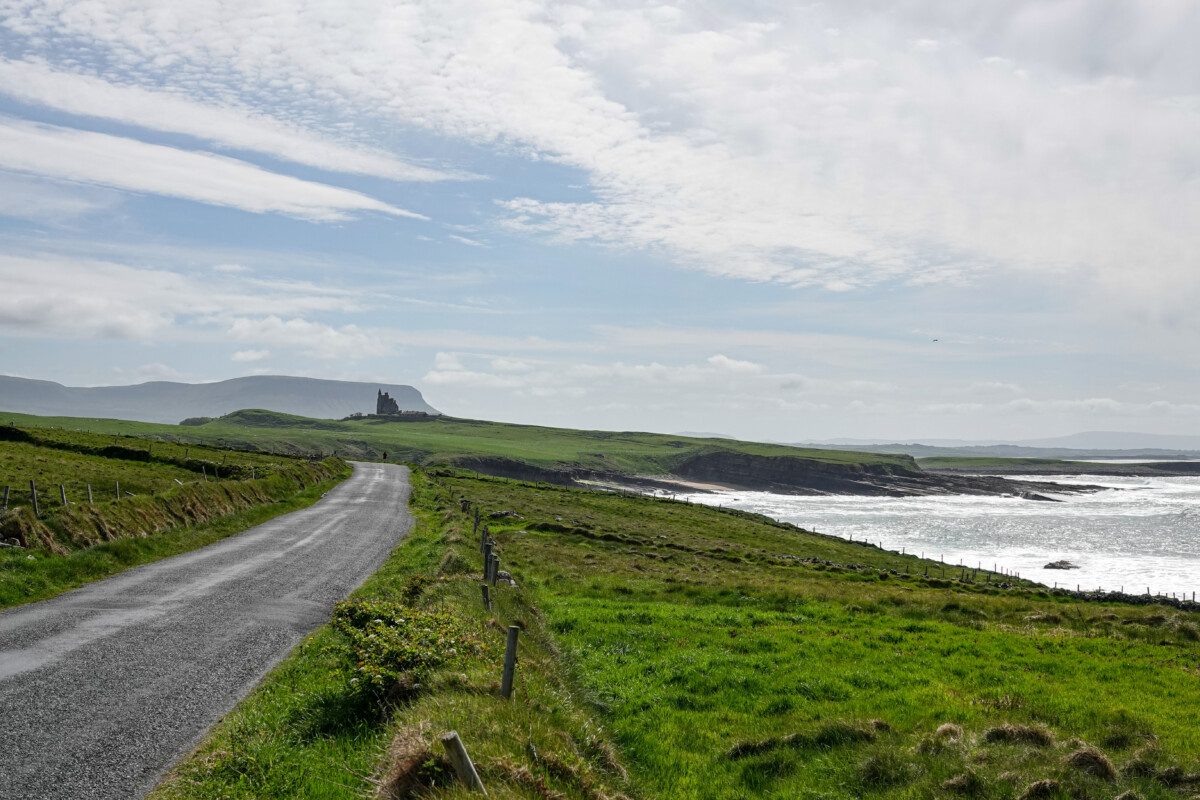
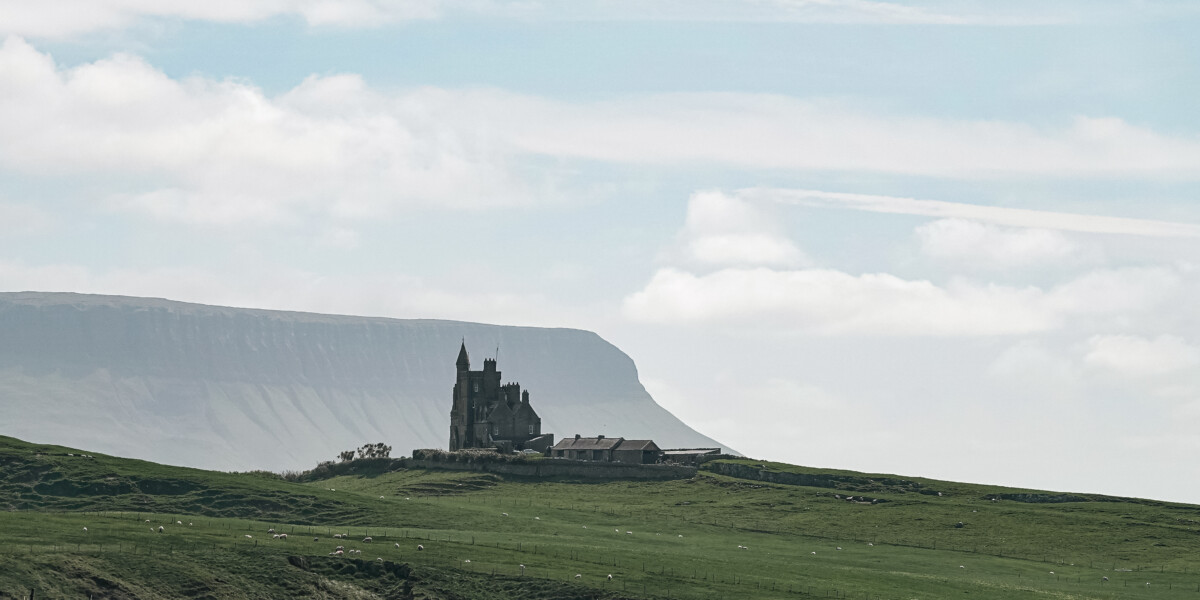
Between cliffs, windswept moors and open ocean views, Mullaghmore perfectly encapsulates the wild character for which the north-west of Ireland is renowned.
A few ideas to extend your trip
County Sligo can easily be discovered in a few days, but it also fits perfectly into a wider itinerary through the north-west of Ireland.
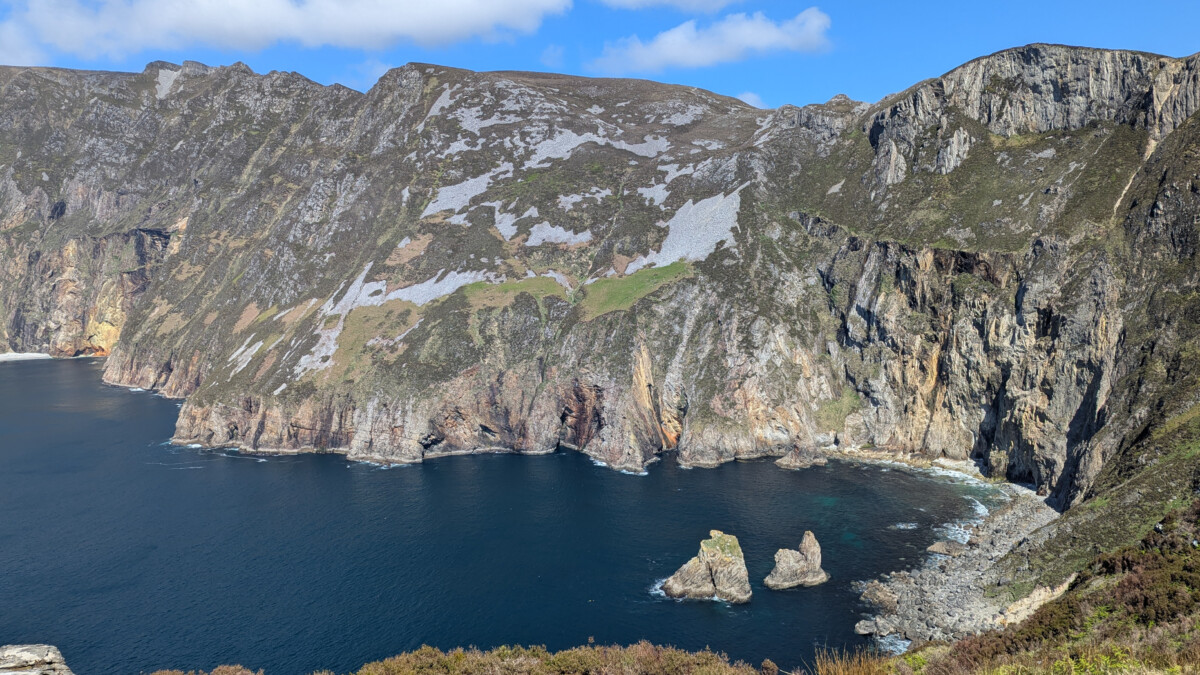
As you head north, the landscape becomes progressively wilder, with the cliffs of Slieve League, the valleys of Glengesh Pass and the mountains of Donegal. To the south, the Wild Atlantic Way continues through Connemara, its lakes, peat bogs and the iconic landscapes that have helped forge Ireland’s image in the collective imagination.
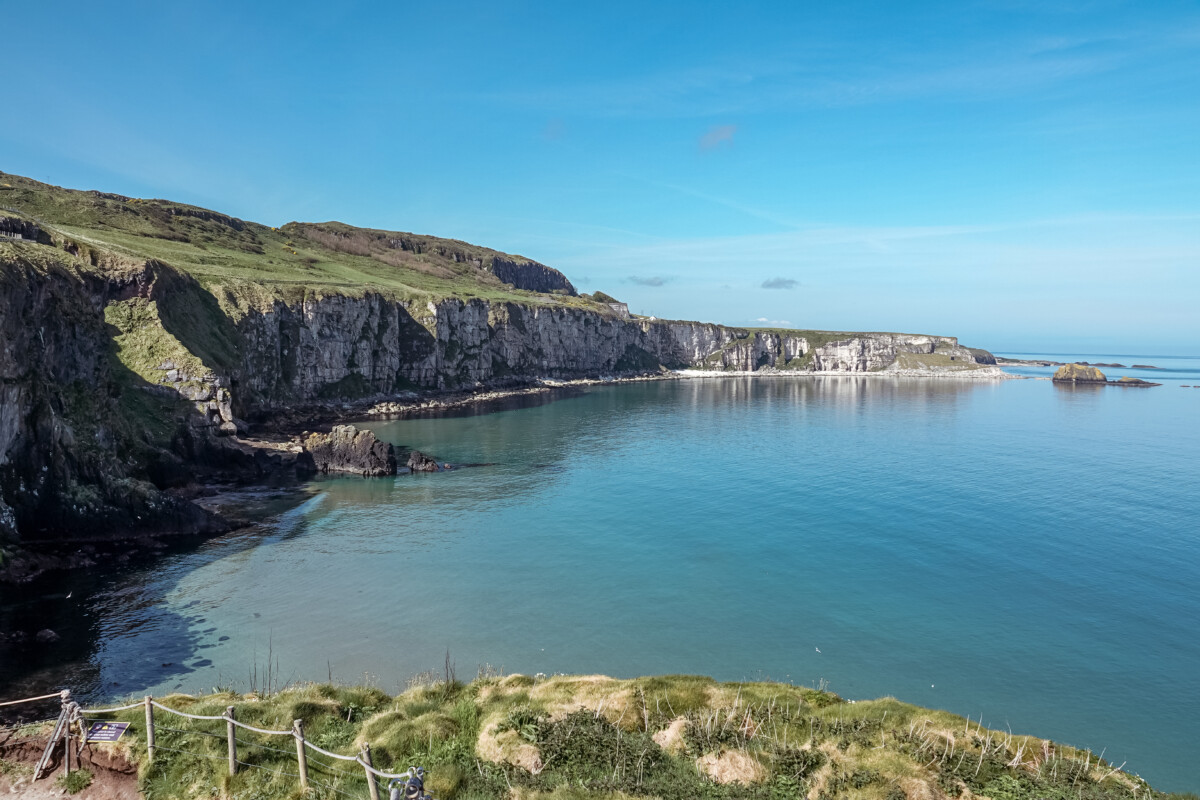
For those wishing to extend their adventure, the route can also continue into Northern Ireland. Between Rathlin Island, the Antrim coast and the spectacular Giant’s Causeway, the Causeway Coastal Route offers another facet of the island, just as fascinating.
Situated at the crossroads of these great regions, Sligo is an ideal base for exploring the whole of north-west Ireland and discovering some of the island’s most beautiful landscapes.
Read also
- Discover the West of Ireland on the Wild Atlantic Way
- Donegal: the wildest Ireland
- Discover Northern Ireland on the Causeway Coastal Route
Often regarded as a simple stopover between Connemara and Donegal, Sligo is well worth a visit. A discreet, authentic and deeply endearing region that often reserves some of the finest surprises of a trip to Ireland.
Because the most beautiful journeys are not always limited to the most famous places, Sligo naturally finds its place in some of our itineraries through Ireland. If this region inspires you, we’d be delighted to work with you to design a tailor-made trip to discover the island’s most beautiful landscapes.