Family travel is much more than a simple getaway: it’s a great opportunity to broaden horizons, discover other cultures, and open children’s eyes to a rich and fascinating world. Travel awakens their curiosity, while developing patience and flexibility – valuable qualities that will stay with them for the rest of their lives. It’s also a unique opportunity to forge strong bonds and create unforgettable memories, far removed from the sometimes stressful and frustrating pace of everyday life.
And yet, going away as a family often raises a thousand and one questions! From luggage management to meal preparation and destination selection, every detail counts to make sure everything goes as smoothly as possible. Here are 10 frequently asked questions, with practical tips for anticipating the unexpected and transforming every stage of the trip into a moment of shared pleasure.
Sommaire de l'article
- How do you organize luggage for the whole family?
- What are the essentials in a family first-aid kit?
- What simple steps can you take to protect your family’s health?
- How do you manage meals with difficult or special-needs children?
- How do you manage differences in age and interests among siblings?
- How do you cope with jet lag and fatigue?
- How to keep kids busy on the move, without screens?
- How to deal with first times (safari, boat, diving…)
- How can we reconcile cultural discoveries with children’s desires?
- How can you limit logistical stress while remaining flexible?
How do you organize luggage for the whole family?
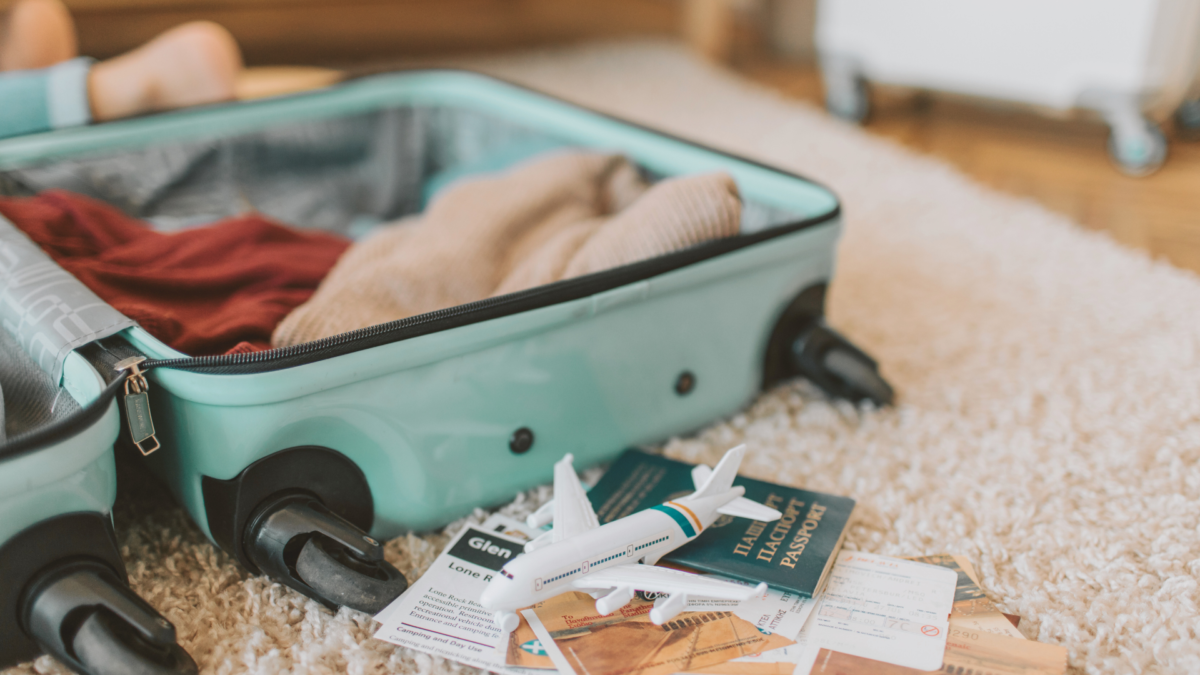
The first step is to adapt the contents of your suitcase to your destination. In hot climates, there’s no need to pack too much clothing: you’ll often spend the day in a swimsuit, shorts and a t-shirt. On the other hand, in colder regions or where the climate is changeable, it’s better to opt for layered clothing (t-shirt, fleece, waterproof jacket) rather than several large sweaters, which are often bulky and impractical in milder weather. Another simple but essential tip: get new shoes worn before you leave, to avoid blisters from the very first days.
When it comes to organization, storage pockets are a real ally. They can be used to compartmentalize clothes by type or by person, and some models even compress items, saving precious space in the suitcase. When you often change accommodation, or when not everyone sleeps in the same room, they also enable you to divide your belongings without necessarily multiplying your suitcases. This means you can slip everyone’s pockets into different bags, depending on what you need at the time, without having to unpack everything at each stage. Don’t forget to slip in a few empty bags for dirty laundry – they’ll come in handy in no time.
Last but not least, involving children in packing their own belongings is an excellent way of developing their independence. By entrusting them with their own pouches (with their pyjamas, toiletries, swimsuits, etc.), they become aware of what they’re taking, learn to organize themselves and gradually gain in independence. It’s a great way to get started on your trip… even before you leave.
It’s a true story!
We invested in our first travel bags on our road trip to Namibia. And fortunately: between the omnipresent sand, camping on the car every night and re-packing every day, they literally saved the day. Since then, we’ve never traveled without them. Each child has his or her own color, and each usually carries three pockets: one for underwear and socks, one for T-shirts, and one for pants, shorts or dresses. Even when you don’t need to compress them, the simple fact that everyone can easily locate their belongings and take them to their room makes everything run so much more smoothly…
What are the essentials in a family first-aid kit?
Even when you’re not on the other side of the world, a well-thought-out first-aid kit can make all the difference. It allows you to react quickly to the little aches and pains of everyday life, and to avoid running to the chemist in an unfamiliar place… or at an unlikely time of day. The key is to keep things simple, light but effective.
Essentials include bandages in various sizes, antiseptic cream, disinfectant, a thermometer, a child-friendly antidiarrheal, paracetamol, an antihistamine (in case of a sting or allergic reaction), sunburn cream and mosquito repellent. If you’re traveling to a hot country, don’t forget an oral rehydration solution, useful in case of heatstroke or vomiting. And of course, specific treatments should be easily accessible, with prescriptions in both paper and digital versions.
Don’t forget tweezers (always useful for splinters), compresses and a stick for insect bites. All in a compact, well-organized kit, and packed in your carry-on bag if you’re flying. Last but not least, in high-risk areas, don’t forget your anti-malarial medication or vaccinations.
It’s a true story!
On our first safari in Kenya, we packed all our medicines in transparent sachets, with a label on each one indicating the name, purpose and main doses. To be on the safe side, we also slipped the leaflets into the sachets – a precaution all the more useful as it may be required by certain local authorities, such as in Egypt, where certain medicines common in our country are not authorized. Since then, we’ve kept to this method. Even at home, the pharmacy is organized in themed sachets, always ready to use and easy to consult when needed. Before each trip, I go through the bags, check the dates, fill in the missing items… and everything is ready. A real time-saver, better visibility, and above all, peace of mind that we appreciate.
What simple steps can you take to protect your family’s health?
Travelling with children also means looking after their health and safety. One of the most important things you can do in any country is to wash your hands thoroughly, especially before meals. Drinking water is not guaranteed everywhere, so it’s best to avoid drinking tap water or water served in a glass without knowing where it comes from – even when brushing your teeth. We prefer sealed bottles, without ice cubes (microbes survive freezing), and always keep a disinfectant gel in your backpack.
On the beach, it’s best to place towels on mats rather than directly in the sand, to avoid inconveniences such as sand fleas. When washing clothes on the go, remember to shake out any clothes that have been dried outside before folding them. And in dodgy accommodation, a meat bag slipped into the bed can make all the difference.
Be careful with animals, too, especially in areas where rabies is rife. Never pet a stray dog or cat, no matter how cute. If you are bitten, scratched or even licked on a wound, consult a doctor immediately – even if you have been vaccinated: rabies is fatal if not treated in time!
How do you manage meals with difficult or special-needs children?
To manage meals while traveling, it’s a good idea to pack a few essentials, such as compotes, homemade cookies, packaged cereals and easy-to-carry fruit. And don’t forget to find out about child-friendly supermarkets and restaurants nearby. If you’re worried about managing meals at a hotel or restaurant, opt for accommodation with a kitchen, which will give you real freedom to adapt meals to individual tastes and needs. Some hotels even offer rooms with kitchenettes, so you can enjoy the comfort of a hotel while benefiting from the flexibility of an apartment. Finally, always remember that tasting local specialities is a discovery that sometimes requires a little patience before being fully appreciated.
It’s a true story!
Before our trip to Sri Lanka, I had read that many dishes were very spicy… even breakfast eggs! So, when ordering, the instructions were clear: always ask for “no spicy”. But on the spot, we quickly realized that this request often went unheeded. So we had to adapt: we preferred dishes based on white rice or opted for curries with several fillings, which meant we could ask for enough plain rice for the children. Not always easy, but we found our balance. And then there were the daredevils who wanted to try out the spicy dishes… which gave us some good laughs as a family!
How do you manage differences in age and interests among siblings?
When you’re traveling with children of different ages, it’s normal that their desires and rhythms aren’t always the same. The challenge is to find a balance between everyone’s needs, without anyone feeling left out. The idea is not to impose the same activities on everyone, but rather to alternate group time with more individualized moments.
For example, while a teenager enthusiastically explores a museum, a younger one can stay outside with a sketchbook, or enjoy a nearby park. The key is to give everyone their own breathing space. Favoring places that offer several approaches – sensory trails, manual workshops, free-play areas, mini-randos – is often a winning solution.
And above all, involving children in the choice of activities right from the planning stage helps avoid frustration and conflict. Giving them a voice encourages their commitment and motivation. A little extra advice: plan a “bonus day” or a free slot so that everyone can propose an activity “just for them”… it’s often much appreciated… and very unifying.
How do you cope with jet lag and fatigue?
Jet lag can quickly become a headache when traveling, especially with children. To avoid it spoiling the first few days, it’s best to anticipate it and accept that it may take a little time to adapt.
As soon as you arrive, plan a rest period – not necessarily a long nap, but at least a quiet moment in soothing surroundings, to give everyone time to land. Avoid planning a dense excursion or a busy program on the first day: the idea is to leave yourself a transitional period before really starting to explore.
Whenever possible, opt for a night flight: it’s easier for children to fall asleep on board, and makes it easier to change time zones. On arrival, try to match meals, outings and exposure to natural light to local schedules, even if the first few days require a little flexibility.
On long journeys, introducing a bedtime ritual (reading, soft music, herbal tea, stuffed animals) helps children find their bearings despite the change of environment. This helps them fall asleep faster and more serenely, especially if they are very excited or disoriented.
And don’t forget: children recover quickly… often faster than we do! A few days’ adjustment is usually all it takes to get back into the swing of things and enjoy your trip to the full.
How to keep kids busy on the move, without screens?
Long journeys can quickly seem interminable for youngsters, especially without a tablet or cartoon to keep them occupied. However, with a little preparation, these moments can become real times for sharing and creativity.
Small travel games are always a safe bet: Uno, Dobble, Devine-tête, but also classics such as Hangman or Neither Yes nor No. And don’t forget to include a few audio stories, which are very effective at capturing attention – some platforms or apps offer stories adapted to each age or length of journey.
Books (with pictures or to be read aloud), activity books or travel diaries to complete are also great allies. You can draw what you see, stick on souvenirs or answer little questions about the trip. To maintain interest over the miles, mini surprise bags work wonders: a little bag containing a toy, a treat or an activity to be discovered at regular intervals. The surprise effect works wonders!
Observation games are also very useful, especially when we’re on the road: “look for the red car”, “animal bingo”, or even nursery rhymes that we repeat together. Children also enjoy simply chatting, asking questions about the journey, or daydreaming as they watch the scenery go by.
Finally, let’s not forget that journeys can be moments of calm, cuddling and even impromptu naps – especially if you plan regular breaks and vary the activities to avoid agitation or boredom.
How to deal with first times (safari, boat, diving…)
The first major travel experiences – such as a safari, a cruise or an introduction to scuba diving – can become unforgettable memories for the whole family. But for them to be truly successful, it’s best to anticipate them carefully.
For scuba diving, the minimum age for a baptism is generally set at 8 years, with strict conditions: professional supervision, a safe environment, and a certain maturity on the part of the child (listening, stress management, comfort in the water). If diving is a highlight of your trip, it can be very useful to do an initiation or test dive before departure, at a club or pool near you. This removes any possible apprehensions, allows you to check your child’s comfort level underwater, and enables you to arrive at your destination with greater peace of mind. It’s also a great way to build excitement and confidence.
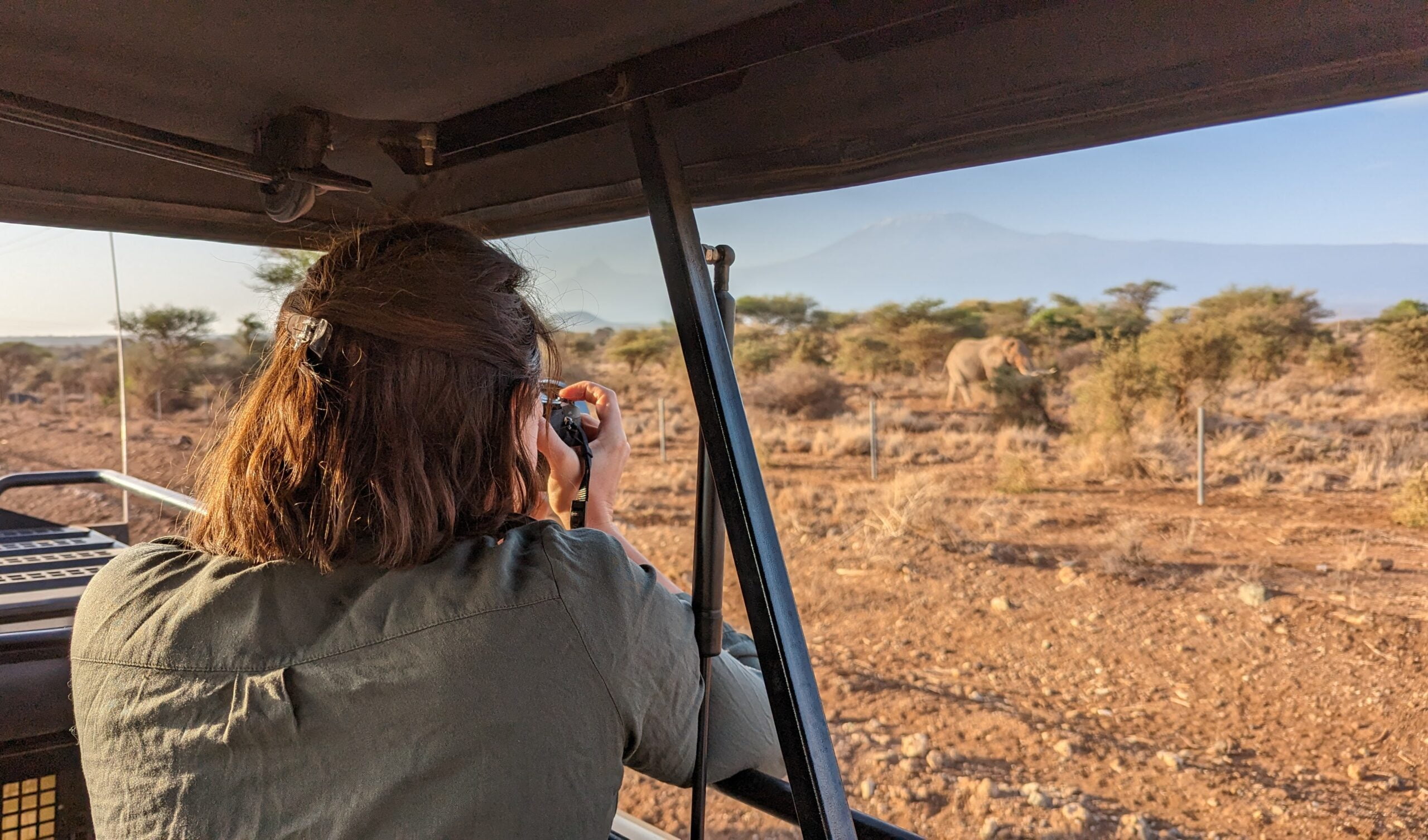
A safari, on the other hand, can amaze young and old alike – as long as the destination and pace are adapted. Long hours on the trail, sometimes without seeing any animals, can be tiring for younger visitors. Choose countries where wildlife is dense and easy to observe (Kenya, Tanzania, South Africa), and alternate formats: 4×4 safaris, accompanied walks, nights in a lodge or tent with a view, discovery of a school or village… So many ways to vary the pleasures and capture the attention of children.
When it comes to cruising, it’s best to start with a gentle, accessible experience: a few days aboard a dahabiya in Egypt, a catamaran around the Greek islands or a local boat in Sri Lanka are a great way to discover sailing without the risk of boredom or prolonged seasickness. These more flexible formats also offer greater freedom, more swimming breaks and closer contact with the landscape.
In any case, the best thing is to plan a quiet day on arrival, so that everyone can get their bearings and recover from the journey. This avoids unnecessary stress and fatigue, and allows you to embark on your adventure with greater confidence… and wonder.
How can we reconcile cultural discoveries with children’s desires?
Travelling as a family also means passing on a taste for discovery and encounters… but it’s important that there’s something for everyone! To ensure that cultural visits are not seen as a chore by the youngest members of the family, it’s best to approach them with a touch of creativity.
Start by introducing visits in a fun way. A treasure hunt in a museum, an observation book to fill in during a city walk, amusing anecdotes about historical figures or local customs: anything that stimulates their curiosity and imagination turns learning into play.
And don’t forget to alternate rhythms: a museum in the morning, an ice cream and a walk on the beach in the afternoon. This alternation between “cultural” times and moments of relaxation avoids weariness and allows everyone to recharge their batteries. It doesn’t matter if you don’t see everything: it’s better to make the most of a few discoveries than to run from one site to the next.
Choose the right places: local farms, pottery workshops, colorful markets, street performances or small interactive museums are often more meaningful to children than a traditional guided tour. This type of experience also gives them a chance to touch, taste and try things – in short, to get involved.
Finally, don’t hesitate to involve your children in the choices. Even the youngest can participate: “Would you rather go to the market or visit the castle today?” This involvement strengthens their motivation and sense of autonomy, while showing them that their desires count. The aim is not to turn your children into art lovers overnight, but to help them experience culture as an adventure: joyful, accessible and full of discoveries.
How can you limit logistical stress while remaining flexible?
Family travel means accepting that things won’t always go according to plan. And that’s precisely where good preparation can help you deal with the unexpected, without losing any of your spontaneity.
One of the first levers is the choice of accommodation. Opting for well-located accommodation, close to places of interest or easily accessible by public transport, reduces tiring journeys and unnecessary complications. Accommodations that offer breakfast are often a real plus: it’s one less meal to manage, and everyone starts the day off on the right foot.
In terms of organization, it’s best to plan a light program, with no more than one or two activities per day. This leaves room for improvisation, the unexpected, or simply to follow your own rhythm. Overcrowded days often lead to fatigue, tension and loss of pleasure.
Always having a plan B can also make all the difference: a fallback activity if the weather changes, a little board game in your handbag in case you have to wait in a restaurant, or a list of simple ideas to do without preparation. These emergency solutions avoid last-minute crises.
And above all, don’t neglect the moments without a program. A free afternoon to rest, play quietly at the accommodation or wander randomly around the area gives everyone a chance to catch their breath. These breaks give you energy and often provide the best memories, away from the hustle and bustle.
At the end of the day, it’s not about anticipating or controlling everything, but about creating a sufficiently flexible and reassuring framework so that everyone can enjoy the adventure, without pressure.
Family travel is a unique adventure, full of discoveries and emotions. By anticipating everyone’s needs and remaining flexible, we turn every trip into a precious moment of sharing and complicity. And for a truly stress-free, worry-free trip, why not entrust the organization of your trip to us? We’ll take care of everything, so you can concentrate on what’s most important: making the most of every moment with your family.