Travelling to Finnish Lapland isn’t just about exploring wide open spaces covered in snow or hunting for the northern lights. It’s also about taking the time to understand an inhabited land, shaped for millennia by a people deeply tied to nature: the Sámi.
In Inari, in the heart of Finland’s Far North, the Siida Museum offers a key to understanding Lapland, its history and cultural identity.
The Sami people, guardians of the Far North
Long before we spoke of Lapland, long before modern borders divided the Far North between Finland, Sweden, Norway and Russia, a people was already living in these Arctic lands: the Sámi, Europe’s last indigenous people. Their presence in the region dates back over 6,000 years, perhaps even to the end of the last ice age, when the first nomadic communities followed the great herds northwards.
Sami history is inseparable from nature. It is not written in cities or monuments, but in the rhythm of the seasons, migrations and landscapes. Long hunter-gatherers, the Sámi gradually domesticated the reindeer almost two thousand years ago. With the reindeer came the organization of life cycles based on transhumance, seasonal grazing and migration routes, the true cultural axes of the territory.
Even today, although only a minority still practice traditional reindeer husbandry, the reindeer remains at the heart of Sámi culture. It is a companion animal, a vital resource, a means of transport, a source of food and a spiritual symbol. The reindeer’s presence structures the imagination and everyday life, far beyond economic activity.
The Sámi worldview is historically based on an animistic relationship with nature. Every element – forest, river, mountain, animal – has a soul and deserves respect. The shamans, central figures of this spirituality, used the joik, an ancestral song both guttural and melodic, to tell the essence of a place, a person or a moment. This chant, one of the oldest in Europe, still resonates today at festivals, gatherings and cultural events.
Over the centuries, the Sámi have had to contend with Christianization, assimilation policies and the marginalization of their languages and traditions. Certain practices were banned, sometimes brutally, without ever disappearing altogether. Since the end of the XXᵉ century, a major drive for cultural recognition has helped to preserve the Sámi languages, enhance the value of traditional crafts and restore this living culture to its central place.
The Inari region occupies a special place in this cultural renaissance. Here you’ll find Finland’s leading Sámi institutions, cultural centers, craftsmen and families who have lived here for generations. It is here that Sámi culture is discovered not as a fixed heritage, but as a contemporary reality, constantly evolving and deeply rooted in the land.
The Siida Museum: understanding Lapland through Sámi culture
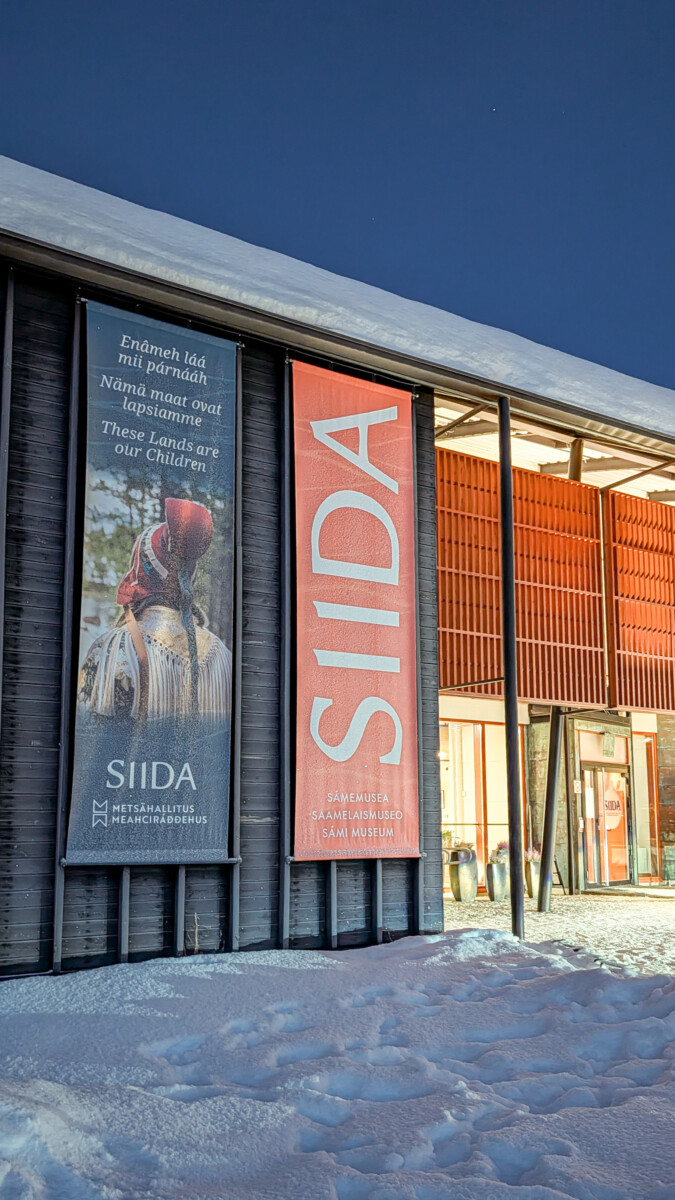
Located in Inari, on the shores of the lake of the same name, the Siida Museum is an essential step towards a better understanding of Finnish Lapland. More than a museum in the classical sense of the term, Siida is both a Sámi cultural center and a museum of Lapland nature, offering a global and coherent reading of the territory.
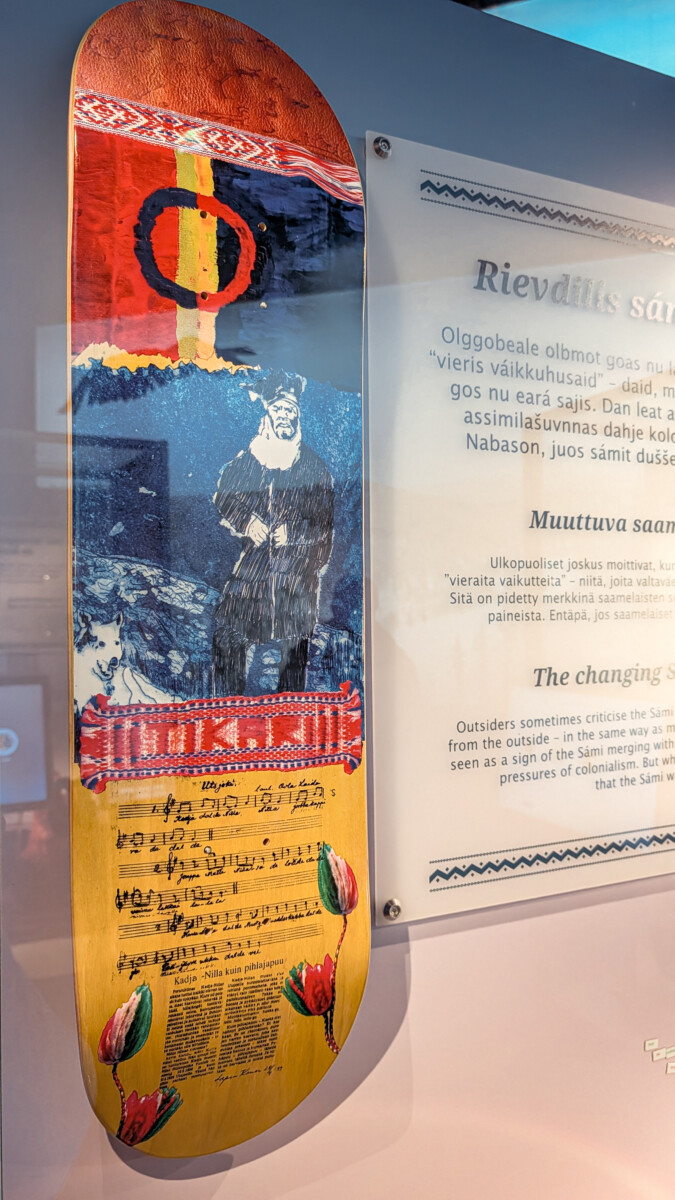
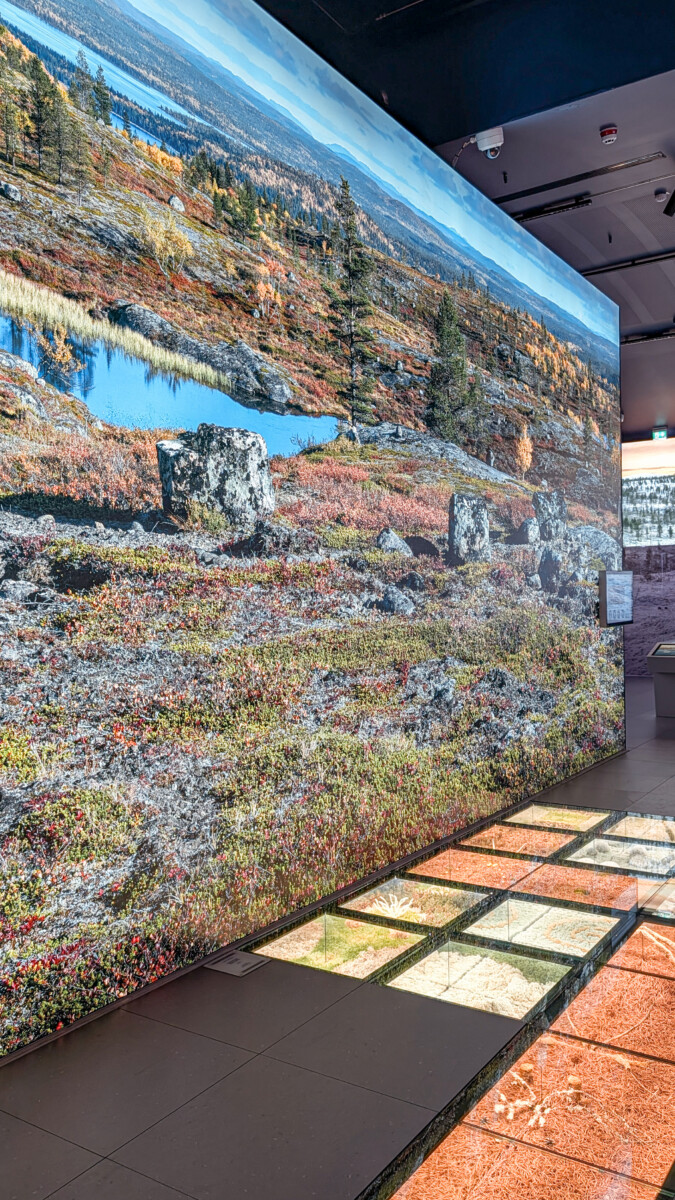
The tour links the landscapes we pass through – boreal forests, frozen lakes, tundra – with the human and cultural history that has inhabited them for millennia. It sheds valuable light on how the Sámi have learned to live with the Arctic, adapting to its constraints without ever seeking to dominate it.
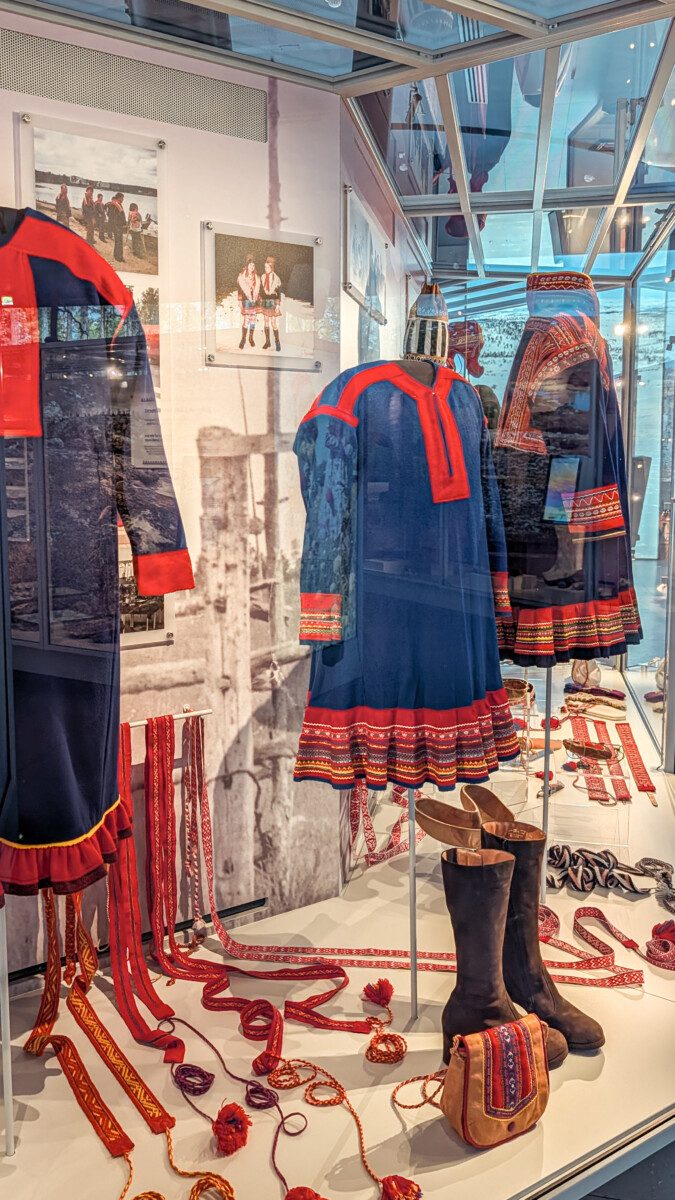
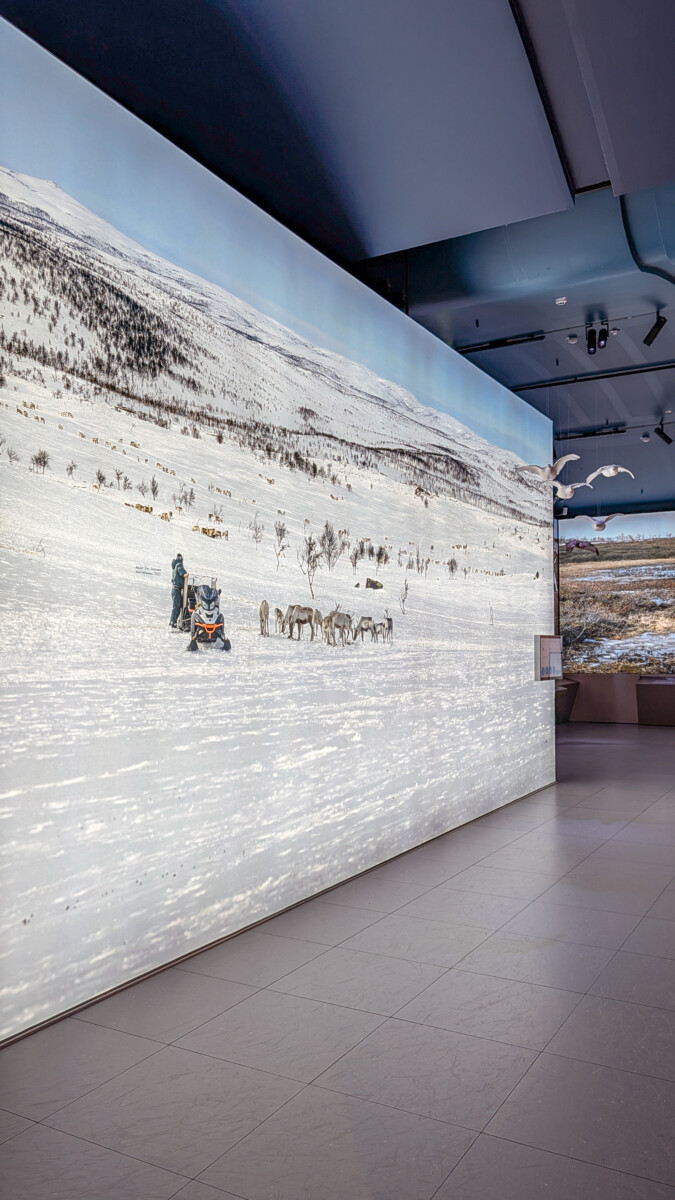
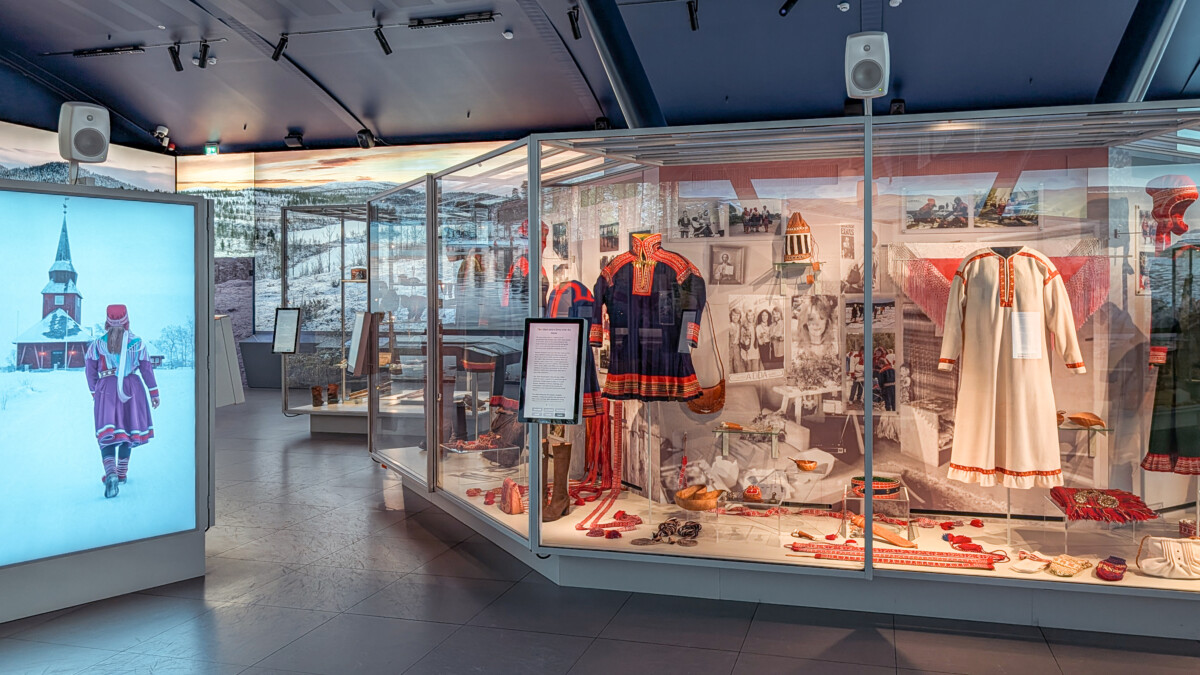
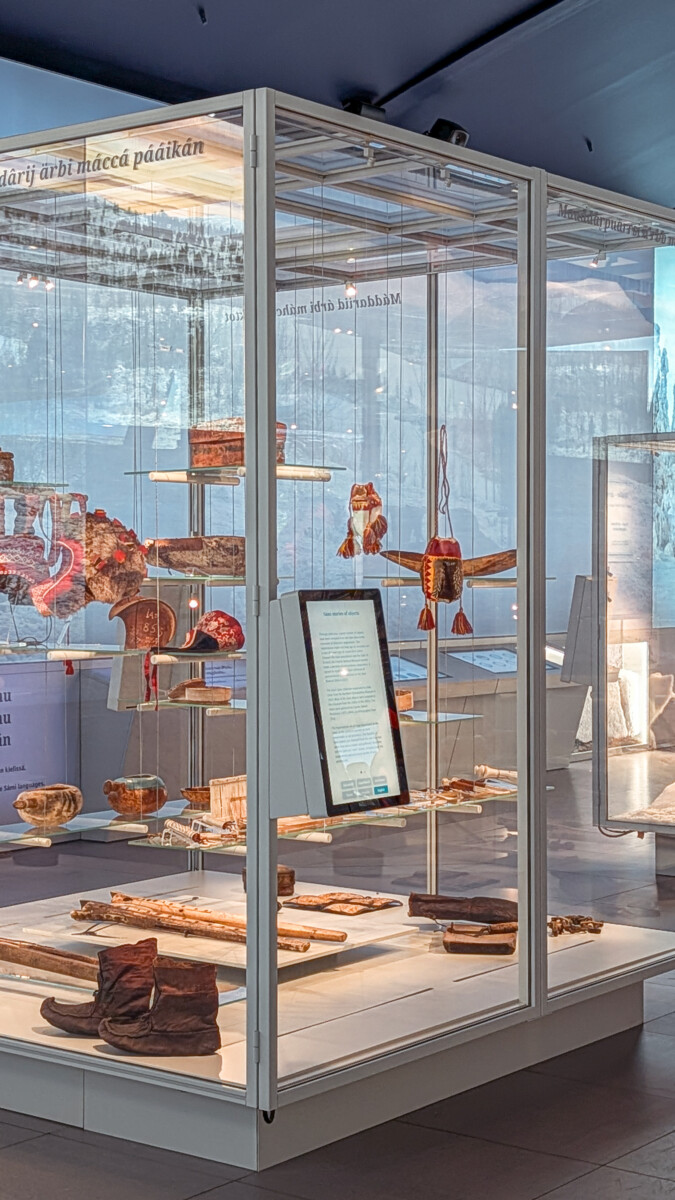
The permanent exhibitions retrace Sami life through the seasons: migration, reindeer husbandry, fishing, crafts, traditional clothing and everyday objects. They also highlight the diversity of Sámi cultures, often reduced to a single image, even though they encompass several linguistic groups and distinct traditions depending on the region.
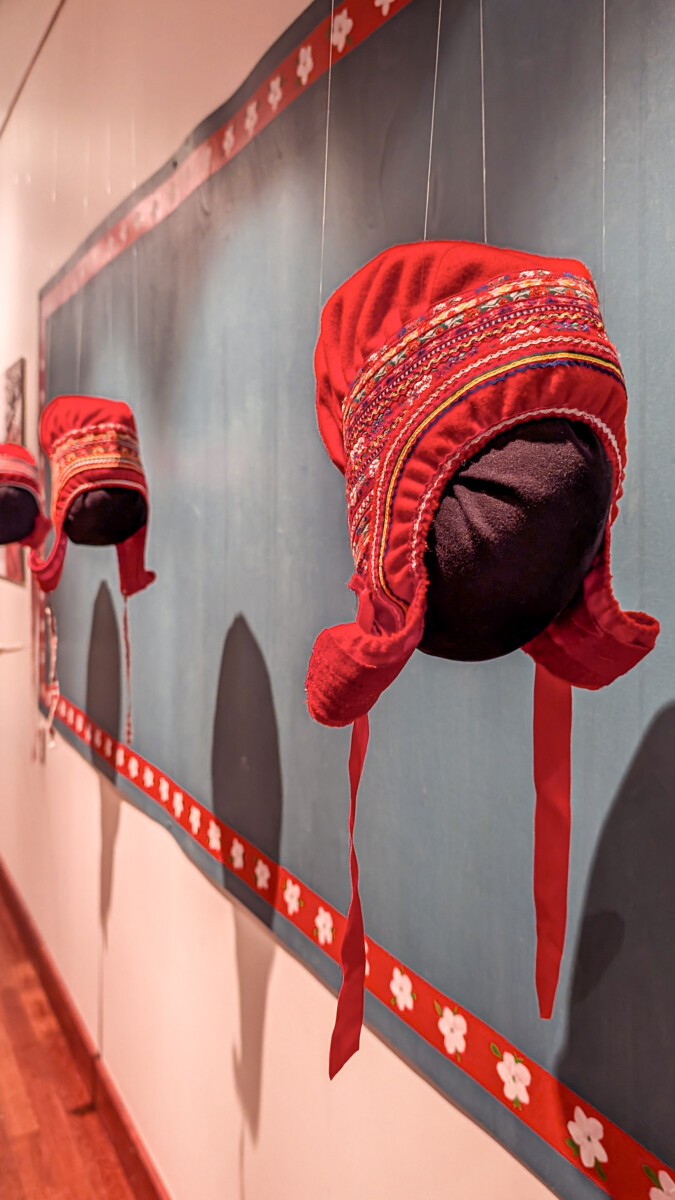
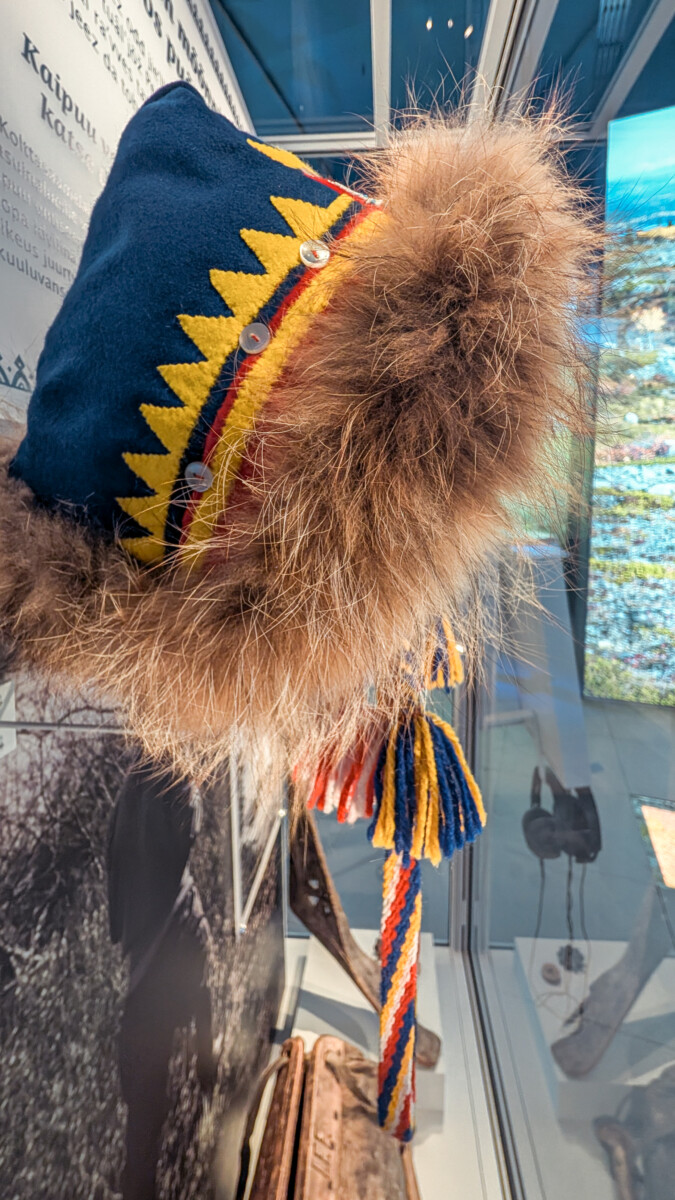
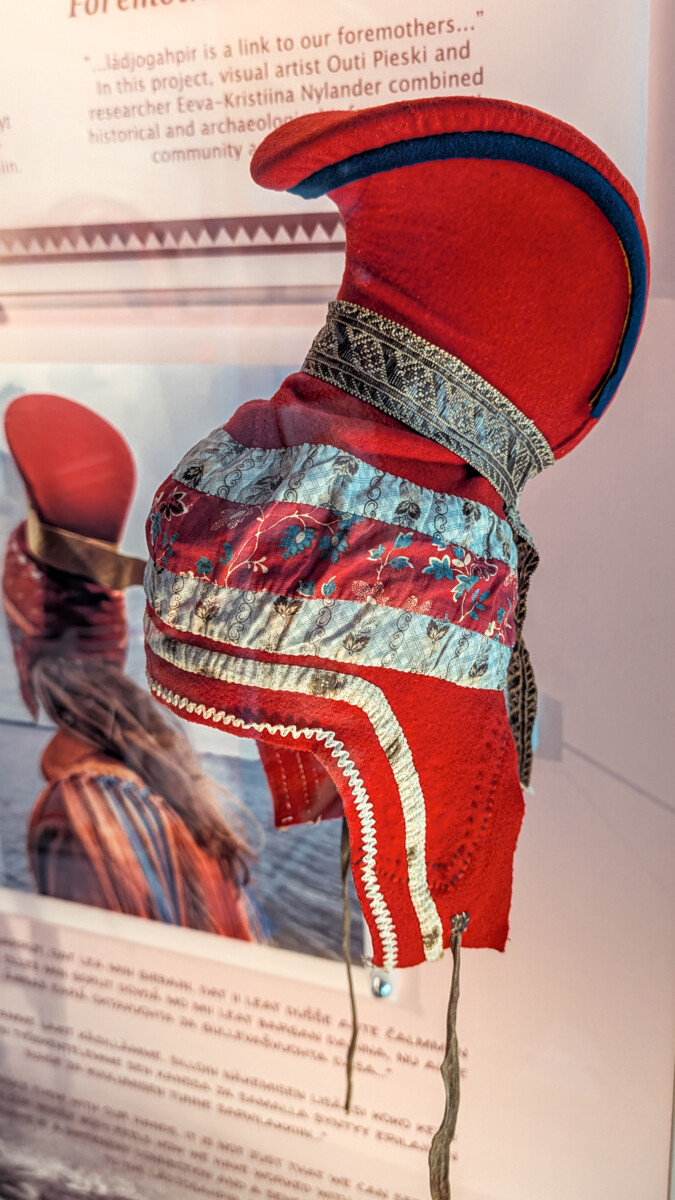
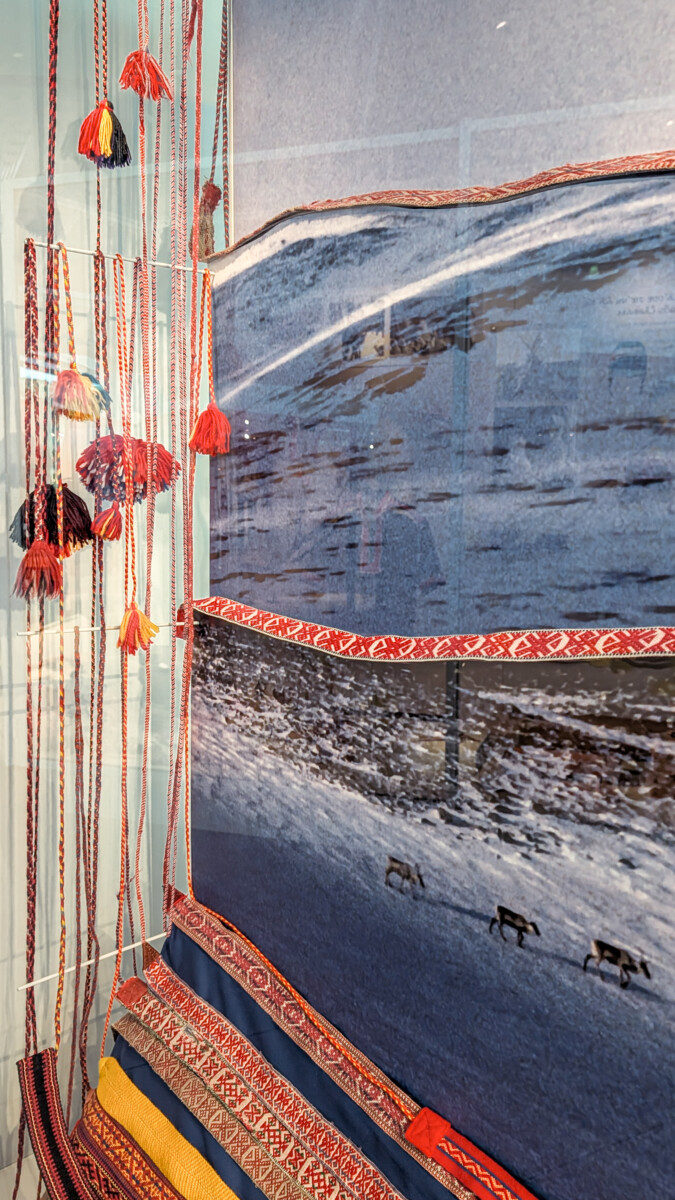
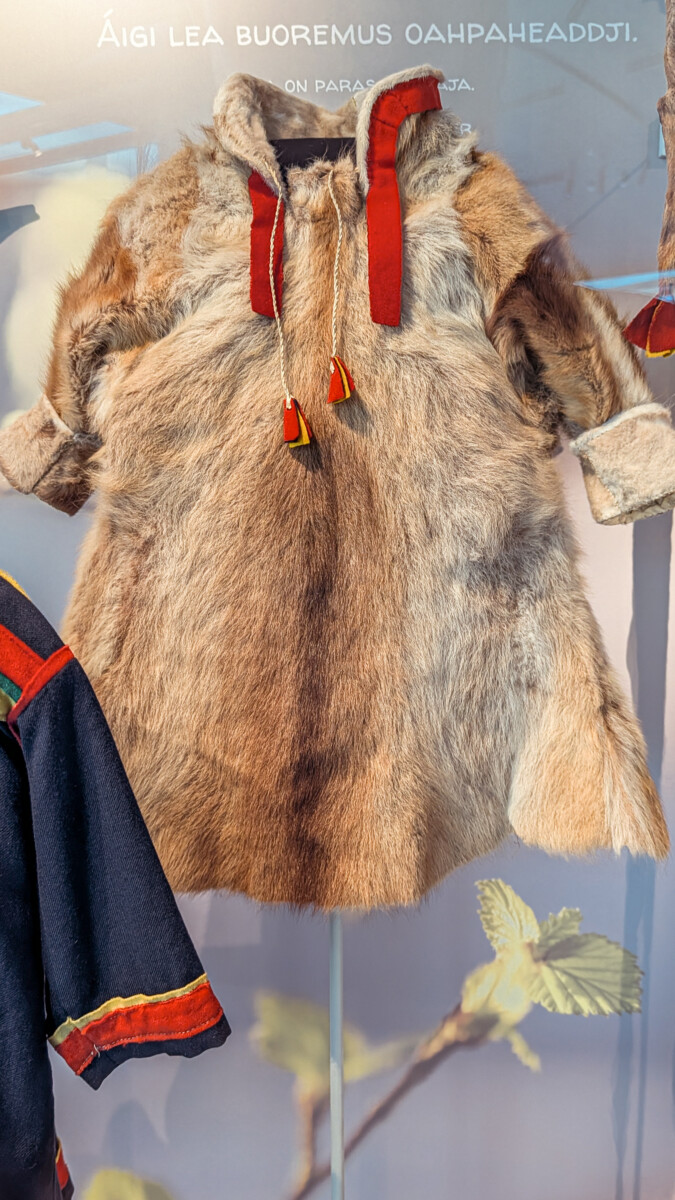
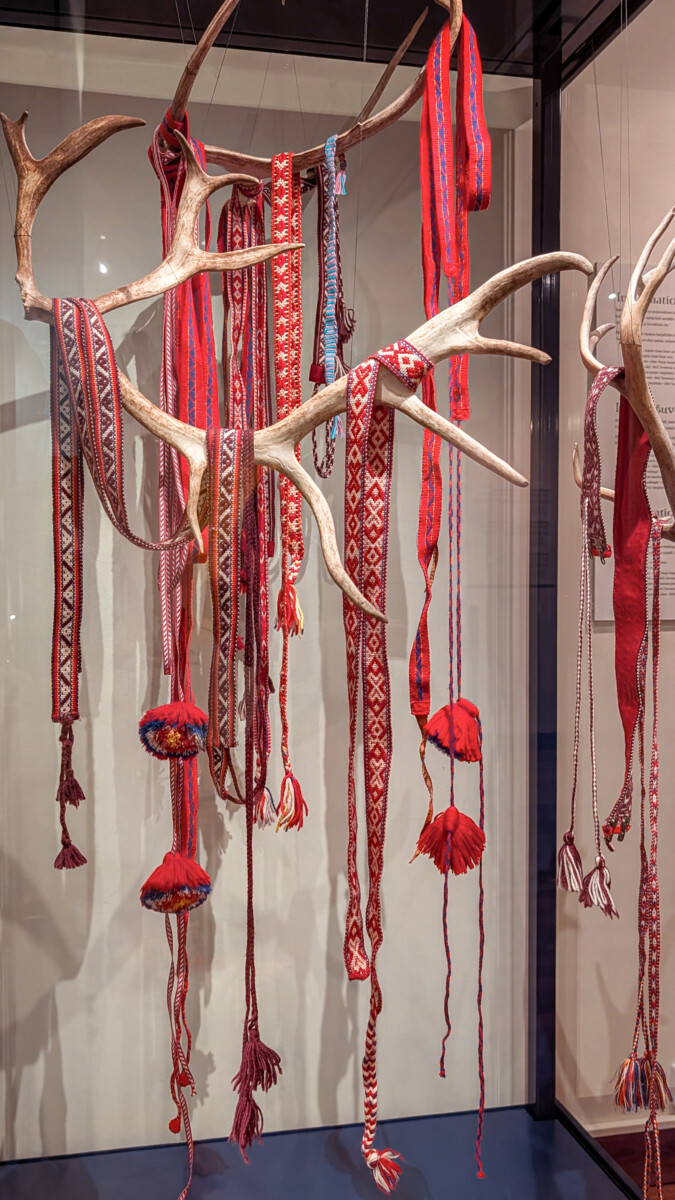
Siida also addresses contemporary issues: the preservation of Sami languages, the transmission of knowledge, the impact of climate change on traditional ways of life and the fragile balance between modernity and cultural heritage. This approach gives the museum a profoundly contemporary dimension, far from a fixed vision of the past.
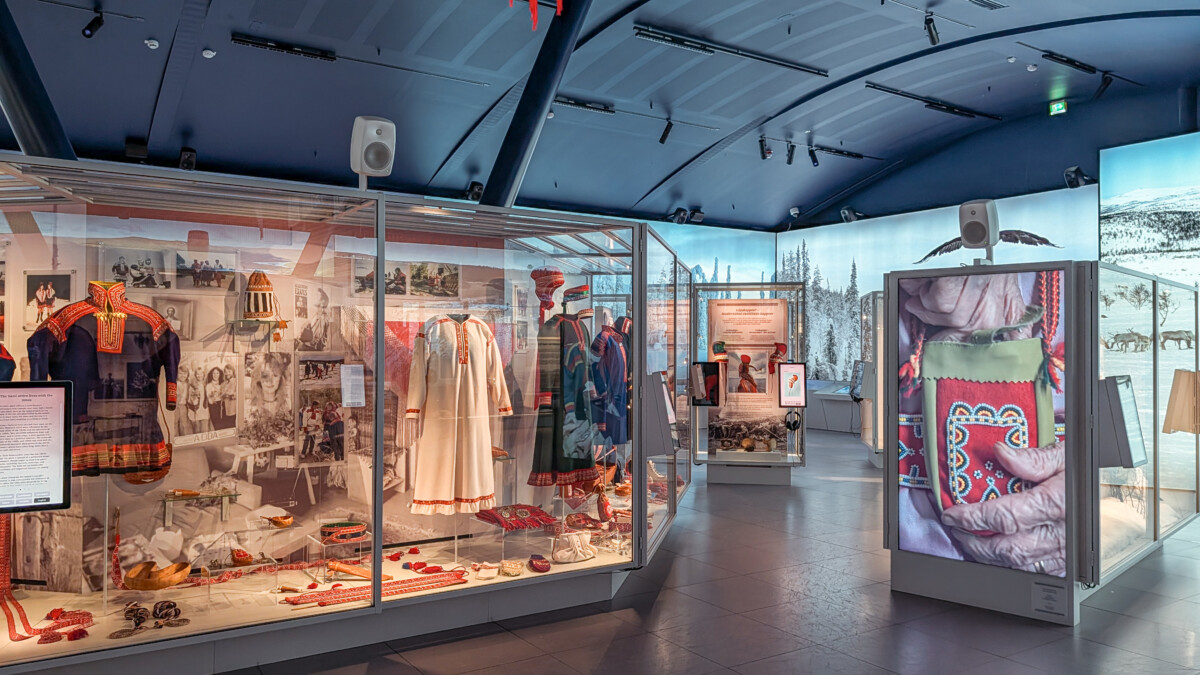
Another of Siida’s strengths is its constant dialogue with Arctic nature. The museum explains Lappish ecosystems, emblematic fauna – reindeer, Arctic fox, wolverine – and climatic phenomena specific to the region. In summer, an outdoor trail completes the visit with reconstructed traditional dwellings; in winter, the experience takes on a more intimate tone, offering a welcome cultural break between two activities in the great outdoors.
To visit Siida is to add depth to your journey. After exploring Lapland through its wide-open spaces and Nordic experiences, the museum offers a more enlightened look at this territory and the men and women who live there. A visit that enriches our understanding of the Far North and resonates long after we’ve left Inari.