A safari is one of the most unforgettable experiences you can have. Between majestic wild animals, breathtaking landscapes and unspoilt nature, there’s so much to discover. To make the most of this adventure, meticulous preparation is essential. This of course includes packing your suitcase, taking into account the specificities of this type of trip. Here are the essential items you need to pack for a successful safari, while remaining light and practical.
Important documents not to forget
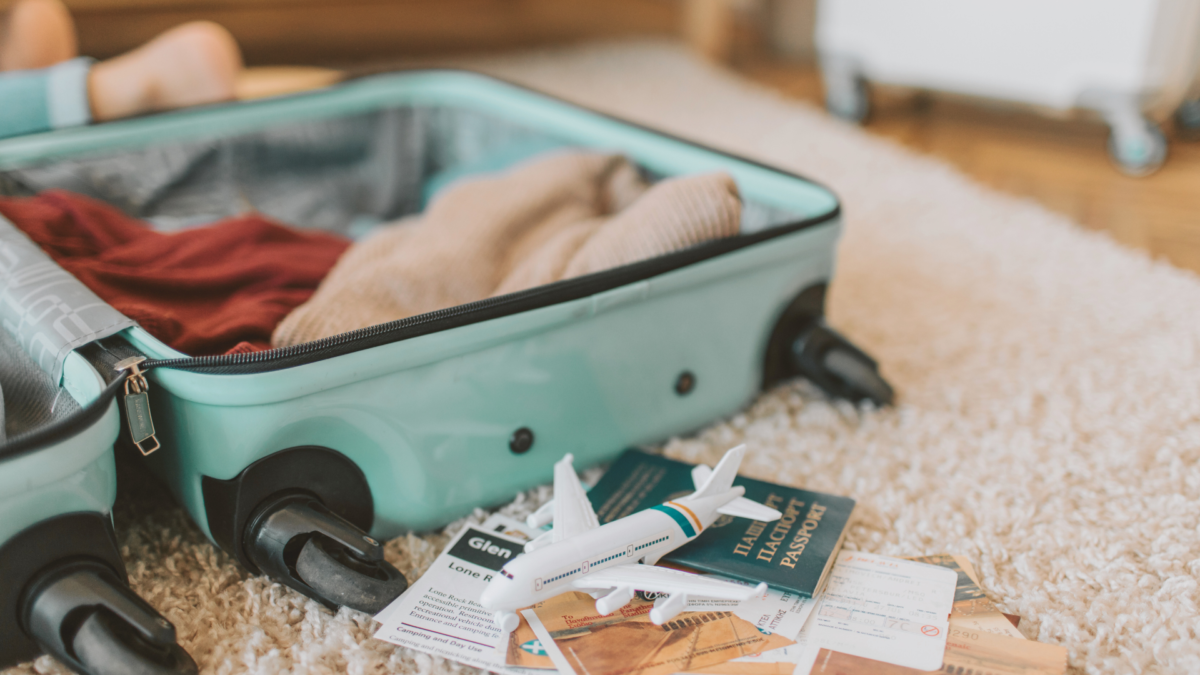
Before setting off on your adventure, make sure you have all the documents you need to enter the country and enjoy your safari in peace:
- Passports: Check that your passport is valid for at least 6 months after the date of arrival, and that it has at least two blank pages.
- Electronic Travel Authorization (Visa): Some destinations, such as Kenya orUganda, require a visa for travelers. Remember to get it in advance.
- Vaccination certificate: A yellow fever vaccination is often required to enter certain African countries.
- Digital copies of important documents: In the event of loss or theft, having a digital (or paper) copy of your passport and visa can save the day.
- Travel insurance: Specific insurance to cover safari-related risks (medical evacuation, loss of luggage, etc.) is highly recommended.
Essential accessories
A safari is a once-in-a-lifetime experience, and it would be a shame not to make some unforgettable memories… Here are a few essential accessories to make the most of wildlife watching and capture every moment.
- Sunglasses: Indispensable for protecting your eyes from the intense rays of the African sun.
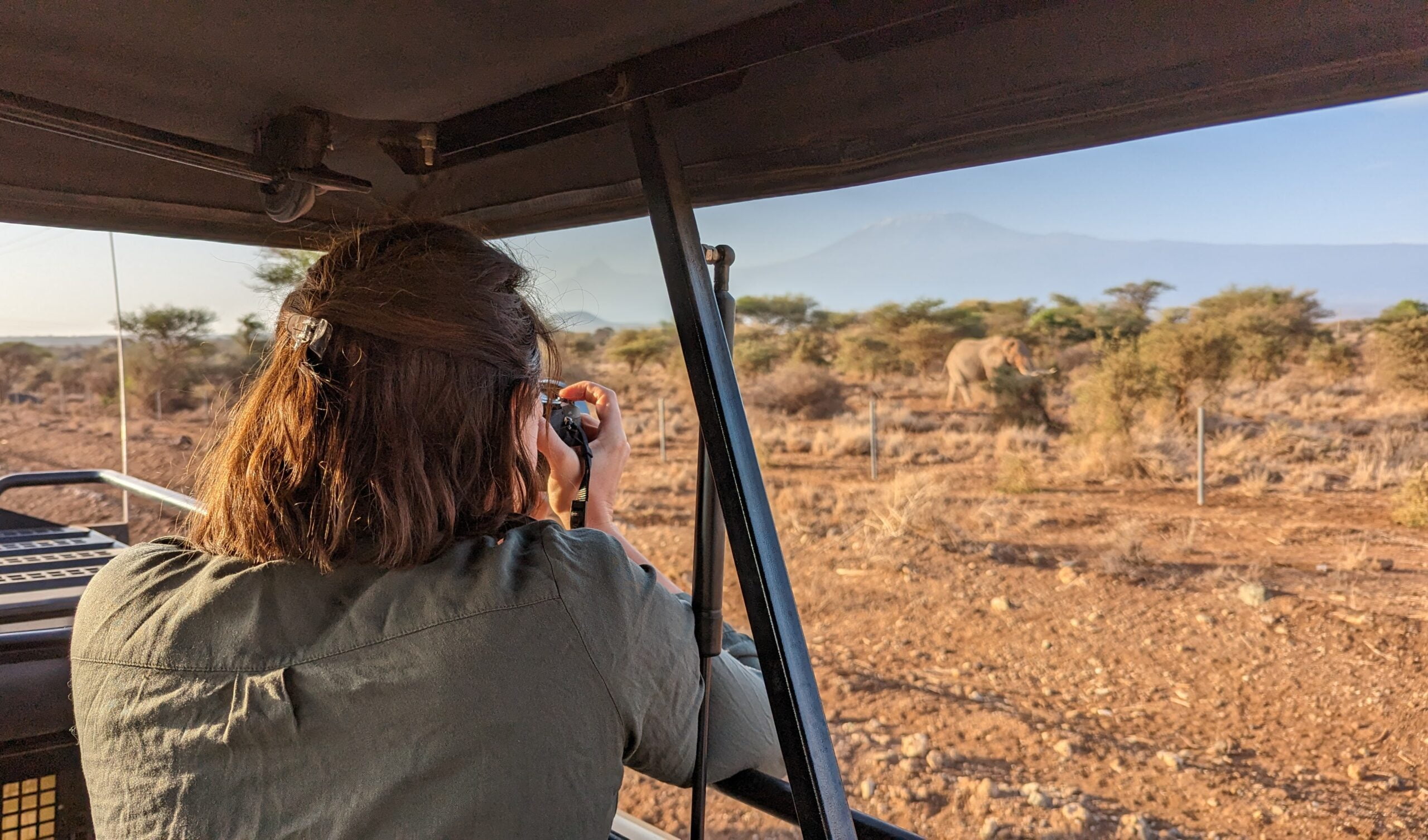
- Camera and extra batteries: You won’t want to miss a chance to capture a lion or an elephant in the wild. Don’t forget the extra memory cards!
- Chargers and adapters: Electrical outlets in Africa are of the G type, so remember to bring an adapter. Cigar-lighter chargers and USB cables for recharging devices in the car will also come in handy on the road.
- Binoculars: An invaluable tool for observing wildlife from afar and making sure you don’t miss a thing.
- Flashlight or headlamp: Useful at night in the lodges or in the event of a power cut. Remember to take spare batteries with you.
- Small backpack: Perfect for carrying your safari essentials (water, sunscreen, camera, etc.).
The first-aid kit for a safe safari
Your health should be a priority during your trip, especially on safari, where the environment can be quite demanding.
To save space, don’t hesitate to pack your medication in ziploc bags, along with their respective prescriptions. All medications are subject to inspection by airport authorities.
Here are the essentials to include in your travel pharmacy:
- Preventive treatment against malaria: Ask your doctor to prescribe anti-malarial treatment if necessary.
- Probiotics: They prepare your stomach for the dietary and climatic variations of travel.
- Anti-diarrhoea medication: In the event of intestinal problems, having medication on hand can be a real relief.
- Azithromycin-type antibiotics: Consult your doctor in the event of prolonged diarrhea.
- Dressings and disinfectant spray: For treating scratches and other minor injuries.
- Sunscreen with a high protection factor: Africa can be particularly sunny, so protect yourself.
- Mosquito repellent: A must-have to avoid mosquito bites, especially those carrying diseases such as malaria.
- Repellent spray for clothing and mosquito nets: Highly effective in keeping insects away at night.
- Hygiene products: Camps and lodges generally provide the usual hygiene products (shower gel, shampoo), but if you prefer to bring your own products, opt for a multi-purpose solid soap (hair, body, laundry), which takes up much less space than several bottles. A dry shampoo can also come in very handy.
- Perfume: If possible, avoid wearing perfume to avoid attracting insects.
Suitable safari clothing
In Africa, the sun rises around 6am and sets between 6:30pm and 7pm. During this period, in the dry seasons, temperatures are around 25°C in Nairobi and 29°C in Mombasa. At night, however, they can drop to between 13°C and 20°C, depending on the region. This contrast in temperatures throughout the day means that you’ll need to manage your wardrobe carefully to make the most of your safari.
- Lightweight, neutral-colored clothing: Choose neutral-colored clothing (beige, khaki, camel, mustard, off-white) to blend in with the surroundings and not scare off the animals. Avoid bright colors, white (very messy), camouflage prints (often reserved for the military), as well as navy blue and black, which attract tsetse flies.
- Long clothing: Long-sleeved shirts and long pants protect you from mosquitoes, especially on evening safaris.
- Warm clothing: Mornings and evenings can be cool, especially in mountainous areas. A fleece jacket or warm sweater will come in handy.
- Scarf or chèche: Ideal to protect you from the cold on the plane or the dust during car journeys.
- Safari hat or cap: Essential protection against the African sun.
- Comfortable, closed-toe footwear: Make sure your footwear is suitable for hiking or walking safaris. Choose sturdy, breathable models.
- Flip-flops: Perfect for showers or at the beach if you combine a safari with a beach holiday.
- Bathing suit: If your safari includes lodges with swimming pools, don’t forget your bathing suit.
- K-way or waterproof jacket: To cope with unpredictable tropical rain.
A few tips for an optimal safari suitcase
Safari days can be busy, with changing temperatures. Here are a few tips to optimize your suitcase:
- Layering clothes: In the morning, it can be cold, while in the late morning, it can be warm. The best practice is the onion: layering several layers of clothing (t-shirt, long-sleeved shirt, fleece jacket) that you can remove as the weather changes.
- Comfortable clothing: Choose loose-fitting, comfortable clothing. Natural materials such as cotton and linen are the most comfortable to wear on hot days. Light, breathable, quick-drying fabrics are also suitable.
- Bring reusable clothes: In general, three complete outfits are sufficient for a safari (2 pairs of pants, 1 pair of Bermuda shorts, 3 or 4 T-shirts, 2 or 3 shirts and a warm jacket). You can have your clothes washed when you stay at least 2 nights in the same place.
- Soft, lightweight suitcase: Choose a soft, unframed suitcase that’s easier to carry and stow in the boot of your 4×4. The bulkier the suitcase, the more tempting it is to fill it up. Limiting its capacity will force you to take the essentials with you, concentrating only on what’s really necessary. Forget the “just in case” items that always take up too much space, and remember to check the maximum weight of hand and checked baggage for all your flights, especially domestic flights, which may be subject to stricter restrictions.
- Carry-on baggage: Keep all valuables and essentials (such as medication) with you during flights, in case your luggage gets lost or a quick connection prevents it from arriving on time.
- Small daypack: This bag will allow you to carry your valuables, such as your passport or camera, as well as essentials like sunscreen, water and hat.
Dress code on safari
Shorts, bathing suits and pareos are generally not recommended at mealtimes. However, the atmosphere remains relaxed, even in the more upscale camps and lodges. You can keep your safari clothes for the day, or simply put on a clean shirt before joining the others around the fire for an aperitif.
As free time before dinner is often short, it’s a good idea to shower in the middle of the day, during the lunch break, if you’re staying in the same accommodation.
A safari is an exceptional journey that requires careful preparation, especially when it comes to packing. By following these practical tips and packing the right clothes, accessories and health products, you’ll be perfectly prepared to enjoy this adventure with complete peace of mind. Enjoy your safari!