Nestled in the mountains of northern Thailand, Chiang Mai is one of the country’s most endearing destinations. Former capital of the Kingdom of Lanna, this human-sized city captivates visitors with its peaceful atmosphere, Buddhist temples, lively night markets, tasty local cuisine and close proximity to nature.
While Bangkok is often the starting point for a trip to Thailand, it’s Chiang Mai that many people fall under the country’s deep charm. Quieter, greener and more spiritual, the “Rose of the North” has retained its provincial charm while opening up to the world. People come here to explore ancient temples, stroll through artisan markets, hike through the jungle or learn to cook Thai food. Whether you stay two days or a week, Chiang Mai invites you to slow down and enjoy.
Here’s a selection of not-to-be-missed highlights to discover this gentle, inspiring city.
Sommaire de l'article
Practical Information
How to get to Chiang Mai
Located some 700 kilometers north of Bangkok, Chiang Mai is easily accessible from the capital. Flying is the fastest option, with daily flights operated by several airlines including Thai Smile, AirAsia and Bangkok Airways. The journey takes around 1h15.
For a more local experience, the night train between Bangkok and Chiang Mai is a great alternative. Comfortable and economical, it allows you to cross the country while sleeping. Long-distance bus travel is also an option for those on a tight budget, with frequent departures from Mo Chit bus station.
Getting around Chiang Mai
Chiang Mai is a city on a human scale, where getting around is easy and often pleasant. Here are the main options for getting around, depending on where you are and what you want to do:
- On foot, especially in the old town, within the ramparts: distances are short, sidewalks passable, and the atmosphere conducive to strolling between temples, markets and quiet little streets.
- By bike, to cover slightly longer distances effortlessly. Many guesthouses and cafés offer daily bike hire. It’s an ideal way to explore the outskirts of the center or to reach the river.
- By tuk-tuk, for short trips in typical Thai style. Don’t hesitate to negotiate the fare before you get on: count between THB 100 and 400, depending on the distance and time of day.
- In songthaew, Chiang Mai’s iconic red pick-ups act as shared cabs. They circulate permanently in the city and cost between 20 and 40 THB depending on the fare. They’re hailed on the street: if they’re going in the right direction, you hop in the back and pay at the end. If they’re empty, it’s possible to privatize them like a cab, after negotiating the price. Yellow songthaews serve the more remote areas around Chiang Mai.
- With the Grab app, you can easily order a cab or scooter. It’s a practical and often inexpensive option for getting to the outskirts or going out at night.
What to see and do in Chiang Mai
Visit Chiang Mai’s temples
With over 300 temples in and around the city, Chiang Mai is one of the country’s most important spiritual centers. Some of them are particularly worth a visit.
Wat Phra Singh, in the heart of the old town, is a fine example of Lanna architecture. Popular during Buddhist festivals, it houses a precious Buddha statue. Not far away, Wat Chedi Luang impresses with its partially ruined chedi, witness to the city’s turbulent history. This temple was once home to the Emerald Buddha, now in Bangkok.
A little further up, the temples around Doi Suthep mountain offer a different experience, a blend of nature and spirituality.
Wat Phra That Doi Suthep
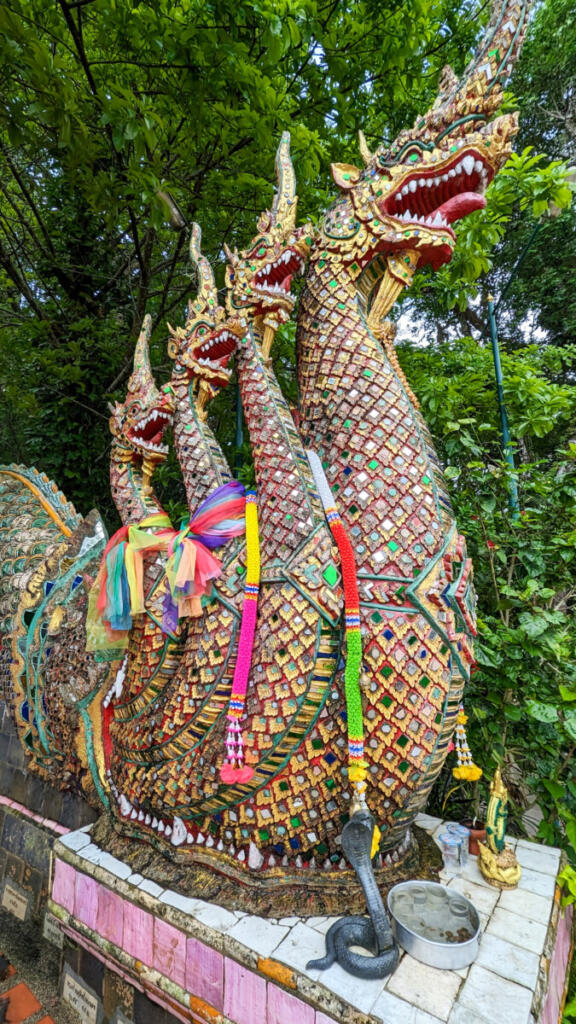
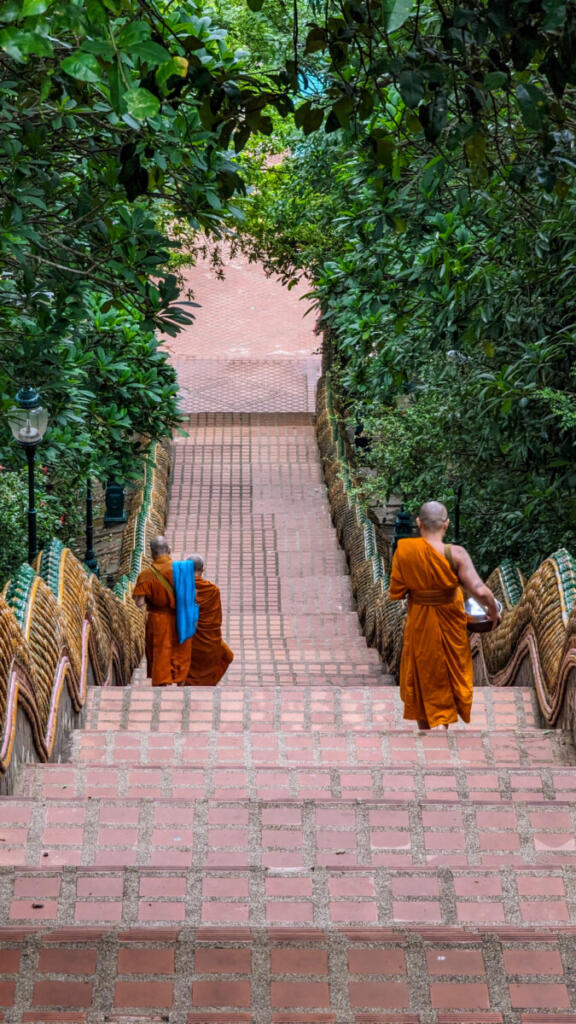
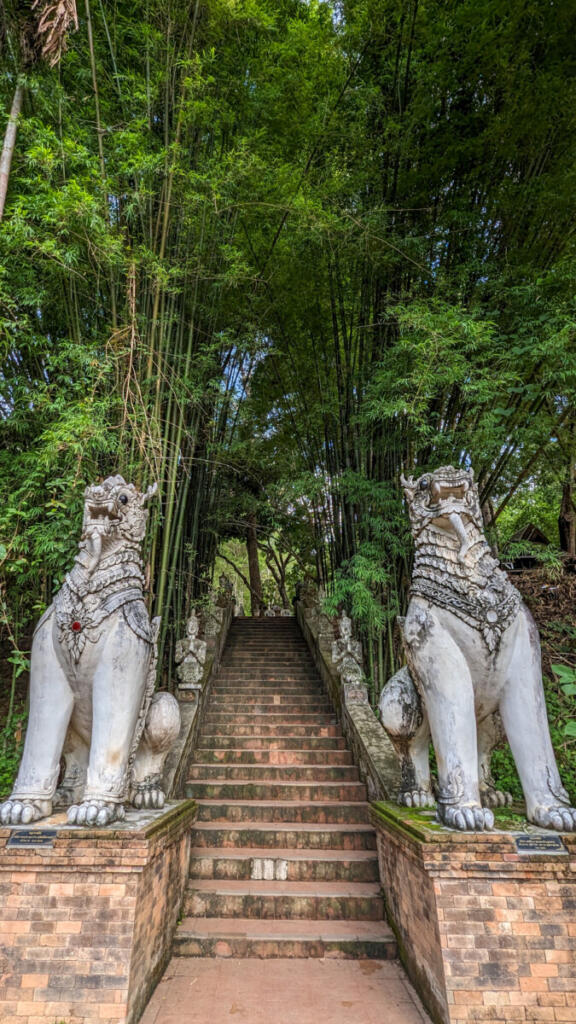
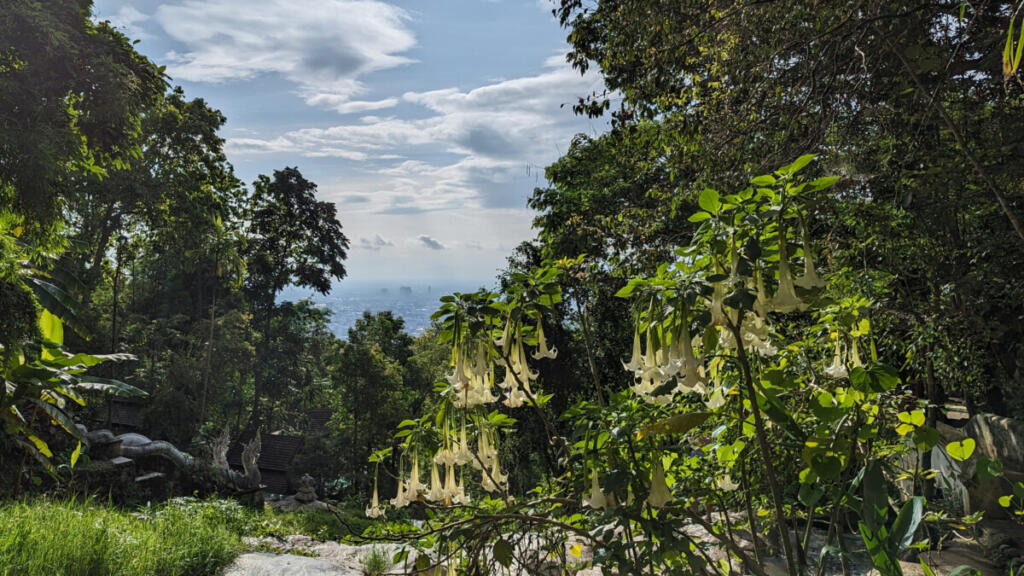
Perched over a thousand meters above sea level, Wat Phra That Doi Suthep is without doubt Chiang Mai’s most famous temple. Its golden roof sparkles atop Mount Suthep, dominating the city and offering spectacular panoramic views. Access is via a winding road or a 306-step staircase adorned with nagas, the mythical snakes emblematic of Thai Buddhism.
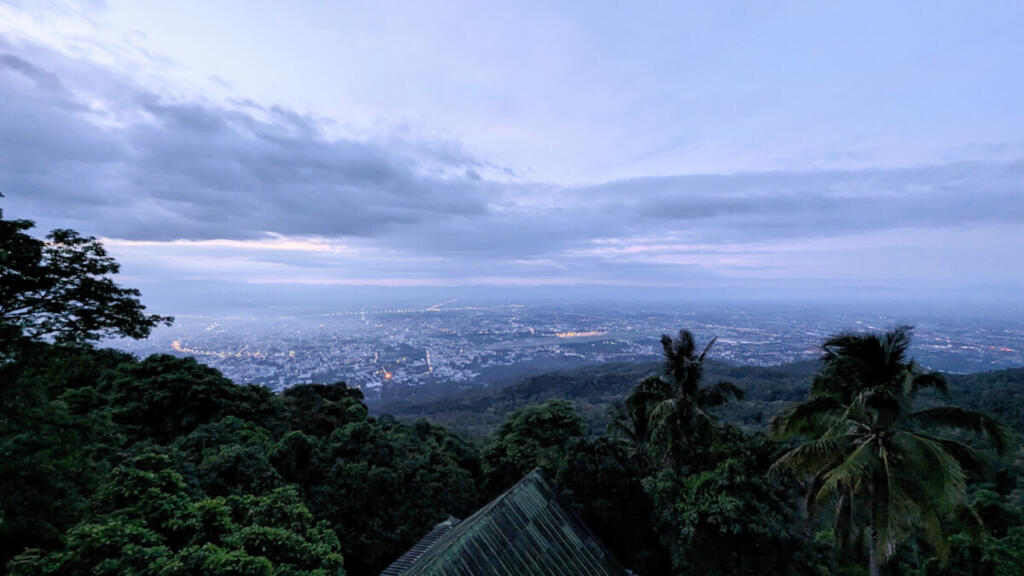
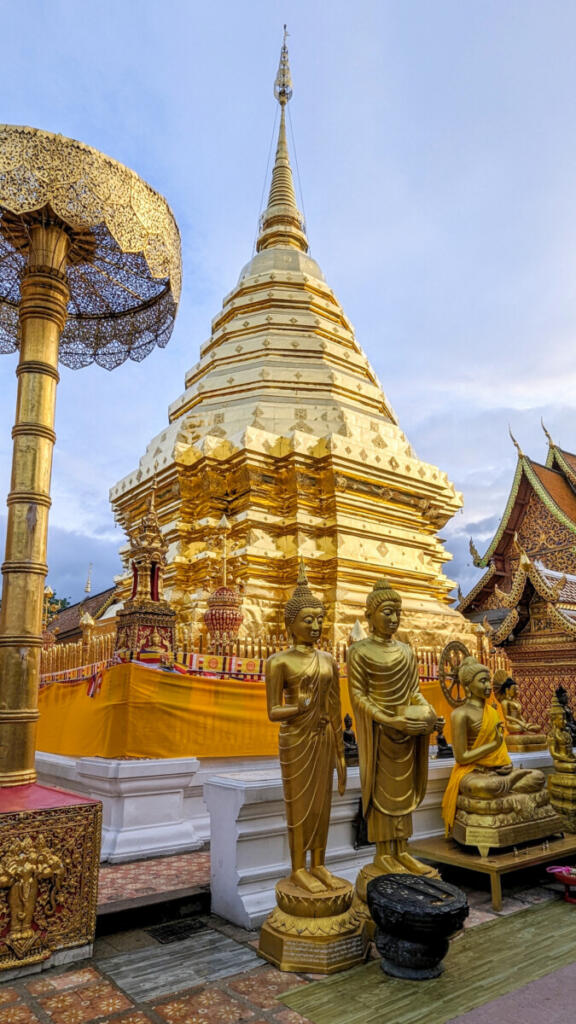
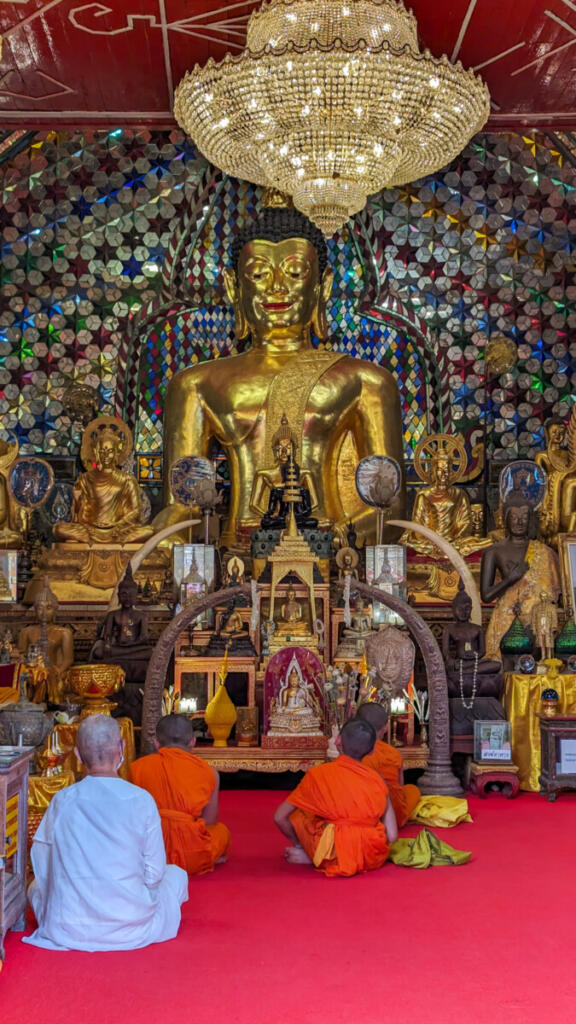
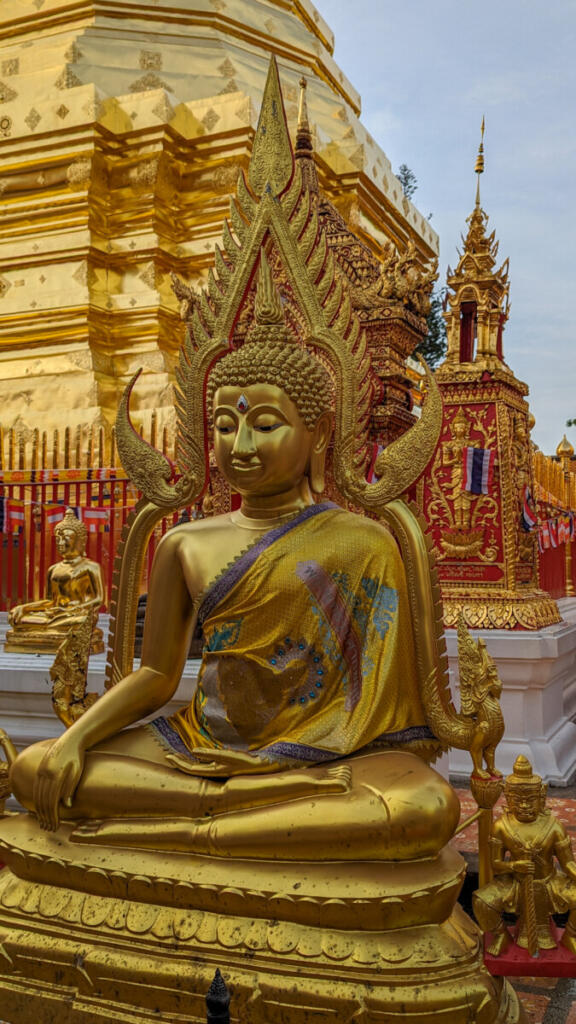
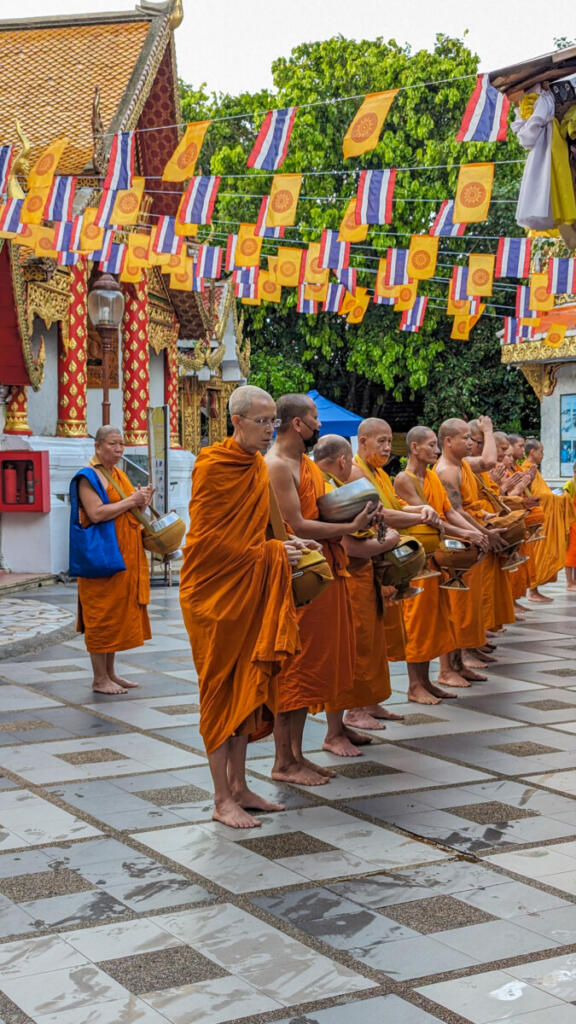
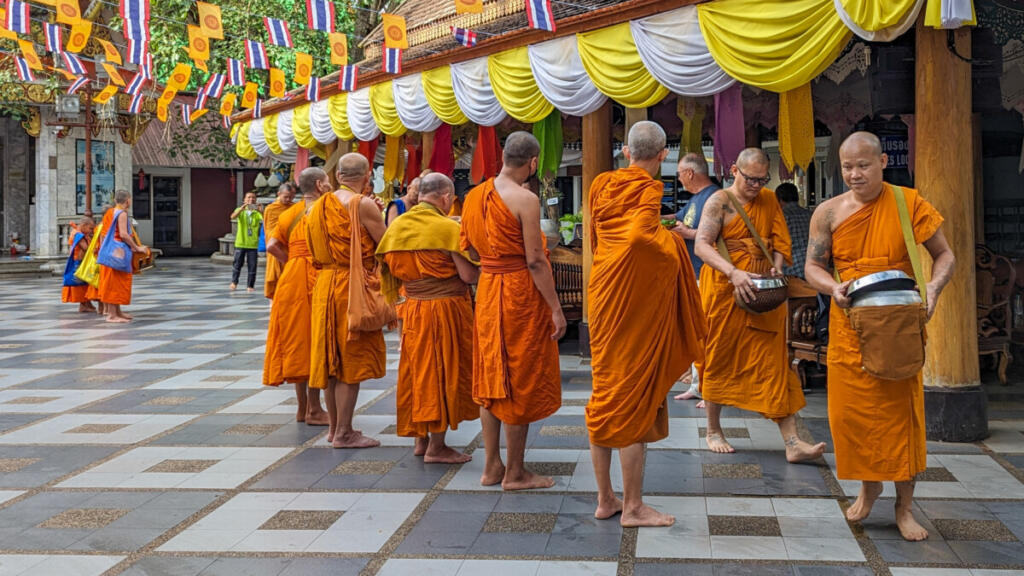
For early morning visitors, a visit at sunrise is a privileged moment: the soft light floods the temple, the chanting of the monks echoes in the fresh air, and the morning offerings of the faithful create an atmosphere imbued with serenity and emotion. It’s a rare opportunity to discover this sacred site in peace and quiet, away from the crowds.
Wat Pha Lat
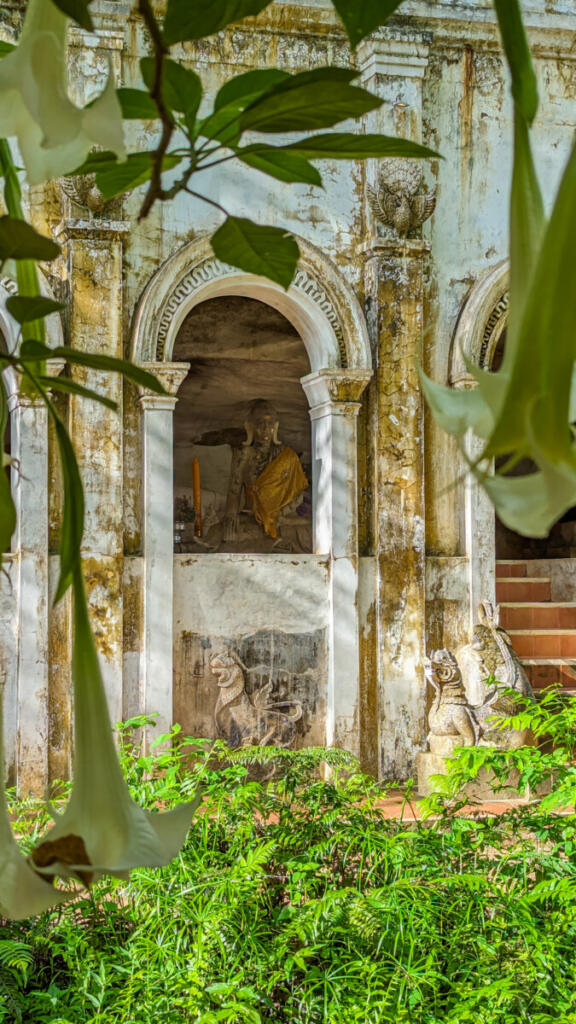
Less well known, but just as charming, is Wat Pha Lat, a little further down the mountain, on a hiking trail linking the town to Doi Suthep. This temple in the middle of the forest has a peaceful, authentic atmosphere.
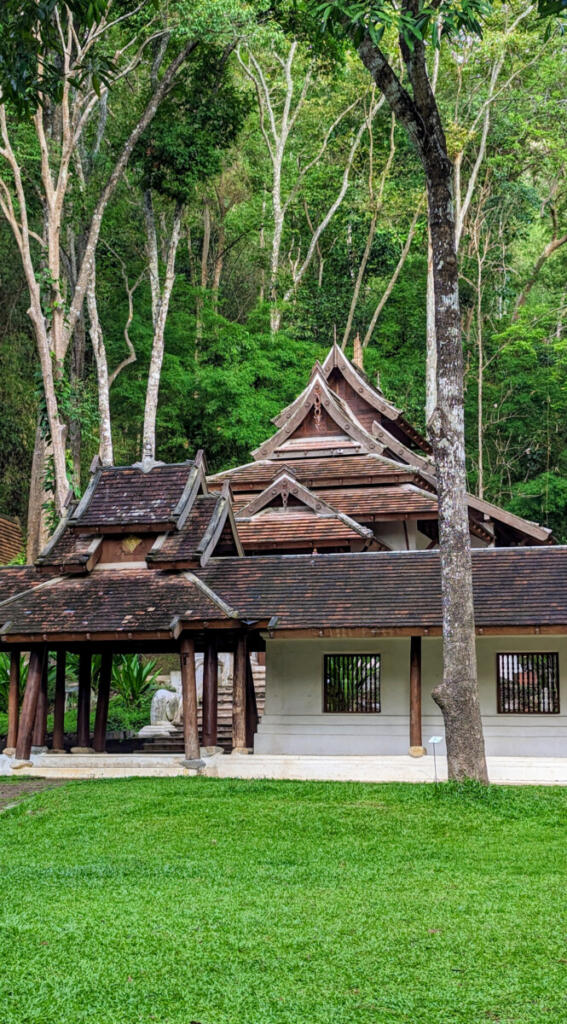
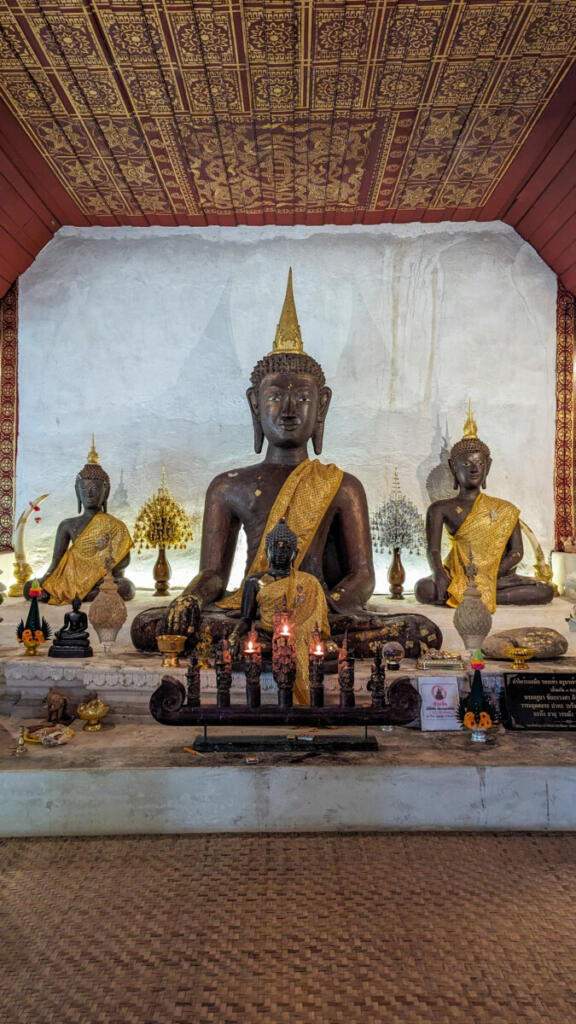
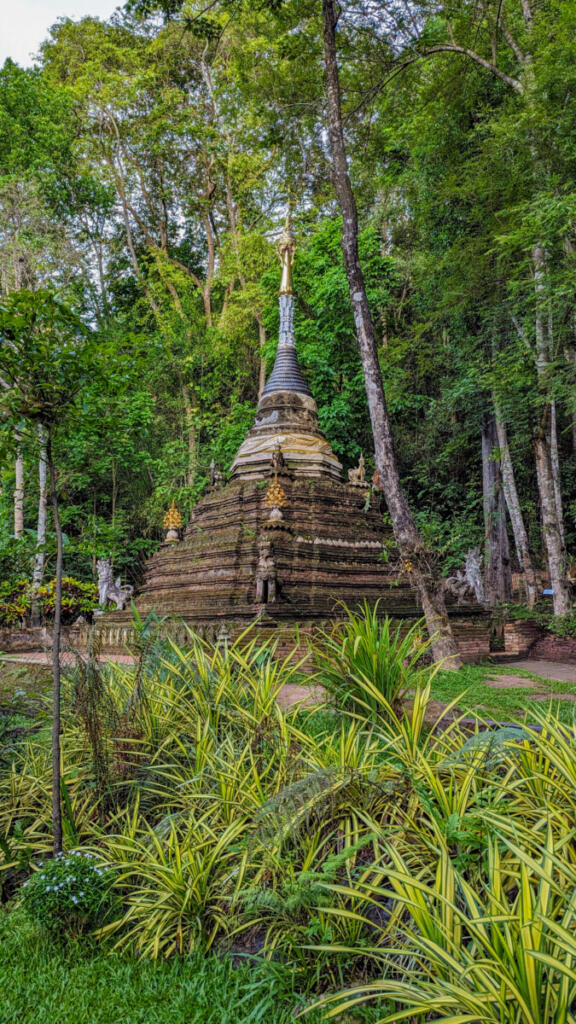
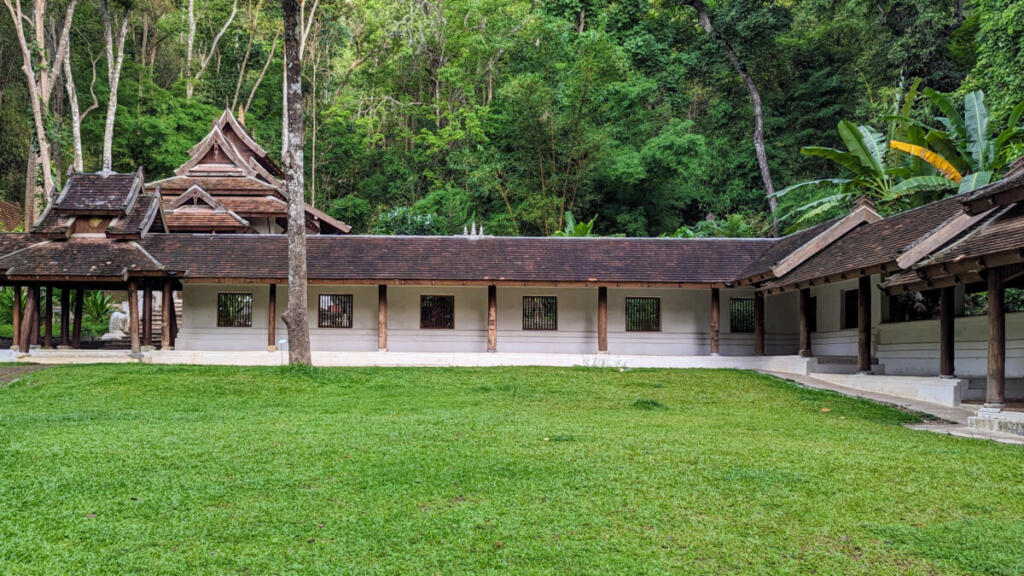
Built in the heart of nature, it invites visitors to experience a true spiritual immersion. Its stone structures, ancient statues and small shrines blend harmoniously into the lush vegetation.
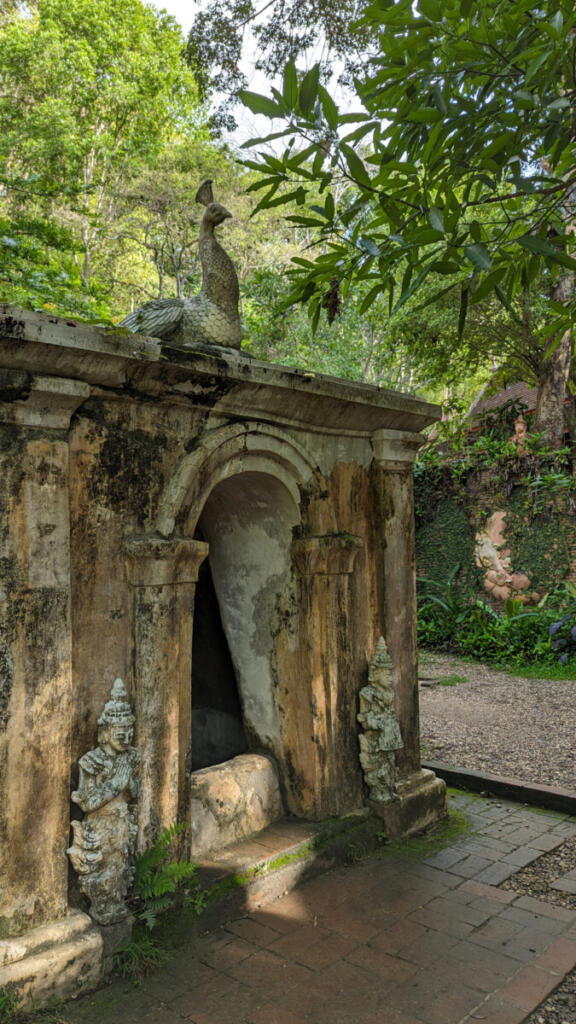
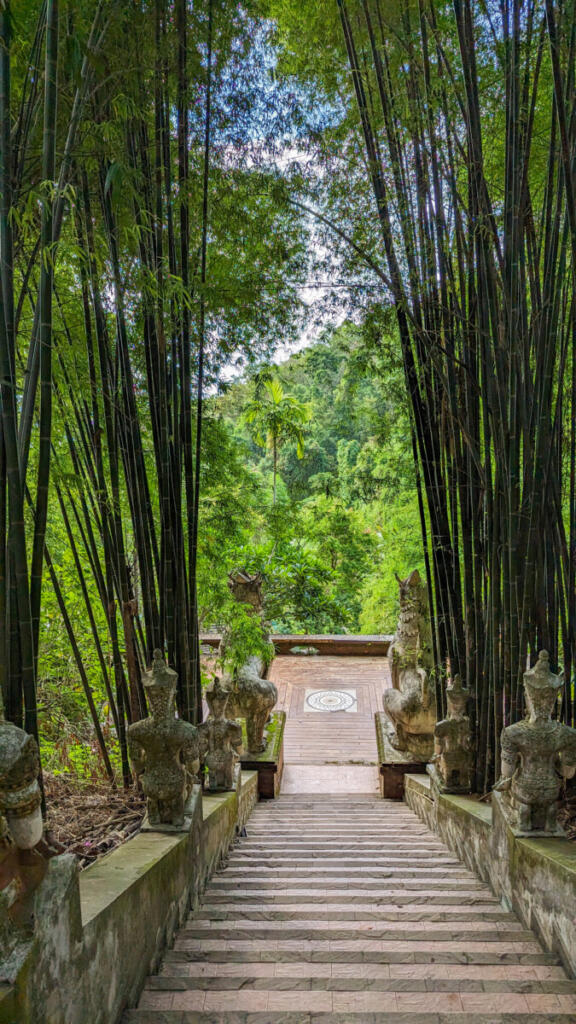
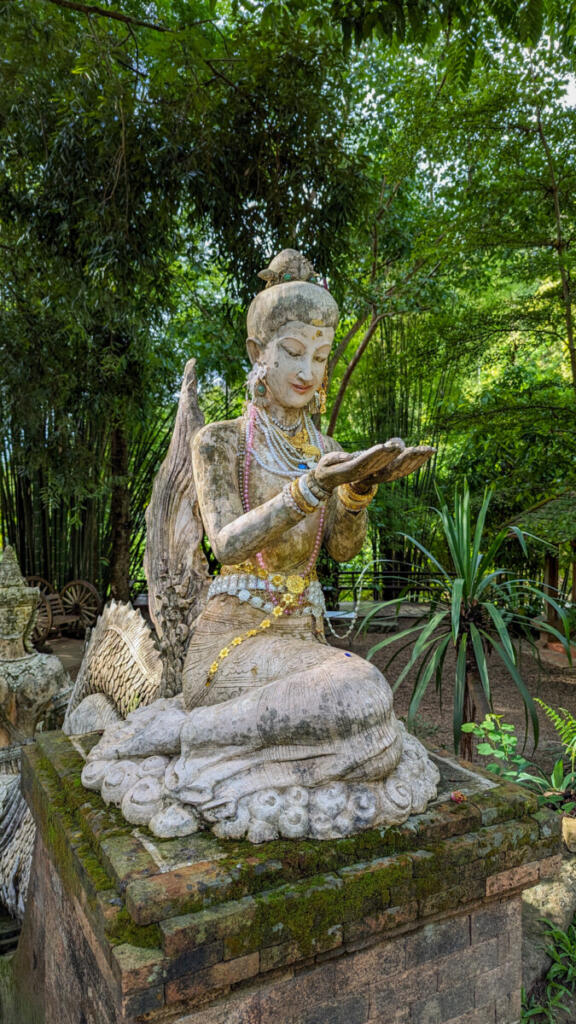
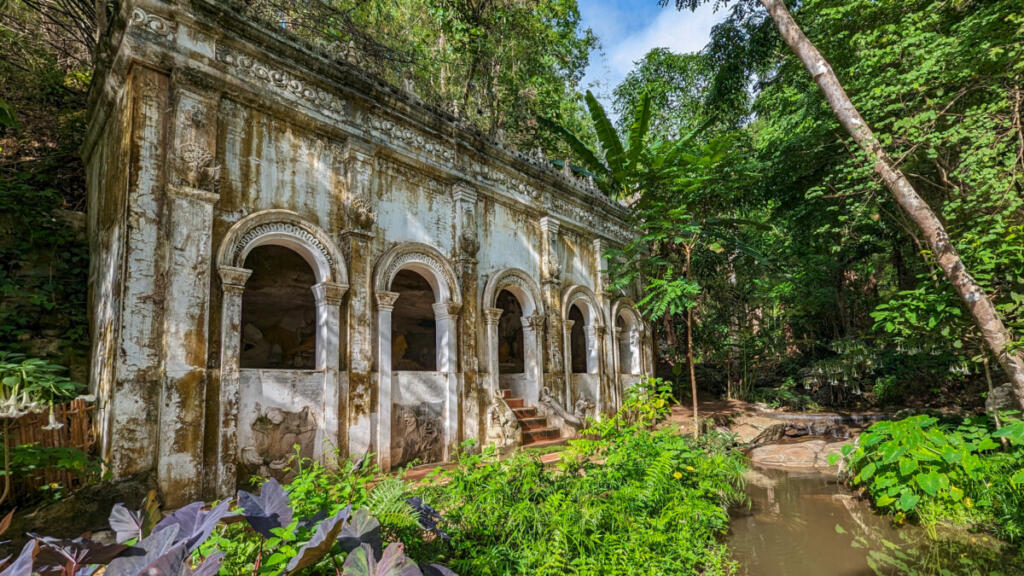
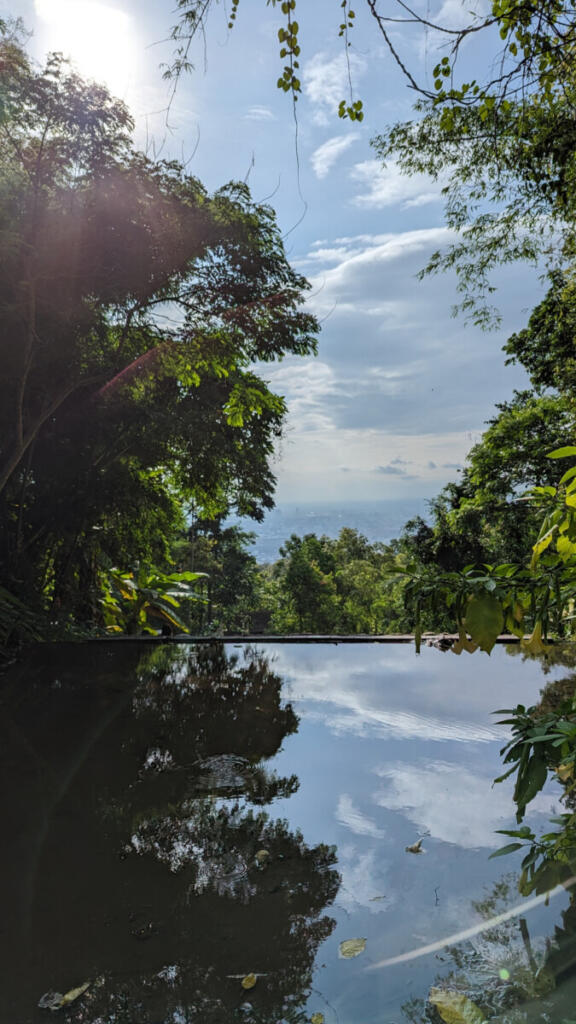
Visiting Wat Pha Lat early in the morning, when the light filters through the trees and silence reigns, brings a sense of profound calm. It’s the ideal place for a meditative pause during a walk in the surrounding hills.
Wat Umong Suan Putthatham
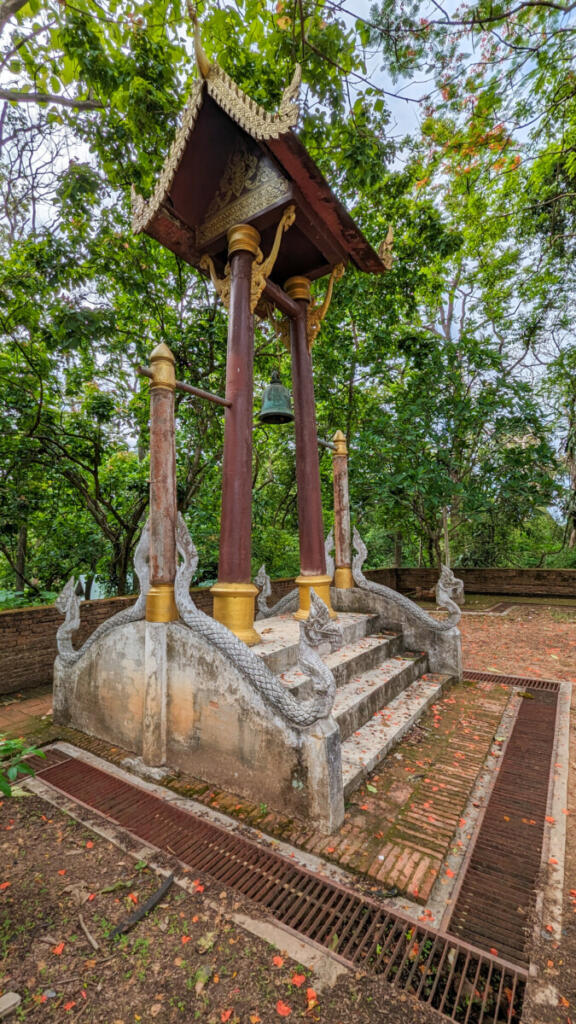
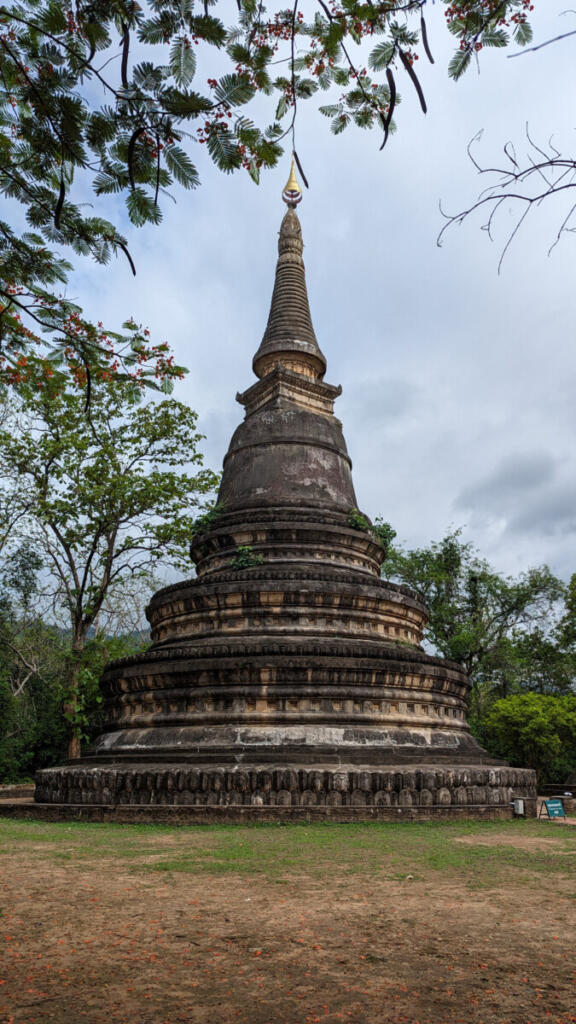
Located to the west of Chiang Mai, deep in the forest in the foothills of Doi Suthep mountain, Wat Umong Suan Putthatham is a Buddhist temple in a unique and peaceful setting. Built in the 13th century, this sanctuary is distinguished by its ancient tunnels carved into the rock, which were once used by monks as places for meditation.
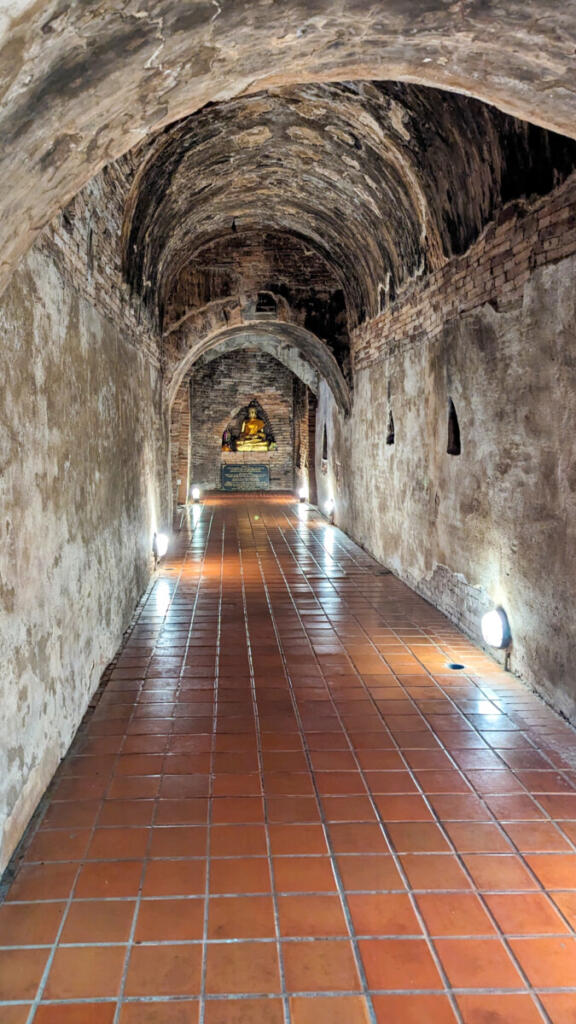
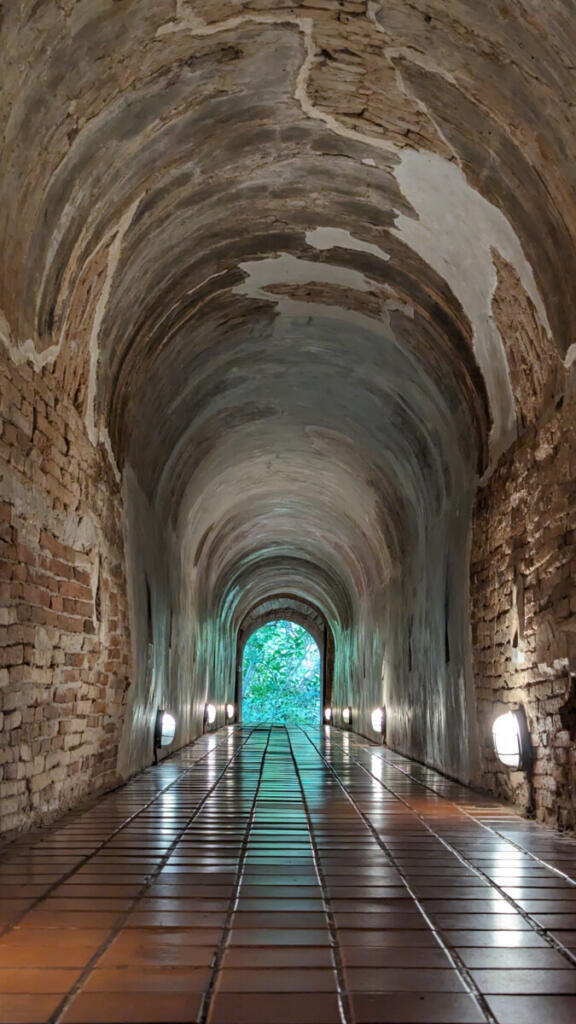
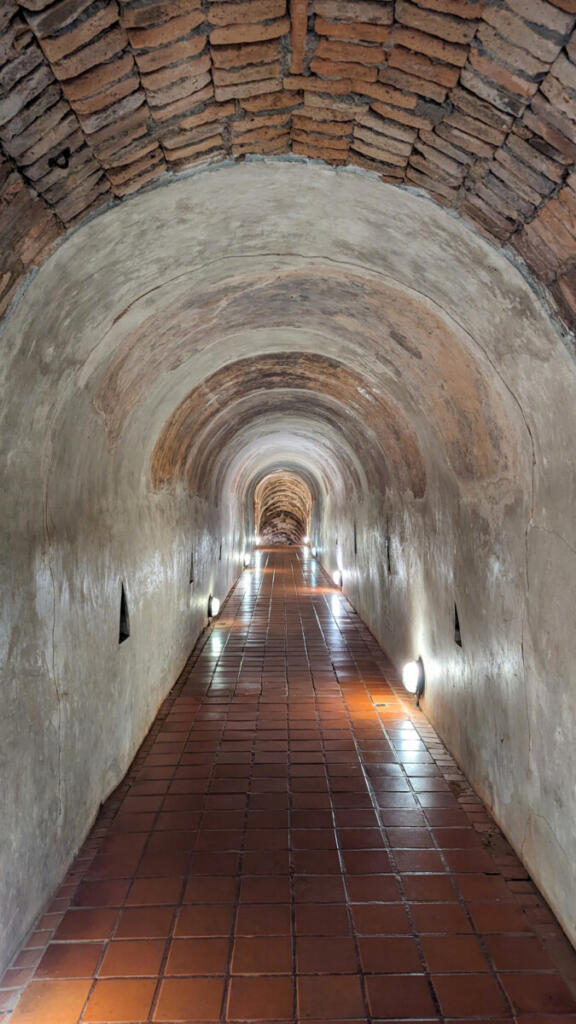
Far from the hustle and bustle of more touristy temples, Wat Umong invites you to immerse yourself in nature and spirituality. Its shady paths, manicured gardens and carp-filled ponds create an atmosphere conducive to reflection and serenity.
The temple is also renowned for its many inscriptions and murals telling ancient Buddhist stories, offering a valuable insight into local culture.
Strolling through the old town
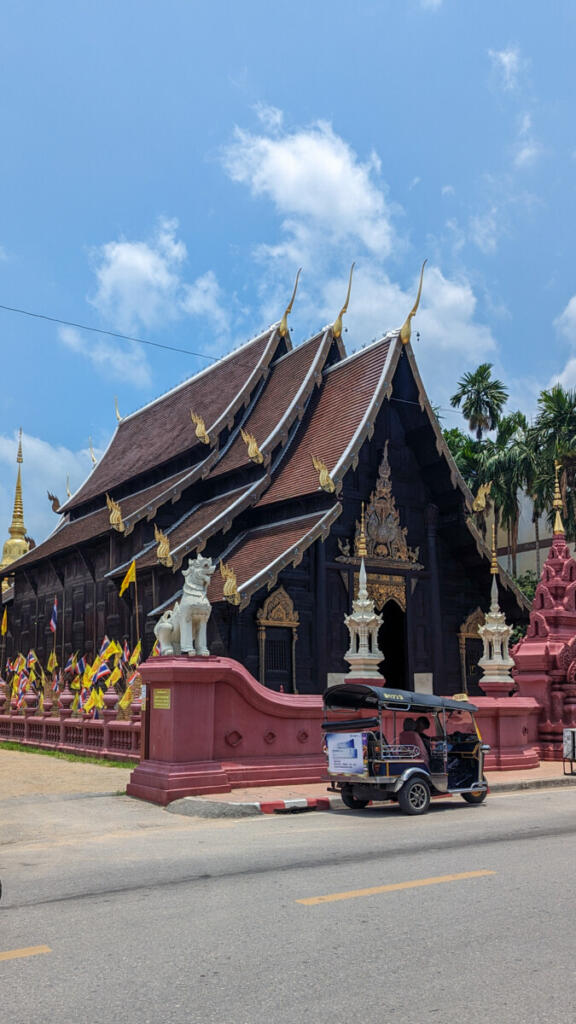
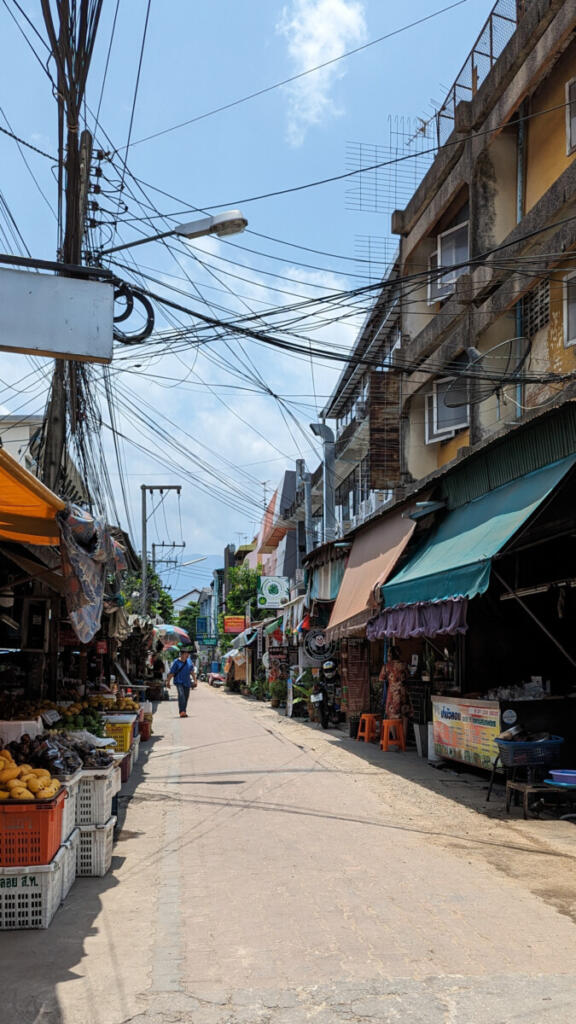
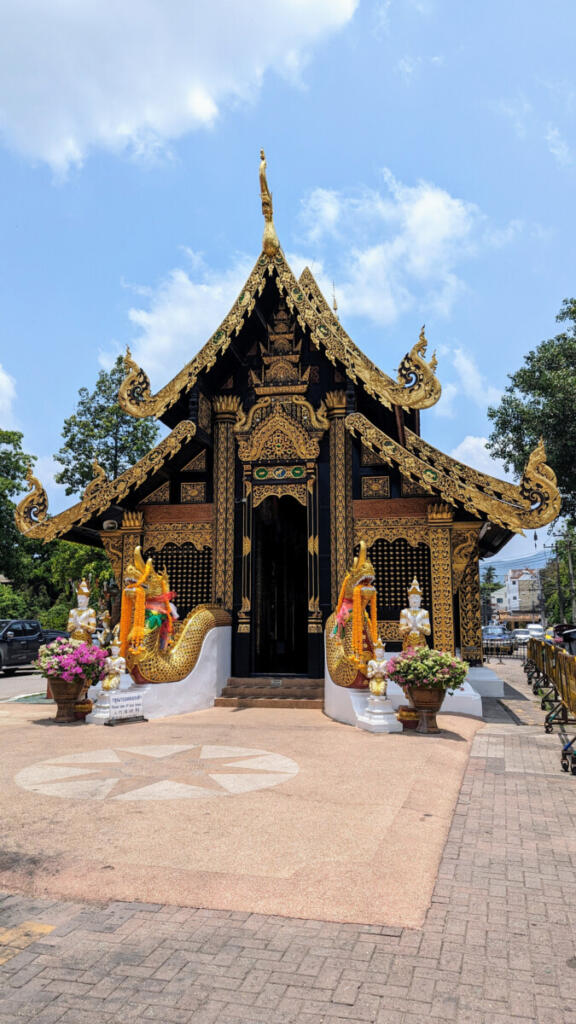
Bounded by its ancient moat and remnants of 13th-century ramparts, Chiang Mai’s Old Town is a haven of tranquility in the heart of a bustling city. As you stroll through its narrow streets, you’ll discover a delightful blend of history, traditional architecture and authentic local life.
Founded in 1296 by King Mengrai, Chiang Mai was the ancient capital of the Lan Na kingdom, known as the “kingdom of a million rice paddies”. This first independent kingdom in the Golden Triangle region developed through an alliance with the powerful kingdom of Sukhothai, under the reign of the great Rama Khamhaeng. As you stroll through the old town, you’re following in the footsteps of a thousand years of history. Every temple, wooden house and market tells a story of this fascinating past. The cobbled streets are lined with ancient temples with glazed roofs and delicate carvings, testimony to the religious and cultural importance of the region.
Discover traditional crafts
Chiang Mai is often referred to as Thailand’s handicraft capital. The diversity and quality of the objects produced in the region make it a veritable artistic center, recognized far beyond national borders. This craft tradition is rooted in the history of the Lan Na kingdom, which has preserved ancestral techniques handed down from generation to generation.
Among the most outstanding arts are the manufacture of natural silk, wood carving, silver forging, pottery and the weaving of traditional textiles with intricate designs. These objects are often made by hand, with an attention to detail and finesse that testify to a great respect for heritage.
To discover these skills, several workshops and artisan villages are well worth a visit:
- In the town center, several small stores and workshops welcome visitors for introductory courses in pottery, wood carving and silver jewelry making. These experiences not only allow you to learn a technique, but also to better understand the local culture.
- Baan Tawai, some 15 km south of Chiang Mai, is the craft village par excellence. It’s a huge center where woodcarvers, metalworkers, potters and weavers display their creations. You can buy unique pieces or watch demonstrations.
Explore the night markets
Chiang Mai’s markets come alive at dusk. They’re the perfect opportunity to sample street food, meet local artisans and immerse yourself in the atmosphere of the city.
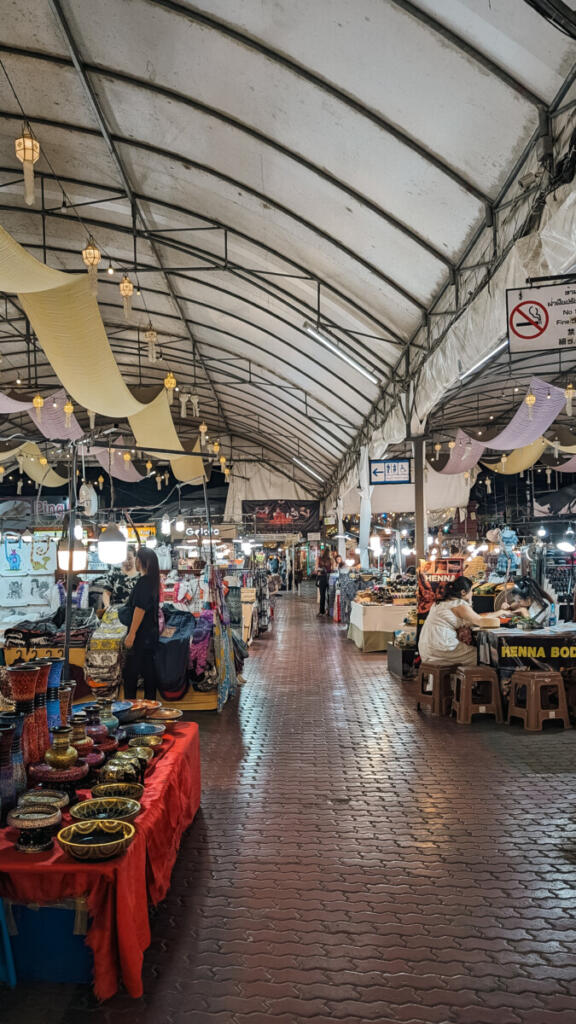
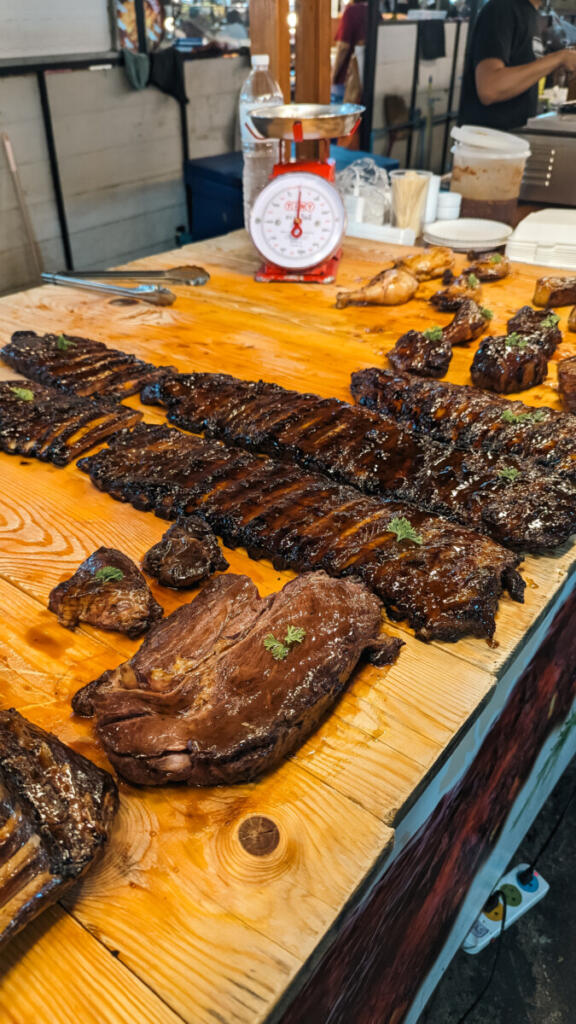
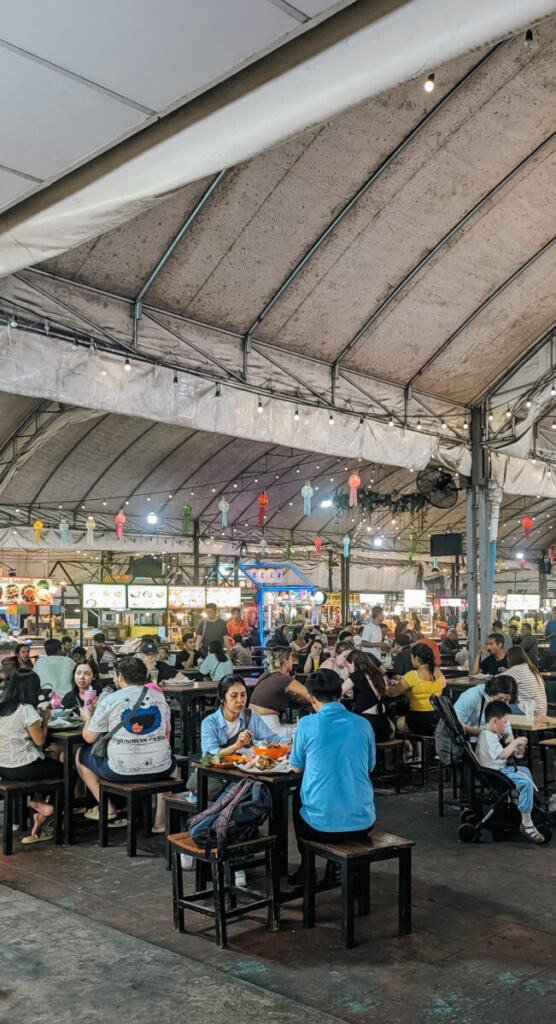
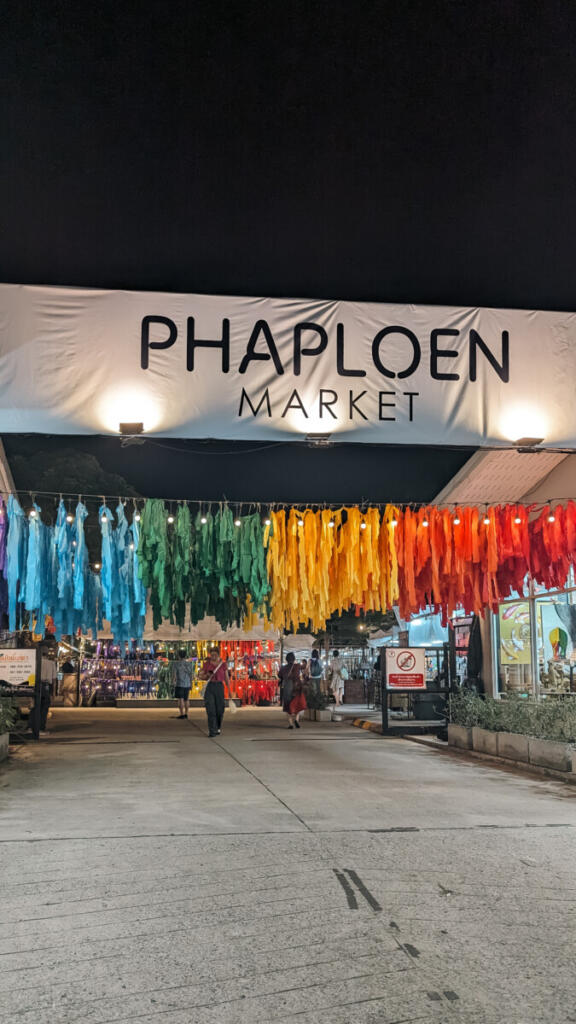
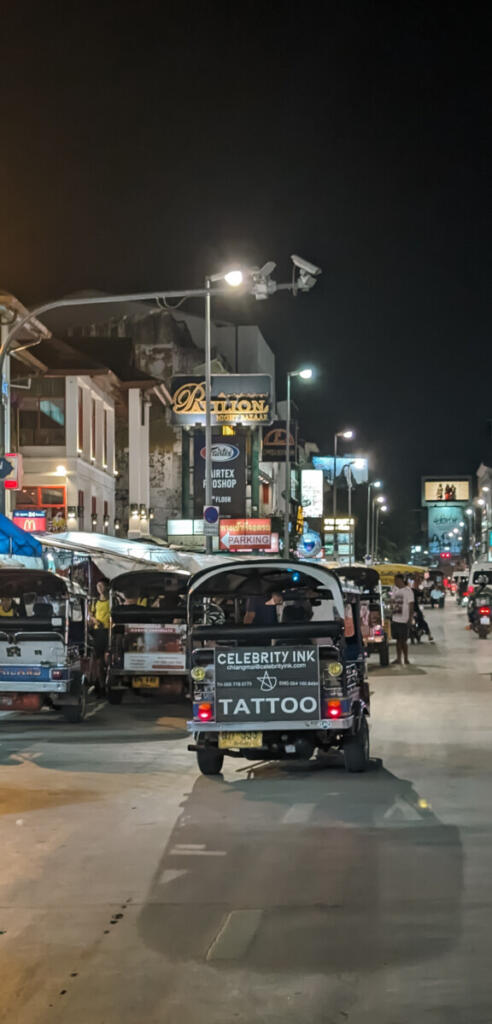
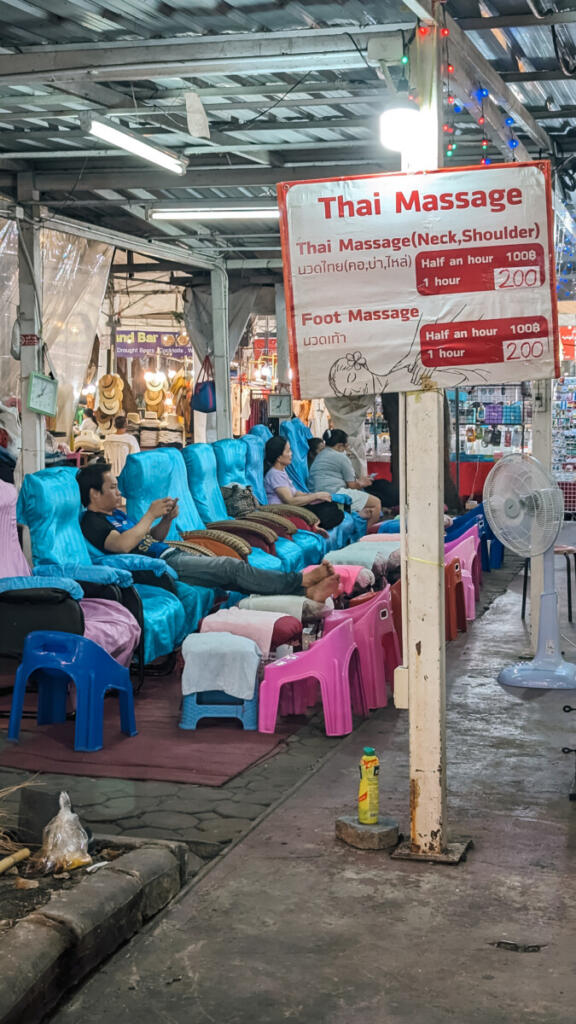
The Sunday market, which runs through the old town, is the most popular. You’ll find everything from handmade items, incense and jewelry to textiles and typical takeaway dishes. On Saturdays, Wualai Road offers a similar atmosphere, but in a slightly quieter setting.
For a more authentic, less touristy experience, the Warorot Market, open during the day, remains a must. Located near the Ping River, it’s a real neighborhood market where locals come to do their shopping.
Take a Thai cooking class
Chiang Mai is renowned for its cooking schools. Many offer workshops that include a visit to a local market, followed by the preparation of traditional dishes such as pad thai, green curry or mango sticky rice. These experiences, which are often convivial and accessible to all, allow you to take away real know-how and a few recipes to repeat at home. Small House Chiang Mai Thai Cooking School, with small groups and a family atmosphere, or Thai Farm Cooking School, with a visit to a market and classes in the countryside, are two excellent options.
Go hiking or meet the elephants
The area around Chiang Mai offers many possibilities for excursions. You can go for a day or several days, walking through rice paddies, tropical forests, Karen or Hmong villages. Some excursions include visits to waterfalls or spectacular viewpoints.
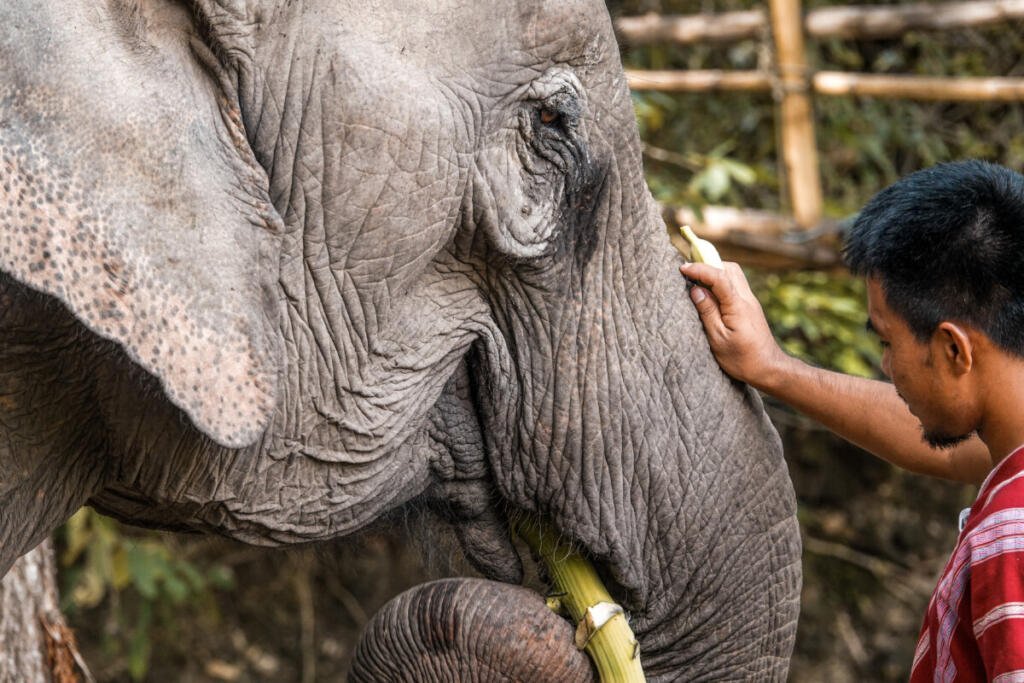
Chiang Mai is also known for its elephant sanctuaries. It’s essential to choose an ethical location, with no elephant rides or forced behavior. Elephant Nature Park or Kindred Spirit are two serious options committed to animal protection.
Good addresses in Chiang Mai
Chiang Mai has many surprises in store for those who take the time to explore. Here are a few addresses and experiences to help you better understand the soul of the city, between culture, crafts and human encounters.
Lanna Folklife Museum
Housed in the town’s former courthouse, opposite Wat Phra Singh, this beautifully staged museum offers an immersion in the Lanna culture of northern Thailand. You’ll discover the traditions of dress, beliefs, ceremonies and typical architecture through ancient objects, reconstructions and accessible explanations. It’s the ideal way to understand what sets Chiang Mai apart from the rest of the country.
Chiang Mai Women’s Correctional Institution
This center offers traditional Thai massages performed by inmates at the end of their sentences, trained as part of a rehabilitation program. The experience is touching and authentic, and the quality of the massages remarkable. It’s advisable to arrive as soon as the center opens (around 8:30 a.m.) to reserve a slot during the day, as places fill up fast.
Sunday Walking Street
Every Sunday late afternoon, Ratchadamnoen Street is transformed into a huge pedestrian market. The focus is on handicrafts: jewelry, textiles, ceramics, decorative objects, street food, concerts and demonstrations of traditional skills. It’s an ideal place to shop for souvenirs while discovering the local atmosphere. Prices are often negotiable, with a smile.
Nimmanhaemin Road
To the west of the old town, this trendy district attracts a young, creative clientele. Designer boutiques, minimalist cafés, art galleries, stylish eateries: this is the contemporary heart of Chiang Mai. The streets adjacent to Nimmanhaemin Road, such as Soi 9 and Soi 17, also offer some interesting discoveries.
Bo Sang Umbrella Village
About fifteen kilometers from the center of town, this small village is famous for its handcrafted mulberry paper umbrellas. This tradition, inherited from the 18th century, continues in the family workshops, which can be visited freely. Here, you can observe every step of the process, from painting to bamboo laying, and leave with a colorful, one-of-a-kind piece.
Would you like to discover Chiang Mai in a different way, between temples, nature and the gentle way of life? Whether you’re traveling as a couple, with family or friends, we’ll help you create a tailor-made itinerary to suit your needs and pace.
Contact us today for a no-obligation quotation.