From April 13 to October 13, 2025, the city of Osaka will host the World Expo on the artificial island of Yumeshima in the bay. This global event brings together more than 160 countries and international organizations around a central theme: “Designing the society of the future, imagining our life of tomorrow”.
I visited the Expo 2025 Osaka site shortly after it opened to the public. Most of the pavilions were already open to the public, and although those requiring reservations were quickly snapped up, I was able to secure a few tickets. It was an opportunity to discover a wide variety of installations and experiences, ranging from sensory immersion to thematic reflection and technological innovation.
Practical info
How to get to Expo 2025 Osaka?
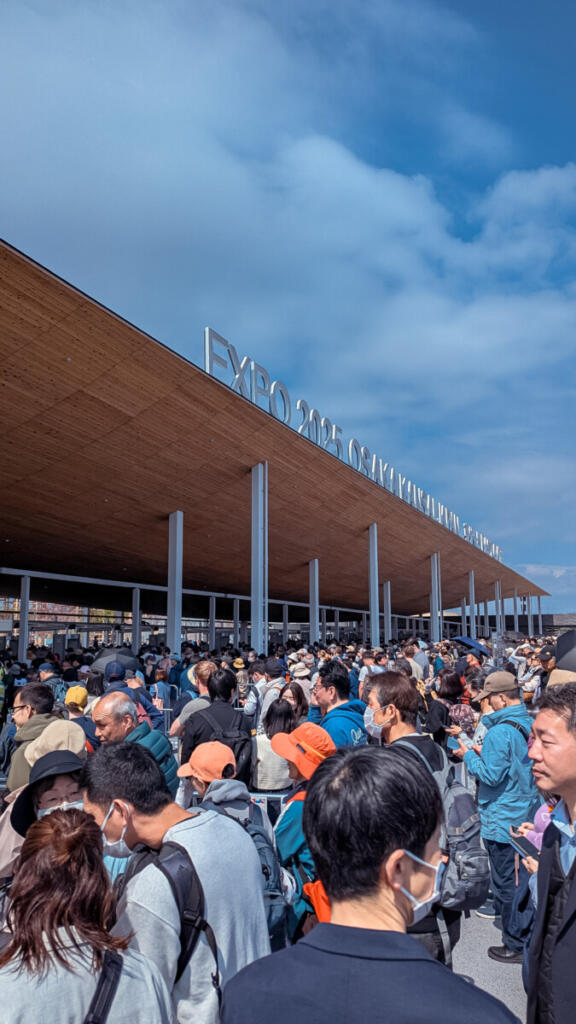
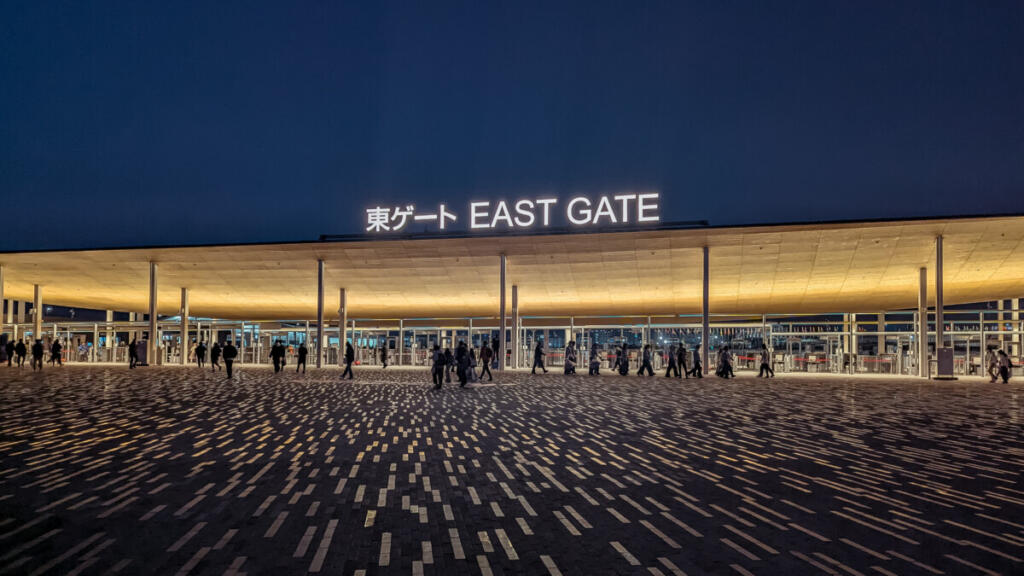
The World Expo is held on the artificial island of Yumeshima, west of Osaka. It’s easily reached by public transport via the Chūō subway line, specially extended to Yumeshima station. Shuttle buses and boat connections are also available from various parts of the city. The main entrance is just a few minutes’ walk from the station.
How do I reserve a place at Expo?
Access to the site is by day ticket or multi-entry pass, available online via the official website or authorized retailers. Some
Expo in figures
- Dates: April 13 – October 13, 2025
- Theme: “Designing the society of the future, imagining tomorrow’s life”.
- Location: Yumeshima, Osaka
- Site area: approximately 155 hectares
- Participants: over 160 countries and international organizations
- Expected attendance: around 28 million visitors over six months
Visit Expo 2025 Osaka
Architecture made manifest: the Great Wooden Ring
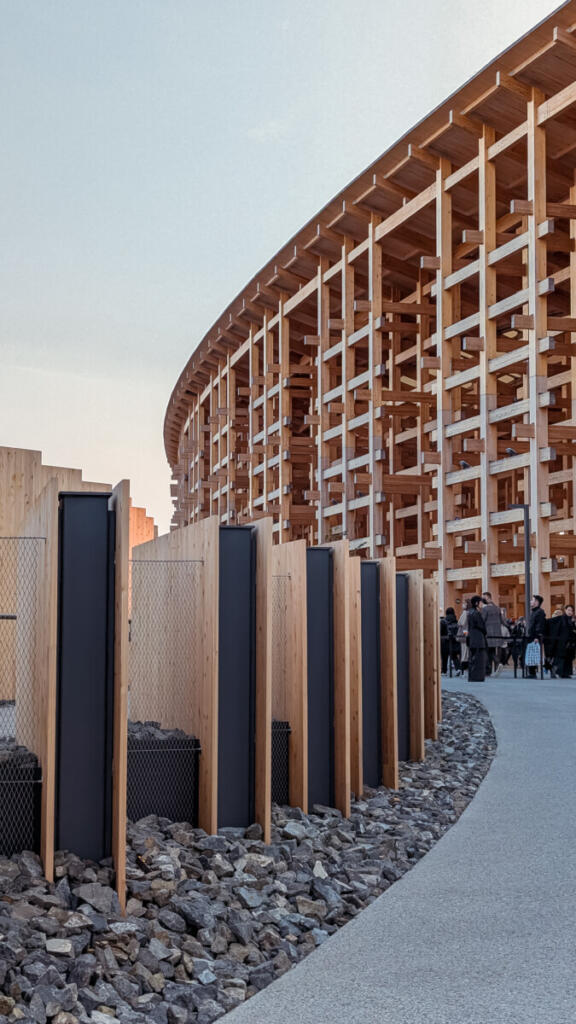
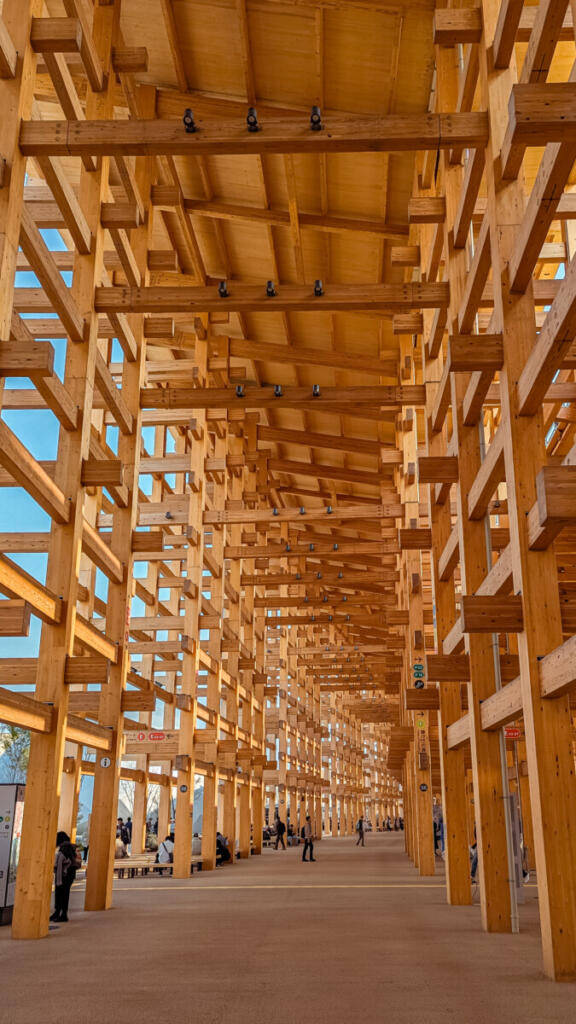
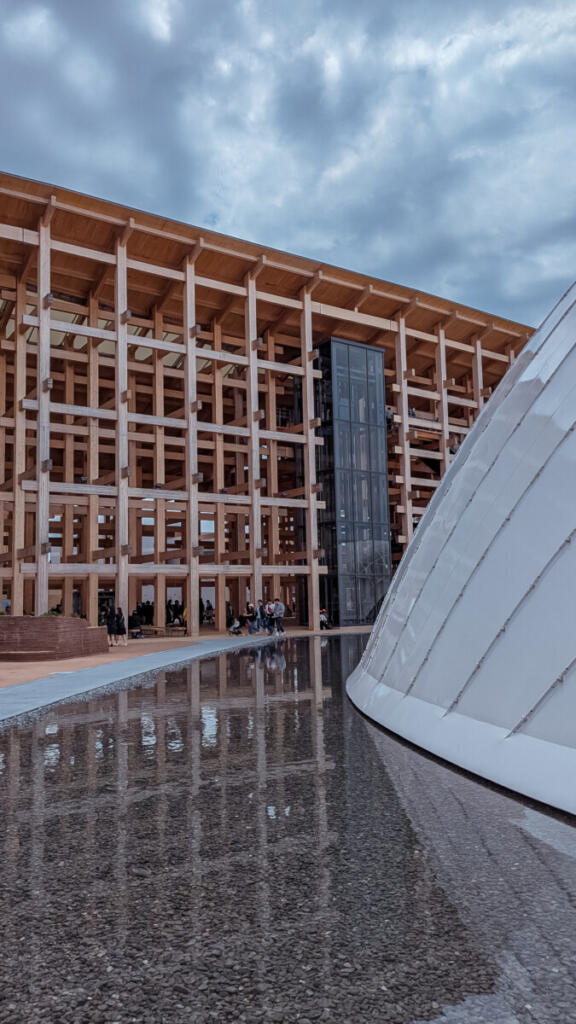
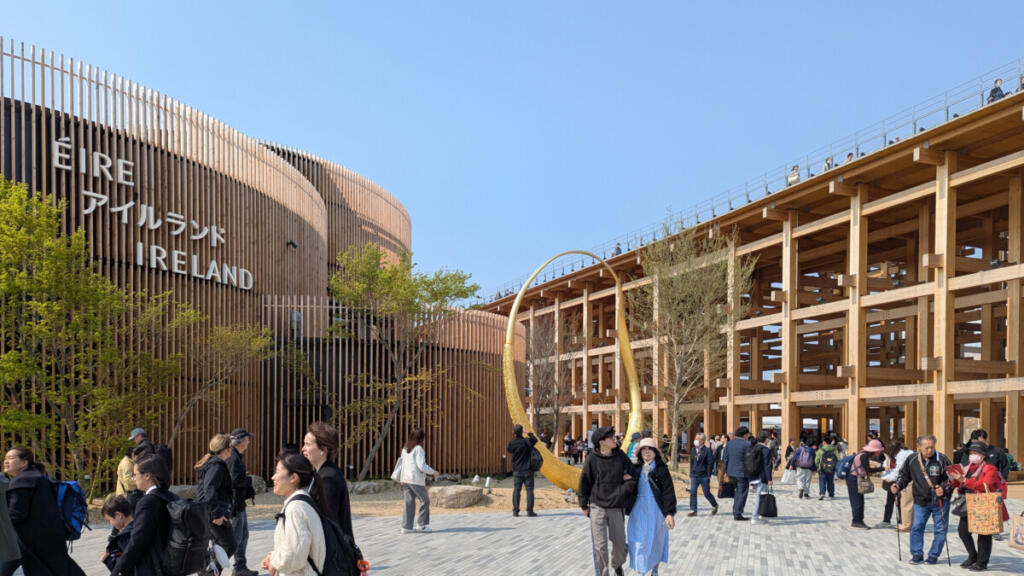
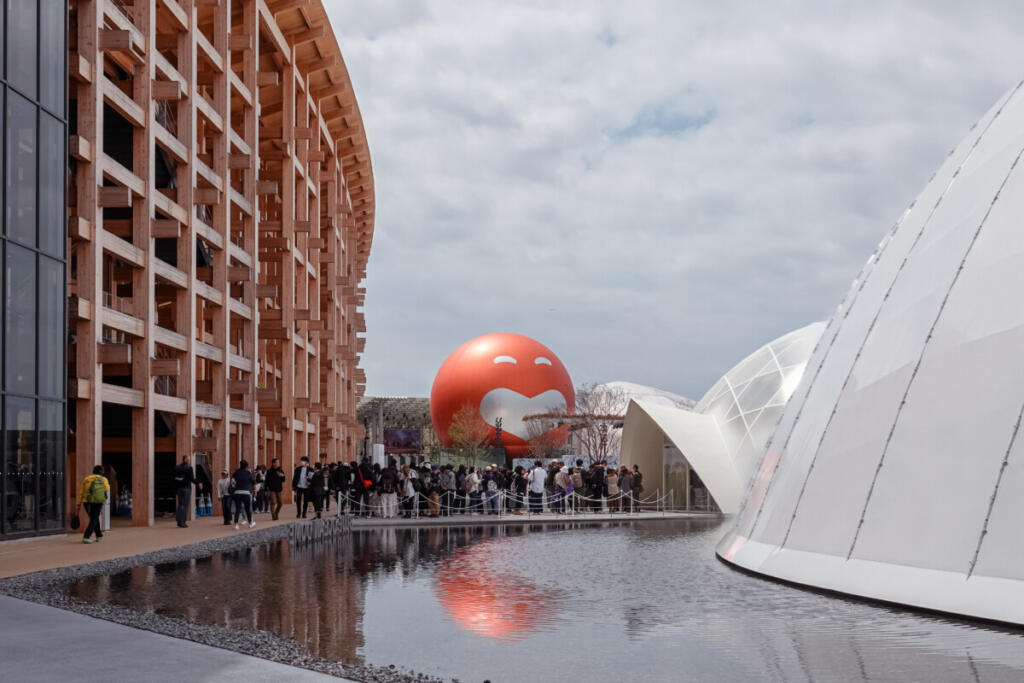
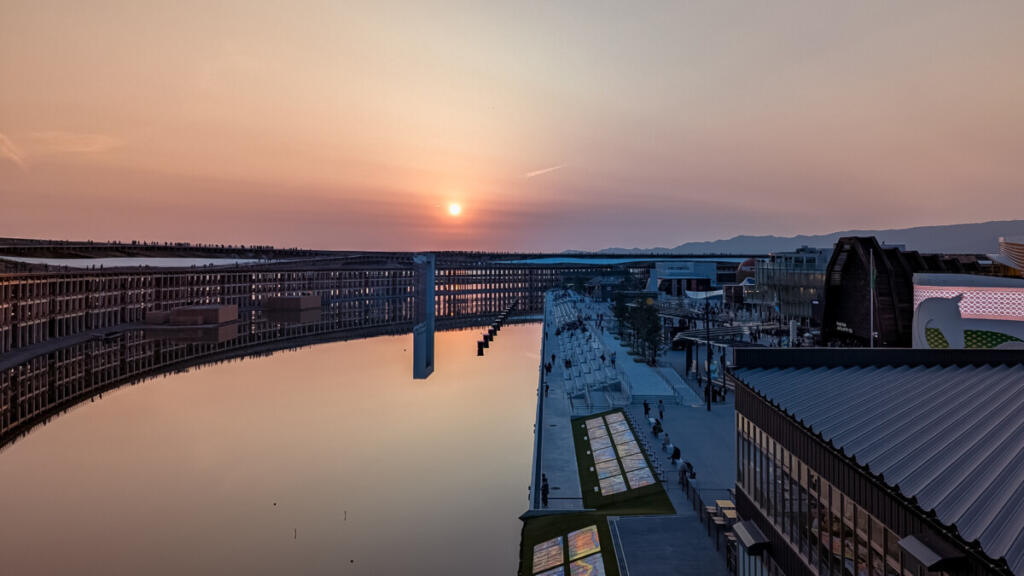
The first thing that strikes you when visiting the site is the Grand Roof, a monumental 2-kilometre-long structure built from over a thousand Japanese wooden pillars. This circular suspended walkway embodies
A journey through immersive pavilions and international innovations
Expo 2025 Osaka features a diversity of national, scientific and artistic pavilions, each offering a vision of tomorrow’s world through interactive experiences. Here are those we had the opportunity to visit…
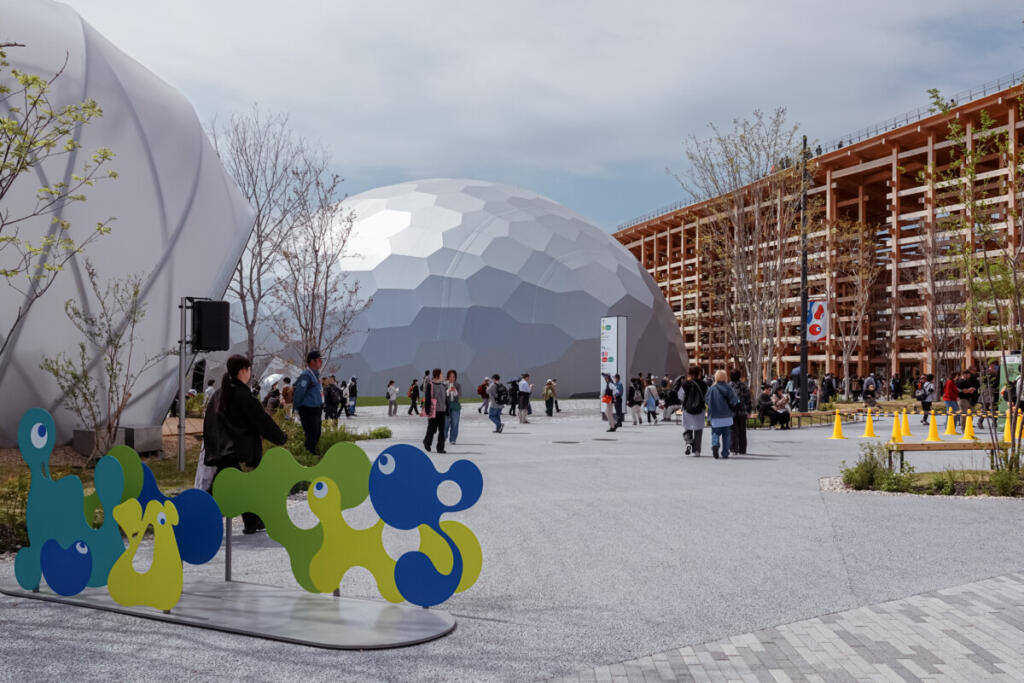
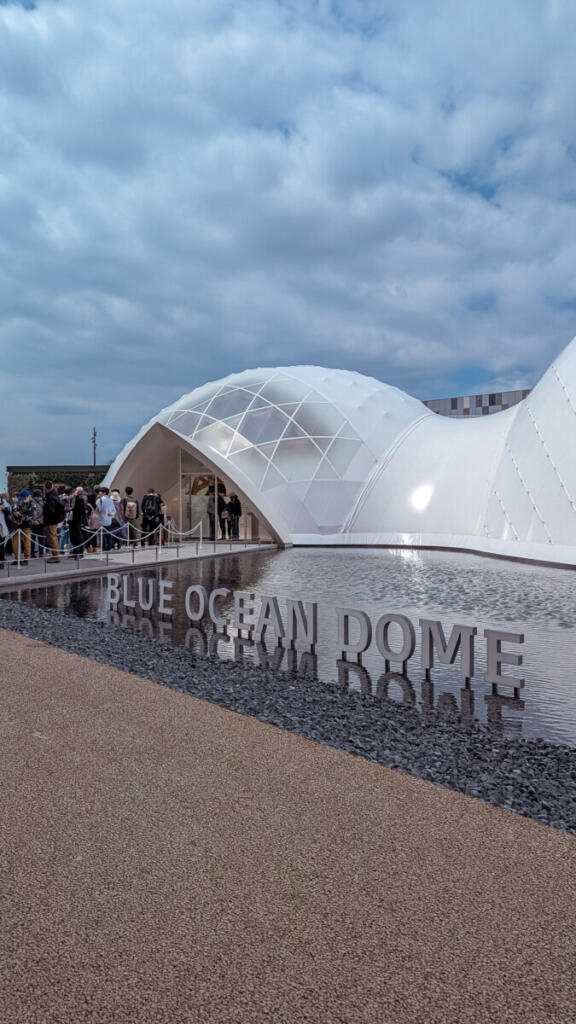
Blue Ocean Dome
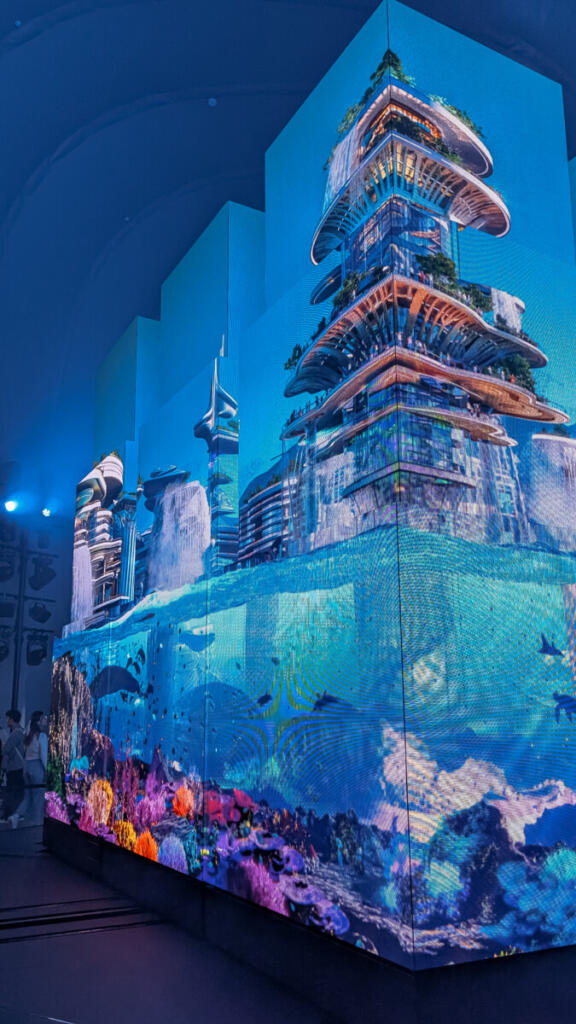
This themed pavilion is part of theOsaka Blue Ocean Vision, an initiative born out of the 2019 G20 summit to eliminate all additional plastic pollution in the oceans by 2050. Conceived as a space for raising awareness and transmitting information, the Blue Ocean Dome offers an educational and immersive journey around the preservation of marine ecosystems and the sustainable use of ocean resources.
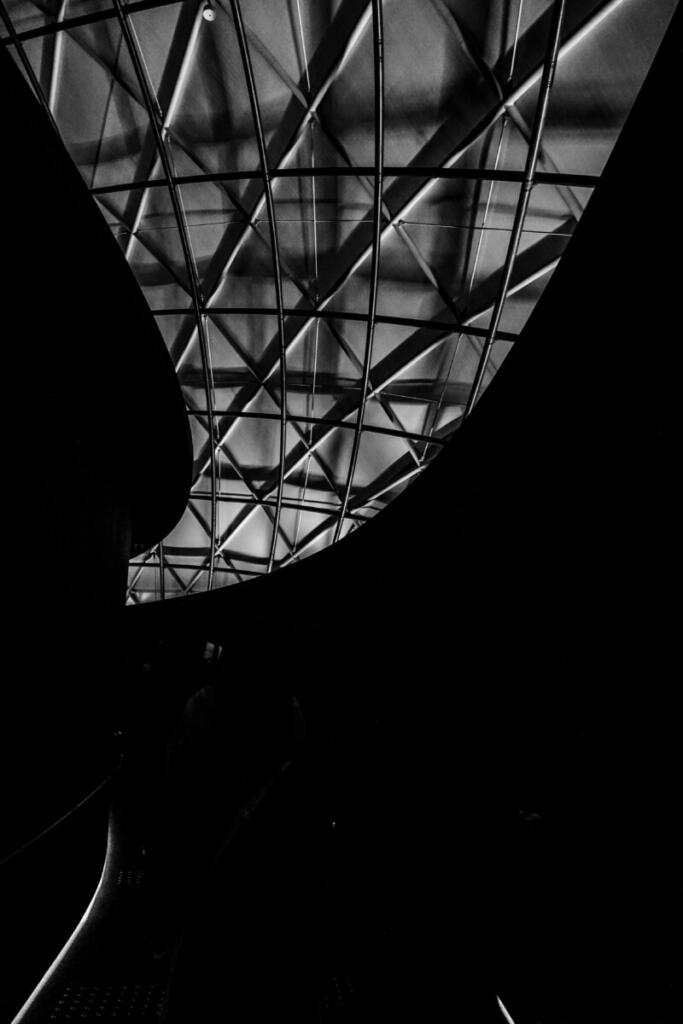
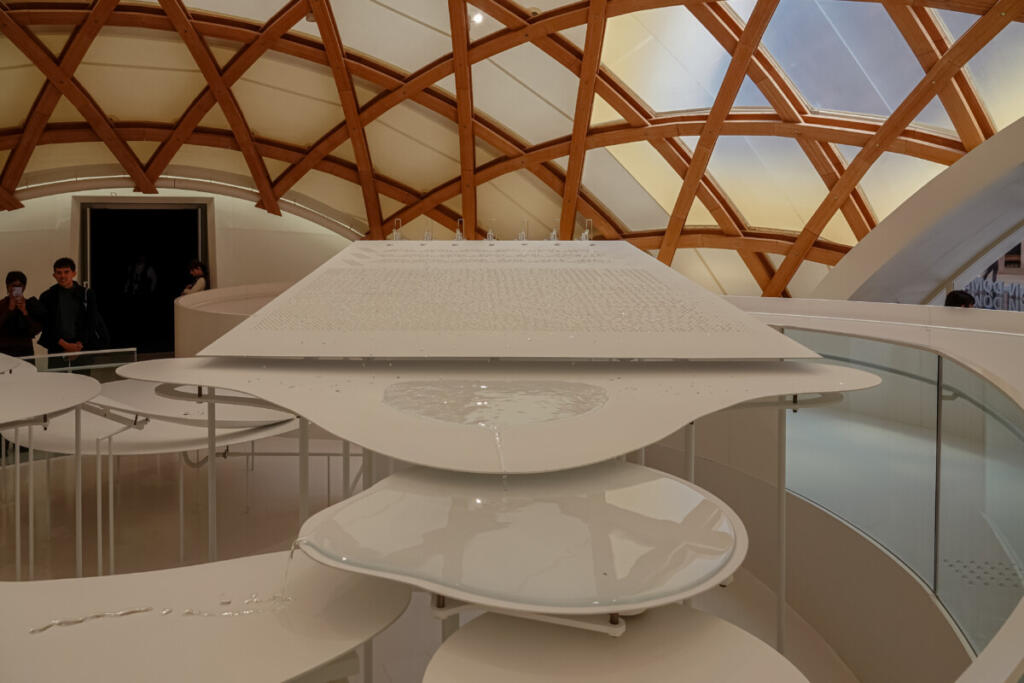
In terms of architecture, the project was designed by Shigeru Ban, a Japanese architect renowned for his eco-responsible approach. He designed a lightweight, dismountable structure with low environmental impact, made from sustainable materials such as laminated bamboo, cardboard tubes – his signature – and carbon-fiber-reinforced plastic tubes.
The pavilion consists of three separate domes linked by a translucent polycarbonate envelope:
- Dôme A, at the entrance, is built from bamboo and sets the tone for an organic, artisanal approach.
- The Central Dome houses the main exhibition, with installations by designer Kenya Hara highlighting the beauty and fragility of the oceans.
- Dôme C, at the exit, rests on a molecular structure of cardboard tubes, symbolizing both circularity and lightness.
Sponsored by the non-profit organization ZERI (Zero Emissions Research and Initiatives), the Blue Ocean Dome is a fine example of how innovation, sustainable architecture and ecological commitment meet.


Pasona Natureverse
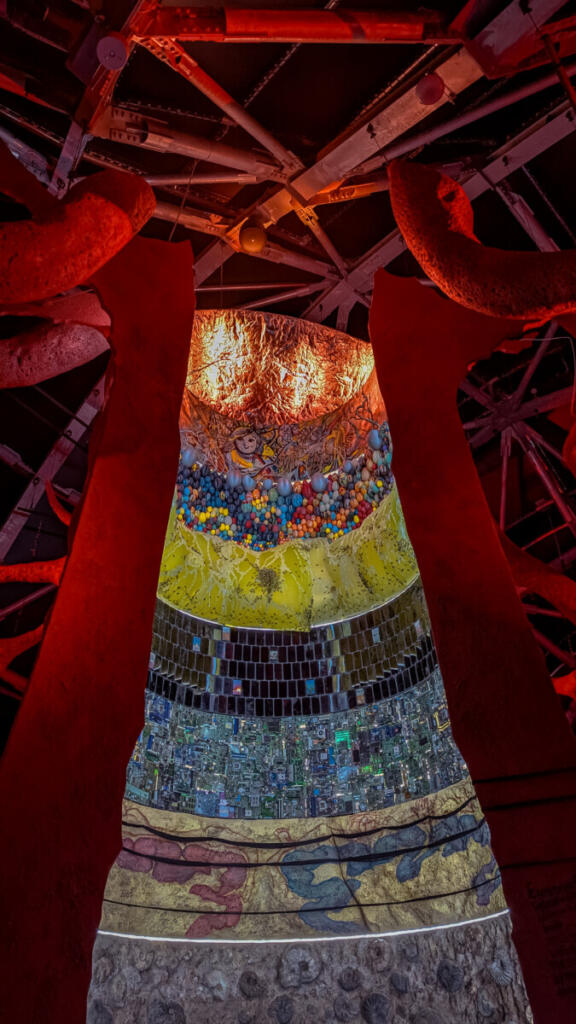
Inspired by the message “Thank You, Life”, the Pasona Natureverse pavilion offers a sensitive, futuristic exploration of living things. Its ammonite-shaped architecture – a symbol of life and evolution – evokes the spiral of time and origins. At the very top of this helical structure sits Astro Boy, an emblematic character from Japanese manga, with his arm outstretched towards the island of Awaji, where Pasona is headquartered. He guides visitors through the pavilion, alongside Black Jack, another figure from Tezuka’s universe, who introduces the pavilion’s main themes.
The space is divided into three thematic zones:
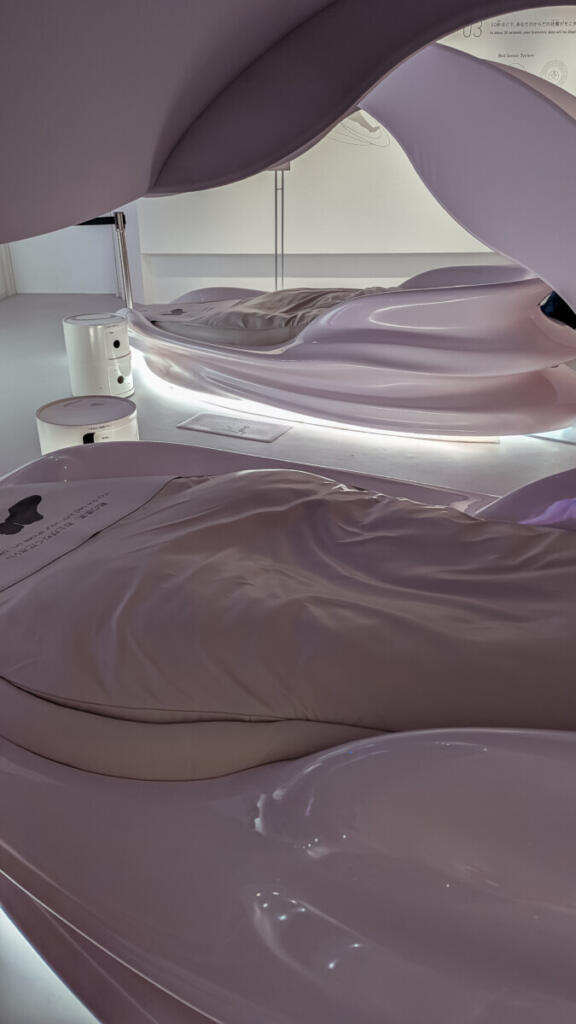
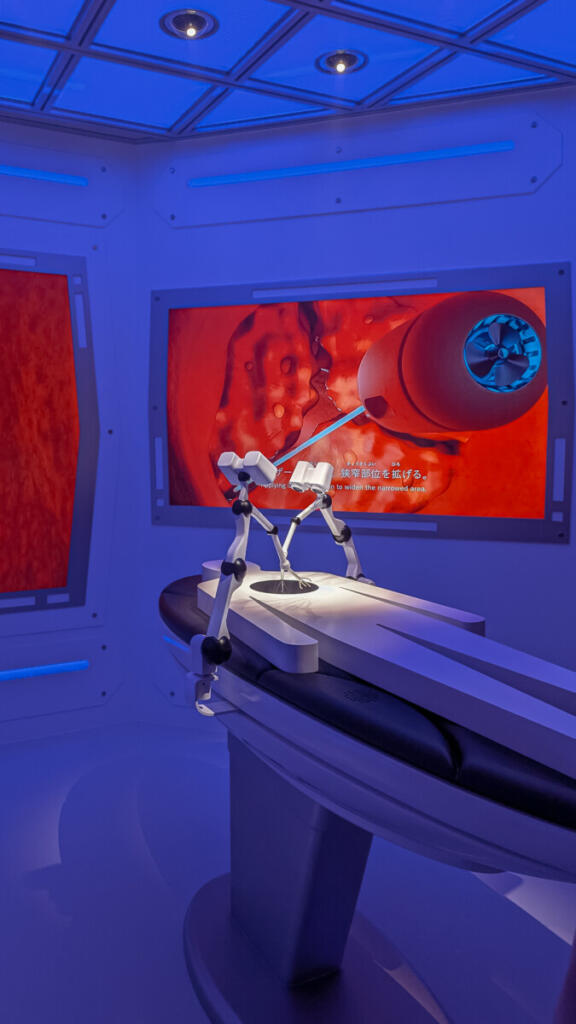
- Body: a journey through the human body and the medicine of the future. The flagship installation features a real beating heart, made from induced pluripotent stem (iPS) cells, which testifies to advances in regenerative biotechnology.
- Mind / Bonds: this zone questions our relationship with others, with the living and with the environment, highlighting the importance of human and social bonds in a changing world.
- History of Life: a look back at the history of evolution, staged in the central installation Tree of Life Evolution, which celebrates the dynamics of living things, the power of nature and the potential of humanity.
A blend of organic design, cutting-edge technologies and philosophical reflection, the pavilion offers a singular immersion in the possibilities of tomorrow, at the crossroads of life sciences, health and the environment.

Sumitomo Pavilion
The Sumitomo pavilion is inspired by the industrial history of the group, founded around the Besshi copper mine on the island of Shikoku. Its architecture follows the lines of a
The experience begins at the entrance, where each visitor receives a lantern. It accompanies them through theUnknown Forest, a central space shrouded in mist and sound, which they can explore freely, with no set itinerary. Subdued lighting, rustling sounds, plant scents… everything is designed to provoke a feeling oftotal sensory immersion, as if entering a dreamlike forest, suspended outside time.
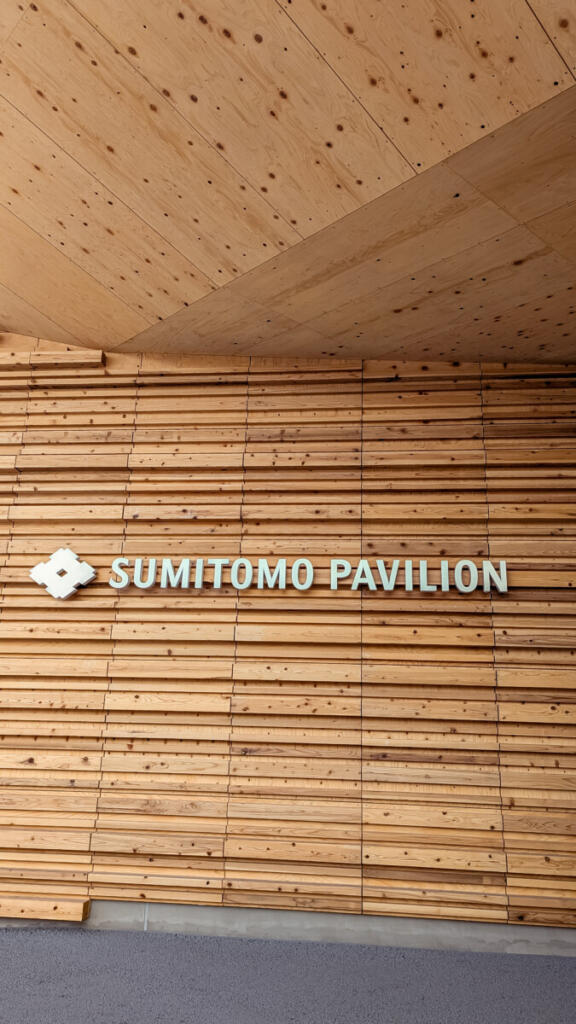

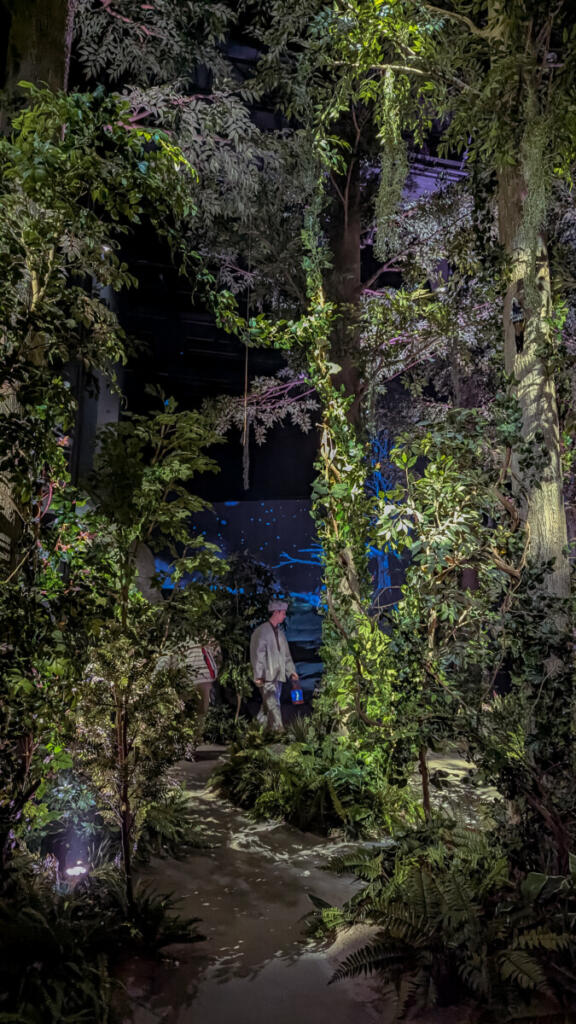
Upon exiting this mysterious forest, you enter an immersive theater, where a performance combining dance, visual projections, light effects, sound and climatic effects unfolds. This performance evokes the profound relationship between humans, animals and nature, and invites us to rethink our place within the living world.
Further on, a section entitled “Seeds for the Future” showcases the Sumitomo Group’s technological and societal innovations. Nearly 700 panels explore avenues for tomorrow’s world, conceived with the help ofgenerative artificial intelligence tools.
Mitsubishi Pavilion
Nicknamed the Mothership for its imposing, futuristic silhouette, the Mitsubishi Pavilion takes visitors on a journey through life forms, from the depths of the ocean to the farthest reaches of the universe. Built around the concept of “Keeping the World Vibrant”, it celebrates the richness of life and the harmonious cohabitation of species. Inside, visitors are immersed in a unique sensory experience, at the crossroads of nature, technology and imagination.
But the pavilion also stands out for its rigorous environmental approach, conceived from the outset. The entire structure is designed to be dismantled at the end of the Exhibition, with the aim of completely restoring the site to its original state. To achieve this, the impact on the ground has been strictly limited: the foundations avoid any direct contact with the earth, enabling minimal soil alteration. Even the excavated soil is reused on site, in keeping with the logic of circularity of resources.
The materials used reflect the same philosophy: steel scaffolding, polycarbonate panels, sandbags, metal tubes, non-slip floor plates, metal netting, blue tarpaulins, glued laminated timber and OSB (Oriented Strand Board) slabs are diverted from their usual uses to become fully-fledged elements of interior and exterior design. All are designed to be reused after the event.
This radical approach gives the Mitsubishi pavilion a raw, industrial aesthetic, but also a force of proposition: to rethink our ways of building, exhibiting and transmitting.
Gundam Next Future Pavilion
This pavilion, directly inspired by the Gundam universe, imagines life in the space of tomorrow. Visitors embark from Yumeshima on a fictional journey to Star Jaburo, aboard an immersive orbital elevator. Outside, the

Robot & Mobility Station
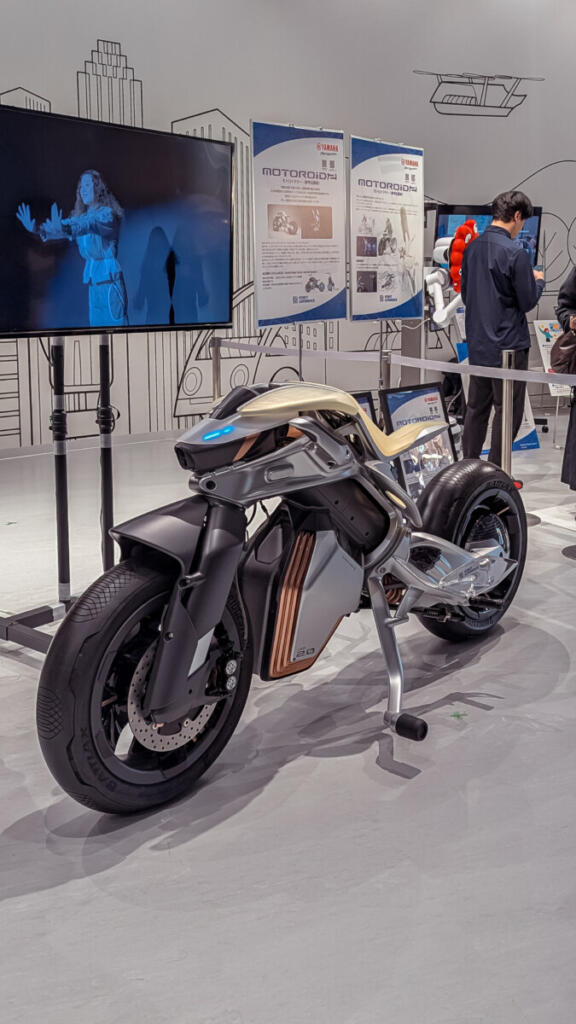
This pavilion showcases the robotic technologies of tomorrow, as part of the Robot Experience initiative led by Expo organizers to promote the integration of robots into future society. A series of live demonstrations showcase the latest generation of robots in a variety of contexts: mobility, assistance, logistics, hospitality and intervention in complex environments.
Designed as an open platform for experimentation, the Robot & Mobility Station allows us to observe human-machine interactions in a real-life setting, and to question the role of robots in tomorrow’s everyday life.

Women’s Pavilion – in collaboration with Cartier
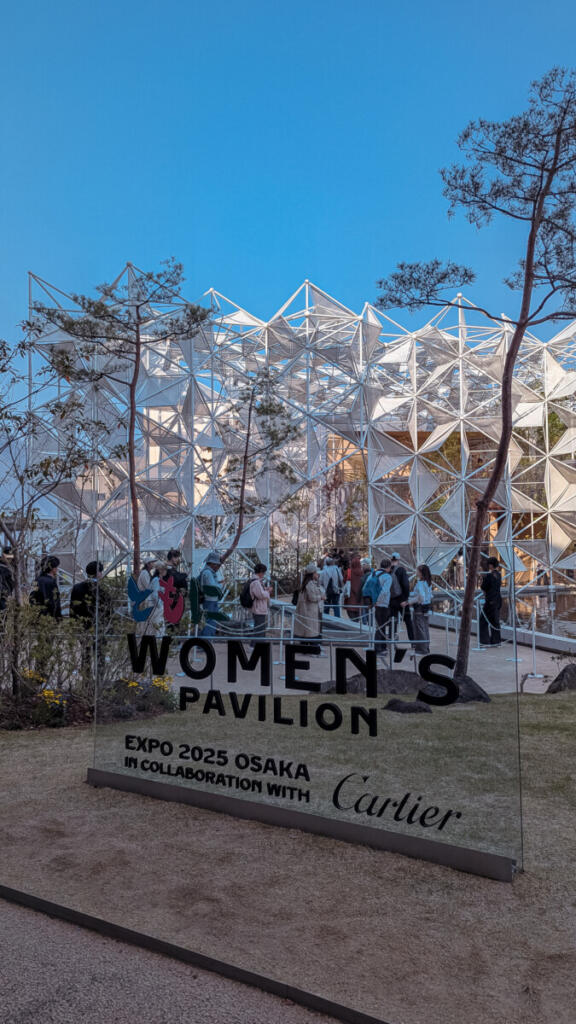
Already present at Expo 2020 in Dubai, Cartier is renewing its commitment to equality and recognition of the role of women through a pavilion entirely dedicated to this theme. In partnership with the Japanese government, the Ministry of Economy, Trade and Industry, and the Japan Association for the 2025 World Exposition, the Women’s Pavilion will be a space for reflection, storytelling and celebration.
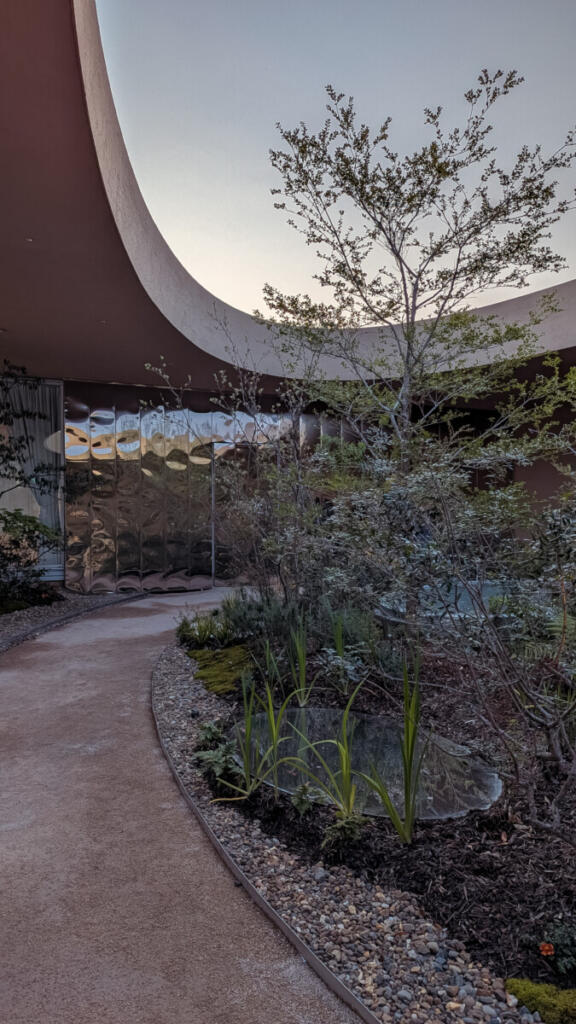
The pavilion’s structure, designed by Japanese architect Yuko Nagayama, is made in part from recycled materials from Expo 2020, affirming a commitment to continuity and sustainability. Its organic facade reflects the project’s commitment to a collective future in which the voice of women, in all its diversity, has a central and fully recognized place.
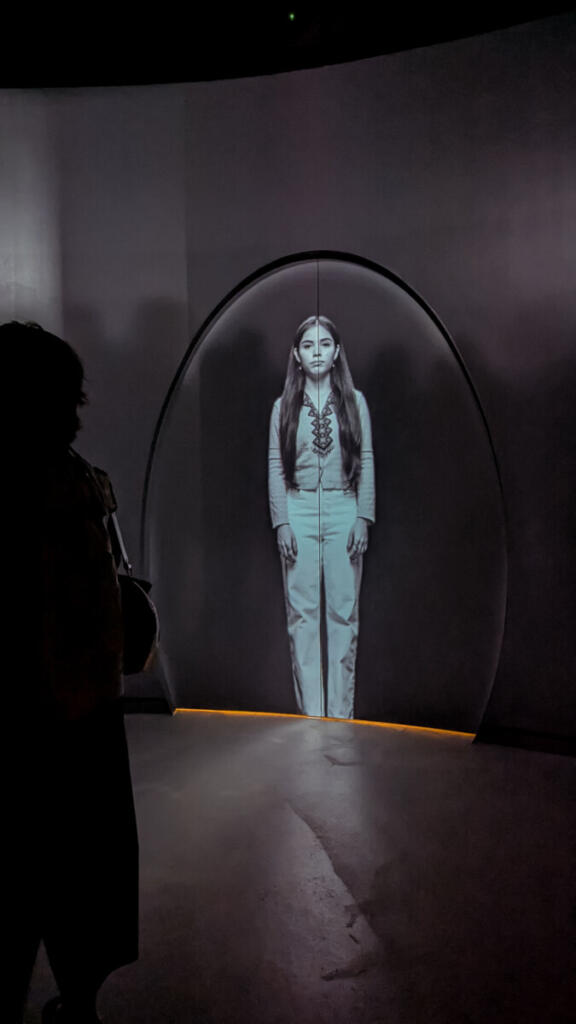
Inside, the experience is immersive and introspective. Artistic direction is entrusted to renowned artist
Featured figures include Japanese filmmaker Naomi Kawase, author of the introductory film, actress and director Mélanie Laurent, and artist Mariko Mori, whose work questions the notion of common humanity. Landscape designer Toshiya Onigo completes the ensemble with a garden inspired by the Japanese seasons, conceived as a space for contemplation and transformation.
Some national pavilions
With over 150 countries represented, the national pavilions at Expo 2025 Osaka offer a wide variety of forms, contents and approaches. Access is free, without reservation, but some pavilions are very crowded, depending on the time of day – a parameter to be anticipated, especially if you have reserved slots in the thematic areas. It’ s impossible to see everything in one day, especially if you really want to soak up the atmosphere of each site.
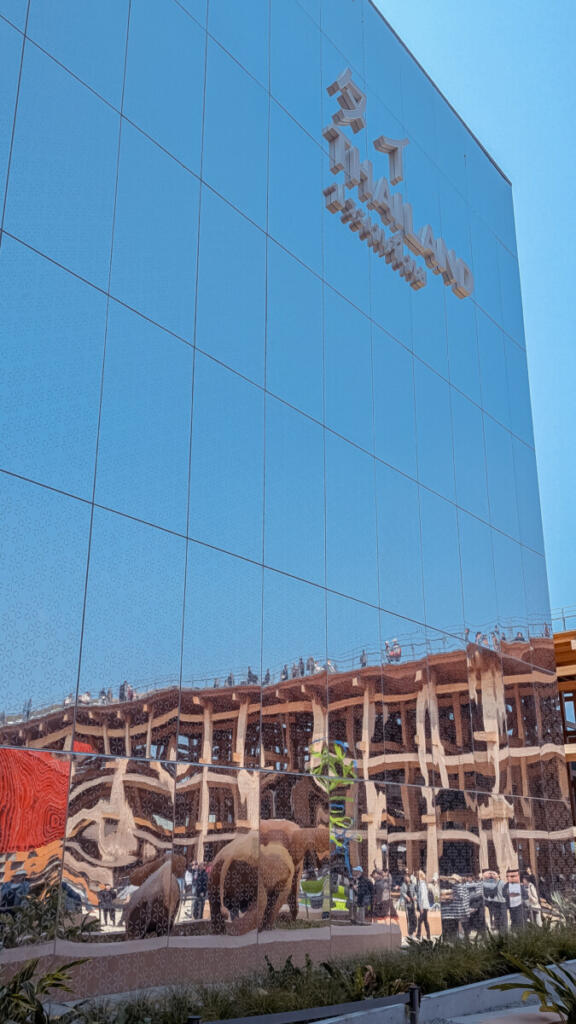
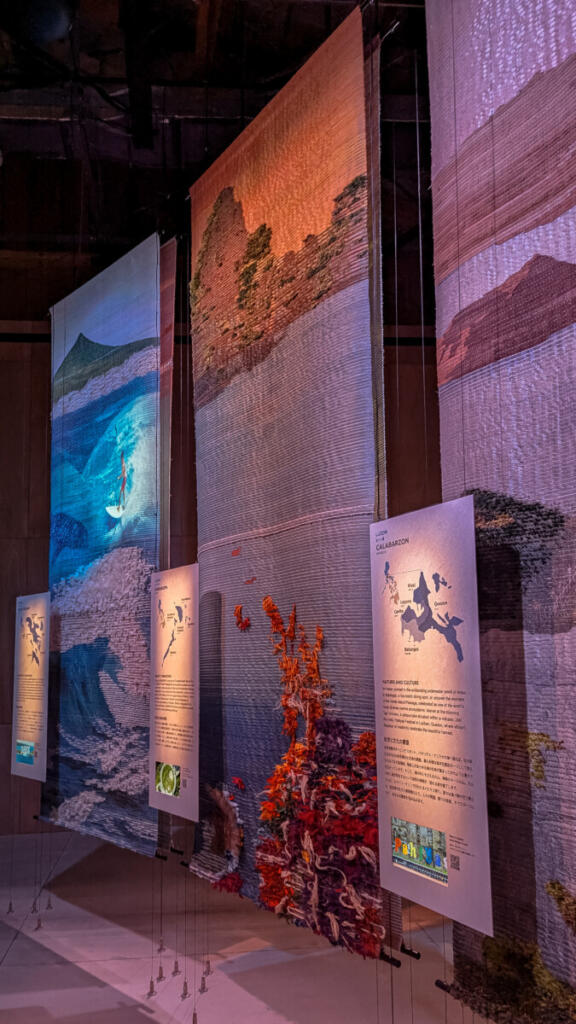
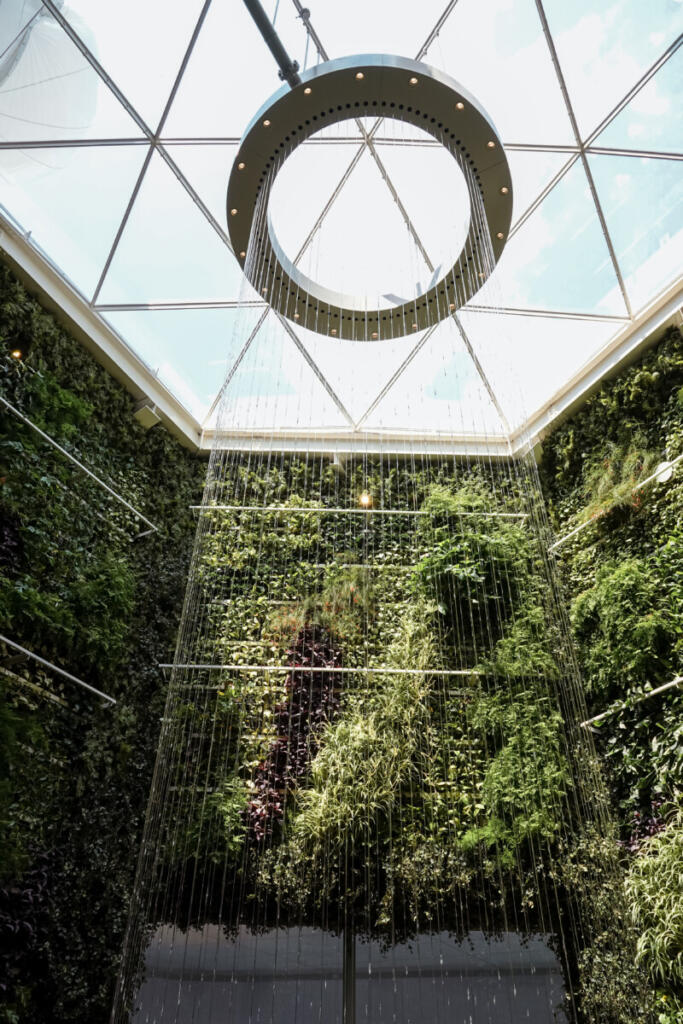
During my visit, I was able to discover several Asian pavilions, such as those from Thailand, Malaysia and the Philippines, which stand out for their immersive, often vegetated settings, where nature, sound and digital images blend into sensitive narratives.
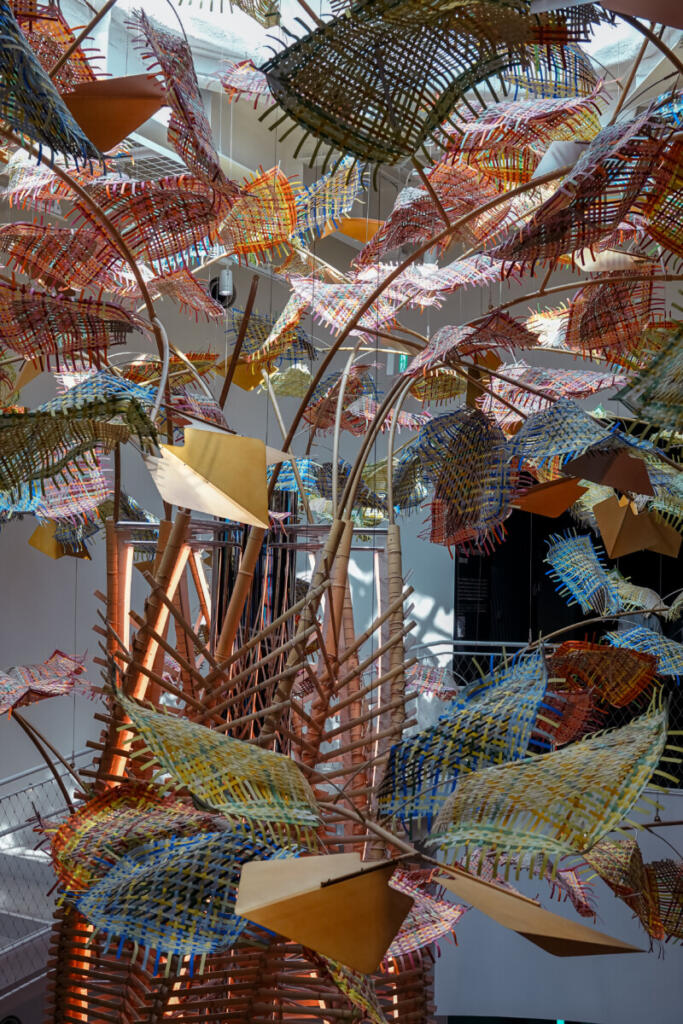
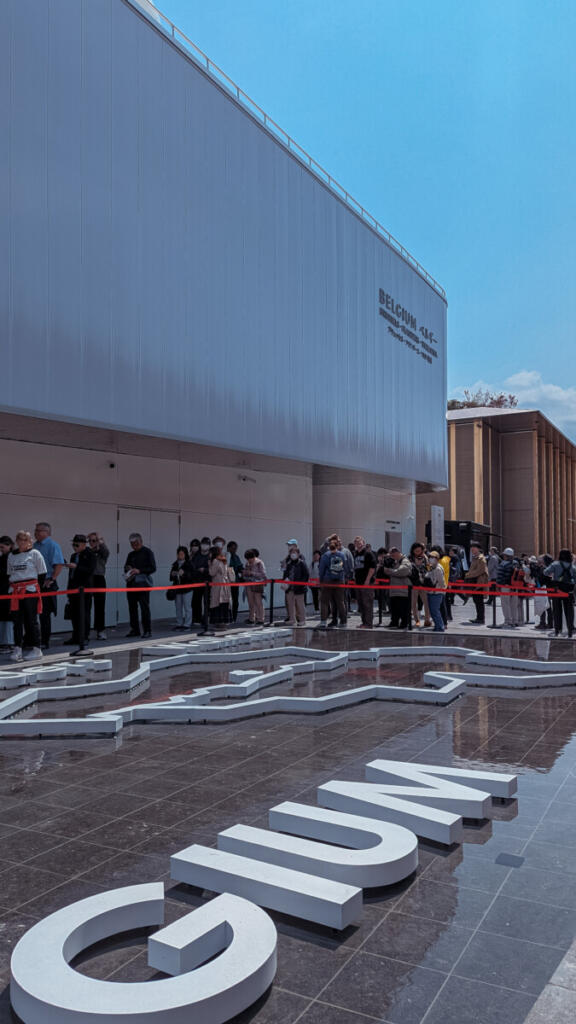
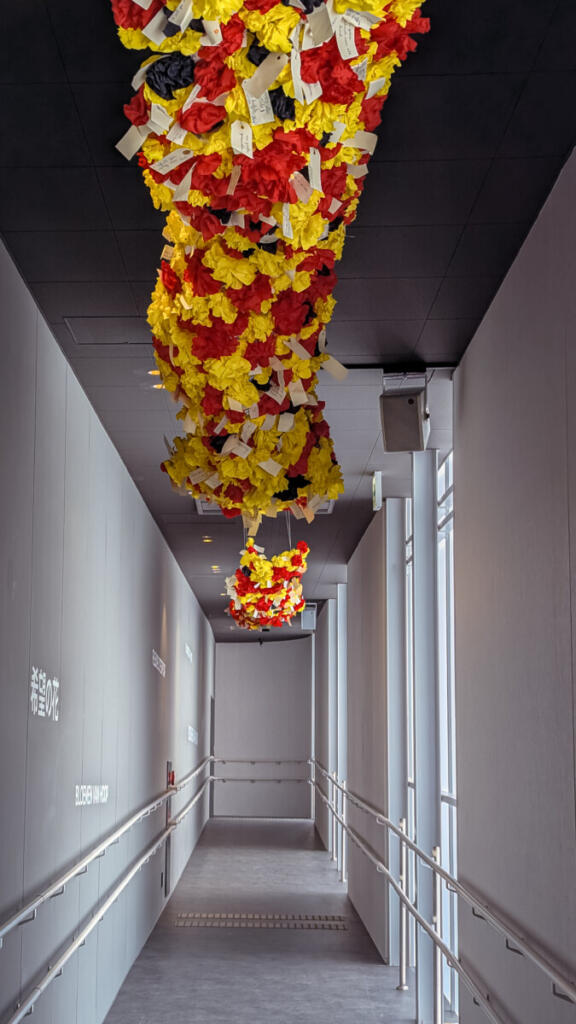
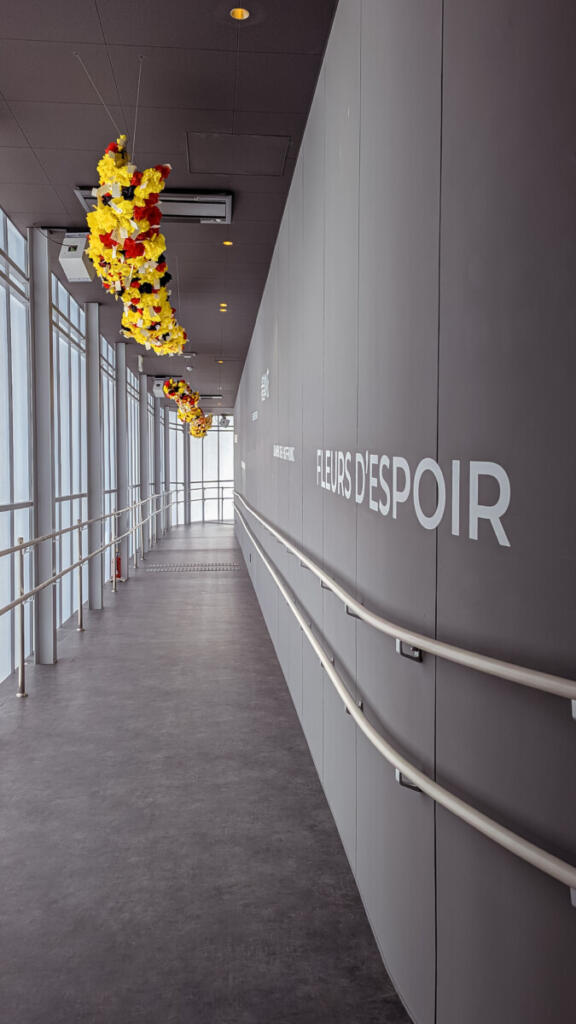
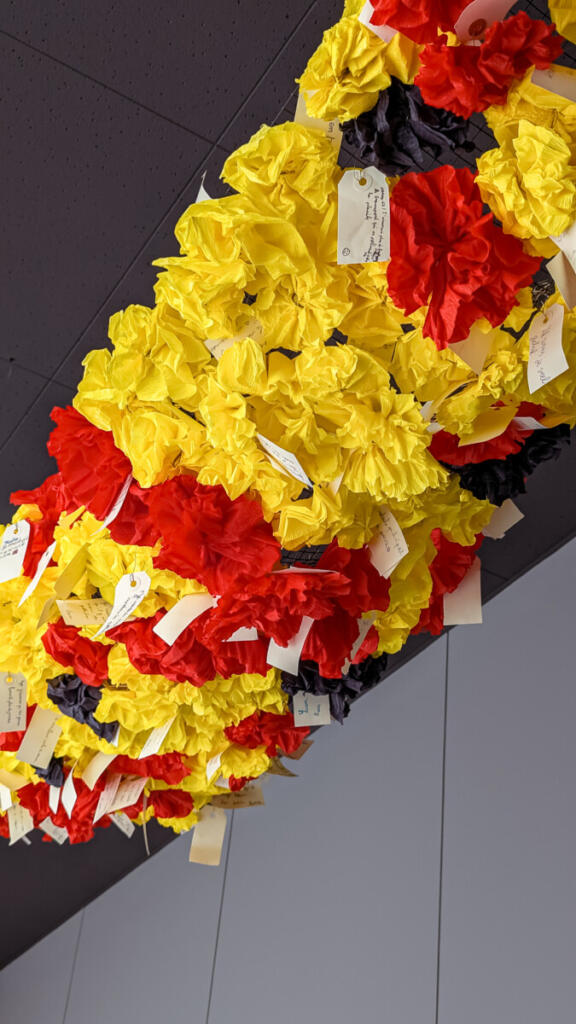
The Belgian pavilion offers an immersive journey combining gastronomy, design and technological innovation, in a sober and effective scenography.
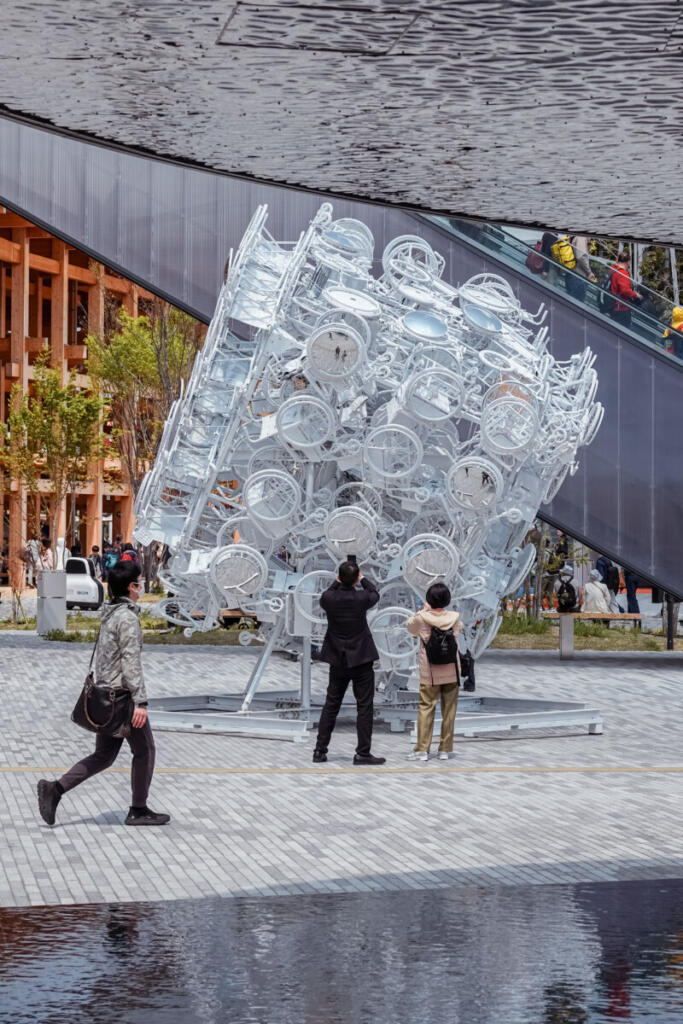
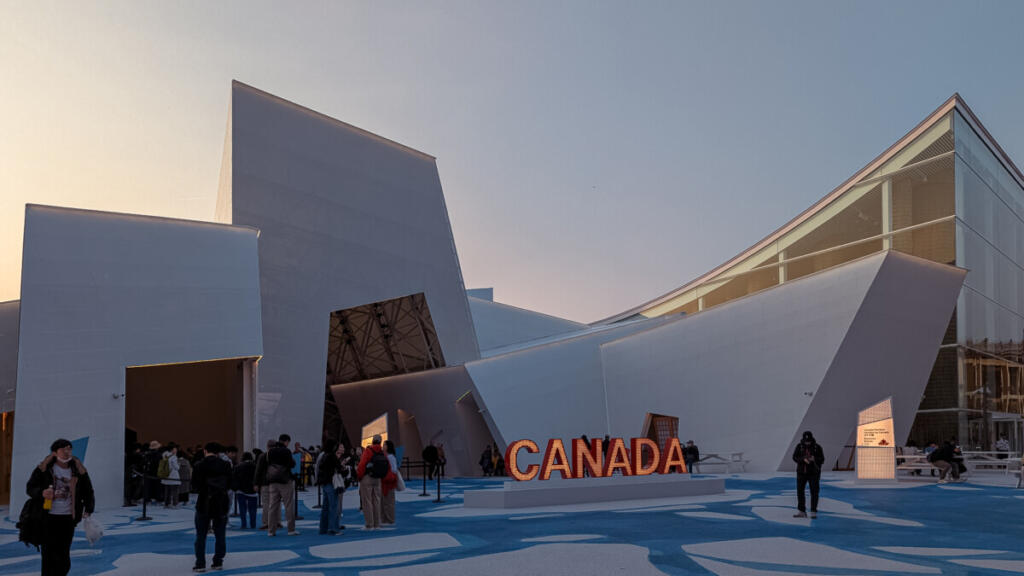
Even without a visit, some pavilions are worth a detour for their architecture alone. The Canadian pavilion, with its angles and white volumes, evokes an iceberg stranded at the edge of the main aisle: a geometric structure, both massive and uncluttered, that immediately catches the eye. The Japanese pavilion, sculptural and elegant, combines traditional materials and contemporary design with finesse, in an openwork structure conceived as a work of art in its own right.
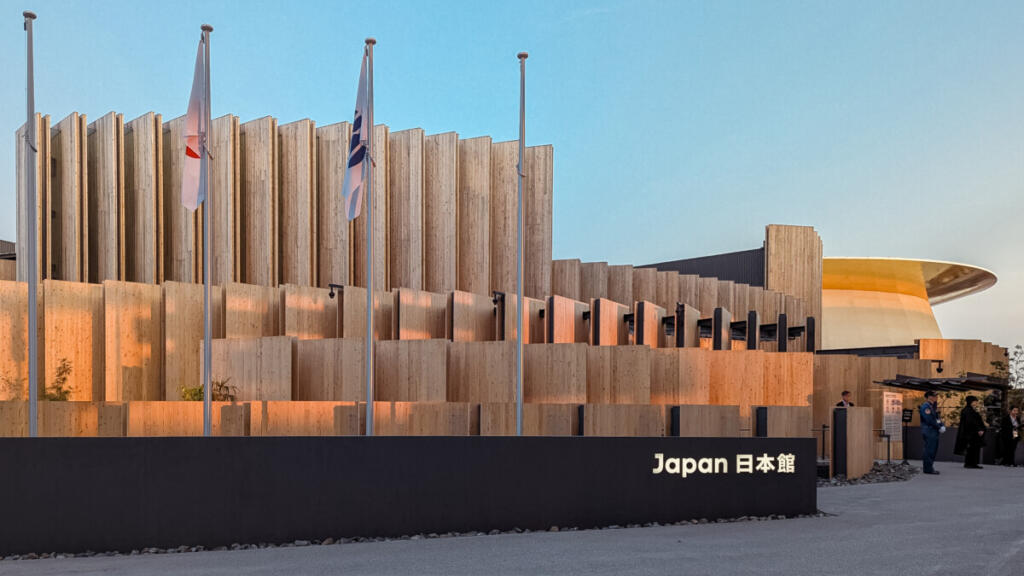
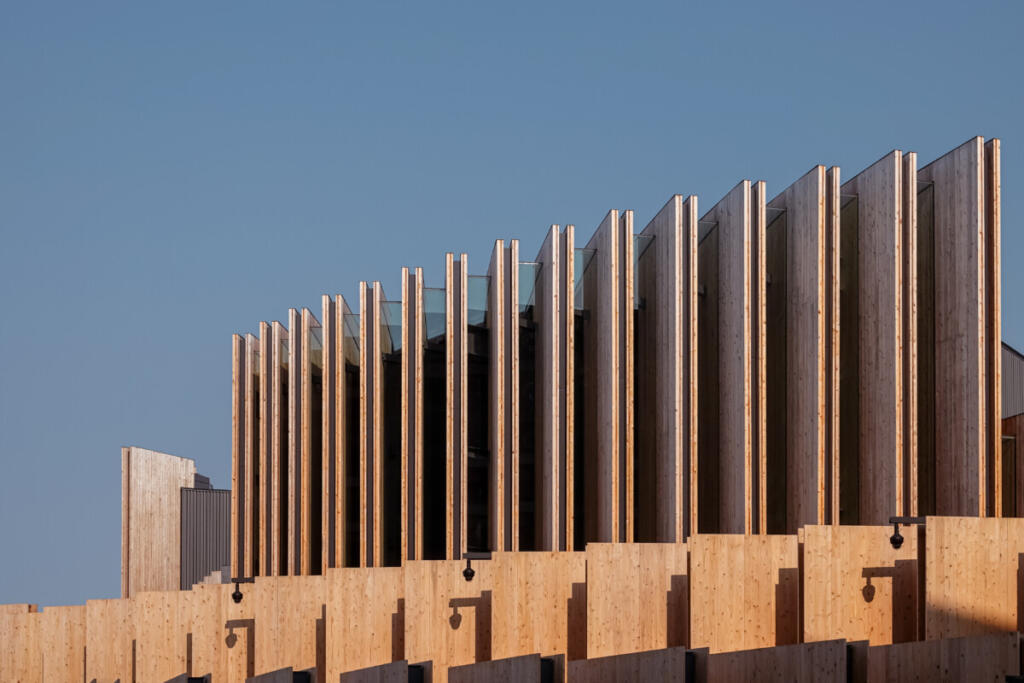
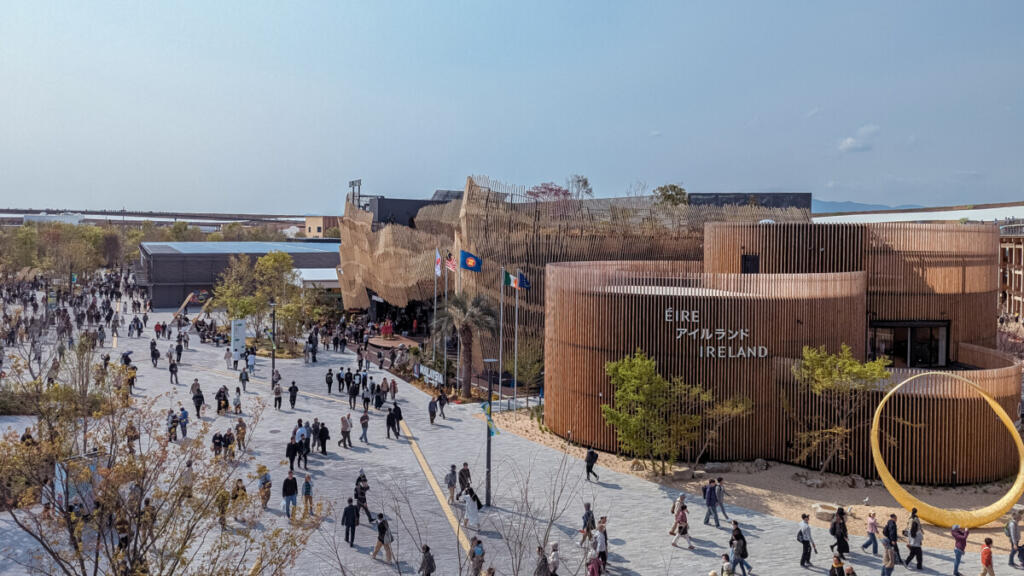
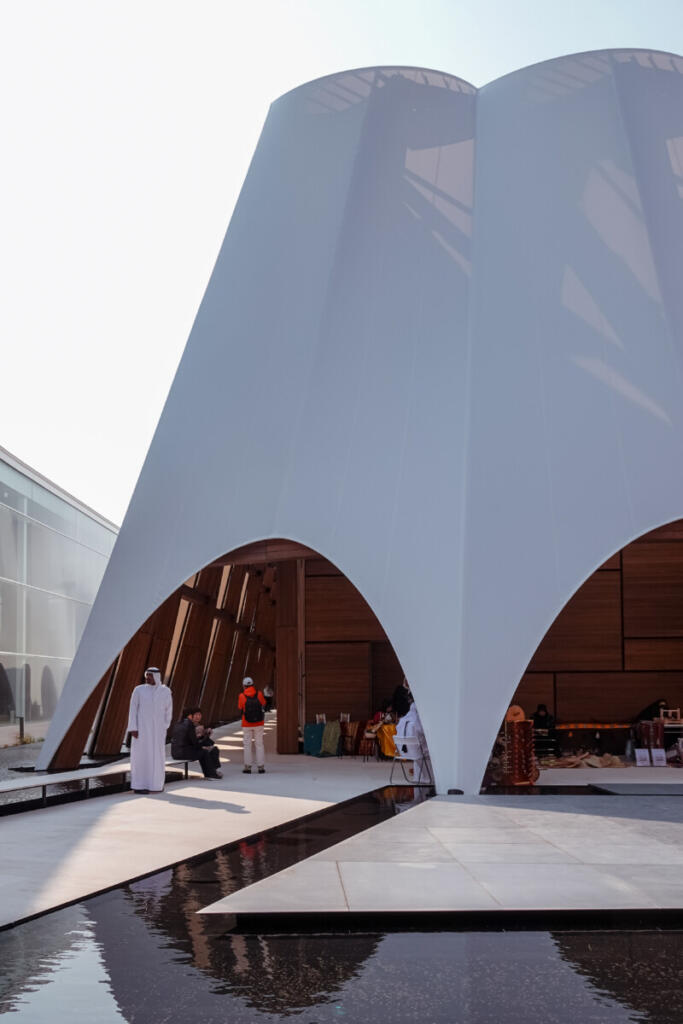
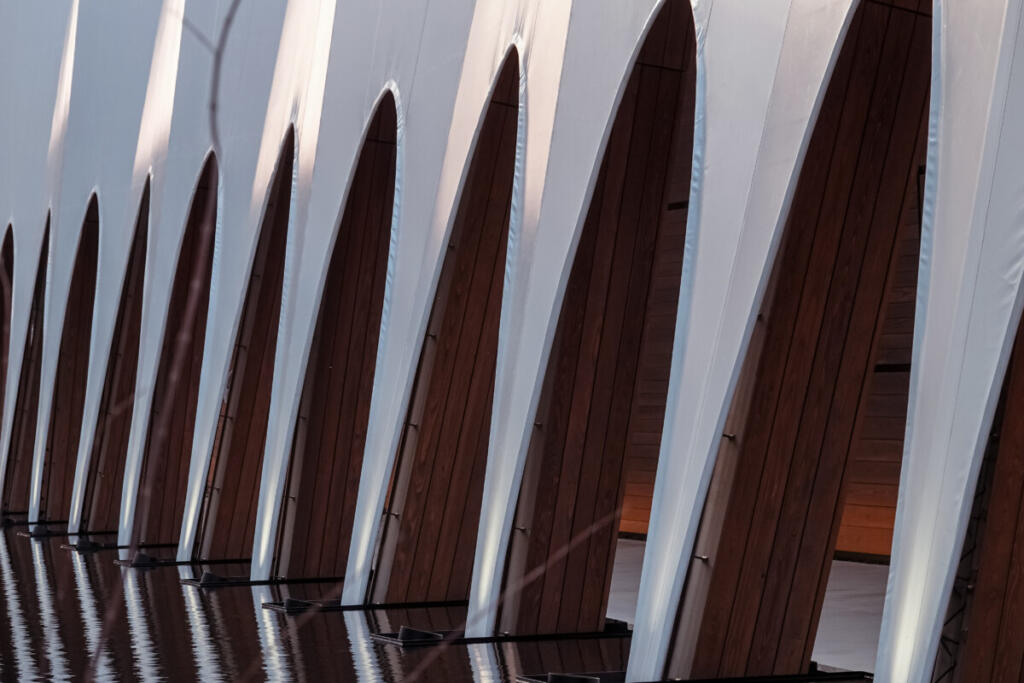
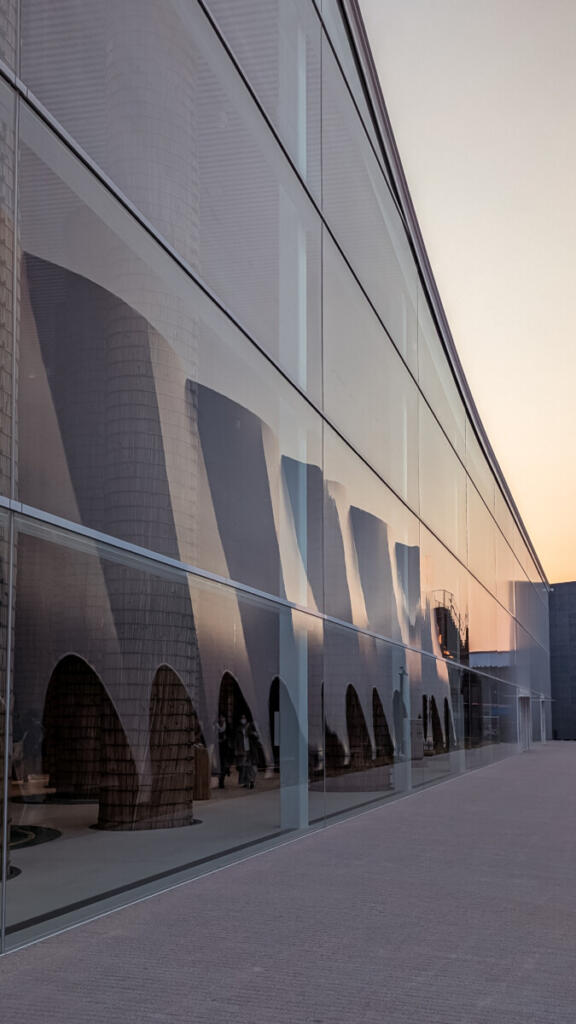
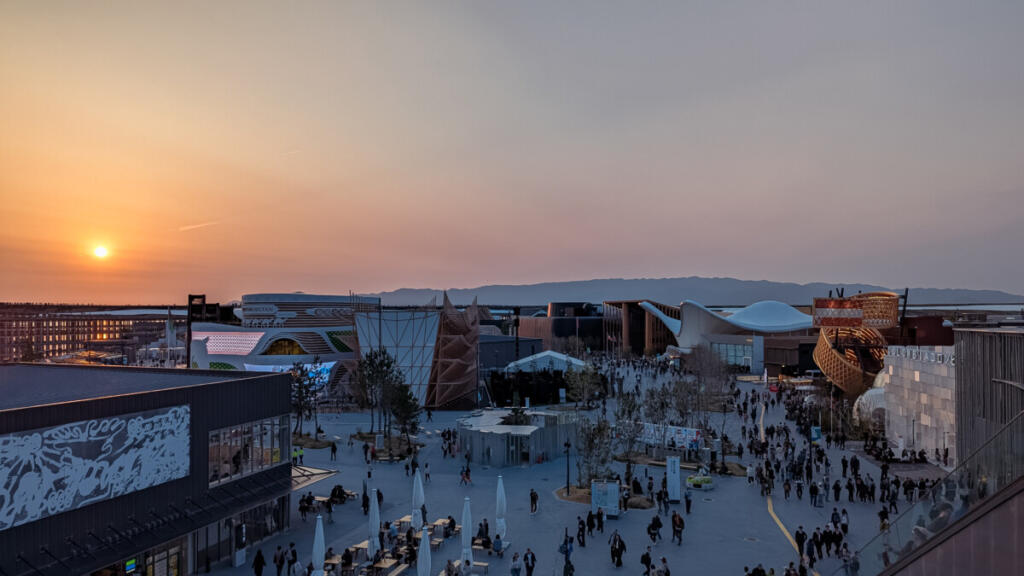
As you stroll along the site, you’ll also enjoy a variety of perspectives, blending vegetation, architectural lines and the play of natural light. Some sections cross landscaped wooded areas or run alongside the most emblematic pavilions – perfect places to pause, observe or simply photograph Expo from a different angle.
At dusk, the golden light of the setting sun sublimates the façades, and the evening illuminations offer a whole new reading of the site – soothing, almost dreamlike.

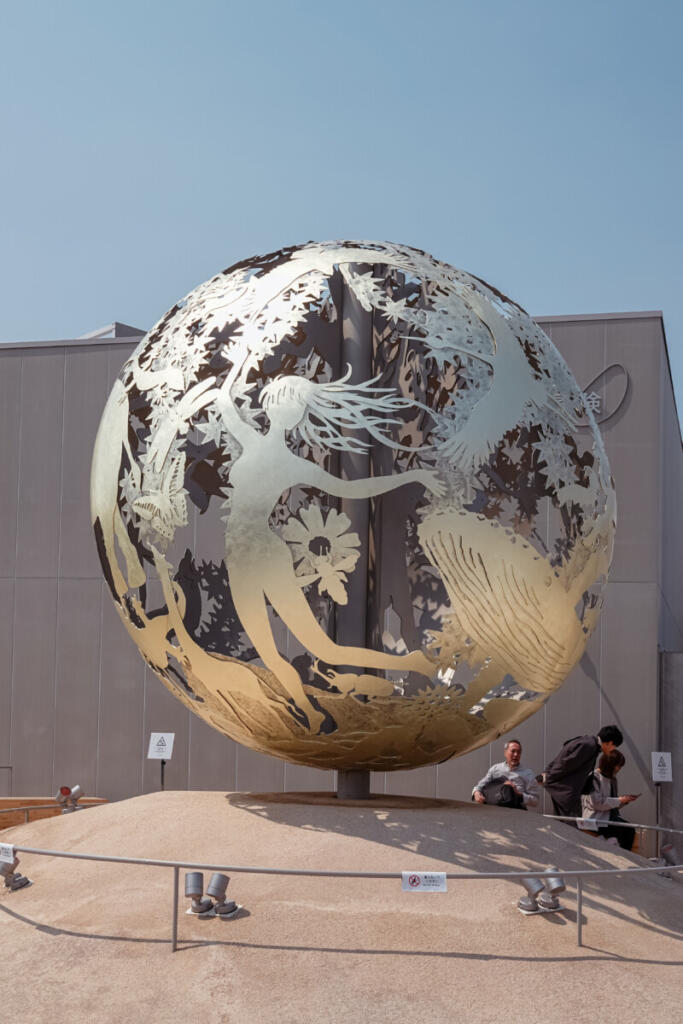
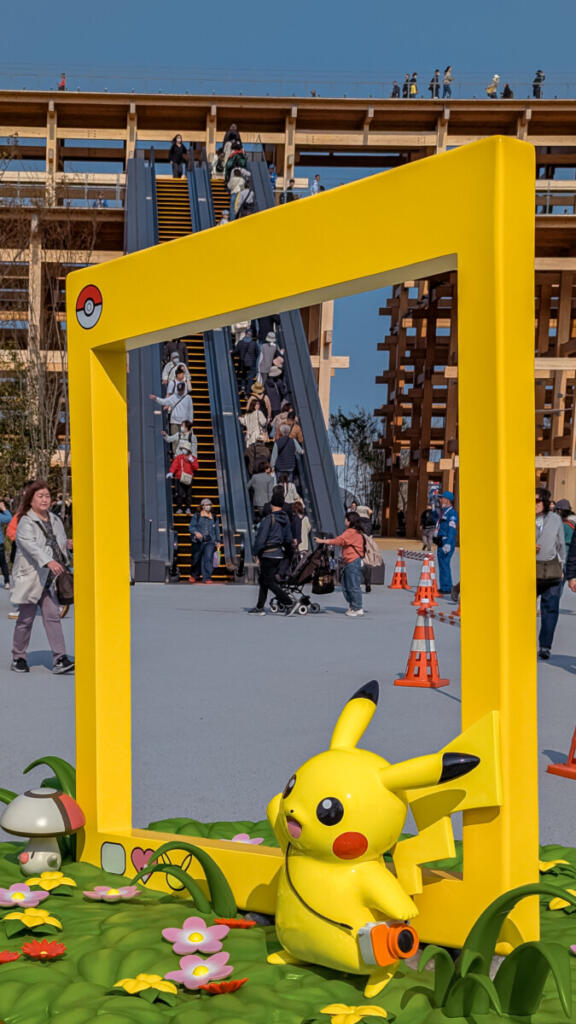
A visit to Expo 2025 Osaka offers a unique perspective on the major issues of our time: how can we live on Earth differently? How can we rethink our ties, our health and our resources?
There are still a few months left to take advantage. This is the right time to contact us to receive a customized, no-obligation travel proposal.