Among Namibia’s natural treasures, Etosha National Park is undoubtedly one of the most emblematic. With its immense salt pan visible from space, its waterholes attracting an exceptional wealth of wildlife and its breathtaking landscapes, Etosha is a must-see on any trip to Namibia. It’s a safari experience in all its splendour, with intense encounters with wildlife and starlit nights in the heart of the bush.
Etosha in a nutshell
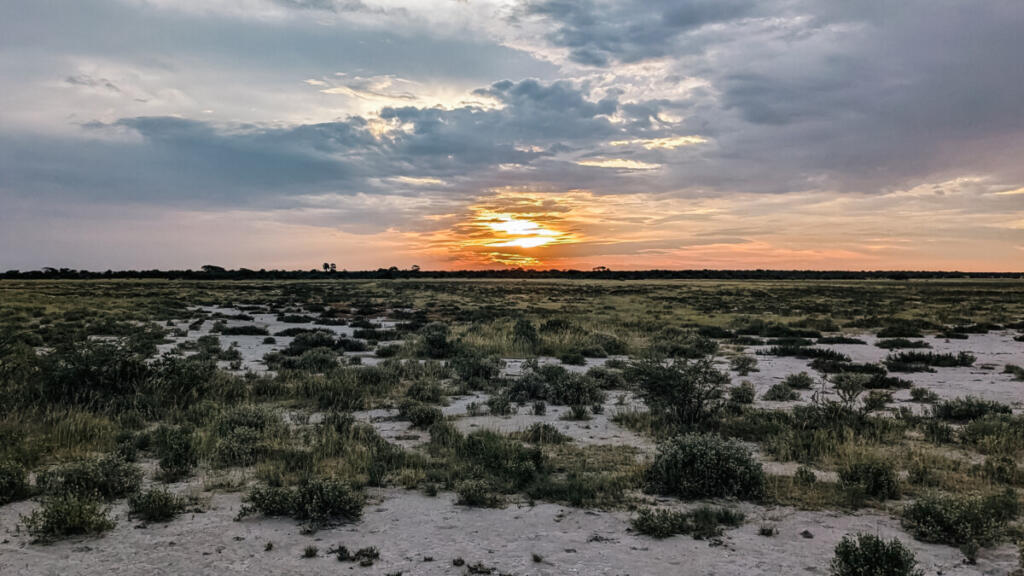
Located in northern Namibia, Etosha National Park is one of Africa’s largest game reserves, covering almost 20,000km². Its name means “great white space” or “empty place” in the Ovambo language, in reference to the gigantic Etosha pan: a flat salt pan, visible from space, which occupies almost a quarter of the park’s surface and offers almost lunar landscapes.
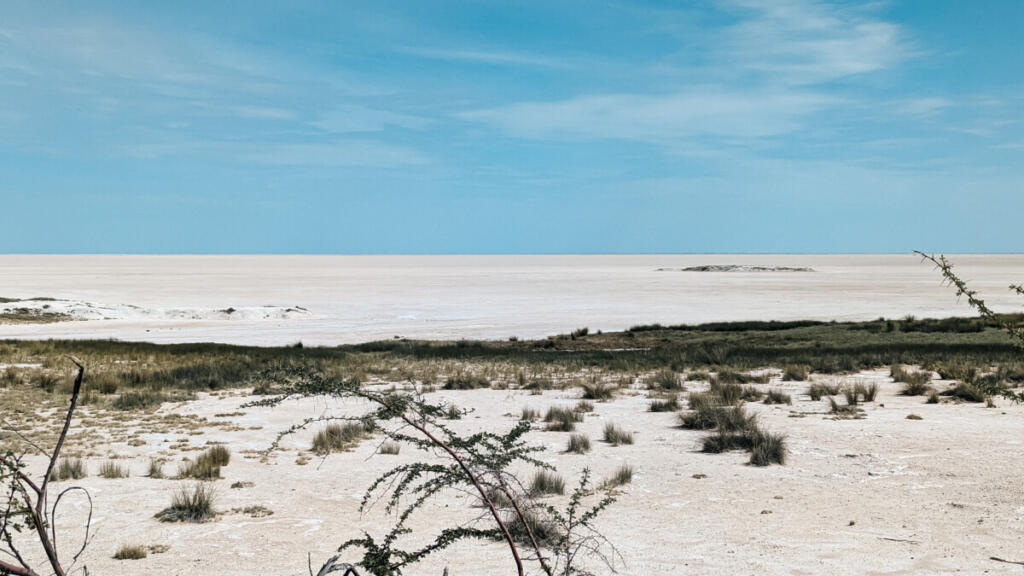
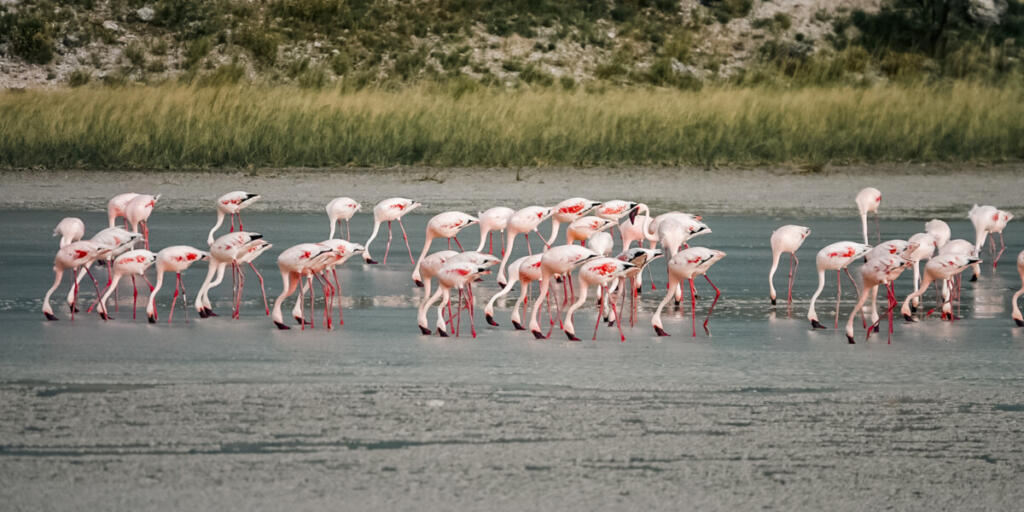
In the rainy season, this salt desert is briefly transformed into a shallow lagoon attracting thousands of flamingos and pelicans.
In the dry season, a fine, chalky white dust covers the vegetation and animals, giving them a ghostly and striking appearance.
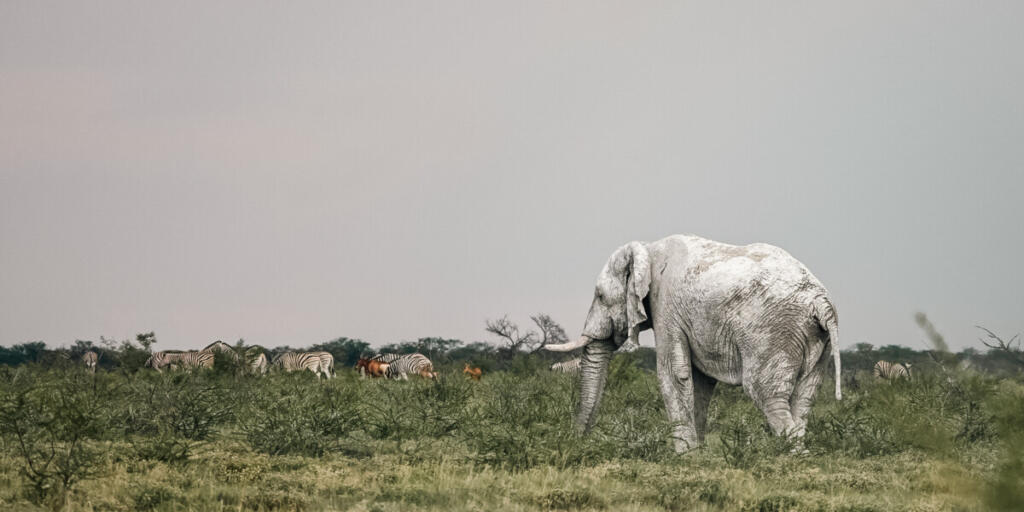
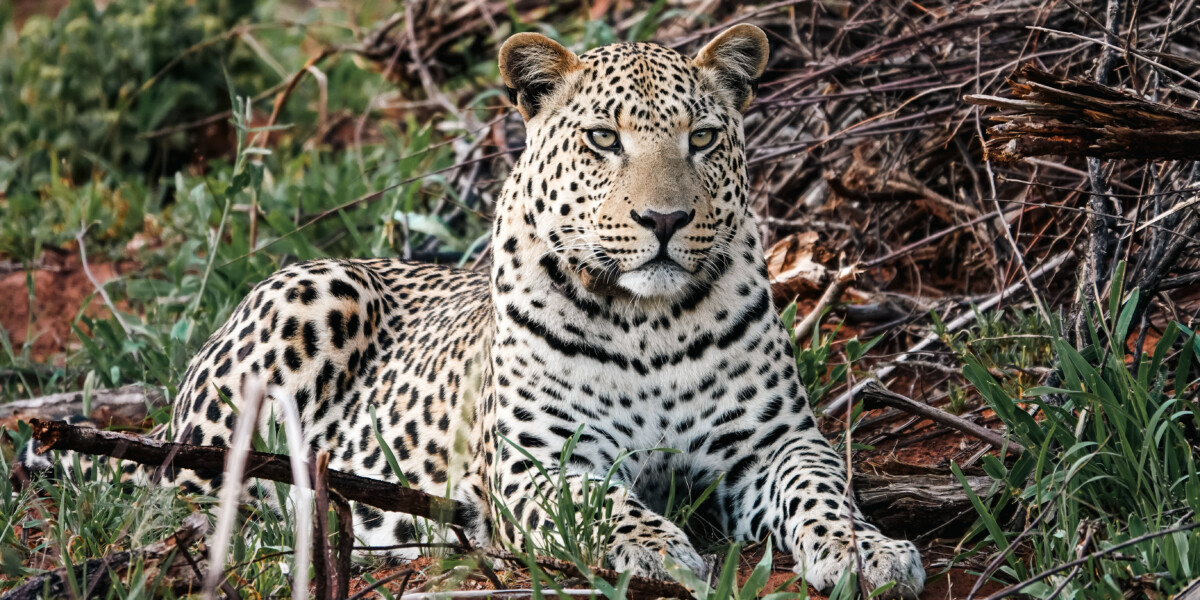
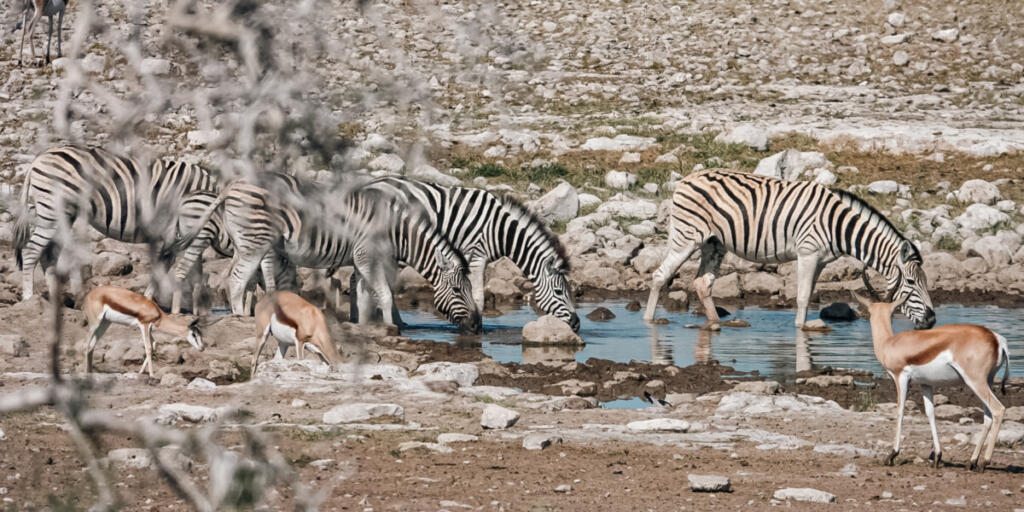
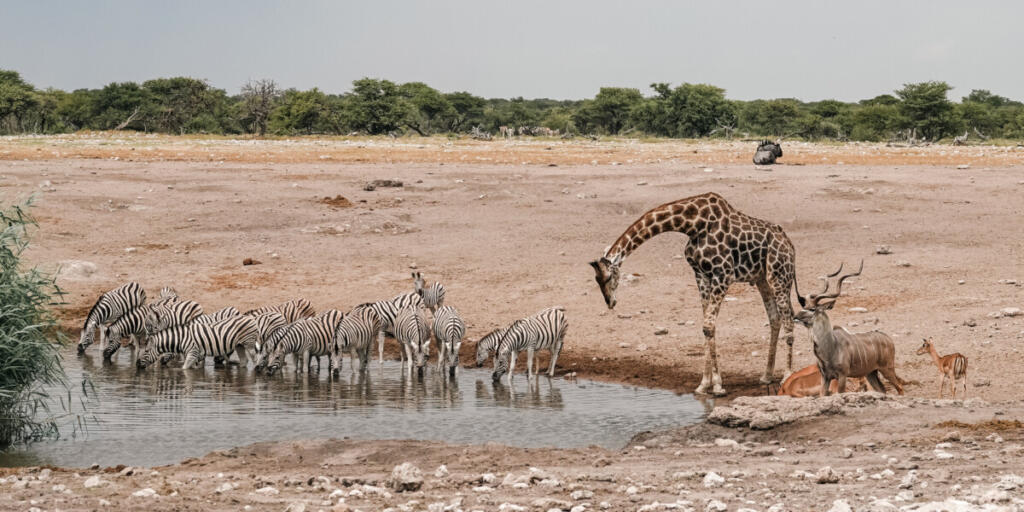
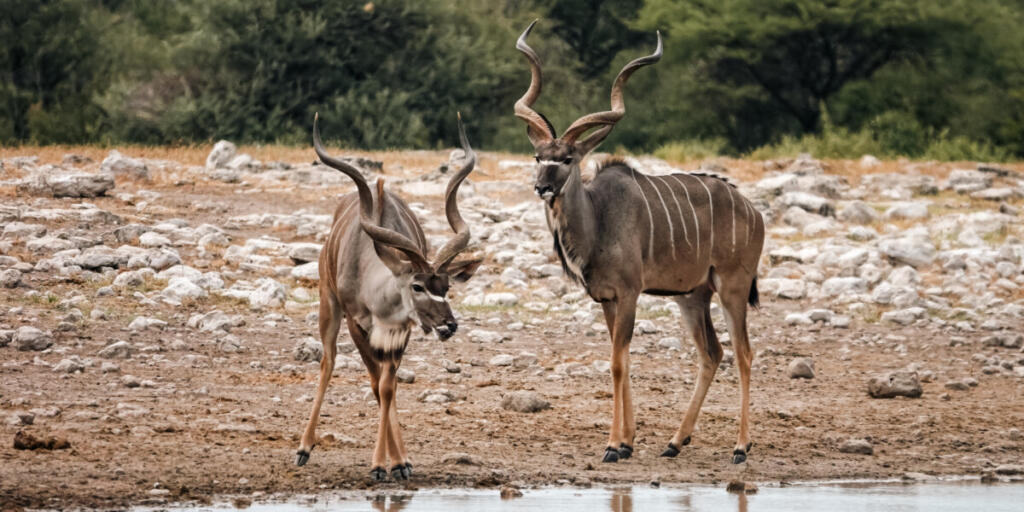
Despite this arid backdrop, Etosha is one of the finest wildlife-watching sites in southern Africa. You can meet the famous “Big Four” (elephants, lions, leopards and black rhinoceroses – only the buffalo are absent), as well as giraffes, zebras, wildebeests, springboks, oryx, kudus, hyenas, jackals and over 300 species of birds.
What can you expect on an Etosha safari?
An Etosha safari is a succession of suspended moments, punctuated by waterholes and the changing light of the saline desert. Each sector of the park offers its own special atmosphere and unique encounters.
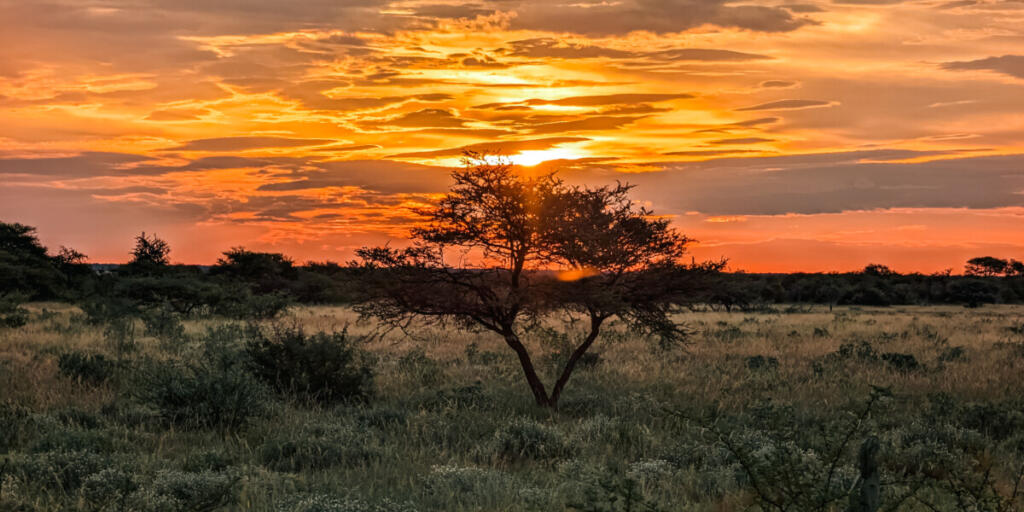
- Okaukuejo: famous for its night-lit waterhole, this is one of the most spectacular places to see black rhino, often joined by elephant, giraffe and springbok. The sunset over the plain is an unforgettable experience.
- Halali: located in the heart of the park, this quieter sector offers the opportunity to explore several trails leading to waterholes rich in wildlife. Lions, hyenas and kudu are frequently seen here, sometimes lurking in the white dust of the pan.
- Namutoni: to the east, around the former German fort, the landscape becomes more wooded and attracts a variety of wildlife, from herds of elephants to elegant giraffes. It’s also an ideal area for birdwatchers, with over 300 species recorded in the park.
The safari experience: between patience and wonder
Etosha’s magic lies in its waterholes: simply park your vehicle nearby and wait for the animals to gather, sometimes in large numbers, to create unforgettable wildlife scenes.
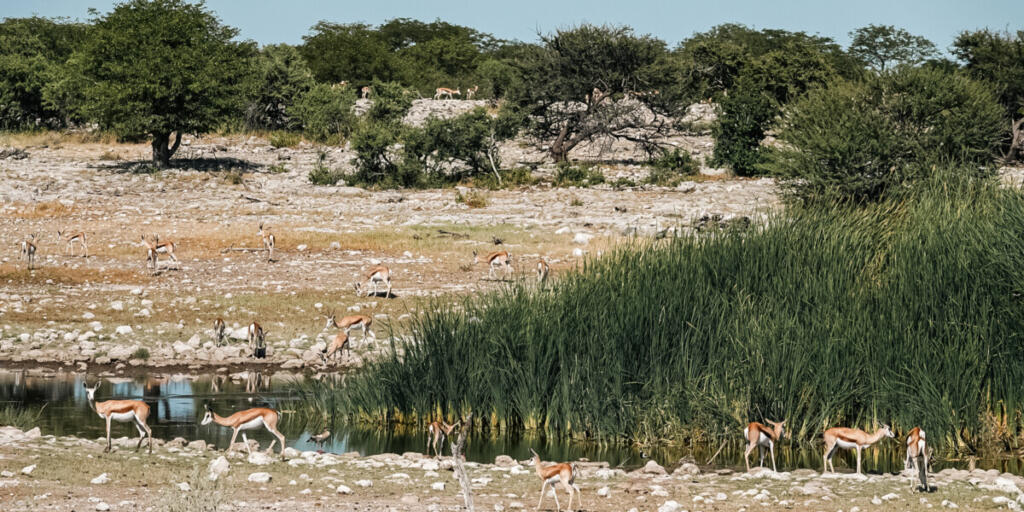
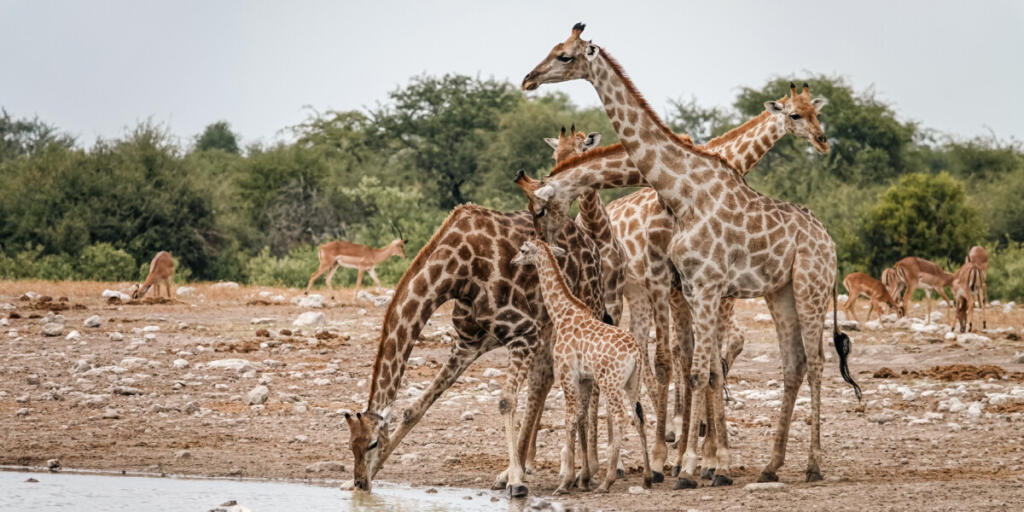
Easily accessible and with a network of well-maintained trails, the park lends itself perfectly to a self-guided safari. Most areas can be covered with a conventional vehicle, but a high-clearance model is recommended for a smooth ride on the gravel tracks.
The best times to go on safari are at first light and in the late afternoon, when the wildlife is active around the waterholes. At dusk, visitors must remain within the camps, but it is possible to book a guided night safari to extend the experience and observe wildlife under the stars.
Exceptionally rich fauna
Etosha is home to almost 114 species of mammal, and is one of the most accessible and spectacular wildlife viewing areas in southern Africa.
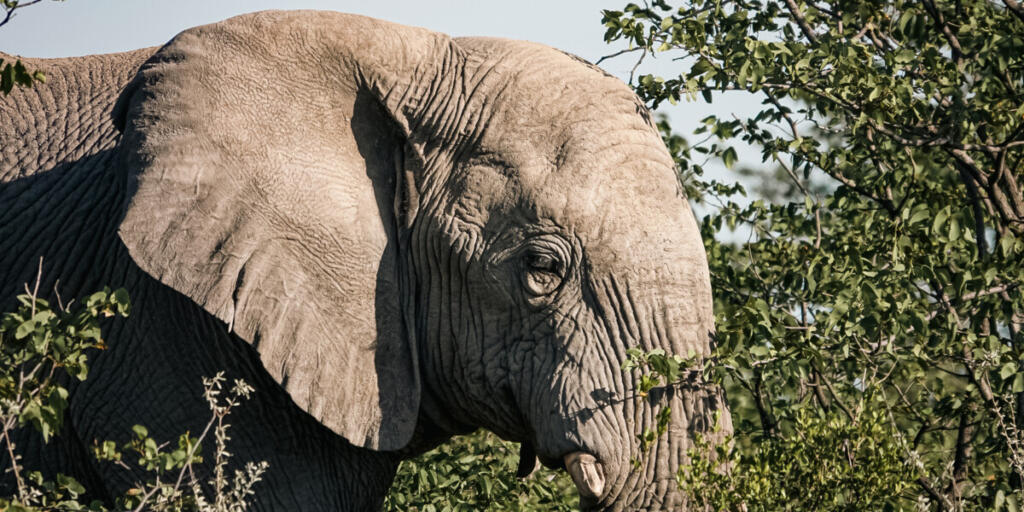
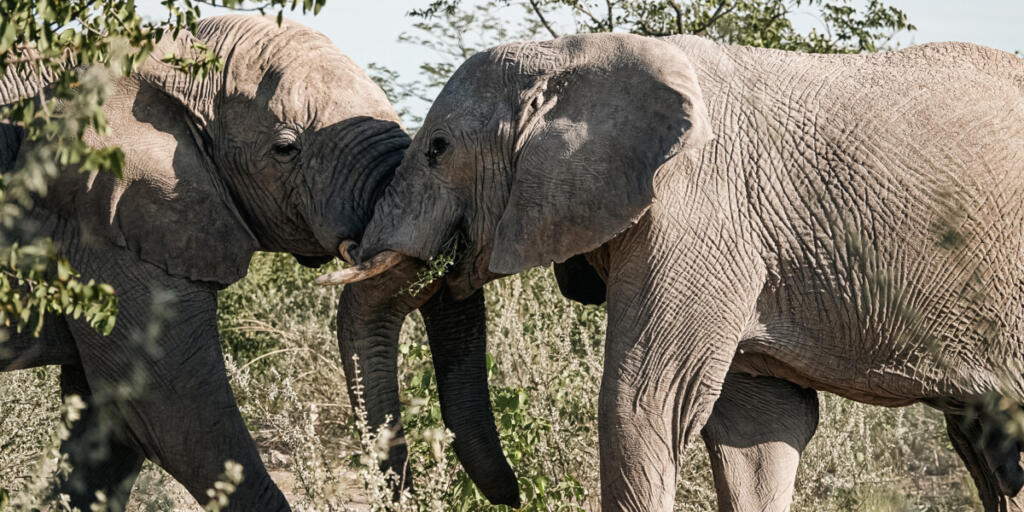
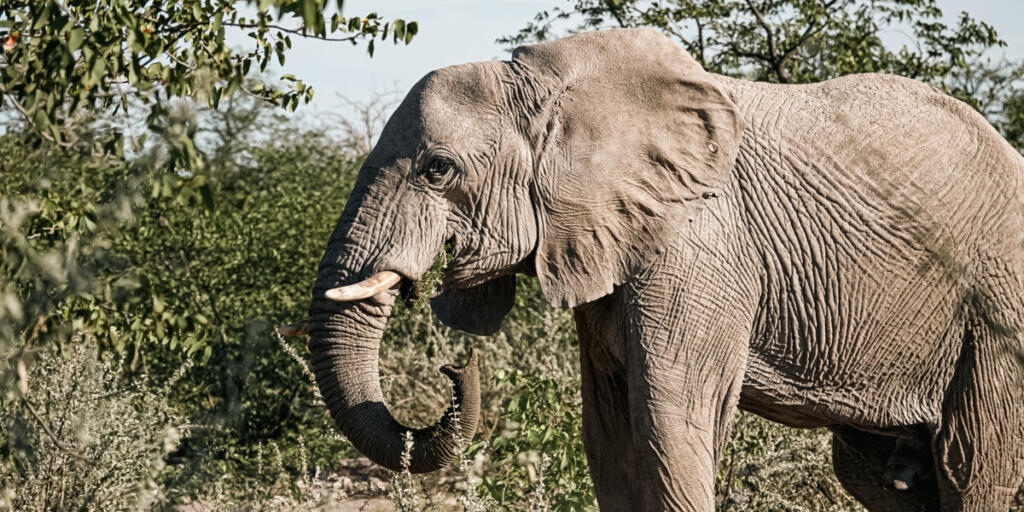
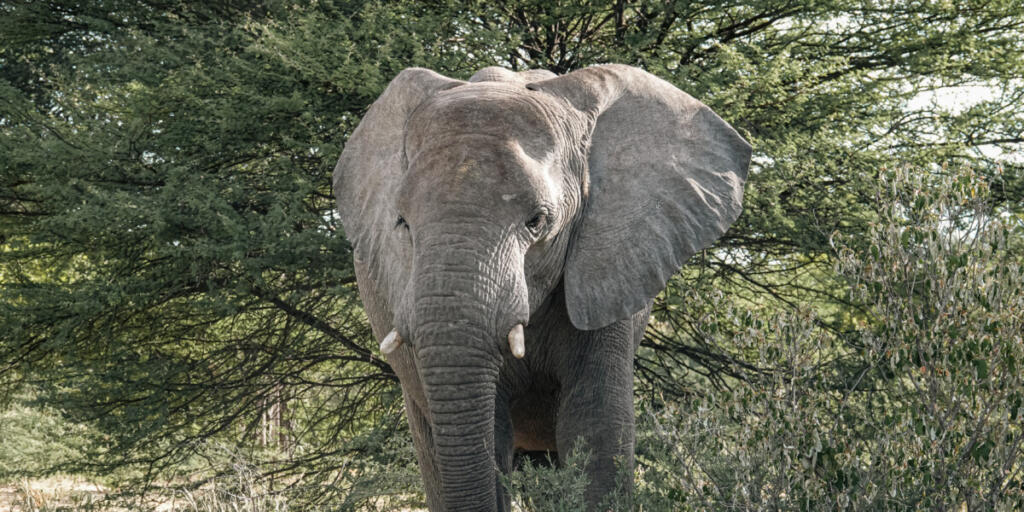
Elephants: with over 2,500 individuals, their presence is almost guaranteed. Okaukuejo and Olifantsbad are among the best vantage points for seeing them in abundance.
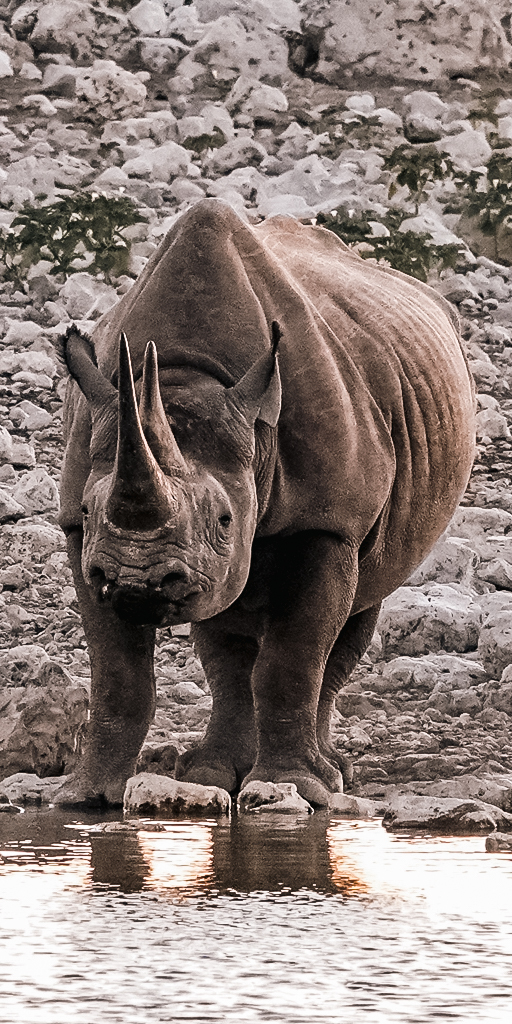
Black rhinos: a critically endangered species, they regularly visit the Okaukuejo lighted waterhole, as well as the Olifantrus and Halali waterholes.
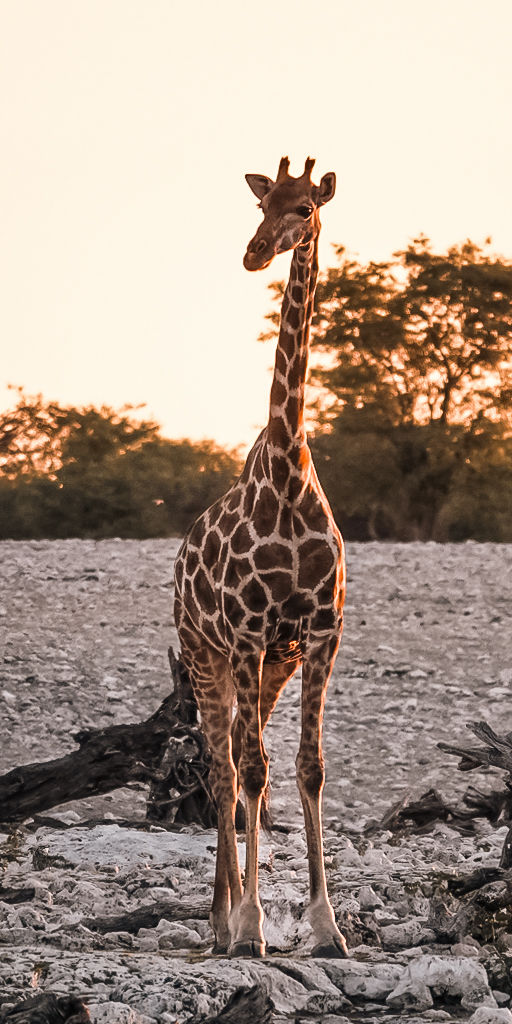
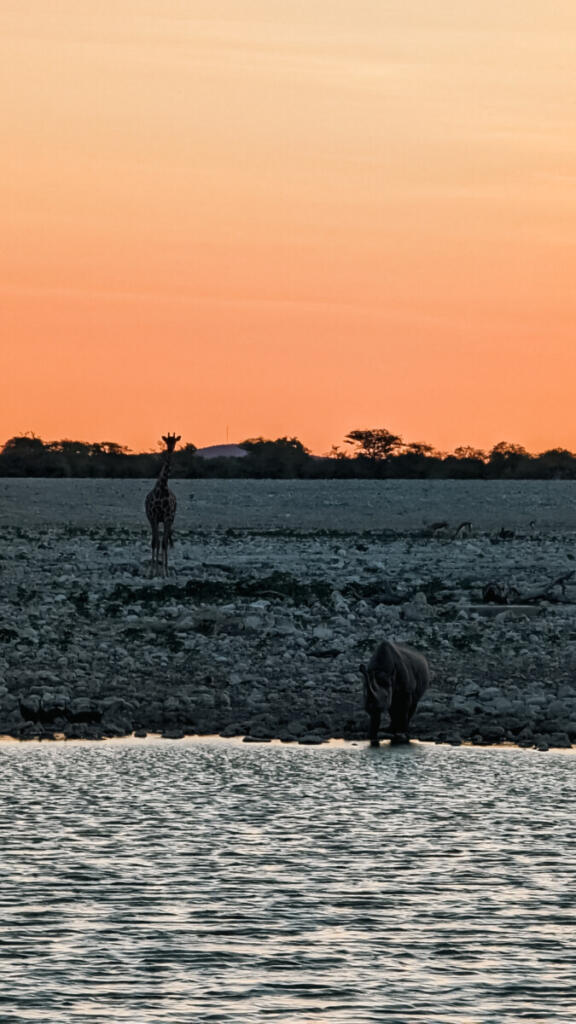
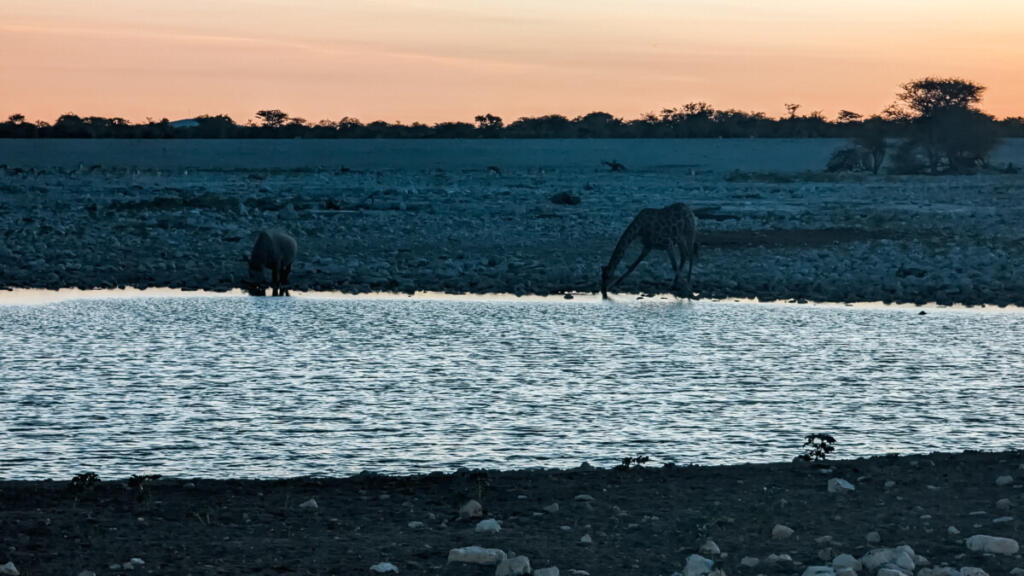
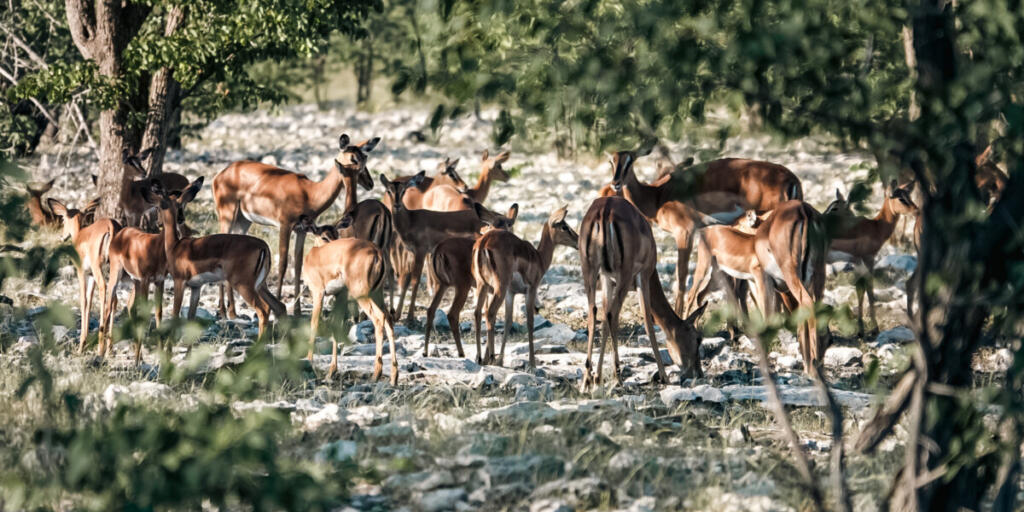
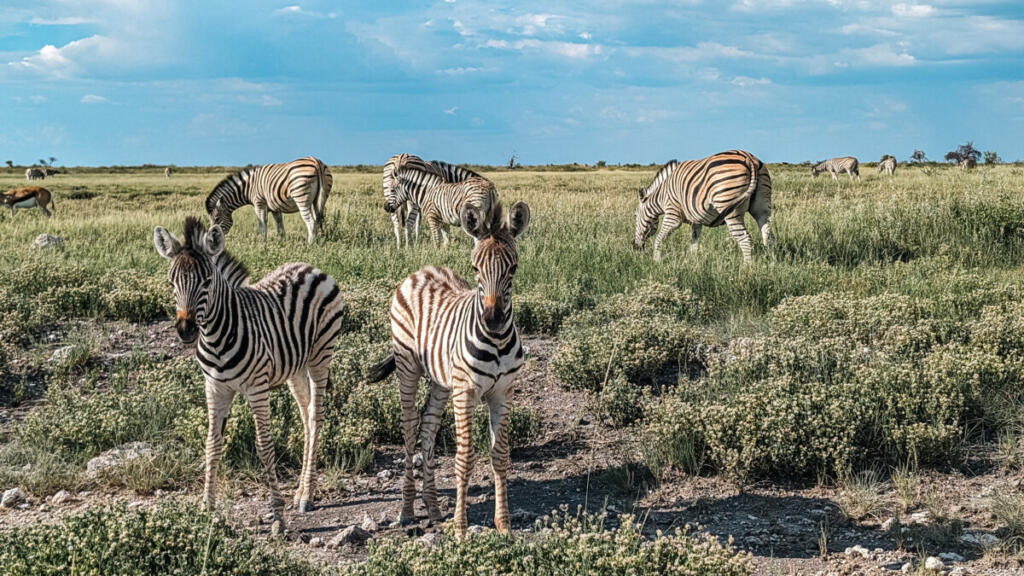
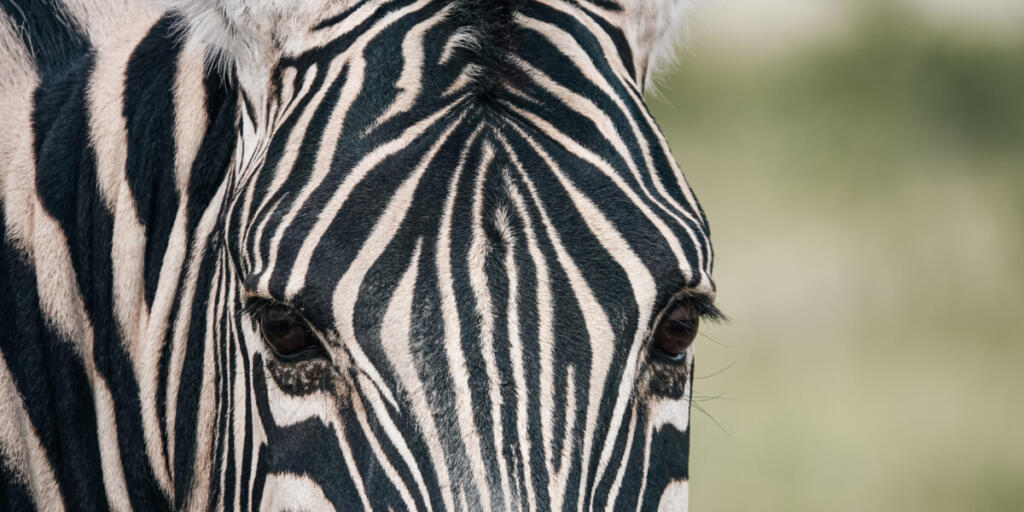
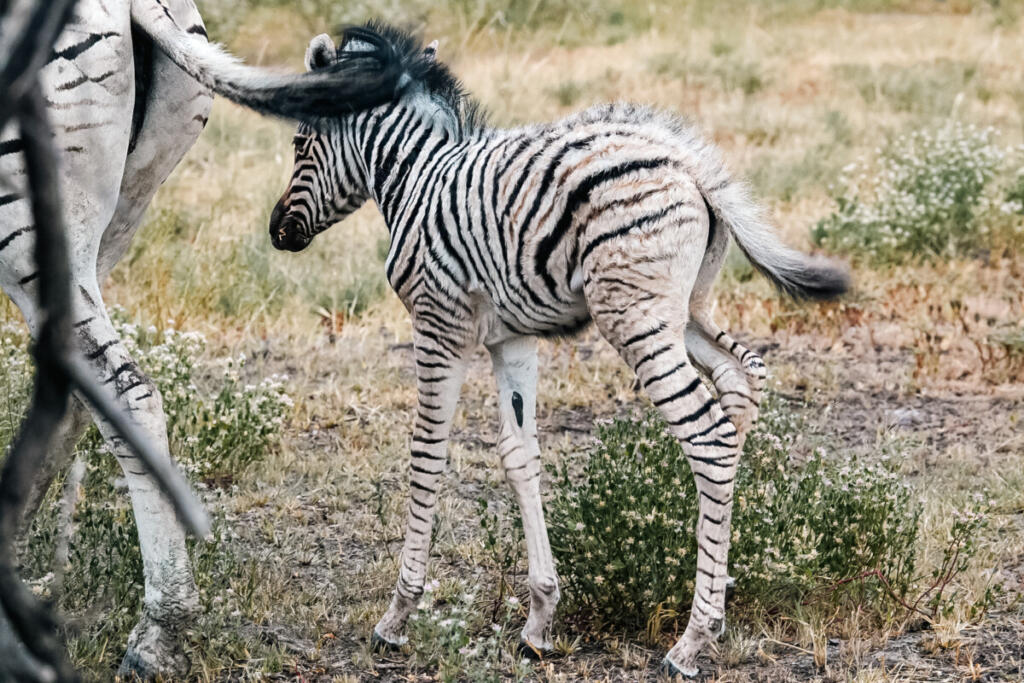
Wildebeest, antelope and more: zebras, wildebeest, springboks and oryx are encountered along the tracks. Towards the east, diversity widens with kudu, impala and dik-dik (Africa’s smallest antelope), particularly visible in the Namutoni sector.
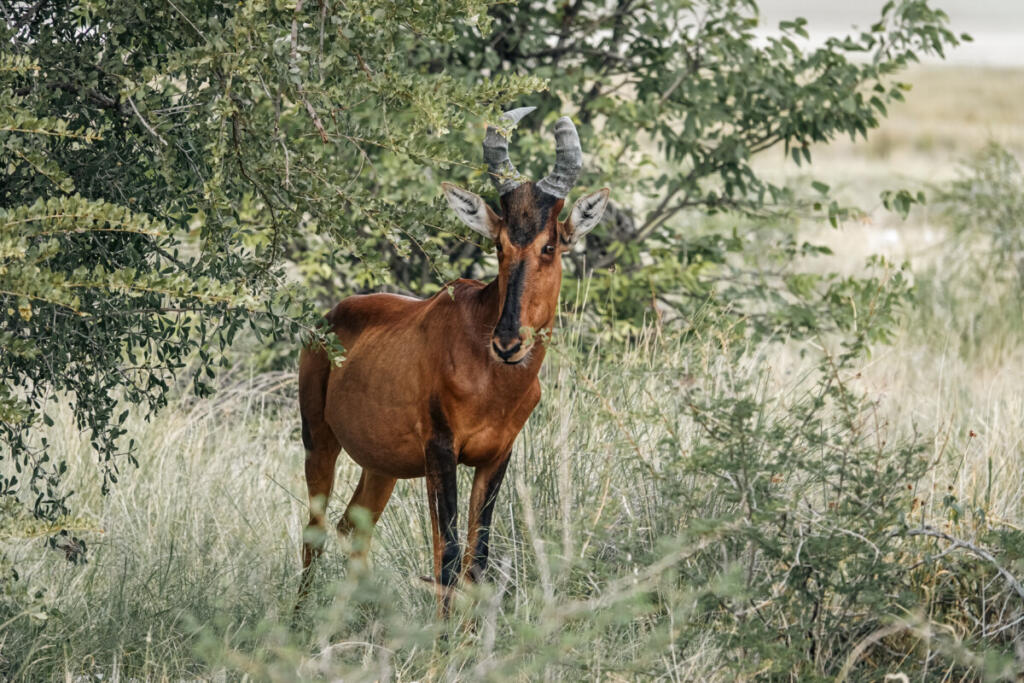
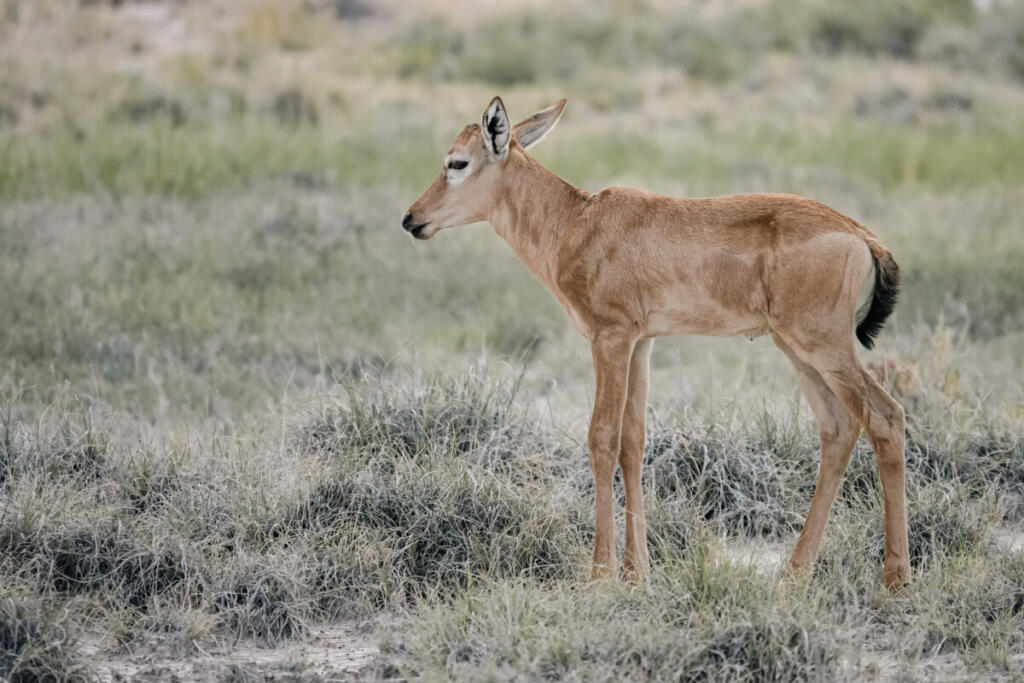
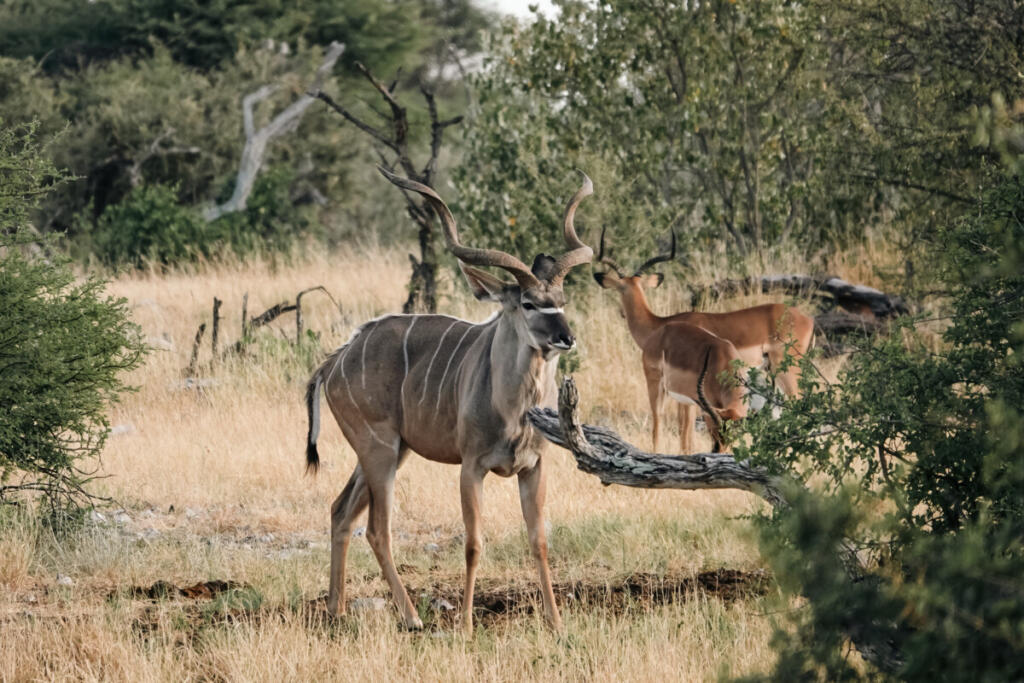
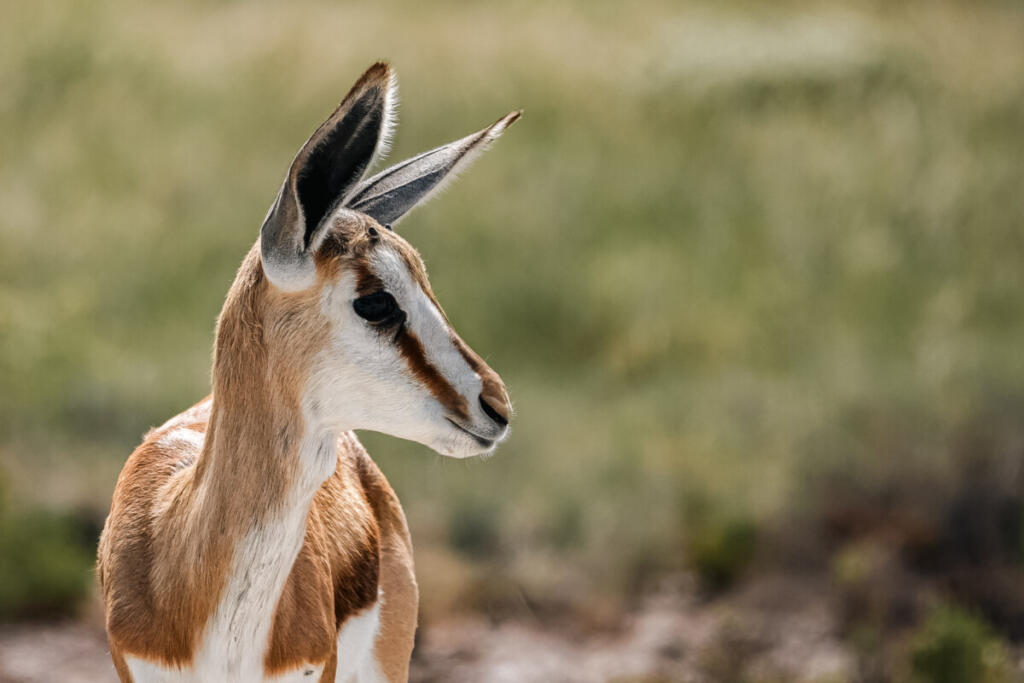
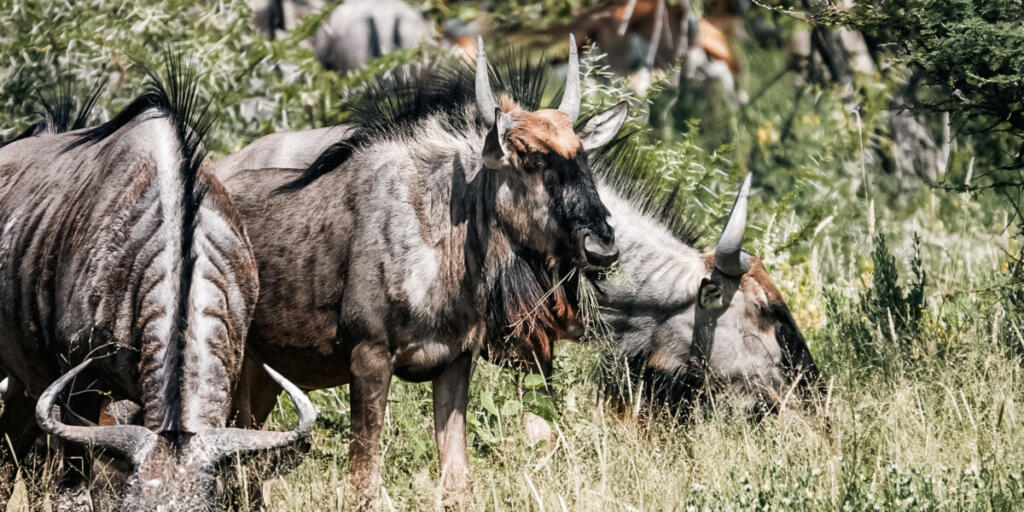
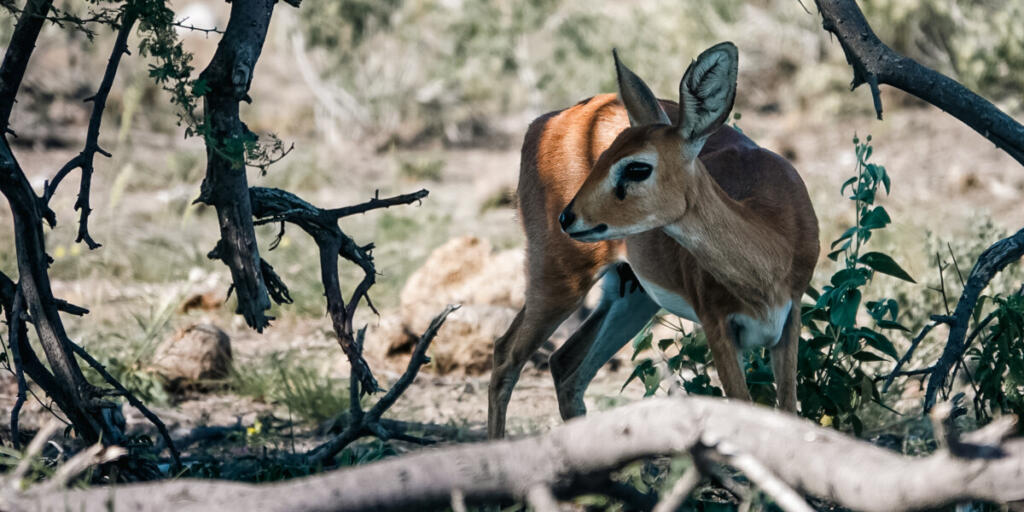
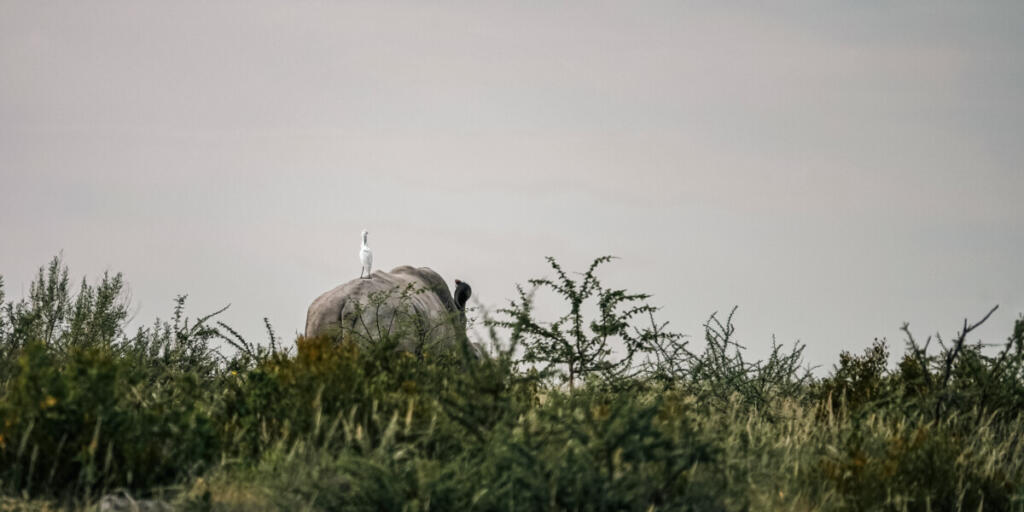
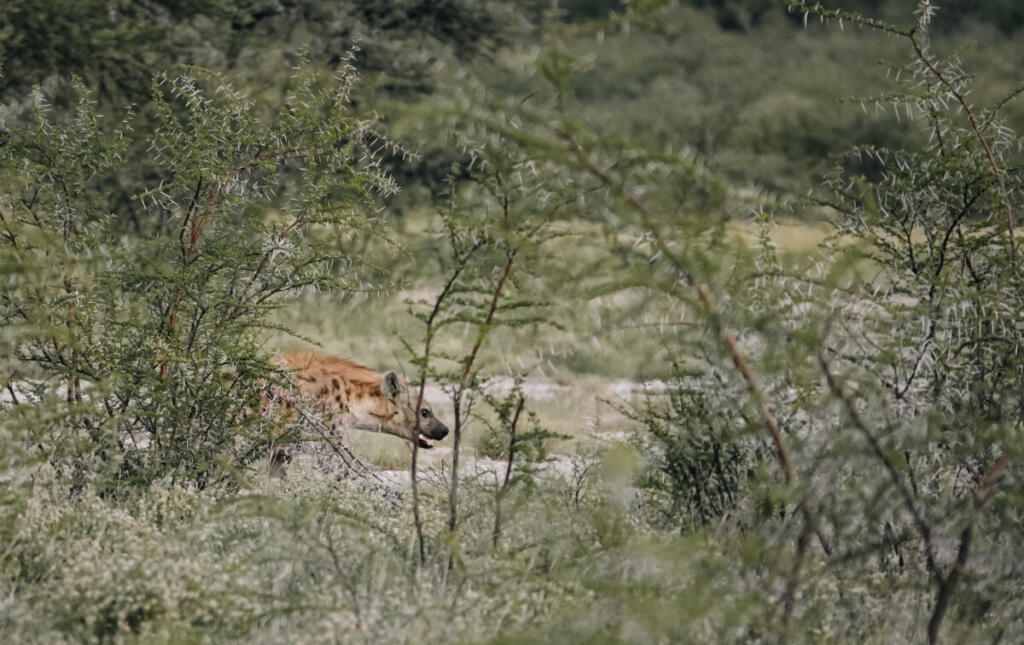
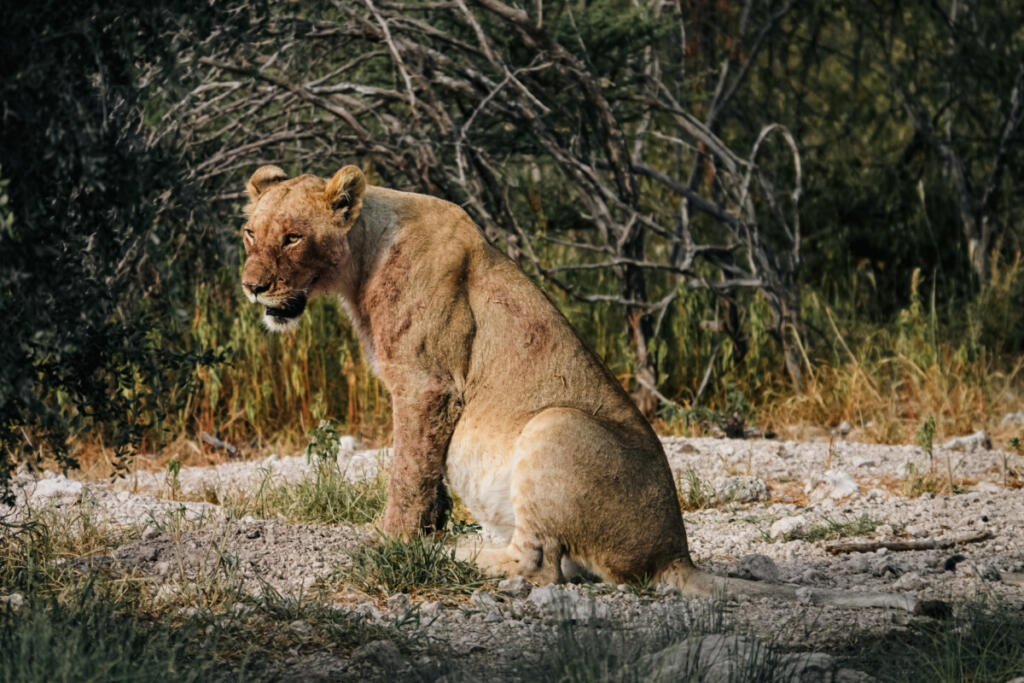
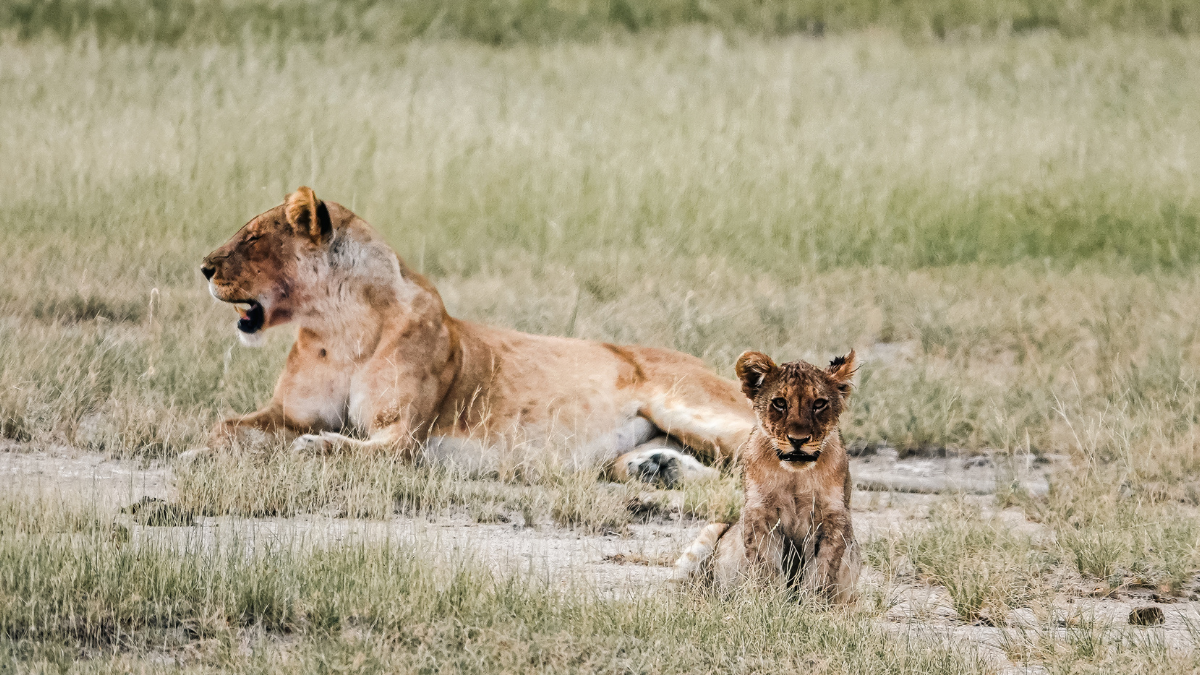
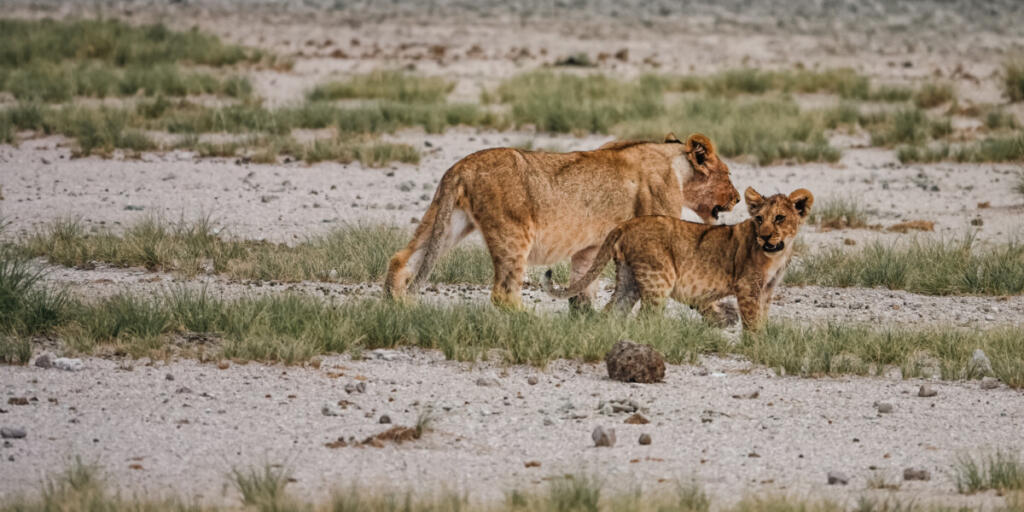
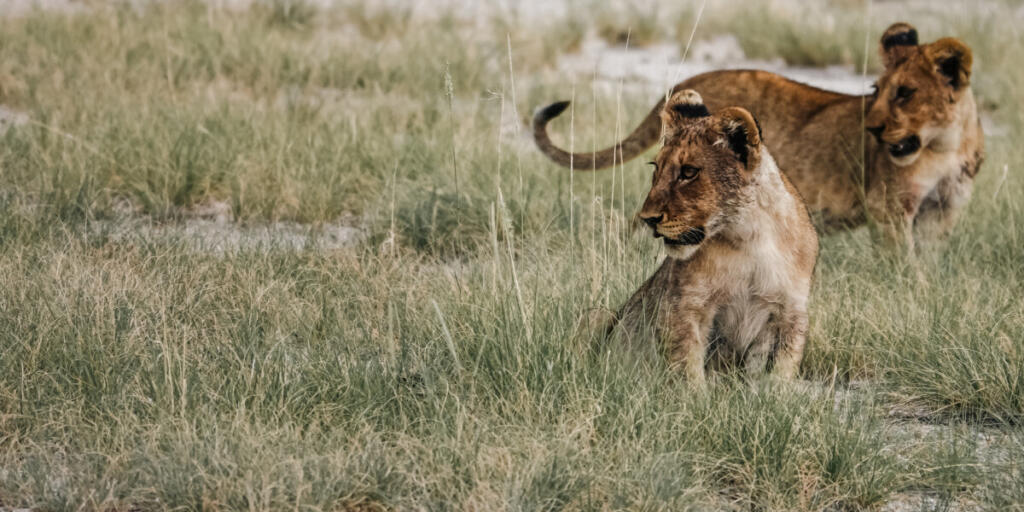
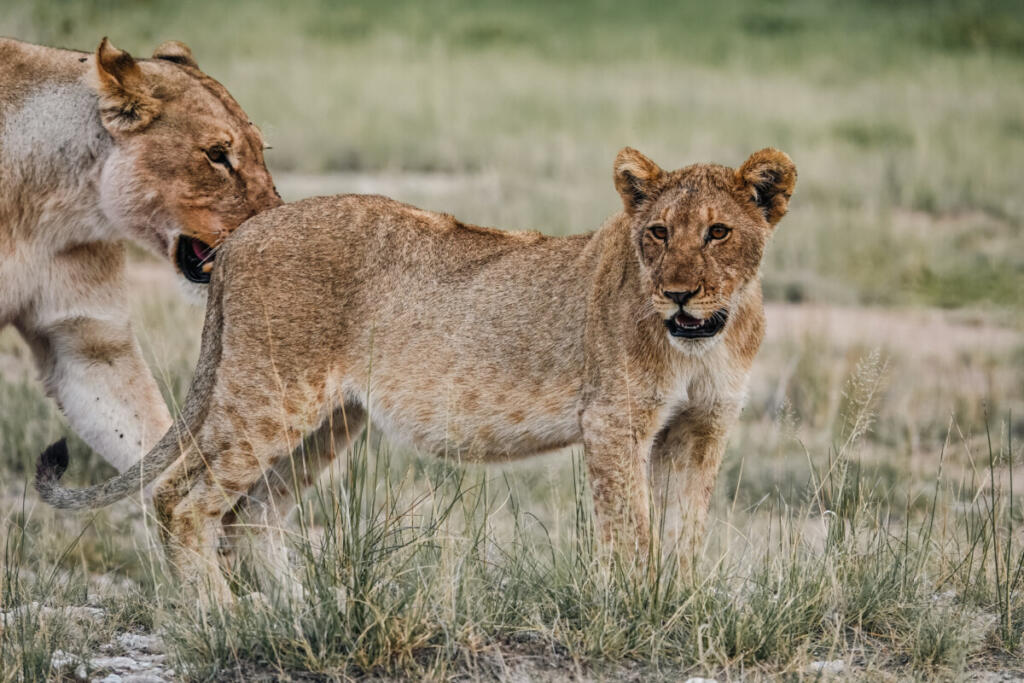
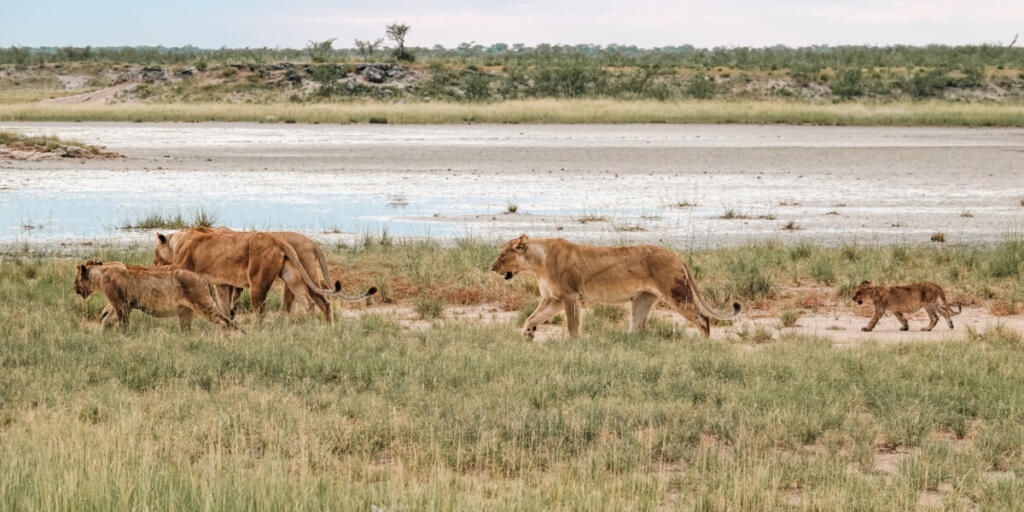
Lions: around 330 individuals live in the park, almost half of Namibia’s wild population. They can often be found in the shade of a tree, near waterholes such as Okaukuejo, but also near Goas, Rietfontein and Olifantsbad.
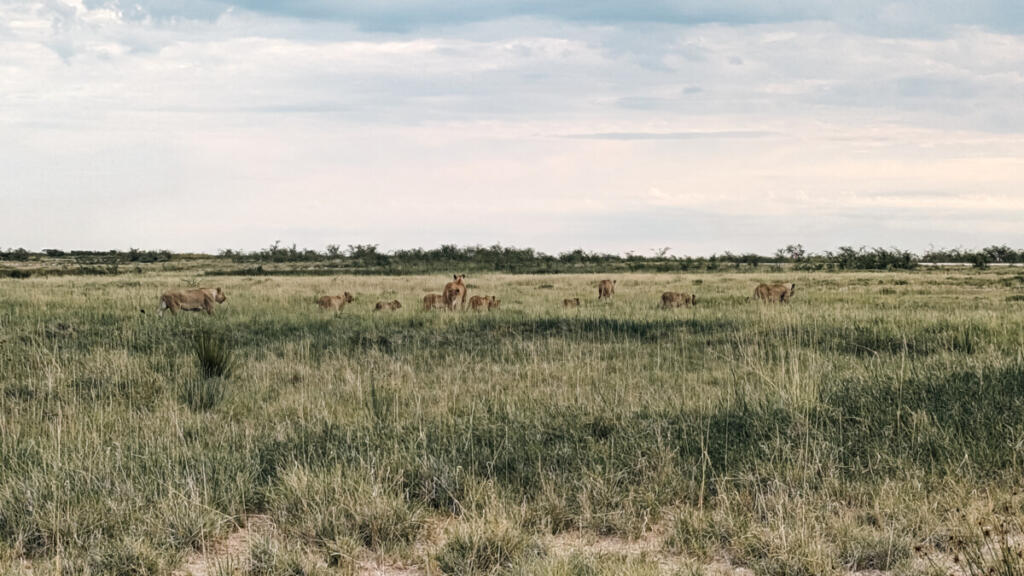
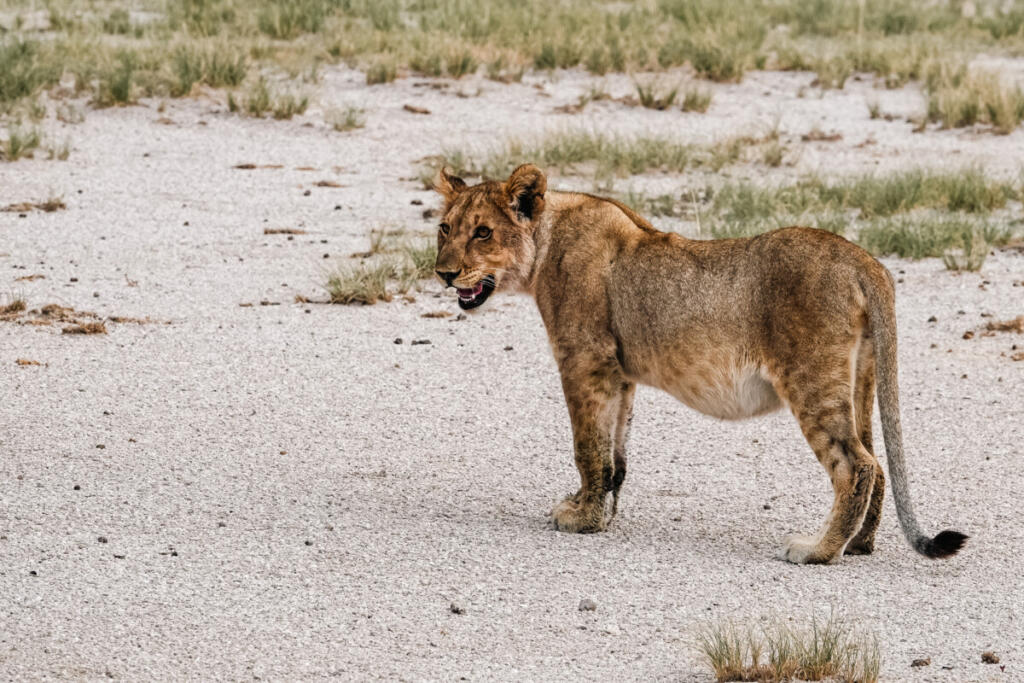
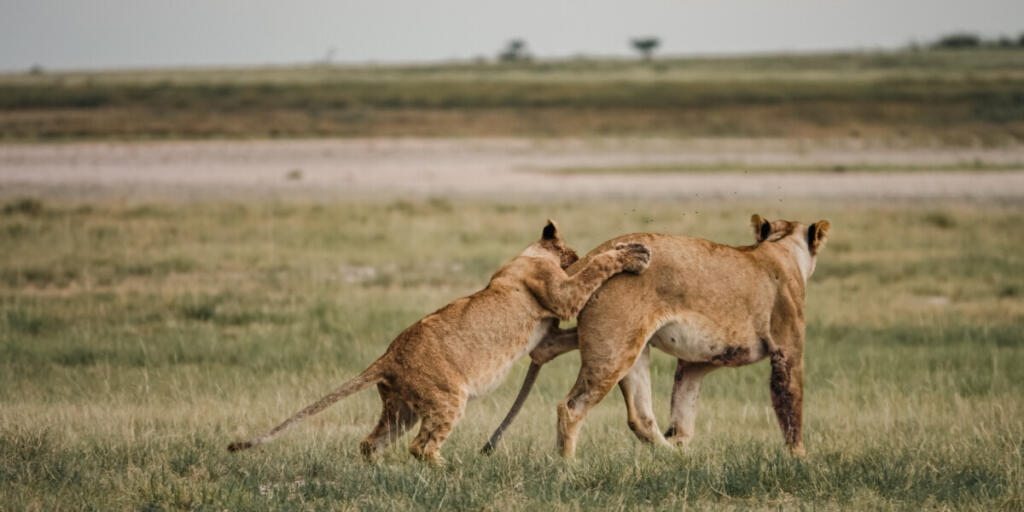
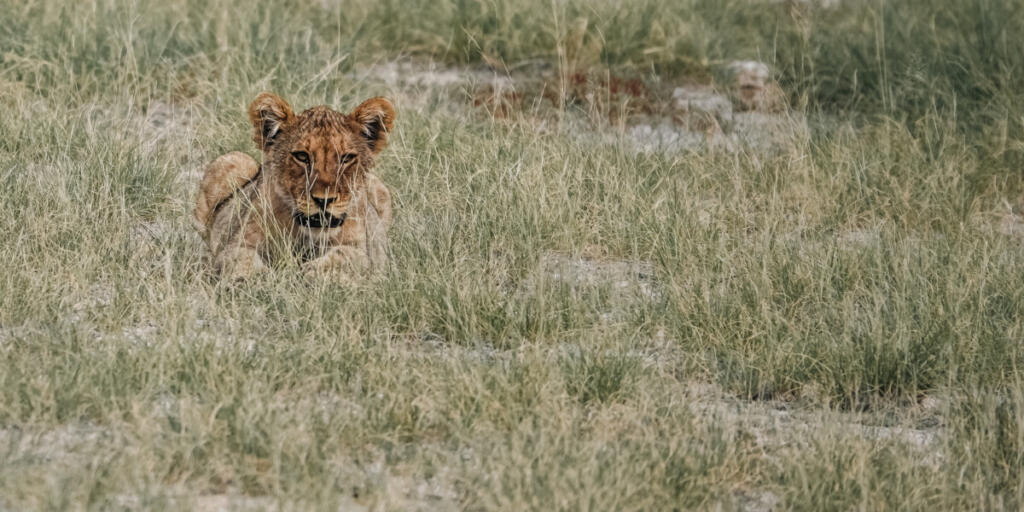
Birds: over 300 species, including the emblematic kori bustards, vultures, birds of prey, and sometimes, when the rains turn the pan into a lagoon, colonies of pink flamingos and pelicans.
How to get to Etosha
The park is easily accessible by car from Windhoek (approx. 4h30 drive). Most travellers enter through the Anderson Gate (Andersson Gate), near Okaukuejo, or through the Namutoni Gate to the east.
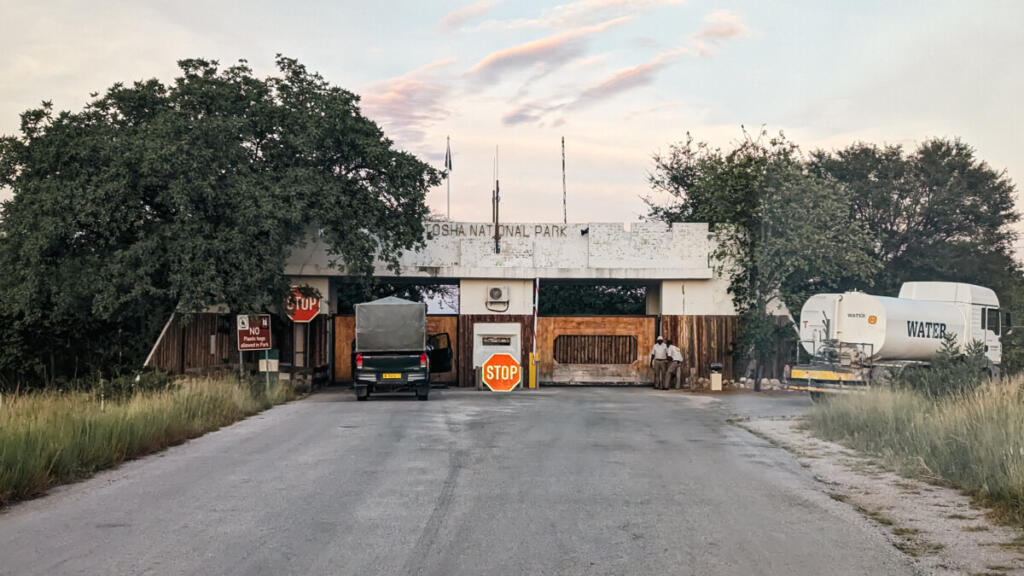
It’s possible to discover Etosha on a self-drive basis with your own vehicle (although a 4×4 is recommended), but you can also join guided safaris organized by local camps and lodges.
Where to stay on safari in Etosha?
Inside the park, several camps managed by Namibia Wildlife Resorts (NWR) offer a variety of packages:
- Okaukuejo Camp: the most famous, renowned for its night-lit waterhole, regularly visited by elephants, giraffes and sometimes even rhinoceroses.
- Halali Camp: located in the center of the park, ideal for cutting the road between west and east, also with a waterhole.
- Namutoni Camp: built around a former German fort, this is the ideal base for exploring the eastern part of the park.
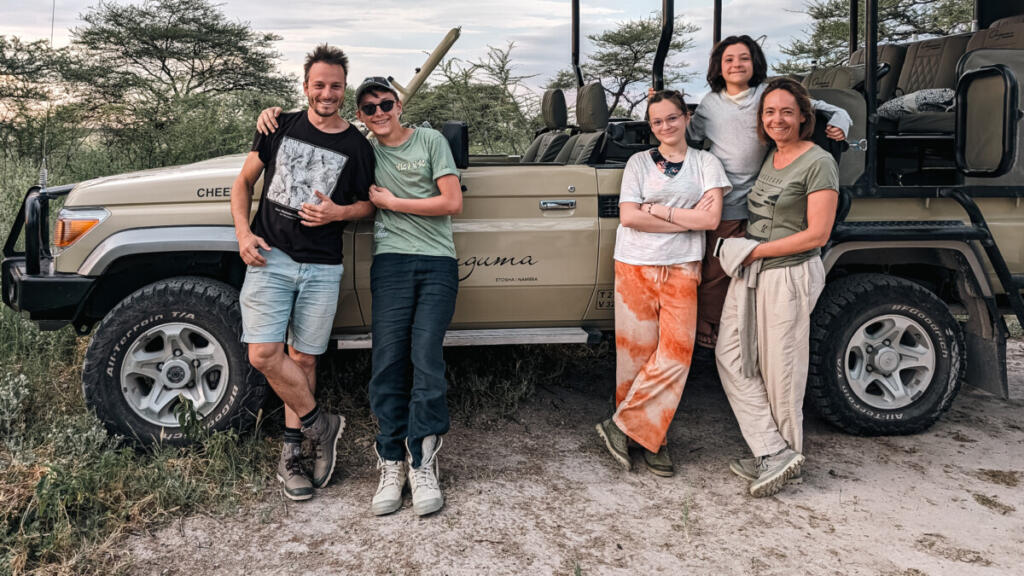
For those who prefer more comfort or a touch of charm, there are numerous private lodges and campsites just outside the park, including Onguma in the southeast, which combines an intimate atmosphere with exclusive safaris.
Enchanted interlude in Onguma
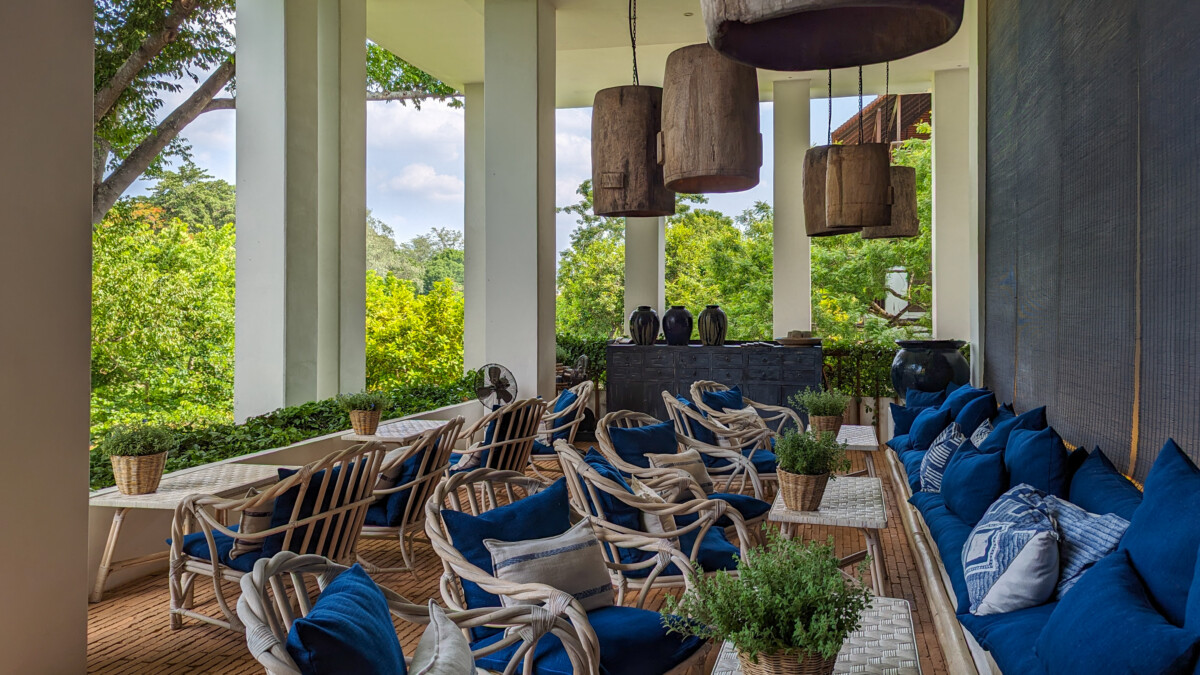
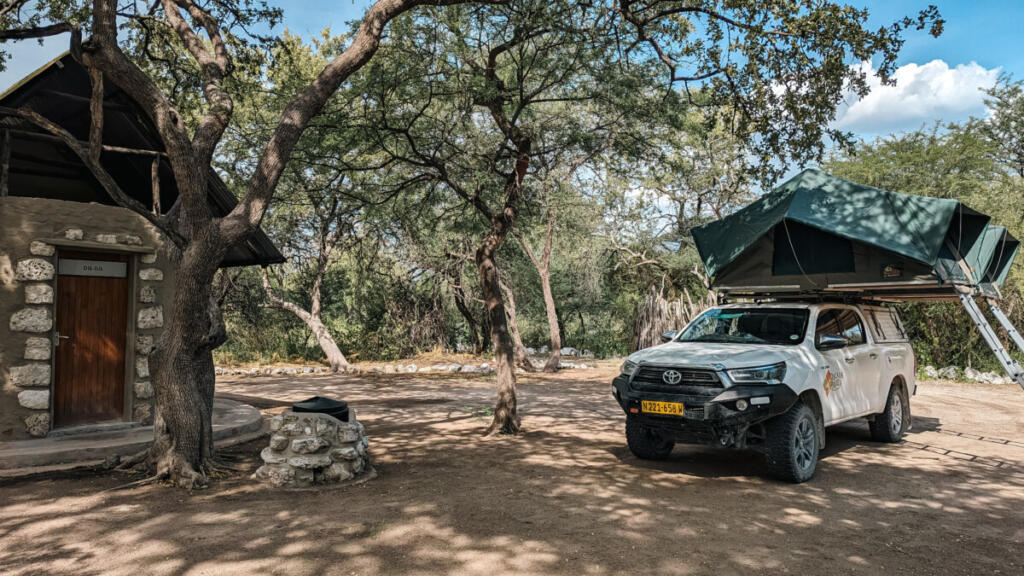
At the eastern gateway to the park, Onguma is undoubtedly one of the finest resorts in the region. Here, everything is designed to enhance the safari experience with a touch of refinement. You can choose the comfort of luxurious rooms overlooking the bush, or opt for one of the camping sites, which still allow access to the lodge’s facilities.
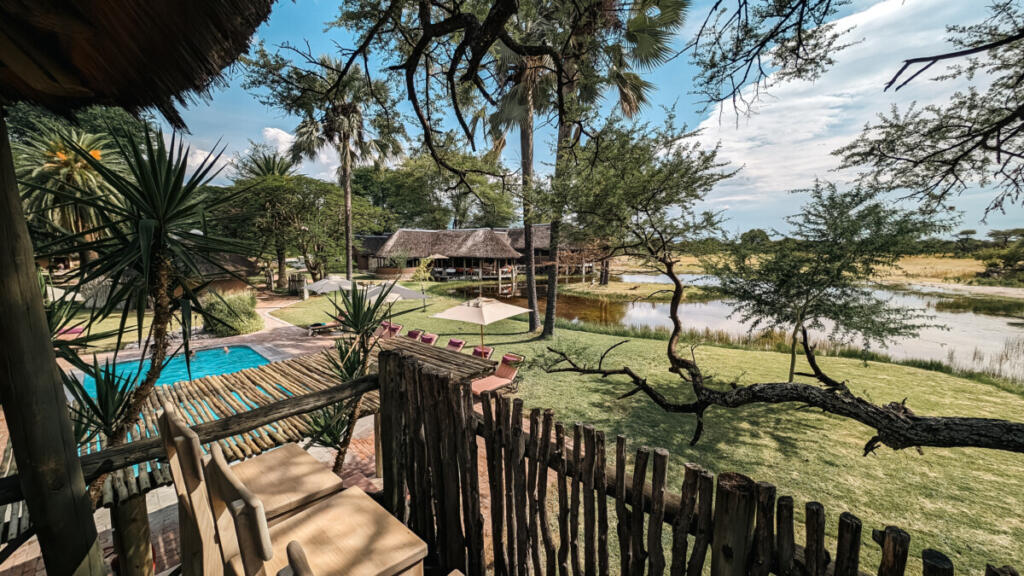
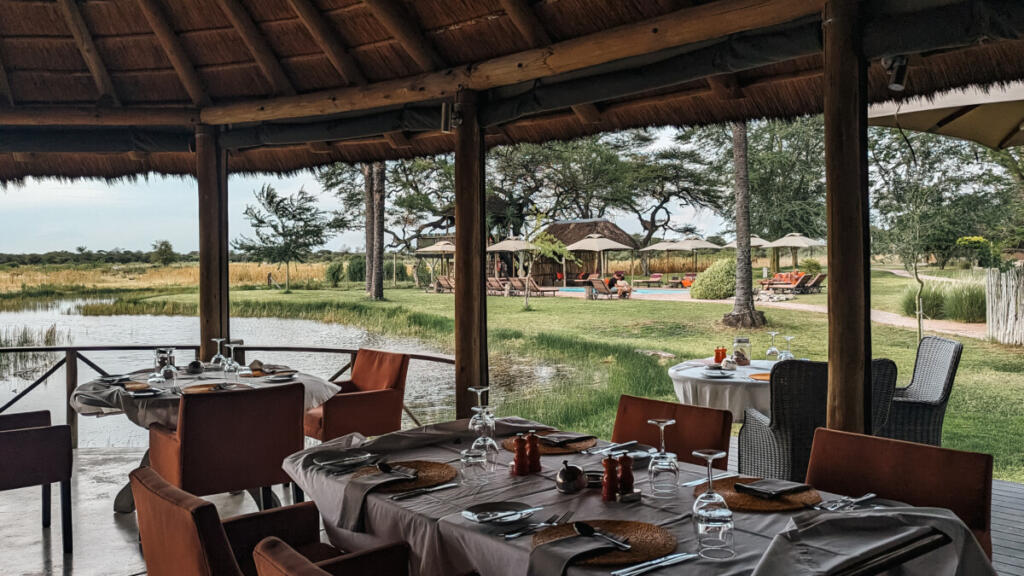
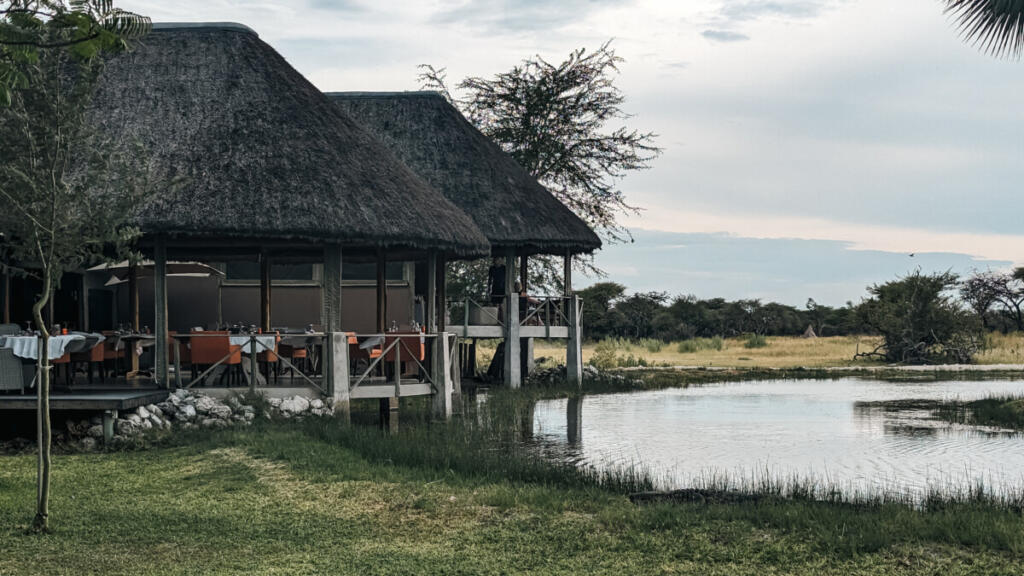
And because no stay in Onguma would be complete without this suspended moment, you can book a sundowner: a short game drive in the reserve followed by an aperitif at sunset, facing the wild immensity. The perfect way to round off a few days’ safari in Etosha…