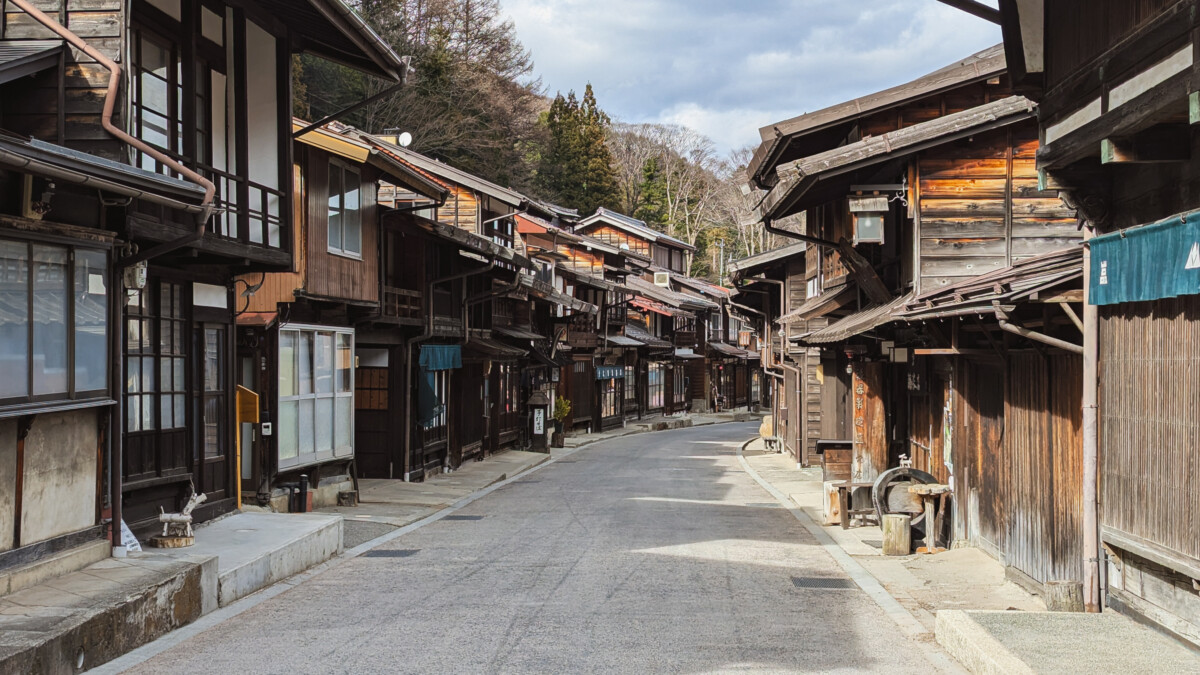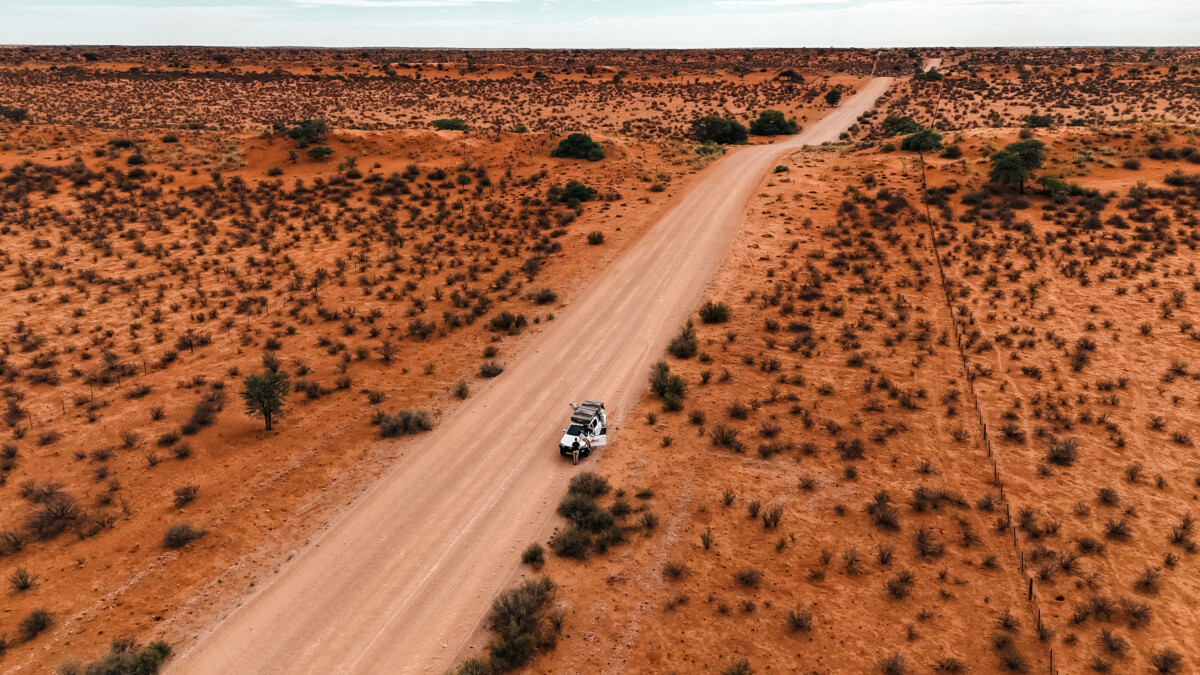
On a road trip to Namibia, the must-sees are often the Etosha safaris or the iconic Sossusvlei dunes. But in the south-east of the country, there’s another marvel worth the detour: the red dunes of the Kalahari and the Kgalagadi Transfrontier Park. This is an ideal stop-off point to extend your Namibian itinerary, especially if you’re entering or leaving the country via the southern border with South Africa. Here, Africa’s living desert takes on its full dimension: a harsh but inhabited nature, where wildlife flourishes in a grandiose setting.
The Kalahari, a desert not quite deserted
A few kilometers east of Mariental begins the Kalahari, a vast expanse of red sand stretching into Botswana and South Africa. Unlike the Namib – Namibia’s other great desert, arid and mineral – the Kalahari is not really a desert. Its name comes from the Tswana word
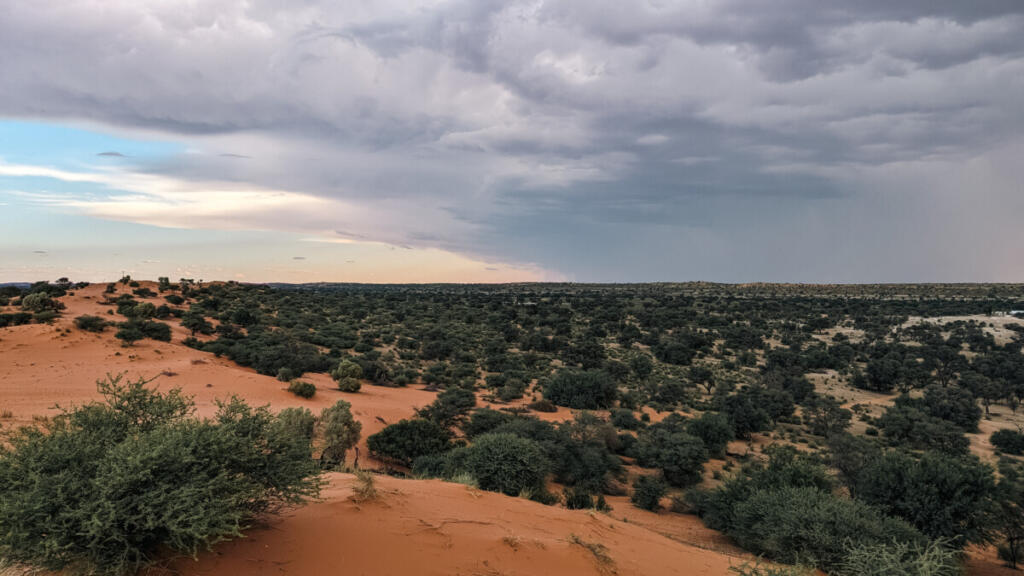
The Namibian part of the Kalahari is surprisingly rich in vegetation: acacias, robust shrubs and tall savannah grasses colour the landscape. This plant cover makes the area ideal for livestock farming, particularly sheep and goats, especially north-east of Mariental.
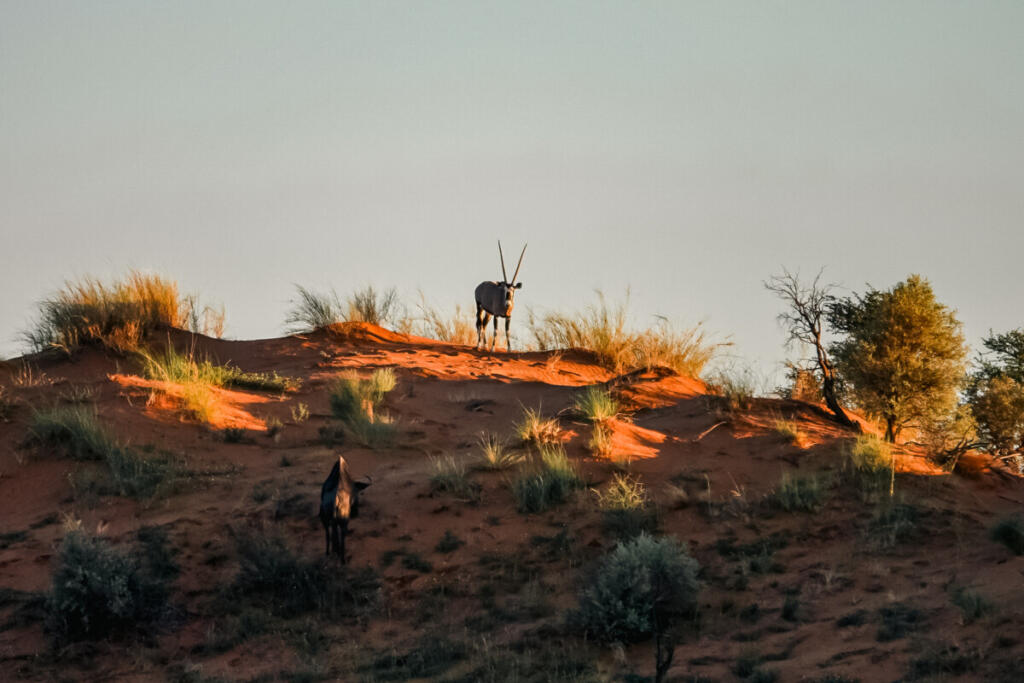
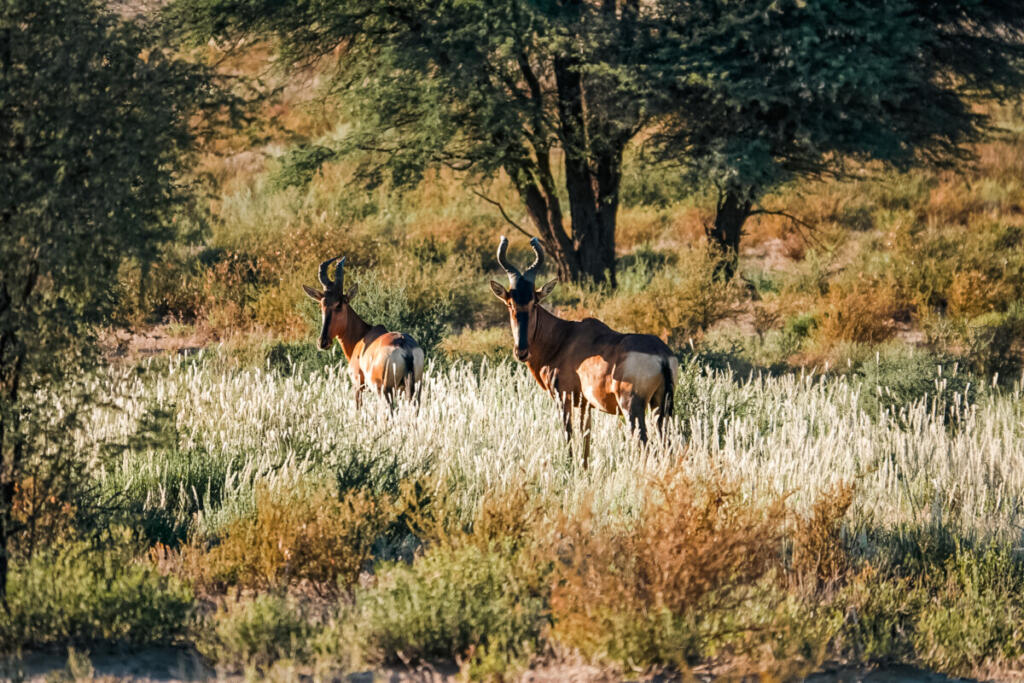
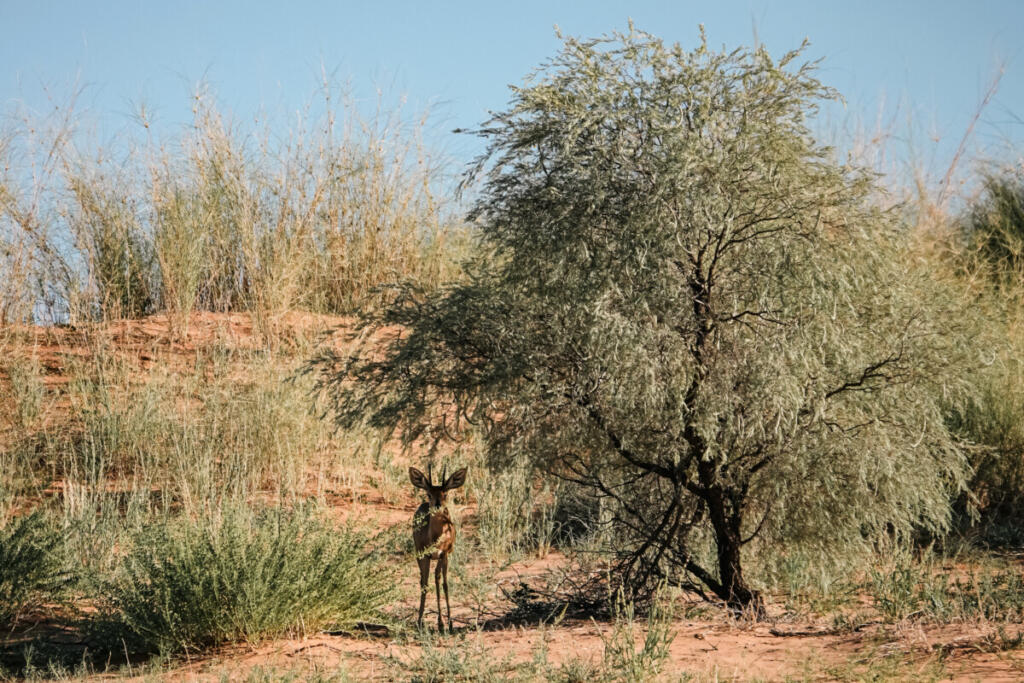
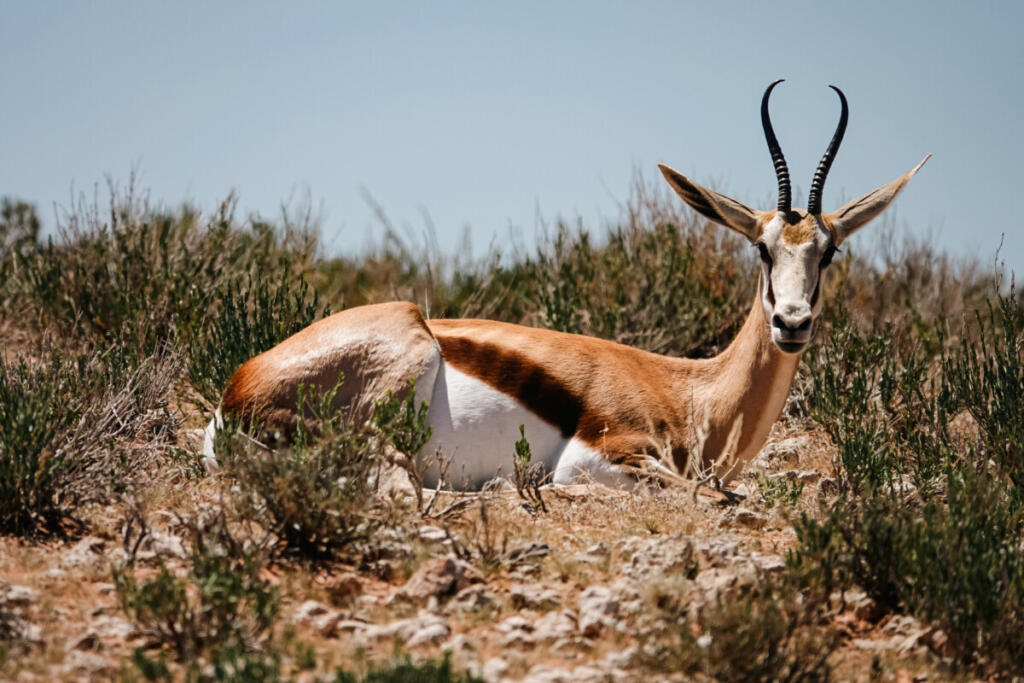
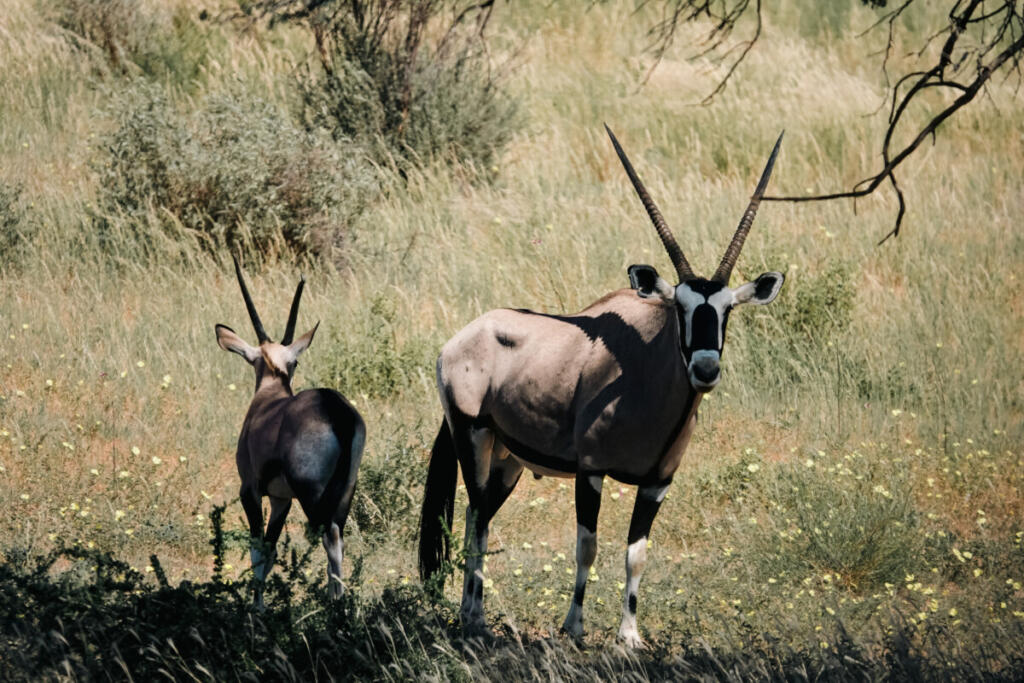
It’s also a land of wildlife. On these open plains, you’ll often come across gemsboks, springboks and majestic ostriches, perfectly adapted to the sometimes harsh conditions.
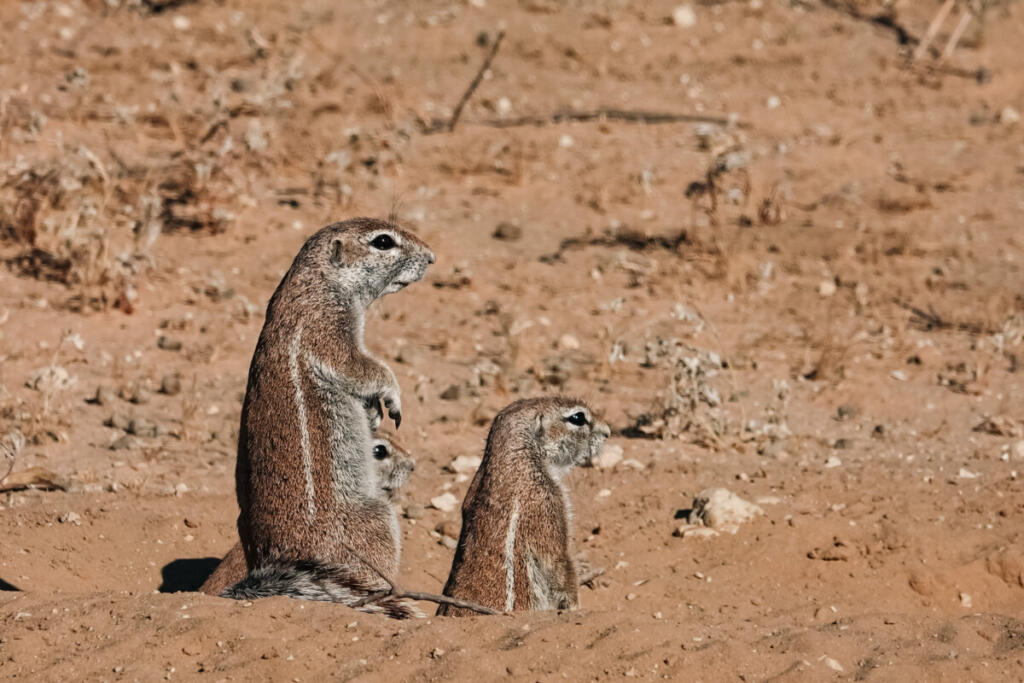
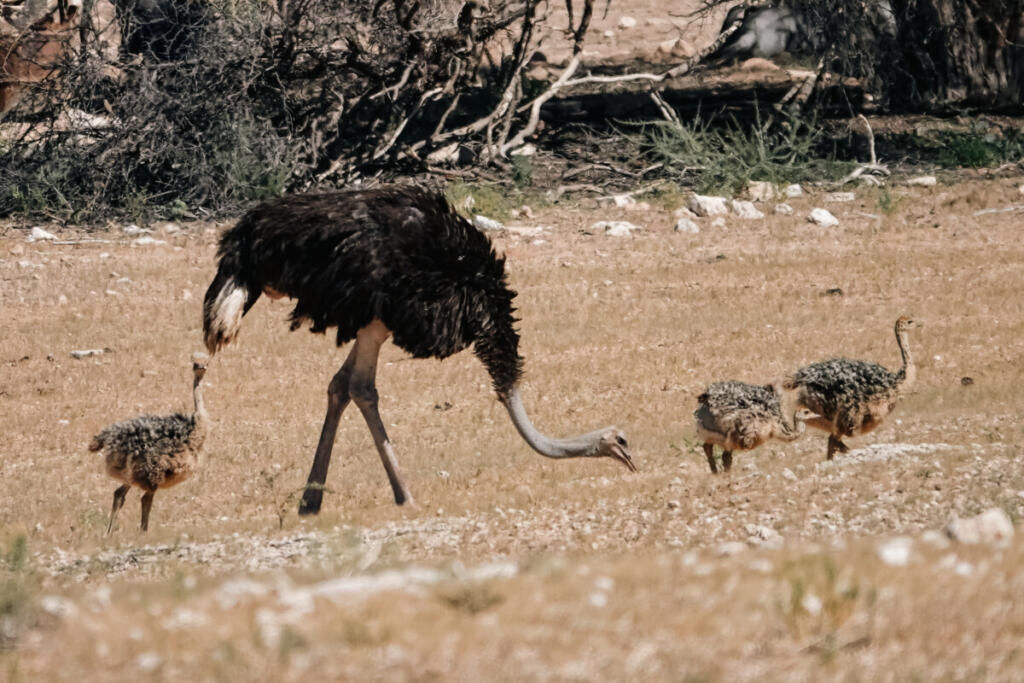
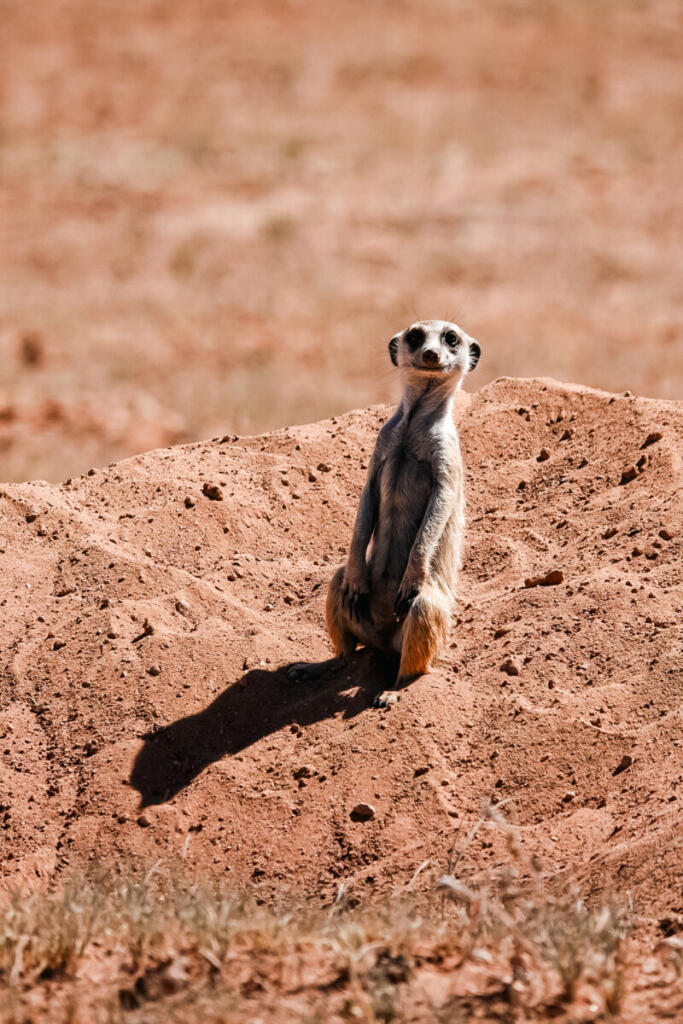
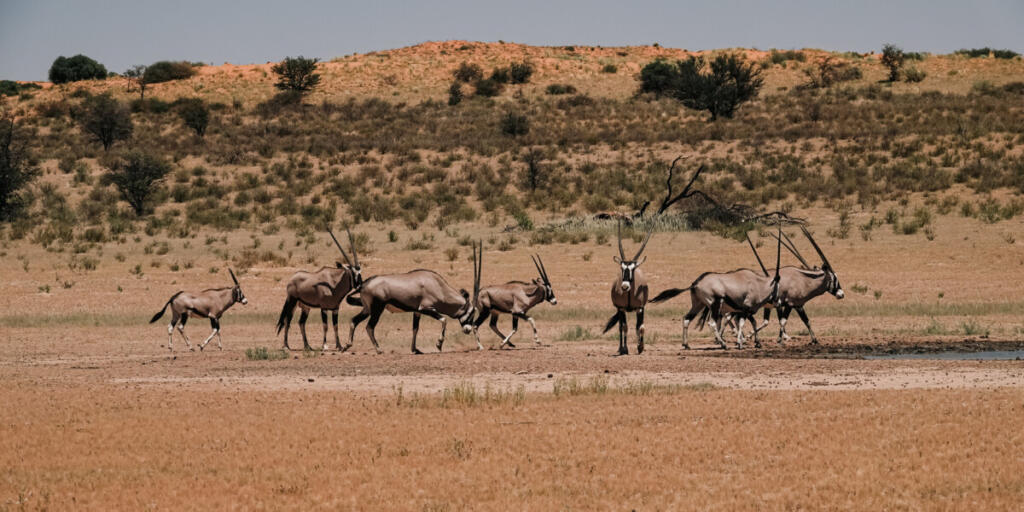
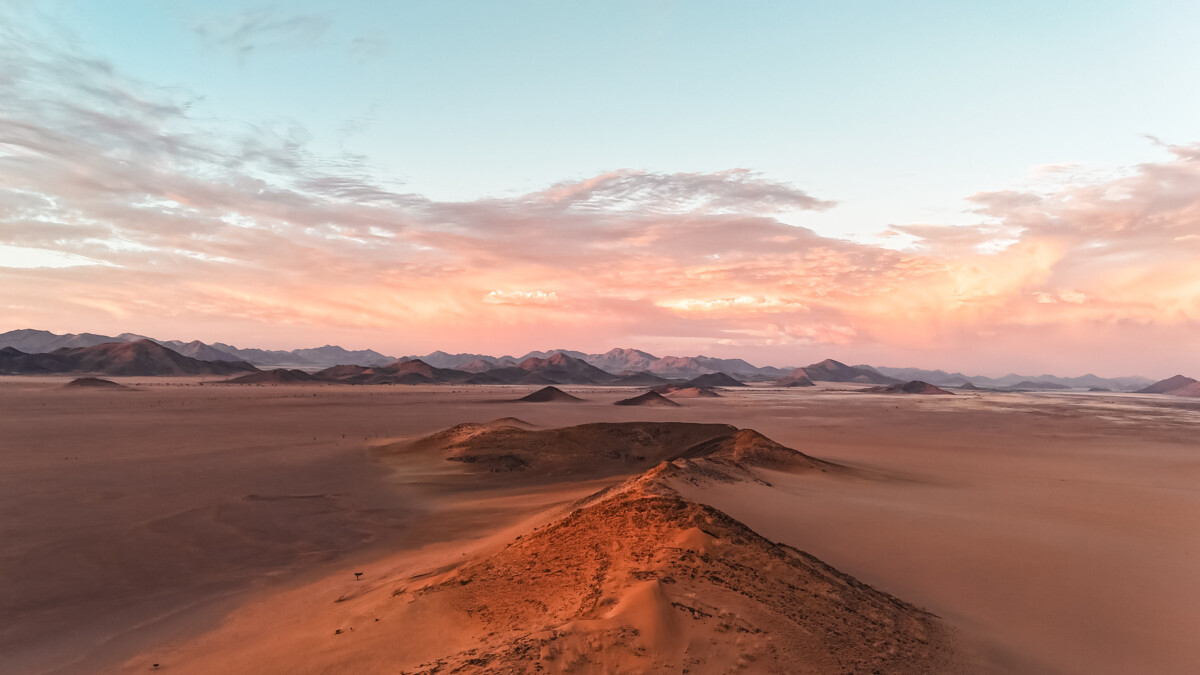
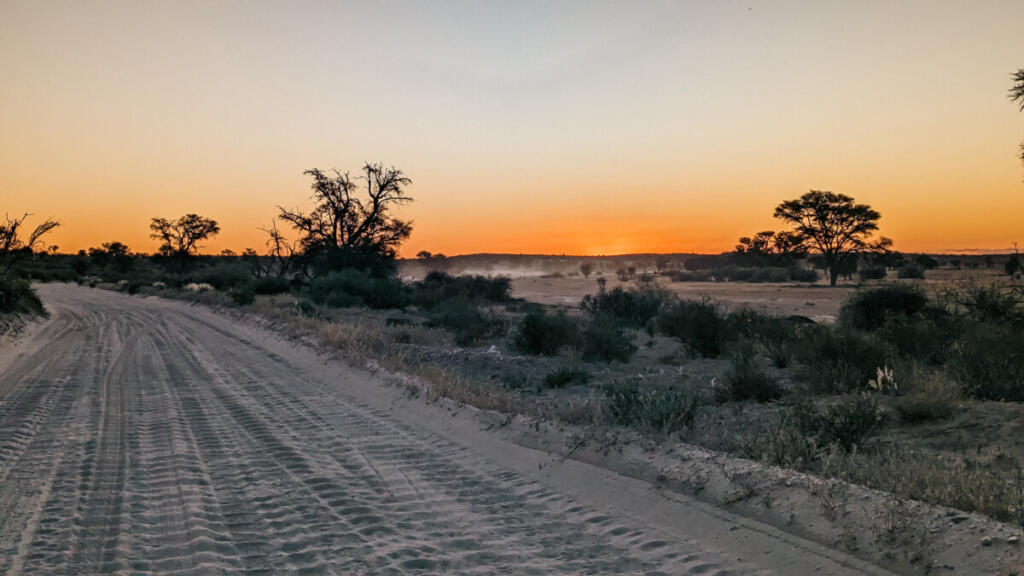
But the landscapes themselves are perhaps the most striking: infinite dunes in glowing hues, contrasting with the green of the acacias and the deep blue of the sky. And in the evening, the Kalahari offers one of its finest spectacles – unforgettable, fiery sunsets that seem to set the sand on fire.
When and how to visit the Kalahari?
The Kalahari can be visited all year round, but the seasons greatly influence the experience.
- May to September: temperatures are mild, nights can be cool, and this is the best time to observe the wildlife gathered around the waterholes.
- October to April: the heat is more intense, especially during the day, and summer thunderstorms sometimes bring a little greenery and spectacular light to the dunes.
From Windhoek, the road is direct to Mariental (approx. 3h30 drive), the gateway to the Namibian Kalahari. From here, you can choose to stop for a night in the heart of the dunes or continue further south, towards Keetmanshoop or the South African border.
To reach the Kgalagadi Transfrontier Park (KTP), it’s a 5-6 hour drive from Mariental, with a border crossing at Mata-Mata, reserved for travellers staying in the park.
A 4×4 vehicle is not essential for crossing the Kalahari in Namibia, but it is recommended if you plan to enter the park.
Two ways to experience the Kalahari
Admire the Namibian dunes
For those wishing to incorporate the Kalahari into a Namibia road trip without venturing too far, it’s possible to sleep in a lodge set up between Mariental and the KTP gates. Here, you can enjoy the calm of the red dunes, magnificent sunsets and immersion in a unique landscape, without leaving Namibia.
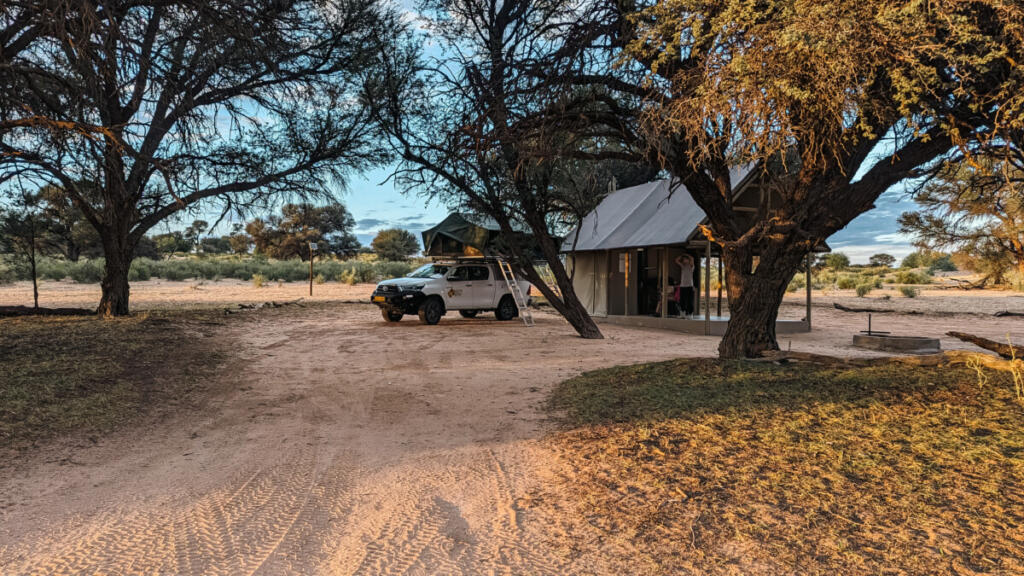
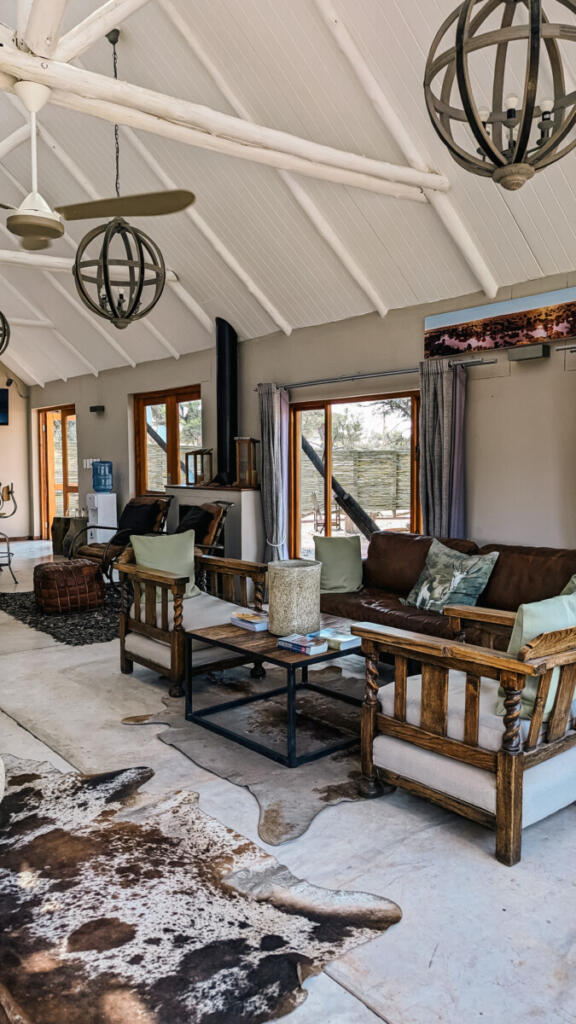
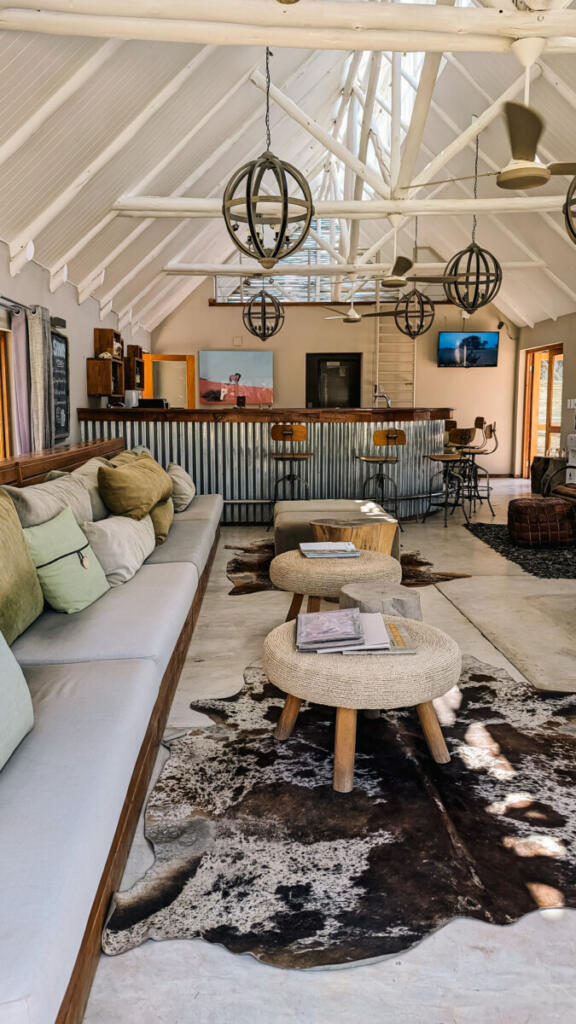
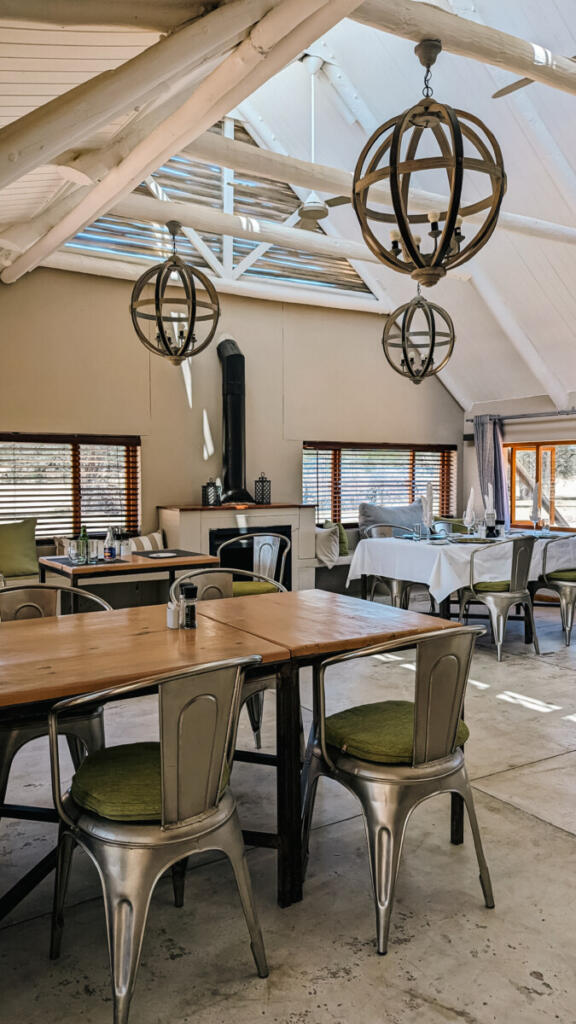
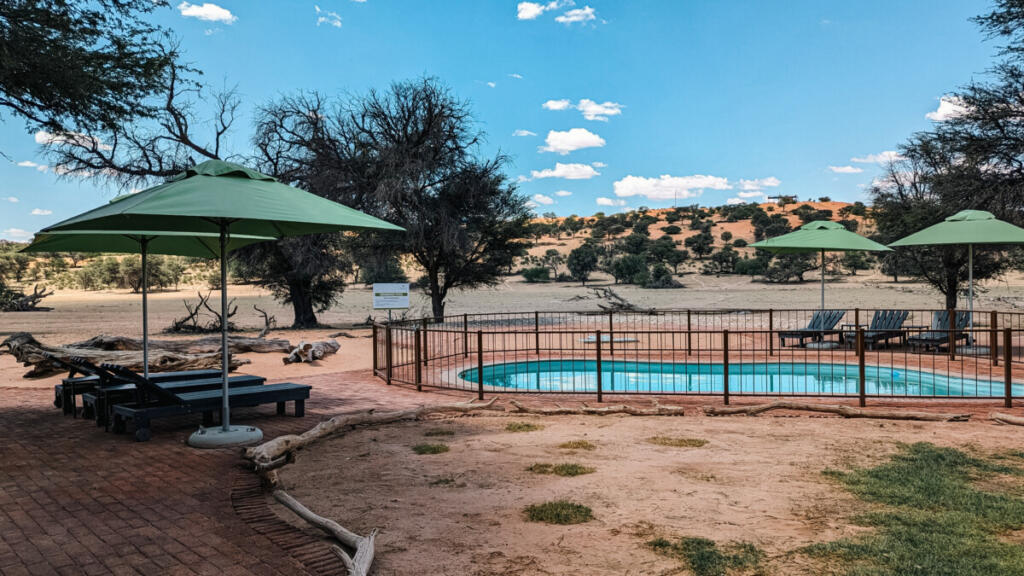
It’s an ideal way to cut the road between Windhoek and the south of the country, but also to get a taste of the desert’s special atmosphere.
Experience a safari in Kgalagadi Transfrontier Park
For travelers wishing to go further, entering the KTP is a memorable experience. This park, jointly created by South Africa and Botswana, covers an area of over 35,000km², three quarters of which is on the Botswana side.
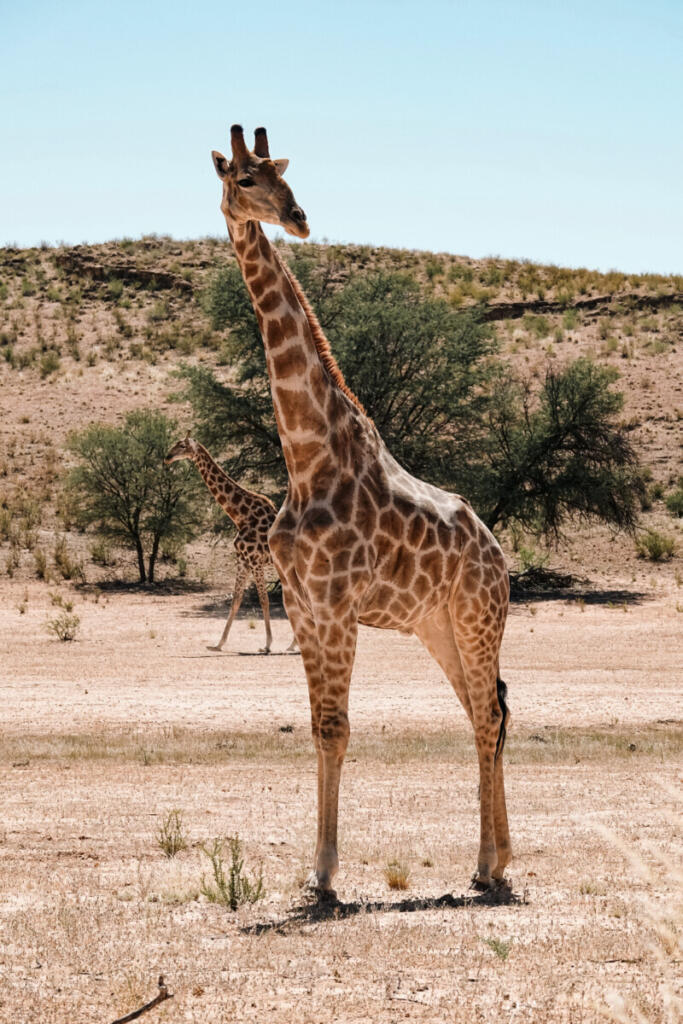
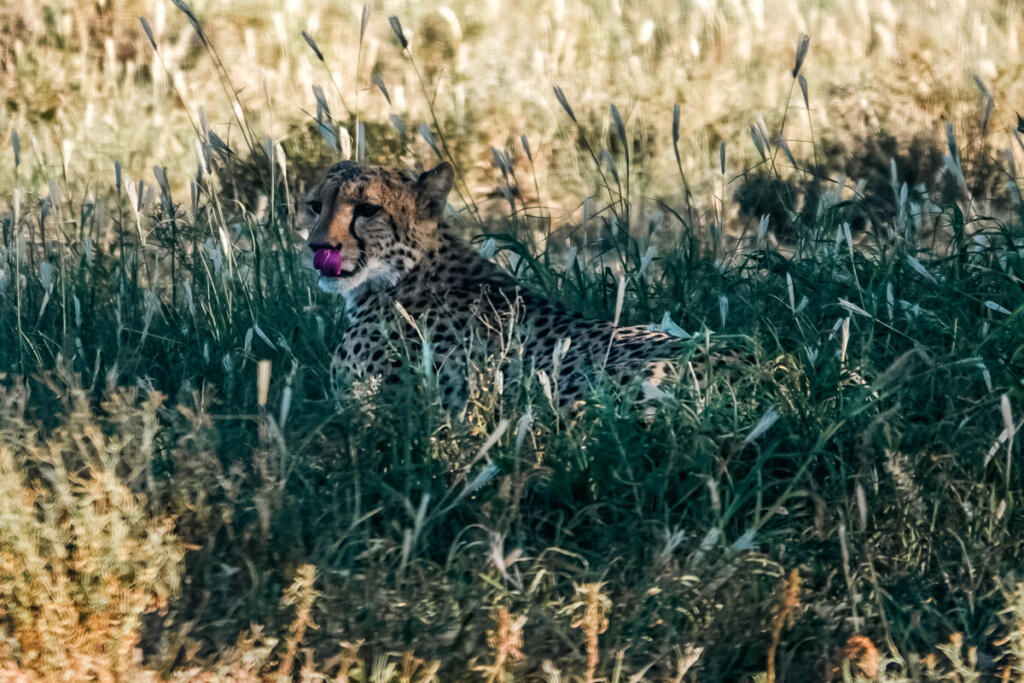
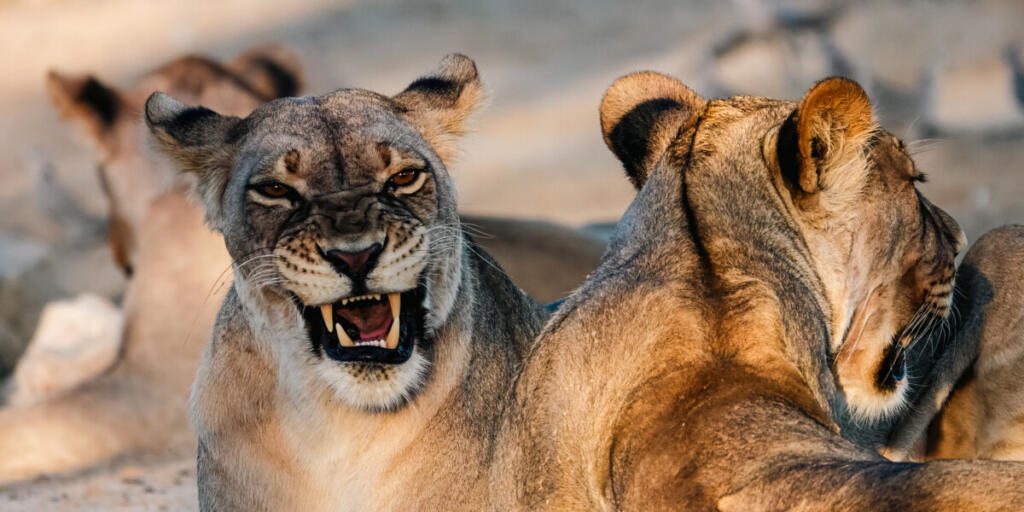
The scenery is spectacular: dry riverbeds, orange dunes and vastness as far as the eye can see. The wildlife is exceptional, with large herds of springbok, oryx and wildebeest, but also a high concentration of predators: black-maned lions, cheetahs and leopards. Birdwatchers are also well catered for, with numerous birds of prey, vultures and ostriches.
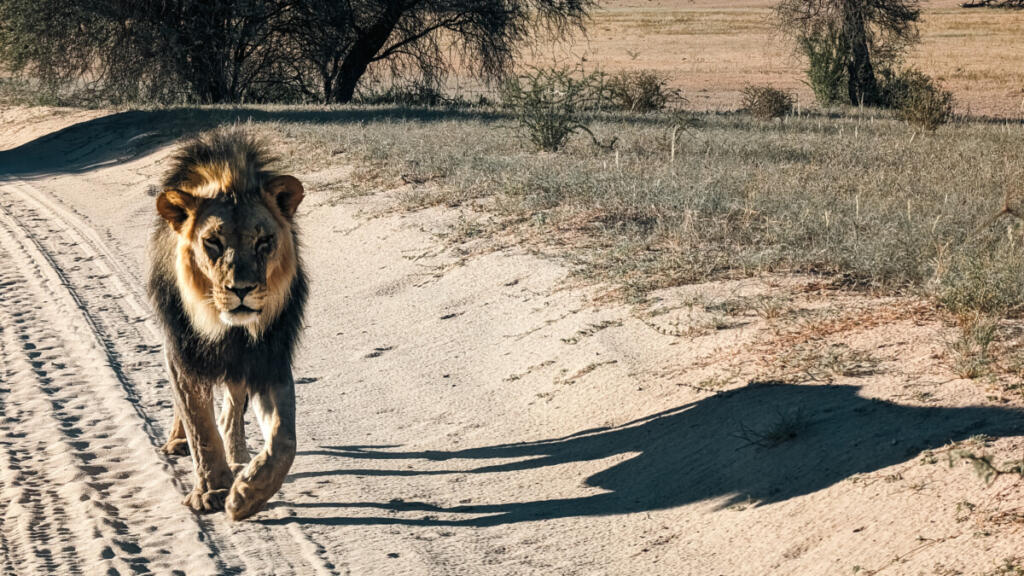
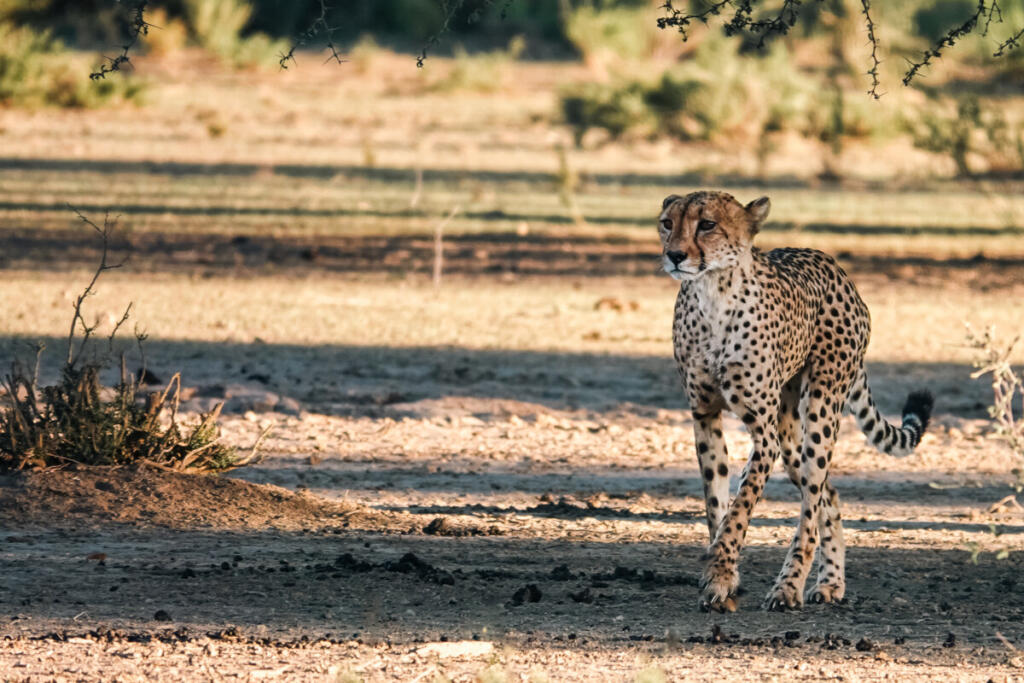
To make the most of a trip to the Kalahari, travelers have several options. The main camps of Twee Rivieren, Nossob and Mata-Mata offer simple bungalows, camping pitches and some basic services.
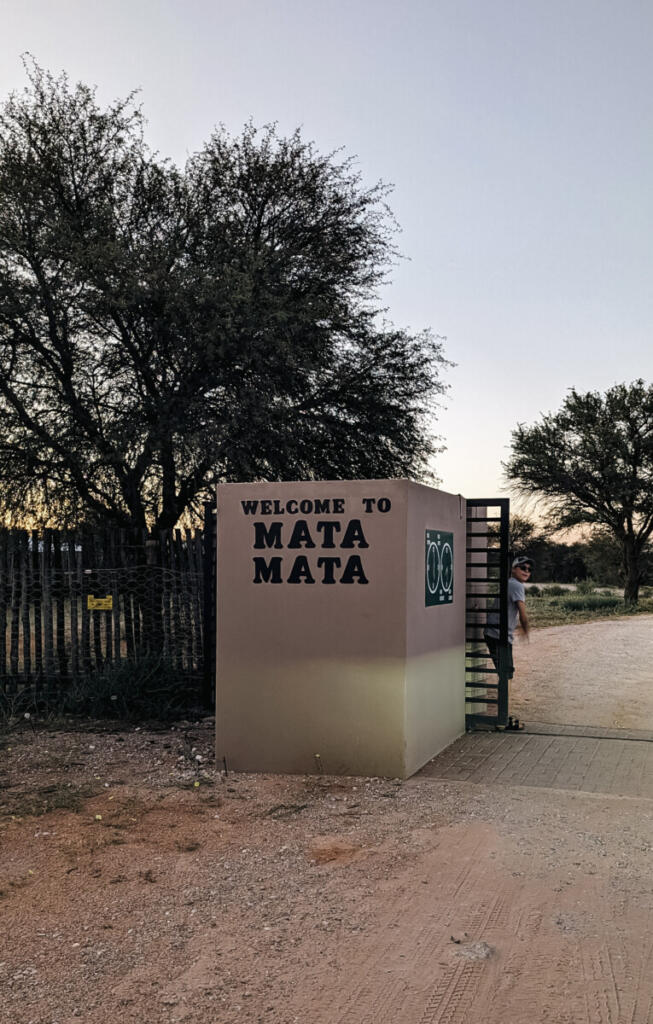
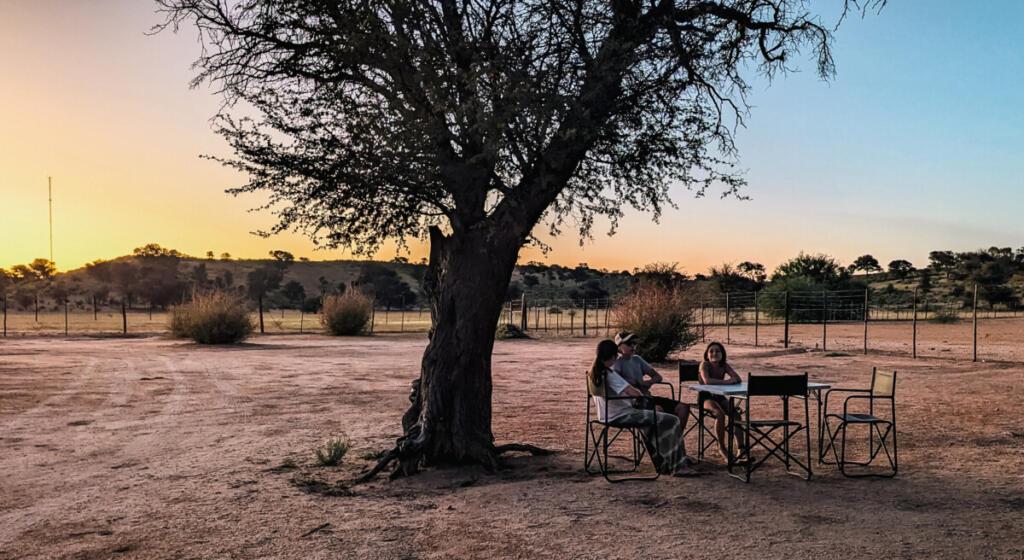
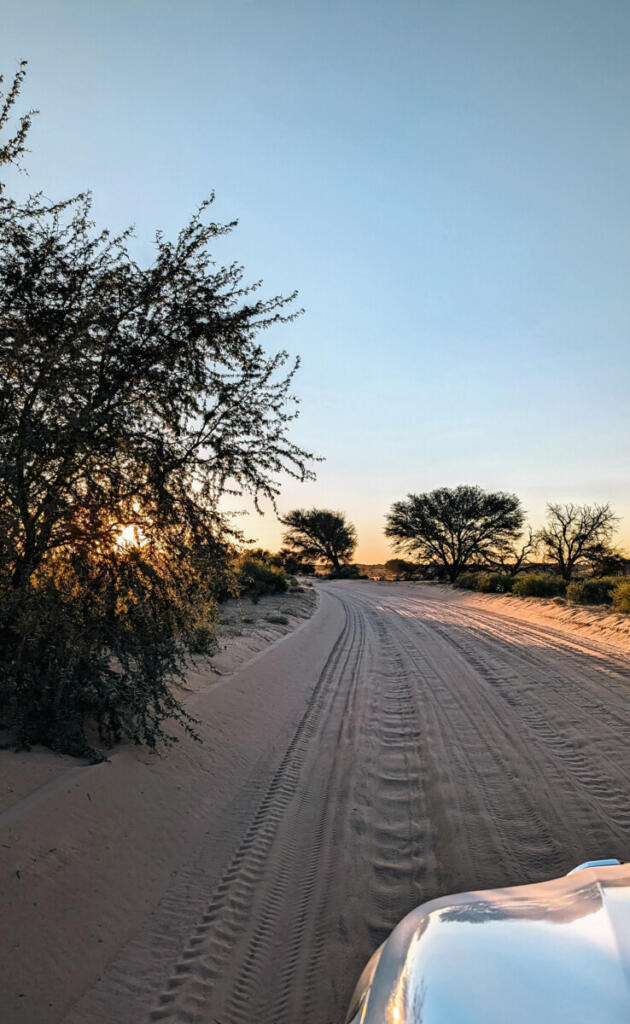
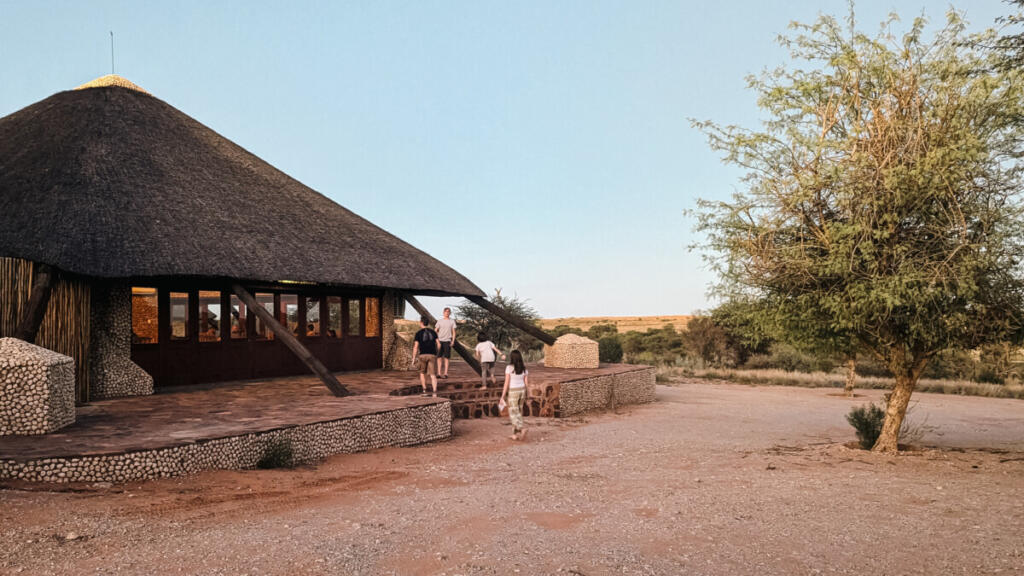
More intimate, wilderness camps like Grootkolk, Kieliekrankie or Bitterpan offer total immersion in the desert, with no fences or neighbors, and only red sand and stars in the background. Sleeping in these isolated camps is undoubtedly the best way to feel the spirit of Africa’s living desert.
The KTP remains a wilder destination than Etosha. Here, sandy tracks slow progress, distances between camps are long and conditions more rudimentary. But that’s precisely what makes it so appealing: you get the impression of exploring untouched territory, far from the crowds.
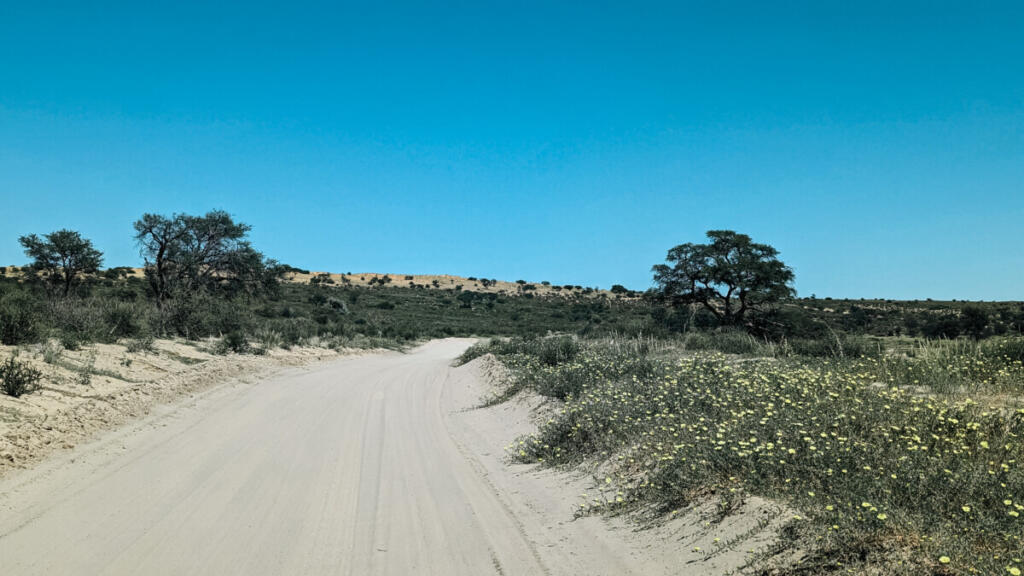
A safari in the park nevertheless requires a minimum of preparation. Before entering, it’s essential to bring sufficient water, fuel and food. Safety rules are simple but important: stay in your vehicle outside authorized zones, respect speed limits and never feed the animals. These precautions guarantee both your safety and the preservation of this fragile environment.
The Kalahari on a Namibia road trip
For those planning a road trip to Namibia, a detour to the Kalahari or Kgalagadi is a natural extension of the itinerary. After the mineral dunes of Sossusvlei, the safaris of Etosha or the Atlantic coast, the Kalahari brings a wilder, more intimate dimension to the trip. Its red dunes, surprisingly dense vegetation and emblematic wildlife offer a fascinating contrast to the country’s more familiar landscapes.
Read thefull article about our roadtrip to Namibia here and the 17-day Namibia tour here.