Just an hour from Tokyo, Kamakura offers a breath of fresh air. Bordered by hills and open to the ocean, the city reveals a more peaceful side of Japan, where feudal history blends with Zen spirituality. Far from the hustle and bustle of the capital, you can wander from temple to shrine, among bamboo gardens, mossy staircases and large bronze statues. Time seems to slow down, and perhaps that’s where Kamakura’s charm lies: a subtle harmony between nature, culture and spirituality, accessible in a simple excursion from Tokyo.
Kamakura in a nutshell
The political capital of Japan during the time of the shogunate (1185-1333), Kamakura today boasts over 150 temples and shrines scattered across a green hilly landscape. The city attracts some 20 million visitors every year, enchanted by its Zen atmosphere, emblematic monuments and seaside atmosphere.
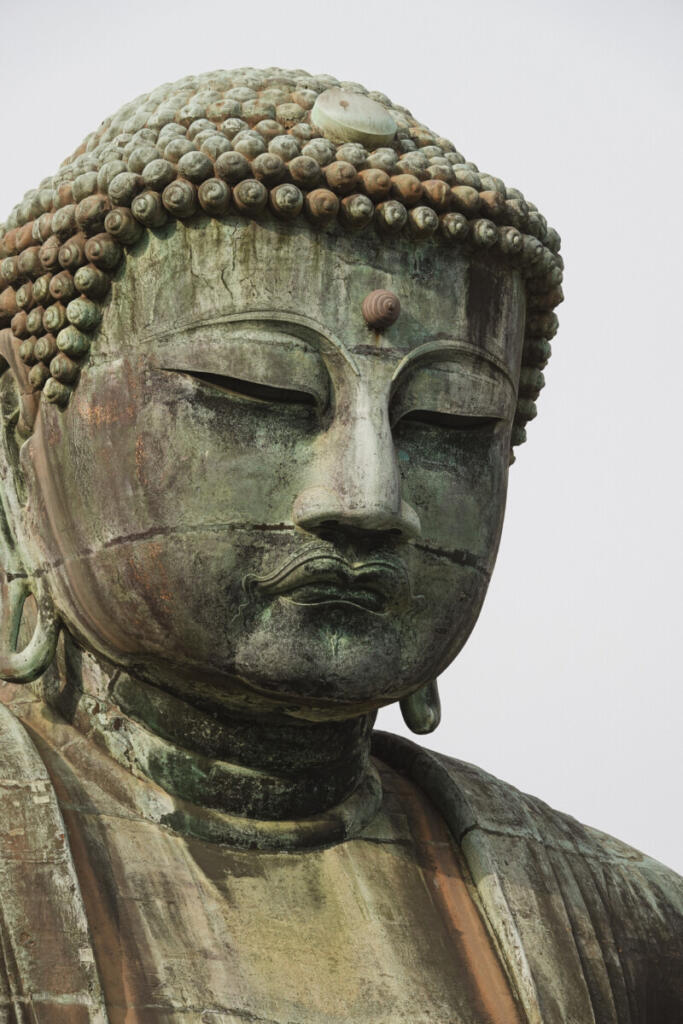
Located on the coast of Sagami Bay, Kamakura is sometimes called the “little Kyoto of the East”. It owes its fame not only to the 13-metre-high
How to get to Kamakura
From Tokyo, Kamakura is easily reached by train. The
The city is best visited on foot. The main temples and shrines are grouped together within easy reach, although a bus journey may be useful to reach the more remote sites.
Where to stay in Kamakura?
Most travelers are content with a day trip, but Kamakura is also worth a night or two. By late afternoon, when the majority of visitors return by train to Tokyo, the city becomes quieter and reveals a more intimate atmosphere.
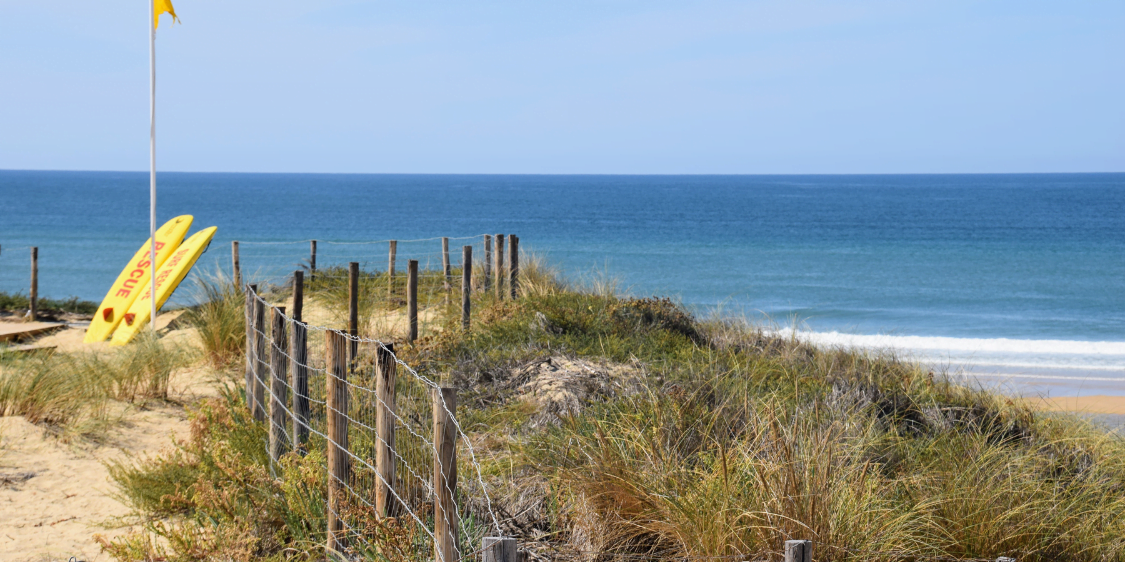
There are many traditional ryokan, small family-run hotels and friendly guesthouses. For a more unusual stay, some inns open directly onto the beach: an original way to combine culture and relaxation. In summer, the idea of extending your trip with a few hours in the sand appeals to many travellers.
What to see and do in Kamakura
Kamakura lends itself wonderfully to exploration on foot. In a single day, you can discover several major temples and shrines, provided you keep up a good pace and aren’t afraid to walk several kilometers. The route winds between wooded hills and quiet side streets, punctuated by breaks in gardens, temple courtyards or teahouses. For those wishing to shorten certain sections, a short bus ride will take you to the most remote sites without wasting any time.
Most temples charge an entrance fee of between 300 and 500 yen, payable in cash on site.
Engaku-ji
Founded in 1282, Engaku-ji is one of Japan’s largest and most important Zen complexes. Located just behind
The temple was founded at the request of regent Hōjō Tokimune to commemorate the soldiers who fell during the Mongol invasions. Engaku-ji is home to a number of historic buildings, some thirty in all, scattered across the wooded slopes surrounding the site. Access is via a succession of stone staircases leading to imposing wooden gates, including the large Sanmon, the temple’s symbol.
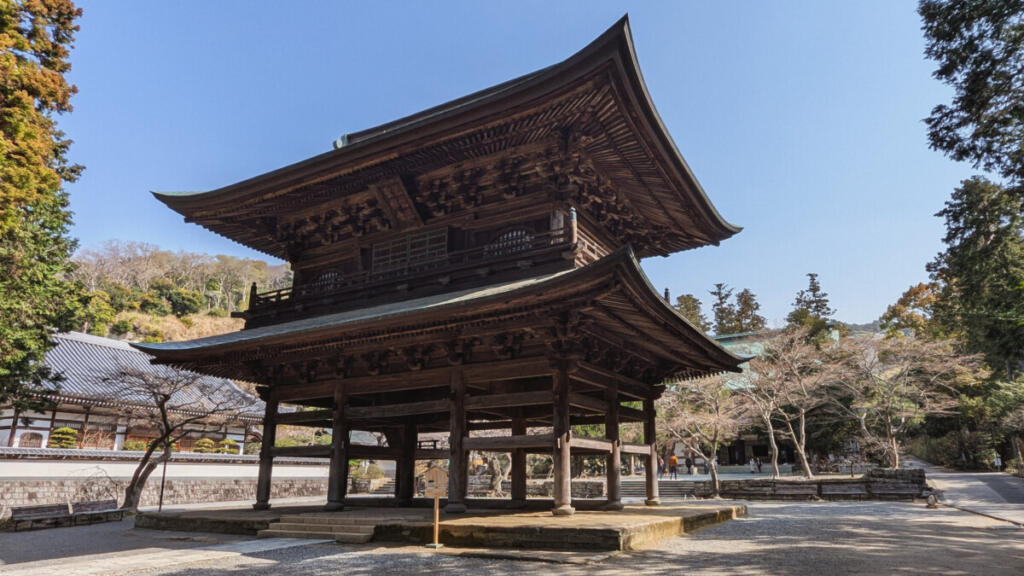
The tour takes around 45 minutes to an hour, depending on your pace. The main path leads to several pavilions, including the main hall
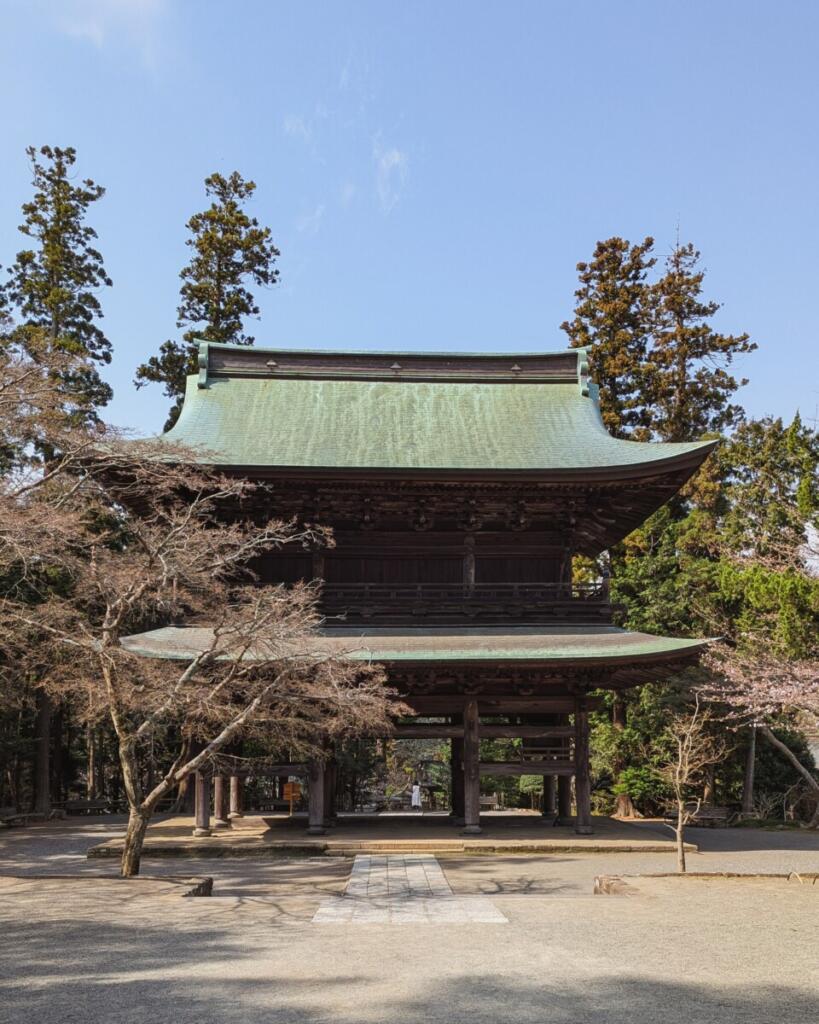
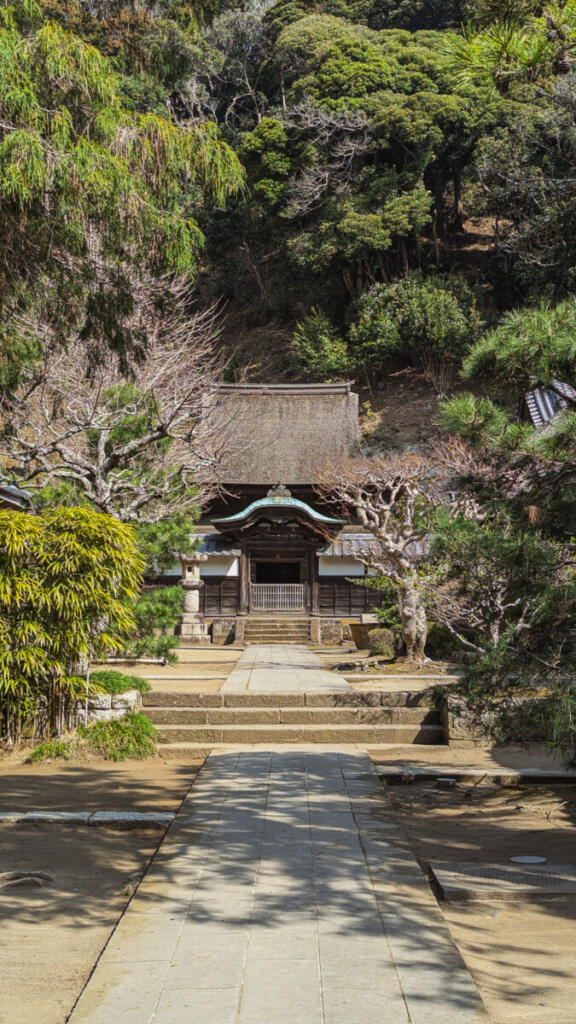
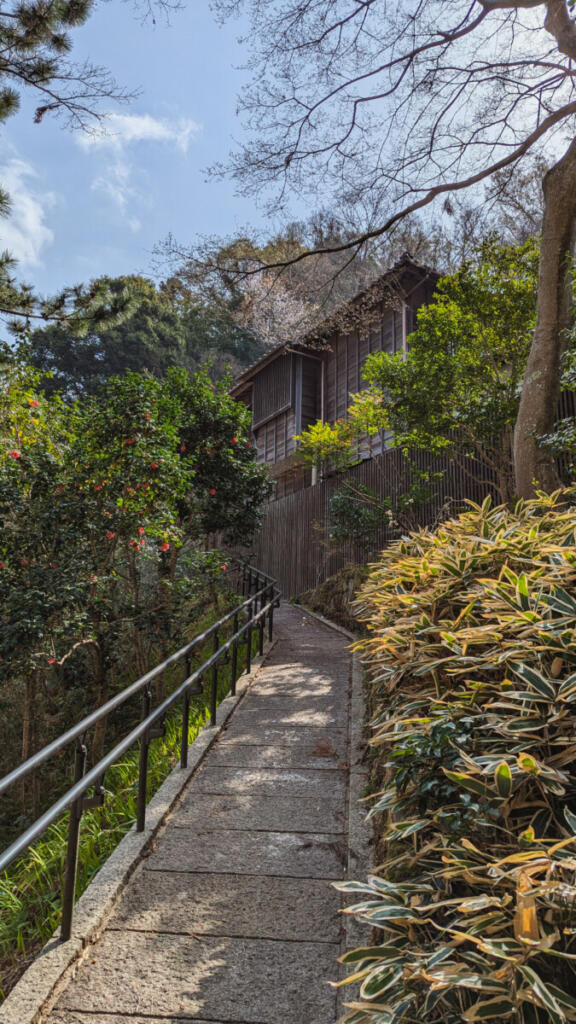
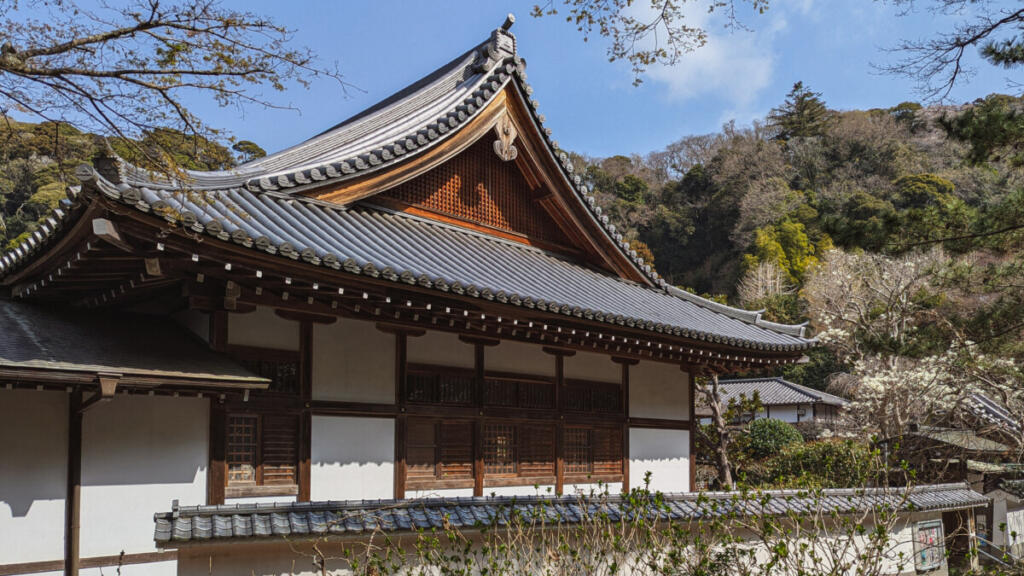
Engaku-ji perfectly embodies Zen philosophy: sobriety, balance and beauty in simplicity. It’s a place that invites you to slow down, to observe the details, to soak up the silence and the surrounding nature. Visiting this temple at the very start of the day allows you to enjoy it in the cool of the morning, before the groups arrive.
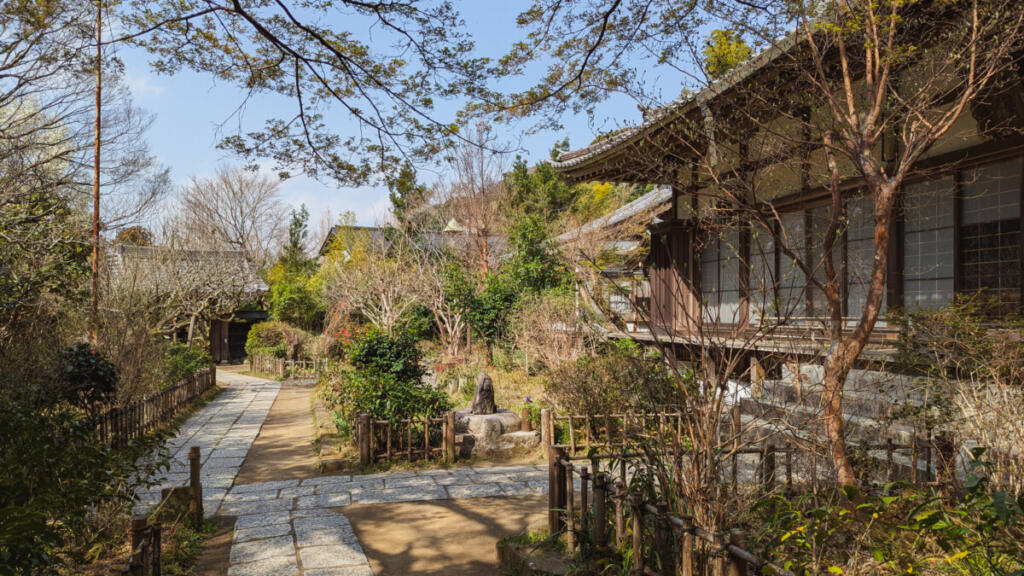
Jōchi-ji
A ten-minute walk from Engaku-ji, Jōchi-ji is a more modest temple but full of charm. Built in the XIIIᵉ century, it is one of Kamakura’s five great Zen temples, though much more discreet than its neighbors.
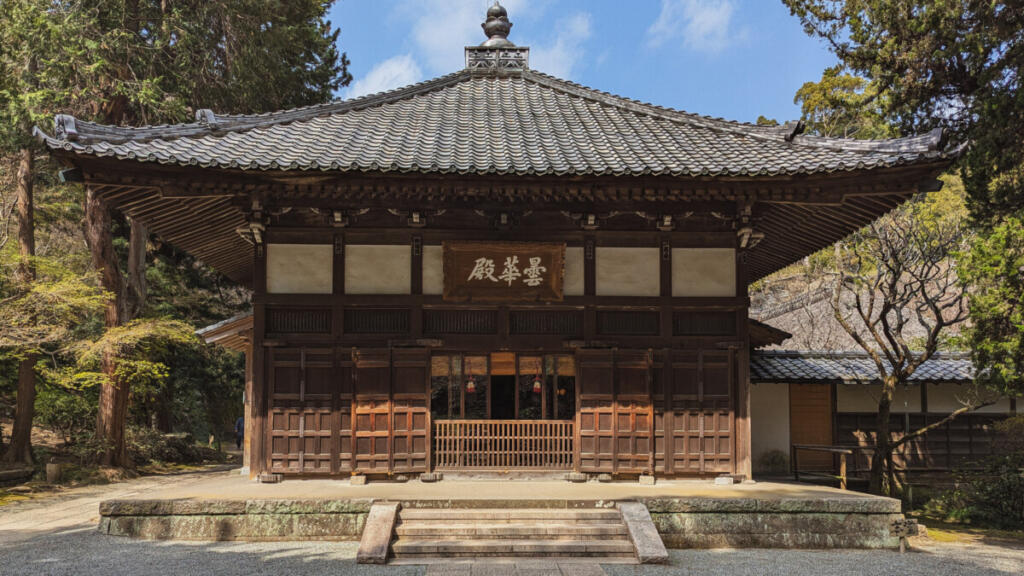
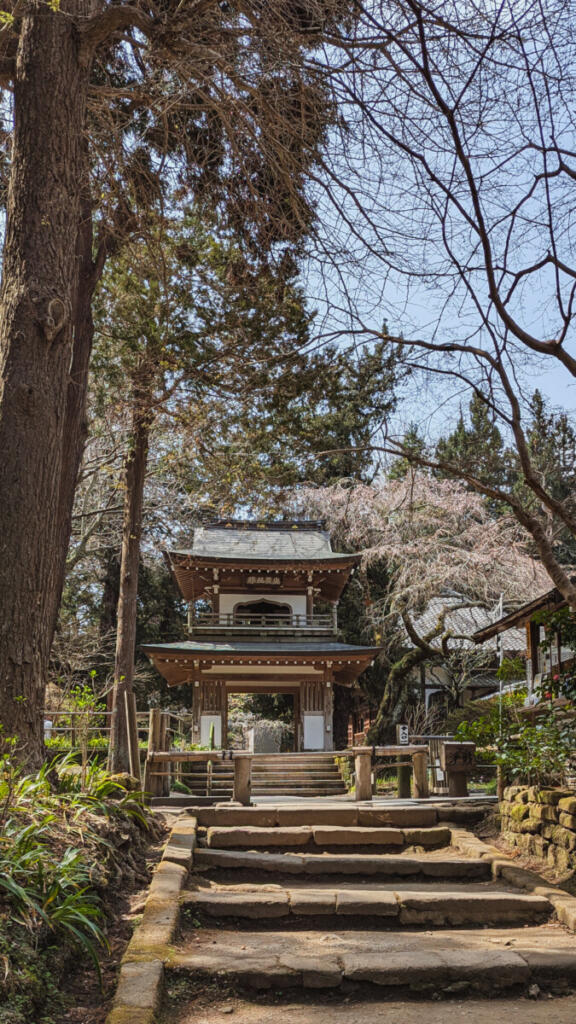
The entrance is via a small stone bridge and a moss-covered wooden gate. The estate is enveloped in greenery, and the pavilions blend into the natural surroundings. There’s no monumentality here: everything is measured, quiet and gentle. The visit lasts around 30 minutes, enough time to observe the architectural details and enjoy the peace and quiet, often without crowds.
Kaizō-ji
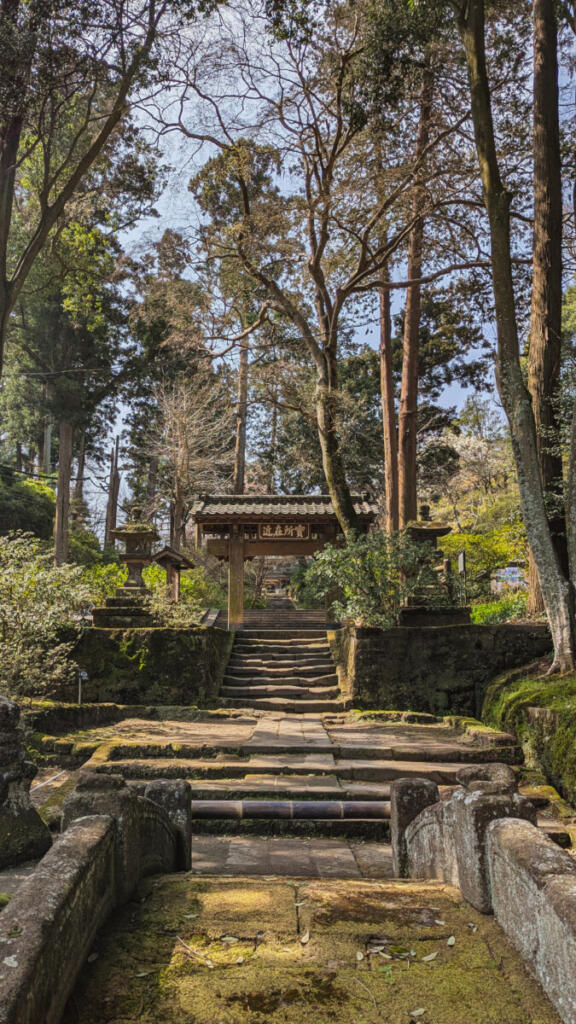
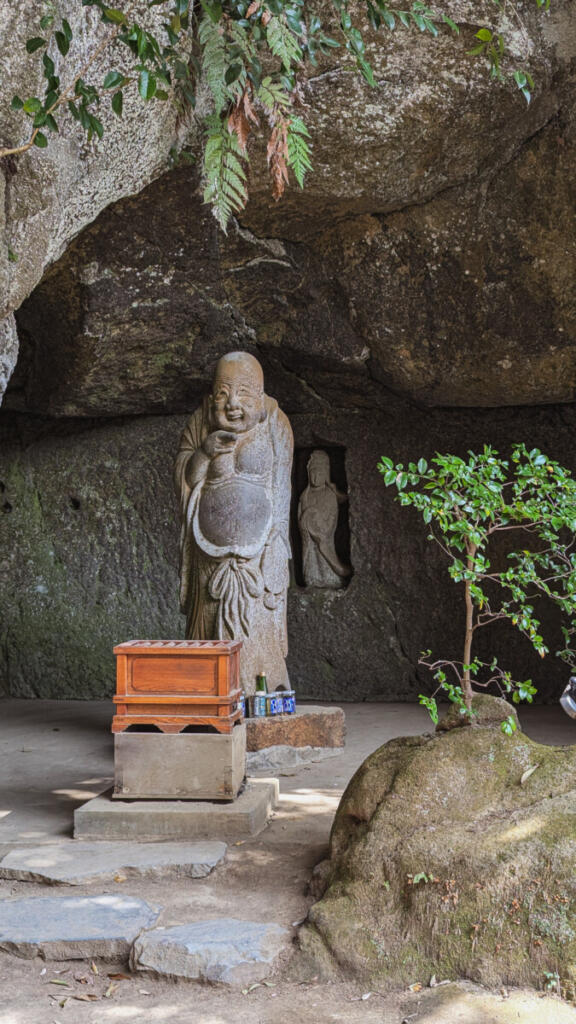
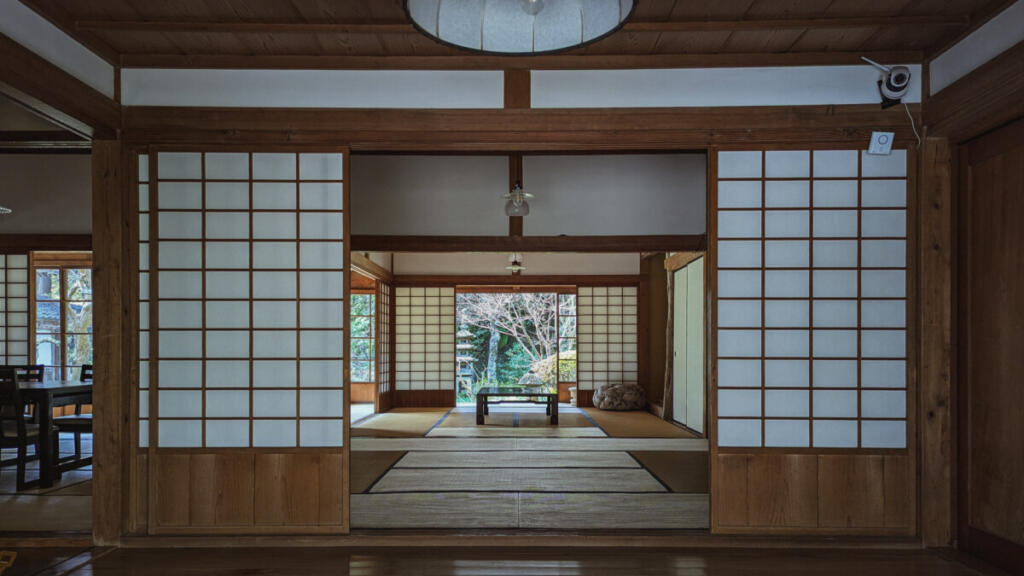
Halfway between Jōchi-ji and Kenchō-ji, Kaizō-ji is a small, peaceful Buddhist temple, often overlooked by tourist circuits. Founded in the Muromachi period, it nestles in a residential area, a little way from the flow of visitors. As soon as you enter, a large wooden gate framed by maple trees welcomes you into an intimate, hushed atmosphere.
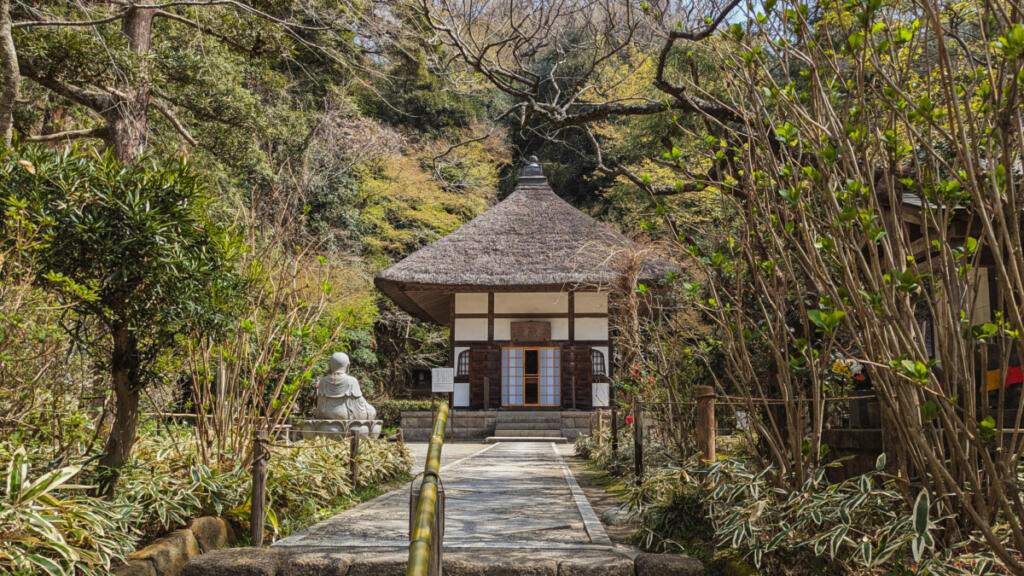
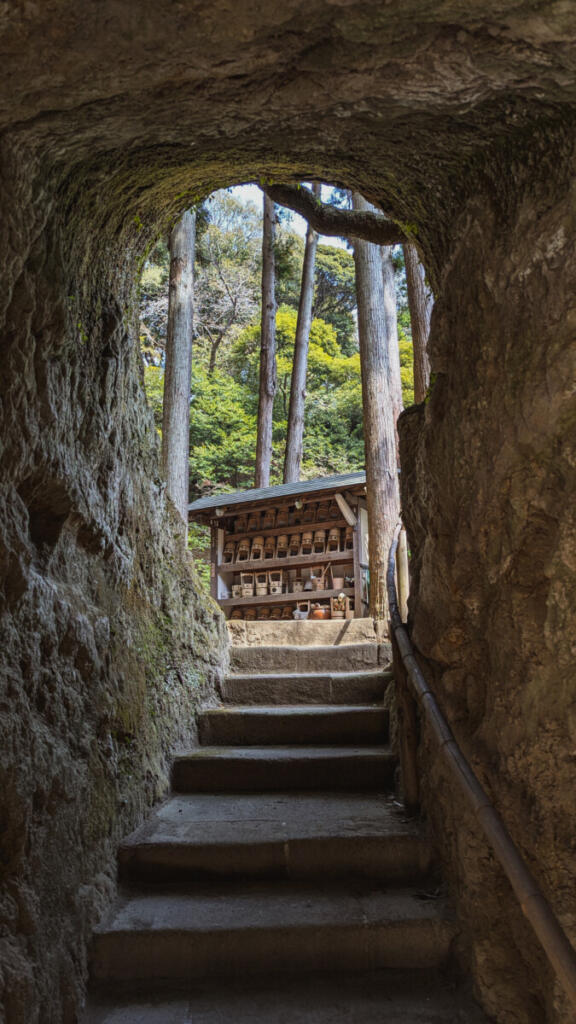
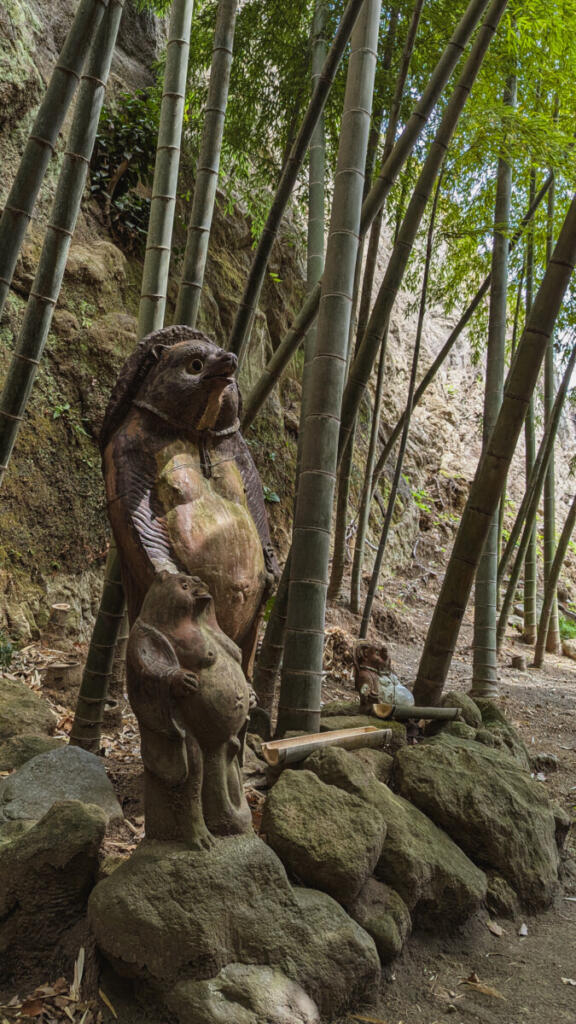
The carefully tended garden is a marvel of simplicity. Following the small path at the rear of the temple, one discovers a discreet
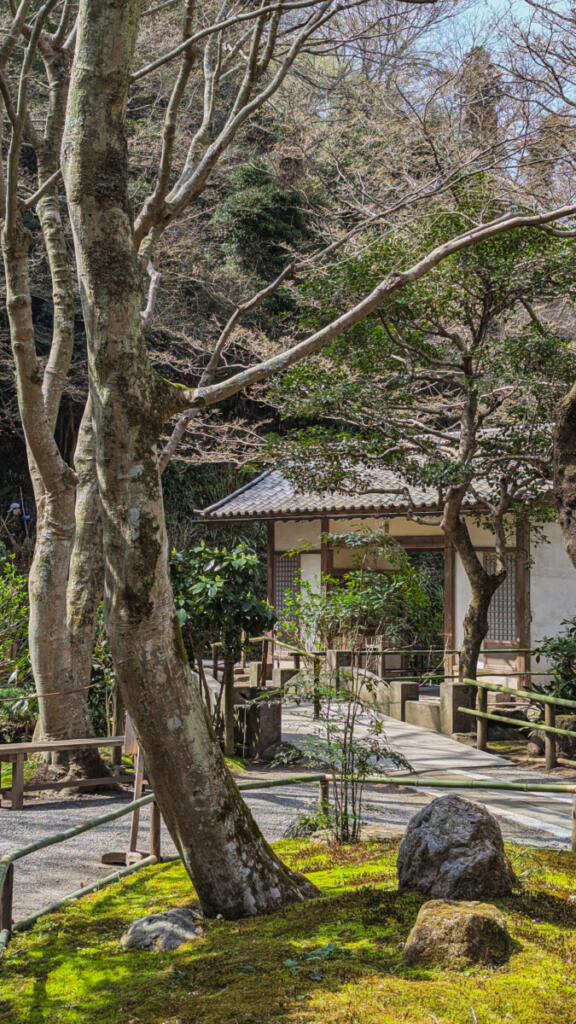
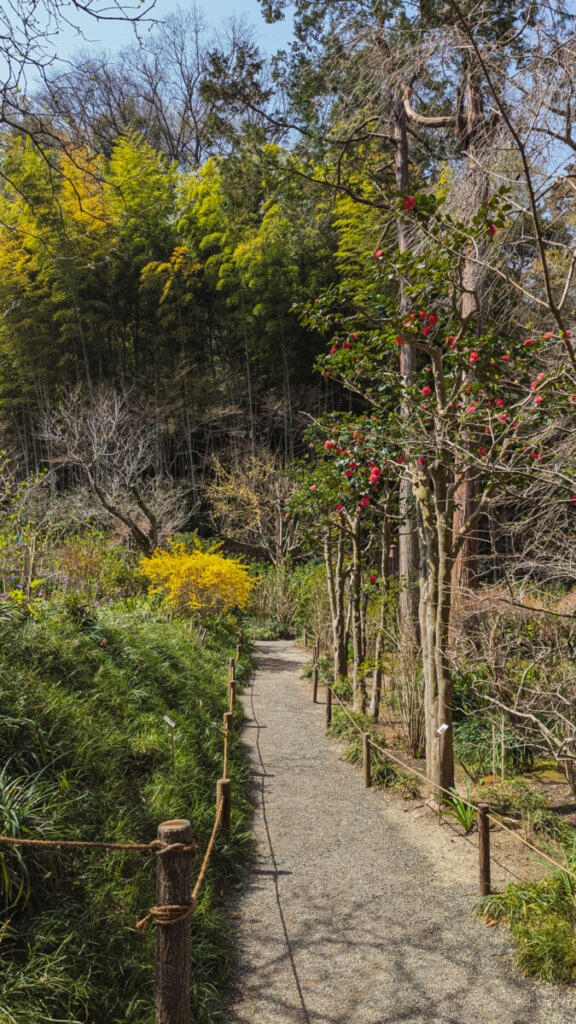
The visit doesn’t take more thanhalf an hour, but it’s a charming stopover, perfect for a break between two major temples.
Kenchō-ji
Heading south, we reach Kenchō-ji, Kamakura’s oldest Zen monastery, founded in 1253. It’s an impressive complex, organized around a large cypress-lined avenue leading to the majestic Sanmon Gate.
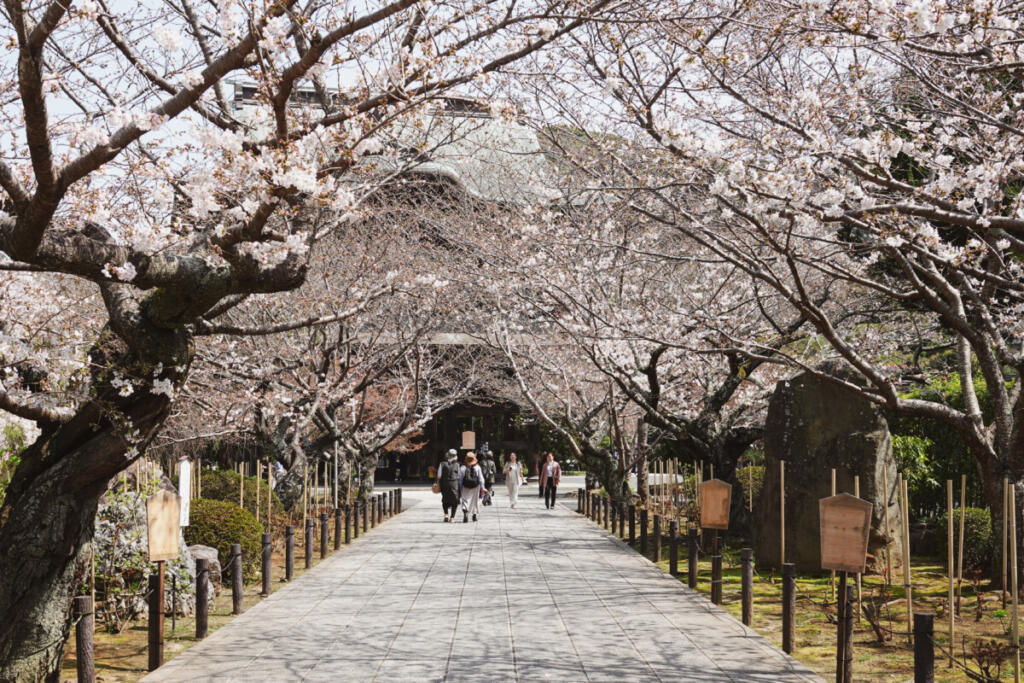
The temple boasts several remarkable buildings: the Butsuden main hall, the monks’ pavilion, and above all the garden designed by master landscape architect Musō Soseki, an essential figure in Japanese Zen. Climb the paths behind the temple to reach a natural belvedere offering magnificent views of the valley and the sea in the distance.
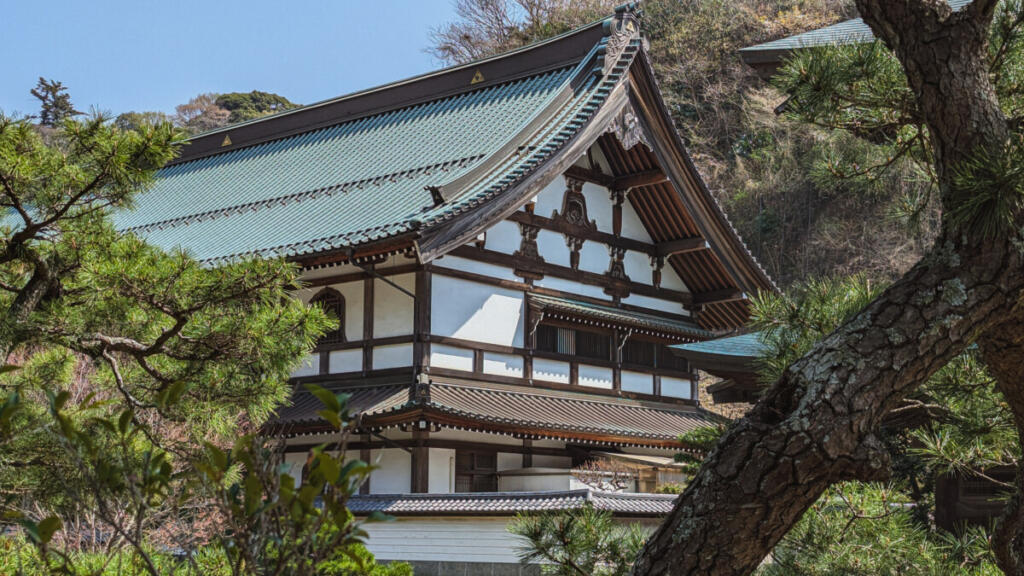
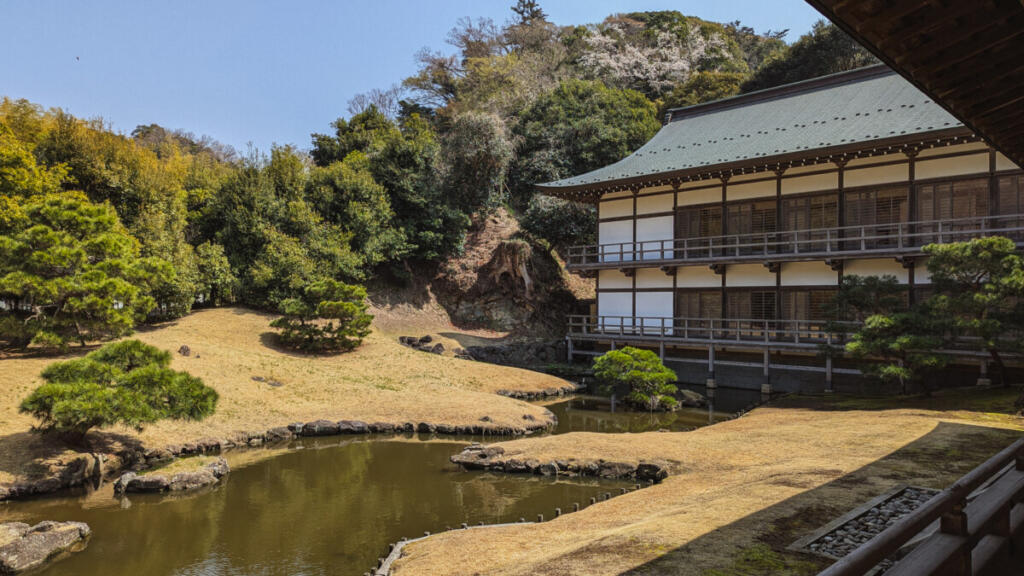
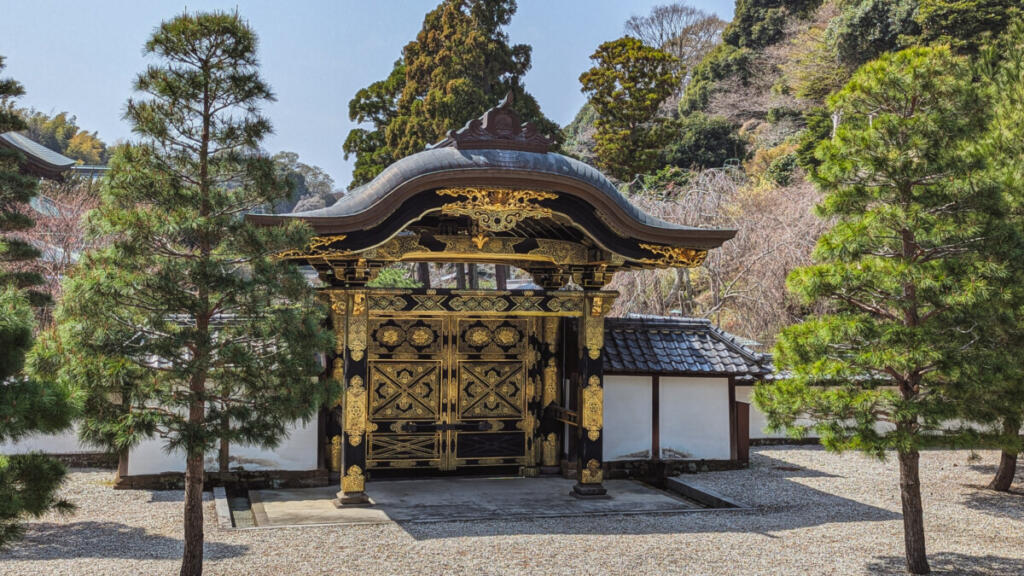
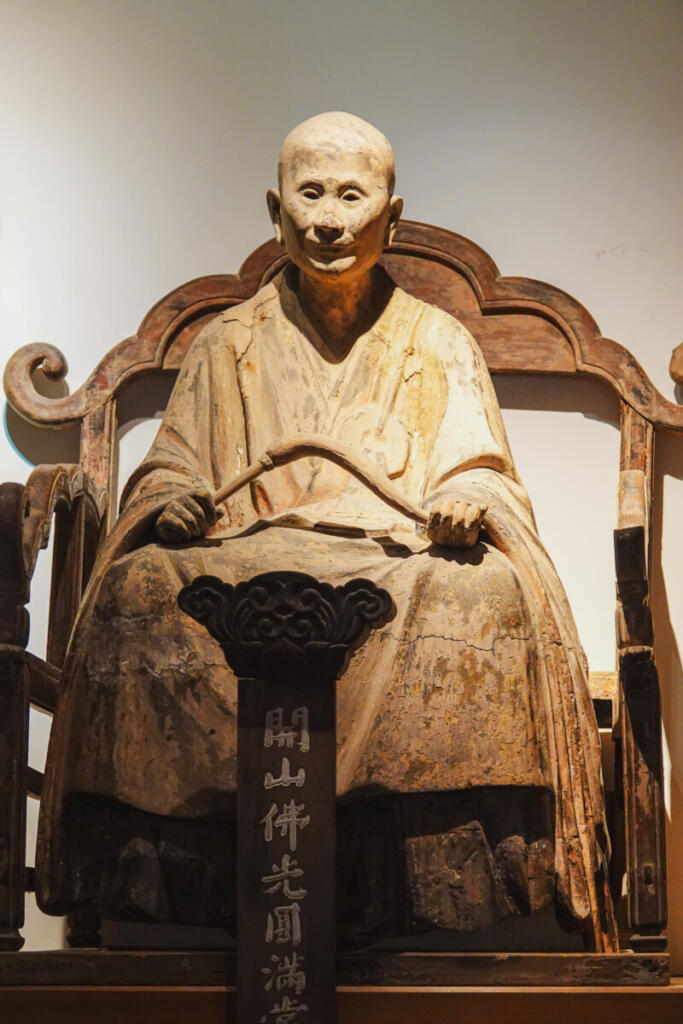
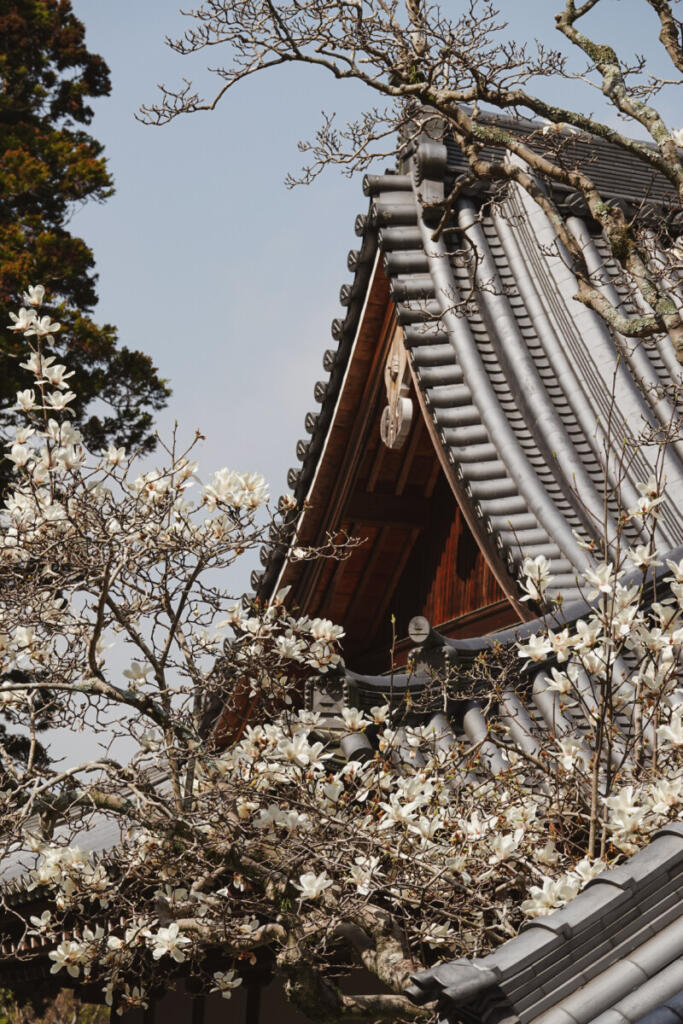
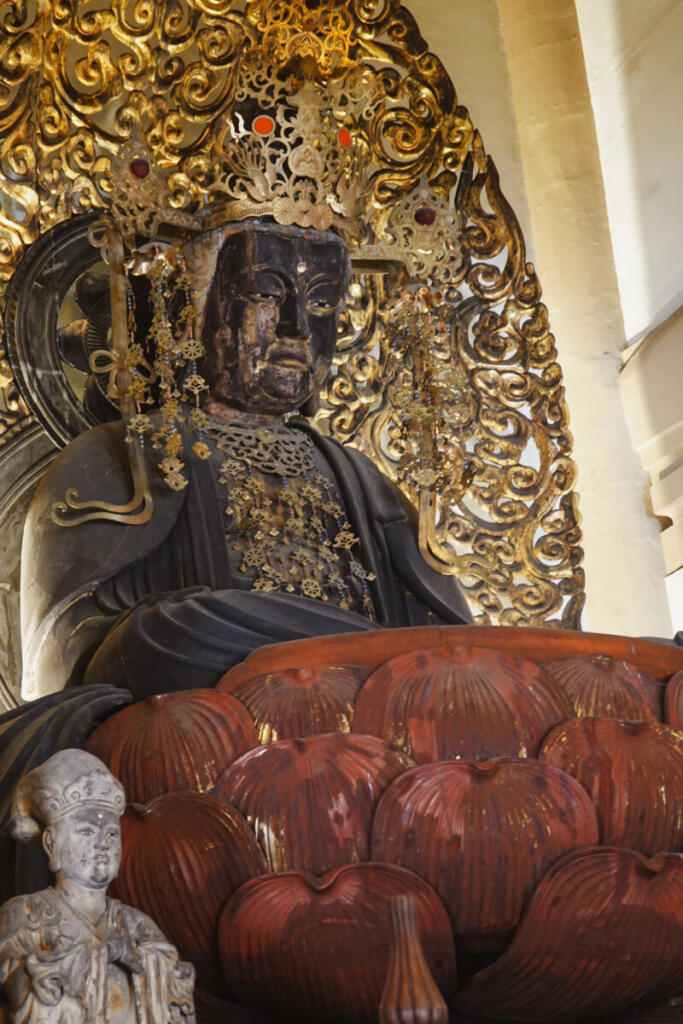
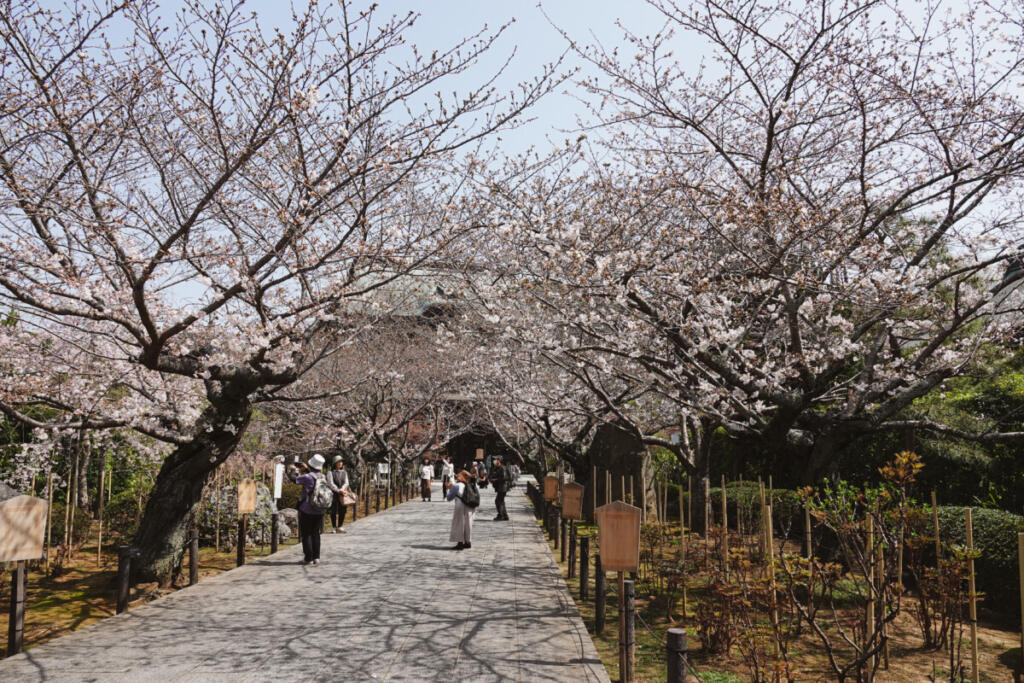
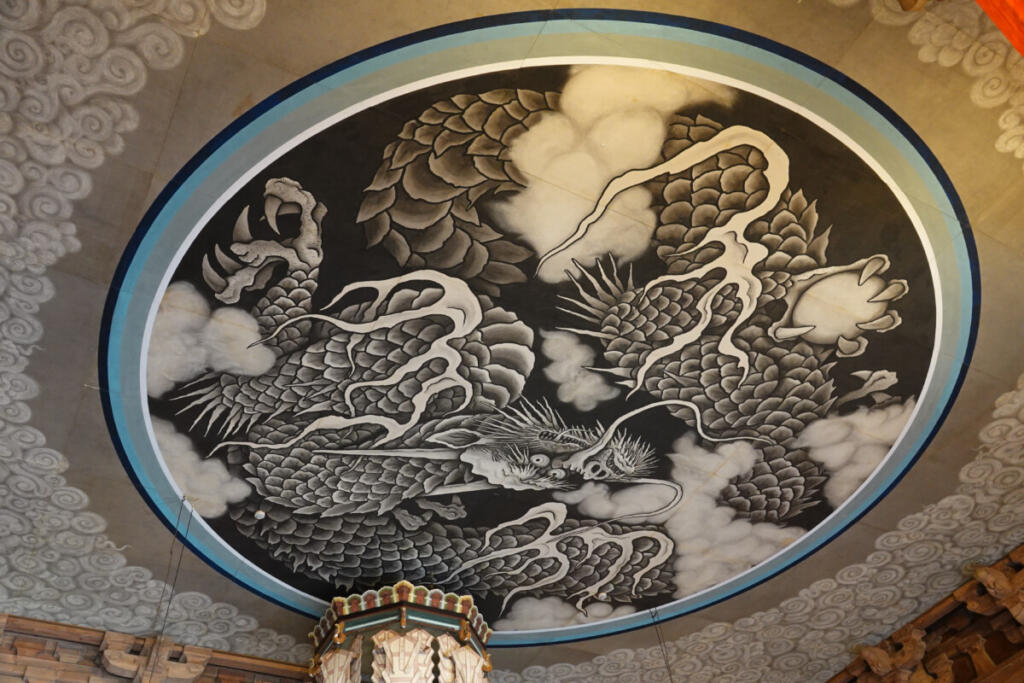
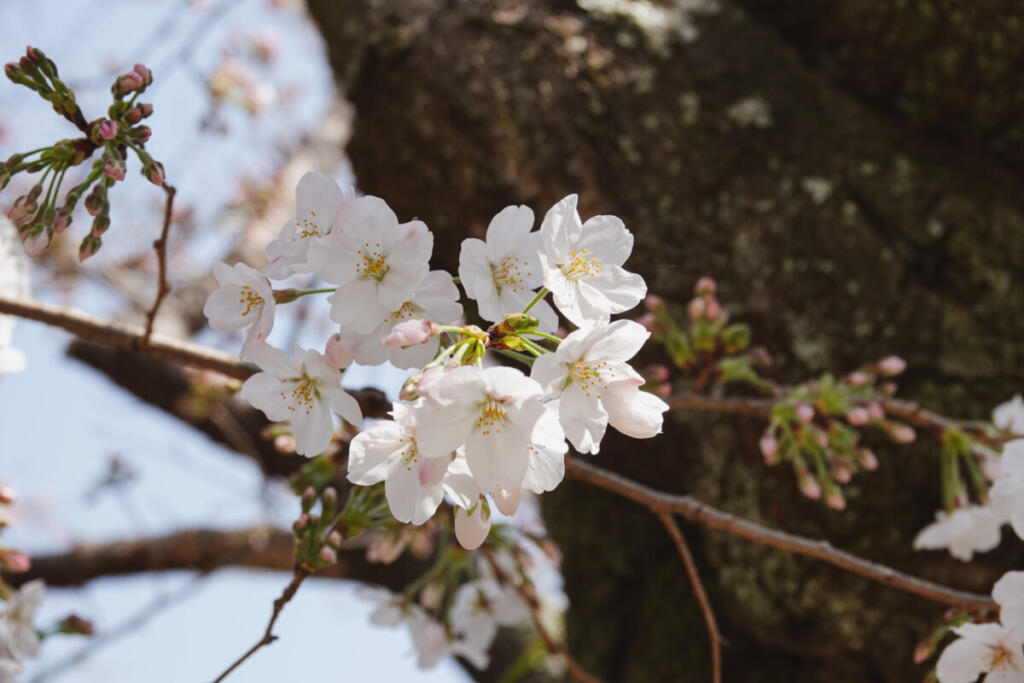
Allow around an hour for the visit, more if you wish to climb to the heights. Kenchō-ji illustrates the spiritual and architectural power of Zen at its apogee, between rigor and pure beauty.
Tsurugaoka Hachimangū
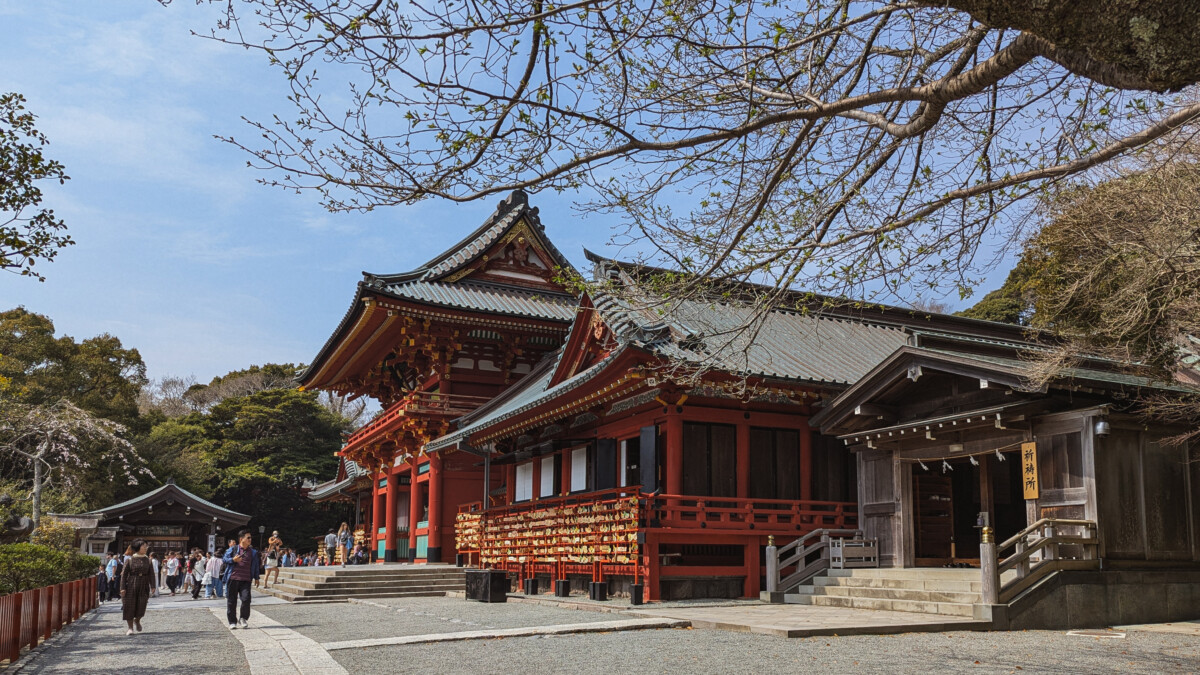
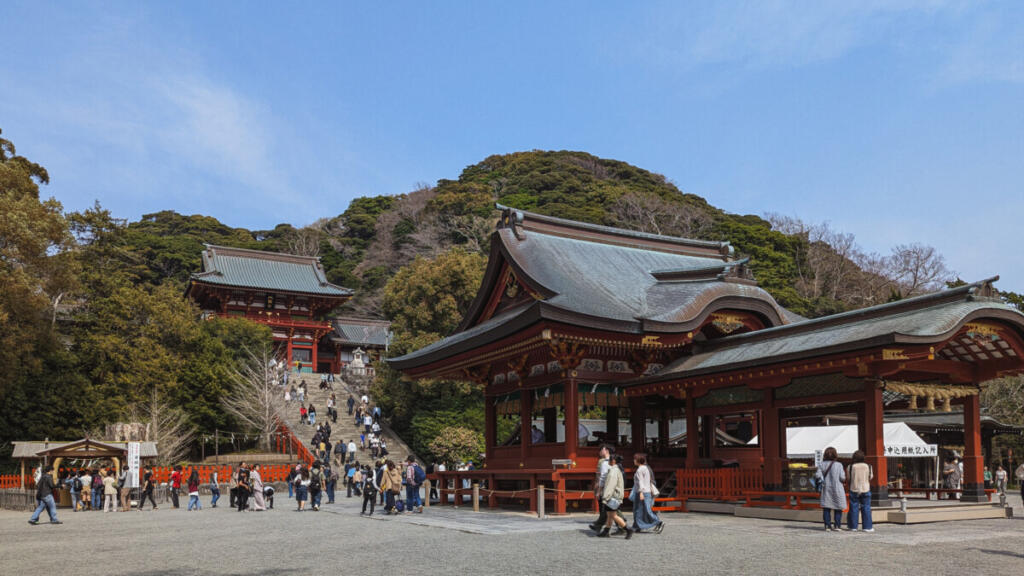
On the way back down to central Kamakura, the Tsurugaoka Hachimangū shrine is a must-see stop. Founded in the XIᵉ century by shogun Minamoto no Yoritomo, it is dedicated to Hachiman, god of war and protector of the samurai.
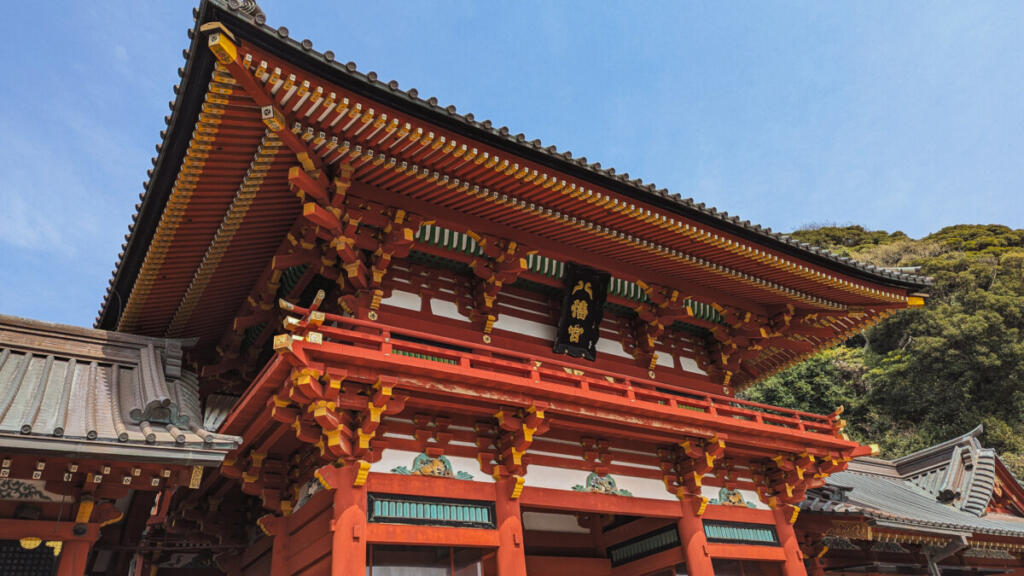
The sanctuary extends over a vast esplanade bordered by ponds and cherry trees. A long, straight walkway, punctuated by
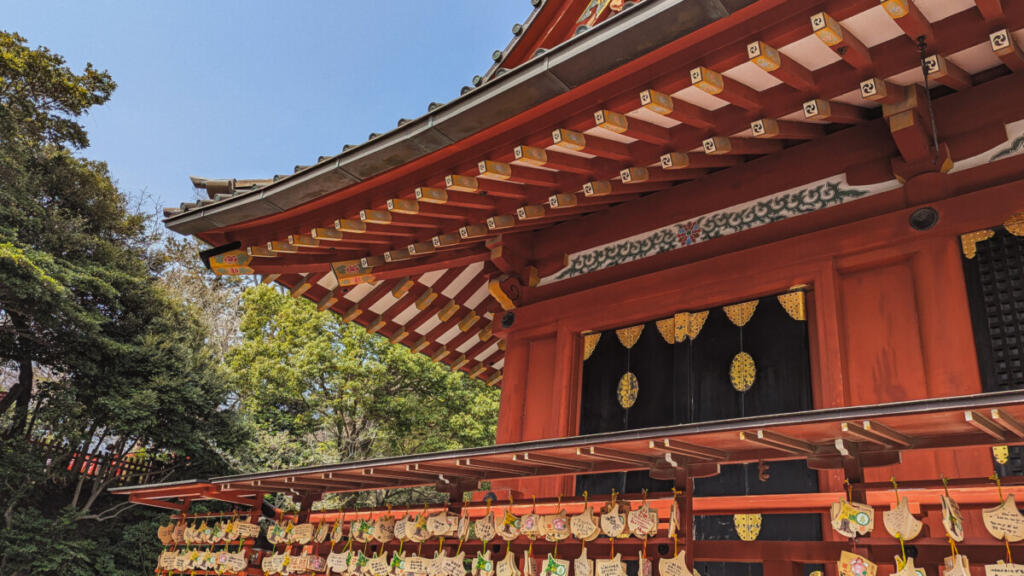
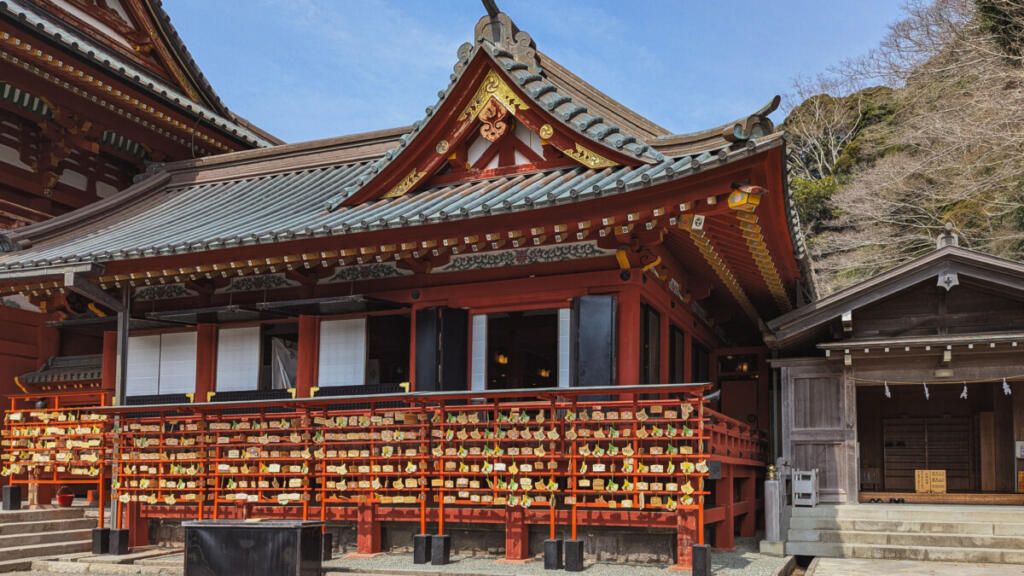
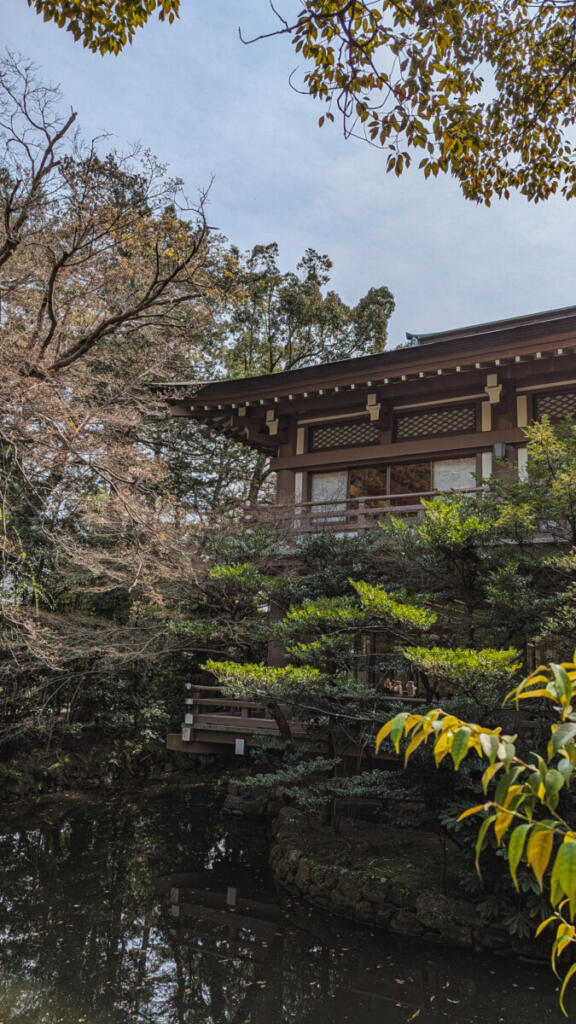
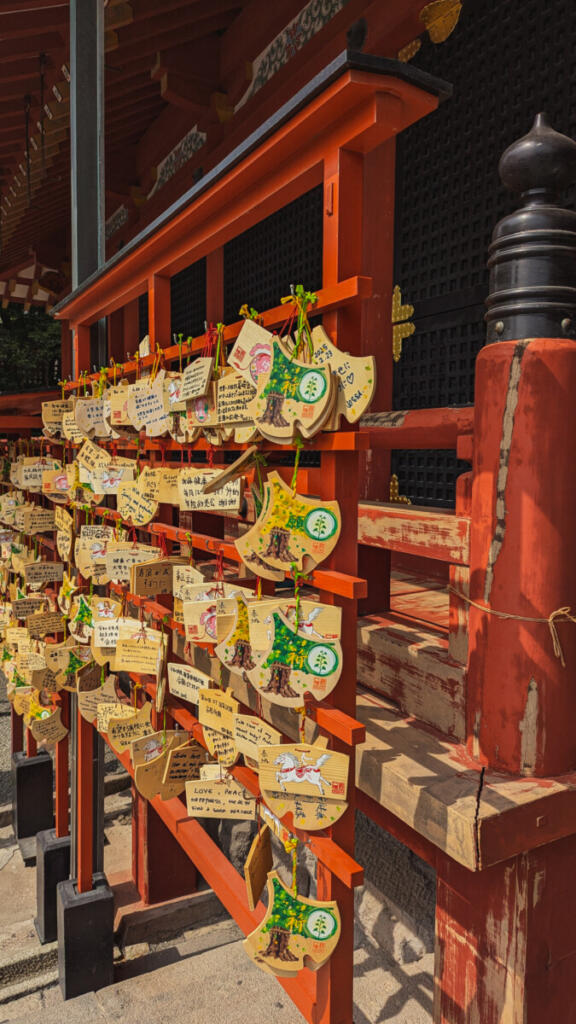
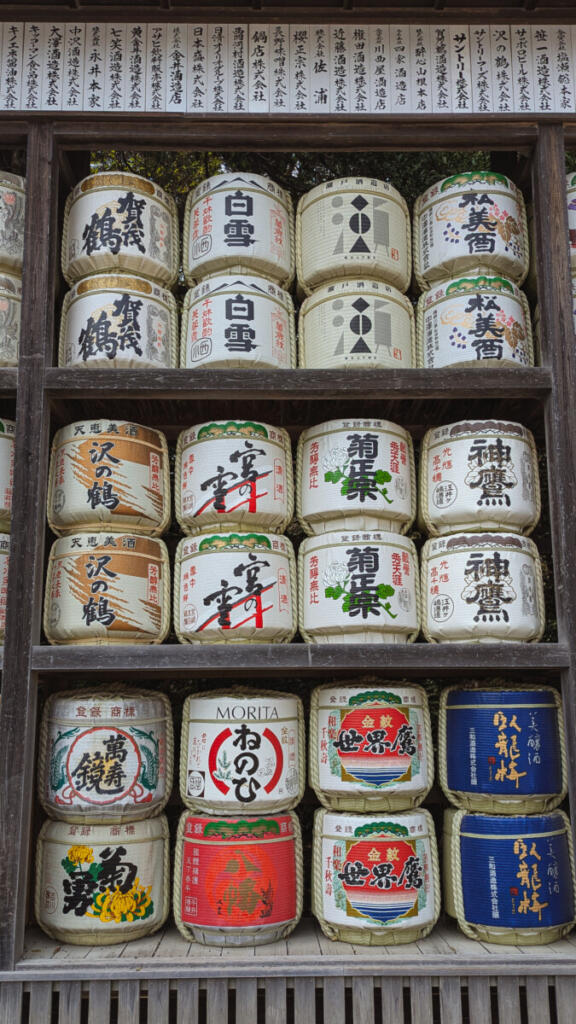
The tour lasts around forty-five minutes, but you can easily linger longer, especially in spring, when the cherry blossoms are in bloom. This is the symbolic and spiritual heart of Kamakura, a place of fervor and gathering.
Sugimoto-dera
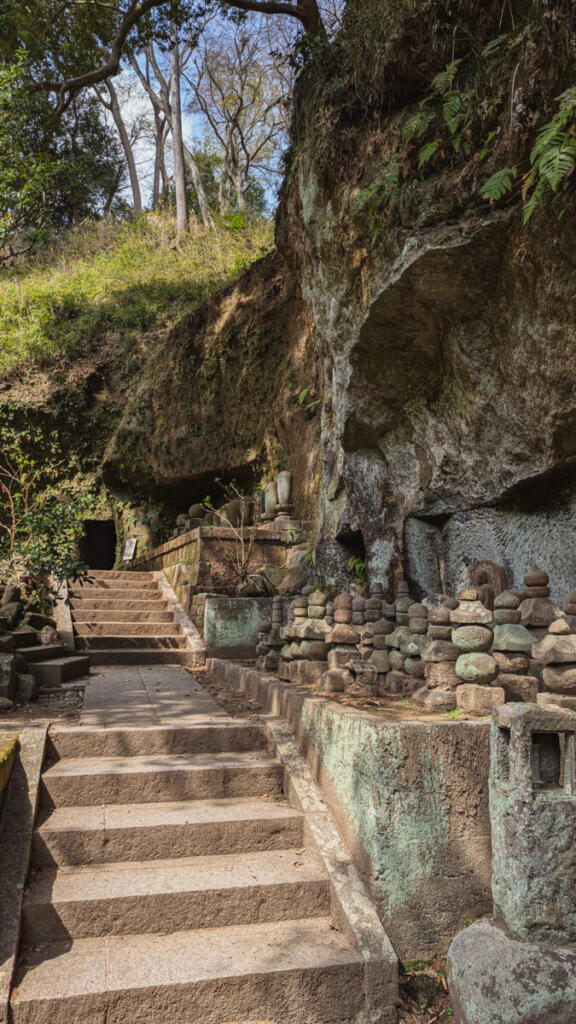
Further south, away from the busiest circuits, lies Sugimoto-dera, often considered Kamakura’s oldest temple. Founded in the VIIIᵉ century, it’s nicknamed “the moss temple” because of its verdant staircase.
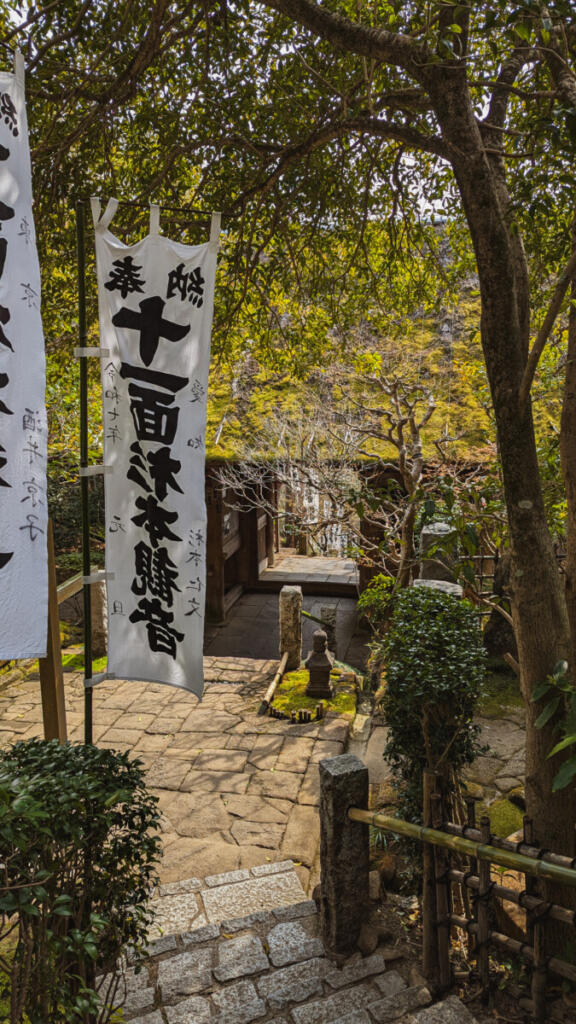
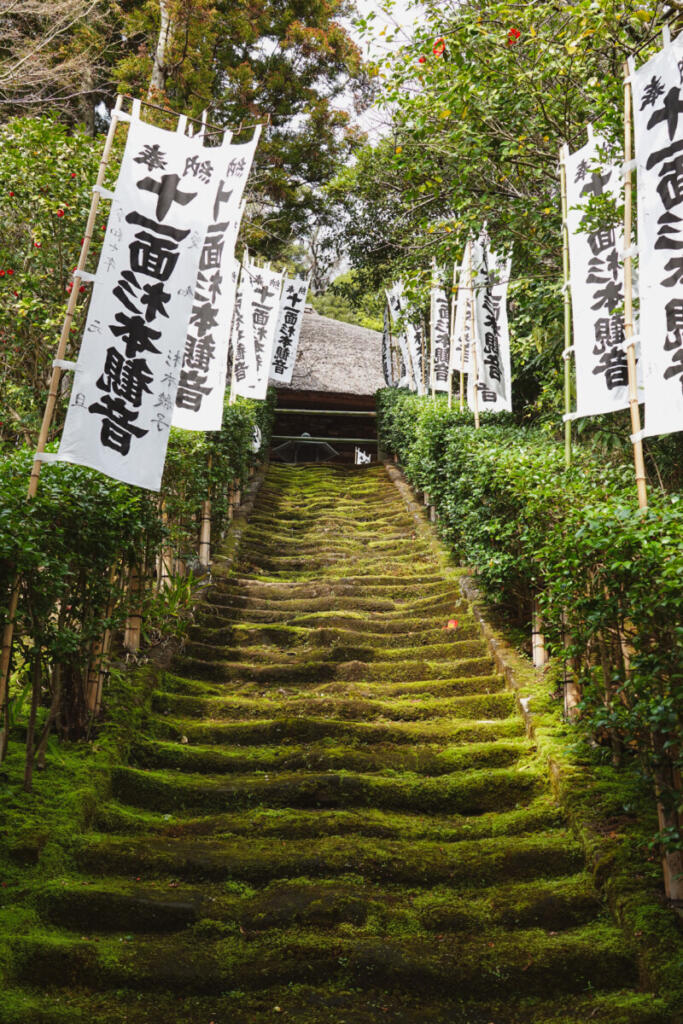
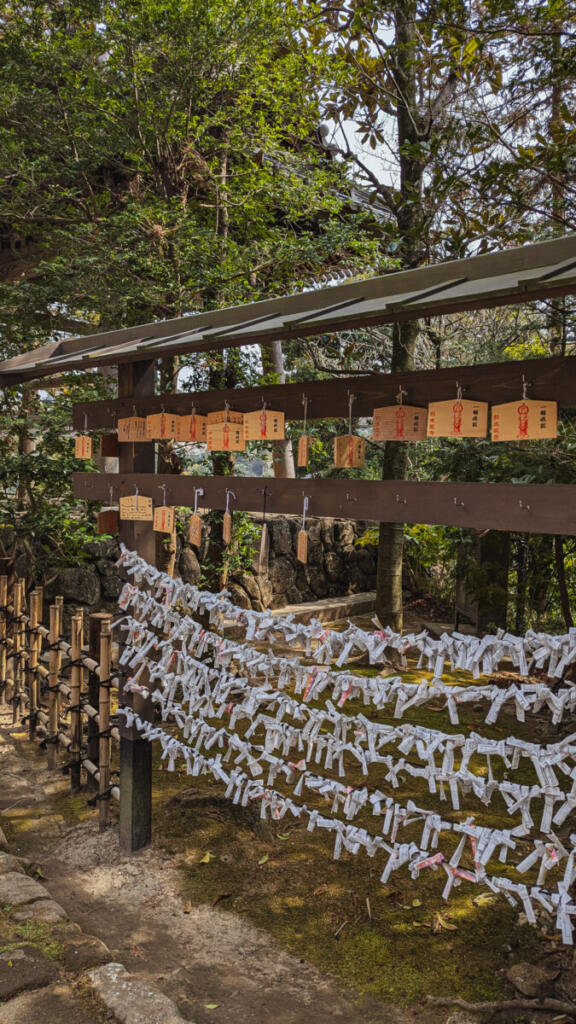
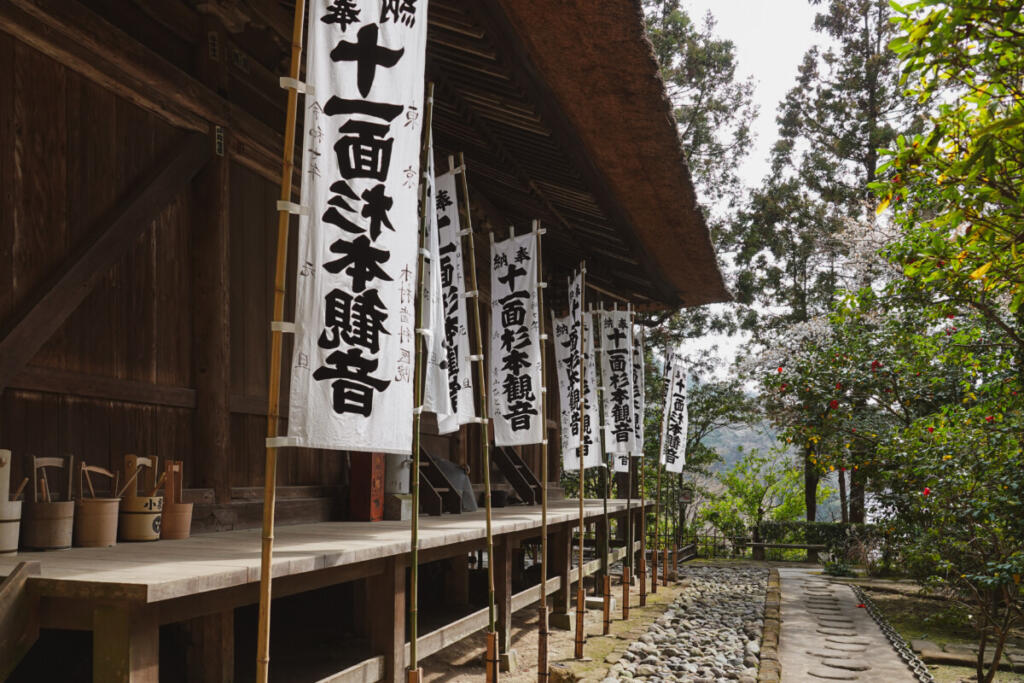
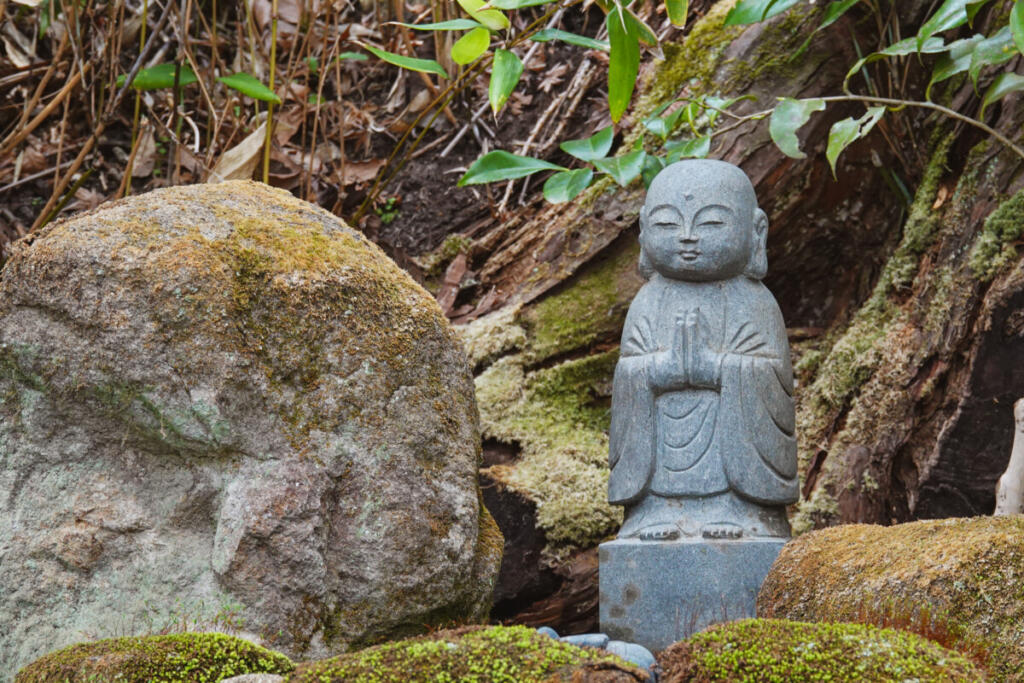
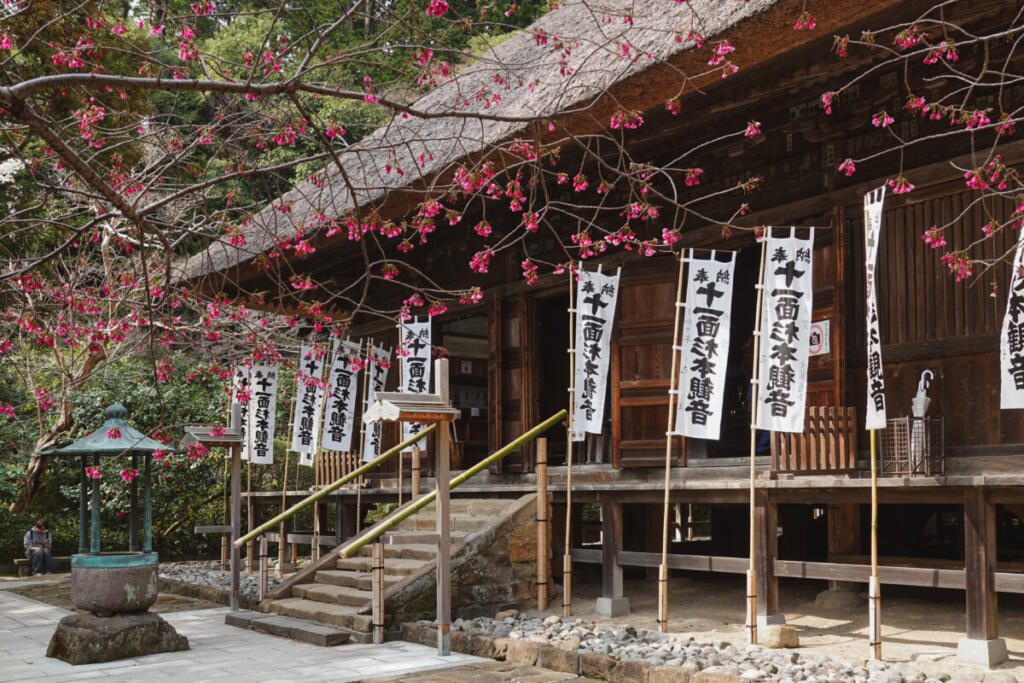
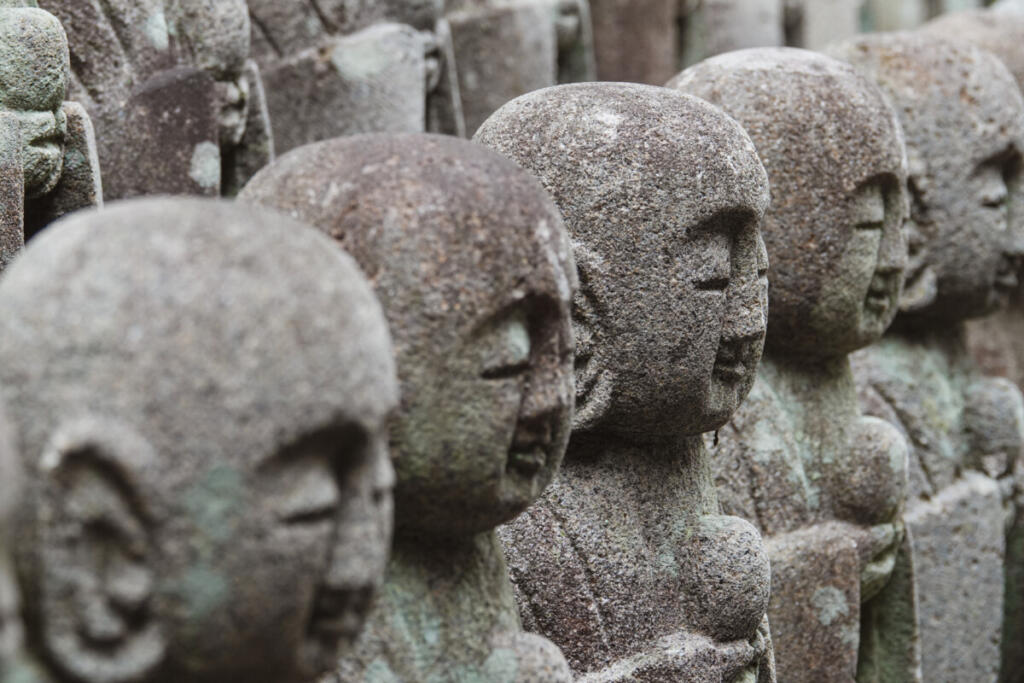
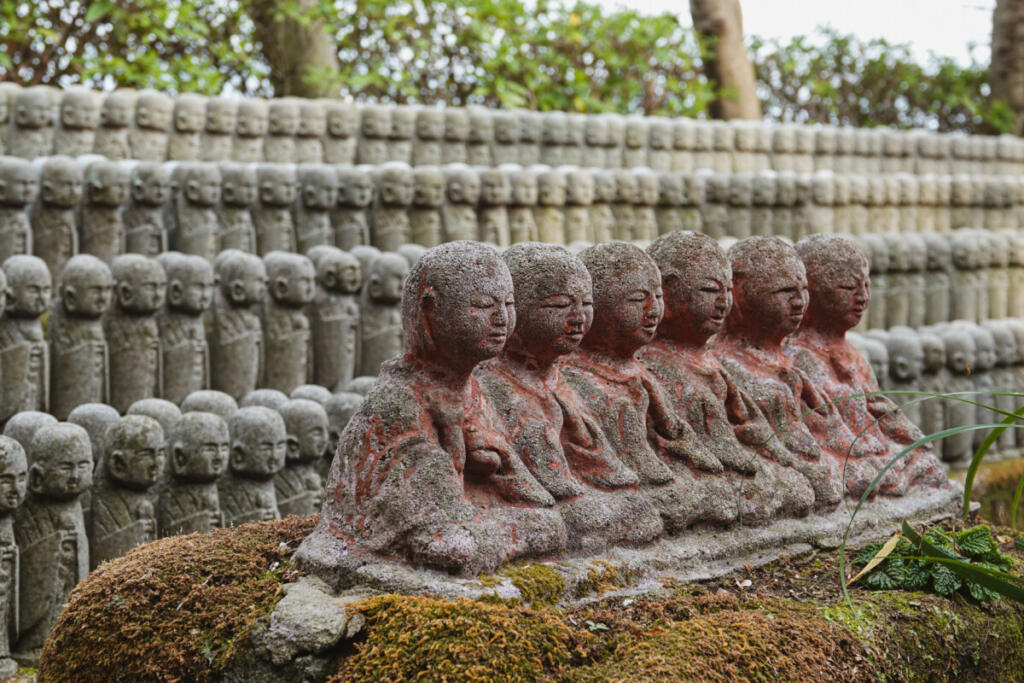
The atmosphere is deeply mystical. Ancient statues, sometimes leaning or covered in lichen, bear witness to a very ancient past. The temple can be visited in around twenty minutes, but its charm lies above all in its atmosphere: a feeling of serenity enveloped in silence.
Hōkoku-ji
Nicknamed the bamboo temple, Hōkoku-ji is one of Kamakura’s most photogenic sites. Located a little way from the center, it’s easily reached by bus from Tsurugaoka Hachimangū or on foot for the bravest.
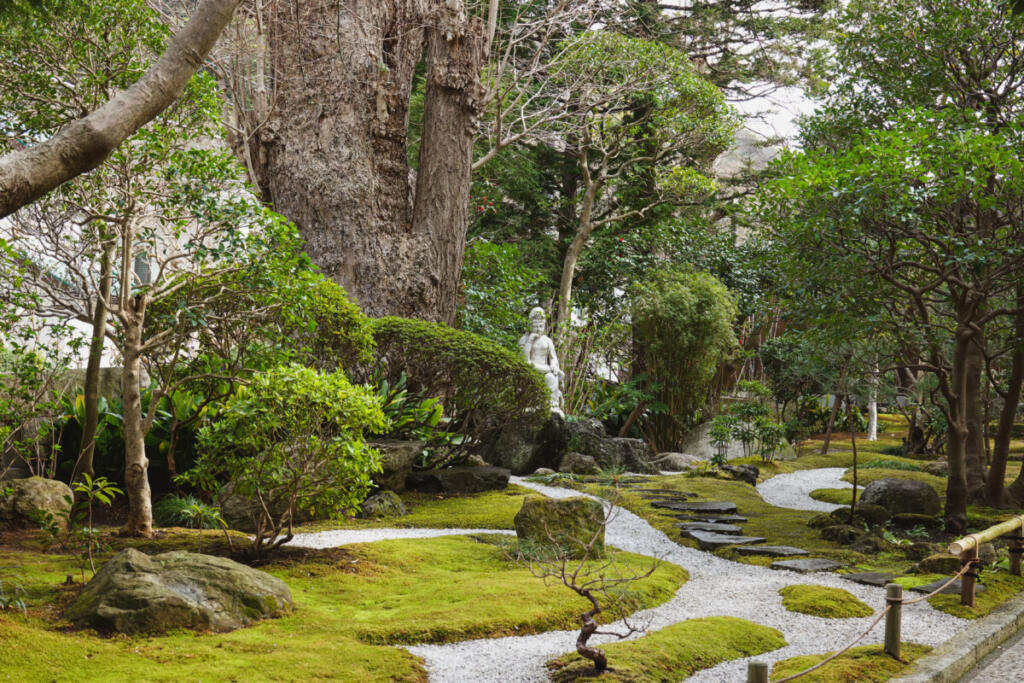
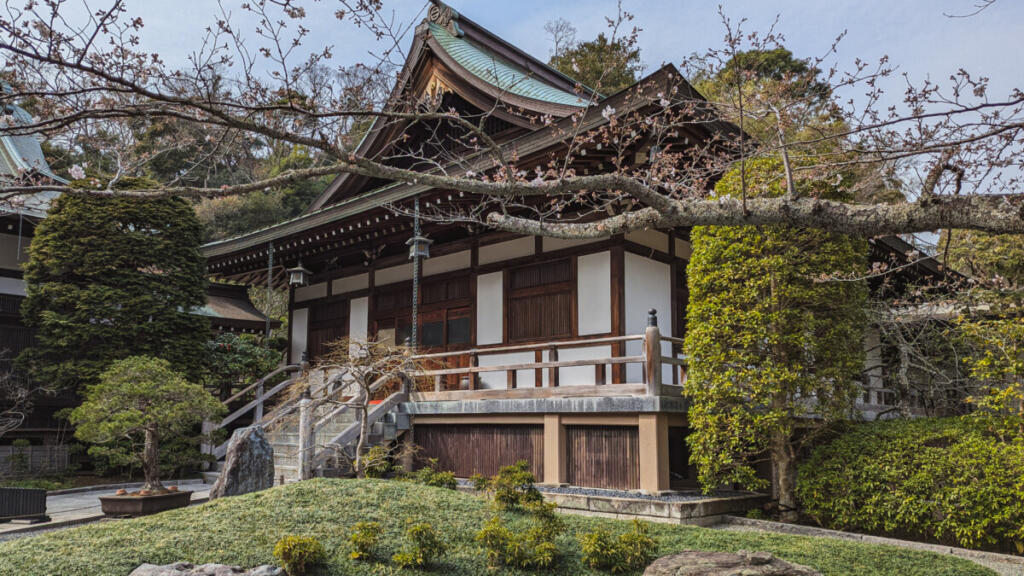
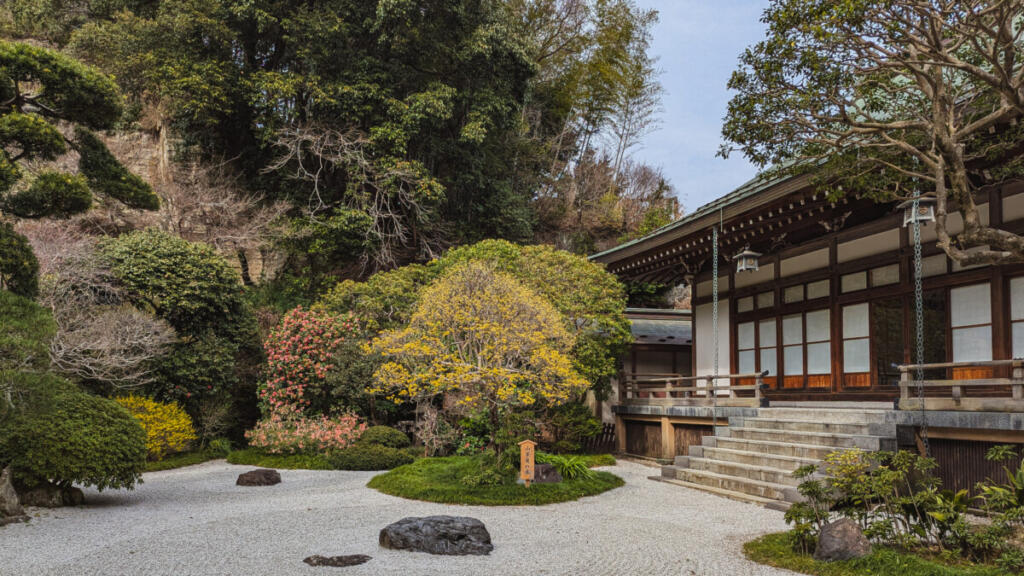
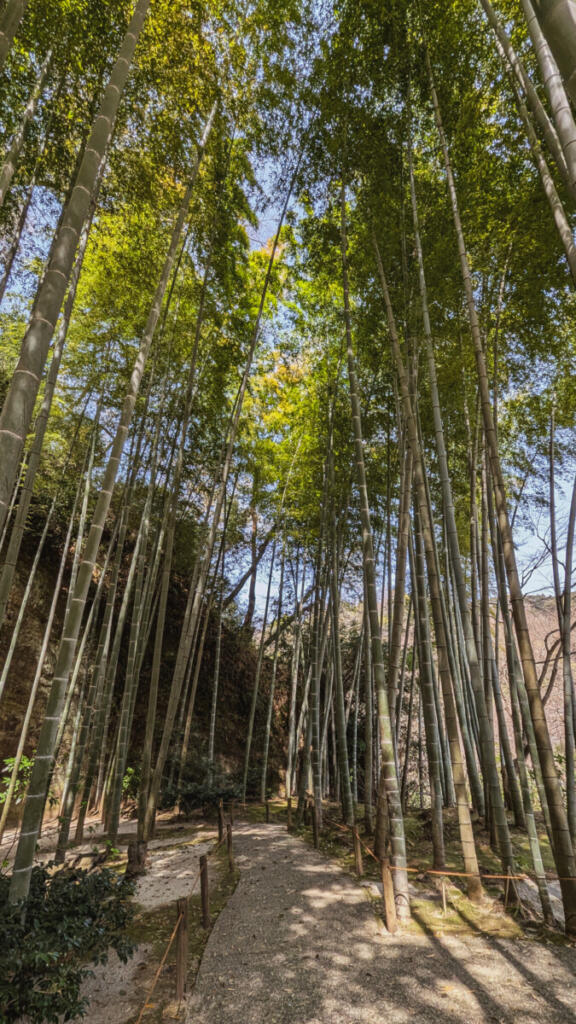
Behind the front door, a small courtyard opens onto a bamboo grove of striking beauty. The tightly-packed stems reach for the sky, letting in soft, subdued light. In a tea pavilion, you can enjoy a matcha in front of this sea of green, for a moment of absolute tranquility.
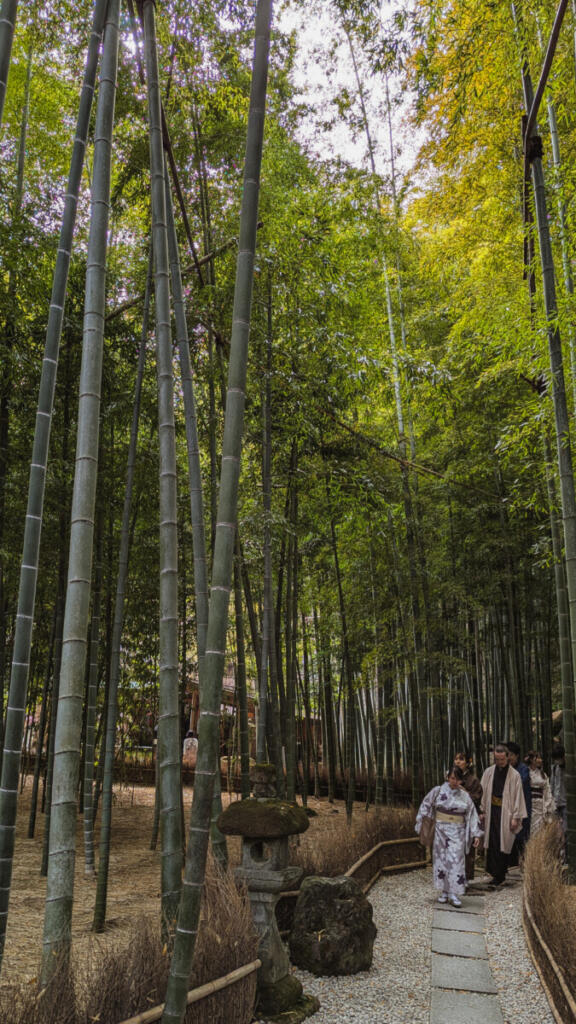
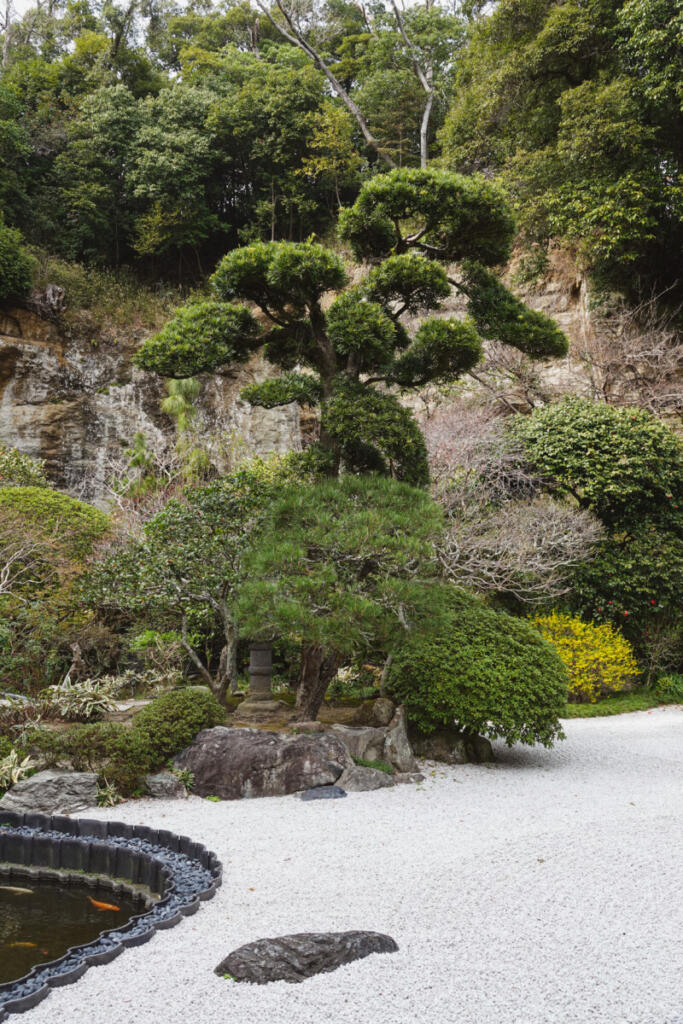
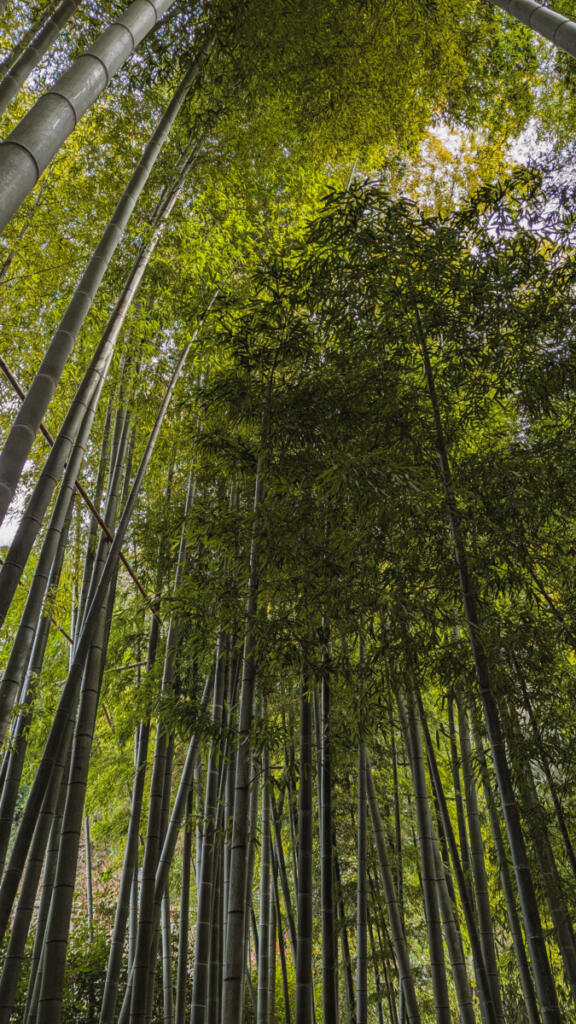
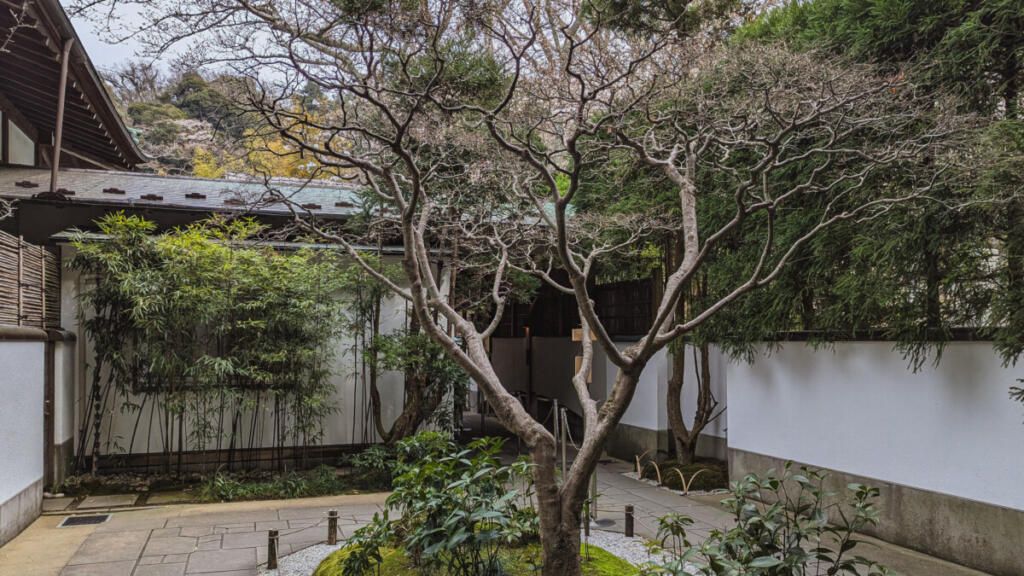
Allow around forty minutes for the complete tour. Hōkoku-ji offers a striking contrast between the rigor of the buildings and the lightness of the bamboo: a compendium of Japanese aesthetics.
Hase-dera
On the way to the coastal district of Hase, west of Kamakura, you’ll come across one of the city’s most popular temples. Hase-dera is dedicated to Kannon, goddess of compassion, whose large gilded wooden statue reaches over nine meters in height.
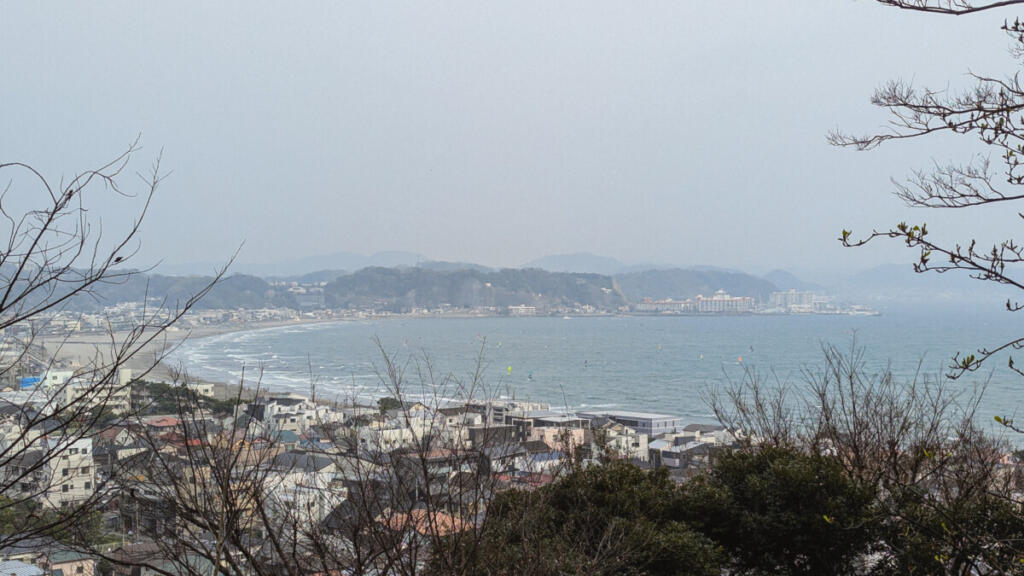
The site extends over several levels, with flower gardens, small grottoes and panoramic views over Sagami Bay. In summer, the paths are covered with multicolored hydrangeas, while in autumn, maple trees set the landscape ablaze.
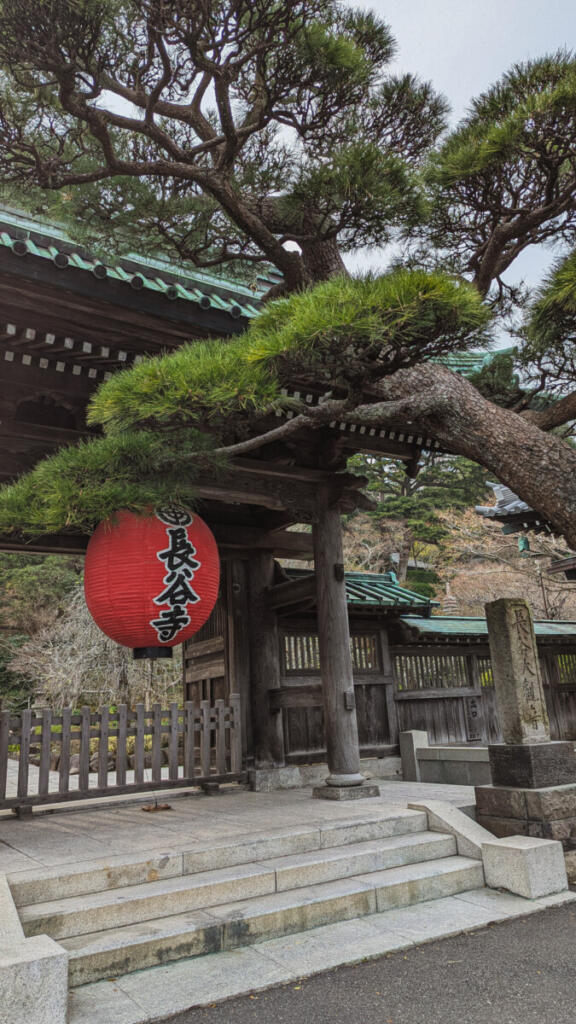
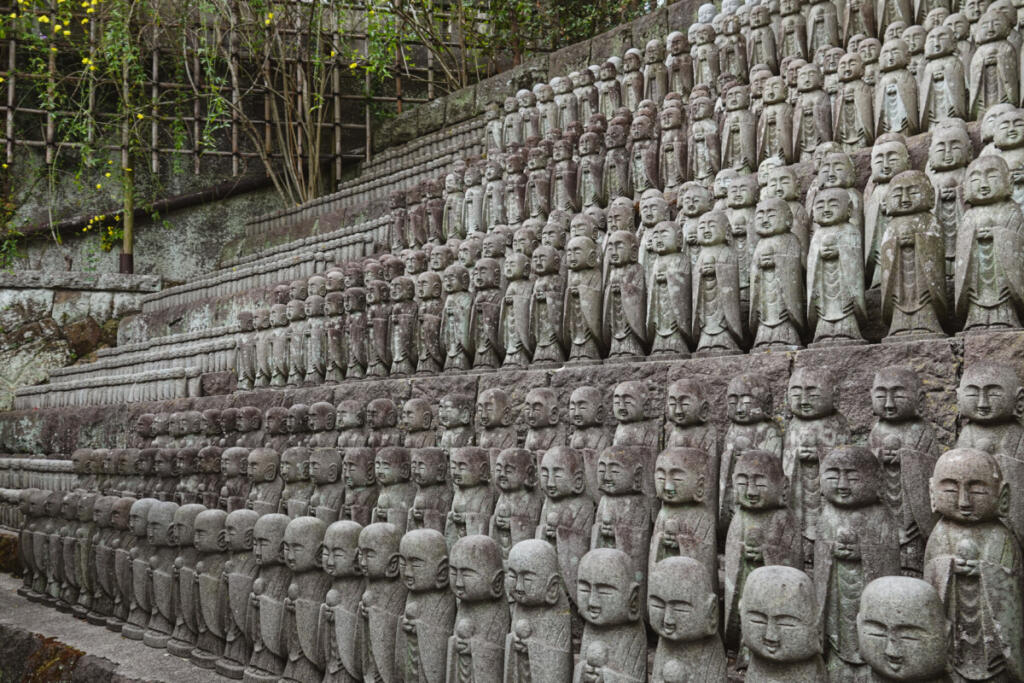
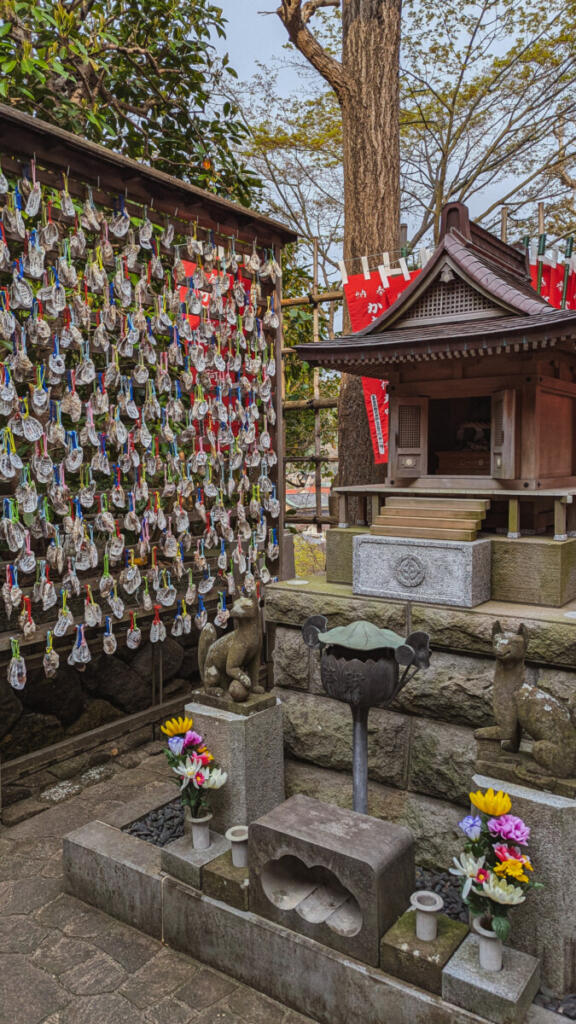
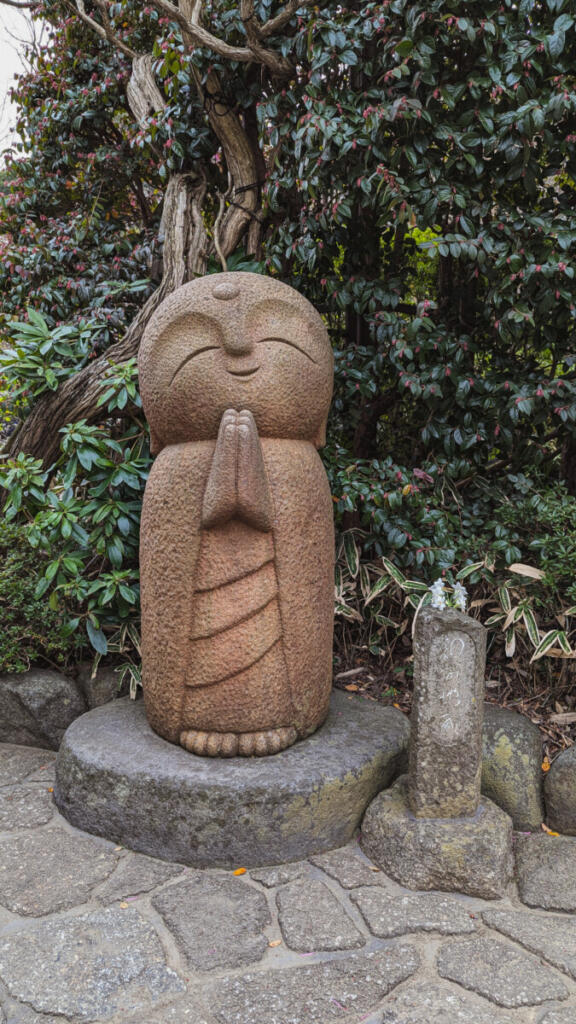
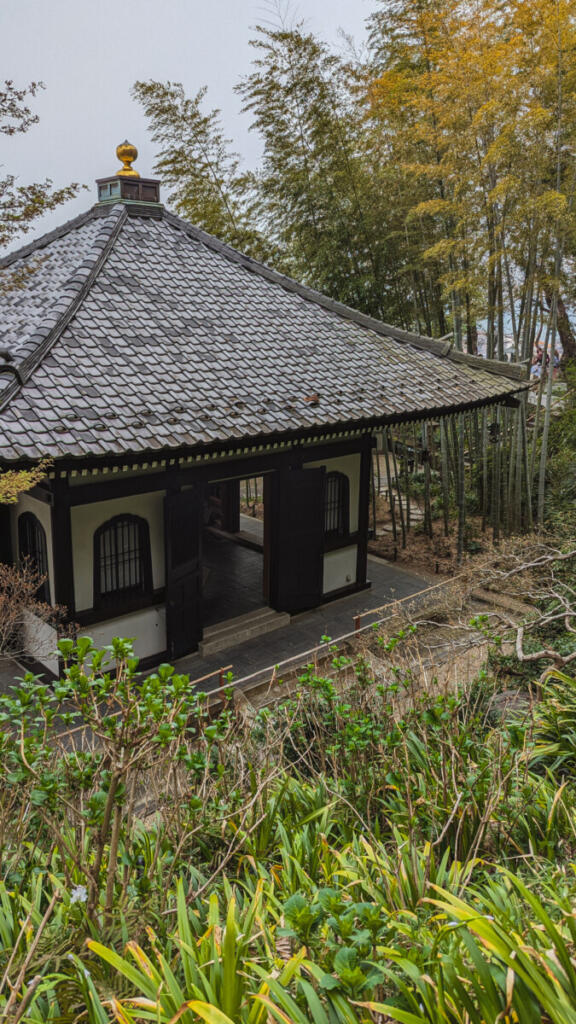
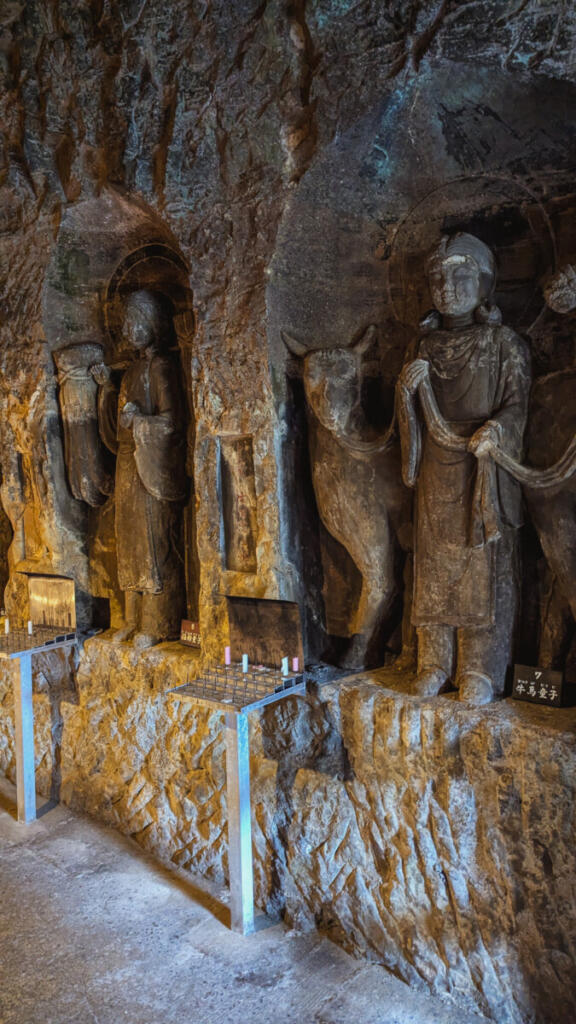
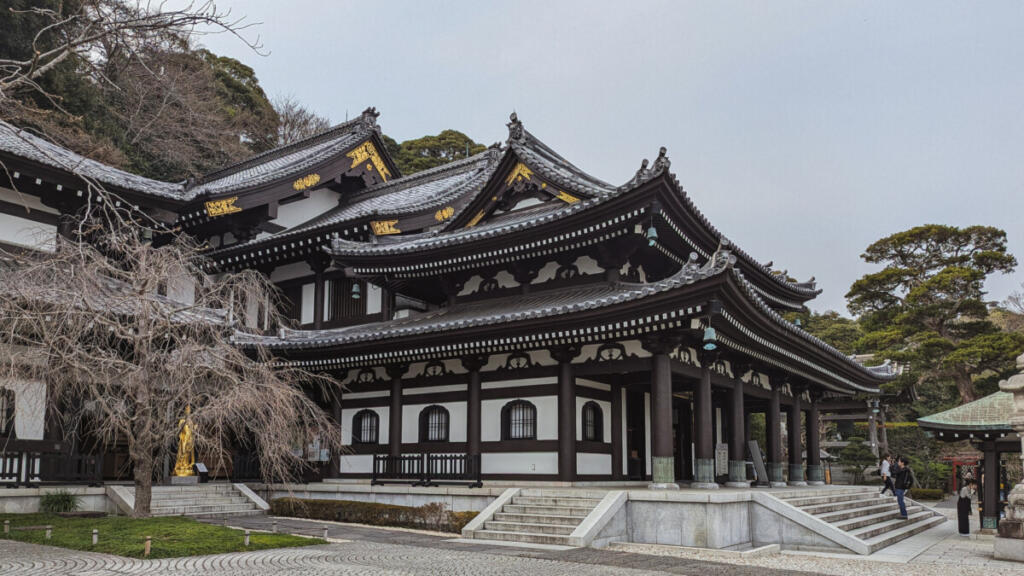
A good hour is all it takes to fully appreciate this place, which combines spiritual beauty with contemplation of nature.
Kōtoku-in
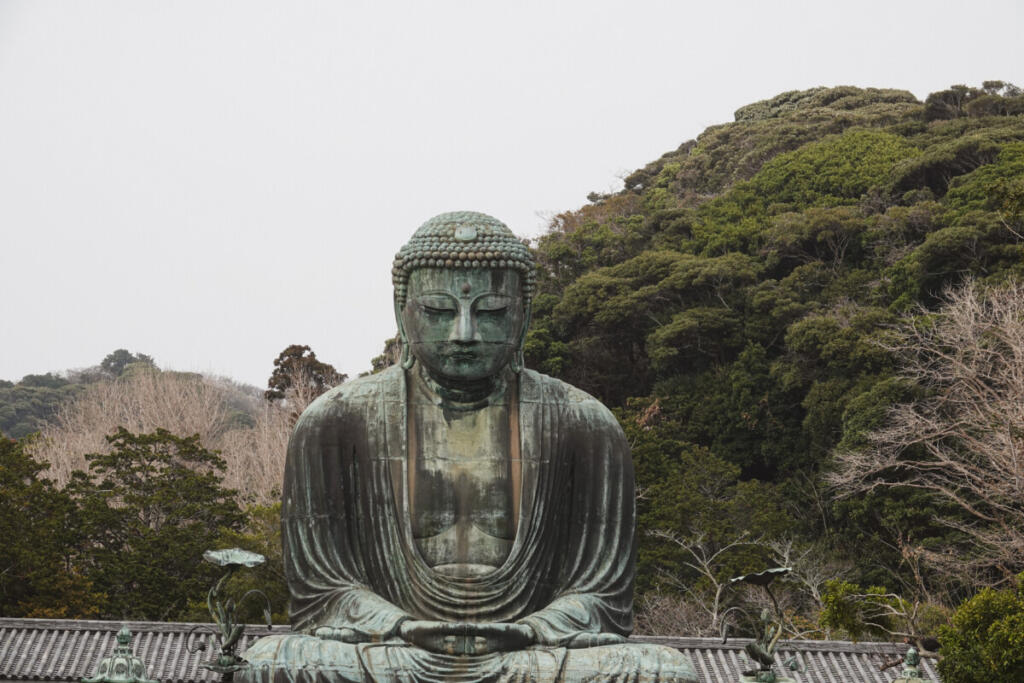
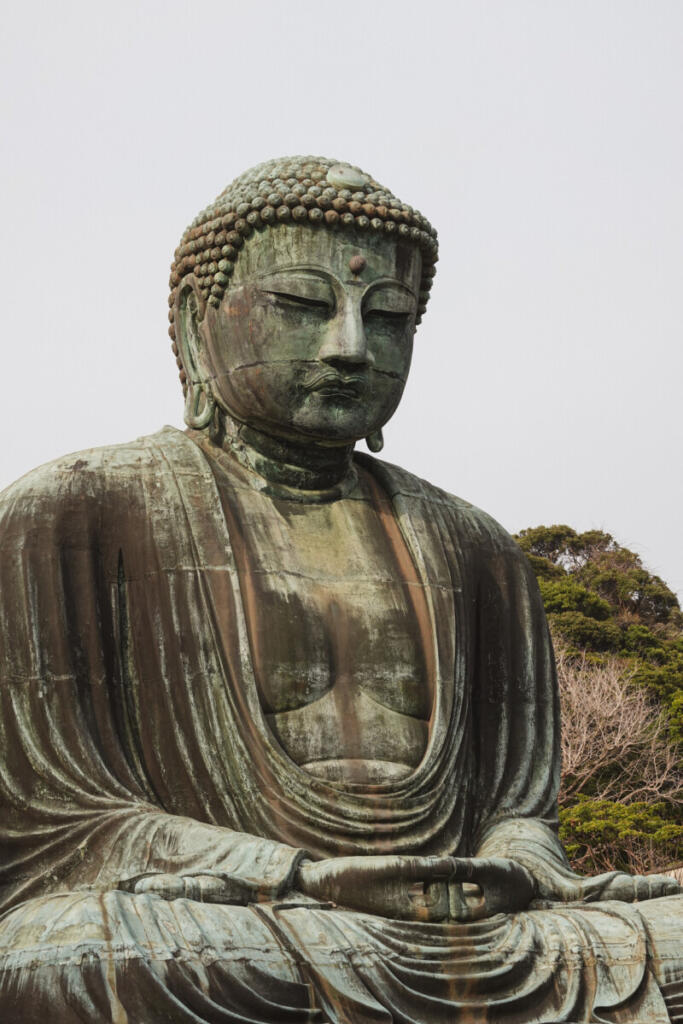
A few minutes’ walk from Hase-dera is Kōtoku-in, famous for its monumental Great Buddha of Kamakura. Sitting in the open air for over seven centuries, it measures 13.35 meters high and weighs over 120 tons.
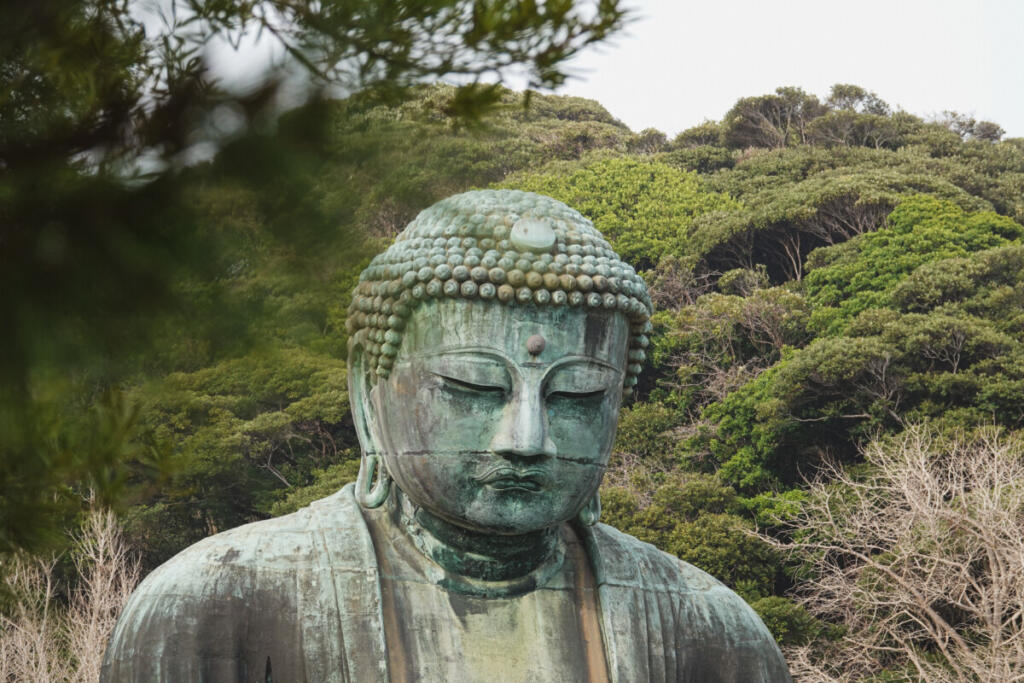
Once housed in a pavilion swept away by a tsunami in the 15th century, the Buddha is now enthroned under the sky, exposed to rain, wind and light. His peaceful, benevolent expression impresses as much as it soothes.
The visit is quick – about 30 minutes is enough – but the site leaves a strong impression. It’s the emblematic image of Kamakura, the one you see on every postcard, but whose real presence exceeds all expectations.
Kamakura is like a timeless interlude, a journey to the heart of spiritual Japan, between sea and hills. Its temples, bamboo groves and quiet lanes create a symphony of atmospheres, both soothing and inspiring. Whether you spend a day or a few days here, the city offers a wonderful introduction to the Japanese soul: a subtle balance between nature, tradition and contemplation.