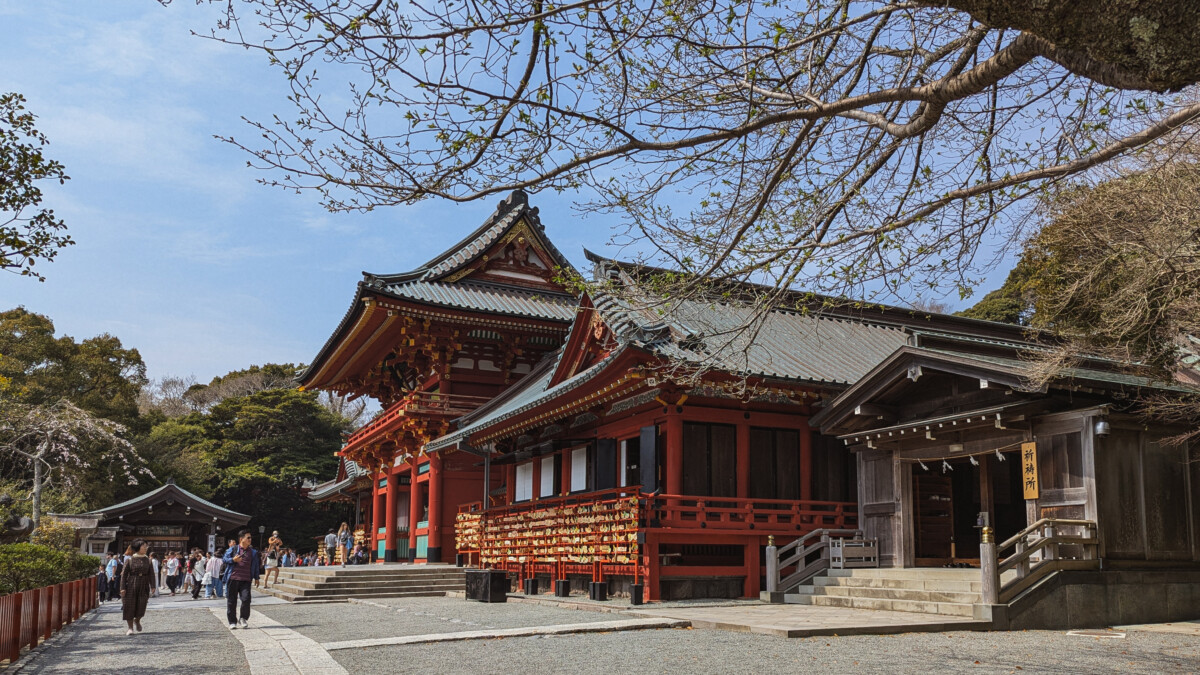
Tokyo is the very image of modern Japan: a vibrant, futuristic metropolis of contrasts. From a Shinto shrine buried in the heart of a forest to a crossroads illuminated by giant screens, from peaceful gardens to narrow alleys where neon lights compete in color. To travel to Tokyo is to plunge into a world-city, puzzling at first but fascinating as you discover it. A sprawling capital and ideal first stop on a Japan tour, Tokyo reveals, district after district, an infinite palette of atmospheres and experiences.
Sommaire de l'article
- Tokyo in a nutshell
- How to get to Tokyo
- Where to stay in Tokyo?
- What to see and do in Tokyo
- Admire Tokyo from the air
- Stroll along the cherry blossoms
- Stroll through Yanaka, the Tokyo of yesteryear
- Discover Akihabara, kingdom of pop culture
- Recharge your batteries in Ueno Park
- Walk along the Imperial Palace moat and explore Ginza
- Find serenity at Meiji-jingū Shrine
- Crossing the Shibuya Crossing
- View the Sensō-ji from Asakusa tourist center
- Day trips from Tokyo
- Practical tips for visiting Tokyo
Tokyo in a nutshell
With its 2,200km², Tokyo covers an area almost seven times larger than the Brussels-Capital Region. The city itself has over 14 million inhabitants, but if we include its entire urban area, we’re approaching 37 million residents (almost three times the population of the whole of Belgium combined!), making it the world’s largest megalopolis.
Tokyo is not a city in the classical sense, but a metropolitan prefecture made up of 23 special districts, each with its own identity: Shinjuku and its skyscrapers, Shibuya and its bustling youth, Asakusa and its more traditional charm, and Ginza and its refined elegance.
Known asEdo until 1868, Tokyo became the imperial capital during the Meiji Restoration, its name literally meaning “the capital of the East”. Ravaged by the great earthquake of 1923 and then by the bombings of the Second World War, the city was largely rebuilt, which explains its very modern face. Today, it is both the political and economic center of Japan and a mecca for culture, innovation and gastronomy.
How to get to Tokyo
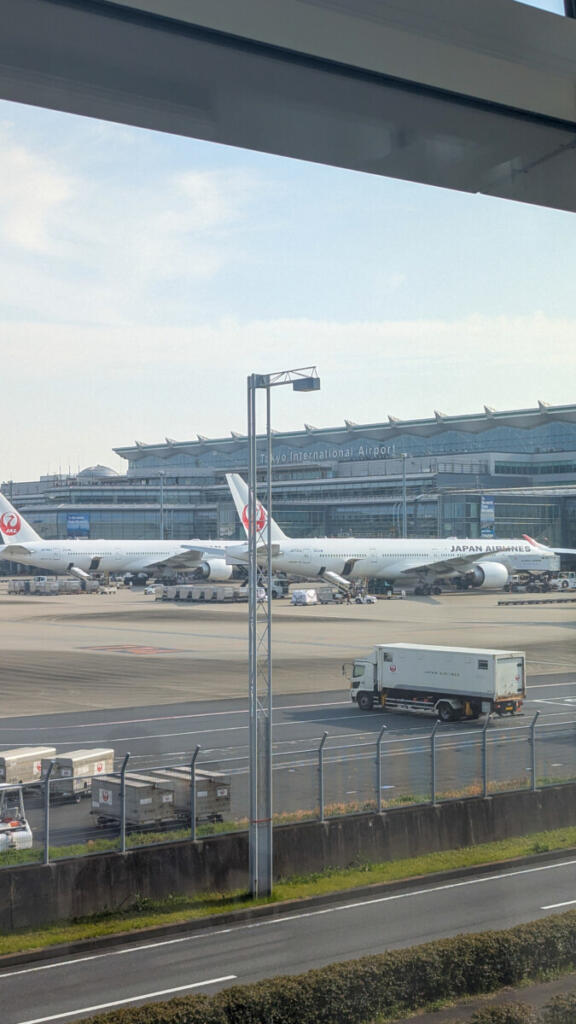
Tokyo is served by two major international airports. The most convenient is Haneda, located just twenty kilometers from the city center, which means you can quickly reach your hotel after landing. Narita, some 60 kilometers further away, is nevertheless very well connected, thanks to fast trains such as the Narita Express and the Keisei Skyliner.
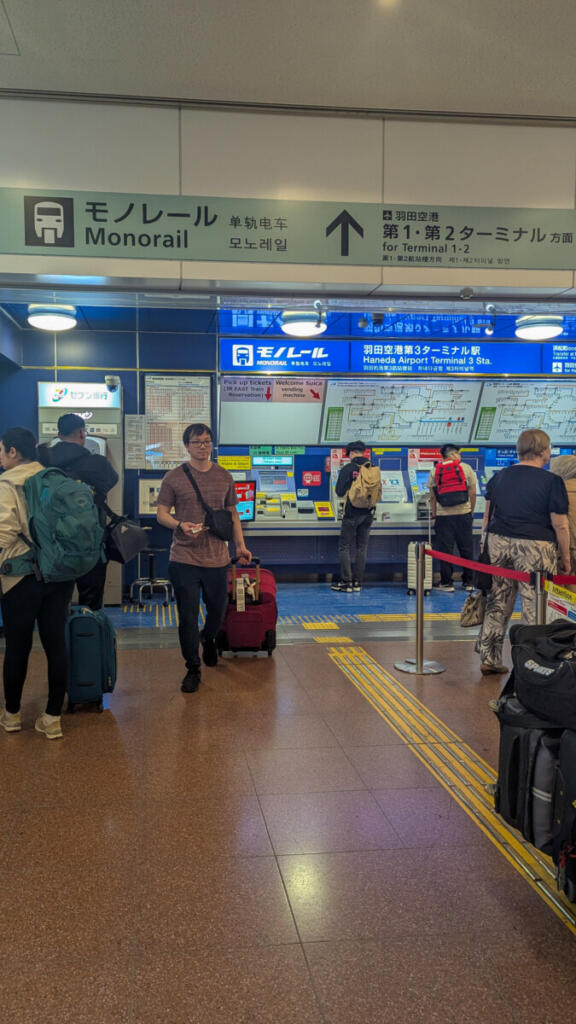
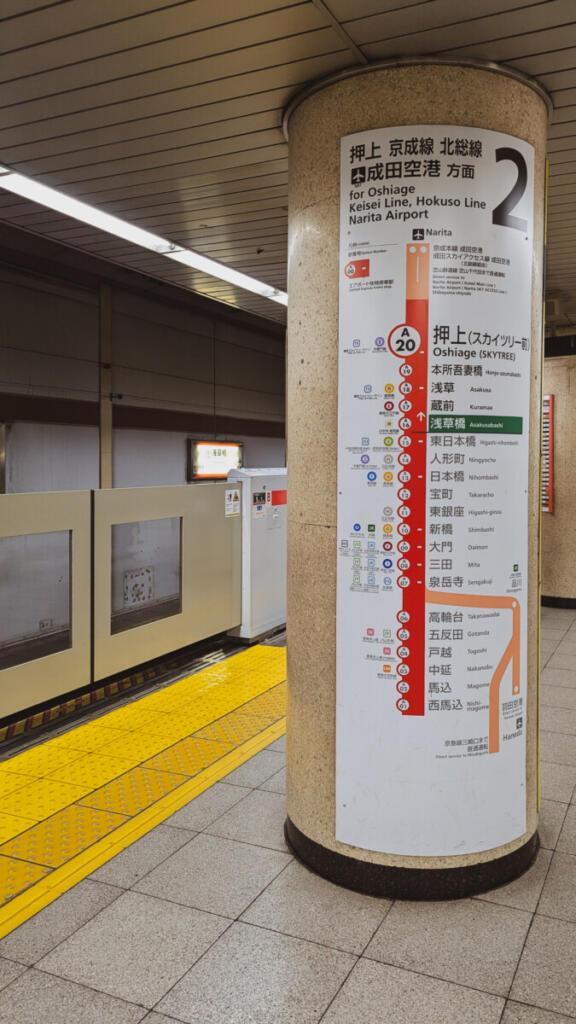
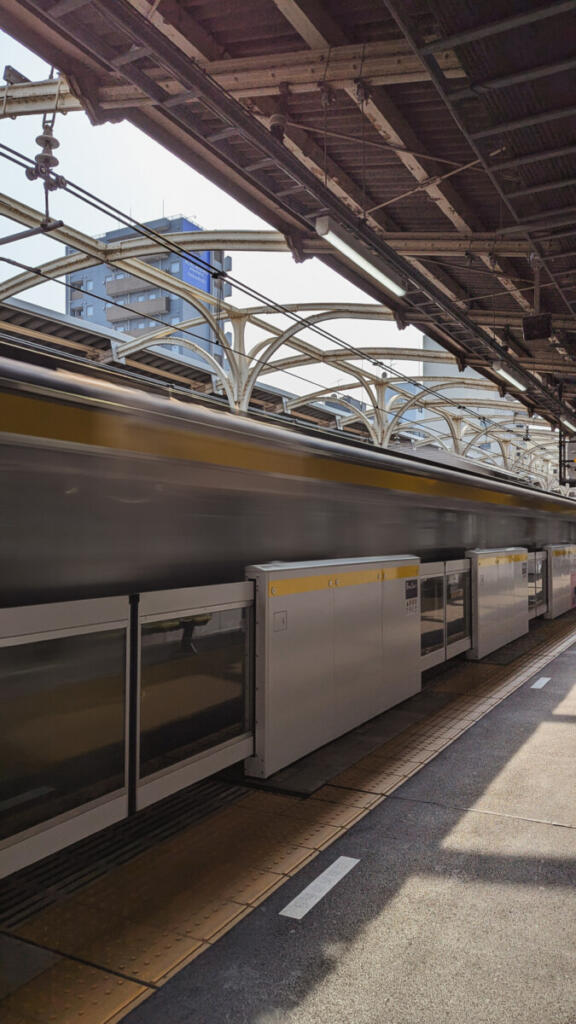
Once in the city, getting around is child’s play. The metro and urban trains form a highly efficient network, capable of covering every district without wasting any time. Rechargeable transport cards, such as the Suica or Pasmo, make it easy to travel from one line to another, and avoid the headaches of vending machines.
Where to stay in Tokyo?
Accommodation in Tokyo ranges from unusual capsule hotels to modern ryokan and large international chains. Whether you’re looking for an authentic experience or absolute comfort, the capital offers a choice to match its excess. However, the choice of district is crucial, as each one reveals a different facet of the city.
Shinjuku, practical and lively, seduces with its skyscrapers and rail connections that facilitate excursions throughout Japan. Shibuya attracts travelers in search of energy and nightlife, in the heart of modern Tokyo.
Asakusa, with its Sensō-ji temple and narrow shopping streets, has a more traditional atmosphere, while Ginza reflects elegance and refinement, ideal for a high-end stay. The quieter Ueno, with its large park and museums, is well connected to the rest of the city.
What to see and do in Tokyo
Exploring Tokyo means moving from one universe to another in just a few subway stations. The city can’t be discovered in a single glance: it can be experienced in fragments, between breathtaking panoramas, peaceful sanctuaries, lively districts and gourmet discoveries.
Admire Tokyo from the air
Seeing Tokyo from the air is an unforgettable experience. The city stretches as far as the eye can see, and on a clear day, Mount Fuji looms on the horizon like a distant promise.
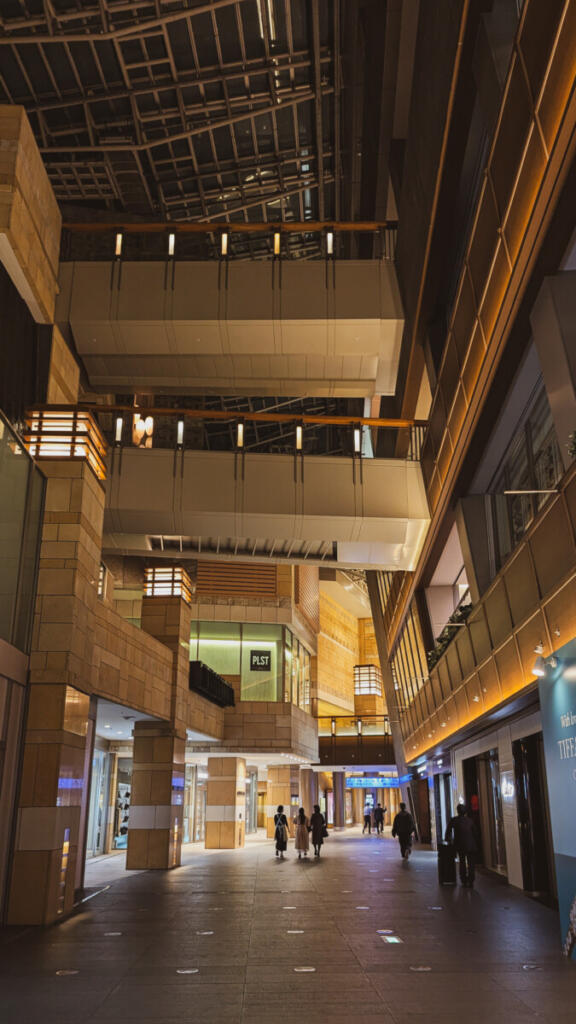
In Roppongi Hills, the Tokyo City View observatory offers a 360° panoramic view. Admission costs around 1,800 yen (just over €12), plus an additional 500 yen if you want to access the open-air Sky Deck, a spectacular experience at sunset.
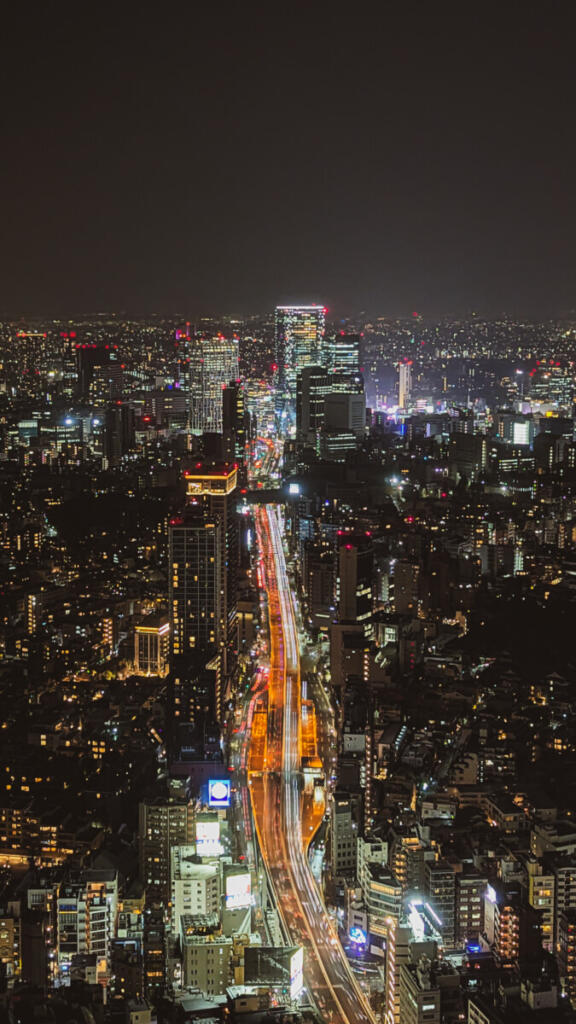
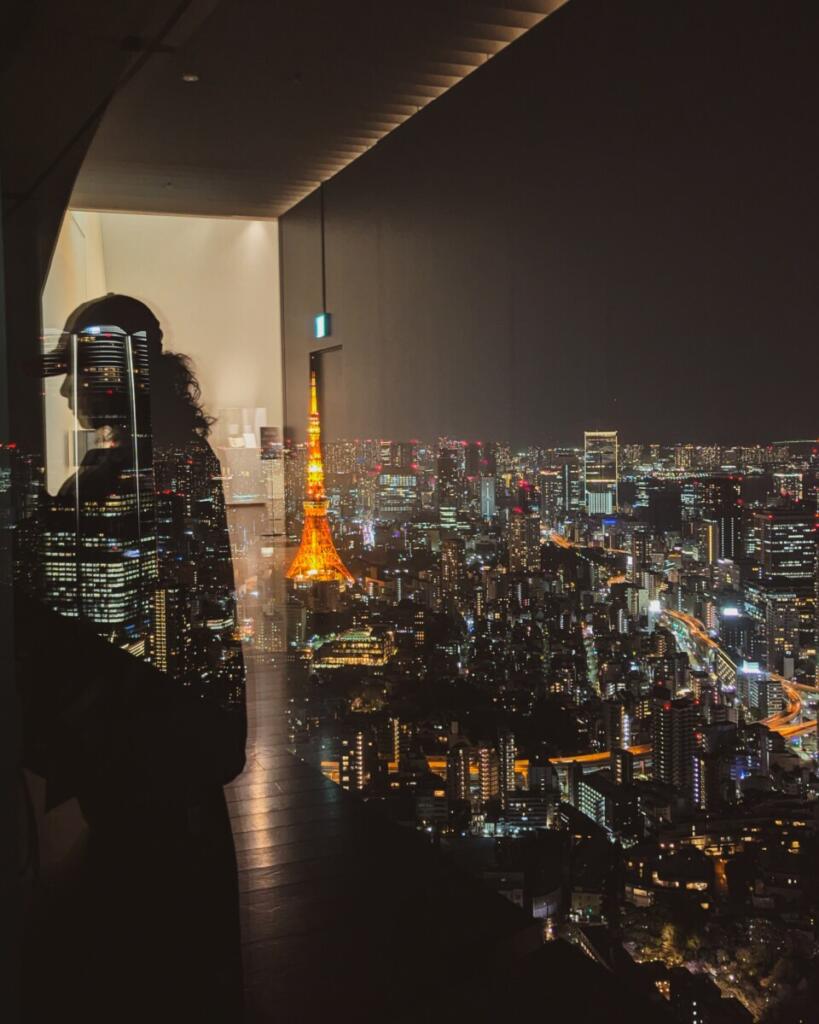
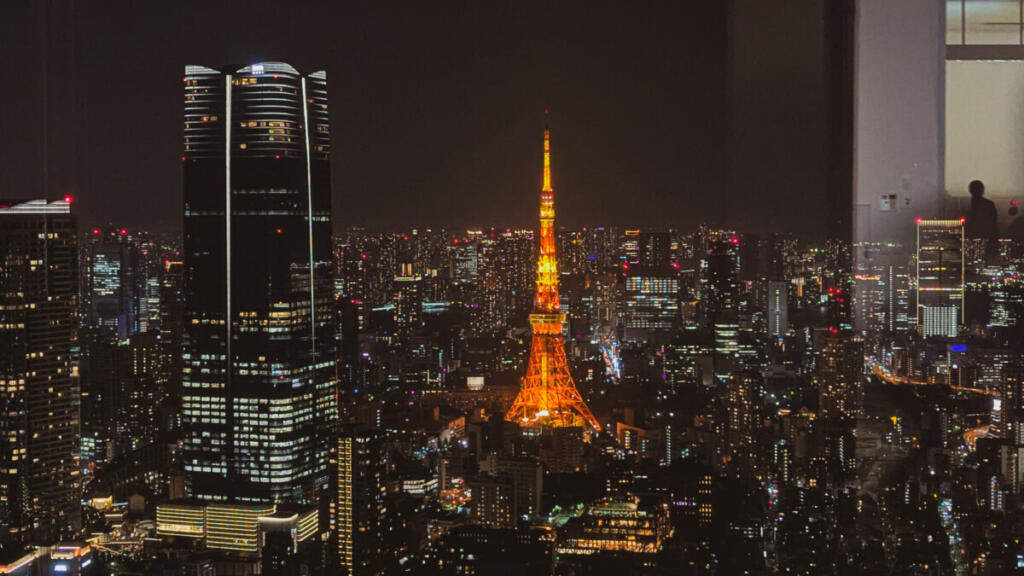
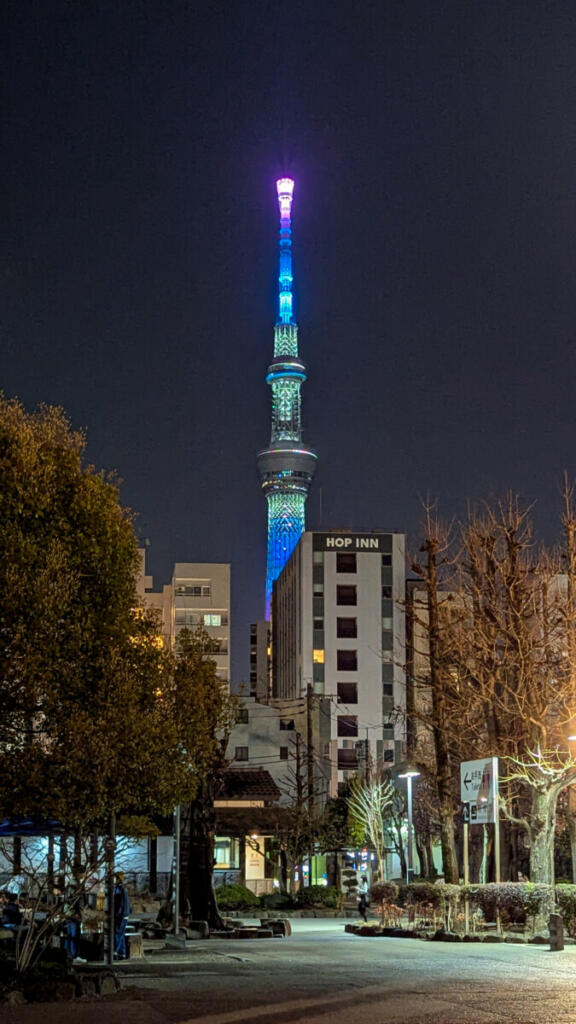
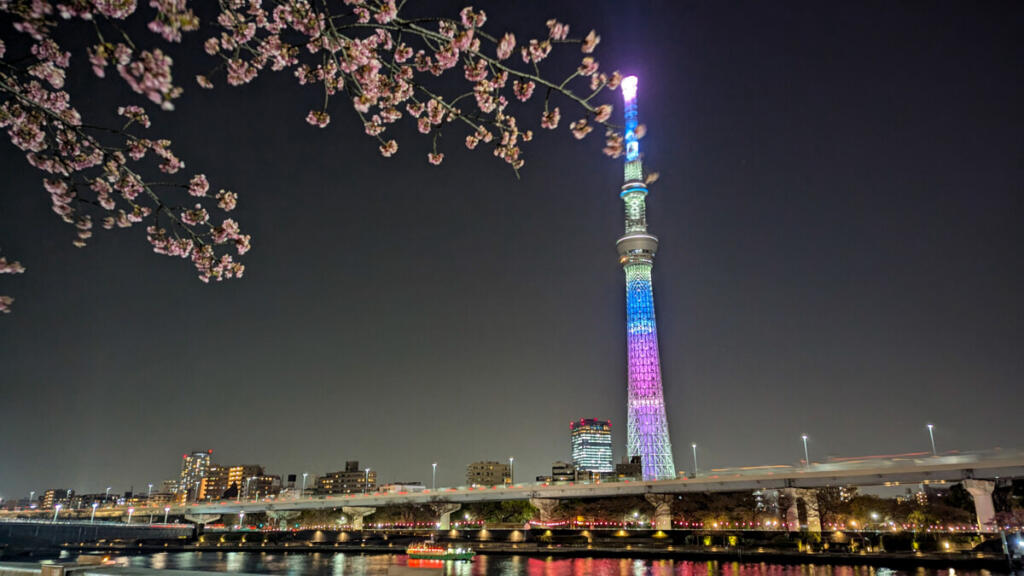
Other symbols of the capital, the Tokyo Tower and Tokyo Skytree also have observation platforms. The Skytree, Japan’s tallest tower at 634 meters, dominates the entire metropolis and remains one of the most impressive spots, even if it costs more.
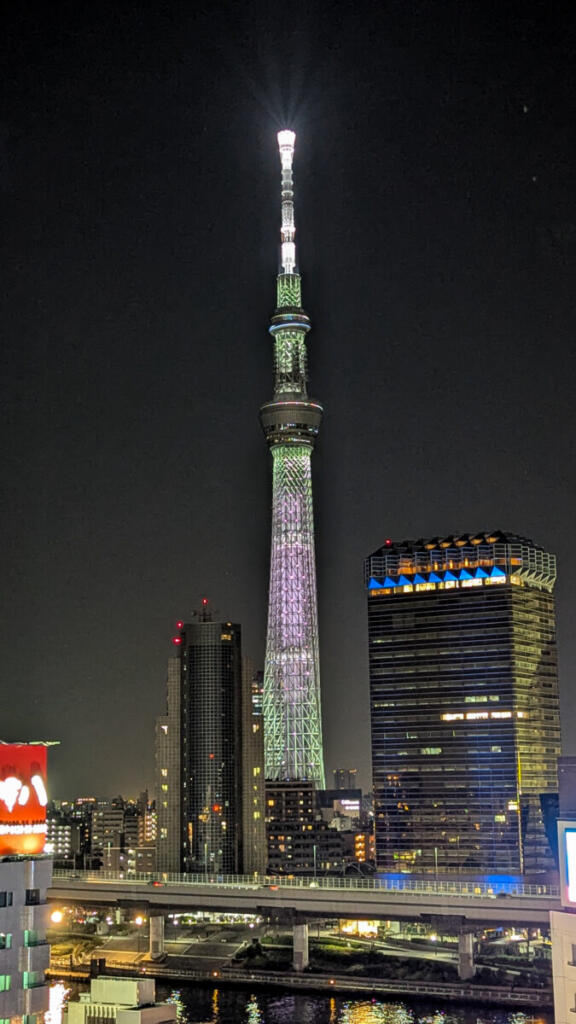
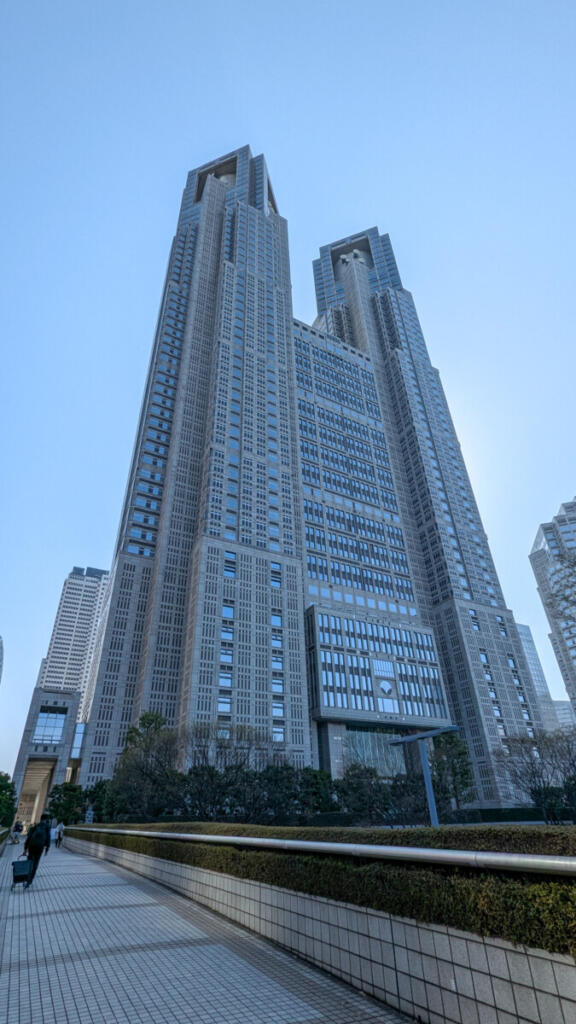
For a free panorama, the Bunkyō Civic Center is an excellent option. Early in the morning, with the sun at your back, the view of Mount Fuji is particularly clear. The Tokyo Metropolitan Government Building, in the Shinjuku district, also offers a free observatory over 200 meters high.
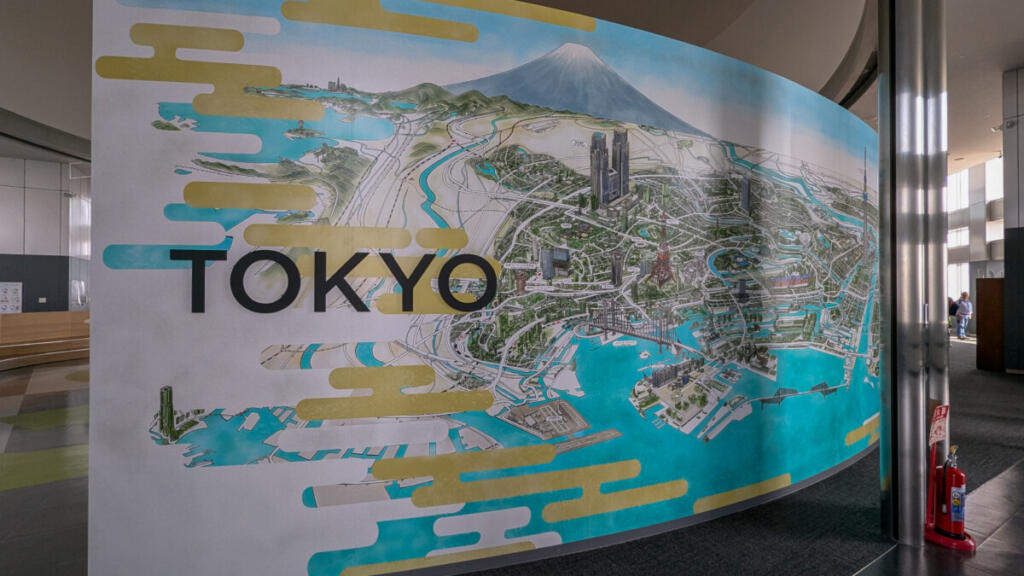
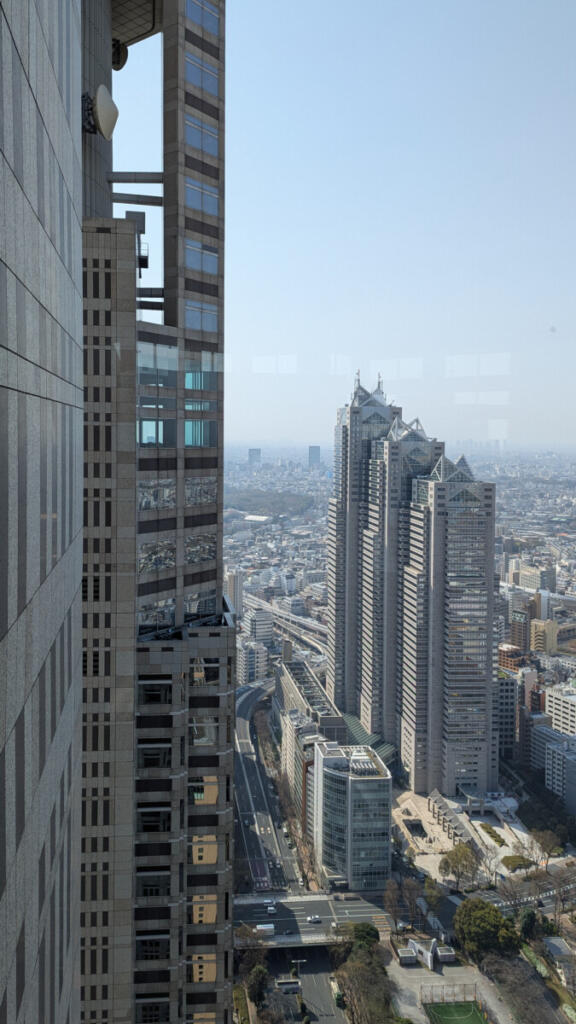
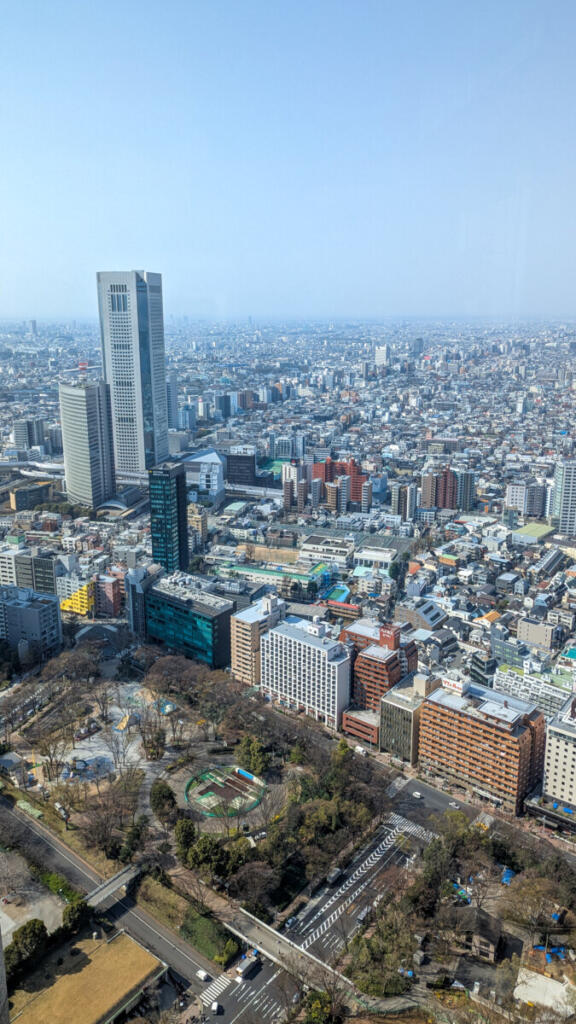
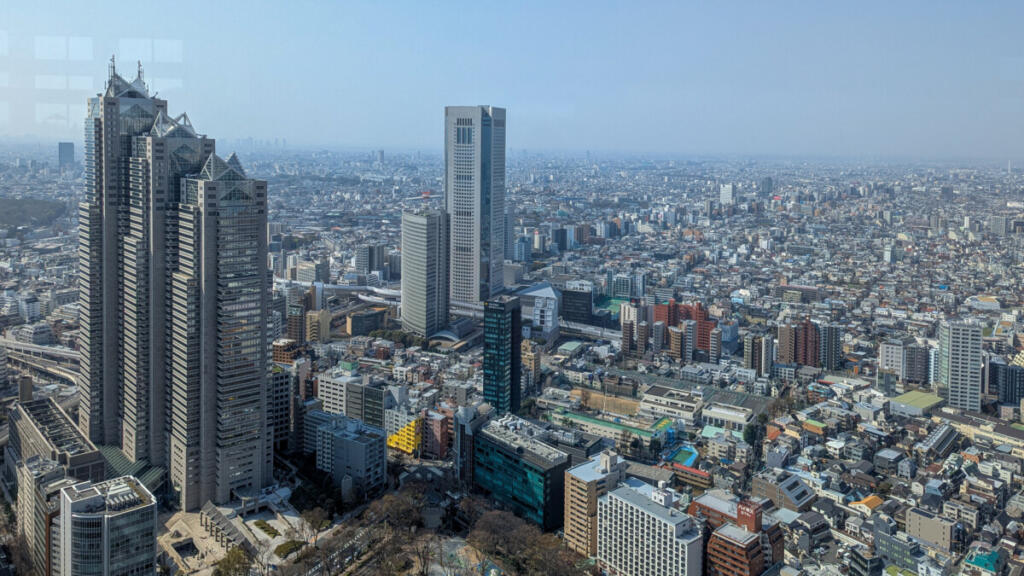
And for the ultimate experience, you can even fly over Tokyo in a helicopter, for as little as a hundred euros. It’s a unique way to measure the immensity of the megalopolis and engrave this vision forever in your memory.
Stroll along the cherry blossoms
In spring, Tokyo lights up in pink and white during the cherry blossom season. Among the most beautiful walks, the Meguro River Cherry Blossoms Promenade is a must: the branches join above the river to create a magical tunnel of flowers, particularly magical at dusk, when the lanterns light up.
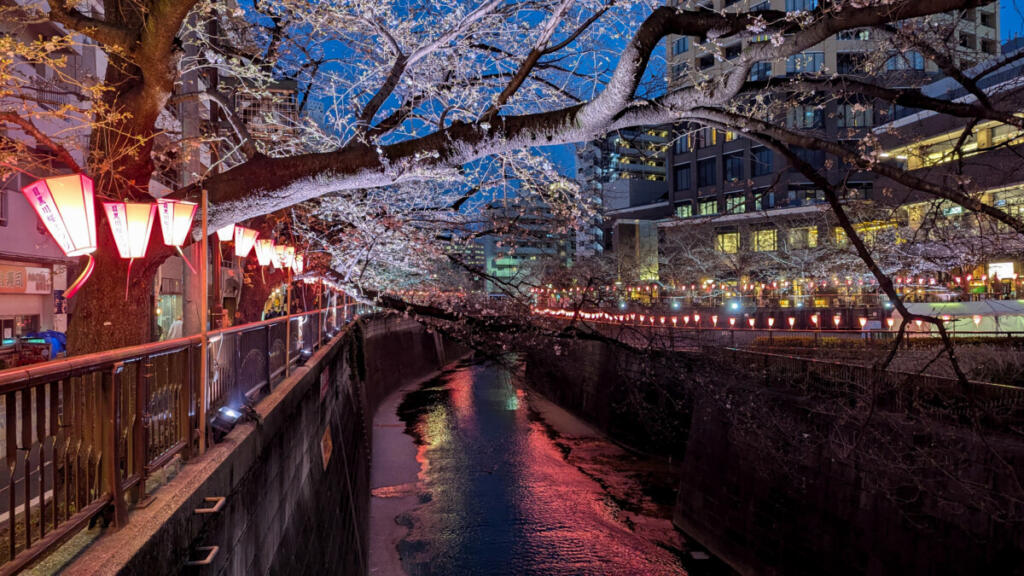
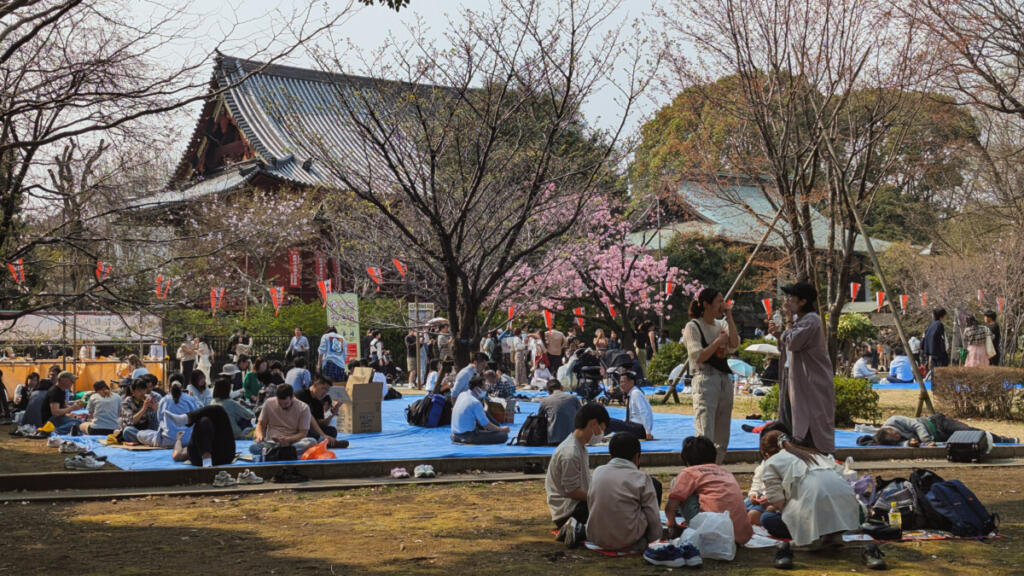
Other famous sites offer equally spectacular views, such as Ueno Park, the Chidorigafuchi near the Imperial Palace, or Shinjuku Gyoen, a veritable haven of greenery in the heart of the city.
Stroll through Yanaka, the Tokyo of yesteryear
The Yanaka district escaped the destruction of the war and retains a timeless atmosphere. Its narrow streets lined with low-slung houses, small shrines and handicraft stores offer a glimpse into the Tokyo of yesteryear.
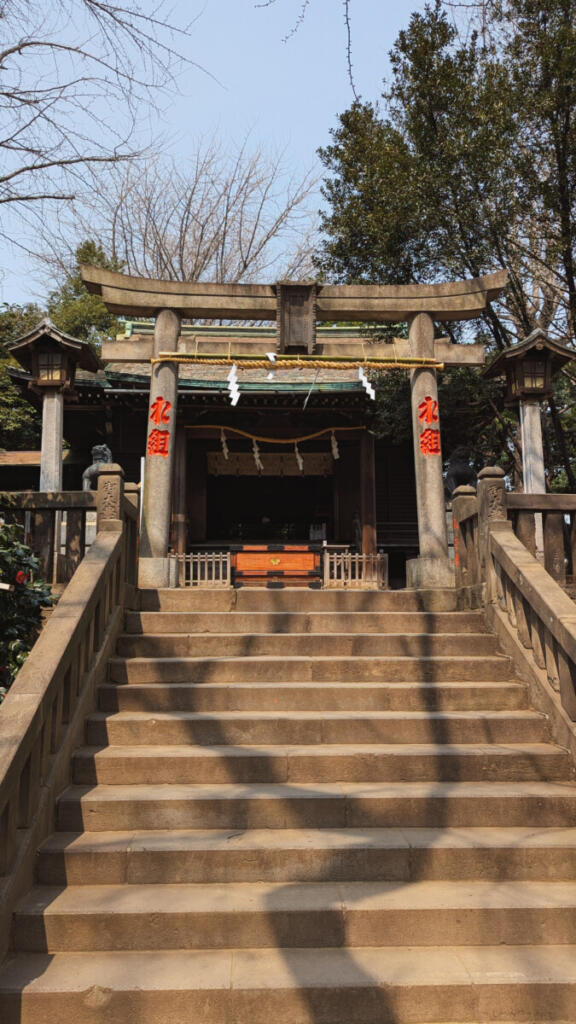
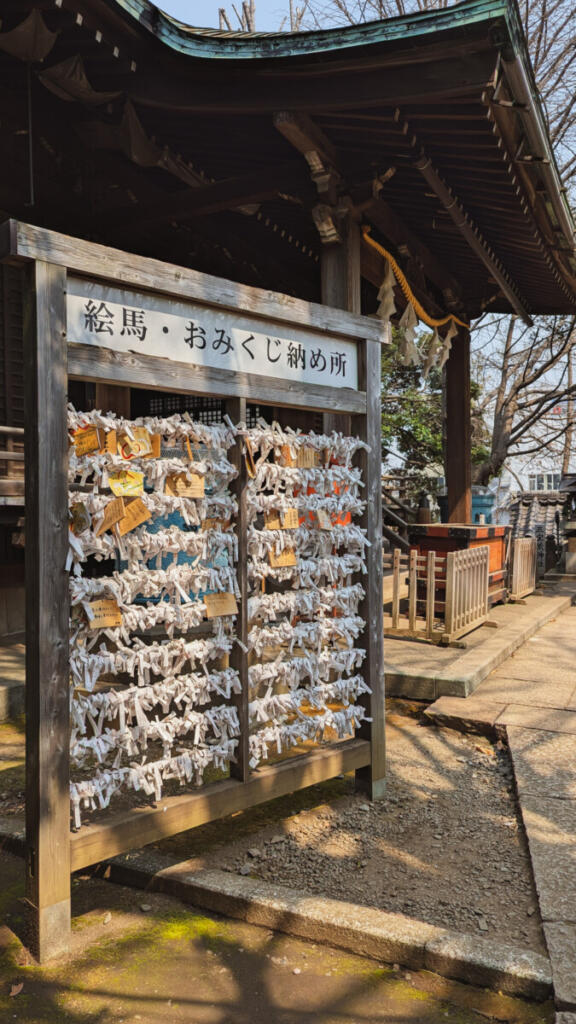
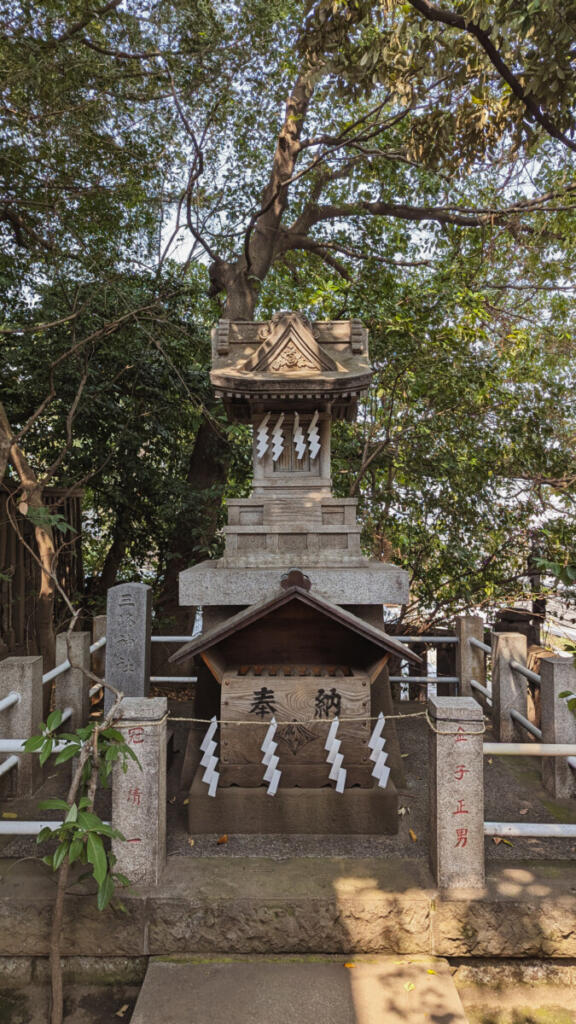
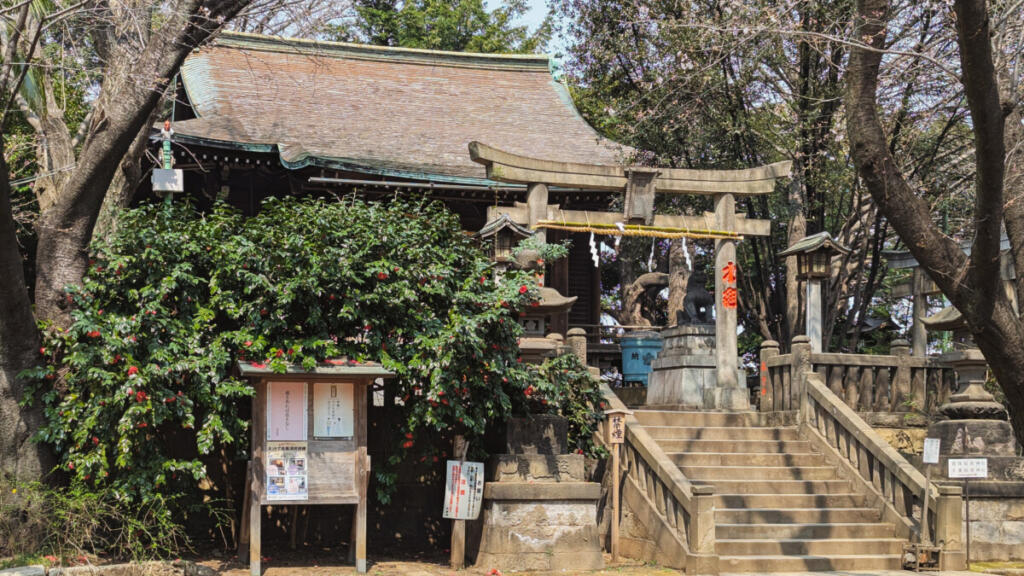
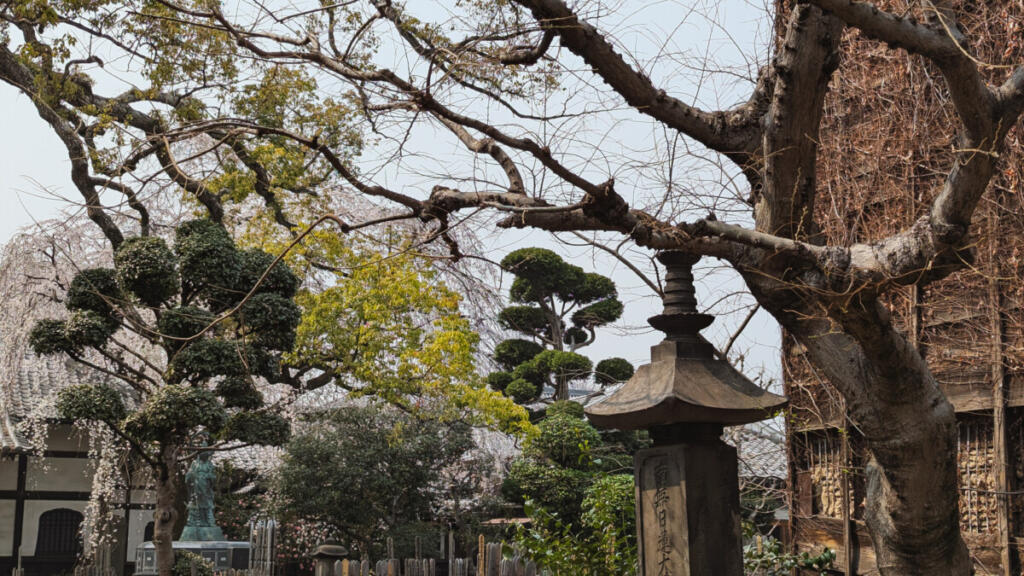
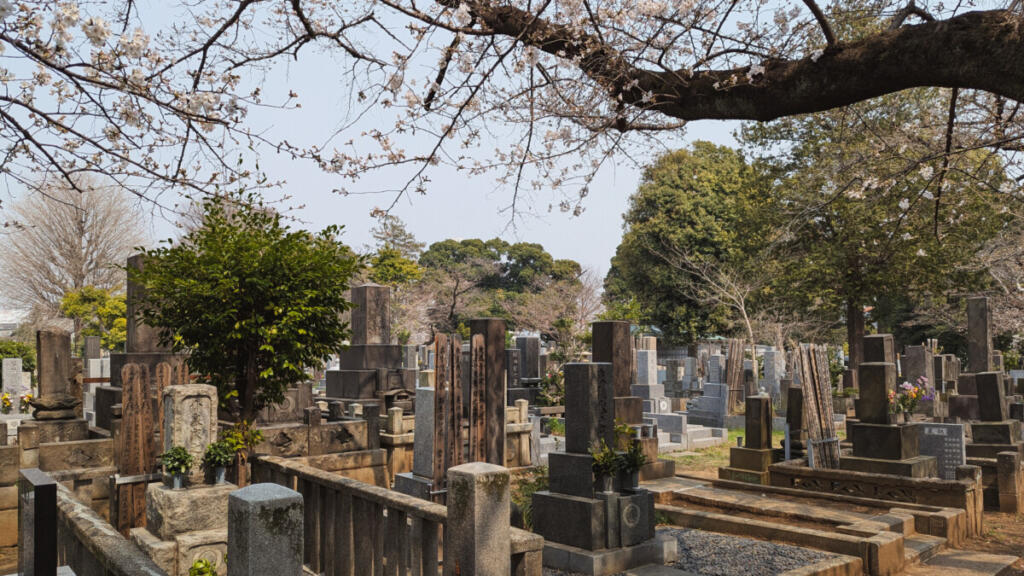
The Yanaka cemetery, with its peaceful alleys and cherry trees, is both a place of remembrance and a place to stroll. It’s the perfect place to experience a more authentic, intimate Tokyo.
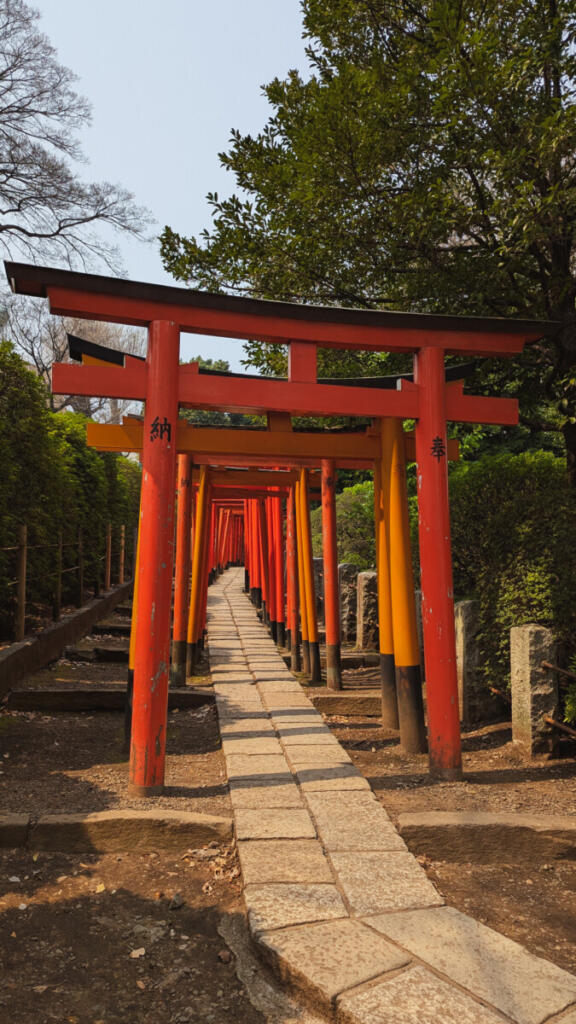
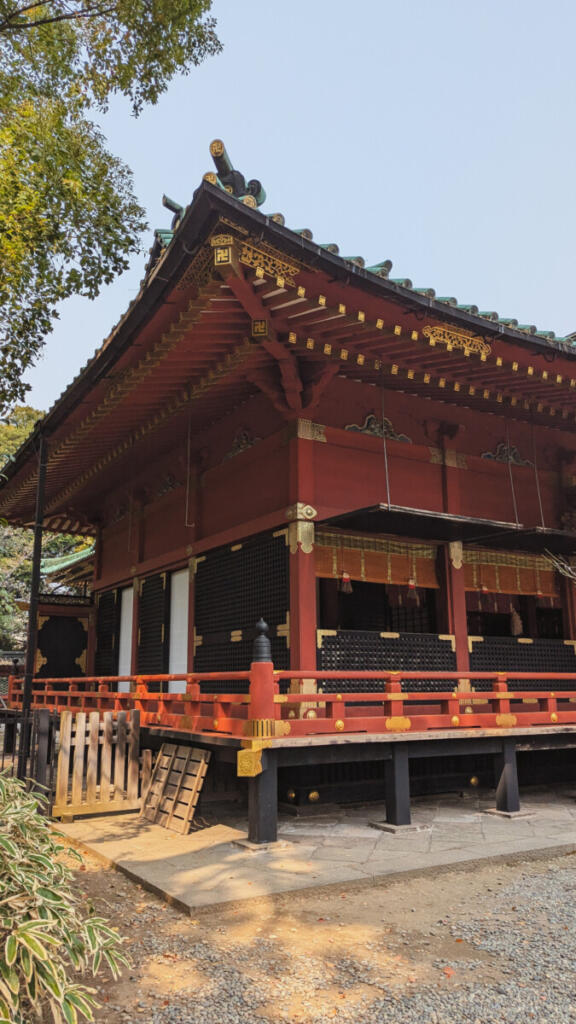
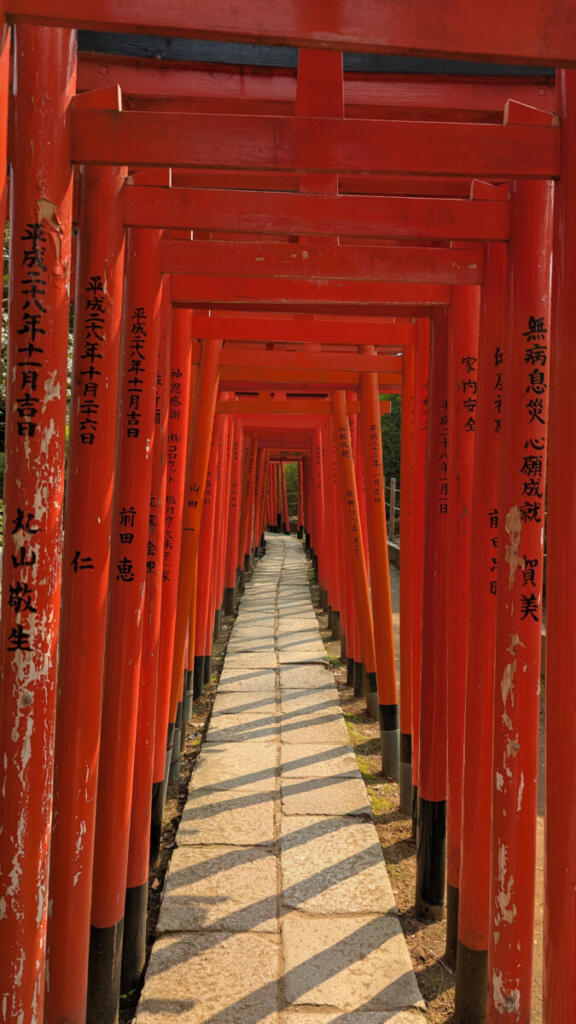
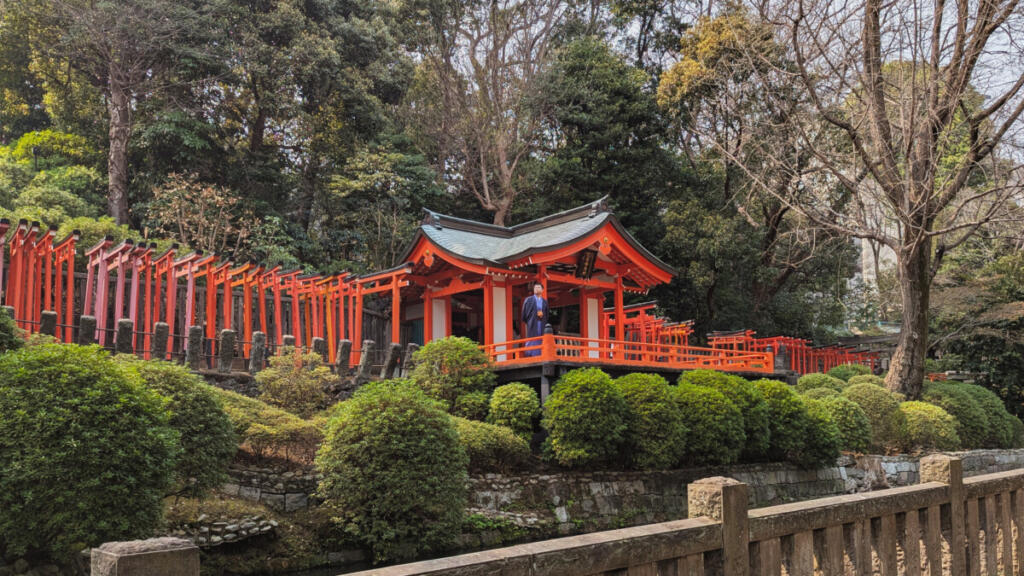
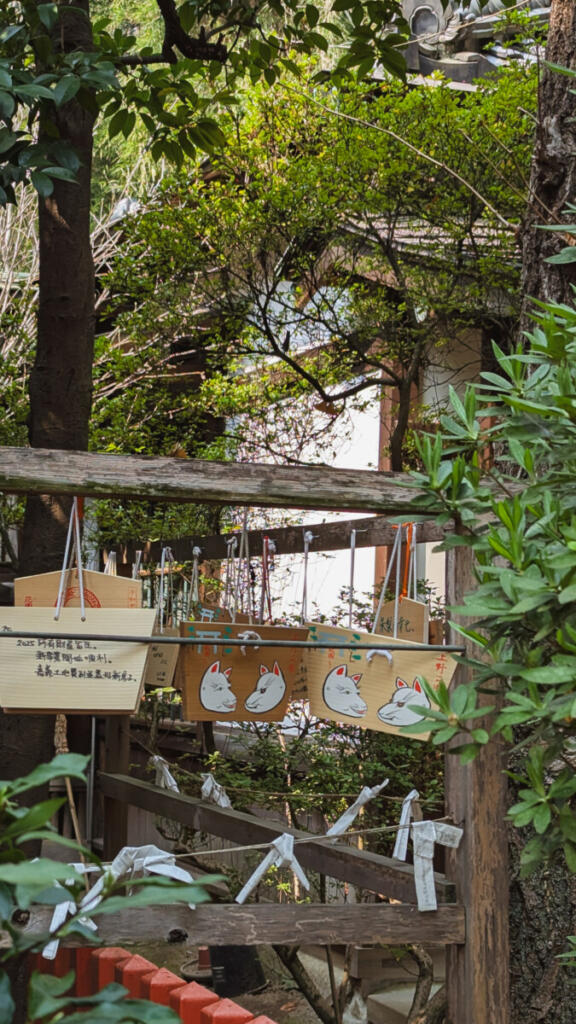
Nearby, the Nezu-jinja shrine is well worth a visit. Built in the Edo period, it’s famous for its vermilion torii alleys, reminiscent of those in Kyoto, and also for its azalea garden, which explodes with color in spring. It’s a place both photogenic and imbued with spirituality, perfect to round off a stroll around Yanaka.
Discover Akihabara, kingdom of pop culture
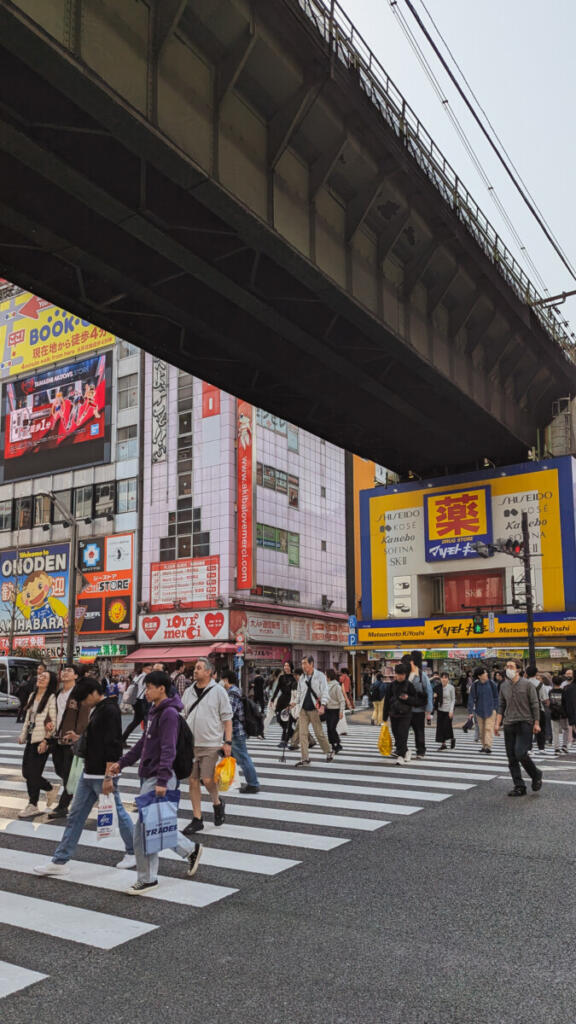
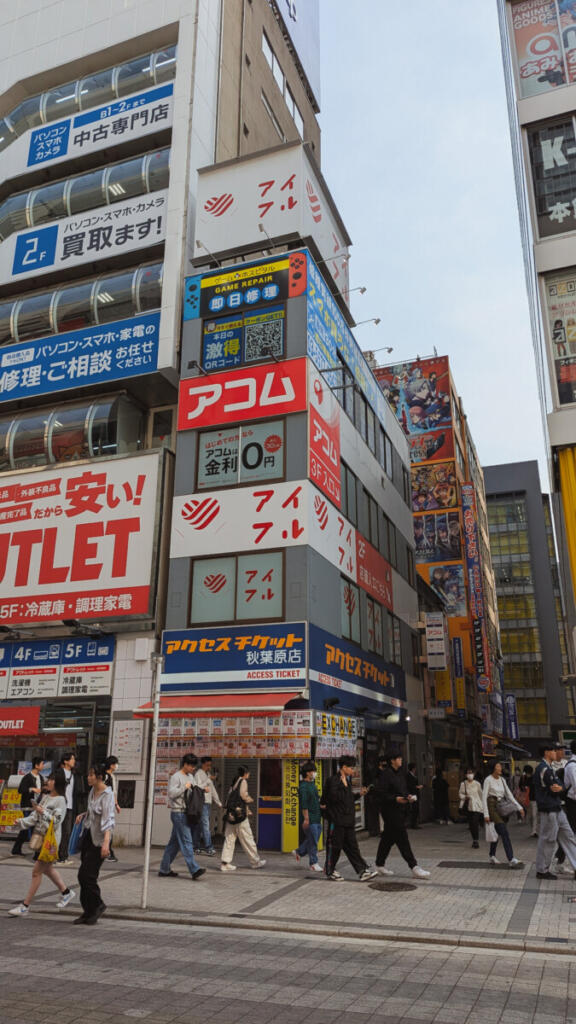
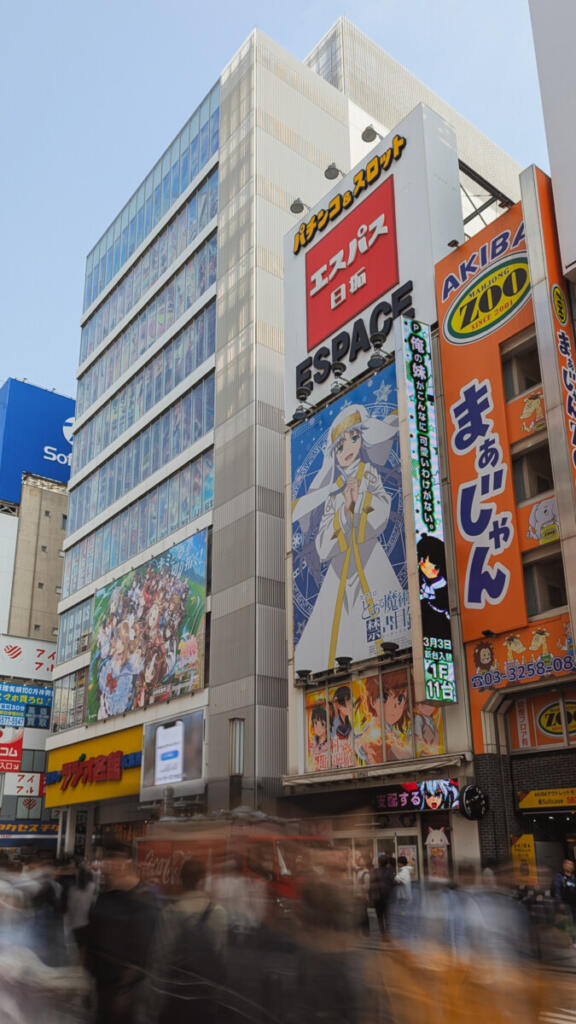
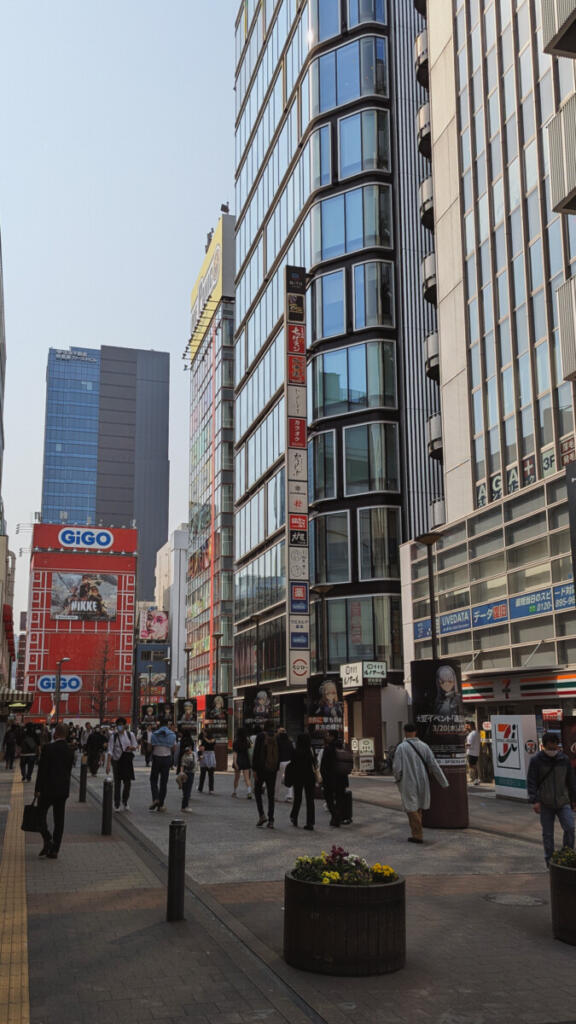
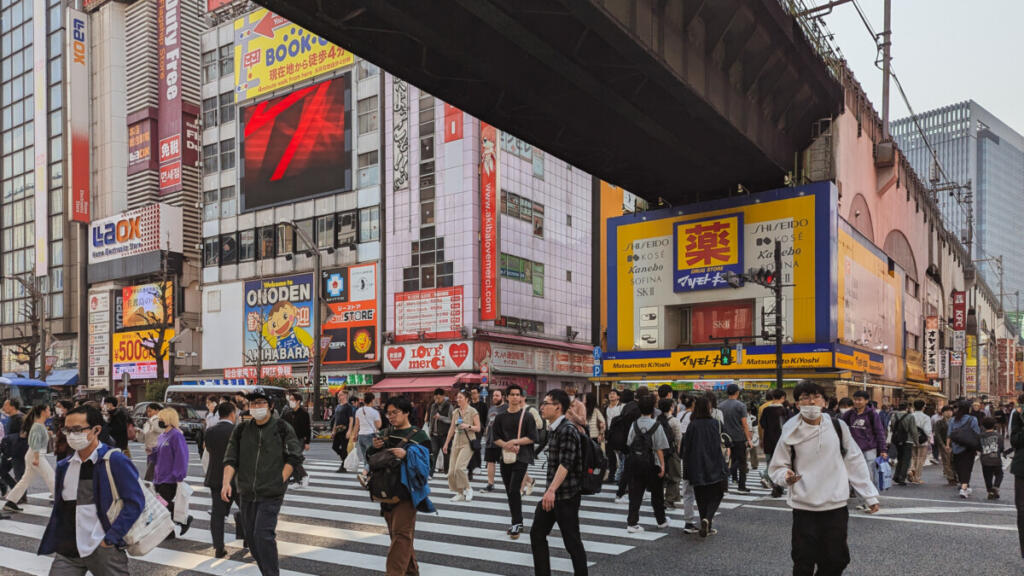
An emblematic district for electronics and entertainment, Akihabara is a paradise for fans of manga, anime, figurines and video games. Huge, brightly-lit facades compete with colorful signs, while specialized stores abound with treasures for enthusiasts. The experience continues in the themed cafés, from the traditional maid café to the most unusual venues.
Recharge your batteries in Ueno Park
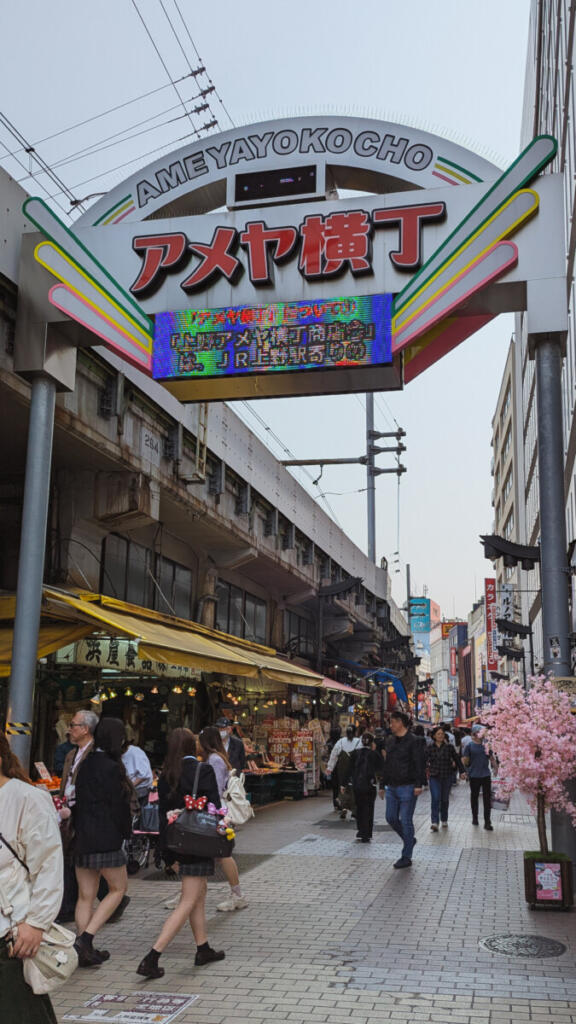
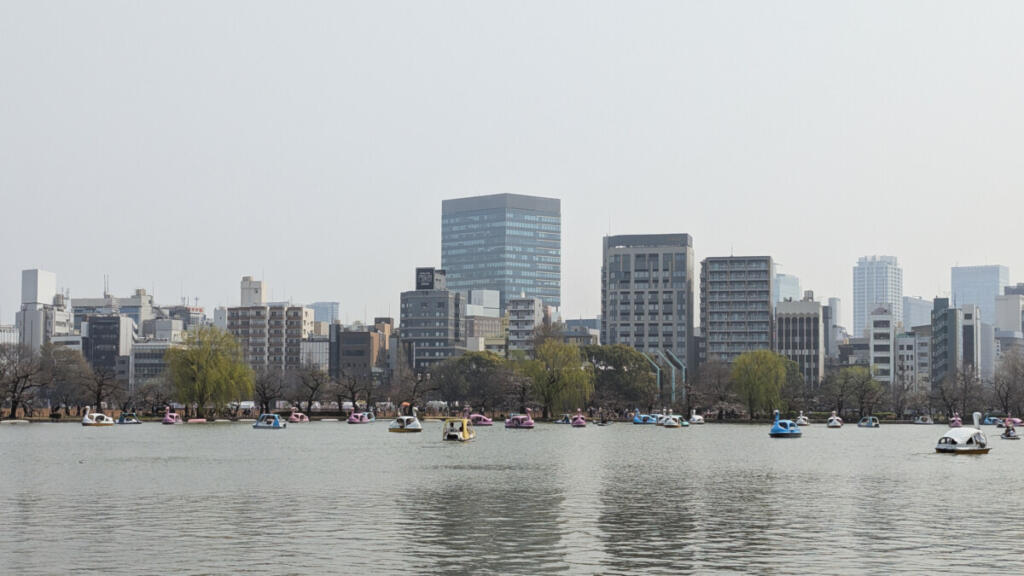
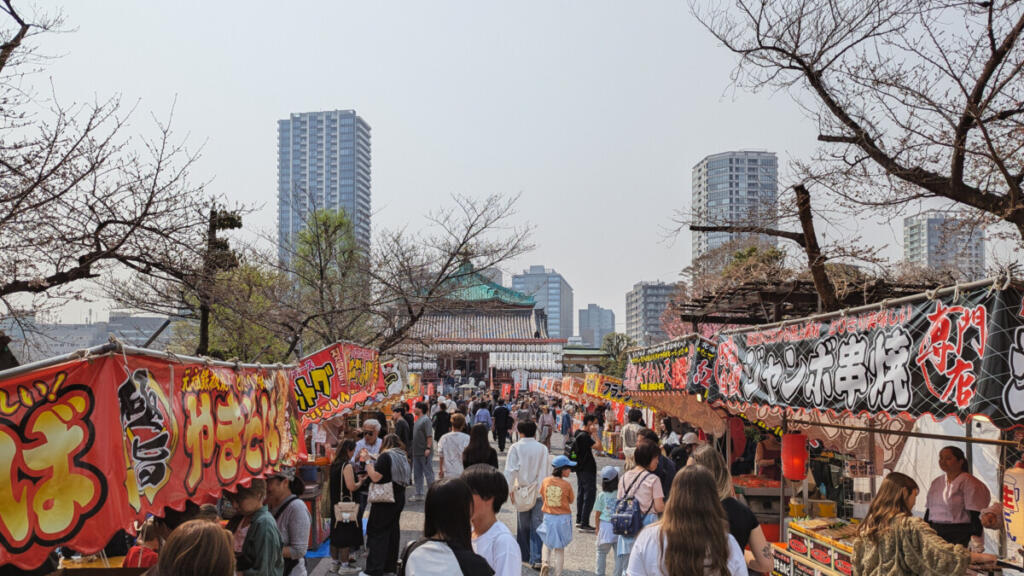
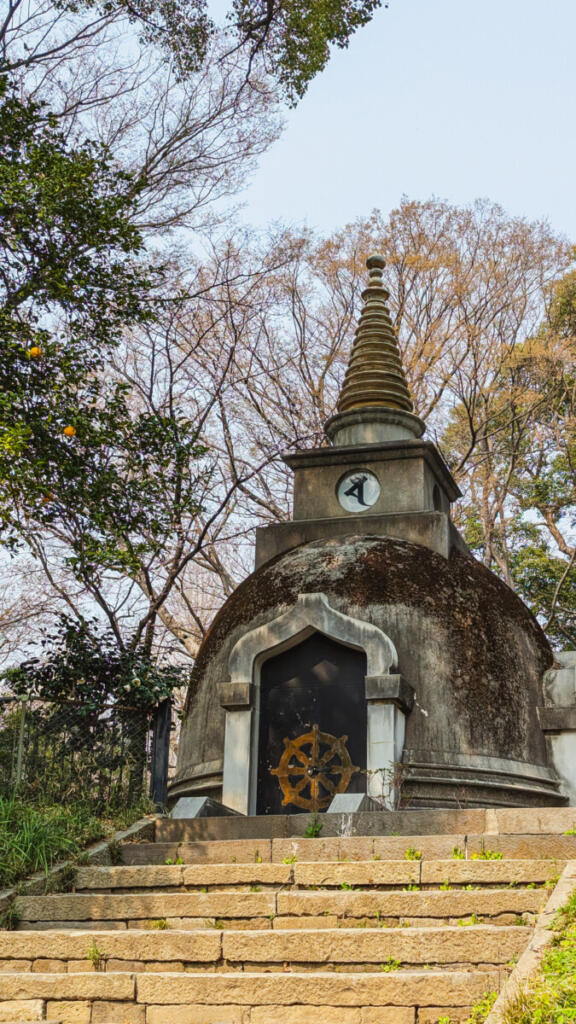
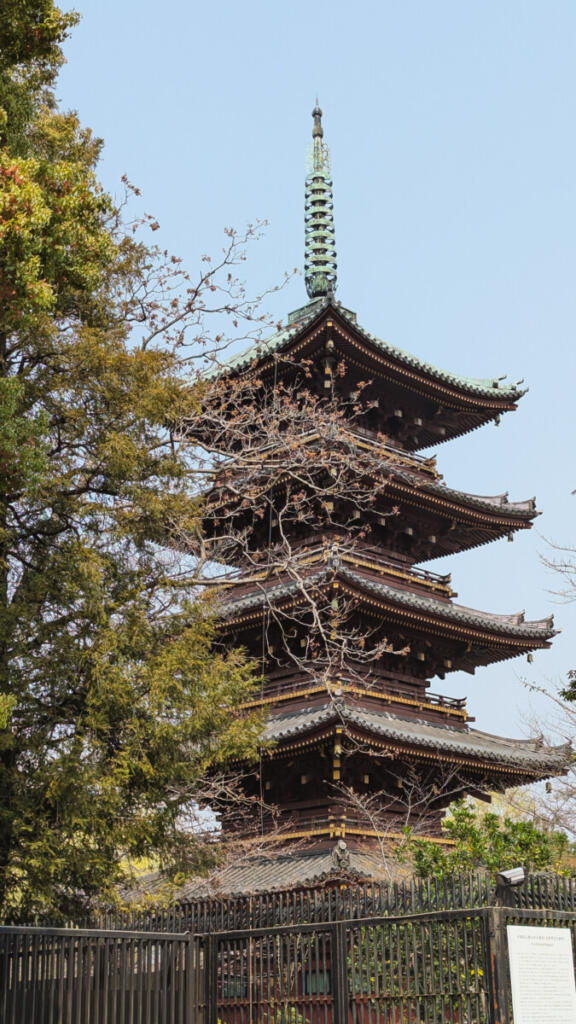
The capital’s green lung, Ueno Park is home to museums, temples and vast cherry-tree-lined avenues. People come here to visit the Tokyo National Museum, stroll around the ponds or enjoy a picnic in spring. The park is also home to Japan’s oldest zoo, a popular destination for families.
Walk along the Imperial Palace moat and explore Ginza
Arriving at Tokyo Station is an experience in itself. This immense railway hub, with its red-brick facades inspired by the European style, contrasts with the ultramodern skyscrapers of the Marunouchi district that surround it. This is one of the capital’s nerve centers, where you can feel both the energy and excess of Tokyo.
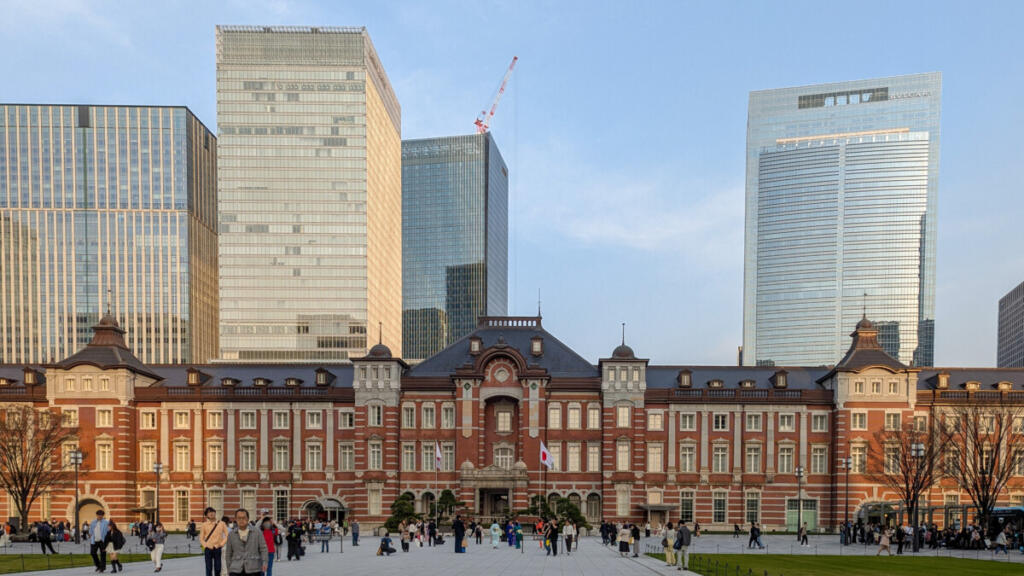
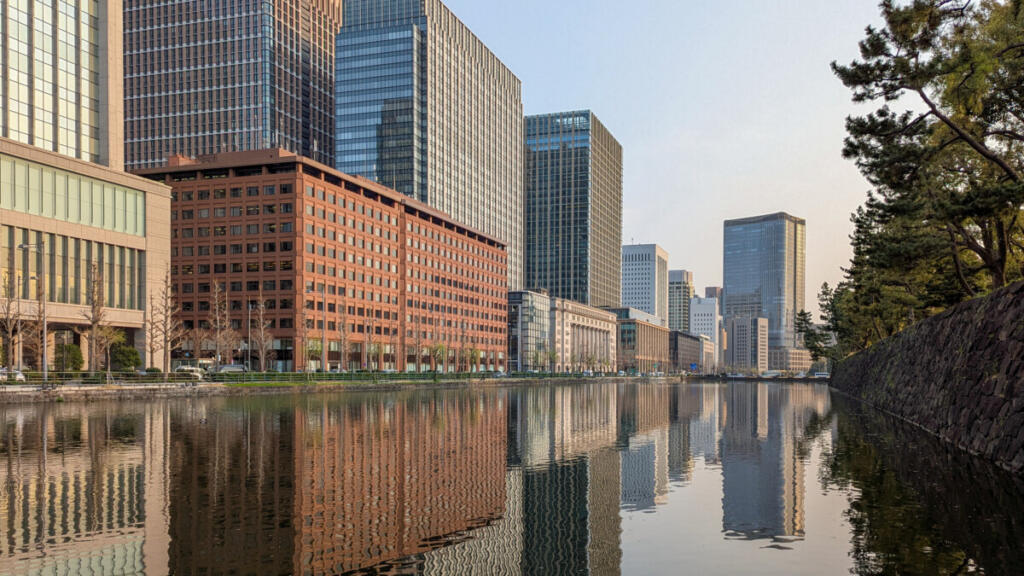
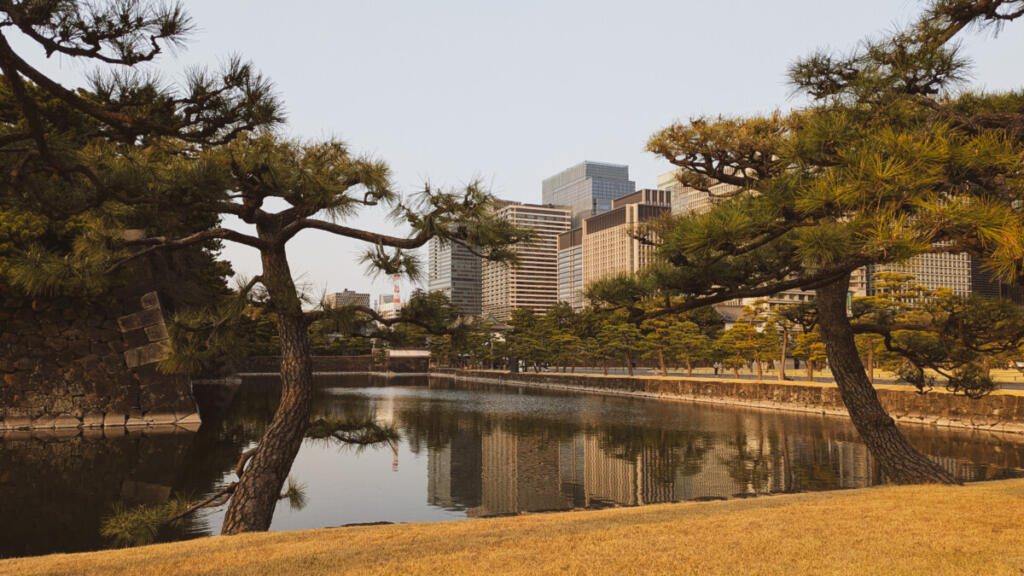
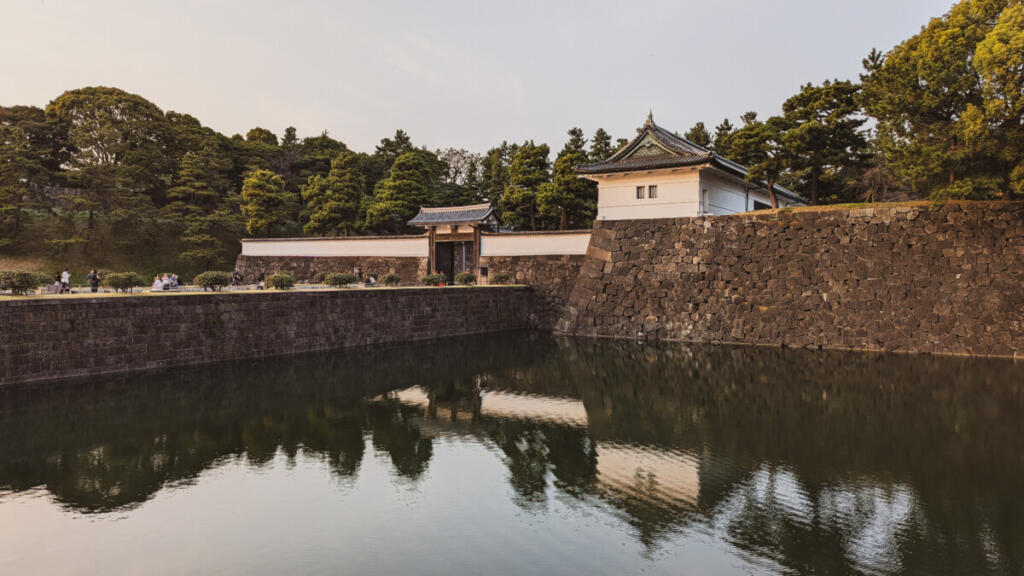
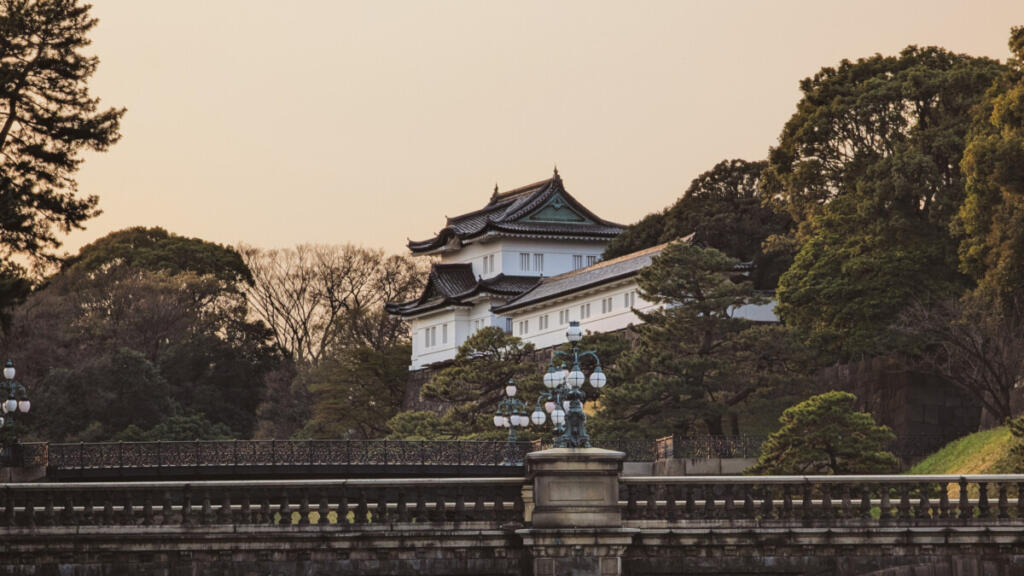
A few steps are all it takes to change the atmosphere completely. Behind the buildings, a vast green space opens up: the gardens and wide moats of the Imperial Palace, the Emperor’s residence. A stroll along these peaceful alleys reveals the unique contrast between modernity and tradition that is so typical of Tokyo.
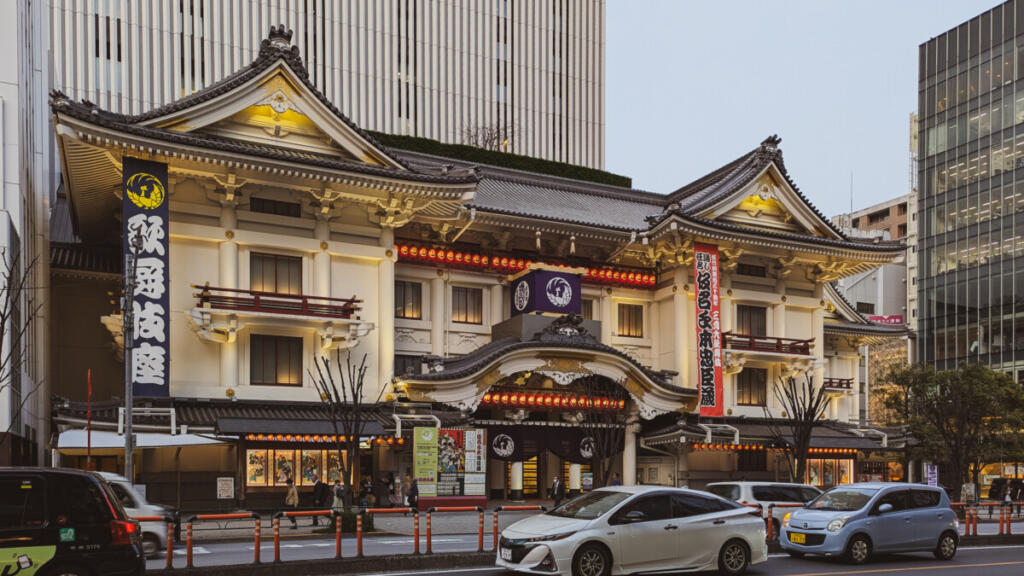
Nearby is Ginza, the city’s most elegant district, renowned for its luxury boutiques, department stores and art galleries. On its main avenue stands the Kabuki-za theater, whose traditional architecture contrasts with the surrounding modern facades. This is where you can discover kabuki, a Japanese stage art combining music, dance and drama, and attend performances ranging from a few scenes to entire plays.
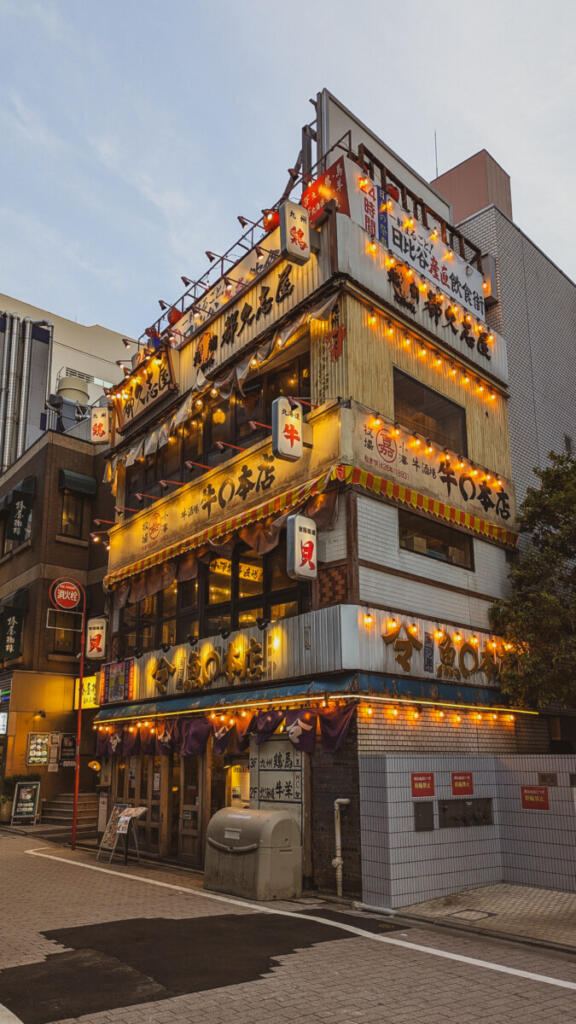
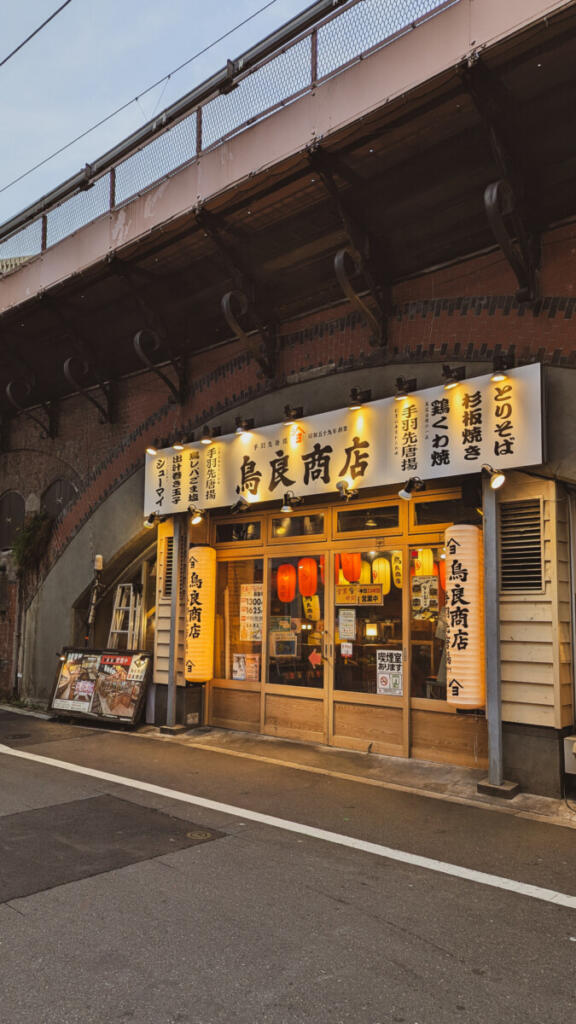
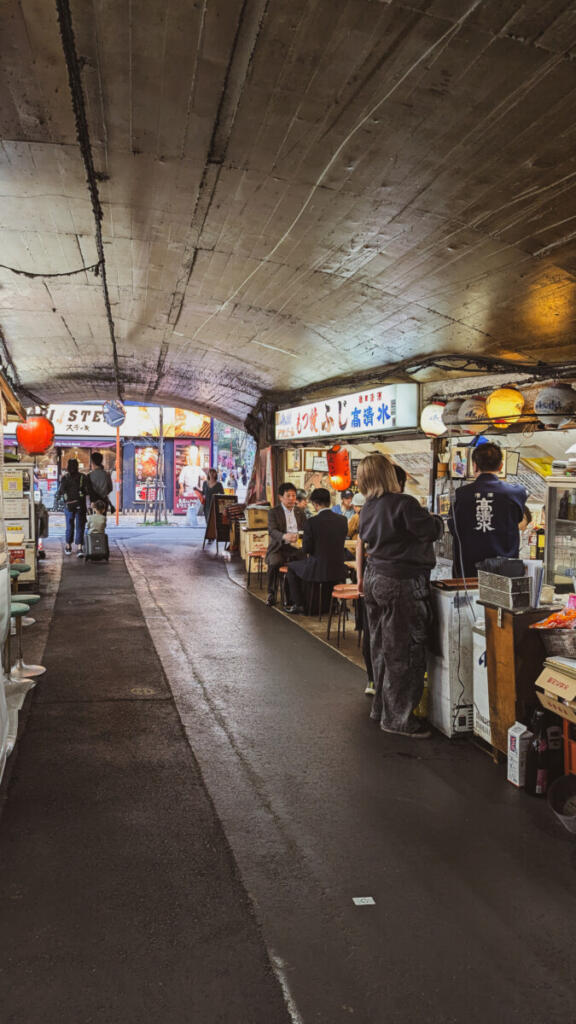
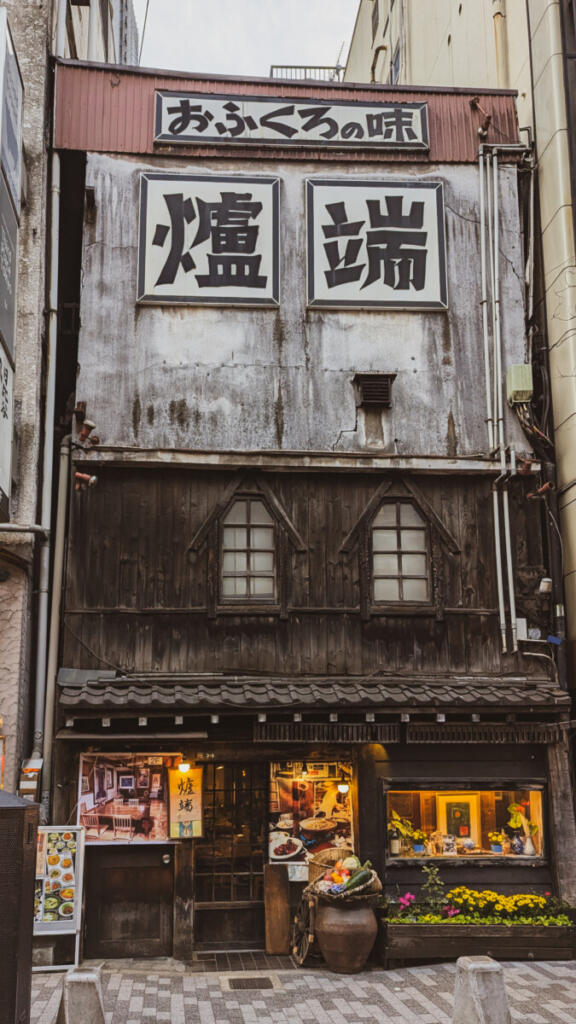
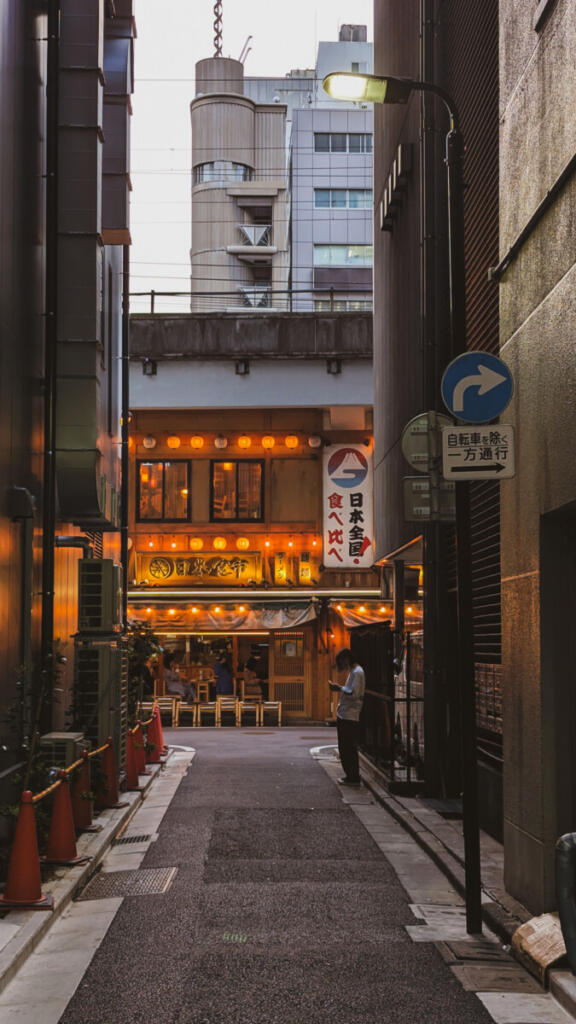
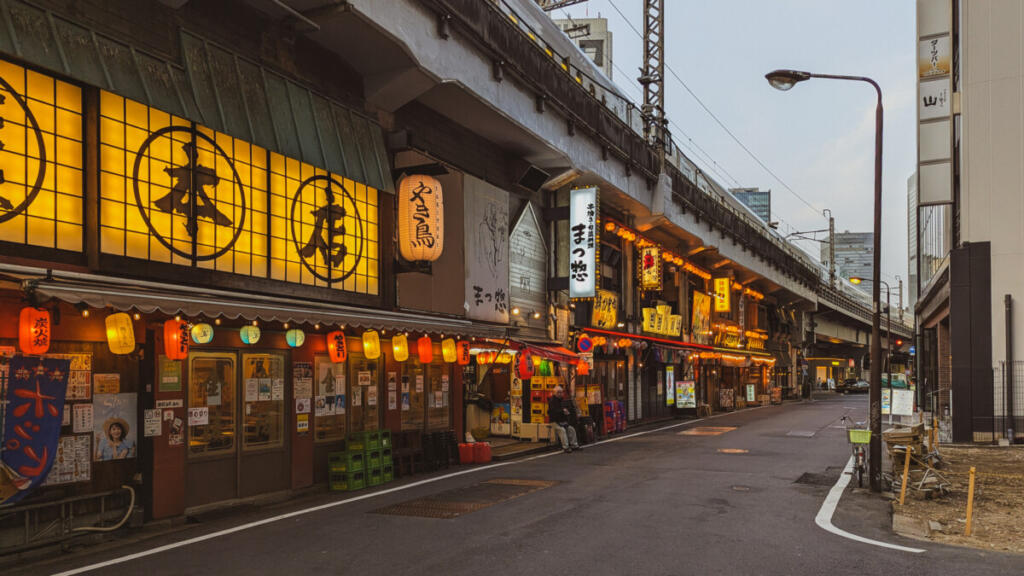
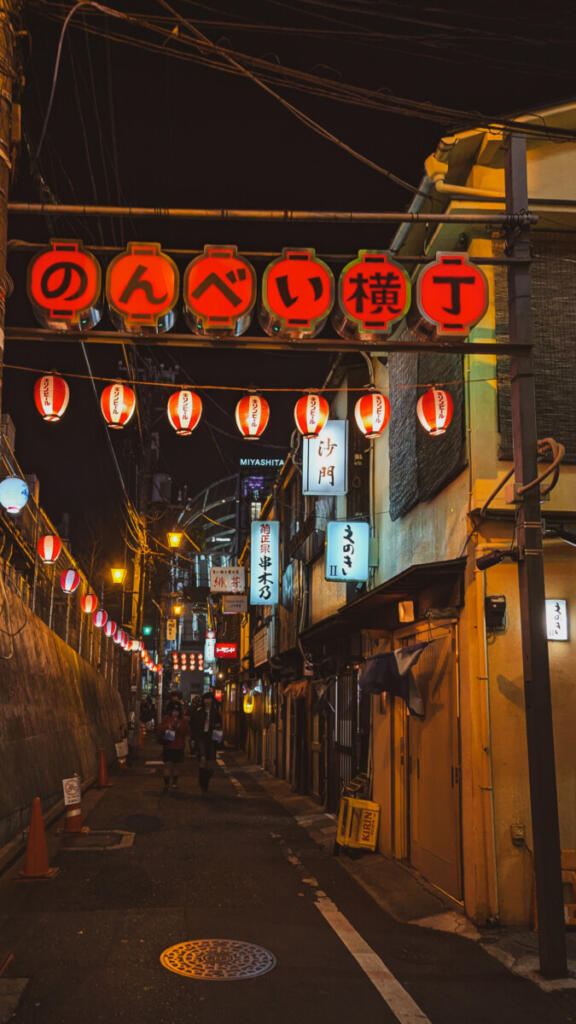
But Ginza is also alive in its more discreet corners. Under the railroad tracks, in vaulted galleries or brick tunnels, a multitude of small restaurants and izakaya follow one another. Far from the luxury of shop windows, they offer simple, tasty dishes in a warm atmosphere. This contrast between self-assumed elegance and popular conviviality is what makes Ginza so charming.
Find serenity at Meiji-jingū Shrine
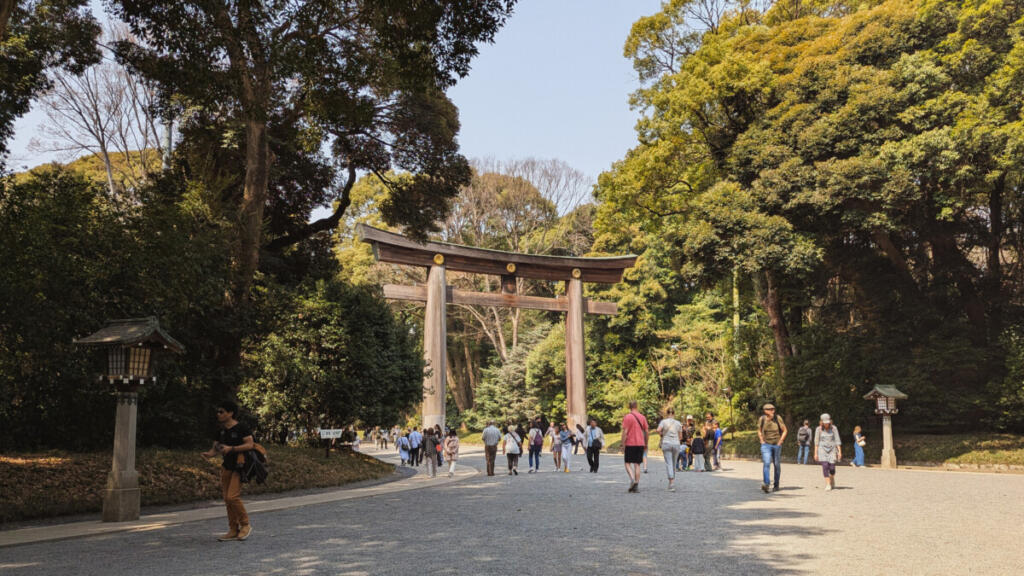
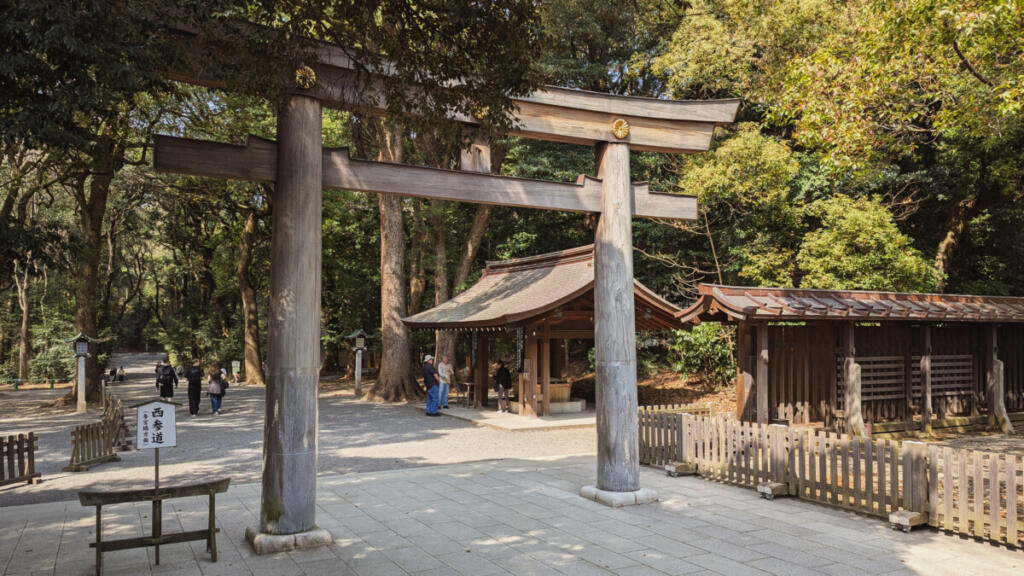
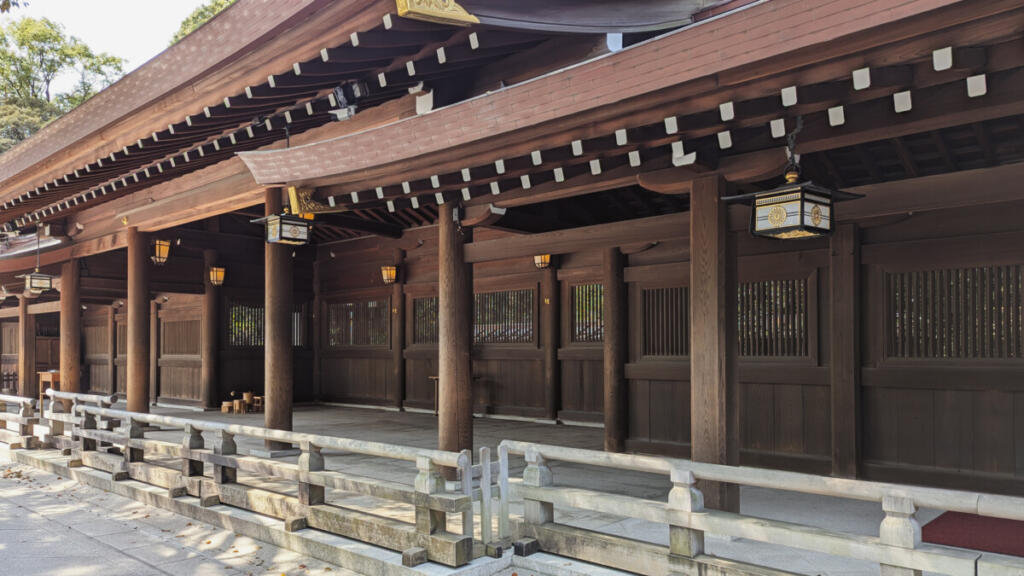
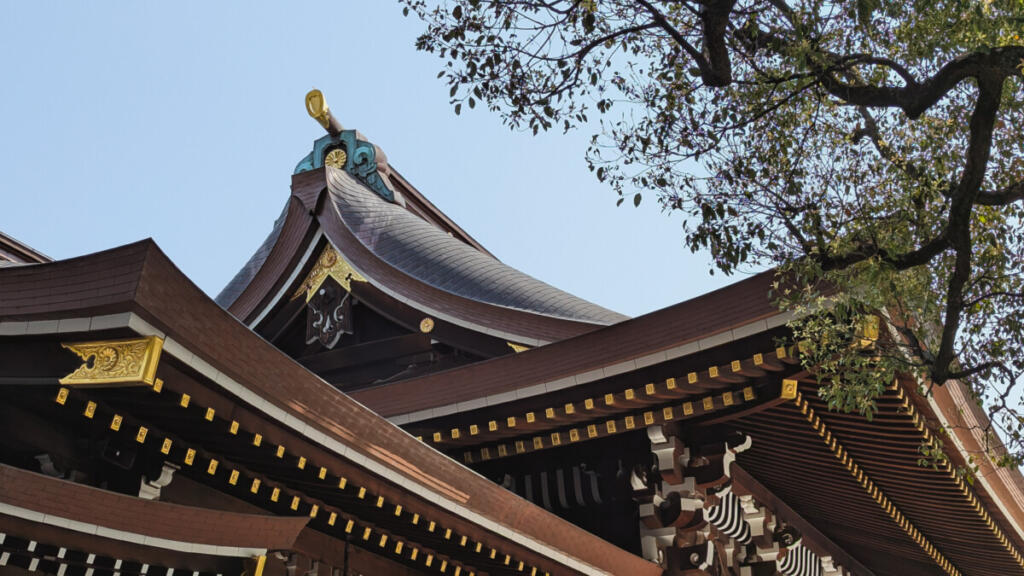
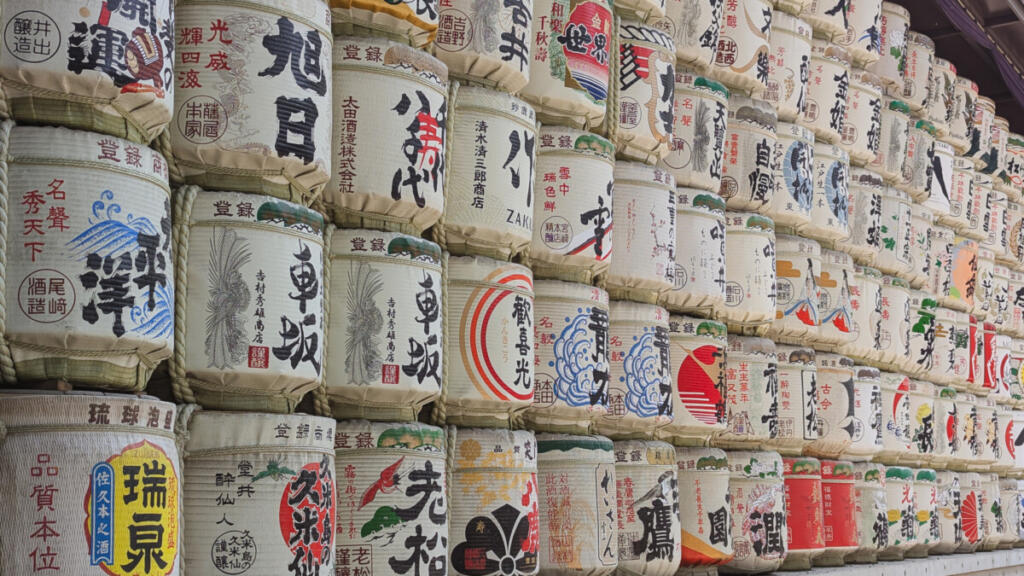
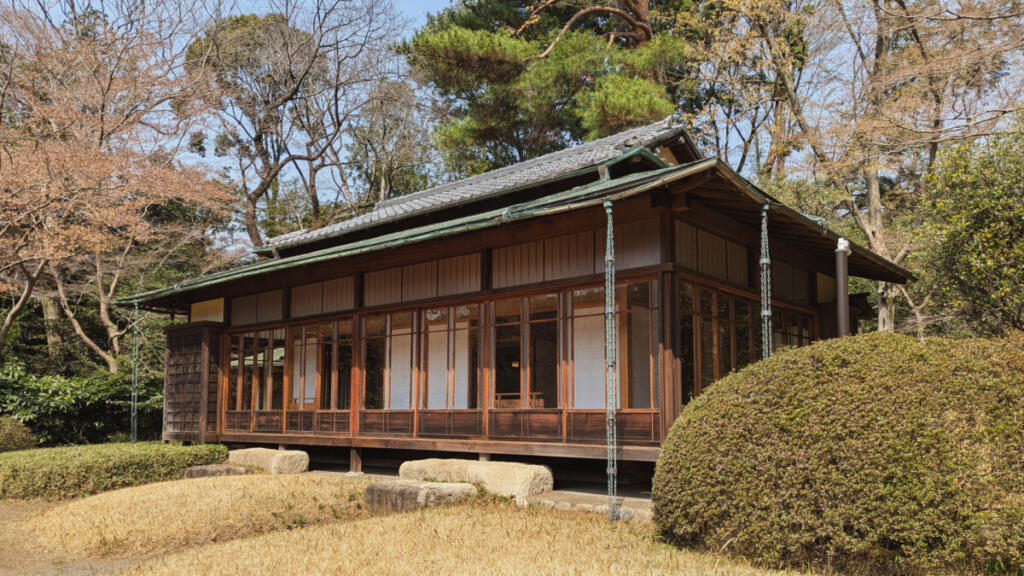
Amid the hustle and bustle of Shibuya, the Meiji-jingū Shrine hides behind a huge wooden torii and dense forest. This Shinto shrine dedicated to Emperor Meiji and his wife is one of Tokyo’s most important. ItsMeiji Jingu Inner Garden offers a moment of calm away from the hustle and bustle of the city, the perfect place for a spiritual interlude.
Crossing the Shibuya Crossing
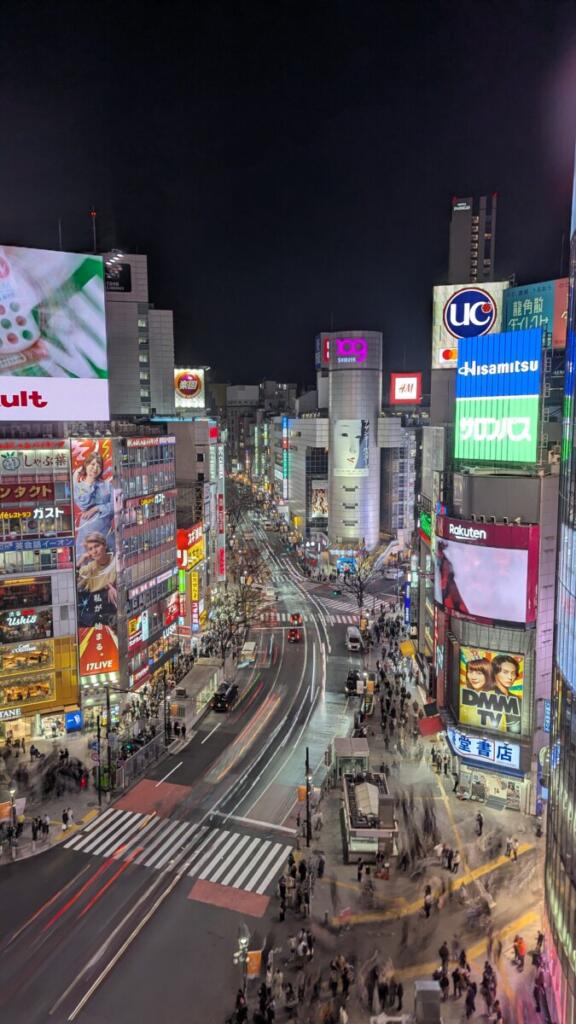
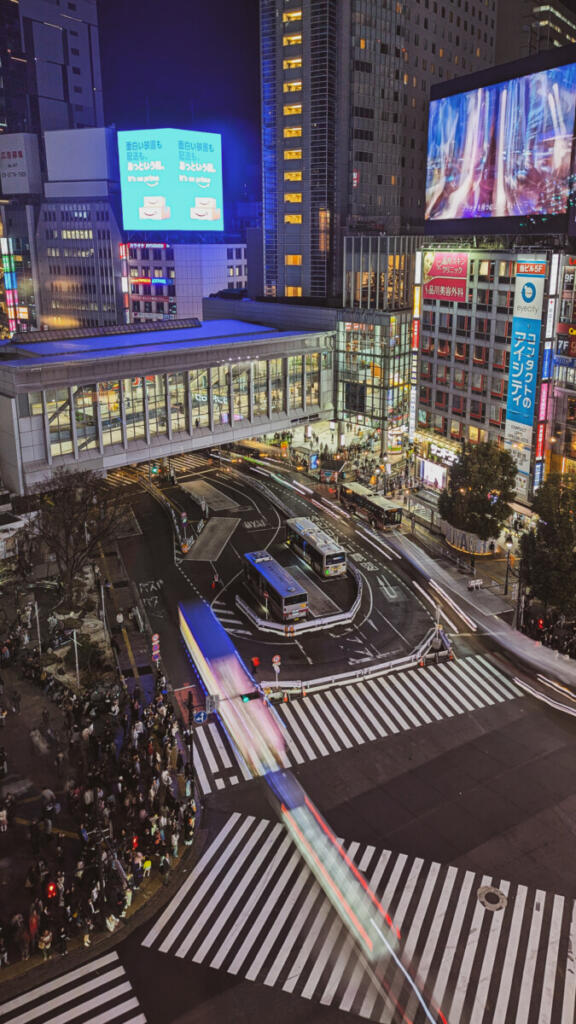
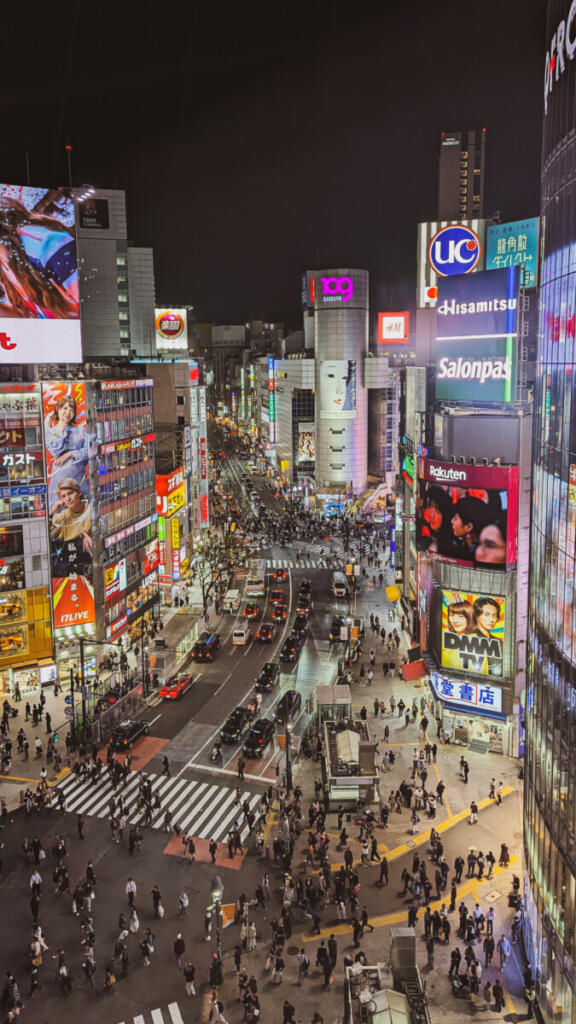
The Shibuya Crossing is arguably the most famous intersection in the world. At every traffic light, hundreds of pedestrians cross at the same time in a mesmerizing urban choreography. The experience is even more impressive at night, under the giant screens and colorful neon lights. You can also admire it from above, from the cafés and terraces of the surrounding buildings.
View the Sensō-ji from Asakusa tourist center
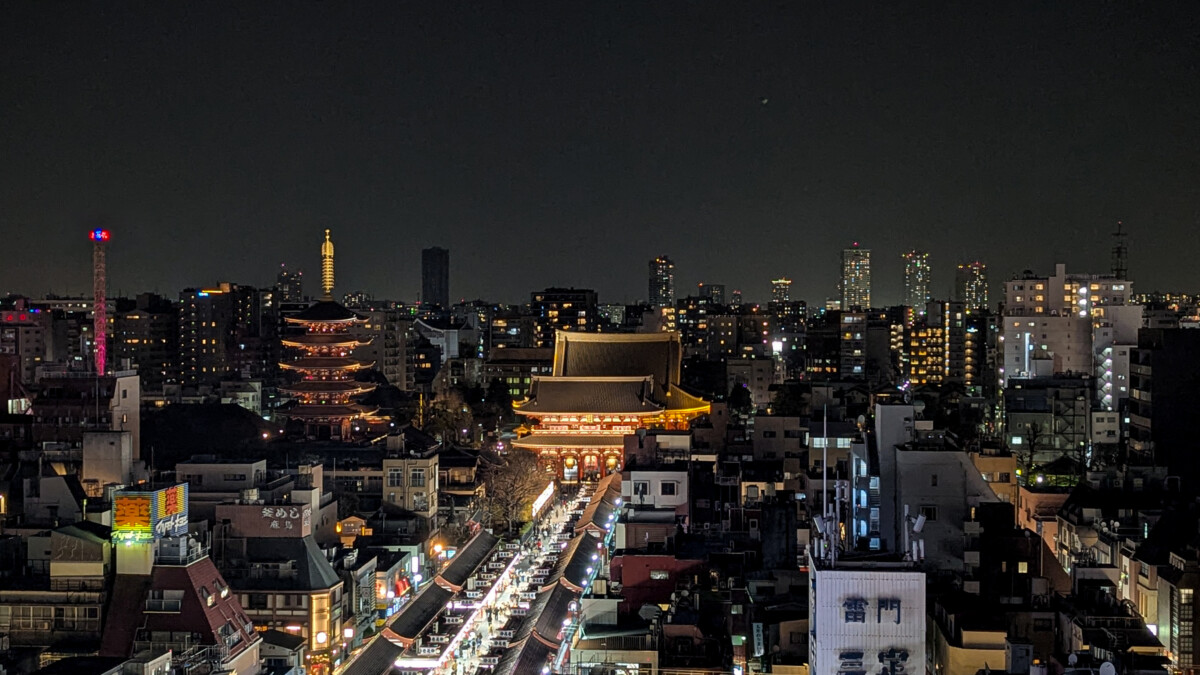
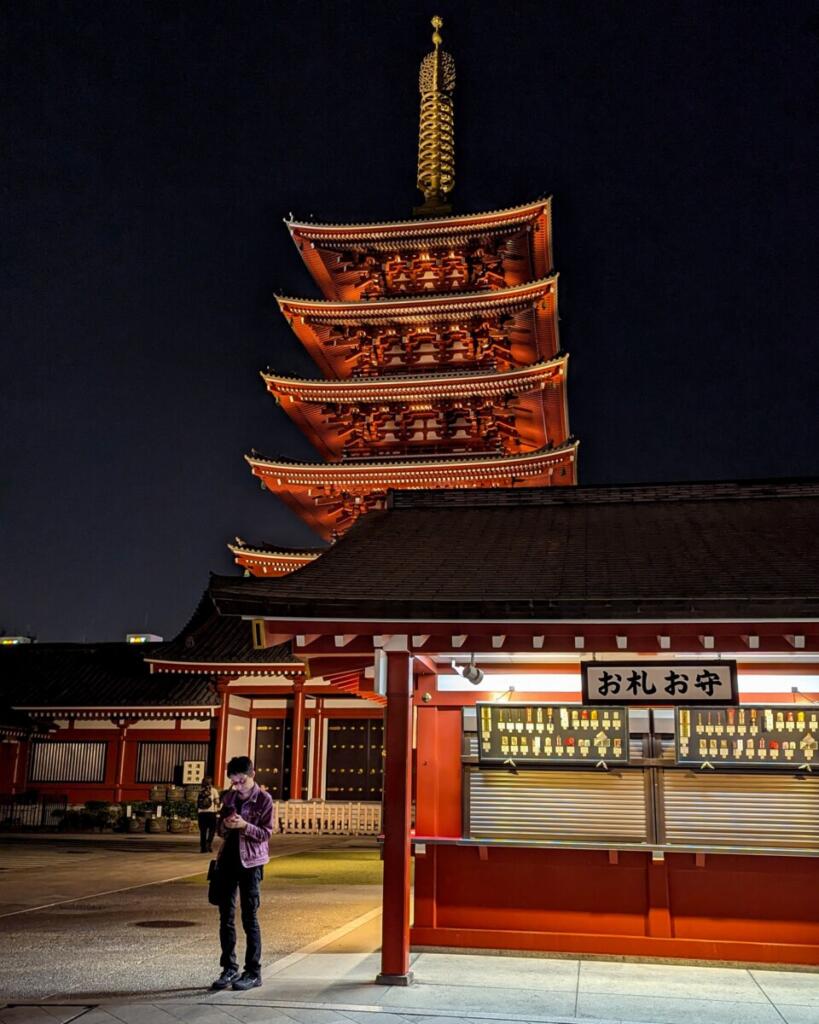
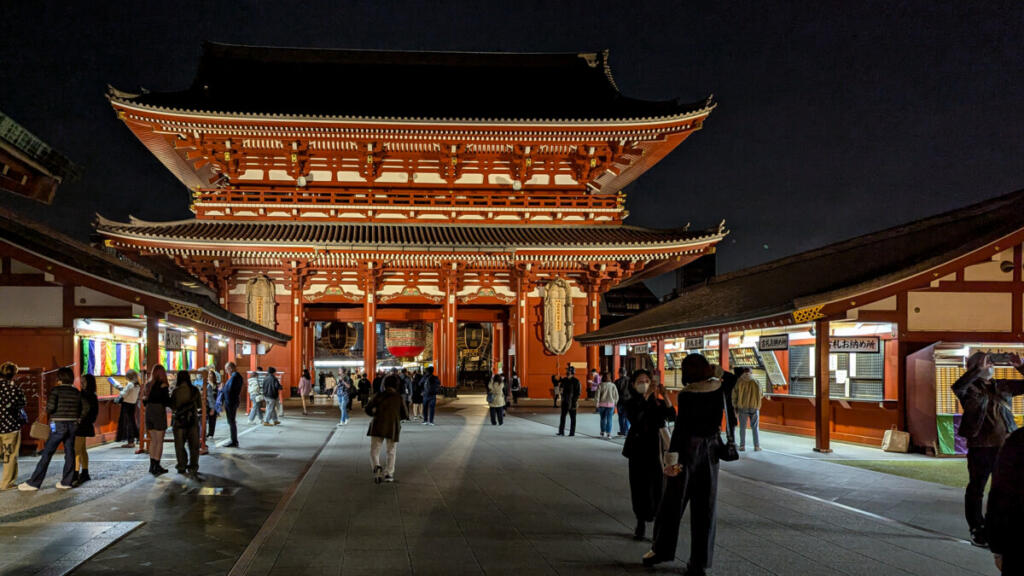
Sensō-ji, Tokyo’s oldest Buddhist temple, is one of the capital’s most visited sites. Its long shopping alley, the Nakamise-dōri, attracts crowds of visitors between lanterns, souvenirs and Japanese sweets.
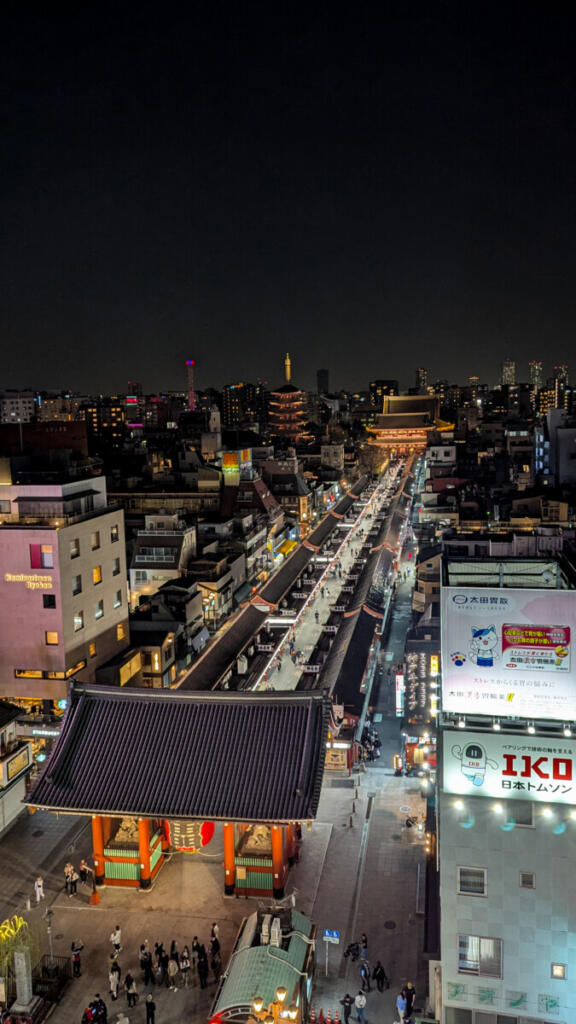
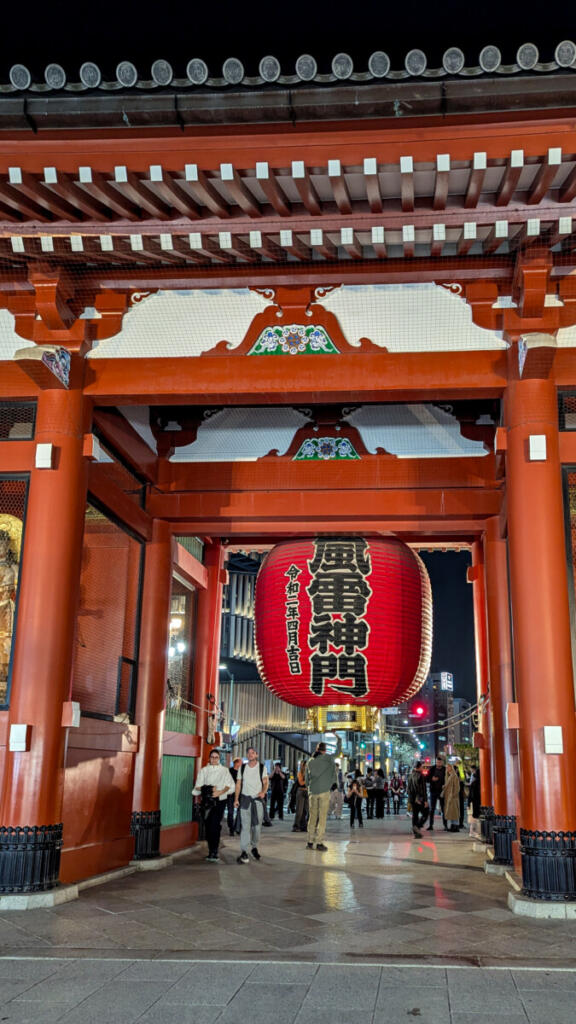
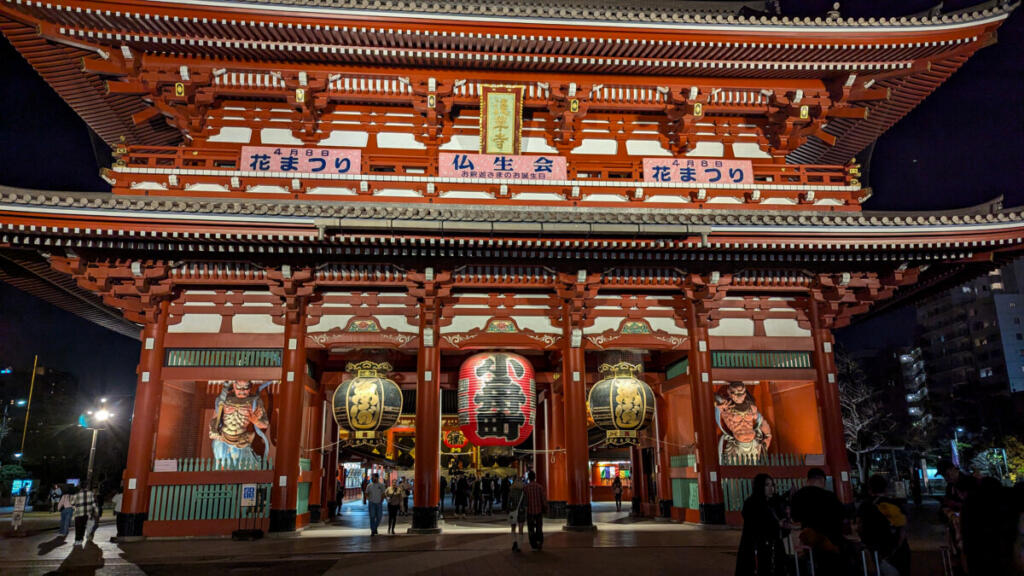
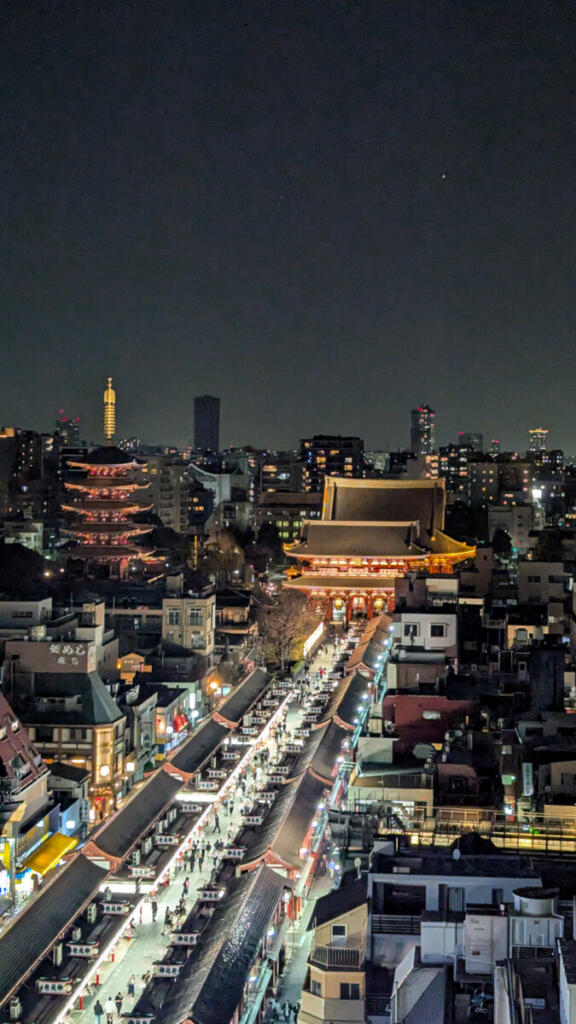
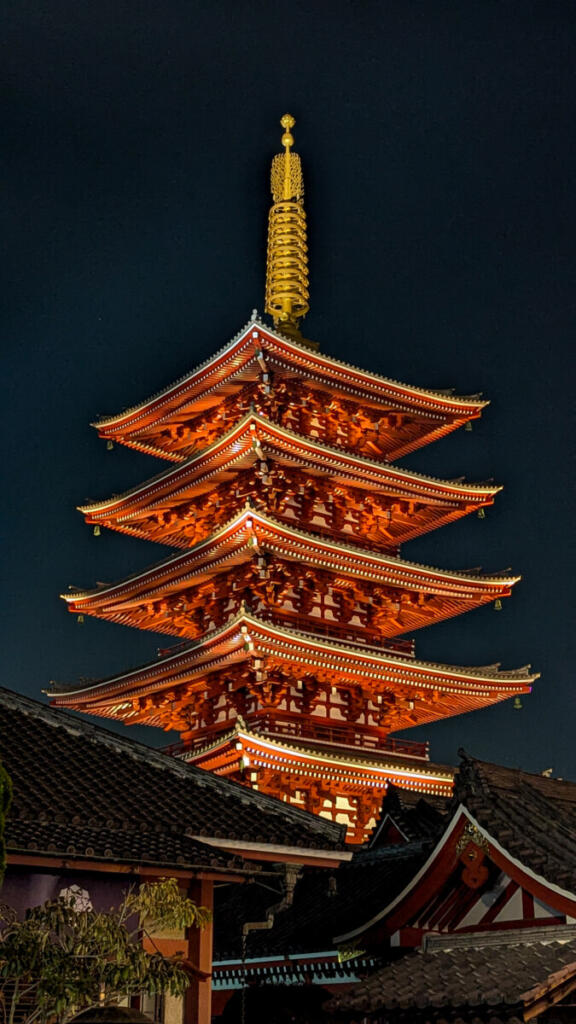
For an original view, climb to the top floor of the Asakusa tourist center, just across the street: from there, the temple and its red pagoda stand out magnificently against the modern skyline.
Day trips from Tokyo
The capital can also serve as the starting point for magnificent escapades. Less than an hour away by train, Kamakura boasts Zen temples and the Great Buddha, the spiritual emblem of the area. Further north, Nikkō, a UNESCO World Heritage Site, reveals its richly decorated shrines in the heart of the mountains. Lovers of nature and relaxation will prefer Hakone, known for its hot springs and panoramic views of Mount Fuji. As for Yokohama, it attracts visitors with its modern port atmosphere and its huge Chinatown, one of the liveliest in the country.
Practical tips for visiting Tokyo
For a well-balanced visit to Tokyo, we recommend spending at least four to five days in the city. The city lends itself particularly well to a visit in spring, when the cherry blossoms are in bloom between late March and early April, or in autumn, when the maple trees set the parks ablaze with their red and golden hues.
When it comes to budgets, Tokyo is surprisingly diverse. You can enjoy a steaming bowl of ramen in a small cantina for just a few euros, or treat yourself to a star-studded gastronomic experience in one of the world’s most renowned restaurants. Japan’s capital can be adapted to suit all tastes and travel styles.