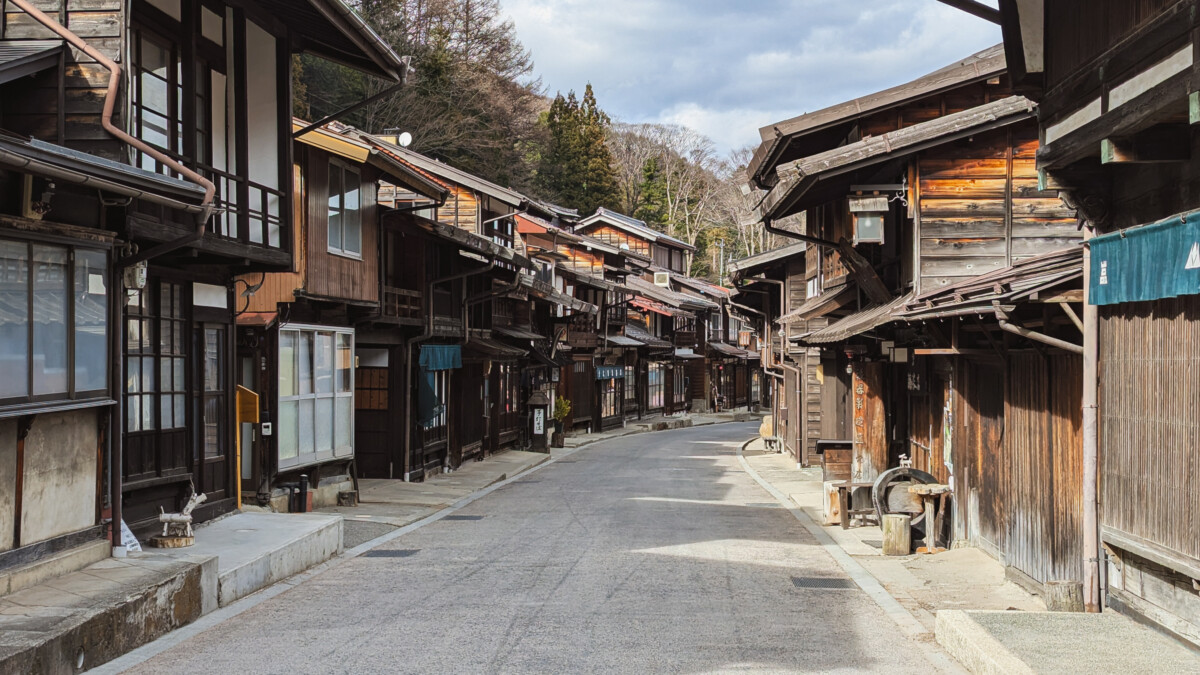
There are places where time seems to stand still, where every stone, every wooden beam tells a story. Narai-juku, nestled in the Kiso valley, is one of these rare stops, an ancient stage on the Nakasendō – the ancient road that linked Tokyo to Kyoto in the Edo period. And it’s here, in this preserved setting, that Byaku Narai is located, a singular hotel at the crossroads of Japanese heritage and modernity.
Narai, a timeless village
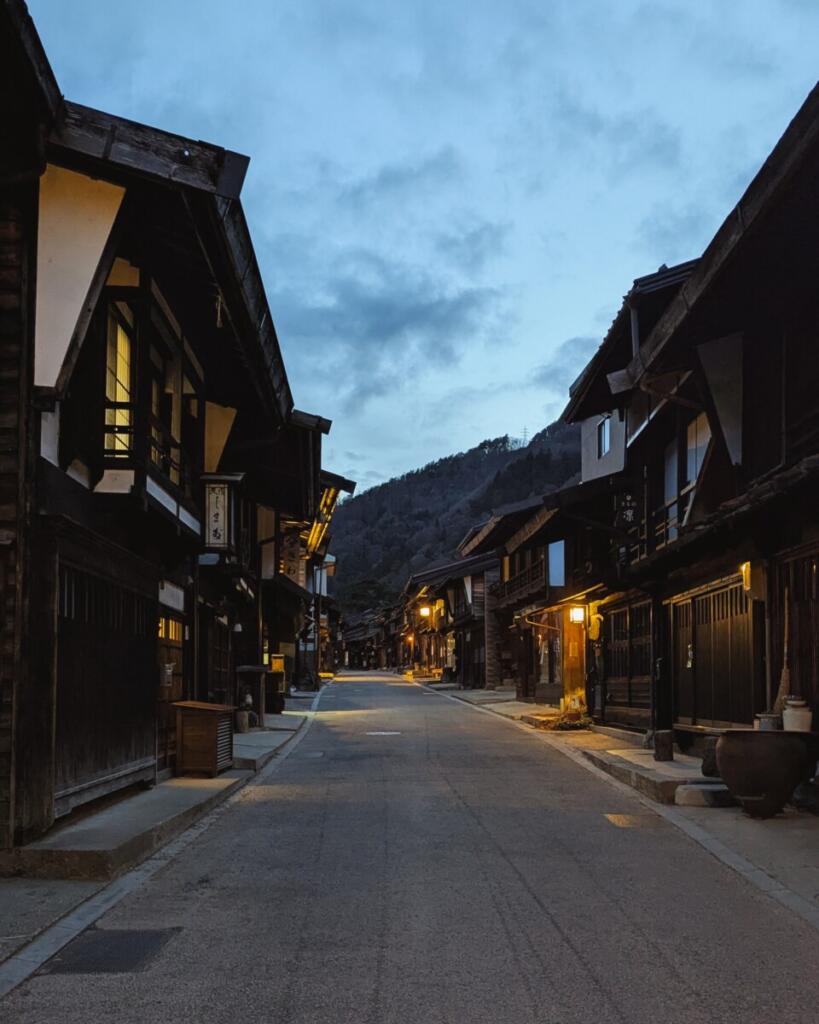
Nicknamed the “Narai of a thousand houses”, Narai-juku is one of the largest and best-preserved of the Nakasendō stage cities. Its narrow streets lined with traditional machiya stretch for almost a kilometer, giving the impression of a direct immersion in the Japan of yesteryear.
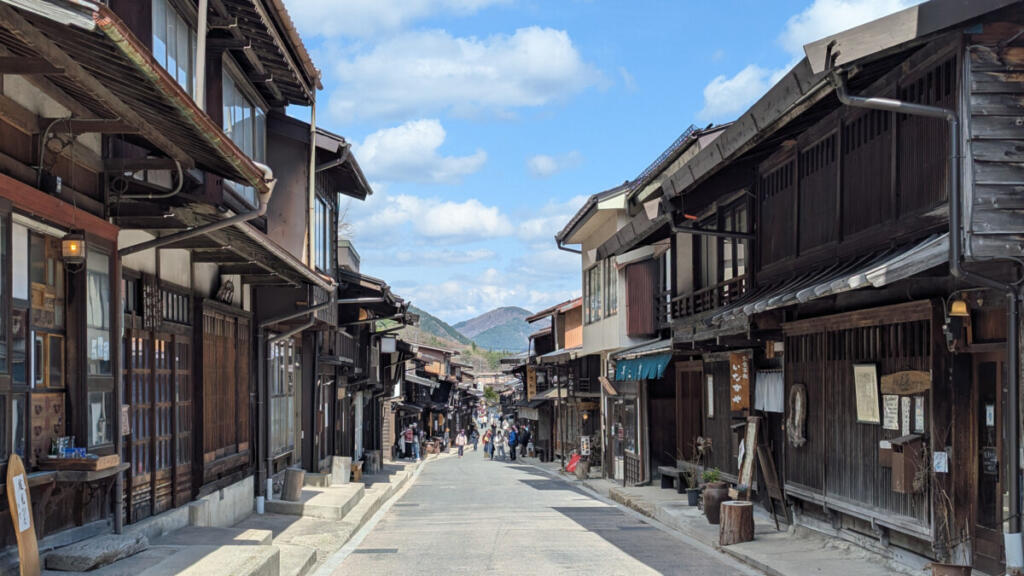
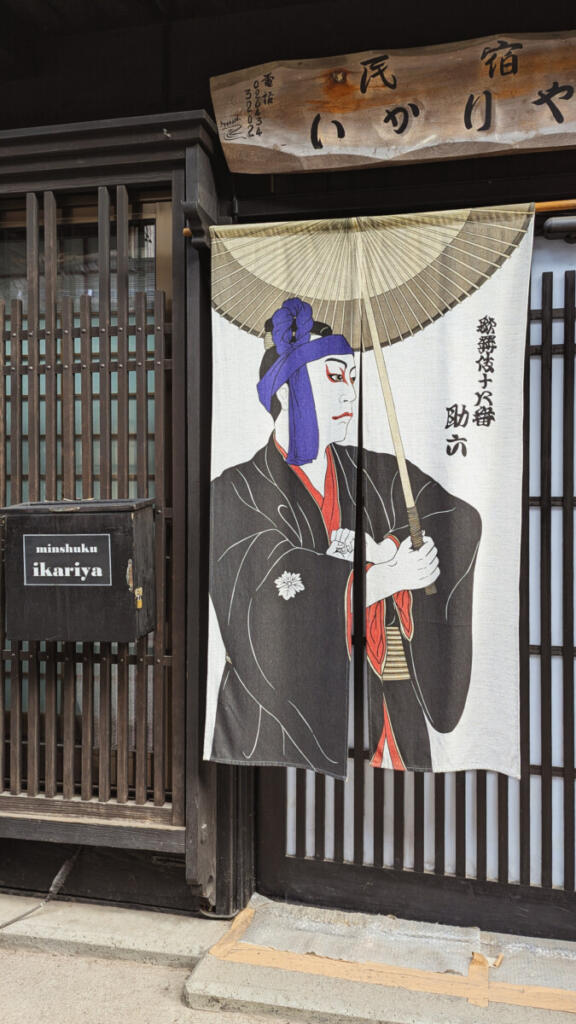
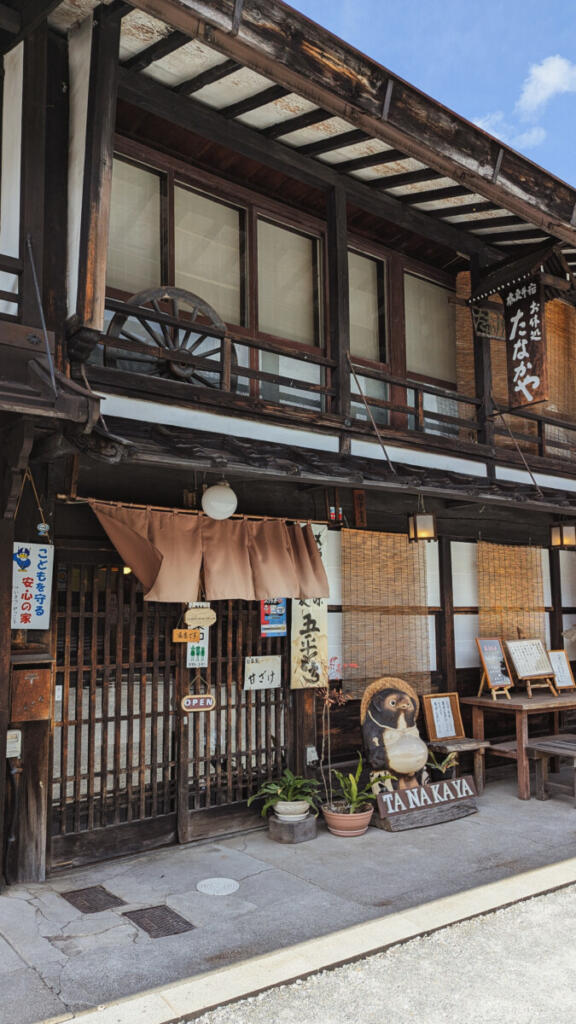
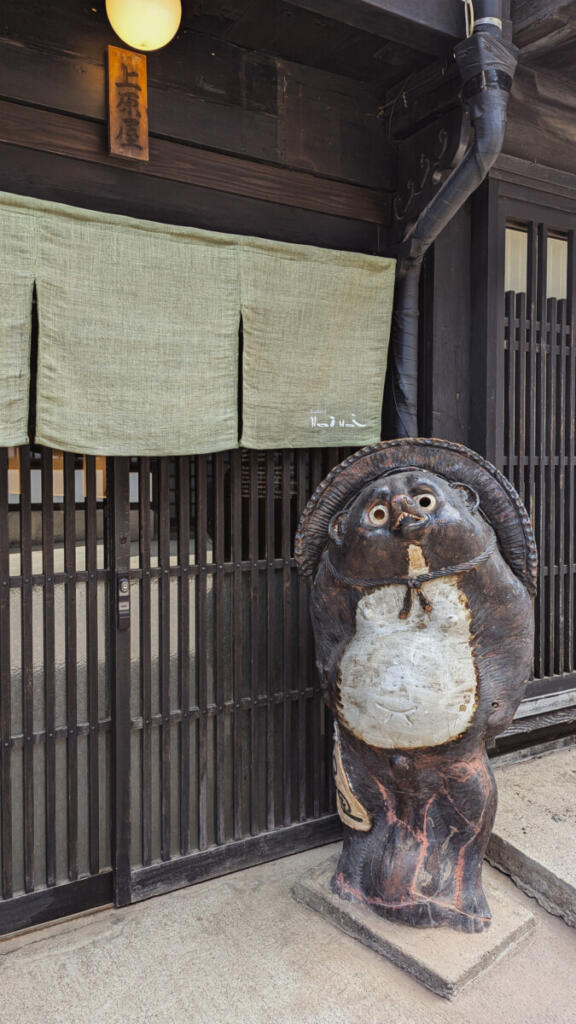
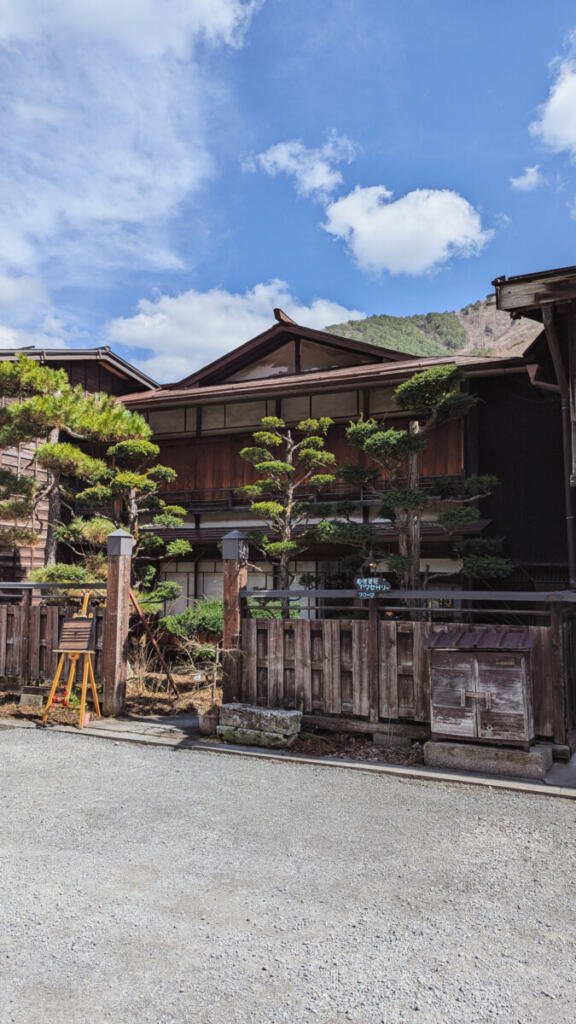
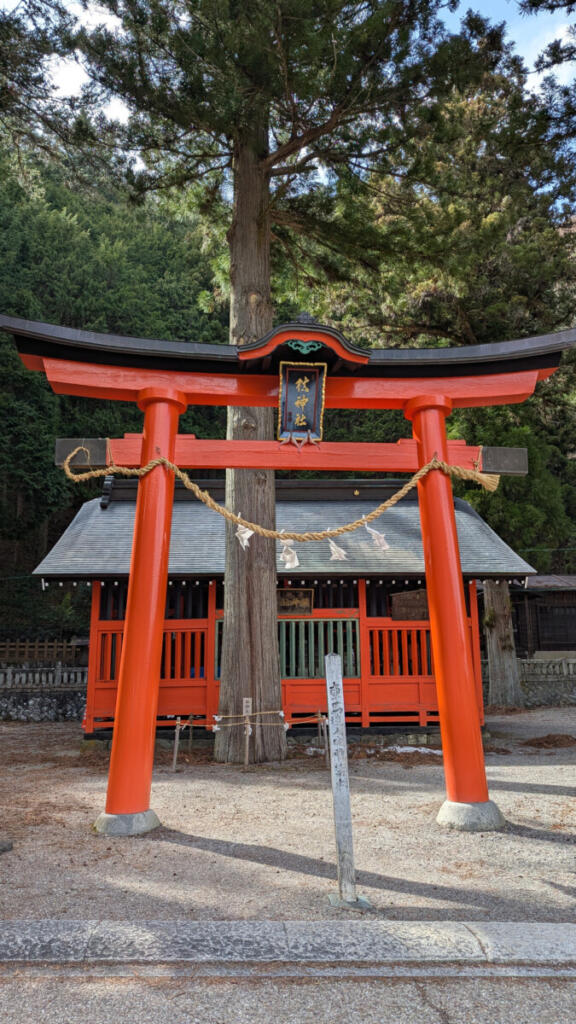
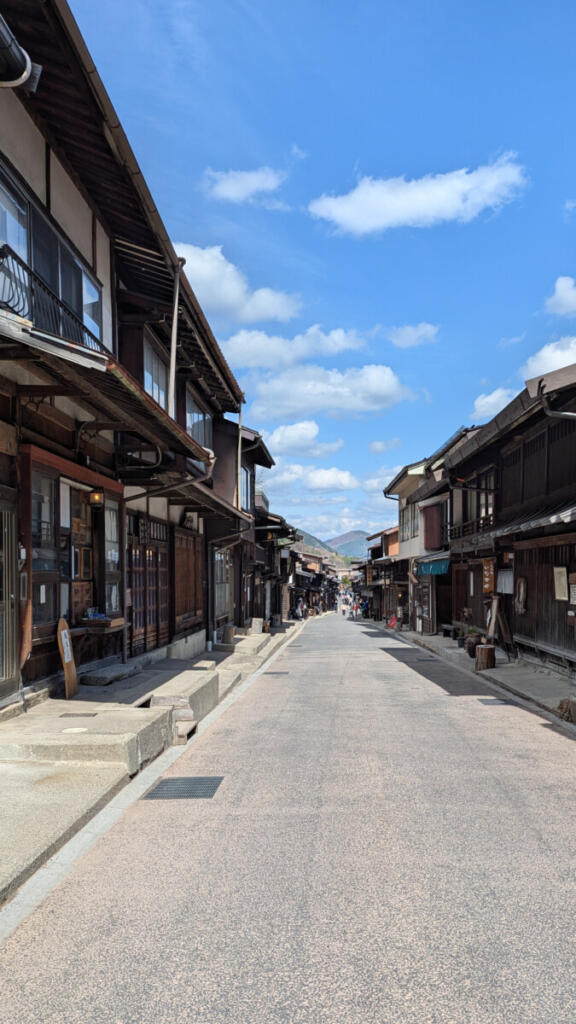
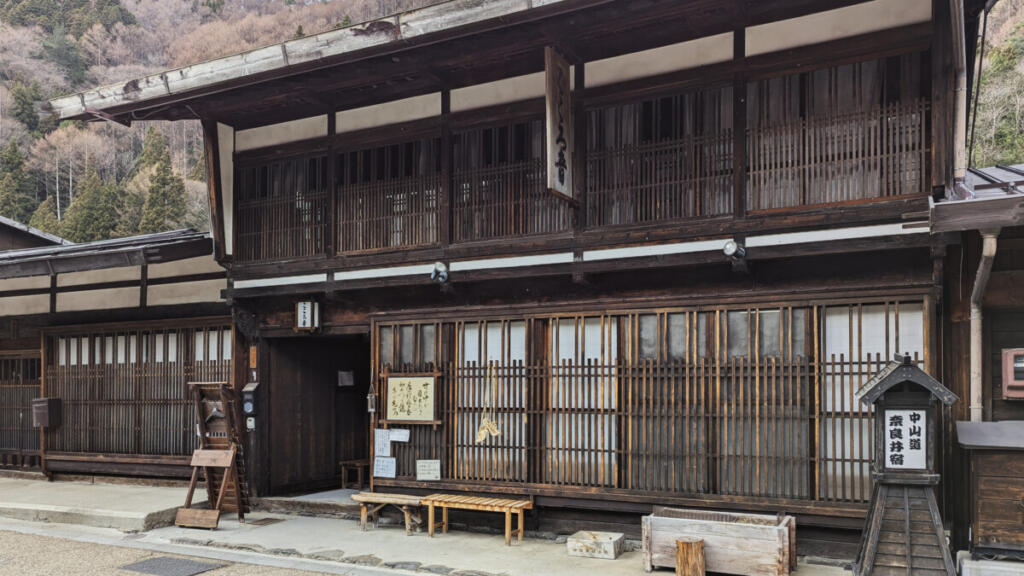
During the day, travelers stroll along the main street, stopping in artisan stores, sampling typical soba or marvelling at Kiso lacquerware. But Narai’s true charm is best appreciated once the sun goes down. When the stalls close and the lanterns light up, the village gradually empties, offering a suspended, almost unreal atmosphere. In the morning, in the silence of the early hours, strolling alone through the deserted alleyways is an unforgettable experience.
How to get to Narai-juku
Narai is located in Nagano prefecture, in the heart of central Japan.
- From Tokyo (Shinjuku), an Azusa express train takes you to Shiojiri in around 2 hours, then a local connection takes you to Narai in 25 minutes.
- From Nagoya, it’s about 2h30 by train via Kiso-Fukushima.
- The more adventurous can also arrive on foot via the Torii Pass, a ten-kilometer walk linking Yabuhara to Narai, offering a unique immersion in mountain scenery.
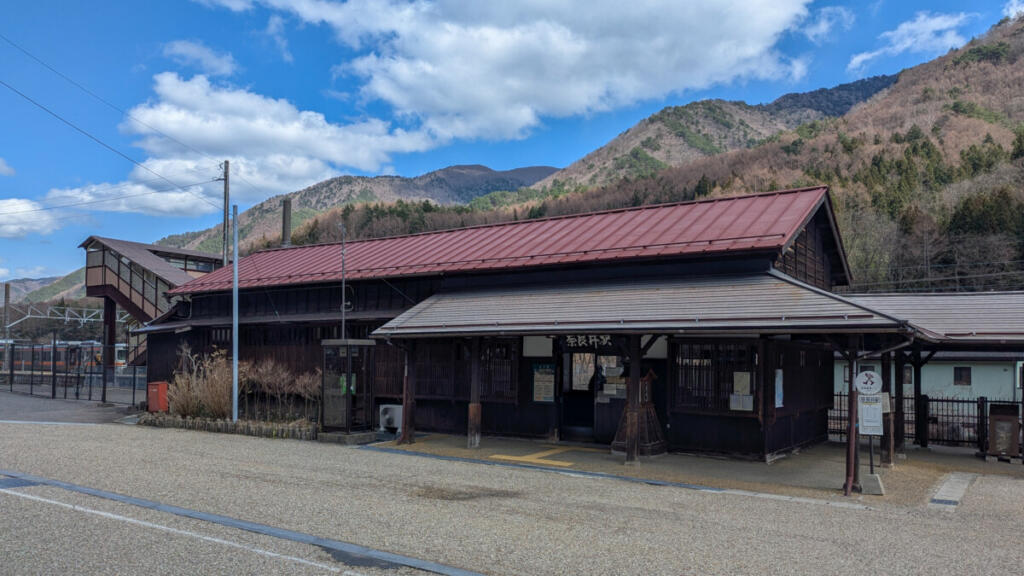
Narai fits perfectly into an itinerary along the Nakasendō, complementing Magome and Tsumago, or as an inspiring stopover between Tokyo and Kyoto.
What to see and do in Narai
Narai-juku isn’t just a picturesque stopover on the Nakasendō, it’s a veritable open-air museum. Behind its wooden facades, several sites tell of the history and daily lives of those who shaped the village.
The Tezuka Residence – Kamitoiya Museum
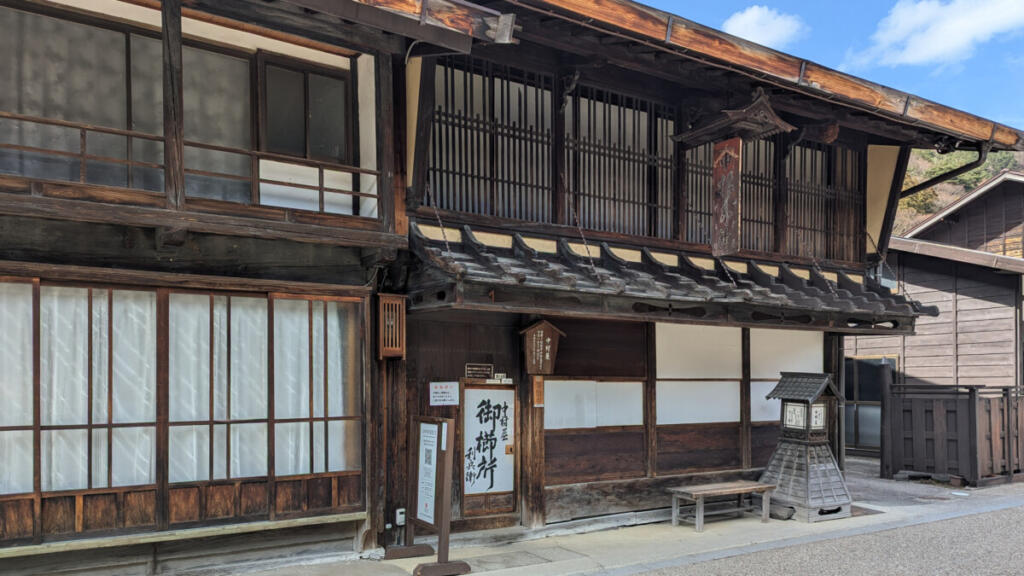
The former home of the Tezuka family, who prospered as wholesalers from 1602 until the end of the Meiji era, this house is now classified as an important Japanese cultural asset. Its architecture illustrates the typical style of Edo period merchants. Ancient documents, tools and everyday objects retrace the life of a great merchant house in one of the most prosperous cities of the Nakasendō.
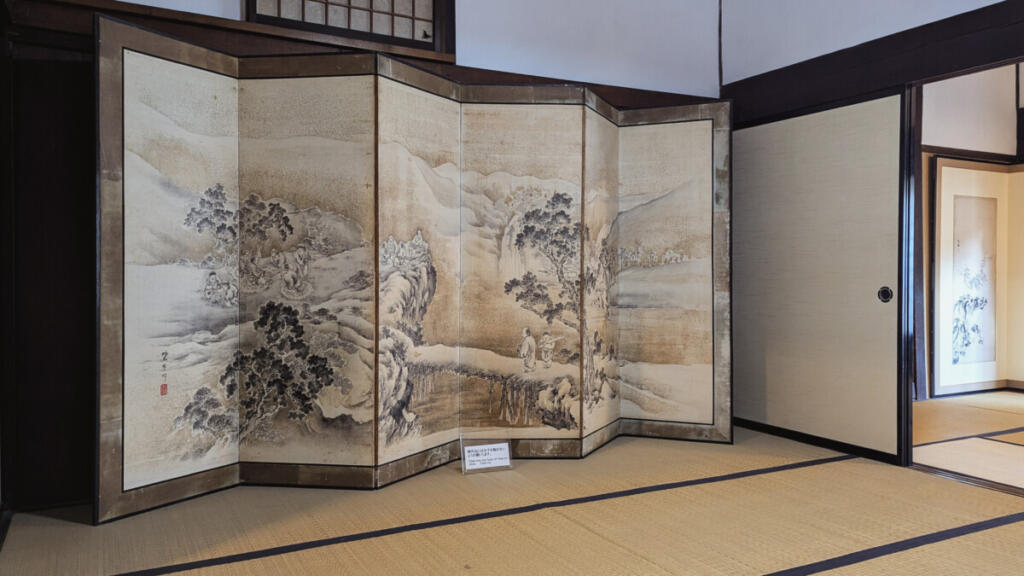
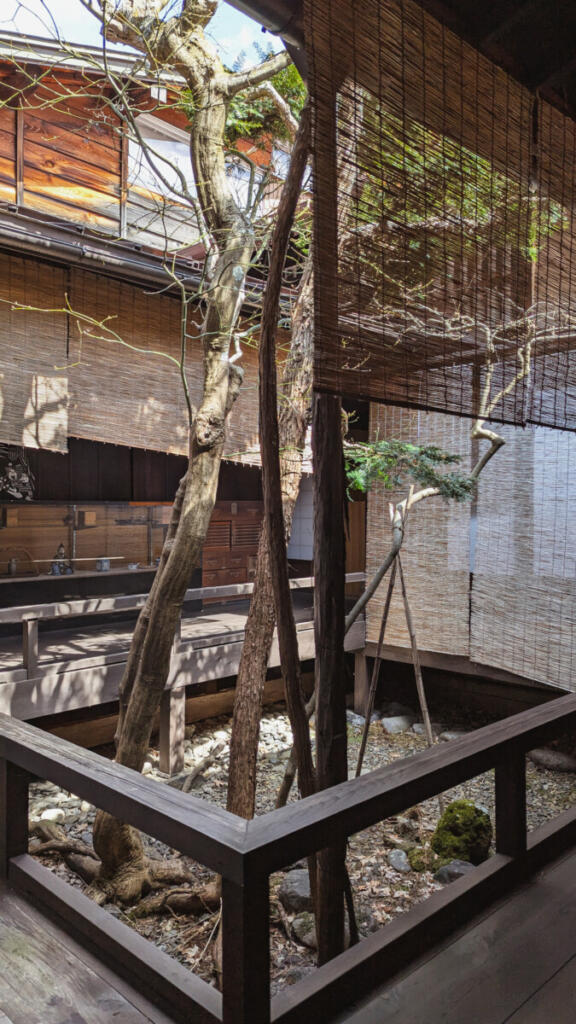
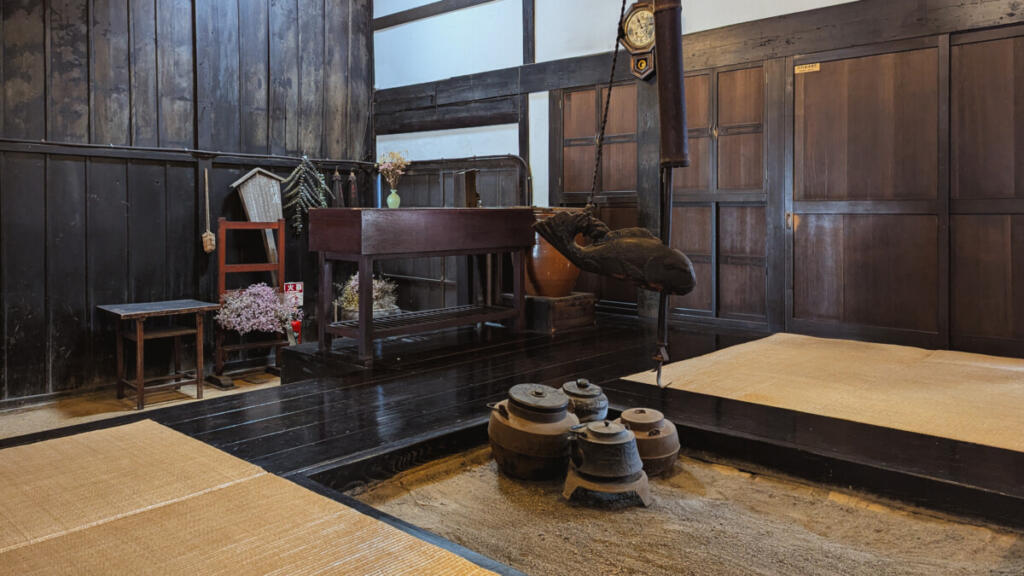
Nakamura-tei
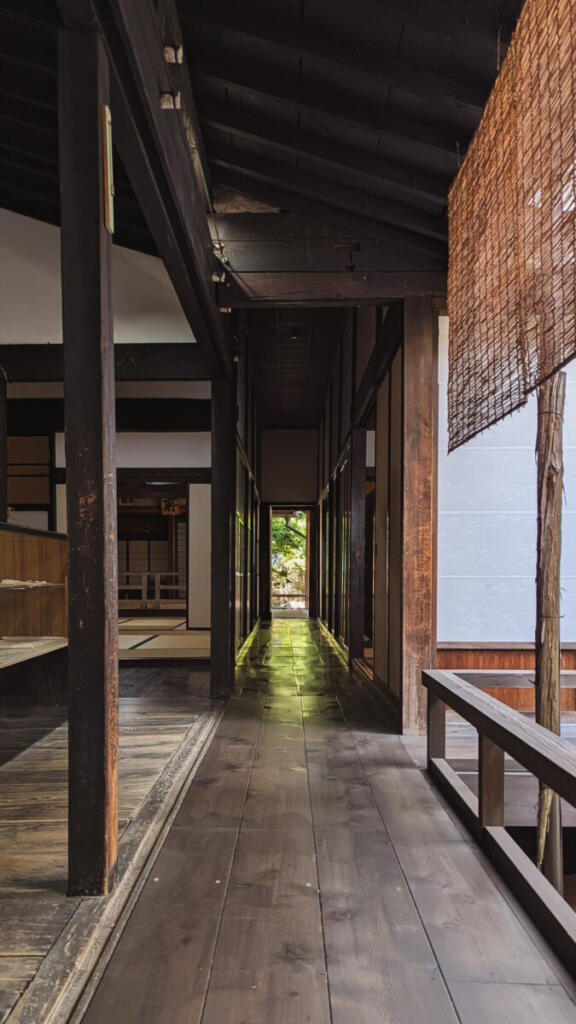
A perfectly preserved traditional house, Nakamura-tei plunges you into the intimacy of a Narai family in the Edo period. Tatami, painted partitions and original woodwork create a peaceful, refined atmosphere, true to the spirit of the Kiso Valley.
Narakawa History and Folklore Museum
Located close to the village, this museum highlights the region’s folk culture and crafts. Collections, everyday objects and traditional stories provide a sensitive insight into local history.
Chōsen-ji Temple
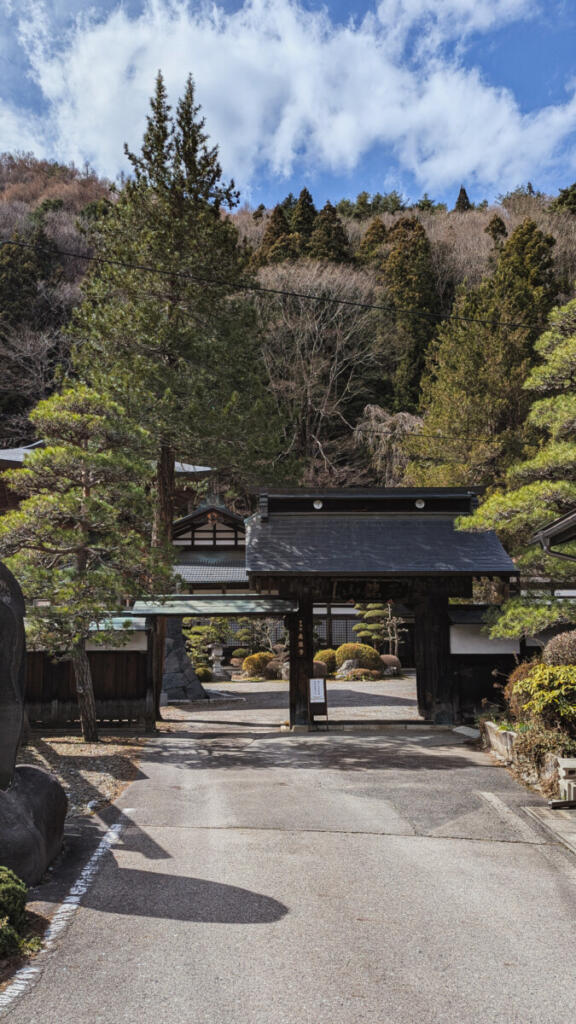
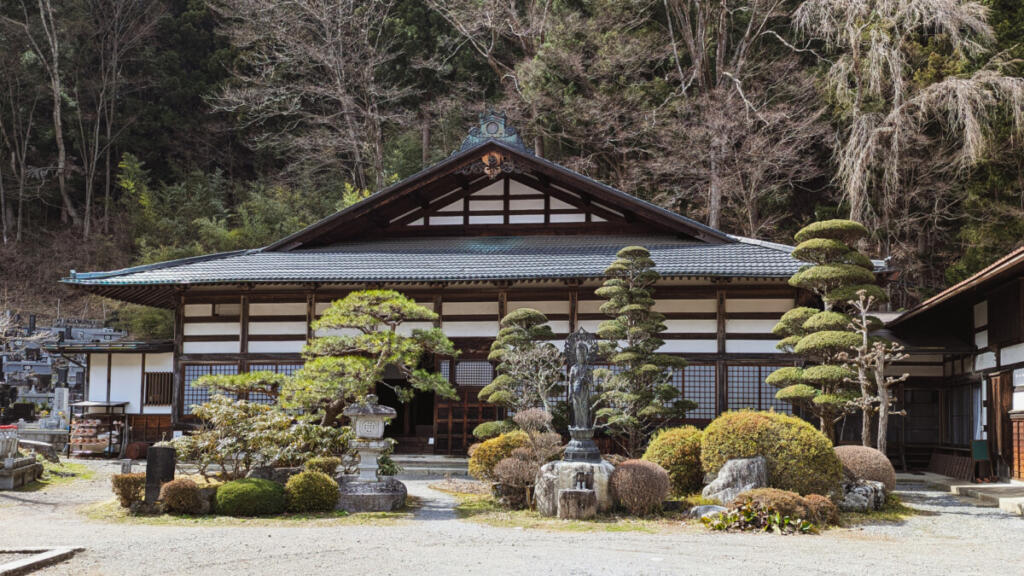
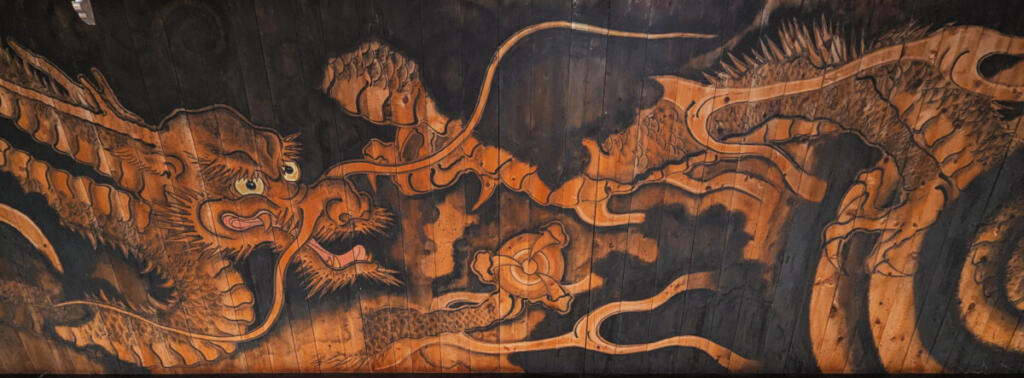
Founded in 1366, this temple of the Sōtō sect has accompanied the evolution of Narai since its origins. Inside the main pavilion, the eye is drawn to a monumental dragon painted on the ceiling during the Meiji era by a master craftsman from Hida: a work 20 meters long by 3.5 meters wide, meant to protect monks and watch over visitors. The effect is as solemn as it is spectacular.
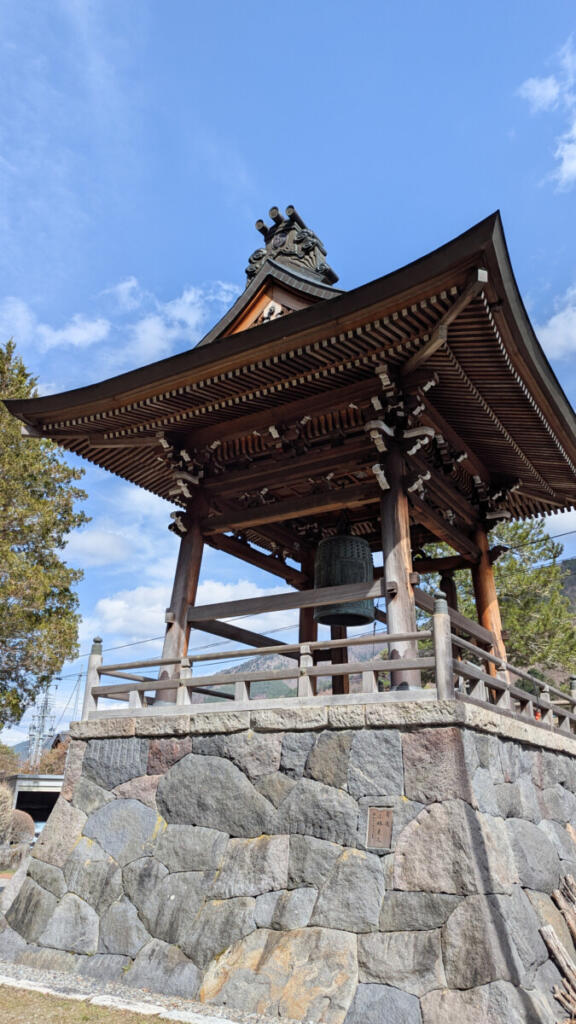
Ruins of Narai castle
Situated high up, they are a reminder of Narai’s strategic importance in the Kiso valley. The path leading to them offers an exceptional view of the village and surrounding mountains – particularly photogenic at sunrise or sunset.
To discover these places is to feel Narai beyond its main street: an immersion in its trading, spiritual and warrior history, where every building and every vestige contributes to the unique identity of this timeless village.
Byaku Narai – Heritage and contemporary minimalism
It is in the heart of this historic setting that Byaku Narai was born. The establishment comprises four heritage buildings – a former sake brewery, guest house and temple outbuildings – restored with remarkable care. The Edo soul is intact: dark wooden facades, traditional roofs, cobbled alleys. But inside, the architecture strikes a subtle balance between historical fidelity and contemporary minimalist aesthetics.
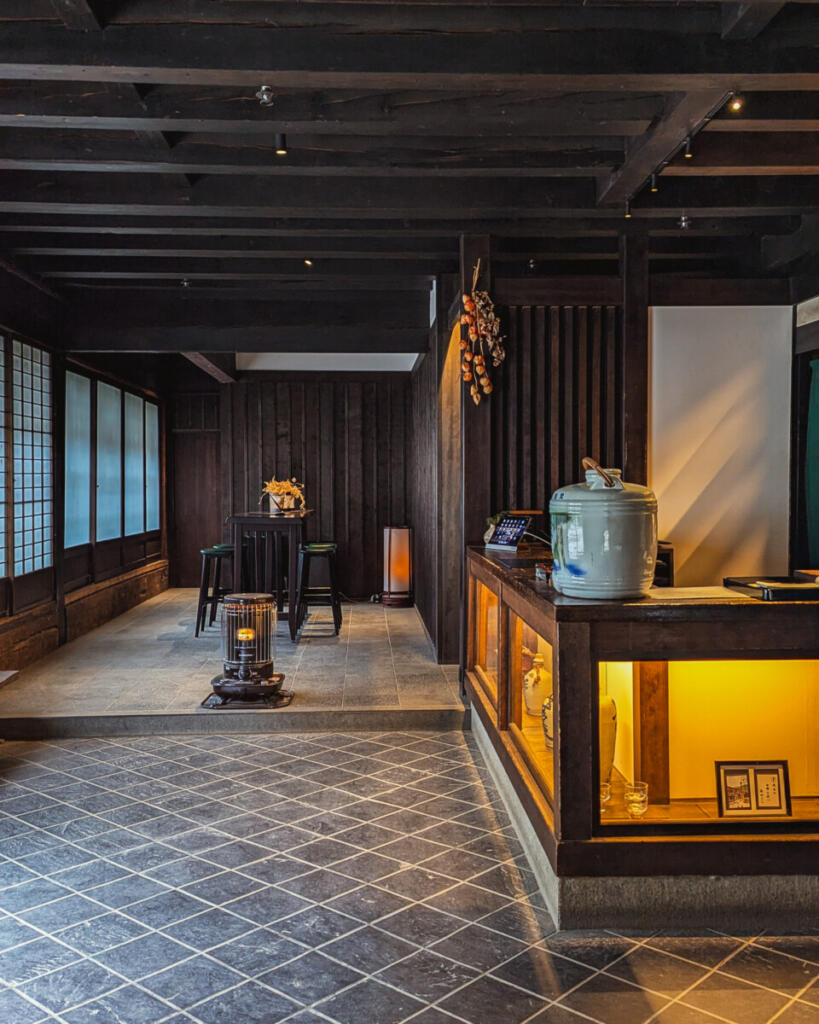
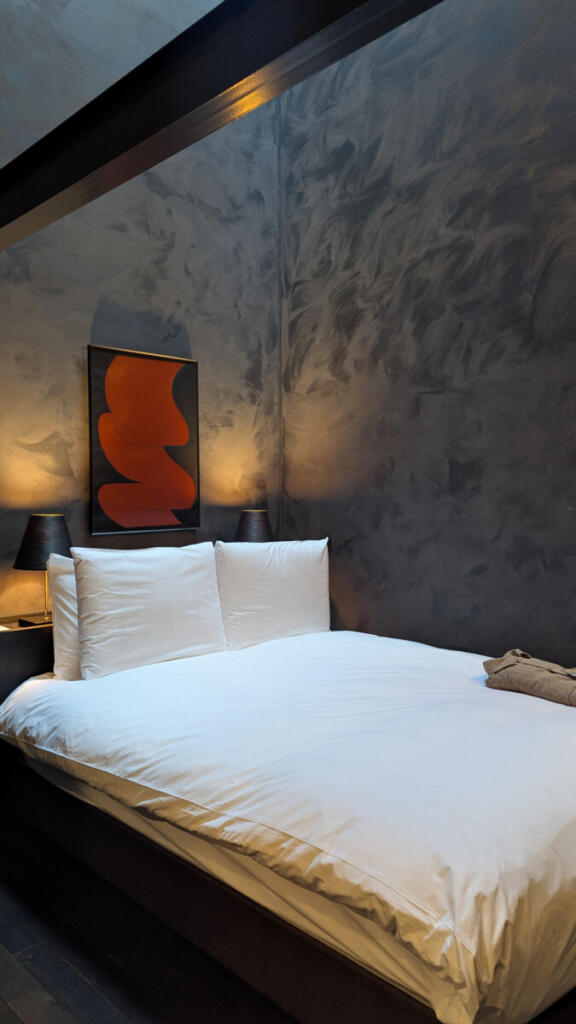
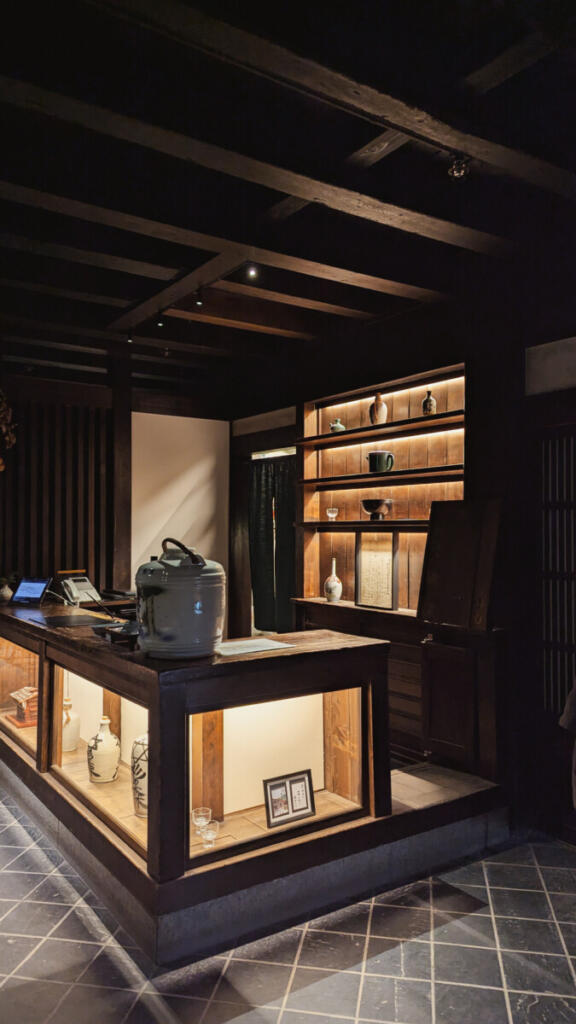
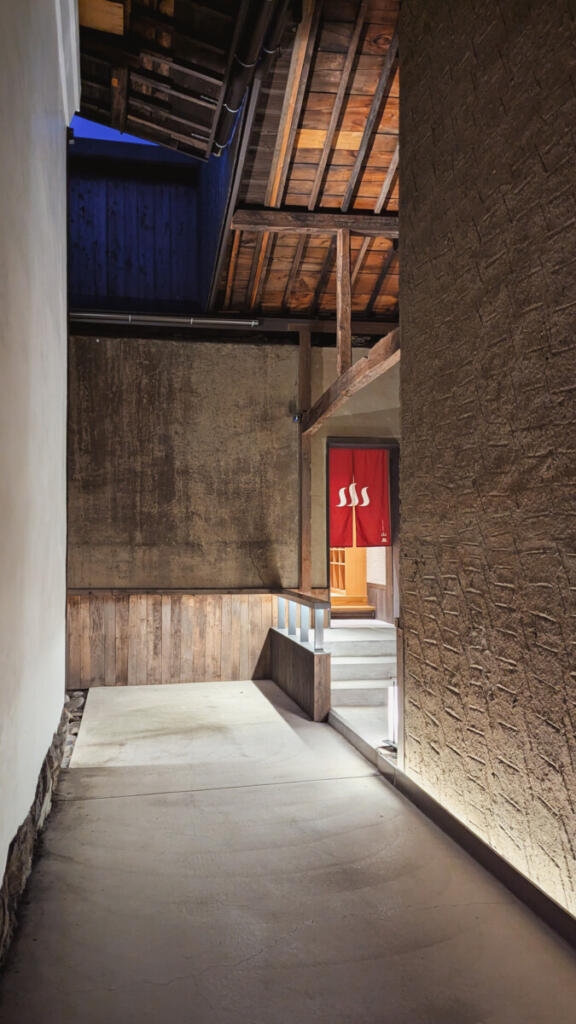
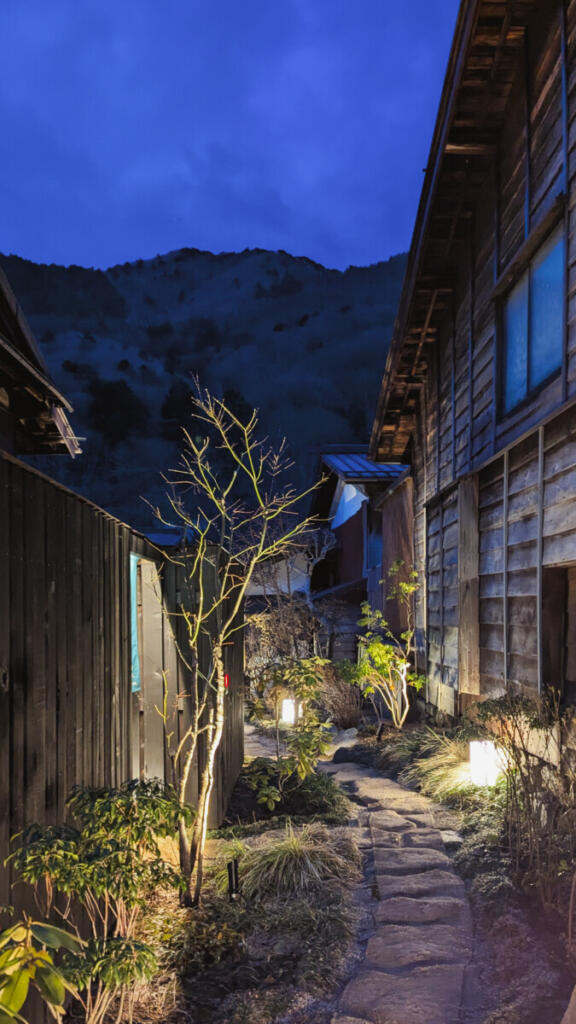
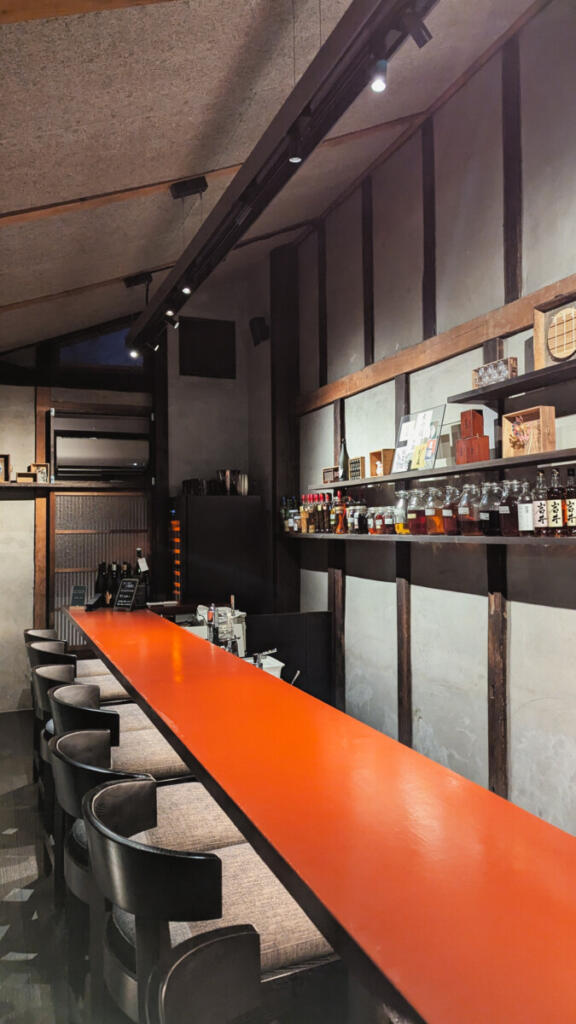
Each room is different, blending tatami mats, sliding doors and ancient beams with discreet modern comforts. Some even offer a private onsen, opening onto an interior garden, where you can immerse yourself in the warm vapors while gazing at the surrounding mountains. An experience that’s both intimate and deeply Japanese.
The kura restaurant – simplicity and seasonality
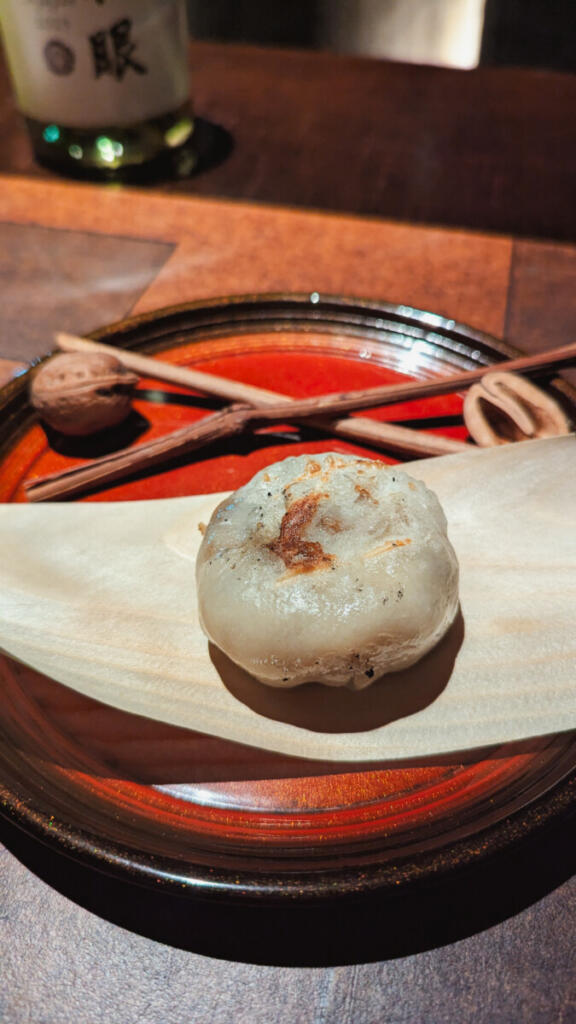
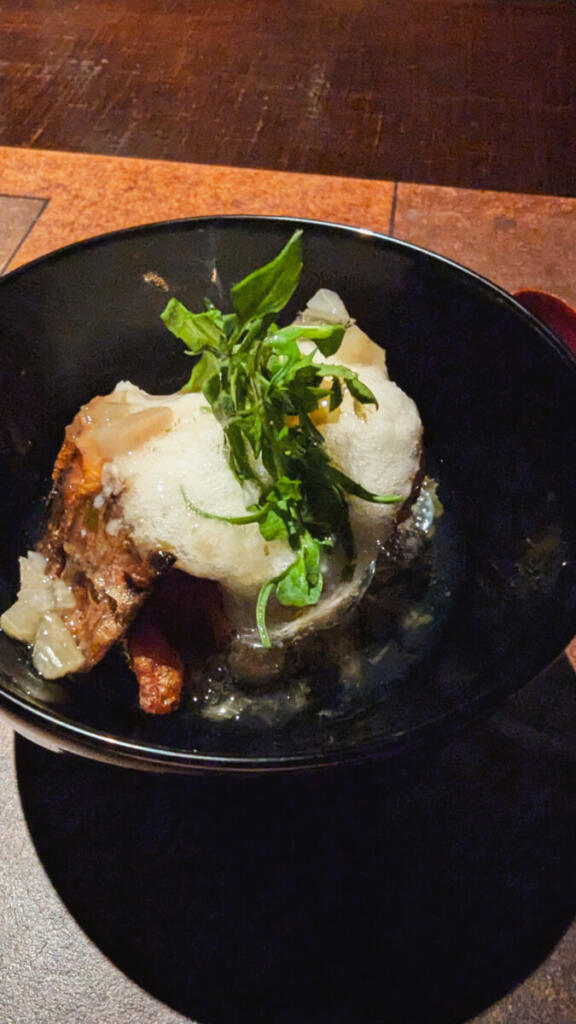
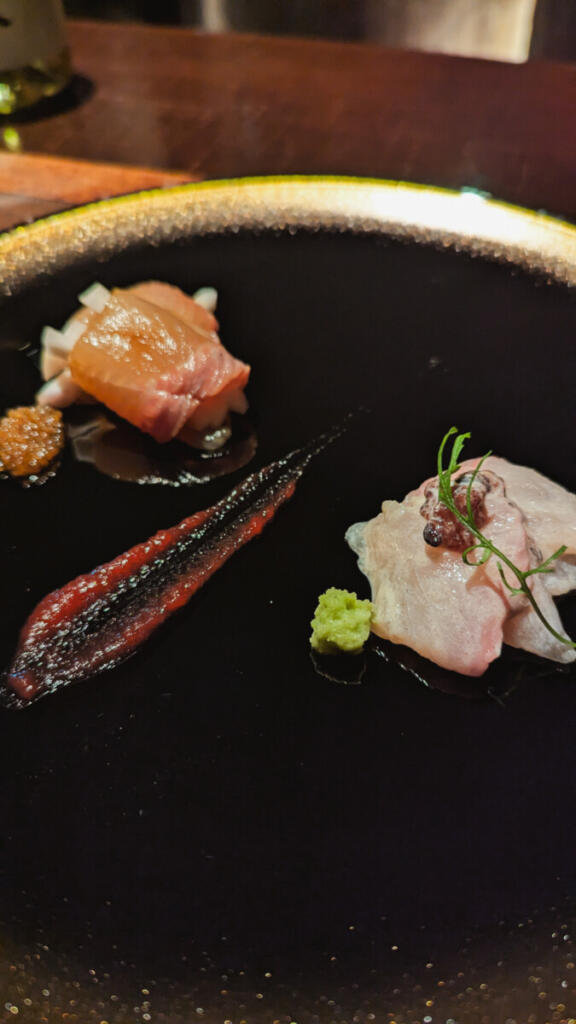
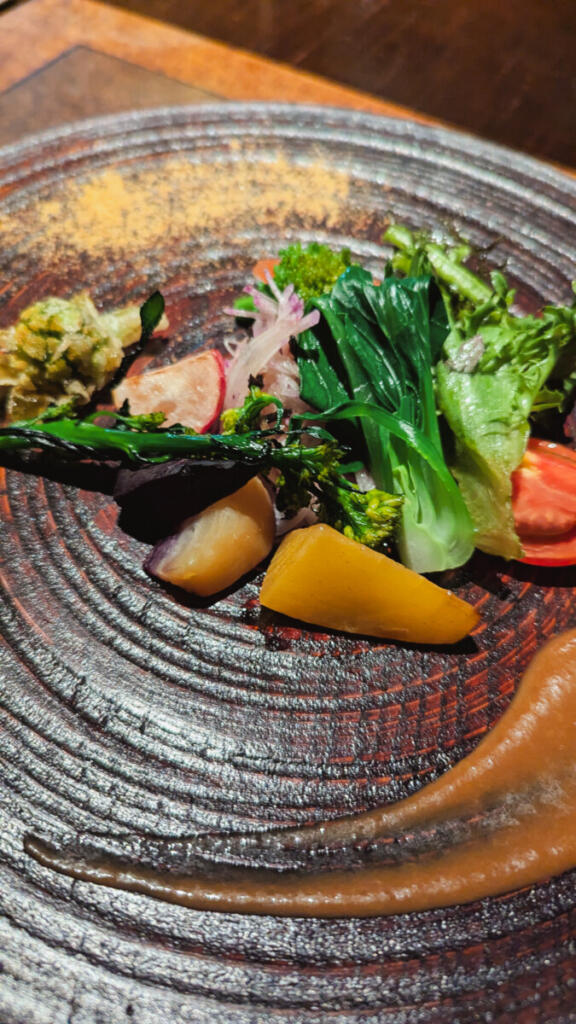
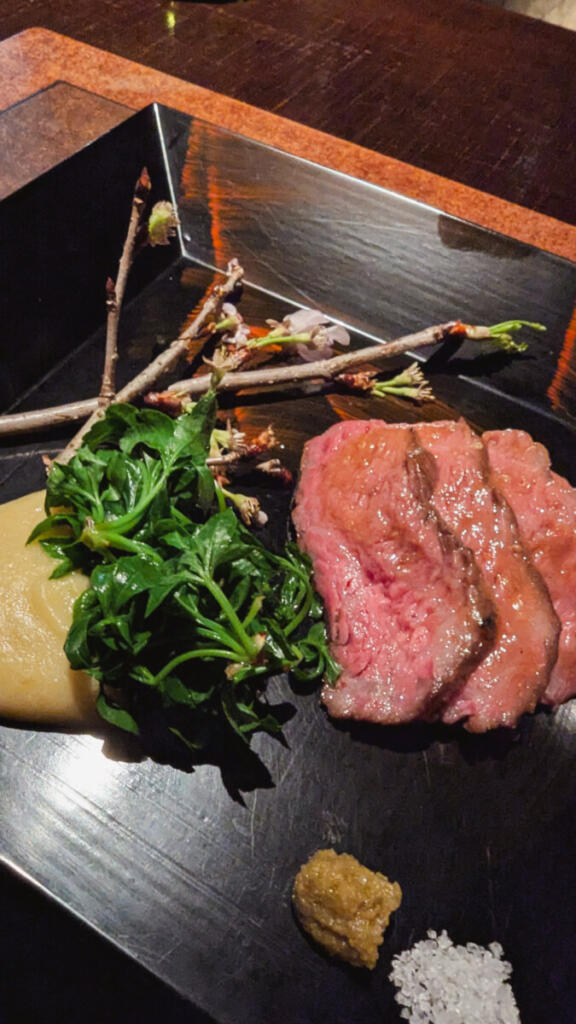
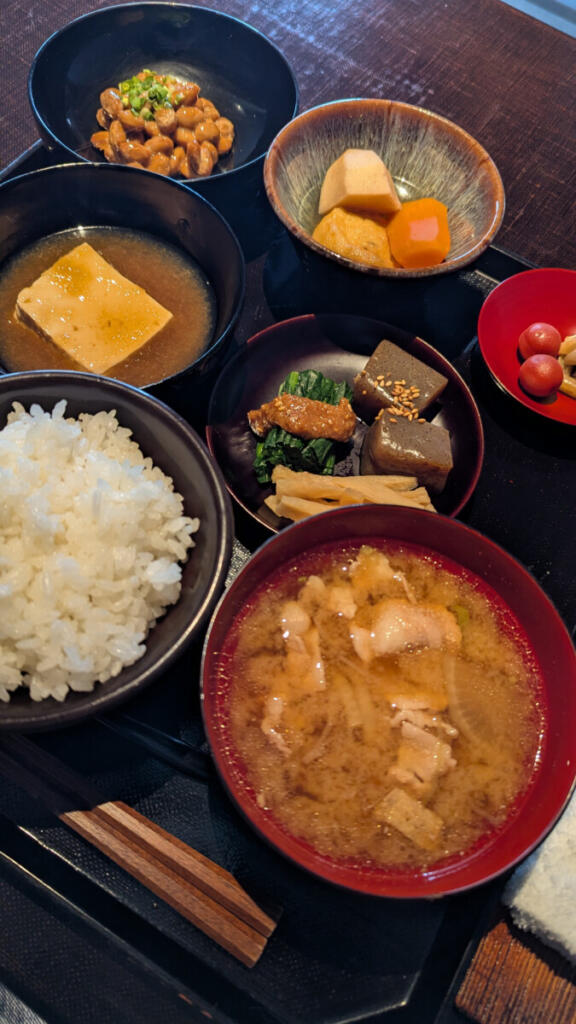
Narai’sformer sake cellar is now home to kura, Byaku Narai’s restaurant. Here, cuisine is inspired by local resources and the seasons: mountain vegetables, pure river fish, rice prepared in earthen pots, handcrafted sakes from the region. Tableware, often in Kiso lacquer, emphasizes the beauty of gestures and the simplicity of flavors.
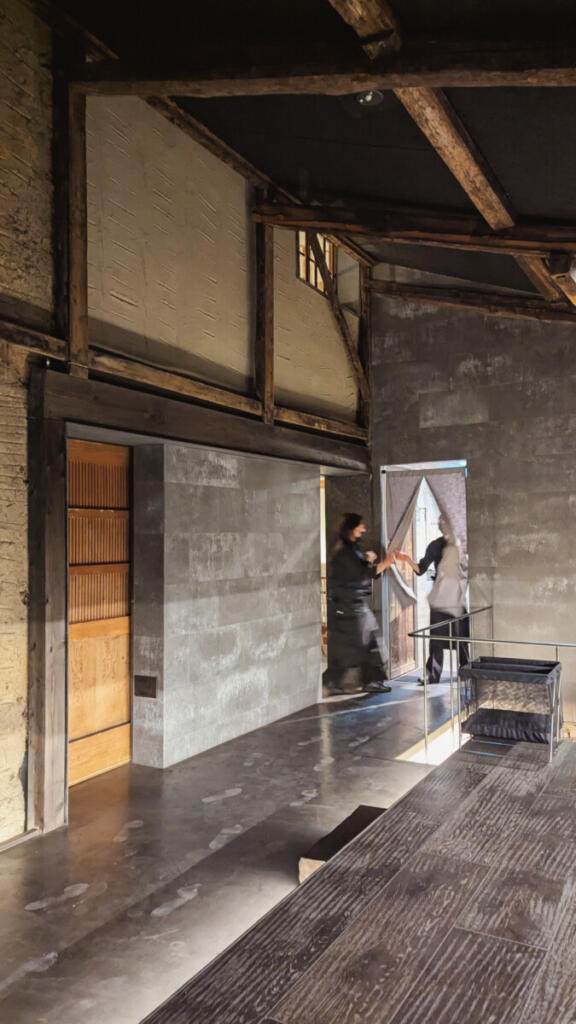
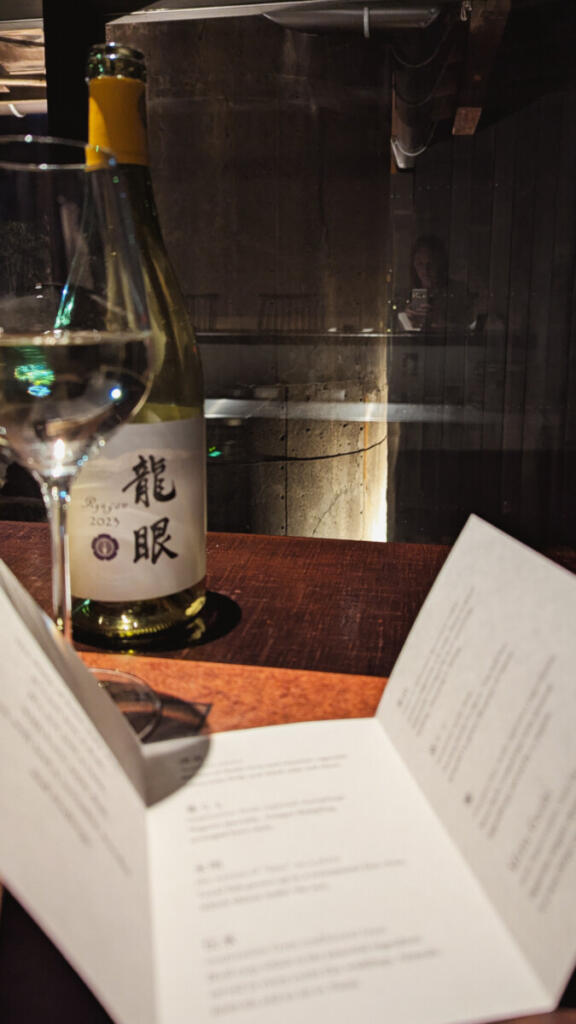
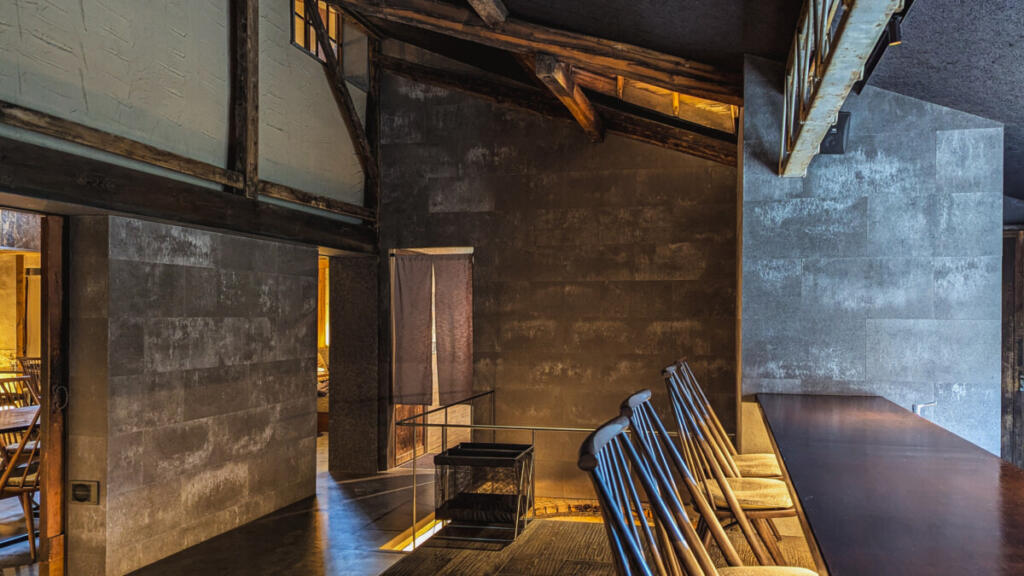
The result is a gastronomy faithful to the spirit of the place: minimalist, elegant, turned towards nature and the cycle of time.
Why stay at Byaku Narai?
Because there’s more to the Narai-juku experience than a daytime visit. Spending a night at Byaku Narai means enjoying the privilege of watching the village transform, and soaking up its profound calm as travelers leave. It’s also a moment of great serenity in a hotel that combines heritage, contemporary aesthetics and refined comfort.
Byaku Narai is for those seeking to slow down, to feel, to understand Japan at its most authentic. A rare address, where history meets minimalist art de vivre, and every detail tells a story.