Meeting an elephant is often one of the highlights of a trip to Thailand. Majestic, calm and intelligent, these fascinating giants are present throughout the country’s collective imagination, whether through temples, traditions or landscapes.
But for this encounter to be truly unforgettable, it has to take place under the right conditions. Today, there are a number of initiatives that enable you to experience a day of respectful immersion, far from the shows and elephant rides.
Elephants in Thailand: a few facts and figures
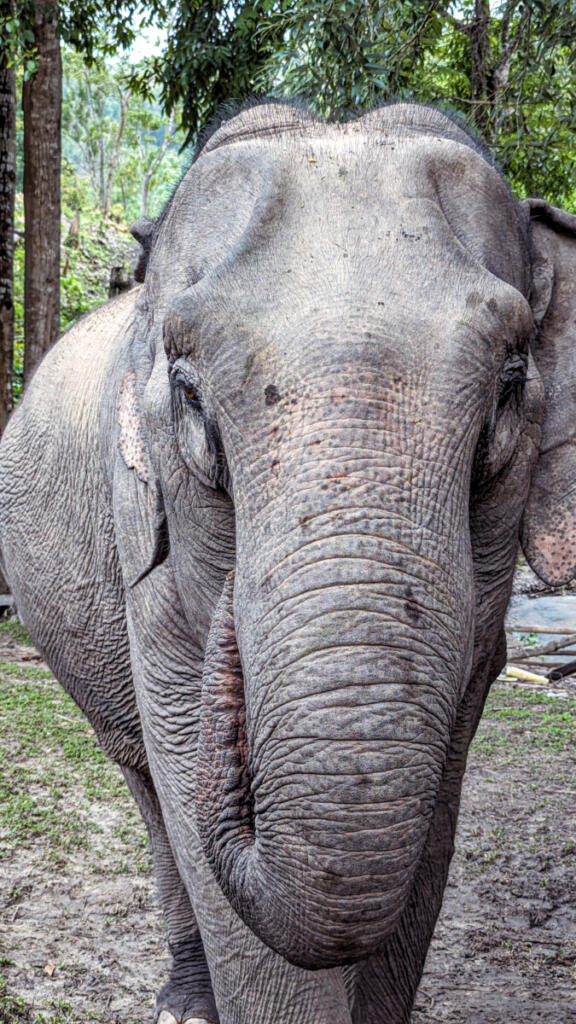
The Asian elephant is quite distinct from its African cousin. Smaller, with a rounded back, rounded ears and less developed tusks, it also has a more docile temperament. It is this calmer nature that has facilitated its integration into human life over the centuries, particularly in Southeast Asia. Unlike the African elephant, which is rarely domesticated, the Asian elephant has long been a companion for work, war and ceremony.
In Thailand, he occupies a central place in history and culture. Revered for his strength, memory and loyalty, he has served kings on the battlefield, carried teak trunks up the mountains, accompanied monks in their processions and symbolized power in the collective imagination.
In Thailand, elephants are more than just animals. They embody strength, wisdom and memory. Revered in both Buddhist tradition and popular culture, they have long played a central role in the life of the kingdom. Companions to kings, auxiliaries to soldiers, tireless workers in the forests and rice paddies, they were everywhere present at man’s side.
But everything changed in 1989, when a ban on logging suddenly deprived thousands of elephants and their mahouts of their main activity. Faced with food and medical needs estimated at over 30,000 THB per month (around €750), equivalent to the salary of an average executive in Thailand, many families turned to tourism to survive. Elephant rides, circus shows, photo shoots… profitable practices, but often harsh and cruel for the animals.
In recent years, awareness has been growing. More and more travelers are refusing intrusive or humiliating experiences for elephants, in favor of more respectful encounters. This new approach has given rise to a number of sanctuaries where elephants are cared for, protected and given freedom of movement. Here, we learn to observe, feed and accompany them without coercion.
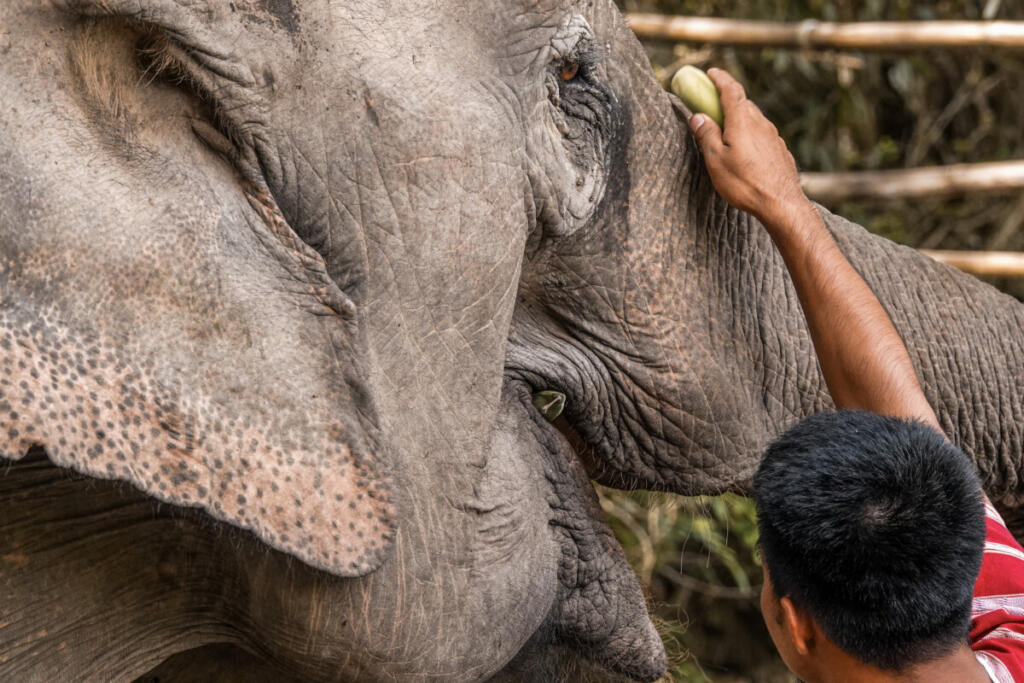
Today, Thailand has around 4,500 elephants, of which barely a thousand still live in the wild. The rest are kept in sanctuaries, care centers or villages, where we are trying to reinvent a fairer relationship based on benevolence, freedom of movement and observation rather than exploitation.
Ethical sanctuaries in Chiang Mai and elsewhere
To experience an authentic encounter with elephants without contributing to their exploitation, it is essential to choose sanctuaries committed to an ethical approach. These places protect the animals, promote their well-being and offer respectful activities, without shows or elephant rides.
Among the most renowned sanctuaries around Chiang Mai, Elephant Nature Park is a pioneer. Founded in 1996, this sanctuary takes in elephants rescued from harsh conditions, including tourist camps and former logging operations. Here, visitors can watch the elephants roam freely in a natural setting, take part in their care and feeding, while learning about their history.
Patara Elephant Farm offers an immersive experience where you share the daily life of a mahout. Dressed in traditional Karen costume, each visitor becomes responsible for an elephant for the day, ensuring its care, feeding and bathing. This sanctuary actively contributes to the rehabilitation of abused elephants and the birth of new calves in good conditions.
The Young Elephant Training Center, under royal patronage, is the largest domesticated elephant center in Thailand, with around 100 animals. Although the elephants are well treated, certain activities, such as games and demonstrations, remain controversial. A visit is an option, but you should make an informed choice.
Other places, such as the Thai Elephant Care Center, Phuket Elephant Sanctuary and Elephants World near Kanchanaburi, are dedicated to caring for elderly, sick or abused elephants, offering them a peaceful retirement.
Finally, it’s also possible to observe elephants in the wild in protected areas such as Khao Yai National Park, home to between 200 and 300 animals. This approach requires more patience, but offers an unforgettable natural spectacle.
A day with the elephants in a Karen village
About two hours’ drive from Chiang Mai, in an unspoilt mountain region, a small Karen community welcomes a limited number of visitors every day. From a mountain ethnic group with ancestral traditions, this Karen family lives in harmony with nature and its elephants, perpetuating a way of life that is respectful of and deeply linked to its environment. Here, the experience takes place in small groups, in calm and simplicity. No shows or elephant rides, just a genuine, respectful bond between human and animal.
This morning, only three of us leave Chiang Mai for this unique day. The road opens onto a calm, green landscape, winding through forests and fields to the village nestled in the heart of the mountains. When we arrive, the family welcomes us with warmth and simplicity. The patriarch invites us to dress in traditional Karen garb, and gives us our first explanation of what awaits us.
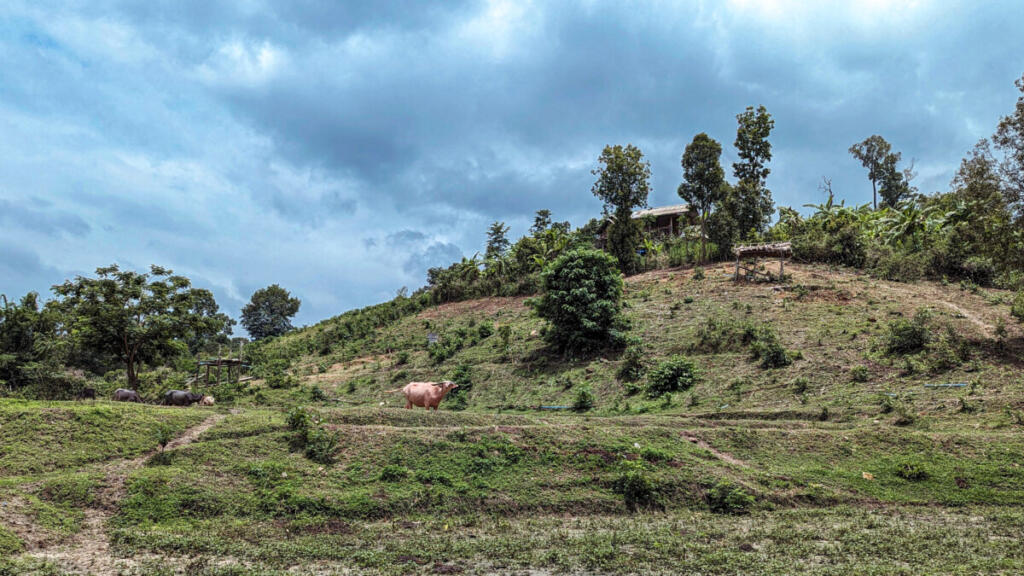
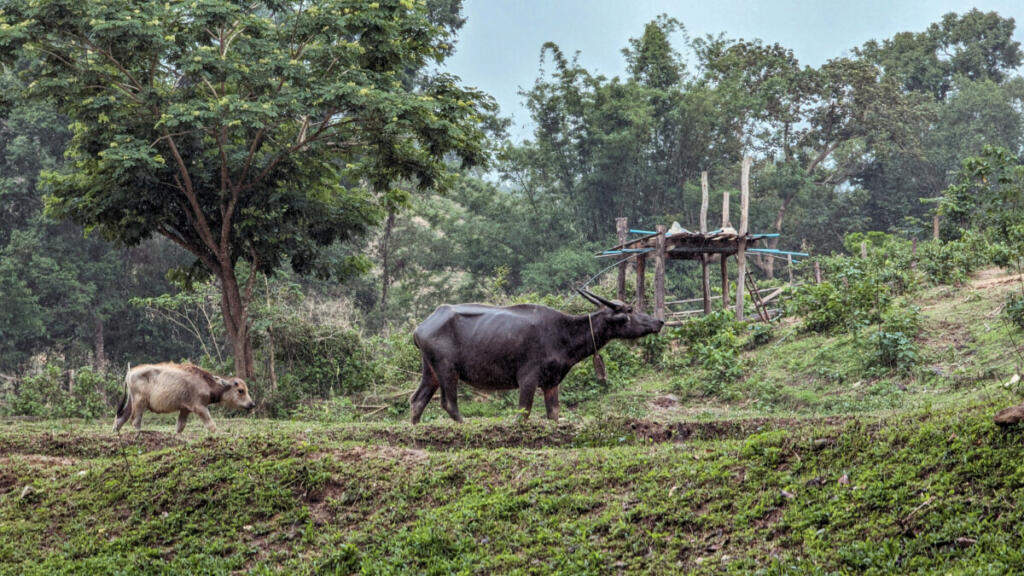
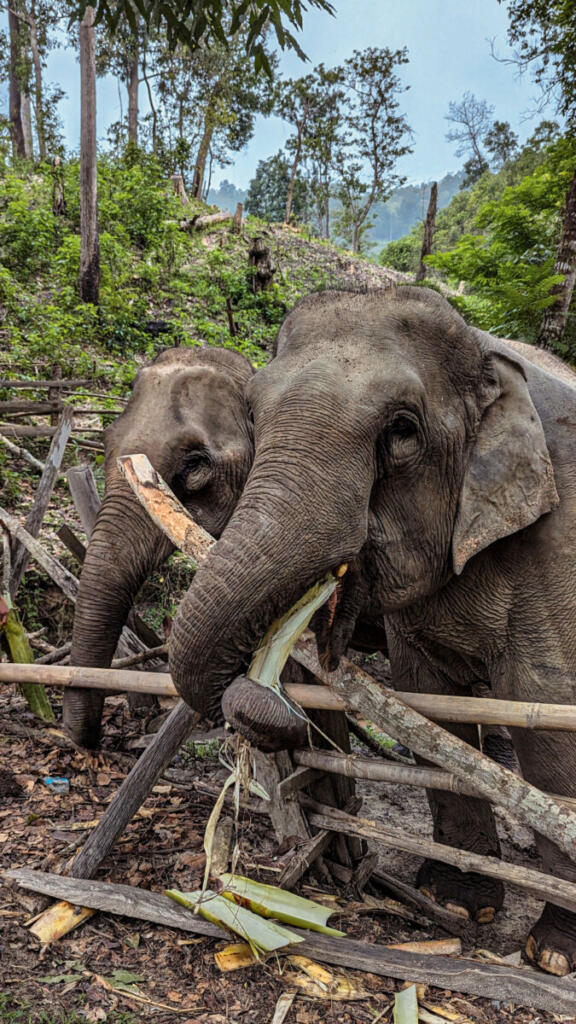
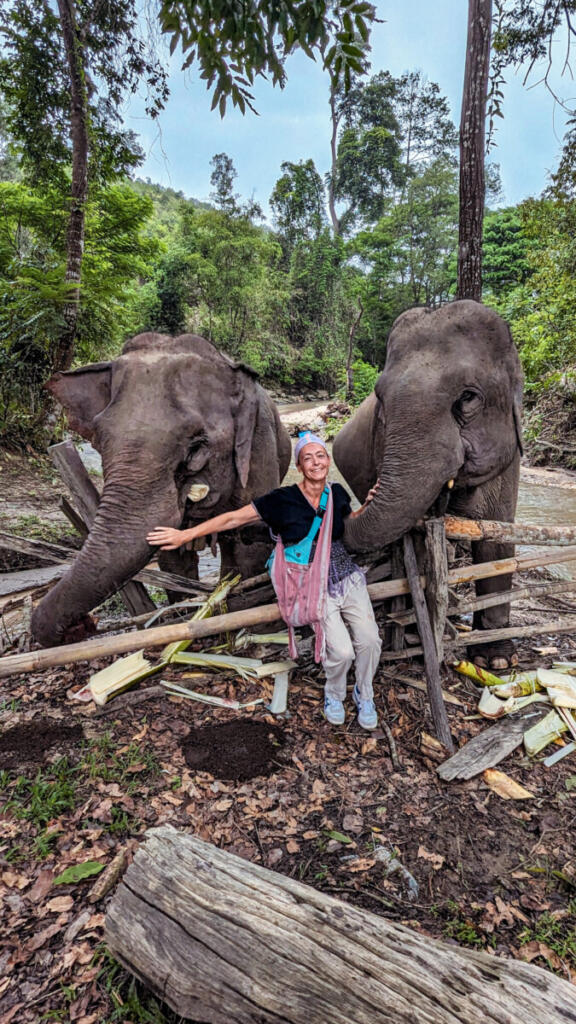
In the field below, a few oxen graze peacefully, but no trace of elephants. They are still in the nearby forest, where they spent the night. There are only two elephants here, a mother and daughter. Taking care of these pachyderms requires a lot of time and resources. That’s why visitors are so warmly welcomed: their financial contribution and help for a day are invaluable in supporting the family’s daily routine.
Time to meet the ladies… We cross the field and then the river before entering the forest. We make slow progress along the path. After a few minutes, the majestic silhouettes appear between the foliage. It’s a magical moment…
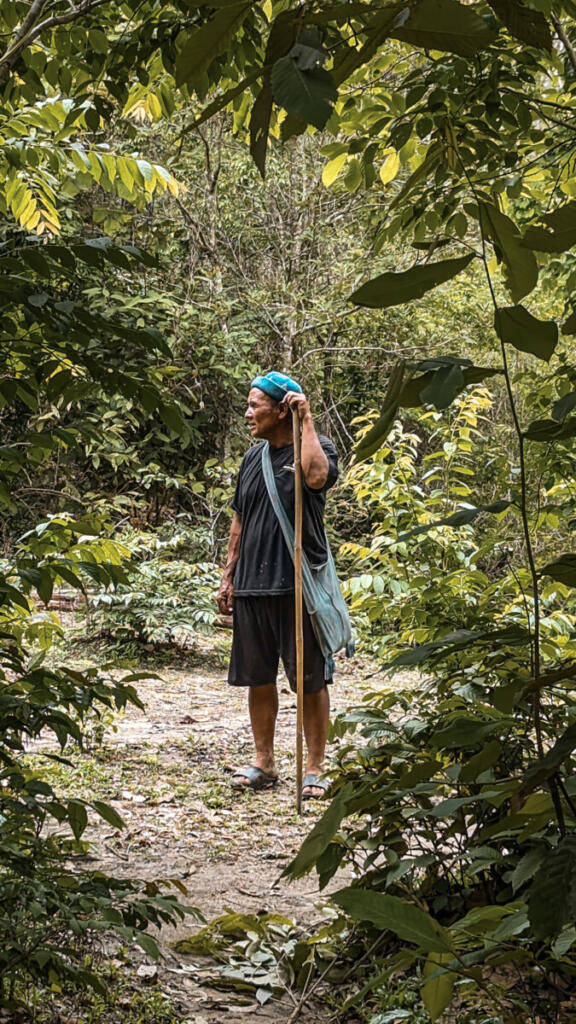
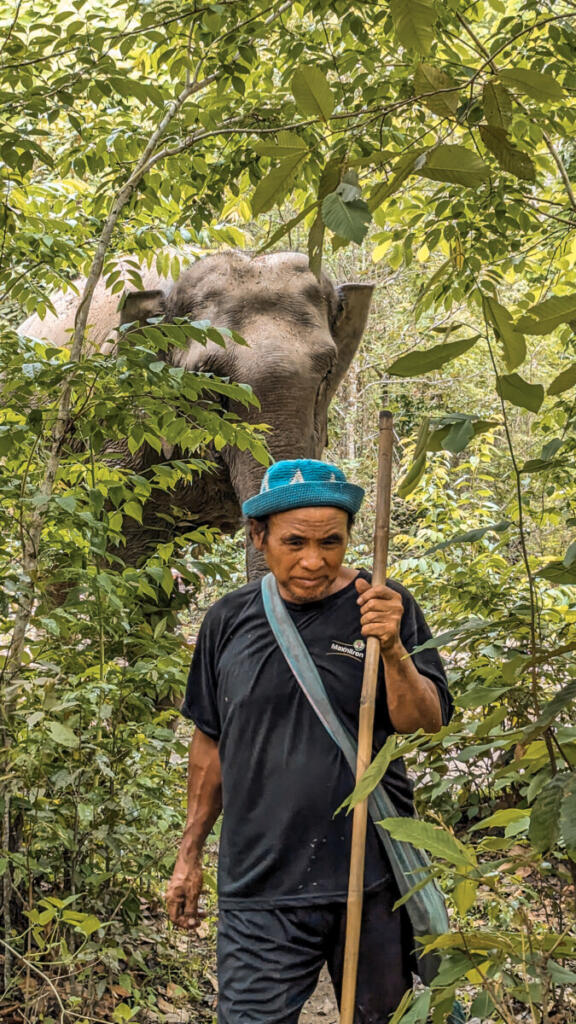
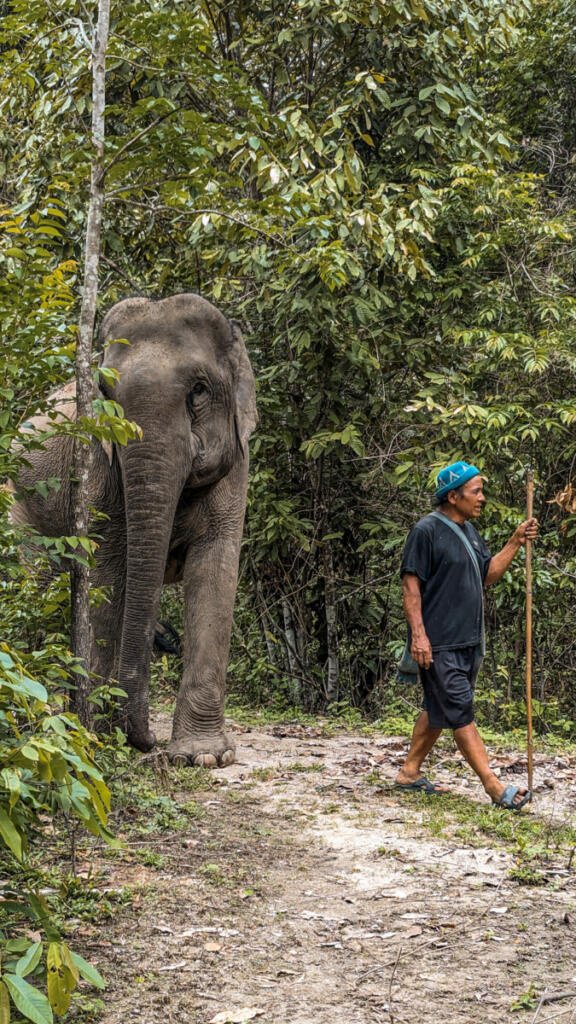
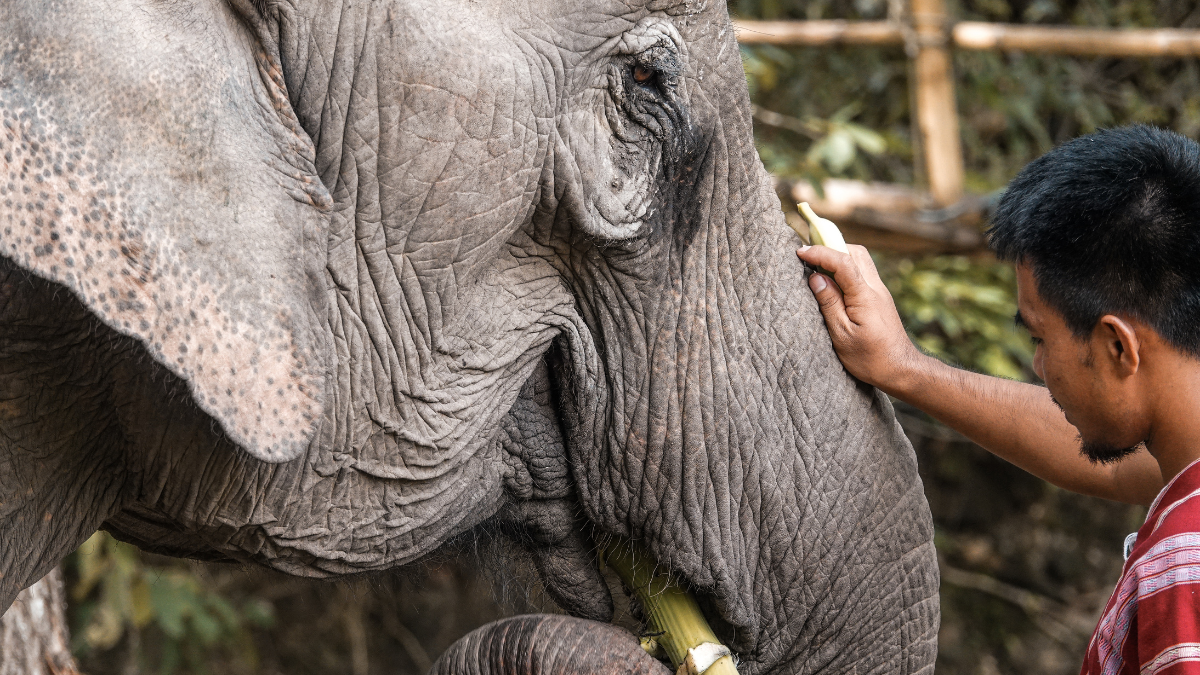
A few bananas are presented to the elephants to get to know each other and establish trust. Once this initial contact has been established, we return via the river to set up camp in the neighbouring field…
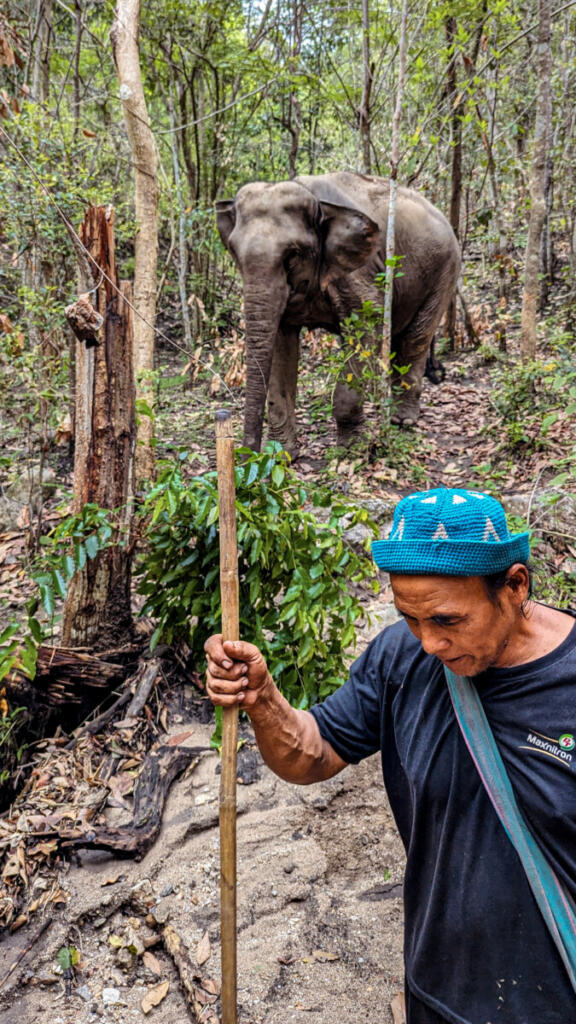
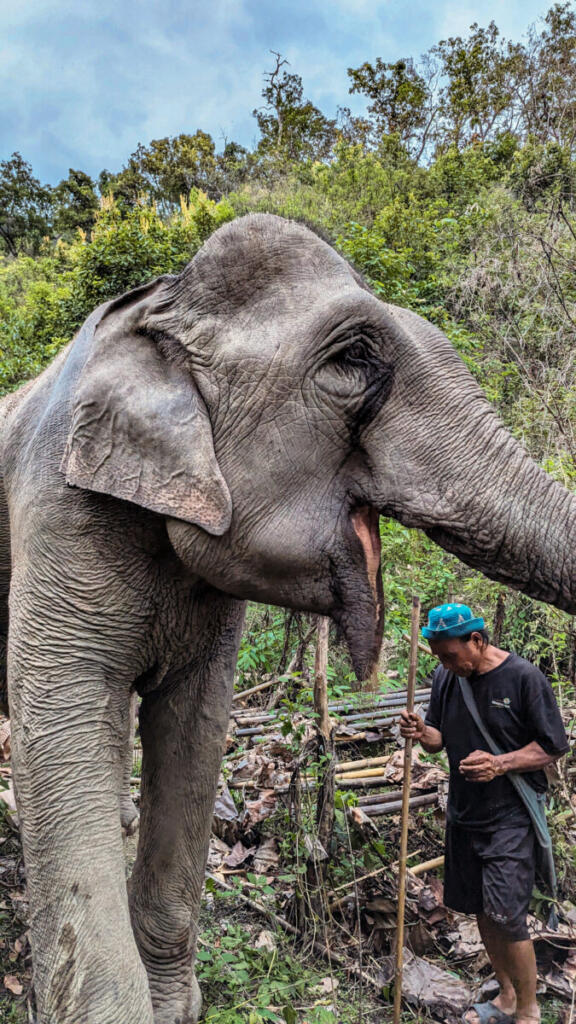
The morning continues as we tend to the elephants. We learn how to prepare their food, including freshly cut bananas and energy balls made from glutinous rice, dried fruit and local herbs. Every gesture is made with patience and respect.
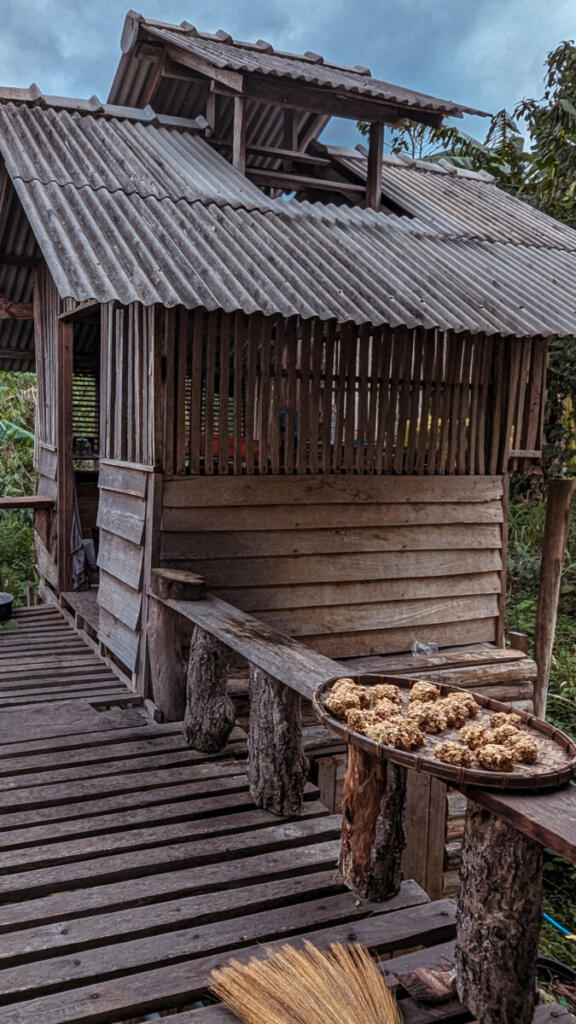
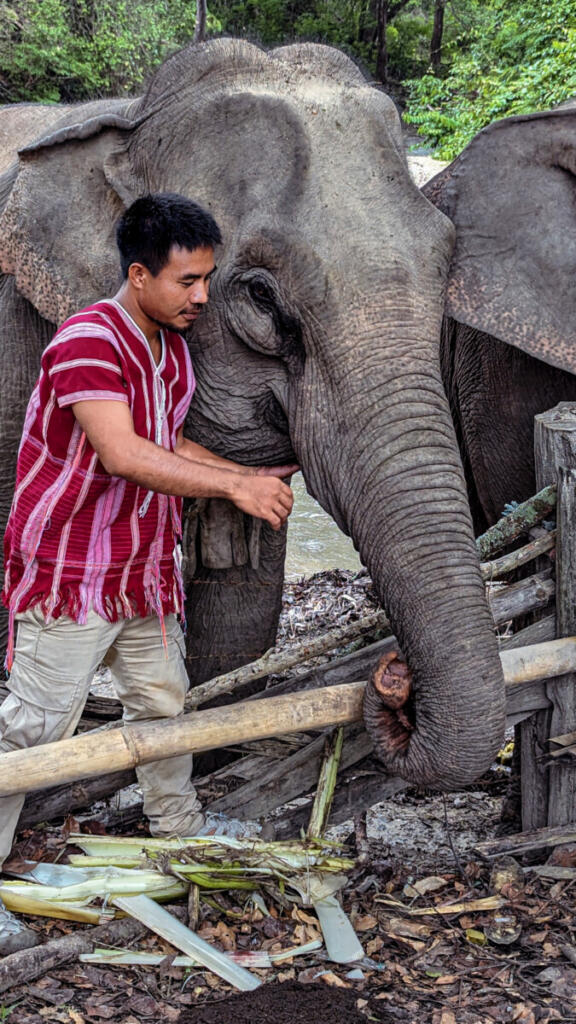
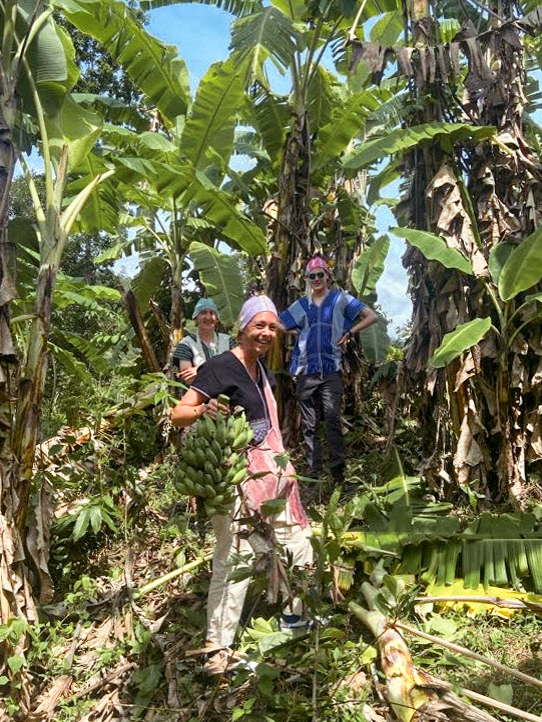
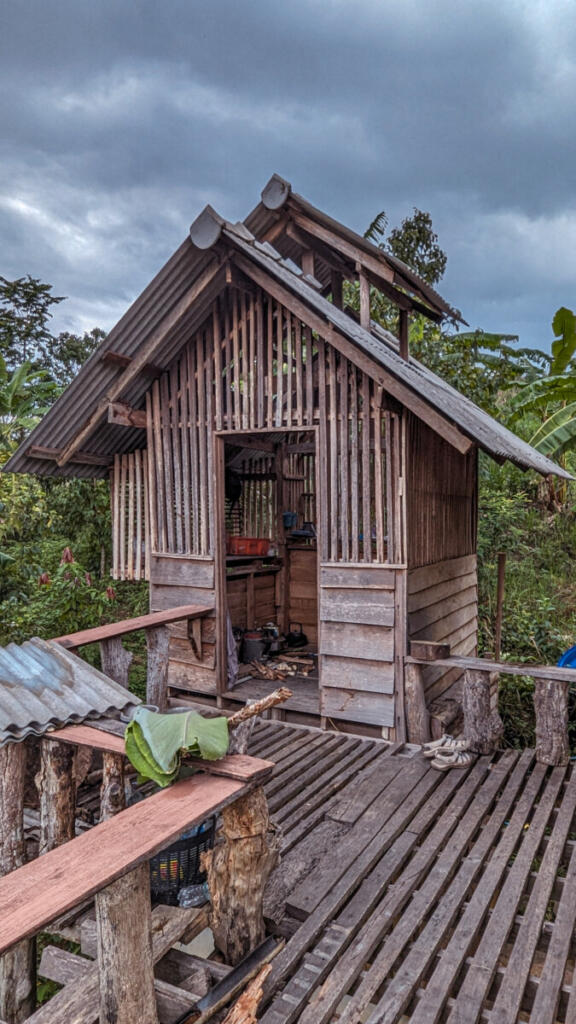
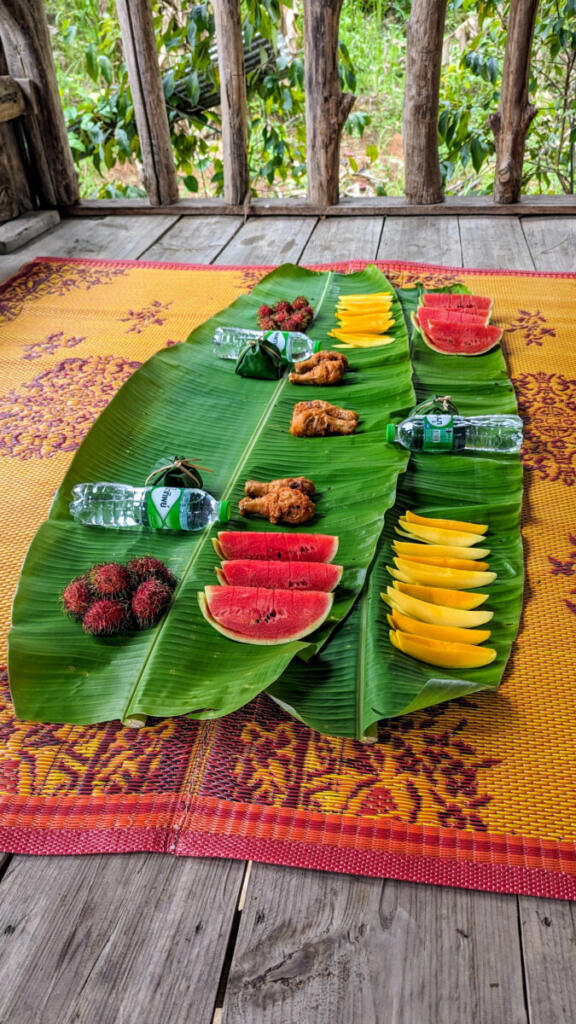
Around midday, we share a simple meal, laid out on banana leaves, in a house on stilts. Communication is based on smiles and gestures, but the atmosphere is warm and sincere.
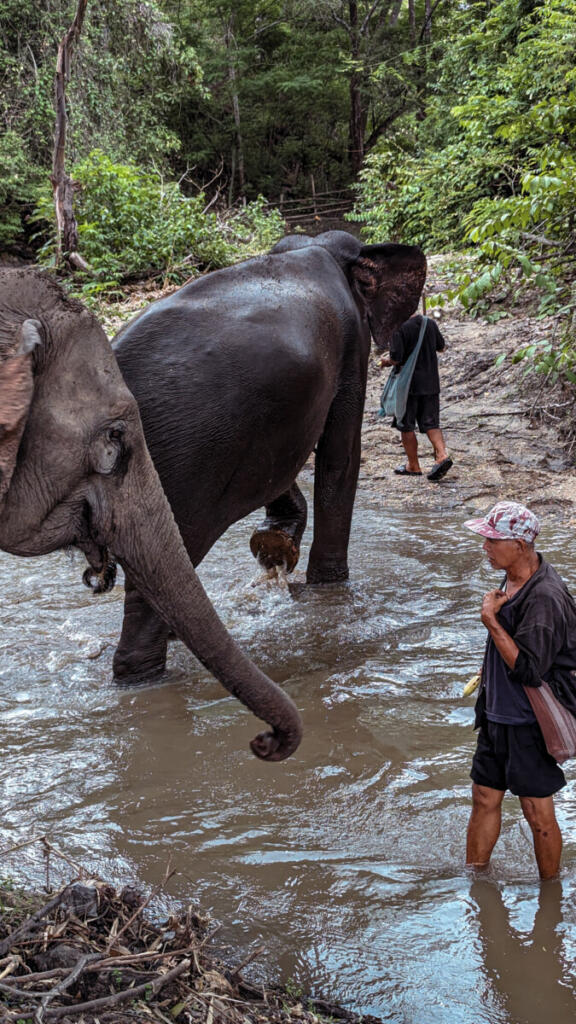
The afternoon is devoted to bathing the elephants in the river. A playful moment, essential for their well-being. The animals play and refresh themselves, while we gently accompany them.
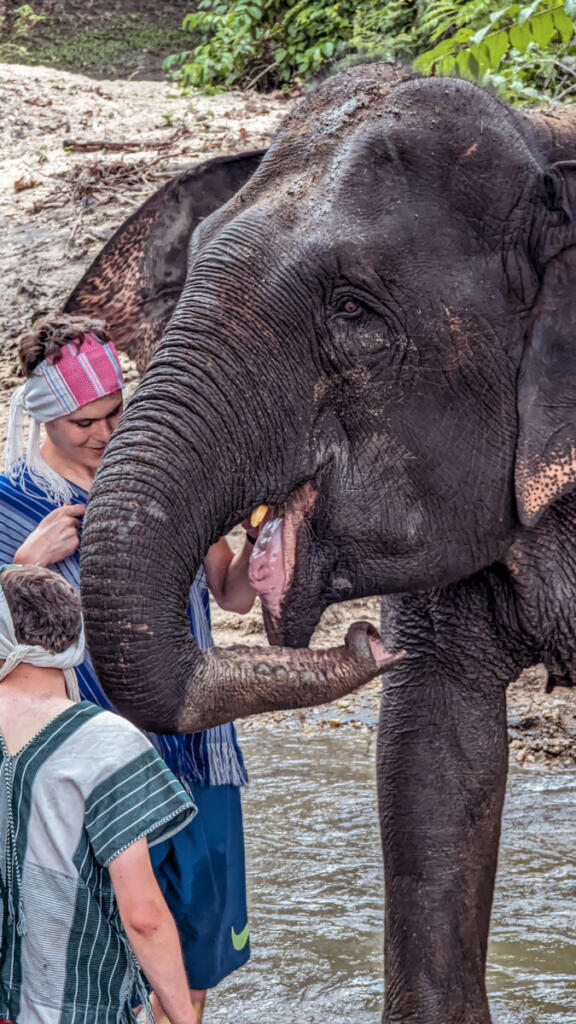
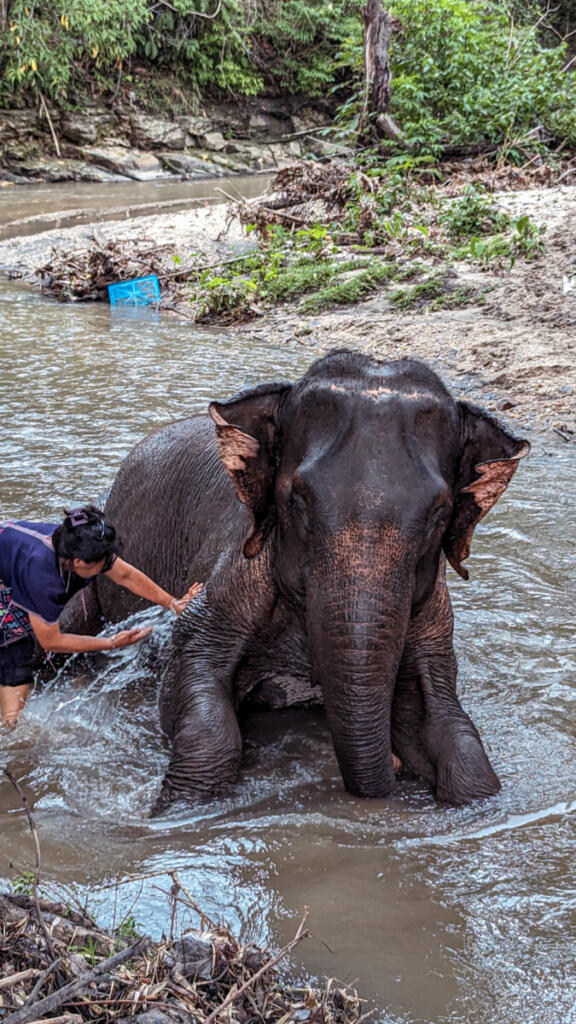
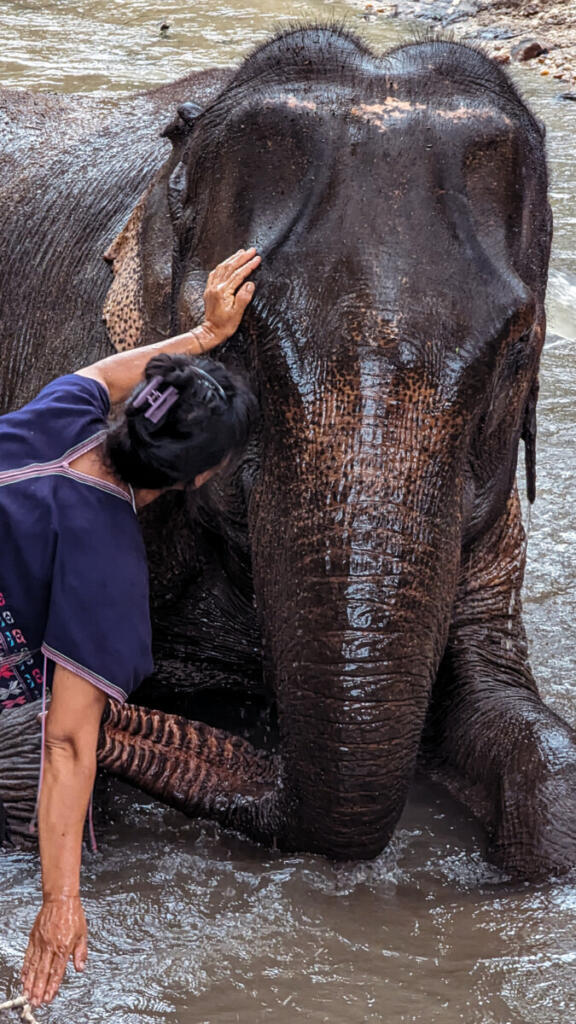
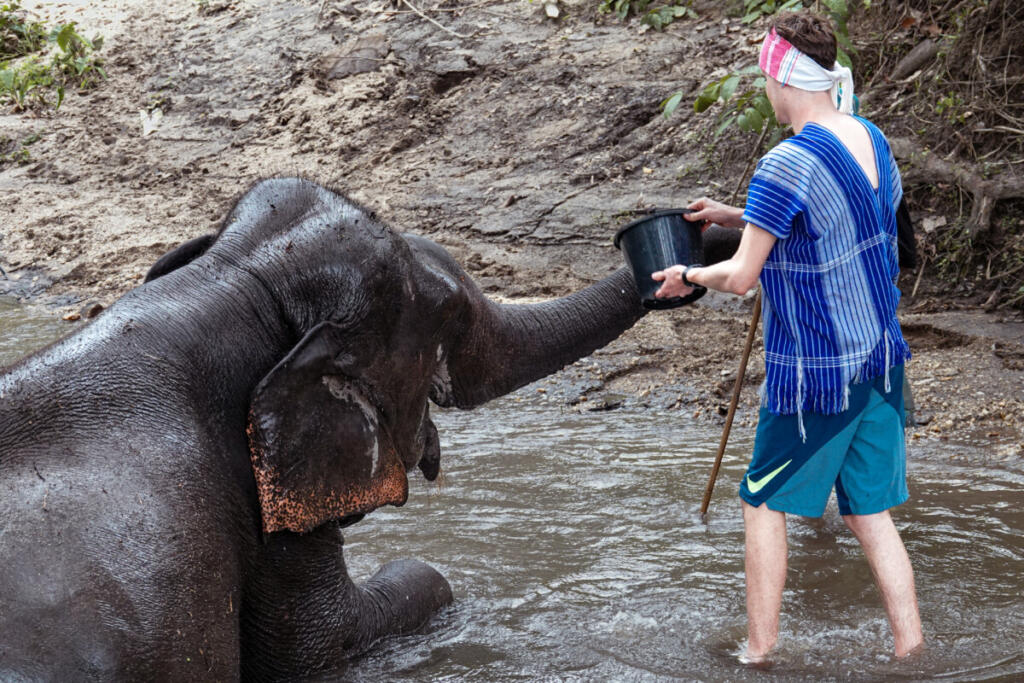
After a day spent with their caretakers, mother and daughter calmly return to the jungle. They will receive a final meal a little later, once the cooler weather returns.
For us, it’s time to get back on the road to Chiang Mai. We leave with the memory of a singular moment, both simple and powerful. An interlude shared with quiet giants and a deeply welcoming family.
Good to Know
The day’s schedule may change according to weather conditions. In the event of heavy rain, as was the case during our visit, certain access points – notably the path leading to the waterfall – may become impassable. The experience can then be adapted on site, staying as close as possible to the elephants in the fields around the village.
It is also possible to spend the night on site, to prolong the immersion. For those who wish to take the time to share a little more with the Karen family, we offer a warm and simple welcome in a traditional house.
Would you like to experience this type of encounter on your next trip to Thailand? Tell us about it when you create your itinerary: we’ll guide you towards respectful experiences with elephants and those who look after them.