Between the Fish River Canyon and the coastal town of Lüderitz, the village of Aus is an ideal stopover for travelers in search of desert landscapes, nature and history. A small stopover in the heart of the Karas, Aus offers a unique mineral setting and a tranquil atmosphere, perfect for relaxing after the long drives of southern Namibia.
A region with many faces
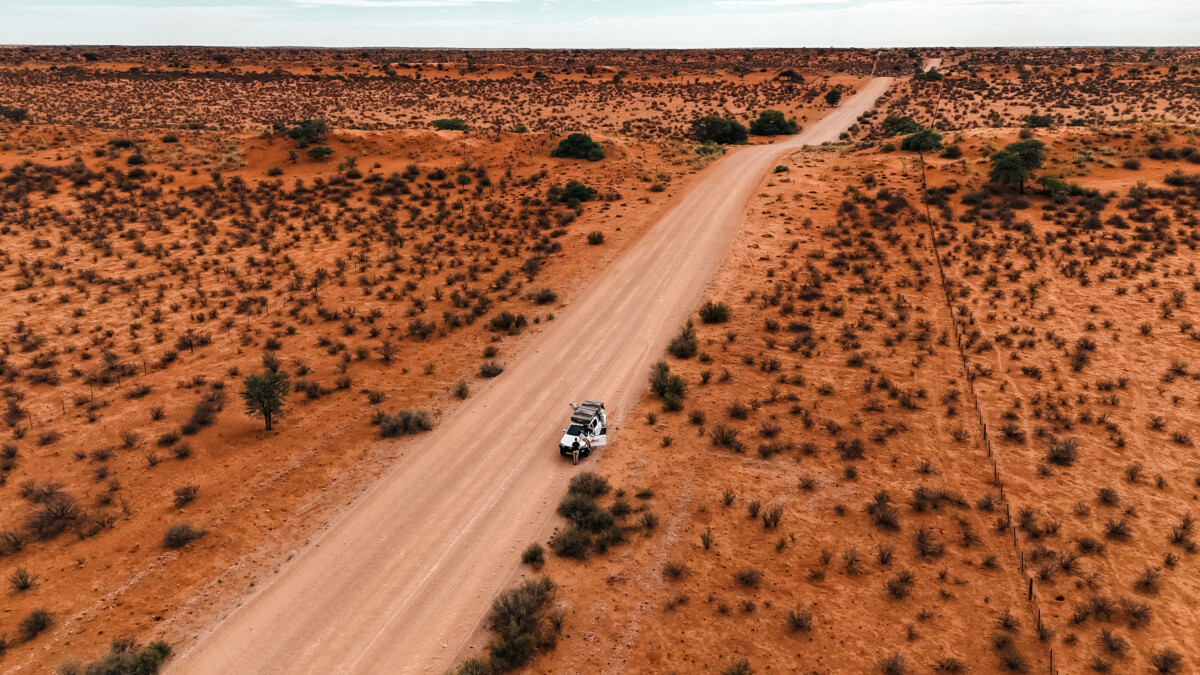
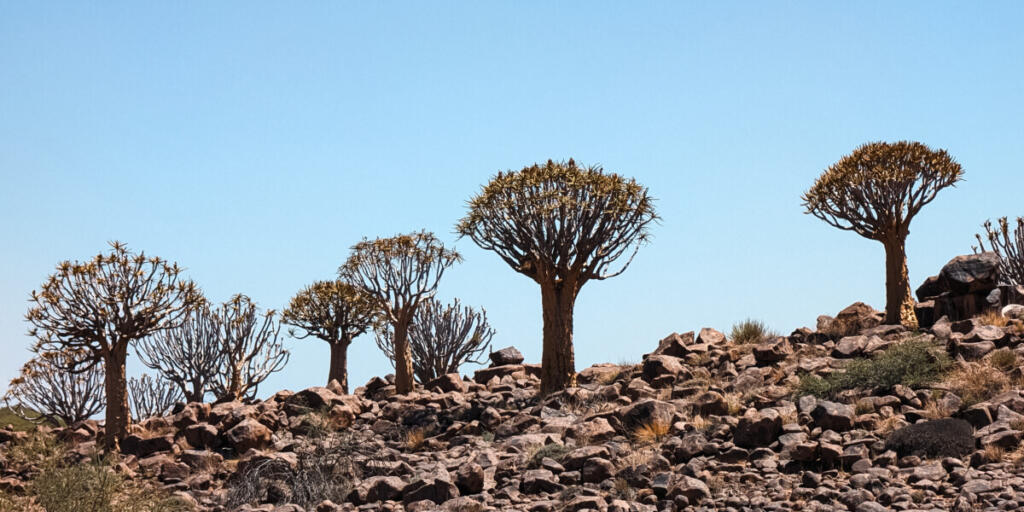
Leaving the red dunes of the Kalahari behind, we head southwest, leaving the semi-arid savannah behind. Gradually, the landscape is transformed: the plains become more arid, punctuated by rocks and hills. Along the way, the Quiver Trees stand like sentinels sculpted by time, fascinating remnants of ancient vegetation frozen in the desert.
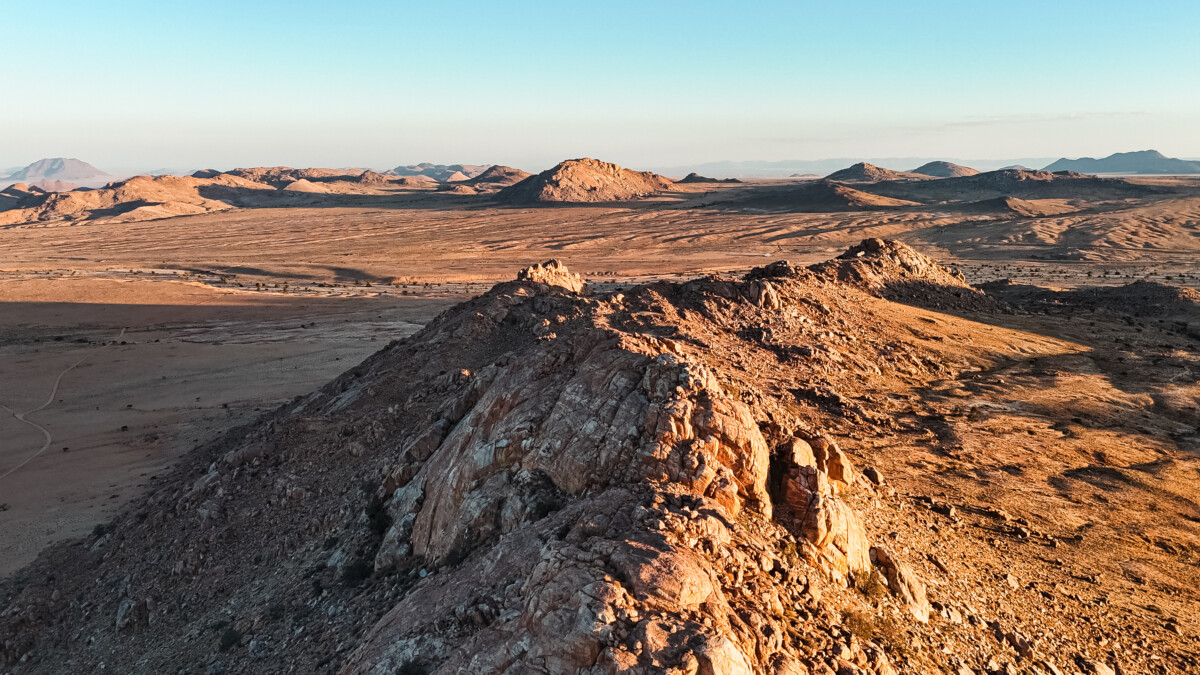
Further on, the granite reliefs appear on the horizon and the village of Aus appears, a small stopover where desert, history and nature meet.
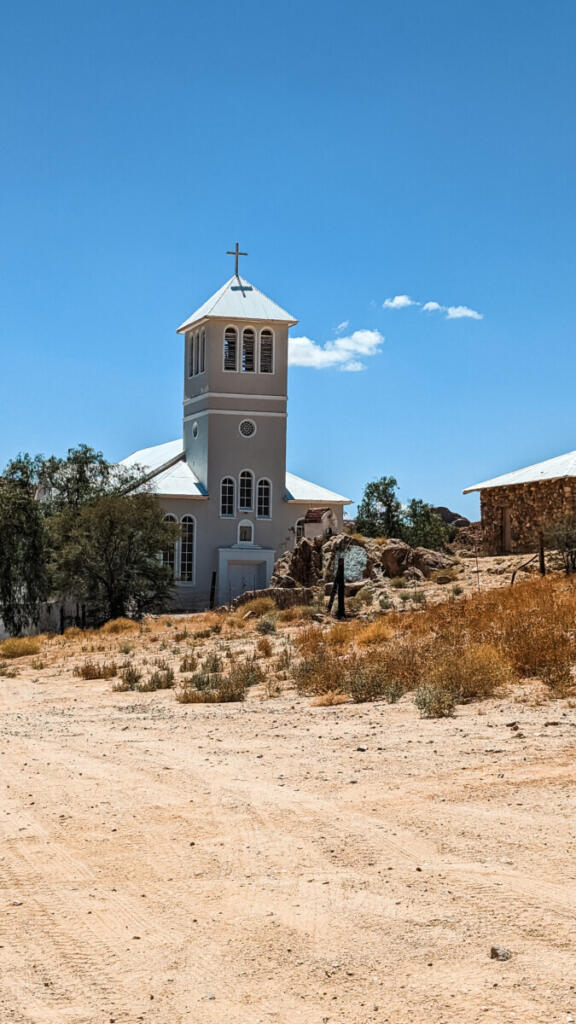
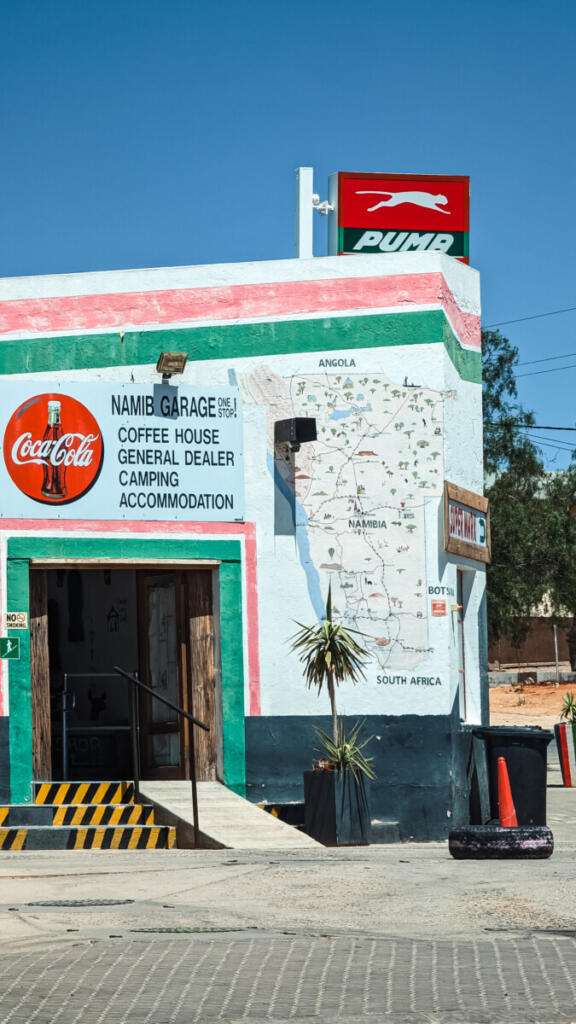
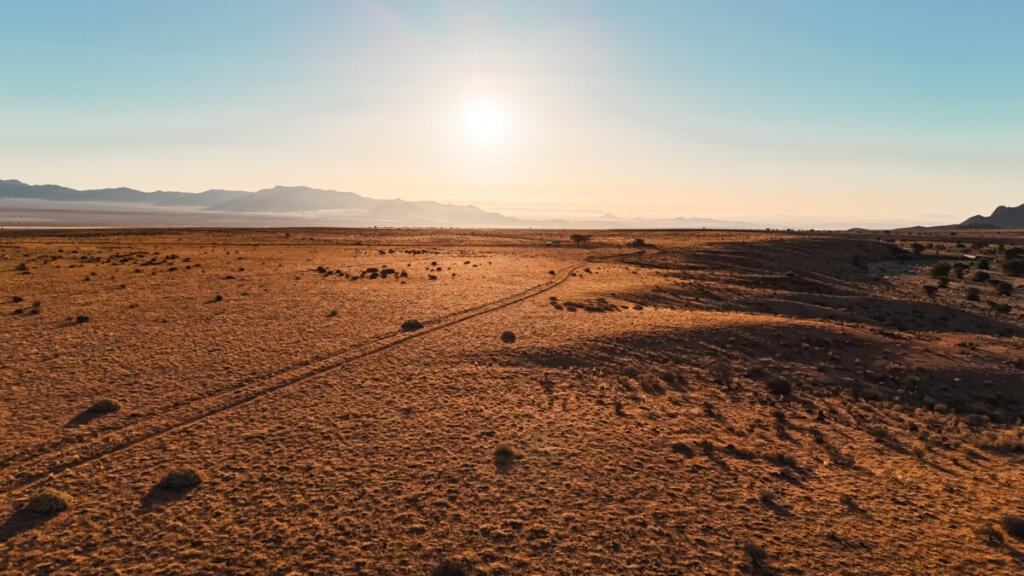
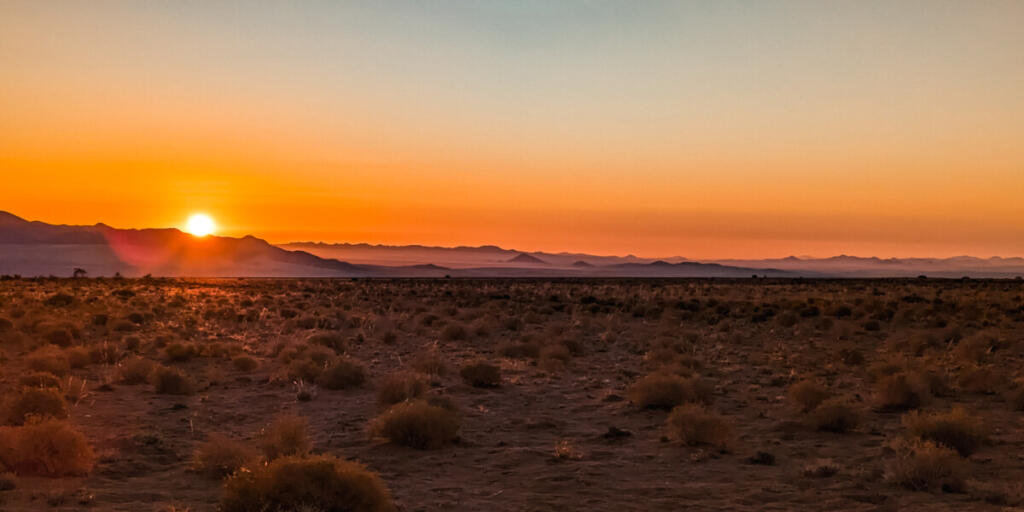
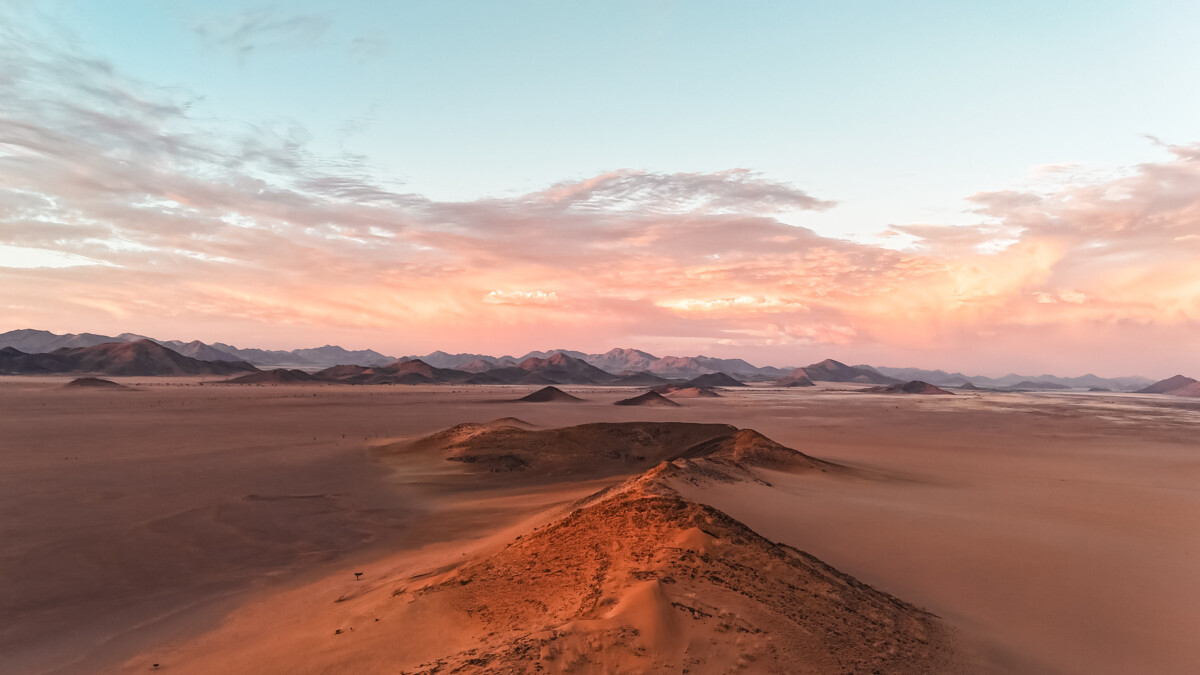
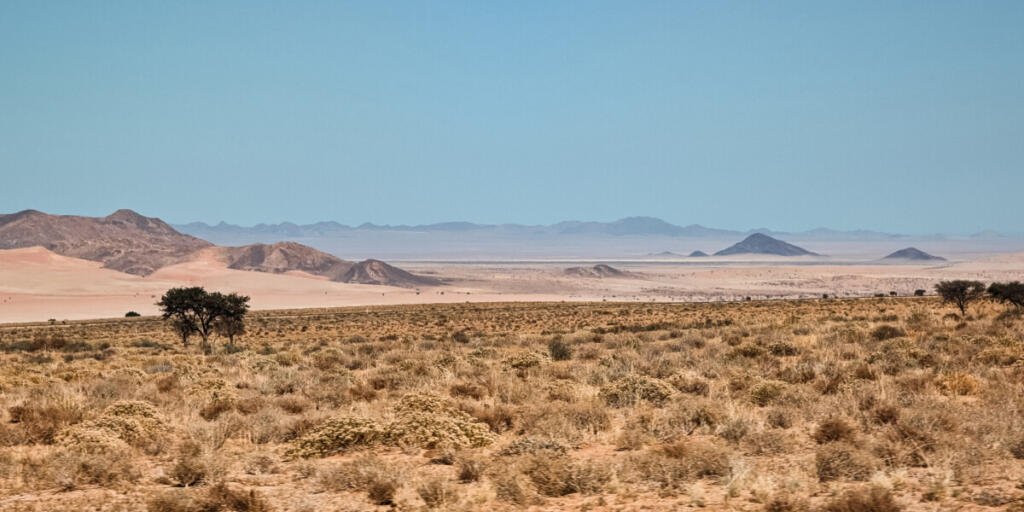
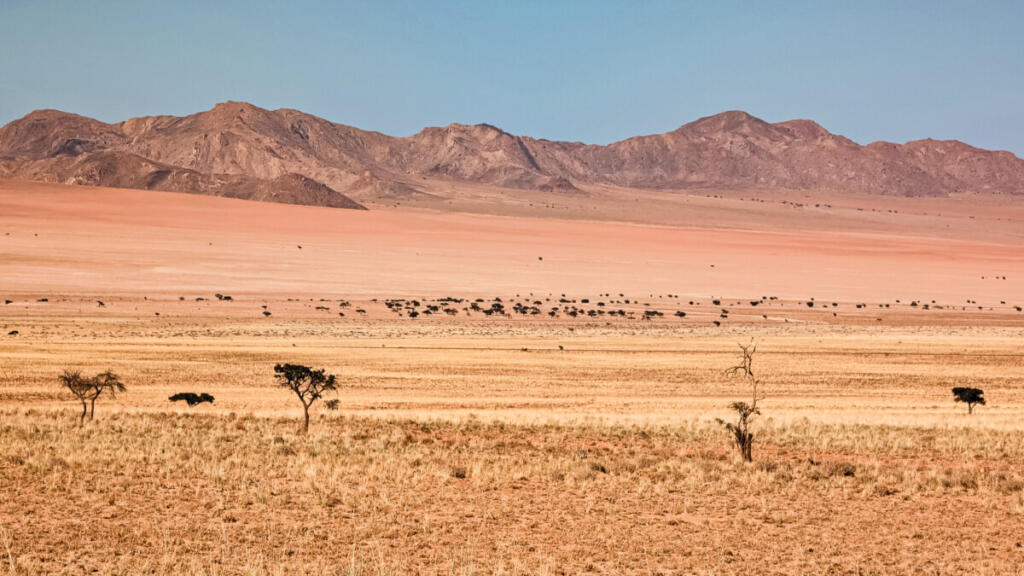
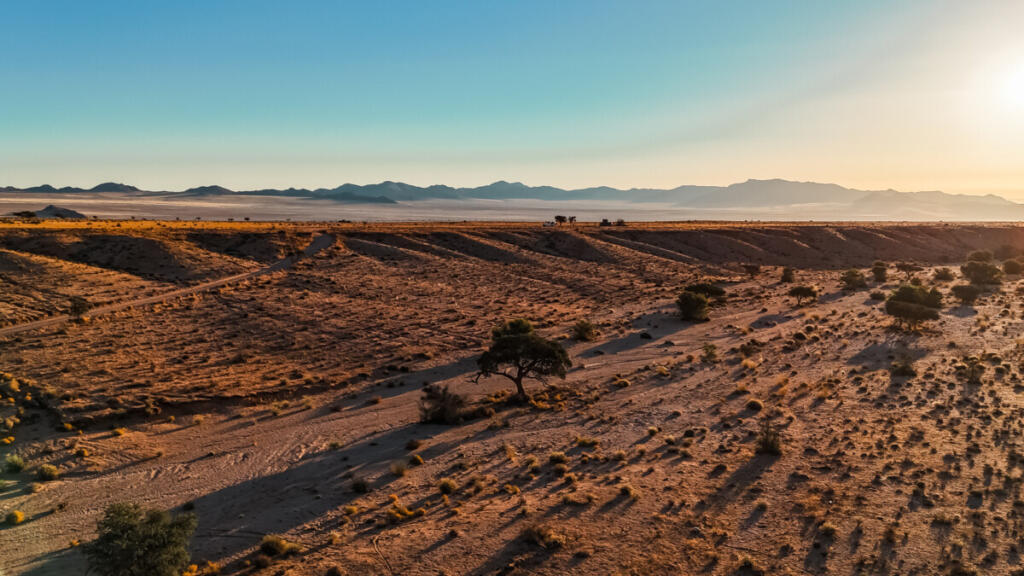
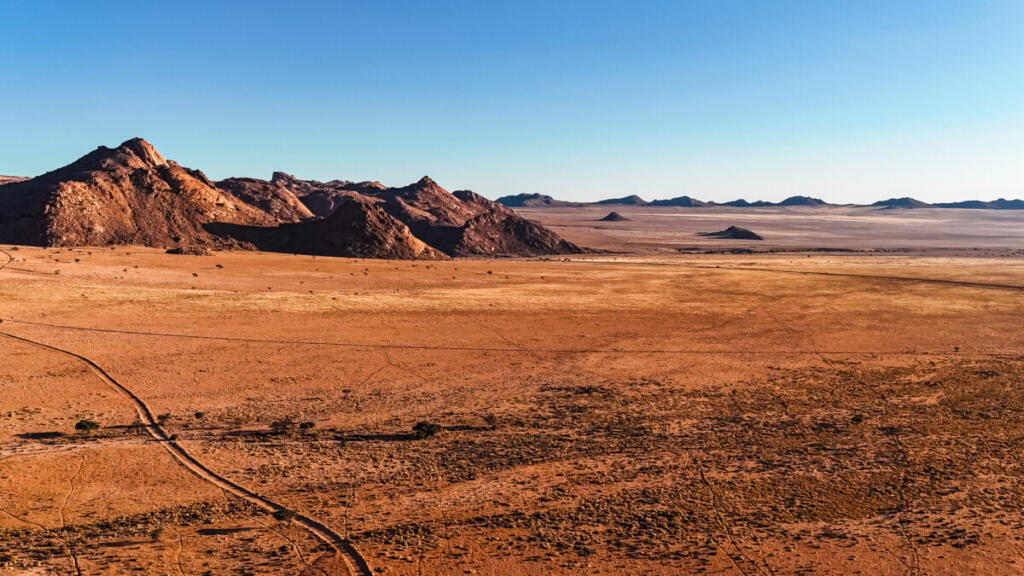
Surrounded by mountains and vast desert plains, Aus offers a contrasting environment: granite rocks, dry savannah and isolated dunes, whose hues change with the light of sunrise and sunset, providing striking panoramas for photography or simple contemplation.
Aus is more than just a village of passage: it has a rich and singular history. Following the defeat of German troops by the Union of South Africa in July 1915, a prisoner-of-war camp was set up in the village. Initially designed for 1,552 prisoners, it was later expanded to 1,845, guarded by 600 South African soldiers. Extreme climatic conditions soon made the tents unsuitable, and the German authorities built mud-brick huts, followed by a veritable village of stone, clay and corrugated iron structures. In 1918, an influenza epidemic claimed the lives of dozens of prisoners and soldiers, and the camp was definitively closed in May 1919. Today, a few vestiges remain visible, and the site has been classified as a National Monument since 1985, with a commemorative monument erected the same year.
Garub’s wild horses
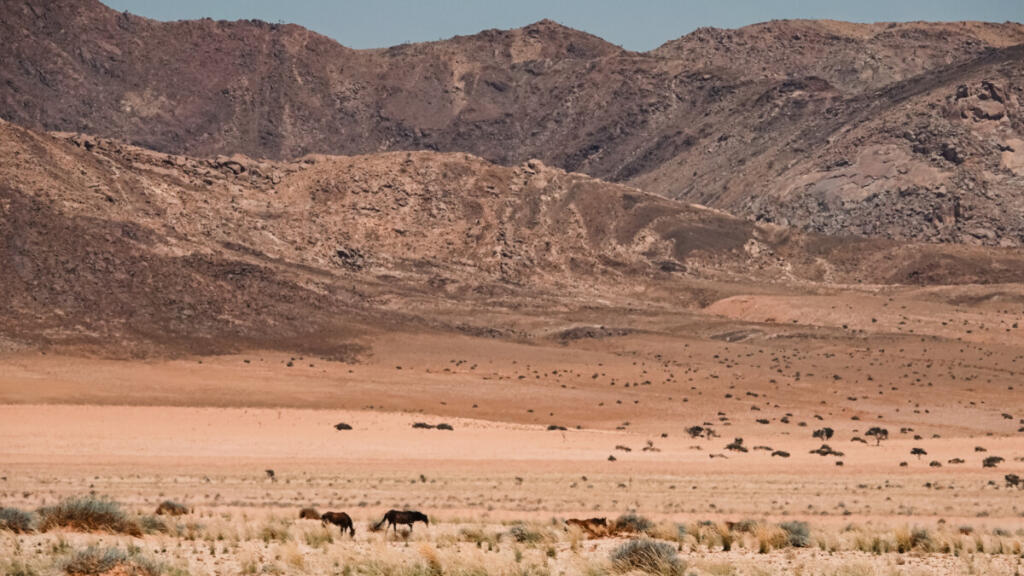
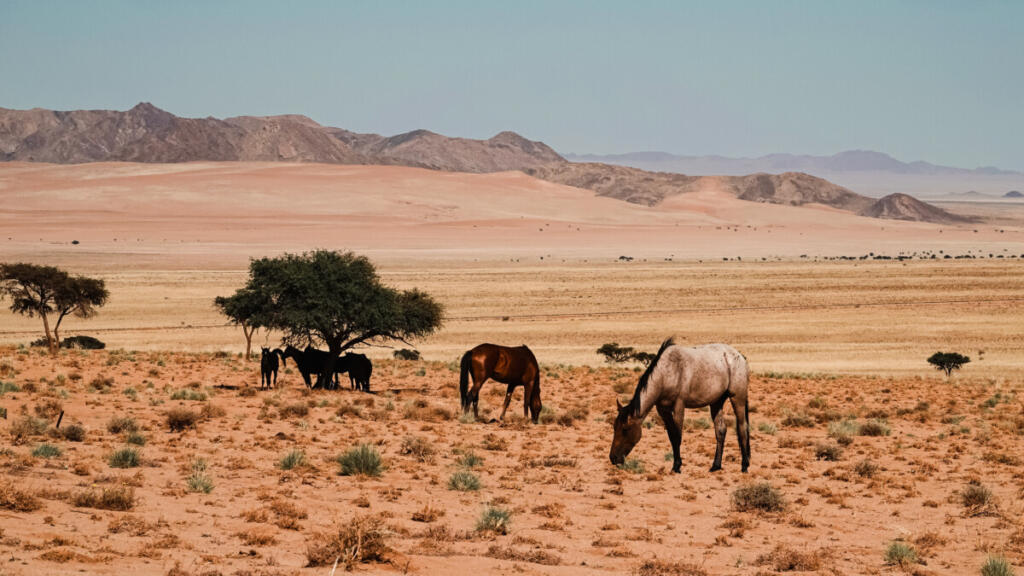
Twenty kilometers from Aus, Garub Pan is the meeting point of the Namib’s famous wild horses. Their exact origins remain a mystery: some historians believe they are descended from mounts abandoned by German troops, while others suggest they are the offspring of domestic horses escaped from breeding farms. Today, these horses, estimated at around
Between desert and emblematic sites
The area around Aus also offers fascinating excursions. The Fish River Canyon, the second largest canyon in the world, reveals a relief shaped by millions of years of erosion, with spectacular cliffs and gorges where colors change according to the light. The sense of immensity and raw beauty of the site make it a must-see for any trip to southern Namibia.
Further southwest, the coastal town of Lüderitz reveals another face of the desert: here, German colonial influences can be seen in the colorful houses and picturesque alleyways. The port and its surroundings bear witness to the region’s mining and maritime history, while the proximity of the
A peaceful stop in the desert
Even for just one night, Aus allows you to reconnect with nature and enjoy the calm of the desert. The region’s accommodations are integrated into the natural setting and generally face the plains or mountains, allowing you to admire the sunrise and sunset from your terrace.
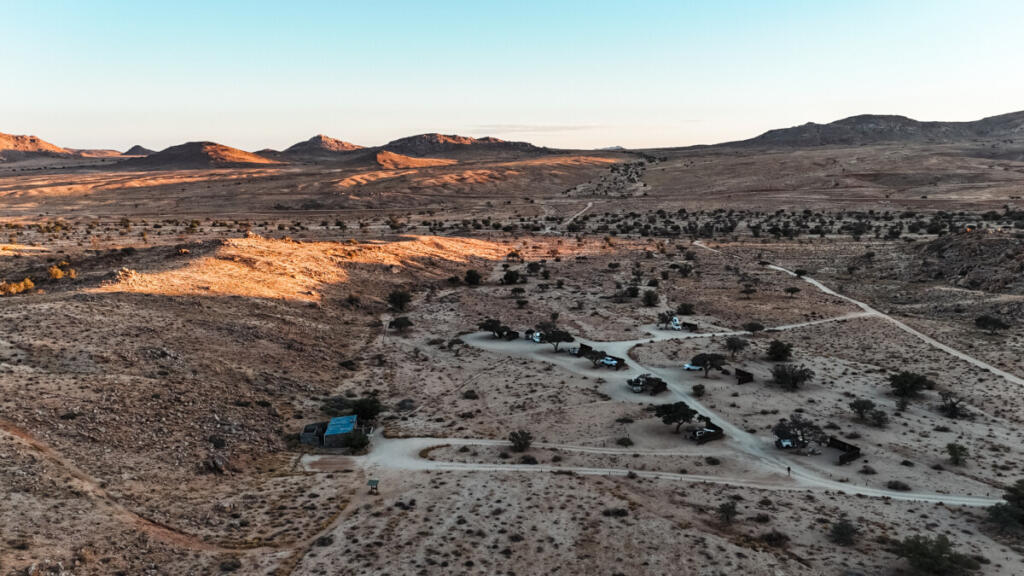
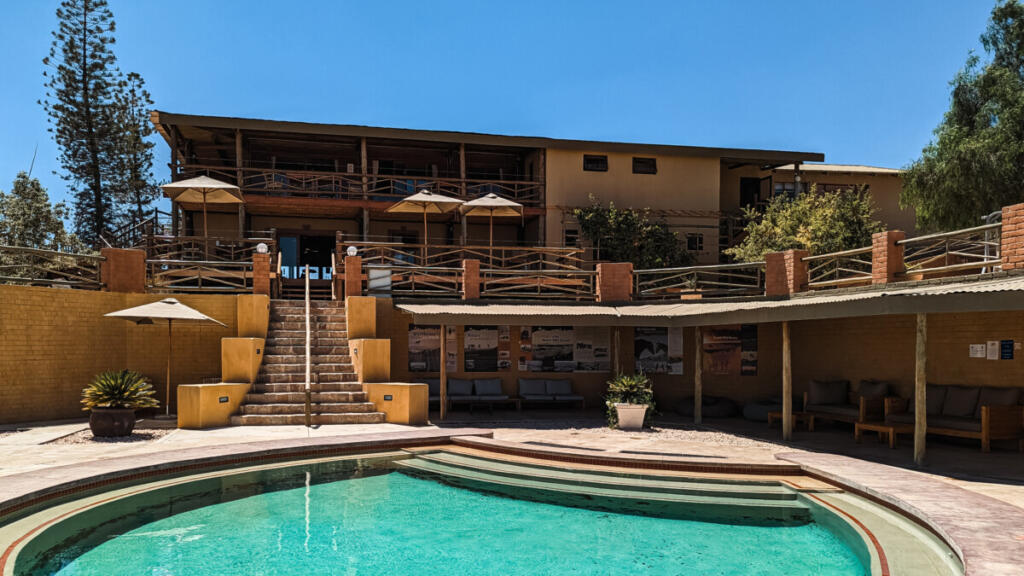
As night falls, the colors of the desert are transformed, the mountains take on golden and violet hues, and the night reveals a starry sky of exceptional clarity. It’s an opportunity to enjoy a moment of absolute calm, contemplate the immensity of the desert and reconnect with nature. Even a single night is enough to feel the magic of this region and prepare you for the rest of your journey…