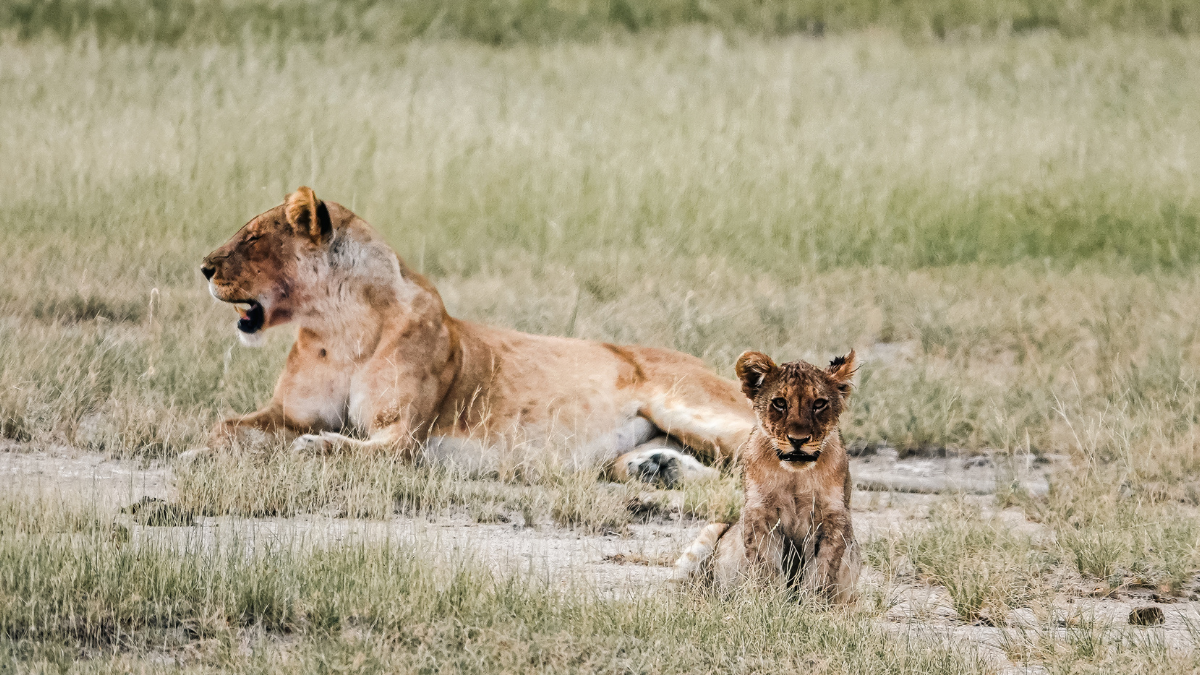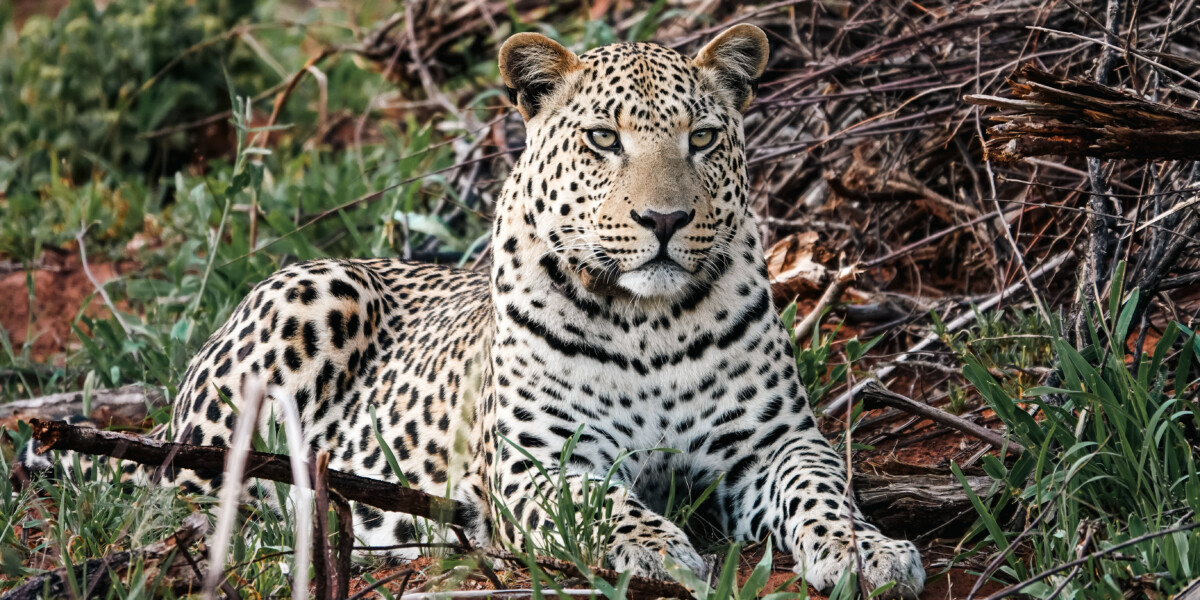
Nestled in the heart of the Otjiwarongo region, Okonjima is much more than a reserve: it’s a sanctuary for felines and other endangered species, managed by theAfriCat Foundation. Here, every visitor discovers a concrete conservation mission, where wildlife observation is combined with respect and protection for the animals. Leopards, cheetahs and other African predators find refuge here, while visitors can enjoy unique experiences close to nature.
How to get to Okonjima
From Windhoek, the Okonjima reserve can be reached in around three hours, driving north on the B1 before turning off onto well-maintained tracks leading into the heart of the reserve.
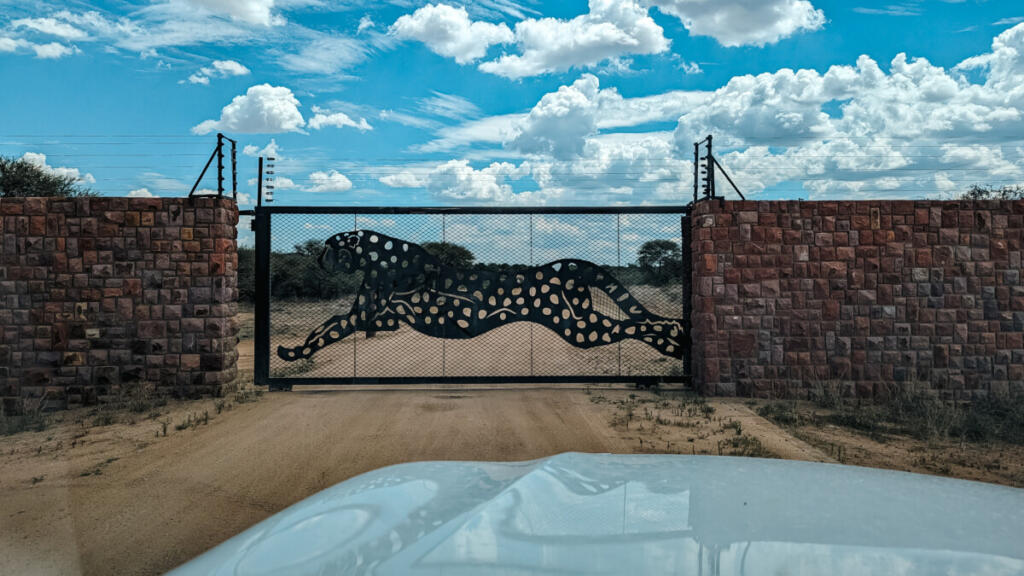
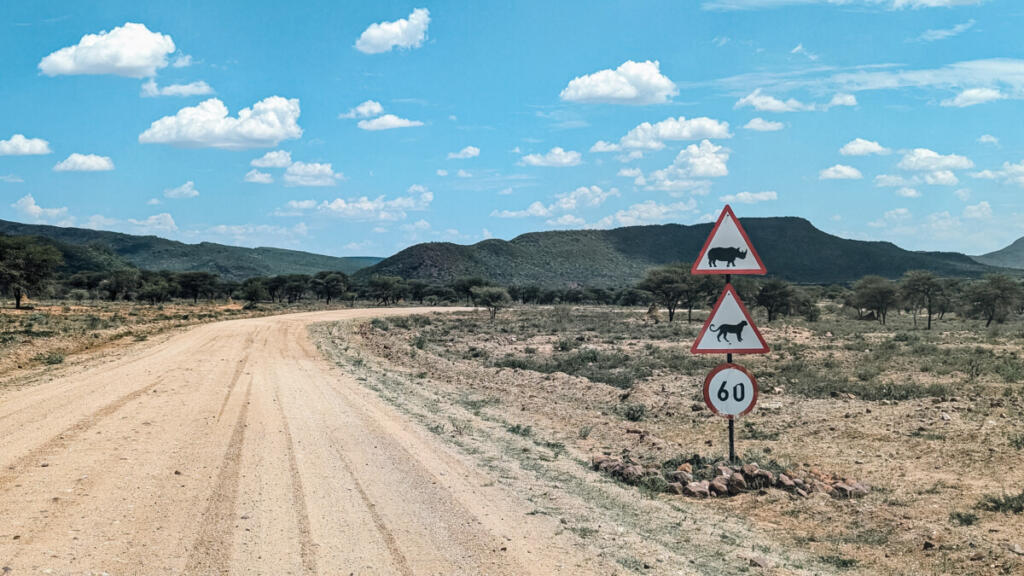
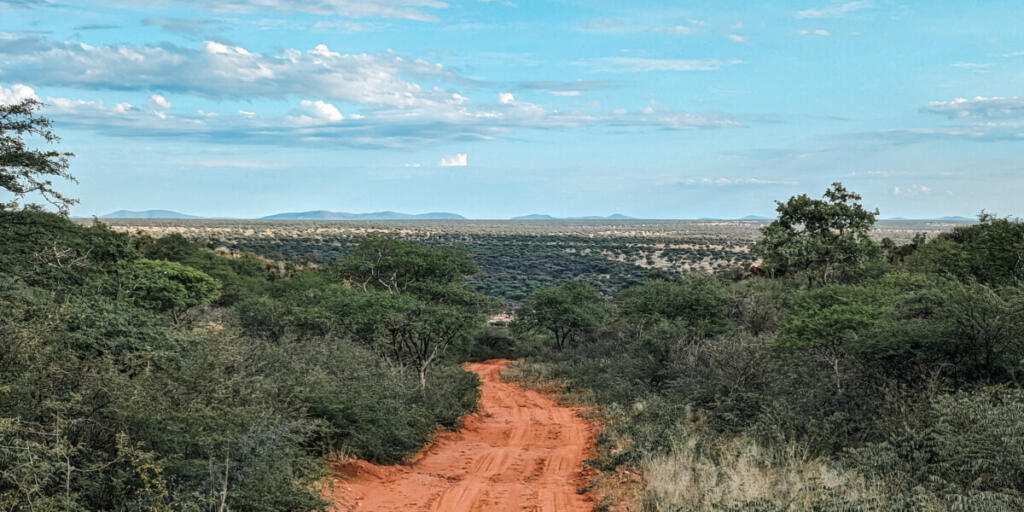
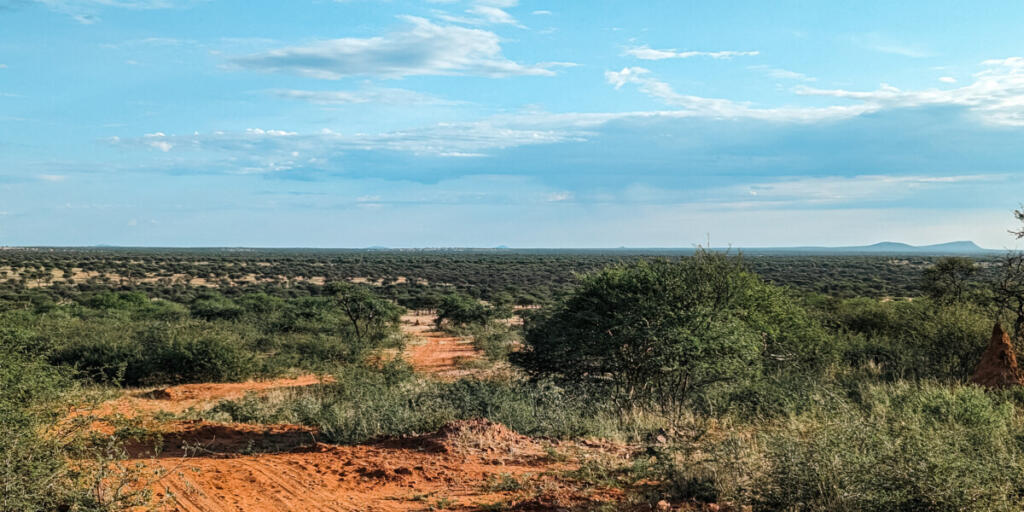
For travelers coming from Etosha, the route is slightly longer, but offers the opportunity to admire the landscapes of the Waterberg region and to pass through small Namibian villages, punctuated by red hills and golden savannahs. The route is accessible in a conventional vehicle, but a car with higher ground clearance allows you to feel even more immersed in the landscape.
Where to stay in Okonjima?
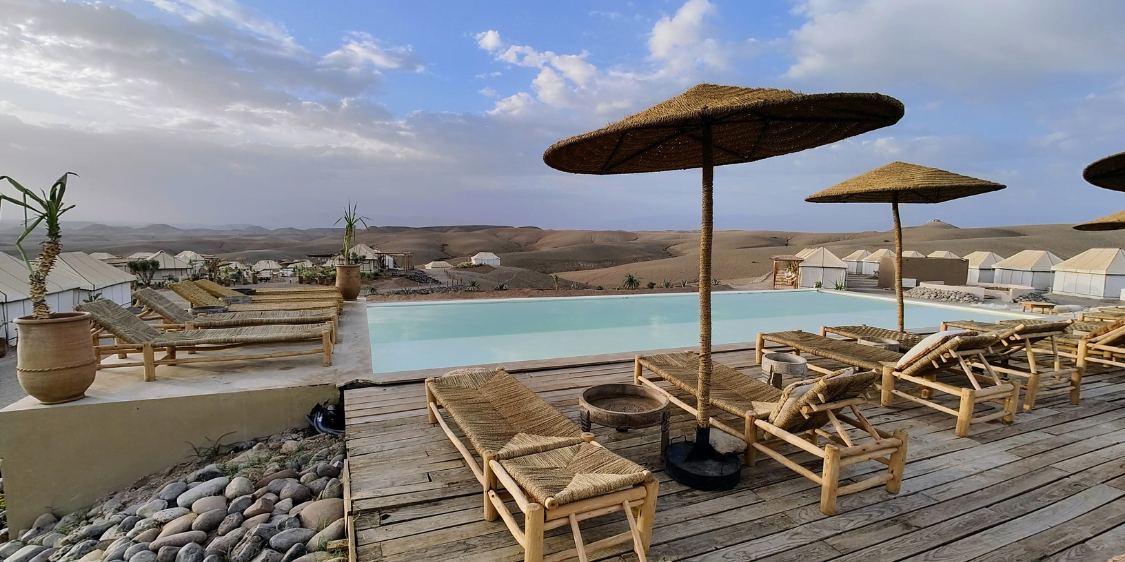
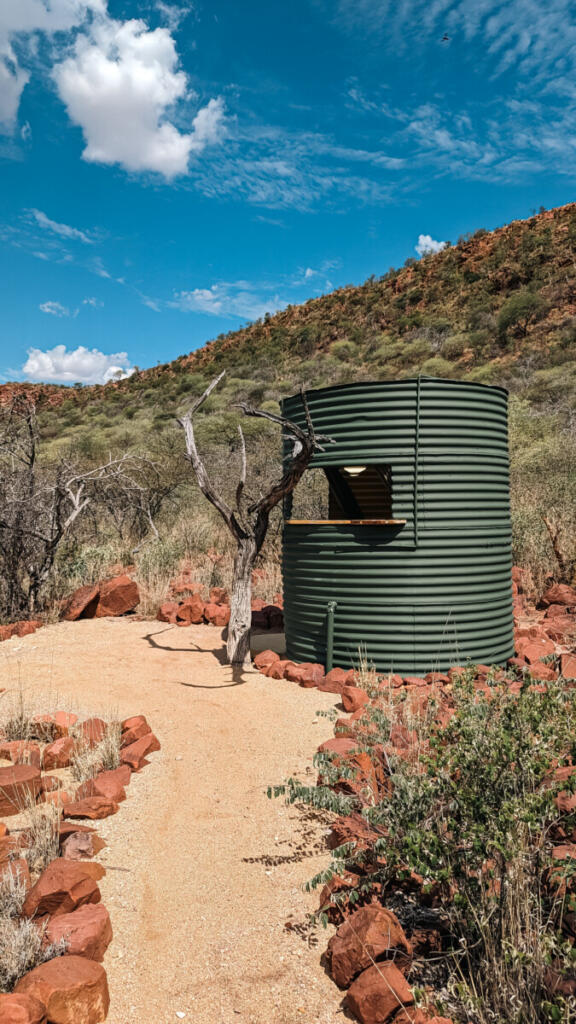
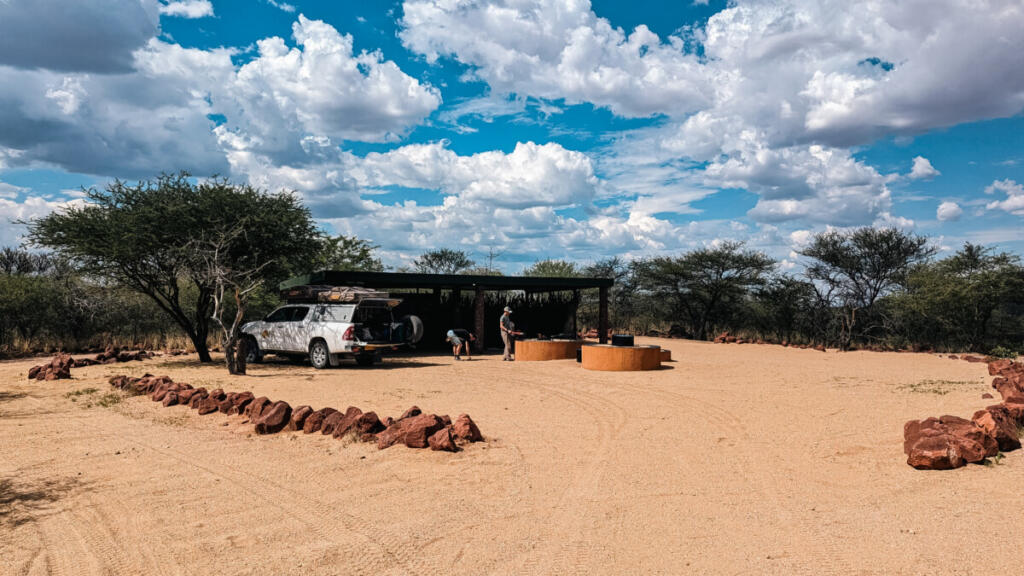
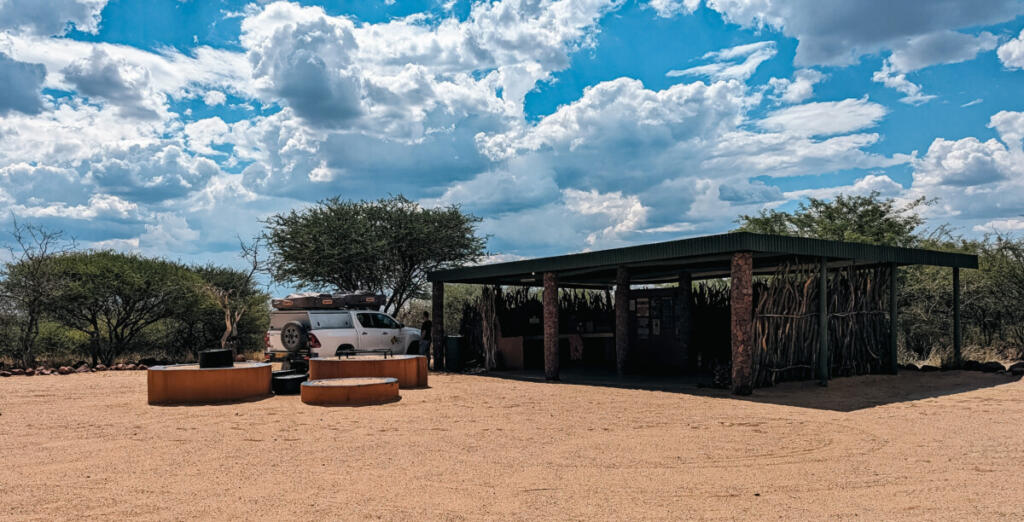
Okonjima offers a range of accommodation options, from luxurious cottages to camping sites set in the heart of nature. Each accommodation allows you to enjoy the peaceful atmosphere of the reserve while being close to the animals. The main lodge offers warm communal spaces, terraces overlooking the savannah and the chance to share meals around the fire with fellow travelers, in an intimate and authentic setting.
Special mention for the campsites, which offer every comfort in an absolutely sublime setting…



Tracking leopards: an unforgettable experience
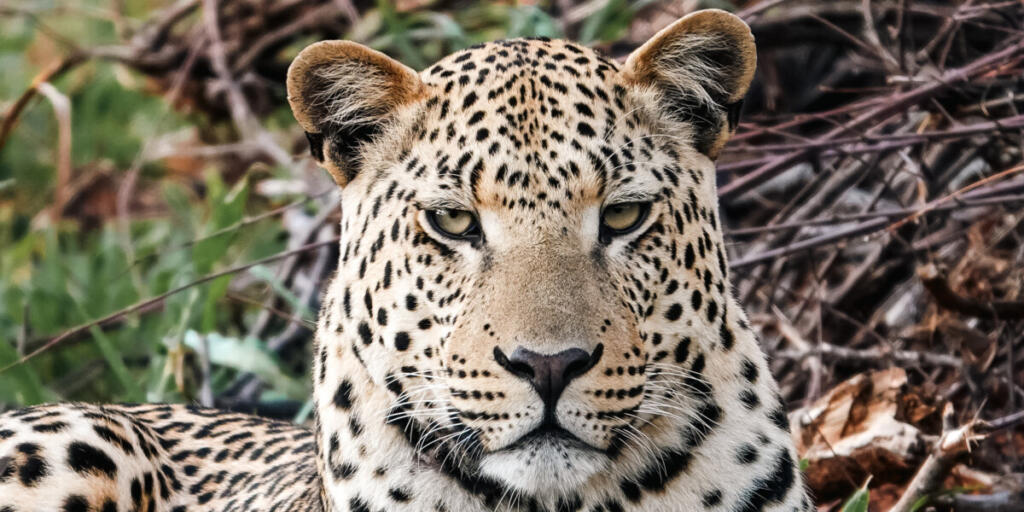
We set off at dawn in a private vehicle, with our guide equipped with an antenna to locate the few leopards wearing tracking collars. Even with this tool, the dense vegetation and the discreet nature of the felines make it extremely difficult to spot them. Every movement is more guessed than seen.
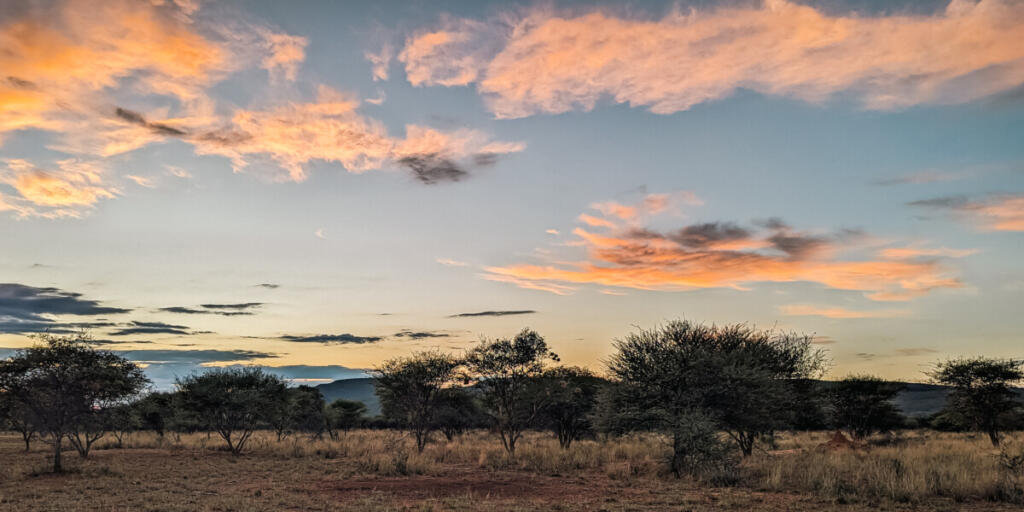
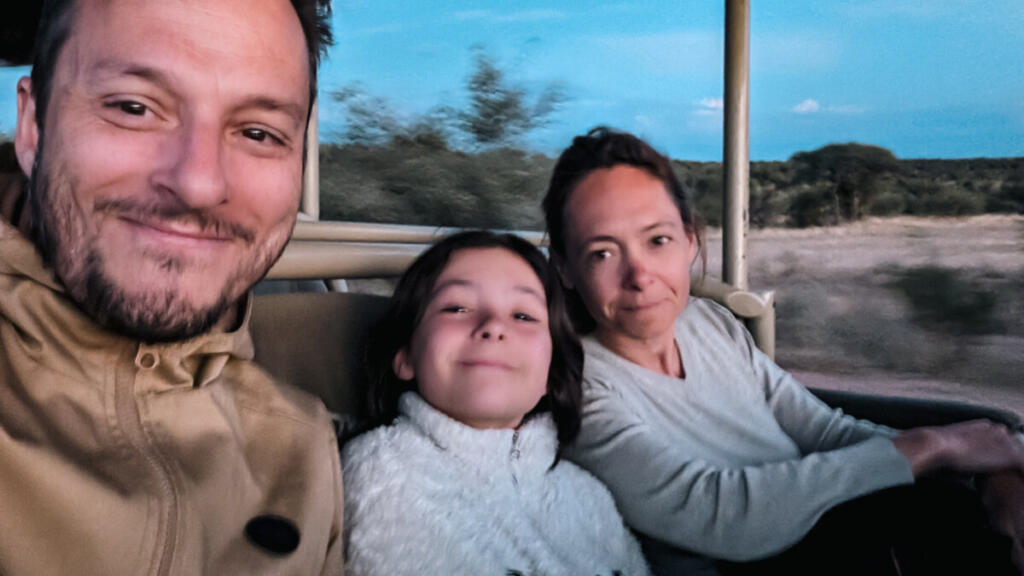
We are incredibly lucky to locate Neo, a young leopard. Quick and determined, he seems determined to get closer to three oryx, but they refuse to let him get any closer. The hunt becomes a silent, tense ballet: after half an hour of fruitless approach, Neo realizes that the game is lost and moves away, almost disappearing into the landscape.
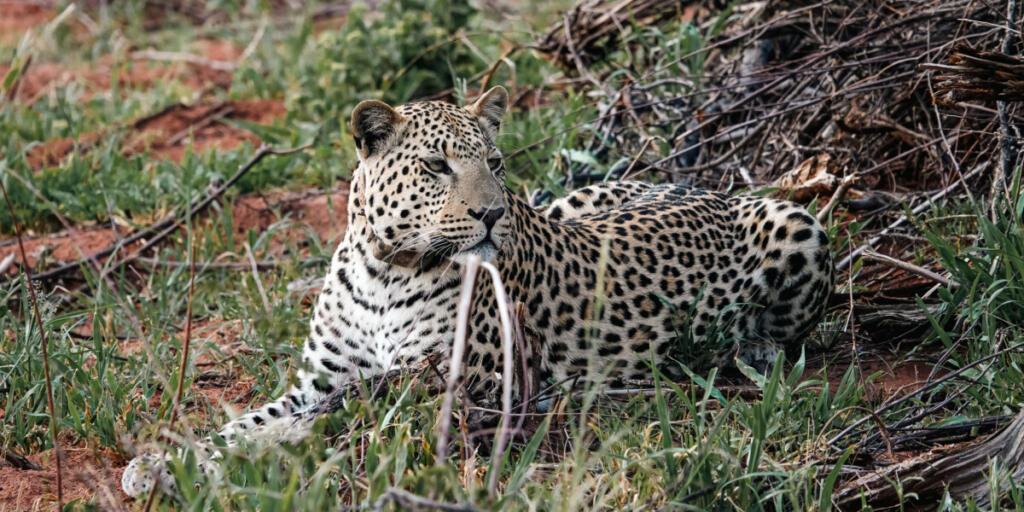
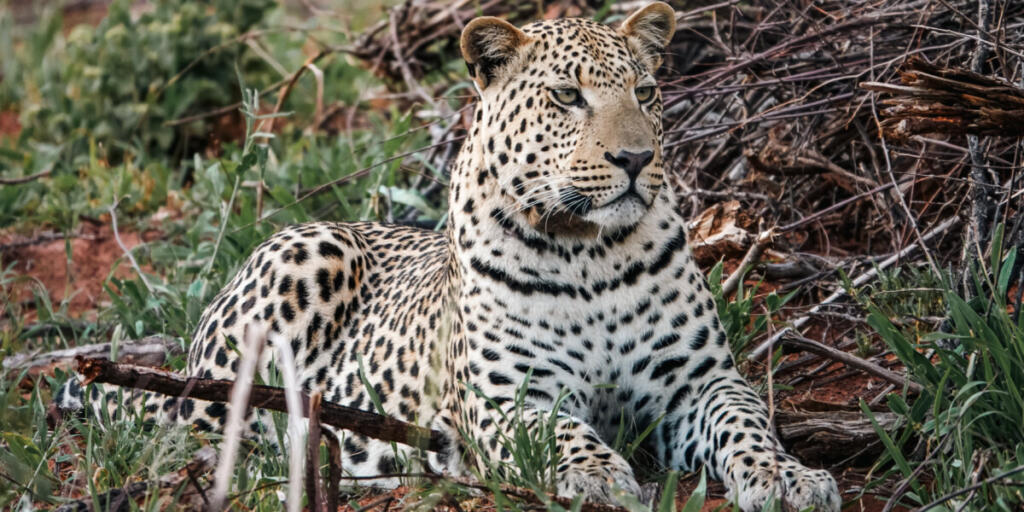
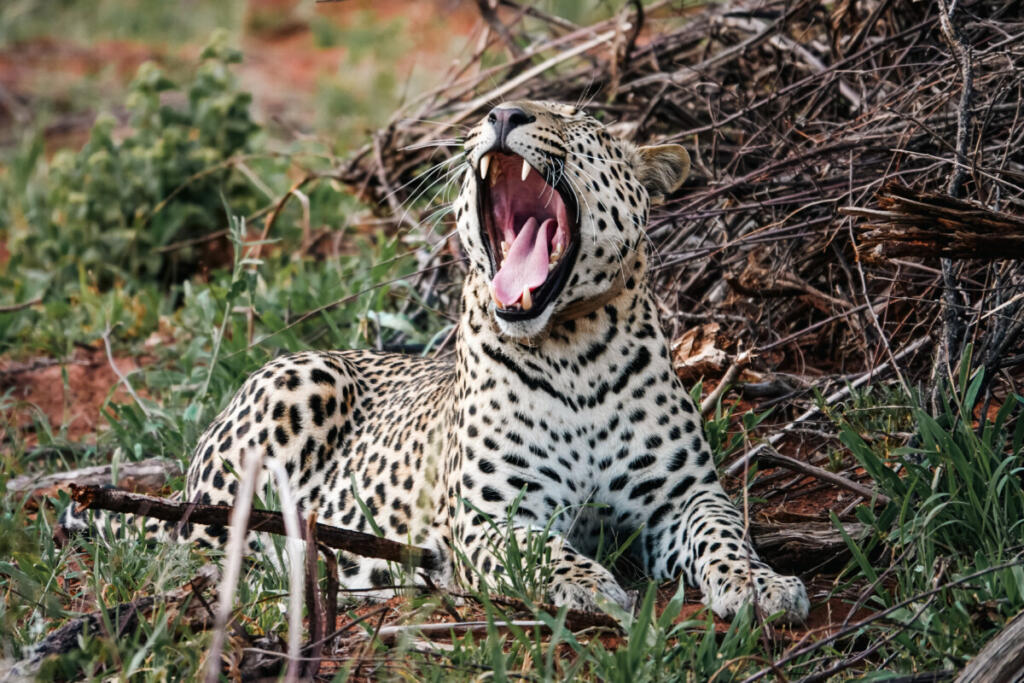
A little later, a call informs us that Neo’s father has been spotted with a kill, an antelope that he has sheltered in a tree. We find him lying at the foot of the tree, mouth still bleeding, obviously ready for a well-deserved nap after his feast.
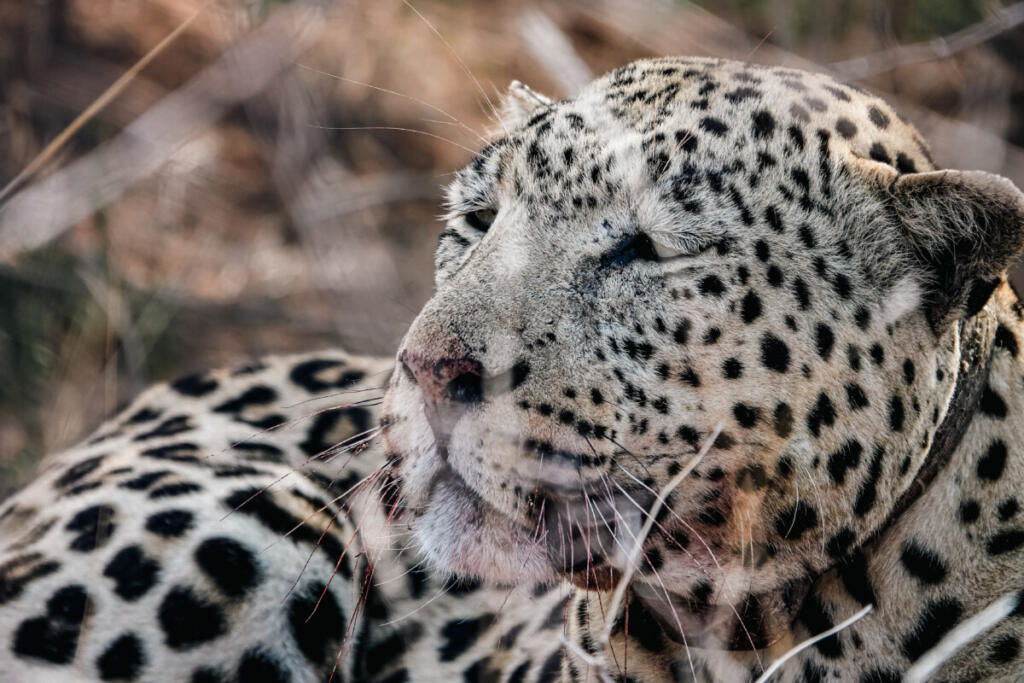
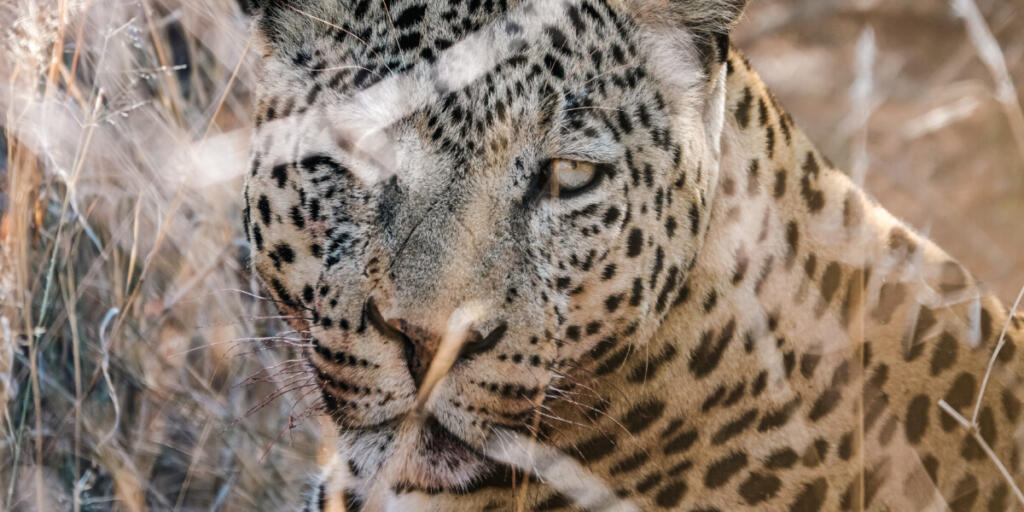
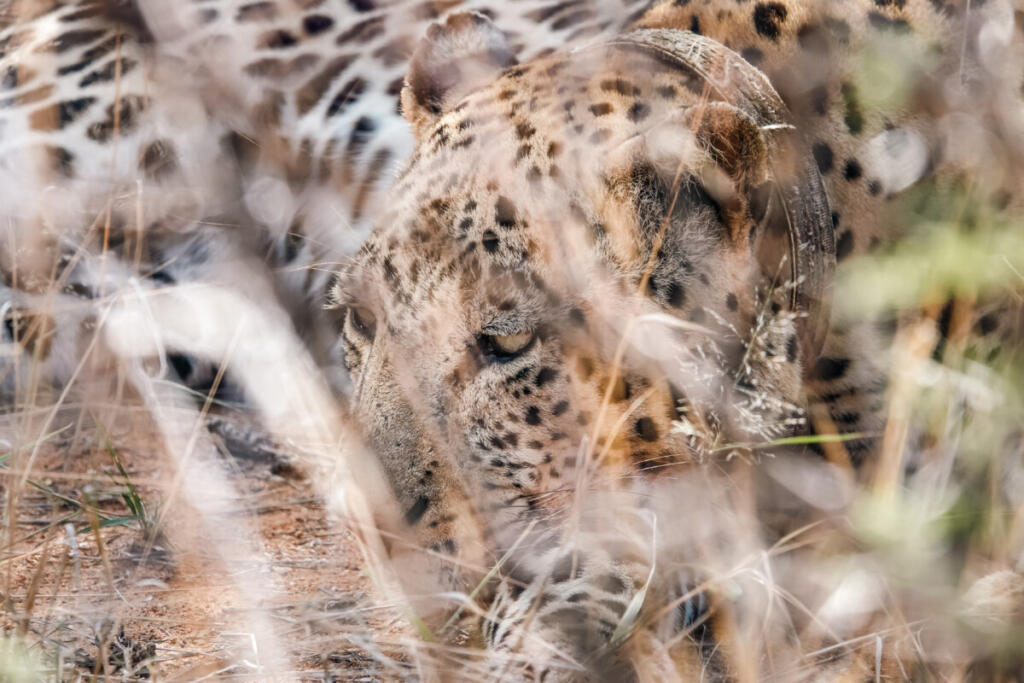
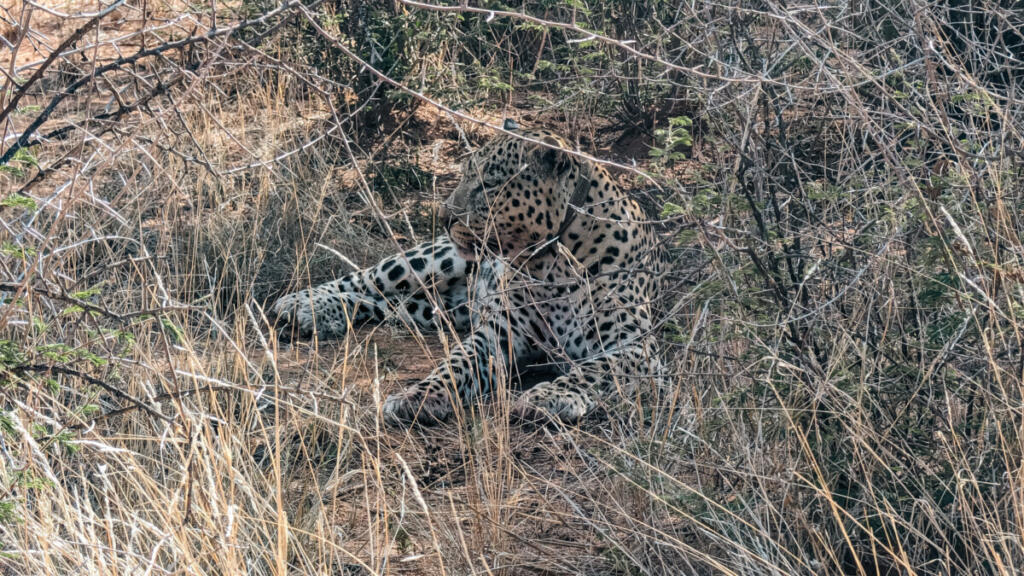
These moments spent among the leopards leave a lasting impression: that of a generous and fragile nature, and of a sanctuary that works to ensure that the murmur of the savannah continues to vibrate for generations to come…