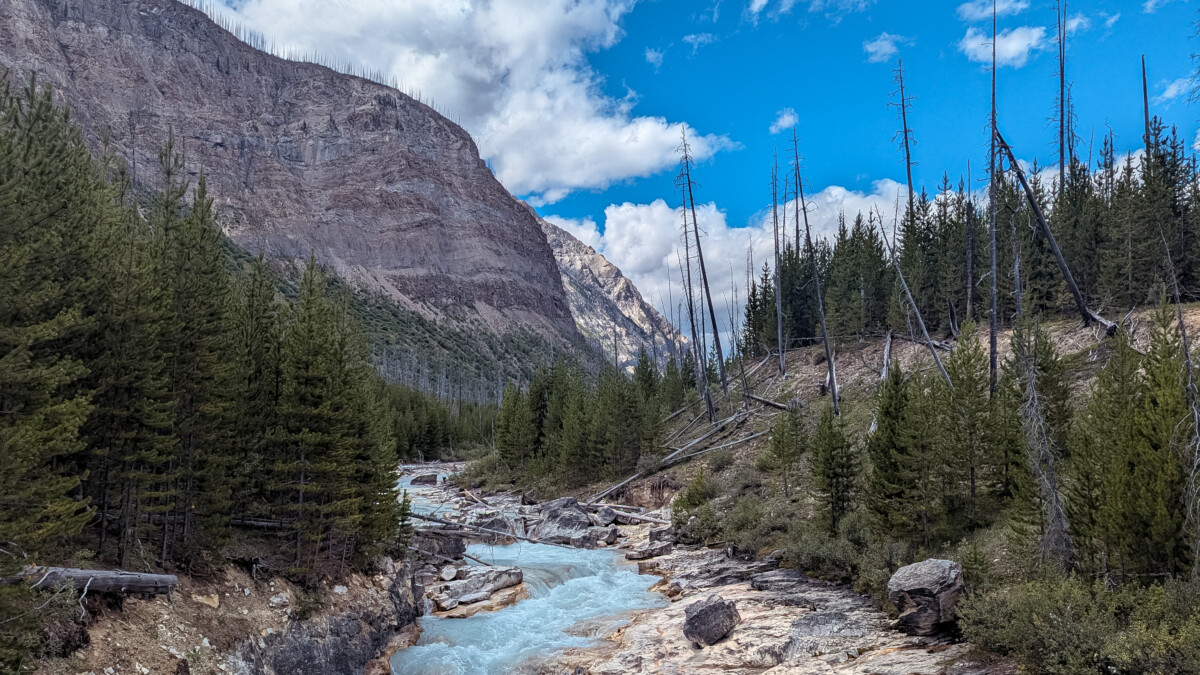
Crossing Canada by motorhome is a unique experience, with thousands of kilometers of roads lined with forests, lakes and prairies. Before reaching the Rockies, theroute between Montreal and Calgary already offers a wide variety of landscapes: the immense beaches of Lake Superior, spectacular canyons, free-roaming bison and arid badlands. This first part of a Canadian roadtrip throughOntario, Manitoba, Saskatchewan andAlberta is an ideal introduction to the vastness of the country.
Preparing and choosing your route
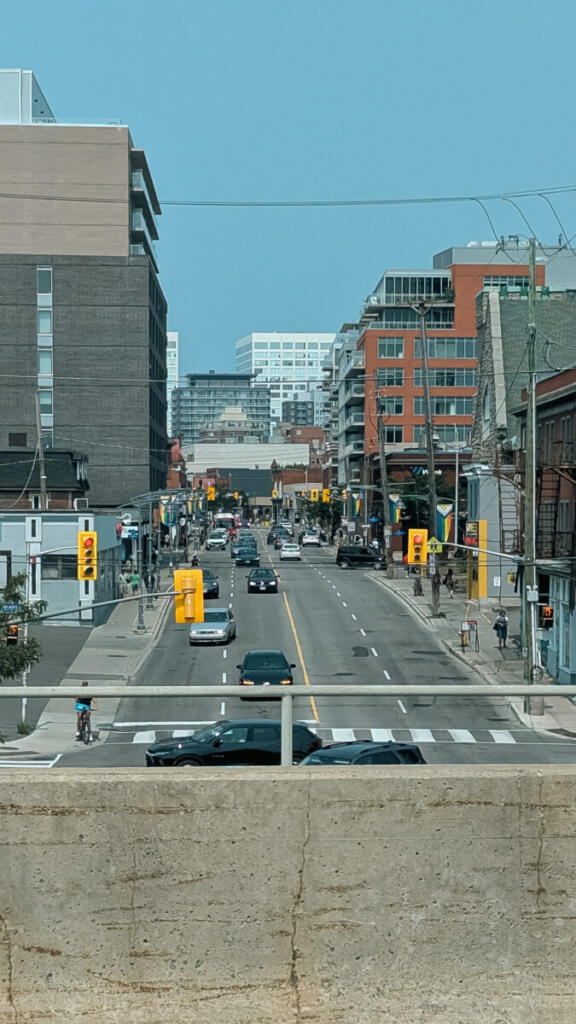
A month’s motorhome rental will allow you to cross Canada from east to west in good conditions, but this is still a short time for such a vast country. Starting your itinerary in Montreal isn’t the most natural choice: covering the entire territory involves long daily stages, leaving little time to linger in the regions you’ve crossed. After more than ten years in Montreal, this starting point is more symbolic than practical.
For a voyage of discovery, it may be wiser to start directly in Calgary, so as to devote the majority of your stay to the Rockies, the country’s true icons. In the case of a complete crossing, the itinerary between Montreal and Calgary is mainly along the Trans-Canada Highway, with selected stops on the main highways to take advantage of their most accessible features.

Ontario – Lakes and canyons on the Lake Superior Highway
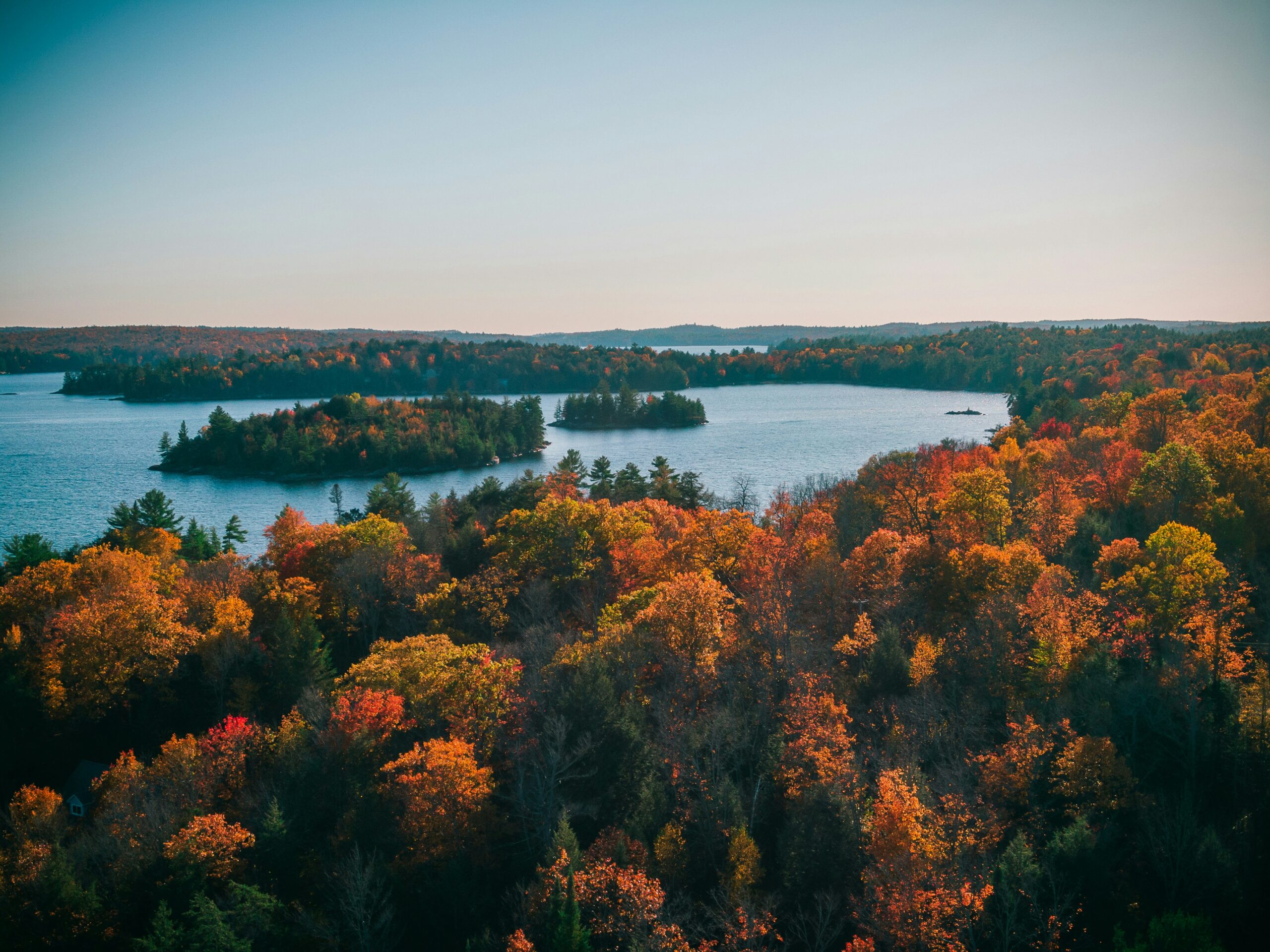
Leaving Montreal, the first major province you cross is Ontario. From North Bay, on the shores of Lake Nipissing, the road already invites you to slow down. The town often serves as a simple stopover, but the surrounding area is well worth a closer look. Samuel de Champlain Provincial Park, for example, offers the chance to immerse yourself in the boreal forest and to experience canoeing on peaceful rivers, an emblematic activity of the country.
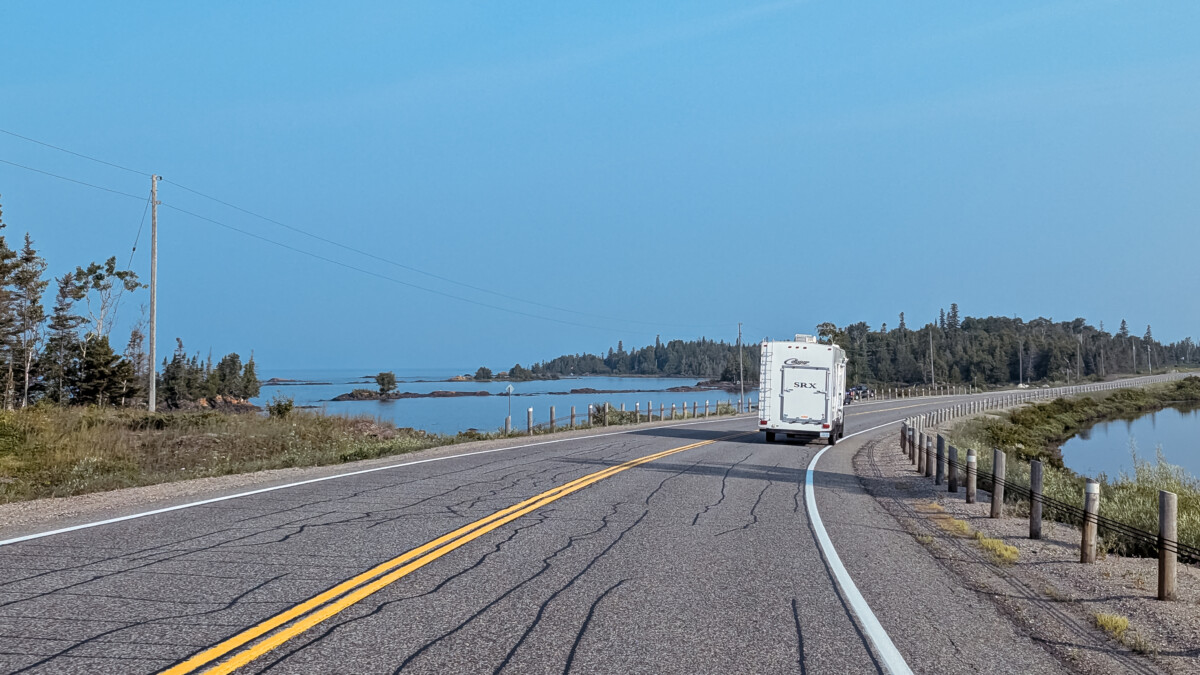
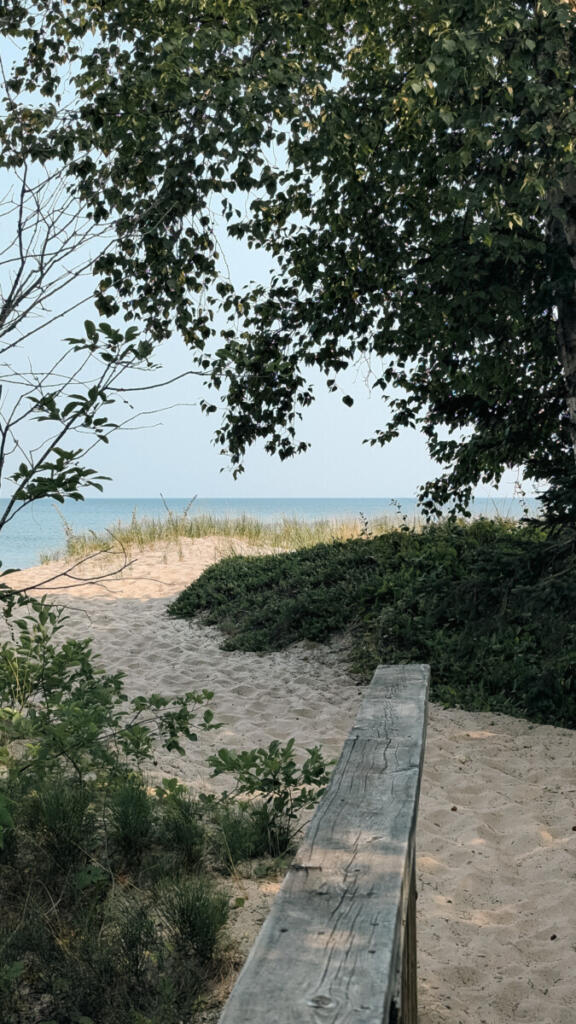
Further on, the journey skirts the gigantic Lake Superior. At Pancake Bay, a golden sand beach stretches for miles, a reminder that this body of water is so vast it resembles an inland sea.
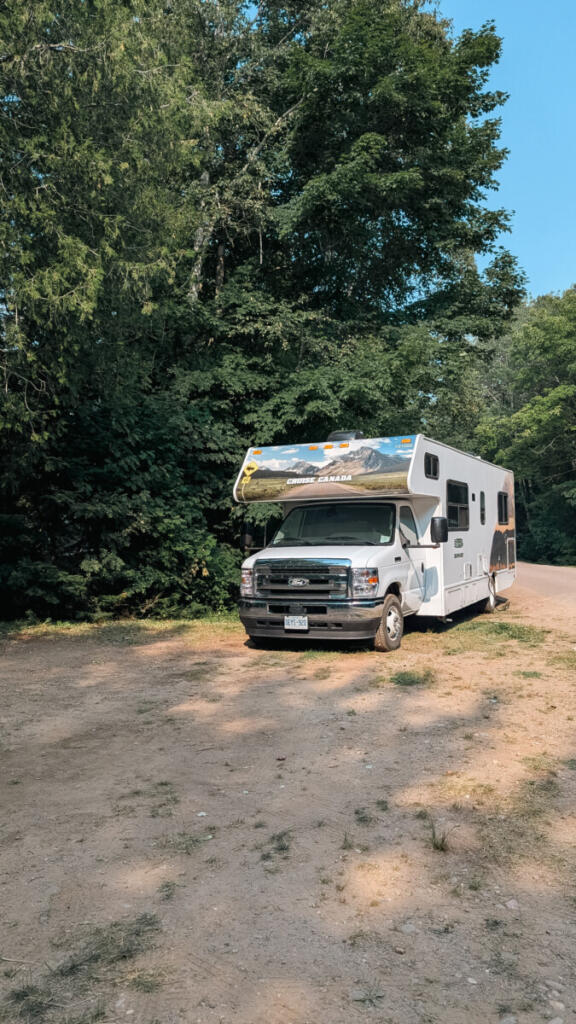
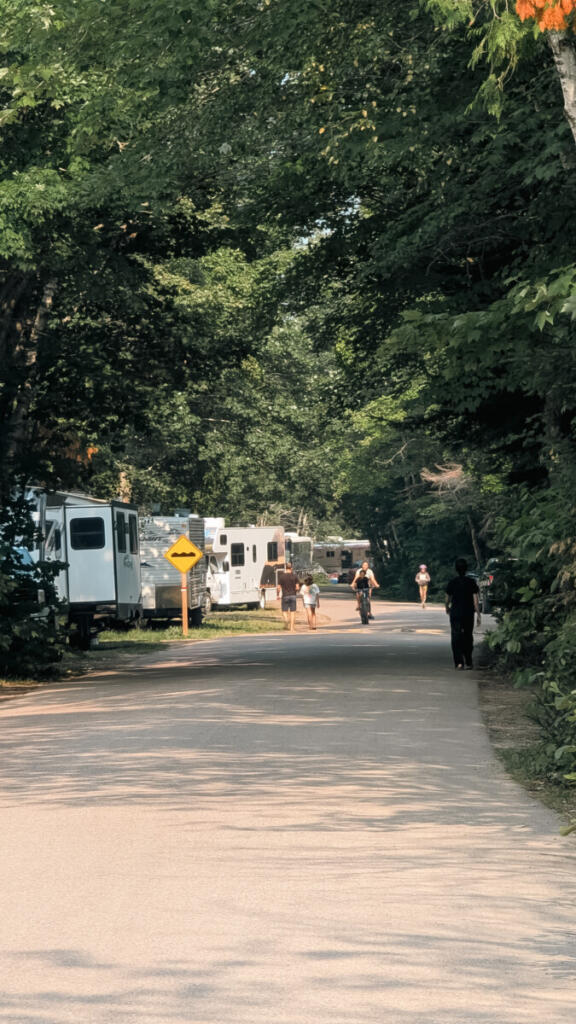
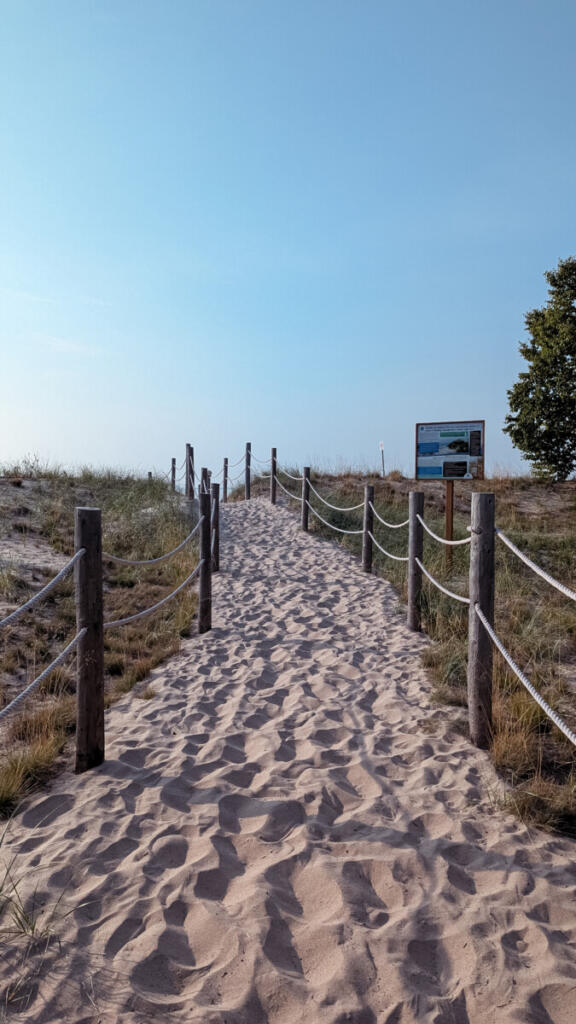
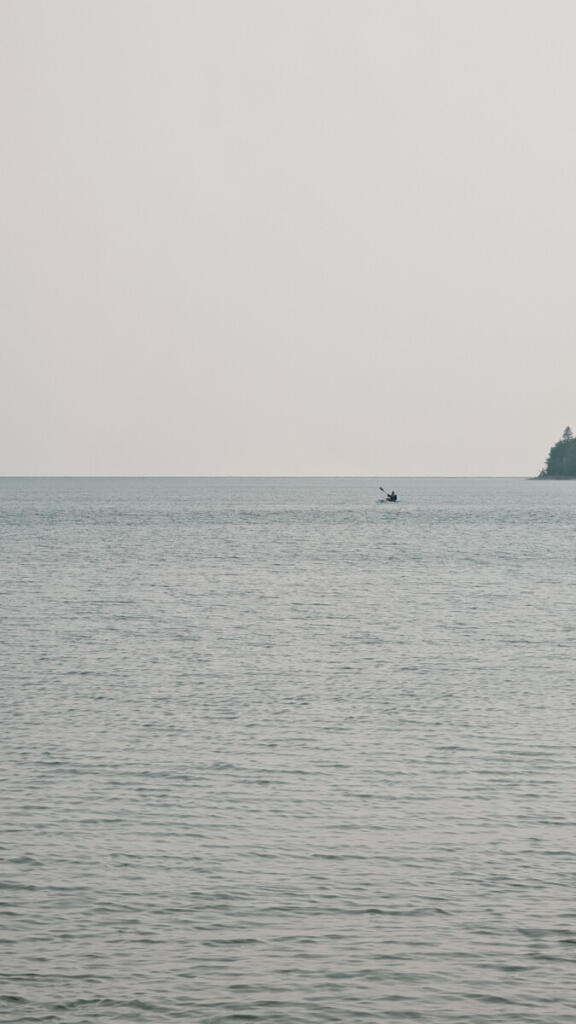
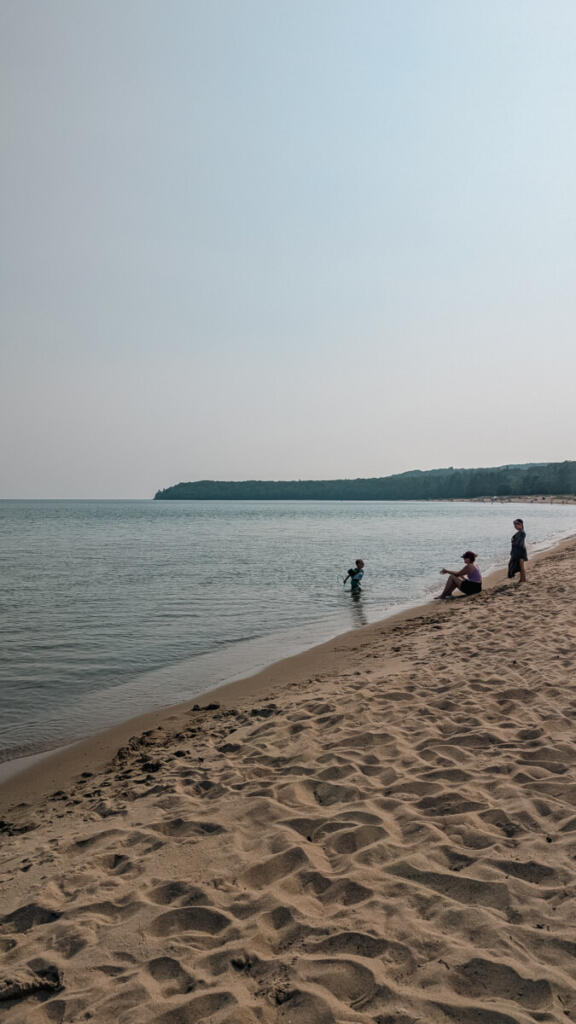
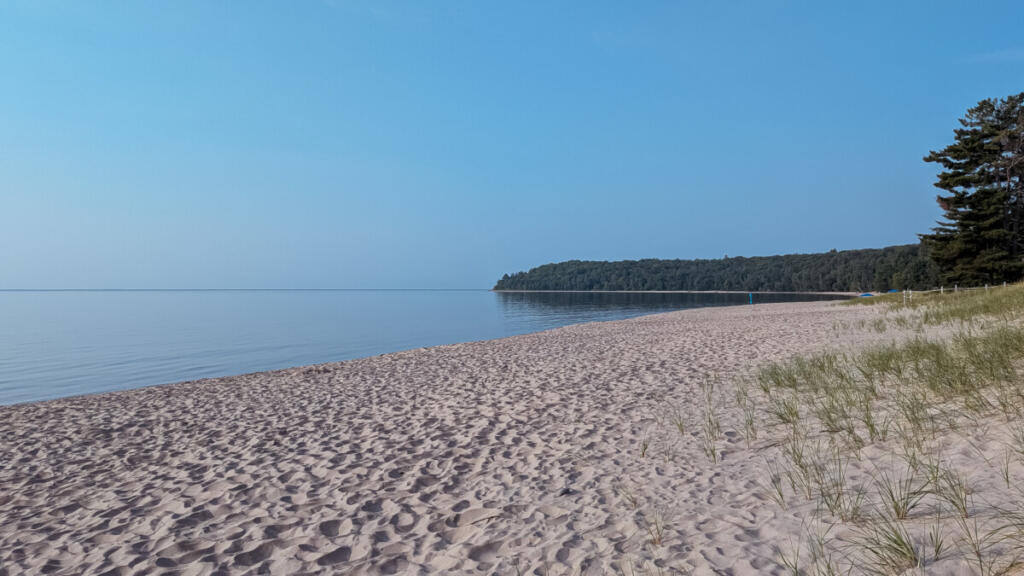
The panorama becomes even more impressive at Agawa Bay, where a trail carved into the base of the cliffs leads to the red pictographs of Agawa Rock. These rock paintings, left by First Nations people centuries ago, are one of Lake Superior Provincial Park’s most remarkable cultural treasures.
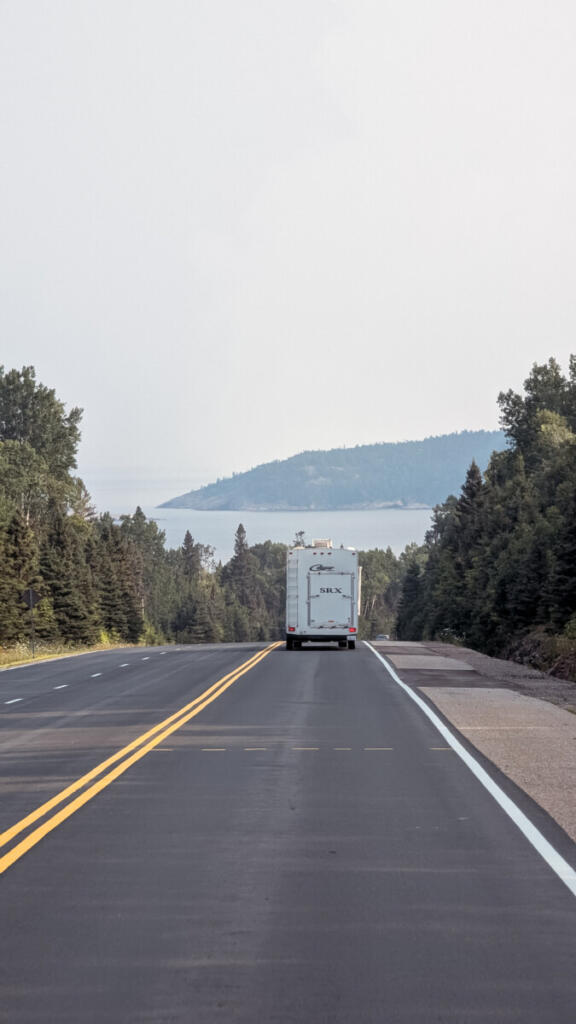
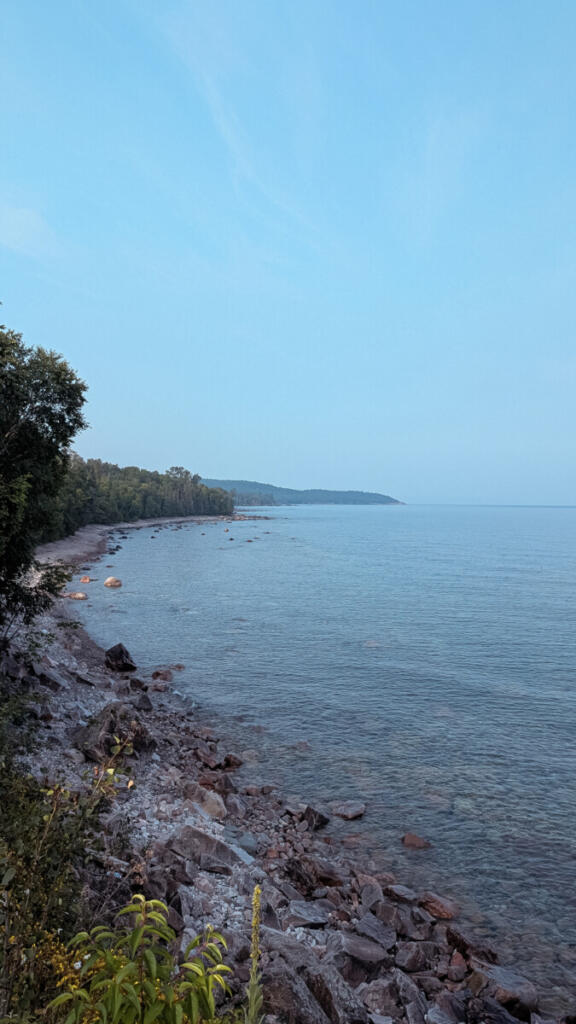
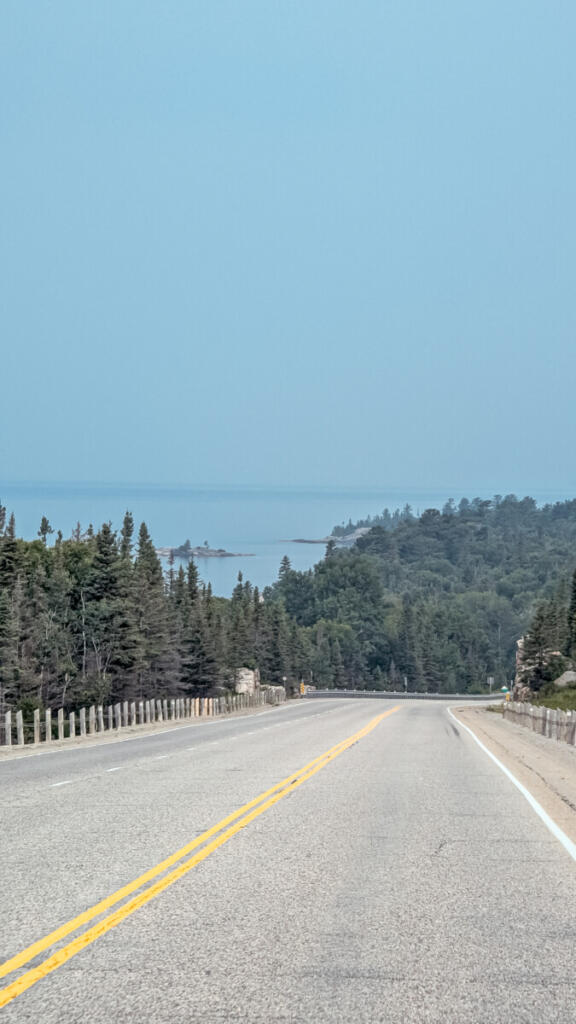
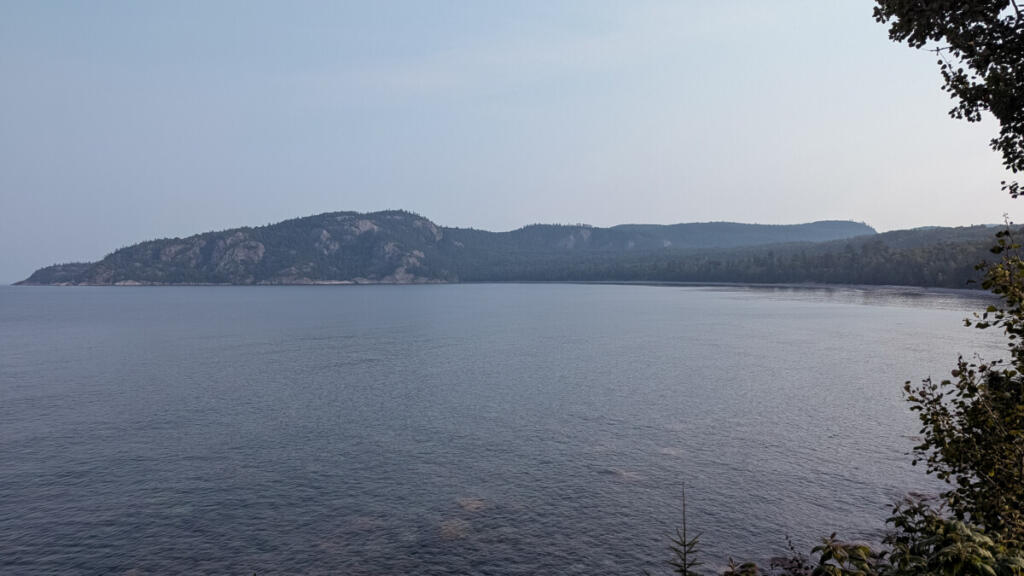
The Trans-Canada Highway then continues to Terrace Bay. The small beach bordering the town is ideal for a stopover, but it’s the
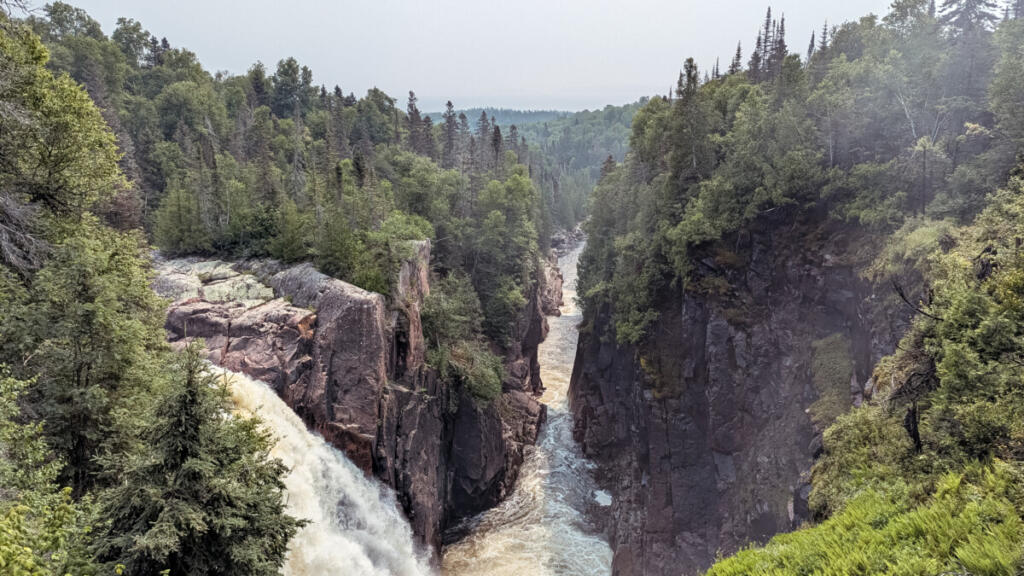
Further on, the landscape becomes even more spectacular with the Ouimet Canyon. This impressive rift, 150 metres wide and 100 metres deep, shelters a unique microclimate where rare arctic plants survive. Two lookouts allow you to appreciate its grandeur.
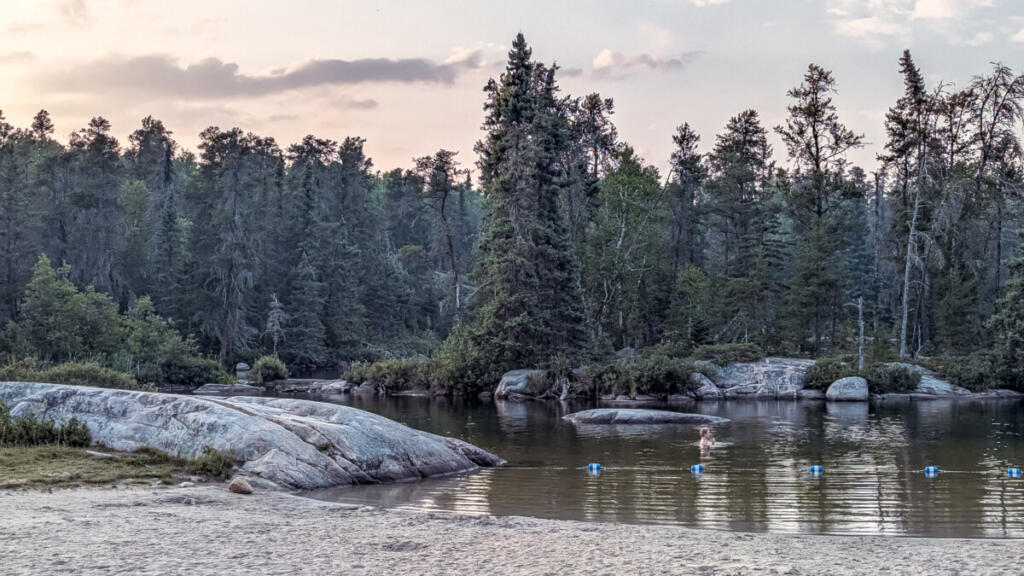
As we approach the Manitoba border, one last stop is Rushing River Provincial Park. Its rapids, small waterfalls and short trails offer a refreshing immersion in unspoiled nature.
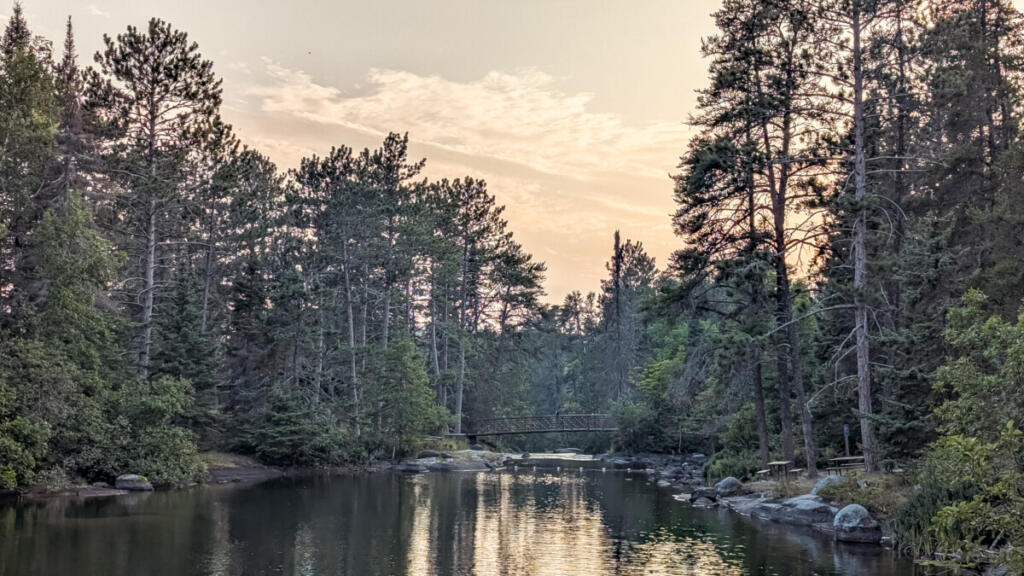
➜ Those with more time on their hands in Ontario can enrich their itinerary with must-see stops.
Manitoba – Between the buffalo and the shifting dunes
After leaving the forested landscapes of Ontario, the arrival in Manitoba marks a real change of scenery. Forests become rarer, horizons widen, and the first great plains herald the West. This is the
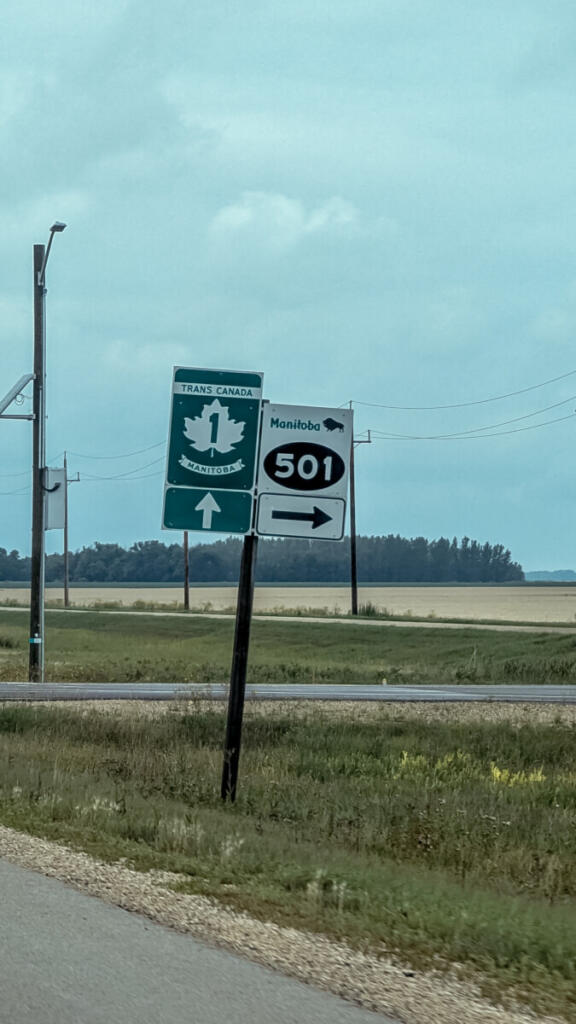
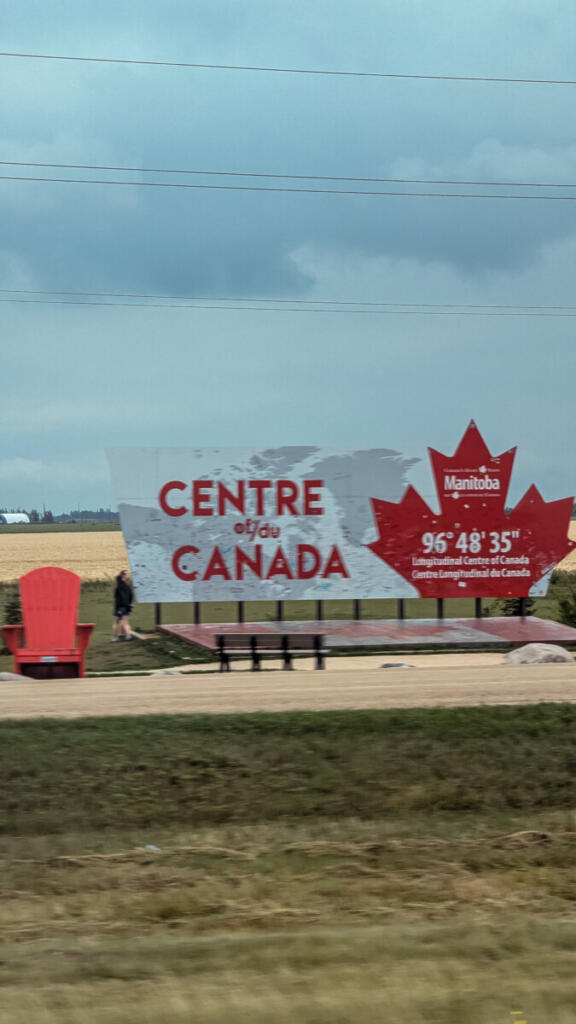
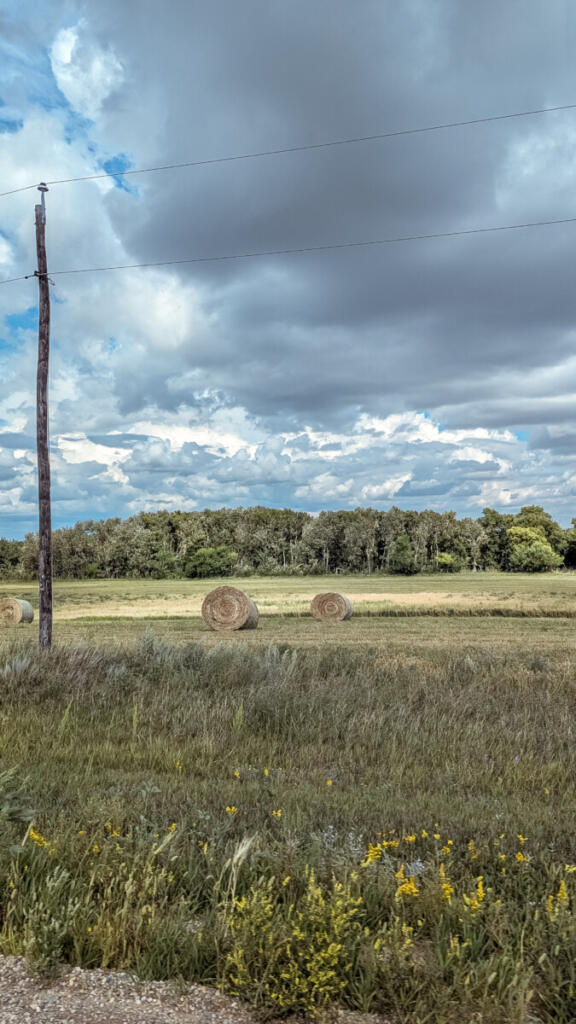
Riding Mountain National Park is one of our most memorable stops. A green oasis in the heart of the prairies, it combines forests, hills and lakes. There are numerous trails for both short strolls and long hikes. One of the highlights of the park is undoubtedly the observation of the bison, gathered in a car-accessible enclosure. Watching these iconic animals evolve in their natural habitat is an experience that makes this place unique. The shores of Clear Lake, meanwhile, offer a pleasant setting for a swim or a waterside break.
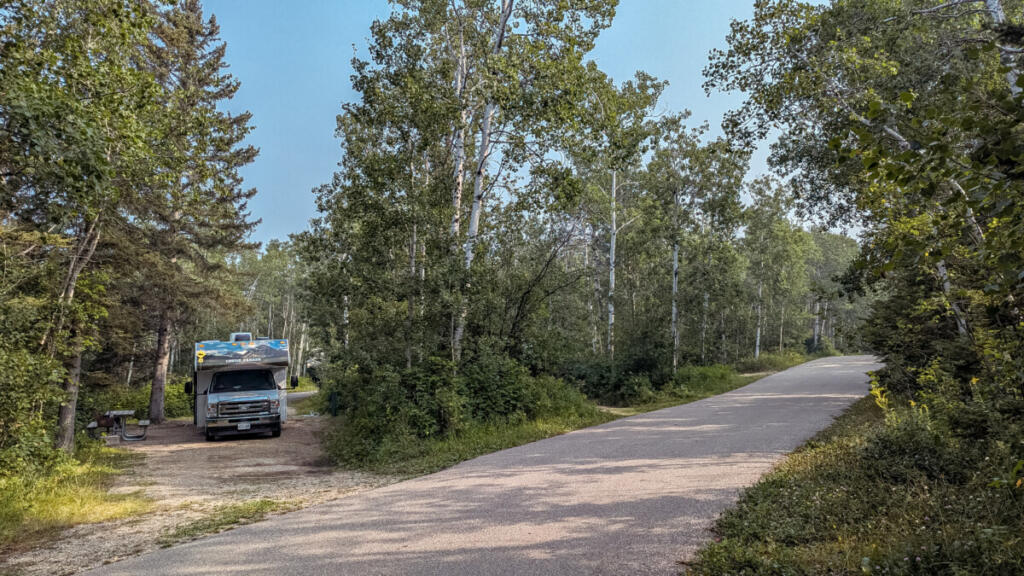
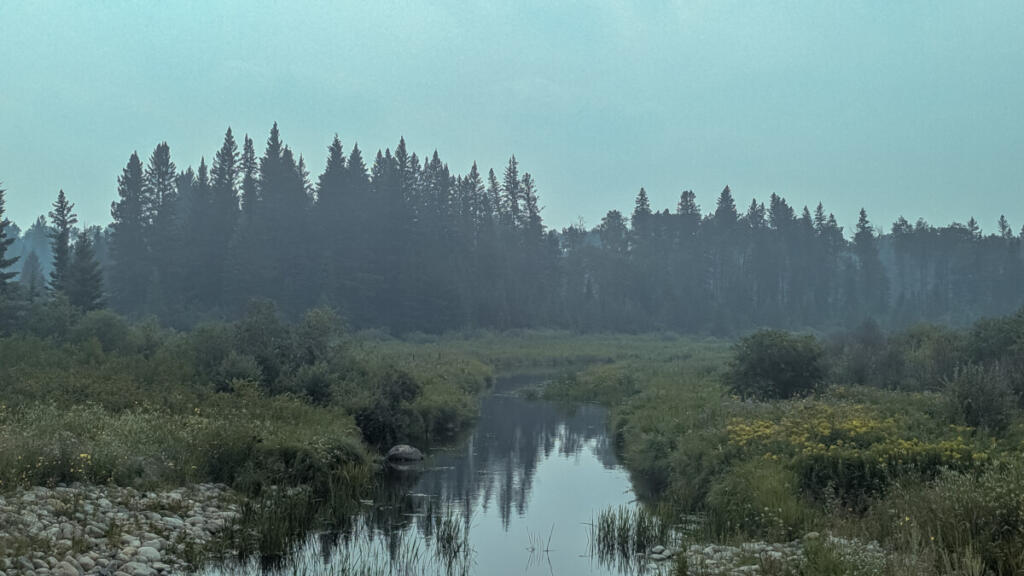
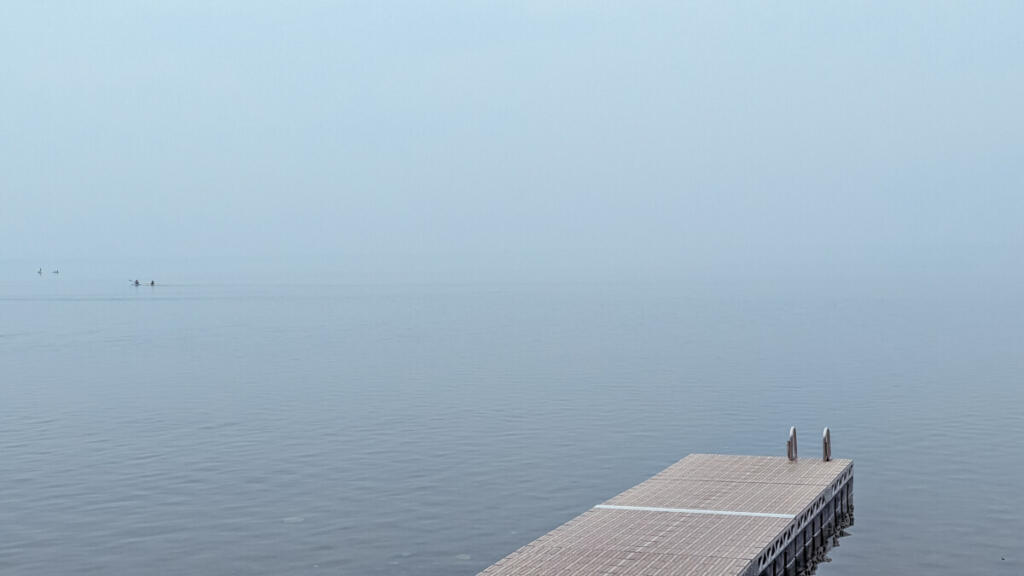
Further south, Spruce Woods Provincial Park is a land of astonishingly unexpected relief. In the middle of the meadows are shifting dunes, vast stretches of sand shaped by the wind, creating a backdrop worthy of a miniature desert. The contrast with the lush green landscape is striking, and the trails that wind through this unusual setting allow you to fully appreciate its originality.
➜ For those with more time on their hands, Manitoba is home to other exceptional sites. Winnipeg, its capital, stands out for its cultural richness, museums and lively neighborhoods. To the north, Churchill attracts travelers from around the world with its polar bears and beluga whales, a unique destination accessible only by train or plane. In winter, the Festival du Voyageur, a celebration of Franco-Manitoban heritage, gives the province a warm, festive atmosphere despite the cold.
Crossing Manitoba means moving from the great forests of the East to the plains of the West, but it also means discovering unexpected landscapes and memorable experiences, from bison encounters to walking on dunes in the heart of the Prairies.
Saskatchewan – From endless plains to badlands
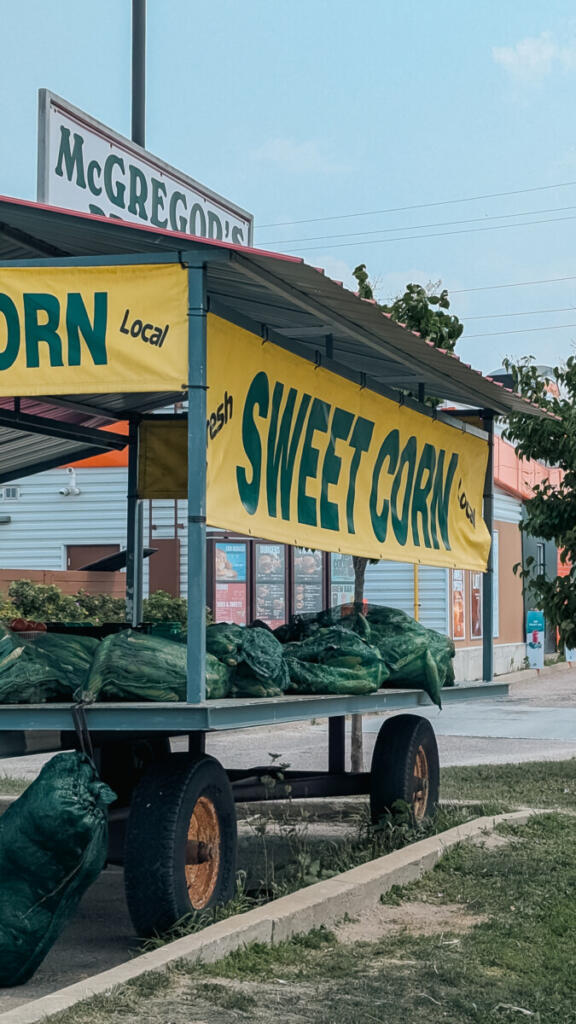
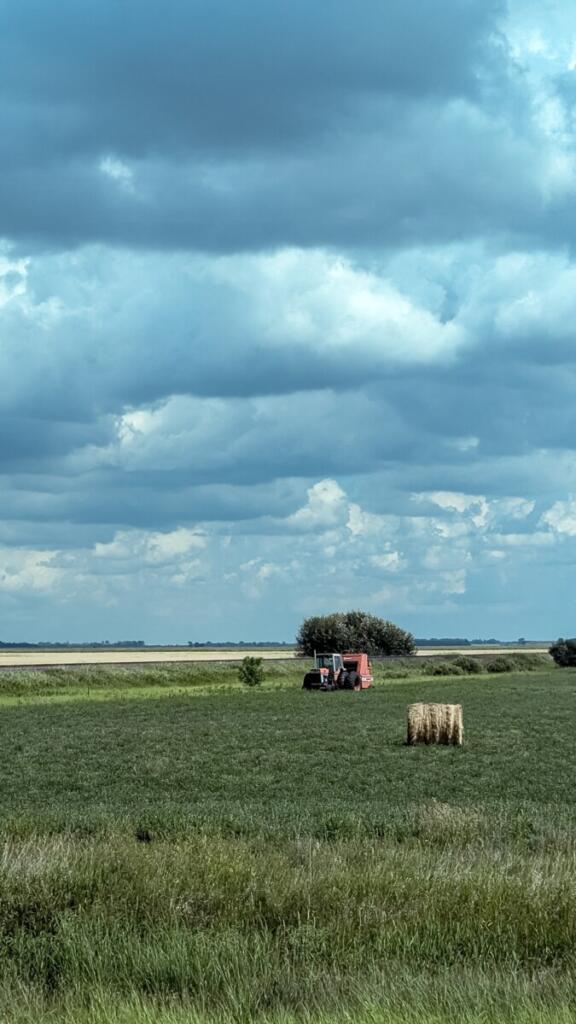
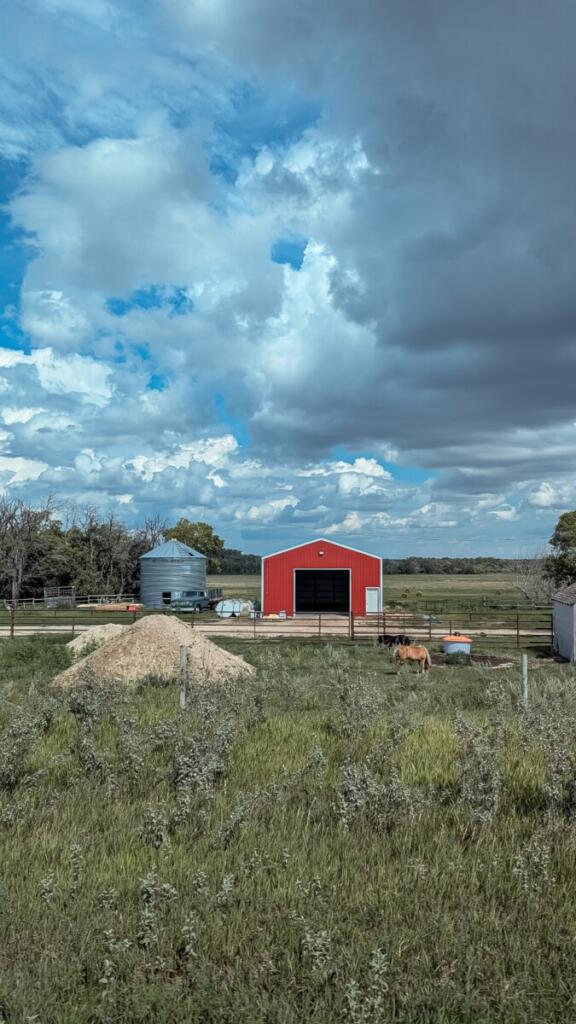
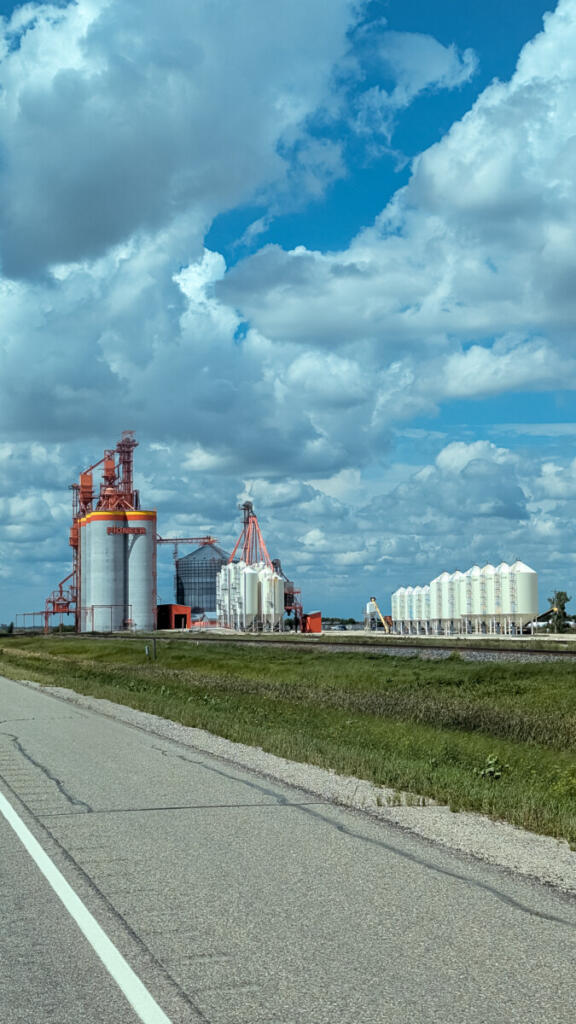
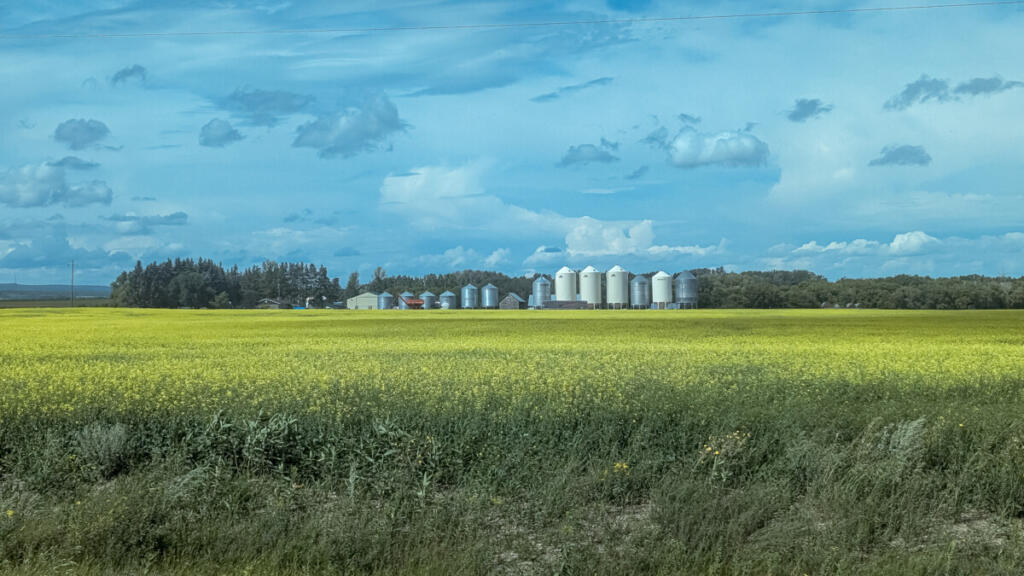
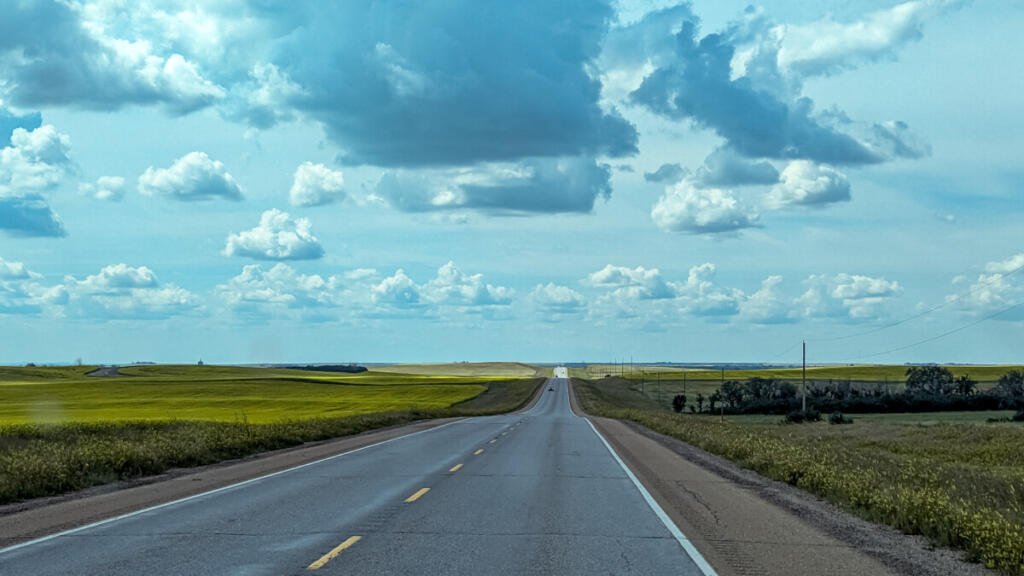
Leaving Riding Mountain National Park in Manitoba, the road continues to Saskatoon, in the heart of Saskatchewan. This long stretch truly marks the entrance to the Prairies, with their endless straight lines and almost endless horizon.
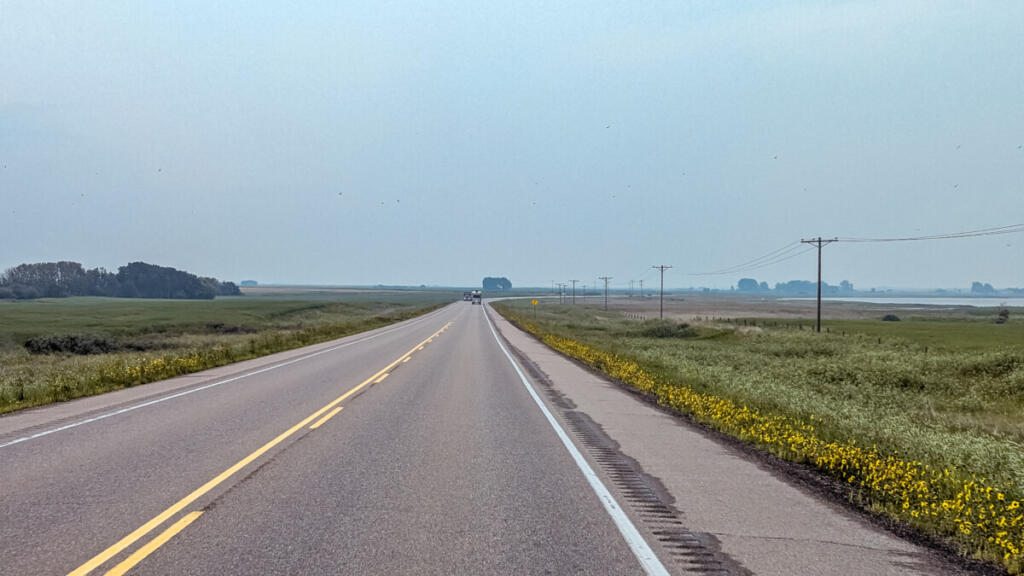
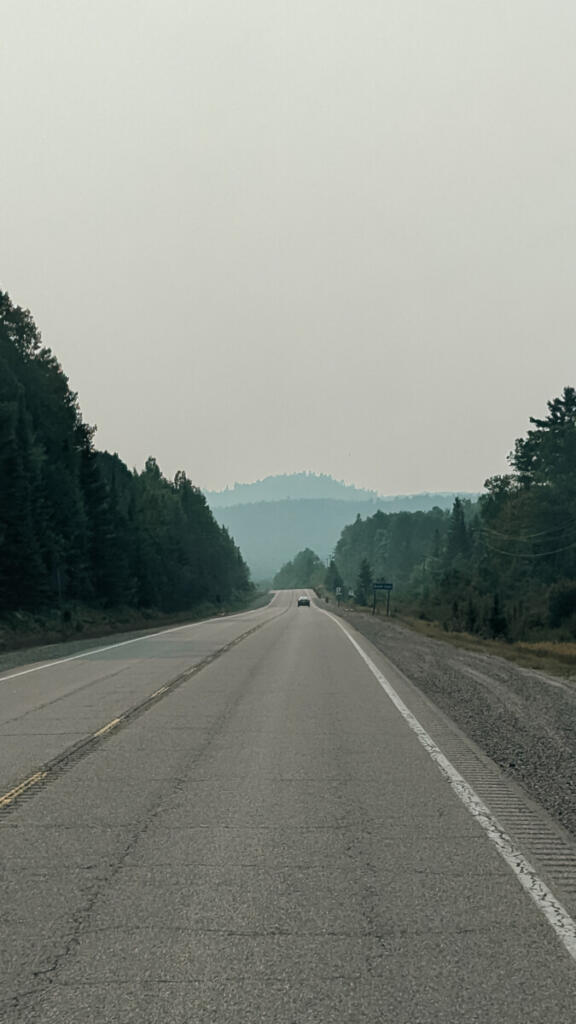
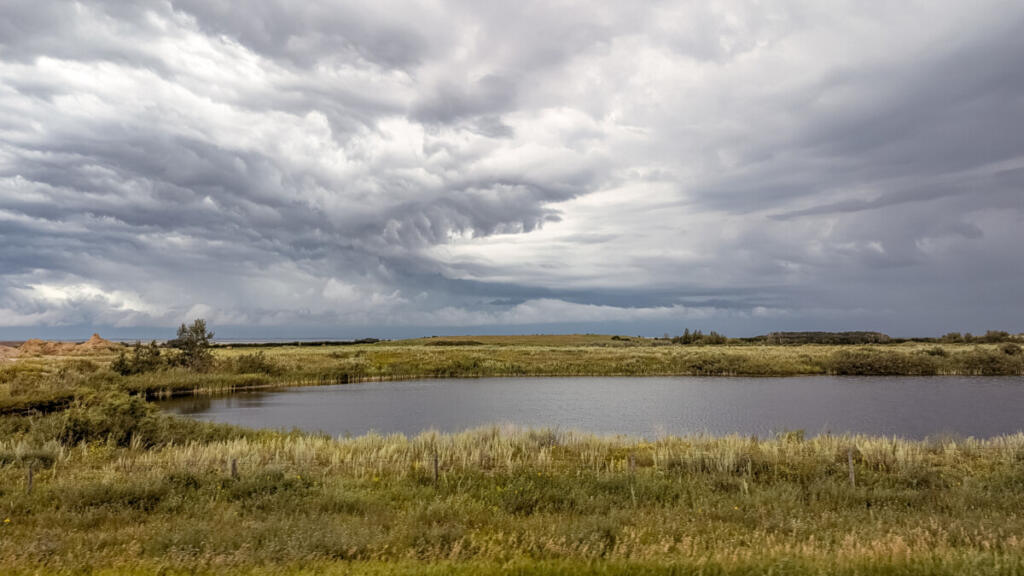
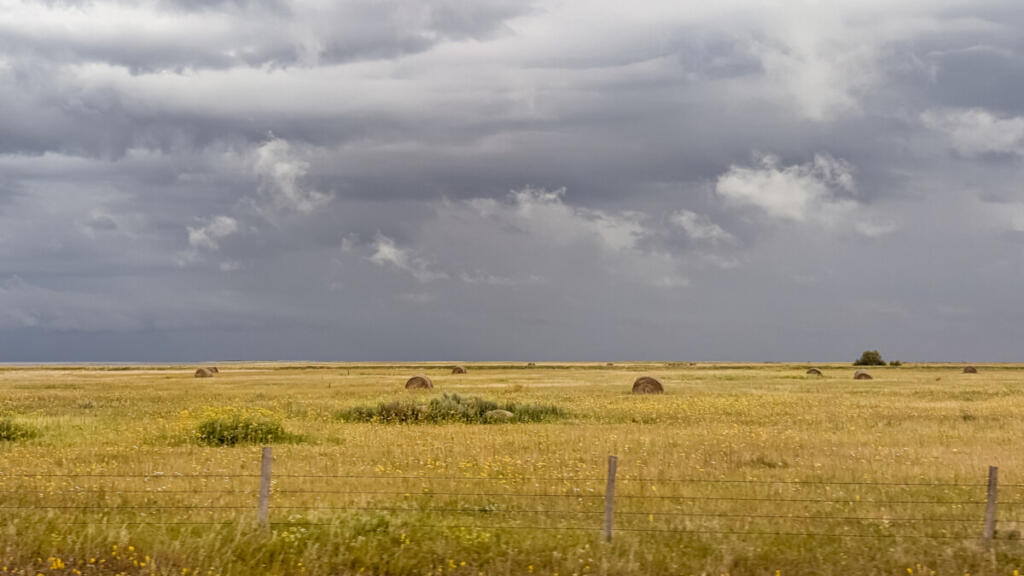
The atmosphere of the crossing was special: stormy skies mixed with thick smoke from the many forest fires underway in the West. The milky air, saturated with mist, gave the landscape a strange, slightly unreal atmosphere.
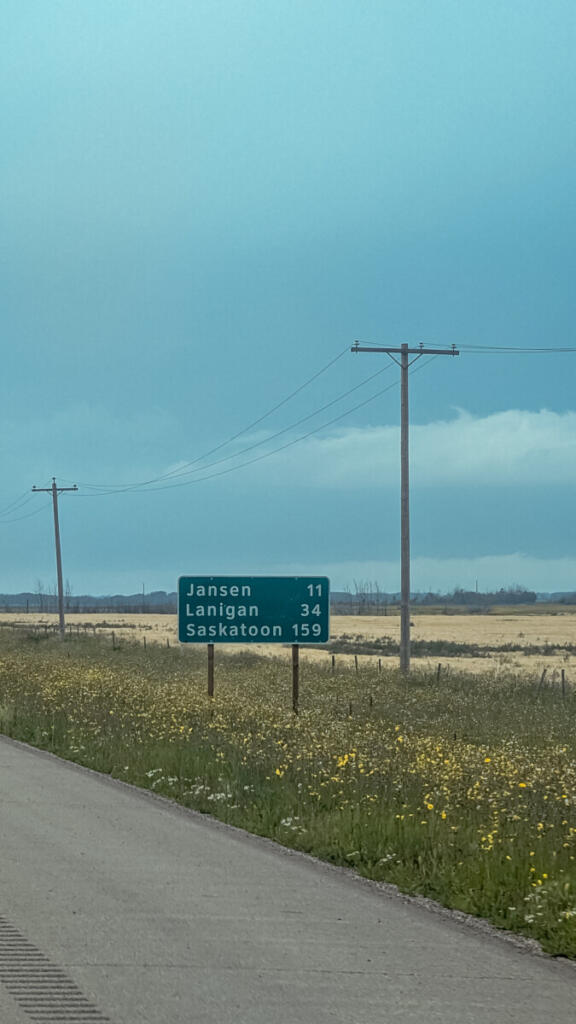
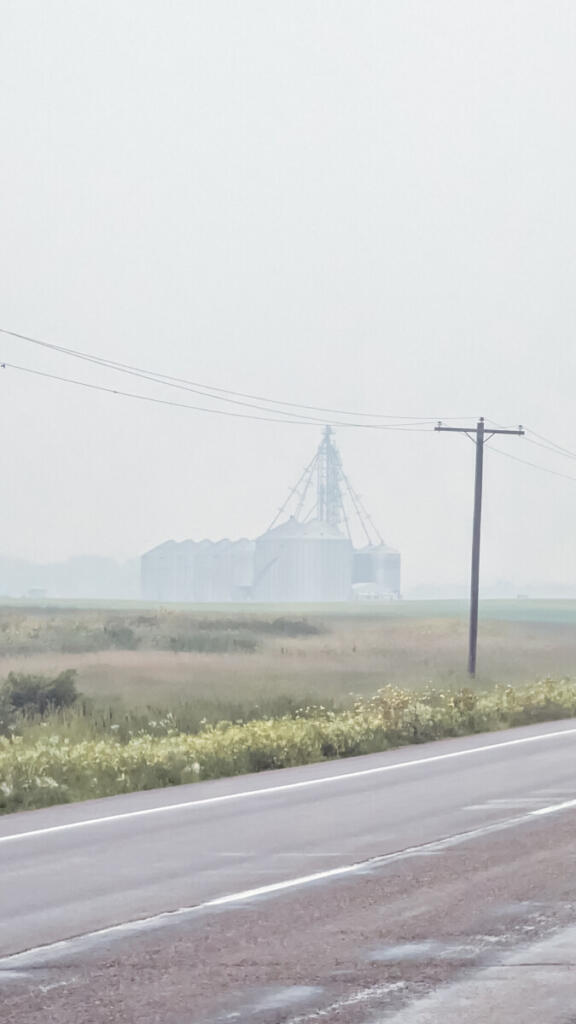
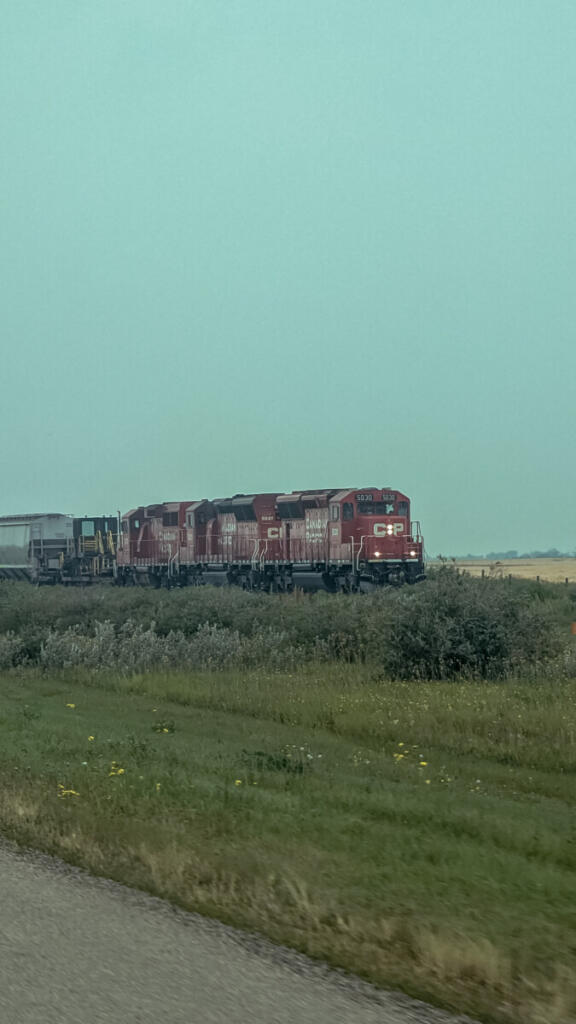
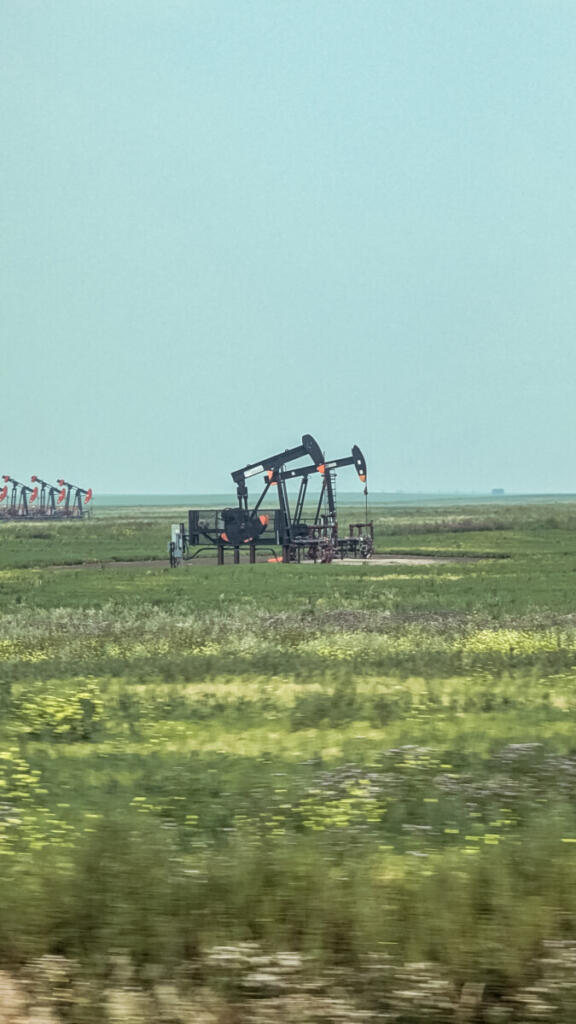
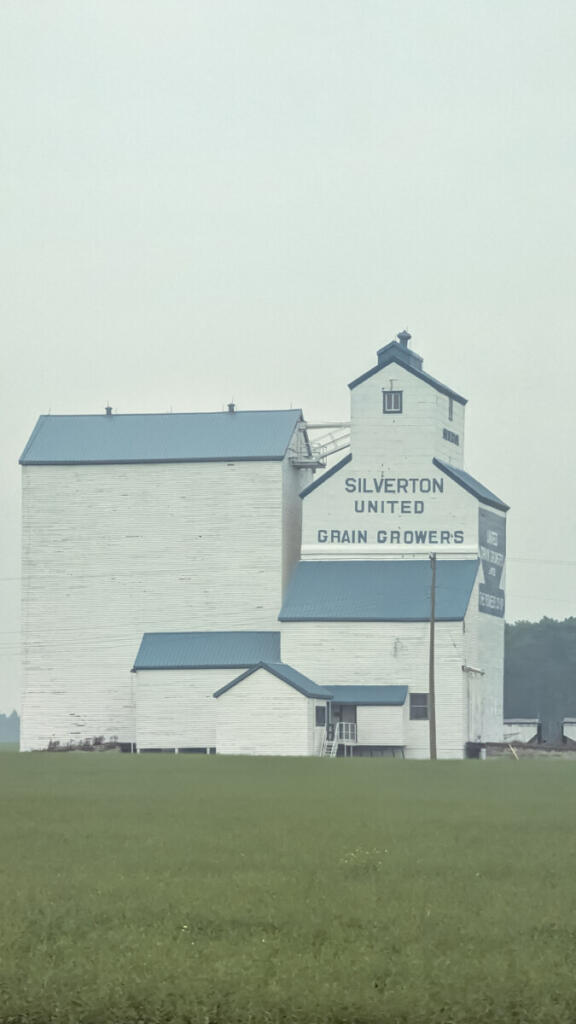
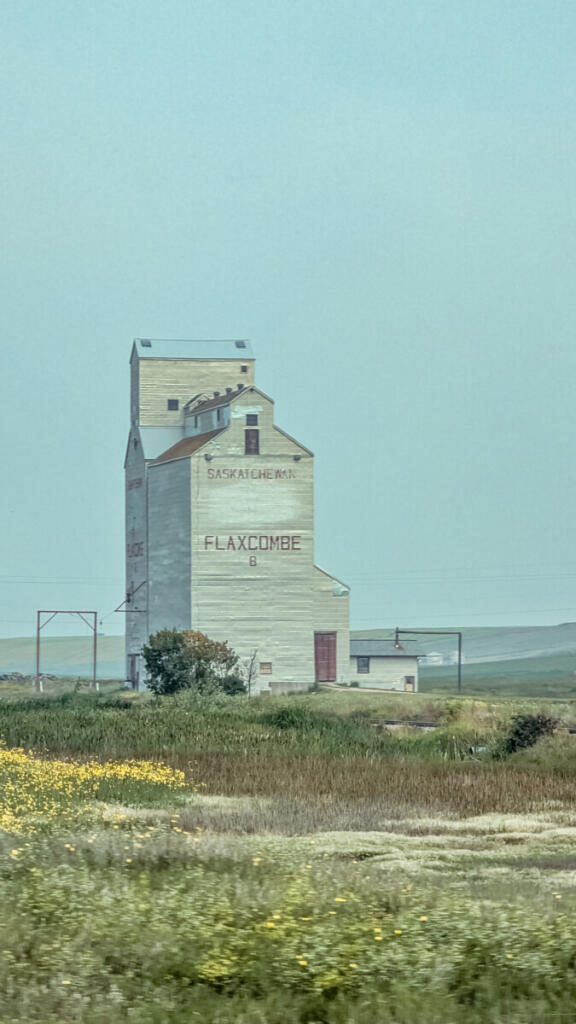
The original itinerary called for a two-night stopover in Grasslands National Park, but the fatigue accumulated over the miles led us to continue directly to Saskatoon. This choice illustrates the reality of a long-distance roadtrip: you sometimes have to adapt your program to the conditions of the moment, whether it’s the weather, the state of the roads or simply the energy available.
Saskatoon, on the South Saskatchewan River, is a pleasant city known for its bridges, parks and cultural vibrancy. Even without a long stay, it’s a convenient stop on the Trans-Canada Highway and a good refueling point. Summer festivals, including the Saskatchewan Jazz Festival, attract many visitors, and the Remai Modern Museum testifies to the region’s artistic vitality.
A little further south, Moose Jaw is also worth a stop for its famous murals that adorn the downtown facades. These colorful frescoes tell the story of local history and transform the streets into open-air galleries.
➜ Beyond these stops, Saskatchewan offers other discoveries for those with more time on their hands.
Alberta – Drumheller Badlands
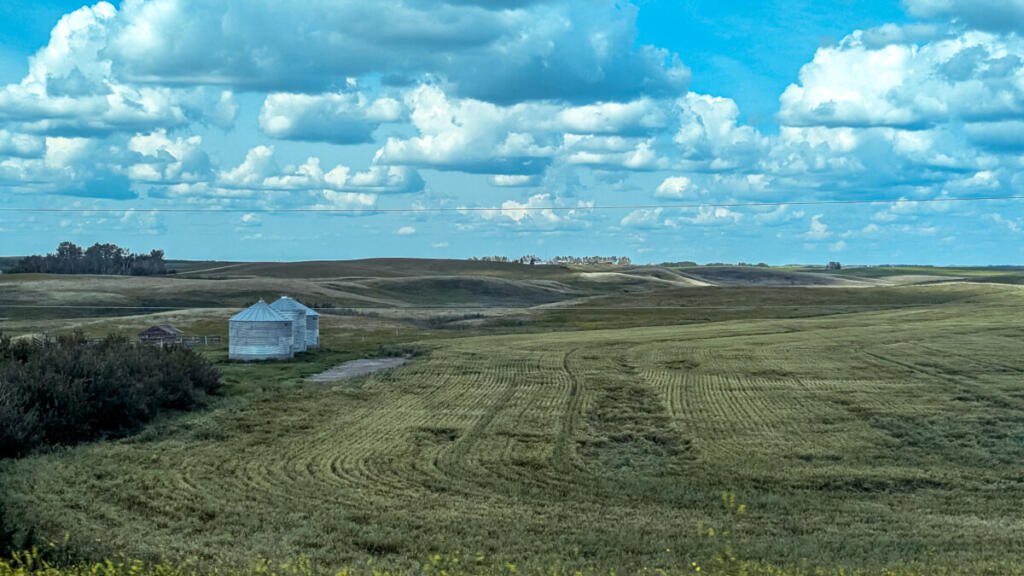
After Saskatoon, the road stretches for miles across the Saskatchewan plains. The straight lines seem endless, bordered by open horizons and fields as far as the eye can see. This impression of monotony accentuates the contrast with Alberta, where the landscape suddenly changes. The green hills gradually disappear, giving way to an arid landscape: the Drumheller badlands, shaped by millions of years of erosion.
Horseshoe Canyon is often the first encounter with this spectacular landform. Carved out of the earth, this natural amphitheater reveals walls of colorful strata, each layer telling the story of a geological epoch.
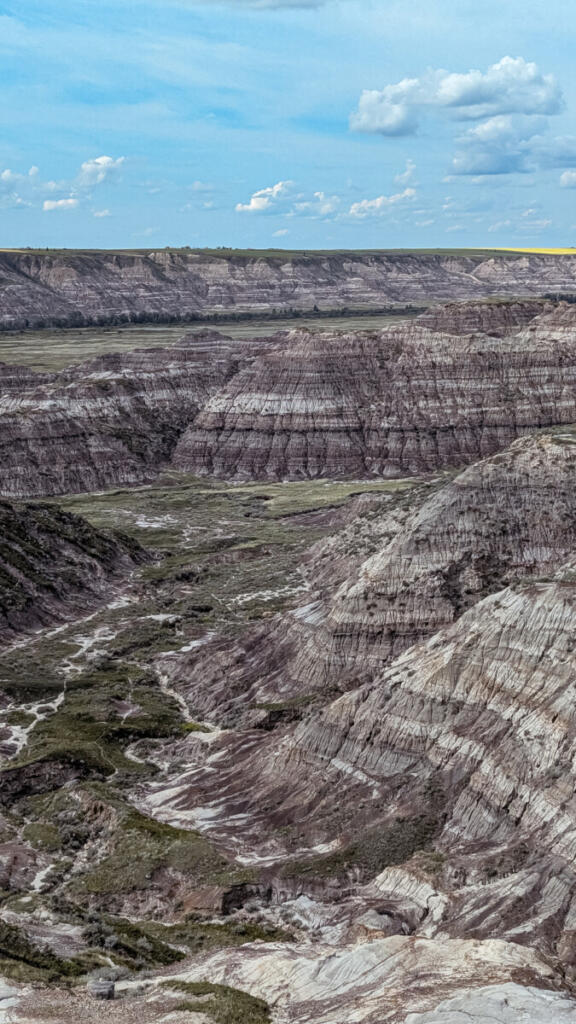
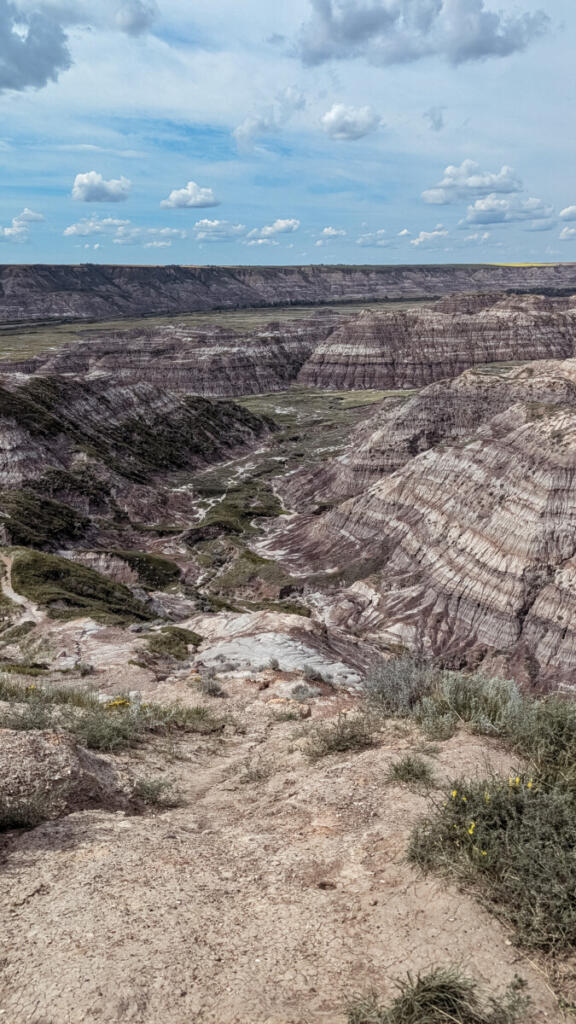
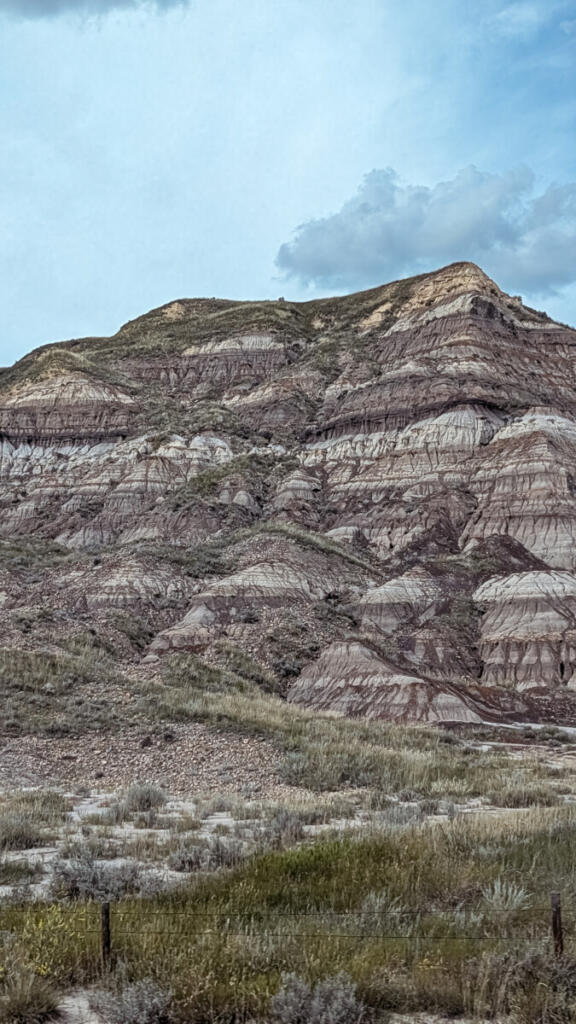
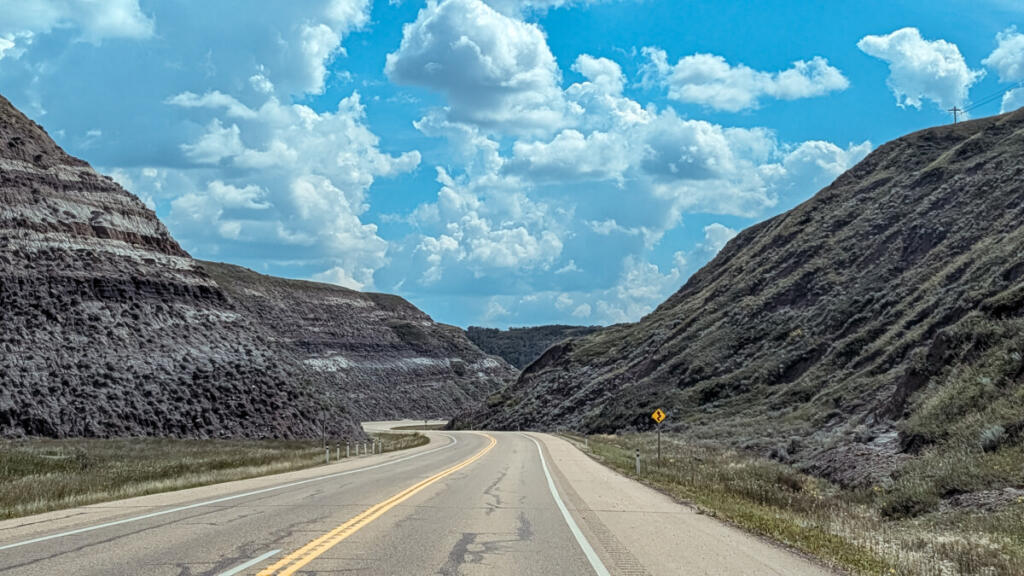
From the viewpoint, the panorama is breathtaking, but it’s on the way down to the canyon floor that the scale of the place really comes into its own. The fairly accessible walk takes you through a strangely shaped desert landscape, where the changing light brings out shades of ochre, grey and brown. The contrast with the vast prairies crossed the day before is striking, and it’s this stark contrast that makes the discovery of Horseshoe Canyon so striking.
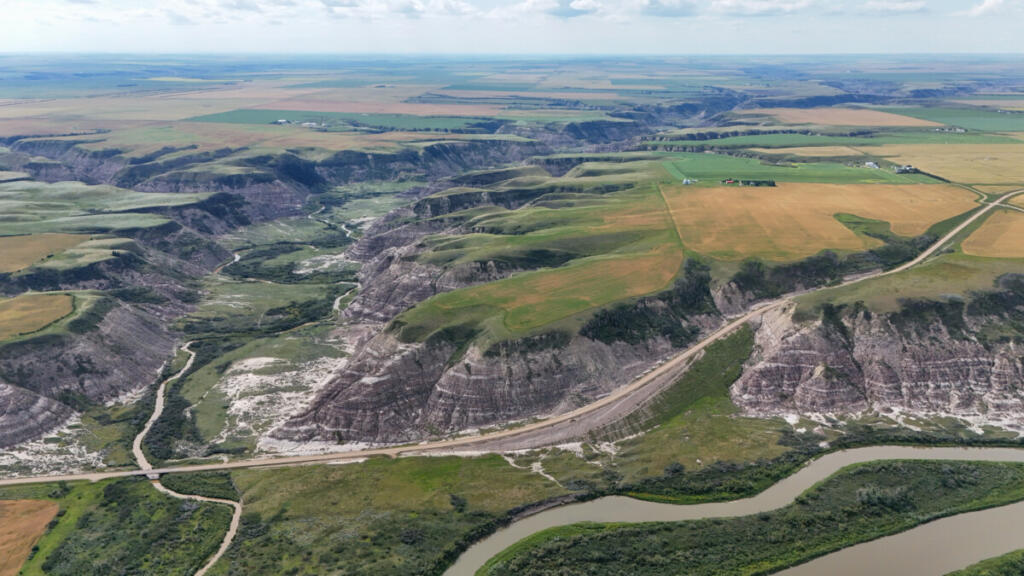
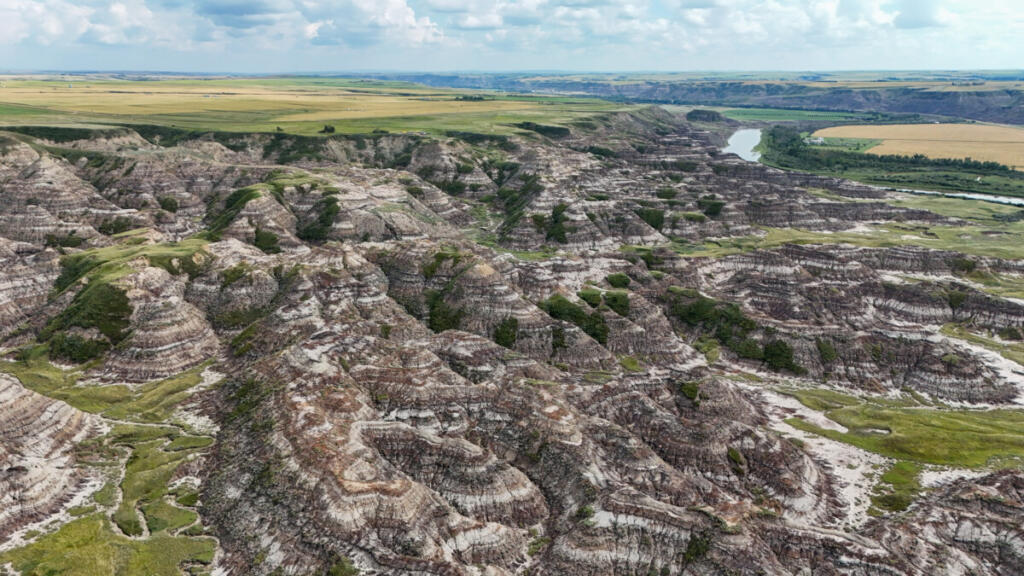
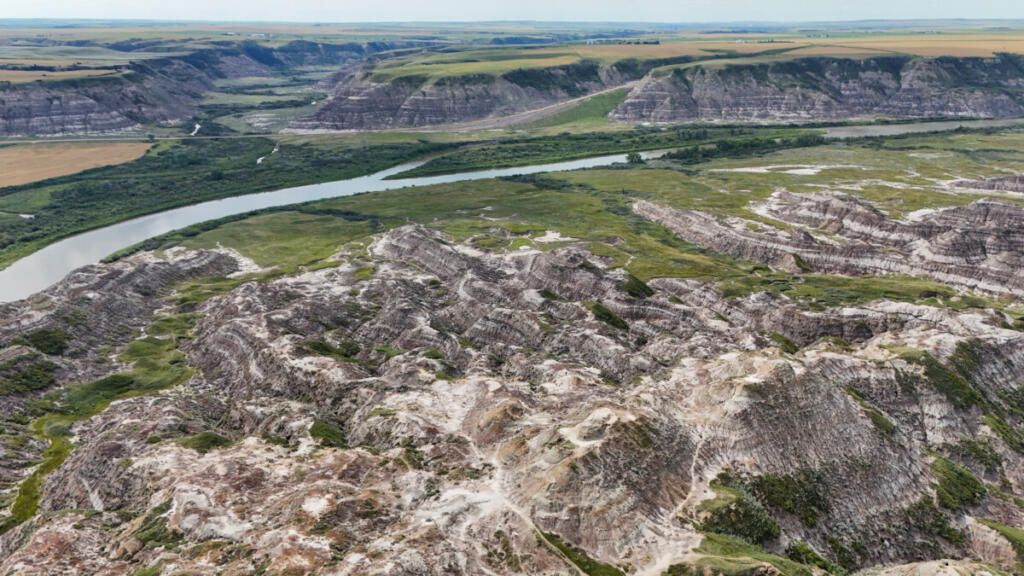
Drumheller is also home to other iconic sites, starting with the Royal Tyrrell Museum, world-renowned for its exceptional collection of fossils and dinosaur skeletons. Not far away, the famous hoodoos, rock columns eroded by wind and rain, provide an almost unreal backdrop. These fragile, photogenic formations are the perfect complement to the visit, giving the region a uniquely Canadian character.
The discovery of Drumheller marks a major transition in the journey: after the endless plains of Saskatchewan, there’s a sudden plunge into an arid, mineral world, where the geology tells the story of millions of years of history. The road then leads to Calgary, the gateway to the Rockies, where a completely different landscape begins…