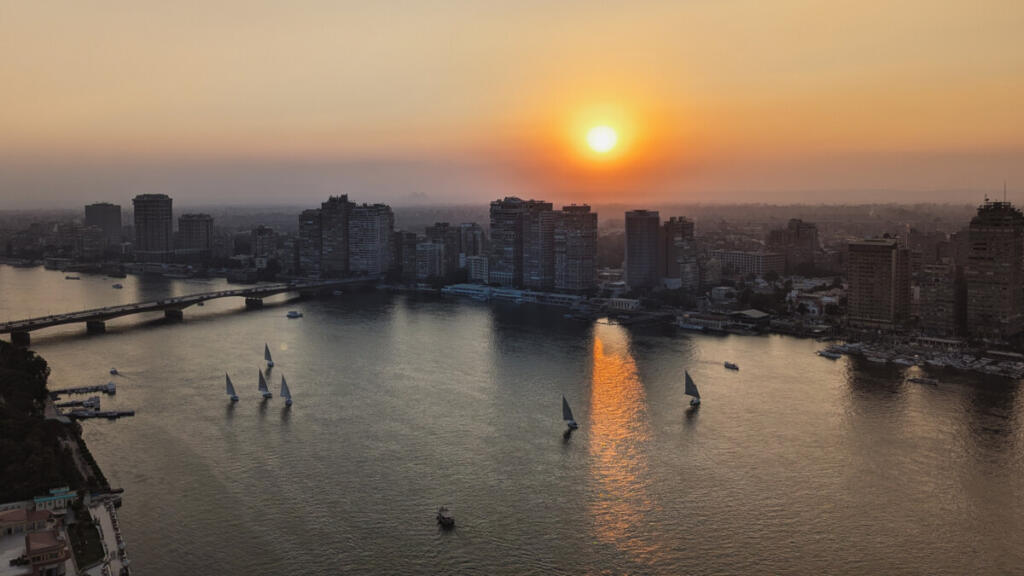
Cairo, this vibrant, chaotic megalopolis, is much more than just a gateway to the treasures of ancient Egypt. A sprawling capital, it offers a veritable journey through time, where Pharaonic, Coptic, Islamic and modern heritages rub shoulders. From the pyramids of Giza to the Coptic quarter, from the great mosques of Islamic Cairo to the bustling souks, each emblematic site tells an essential page in Egyptian history. Here’s a selection of must-see places for a richly rewarding stay in Cairo.
Egypt’s pharaonic origins: the pyramids of Giza, Saqqara and Dahshur
Giza and the Sphinx: the grandeur of the pharaohs
Twenty kilometers west of central Cairo, the Giza Plateau is the most emblematic site in ancient Egypt. This colossal funerary complex, dating back over 4,500 years, is home to three major pyramids built for the pharaohs Khufu, Khafren and Mykerinos.
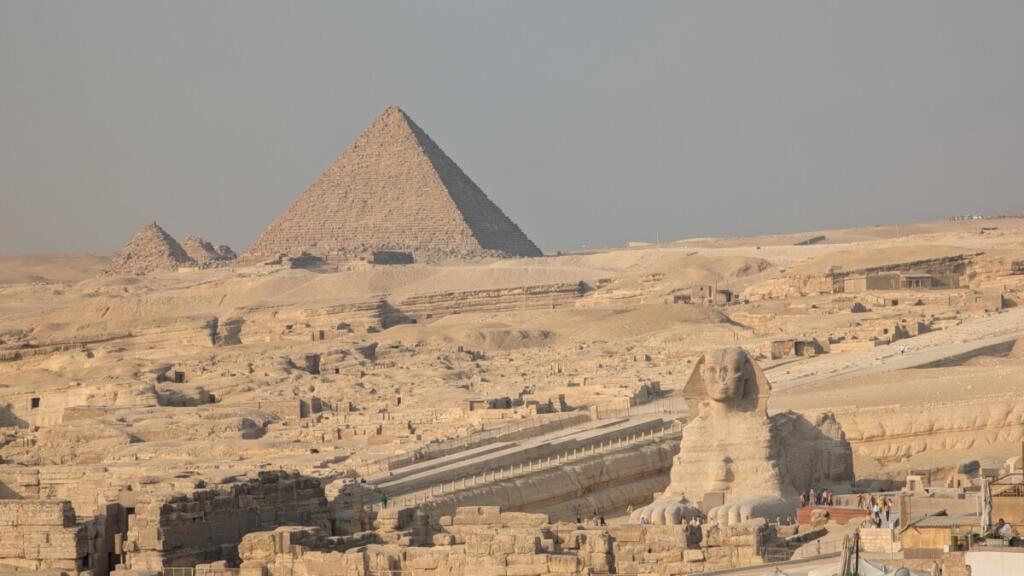
The Pyramid of Cheops, also known as the Great Pyramid, is the oldest of the Seven Wonders of the Ancient World and the only one still standing today. At its peak, it stood 146 metres high (143 metres today) and was, for almost 3,800 years, the tallest building ever constructed by man. With a base measuring 230 metres on each side and some 2.3 million stone blocks, its construction continues to arouse fascination and questions.
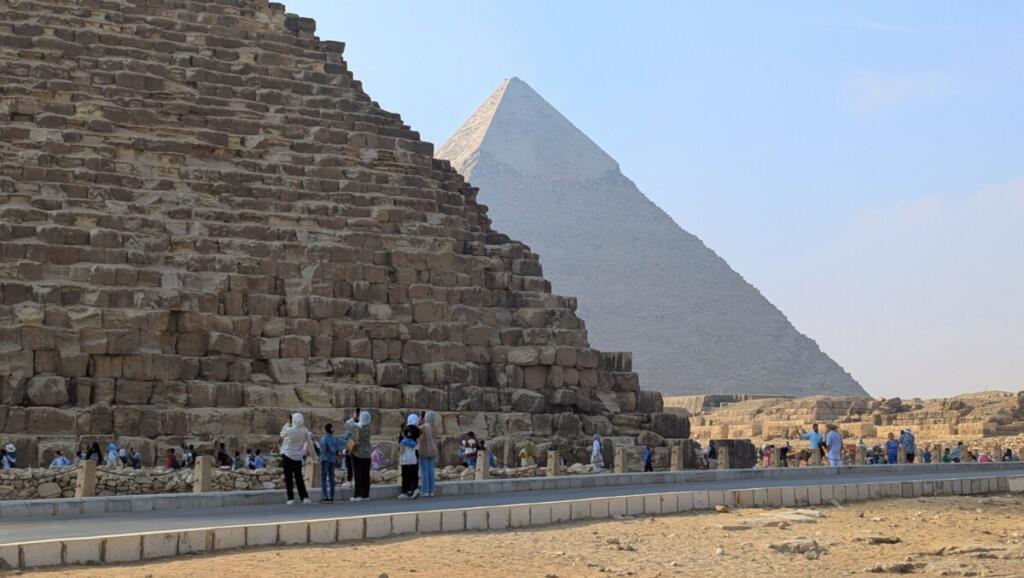
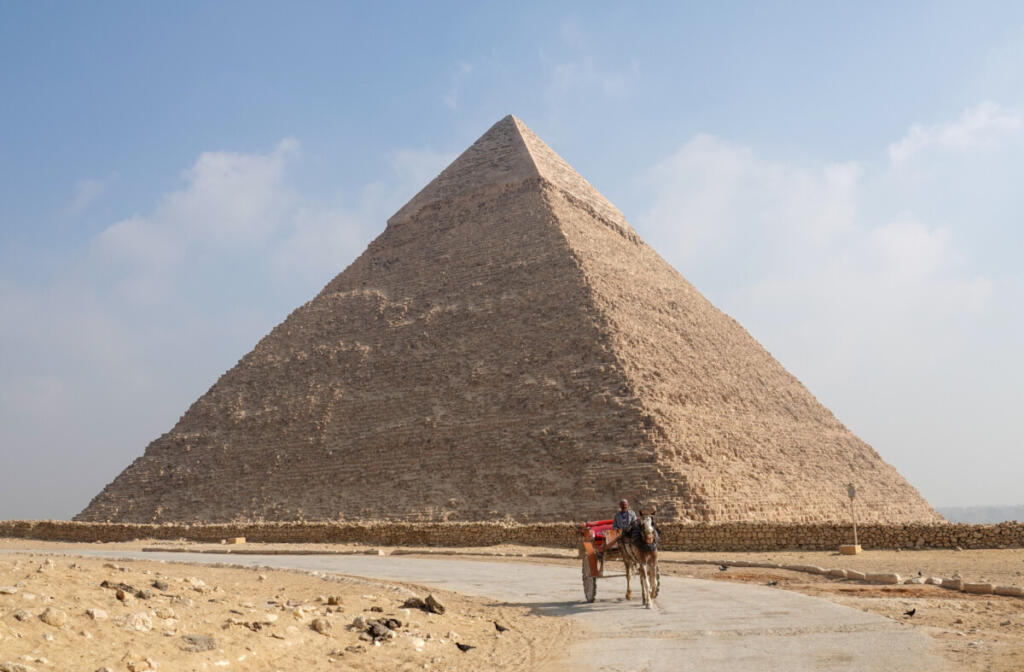
The neighbouring pyramids of Khéphren (136 metres), remarkable for its summit still partially covered by the original limestone cladding, and Mykérinos (65 metres) also bear witness to the technical and symbolic mastery of the Old Kingdom. Together, they form a landscape both majestic and enigmatic.
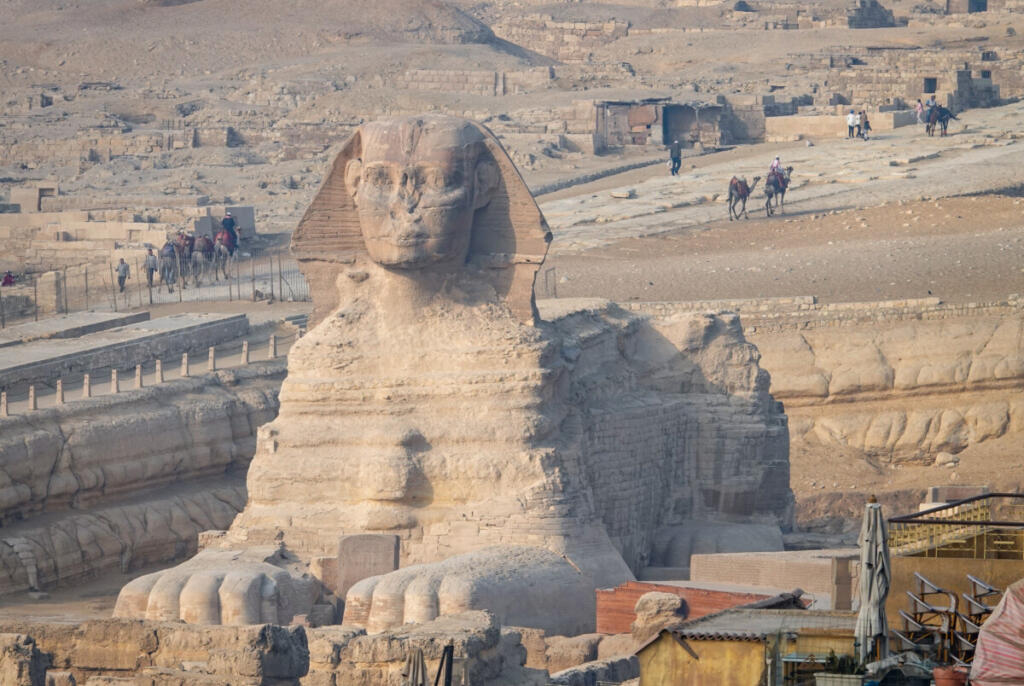
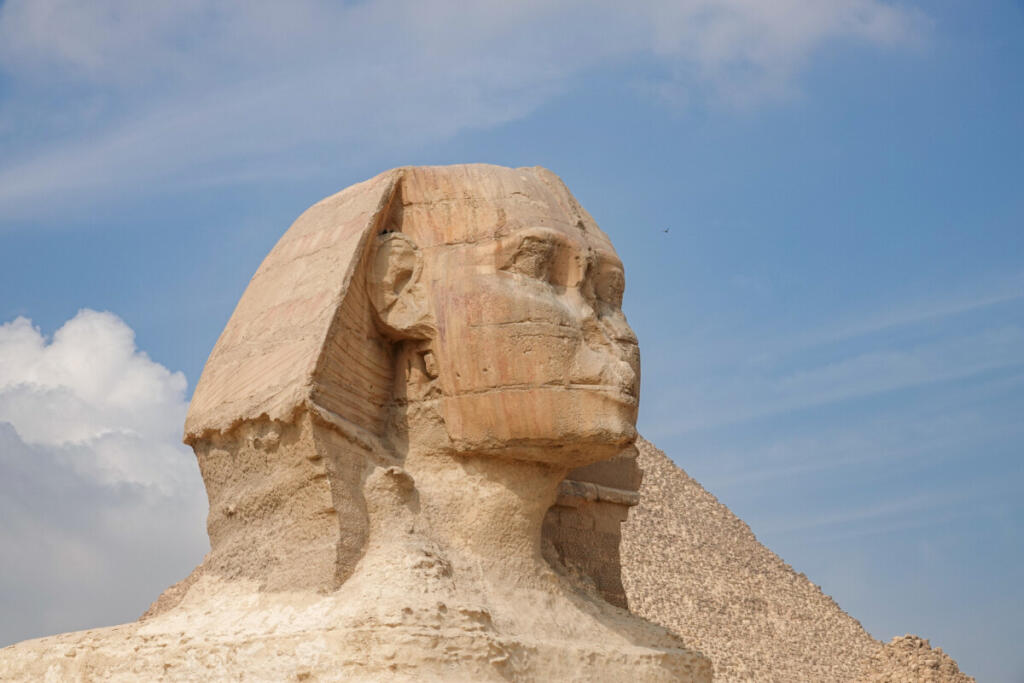
Below, the Great Sphinx of Giza watches over the plateau. This monumental 73-metre-long, 20-metre-high statue, with its human head and lion-like body, remains one of the great mysteries of ancient Egypt. Carved from a single block of limestone, its face, often attributed to Pharaoh Khafren, still poses many questions for archaeologists, including its precise dating and the origin of its missing nose.
Saqqara and Dahshur: history’s first pyramids
Less frequented than Giza but just as fascinating, the sites of Saqqara and Dahshur offer a glimpse into the origins of pyramid architecture. Located some 30km south of Cairo, they offer a glimpse into the earliest architectural experiments of the ancient Egyptians.
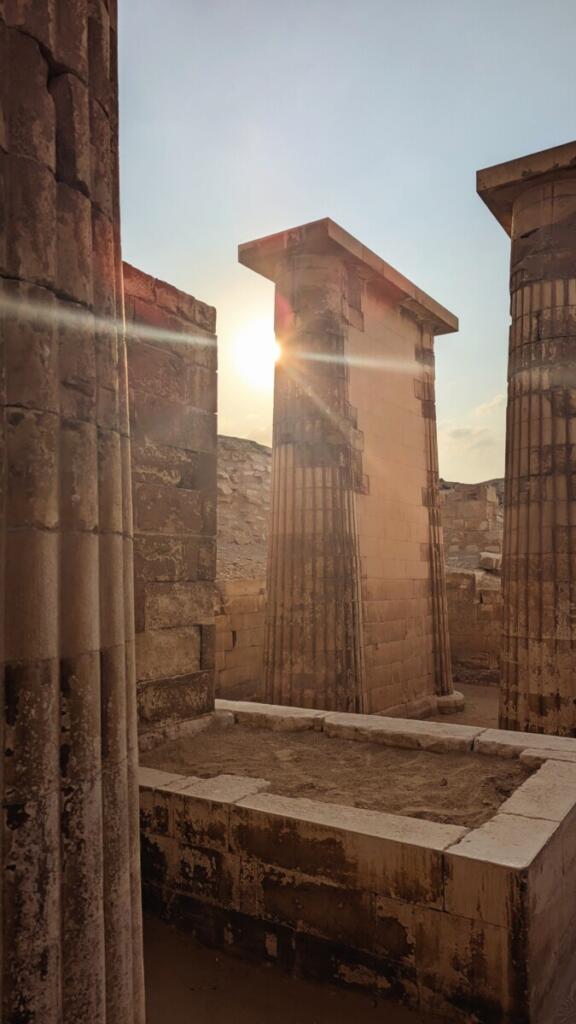
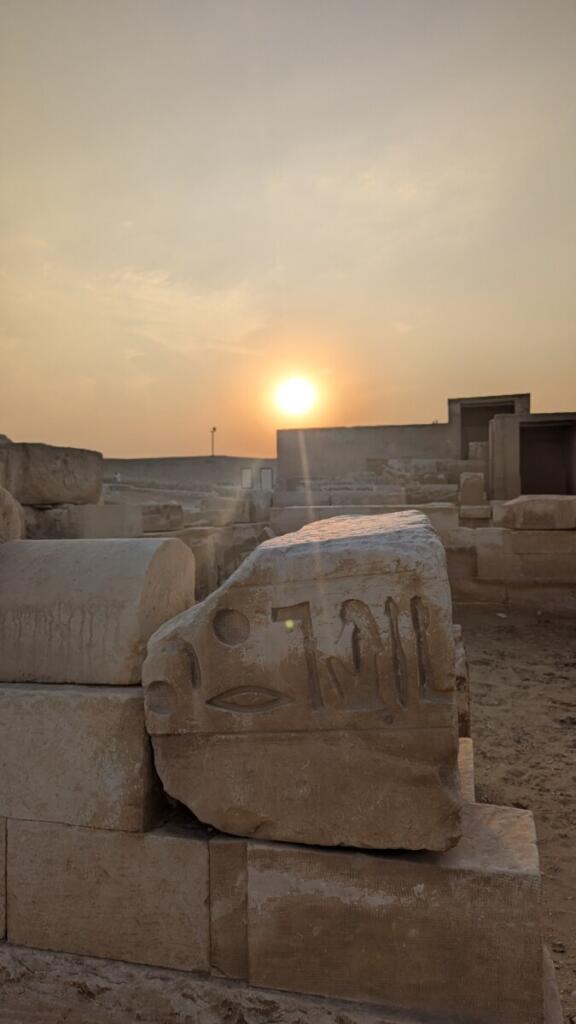
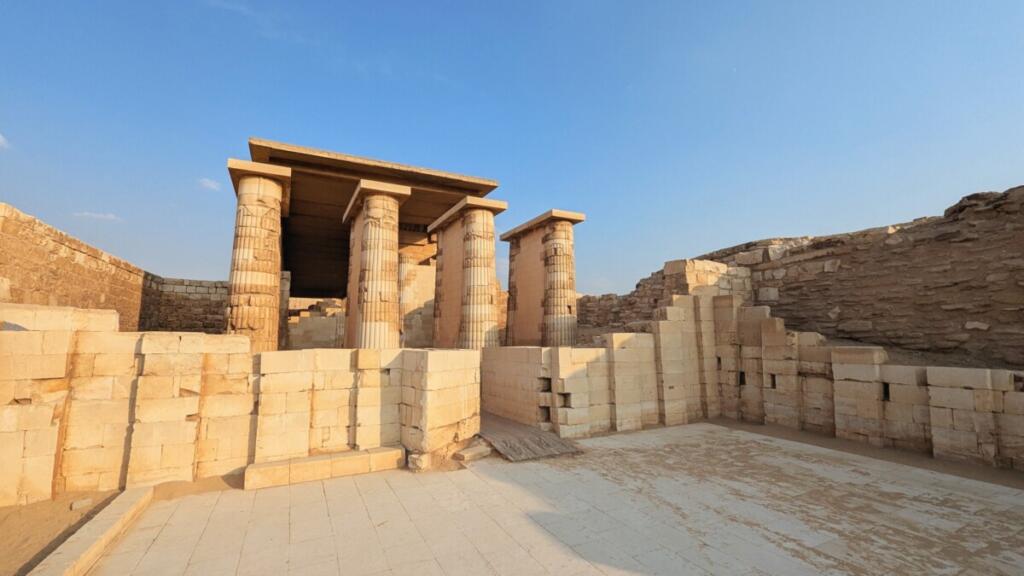
Saqqara is home to the very first pyramid ever built: the Step Pyramid of Djoser, erected around 2650 BC during the 3rd Dynasty. This architectural feat was the work of an exceptional man: Imhotep, vizier, physician, priest and royal architect. A visionary, he designed not just a tomb, but a genuine funerary complex in cut stone, a material hitherto unavailable for such vast constructions. His genius was recognized far beyond his time: Imhotep was later deified, becoming the god of medicine and wisdom.
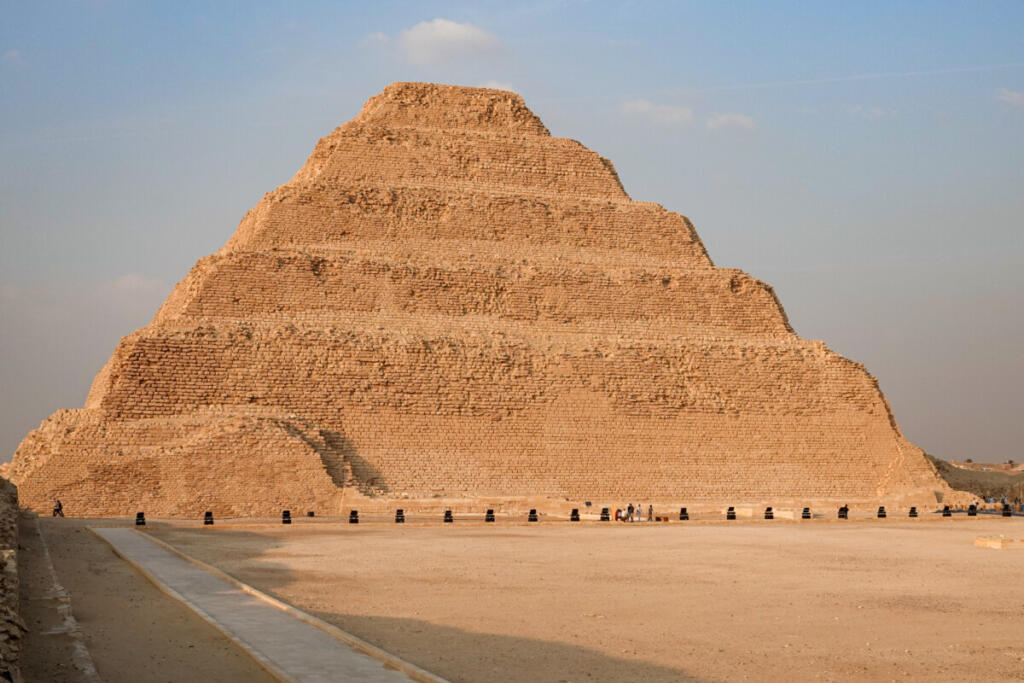
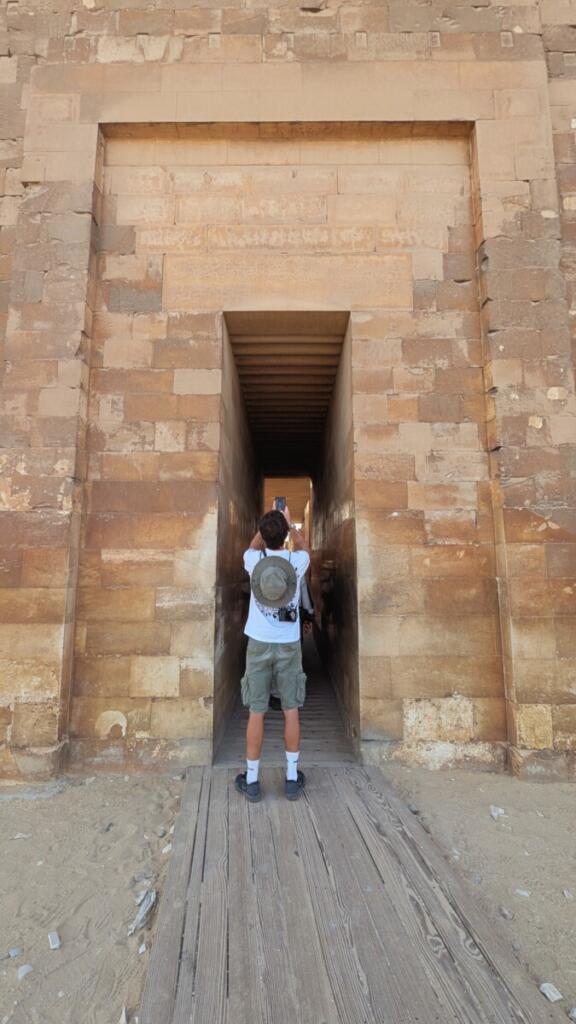
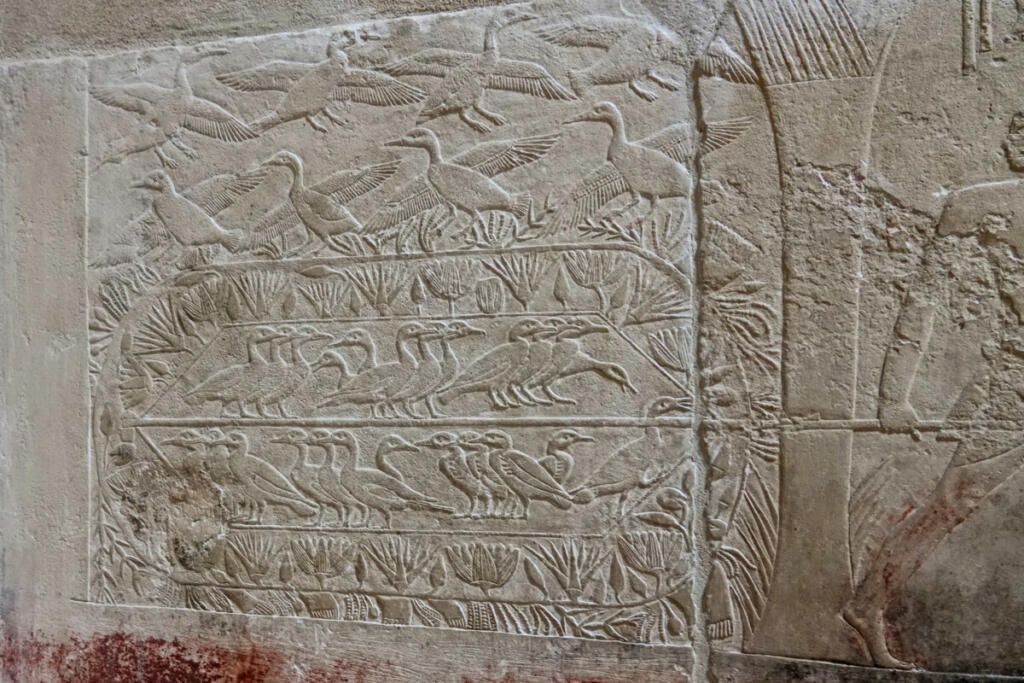
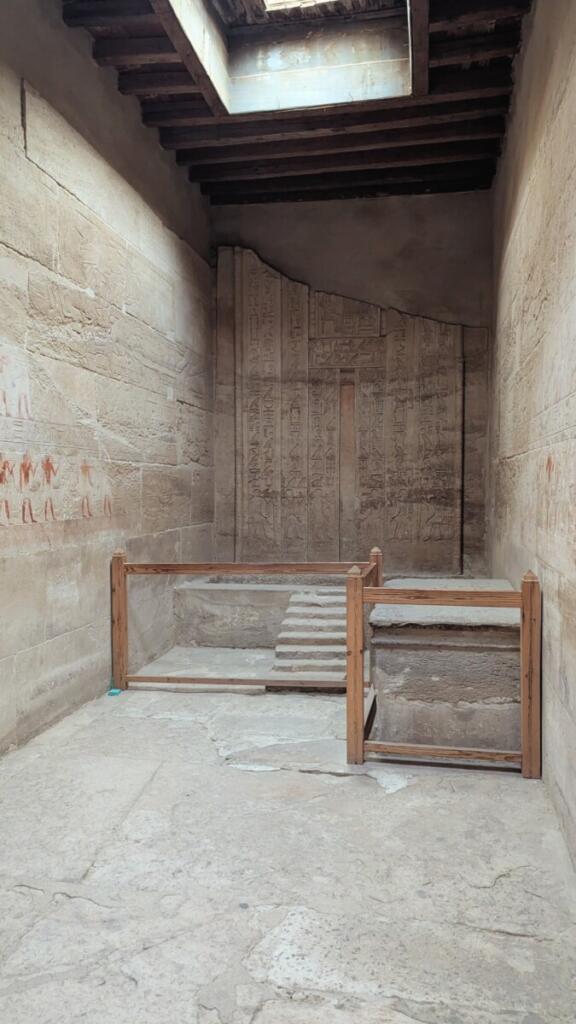
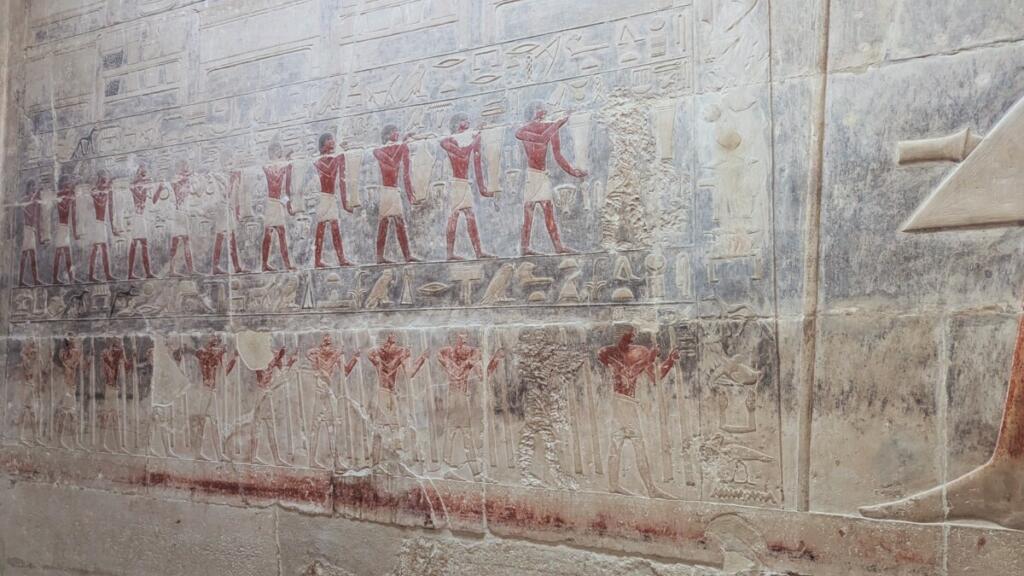
A visit to Saqqara begins with an entrance temple featuring fluted columns reminiscent of Nile reeds, which you cross before entering the vast central courtyard dominated by the stepped pyramid. The site also includes a number of richly decorated mastabas (tombs), whose scenes of daily life offer a touching and precious glimpse into a distant era.
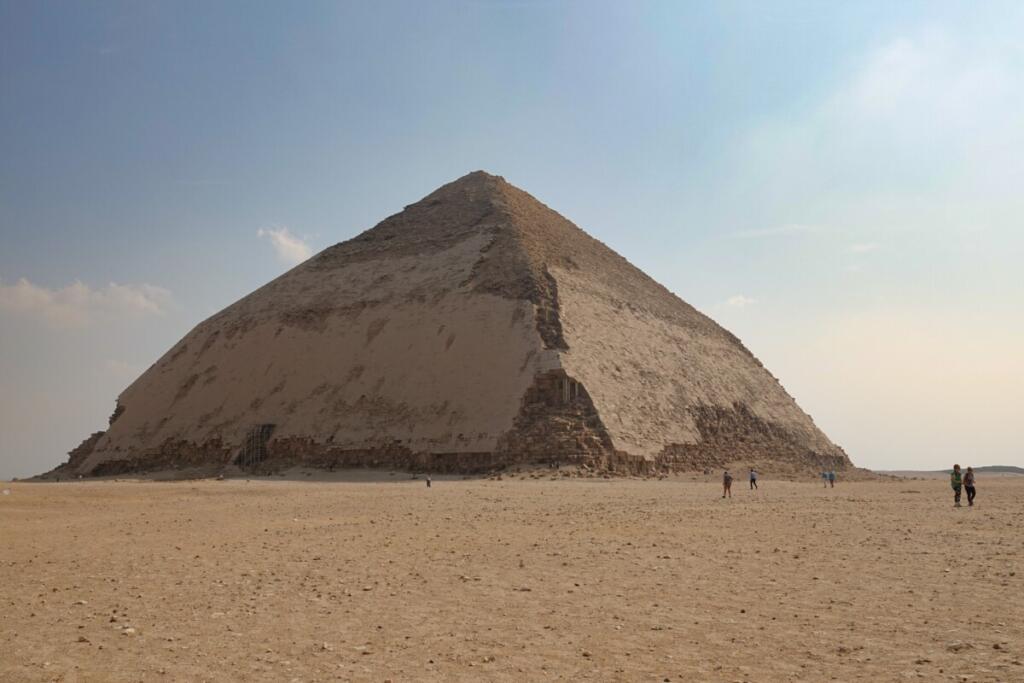
A few kilometers to the south, the Dahshur site is home to two major pyramids dating from the reign of Snefru, father of Khufu. The rhomboidal pyramid is distinguished by its broken angle: a change of inclination during construction, probably to avoid collapse, gives it a singular silhouette.
A little further on, the 105-metre-high Red Pyramid marks the culmination of architectural know-how: it was the first entirely smooth pyramid, a prelude to the masterpieces of Giza.
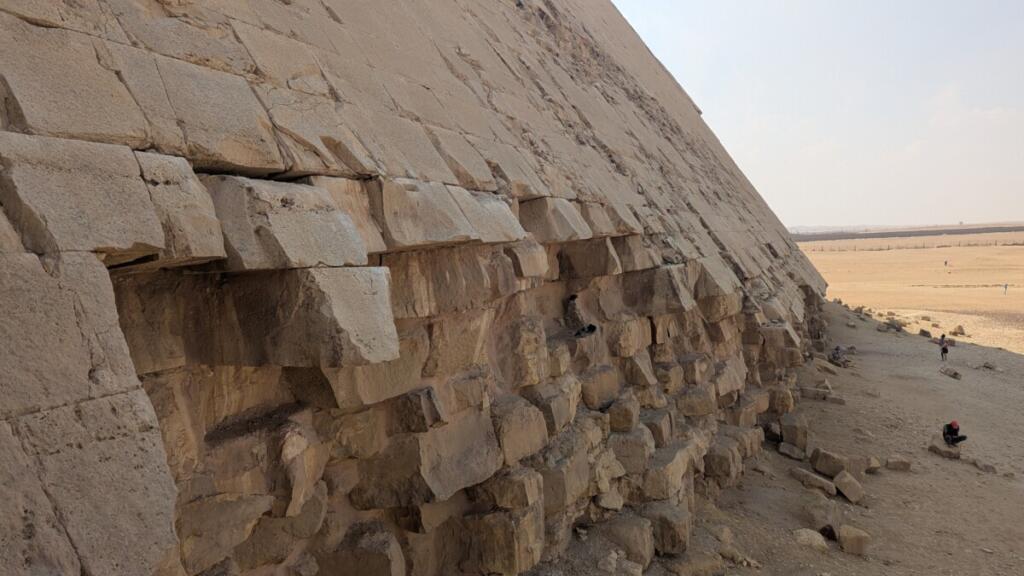
More rugged and peaceful, Dahshur offers a very different atmosphere: you often walk alone, between dunes and silence, facing these stone giants rising out of the desert.
Good to Know
- The Giza site can be reached from central Cairo in 30 to 45 minutes (cab or private car). Saqqarah and Dahshur are further south: allow 1 h to 1 h 15 for the journey. The two can easily be combined in a day.
- Sites open daily from 8am to 5pm (last entry recommended before 4pm), with a better experience early in the morning to avoid the heat and crowds.
- Allow at least 2-3 hours for a complete visit to Giza, and half a day for Saqqarah and Dahshur.
- Bring good shoes, water, a hat and sun protection.
- Climbing some pyramids (such as Khufu or the Red Pyramid) is possible, but not recommended for claustrophobic people.
Coptic heritage: diving into the heart of old Christian Cairo
Old Cairo, also known as “Coptic Cairo”, is a district steeped in history that reveals another facet of Egypt’s heritage, quite different from that of the Pharaohs. Located on the eastern bank of the Nile in the city center, this area boasts an exceptional collection of churches, monasteries and remains dating back to the first centuries of Christianity in Egypt, then under Roman and Byzantine domination.
A journey through time amidst thousand-year-old churches
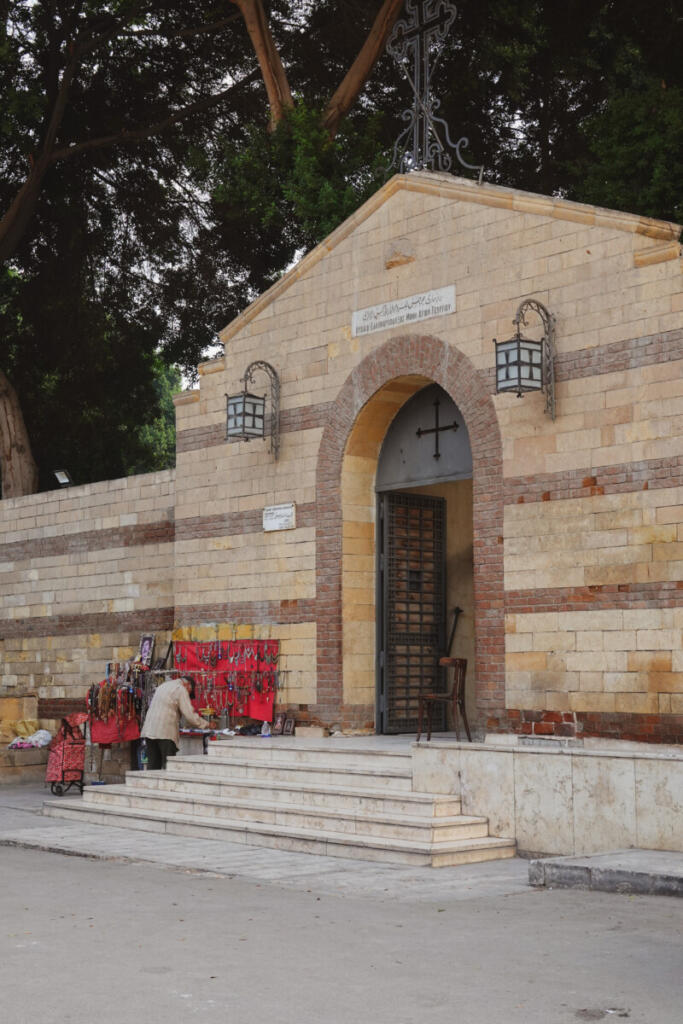
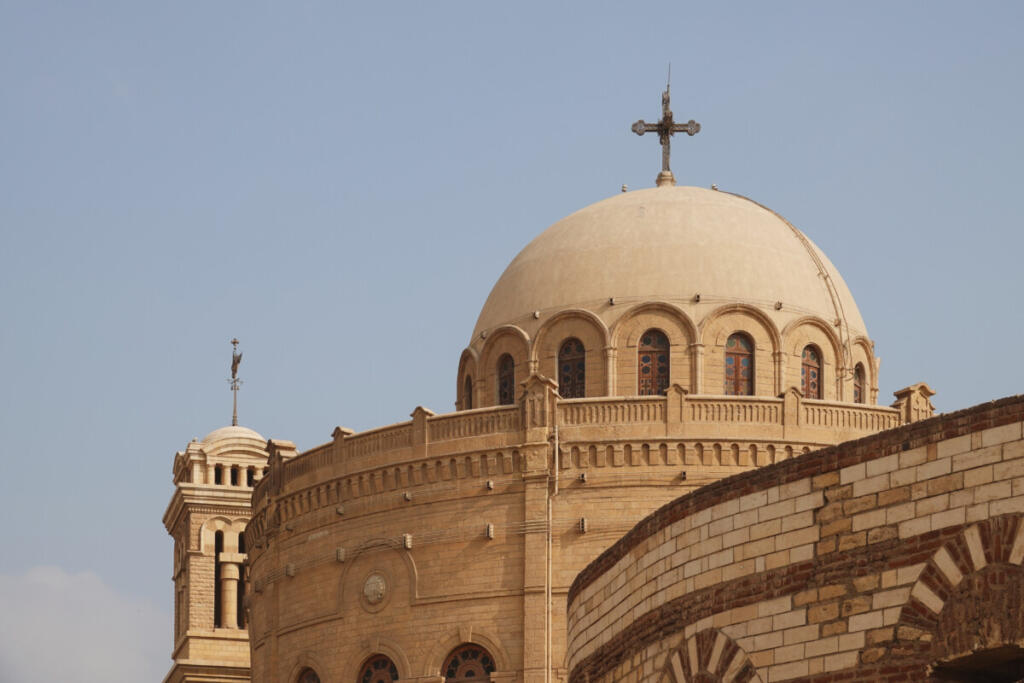
Coptic Cairo preserves some of the world’s oldest Christian places of worship, open to the public and still in use today. These include:
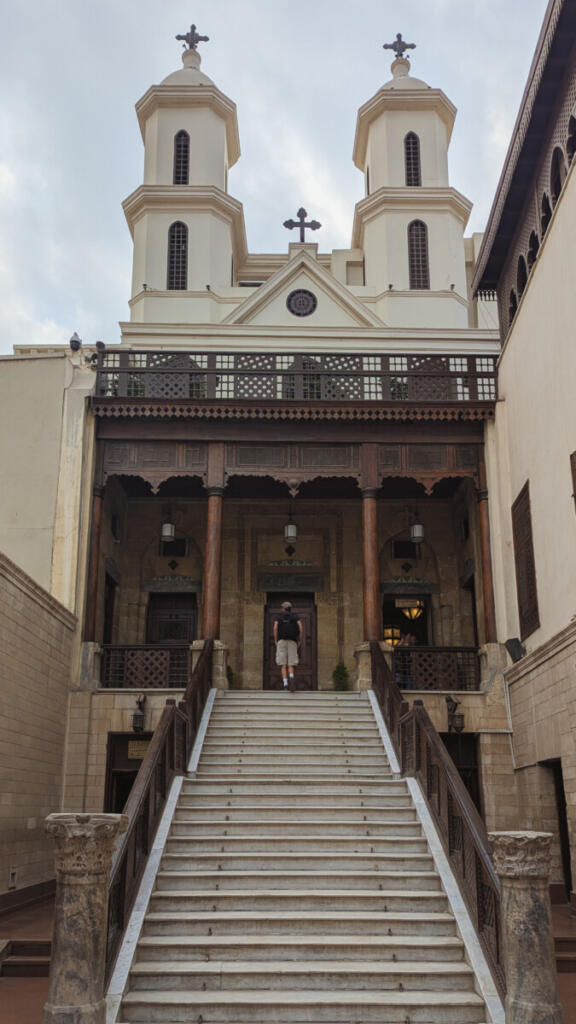
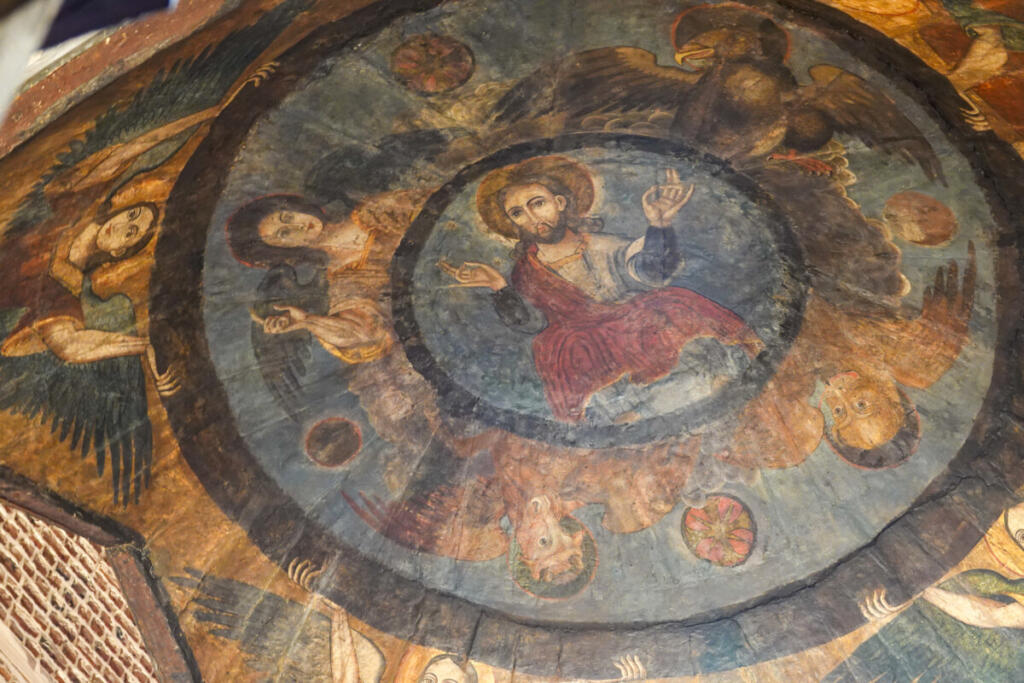
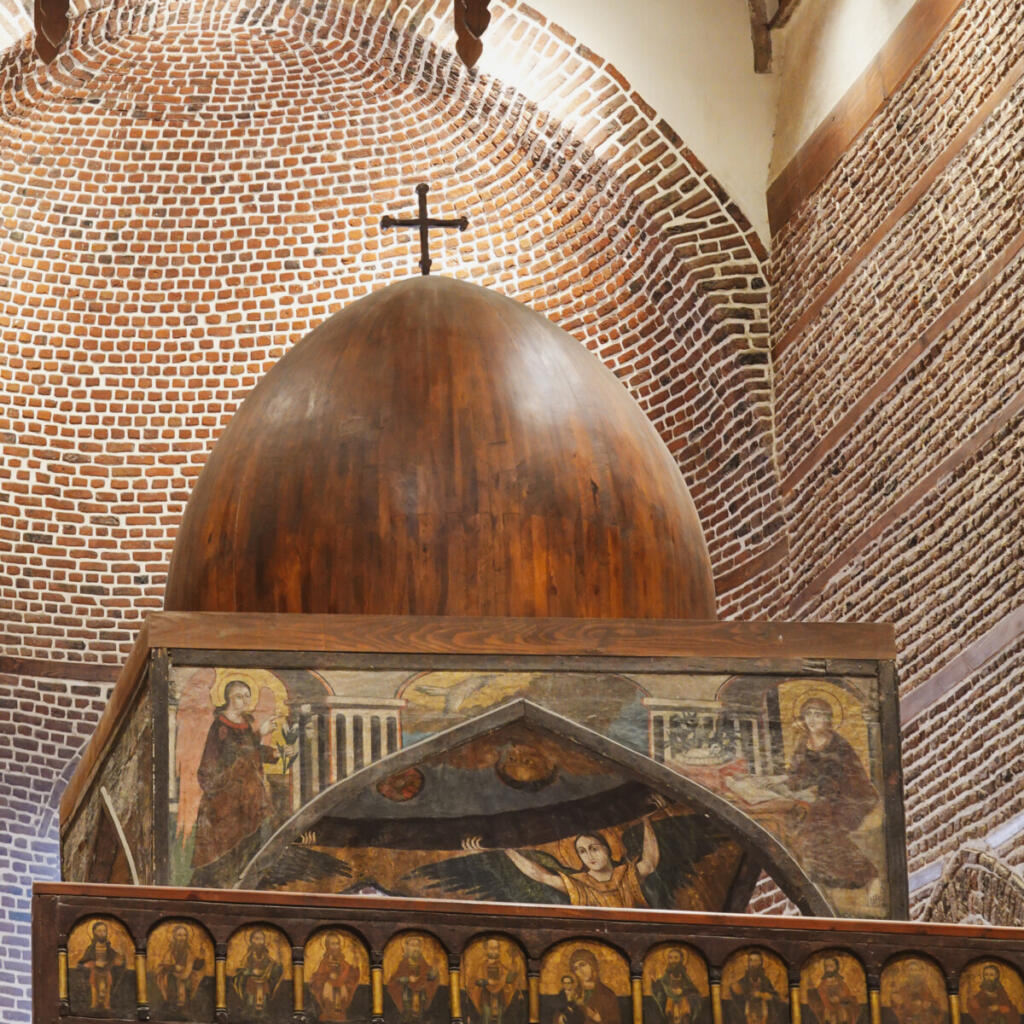
- The suspended church (Saint-Vierge-Marie), built in the 3rd century, is an architectural gem. Its name derives from its original position, perched on the walls of a Roman fortress. Its icons and carved wooden ceilings transport visitors into a spiritual and mystical atmosphere.
- The Church of St. Sergius and Bacchus, which, according to tradition, sheltered the Holy Family when they fled to Egypt. This building, with its ancient columns and delicate mosaics, embodies the Coptic heritage in all its richness.
- The monastery of St. George, founded in the 10th century, is an important place of pilgrimage, with its characteristic architecture and colorful frescoes.
The district is also home to the Coptic Museum, which traces the history of Christianity in Egypt through a collection of liturgical objects, manuscripts, textiles and sculptures, precious witnesses to a long-marginalized culture.
Good to Know
- Located in the center of Cairo, Old Cairo is easily accessible by cab or public transport.
- Churches are generally open from 9am to 4pm, but it’s best to check for closing days.
- Allow at least 2 hours for a comfortable visit to the main sites.
- Respect dress codes (shoulders and legs covered) when entering places of worship.
Islamic Cairo: splendid mosques and labyrinthine souks
Islamic Cairo, a UNESCO World Heritage site, is a veritable architectural and cultural treasure trove, inviting visitors to plunge into the golden age of Arab civilization in Egypt. Founded in the 10th century, this district is home to an incredible density of religious monuments, palaces, Koranic schools (madrassas) and traditional markets, bearing witness to Muslim art and spirituality.
Mosques, masterpieces of architecture and faith
The Al-Azhar Mosque, founded in 970, is one of the oldest universities in the world still in operation. It is a major center of Islamic learning, renowned for its architecture blending Fatimid, Mamluk and Ottoman influences.
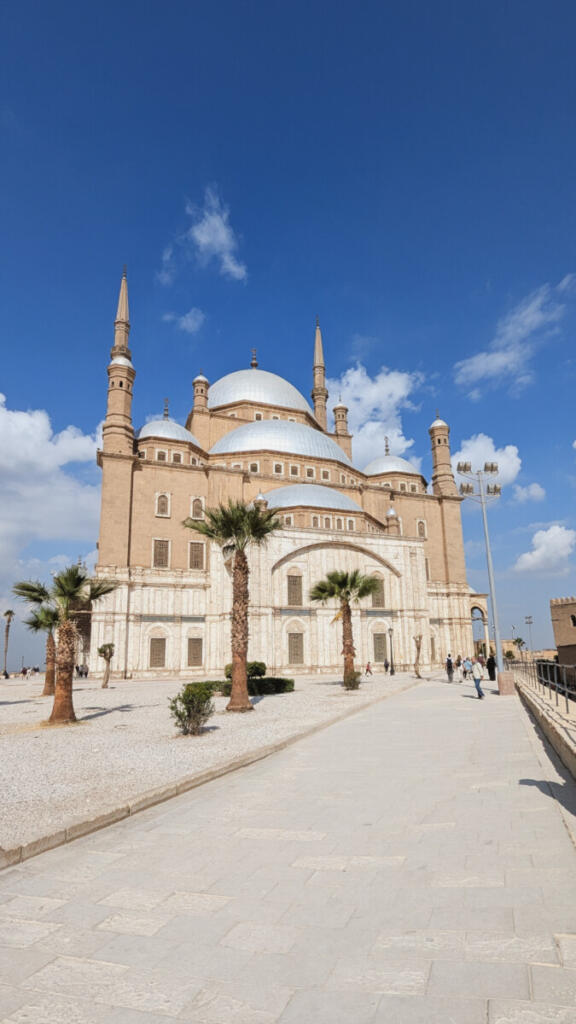
The Mohammed Ali Mosque, also known as the Alabaster Mosque, sits proudly atop Cairo’s citadel. Built in the 19th century, its 52-metre-high main dome and slender minarets offer a panoramic view of the city.
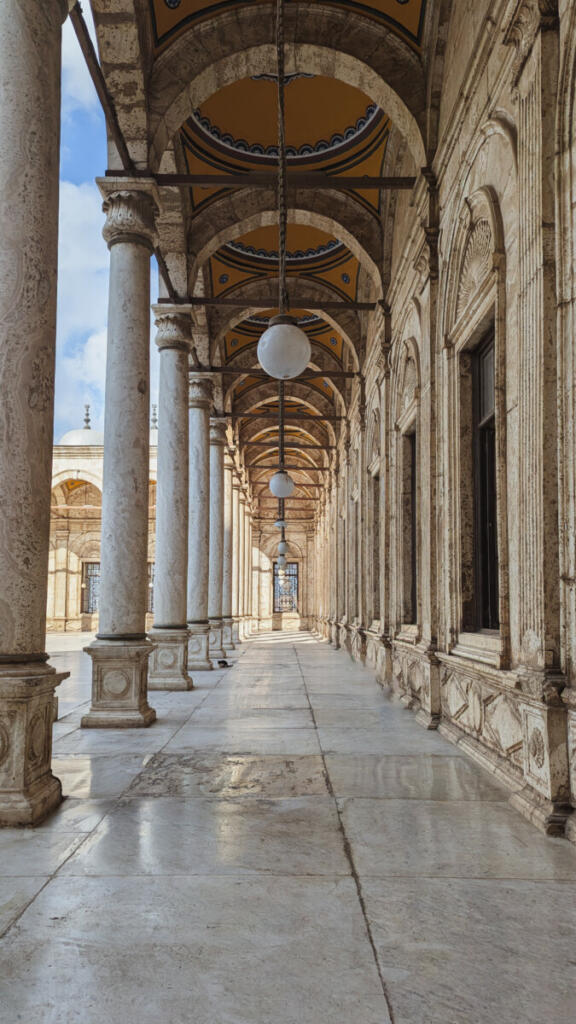
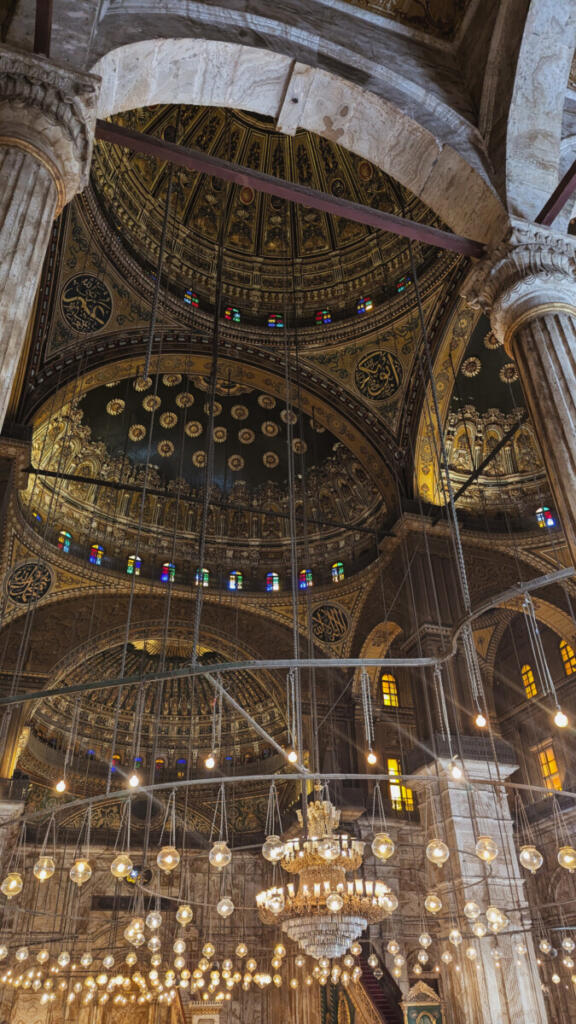
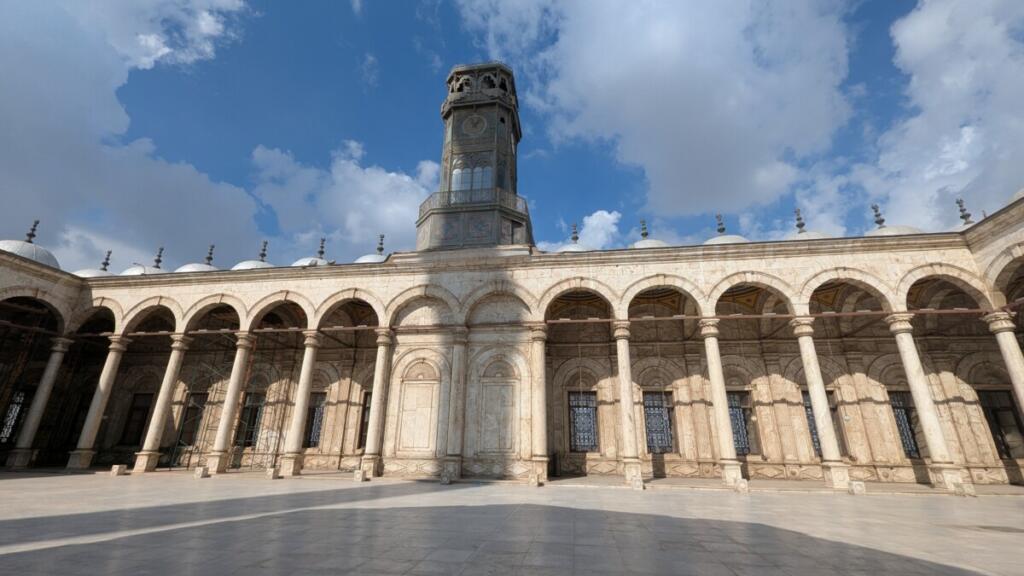
The Sultan Hassan Mosque, a jewel of the Mamluk era, is one of the largest and most beautiful mosques in the Islamic world. Built in the 14th century, its massive architecture and harmonious proportions fascinate all visitors.
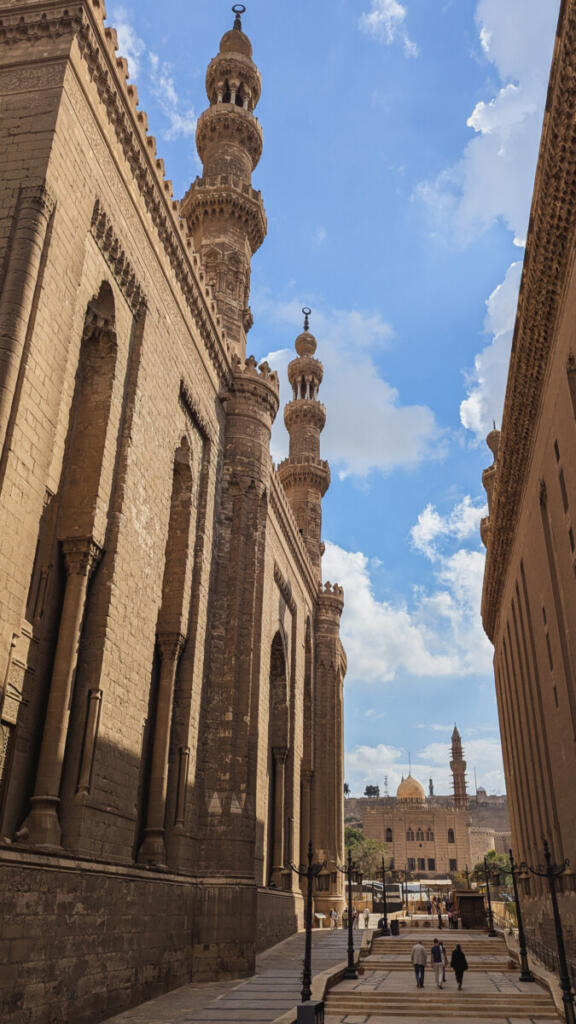
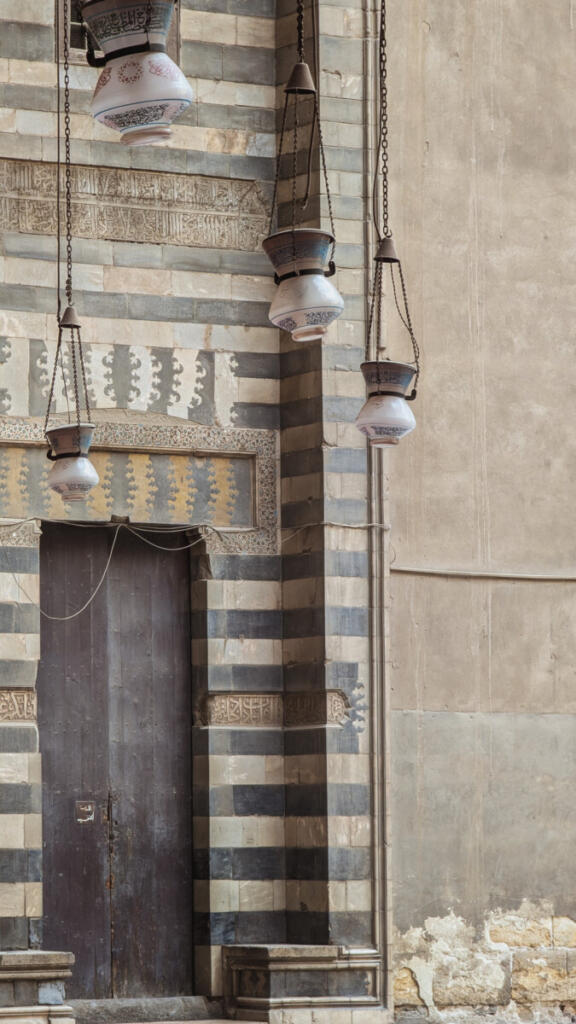
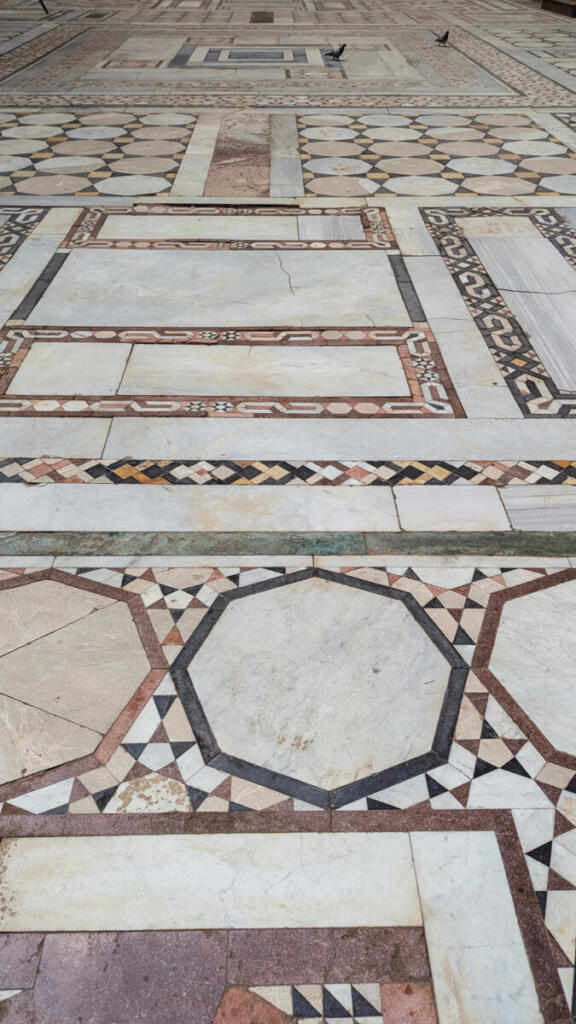
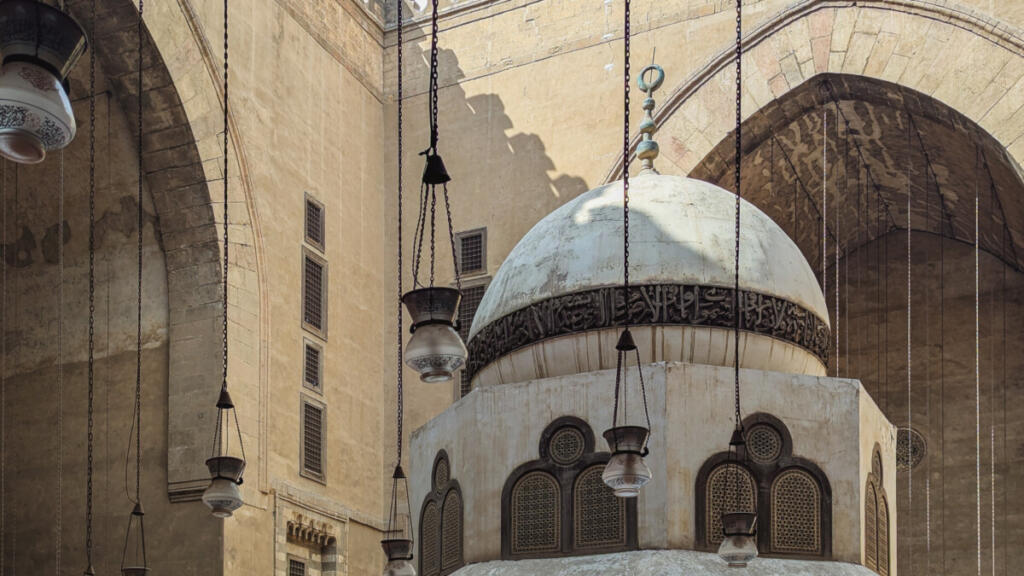
The Al-Rifa’i Mosque, located just opposite the Sultan Hassan Mosque, is a 19th-century architectural masterpiece, known for its magnificent interior decorations and as the burial place of members of the Egyptian royal family.
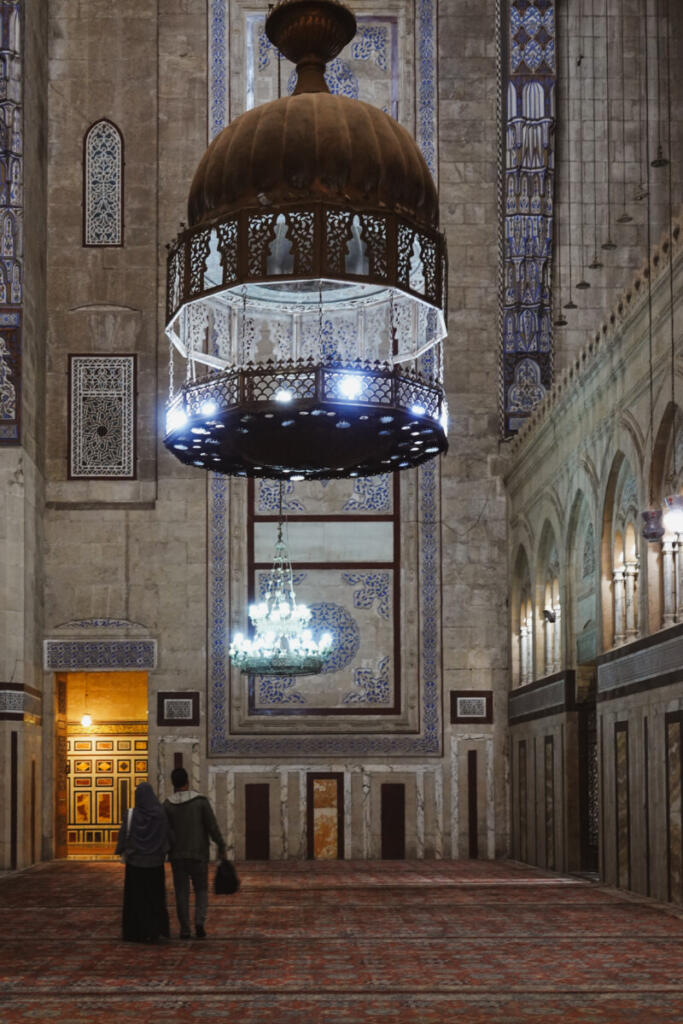
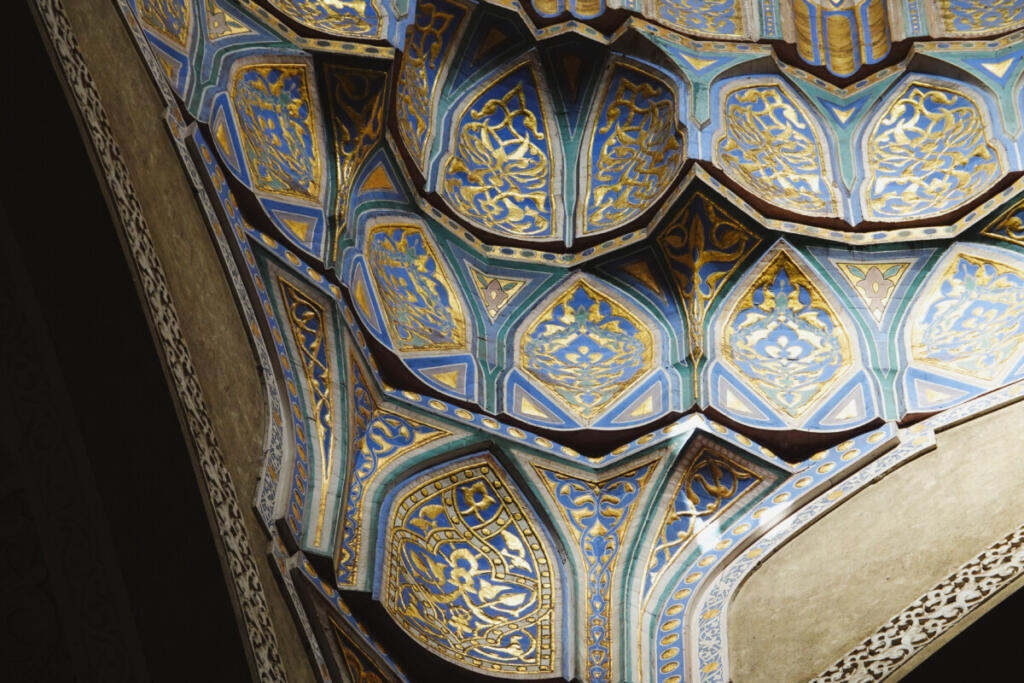
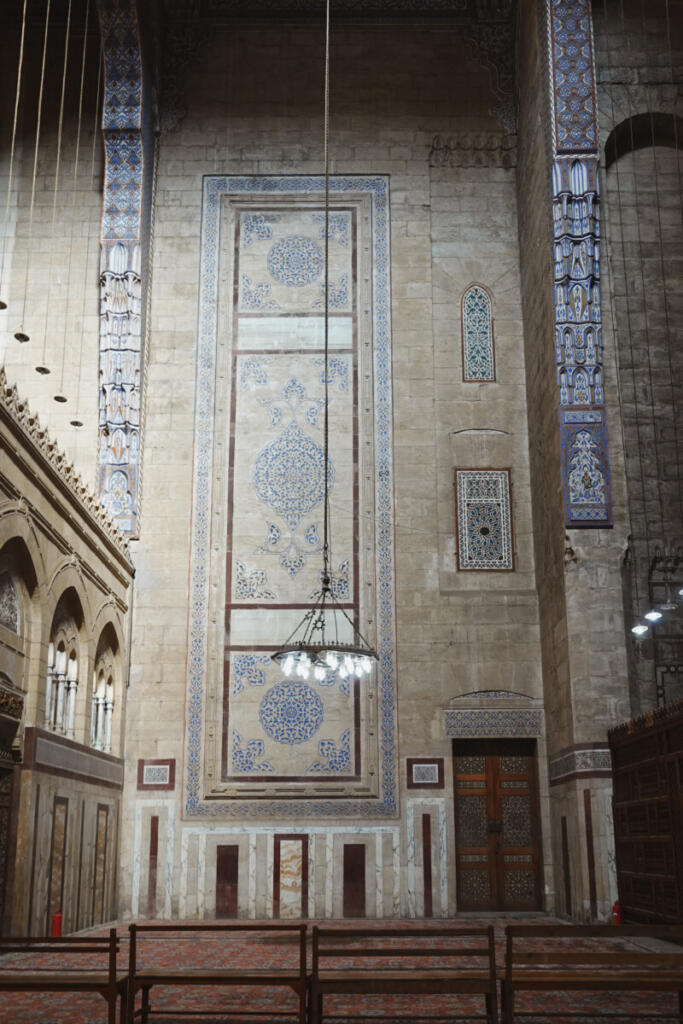
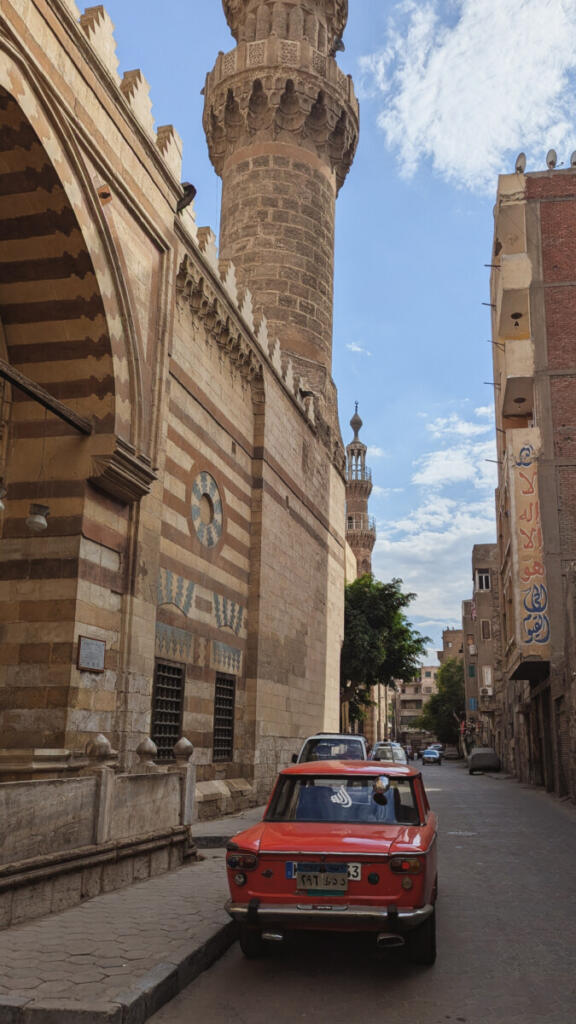
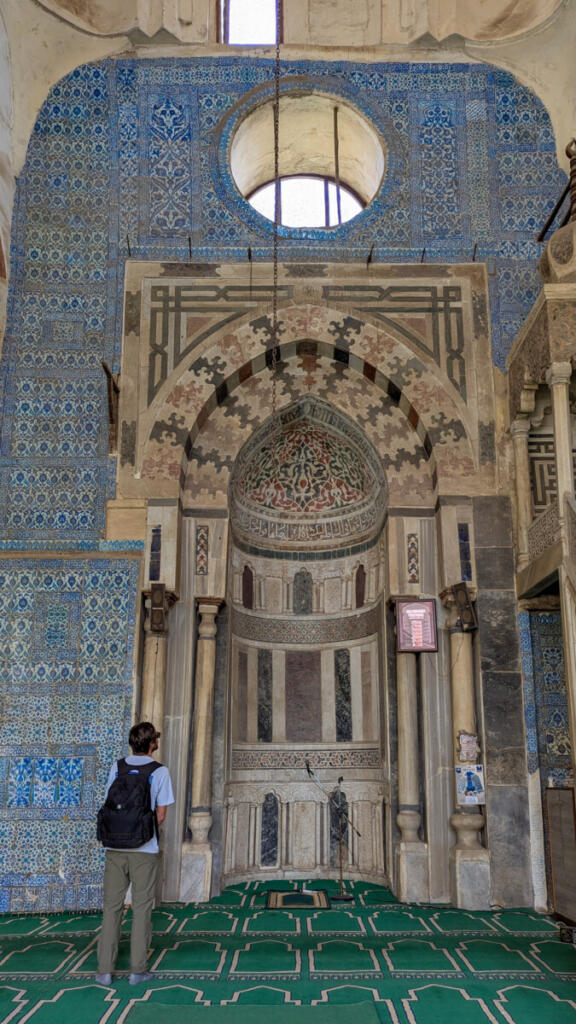
Less well known than its famous namesake in Istanbul, Cairo’s Blue Mosque (Masjid al-Ahmar) captivates with its elegance and delicate blue ceramics, offering a peaceful ambience in the heart of the city.
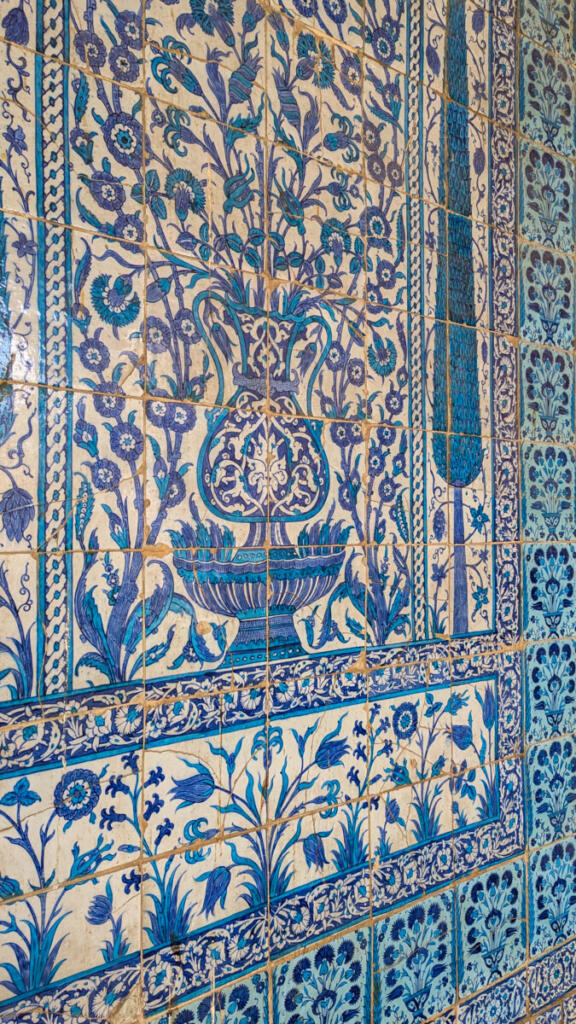
Souks and alleyways: immersion in daily life
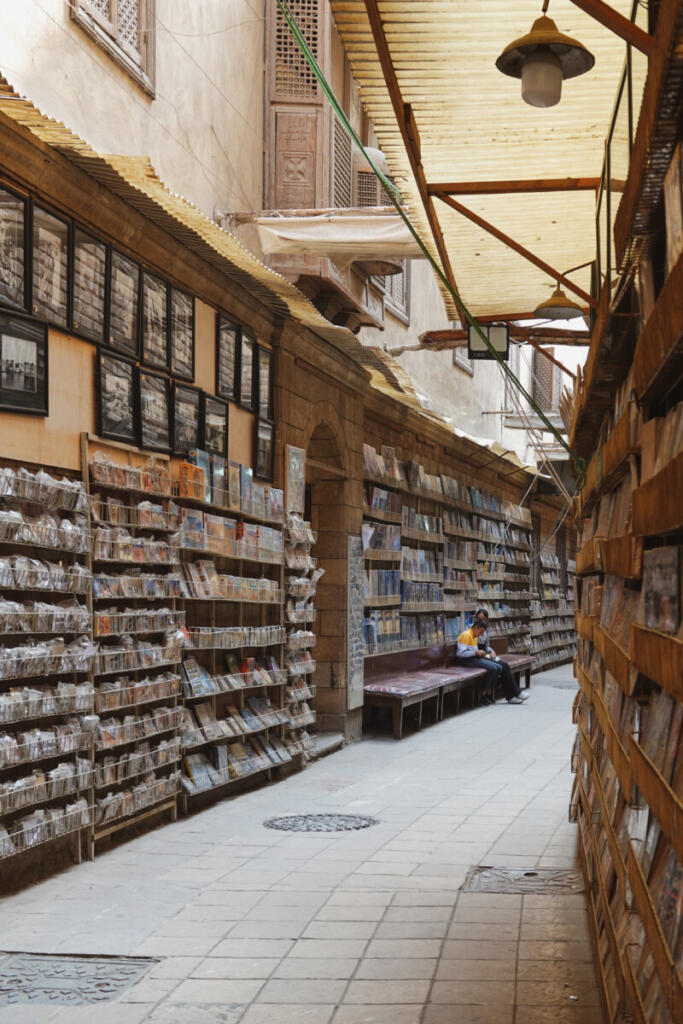
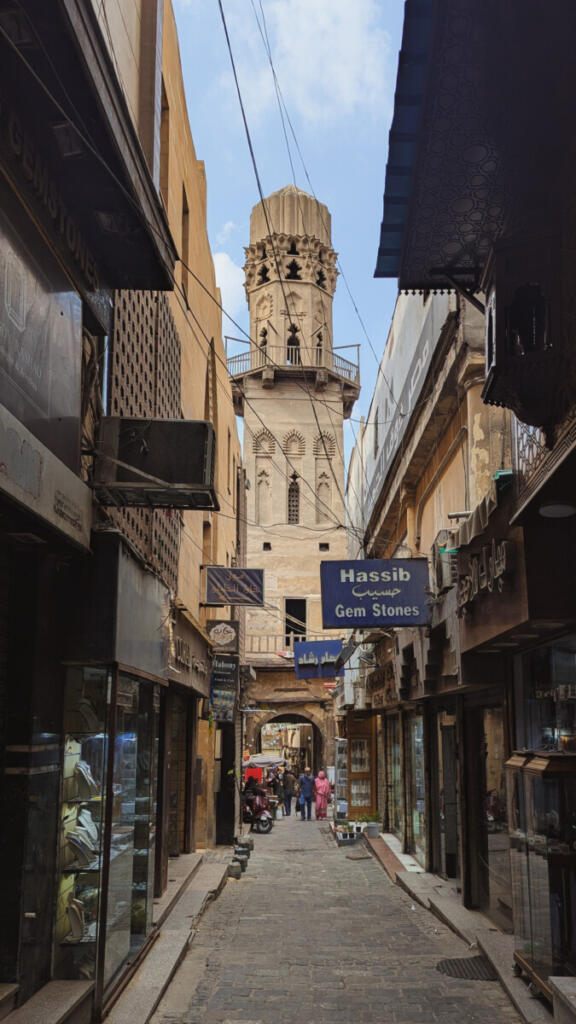
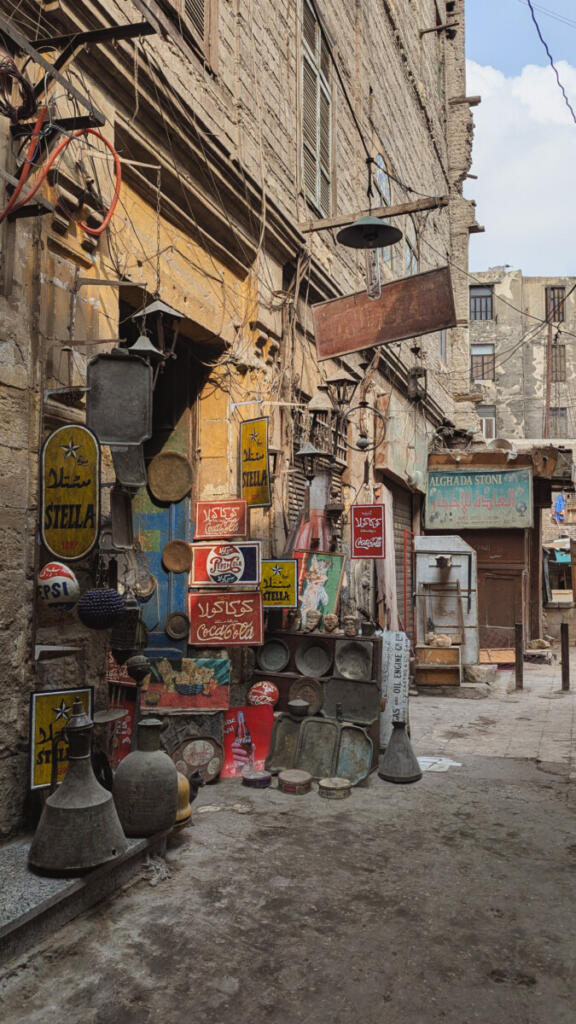
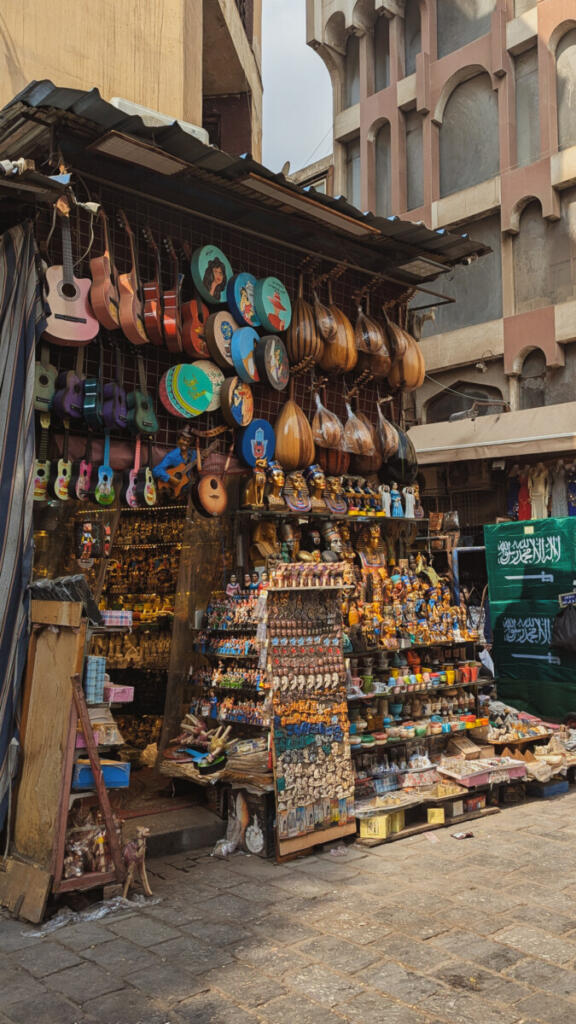
Surrounding these monuments, Cairo’s souks form a lively labyrinth of spices, leather, incense and precious woods. The Khan el-Khalili souk is the most famous, a lively market selling traditional crafts, jewelry, carpets and souvenirs. It’s also a meeting place, with historic cafés where you can enjoy a cup of mint tea.
Good to Know
- The Islamic Quarter is accessible by cab or metro (Sadat or Al-Azhar stations).
- Mosques are generally open to visitors outside prayer times, in the morning and afternoon. At all times, please respect the rules for visiting mosques (decent clothing, shoes to be removed).
- Allow half a day to a full day to explore the main sites and stroll through the souks.
Modern Cairo: between tradition and urban effervescence
Beyond its thousand-year-old vestiges, Cairo is also a dynamic, bustling metropolis where contemporary life is fully expressed. Lively neighborhoods, modern cafés, innovative museums and green spaces are all part of a daily life where past and present are constantly intertwined.
Modern Cairo can be discovered through its wide avenues, such as the famous Rue Talaat Harb, its shopping malls, trendy restaurants and art galleries. The Zamalek district, located on an island in the heart of the Nile, is particularly popular for its bohemian chic atmosphere, cafés and designer boutiques.
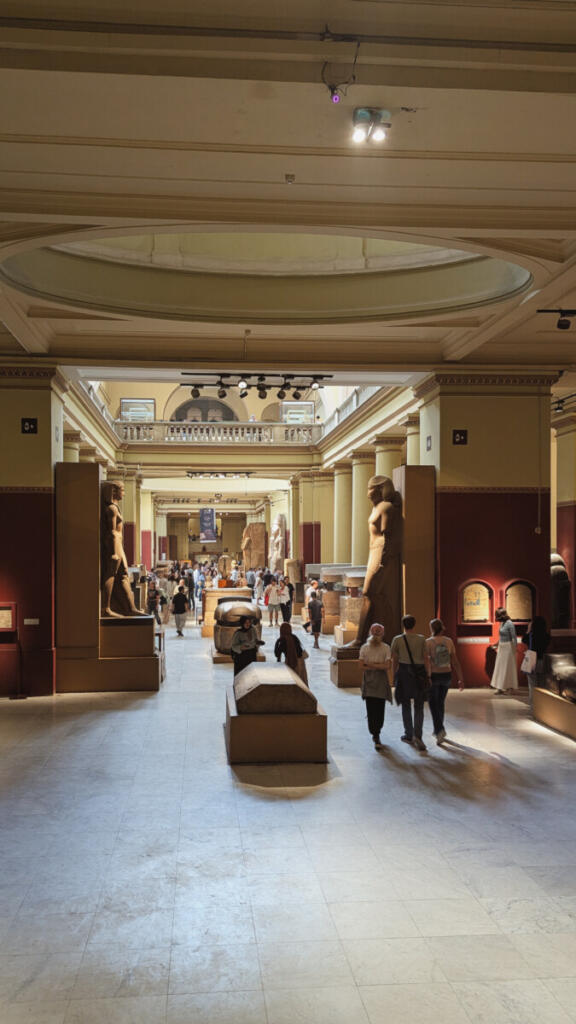
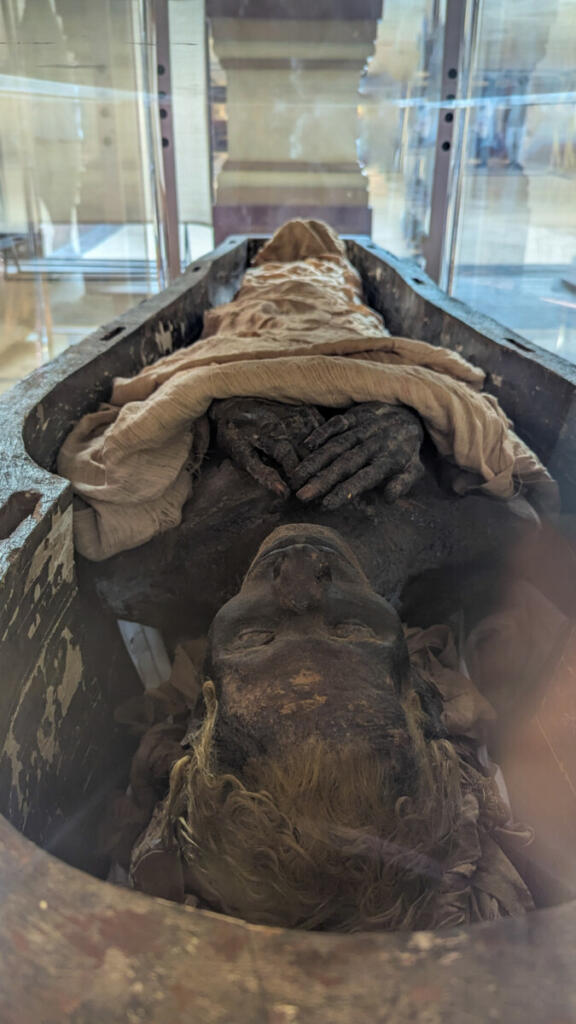
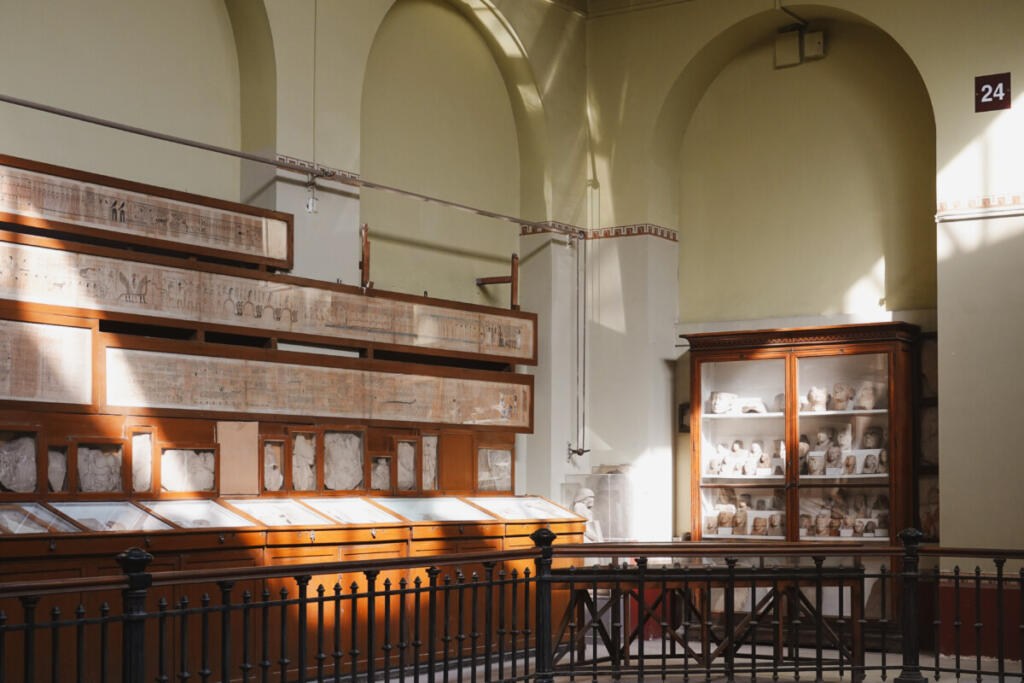
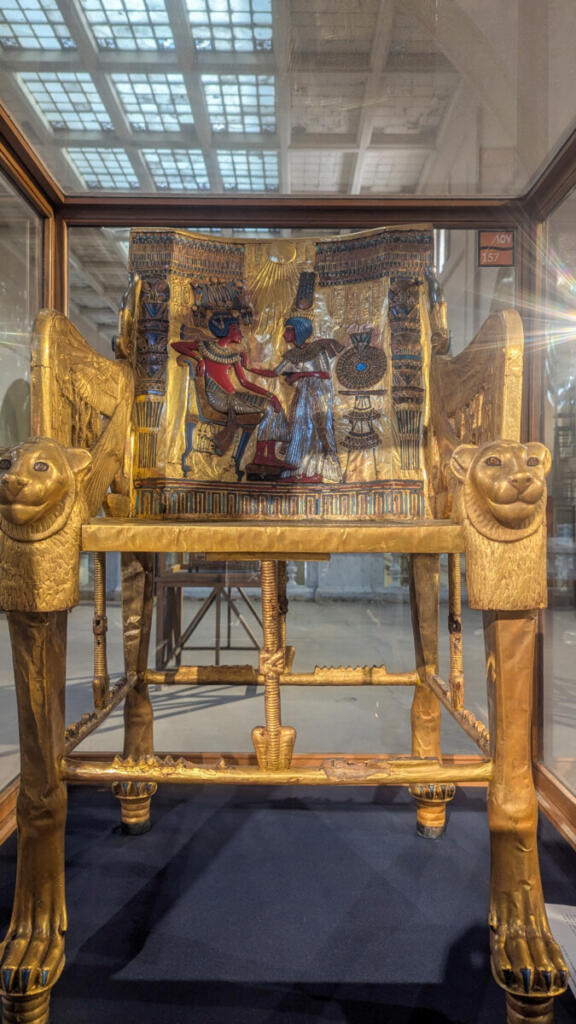
The Egyptian Museum in Cairo, although very classical, is a must-see. It houses the world’s largest collection of Egyptian antiquities, including the treasure of Tutankhamen, a fascinating dive into the art and history of the Nile Valley.
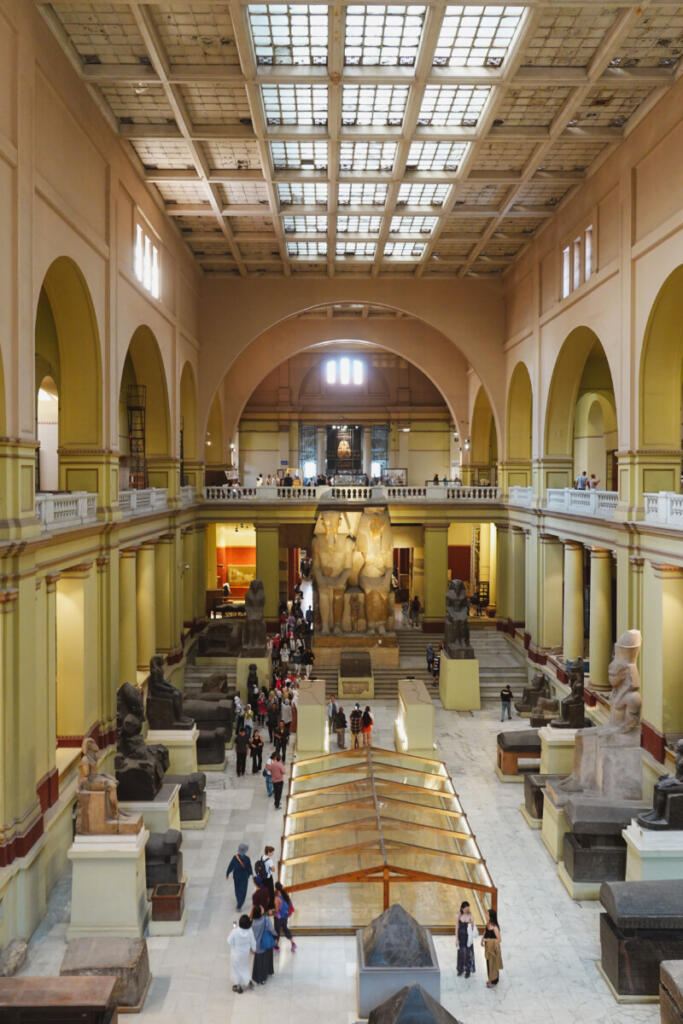
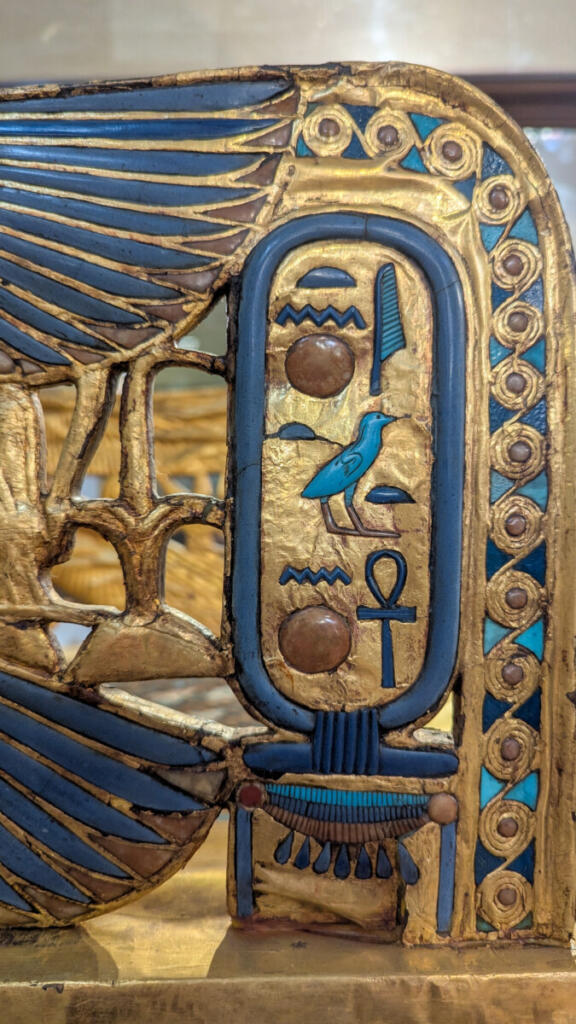
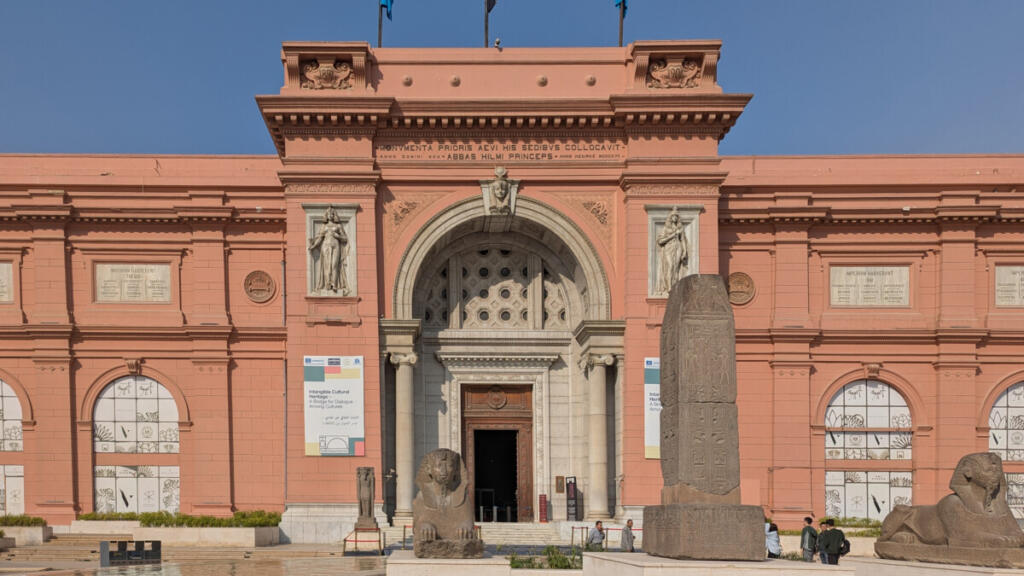
Added to this is the forthcoming opening of the new Grand Egyptian Museum, located not far from the Pyramids of Giza. This ultramodern museum will house all the archaeological treasures, including the complete Tutankhamun collection, brought together for the first time in one place. Thanks to state-of-the-art facilities, it will offer a unique immersive experience to visitors from all over the world.
The Museum of Egyptian Civilization, located in the city center, offers a unique insight into the cultural evolution of Egypt, from prehistoric times to the present day, highlighting the richness and diversity of the civilizations that have shaped the country.
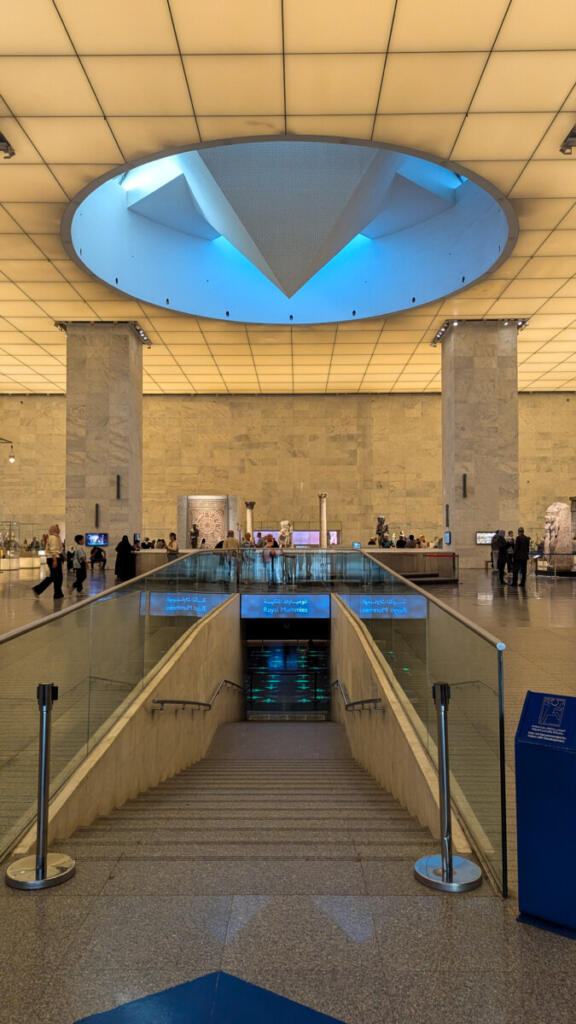
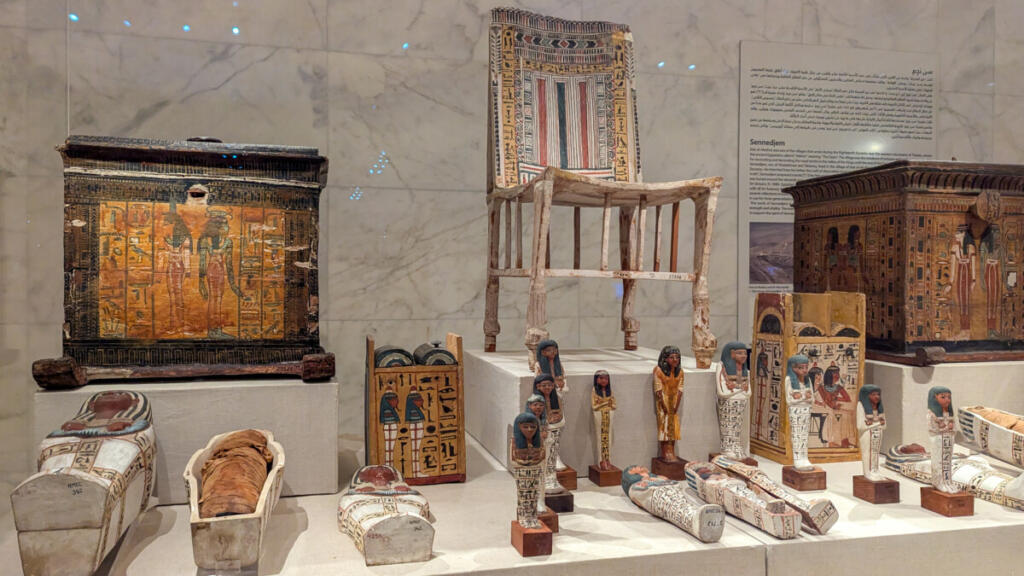
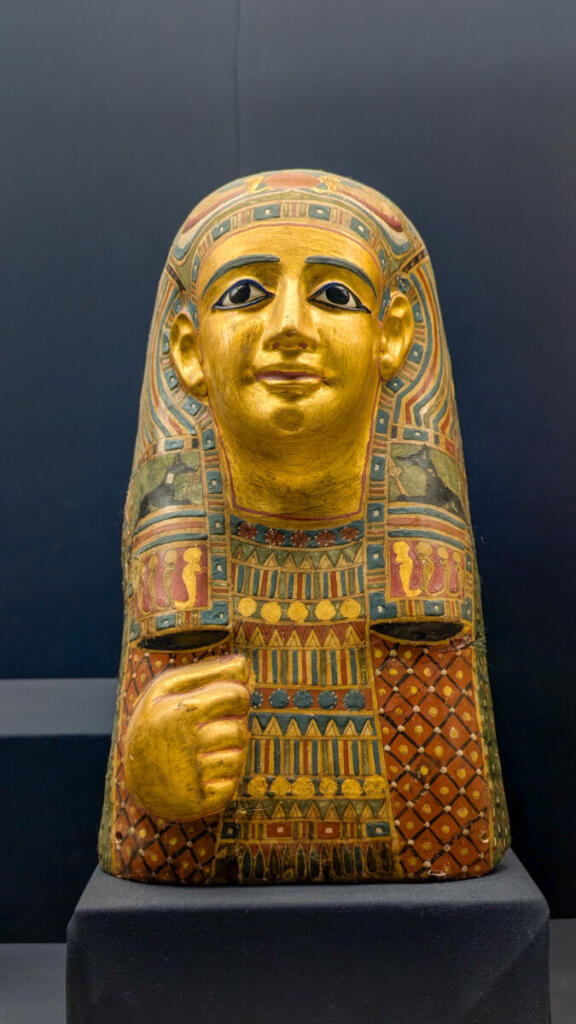
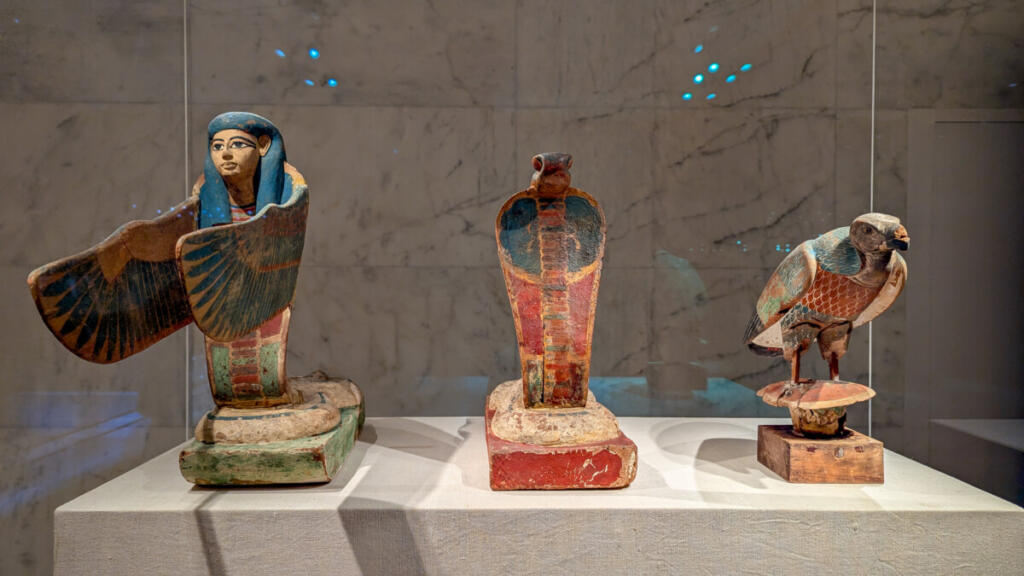
These new cultural spaces are a perfect illustration of the dynamism of Cairo, where ancient history meets modernity and contemporary creativity.
Cairo, a fascinating city where millennia of history mingle with vibrant urban life, is a must for understanding Egypt in all its richness. From majestic pyramids to museum treasures and unique Islamic architecture, each visit reveals a different facet of this extraordinary civilization.
If you’d like to discover Cairo through a personalized trip, contact us to receive a customized, no-obligation quote, or discover our 8-day Egypt, in the land of the Pharaohs itinerary, from €3,000 per person, based on a group of 4 travelers.