Luxor, often described as the world’s largest open-air museum, is a must-see for any traveller to Egypt. Situated on the banks of the Nile, this fascinating city is brimming with ancient sites that bear witness to the wealth and grandeur of Pharaonic civilization. Imposing temples, royal tombs and unique relics come together to offer an unforgettable travel experience. Here’s a selection of must-see sites to fully immerse yourself in the history and magic of Luxor.
Sommaire de l'article
- Madinat Habu, the grandiose funerary temple of Ramses III
- Karnak, Egypt’s largest religious complex
- Luxor Temple, a New Kingdom jewel in the heart of the city
- Valley of the Kings, royal tombs and secrets of eternity
- The Valley of the Queens, the other sacred valley
- Deir el-Medina, Pharaoh’s village of craftsmen
- The Valley of the Nobles, everyday life and private splendor
- The temple of Hatshepsut, grandeur carved into the cliffs
Madinat Habu, the grandiose funerary temple of Ramses III
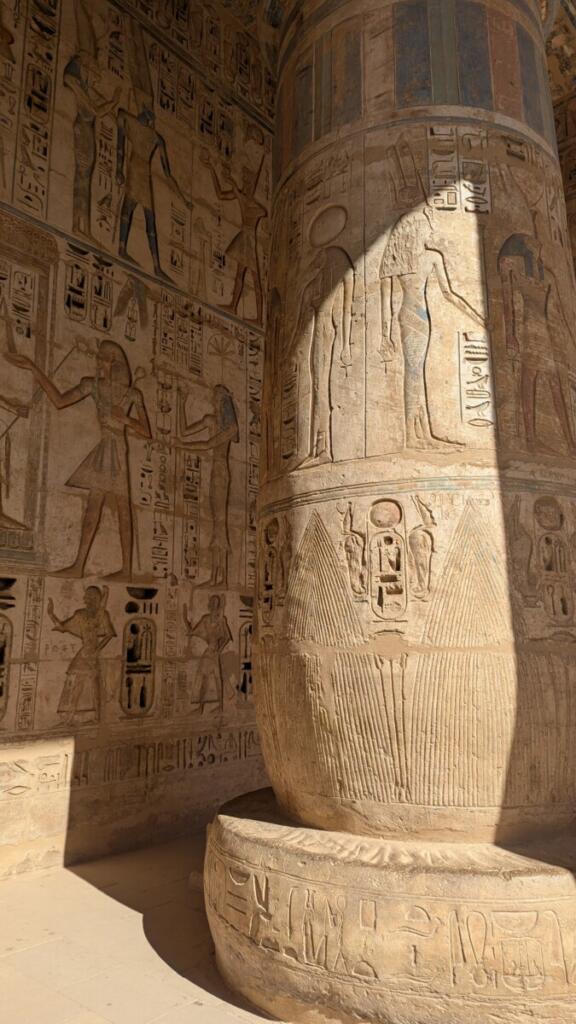
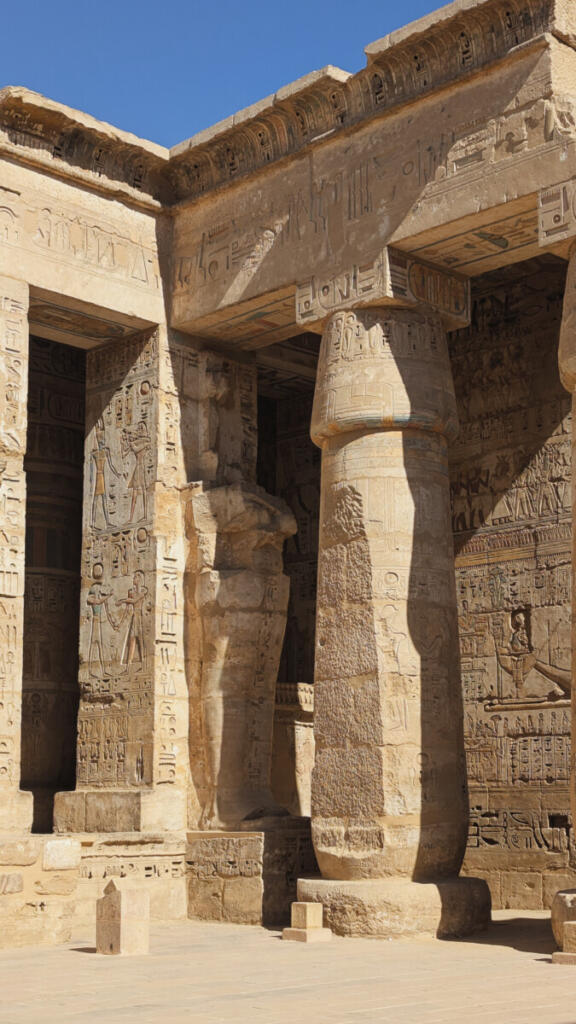
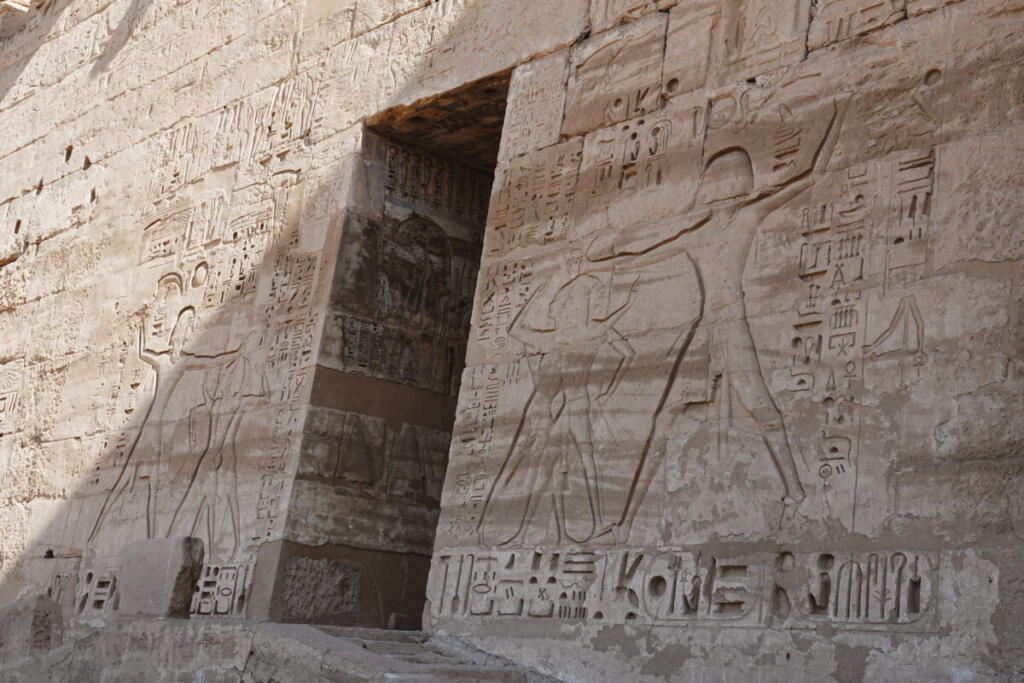
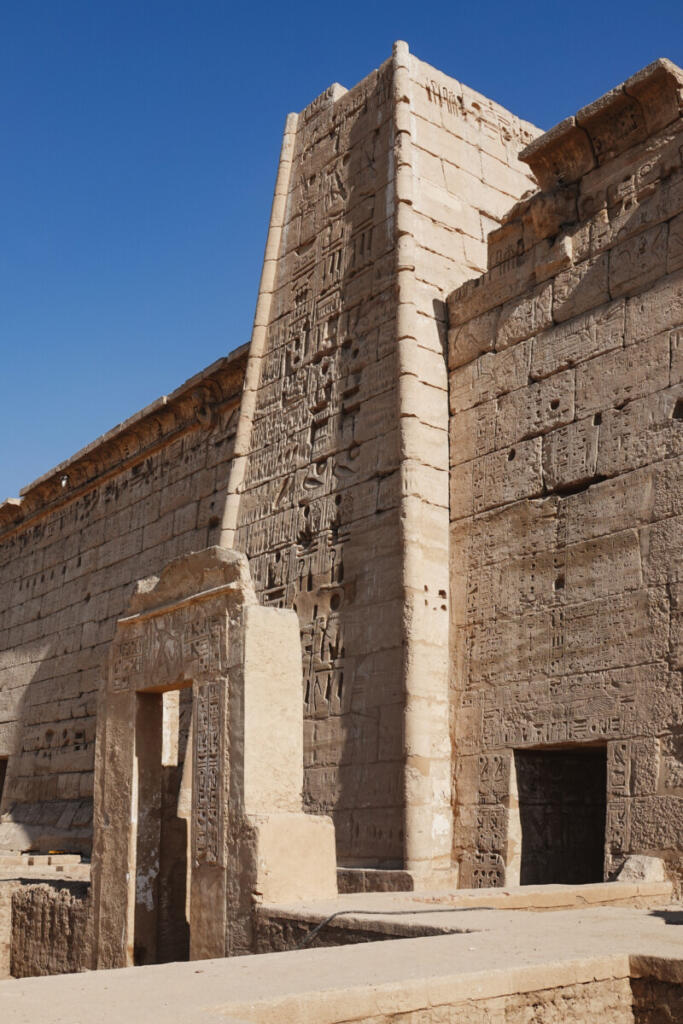
Madinat Habu is the funerary temple of Pharaoh Ramses III, who reigned during the New Kingdom, circa 1186-1155 B.C. This remarkable site, located on the west bank of Luxor, is one of Egypt’s best-preserved religious complexes. It is approximately 150 metres long and 80 metres wide, surrounded by massive walls decorated with exquisite bas-reliefs.
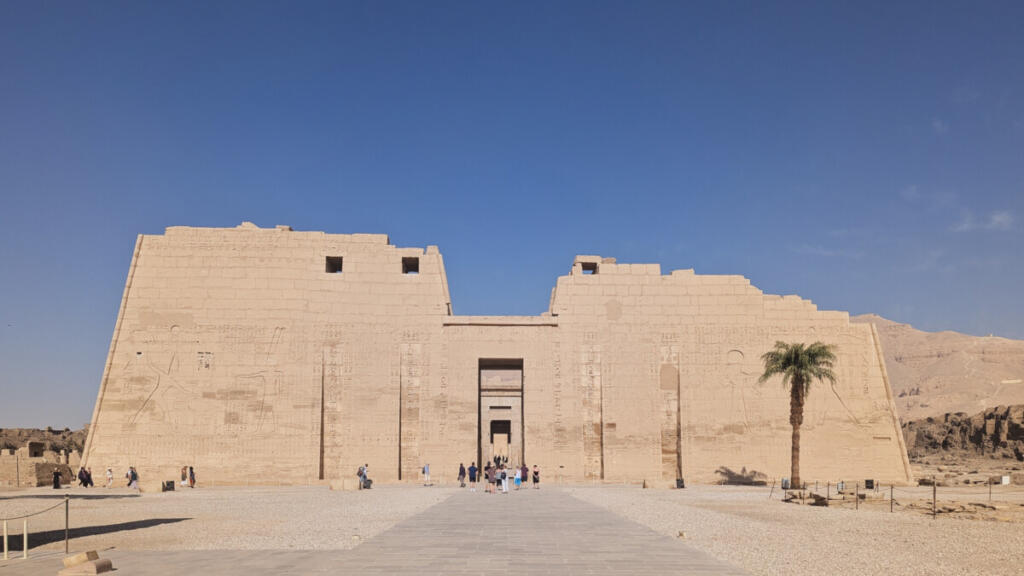
This temple is distinguished by its particularly evocative historical scenes, notably the famous depictions of battles against the Sea Peoples, which testify to the military and political role of Ramses III. The bas-reliefs also detail religious rituals and solemn processions, offering a captivating insight into the spiritual and administrative life of the New Kingdom.
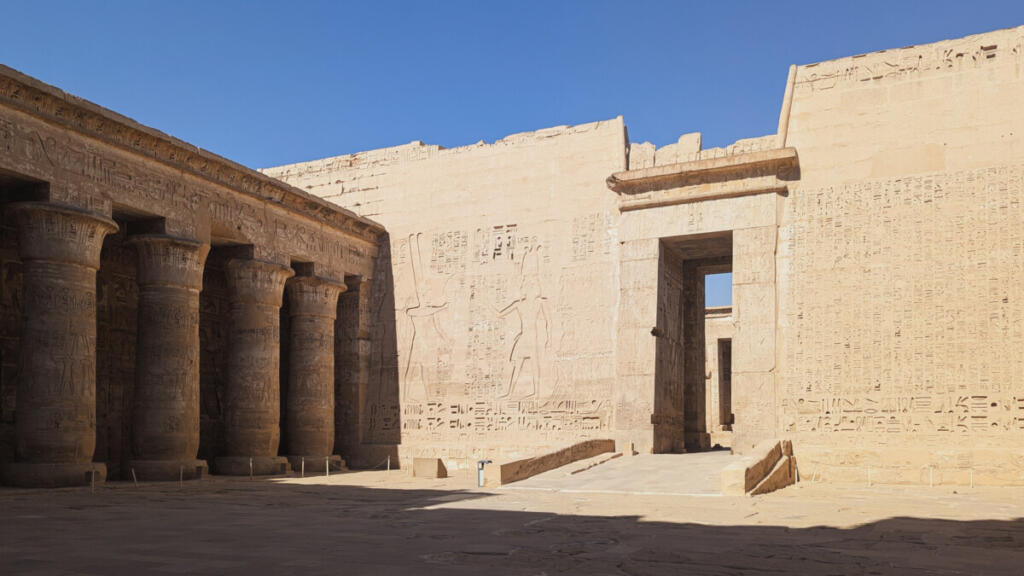
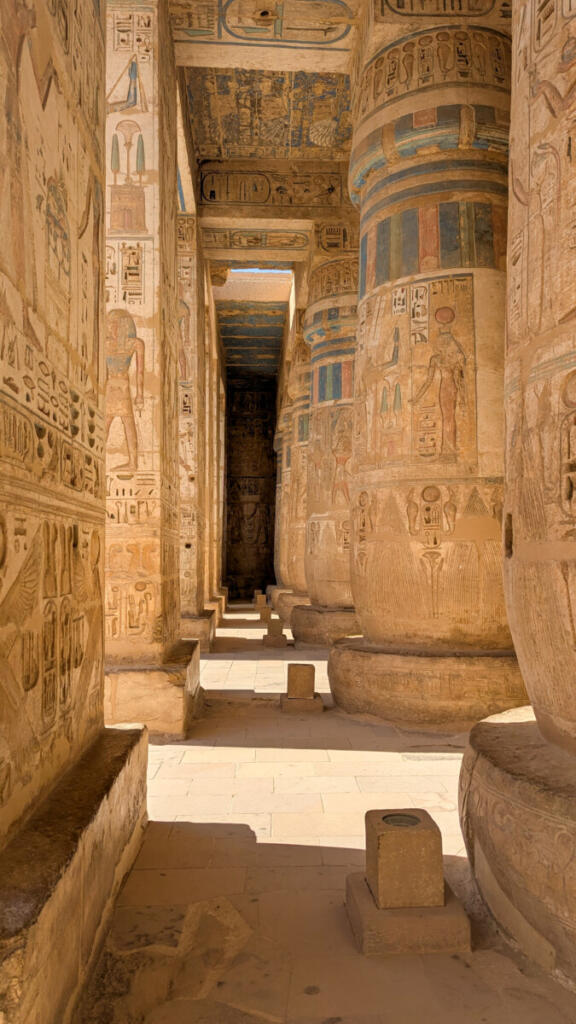
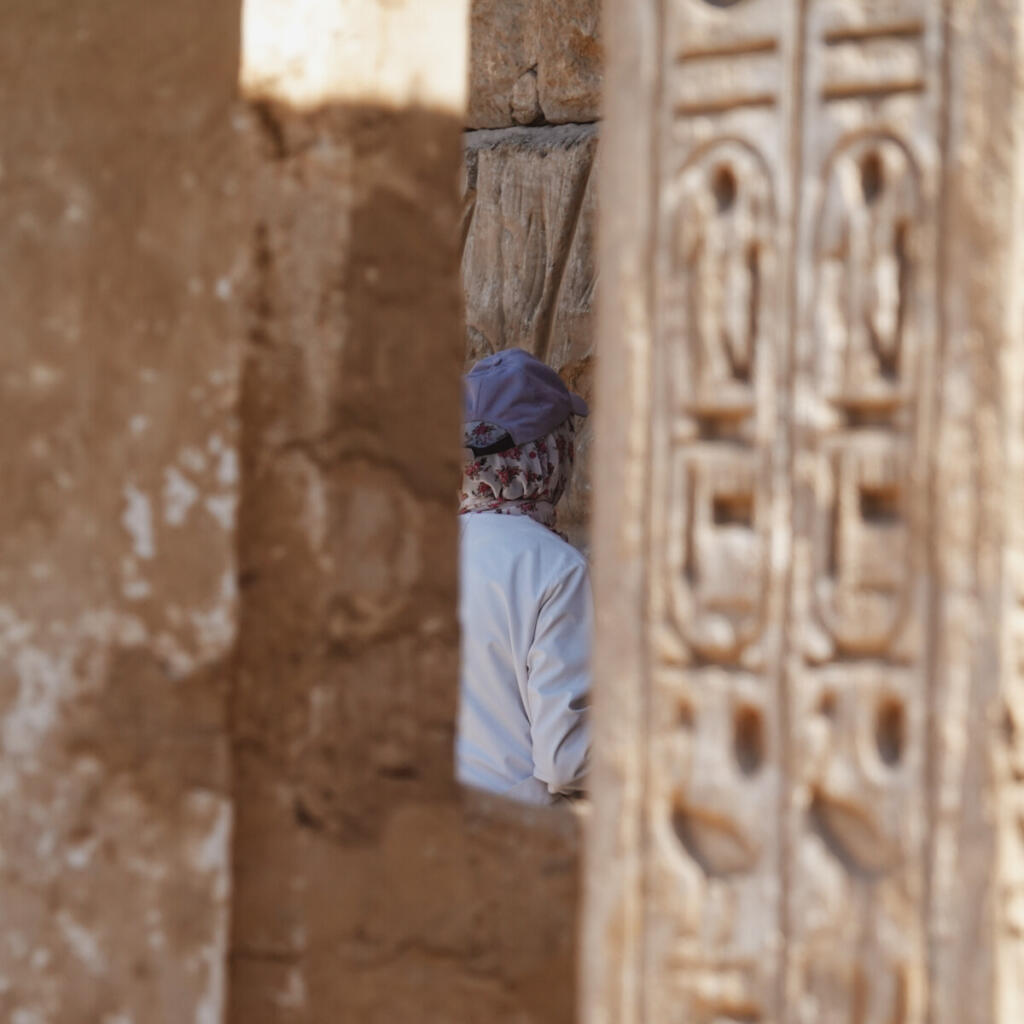
Less crowded than the famous temples of Karnak or Luxor, Madinat Habu offers a more intimate visit, where each wall tells an essential page of Egyptian history. The majesty of its colonnades and the richness of its engravings make it a must-see for a better understanding of the era of the warrior-builder pharaohs.
Karnak, Egypt’s largest religious complex
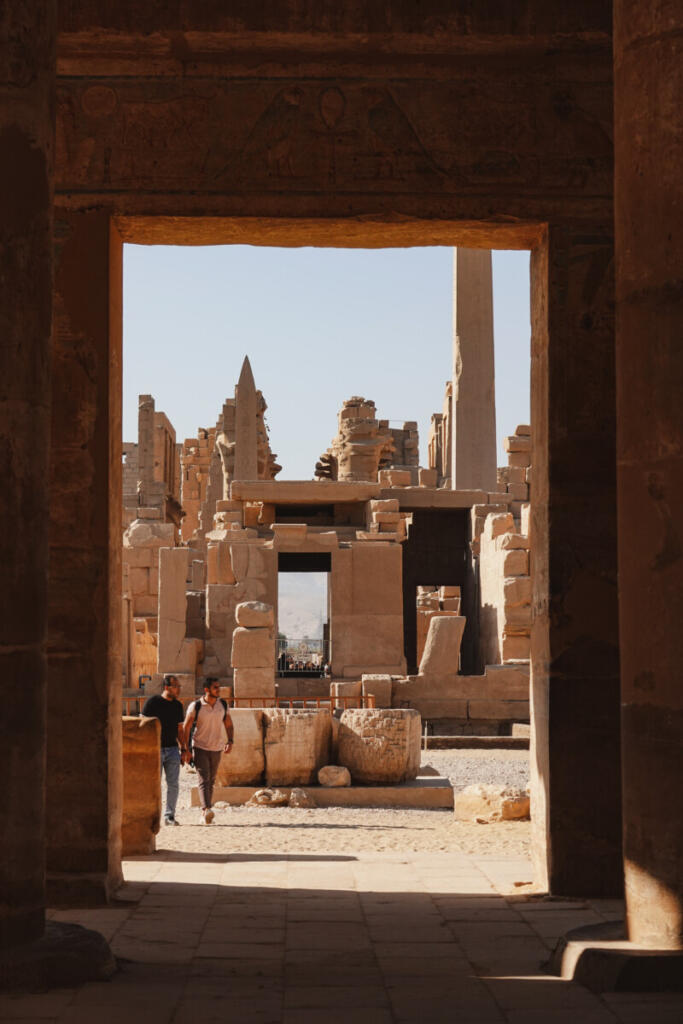
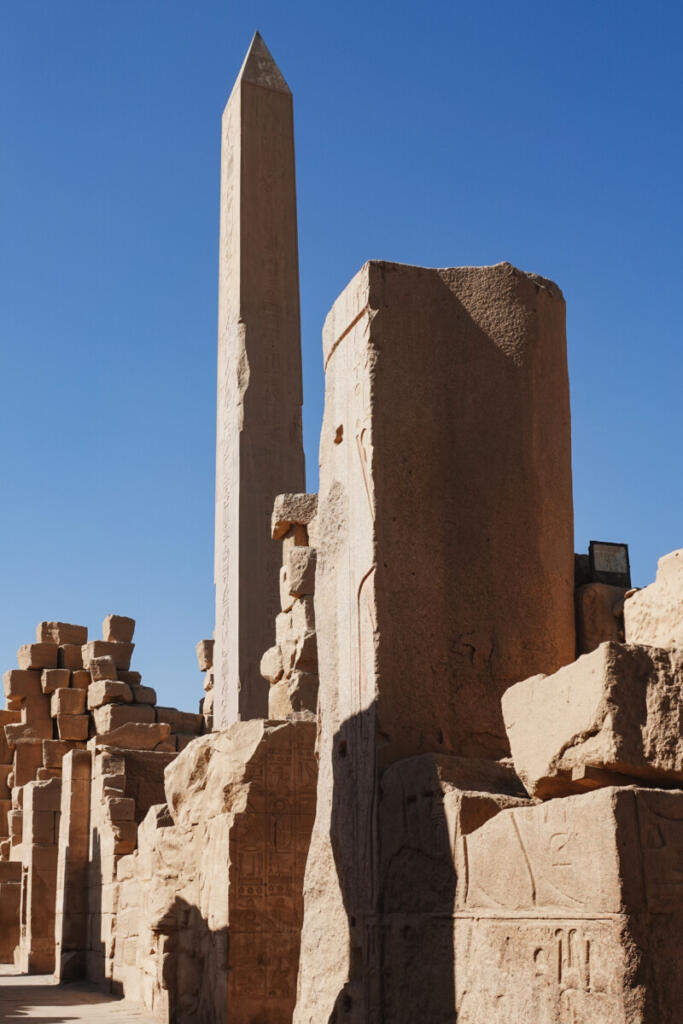
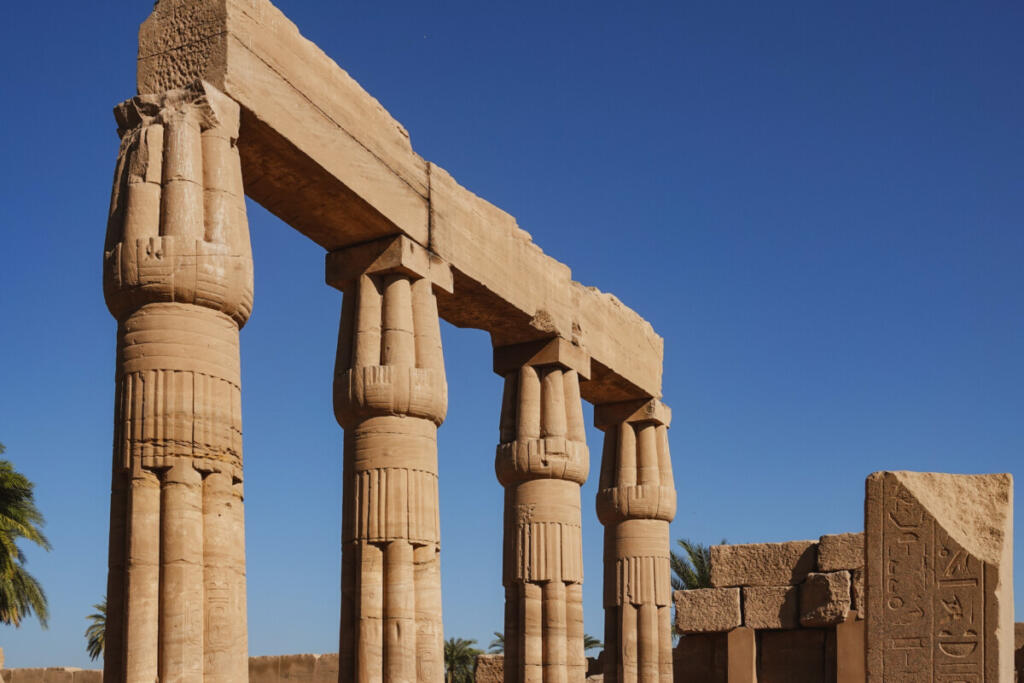
Karnak is one of the largest and most impressive religious complexes in the ancient world. Located some 2.5 km north of the center of Luxor, it covers more than 200 hectares, with several temples, chapels, pylons and obelisks.
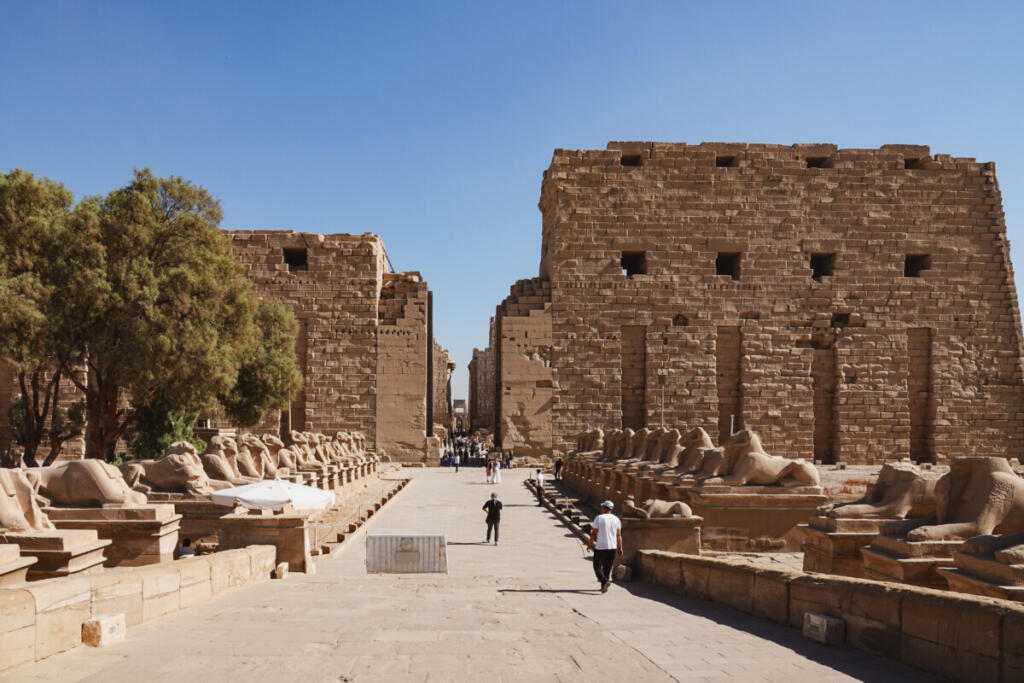
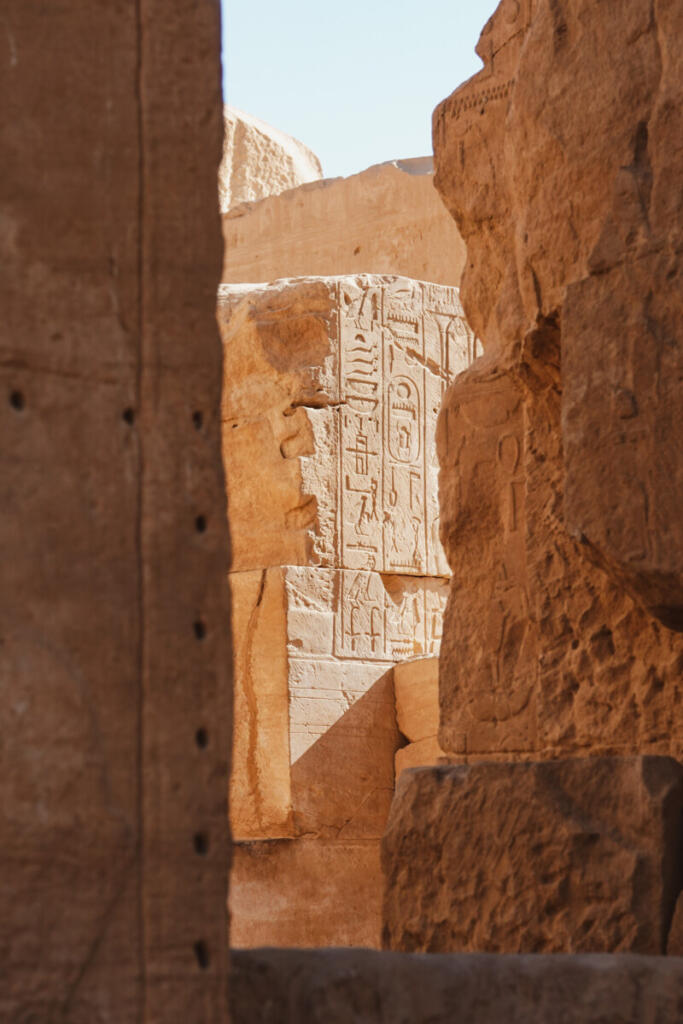
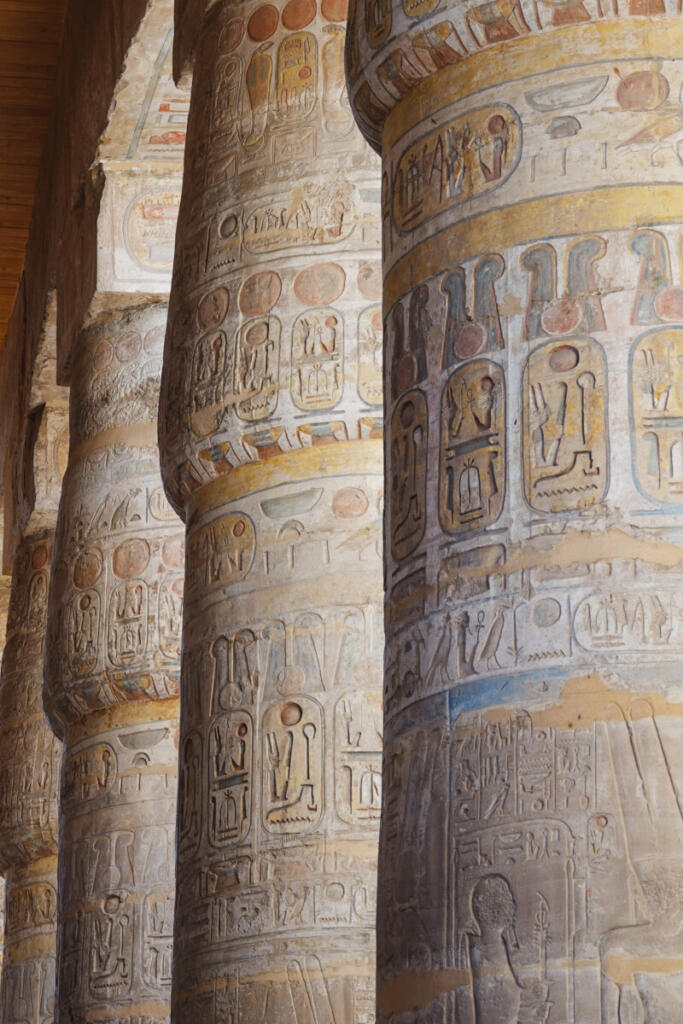
Mainly dedicated to the god Amun-Ra, this sanctuary was built and enlarged over almost 2,000 years, from the 12th Dynasty (circa 1991 BC) to the Greco-Roman era. Among its treasures, the famous Hypostyle Hall stands out for its 134 monumental columns, 21 metres high, decorated with hieroglyphs and religious scenes.
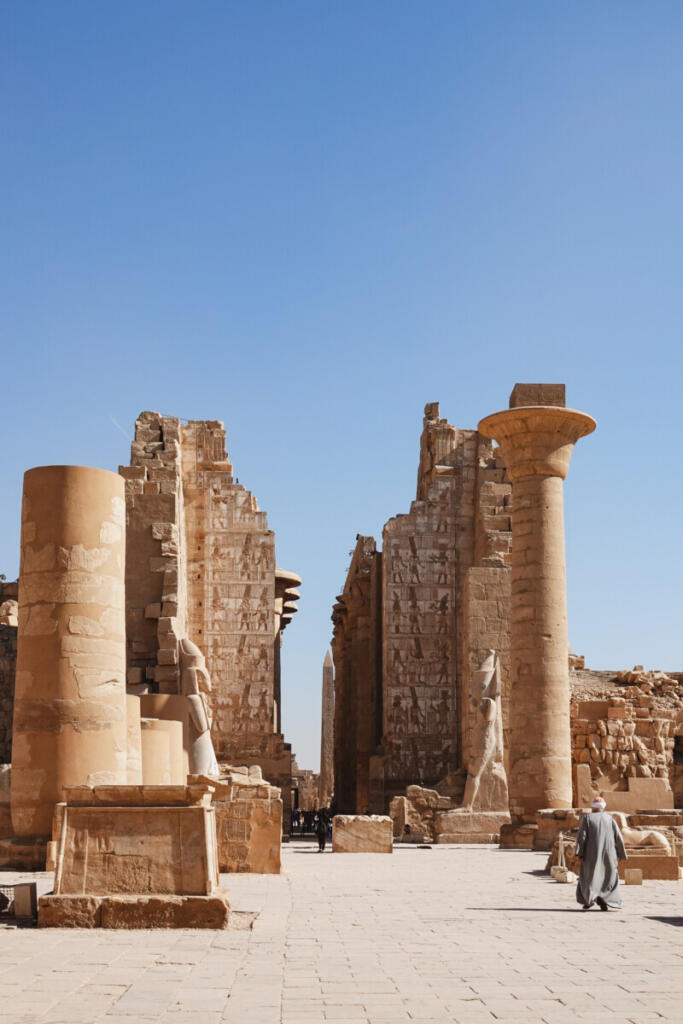
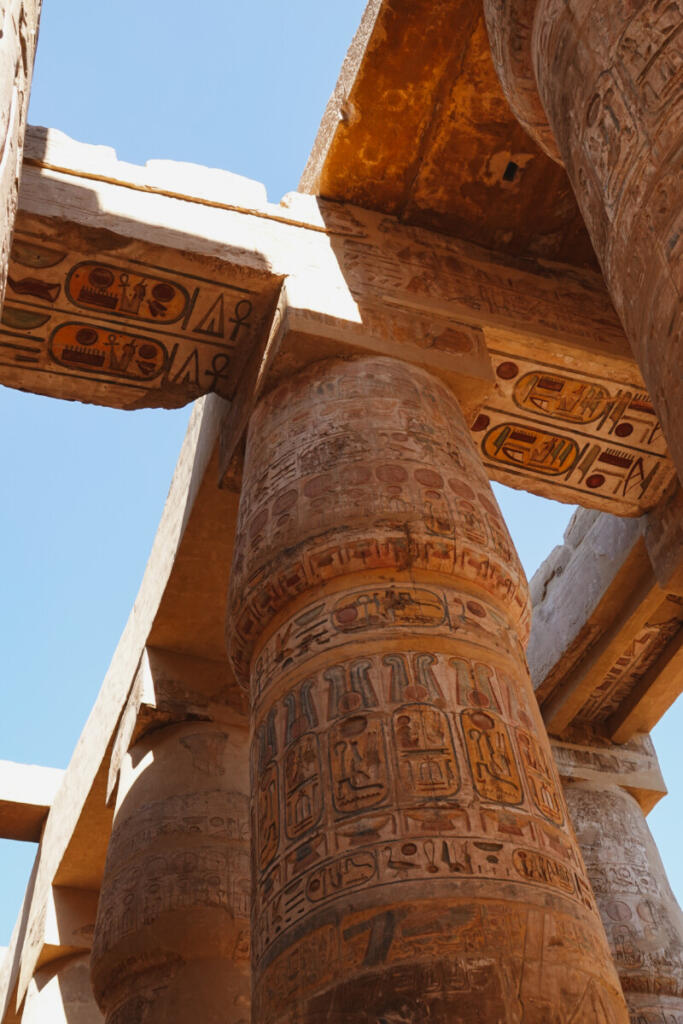
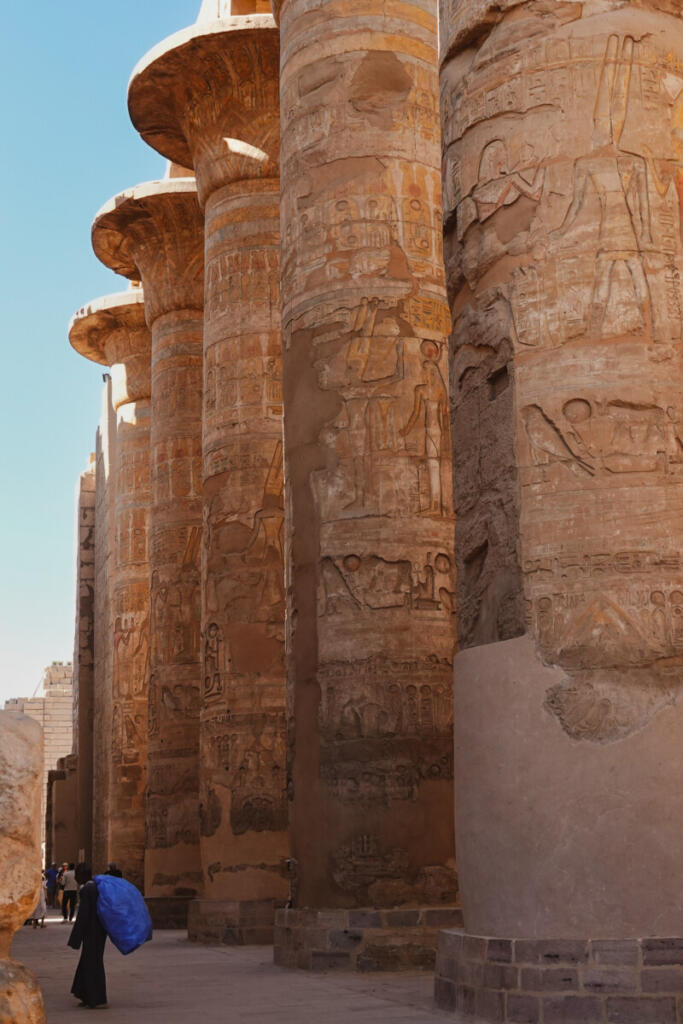
Karnak is also a place where architecture, history and spirituality come together. Each building bears witness to the power of the pharaohs and the importance of the cult of Amun in the daily and political life of ancient Egypt.
Luxor Temple, a New Kingdom jewel in the heart of the city
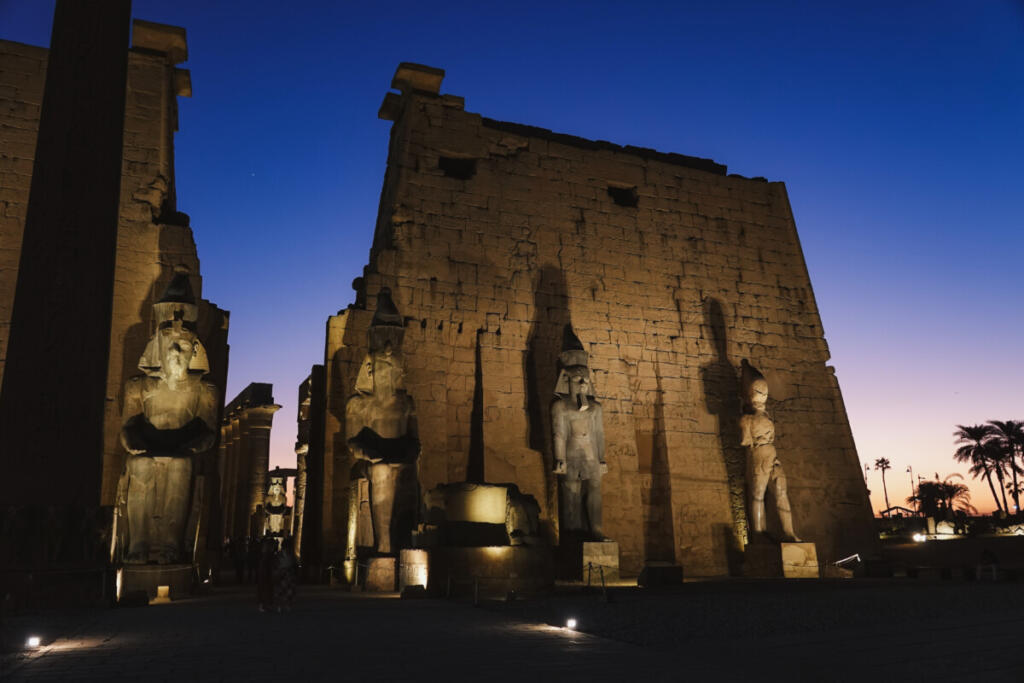
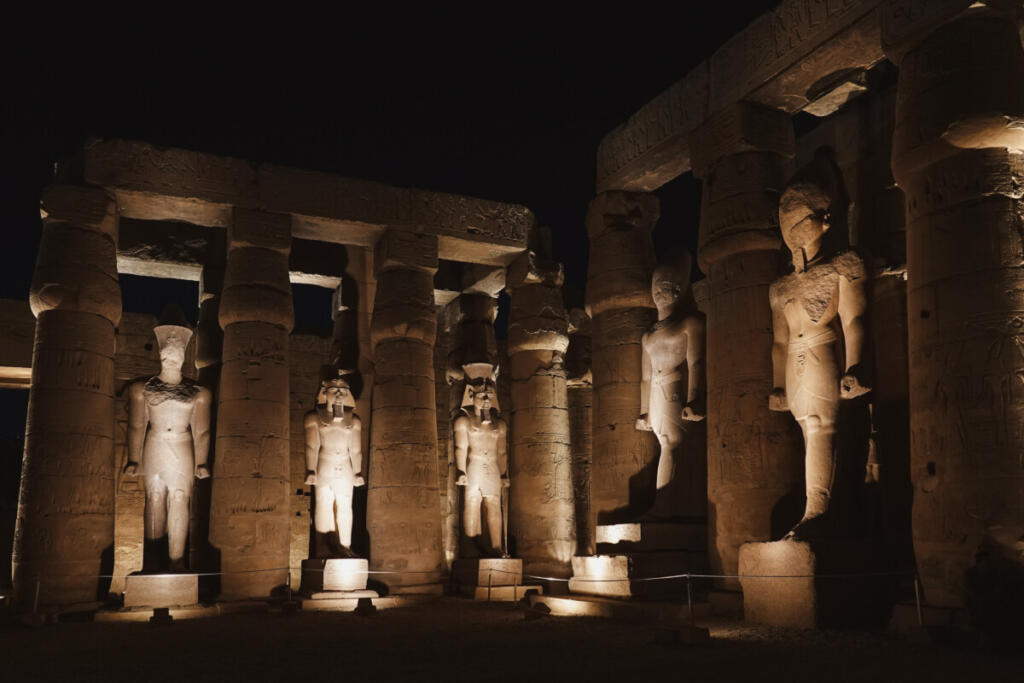
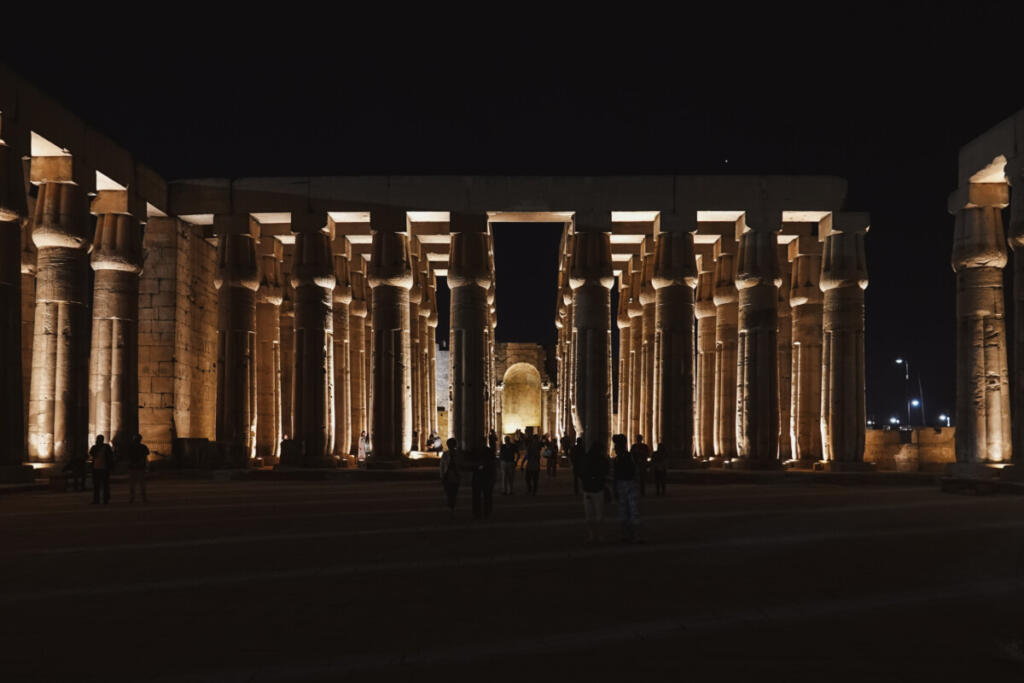
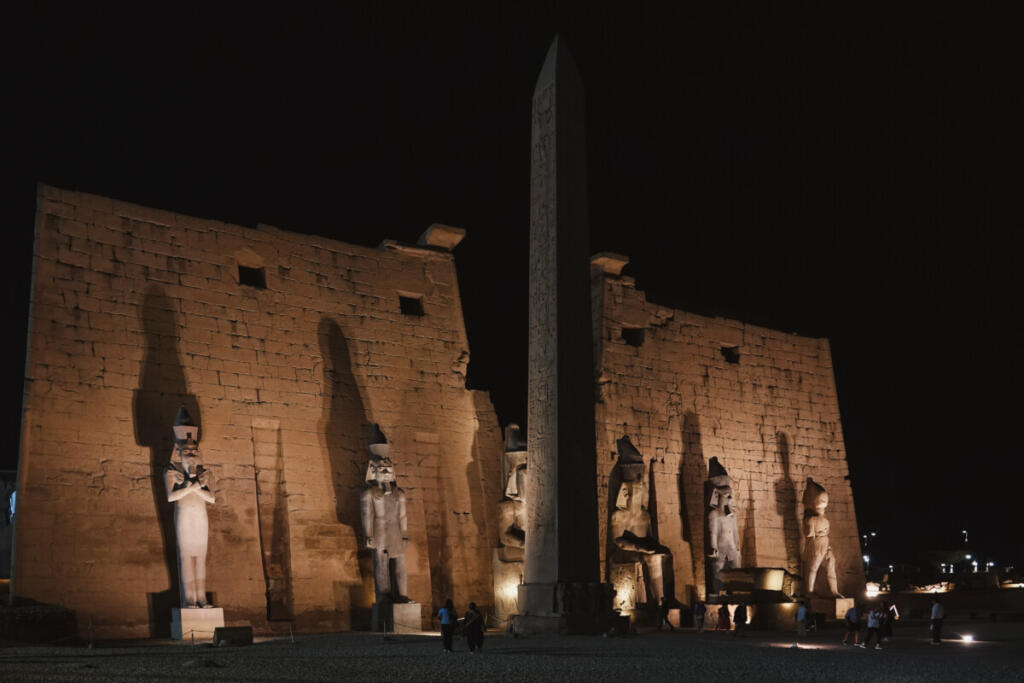
Located in the heart of the city, on the east bank of the Nile, Luxor Temple is one of the most impressive religious monuments of ancient Egypt. Built mainly during the reign of Amenophis III (c. 1390-1352 BC) and completed by Ramses II, it bears witness to the splendor of the New Kingdom.
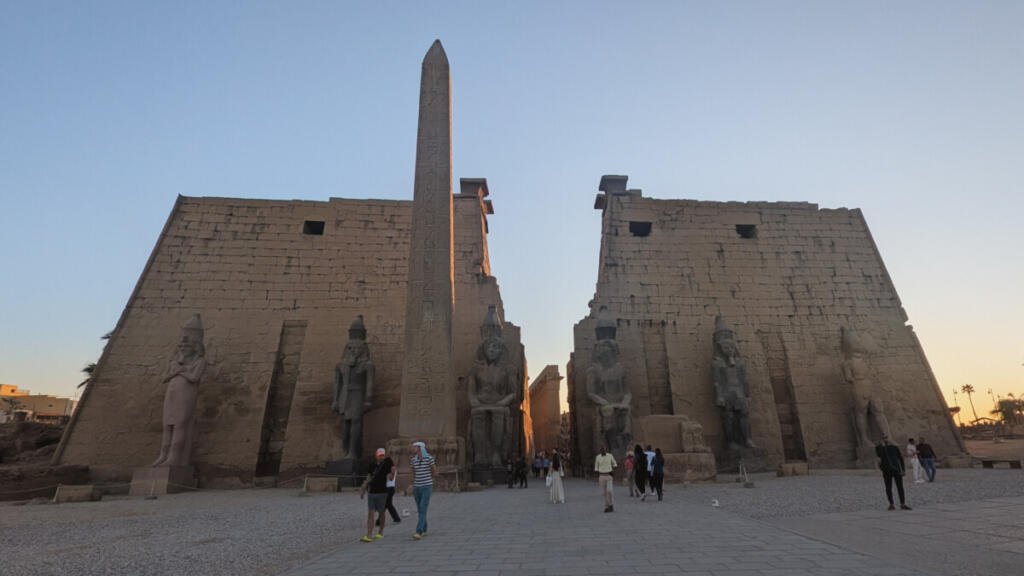
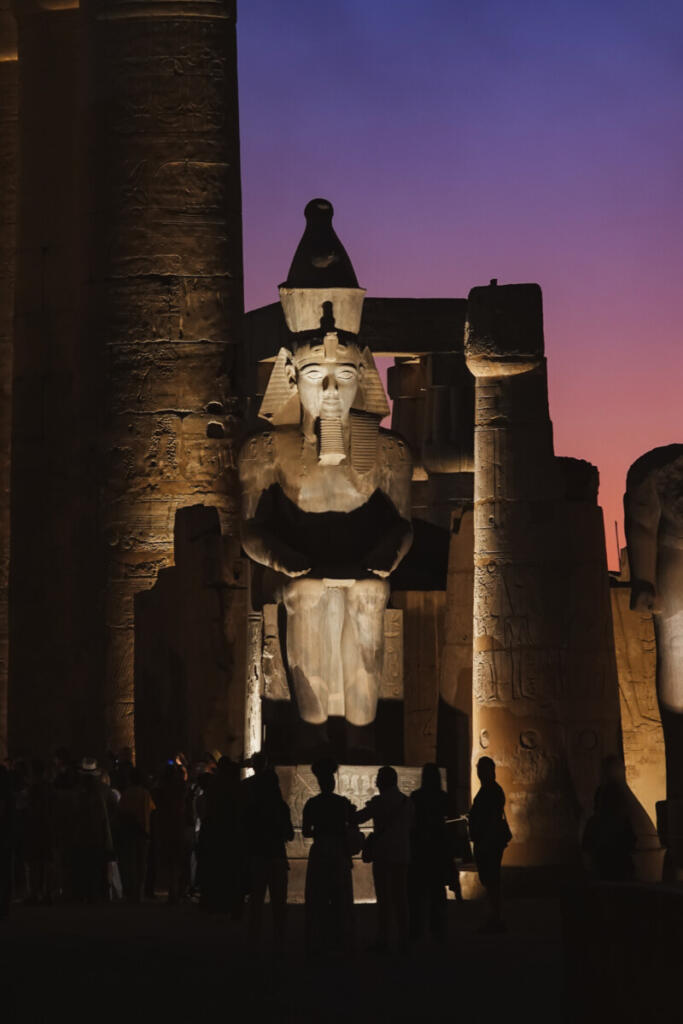
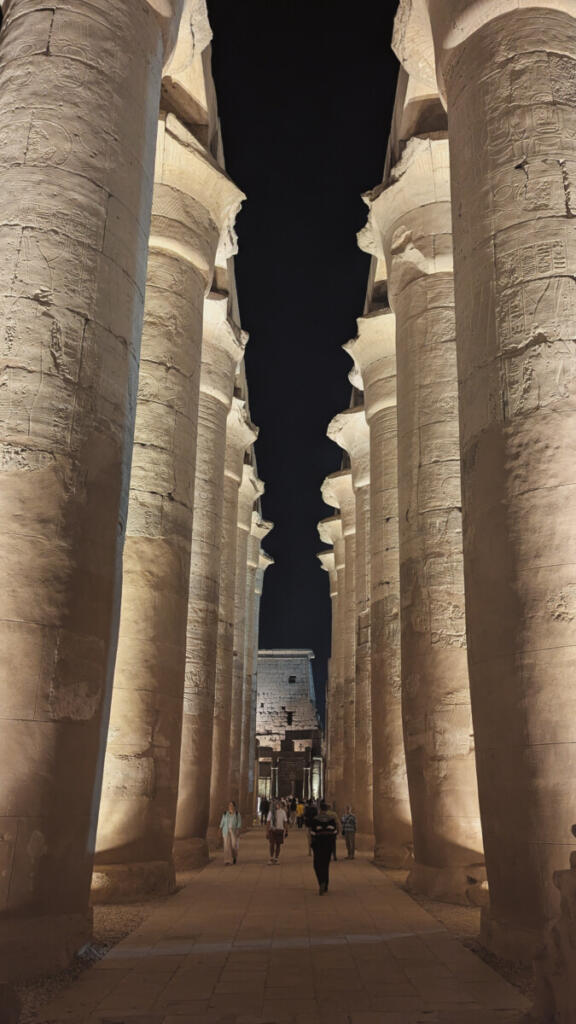
This temple is remarkable for its vast hypostyle halls, monumental obelisks – only one of which remains today on the Place de la Concorde in Paris – and magnificently sculpted colonnades. It was dedicated to the cult of Amun-Ra, the supreme god, and was used in particular for the annual Opet ceremonies, a major religious festival celebrating fertility and rebirth.
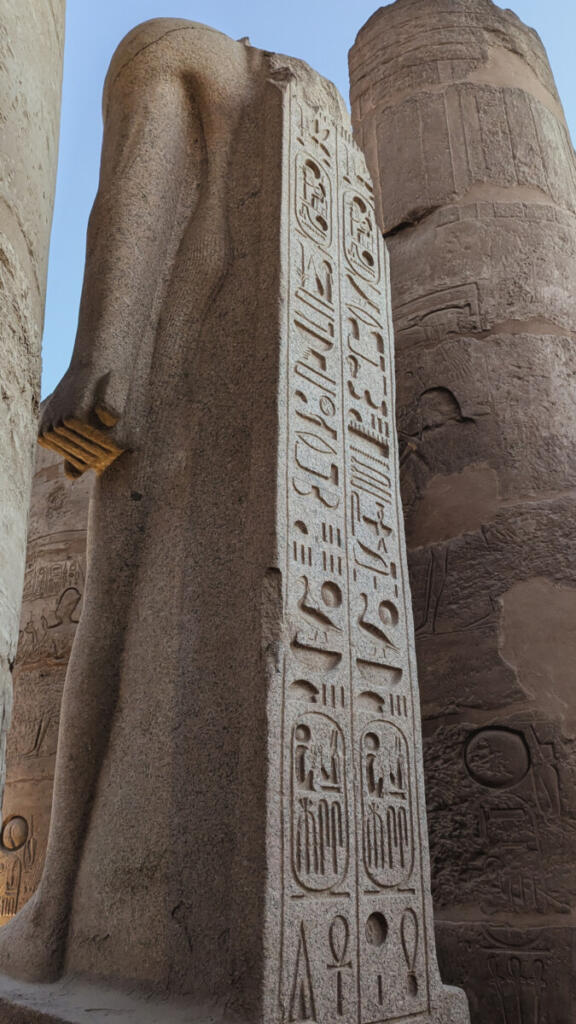
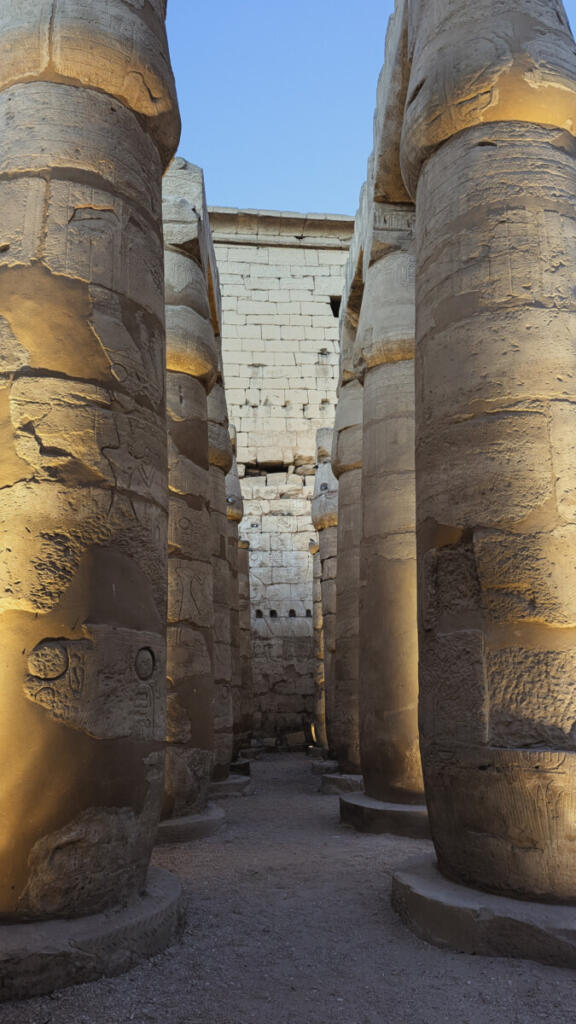
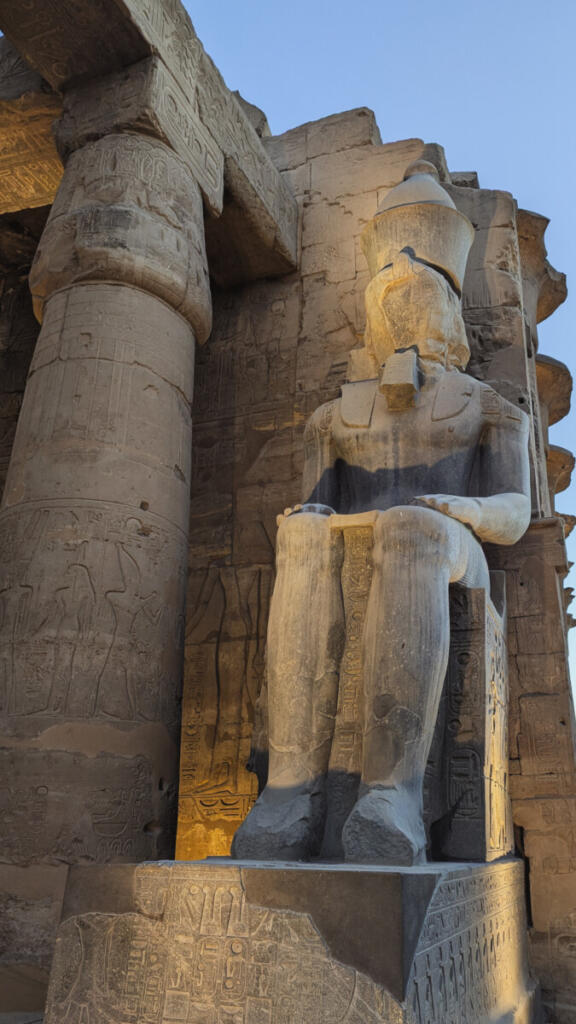
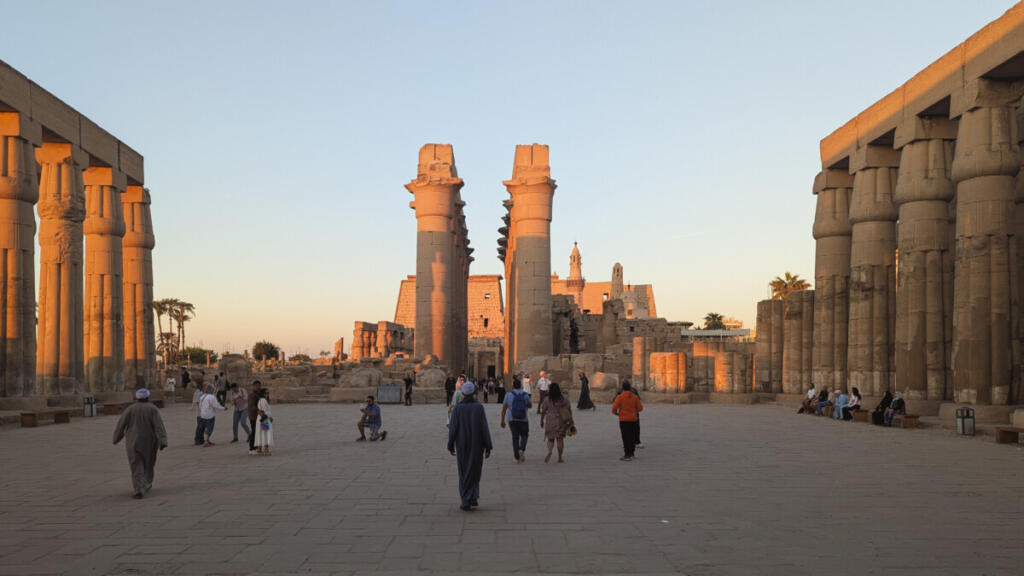
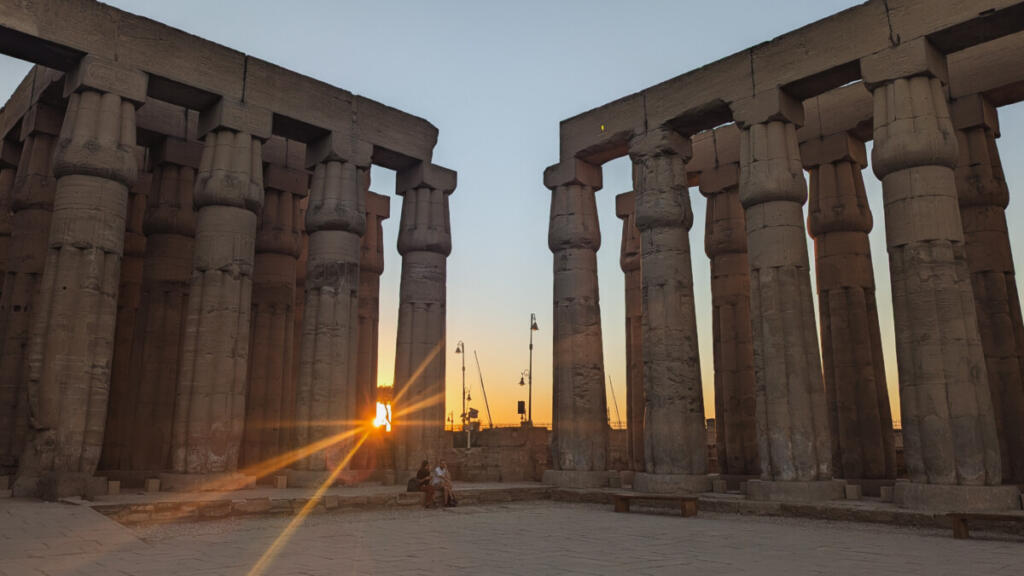
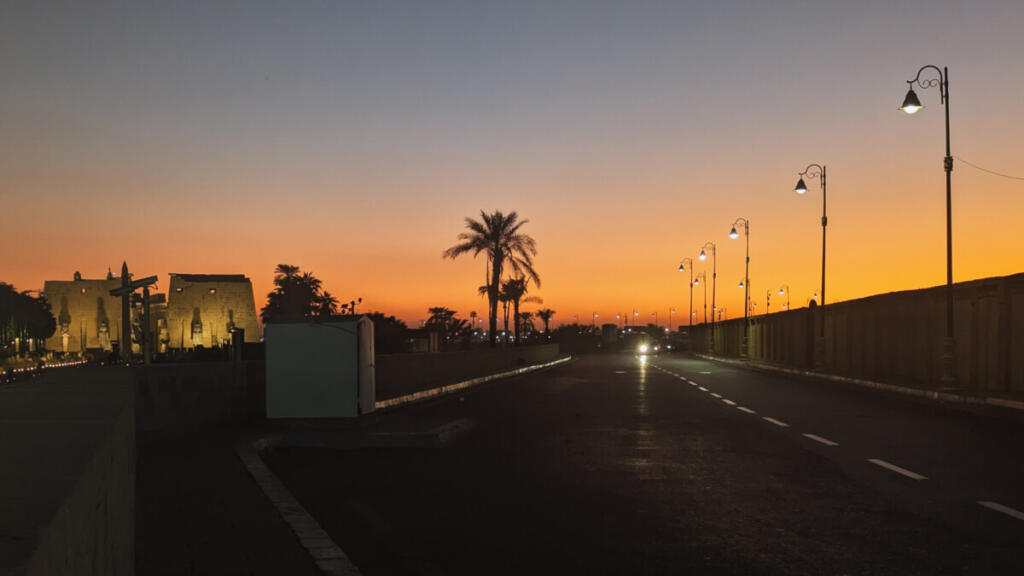
The night-time ambience of Luxor Temple is particularly magical, thanks to the lighting that sublimates the reliefs. Each stone tells its own story, from sacred ceremonies to royal processions and hymns to the gods.
Valley of the Kings, royal tombs and secrets of eternity
On the west bank of the Nile, sheltered by the arid cliffs of Thebes, lies the Valley of the Kings: a mythical necropolis housing the tombs of the pharaohs of the New Kingdom (c. 1550-1070 BC). More than 60 tombs have been identified, dug deep into the rock to preserve the bodies and treasures of the sovereigns.
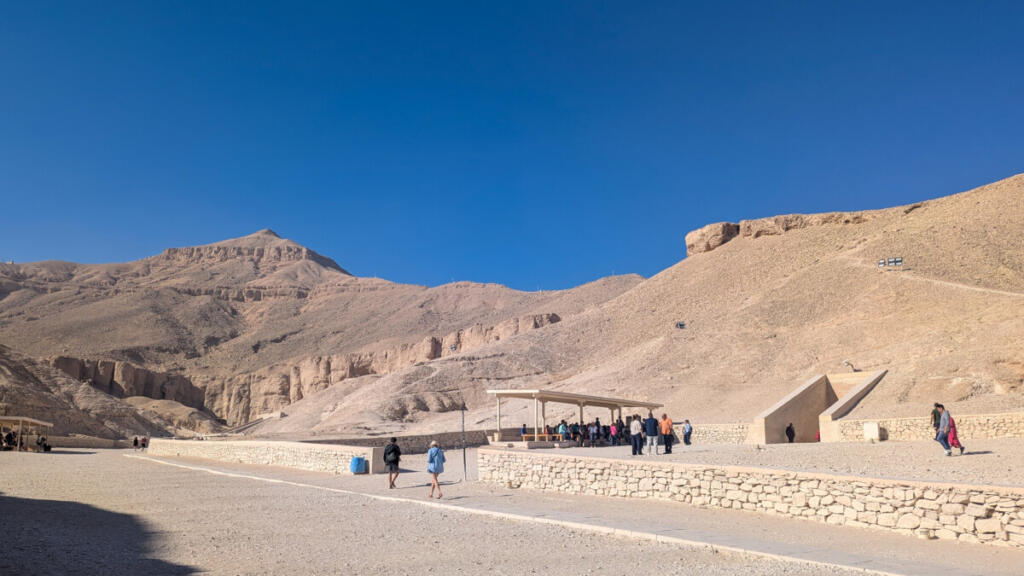
The walls, decorated with sacred scenes and hieroglyphics, recount the rituals of passage to the afterlife, in a symbolic journey through darkness and rebirth. Three of these tombs stand out for their rich iconography and exceptional state of preservation…
The tomb of Ramses IV (KV2)
Located near the entrance to the valley, this tomb, built for Ramses IV (20th dynasty, circa 1155-1149 BC), is easily accessible and often included in the standard ticket. It measures some 90 metres in length. Its particularity lies in its ceilings painted with astronomical representations: constellations, solar barks and celestial divinities make up a veritable cosmic plan. The walls are decorated with scenes from the
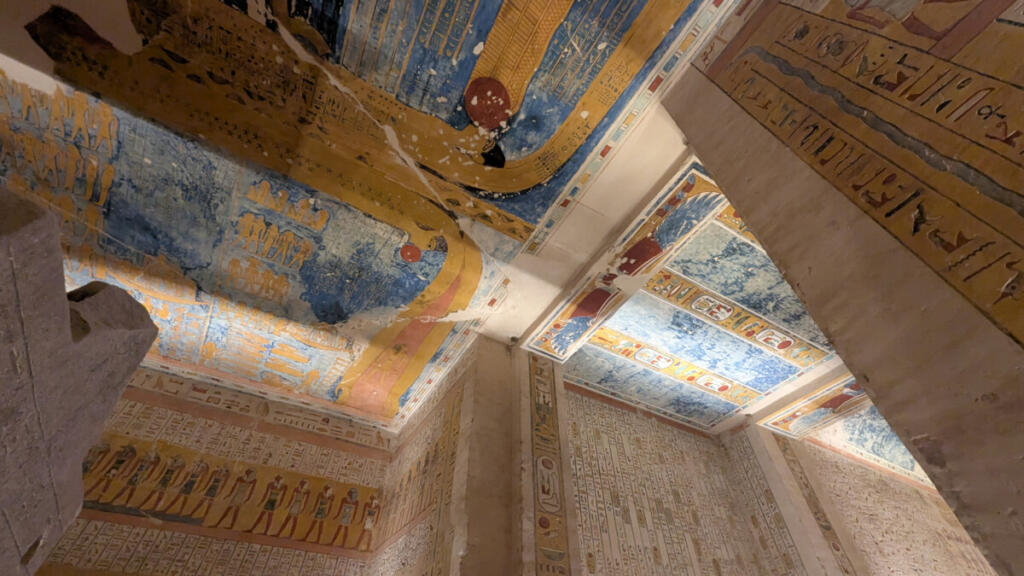
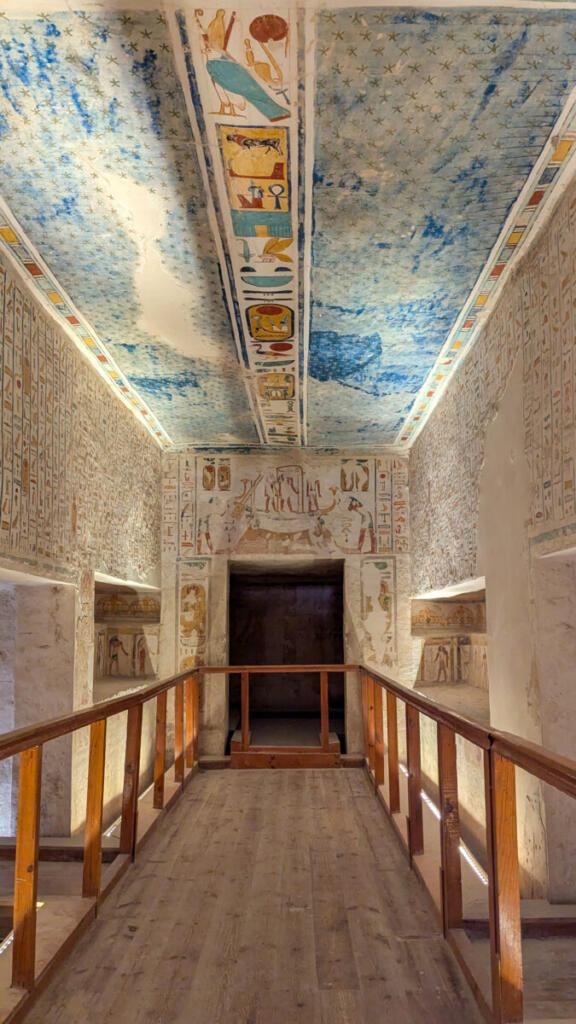
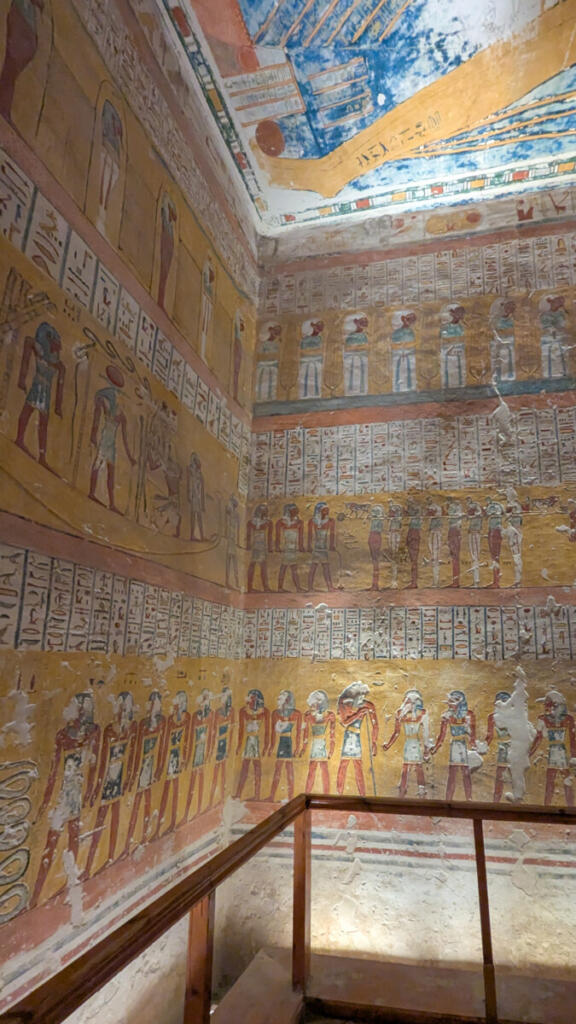
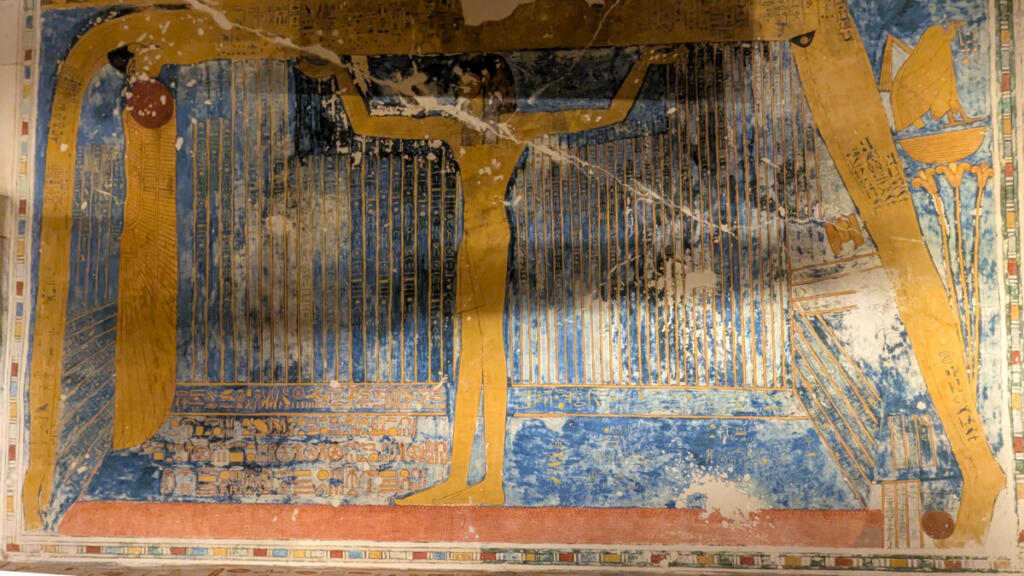
The tomb of Ramses VI (KV9)
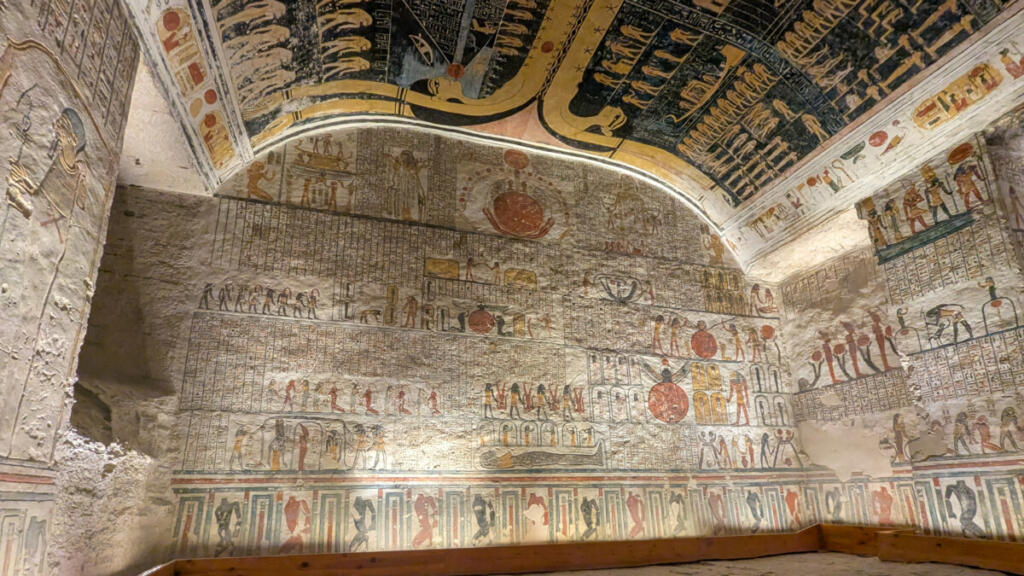
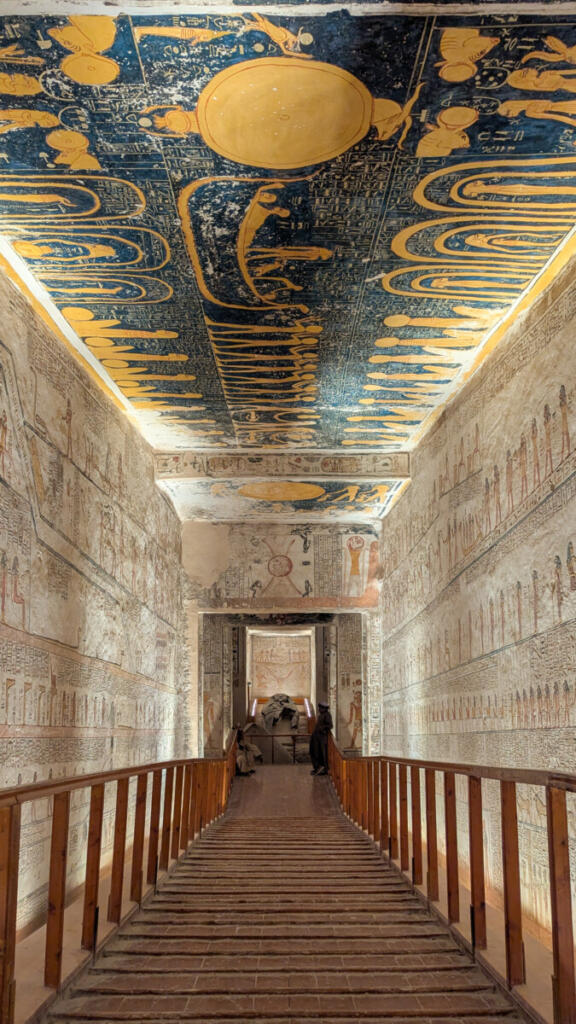
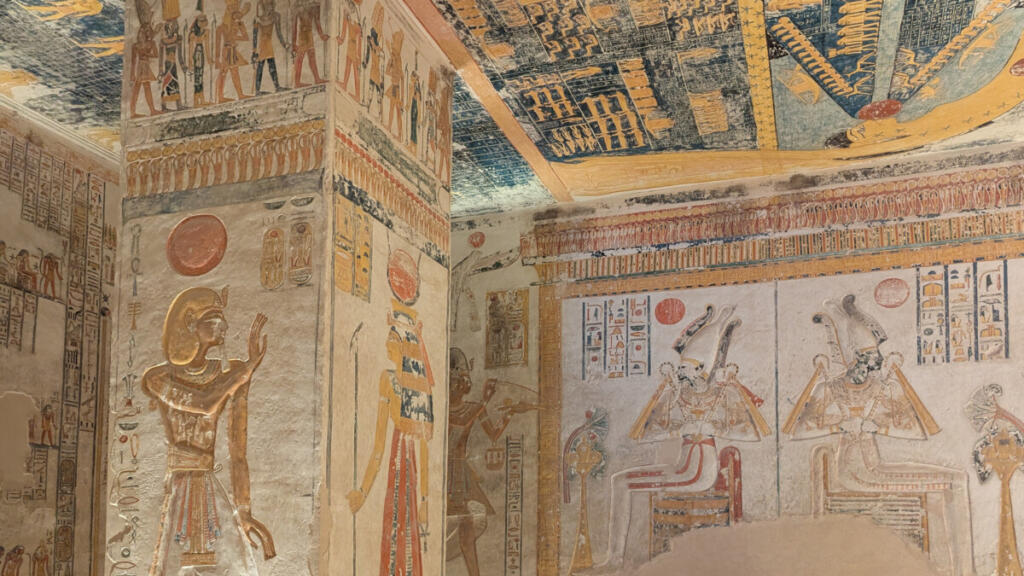
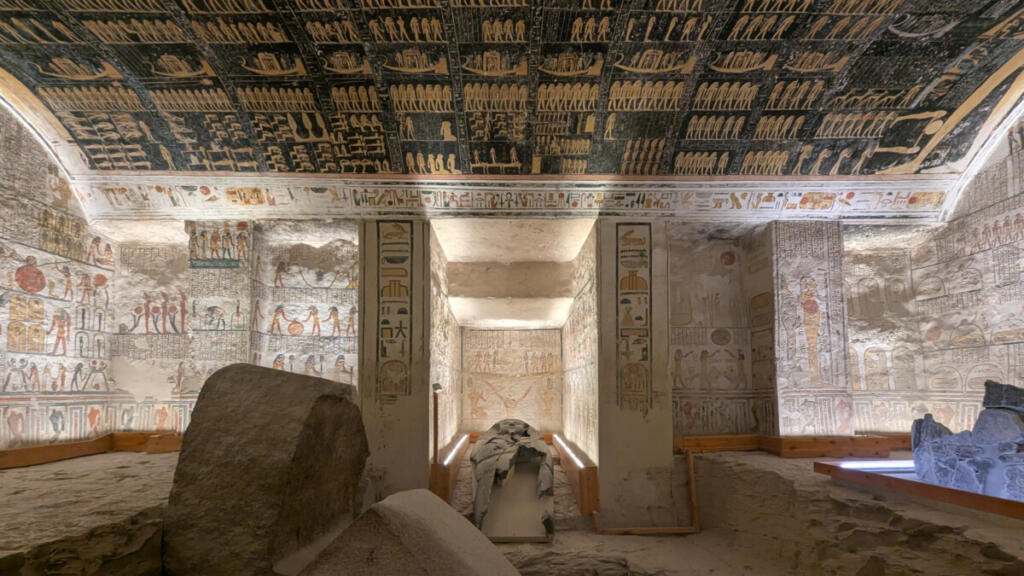
Originally intended for Rameses V, this tomb was reused and enlarged by Rameses VI (c. 1145-1137 BC). At 104 metres long, it is one of the most impressive in the valley, thanks in no small part to the quality of its reliefs. The ceiling of the main gallery is decorated with a spectacular scene from the
The tomb of Sety I (KV17)
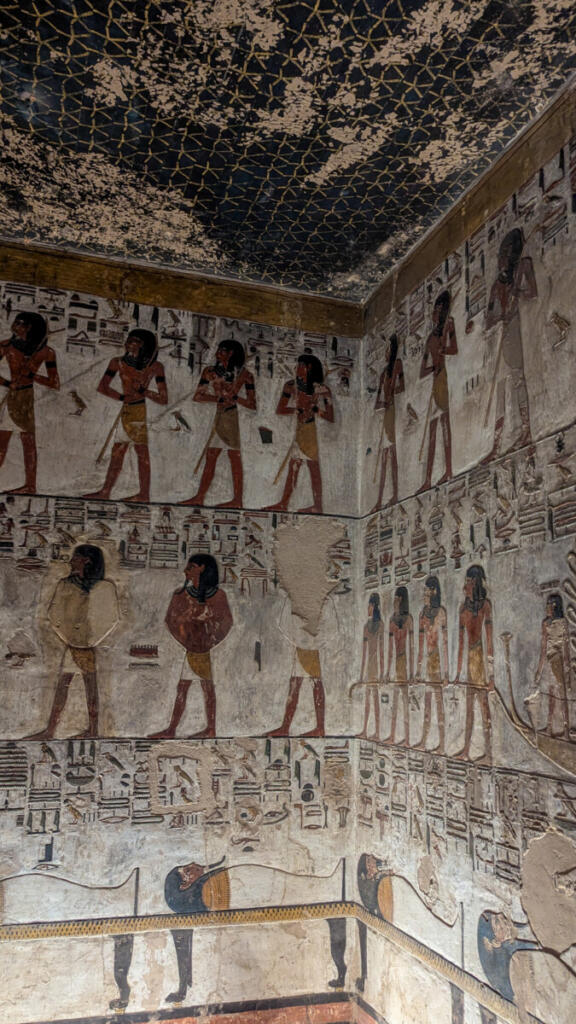
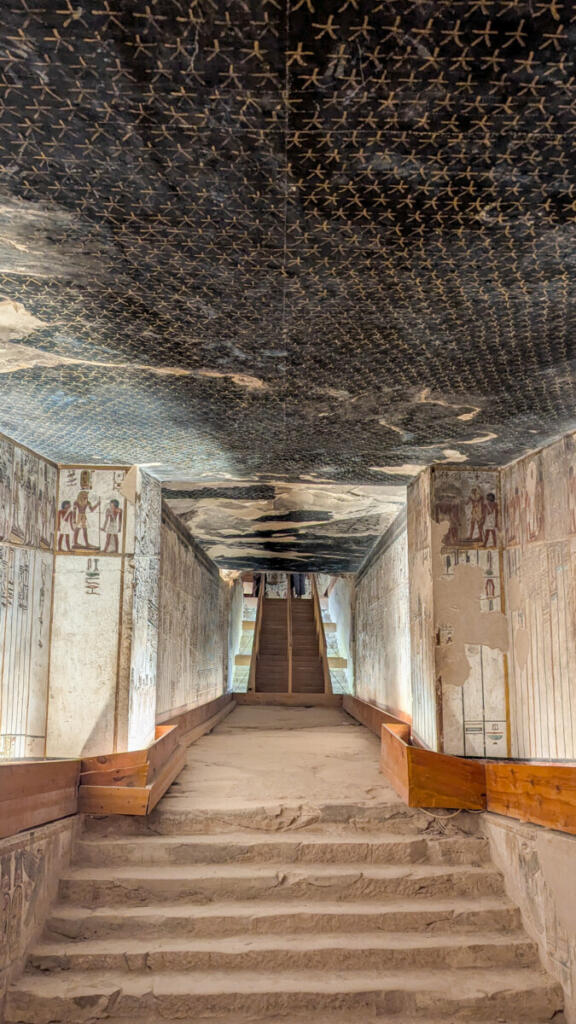
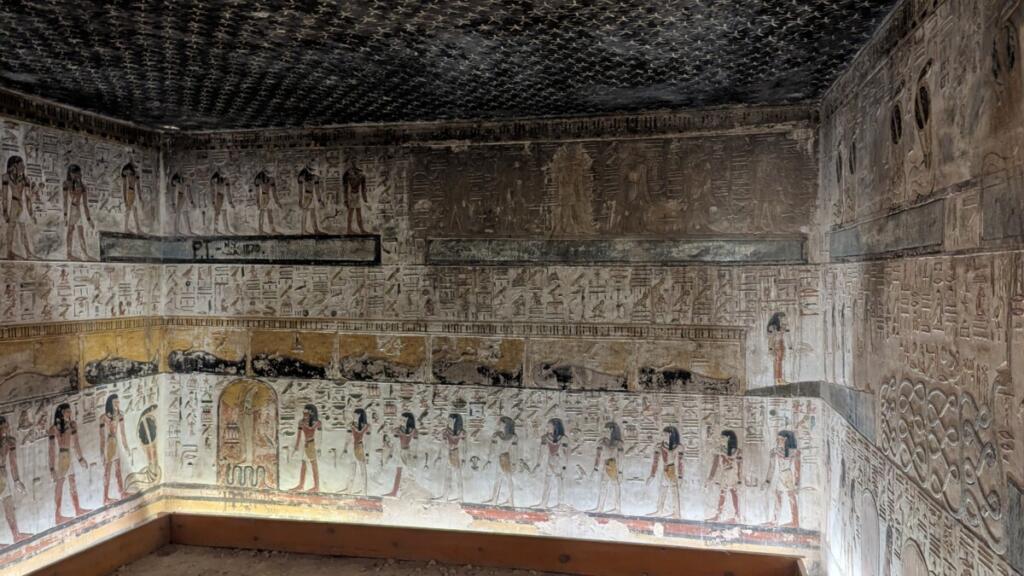
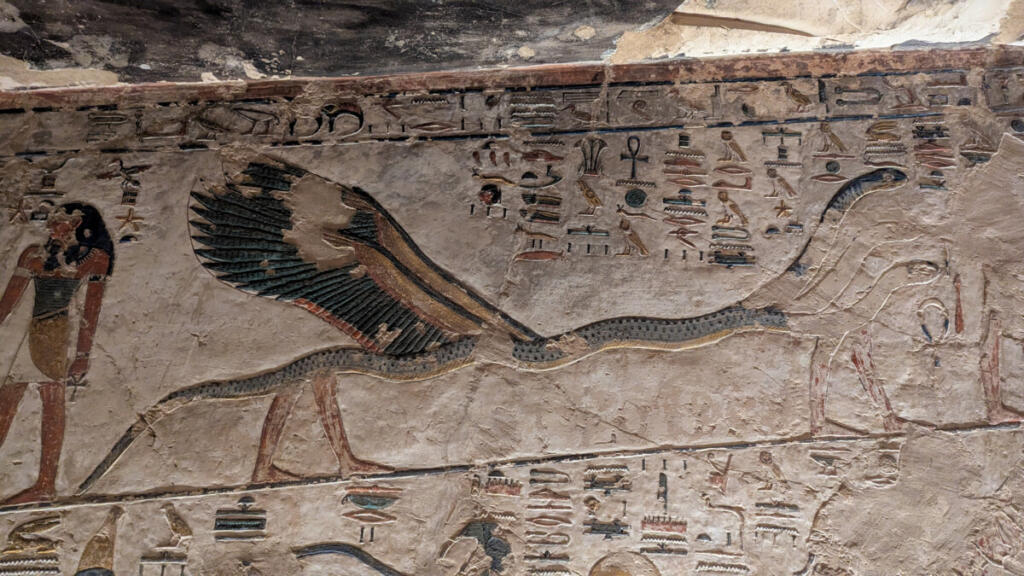
Considered one of the longest (137 meters) and most refined tombs in the Valley of the Kings, the tomb of Sety I (19th dynasty, circa 1294-1279 BC) is a masterpiece of Egyptian funerary art. Reopened to the public after many years of restoration, it reveals a profusion of details: deeply engraved reliefs, complex religious scenes, starry ceilings…
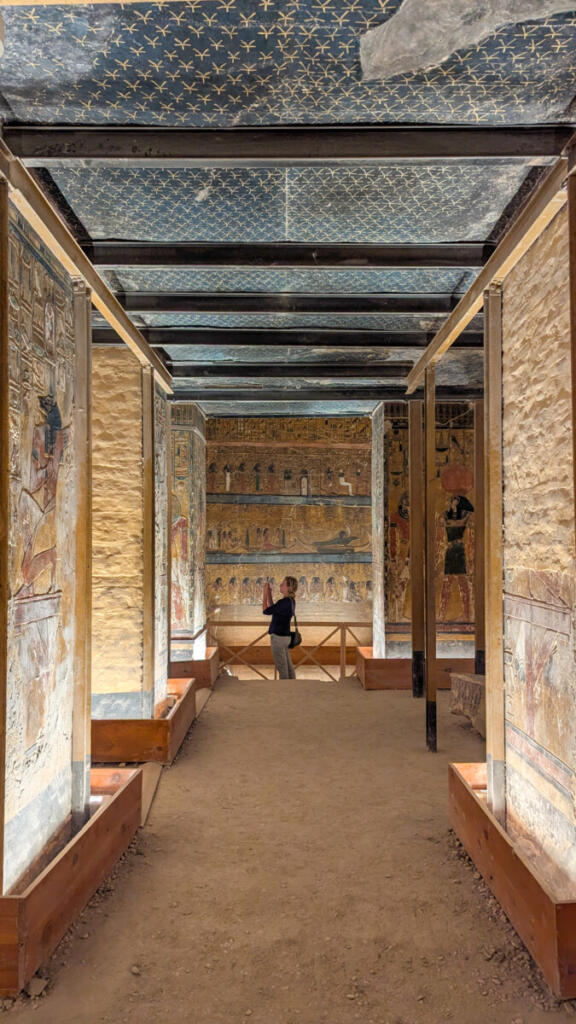
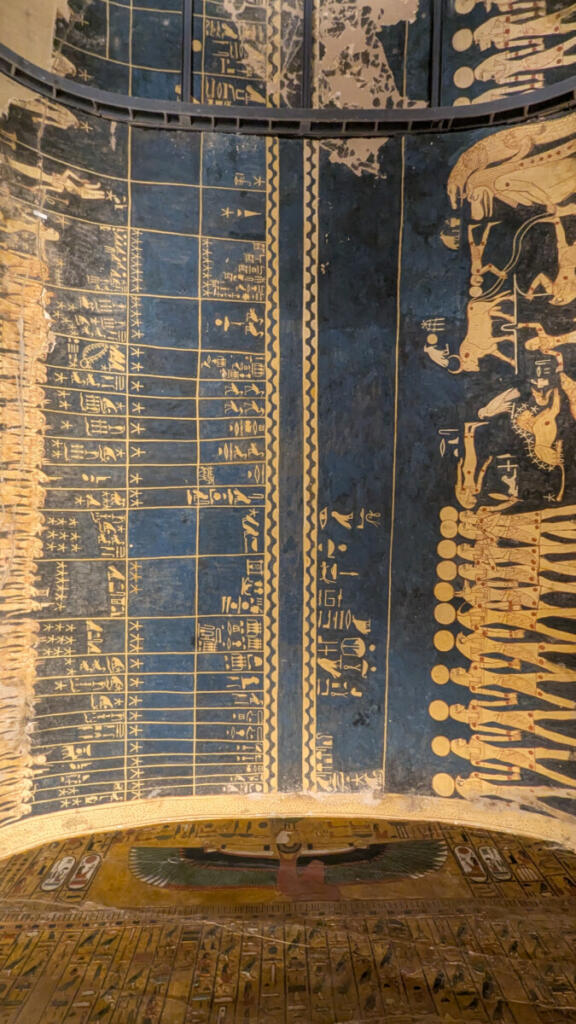
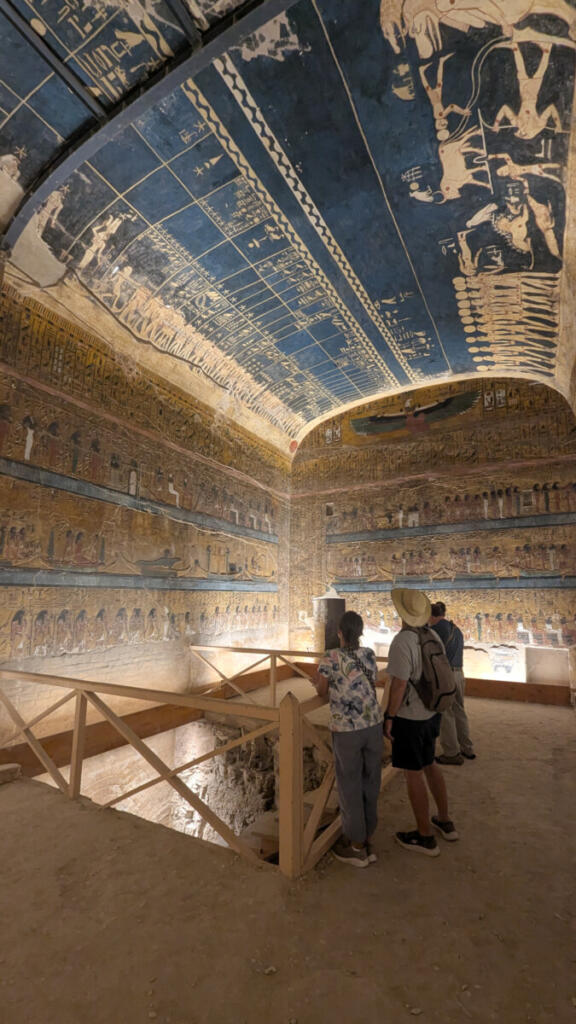
This is the first tomb to introduce multi-level architecture. Scenes from the Books of the Gates, Caverns, Day and Night are executed with exceptional care, reflecting the importance attached to the passage to eternity for this powerful sovereign.
Good to Know
- The Valley of the Kings is about 30 minutes from Luxor. It can be reached by cab or minibus.
- The site is open daily from 6am to 5pm (last entry at 4pm).
- The standard ticket includes access to 3 tombs from a variable selection, depending on conservation conditions and any work in progress. Access to the tombs is by rotation, to limit exposure of the paintings to light and humidity. Some may therefore be temporarily closed for restoration or preservation during your visit. Some tombs require the purchase of a special ticket, at an additional cost. These include the tombs of Ramses VI, Sety I and Tutankhamun.
- For reasons of quietness and humidity, official guides are not allowed to enter the tombs with visitors. They usually explain the contents outside, before visitors explore on their own.
- It’s customary to slip a small bill (a few Egyptian pounds) to the guards posted at the entrance to the tombs, especially if they open a door, offer lighting or point out a carved detail. This gesture is appreciated, though not obligatory.
The Valley of the Queens, the other sacred valley
A few kilometers south of the Valley of the Kings, the Valley of the Queens offers another facet of the Theban necropolis. Less frequented, but just as steeped in history, it houses the tombs of the pharaohs’ wives and certain princes and princesses, mainly from the New Kingdom (19th and 20th dynasties).
Visits are similar to those to the Valley of the Kings, with a standard ticket giving access to several tombs, and specific tickets required for certain exceptional tombs.
Among these, the tomb of Queen Nefertari (QV66), wife of Ramses II, is often considered one of the most beautiful in Egypt. Its beautifully preserved, brightly coloured frescoes depict the queen being guided by the gods on her journey to the afterlife. Unfortunately, at the time of our visit, this emblematic tomb was closed for conservation – a frequent temporary closure to protect its fragile decorations.
Deir el-Medina, Pharaoh’s village of craftsmen
On the hillside between the Valley of the Kings and the Valley of the Queens lies Deir el-Medina, the ancient village of royal craftsmen. Here, for several centuries, lived the workers, painters, sculptors and scribes who dug and decorated the tombs of the royal family, mainly during the 19th and 20th dynasties (c. 1292-1069 BC).
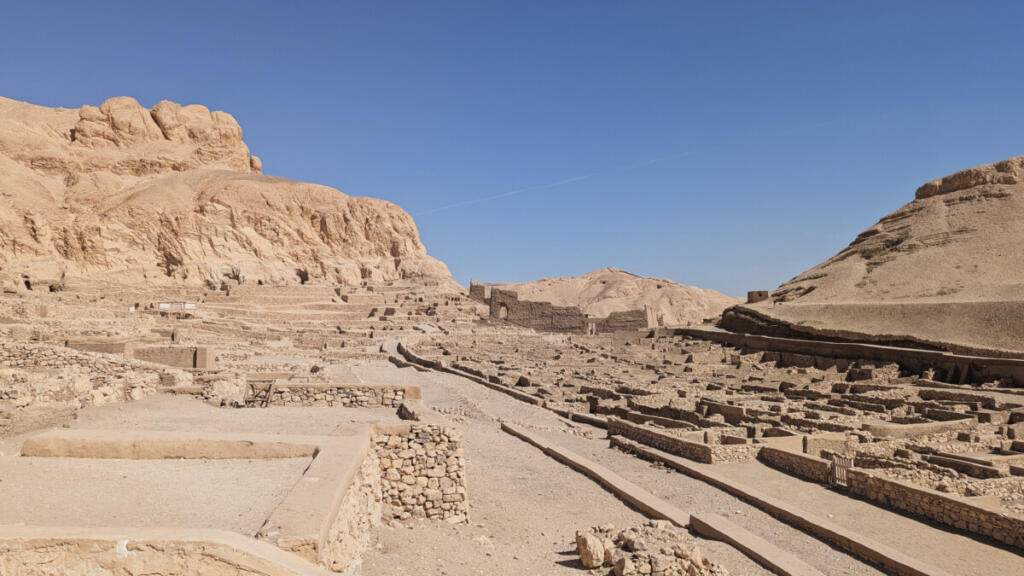
This small, perfectly organized village consisted of around forty houses lined up on a rectilinear plan, with a community life punctuated by work in the service of the gods and the king.
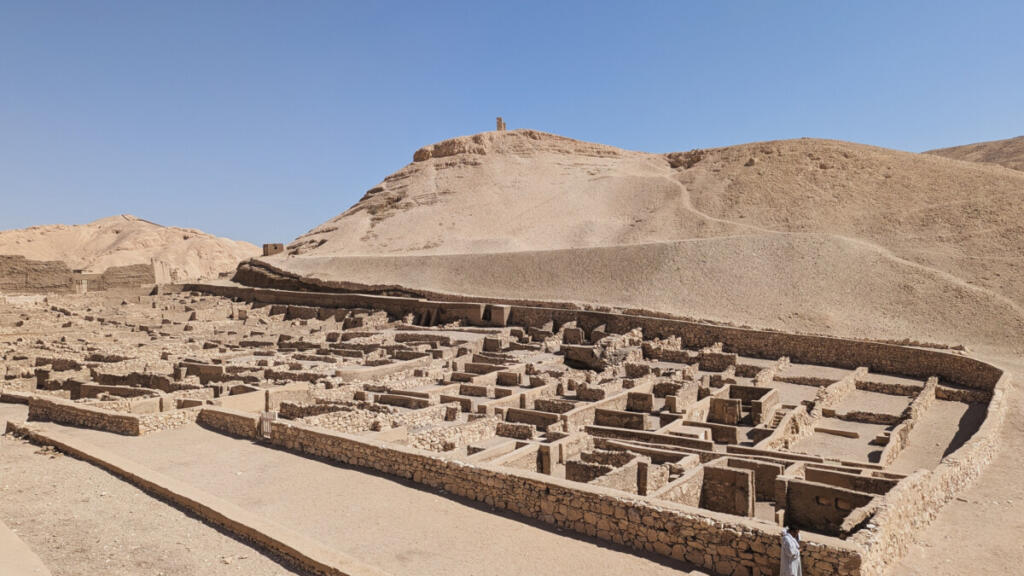
The inhabitants of Deir el-Medina formed a privileged caste: literate, often well-paid, they left behind thousands of ostraca (fragments of limestone or pottery used as writing media), recounting their daily lives, their disputes, their prayers and their dreams. This is one of the few archaeological sites to offer such a direct and intimate testimony to life in ancient Egypt.
Near the village, you can visit several artisans’ tombs, some of which are magnificently decorated. The most famous are those of Pashedu, the king’s goldsmith, and Sennedjem, a high-ranking artist, both adorned with vibrantly colored frescoes depicting the gods, scenes from the afterlife and sometimes even elements of the deceased’s private life.
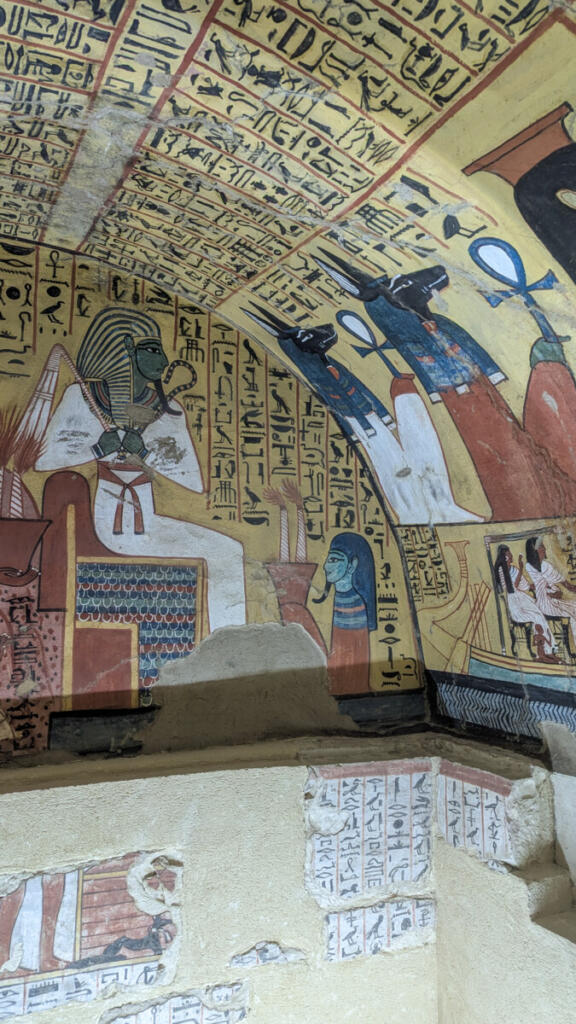
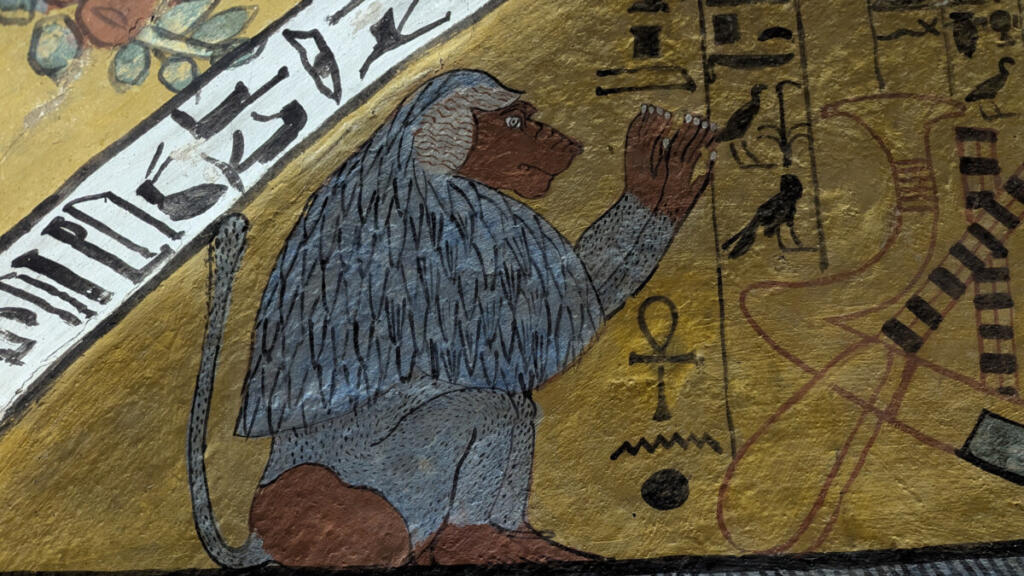
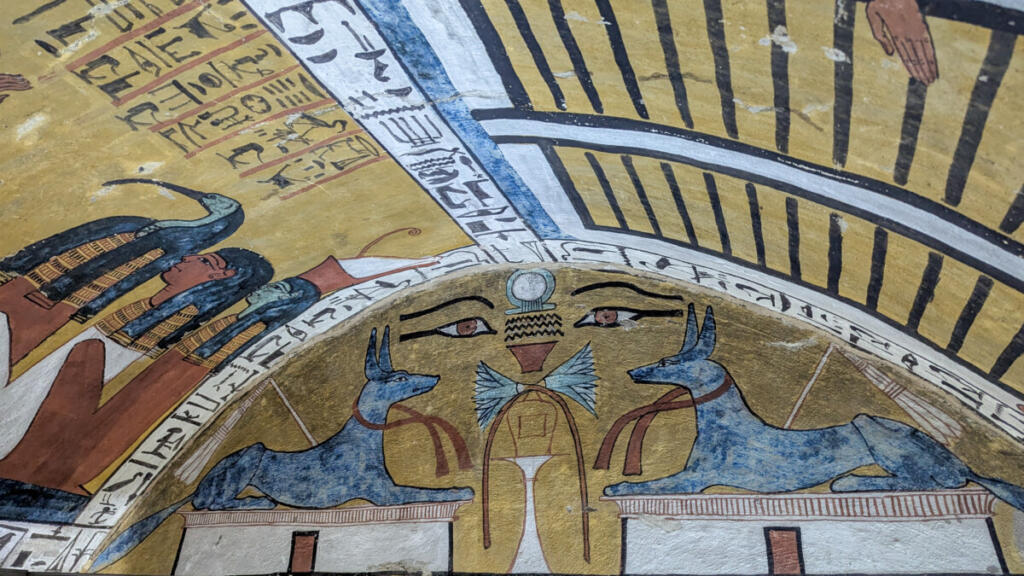
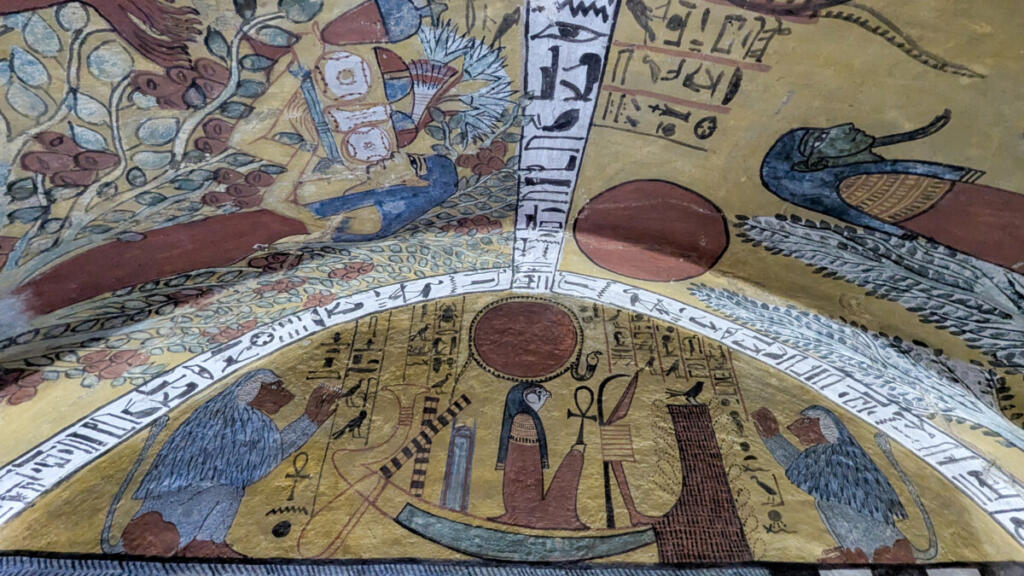
Far from the monumentality of the temples, Deir el-Medina gives a more human face to Luxor: that of those who, behind the scenes, built the wonders we still admire today.
The Valley of the Nobles, everyday life and private splendor
Less well known than the Valley of the Kings, the Valley of the Nobles features over 400 tombs carved into the cliffs on Luxor’s west bank.
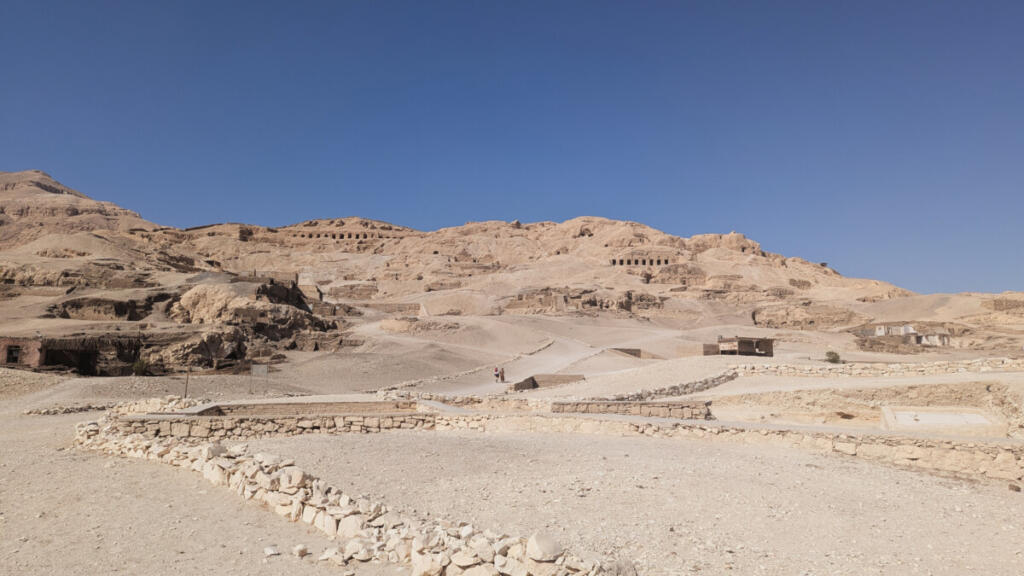
They belong to high-ranking officials, scribes, stewards, priests or architects who served the pharaohs, mainly during the New Kingdom. Unlike royal tombs, which focus on the journey to the afterlife, these tombs offer a rare insight into the daily life, ceremonies and pleasures of the court.
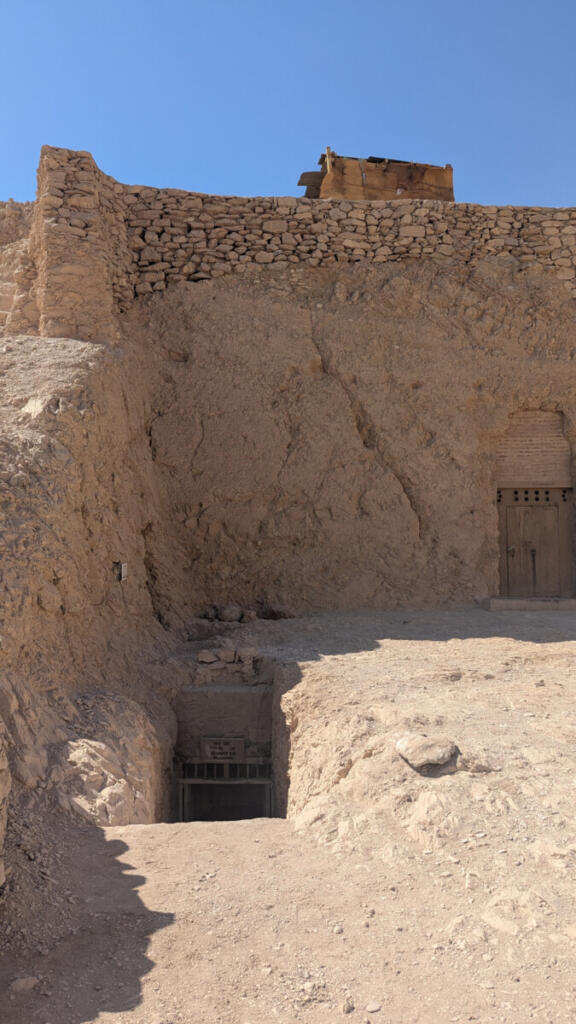
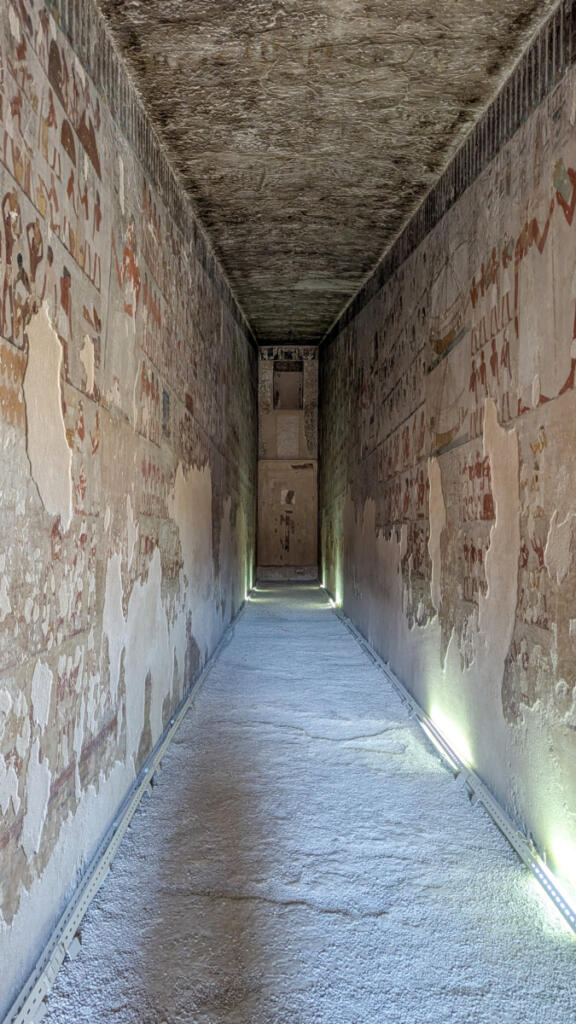
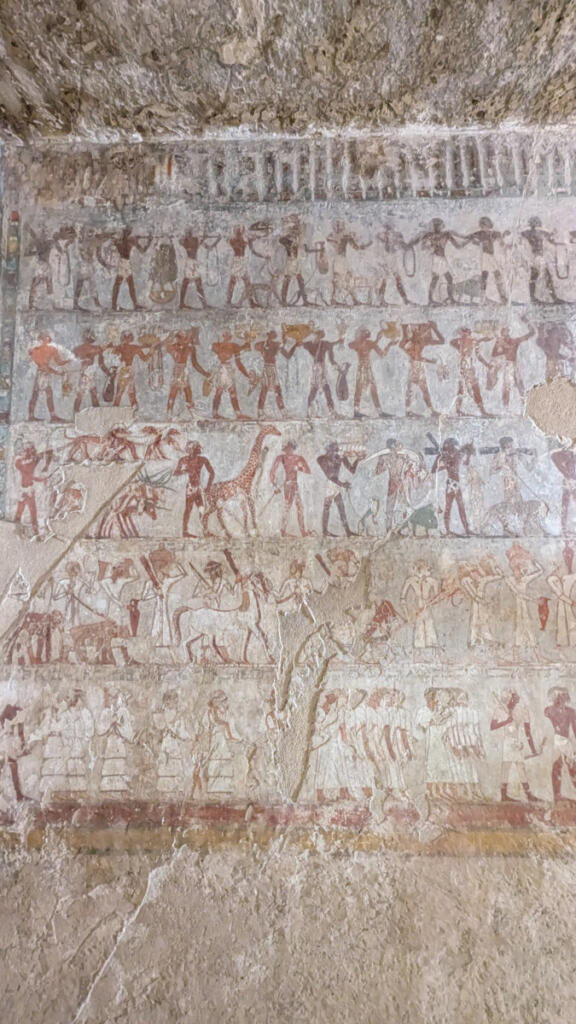
Among the most remarkable is the tomb of Sennefer, mayor of Thebes under Amenhotep II. Nicknamed the “Tomb of the Vines”, this tomb impresses with its exceptionally refined decoration. Its ceilings are covered with bunches of grapes painted on a light background, evoking a garden of Eden suspended in eternity. The walls show Sennefer and his wife in family scenes, offerings and celebrations. The whole is intimate, lively, almost tender – a far cry from the rigor of Pharaonic tombs.
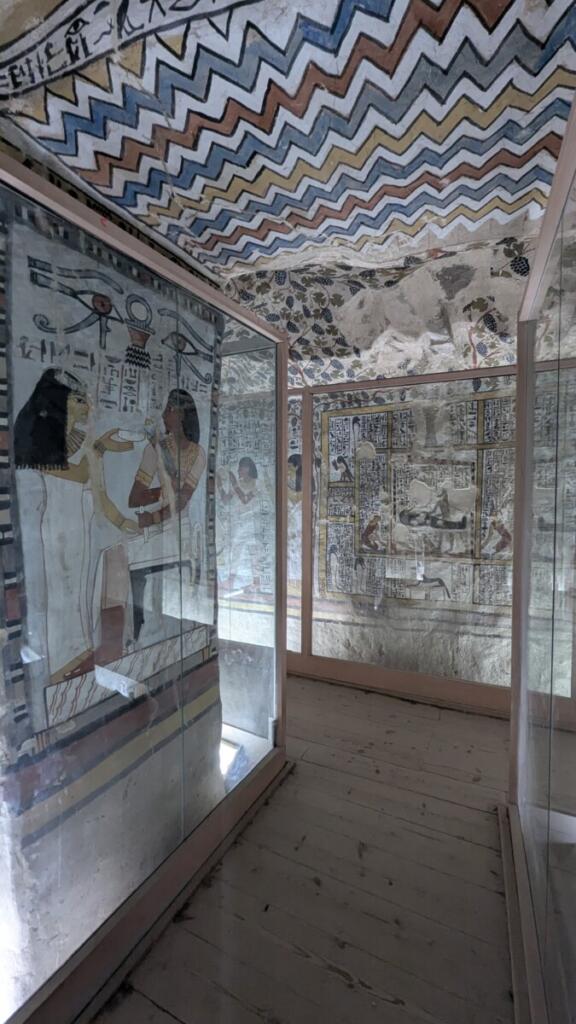
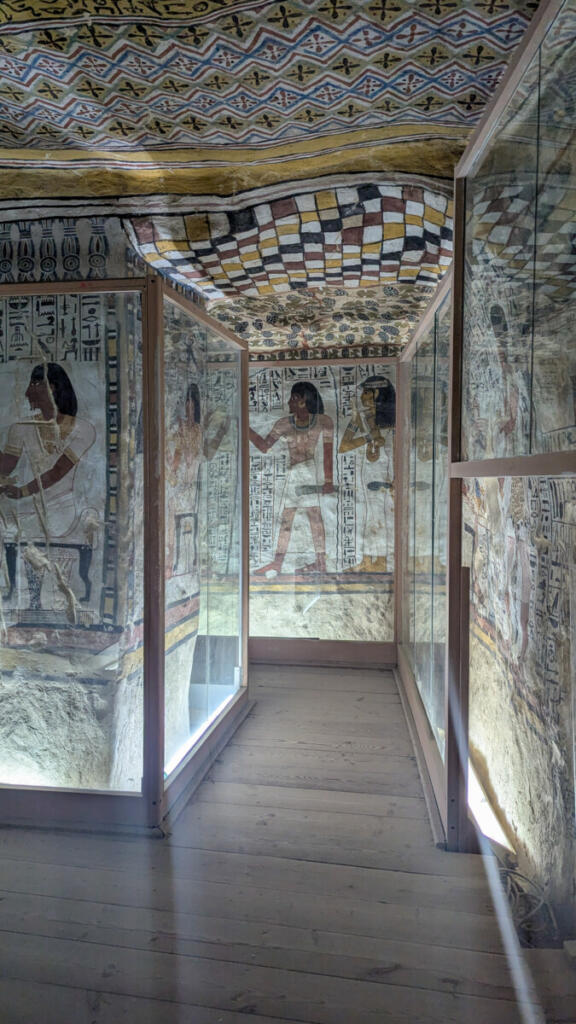
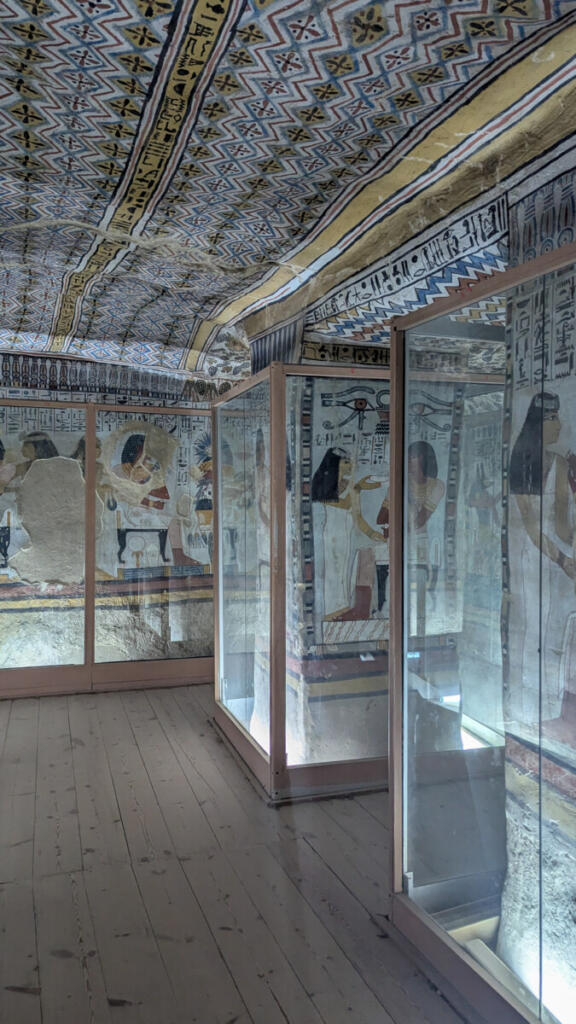
Other tombs open to the public, such as those of Rekhmire and Ramose, also bear witness to the power, education and artistic wealth of this cultured elite. Some frescoes preserve striking details: clothing, everyday objects, furniture, trades, musicians…
The temple of Hatshepsut, grandeur carved into the cliffs
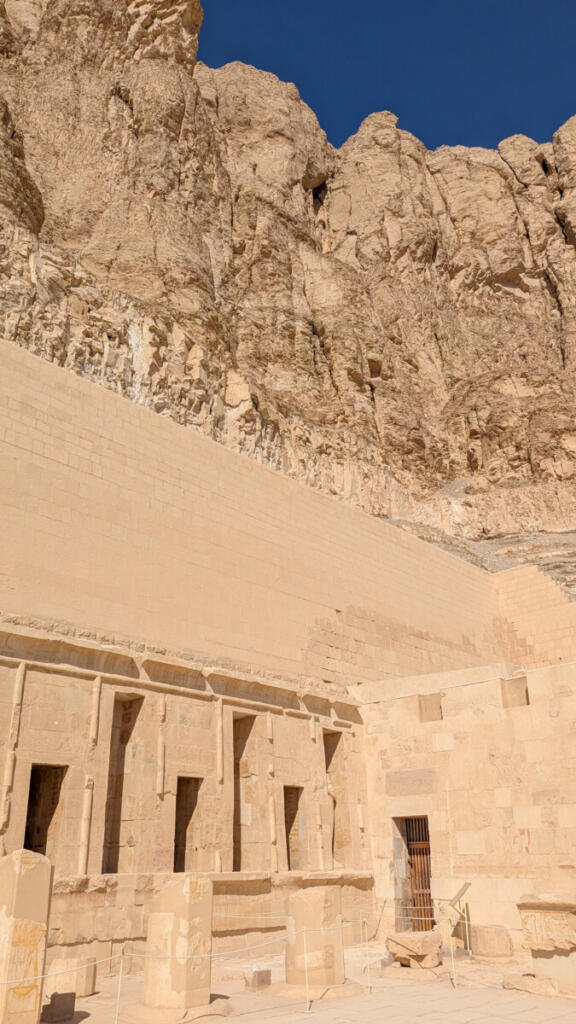
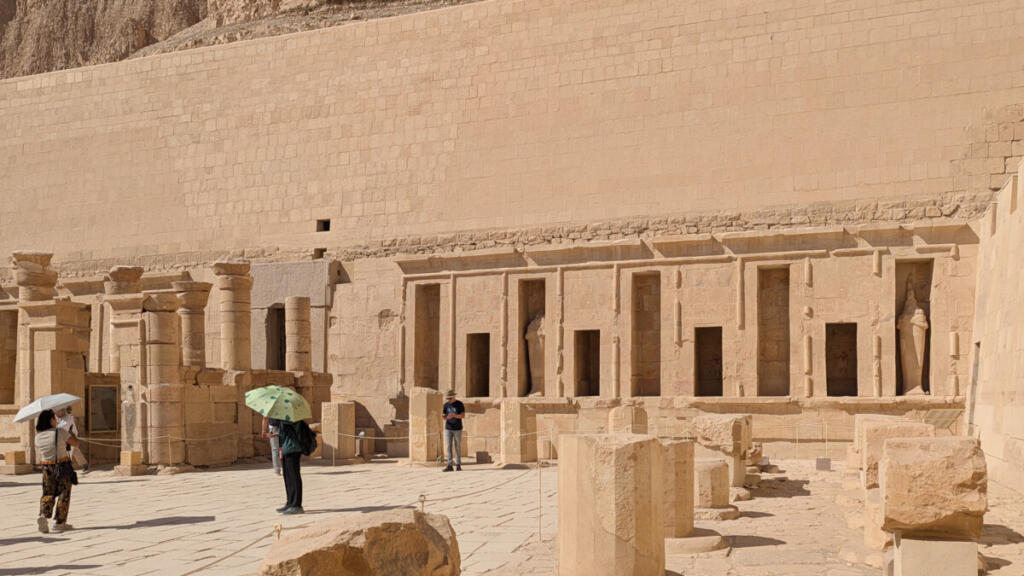
Set against the golden cliffs of Deir el-Bahari, Queen Hatshepsut’s funerary temple stands like a work of avant-garde architecture in the heart of the Theban desert.
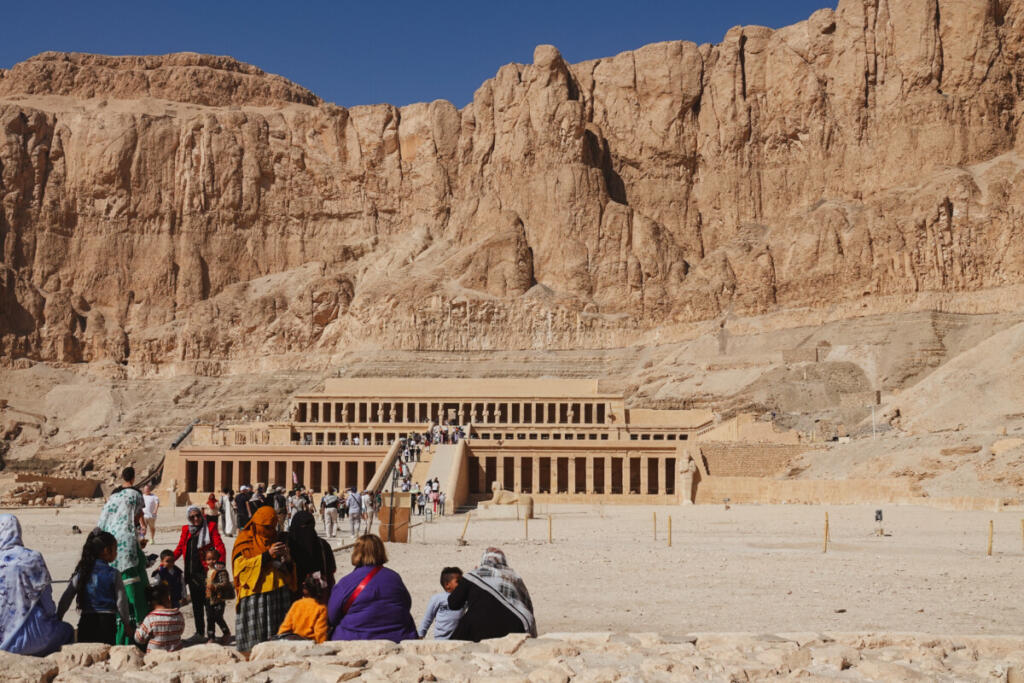
Built in the 15th century B.C., during the 18th Dynasty, it pays homage to Hatshepsut, one of the few female pharaohs to rule Egypt in an era of stability and great trading expeditions. Built on three monumental terraces linked by ramps, the temple seems almost to rise out of the rock, in perfect harmony with the landscape.
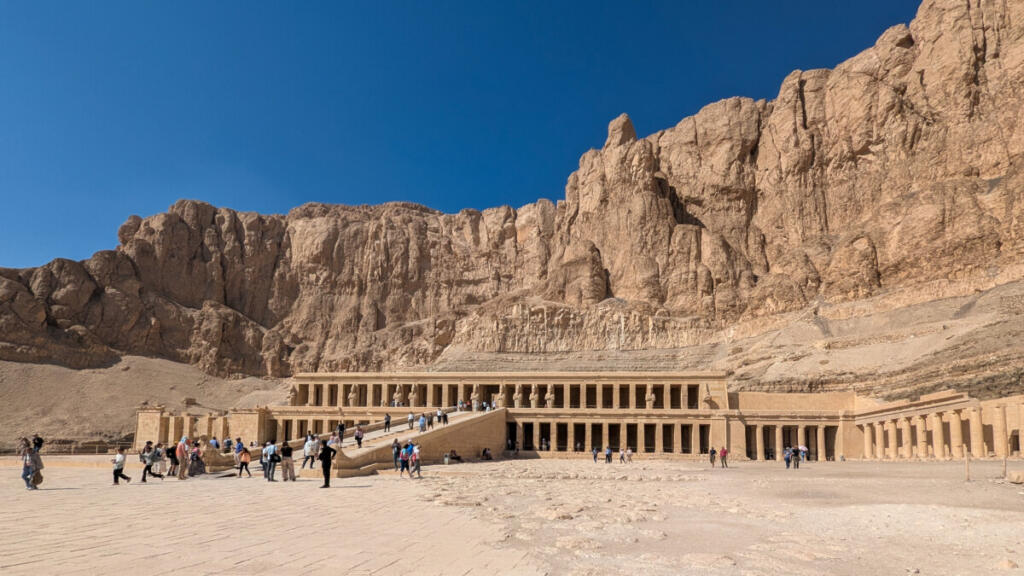
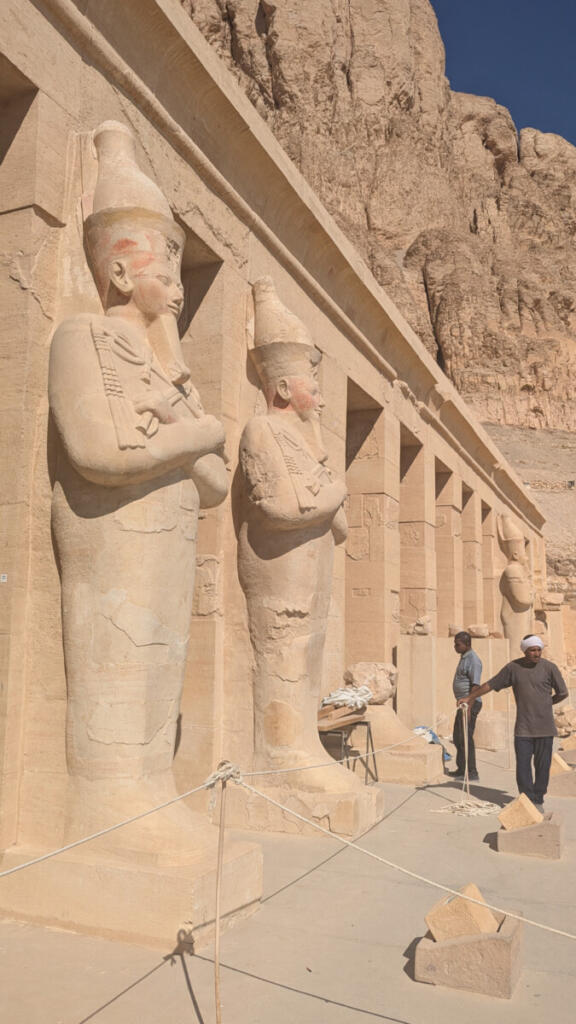
It was designed by Senenmout, the queen’s favorite architect, who infused it with a unique elegance: slender columns, play of light and shadow, remarkable symmetry. The bas-reliefs tell the divine story of Hatshepsutt’s birth and his expedition to the land of Punt, an exceptional maritime adventure illustrating the wealth and influence of his reign.
Although partly damaged over the centuries, the site retains a strong symbolic presence. Its minimalist, almost modern aesthetic makes it a striking place – both sober and powerful.
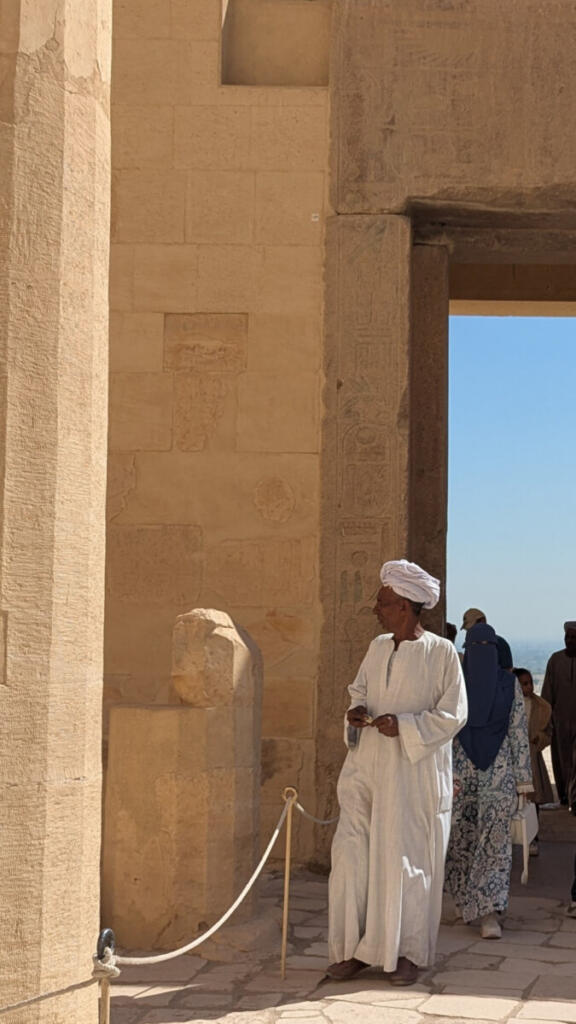
Luxor is a destination that invites you on a fascinating journey to the heart of ancient Egypt. Its majestic temples, mysterious tombs and rich historical heritage offer a unique immersion in a grandiose past, enhanced by the magical setting of the Nile.
If you’d like to discover Luxor as part of a tailor-made trip, contact us for a personalized, no-obligation quote, or discover our 8-day Egypt, Land of the Pharaohs itinerary, starting at €3,000 per person, based on a group of 4 travelers.