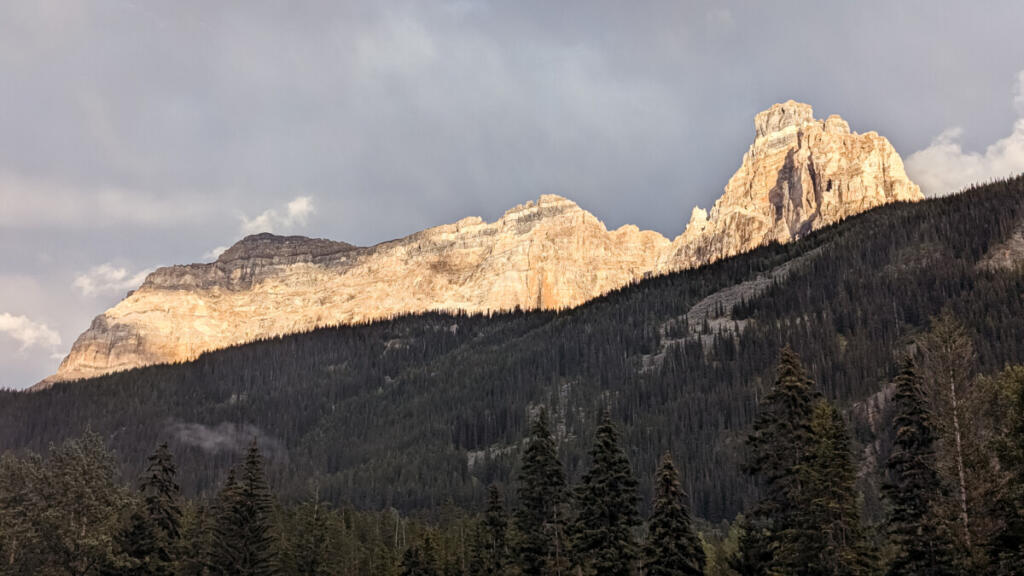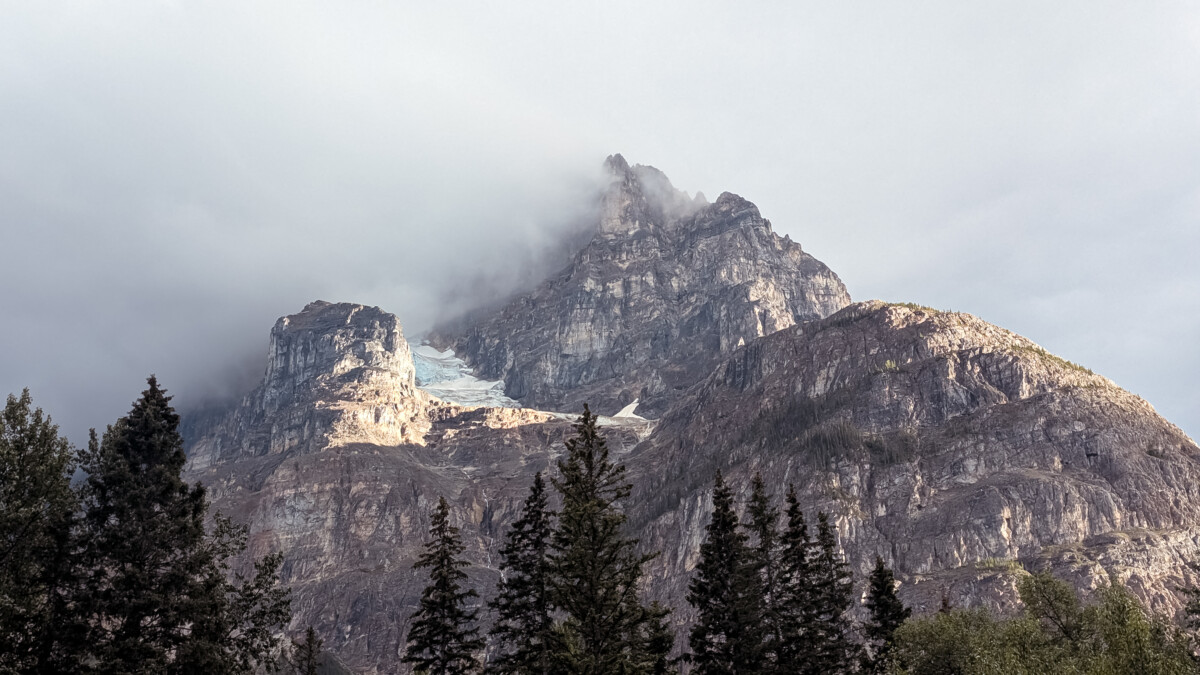
Yoho National Park in British Columbia is one of the most spectacular treasures in the Canadian Rockies. Lesser-visited than Banff or Jasper, its emerald-green lakes, impressive waterfalls and high-mountain landscapes make it a real attraction. Listed as a UNESCO World Heritage Site, it’s an ideal stop-off point for exploring the Rockies in a more unspoilt environment.
Yoho National Park at a glance
Created in 1886, Yoho National Park covers over 1300km² of forests, mountains and glaciers in the heart of the Canadian Rockies. Its name comes from a Cree First Nations word for wonder – a reaction that its landscapes still provoke today.
Less visited than Banff or Jasper, Yoho stands out for its concentration of natural wonders in a relatively compact area. It boasts some of Canada’s most photogenic lakes, such as
When it comes to wildlife, Yoho is home to many iconic Rocky Mountain animals: moose, elk, deer, black and grizzly bears, as well as mountain goats and bighorn sheep in the steeper areas. Wildlife viewing is an integral part of the experience, as long as you keep your distance and follow the safety instructions.
How do I get to Yoho National Park?
Yoho National Park is crossed by the Trans-Canada Highway (Route 1), making it easily accessible by car or motorhome.
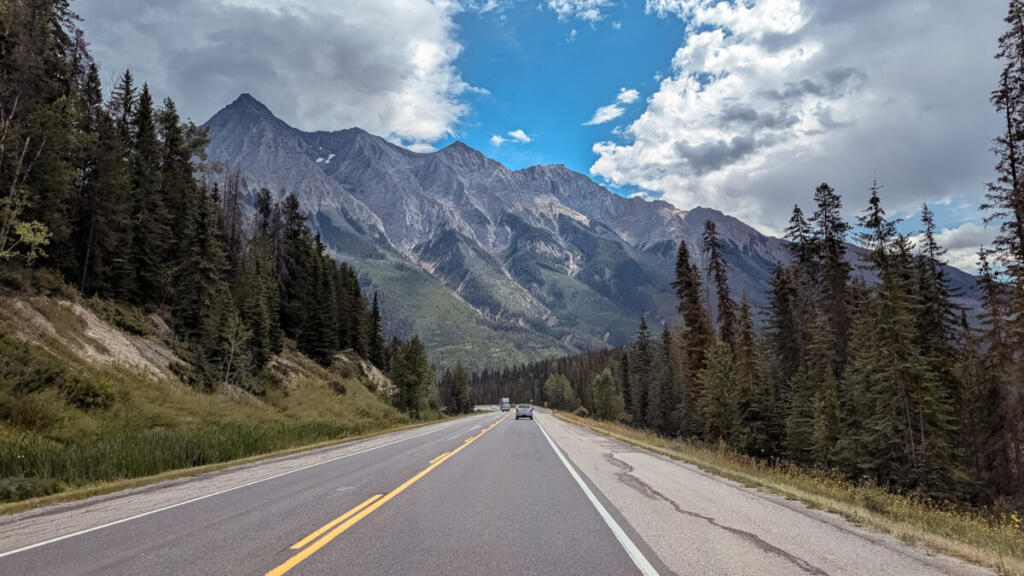
From Banff, the entrance to Yoho is about 80 km, or an hour’s drive west. The route takes you along the Trans-Canada Highway, making it possible to combine the visit with Lake Louise and Moraine Lake, located just before Yoho, in neighbouring Banff Park.
From Jasper, access is via the spectacular Icefields Parkway (Highway 93), one of the world’s most scenic drives. The 230 km journey from Jasper to Field, the small town at the heart of Yoho, takes around 3 hrs 30 min. The route passes through Jasper and Banff National Parks, offering panoramic views of glaciers and turquoise lakes.
Finally, from Kootenay National Park, the southern entrance to Yoho can be reached after 170 km and around two hours’ drive via Radium Hot Springs and Golden.
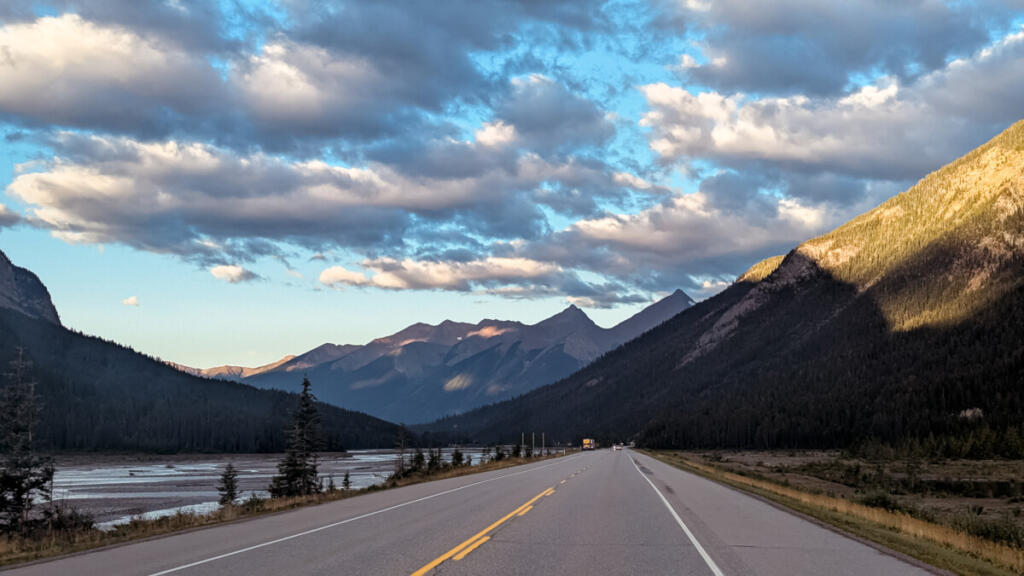
Along the way, there are several stops worth mentioning, even without stopping. The town of
Where to stay in Yoho?
Kicking Horse Campground is the park’s main camping option. Conveniently located, it offers quick access to trails and major sites. Spacious, shaded sites are in high demand, so book several months in advance.
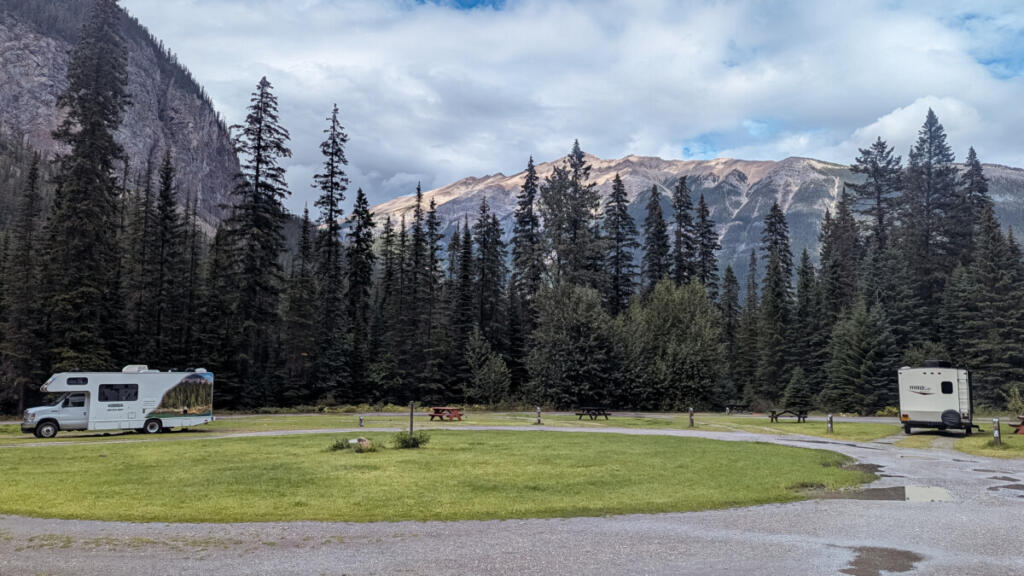
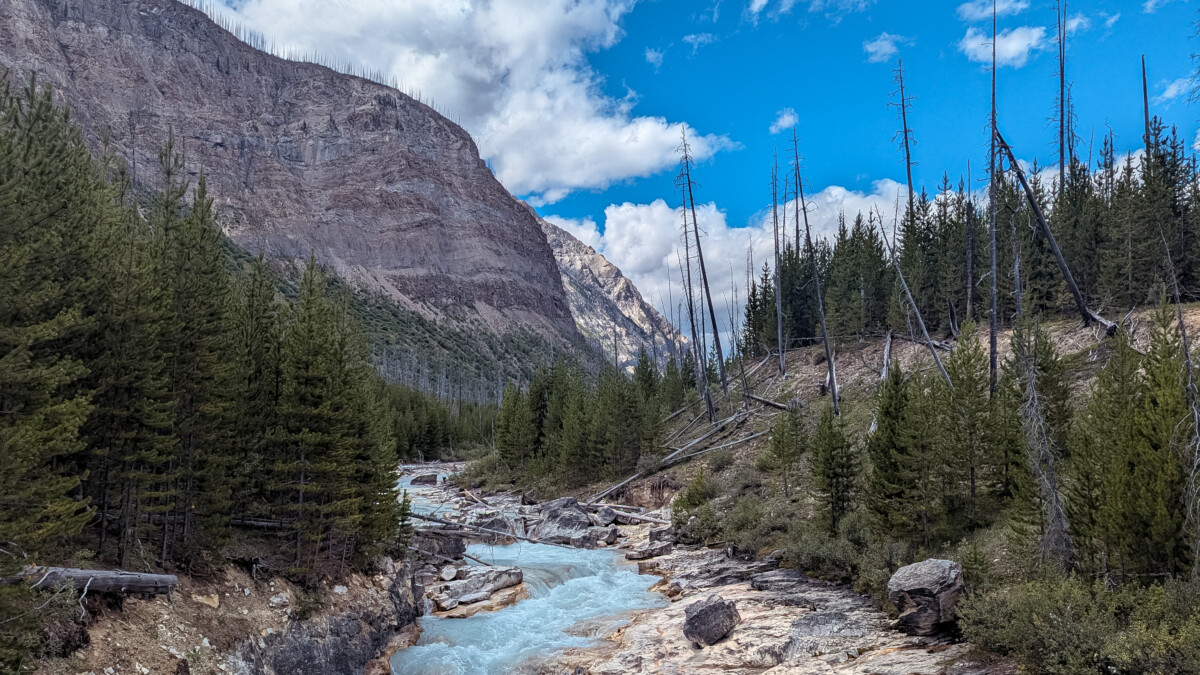
The surrounding scenery is an integral part of the experience. On one side, the milky waters of the Kicking Horse River flow down from the glaciers; on the other, the mountains provide a spectacular backdrop from the moment you step out of your tent or camper van.
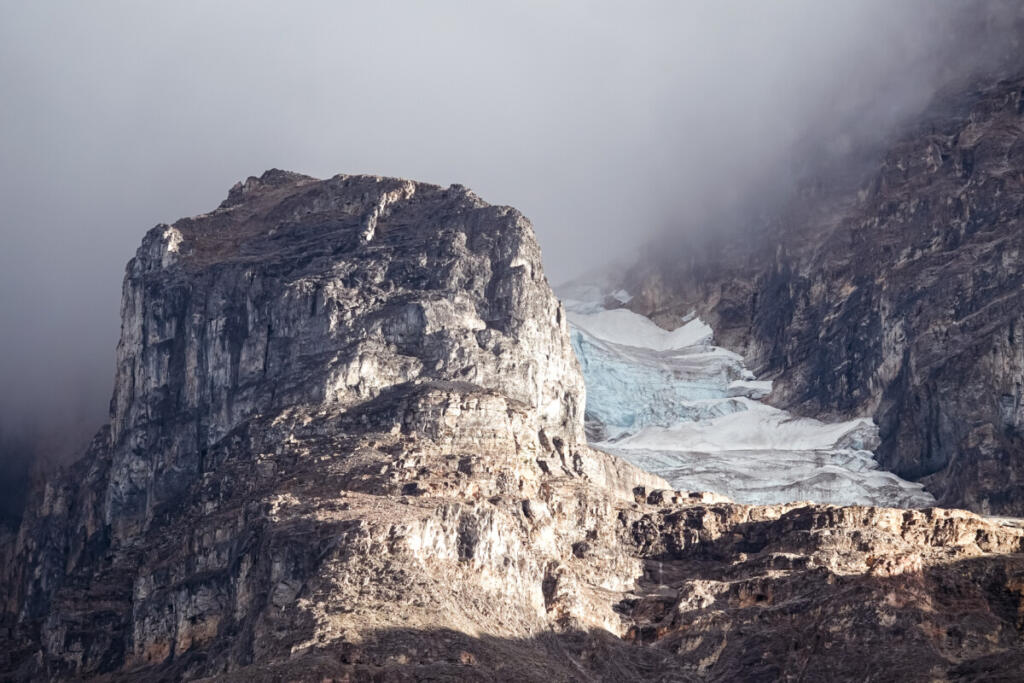
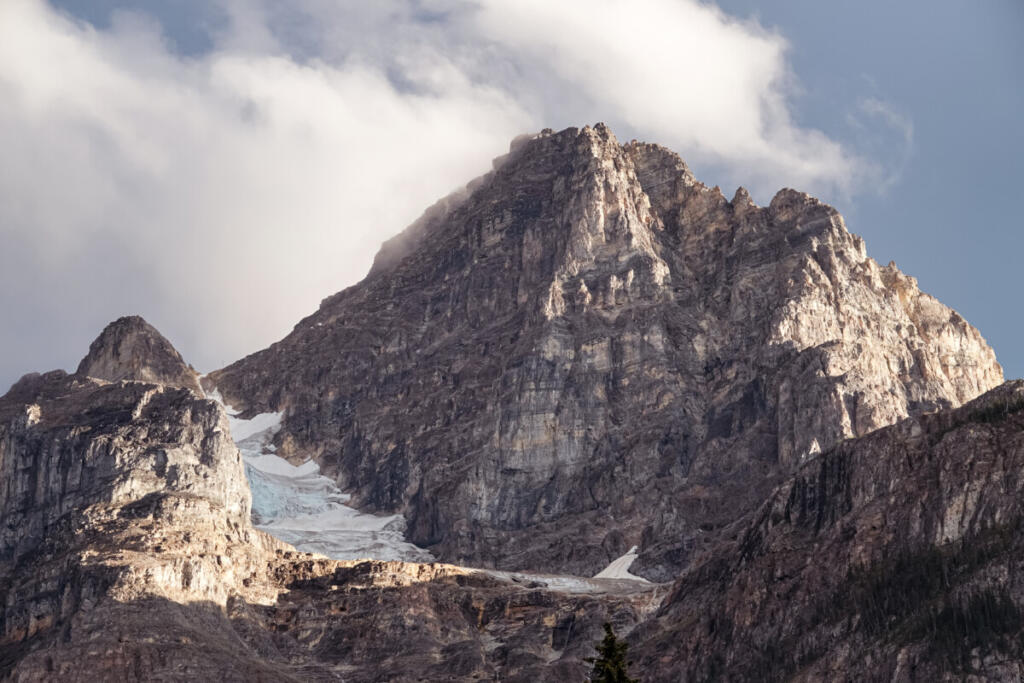
The small town of Field, nestled in the Kicking Horse Valley, offers an alternative with a few inns and lodges. Its modest size and tranquil ambience make it a pleasant base for exploring Yoho within easy reach of the trails.
What to see and do in Yoho?
Field
The village of Field is the inhabited heart of Yoho Park. With its tranquil atmosphere and colourful houses nestled in the Kicking Horse Valley, it offers a pleasant base from which to explore the region. There are a number of restaurants, cafés and small inns, as well as a Parks Canada Visitor Centre for information on hiking and road conditions. Its modest size contrasts sharply with Banff, contributing to its charm and serenity.
Natural Bridge
A few kilometers from Field, the Natural Bridge is a rocky arch formed by the Kicking Horse River, which rushes under the natural bridge with force and crash. Easily accessible from the road, this site perfectly illustrates the power of erosion and makes an interesting stopover before continuing on to Emerald Lake.
The spiral tunnels lookout
On the slopes of Yoho, the spiral tunnels lookout offers a unique feat of railway engineering. To negotiate the steep gradient, trains travel through long spiral tunnels cut into the mountain. The spectacle is impressive when a freight train several hundred meters long enters the spirals and seems to cross itself as it exits the tunnel.
Emerald Lake
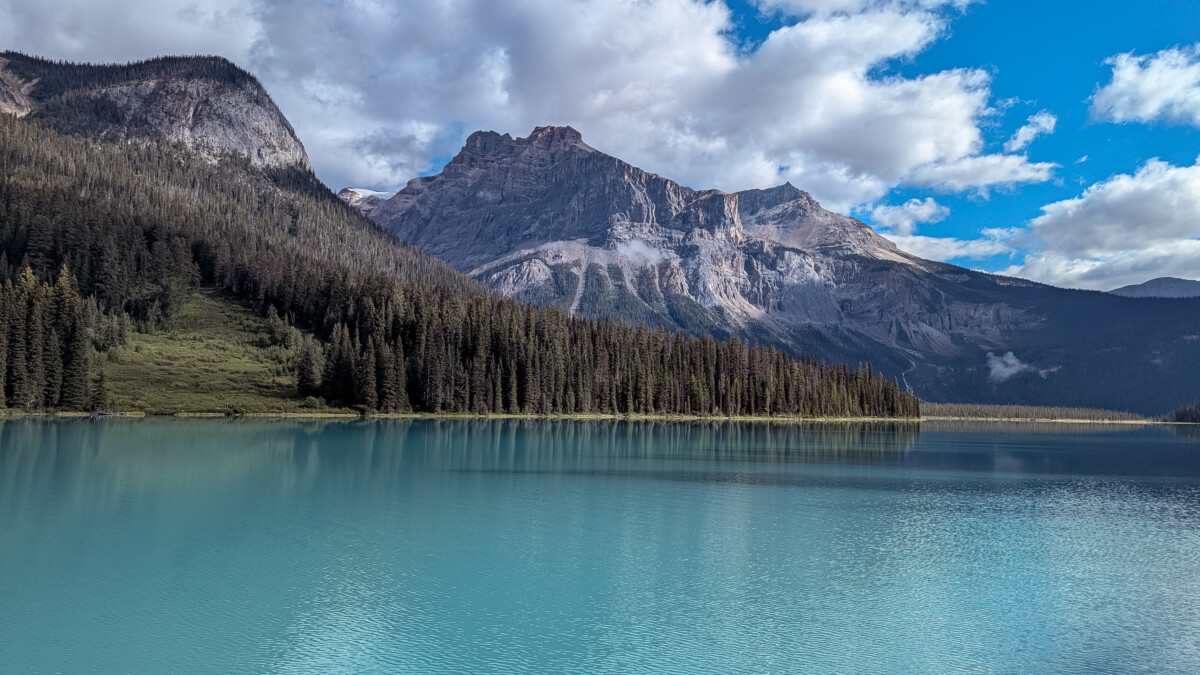
A true icon of Yoho National Park, Emerald Lake owes its name to the intense color of its waters, which vary from emerald green to turquoise depending on the light. Surrounded by mountains and forests, it offers a picture-postcard setting accessible in all seasons. The trail around the lake (5 km, approx. 2 hrs.) is easy and offers a multitude of viewpoints. In winter, the site is transformed into an icy landscape for cross-country skiing. Emerald Lake is one of those places that’s well worth taking the time to visit, so photogenic and ever-changing is it throughout the day.
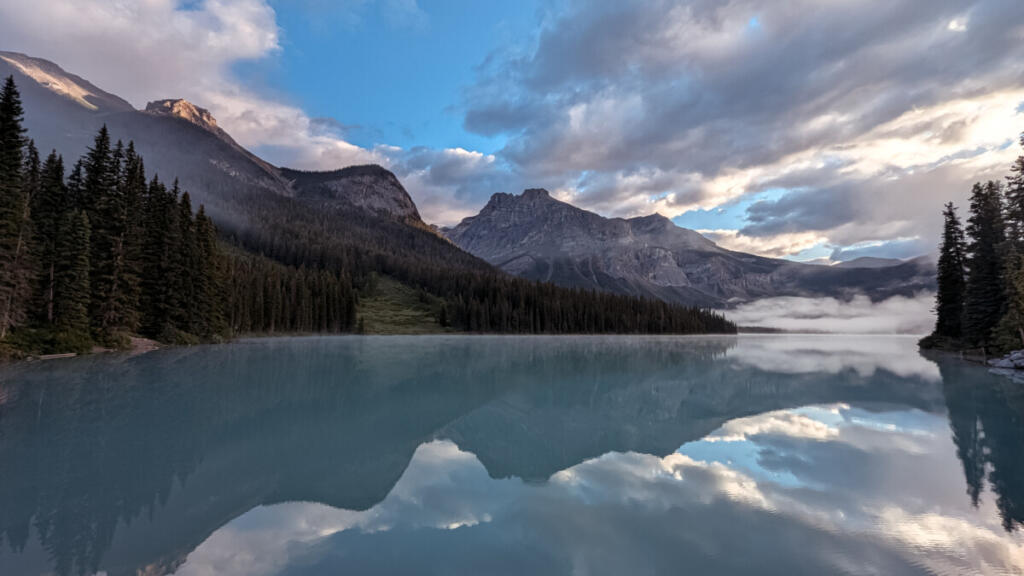
➜ Read more about Emerald Lake here.
Takakkaw Falls
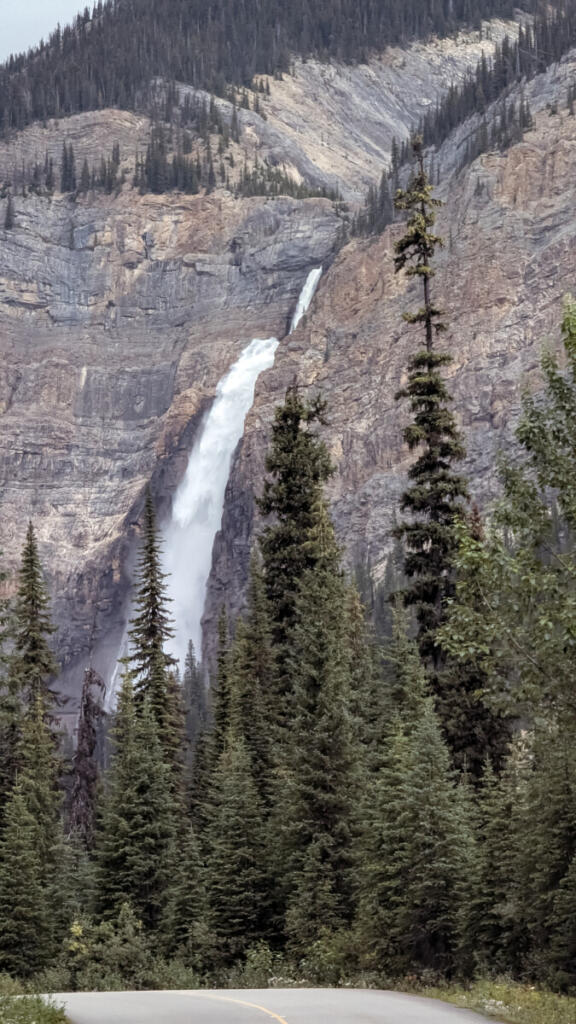
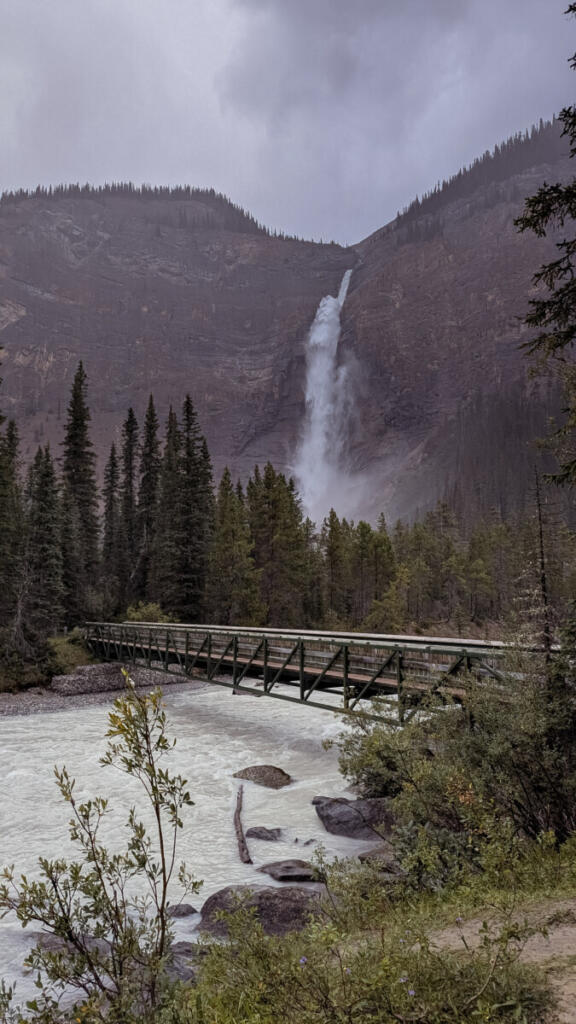
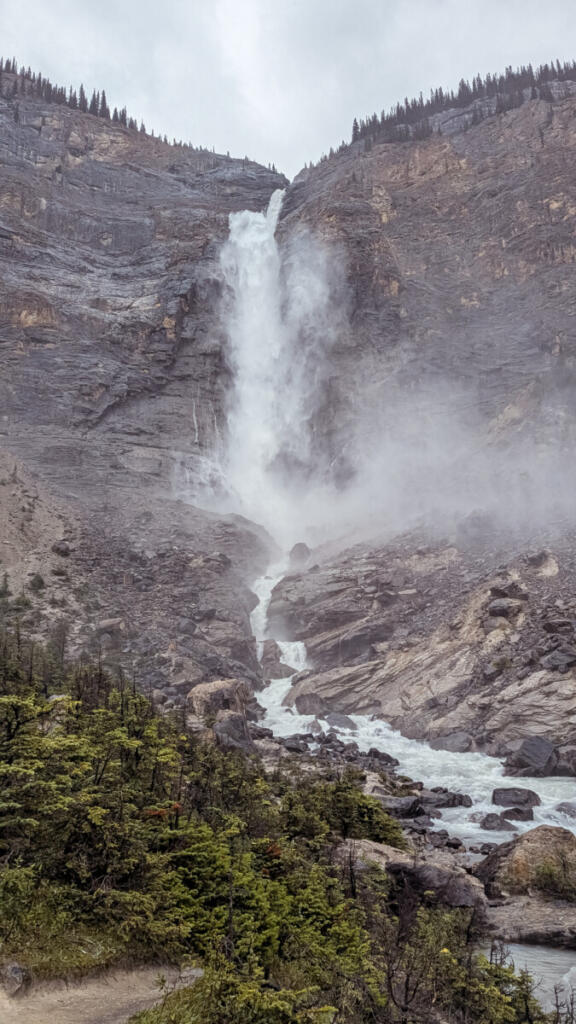
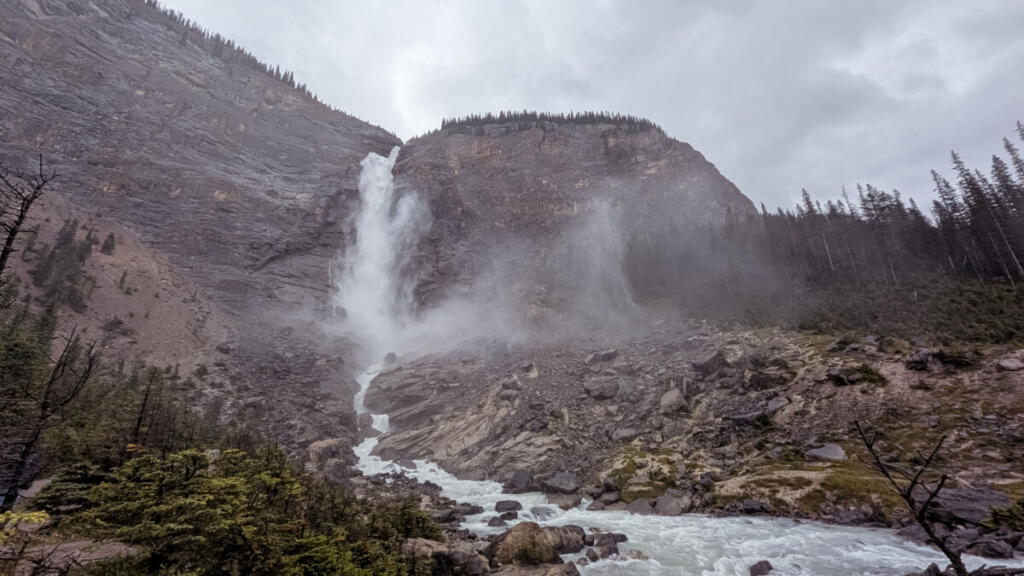
With a total height of 380 metres, including a main drop of 254 metres, Takakkaw Falls is one of Canada’s most spectacular waterfalls. The name, derived from the Cree language, means “magnificent”, and the site truly lives up to its name. The road leading to the falls winds through the mountains and offers beautiful panoramic views, but it’s at the foot of the falls that you feel the full power of the water. Accessible by a short walk, the site is ideal for a quick visit, even on rainy days when the mist accentuates the impression of grandeur.
Lakes O’Hara and McArthur
Considered to be the jewels of the Rockies, O’Hara and McArthur lakes captivate visitors with their intense turquoise hues and unspoiled environment. Access to the lakes is strictly regulated to protect the fragile ecosystem: you have to win a place in a draw organized by Parks Canada to take the shuttle bus. Those who manage to get there discover some of Yoho’s most exceptional scenery, where every viewpoint seems unreal.
Hiking and walking in Yoho
Trail along the Kicking Horse River
From the Kicking Horse Campground, several trails lead directly to the river and offer a beautiful stroll along its banks. The
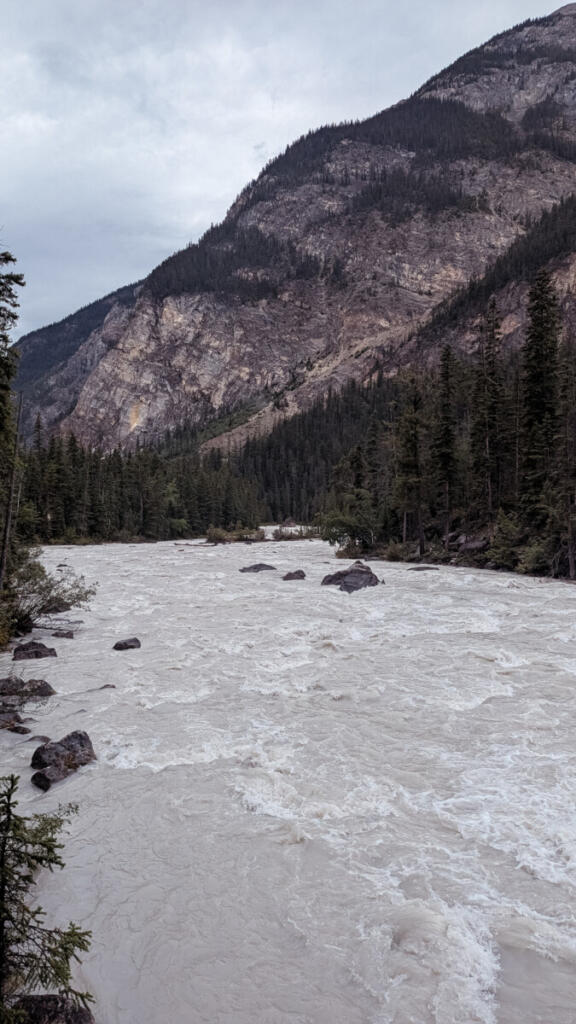
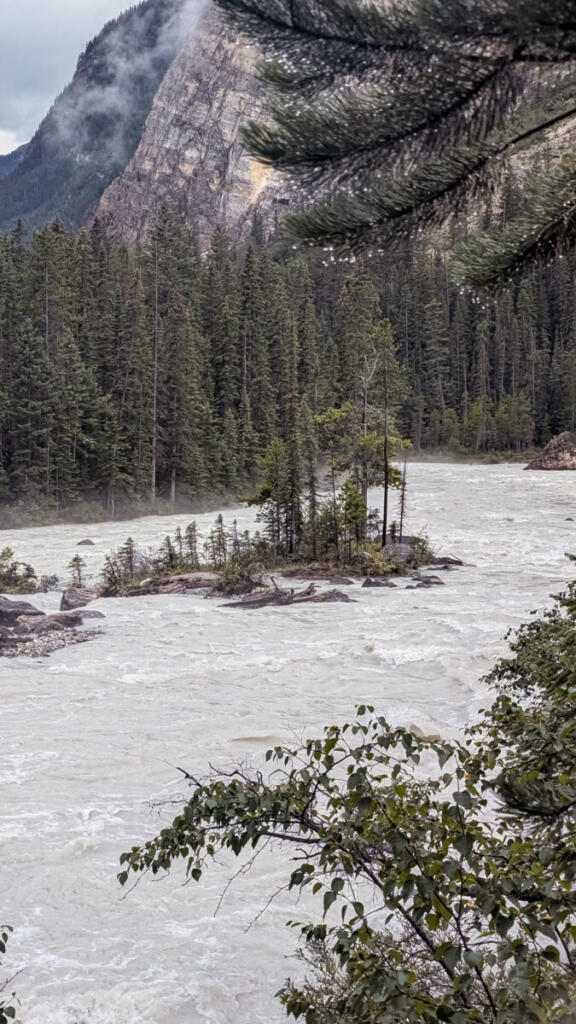
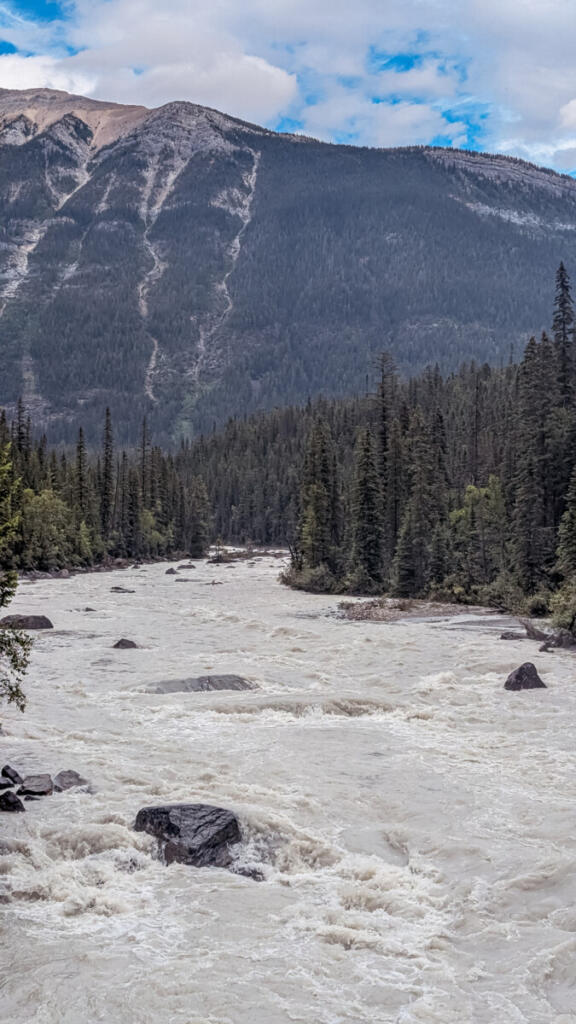
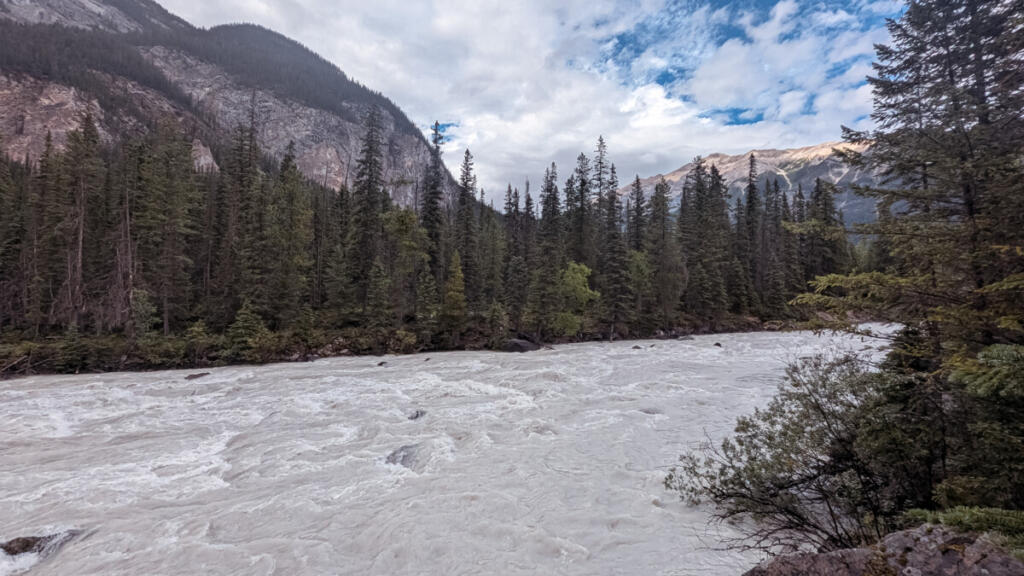
This part of the park is also renowned for its wildlife. The area is home to numerous black and grizzly bears, and it’s not uncommon to come across tracks along the shoreline. A footprint in the sand is a reminder of Yoho’s rich wilderness and the importance of staying vigilant. This accessible hike, departing from the campground, is the perfect end-of-day experience.
Emerald Lake Trail
Around Emerald Lake, an easy 5 km loop lets you enjoy this unique setting from every angle. It’s one of the most accessible hikes in the park, perfect for a first immersion.
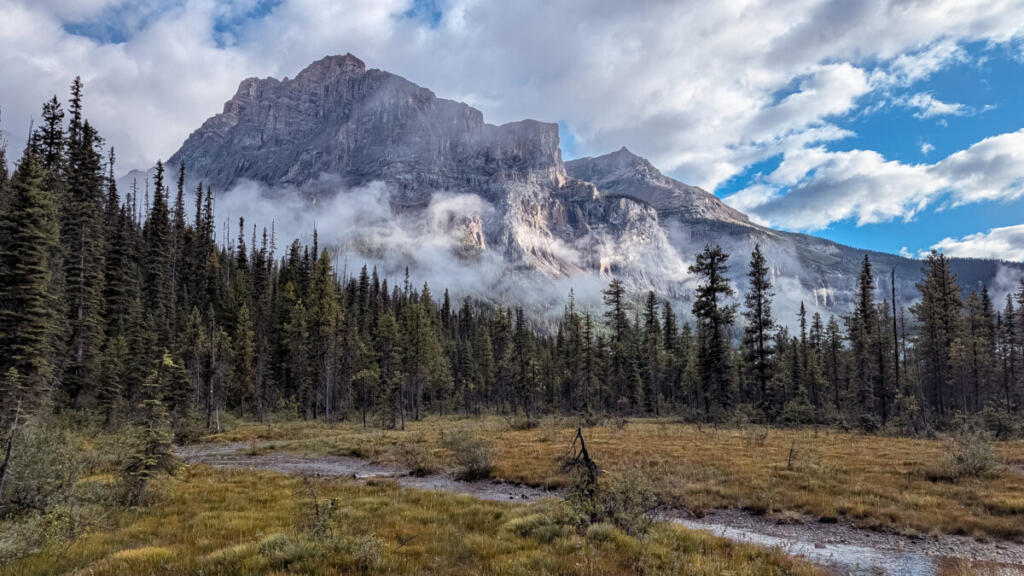
Takakkaw Falls Trail
From the parking lot, a short trail leads to the foot of Takakkaw Falls. It’s a quick but impressive stroll, giving you the full measure of the waterfall’s power.
Sherbrooke Lake Trail
The Lake Sherbrooke Trail is an easy hike, ideal for escaping the crowds at Emerald Lake. The walk leads to a peaceful lake, surrounded by mountains and forests, perfect for a picnic or a quiet break.
Iceline Trail
This is one of Yoho’s most iconic hikes. The Iceline Trail traverses a spectacular backdrop of glaciers, valleys and rock faces. More demanding, it’s for experienced hikers, but the reward lies in the grandiose panoramas along the way.
Triangle Circuit via Burgess Pass
This more technical trail links several valleys and offers a diversity of landscapes, from forests to unobstructed views of the surrounding peaks. It’s an ideal option for those wishing to devote a full day to hiking.
How many days in Yoho?
Two to three days are enough to explore major sites such as Emerald Lake, Takakkaw Falls and the Natural Bridge. Hiking enthusiasts will benefit from staying four days, to take advantage of longer trails like the Iceline Trail and explore the park at a more leisurely pace.
Practical tips for visiting Yoho
Although less popular than Banff, Yoho Park is very busy in summer. It’s essential to book campsites and accommodation several months in advance.
The road to Takakkaw Falls has some tight hairpin bends that are difficult for large vehicles, so it’s best to find out before you set off.
Access to O’Hara Lakes is limited, so careful planning is required. With no shuttle, the only option is an 11 km walk along a forest road, which requires good physical condition.
Finally, as throughout the Rocky Mountains, leaving early avoids crowds and provides the best light for photography.