Kootenay National Park in British Columbia offers a unique experience in the heart of the Canadian Rockies. Less frequented than Banff or Jasper, its contrasting landscapes are seductive: narrow canyons, powerful waterfalls, natural hot springs and glaciers accessible by hikers. Classified as a UNESCO World Heritage Site, it is a lesser-known stop on the classic itineraries, but offers an authentic and soothing alternative for discovering the Rockies.
How do I get to Kootenay National Park?
From Banff, Kootenay National Park is easily reached via the Trans-Canada Highway and Highway 93 South. The drive from Banff to Radium Hot Springs, the park’s gateway, covers approximately 145 kilometers and takes 1 hr 45 min.
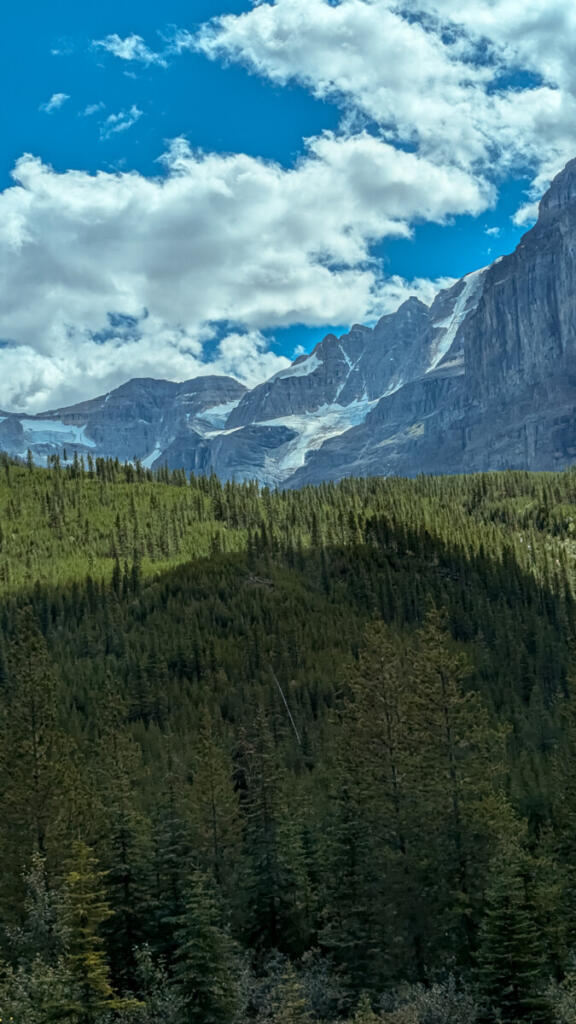
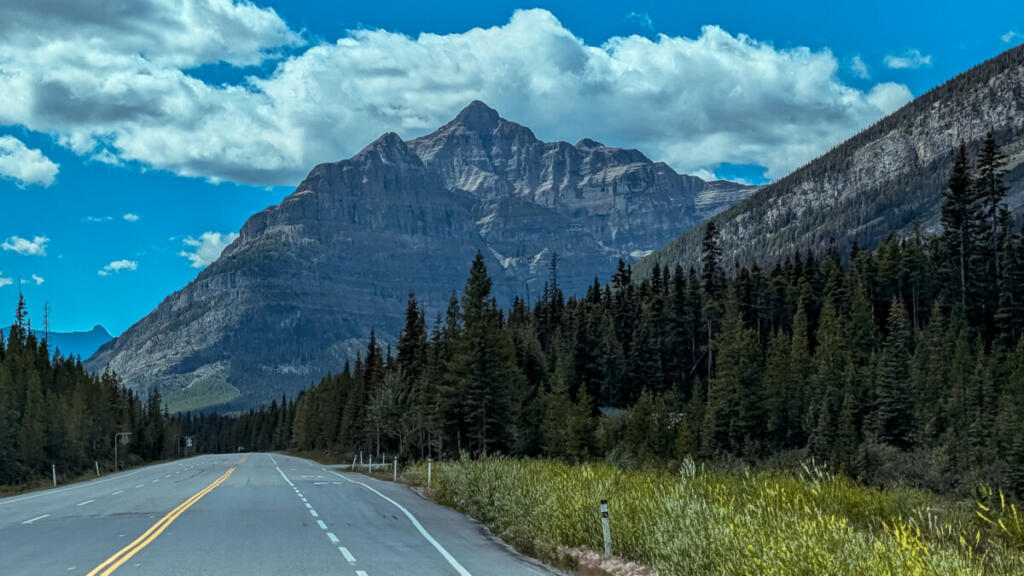
The road itself is part of the experience: from the very first kilometers, several stops allow you to explore spectacular sites.
About 30 km from Banff, the Johnston Canyon hike (11 km round trip, approx. 3 hrs.) leads to two impressive waterfalls and a lookout point.
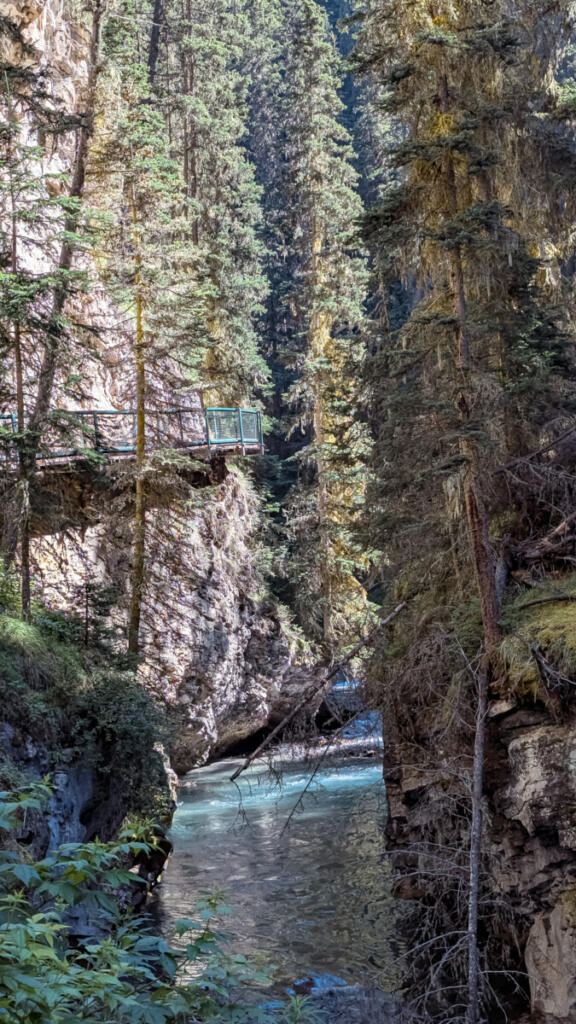
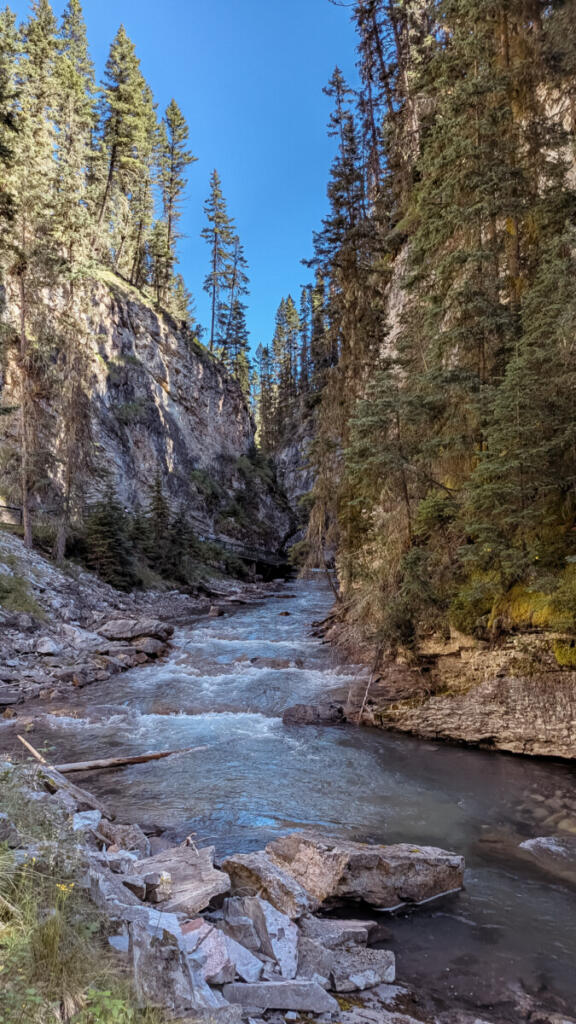
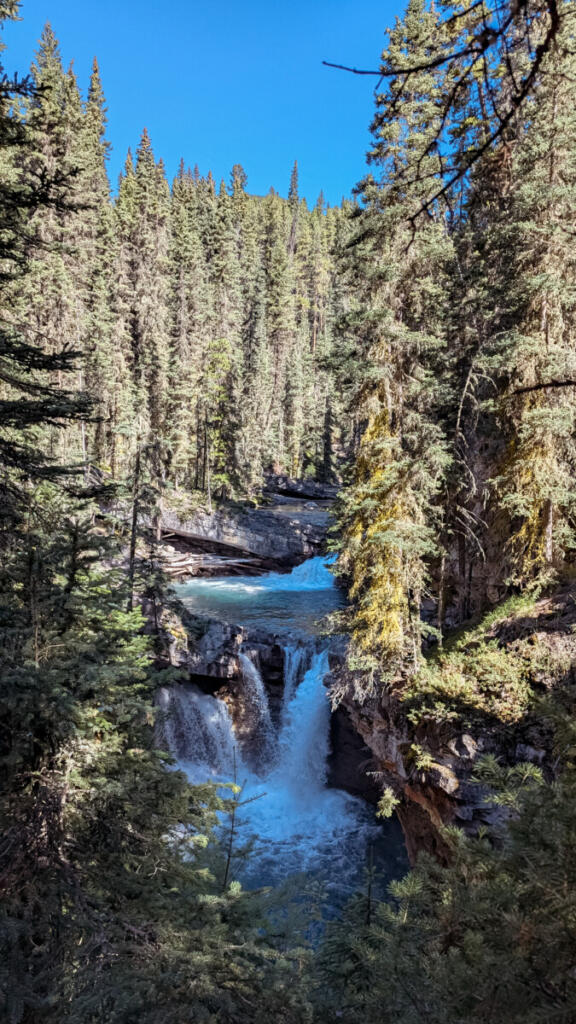
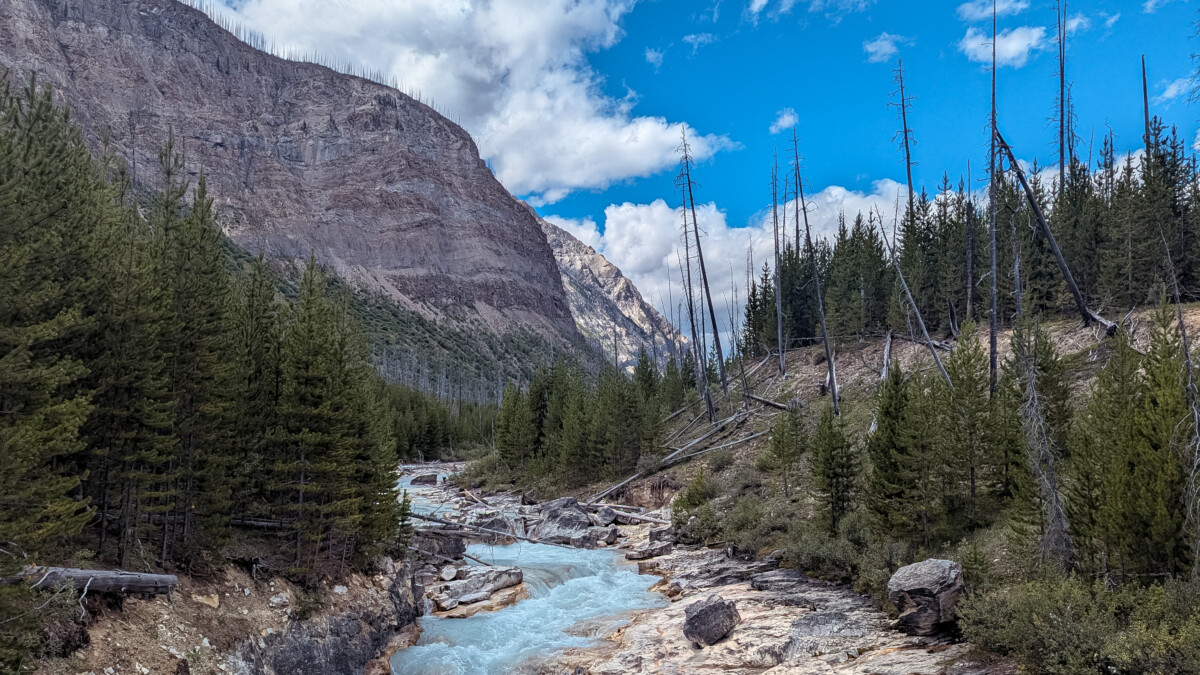
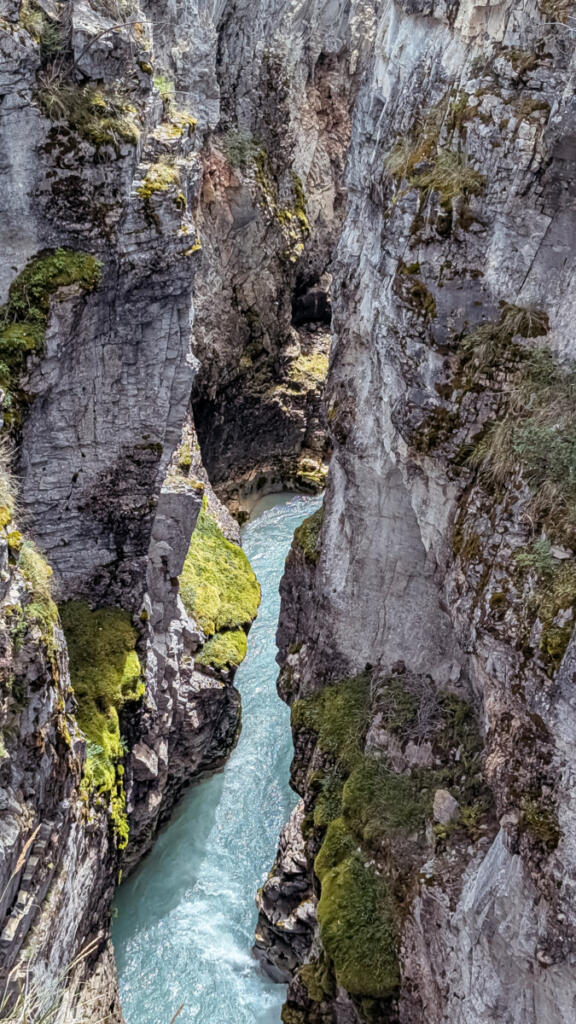
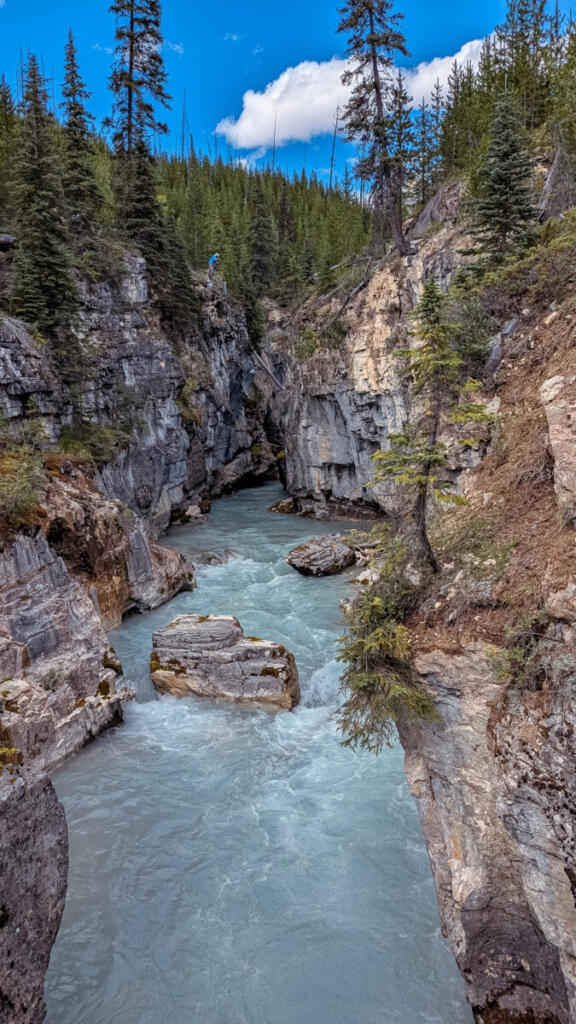
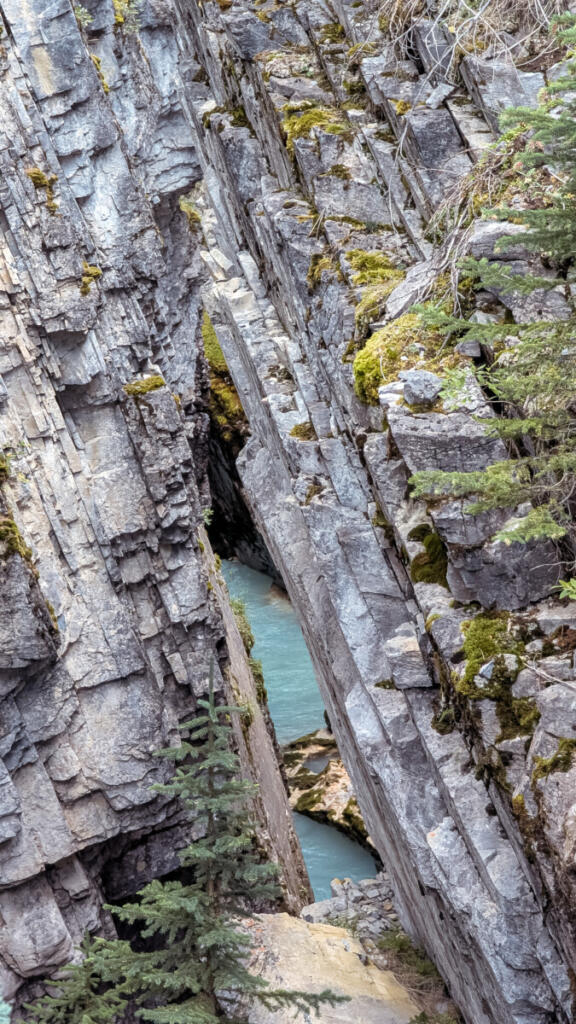
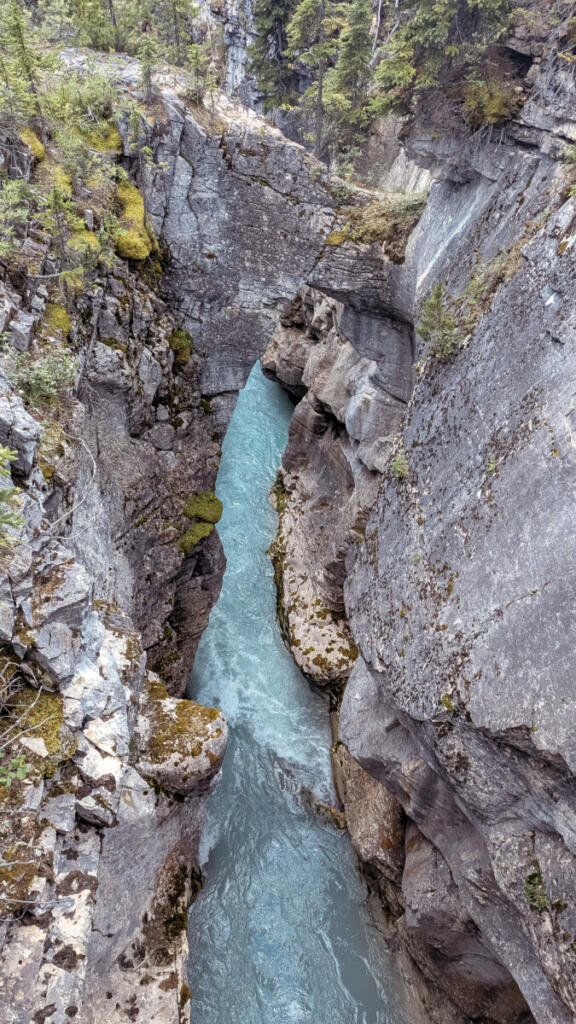
Further on, at Marble Canyon (2 km round trip, 30 min), footbridges offer a bird’s-eye view of a narrow canyon with turquoise waters.
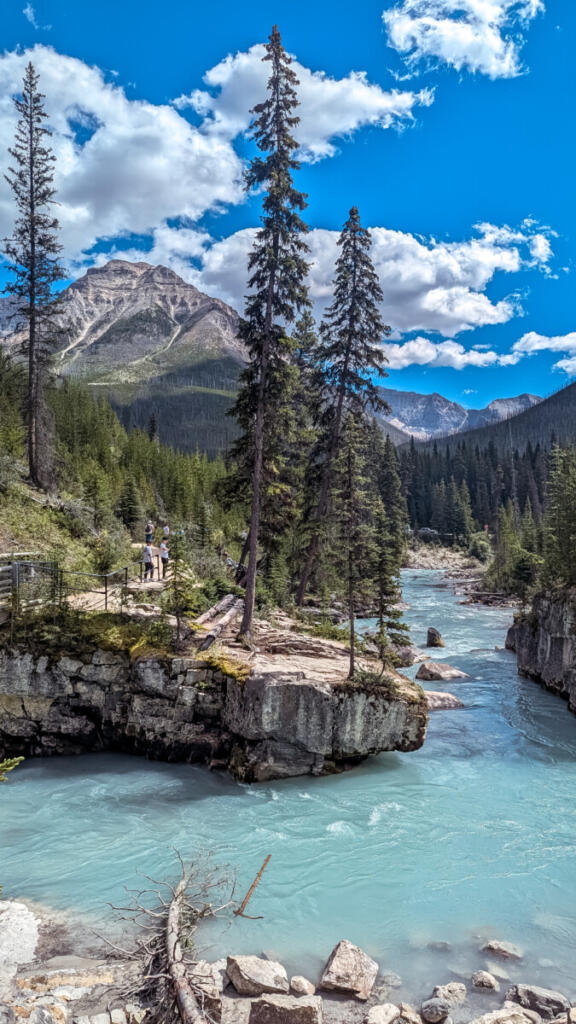
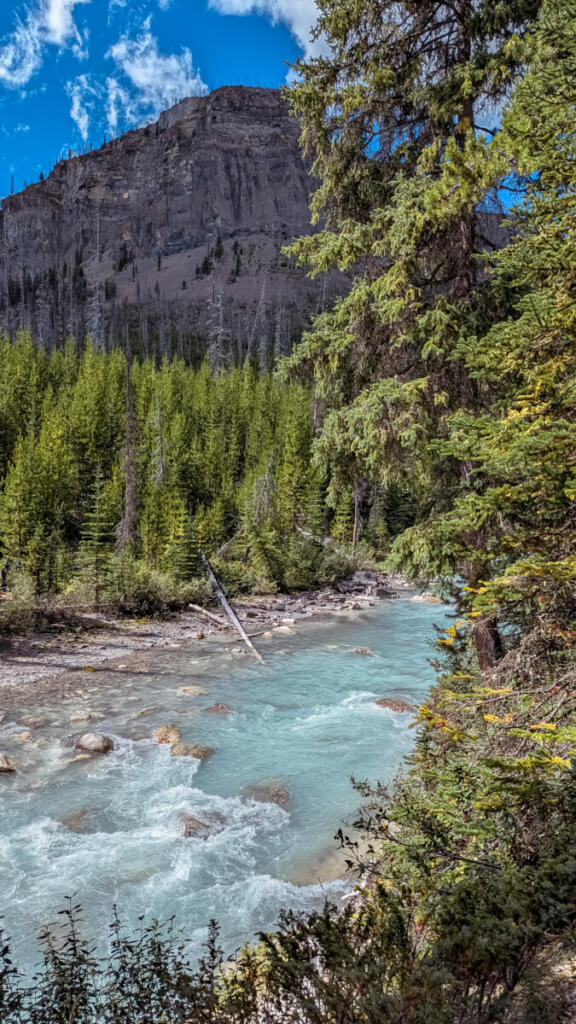
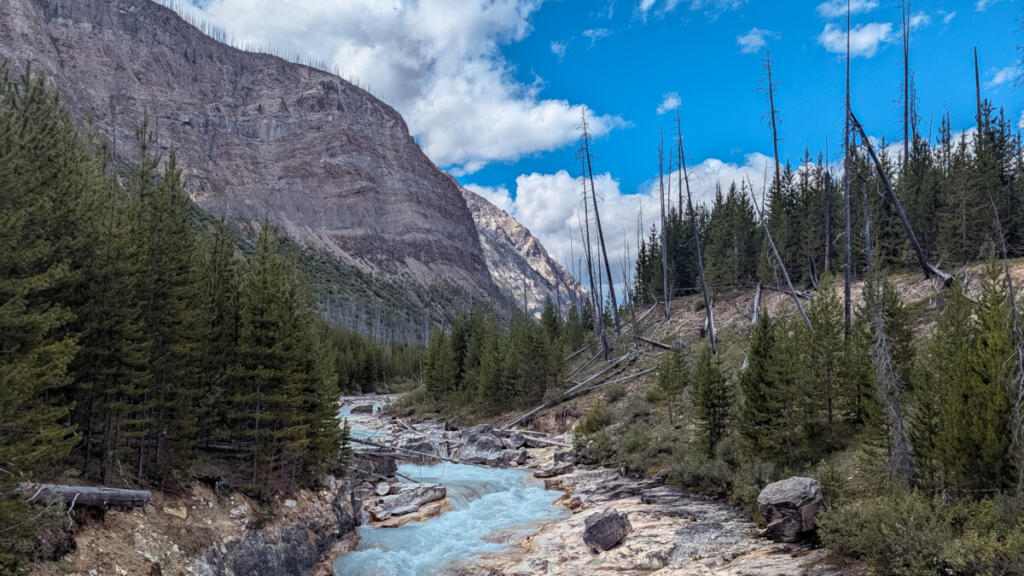
Just ten kilometers further on, Numa Falls is a must-see, with a waterfall accessible directly from the road.
This route is a real introduction to the park: in less than two hours, it alternates accessible rides and grandiose panoramas before you even reach your destination.
Where to stay in Kootenay?
The most convenient option for staying in the park is Redstreak Campground, located near Radium Hot Springs. Nestled on a plateau, it offers beautiful mountain views and direct access to several hiking trails, including the Redstreak Campground Trail and the Juniper Trail. Campsites are spacious, and the site is renowned for its deer and bighorn sheep, which regularly venture close to campers.
For those who prefer more comfortable accommodation, the small town of Radium Hot Springs offers hotels, motels and log cabins, all within easy reach of the park’s main attractions.
What to see and do in Kootenay?
Kootenay Park stands out for the diversity of its landscapes and the richness of its natural sites.
- Radium Hot Springs: natural hot springs, perfect for relaxing after a day’s hiking.
- Canyon Sinclair: an impressive narrow canyon, accessible directly from the park entrance.
- Dutch Creek Hoodoos: spectacular rock formations, accessible via a trail overlooking the Columbia Valley.
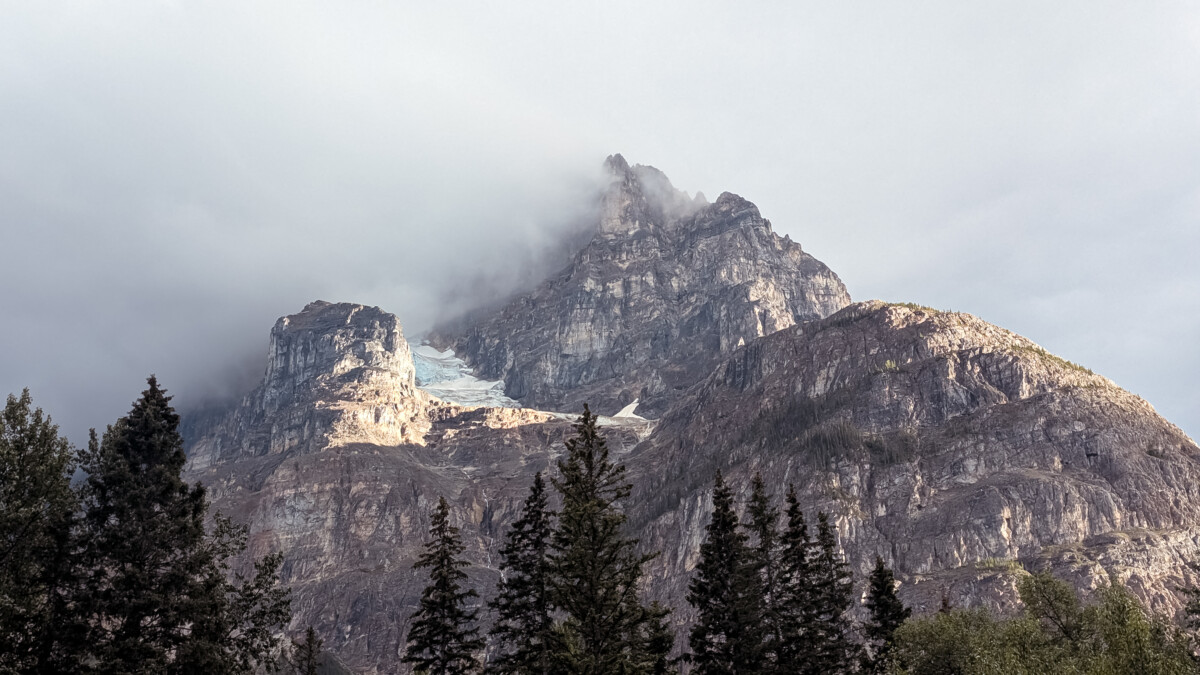
- Stanley Glacier: an emblematic 8 km hike (approx. 3 hrs) that leads to the foot of a glacier and crosses a landscape marked by past fires, now recolonized by vegetation.
Kootenay is also a great place to explore for those who want a variety of experiences: mountain panoramas, narrow gorges, forests and meadows, with fewer visitors than in neighboring parks.
Explore Radium Hot Springs and its immediate surroundings
The small town of Radium Hot Springs is the heart of local life around the park. Its relaxed atmosphere contrasts with the more lively Banff. There are plenty of restaurants, cafés and small boutiques to round off your stay.
The hot springs are the star attraction: they offer a unique outdoor experience, with pools surrounded by mountains. Very popular with travelers, they represent a relaxing interlude in an itinerary often marked by hiking and long roads.
Nearby Sinclair Canyon is easy to visit and offers a perfect introduction to the region’s geology.
Hiking and walking in Kootenay
Kootenay National Park offers a network of trails for all abilities.
- The Redstreak Campground Trail links the campground directly to Radium Hot Springs, passing through a forest where animal sightings are not uncommon.
- The Juniper Trail, combined in a loop with the Redstreak Trail, offers beautiful views over the valley and leads all the way to Sinclair Creek Falls.
- The Stanley Glacier Trail is undoubtedly one of the park’s most memorable hikes. At 8 km long, it passes through fire-scorched landscapes, dotted with wildflowers and waterfalls, before leading to a towering glacier.
- The shorter Canyon Sinclair Trail allows you to walk along the steep walls and get a close-up view of this impressive canyon.
- Finally, the Dutch Creek Hoodoos offer an unusual hike among eroded rock formations overlooking the valley.
Each of these trails allows you to explore a different aspect of the park and understand what makes Kootenay so rich: a raw and varied nature, far from the crowds of neighboring parks.
How many days can I stay in Kootenay?
A two- or three-day stay allows you to discover the highlights of Kootenay National Park, from iconic hikes to hot-spring relaxation and canyon exploration. For those who wish to go deeper, four or five days offer time to explore the more remote trails and vary experiences, while enjoying the park’s quiet, more intimate atmosphere.
Practical tips for visiting Kootenay
Kootenay National Park is less crowded than Banff or Jasper, but it’s still advisable to book campsites in advance, especially in high season. Redstreak Campground is particularly popular and fills up quickly.
Highway 93 crosses the park from one end to the other: it is scenic, but has winding sections and is subject to roadworks or fire closures. It is advisable to check conditions with Parks Canada before departure.
Wild animals are common in the region, especially mouflons and black bears: vigilance is essential, especially when hiking.
Finally, even if summer days are warm, evenings remain cool at altitude. Appropriate clothing is essential to make the most of your stay.
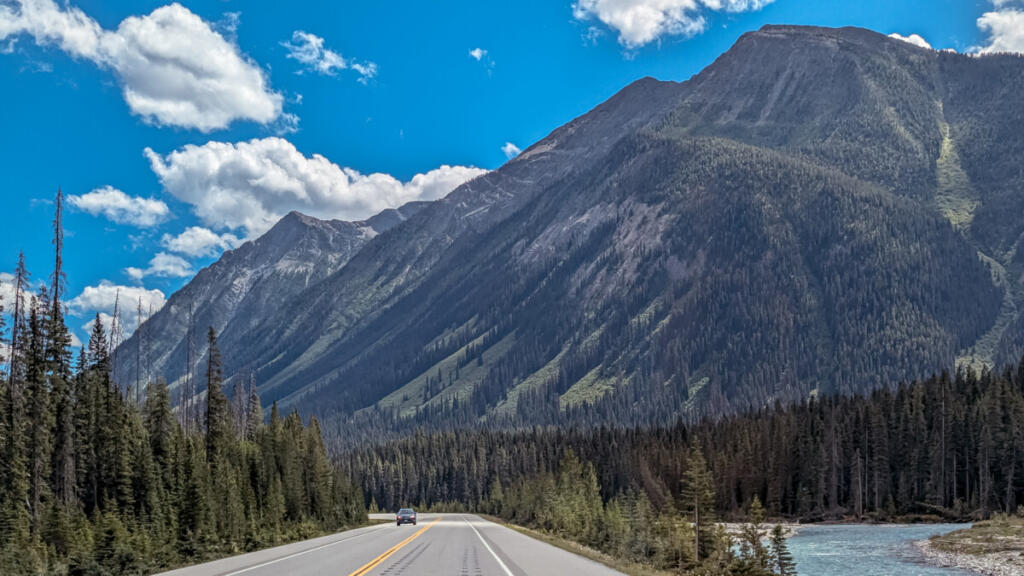
Kootenay National Park is an ideal base for exploring the Canadian Rockies. With its canyons, glaciers, hot springs and accessible hikes, it offers a varied and more peaceful experience than neighbouring parks. A natural interlude that enriches any itinerary between Banff, Yoho and Jasper.