When it comes to safaris in Africa, the same destinations come up again and again. Kenya, Tanzania, sometimes South Africa. Uganda, on the other hand, remains in the background, often summed up in a single image: that of mountain gorillas lurking in the forest. And yet, this East African country is one of the most complete for a true safari trip, varied, intense and profoundly authentic.
Choosing Uganda doesn’t mean giving up on the classic safari experience. On the contrary, it enriches it. Here, open savannahs rub shoulders with tropical forests, powerful rivers and immense lakes. In just a few days, you can move from plains populated by elephants to misty jungles where chimpanzees and gorillas live. The distances are reasonable, the parks uncrowded and the encounters often unforgettable.
Sommaire de l'article
- Uganda at a glance
- Why go on safari in Uganda?
- When to go on safari in Uganda?
- Getting around Uganda: an ideal country for a travelling safari
- How long does a safari in Uganda last?
- Which parks to choose for a safari in Uganda?
- Where to sleep on safari in Uganda?
- How much should you budget for a safari in Uganda?
- Combine safari and beach: a different Uganda
Uganda at a glance
Located in the heart of East Africa, Uganda borders Kenya to the east, South Sudan to the north, the Democratic Republic of Congo to the west, Rwanda to the southwest and Tanzania to the south. The country covers some 241,000 km², an area largely occupied by national parks, nature reserves and vast expanses of freshwater, including Lake Victoria, Africa’s largest lake, which marks part of its southern border.
The capital, Kampala, is a dynamic city set in the hills overlooking Lake Victoria, while nearby Entebbe is the country’s main international gateway. Today, Uganda has a population of almost 48 million. English and Swahili are the official languages, making it easy for travelers to communicate with each other.
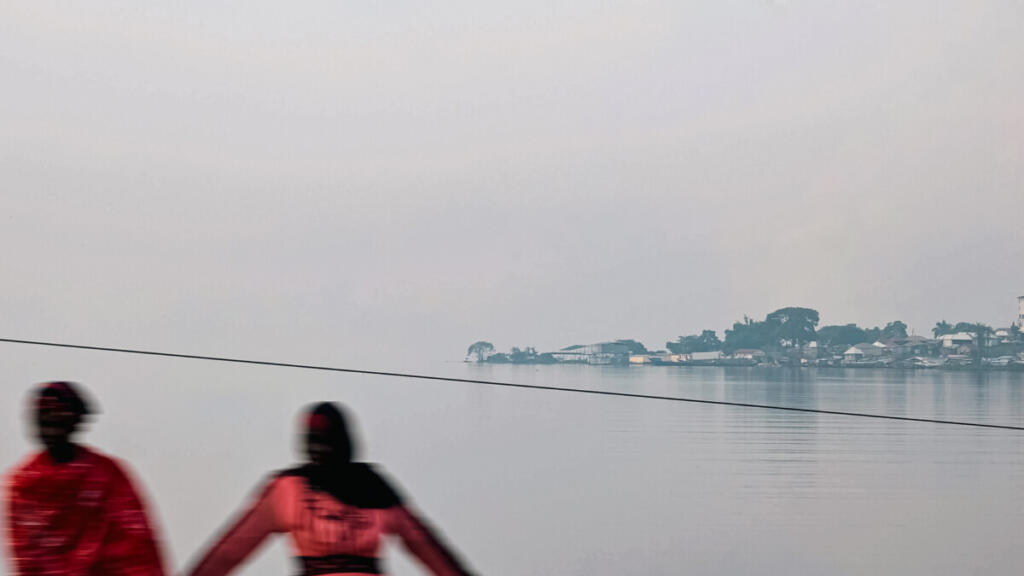
Why go on safari in Uganda?
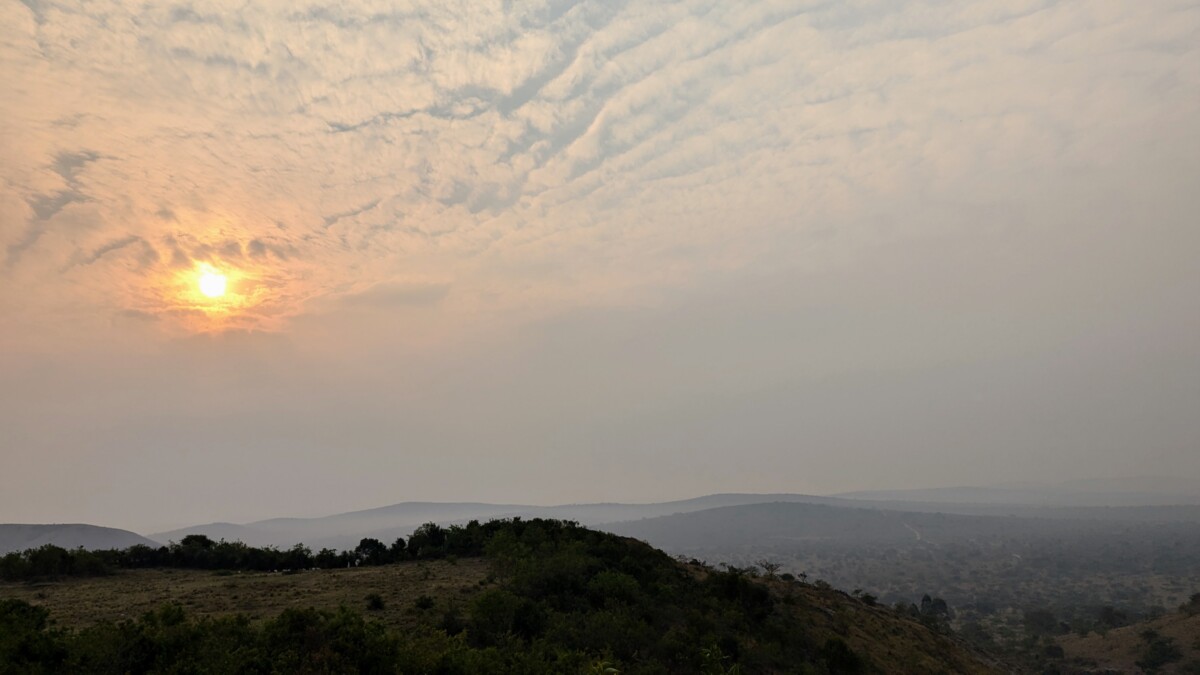
Choosing Uganda for a safari is above all choosing diversity. Few African destinations offer such a concentration of landscapes and ecosystems in a relatively compact area. In just a few days’ travel, you’ll cross open savannahs, wetlands, volcanic lakes, dense rainforests and mist-covered mountain regions.
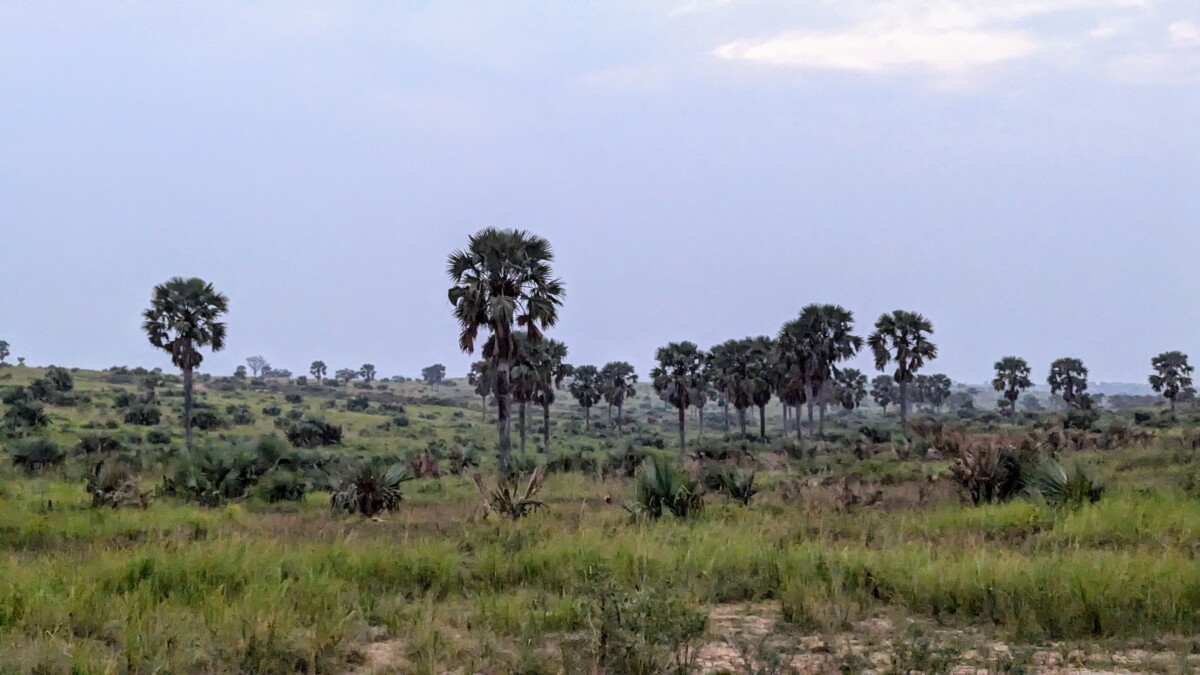
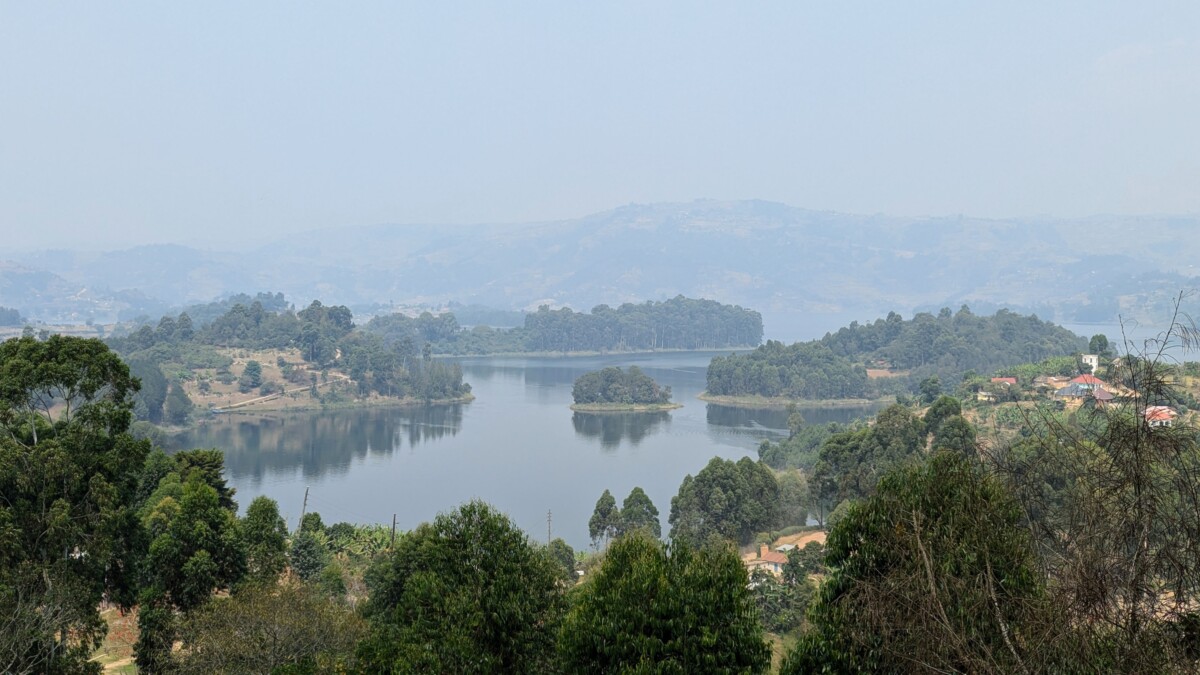
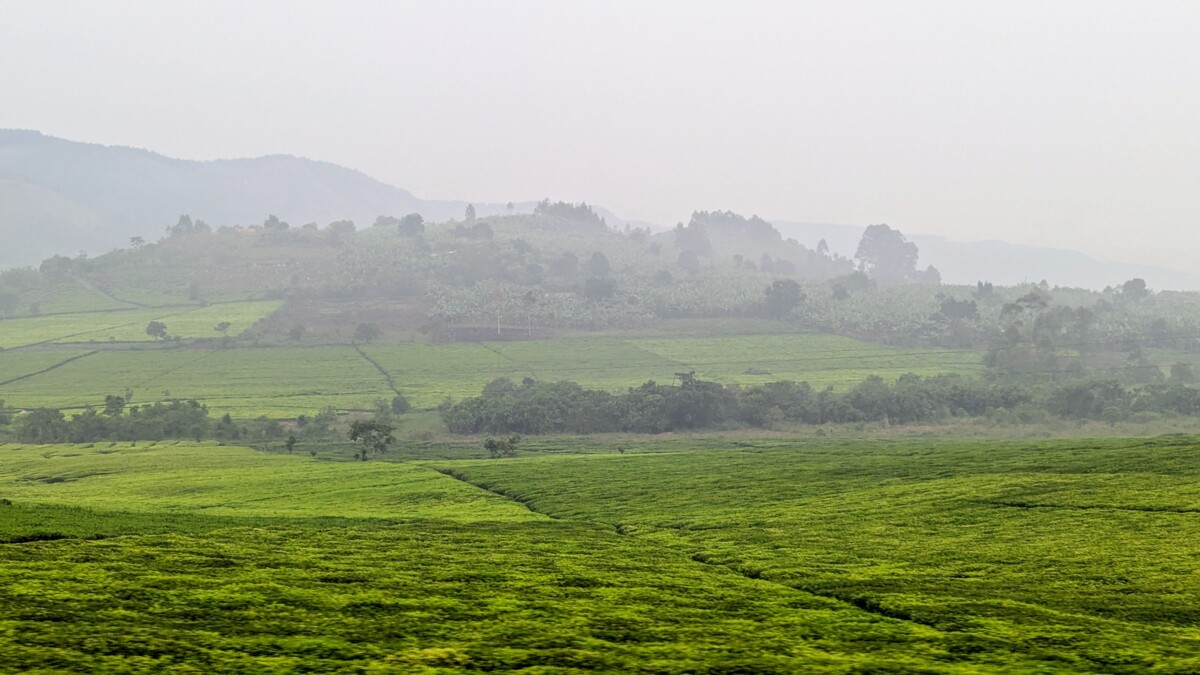
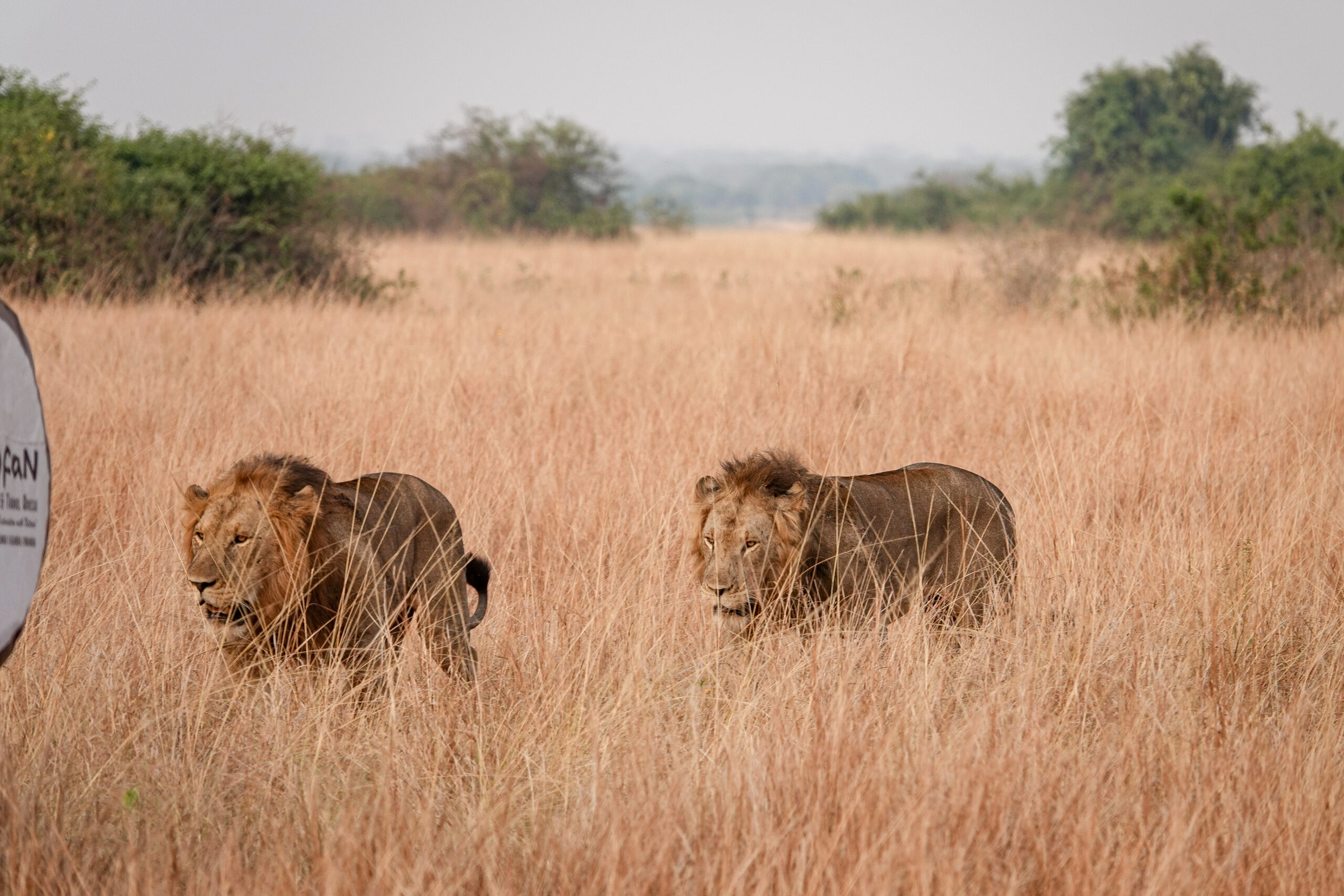
This variety translates into a remarkable wealth of wildlife. Uganda offers the opportunity to observe the large mammals that are emblematic of East Africa – elephants, lions, leopards, giraffes, buffaloes, hippos – while at the same time being one of the few countries where the safari extends into the forest, to meet primates. The presence of mountain gorillas and chimpanzees adds a deeply human and emotional dimension to the trip, transforming the safari into a global experience, far beyond the savannah.
Another major advantage is confidentiality. Uganda’s national parks are less crowded than those in Kenya or Tanzania. Safaris take place in a quieter, more intimate atmosphere, where you take the time to observe and understand. Lodges, often on a human scale and integrated into their surroundings, reinforce this sense of immersion and connection with nature.
Last but not least, Uganda stands out for the ease with which you can string together experiences. The relatively short distances between parks allow you to build fluid, balanced itineraries, without multiplying long transfers. It’s an ideal destination for travellers who want to experience a complete, varied and authentic safari, far removed from fixed images and overly-marked itineraries.
When to go on safari in Uganda?
Uganda’s equatorial climate makes it possible to travel all year round, but certain periods are more favorable depending on the type of experience sought. The dry seasons, from June to September and December to February, offer the best conditions for safaris and primate tracking. Trails are more accessible, vegetation less dense and animal sightings easier.
Wetter seasons transform landscapes into lush gardens. They appeal to travelers willing to accept a few showers in exchange for a greener atmosphere and even more confidential parks.
Getting around Uganda: an ideal country for a travelling safari
One of Uganda’s great assets is the relative proximity of its national parks. Unlike some destinations where transfers can become exhausting, the distances involved here remain reasonable, allowing you to build coherent, fluid itineraries.
Travel is mainly by private 4×4 vehicle with driver-guide, a formula that offers freedom, comfort and a detailed understanding of the territory. On some itineraries, domestic flights provide quick links to the most remote regions, particularly in the north of the country.
How long does a safari in Uganda last?
Uganda lends itself equally well to relatively short trips and in-depth explorations. An eight- to ten-day itinerary already allows you to combine one or two savannah parks with a primate experience. If you extend your stay, you can discover several regions of the country, vary the atmosphere and travel at a more contemplative pace.
Which parks to choose for a safari in Uganda?
Murchison Falls National Park, the power of the Nile
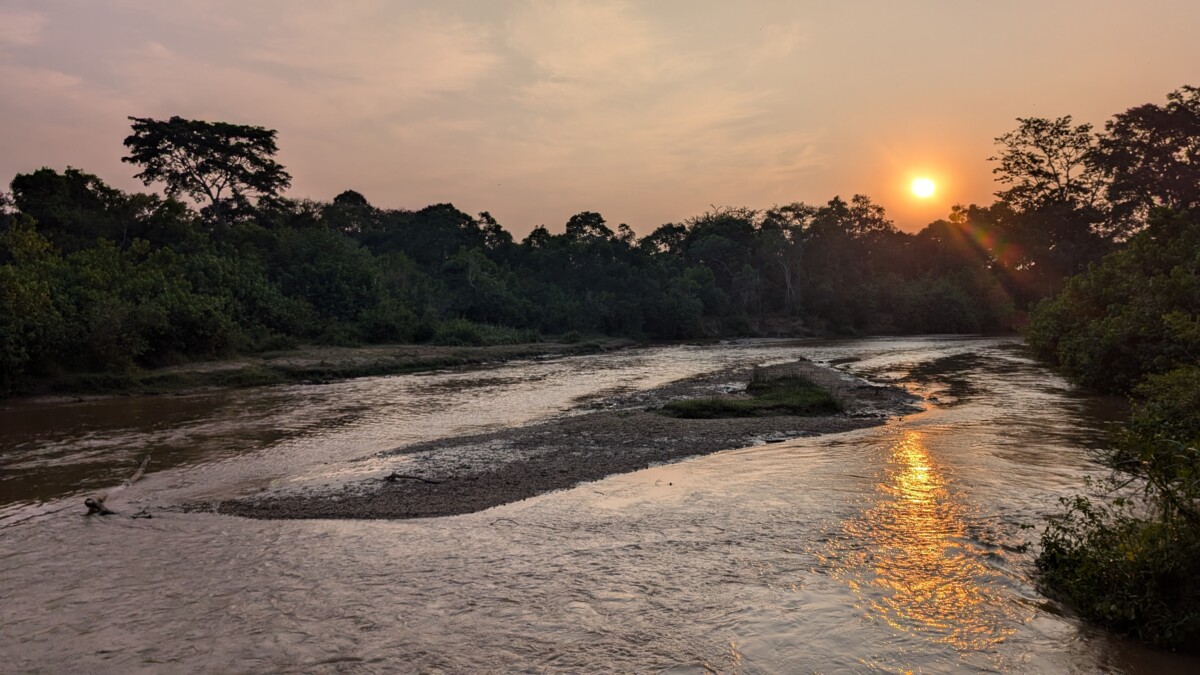
Located in the north-west of the country, Murchison Falls is Uganda’s largest national park and one of its most spectacular. Here, the White Nile flows through savannah landscapes before cutting a spectacular path through a narrow gorge, giving rise to the Murchison Falls.
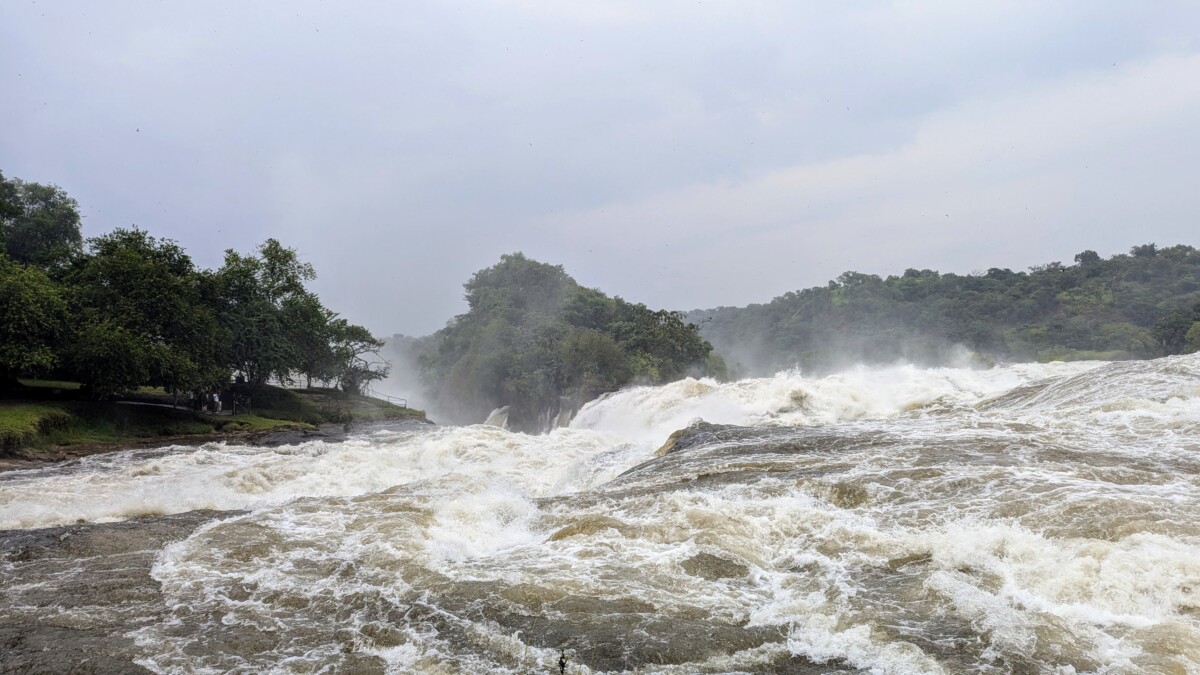
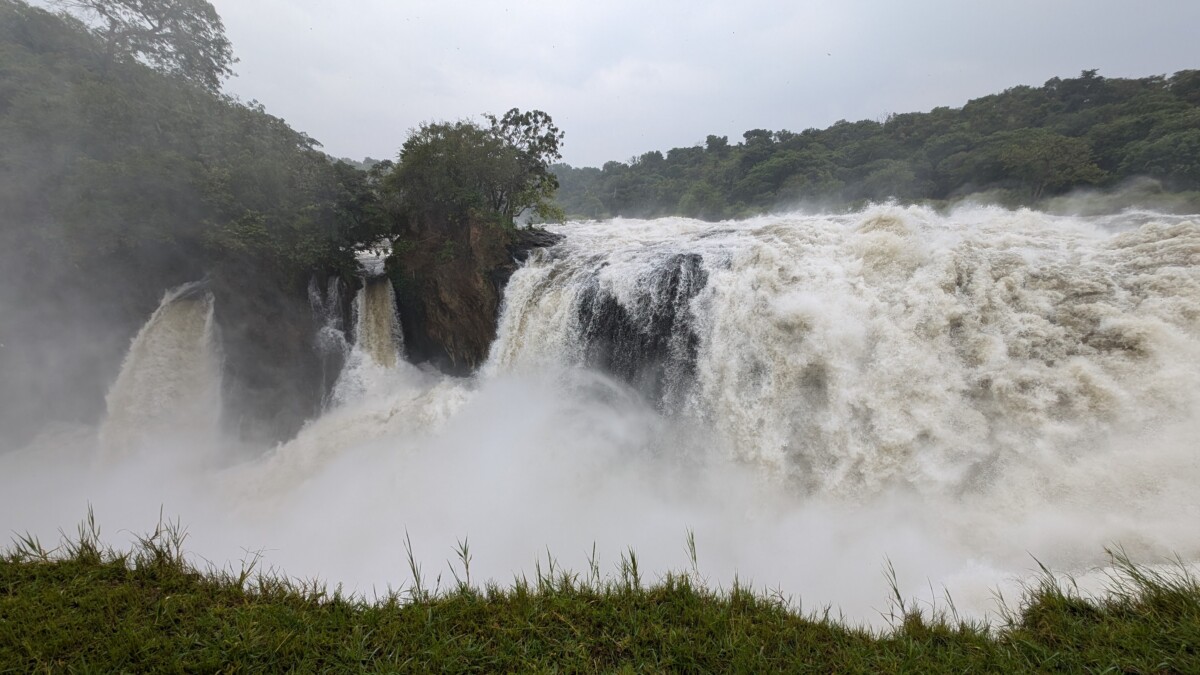
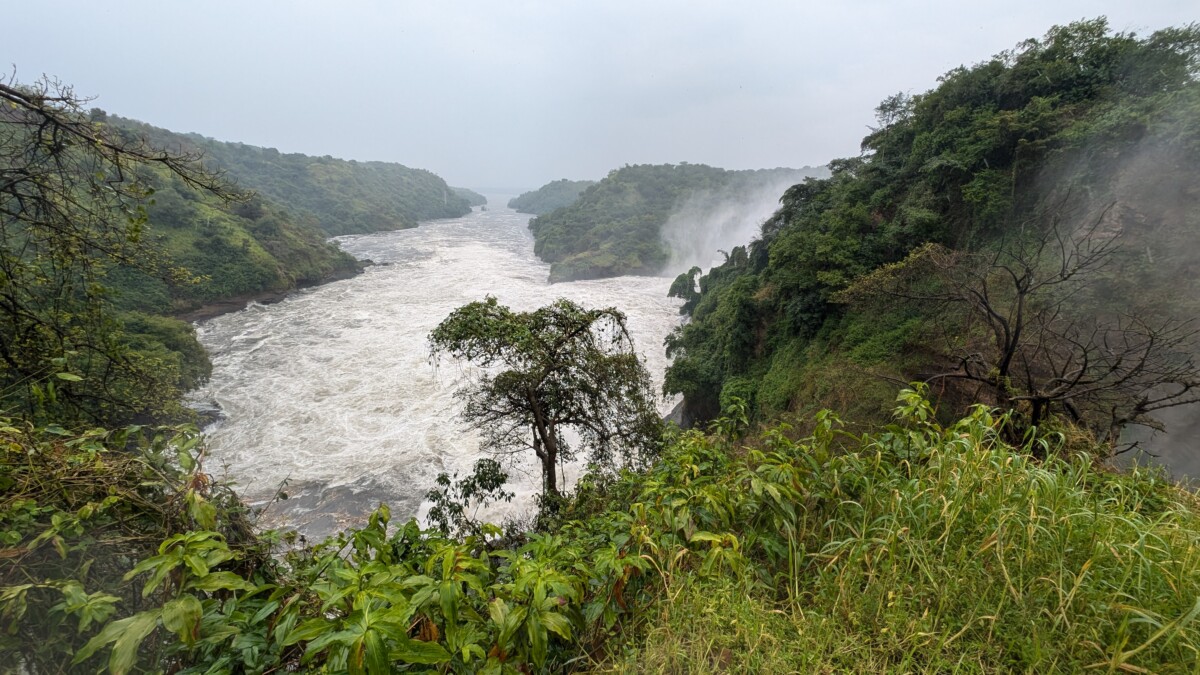
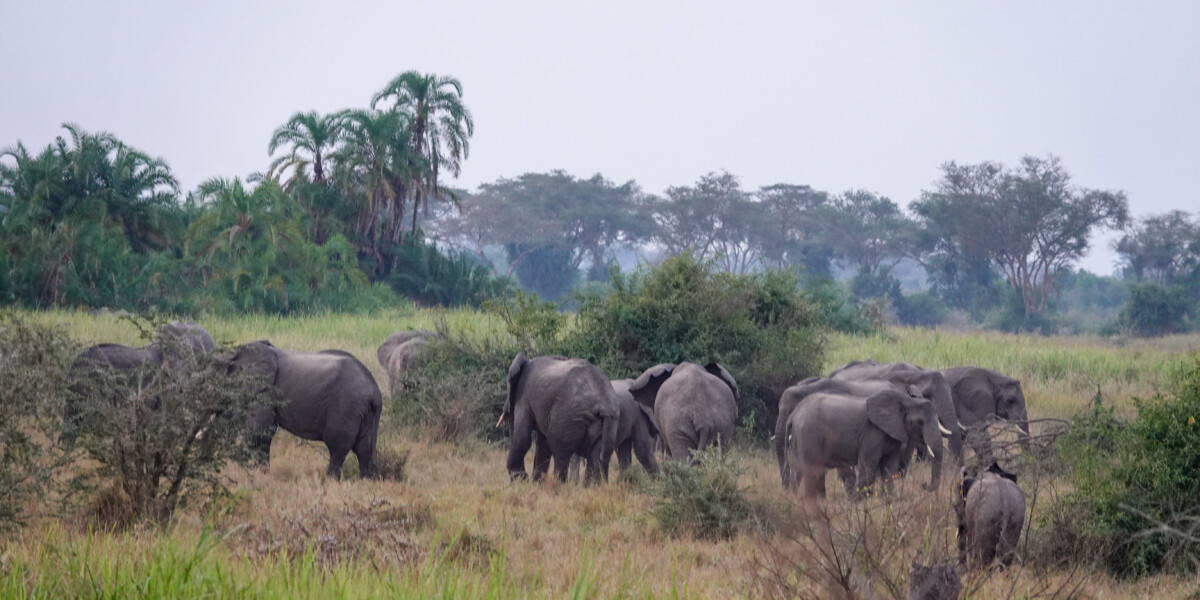
Land safaris allow you to observe elephants, giraffes, buffaloes and lions, while a cruise on the Nile offers a totally different perspective, up close to hippos and crocodiles. It’s an emblematic park, ideal for discovering the diversity of Ugandan safaris.
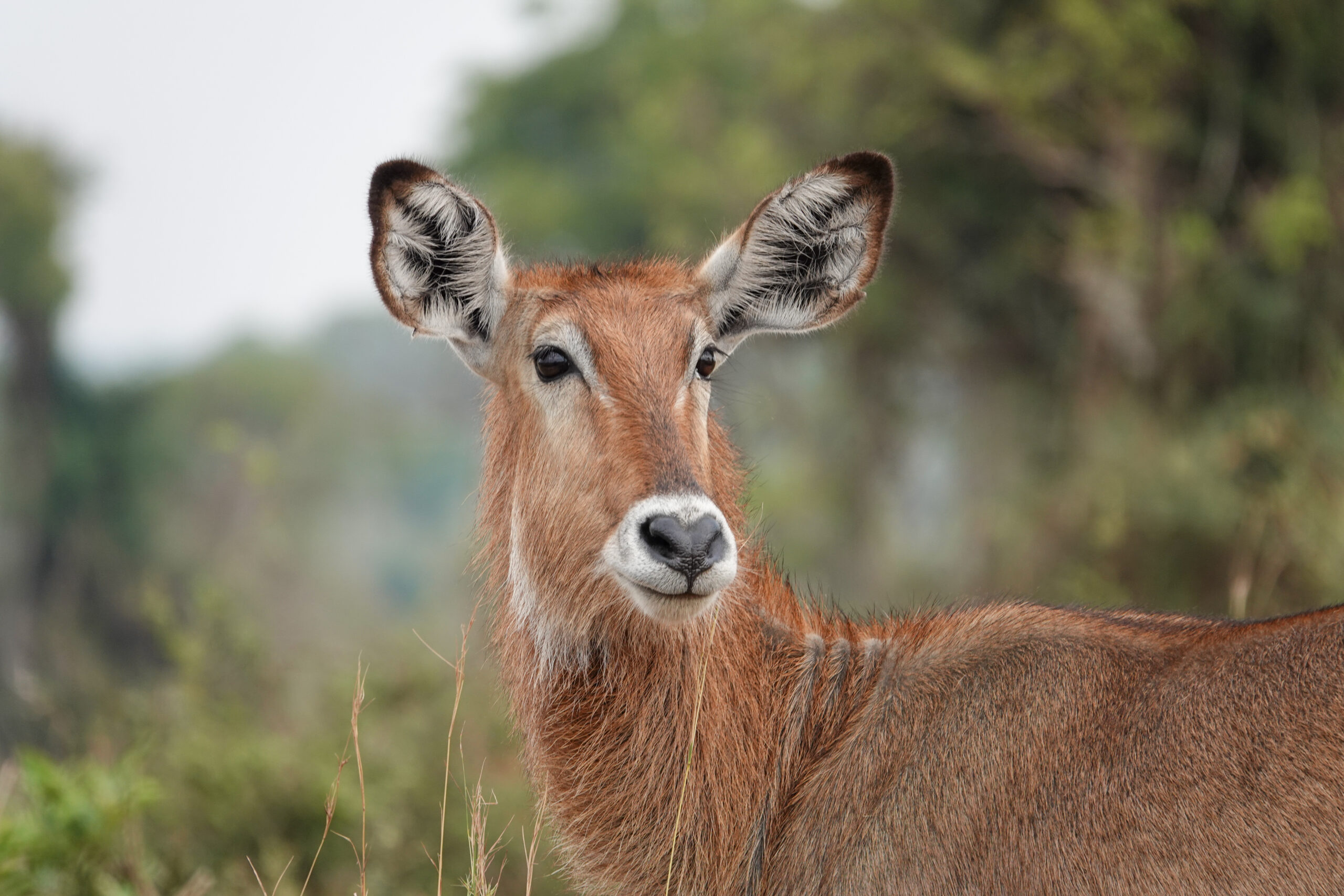

Queen Elizabeth National Park, pure diversity
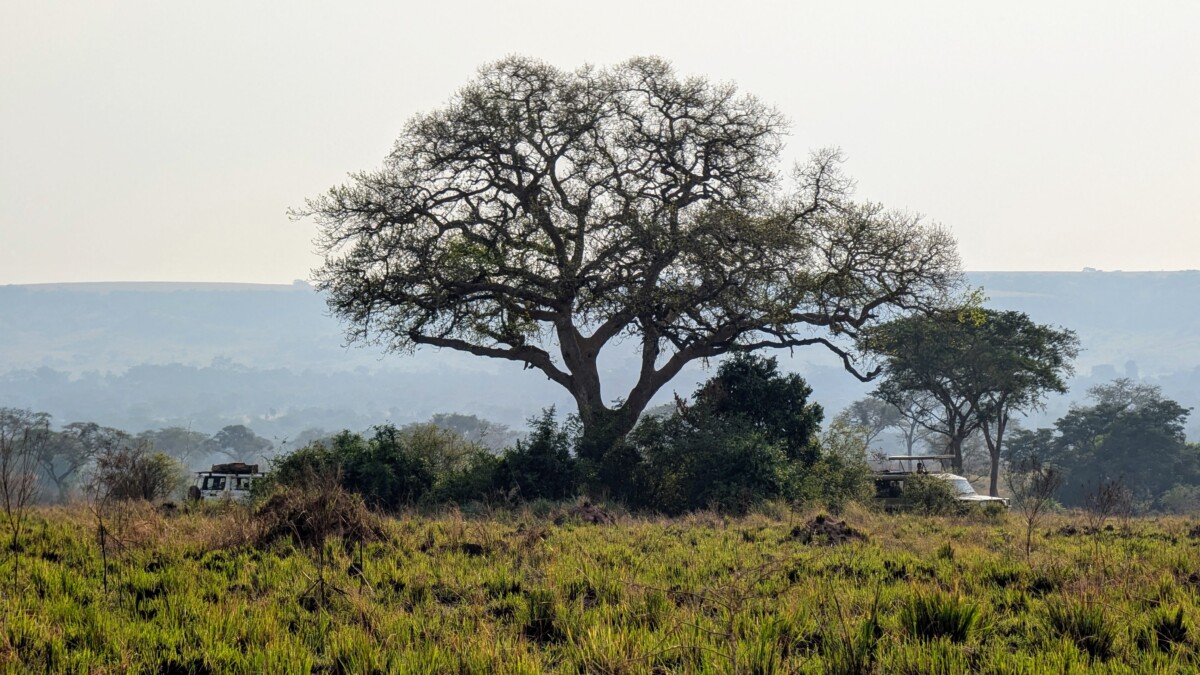
Further south, Queen Elizabeth National Park offers a variety of landscapes and wildlife. Between savannahs, volcanic lakes and wetlands, it offers complementary experiences. Safaris here are punctuated by a cruise on the Kazinga Canal, a veritable sanctuary for hippos and birds.
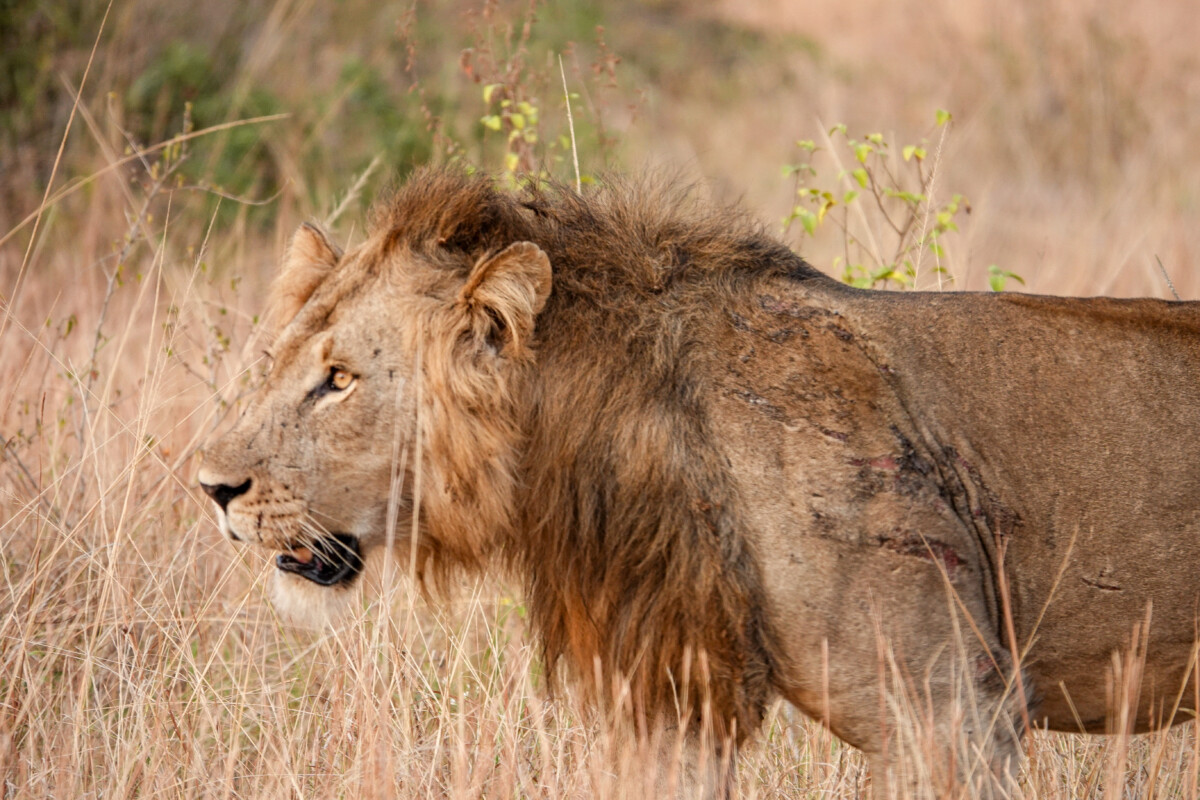
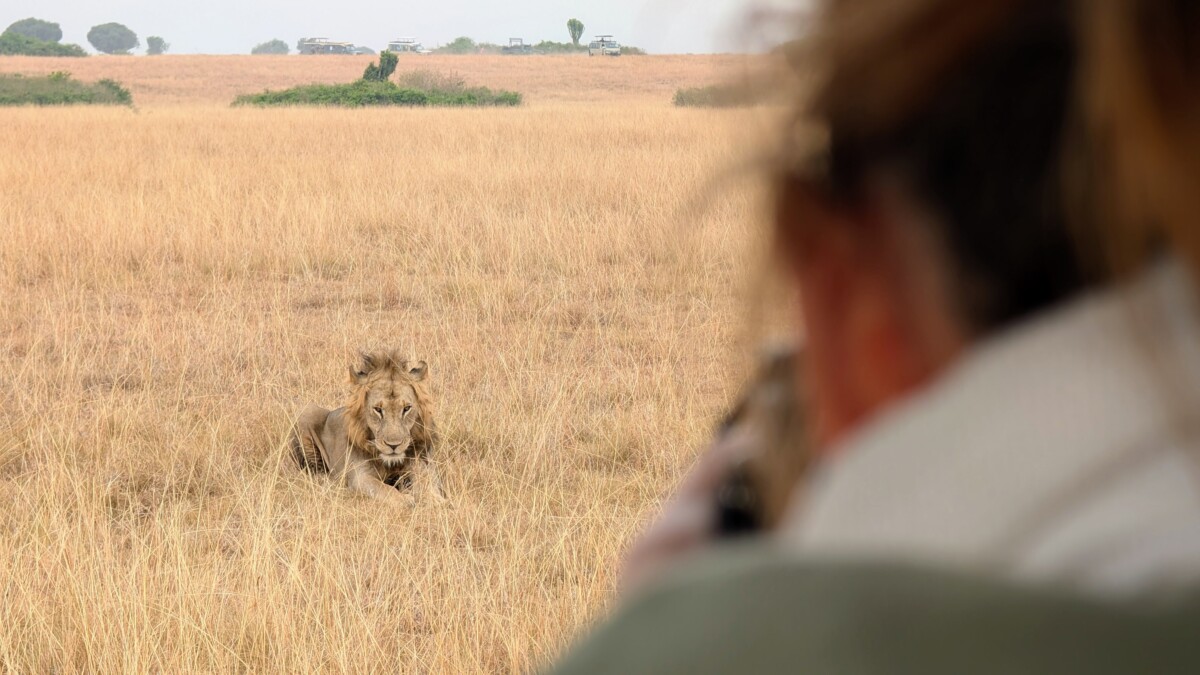
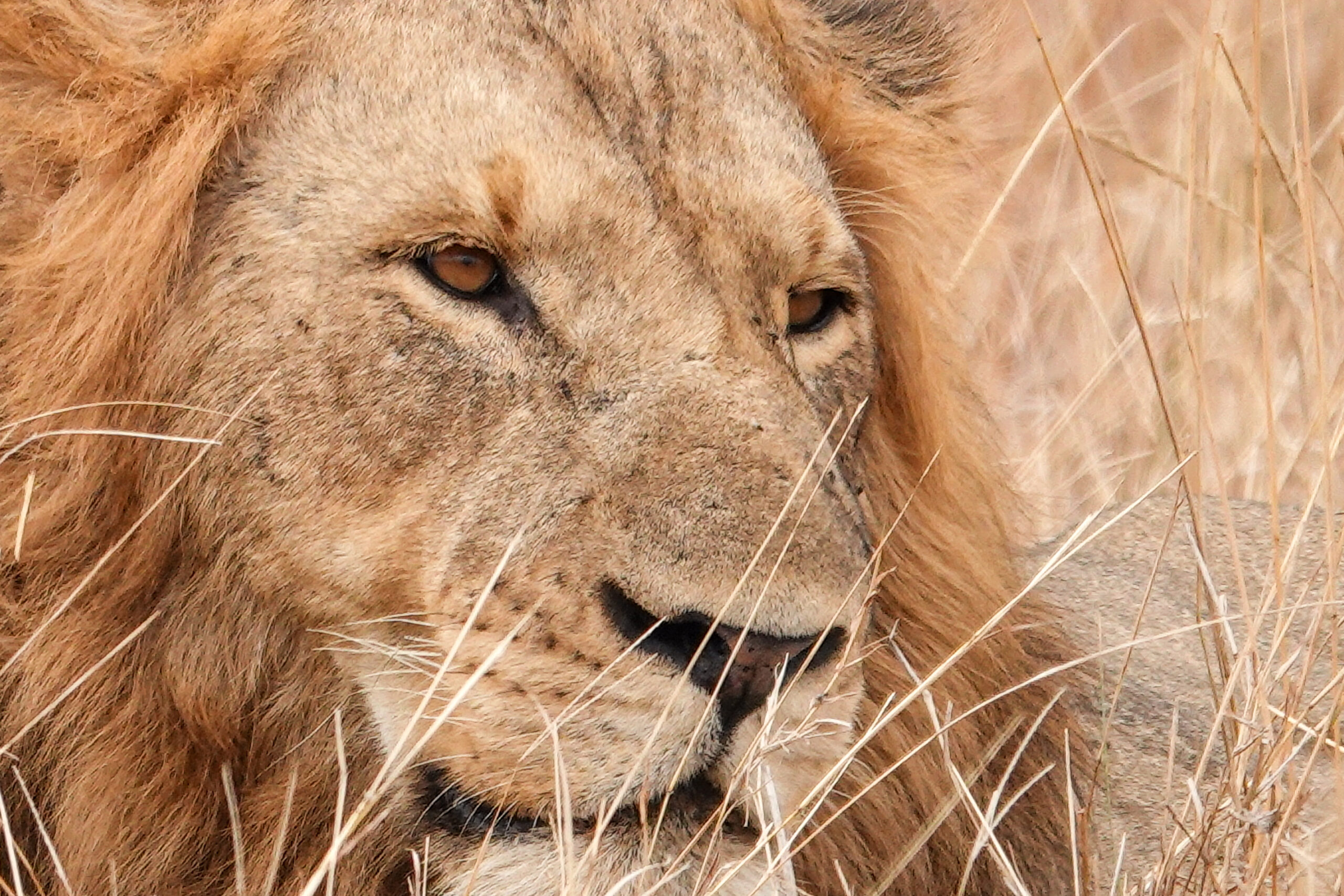
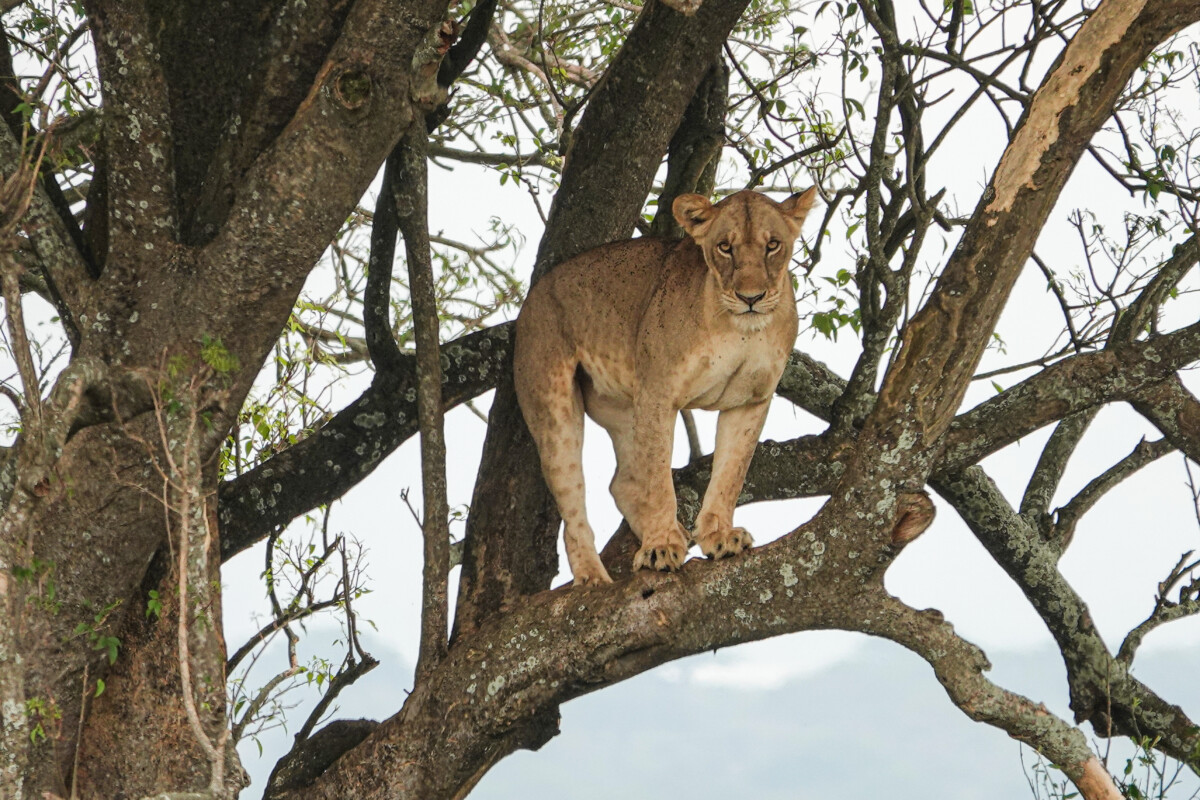
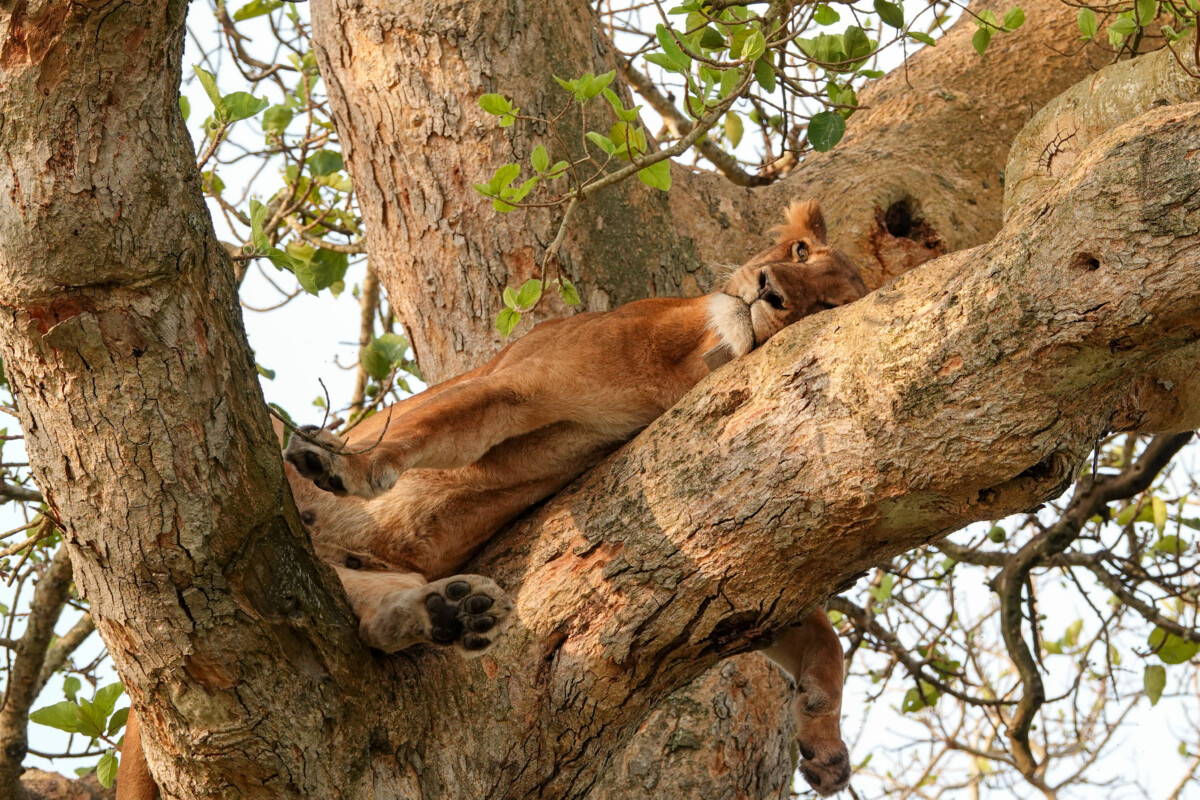
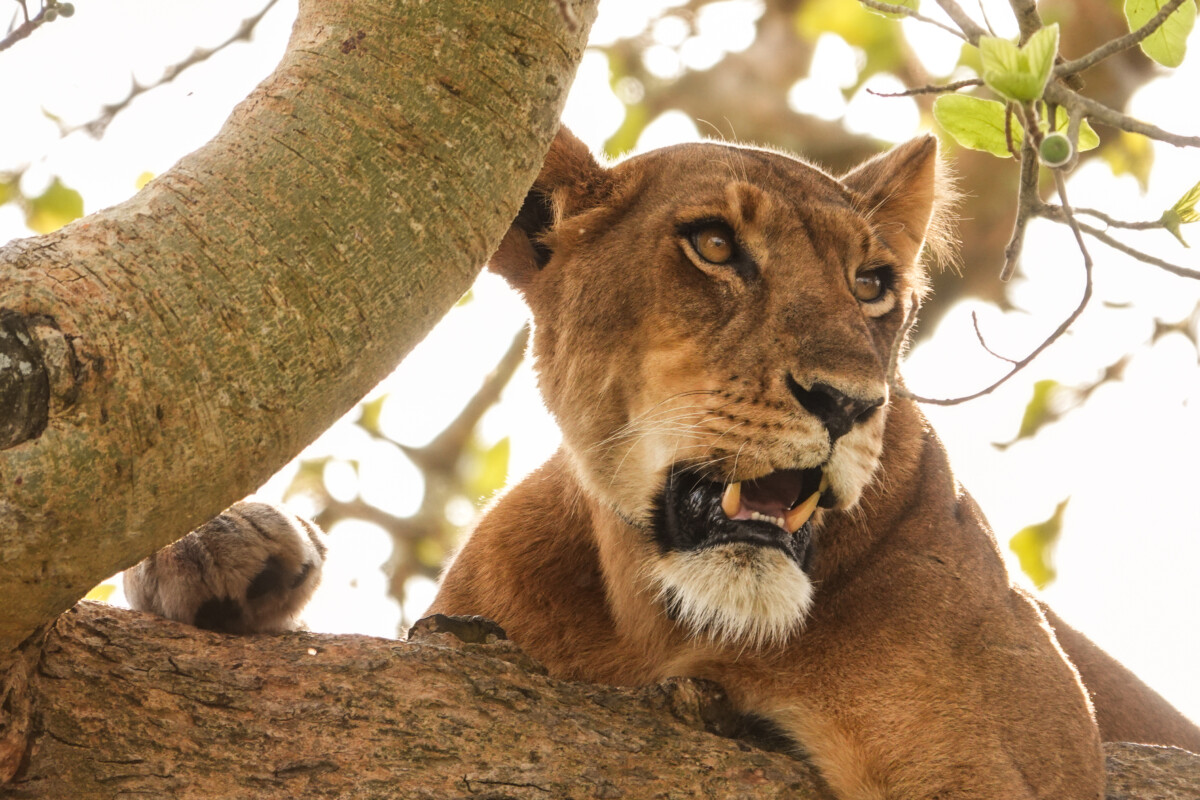
In the Ishasha area, the lions have developed a unique behavior, spending much of the day perched in the trees. This park fits perfectly into an itinerary that includes the Bwindi Forest.
Kidepo Valley National Park, a timeless safari
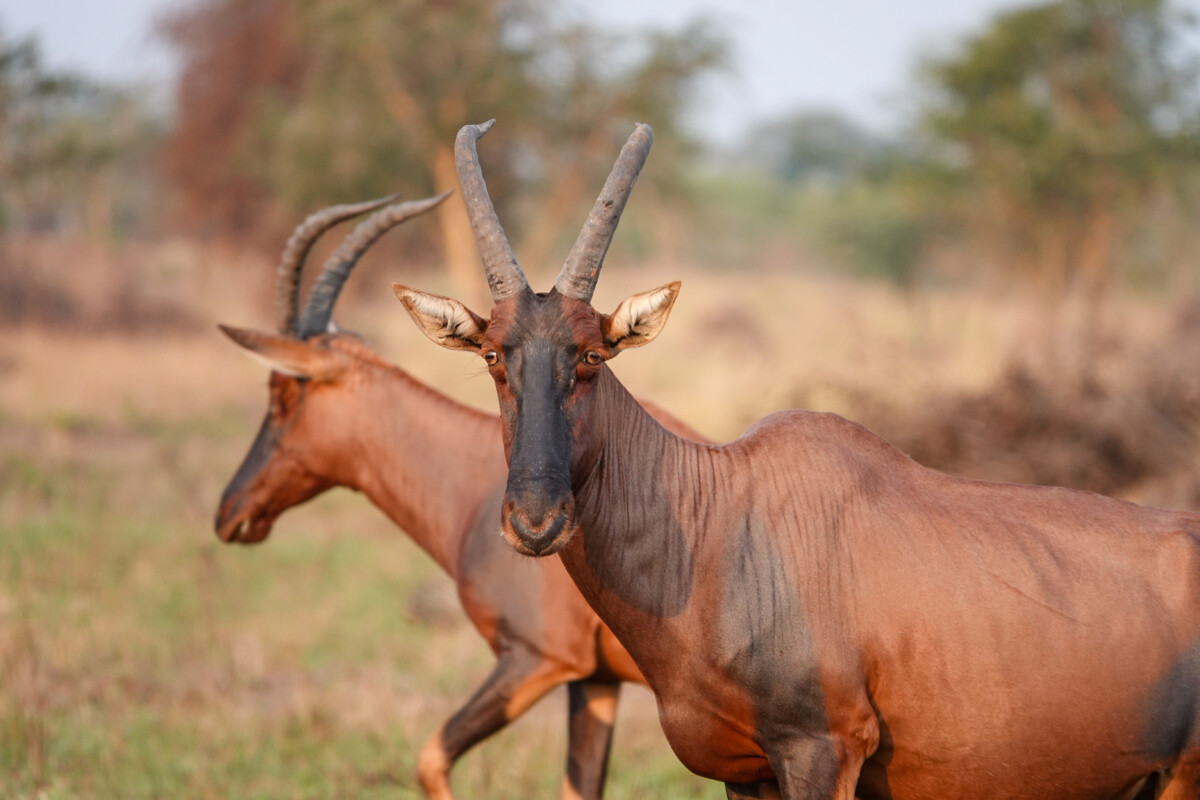
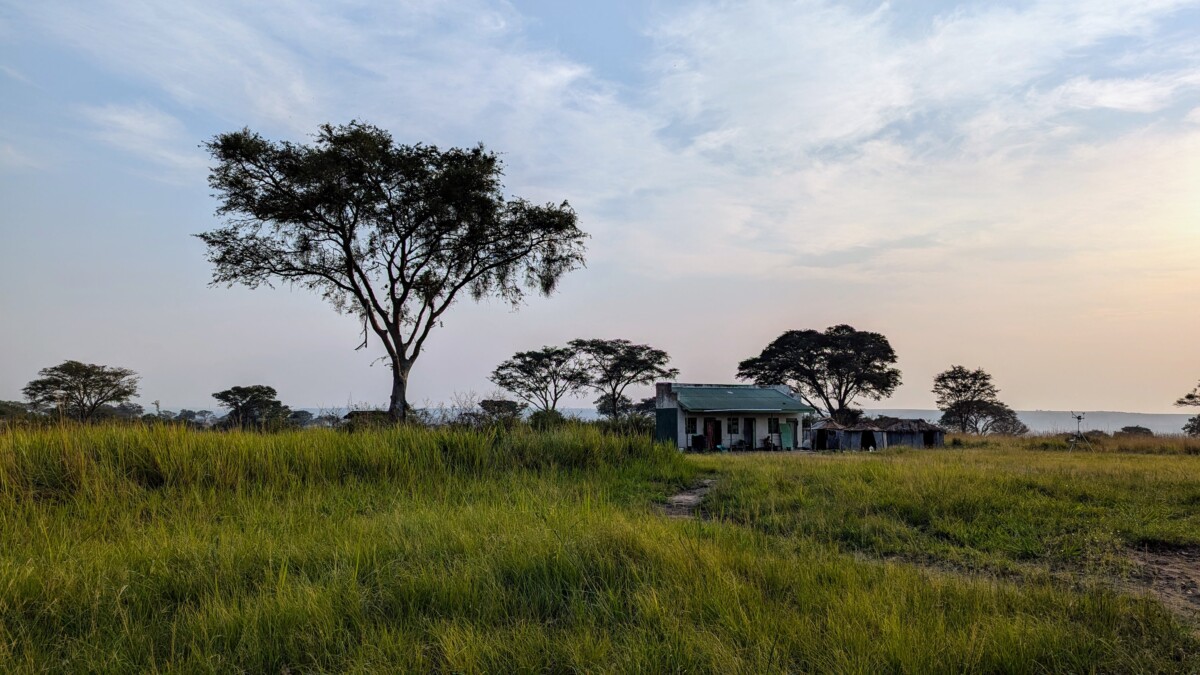
In the far north-east of the country, Kidepo Valley is often considered Uganda’s wildest park. Isolated and seldom visited, it offers an end-of-the-world atmosphere. The more arid landscapes are reminiscent of parts of neighboring Kenya, with abundant wildlife and endless horizons.
This is an exceptional destination, reserved for travelers who want to get completely off the beaten track and experience a rare safari, far from the crowds.
Ziwa Rhino Sanctuary, in the footsteps of white rhinos
Before or after a safari in the north of the country, the Ziwa sanctuary allows you to approach the white rhinos on foot, accompanied by experienced rangers. This conservation project plays an essential role in the reintroduction of the species to Uganda.


A rare and committed experience, which you can find out more about in our article on the Ziwa Rhino Sanctuary.
Bwindi Impenetrable Forest, an encounter with gorillas
Finally, it’s impossible to talk about a safari in Uganda without mentioning Bwindi. This primary forest is home to a large population of mountain gorillas and offers one of the most powerful wildlife experiences you can have.
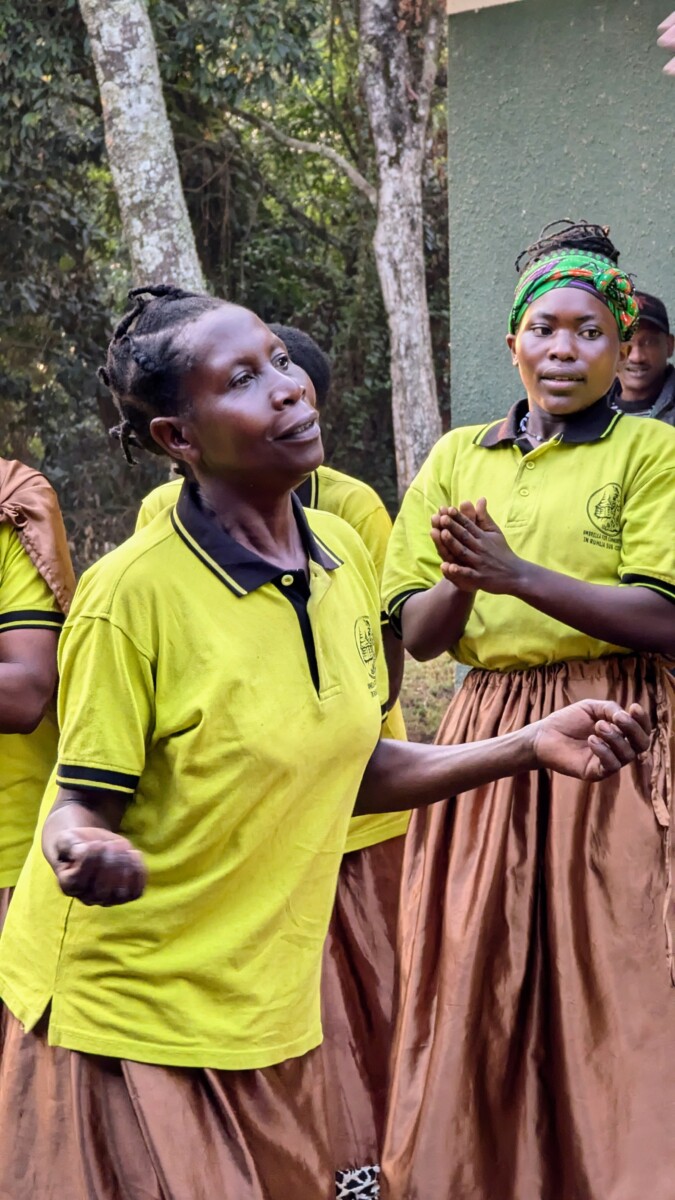
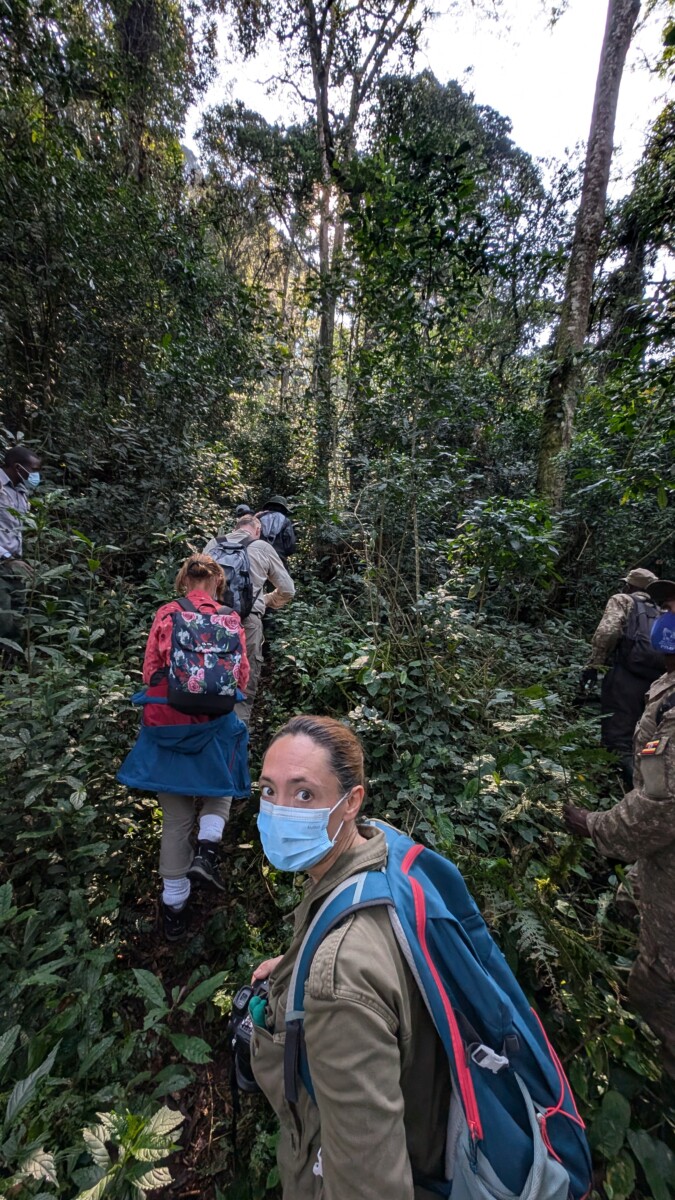
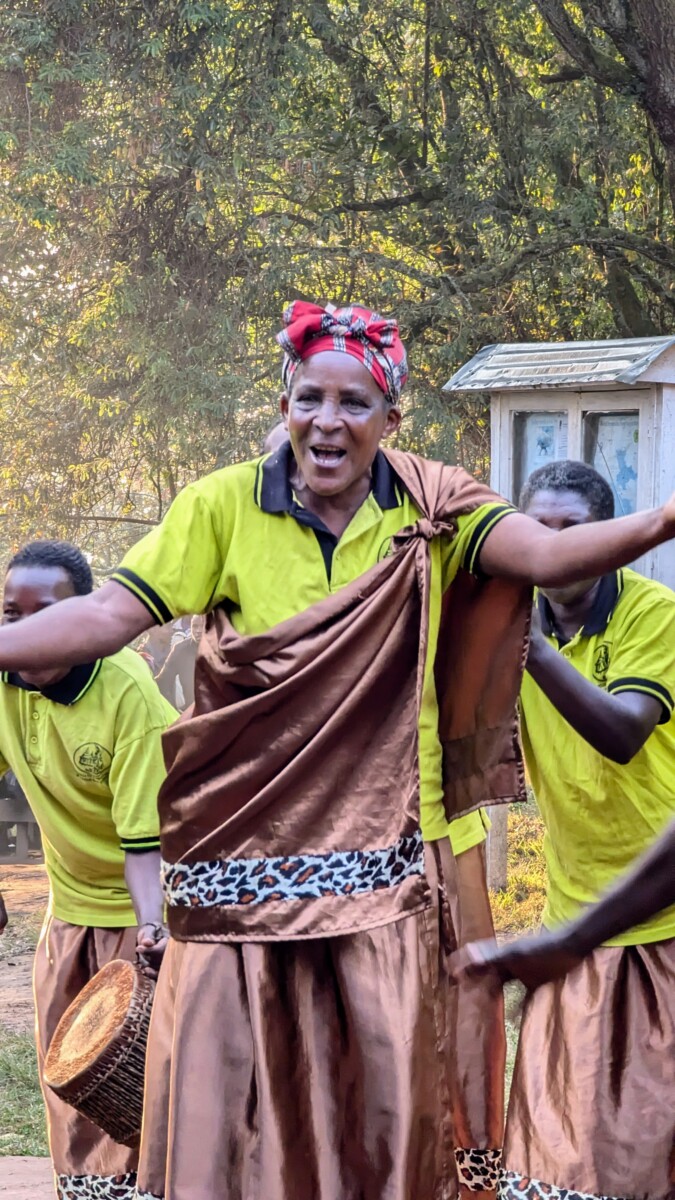
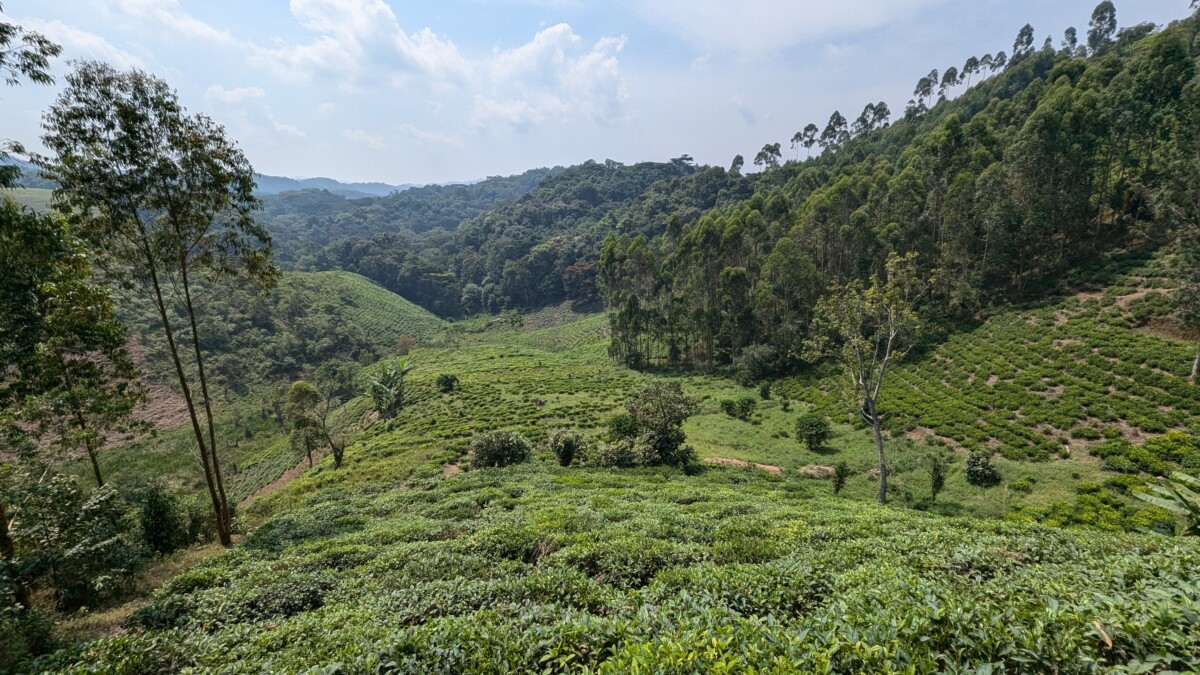
We meet these great primates on foot, in an almost religious silence, in the heart of a dense and mysterious jungle.
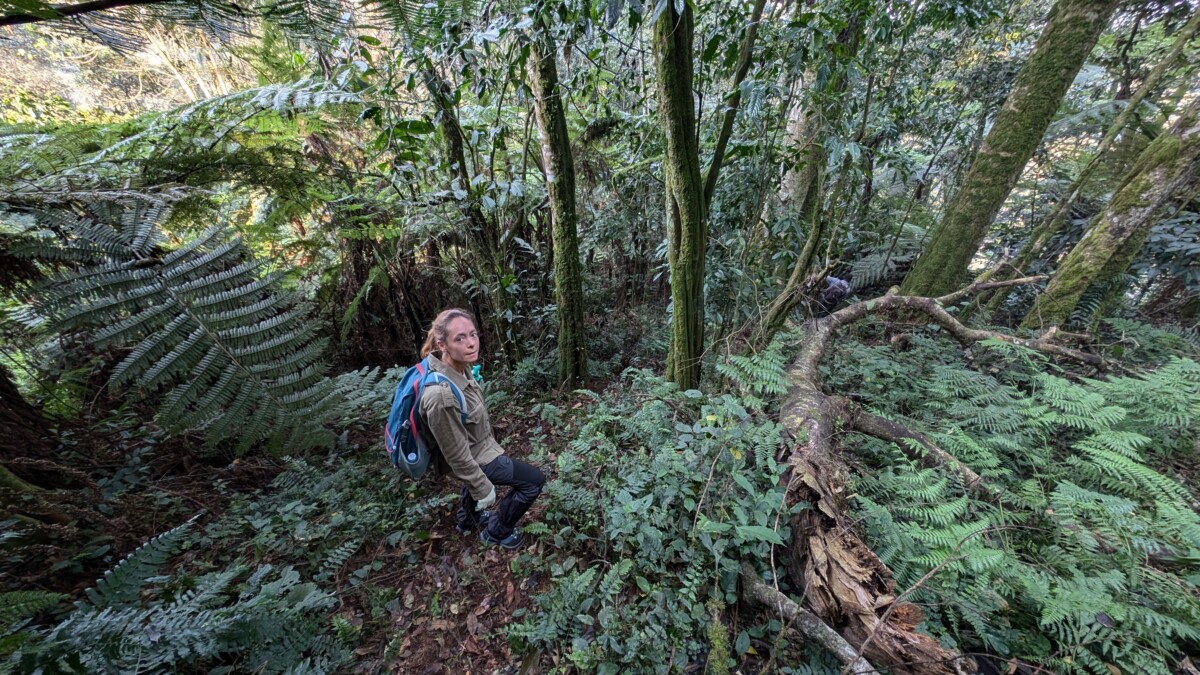


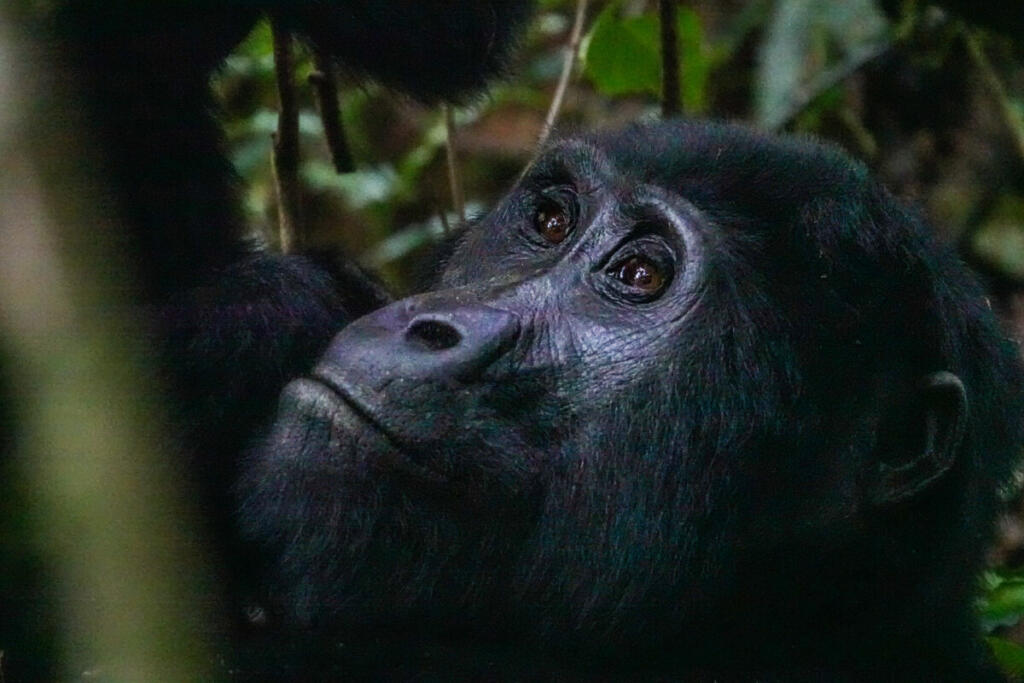

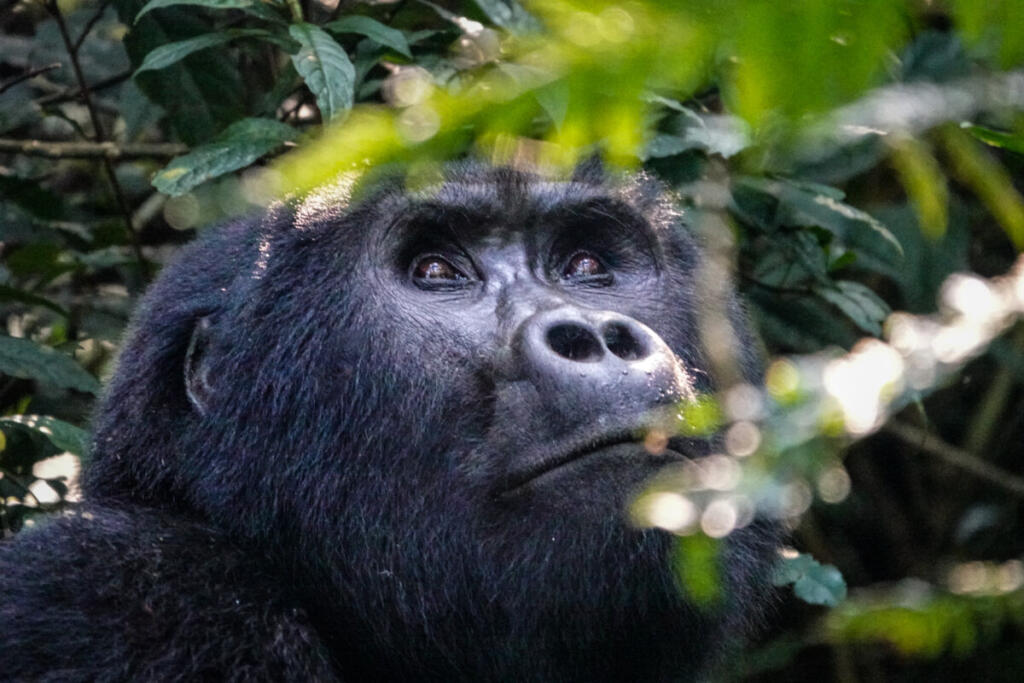
To find out more about this unique experience, we invite you to read our dedicated article: Gorilla watching in the Bwindi Impenetrable Forest.
Where to sleep on safari in Uganda?
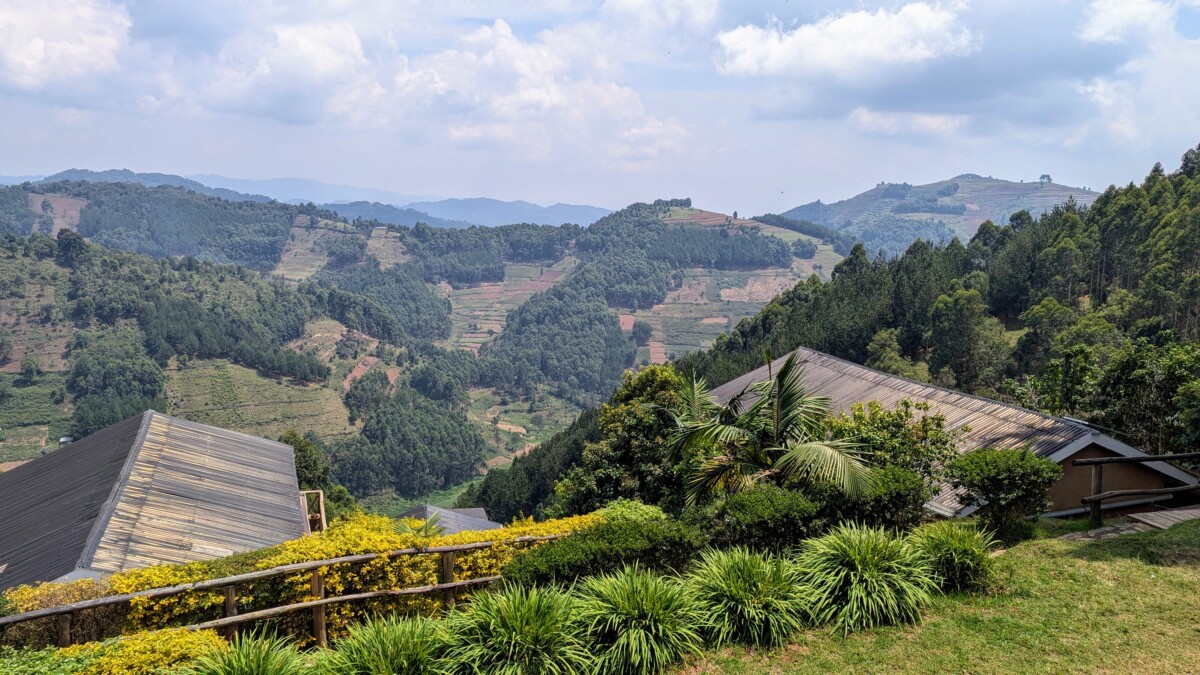
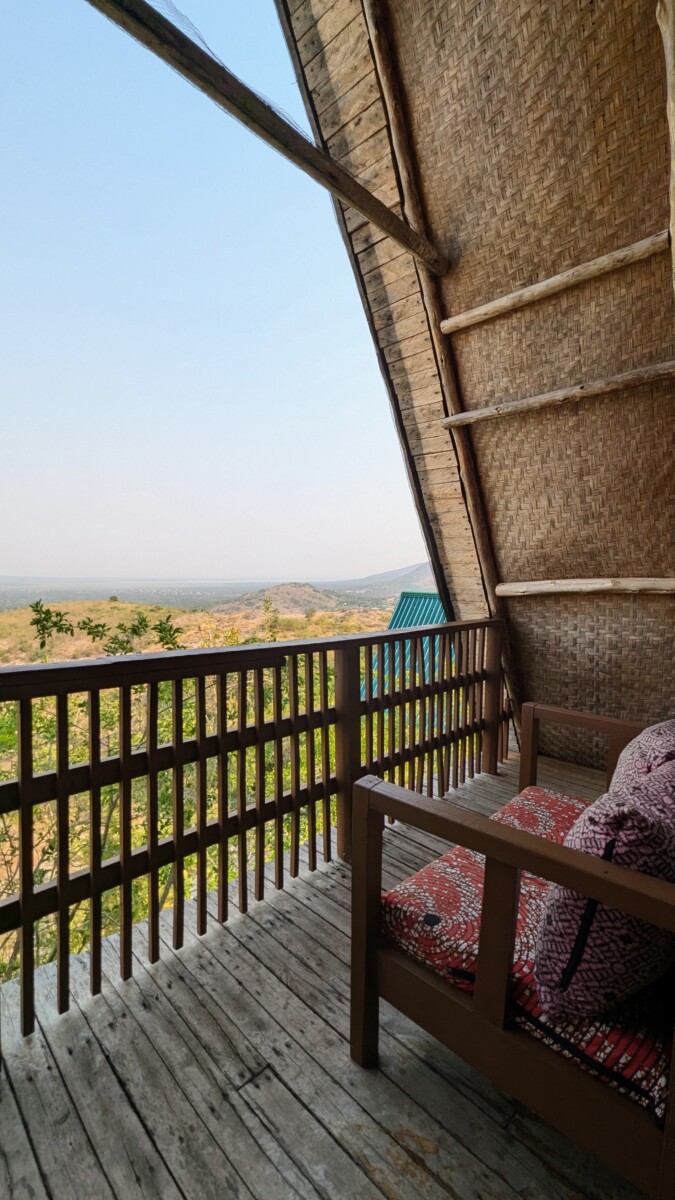
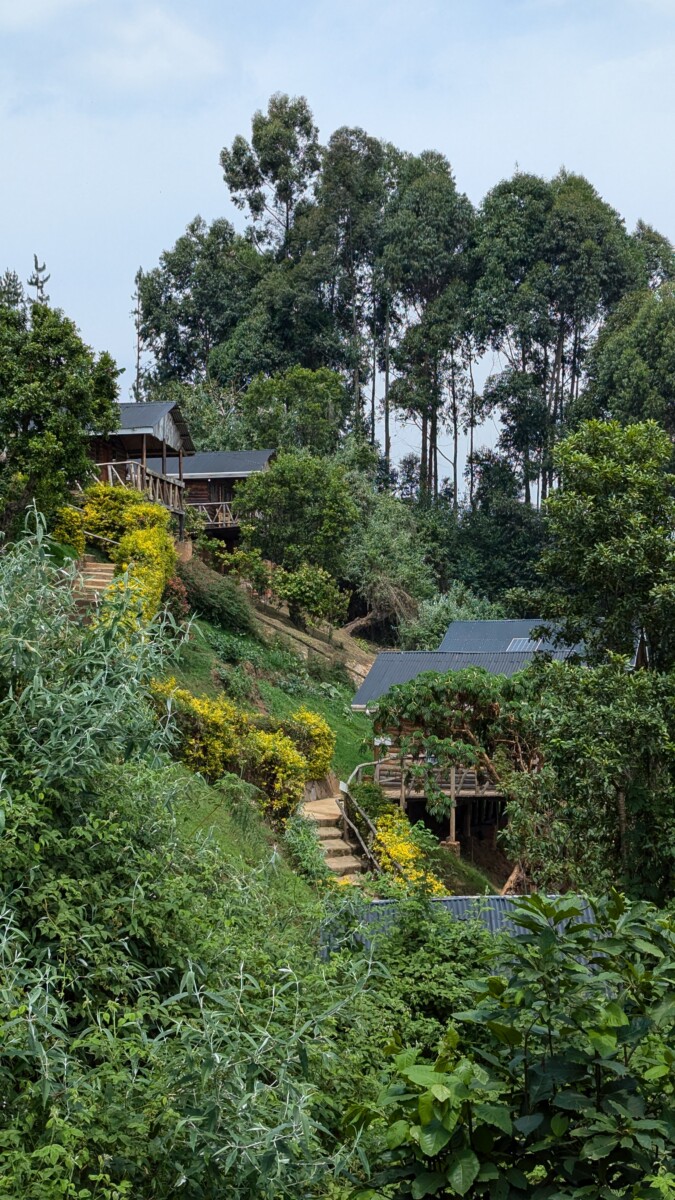
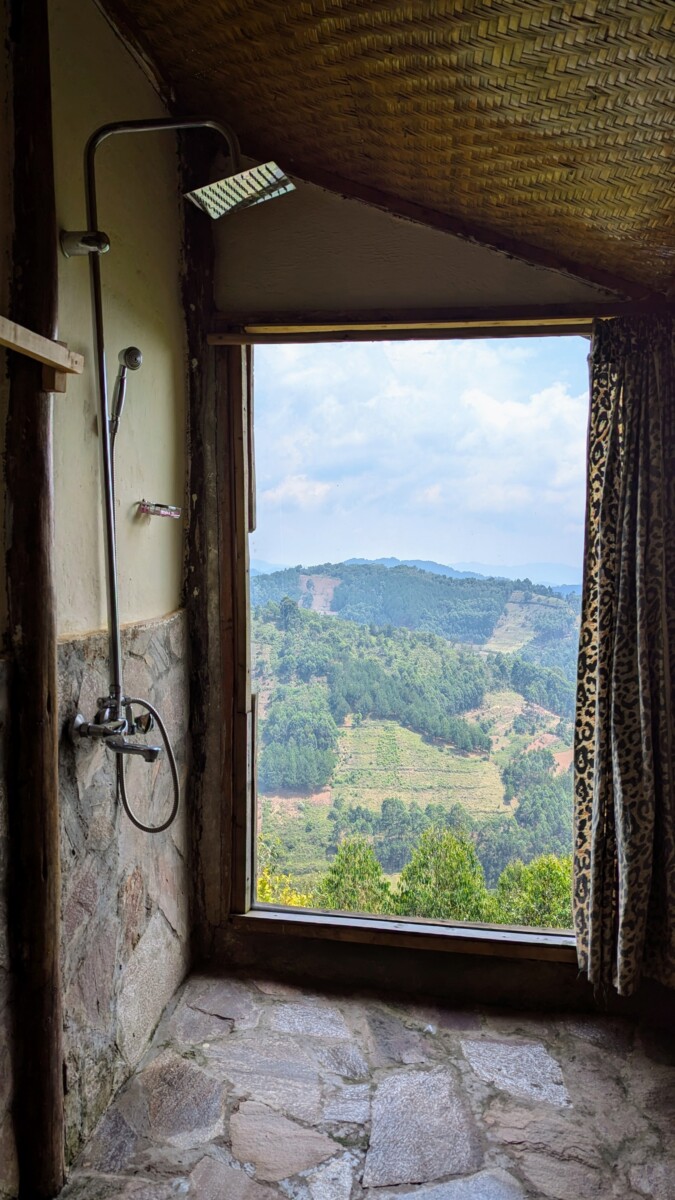
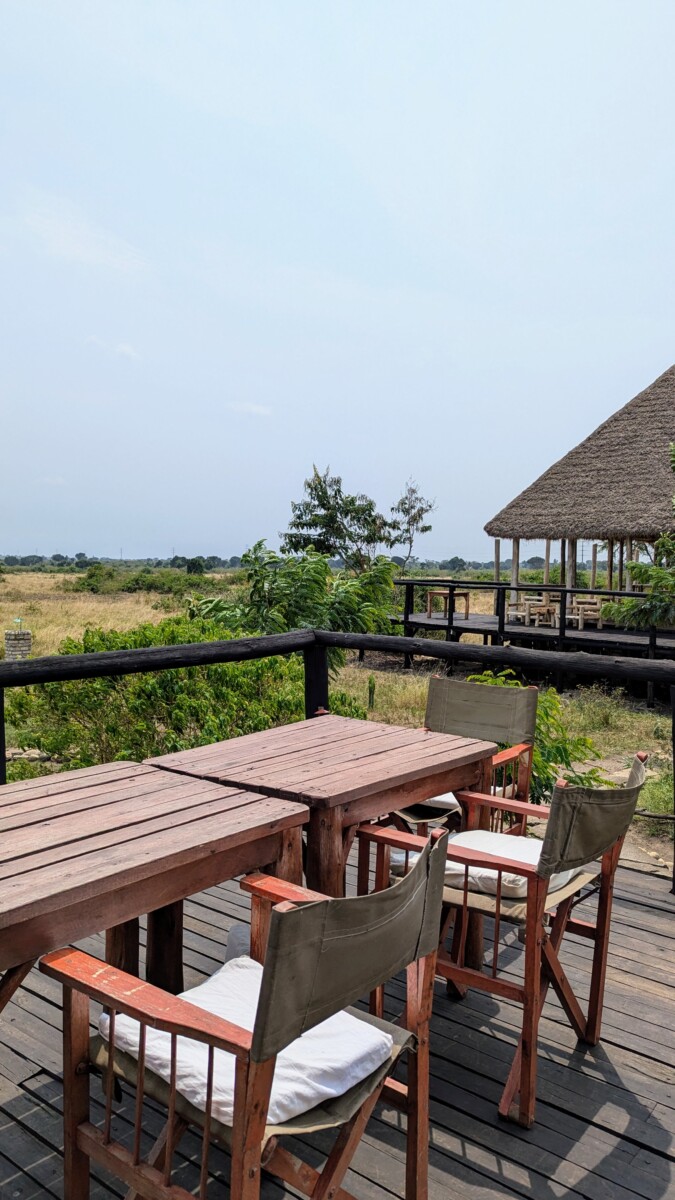
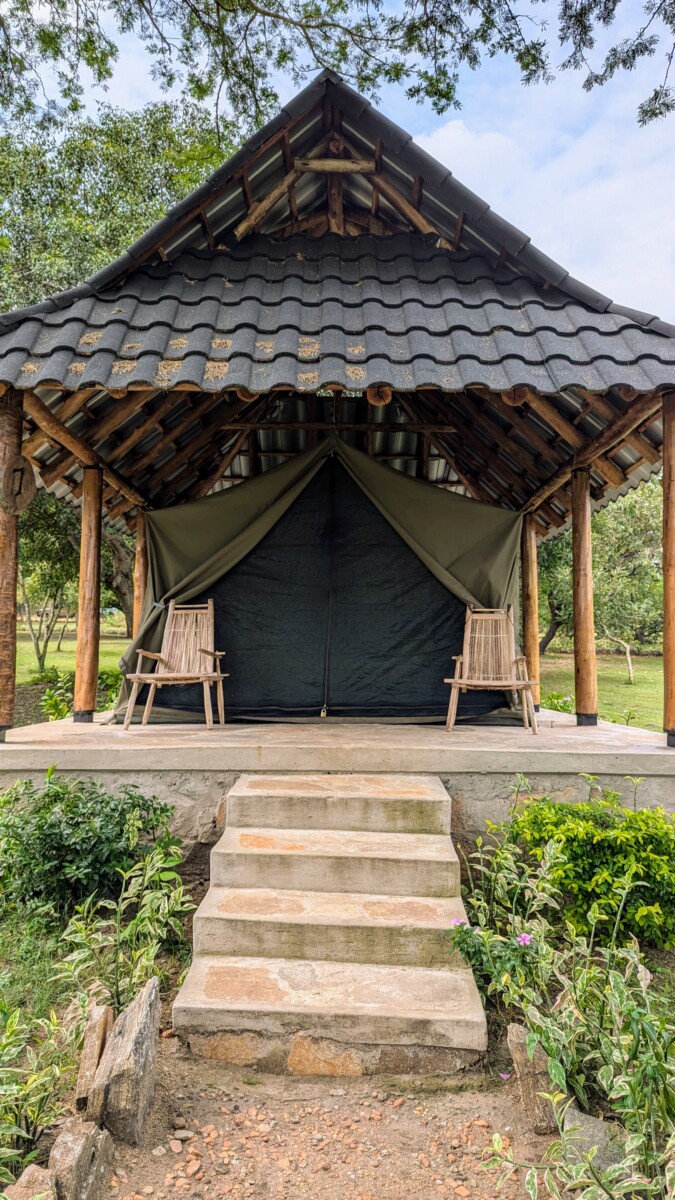
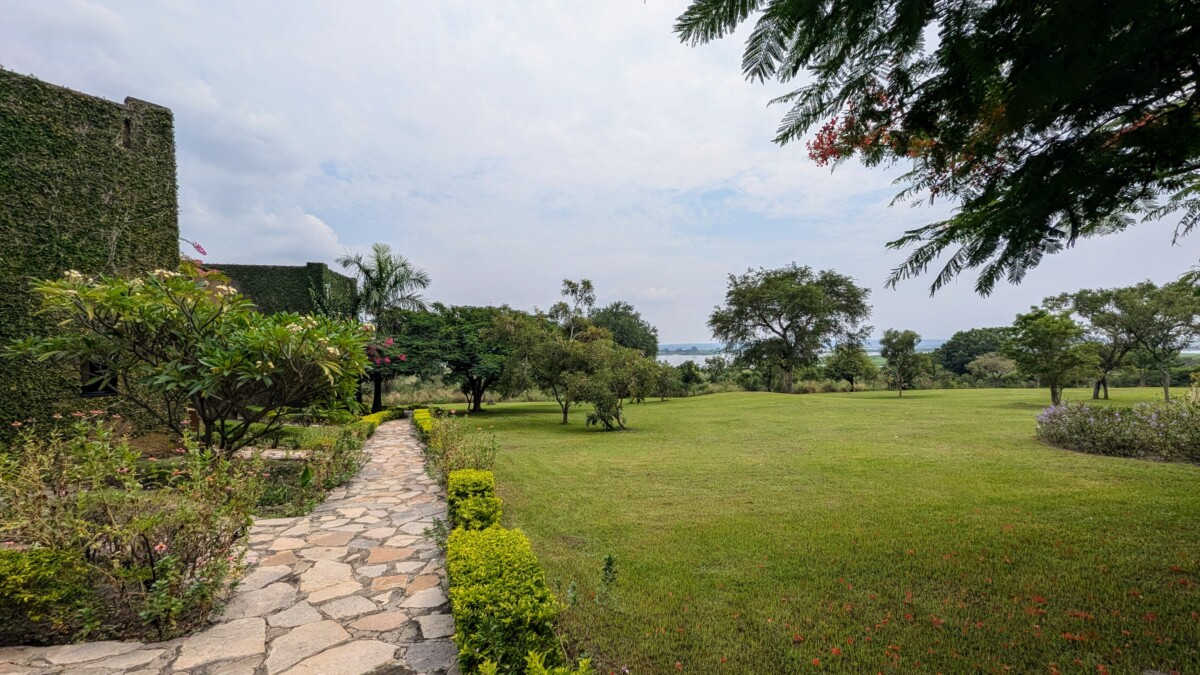
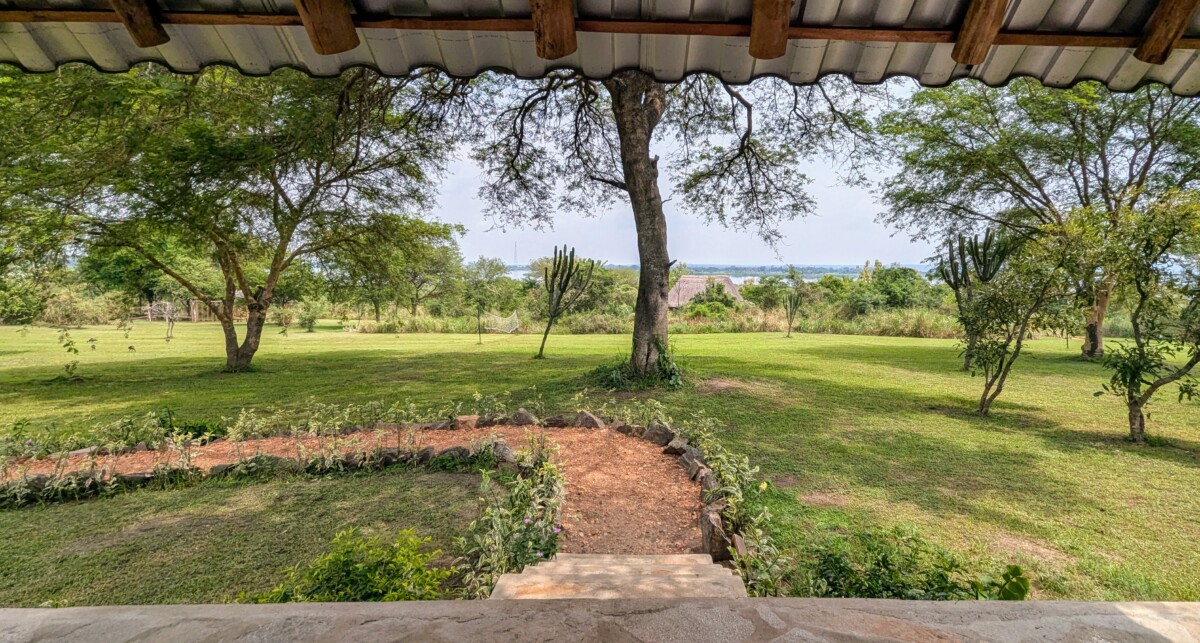
Accommodation in Uganda is an integral part of the travel experience. Charming lodges, committed ecolodges or more exclusive addresses, all emphasize integration into the natural environment. Nights are spent close to the wildlife, often lulled by the sounds of the savannah or forest.
How much should you budget for a safari in Uganda?
The budget for a safari in Uganda is closely linked to the nature of the experience. The country offers some of the rarest wildlife encounters in Africa, and this is naturally reflected in the cost of the trip. Mountain gorilla and chimpanzee tracking permits are a significant part of the budget, but they provide access to some of the most intense and memorable moments you’ll experience on a safari trip.
Added to this is a highly contrasting range of accommodation. Uganda offers everything from comfortable, affordable lodges to high-end addresses nestled in the heart of national parks or on the edge of the forest. This wide range allows you to modulate your comfort level and budget, without ever compromising the quality of the observations or the authenticity of the experience.
While a safari in Uganda is often perceived as an expensive trip, it needs to be put into context. Few African destinations allow you to combine savannah safaris, wildlife cruises, great primate viewing and such a variety of landscapes in a single itinerary. For equivalent experiences, budgets are comparable to those in Kenya or Tanzania, with the added bonus of a more confidential and immersive dimension.
In concrete terms, this diversity of experiences translates into itineraries that are very different from one another, tailored to the time available, the desired pace and the interests of each traveler.
In this spirit, Uganda: Gorillas and Wild Beautya 9-day tour starting at 3750€, offers a well-balanced first immersion, combining an encounter with mountain gorillas with a safari in Queen Elizabeth National Park. For a more complete approach, Uganda : Sources du Nil, Rhinos & Gorillasan 11-day tour starting at €4,500, explores the country’s exceptional diversity, from the rhinos of the Ziwa sanctuary to the great elephant plains and the forests of the mountain gorillas.
Two journeys designed as inspirational bases, fully customizable to suit your desires and pace.
Combine safari and beach: a different Uganda
Combining a safari in Uganda with a stay in the Seychelles is one of the rarest and most fascinating combinations in Africa. After the intensity of the animal encounters and the emotion of the Bwindi forests, the beaches of Mahé, Praslin or La Digue offer an interlude of absolute gentleness.
The contrast is striking, but perfectly balanced. On one side, the raw power of African nature. On the other, the lightness of turquoise lagoons and white sand. A deeply memorable journey for travelers in search of the exceptional.
Choosing Uganda means opting for a different kind of safari. A more intimate, more varied, more human safari. A trip where you don’t just come to observe the wildlife, but to feel the landscapes, understand the ecosystems and experience genuine encounters.
Much more than just gorilla country, Uganda is a safari destination in its own right, one that is still confidential, but resolutely unforgettable.