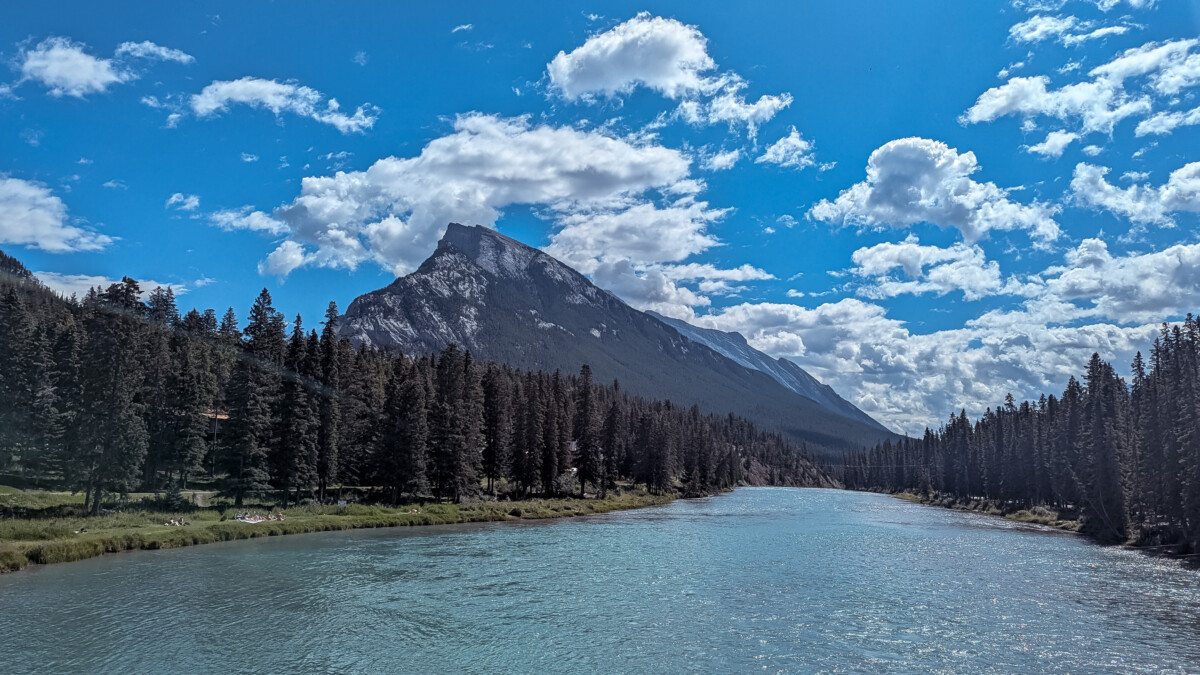
Banff National Park is Canada’s oldest park and one of the world’s most famous. Nestled in the heart of the Canadian Rockies, its snow-capped peaks, turquoise lakes and lively alpine villages are awe-inspiring. A UNESCO World Heritage Site, it is often the highlight of a roadtrip through Western Canada.
How to get to Banff
Located about 130 km from Calgary, Banff National Park can be reached in just over an hour and a half via the Trans-Canada Highway. It’s the ideal gateway for travellers who land at Calgary International Airport and start their roadtrip directly in the Rockies.
The other possible route is to reach Banff from Vancouver, some 850 km to the west. The journey takes several days and takes you across British Columbia along the Trans-Canada Highway, a scenic route in its own right. Whether you’re coming from Calgary or Vancouver, Banff is a must on any Western Canada itinerary.
Leaving Calgary, the highway heads straight west, and soon the mountains appear in the distance. At first discreet silhouettes on the horizon, they gradually draw closer until they occupy the whole space. Every kilometer we travel accentuates this impression of change: the plain gives way to the first relief, and the Rockies begin to dominate the landscape.
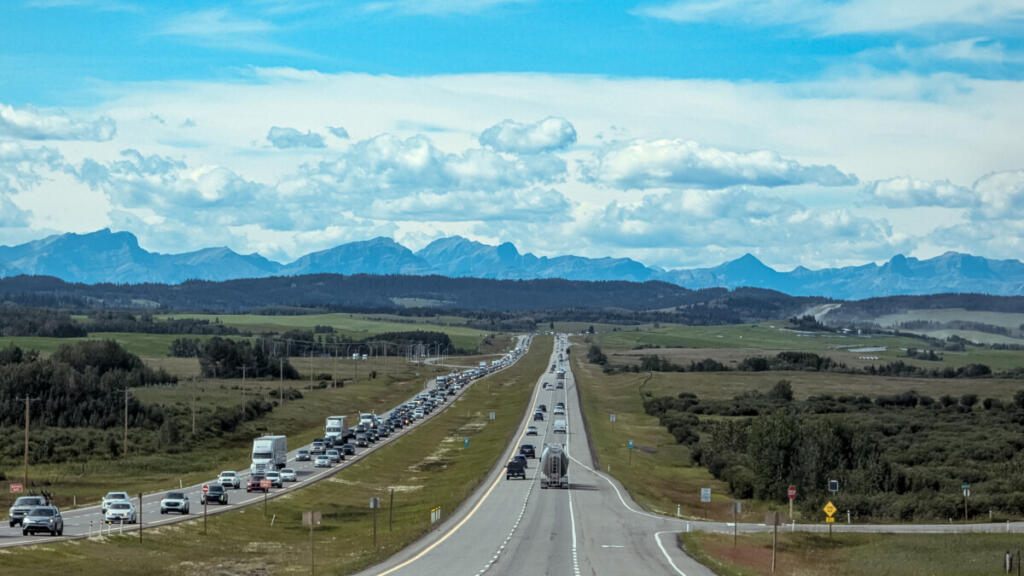
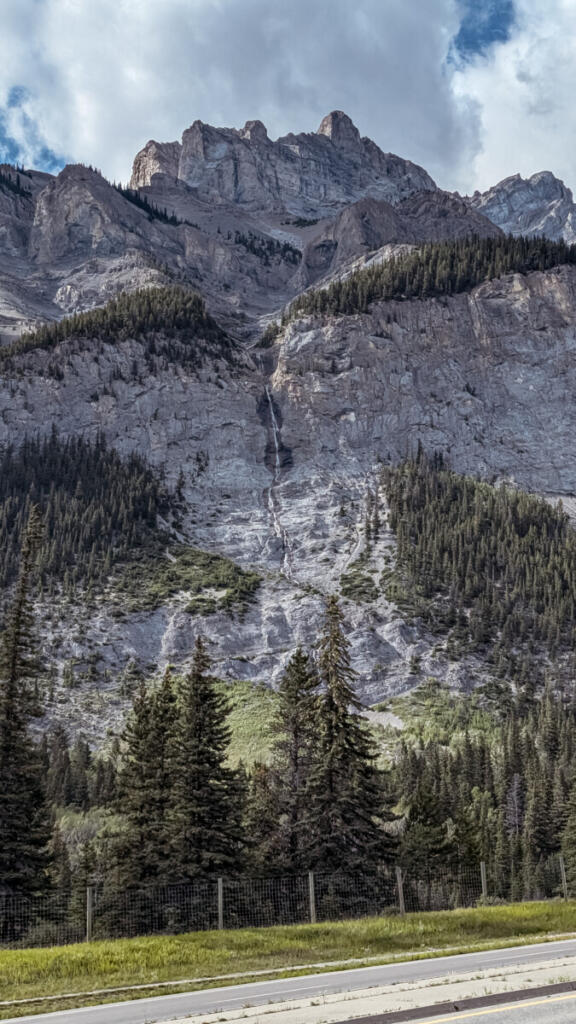
The road then becomes spectacular, lined with craggy peaks that seem to rise ever closer. There are plenty of photo stops, as the view changes as you go along, and this route is already an appetizer before entering the park.
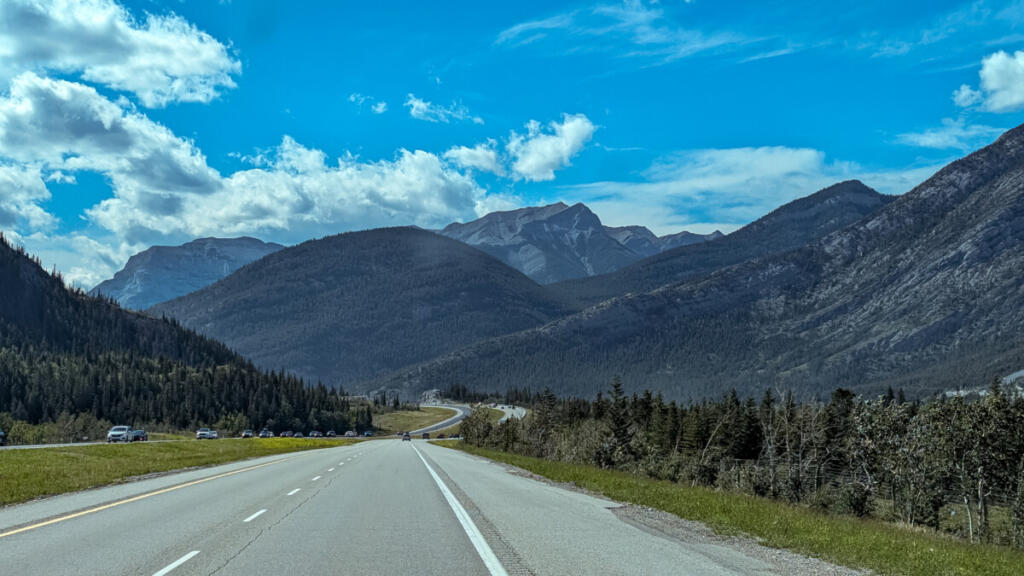
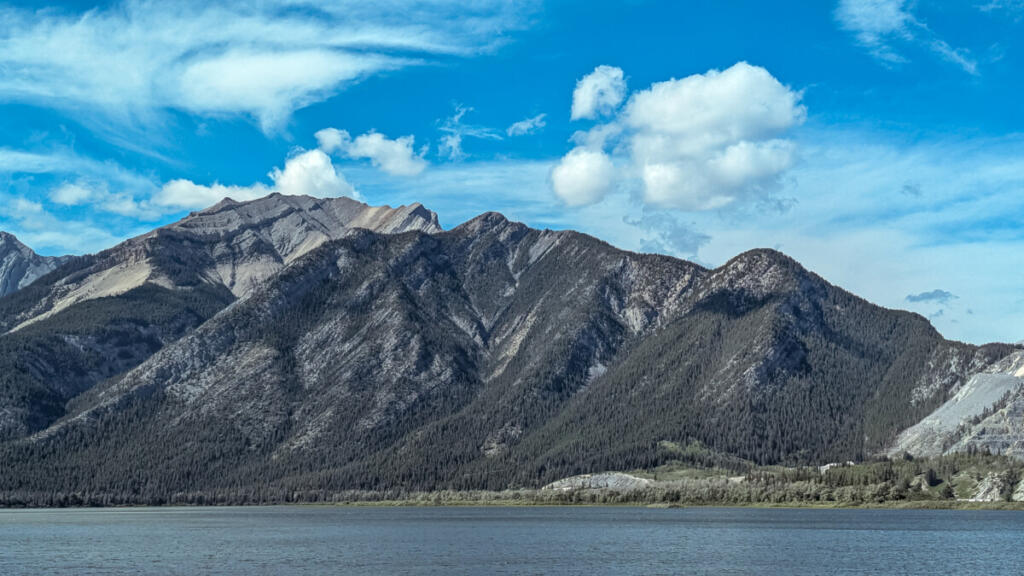
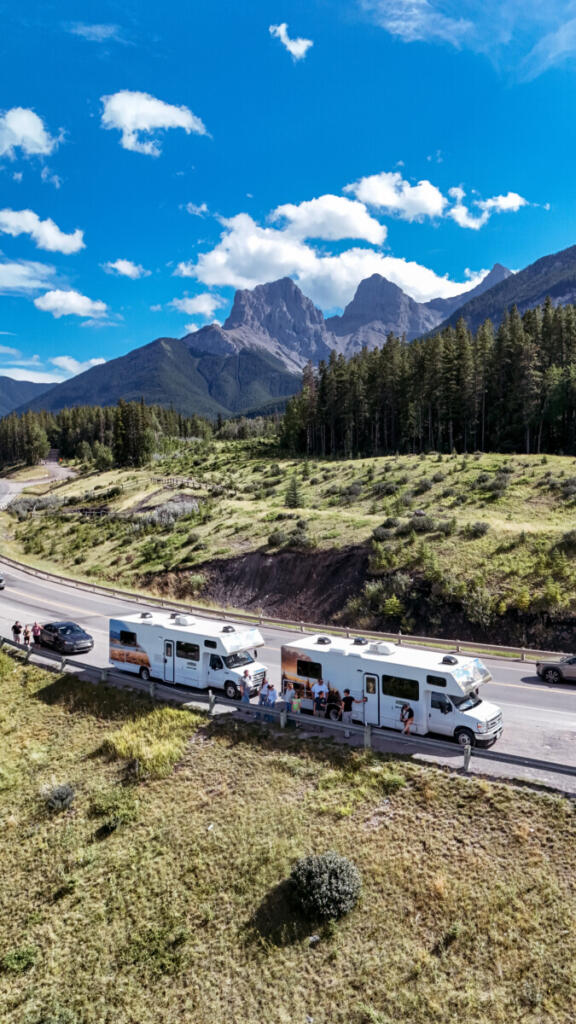
Before reaching Banff, the road passes through Canmore, a charming mountain town well worth a stop. The viewpoint of the Three Sisters, three emblematic peaks of the Rockies, offers a striking first panorama. With its lively streets, cafés and art galleries, Canmore represents a quieter alternative to Banff for putting down your bags while enjoying the immediate proximity of the national park.
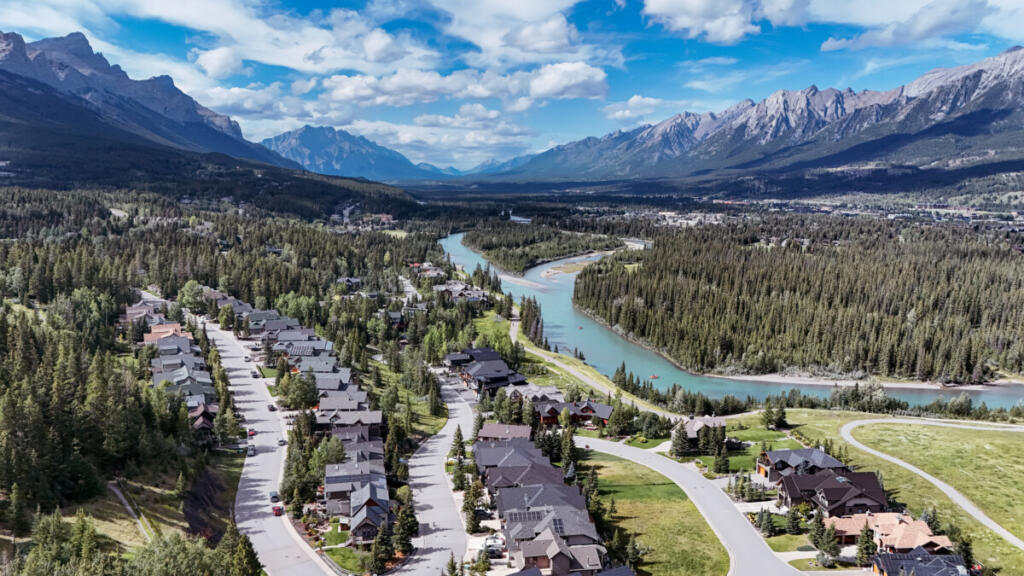
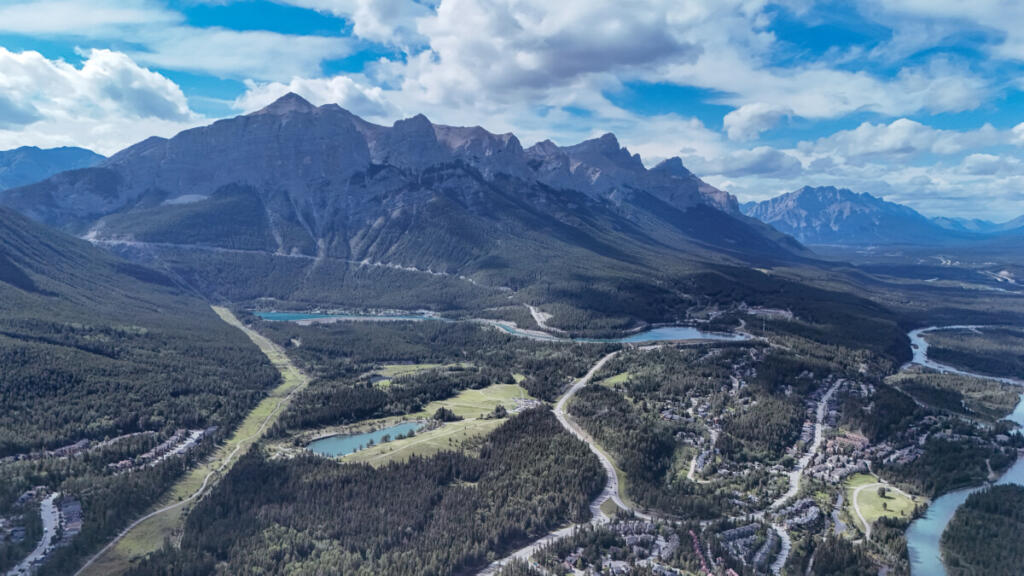
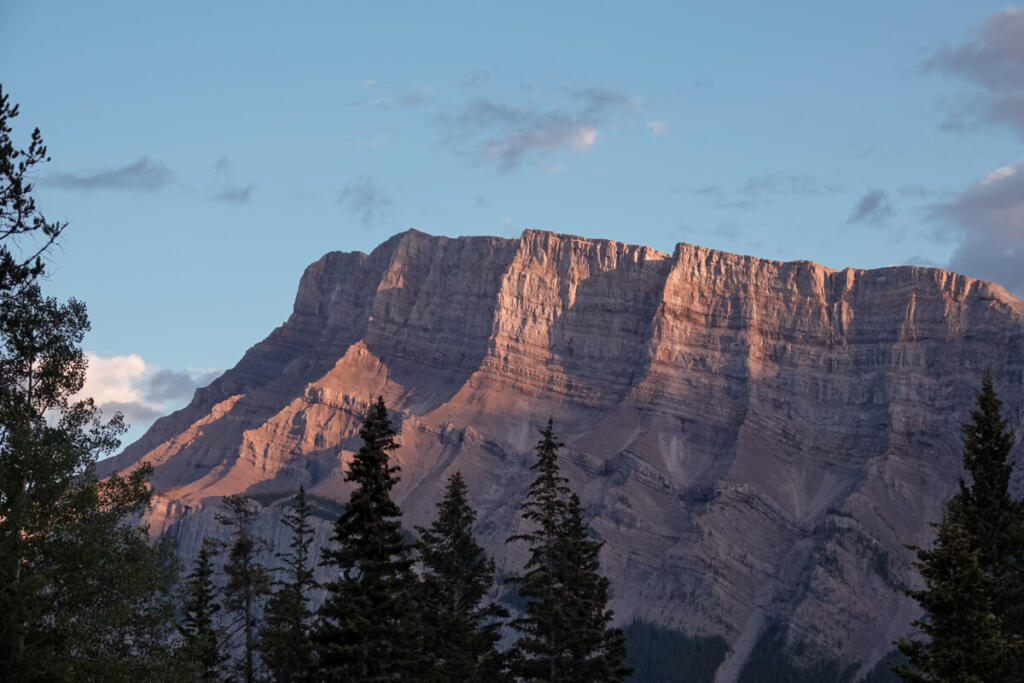
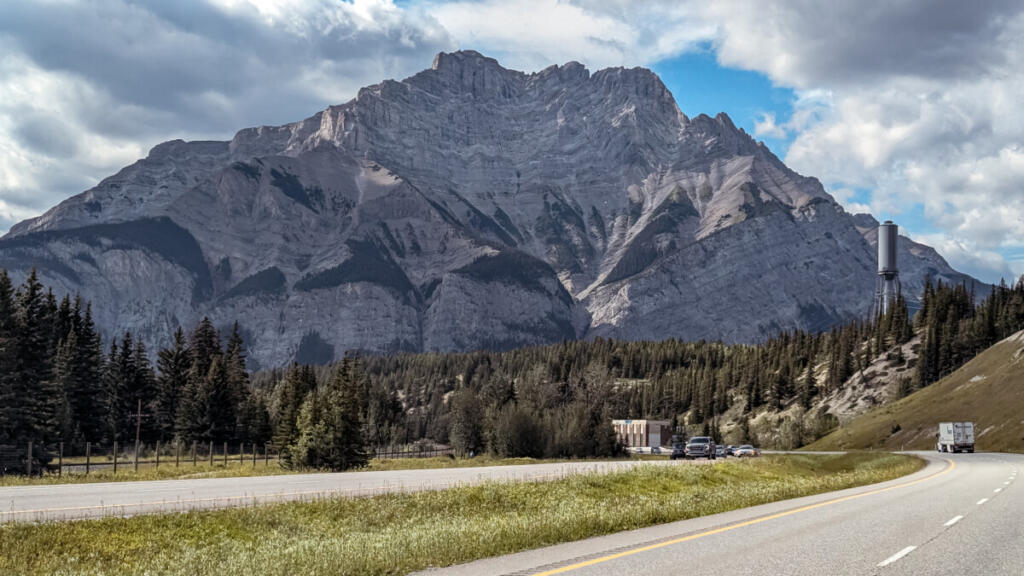
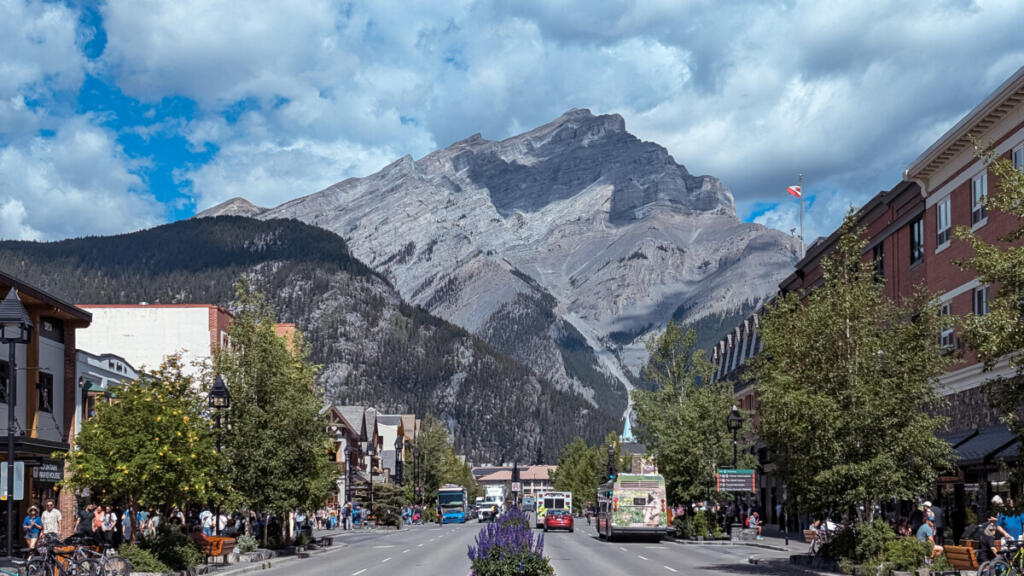
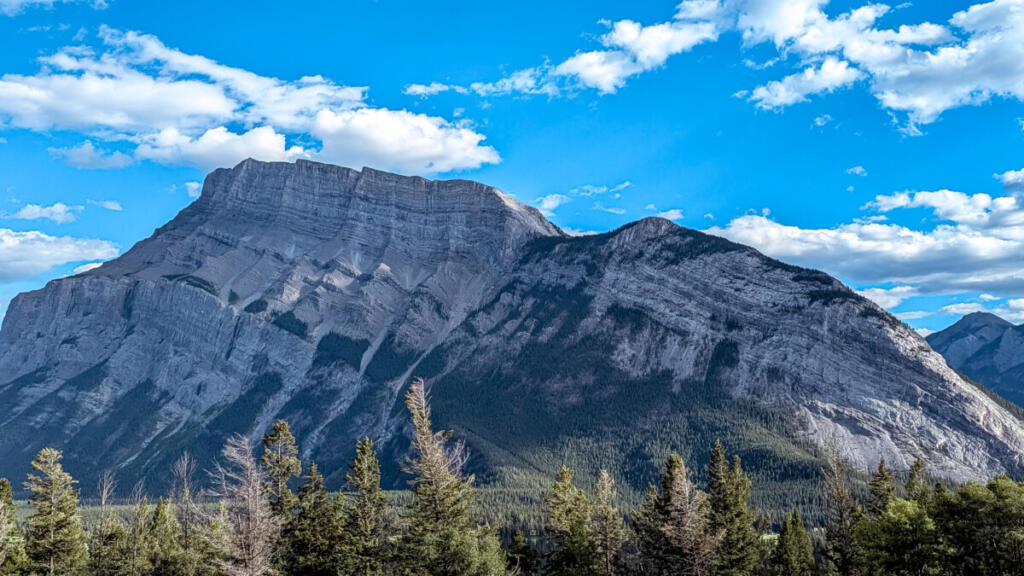
A few kilometers further on, the highway exit to Banff leads to the foot of Cascade Mountain, a massive mountain that dominates the park entrance. Its impressive profile is a foretaste of the grandiose setting of the town of Banff, nestled in the heart of the Rockies.
Where to stay in Banff?
Banff and the surrounding area offer a wide range of accommodations to suit all budgets.
TheBanff Springs Hotel, a veritable castle at the foot of the mountains, is an iconic address and an integral part of the park’s history. For a stay closer to nature, the park’s official campgrounds offer a place to sleep in the heart of the Rockies, but it’s essential to book your pitch well in advance, especially in summer.
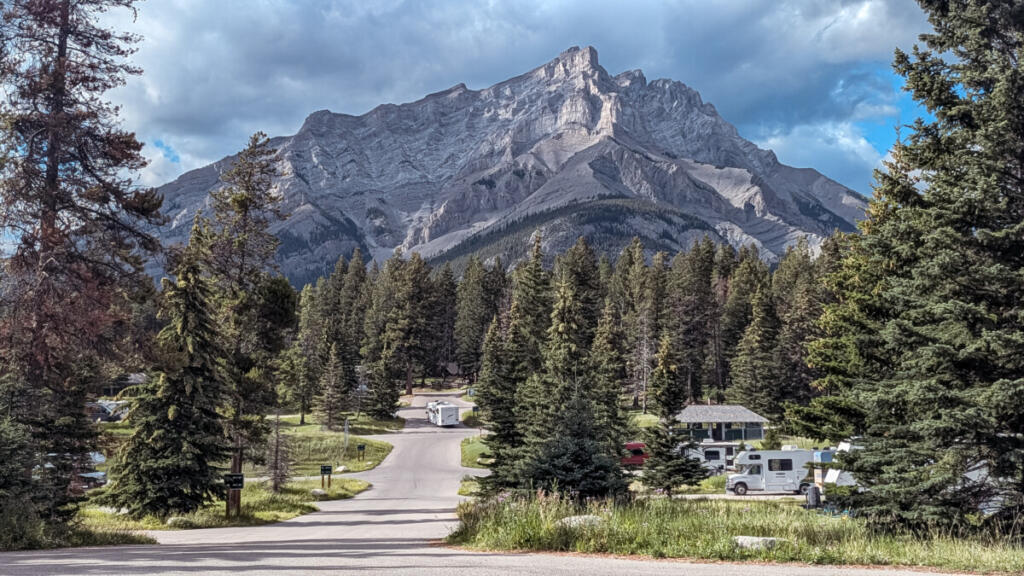
Many more affordable options can be found in Canmore, just outside the park, providing easy access to Banff while enjoying a quieter setting.
What to see and do in Banff
Explore the city and its surroundings
The village of Banff is an excellent base from which to explore the region, and offers much more than just a tourist center. The ambience is quite chic, with numerous stores specializing in outdoor equipment, including Patagonia and The North Face, as well as galleries and souvenir stores. The streets are bustling with restaurants, bars and ice-cream parlors, offering plenty of choice for relaxing after a day of exploring.
For those staying at nearby campsites, a shuttle bus system links the sites directly to the town center, so you don’t have to move your car and look for parking, which is often limited.
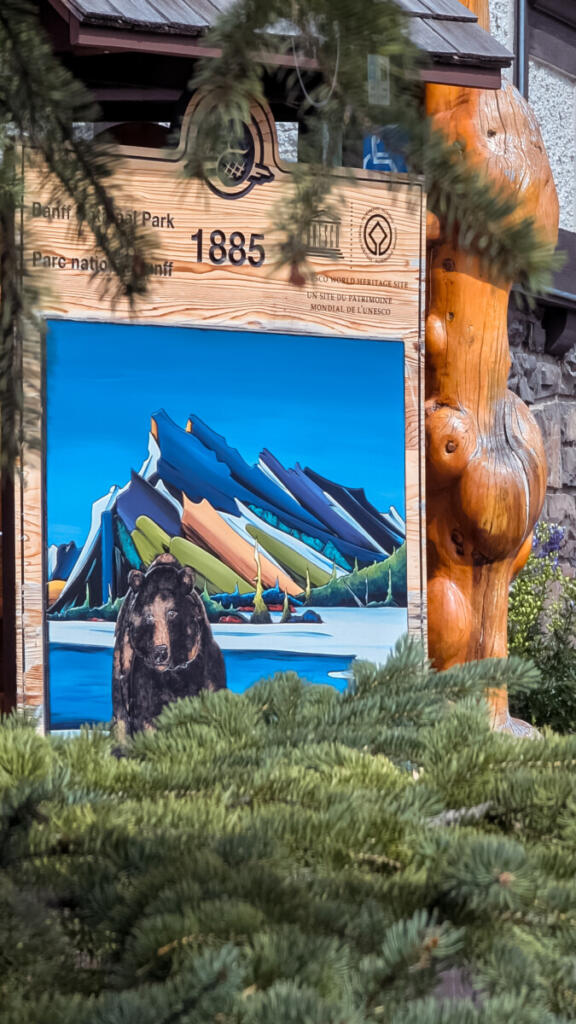
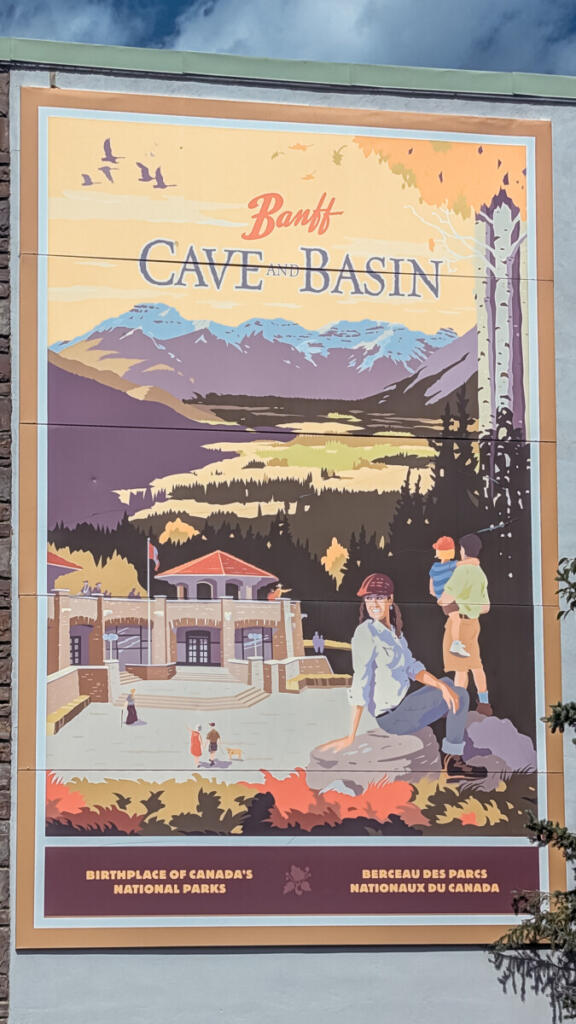
Just minutes from the heart of the village lies Cave and Basin, the birthplace of the national park. It was here, in 1883, that hot springs were discovered, leading to the creation of Canada’s first national park. Today, the site can be visited as a historical site, where visitors can learn how the small alpine resort became one of the Rockies’ most iconic destinations.

Hiking and walking in Banff
Banff National Park offers a multitude of accessible hikes, from simple strolls to more challenging climbs. These itineraries allow you to explore the diversity of the landscape, with its rivers, forests and mountain panoramas.
One of the most enjoyable walks is along the Bow River. From the Tunnel Mountain II campground, a path follows the banks of the river and takes around 30 minutes to reach
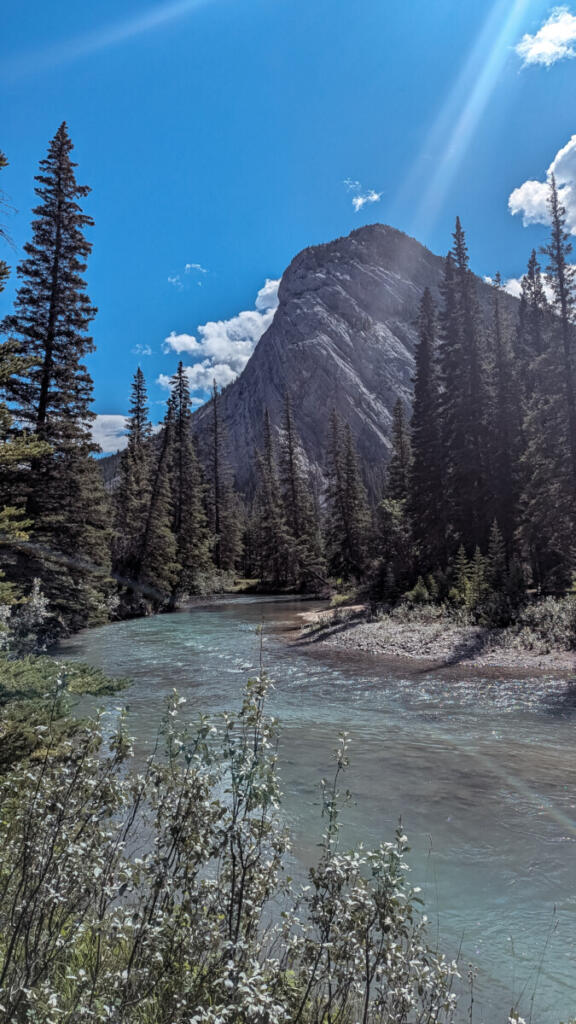
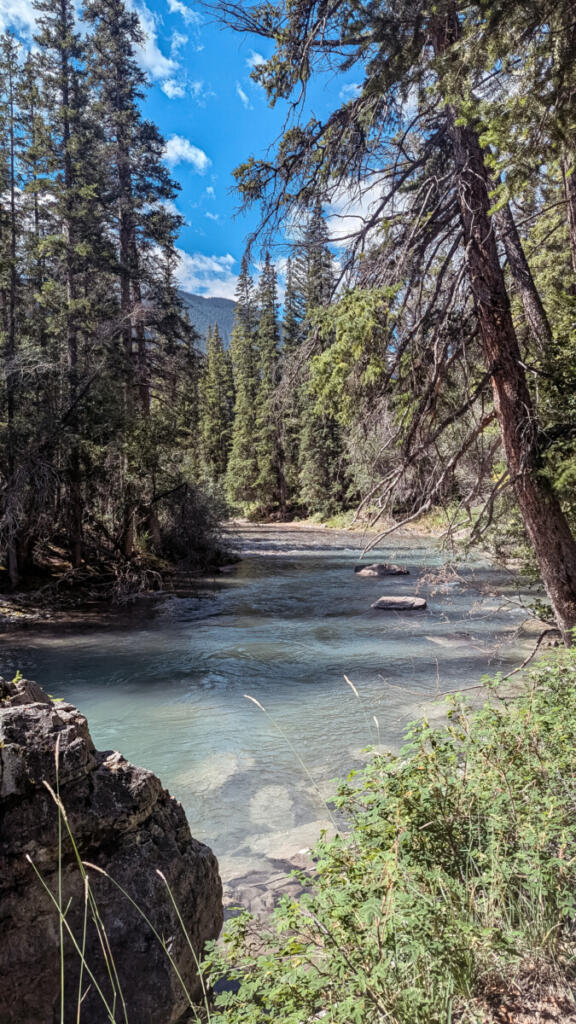
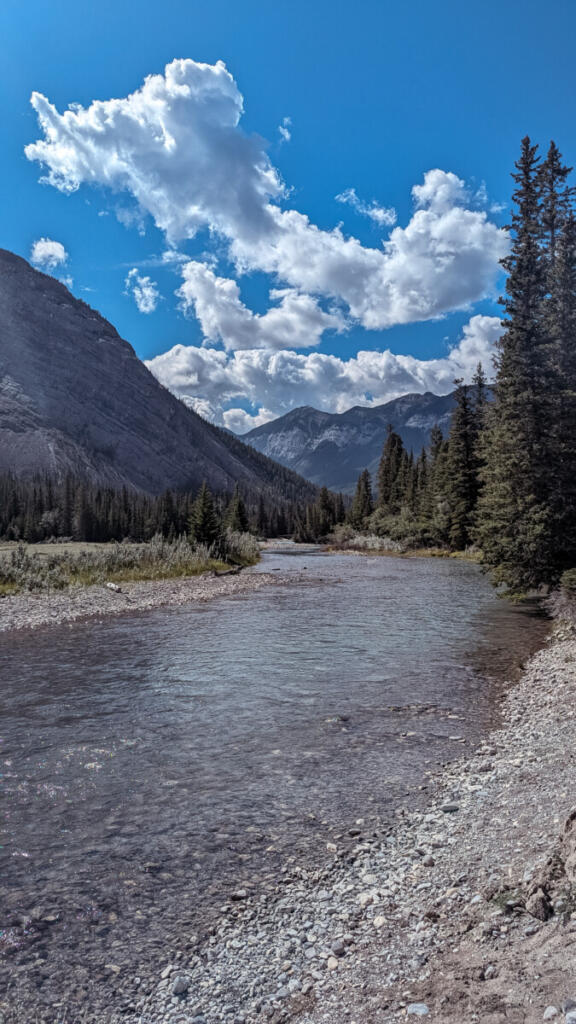
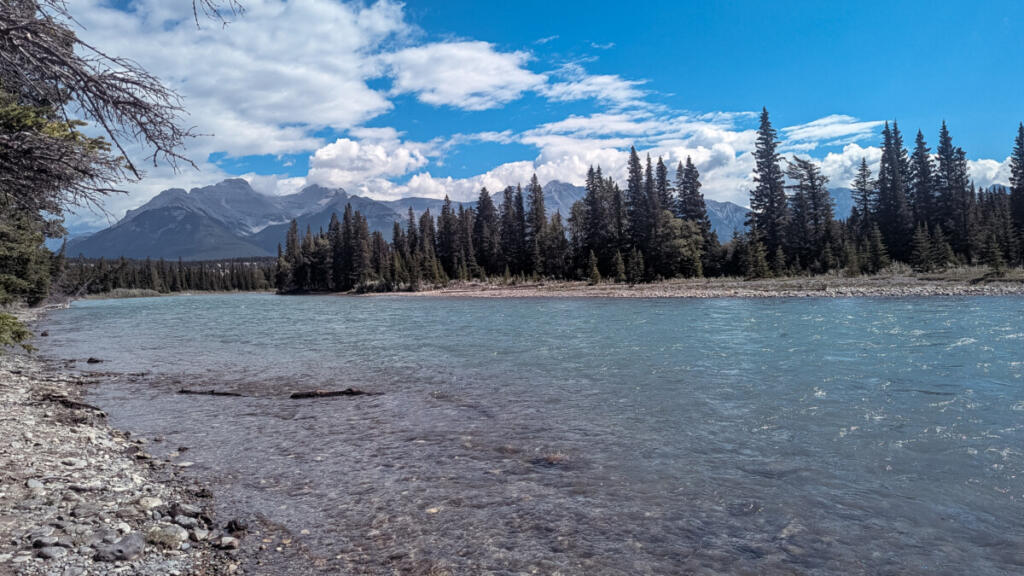
For a little more elevation, the Tunnel Mountain Summit Trail is a short 4.6 km round-trip hike that leads to a lookout offering panoramic views of the valley and the town of Banff. Starting from the Surprise Corner Viewpoint adds an even more spectacular dimension to the trail.
For the more motivated, there’s Mont Sulphur to climb. The 12 km round-trip trail leads to the summit and Sanson Peak, a former weather observation post. The panorama over the Bow Valley and the Rockies is exceptional. Those who prefer faster access can take the Banff Gondola: one option is to walk up and return by gondola, a more economical solution than the full round trip.
Other viewpoints are also worth a visit. At
Lakes are another classic feature of the park.
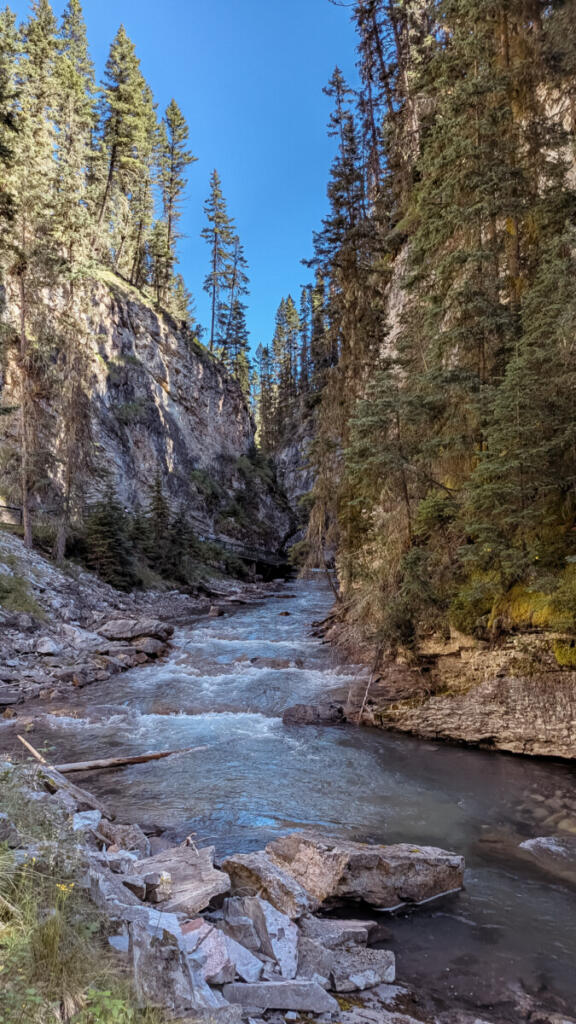
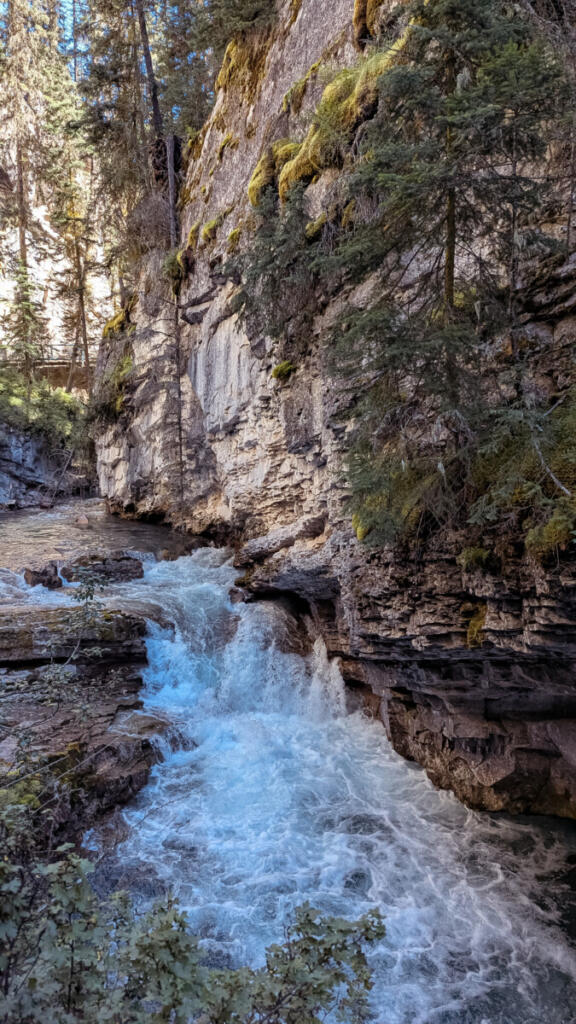
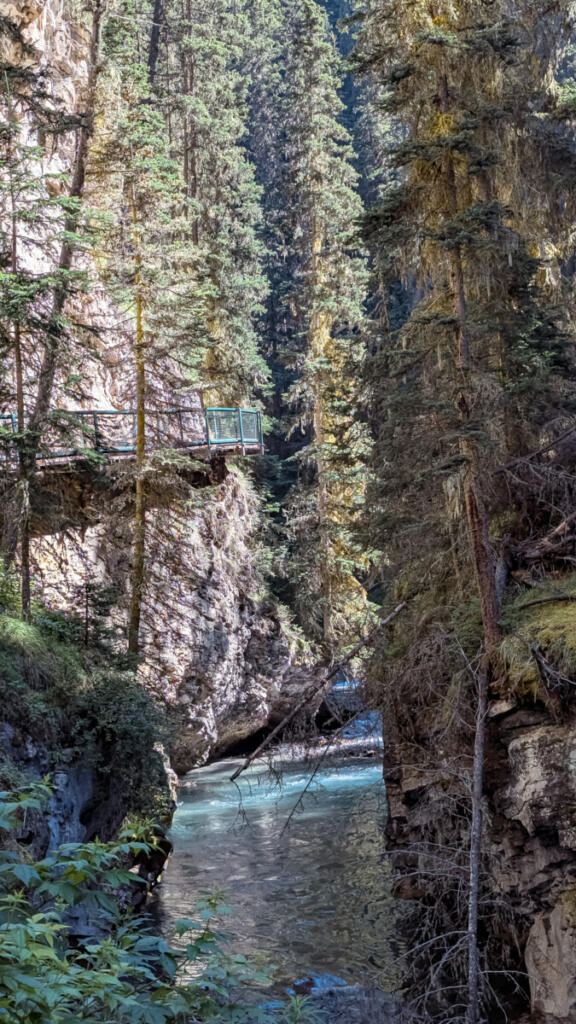
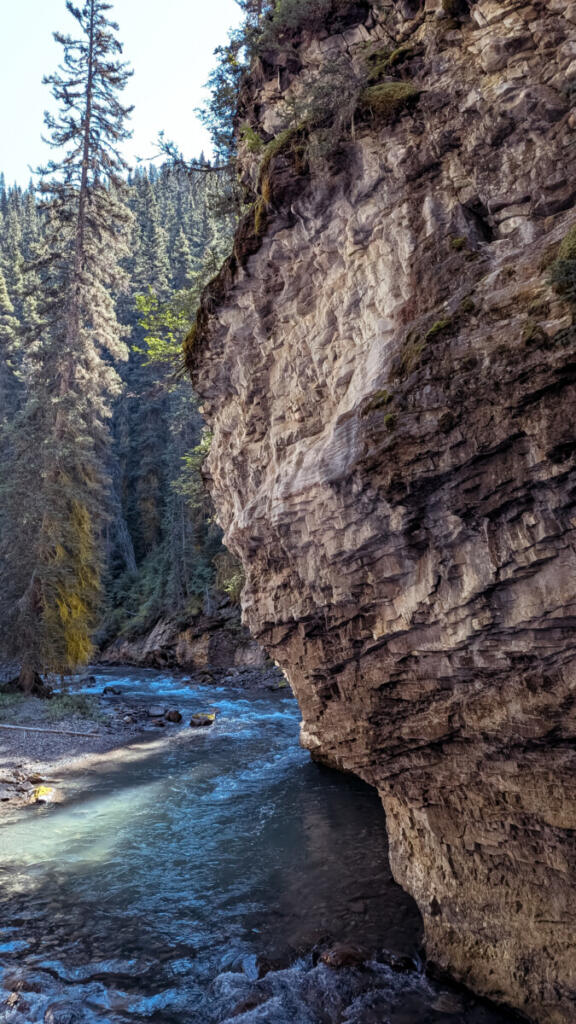
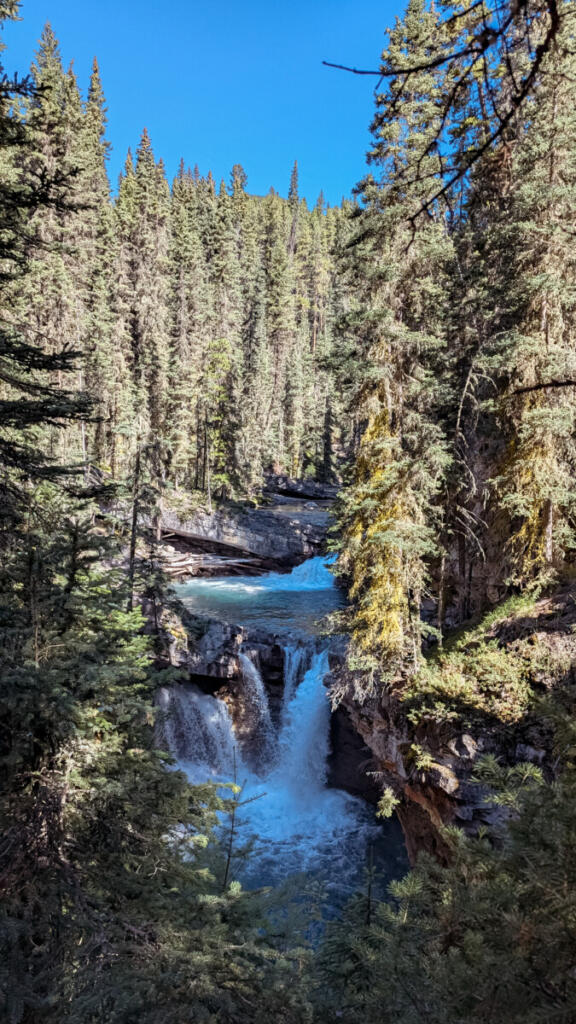
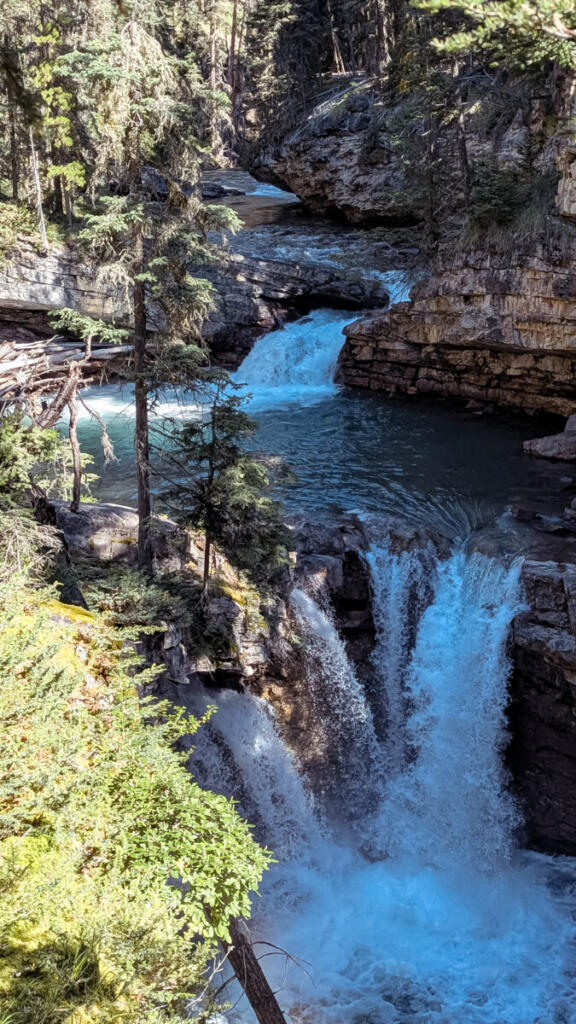
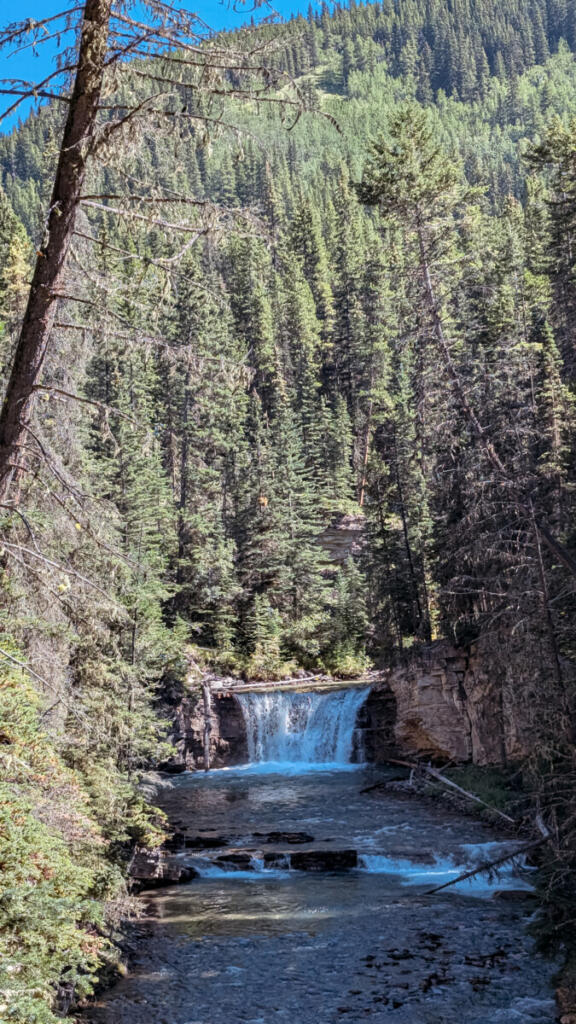
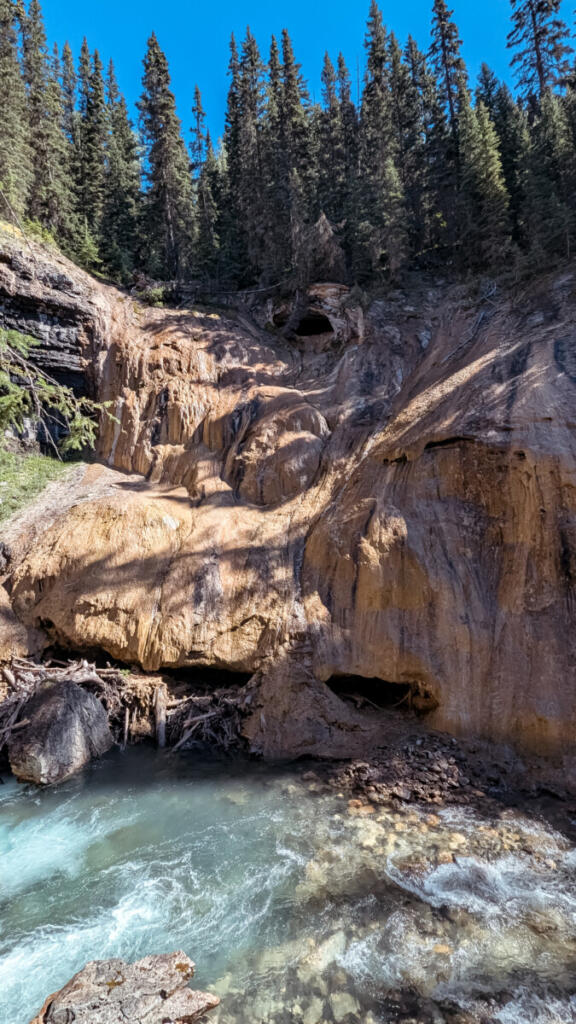
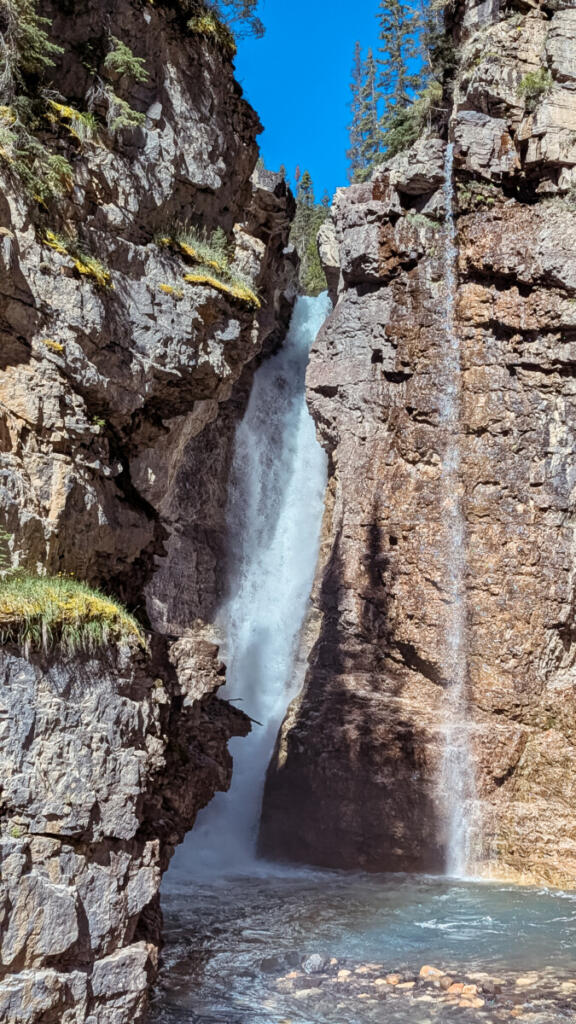
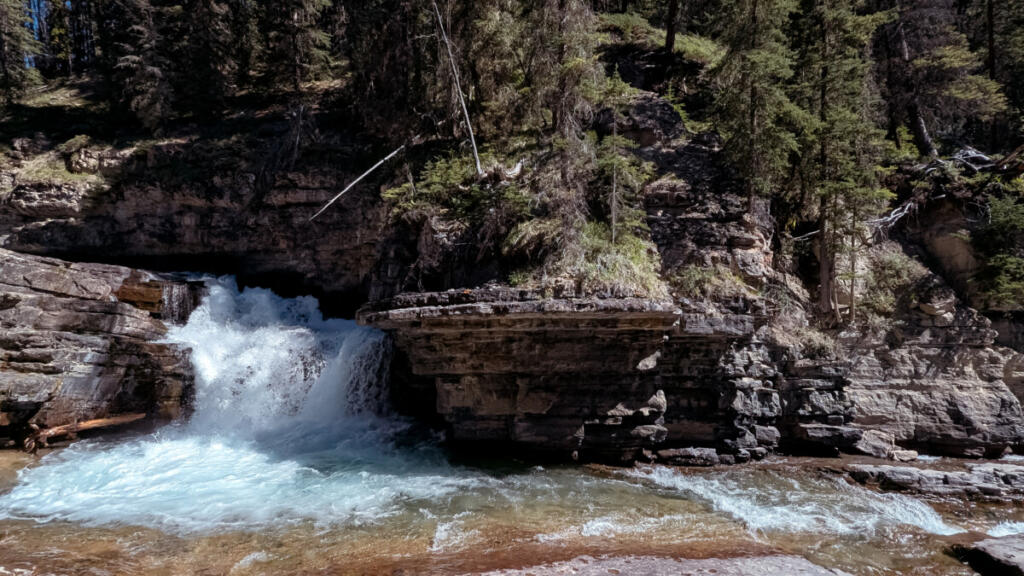
Finally, Johnston Canyon remains one of the park’s most popular hikes. Accessible to all, the trail follows the river on footbridges clinging to the rock faces, leading successively to several waterfalls. The spectacular scenery and easy access make this an unmissable half-day excursion.
How many days can I stay in Banff?
Banff can be explored in two or three days, but to take full advantage of its trails, lakes and panoramas, four to five days is ideal. This length of time allows you to combine the must-do hikes, cultural visits and moments of relaxation by the lakes or in the lively town center. For a tighter roadtrip, a two-day stay concentrates the essentials, while a longer trip gives you the chance to explore at a more leisurely pace and venture to less-visited sites.
Practical tips for visiting Banff
Banff National Park is one of the most visited sites in Canada. In high season, especially July and August, the park is very crowded. To avoid disappointment, it’s best to
Parking can be tricky in busy areas. For added convenience, the shuttle network is an ideal solution: it connects the campgrounds, downtown Banff and several must-see sites without having to worry about traffic or parking.
The best time to visit Banff is from June to September, when the roads are clear and the lakes accessible. Spring and autumn, however, offer a quieter atmosphere and magnificent colors. Winter completely transforms the park: hiking gives way to sliding sports, and snow-covered landscapes create a unique atmosphere.
To take full advantage of the scenery, it’s best to visit early in the morning or late in the afternoon. These times not only allow you to avoid the crowds, but also to benefit from the softer light, ideal for photography.