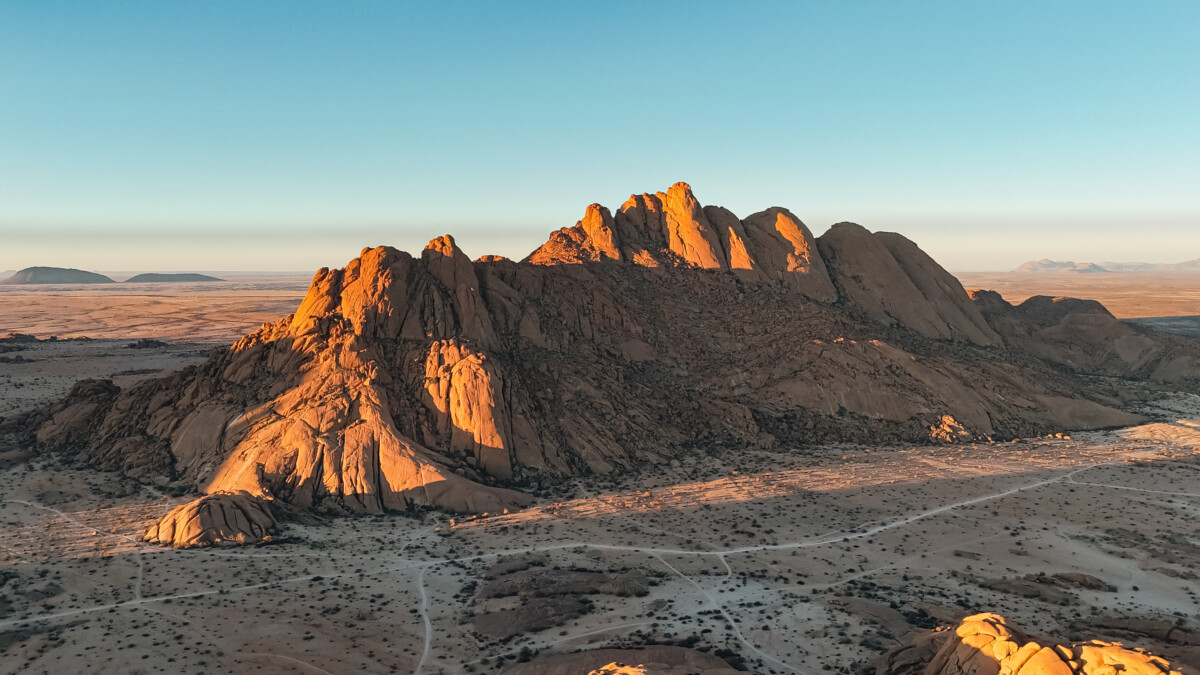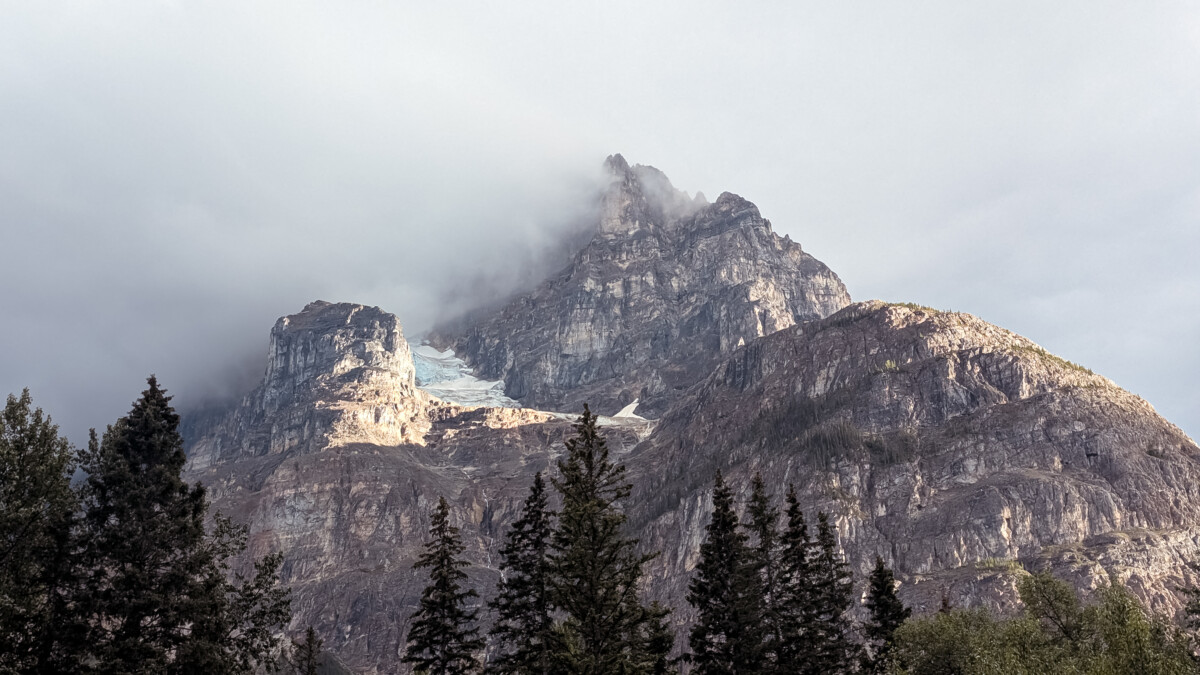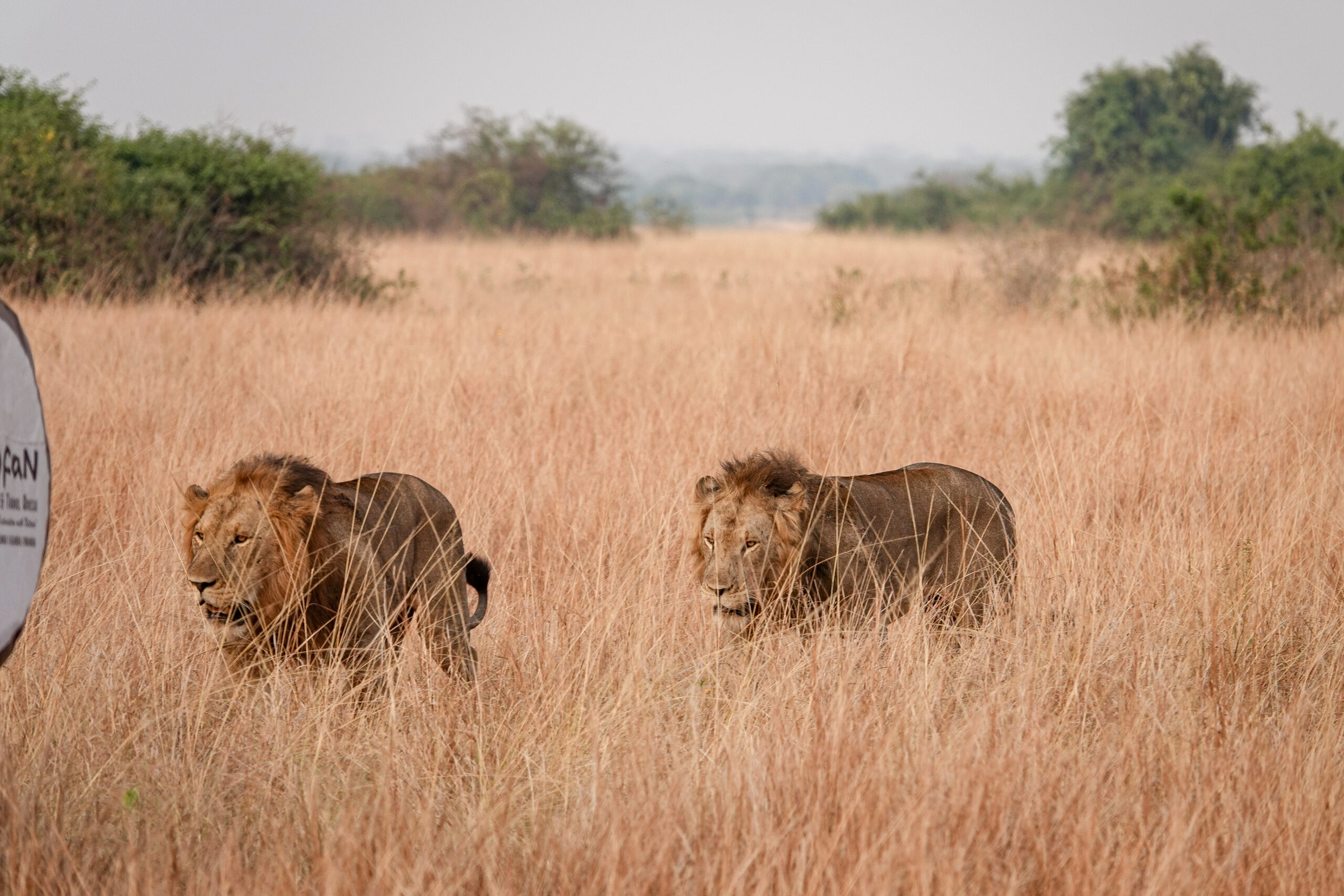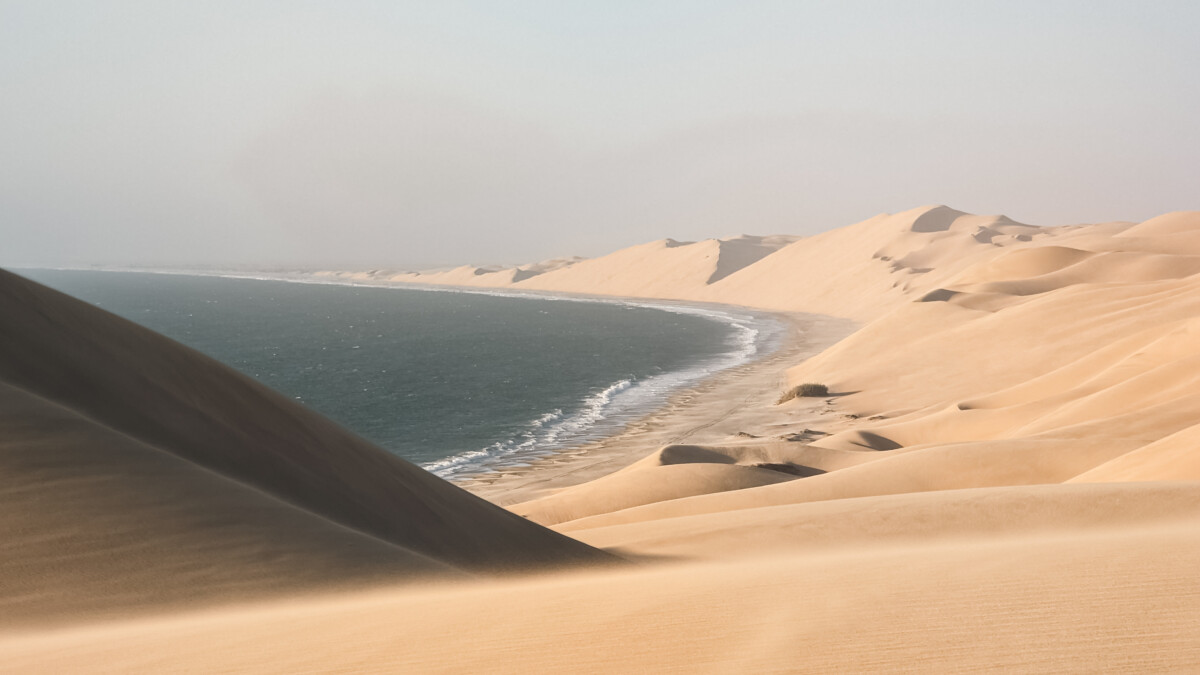
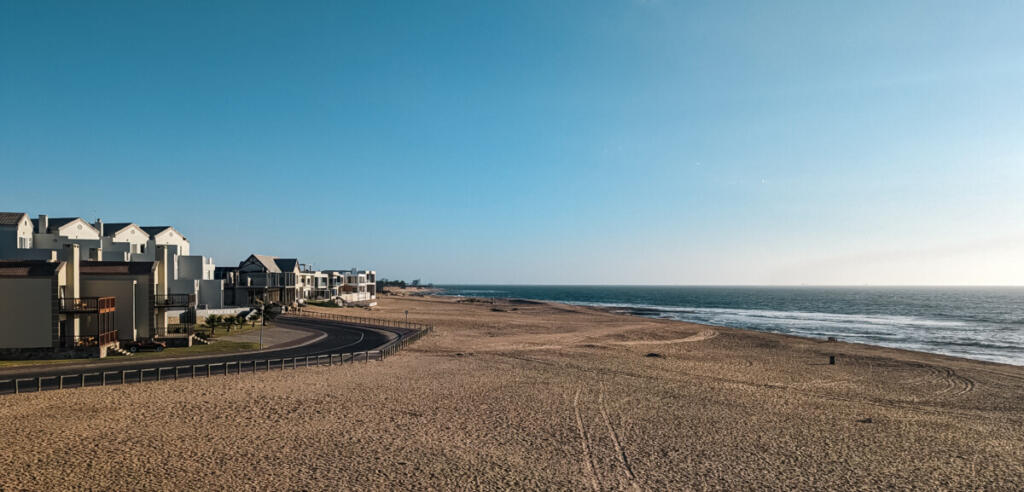
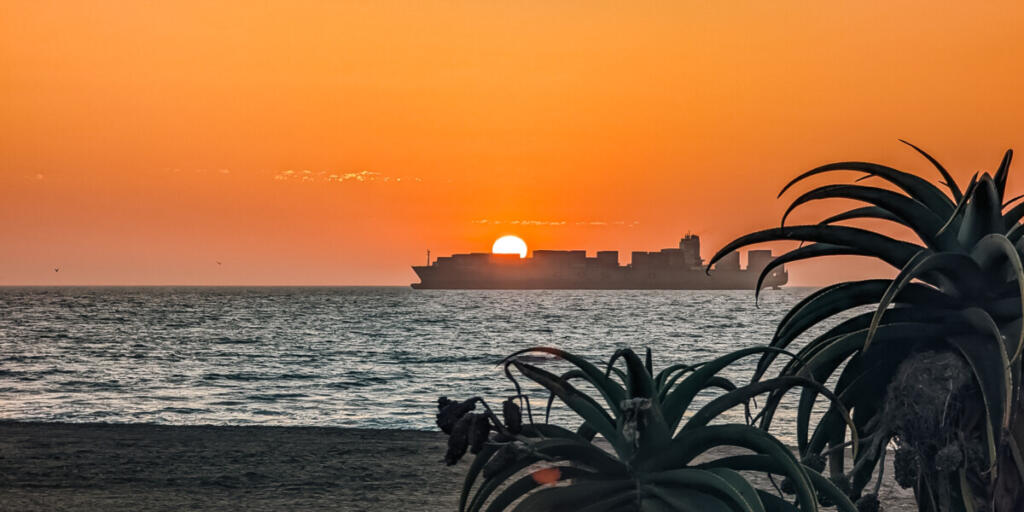
At Walvis Bay, the face of Namibia changes. Here, desert and ocean intertwine in a grandiose ballet: on one side, the immensity of the Atlantic, home to dolphins and seals; on the other, the red dunes of the Namib crashing directly into the waves. This unlikely meeting creates one of the country’s most emblematic panoramas. Between a catamaran cruise on the lagoon and a 4×4 expedition to Sandwich Harbour, Walvis Bay is a must for those who want to experience Namibia to the rhythm of its contrasts.
How to get to Walvis Bay
The town of Walvis Bay lies on the Atlantic coast, south of Swakopmund, and is easily reached by road.
- From Windhoek: approx. 4 hours’ drive (approx. 350 km) on a tarmac road (B1 then B2). This is the most direct route from the capital.
- From Etosha: a full day’s drive (approx. 7-8 hrs.) through Damaraland or the Central Plateau, offering a fine transition between safari and coastal desert.
- From Sesriem / Sossusvlei: this is one of the country’s most beautiful itineraries, about 4h30 drive (350 km).
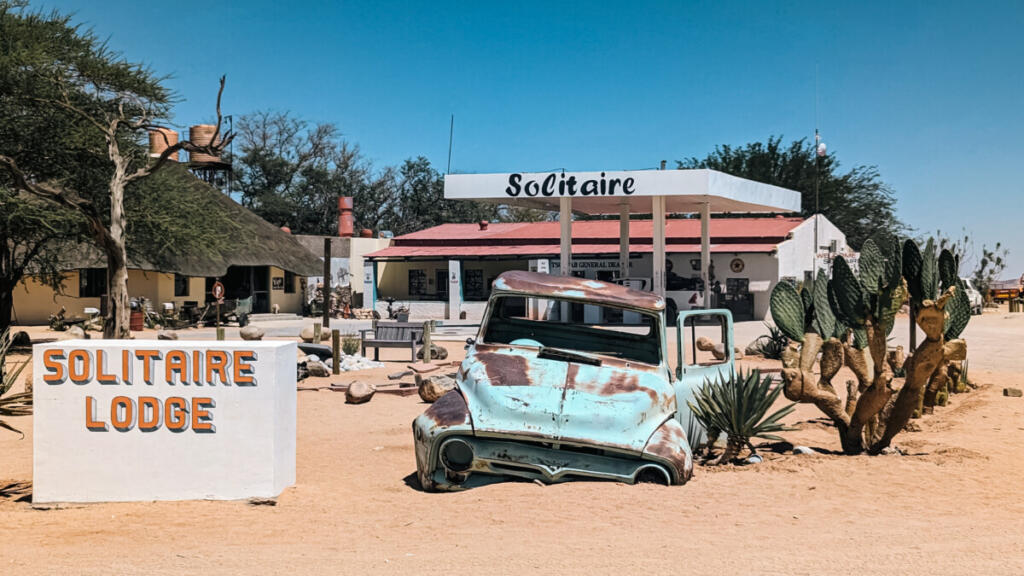
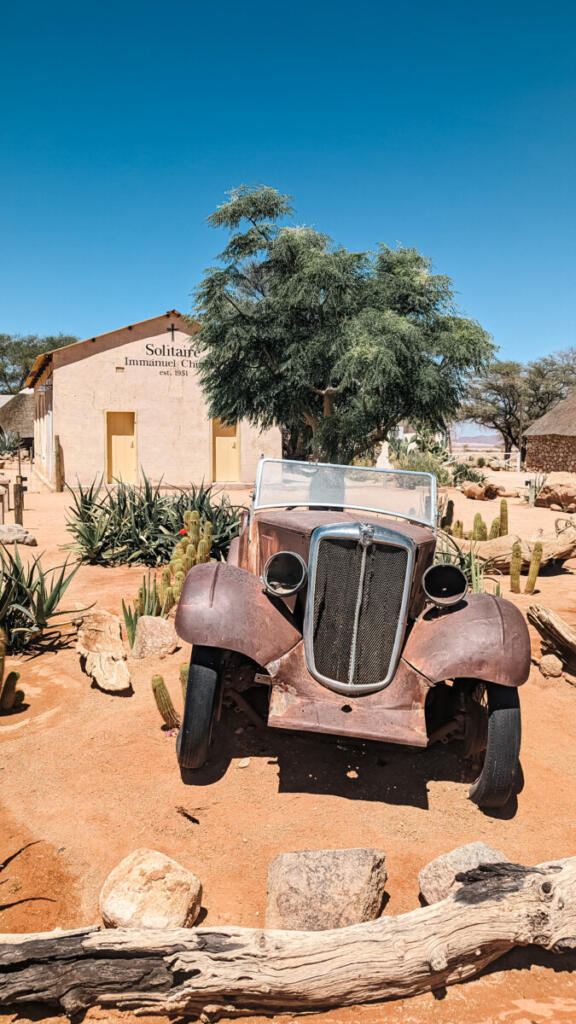
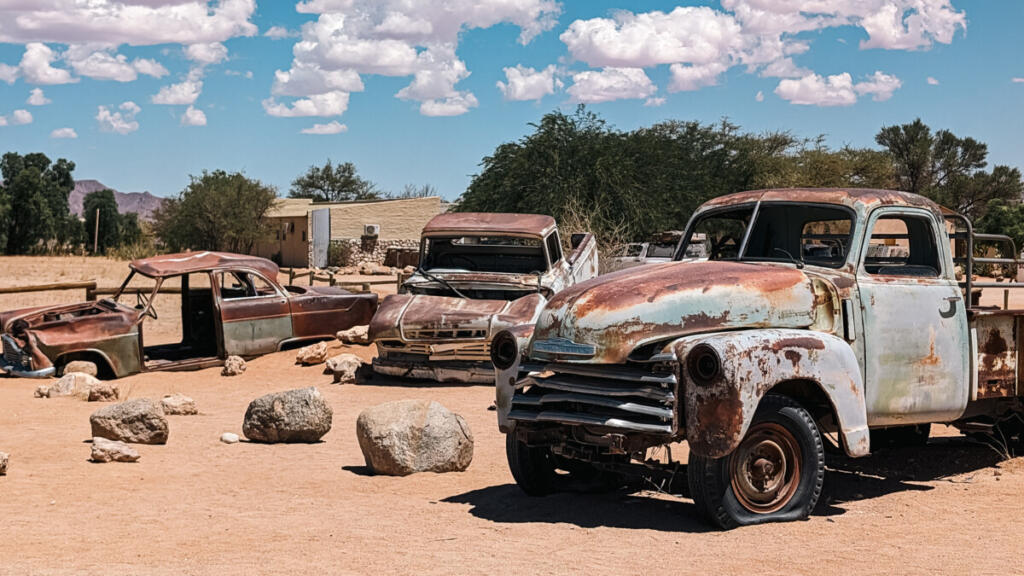
This last option is particularly spectacular. The road first passes through Solitaire, an unlikely hamlet lost in the middle of the desert, famous for its gas station, its bakery with its legendary pastries and its rusting carcasses that give it the air of a movie set.
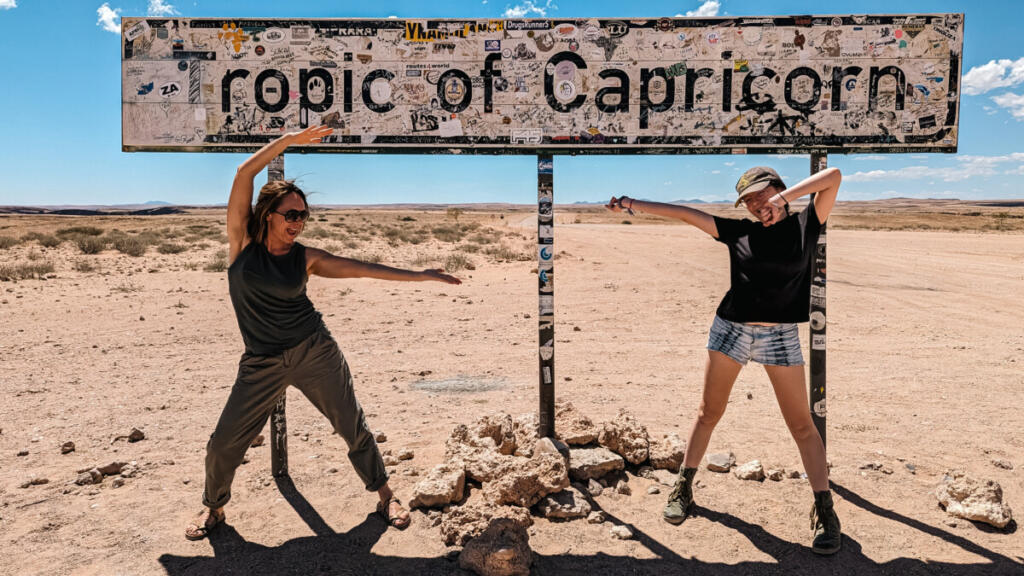
Further on, the road crosses the Tropic of Capricorn, marked by an iconic sign where everyone immortalizes their passage.
Finally, the route winds through the Kuiseb Pass, a spectacular passage that marks the boundary between two faces of the Namib. To the south, we leave behind the flamboyant dunes; to the north, an austere mineral landscape, draped in grey, almost lunar.
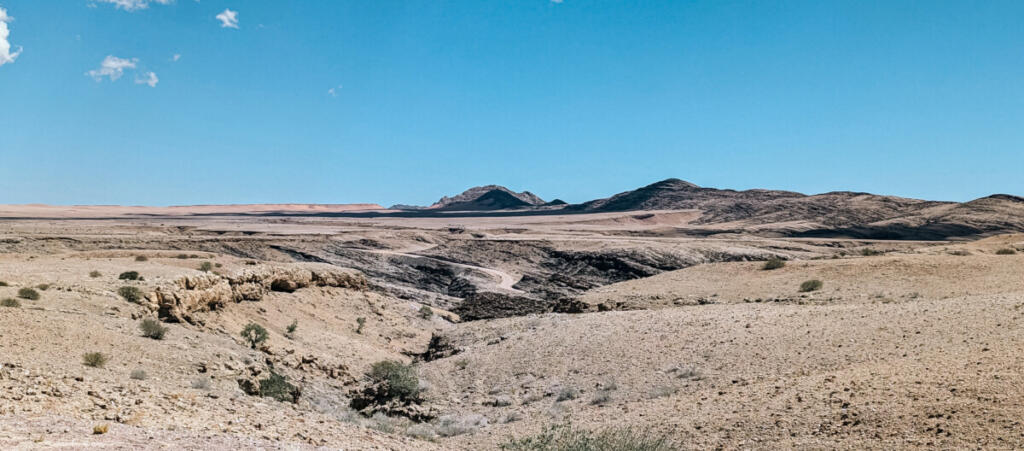
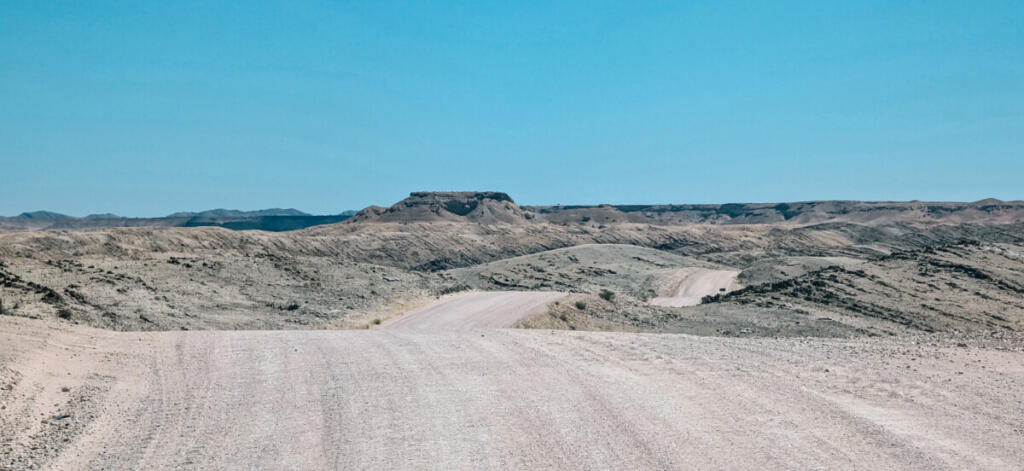
Shaped by the Kuiseb River, now almost always dry, this canyon tells the story of the floods that once pushed sand into the ocean and protected Walvis Bay. Today, only its dark walls and meandering channels bear witness to this vanished force. The bumpy, winding track plunges into the heart of this austere grandeur.
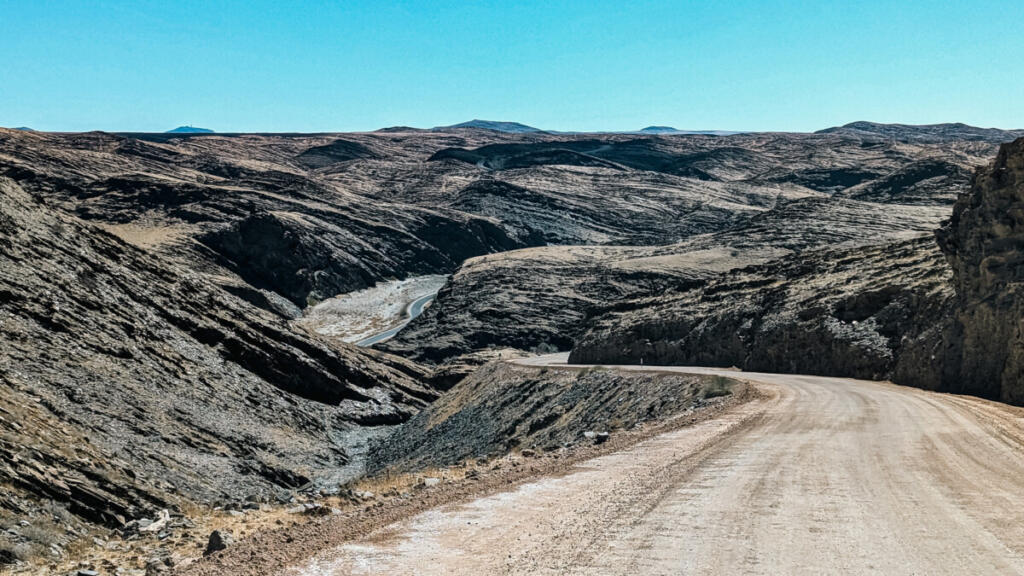
Eventually, the track widens and finally reaches tarmac, a sign that the Atlantic is not far off. For a few minutes, the horizon disappears in a cloud of sand blown by the wind along the gigantic Dune 7, one of the highest in the world.
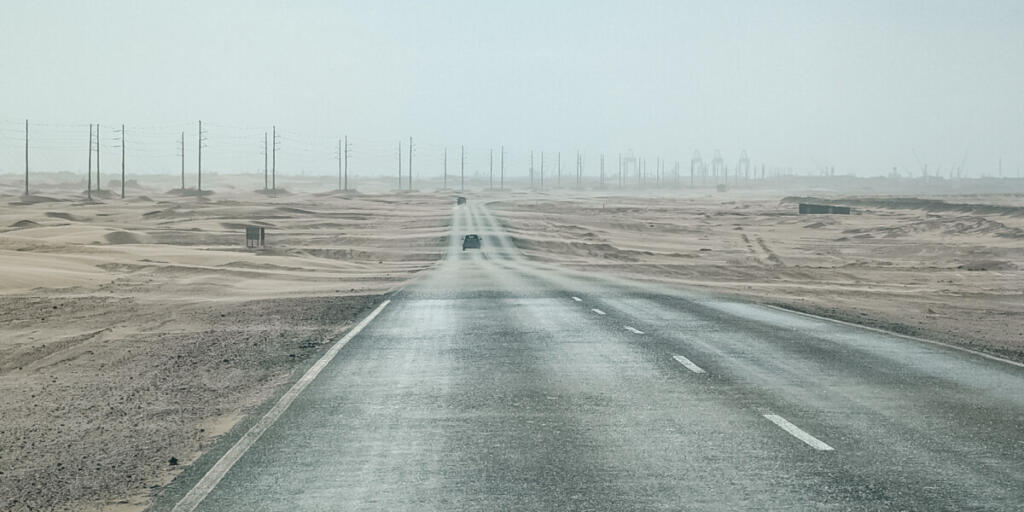
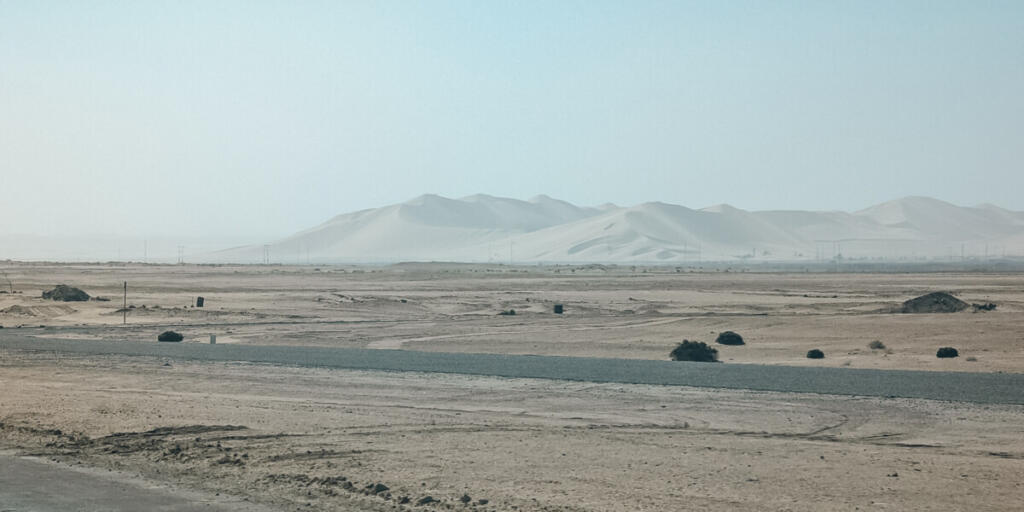
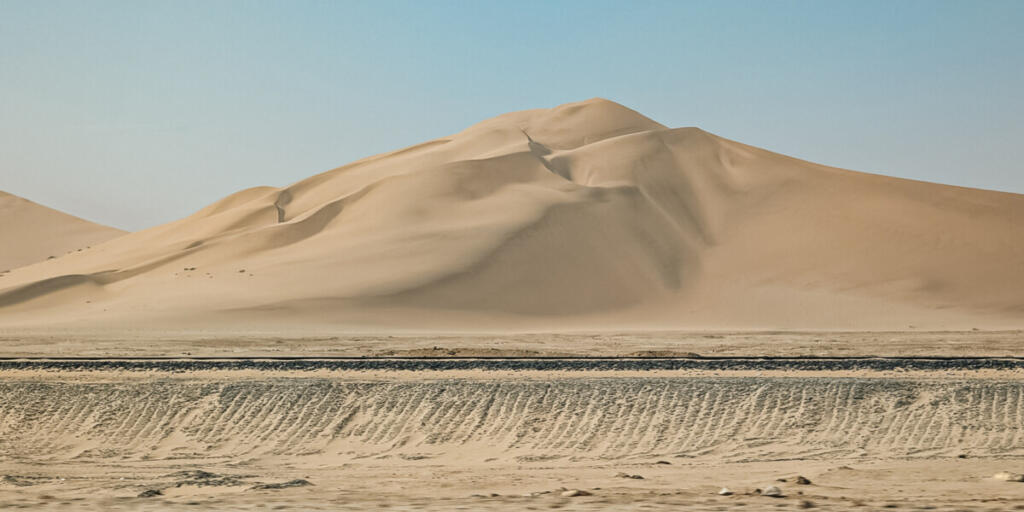
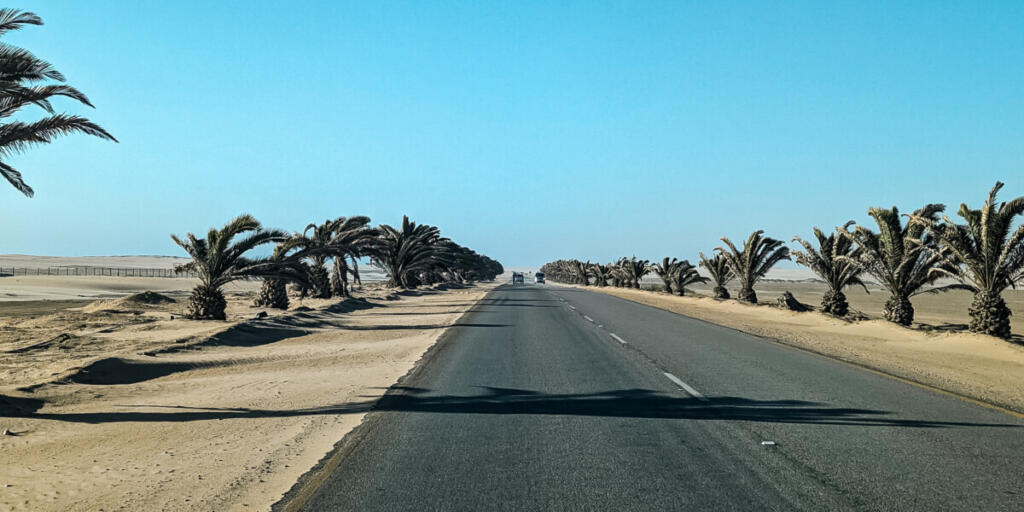
With the return of the sun, the landscape is completely transformed: the palm-lined road takes on the air of a seaside resort, even though the temperature has dropped by almost 20 degrees in just two hours. A stark and fascinating contrast, like a door opening onto another world.
What to see and do in Walvis Bay?
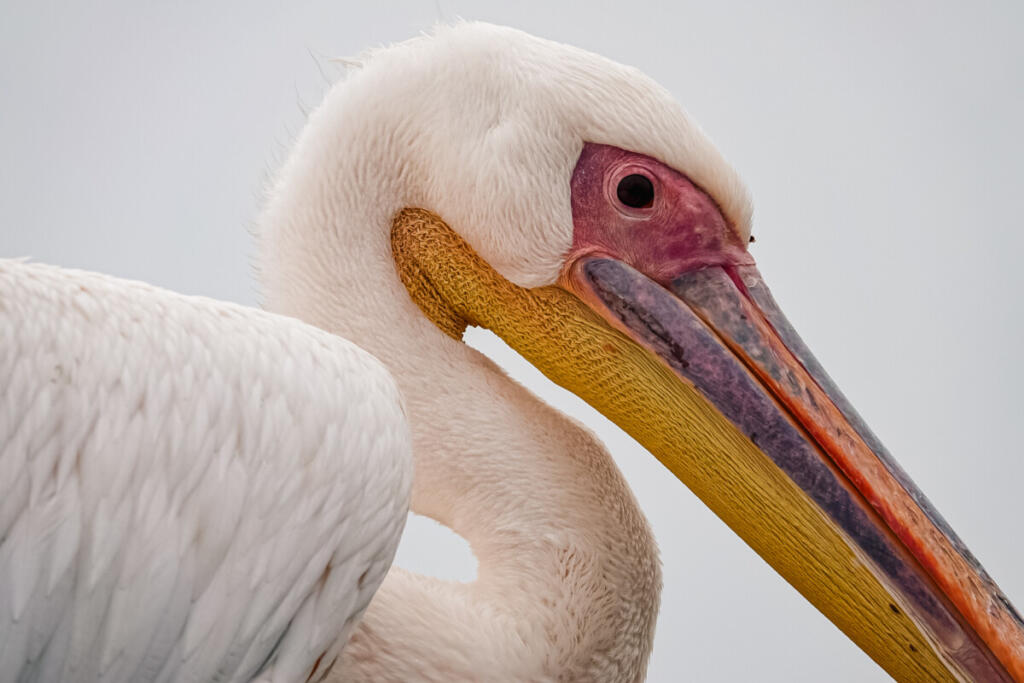
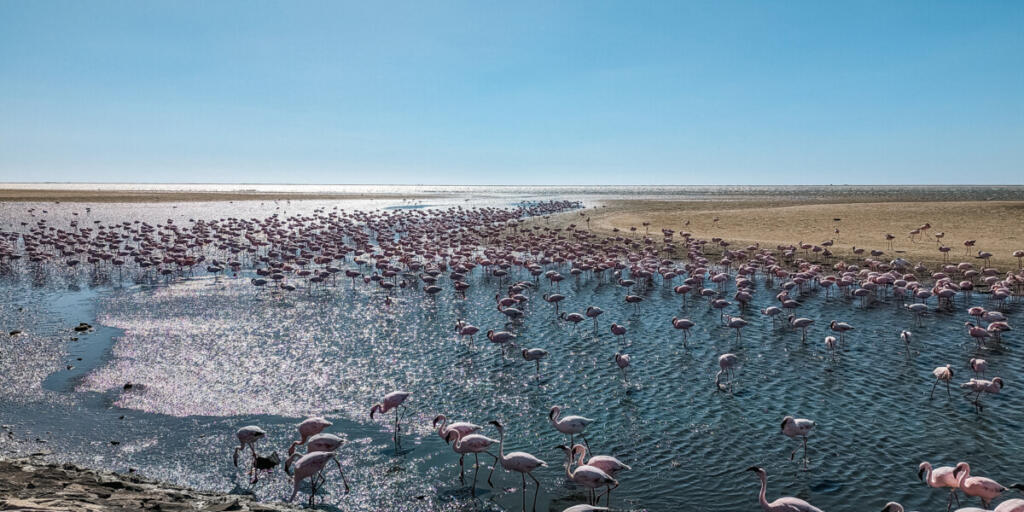
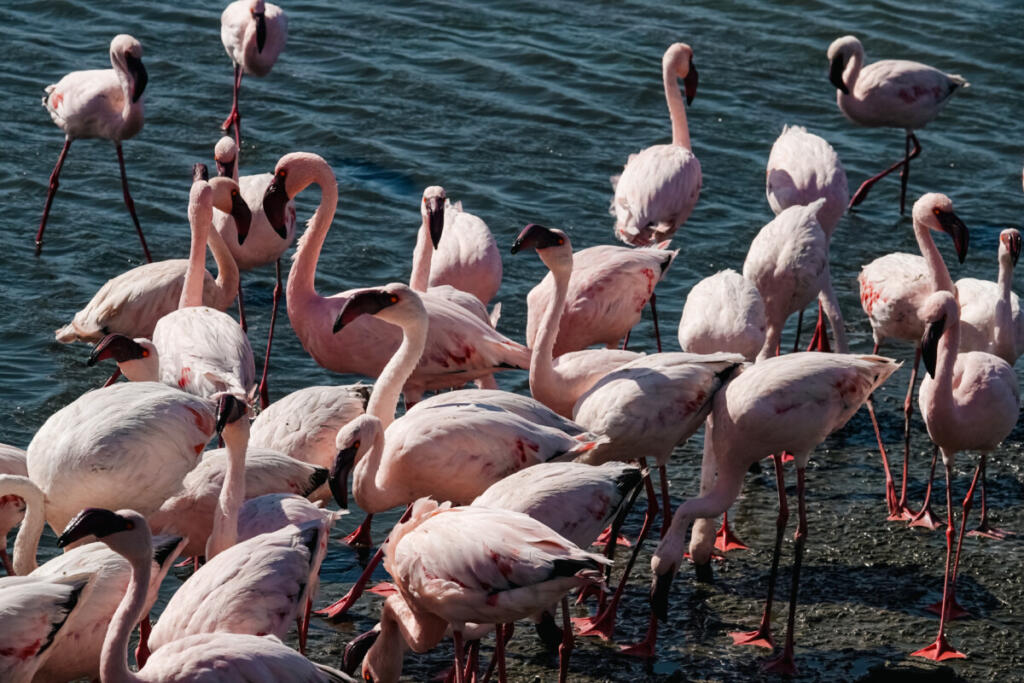
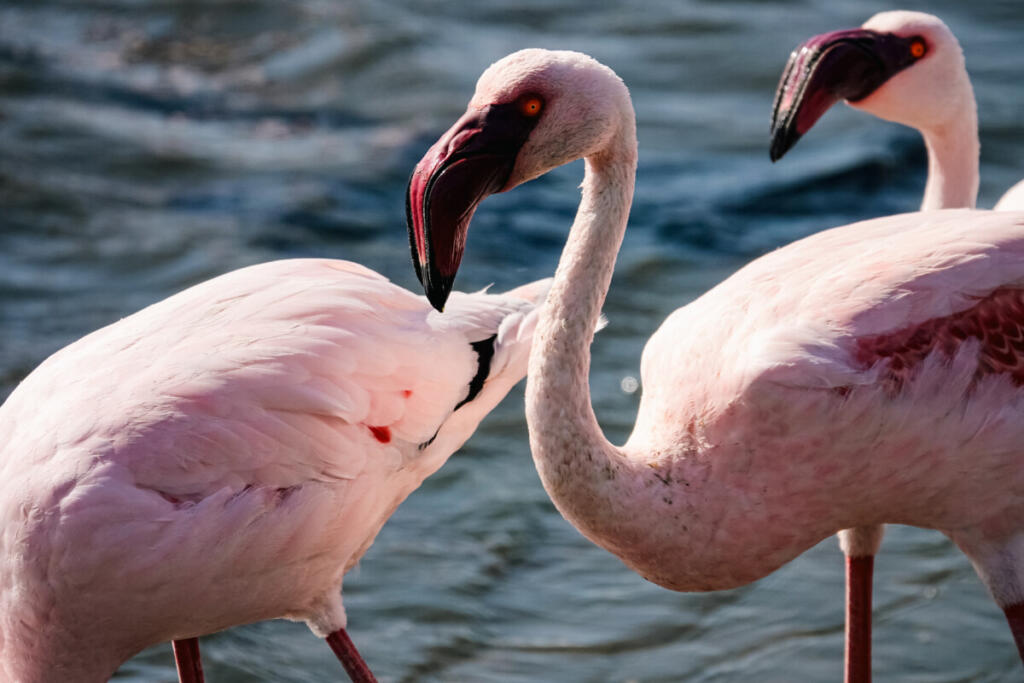
Nestled between the dunes and the Atlantic, Walvis Bay is a port town offering a fascinating mix of natural landscapes and tourist activities. Its highlight is the lagoon, home to an incredible diversity of birds: pink flamingos, pelicans, cormorants and herons mingle in a constant ballet, especially at low tide.
A cruise in the heart of the bay
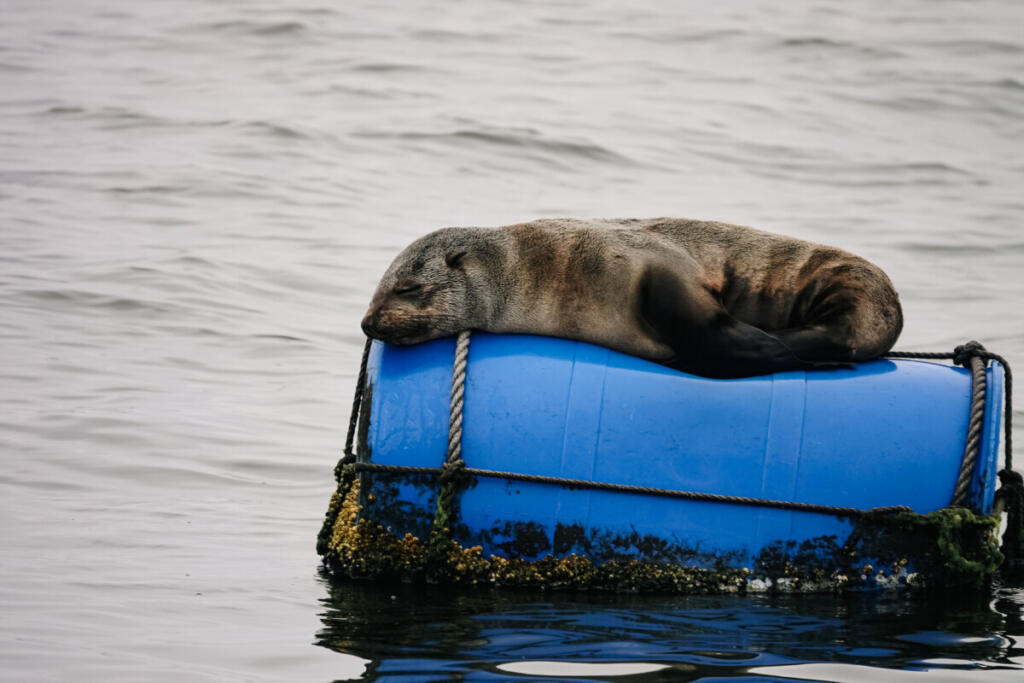
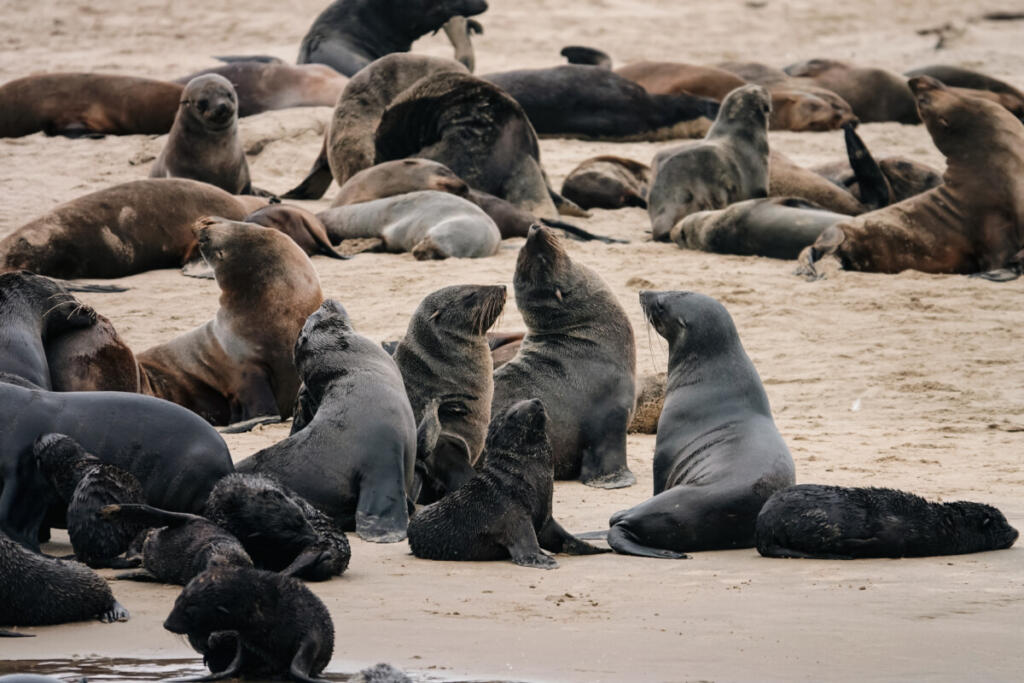
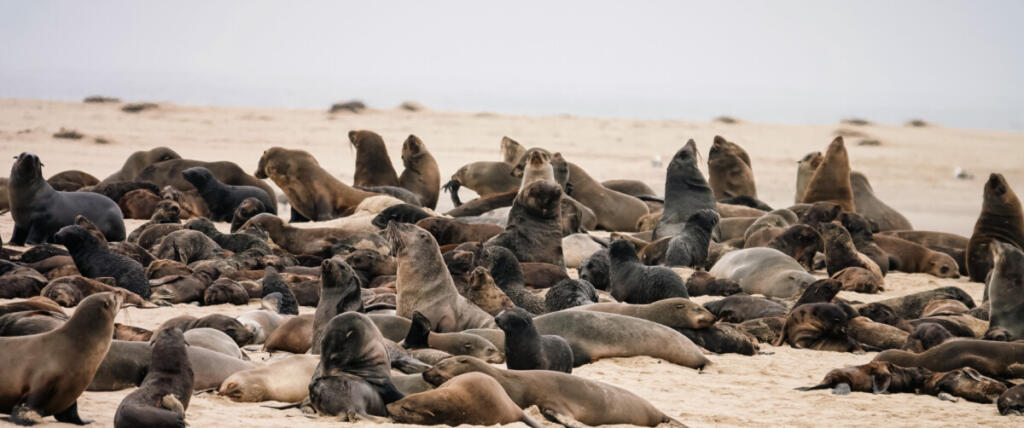
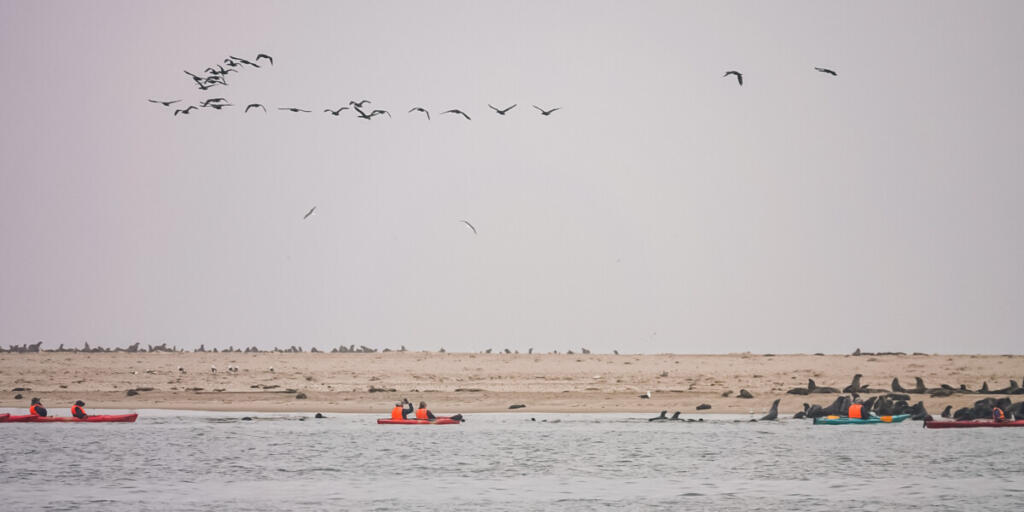
In Walvis Bay, the lagoon is home to colonies of Cape fur seals, sometimes numbering several thousand individuals. On the sandbanks and small islands, they can be seen lounging, playing or diving into the water.
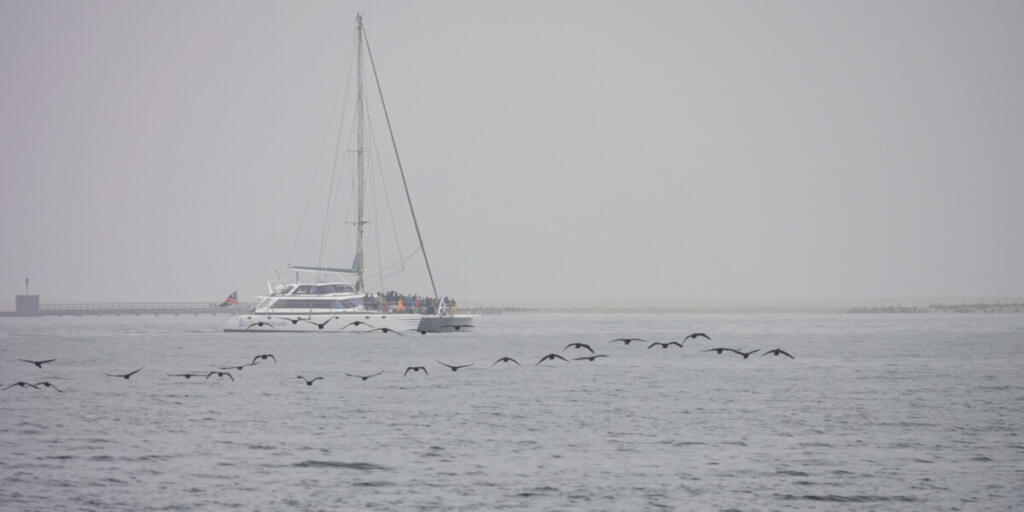
Boarding a small boat or catamaran allows you to sail among them, while admiring the dunes on the horizon and the birds soaring over the lagoon, such as pink flamingos, pelicans and cormorants. Although we weren’t lucky enough to come across any this time, dolphins are also a regular sight in the bay.
For the more adventurous, kayaking offers a unique proximity: gliding silently over the water, you can get close to the seals without disturbing them, and enjoy the peaceful atmosphere of the lagoon to the full.
Sandwich Harbour: the desert that plunges into the ocean
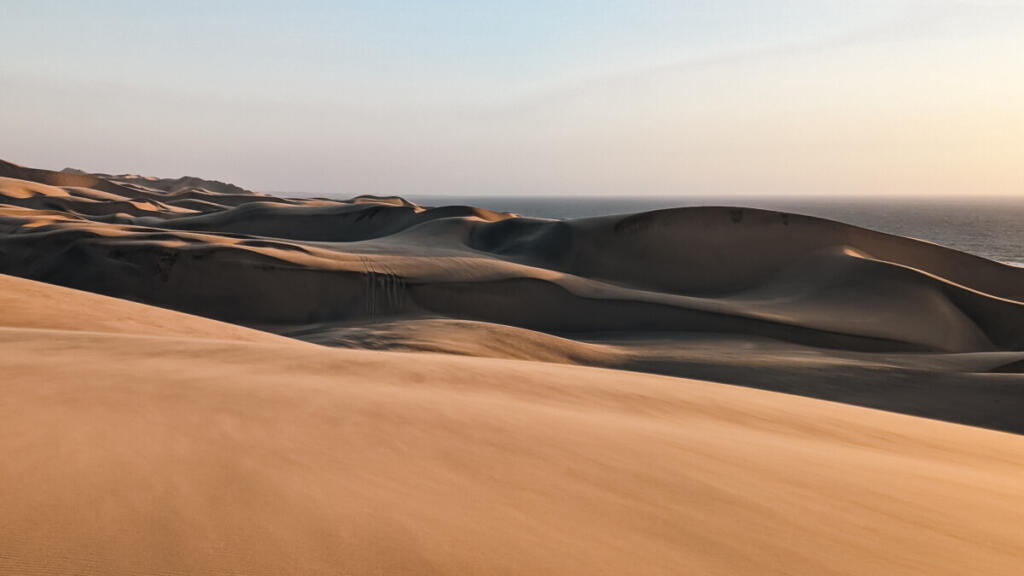
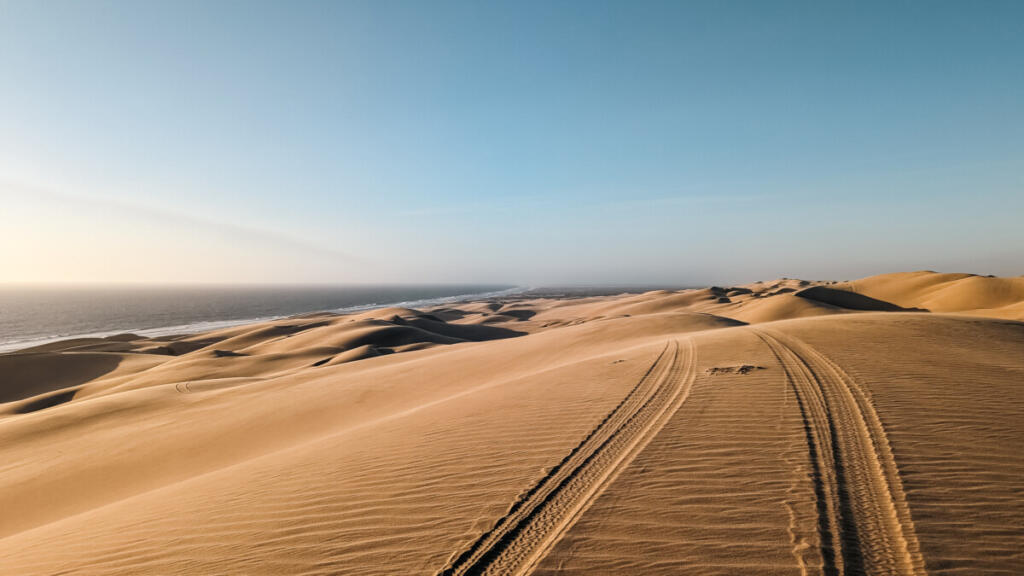
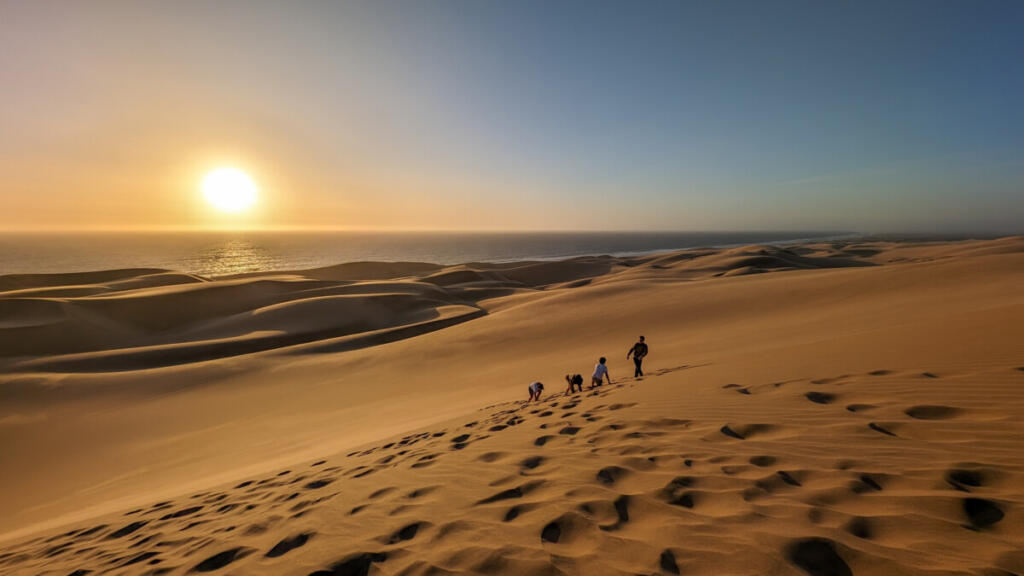
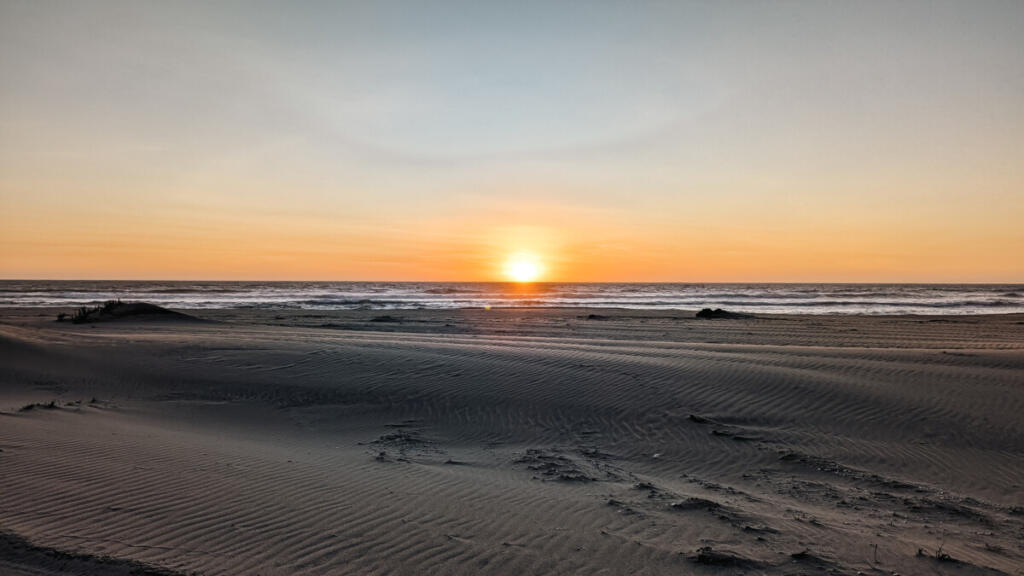
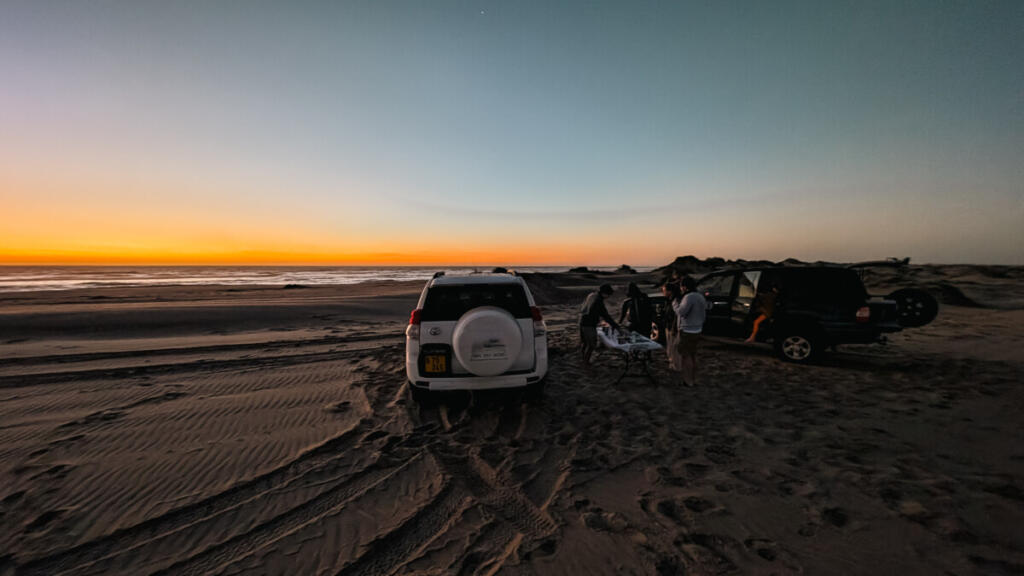
Just a few kilometers south of Walvis Bay, Sandwich Harbour stands out from the crowd. Here, the Namib dunes fall directly into the Atlantic Ocean, creating almost unreal landscapes where golden sand contrasts with turquoise waters. Access is only possible with a guide and an all-terrain vehicle, giving the adventure an authentic, unspoilt feel.
The drive from Walvis Bay offers a fascinating immersion in the Namib’s coastal ecosystems. We pass Flamingo Lagoon, a haven for flamingos and other migratory birds, then the Walvis Bay salt pans, where the light transforms the pools into multicolored mirrors.
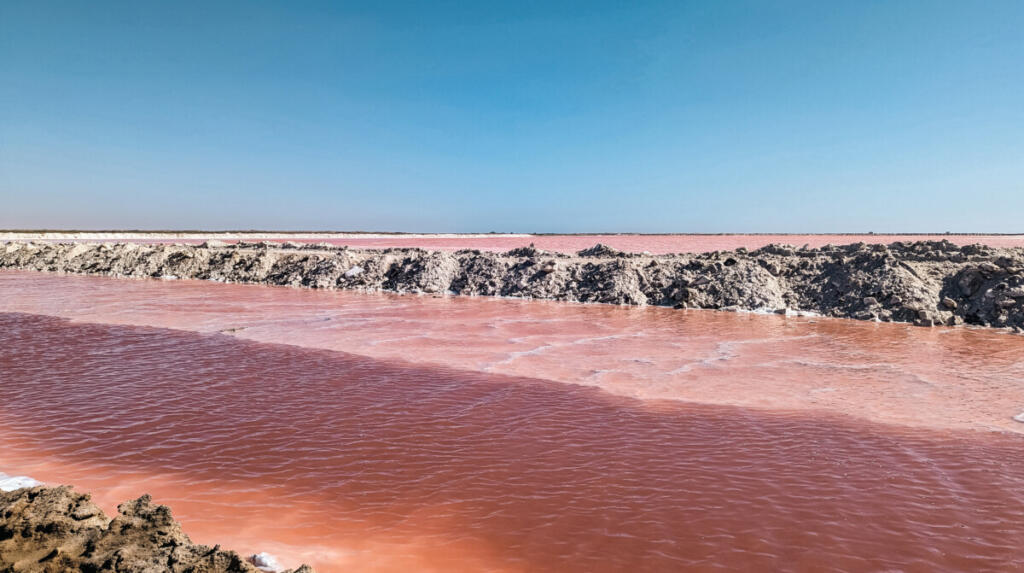
Between these landscapes, antelopes and a lone jackal can sometimes be seen in the dunes, reminding us of the discreet presence of wildlife in this arid territory.
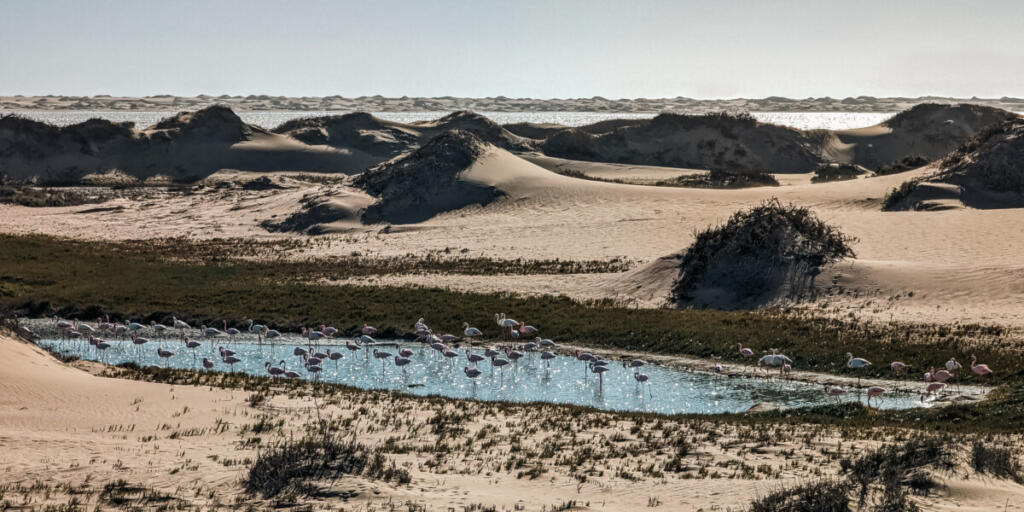
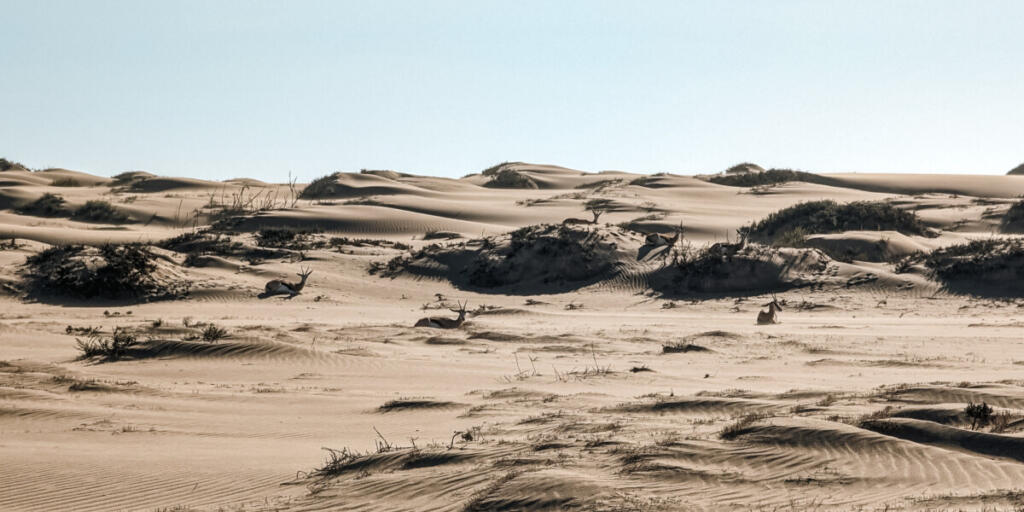
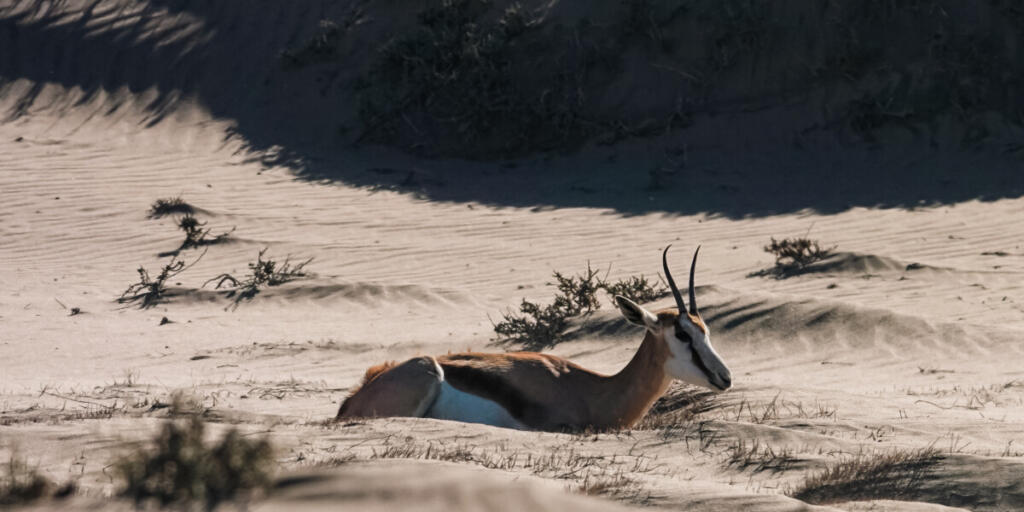
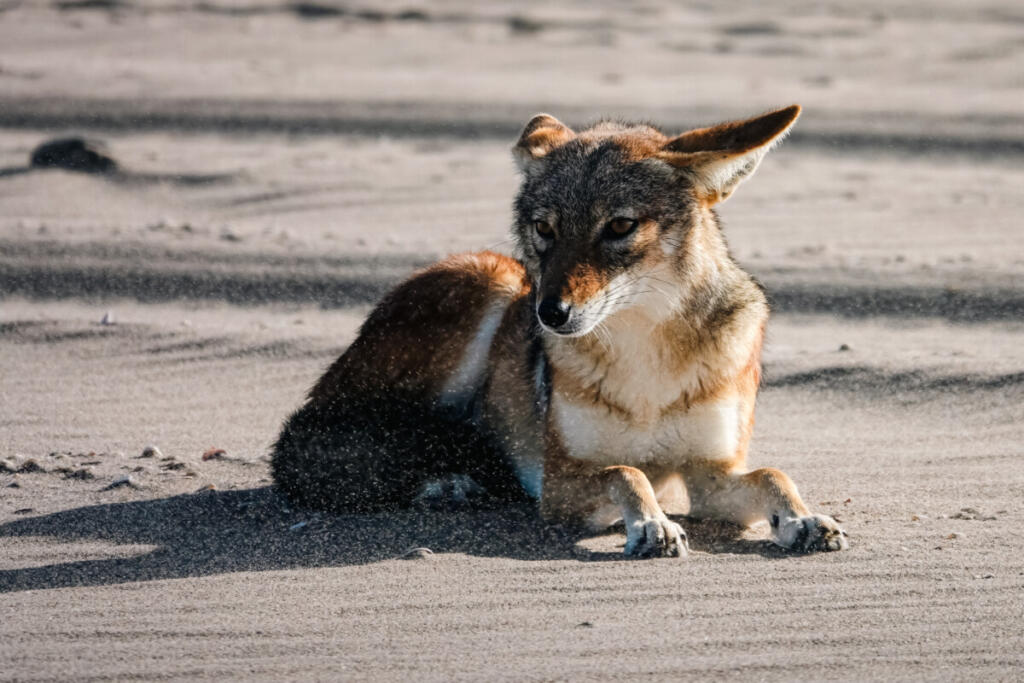
Crossing the expanses of sand, you become fully aware of the immensity of the desert and the ingenuity of nature in shaping this unique shoreline. The dunes follow one another ad infinitum, sometimes interrupted by small lagoons where the sky is reflected. Each stop is an invitation to contemplate the shapes sculpted by wind and light, and to understand why Sandwich Harbour is one of the most emblematic places in the Namib.
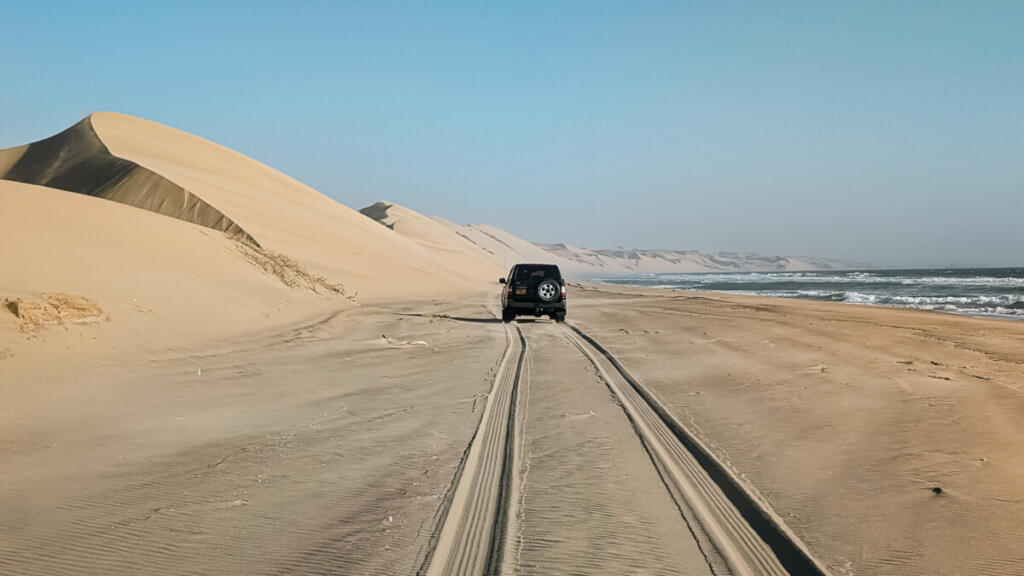
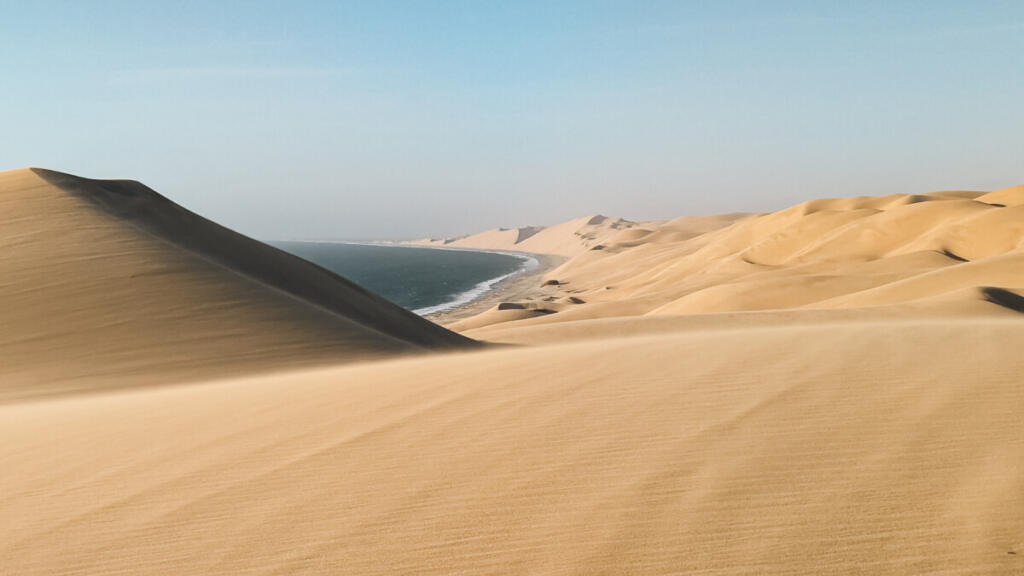
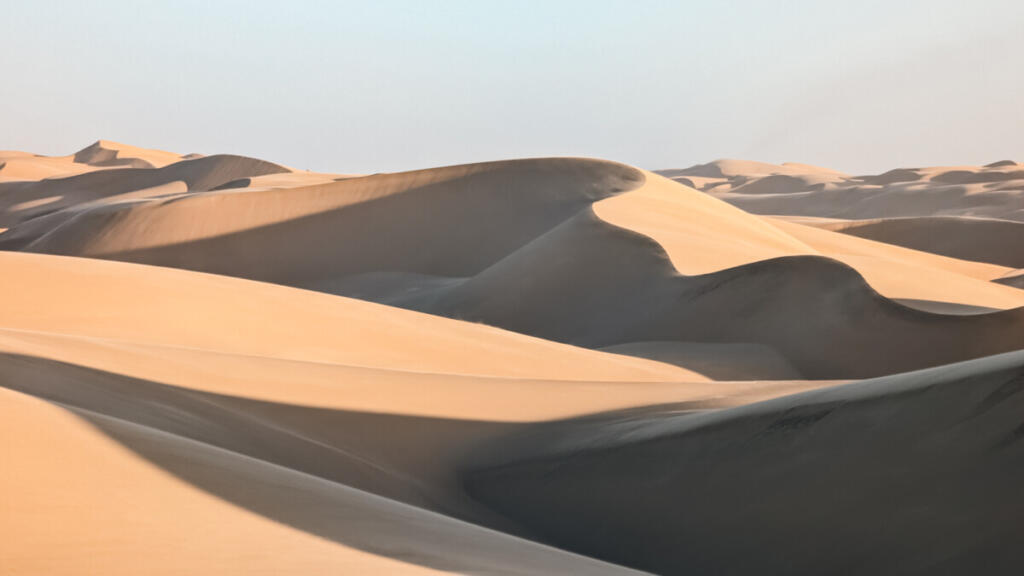
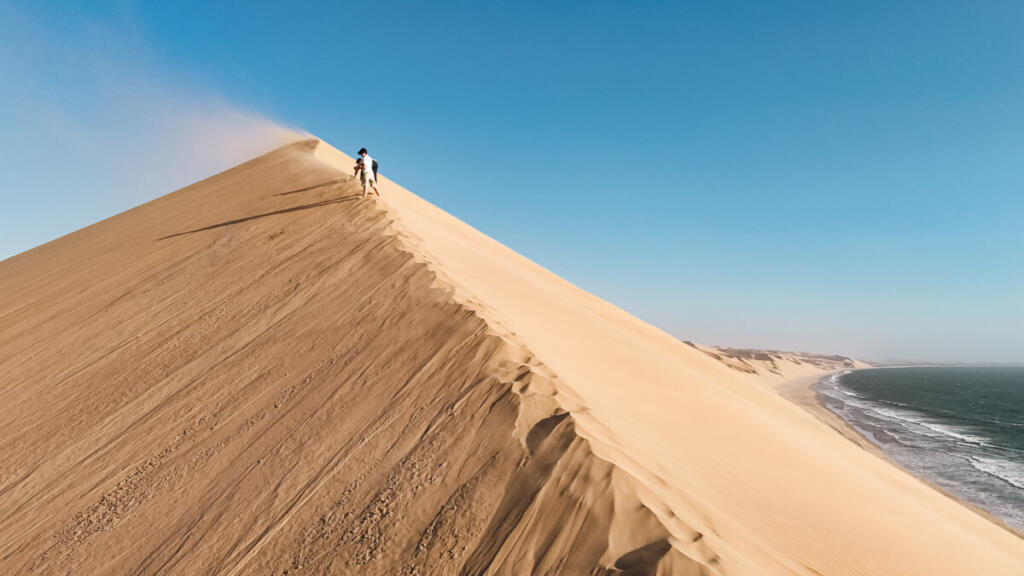
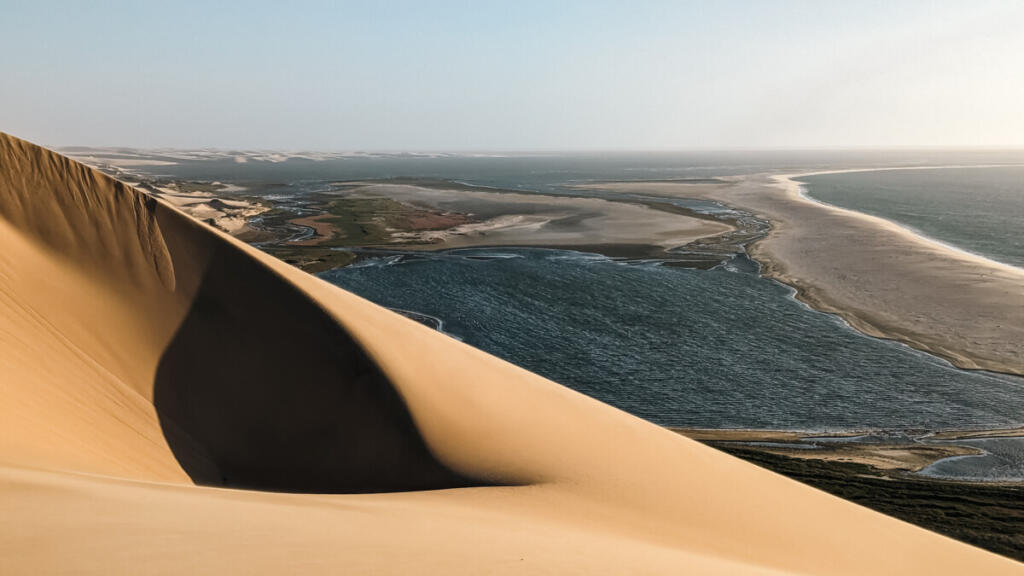
There’s more to the experience than meets the eye: driving in the dunes brings its own dose of adrenalin. Waiting at the top of a ridge, feeling the car glide gently down the slope and admiring the desert as it rolls by as far as the eye can see is a unique thrill. And yet, despite this adrenalin rush, it’s often the majesty of the scenery – the striking contrast between golden sand and turquoise ocean – that leaves the strongest impression…